What is Xenotransplantation?

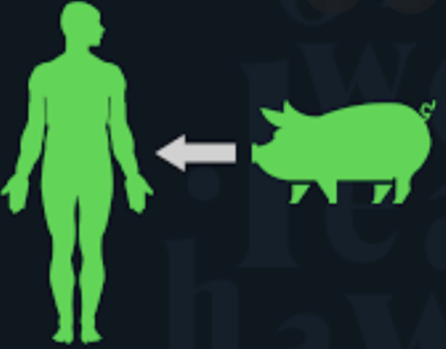
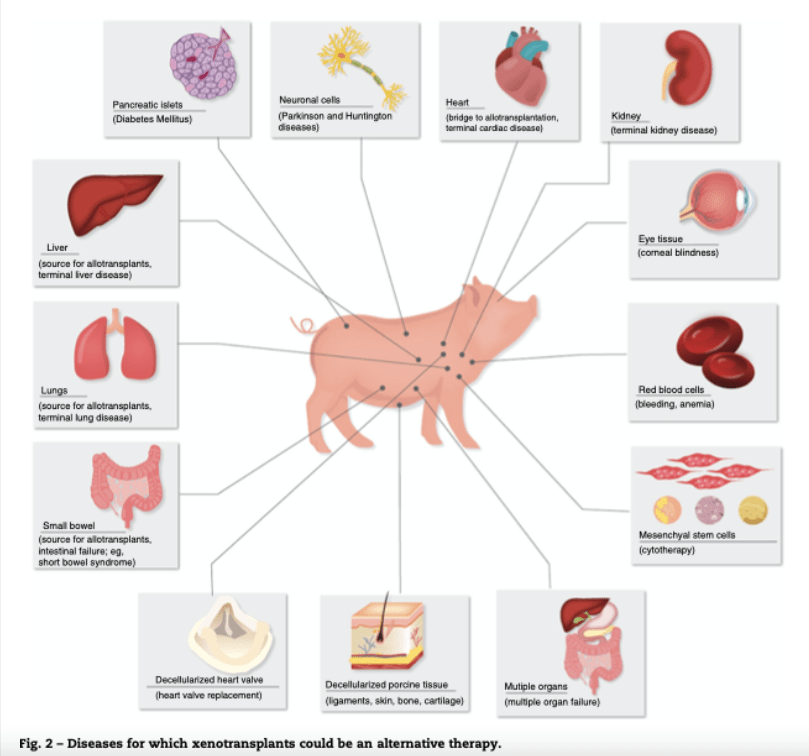
Xenotransplantation is the transplantation of cells, tissue or other organs between phylogenetically different species. The process of grafting organs or tissues between members of different of different species. It is any procedure that involves the transplantation, implantation or infusion into a human recipient of either live cells, tissues or organs from a non human animal source or human body fluids, cells, tissues, or organs that have had ex-vivo contact with live non human animal cells, tissues or organs. The development of xenotransplantation is driven by the fact that the demand for human organs for clinical transplantation far exceeds the supply.

Currently main problem is the long waiting list, according to World Health Organization (WHO), more than 114,000 organs transplantation are performed every year worldwide, which is only the 10% of the actual need currently.

The main advantage of xenotransplant is that they would provide an easily available animal source with an unlimited supply of donor organs. Ethically, pigs are an acceptable option for an alternative organ source. However, this solution is immunologically less desirable than non human primates, due to genetic distance between pigs and humans. Pig xenotransplant in non human primates have progressed a great deal, and the first clinical trials of complete organ xenografts will likely involve patients with renal failure. These patients could be selected because they have a high degree of sanitisation, which prevents them from easily obtaining an allograft.

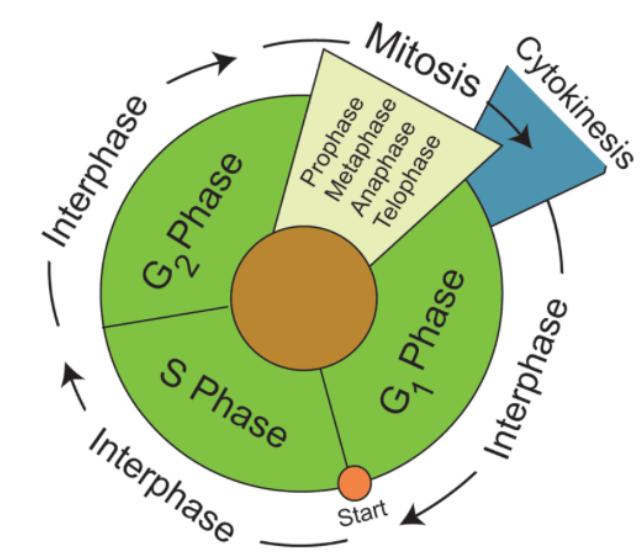
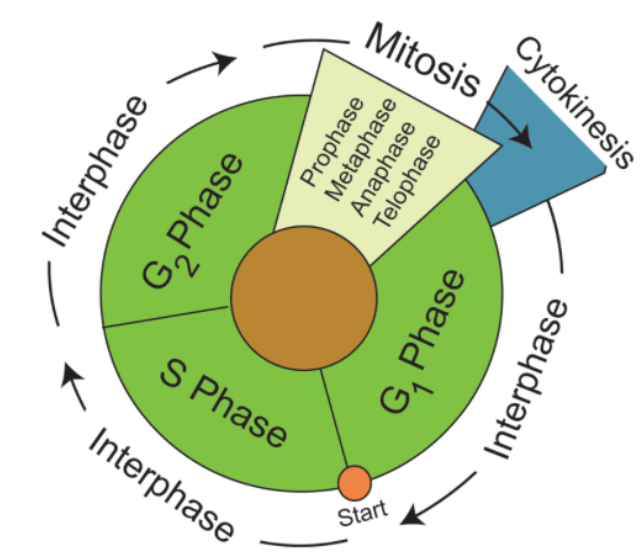
M PHASE in Mitosis

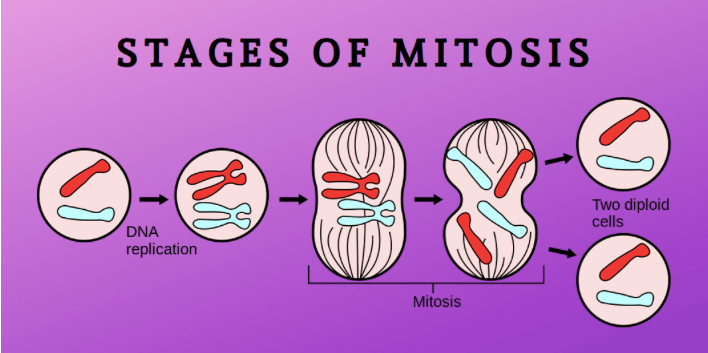
This is the most important and dramatic period of the cell cycle involving a major reorganisation of virtually all components of the cell cycle. And since the number of chromosomes in the parent and progeny cells is the same, it is also called as equational division. This has mainly consists of nuclear division in various stages (karyokinesis). This phase is complex and highly regulated and sequence of events are divided into phases. Karyokinesis involves following stages:

  • PROPHASE
  • METAPHASE 
  • ANAPHASE
  • TELOPHASE 
  • CYTOKINESIS

PROPHASE

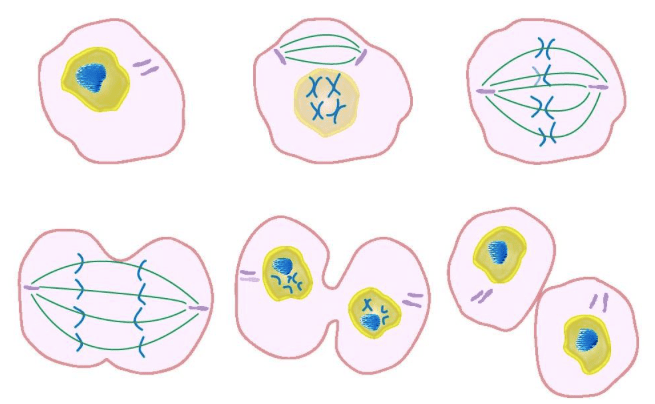
Prophase which is the first stage of karyokinesis of mitosis follows the S and G2 phases of interphase. Prophase is marked by the initiation of condensation of chromosomal material. The chromosomal material becomes untangled during the process of chromatin condensation. The centrosome, which had undergone duplication during S phase of interphase, now begins to move towards opposite poles of the cell.︎︎︎ Chromosomal material condenses to form compact mitotic chromosomes. Chromosomes are seen to be composed of two chromatids attached together at the centromere. Centrosome which had undergone duplication during interphase, begins to move towards opposite poles of the cell. Each centrosome radiates out microtubules called asters. The two asters together with spindle fibres forms mitotic apparatus. Cells at the end of prophase, when viewed under the microscope, golgi complexes, endoplasmic reticulum, nucleolus and the nuclear envelope are not present.

METAPHASE

The complete disintegration of the nuclear envelope marks the start of the second phase of mitosis, and therefore the chromosomes are spread through the cytoplasm of the cell. By this stage, condensation of chromosomes is completed and they can be observed clearly under the microscope. At this stage, metaphase chromosome is made up of two sister chromatids, which are held together by the centromere. Small disc-shaped structures at the surface of the centromeres are called kinetochores. These structures serve as the sites of attachment of spindle fibres which are formed by the spindle fibres to the chromosomes that are moved into position at the centre of the cell. Hence, the metaphase is characterised by all the chromosomes coming to lie at the equator with one chromatid of each chromosome connected by its kinetochore to spindle fibres from one pole and its sister chromatid connected by its kinetochore to spindle fibres from the opposite pole. The plane of alignment of the chromosomes at metaphase is referred to as the metaphase plate.︎︎︎︎ main event Spindle fibres attach to kinetochores of chromosomes. Chromosomes are moved to spindle equator and get aligned along metaphase plate through spindle fibres to both poles.

ANAPHASE

At the onset of anaphase, each chromosome arranged at the metaphase plate is split simultaneously and the two daughter chromatids, now referred to as daughter chromosomes of the future daughter nuclei. They basically begin their migration towards the two opposite poles. As each chromosome moves away from the equatorial plate, the centromere of each chromosome remains directed towards the pole and hence at the leading edge, with the arms of the chromosome trailing behind. Anaphase stage is characterised by spli`ng of centrosome and separation of chromatids and chromatids move to opposite poles.

TELOPHASE

At the beginning of telophase which is the final stage of karyokinesis, the chromosomes that have reached their respective poles de-condense and lose their individuality as in they just get dissolved and are not in the shape of chromosomes anymore. The individual chromosomes can no longer be seen and each set of chromatin material tends to collect at each of the two poles. Chromosomes cluster at opposite spindle poles and their identity is lost as discrete elements. Nuclear envelope develops around the chromosome clusters at each pole forming two daughter nuclei. Nucleolus, golgi complex and Endoplasmic Reticulum now appears again.

CYTOKINESIS

Mitosis accomplishes not only the segregation of duplicated chromosomes into daughter nuclei which is called as karyokinesis, but the cell itself is divided into two daughter cells by the separation of cytoplasm called cytokinesis at the end of which cell division gets completed. In an animal cell, this is achieved by the appearance of a furrow in the plasma membrane. The furrow gradually deepens and ultimately joins in the centre dividing the cell cytoplasm into two. Plant cells are enclosed by a relatively inextensible cell wall. And they undergo cytokinesis by a different mechanism. In plant cells, wall formation starts in the centre of the cell and grows outward to meet the existing lateral walls. The formation of the new cell wall begins with the formation of a simple precursor, called the cell-plate that represents the middle lamella between the walls of two adjacent cells. At the time of cytoplasmic division, organelles like mitochondria and plastids get distributed between the two daughter cells. In some organisms karyokinesis is not followed by cytokinesis as a result of which multinucleate condition arises leading to the formation of syncytium.

SIGNIFICANCE OF MITOSIS

  • Mitosis or the equational division is usually restricted to the diploid cells only. However, in some lower plants and in some social insects haploid cells also divide by mitosis.
  • Mitosis usually results in the production of diploid daughter cells with identical genetic complement. The growth of multicellular organisms is due to mitosis.
  • Cell growth results in disturbing the ratio between the nucleus and the cytoplasm. It therefore becomes essential for the cell to divide to restore the nucleo-cytoplasmic ratio.
  • A very significant contribution of mitosis is cell repair. The cells of the upper layer of the epidermis, cells of the lining of the gut, and blood cells are being constantly replaced.
  • Mitotic divisions in the meristematic tissues – the apical and the lateral cambium, result in a continuous growth of plants throughout their life.

Introduction to ‘Interphase’ in Mitosis

Growth and reproduction are characteristics of cells and of all living organisms. All cells reproduce by dividing into two, with each parental cell giving rise to two daughter cells each time they divide. These newly formed daughter cells can themselves grow and divide, giving rise to a new cell population that is formed by the growth and division of a single parental cell and its progeny.

Cell division is very important process in all living organisms. The cell cycle is a process a cell will go through to replicate all of its material and divide itself from one cell into two identical cells. During the division of a cell, DNA replication and cell growth also take place. All these processes, i.e., cell division, DNA replication, and cell growth have to take place in a coordinated way to ensure correct division and formation of progeny cells containing intact genomes. The sequence of events by which a cell duplicates its genome, synthesises the other constituents of the cell and eventually divides into two daughter cells is termed cell cycle. Although cell growth in terms of cytoplasmic increase is a continuous process, DNA synthesis occurs only during one specific stage in the cell cycle. The replicated chromosomes (DNA) are then distributed to daughter nuclei by a complex series of events during cell division. These events are themselves under genetic control.

PHASES OF CELL CYCLE

To divide, a cell must complete several important tasks it must grow, copy its genetic material (DNA), and physically split into two daughter cells. Cells perform these tasks in an organized, predictable series of steps that make up the cell cycle. The cell cycle is a cycle, rather than a linear pathway, because at the end of each go-round, the two daughter cells can start the exact same process over again from the beginning. These cells divide in approximately every 24 hours and mostly the duration of cell cycle can vary from organism and also from cell type to cell type.

In eukaryotic cells or cells with nucleus, the stages of the cell cycle and divided into two major phases:

INTERPHASE

Interphase is a series of changes that takes place in a newly formed cell and its nucleus before it becomes capable of division again. It is also called preparatory phase or resting phase. It is the time during which the cell is preparing for division by undergoing both cell growth and DNA replication in an orderly manner. Typically interphase lasts for at least 91% of the total time required for the cell cycle.

Interphase proceeds in three stages, G1, S, and G2, followed by the cycle of mitosis and cytokinesis.

G1 PHASE

The first phase of the interphase is called the G1 phase or the Gap 1 phase. Also called as growth phase. The duration of G1 is highly variable, even among different cells of the same species. In this phase, the cell increases its supply of proteins, increases the number of organelles (such as mitochondria, ribosomes), and grows in size. The cells are metabolically ac/ve and con/nuously grows but does not replicate its DNA. The cells needs to con/nue cell cycle and enter S phase which is the step or the next phase of the interphase.

S PHASE

S phase or the synthesis phase marks the period during which DNA synthesis or the replication takes place. During this time the amount of DNA per cell doubles. It also duplicates a centrosome. The centrosome helps separate the DNA during Phase. However, there is no increase in the chromosome number. If the cell had diploid or 2n number of chromosomes at G1, even aTer Phase the number of chromosomes remains the same. Rates of RNA transcription and protein synthesis are very low during this phase.

G2 PHASE

It occurs after the DNA replication and is the period of protein synthesis and rapid cell growth to prepare the cell fo mitosis called as the second gap phase. During this phase the cell grows more, makes proteins and organelles and begins to recognise its contents in preparation for mitosis.

The G1, S and G2 phases together are known as the interphase. Here the the prefix inter means between, reflecting that interphase takes place between one mitotic phase or the M Phase and next.

QUIESCENT STAGE (G0)

Some cells in the adult animals do not appear to exhibit division (e.g., heart cells) and many other cells divide only occasionally, as needed to replace cells that have been lost because of injury or cell death. These cells that do not divide further exit G1 phase to enter an inactive stage called quiescent stage (G0) of the cell cycle. Cells in this stage remain metabolically active but no longer proliferate unless called on to do so depending on the requirement of the organism.

M PHASE

This is the most important and dramatic period of the cell cycle involving a major reorganisation of virtually all components of the cell cycle. And since the number of chromosomes in the parent and progeny cells is the same, it is also called as equational division. This has mainly consists of nuclear division in various stages (karyokinesis). This phase is complex and highly regulated and sequence of events are divided into phases. Karyokinesis involves following stages:

  • PROPHASE
  • METAPHASE 
  • ANAPHASE 
  • TELOPHASE
  • CYTOKINESIS

Psychological Disorders Part 2

Introduction

In Psychological Disorders Part 1, Neurodevelopmental and Bipolar Disorders were discussed. The DSM (Diagnostic and Statistical Manual of Mental Disorders) contains a huge range of disorders which will be explained in a series of articles. This article discusses Anxiety and Stress-related disorders.

Anxiety Disorders

These disorders are characterized by persistent and extreme fear and worry. Fear is a response to a threat and anxiety is the anticipation of a threat in the future. There are various types of anxiety disorders which are explained further. Generalized Anxiety Disorder (GAD) involves extreme levels of worry about daily events, so much so that it interferes with the person’s daily functioning.

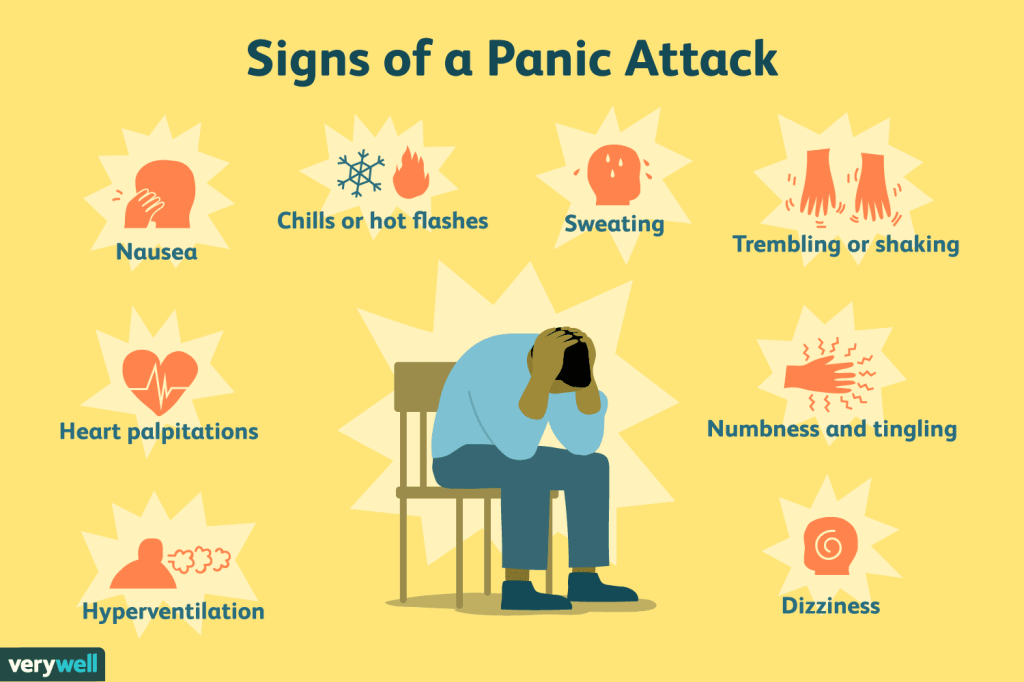
Panic Disorder involves having panic attacks in certain situations and so people start avoiding the situations which trigger a panic attack. A panic attack is a sudden episode of intense fear which brings symptoms like a sense of impending doom, rapid heart rate, sweating, shaking, chills, hot flashes, nausea, chest pain, headache, dizziness, and numbness.

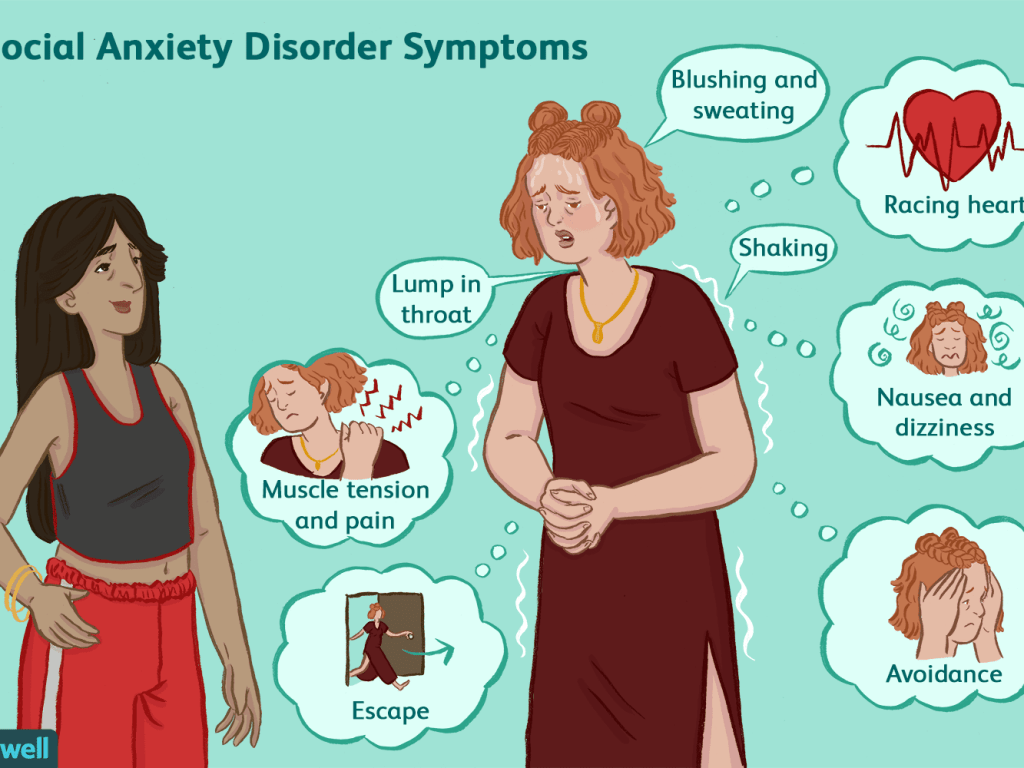
Social Anxiety Disorder involves an irrational fear of being judged or watched. This is a very common disorder and it interferes with functioning at school, work, and other social settings. For example, a person can have a fear of going to a party because of the fear of being judged by everyone.

Agoraphobia involves a fear of public places, that is that the people with this disorder have a fear of anticipating a panic attack in a place where they cannot escape or deal with it.

Specific Phobias involves an extreme fear of a specific object or a situation, such as fear of insects, animals, height. When people are confronted by their phobic object, they experience trembling, nausea, and rapid heart rate. These phobias usually arise from a bad associating event they have had before in their life.

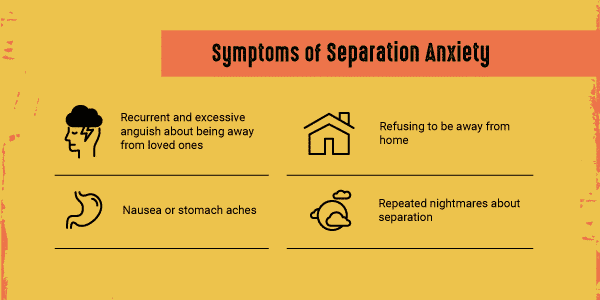
Separation Anxiety Disorder involves a high level of fear of being separated from things and the people they are attached to. This is most common in the case of young children having the fear of being away from their parents but it also exists for adults.

Stress-Related Disorders

These previously used to be grouped with anxiety disorders but are now considered a separate category. These disorders usually arise because of trauma or stress-inducing event. Acute Stress Disorder involves severe anxiety for almost a month after a traumatic event, such as accidents or the death of a loved one. This can result in the person experiencing dissociative symptoms like inability to remember important parts of the event, flashbacks, and difficulty in experiencing positive emotions.

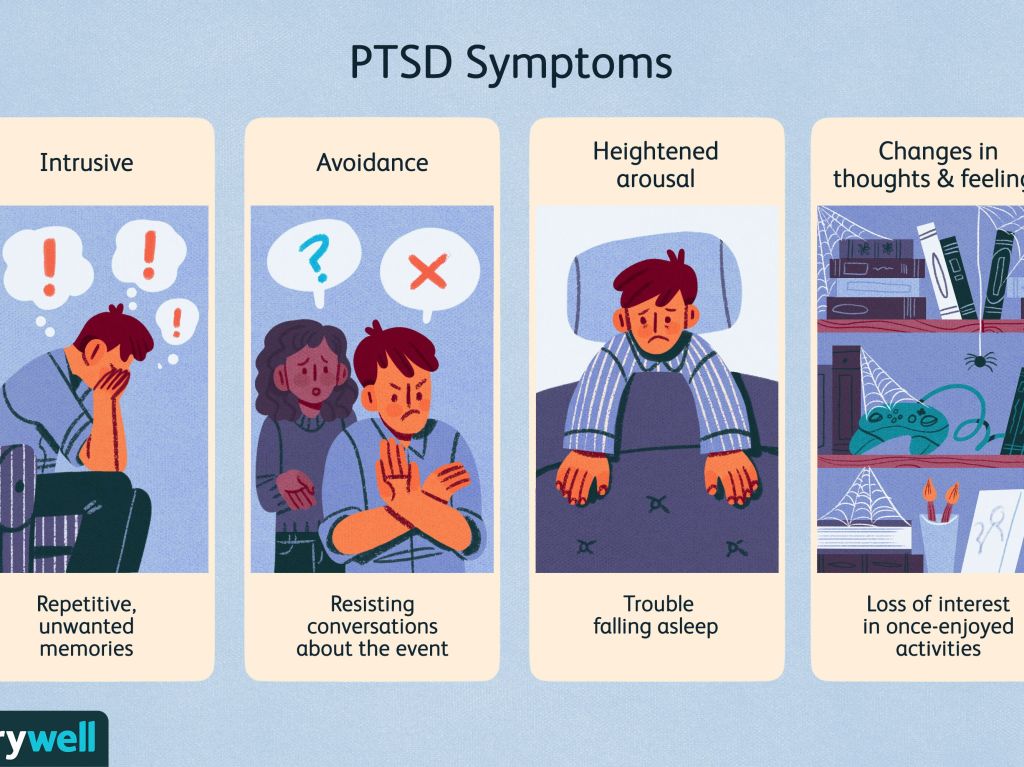
Post-Traumatic Stress Disorder (PTSD) can arise after a person has gone through a very traumatic event. This disorder includes symptoms such as reliving the event, feeling on edge, having negative thoughts, avoiding things that remind them of the event, nightmares, bursts of anger, and difficulty in concentrating.

Adjustment Disorders can arise because of a sudden change in life like losing a job, a break-up, shifting from one state to another. This disorder can bring symptoms like anxiety, worry, hopelessness, feeling of isolation, depressed mood.

Reactive Attachment Disorder forms when children in their early years of childhood fail to form a healthy relationship with their adult caregiver which later on results in being withdrawn from these caregivers, and they might also face social and emotional disturbance.

Conclusion

Some people keep claiming they have anxiety when they are just suffering from fear, same with the use of PTSD. It is important to not self-diagnose yourself as you might not be qualified to do so and it is wrong to claim to have disorders when you don’t as it creates a negative environment for people who are actually suffering from these disorders. It is important to consult a psychologist if you face any of the symptoms you think might point to anxiety or stress-related disorder as there are therapies to deal with it.

References

Note: this is the Part 2 of the Psychological Disorders series.

What is Bipolar Disorder?

Bipolar disorder, also known as manic depression, is a mental illness that causes extreme mood swings between emotional highs (mania or hypomania) and lows (depression). The word bipolar itself means two extremes. Hence, it is a mental health condition characterized by extreme shifts in moods and mental states. Depression causes feelings of sadness or hopelessness, and you lose interest or pleasure in most life activities. When your mood shifts to mania or hypomania, you may feel euphoric, full of energy or unusually irritable. These mood swings can affect sleep, energy, activity, judgment, behavior and the ability to think clearly. People with bipolar disorder may have trouble managing everyday life tasks at school or work, or maintaining healthy relationships. There is no known cure, but there are many treatment options available that can help to manage the symptoms. 

Causes

The exact cause of bipolar disorder is unknown, but several factors may be involved. For example, researchers believe that certain people with bipolar disorder have biological differences that cause chemical imbalances in the brain. There is also the factor of genetics, as bipolar disorder is more common in people who have a first-degree relative, such as a sibling or parent, with the condition.

Types

  • Bipolar I disorder: This involves manic episodes lasting 7 days or more, or severe mania that requires hospitalization. The person may also experience a major depressive episode that lasts 2 weeks or more. Thus, this type is characterized by extreme and severe highs and lows.
  • Bipolar II disorder: This features both mania and depression, but the mania is less severe than in bipolar I, and doctors call it hypomania. A person with bipolar II may experience a major depressive episode preceding or following a manic episode. Hence, here there are briefer, less extreme periods of elation with longer periods of depression.
  • Cyclothymic disorder: Also known as cyclothymia, this type includes symptoms of hypomania and depression that last for 2 years or more in adults or 1 year in children. These symptoms do not fit the criteria for wholly manic or depressive episodes.
  • Other types: People with these disorders experience symptoms that do not fall into the above categories. The symptoms may stem from drug or alcohol use or medical conditions, for example.

Symptoms

The three main symptoms of this illness are those mentioned earlier; mania, hypomania, and depression. These symptoms also vary depending on the type of bipolar disorder. The most serious type is Bipolar I, where a person experiences both mania and depression very deeply.

Mania is an emotional high that makes people feel excited, impulsive and euphoric. But these exceed ordinary feelings of joy, causing racing thoughts, rapid speech, sleeplessness, hypersexual feelings, and risky actions. Hypomania is generally associated with bipolar II disorder. It is similar to mania, but not as severe.

Depression causes things like low mood, dwindling interest in hobbies, changes in appetite, feeling worthless, sleeping too less/too little, and suicidal thoughts. Basically, life loses all colour for a person experiencing depression, and it is very hard for them to enjoy anything or feel any positive emotions.

Treatment

Though it cannot be cured, bipolar disorder can be controlled with treatment. Medication is the cornerstone of bipolar disorder treatment, and psychotherapy can help many patients learn about their illness and how to cope with it, preventing future mood episodes. Treatment aims to stabilize the person’s mood and reduce the severity of symptoms. The goal is to help the person function effectively in daily life.

Medications known as ‘mood stabilizers’, such as lithium, are the most commonly prescribed type of medications for bipolar disorder. These medications are believed to correct imbalances in brain signaling. Because bipolar disorder is a chronic illness in which mood episodes typically recur, ongoing preventive treatment is recommended. Bipolar disorder treatment is individualized, as individuals react differently and symptoms vary widely. It is important to get a correct diagnosis and find a suitable treatment as per the individual.

People suffering from bipolar disorder have their life split in two realities; elation and depression. For someone constantly bouncing between emotional states, it can be hard to find the balance which will help lead a healthy life. Hence, we should also support the people in our lives suffering from bipolar disorder and help them cope with such extreme and debilitating emotions.

SECRET OF NATURE’S PEACE IS PATIENCE!

Forget hard work , Patience is the key to success .

You know what is lacking in today’s generation ? It’s not hark work guys , it’s patience rather. Patience (or forbearance) is the ability to endure difficult circumstances. Patience may involve perseverance in the face of delay; tolerance of provocation without responding in disrespect/anger; or forbearance when under strain, especially when faced with longer-term difficulties. Having the ability to be patient and continue on the journey towards achieving your goals can help you understand that consistent hard work and reflection will generate successful outcomes in your life. If your just expecting everything to come to you within a short period of time, you will end up sadly disappointed and frustrated when a setback or challenge comes your way. Having Impatience can lead you down a road of disappointment and you will eventually give up on achieving that goal or starting up that business. If you are patient enough then whatever the problem is , you will pass it with flying colors. Being impatient leads to greater problems & greater problems leads to stress & then & there stress leads to health issues . Your whole life depends on how patient you are , & it is your patience only which decide how efficient you are in solving a particular problem
It is very sad to know that today’s generation is lacking patience , when they want a particular item then they want , irrespective of the their age group or their understanding of that item , this is what lacking patience means . If they are trying their hand at some new place , there also they lack patience , they want the result early & this urge of getting every thing at first leads to hurdles in their way.

The skill of patience is not only important in life but also in forming strong personal relationships with your friends, partner, employees, family, and other important people who are in your life. Expressing patience towards them shows how caring and supportive you are towards them. Being impatient brings frustration in your life & hampers you inner peace. Bring inner peace into your life and stress less by being patient. Your mind and body will thank you for it in the long run. The skill of patience can be hard to master but developing that skill overtime can really help you out in your life. Being patient will help you taking better decision in you life. So here we can conclude that being patient enough will lead to better mental health .

Let’s end this article with a beautiful quote , ” PATIENCE IS NOT THE ABILITY TO WAIT , BUT THE ABILITY TO KEEP GOOD ATTITUDE WHILE WAITING”.

World Nature Conservation Day

Conservation is the care and protection of  resources so that they can persist for future generations.

Conservation seeks the sustainable use of nature by humans along with preservation.

Preservation means protecting nature.

World Nature Conservation Day is celebrated on 28 July annually.

It is celebrated to generate awareness of the nature and its conservation.

Nature conservation means conserving habitat of different living organism, preventing deforestation, halting species extinction, reducing overfishing and mitigating climate change.

There is increasing interest in extending the responsibility for human well-being to include the Welfare of sentient animals.

Government play a major role in conserving our natural resources and various living organism.

There are various natural conservation is the laws implemented by government.

There are various threat to biodiversity:-

  • Habitat loss and fragmentation
  • Introduction of alien invasive species
  • Disturbance
  • Harvesting and over exploitation
  • Soil, water and atmospheric pollution
  • Intensive agriculture and forestry
  • Climate change

Habitat loss and fragmentation

  • Forests and grasslands turned into deserts.
  • Mangroves get cleared for fuel wood and prawn farming leads to Habitat loss of marine fish.
  • Waste land is increasing.
  • Human activities likely to eliminate approx 10 Millions species by the year of 2050.
  • Rate of disappearance of tropical forest in India is 0.6 % per year.

Thus, there is a need for conservation of living organism as well as natural resources.

Project Tiger – 268 in 1972 in 9 tiger reserve which increases to 1500 in 1997 in 23 Tiger Reserves.
Extinction of Dodo in Madagascar

Alien species

  • Introduction of Exotic breeds and disappearance of native species through biotic interaction.
  • Invasive species is a threat for Island ecosystem due to lack of competitors and Predator that control the population of native ecosystem.
  • E.g.-
    • Amazon sailfin catfish responsible for destruction of the population of Switzerland of Kolkata
    • Water hyacinth
    • Lantana bushes

Disturbance

  • Natural disturbance are very much differ from man made disturbance.
  • Natural disturbance like forest fire, cyclone, draught, Tsunami, etc. They disturb ecosystem very different way.
  • Human disturbances like synthetic compound, pesticides, massive release of radiation or spillover of oil in soil also affect our environment.
  • Biomagnification.
  • Eutrophication i.e, nutrient enrichment
  • Effect of anti-inflammatory drugs, diclofenac on vultures.

Harvesting and over exploitation

  • Exploitation includes hunting, fisheries, the impact of trade in Species and species parts.
  • Due to exploitation many species are getting treated at Global label such as births 30%, mammals 33%, amphibian 6%, marine fishes and reptiles.
  • Fishing often takes large incident catches of non-targeted species and crawling can destroy whole Marine community that live on sea floor.
  • Illegal poaching of animal for large economic benefit.
    • Skin and bones of Tiger, Ivory of elephant, horns of Rhinos, perfume of the Musk deer.

Climate change

  • Climate change is a major threat for all the species present on the globe.
  • Due to climate change the Global temperature is rising (0.74 degrees celsius in global mean surface temperature relative to pre- industrial levels), more extreme weather events, changing pattern of rainfall and drought can expected to have significant impact on biodiversity.

These factors affect directly and indirectly to the species in the form of:-

  • Loss of Polar habitat
  • Loss of coral reef
  • Ocean acidification
  • Shifting of weather
  • Effect on food chain

IUCN  Red List category

Red list is a catalogue of taxa that are facing the risk of extinction.

  • At present it is known as International Union for the conservation of nature and natural resources
  • IUCN has recognised 9 Red List categories of species:-
    1. Extinct
    2. Extinct in the wild
    3. Critically endangered
    4. Endangered
    5. vulnerable
    6. Near threatened
    7. Least concern
    8. Data deficient
    9. Not evaluated

The protected areas of India are :- National Park, Wildlife sanctuaries, conservation Reserves, community Reserves, biosphere reserve, Marine protected areas.

Measures should be taken to conserve nature:-

  • Reduce reuse and recycle
  • Choose sustainable development
  • Choose long lasting light bulbs
  • Try to use renewable resources more than non-renewable resources.
  • Save water
  • Volunteer for clean up our environment
  • Volunteer for clean up our environment
  • Use public transport system
  • Plant more trees
  • Try to avoid plastic
  • Try to minimise pollution at individual level
  • Use reusable shopping bags
  • Educate others about anthropogenic activities or impact of anthropogenic actions on our environment and what can we do to prevent its bad effects.

Universal Design

Universal design is the approach of designing products and environment so that it can be used by broad number people irrespective of age, disability, ability, status in life and various other factors.

Usually, products are designed to be suitable for average users whereas products designed under the principle of universal design try to be suitable for the maximum number of users. The purpose of universal design is not to create a design that can work for 100 percent of the people because it is almost impossible to have a ‘One size fits all’ design. The purpose is to create a design that can serve solutions that are more inclusive. Designers have to look at those designs that push the boundaries as far out as possible without compromising the quality and integrity of the product.

There are many instances where a designer will have to choose between different designs and determine the more suitable design according to UD principles. For instance, if there is a choice to choose between a lever-design handle and a knob-design handle. It is preferable to choose the former rather than the latter as the lever design can accommodate more people’s daily usage. The lever design feature will be a more inclusive element compared to the latter. It can accommodate various usages like opening the door with closed fists or the elbow or so that a person can easily access the door while carrying something as well as people with finite strength.

There are briefly 7 Principles of Universal Design. These were developed in 1997 by a team of architects, designers, engineers, and environmental design researchers.  The team was led by the late Ronald Mace who was an internationally recognized American Architect and designer in North Carolina State University.

The seven principles are:

  • Equitable use

While designing, the product should be kept in mind that it should be accessible by every person including disabled people.  

  • Flexibility in use

The design needs to be configurable to accommodate everyone’s preferences, needs, and abilities.

  • Simple and intuitive

This means that the design should be easy to understand for everybody. The person can easily figure out a well-designed product or an environment without thinking too much about it.

  • Perceptible information

The design can communicate all of its necessary information to everybody irrespective of the environmental conditions or the user’s sensory abilities.

  • Tolerance for error

It refers to safety so that the design minimizes hazards, accidents or unintended actions.

  • Low physical effort

The design in use needs to be comfortable and efficient rather than being exhausting and fatiguing to use.

  • Size and space for approach and use

The design irrespective of user’s body size, posture, or mobility should not restrict anybody by its size or space.

Universal design can really make the lives of people much more comfortable, safer, and efficient in the long run. There are still many areas that are not designed well and poorly designed products, buildings or the environment can be a safety hazard as well. It is usually the job of a universal designer to design new products from the ground up and many also renovate existing designs to make them more accommodative and accessible.

References:

http://universaldesign.ie/What-is-Universal-Design/The-7-Principles/

https://www.washington.edu/doit/what-universal-design-0

Why is WASTE a hazardous problem in India

Urban India generates 62 million tones of municipal solid waste annually of which 43 million is collected by the authorities assigned workers or vehicles. Out of this 43 million tones of waste collected, 39 million tones is dumped in the open sanitary landfills, the most convenient and oldest form of waste disposal which is a total disaster in recent times and only 12 million tones of waste is treated. The municipal waste dumped on the open stretches of land , contains all kinds of wastes- degradable, non degradable and hazardous domestic waste. The ragpickers in India act as an important source of segregation segregating the plastic and metals from the waste which is then sent to factories for recycling but the problem doesn’t get solve here.

In a population of billions , it is not possible for segregation to be done manually everywhere which leads to the mixture of the non degradable harmful materials with the biodegradable ones. Also, plastic poly bags, pose a great danger for animals as there have been more than one incident where cows or street dogs are found to have swallowed the plastic bags while loitering in the waste to find food.

There are other waste disposal methods also like Incineration and Composting. In Incineration, the waste is combusted at high pressure and heat to convert it into ash, heat and gases. The method was used since ages to get rid of hazardous bio medical waste but this process releases pollutants like particulate matter, metals, acid gases, oxides of nitrogen, and sulphur, aside from the release of innumerable substances of unknown toxicity which causes respiratory ailments. Though the proper treatment of the gases before releasing them into air is mandatory but due to the lack of resources and scientific technology , the gas is released untreated , hence causing severe damages to the environment.

Composting method is used for the bio degradable domestic waste like vegetable peels, papers, waste plants etc. These wastes are then left to decompose using the natural process and the residue serves as an excellent manure. This is the best waste treatment which can be used at homes also. However, the poor segregation of waste does not allow the success of this process.

Reasons for poor segregation

In India , all though most of the places provide door to door garbage collection facility which is collected in tri cycles or hand carts at many places and the lack of knowledge on people’s part does not let them segregate the waste. People consider the segregation of waste into degradable and non degradable items as a time consuming process. Moreover, in urban cities, where the municipalities offer garbage vans with separate columns for degradable and non degradable wastes, has not proved to be beneficial as people dump all types of wastes together.

After the launch of Swacch Bharat Abhiyan by the Hon’ble Prime Minister Mr. Narender Modi on October 2nd, 2014,green and blue dustbins for degradable and bio degradable wastes are put almost in every locality. However, the tardiness and laziness of people doesn’t allow them to use it in an effective way.

The waste dumped on open stretches of land or on road side is not only a sore to the eye but also is responsible for the contamination of environment in more than one ways.

Hazardous effect of waste disposal system famous in India on the environment

  1. SOIL CONTAMINATION– The disposal of collective waste collected from houses includes hazardous and non bio degradable waste also which does not blend in soil easily and the long exposure to the atmosphere leads to the discharge of harmful chemicals which blends with the soil , hence polluting it. For example, when plastic bottles are dumped in open, they release DEHA, a carcinogen that affects our reproduction systems, causes liver dysfunction, and weight loss. Soil contamination does not only affect plant growth, it is also unhealthy to humans and animals feeding on those plants.
  2. WATER CONTAMINATION– The chemicals from the disposed waste seeps into the ground water through the soil, hence polluting groundwater table which is used for many purposes from houses to farms to the factories.
  3. AIR CONTAMINATION – The plastic and other wastes which is burnt by the ragpickers for gaining warmth during winters or to clear the dumping ground, produces gases which are responsible for ozone depletion. Also, the accumulation of excessive rotten material at a place leads to the production of landfill gases which again harms the humans inhabiting the nearby areas.
  4. HARMFUL FOR HUMANS AND ANIMALS AND GIVE RISE TO INSECT BORNE DISEASES ALSO- As mentioned in the above points, the dumped waste causes severe health hazards to humans as well as animals. Also, the dirty landfills becomes a breeding ground for mosquitoes and house fly who transmits the dirt they pick up from there to the domestic houses they visit. Mosquitoes breed in cans and tires that collect water, and can carry diseases such as malaria and dengue. Rats find food and shelter in landfills and sewage, and they can carry diseases such as leptospirosis and salmonellosis.
  5. EXTREME CLIMATE CHANGES– Decomposing waste emits gases that rise to the atmosphere and trap heat. Greenhouse gases are one of the major culprits behind the extreme weather changes that the world is experiencing. From extremely strong storms and typhoons to smouldering heat, people are experiencing and suffering the negative effects of greenhouse gases.

These all factors are leading to slow death of our planet.

Change starts from ourselves. The pragmatic approach of the three R’s- REDUCE, REUSE and RECYCLE which we once learnt in the school is needy during these times.

Amazon CEO and other returns from their space voyage

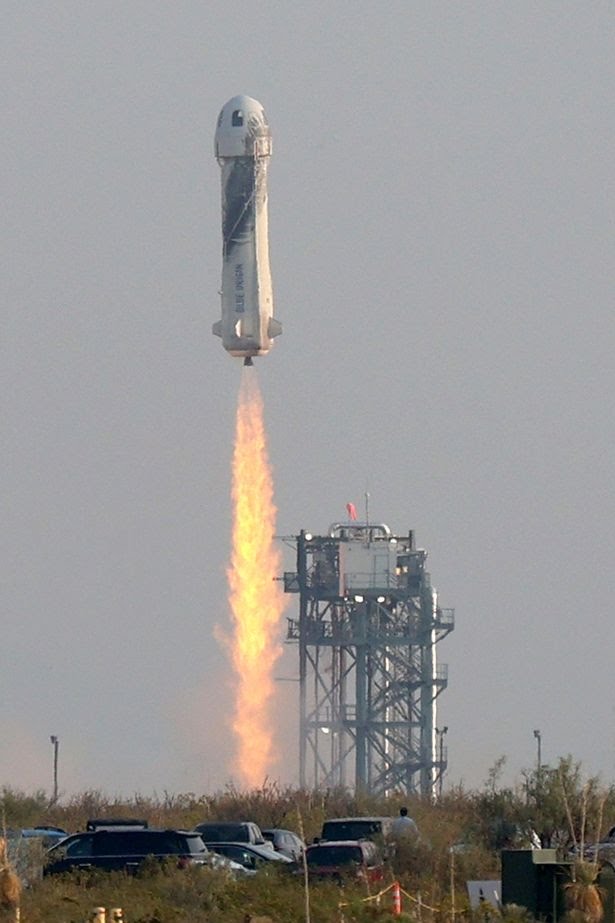
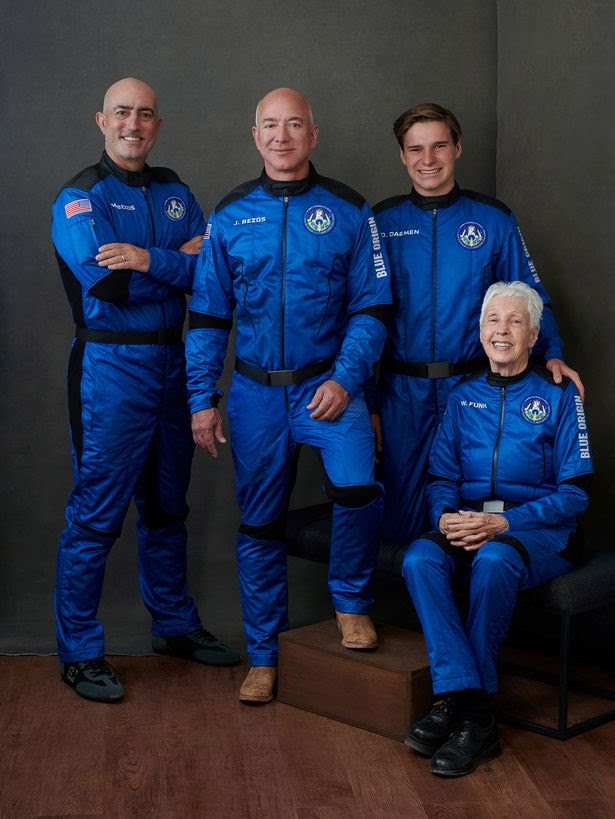
Amazon CEO Jeff Bezos returned to earth after his maiden space voyage. Mark Bezos, Wally Funk and Oliver Daemen were his other co-passengers in this journey. He spent total of 10 minutes in space. He went there on Blue Origin’s New Shepard spacecraft from its Launch Site One located in the West Texas desert (United States).

Happy, happy, happy!,You have a very happy crew up here!

Jeff Bezos said in space

For the first time in the history a commercial company launched a privately funded and built spacecraft from a private launch range with astronauts on board.

Congratulations to all of Team Blue past and present on reaching this historic moment in spaceflight history. This first astronaut crew wrote themselves into the history books of space, opening the door through which many after will pass

Blue origin released this statement after safely return of the passengers on earth.

Private companies are competing in space travels and explorations, let’s hope this competition may result in affordable space travel ,well within reach of common man. Space travel is still dream of many people.

Butterfly effect 🦋

Hello guys. Today’s topic is very interesting.

Have you guys ever heard about the 🦋 butterfly effect.

This theory is about how small changes effect the larger outcome.It describes how the occurrence of large events is due to the small changes or small events that occur.

This metaphor was created by Ray Bradbury in 1952 from a story called the sound of thunder.This story is about how a butterfly’s death in past could cause a very big and impactful change in the future

From Wikipedia

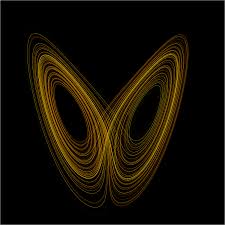
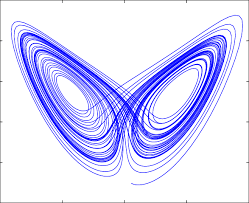
Butterfly effect is the sensitive dependence on initial conditions in which a small change in one state of a deterministic nonlinear system can result in large differences in a later state.

We can observe small details in our nature and how those small things are affecting the whole new and big outcome that is destined to take place.

From:genengnews

Although this butterfly effect is used in terms of weather prediction and also it’s traces can be seen in lorenz’s computerized weather model but nothing could be proven as weather was impossible to predict due to this small instance of butterfly effect.

To prove this theory he used butterfly analogy

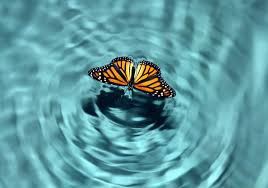
The concept is imagined with a butterfly flapping its wings and causing a typhoon but in real it’s flapping cannot cause a big typhoon but they act as catalyst that is they change the rate at which any act is taking place on starting conditions.

To make it more simpler when butterfly flaps its wings it causes an small atmospheric pressure which can cause changes in the typhoons trajectory but cannot create a typhoon

From researchgate.net

This butterfly concept is like an unknown variable in a complex theory where nothing can be predicted but assures us of it existence which cannot be explained simply.

Many script writers got inspired by this theory and many films were made based on it.

From:7tint.com

But isn’t fascinating that a minute thing is the reason that effects gigantic things , that is its small existence is a big part how the changes taking place in a big thing.

Science is simply the word we use to describe a method of organising our curiosity

From: Tim Minchin

Thankyou^^.

Featured pic taken from wikipedia.

Next Destination: Space

If you are bored from drives, lakes, beaches, resorts, mountains, deserts, valleys, trenches and even underwater sea-diving and have shit ton of money in store, this article is for you. And even you don’t have that kind of money, then hang on. Hopefully, there will be cheaper space-crafts for us as well very soon. And, you would have probably guessed by now. I am talking about this new adventure sport, recently launched in market, very very recently. Last week, Richard Benson, a British Businessman in his ship virgin galactic, made a quick visit to space and another famous businessman, Jeff Bezos is ‘all set to launch’ today. They are opening what we call space-tourism for the wealthy mass of the world.

Photo by Mikhail Nilov on Pexels.com

Space-tourism, as the name itself explains, refers to humans travelling to space for

  • amusement
  • diversion
  • enjoyment
  • fun
  • hobby
  • show-off
  • spending money

what-ever your reason might be, thereby making space accessible to all us non-astronauts who are clearly not interested in space for any scientific purposes, thank you very much. This isn’t the first time a space tourist has visited space. In the year 2001, US millionaire Dennis Tito PAID US $ 20 Million to travel via the Russian Soyuz spacecraft thereby visiting the international space station and even ended up spending 8 days there. There were 7 more people until 2009, before the Russian company closed off this private sale of tickets. And so, now if it makes you think about this ‘amidst nowhere’ proposals or this private floating marriage or even spending your weekend up there, it might someday be your dream come true. Just hang on there for a while, or year, or a decade, maybe.

Till now, Space Adventures was the only private company sending private customers to space. Now, there are 3 more participants in this ‘Race to the Space’- all set to explore this new venturing tourism domain with its high profits and the intense thrill that comes with it- both for the tourists as well as organizers.

  1. Richard Branson’s Virgin Galactic- Started in 2004, its a reusable space plane and can fly off into sub-orbital space. It uses VSS unity space-plane lifted using VSM Eve- a large carrier aircraft. A single ticket is estimated to be priced at  between $300,000 and $400,000 and offers a 2.5 hours flight with 6 min of weightlessness. The space-ship was separated 45 minutes into the flight. It can carry 6 passengers- 2 crew-persons and 4 customers.
  2. Jeff Bezos’s blue origin- Founded in 2000, it works towards vertical take-off into the sub-orbital space as well as vertical landing. It aims for an 11 minute flight after separation and a few minutes of weightlessness. It shows you the curvature of earth before returning. Blue origin flight can take up-to 6 passengers. Unlike other companies, Blue Origin works at providing holidays at affordable rates. So, look out for this one. it might very well plan your next holiday.
  3. Elon Musk’s SpaceX-This company was formed in 2002. Its dragon capsule uses a reusable Falcon rocket to launch itself into space. It is capable of carrying up-to 7 people. The mission is expected to last 3-4 days.

Space tourism has a very high significance in the near future. Seeing the number of millionaires and billionaires across the world, the market is estimated to comprise nearly 2.4 million people in the near future and is a boost to the world economy. And who knows, maybe space tourism might even help us to expand life throughout the space and find us a new place to live in this infinite space. But whatever it may do in this regard, it is bound to increase our interest in space exploration and we might as well make an engineer or a scientist out of it or a wonderful sci-fi and maybe the next world-hit movie. Success of this industry will bring in investments that will lead to development of more advanced technologies in the future. And if we are unable to find somewhere to live, we might end up making one for ourselves. Who knows?

With this rosy picture, painted in our minds, we need to loo at the harms it offers to not only us but the already degraded-due-to-human-activity- “EARTH”. The soot or black carbon that is emitted by rockets gets accumulated in the stratosphere and cannot be washed away by rains and wind and hence, will stay in this region of the atmosphere for years thereby causing serious damage as well as causing elements to escape the earth’s recycling process. After a particular height when we escape the earth’s atmosphere or in the region where the atmosphere thins we are exposed to harmful radiations and solar flares. Also travelling via a space craft can affect our vision, cognition, balance and motor control. The industry has just begun. It might lack the necessary safety equipment or might avoid them in the absence of safety protocols.

The space is a dangerous area we are willing to venture. Before further developments in this field, we need to ask ourselves if space is even meant for humans? Or if we haven’t done enough damage to nature and our surroundings as it is? Is it all worth the harms it offers? Can we do without it? And if we can’t, isn’t it better to leave it to those experts who might extract a lot more than just fun out of it?

Current Strategies used in Regenerative Medicine

The most common and most used strategy is cell-based therapy. Humans have a complex body structures and parts, having multicellular framework making it complicated and because of this it is difficult to know functions and structural role of each and every cell of the body. The ability of the cells to differentiate into other cells types is defined as “Cell Potency”. There are some cells which lack the ability of differentiation or cell potency.

Cell therapy consists of injecting novel or healthy cells in the pathogenic or injured tissues to just start differentiating there to help the cell grow back like earlier again. Also these cells are difficult to grow in in-vitro conditions as they do not give a considerable amount of cells, also for organs (e.g. liver) with a great replication potential in-vivo, as the cells lose the usual microenvironment needed to proliferate.

Stem cells can proliferate extensively, with the capacity of self-renewing while they maintain their undifferentiated state, until they are induced to differentiate into a specific cell type. Stem cells can be obtained in several ways, most commonly three ways; they are autologous if derived from patient, allogenic f derived from a human donor and xenogeneic if derived from another animals. And here we are more focused on the third type which is the xenogeneic one as animal regeneration plays very effective role in the human regenerative therapy. As mentioned earlier also these adult stem cells are present in various parts of human body also and has a lot of role or we can say differentiation to do in various parts of our body like one the part where the population of stem is higher is bone marrow which regularly differentiates all cells and which is possible with the presence of stem cells in there.

GERM LAYERDERIVED TISSUES AND ORGANS
EctodermEpidermal tissues and nervous system
MesodermBone, blood , cartilage, muscle, urogenital system, serious membranes
EndodermGI tract, airways

Being pluripotent and having other advantages is great but there are some difficulties and issues also related to stem cell therapy which cannot be ignored:

  • CARCINOGENESIS: The stem cells can develop into treaties which give rise to carcinogens which are causative agents of cancers and tumours in the body. They are fatal to another extent.
  • REJECTION: They are allogeneic, but immune responses can be avoided with some new developing technologies, like therapeutic cloning and adult cell reprogramming.
  • Need for feeder cells for tropic support: first time feeder cells were used in mouse fibroblasts, correlated with the risk of xeno-contamination.
  • ETHICAL AND MORAL ISSUES: They represent a notable source of debate, as theirsource is an embryo, which development is interrupted by the aspiration.

Kidney Regeneration by Human Regenerative Therapy

Animal models are essential for understanding the pathogenetic mechanisms governing the onset and progression of various kidney diseases and for pre-clinically testing novel, more effective, treatments for the patients afflicted with renal impairment. Despite the presence of several non-rodent models, rats and mice remain principal and indispensable species used by investigators in the field of nephrology. Emphasis is placed on several well-established models, such as the ischemic or reperfusion acute renal failure model, remnant kidney model, and unilateral ureteral obstruction model. Undoubtedly, establishment of authentic animal models is of vital importance in delineating the mechanisms of a range of human kidney diseases and in evaluating the feasibility and efficacy of novel therapeutic interventions.

Kidney diseases are fatal and can cause death and its mortality rate is almost 6-8% annually.

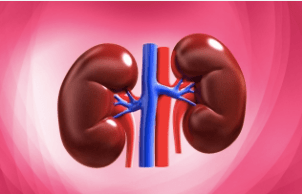
Kidney tissue derived from human pluripotent stem cells was generated using organ development mechanism of xenogeneic foetuses, suggesting possibility of generating humanised kidney using animal metanephroi as a scaffold. To apply his concept to humans, the size of the generated animal needs to be increased using larger host animal. Pigs are considered the most suitable f the possible larger animals models, because of their physiological and anatomical similarities to humans. The strategy that underlies humanised kidney generation assumes the transplantation of xenogenic foetal anlagen to adult patients. For this pig metanephroi has to be studied to see the similarities with human nephron so that the differences can be identified so that when the kidney is transplanted into the person the probability of rejection of the graft is already calculated and taken care off. The use of cloned pigs would be beneficial for this type of transplantation study because metanephroi from a cloned pig foetus could be transplanted into a syngeneic adult cloned pig. Thus, engraftment and growth of the graft could be evaluated without being affected by immune rejection. Kidney regeneration using pig metanephroi as a scaffold has potential not only in human medicine but also for companion animals.

Psychological Disorders – Part 1

“What health needs is more sunlight, more candor, and more unashamed conversation.”

– Glenn Close

Introduction

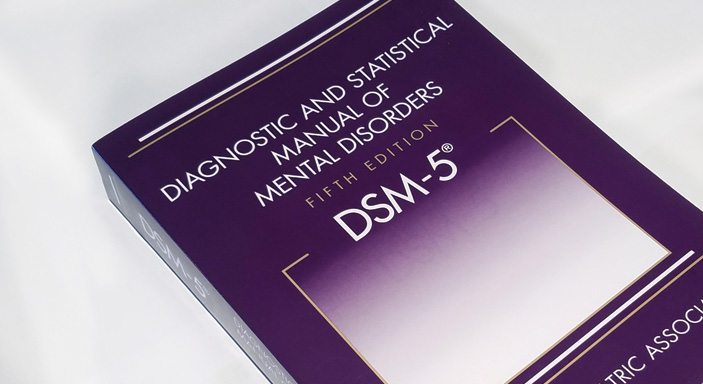
The American Psychiatric Association’s diagnostic manual, the Diagnostic and Statistical Manual of Mental Disorders (DSM-5) defines mental disorder as a syndrome characterized by a clinically significant disturbance in an individual’s cognitive, emotion regulation, or behaviour that reflects a dysfunction in the psychological, biological, or developmental process underlying mental functioning. Mental disorders are usually associated with significant distress in social, occupational, or other important activities. Psychologists focus on behaviour rather than actions. Behaviour that is considered maladaptive and causes significant personal distress and interrupts daily functioning is mostly labelled as a disorder.

What is the DSM?

The DSM is a handbook that is used by health care professionals over the world as a guide to diagnosing mental disorders. It gives a list of descriptions and symptoms related to every recognized mental disorder. The way physicians have a list of symptoms to check for physical health issues to not diagnose things differently from other physicians, the DSM plays the same role for psychologists, it helps in keeping a common diagnosis to not create chaos and confusion.

MAJOR CATEGORIES OF DISORDERS IN DSM-5:

Neurodevelopmental Disorders

These consist of disorders that are usually diagnosed in infancy, childhood, or adolescence like Intellectual Disability, this developmental disorder is originally detected before 18 years of age. This includes limitations in intellectual functioning and adaptive behaviours. This disorder was formerly known as mental retardation. The test to check intellectual ability is the IQ test, if the IQ score is under 70, it points towards intellectual limitations. Limitations in adaptive behaviour can involve a lack of efficiency at everyday things such as self-care, social interaction, and other living skills.

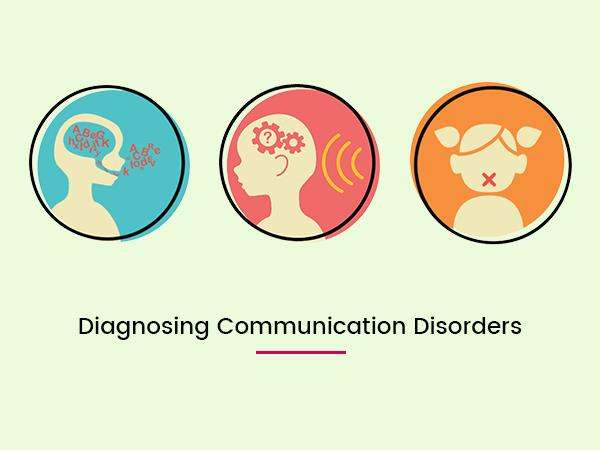
Communication Disorders are related to difficulty in the ability to use, understand, or detect language and speech. The DSM-5 further divides this disorder into four parts – language disorder, speech sound disorder, childhood-onset fluency disorder (stuttering), and social communication disorder.

Autism Spectrum Disorder includes persistent deficits in social interaction and communication. The DSM says that the symptoms for this must be noticed in the early developmental period and these symptoms should interfere in the important parts of life which include social and occupational functioning.

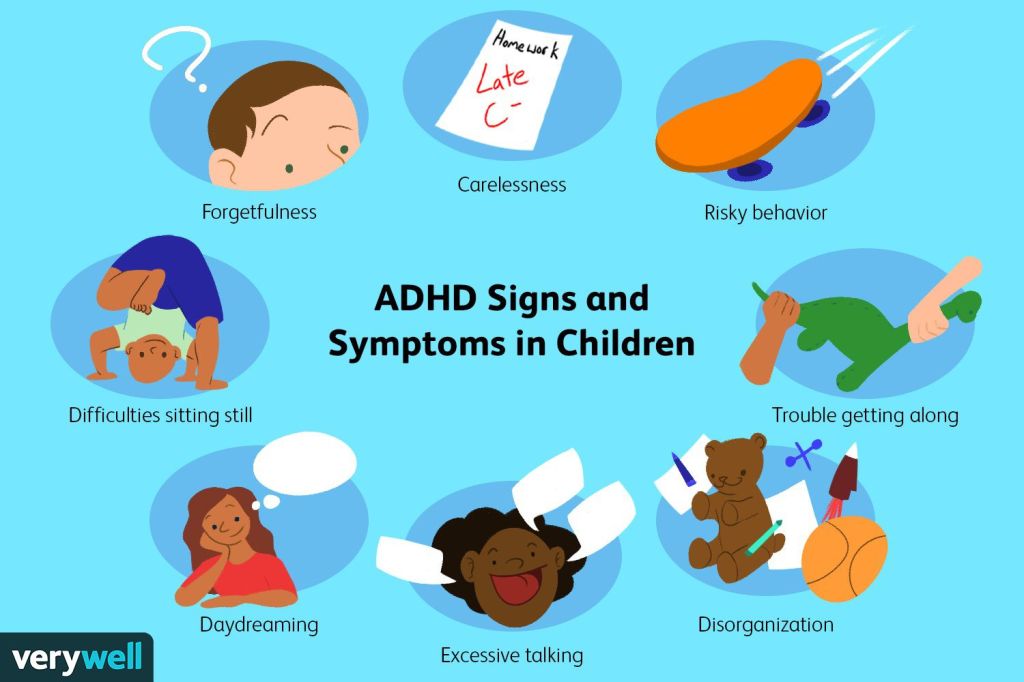
Attention-Deficit Hyperactivity Disorder (ADHD) consists of a persistent pattern of hyperactivity-impulsivity and/or inattention which interferes in the normal working during the day. This can show up at home, school, work, and social situations.

Bipolar Disorders

This disorder consists of a shift in mood from extremely elevated moods to a depressive period. The elevated moods are called mania or hypomania. Mania is the mood when there is a period of elevated, expansive, and irritable mood with increased activity and energy. This period is usually accompanied by excessive confidence. During this period, people tend to engage in activities that can have a negative long-term impact such as buying a mansion without considering the finances.

Depressive Episodes consist of feelings of depression or sad mood with a lack of interest in activities. It also includes feelings of guilt, fatigue, and irritability. People going through this period can experience difficulty in sleeping and also have suicidal thoughts.

Conclusion

It is very important to understand the depression is different from being sad and similarly being very happy is also different from mania. It should be noted that before assuming a disorder and starting medication, you should consult a psychologist and follow the treatment recommended by them. It should also be understood that if a child is showing signs of a neurodevelopmental disorder, you should take them to a doctor or a psychologist and should not brush it off and scold them for it.

References

NOTE: this is just the Part 1 of the Psychological Disorders series.