Six Reasons Why You Should Start Using A To-Do List

In a world full of distractions, with beeps and pop-ups ruling  most parts of your day and dozens of thoughts floating in your head, staying focused is a herculean task. Amidst all the chaos, one thing that can help you stay sane is the good old productivity tool – To-Do List.

Having said that, you should also know that it is a double edged sword. This age-old technique has a reputation of hurting productivity. The key however is in knowing how to use it effectively

With a lot of speculation and confusion doing the rounds about this tool, it’s natural that you may end up being double minded about whether or not to use it. Listed below are 6 points which can aid you in your decision making process.

Frees up a hell lot of space in your brain

Whether it’s the list of items you need to buy, the ideas that popped up while you were doing laundry or the schedule of the meetings you need to attend, cramming your brain with a hundred thoughts is definitely not something it would appreciate. By doing so, you are not only overwhelming the brain but also using up the energy and space that could otherwise have been used for more productive stuff. So please do yourself and your brain a favour – get it all out of your head, put it on a list and thank me later !

Photo by Monstera on Pexels.com

Throws the ‘Oops ! I Forgot’ excuse out of the window

As much as we all would like to remember every single detail about everything, let’s face it, not many of us have that extraordinary memory power. So if you don’t have it written down somewhere, it’s only natural that you may forget some of the things that you really wanted to remember. To-Do lists are visual reminders of all the tasks that you wanted the brain to remember and when you have it right in front of you, it’s impossible to miss any.

Helps you to organise and prioritise the tasks

Prioritising the tasks and focusing on the most important ones can be challenging when you have a lot going inside your head. Without that clarity, instead of sending out that important email to your client, you may end up decluttering your closet. When you have all the tasks listed out right in front of you, it becomes much easier to analyse and sort out what needs to be done right away and what can wait.

Photo by Sajith R on Pexels.com

Acts as a roadmap to your long term goals

Suppose you are travelling from Chennai to Kolkata.You know your starting point and also your destination. But without knowing how to proceed and which route to take do you think you’ll ever reach Kolkata ? In the same way your long term goals are the end results that you want to achieve and the tasks act as your milestones which give you an idea about the route that you need to take in order to reach your end goal. By breaking down the long term goals into tiny actionable steps and putting them on your list, you get a clear idea on the course of action you are supposed to take.

Helps calm your monkey mind

There may be times when your mind suddenly decides to remind you about the gift that you need to order for your friend’s birthday while you are trying hard to focus and complete the article due for the day. It now becomes the responsibility of the brain to remember this and in an attempt to do so it loses focus on the task at hand. Putting this newly popped up task on your list takes the weight off the brain and gives your restless mind an assurance that it will eventually be taken care of.

Checking off an item on your list gives you that daily dose of dopamine

When you finish a task and check it off your list, your brain feels a certain sense of success. And as a reaction to it, it releases a small amount of dopamine which in turn makes you feel happy and good about yourself. Crossing out an item from your list is something that can instantly make you feel good and motivates you to take action on the remaining tasks.

Bottom Line

Your To-Do List should be something that motivates you to get up each day and work hard to crush those goals that you have set for yourself.It is supposed to elevate your overall happiness and not pull you down. Instead, if you find your list giving you nightmares or panic attacks, chances are that you might not be using it the right way. Figure out strategies on how to effectively make and use a To-Do List and try incorporating them in your process and I’m sure with the right strategies and complete dedication to the process you will definitely see the results. Good luck !

Assertiveness – An Essential Life Skill Everyone Should Master

Have you ever wondered how some people have a natural ability to express their opinions and views confidently, politely turn down the things that they don’t want to do and still manage to maintain a good rapport with people ? Do you think it is some superpower that they are born with ? Well, this superpower that they possess is called Assertiveness. And the good news is that with the help of the right strategies and dedicated practice, you too can develop this superpower.

What is assertiveness ?

Assertiveness is a healthy behaviour that helps you  express your views, feelings, needs and desires  in a calm, clear and reasonable way without  disrespecting the other person.It is a crucial life skill that enables you to stand up for your rights without undermining those of others’. Assertiveness doesn’t come naturally to most people. Often, they tend to respond passively or end up responding aggressively. At times people may also choose to respond in a passive-aggressive manner, which can be considered as a combination of these two types.

Photo by Rebrand Cities on Pexels.com

Why do you need to be assertive ?

Passive people often end up doing things that they really don’t want to do in an attempt to please others and eventually it takes a toll on their self esteem and confidence. On the other hand, the aggressive ones, though most of the time manage to get their ways, often find their insecurities getting worse due to their behaviour and end up being lonely and dissatisfied in life. In the case of passive aggressive responses, it may work well initially, but in the long run, the guilt of not being open and honest with people starts weighing them down and affects their relationships with people adversely.

By being assertive, you are honest in your thoughts and words and express yourself clearly, while remaining empathetic and fair. An assertive person knows how to strike a balance between speaking up for himself and respecting the rights and beliefs of the other person. They are firm without being rude and also adept at handling their emotions. 

Well, it all sounds good in theory, but putting it into practice requires a lot of effort. Be prepared for the numerous sighs, eye rolls, I-Can’t-Believe-You-Said-No lectures, rants on how disrespectful and rude you are etc., that are bound to come your way during this journey of being assertive. But trust me once you have passed the initial phase of discomfort, you will find that it’s way less stressful and a lot easier to express yourself effectively.

How to be assertive ?

Have a clear idea about your core values and beliefs

Only if you have a clear understanding about yourself and your core values, will you be able to express yourself clearly and confidently. A good place to start is by assessing your behaviour, style and thought pattern. Identify those beliefs that prevent you from standing up for yourself. Look out for the triggers that blow your fuse. Dig deeper into your mind and identify your core values. Ask yourself  whether your actions and responses align with your core values. This understanding of yourself and your values is the foundation of self confidence which in turn is the cornerstone of assertiveness.

Speak up even if your voice shakes

Whenever you find yourself in a situation where you don’t particularly agree on the thing that the majority agrees with, instead of nodding along or yelling at them, try putting across your views honestly in a clear and composed tone. It might be difficult in the beginning and you might have a hard time controlling your emotions and tone. But with practice you’ll find your confidence and ability to articulate your thoughts gradually improving. Trust the process and keep practicing.

Accept both the bricks and bouquets gracefully

Whenever you are starting out on something new, you are bound to face criticisms and if you are lucky you might end up winning a few compliments as well. Accept both with an open mind. Graciously accept the compliments and train yourself to handle criticisms positively.

I.Wish.I.Could.But.I.Don’t.Want.To 

If you were to ask a people pleaser what scares him the most – dealing with Dracula or saying No – chances are high that his answer would be the latter. Well, saying No can be hard not just for people pleasers but for everyone. But it is one of the crucial skills to master on your journey of becoming an assertive person. Acknowledge the request and then give a short but clear and honest reply. Remember that neither do you owe anybody a justification nor an apology for your decision. In any relationship, people generally appreciate transparency and by being open and honest about your feelings you are doing yourself as well as the other person a favour.

Practice Active Listening

Active listening is a skill that helps you better understand the other person’s perspective. While being assertive, respecting and considering the other person’s opinions and views is as important as articulating your thoughts. So it is important that you pay attention to what the other person says. Don’t shy away from asking questions if you need further information or clarification. By giving the other person room to explain himself, you are laying the basis for a constructive discussion and by attentively listening to him you are giving yourself a chance to view things from his perspective.

Watch your tone and body language

To have the desired impact, it’s not enough that you express yourself respectfully and honestly but you also need to maintain an assertive body language and tone while you speak. A relaxed open posture, good eye contact and the perfect mix of firmness and composure in the tone play a vital role in projecting your confidence. And this applies both when you are speaking as well as listening. 

‘I’ vs ‘You’

While expressing yourself, one thing that you need to keep remaining yourself is that your focus should be on the issue and not on pulling the other person down. To get your points across firmly and respectfully, use phrases like ‘I feel’, ‘In my opinion’, ‘I would like’  etc . The impact the expression  ‘I feel that my choice would be better in this case’  makes is way different from the one  the expression ‘Your choice is terrible’ makes . The latter points fingers at the other person and ridicules his choice whereas the former gets your point across without engaging in the blame game. 

Take a moment to reflect on your progress

Every time, after you’ve faced a situation where you acted assertively or at least tried to do so,  take a moment to reflect on what went well and what did not. Remember not to be too hard on yourself. Taking time out to review your progress helps you in understanding how far you have come in this journey of being assertive. It also gives you an opportunity to identify your weak points and the areas you need to work on. Also, helps you in identifying your behavioural patterns and thought process better. Consistent practice, along with periodic reflection, makes sure that your ride ahead is safe and smooth

Final Thoughts

Assertiveness may be a natural trait for a lucky few, but for most people it is a skill that needs practice and time to develop. During this journey, if you find yourself slipping to aggressive or passive modes, at times, just keep in mind that even the person who has won the ‘The Most Assertive Person of the Year’ award may not respond assertively 100% of the time. Instead of beating yourself up for such occasional goof ups, focus your attention on learning from them and fine tuning your assertiveness skills. Good Luck !

Get More Done : Strategies for an Effective To-Do List

The term ‘To-Do List’ evokes different images for different people. For some it is that of a never-ending-ever-growing scroll of magic paper that gives them nightmares. For others it might come across as something only the boring folks, who schedule even their loo breaks, do. And then there is another bunch who considers it to be their life saviour which keeps them sane through the madness of their daily chores and tasks. 

Whatever be the image that you have conjured up, a fact that one cannot deny is that an effective to-do list is one of the simplest yet powerful productivity tools that can work wonders in increasing your overall productivity. 

Though it is one of the best and most efficient productivity techniques around, the success of it depends on how effectively it is being used. Moreover, if not used in the correct way, it can do more harm than good. 

Photo by Breakingpic on Pexels.com

So, let’s now see some of the strategies to help you kick-start your art-of-making-the-perfect-list journey 

Pick a suitable medium

Choosing a medium that you are comfortable with is the first and foremost thing to be considered while making a list. It may differ according to the personal preferences of people. It doesn’t matter whether you choose an app or the good old pen and paper, what is important is to stick to the one that you have chosen.Having your tasks scattered across different mediums makes managing and tracking the tasks difficult.

Dump all those tasks eating up your brain to the list

Transfer all those ideas, goals and tasks to the medium that you have chosen. Don’t bother assessing its value or prioritising it (yet). For now, just dig out every single thing from your brain and dump it onto your list.

Identify the ones which align with your purpose

It’s important that you need to have a clear idea about what you want to accomplish in life and accordingly pick tasks that’ll help you realise your goals. Write down clearly why you need to do the task and how it adds value to your life. Identifying your whys gives the brain the much needed motivation and energy to tackle the task.

Break the list into multiple lists

So now you have a big list of all the items that aligns with your long-term goals listed right in front of you. This list will contain all your goals listed out together. Let’s now split them into separate lists . Three basic lists that you can use are : 

  • The Master List , where you keep a list of your long term goals .For eg: Write a novel. Here, you could categorise the goals as personal, professional, finance, health etc. 
  • The Weekly List contains all those items that need to be ticked off by the end of the week. This would essentially contain tasks which would help in achieving your long term goals, plus other things that need your attention during the week. 
  • High Impact List is the one that contains the tasks which are of the highest priority and needs your immediate attention. These might or might not be related to the other two lists. 

Apart from these you could also keep a separate list for the daily activities that you need to track. For eg : If Doing exercise is something that you want to track on a daily basis, then instead of adding this item to your high impact list, add it to a separate list which is meant solely for daily activities. 

You can come up with as many lists as you want. But I would suggest not to overdo it (then you might end up having to come up with another list to track the list of lists ! ). 

List down tasks, not goals on your list

Your master list is the one where you have all the goals listed and when it comes to creating weekly lists, you need to make sure that you break your goals down into actionable items and put those on the list. In this way, you get clarity on how to go about with achieving the long term goals. Make it as specific as possible.

Prioritize 

From the weekly list, identify the items that are of the highest priority and move them to the High Impact List. This is the list that you need to follow to keep track of the items that need to be completed by the end of the day. Sit with your list and identify the ones that are urgent and important and rank them accordingly. Setting priorities makes sure that you don’t end up cleaning your kitchen drawer when you have an important assignment due for the day.

Photo by Suzy Hazelwood on Pexels.com

The shorter the better

One of the mistakes people make while creating a list is to cram up the list with as many items as they can think of. By doing so chances are high that you may end up not finishing most of the tasks on your list. And, there is nothing more depressing than staring at a long list of pending tasks at the end of the day. So keep it short. There is no hard and fast rule as to the maximum number of items that you can put on your list. Start with as low as three and experiment and find out the number that works for you. 

Set a time limit for each task and measure the time taken

Each person has a different pace at which he works. To find out yours, roughly estimate the time you think you would need to complete a task and once you are done with the task, compare it with the actual time taken. This way, you will have a realistic idea about how many tasks you can complete in a day and can accordingly decide the length of your list. 

Break bigger tasks into a set of smaller tasks

While you time your tasks, you might come across some tasks which need more time.Say for example, writing a blog post might not fit into the two hour window that has been allotted to it. In such cases, break the task down into a number of smaller tasks – research the topic, write, edit, select pictures etc. By breaking it down, you will have a clear step-by-step strategy listed right in front of you.Also, instead of waiting to check off that one big monstrous item, you can now check off 3-4 small items. That’s a pleasure in itself, isn’t it ?

Create a May-Be-Later-If-I-Feel-Like list

This is one of my personal favourites. All those items that you want to do but which are neither urgent nor important go on this list. Say for eg: learn to knit, may be something you might want to do but definitely not when you have a project release coming up the following week. 

Always expect the unexpected

As much as we all want everything to go as planned, in reality that’s not always possible. At times, unexpected events may pop up. So, it’s always a good idea to leave a bit of cushion time between your tasks. Not just that it leaves you with some wiggle room in case of emergencies but also provides you that much needed breather from the tasks on normal days.

Block time for yourself

Always always always make sure to take some time out of your schedule to relax. Burnout is real ! So it’s really important that you find time to pause, breathe and relax. Adding break time to your list is essential to help the brain maintain its focus and energy levels. 

Revisit and Re-evaluate your list periodically

Constant evaluations and reevaluations are needed for this productivity tool to work effectively. At the end of each day set aside some time to sit with your list and reflect on what worked and what didn’t. Move those items which you feel are of low priority to your may-be list. Re-prioritise the list, play around with it and you will eventually figure out a strategy that works best for you. It’s all about experimenting, buddy !

 Make the list the day before

Though it is not a rule that you should make the list on the previous day, it is always better if you can do so. At the end of each day, after you evaluate your list for that day, you would already be in a state of mind where it is easier for you to figure out what items need to go on the list for the next day. Also, if you have a list of tasks ready right in front of you in the morning, you know exactly what’s on your plate for the day and hence you can use your morning energy on productive stuff rather than wasting it on planning your day.

Create a Done List

Even if you hate every other list mentioned above, this is one list that you are gonna love. It is a list of all the tasks that you have accomplished. Once you complete a task, along with crossing it off from the main list, add it to your Done List. That’s double the euphoria, you see ! This list is a reminder to yourself of how close you have come to your end goal and is an instant mood booster on days you feel low. Also, do not forget to celebrate even the smallest of your milestones.

Bottom line

Learning to make an effective to do list is not something that you can master overnight. It takes a lot of experimenting to figure out the strategies that work for you. There are no hard and fast rules here. Remember not to obsess too much with the idea of making that perfect list in the first go. Have patience and keep experimenting until you figure out a strategy that best suits your needs. Good Luck !

Handling Criticism Like A Pro

Everyone of us, at some point in our lives, would have faced criticism in one form or the other (except of course if we’ve chosen to shut ourselves up in a room and not attempt anything at all in life). It might be about anything – about what you have said or done or not done or the way you dress or about your work, the list just goes on. Criticism pops up everywhere. It’s as much a part and parcel of our lives as the air we breathe, and hence learning how to deal with it gracefully is an important life skill to have.

Is Criticism good for you ?

Criticism, wrapped up and delivered even in the best of the packaging, is not something that anybody actually enjoys. The instant reaction to it in most cases is to close ourselves up and get into defensive mode. So identifying whether it’s constructive or destructive is a key step that’ll help you in figuring out whether it’s good or bad for you.

Photo by Liza Summer on Pexels.com

So, what exactly is Constructive and Destructive criticism ?

Constructive Criticism is a way of giving feedback with an intention of helping you improve yourself. It not just points out your mistakes and weaknesses, but also includes suggestions for improvement and the actions that need to be taken. It can be considered as that much needed reality check which we all need from time to time. 

Destructive Criticism on the other hand is given with the sole intention of tearing you down. The reasons for doing that may be many – jealousy, insecurities, ignorance, complexes, boredom etc. Here, instead of commenting on the actions of a person, the focus mainly is on attacking the person and pulling him down. The critic in this case, is not in the least interested in your well being or improvement.

So, as you might have figured out by now, constructive criticism more often than not, represents an opportunity. It helps you in identifying your weaknesses, which you might otherwise be unaware of and enables you to see things from a different perspective. Whereas destructive criticism is more or less an attempt by a person to let his steam off at the expense of others. 

How do you identify them ?

Honestly, when you are out there at the receiving end, identifying whether it’s constructive or destructive would probably be the last thing on your mind. But before you pounce on your critic, just pause and take a deep breath. Wait, what ? Yes you read it right. Pause and take a deep breath (Remember, deep breath not an annoyed sigh ! You don’t want to worsen the situation, do you ?) Let the emotions flow through you. Do not restrict it but also do not take it out on the other person.It’s not easy but it’s definitely doable. If you find it hard to refrain yourself from blowing a fuse, excuse yourself and take some time out before responding. Setting your emotions aside and getting into a frame of mind where you are calm enough to analyse the situation rationally, is the most difficult but important step to take, while facing criticism. 

Once you have calmed yourself down, listen to the other person without interrupting. By listening, I meant active listening and not just nodding along while thinking about ways on how to attack the critic back. Allow the other person to share their thoughts and comments completely. While listening, focus on the content of the comment and not on the tone. Sometimes even the best intended criticisms may sound harsh or even worse, the most toxic comments may be presented in the most tactful manner. So it’s very important that you detach the content from the tone.

At this point, you can try and  repeat back what you have heard and understood. Be careful to do that in a non aggressive tone. By repeating back, you are not only making sure that you aren’t misinterpreting their comments, but also helping yourself understand the comment better. When you take a step back and remove yourself from the equation and focus just on the comment, chances are that you may be able to view it through a different lens. At this stage, by analysing it objectively, you will be able to figure out the intention behind it – whether you are actually being attacked or is it just your ego playing tricks on you.

If you are still confused, seek clarification. Break it down and  ask questions. When you are asking questions, do it with an open mind and not with an intention to prove the other person wrong. You can ask for specific examples to get better clarity on the issue raised or ask for suggestions on how the situation could have been handled differently. Be genuinely curious in finding the intention. If the critic actually means well, he’ll be able to give you answers or suggestions or atleast give you valid and logical reasons to back his comment, which might help you to see things from the critic’s perspective. Destructive criticism shatters under scrutiny – no logic, no reasons, nothing but just a set of toxic statements thrown at you with the sole intention of hurting your self-esteem and  pulling you down.

Photo by SHVETS production on Pexels.com

How to deal with criticism ?

So now that you have calmly analysed the issue and identified whether the criticism was meant to help you or to tear you down, it’s time to take action. 

Okay, but before that, you may now take a moment to appreciate yourself for successfully pulling off the I-Can-Be-Calm-No-Matter-What version of you. A little bit of self appreciation always helps to put that vulnerable little child inside you in a better mood. 

Alright, now that you are slightly in a better mood, let’s get to business. Let’s say you have identified the criticism to be toxic, what do you think you should do next ?  Tell them that their points are baseless ? Make them understand that you are right and argue until you prove your point ? Or give them a taste of their own medicine and criticise them ? Well, the best course of action here would be to ignore. Ignore ? Seriously? But how can you just walk away when somebody is attacking you and challenging your self worth?   

Well, it might sound all philosophical and seem like something that only people roaming about with a halo around their heads can do. But trust me, it is the most logical thing to do,  given such a situation. Think about it, here is a person who is trying to derogate and destroy your self-esteem, confidence and reputation using some baseless and illogical set of arguments. Do you think if that person was logical enough he would have stooped to this level ? No matter what you do, understand that he has come with a closed mindset and a fixed agenda, that is,to insult you. Nothing you say or do is going to knock sense into that person’s head. And moreover it’s not even your responsibility to do that.There’s no point in wasting your time and energy on such people, so just let it go. Politely excuse yourself, thank the person for the feedback and move on with your life. 

Now, let’s come to constructive criticism. When you receive it, ask yourself Does this align with my priorities ?For example, you might be criticised for not making that perfect pasta or for being lousy at tennis. Ask yourself, does it really matter ? Is this really a priority in your life ? Well, depending upon your goals, it might or might not be. In any case it is important that you identify that. And if the suggestion doesn’t align with your priorities, even though it is constructive, there is no point investing too much of your time in it. So, take note of it and ask for suggestions on how to improve, if you feel a need for that and move on.And hey, don’t forget to thank your critic !

Now, what if it aligns with your priorities ? Then set your ego aside and  ask yourself – ‘Deep down, do I agree with what is being said ?’  If you can’t bring yourself to agree to it, respectfully disagree. Present your side of the story. Engage in a constructive discussion.Chances are that when you do it, the other person may understand your perspective or vice-versa.Either way it’s a win-win. However, there are chances that you both might not come to a conclusion at all. Accept the fact that everyone is entitled to have their own opinions and perspectives and it’s perfectly okay not to be on the same page always. So just agree to disagree and peacefully move on.

Finally, let’s say that the little voice inside your head secretly agrees to all the charges that you are accused of. In that case, buckle up, it’s time for action. If you find that there is truth in what the other person has said, then do not shy away from acknowledging it. Analyse the comment, deconstruct it and figure out what needs to be addressed and what measures need to be taken to learn and evolve from your mistakes. You may even take suggestions from your critic on the steps that need to be taken. Accepting your mistakes and learning from them is a great way to kick-start your journey of self improvement. 

Bottom Line

Criticism comes in all shapes and forms. Neither can you avoid it nor can you control the way others perceive you. The only thing you have control over is your attitude towards it and the way you choose to respond to it. It is important that you identify the intent behind it and take action accordingly. And depending on it, you can either use the criticism as a foundation to build a better future for yourself or choose to ignore it if it’s not worthy of your time and energy. Having said that, I also want you to know that developing a positive attitude towards criticism is not something that comes easy. It takes time, patience and hell a lot of practice. So be gentle with yourself; take it one step at a time. And while you are at it, don’t forget to acknowledge and celebrate even the smallest of your milestones. Good Luck !


Things to do after BA in English Literature

Photo by Pixabay on Pexels.com

BA in English Literature is an undergraduate course that is opted for following the completion of the 10+2 formal schooling. Do you have a knack for analysing poetry or writing one? Are you keen about learning the history and evolution of different forms of arts and literature? Then a BA in English Literature was an ideal choice for your graduation. Many great inventions today across different fields such as astronomy, engineering and medicine are influenced by ancient literature and several art forms. 

For example, Nicolaus Copernicus’ book “The revolutions of the celestial spheres” popularised the heliocentric theory that proposed the sun as the centre of the universe. With the majority of students opting for medical, engineering or legal degrees, Bachelor of Arts as a degree course is often undermined. There are a lot of common misconceptions and stigmas surrounding this graduation course. 

  • Students studying BA in English Literature are assumed to lackluster in studies. 
  • It is a course often idealised as suitable for women. 
  • Students opting for BA in English LIterature can only become a teacher or professor. 

Many students graduate in English Literature as they are passionate about what the course has to offer. Although women are the majority among English Literature graduates, Men also specialise in this field and go on to pursue post graduation alongside women. 

As we have debunked some of the misconceptions and stigmas surrounding BA in English Literature, let us look at the doors of opportunities this course leads us to. 

Courses to take up after BA In English Literature

BA in English Literature is a three year graduation course that familiarises you with the evolution of English language and its literature through plays, different forms of poems, novels and theatre. Its curriculum consists of literary analysis, literary criticism and communication skills. Graduating in English Literature qualifies you for several job opportunities and higher studies. 

For further specialisation or better job opportunities, doing a Masters course following BA in English Literature might be an ideal choice. 

Here are the following courses you can consider following your graduation in English Literature. 

Master of Arts in Communication

Photo by Terje Sollie on Pexels.com

MA in Communication is a postgraduate program for the duration of 2 years which equips students with information regarding transmitting messages and principles of communication. 

This masters course prepares its candidates for professions such as film directors, producers, screenwriters, journalists, public relations officers, and other professional careers. 

Eligibility

  • Minimum requirement for admission to MA in Communication is a Bachelor’s degree in any stream from a recognized university. 
  • Students must have secured 50% in their bachelor’s degree course. 
  • Candidates may be required to pass entrance exams conducted by specific colleges or universities. 

Employment Opportunities

Choosing MA in Communication following BA in English Literature can set you up for the following employment roles. 

  1. Television or Film Director 
  2. Content Writer
  3. Event Management
  4. Digital Marketing Expert
  5. Journalist
  6. Public Relations Professionals

Master of Arts in Sociology

Photo by Element5 Digital on Pexels.com

MA in Sociology is a postgraduate program like MA in Communication. Students keen about social studies, politics and economics can pursue this masters course following BA in English Literature. The MA Sociology curriculum consists of the study of religion and society, political society, Indian society, economy and society, social development, and research in sociology. 

Eligibility

  • Interested candidates must be graduated in any stream of education from a reputed university.
  • Candidates must have scored a minimum of 50% in the undergraduate level. 
  • Some colleges expect students to be a graduate in psychology while the others accept candidates across different streams. 
  • Colleges conduct entrance exams that need to be cleared by the admission seeking candidates. 

Employment Opportunities

MA in Sociology opens doors to an expansive range of career opportunities after your graduation in English Literature. Following are some of the job profiles that might get you interested. 

  1. Counselors
  2. PR Executives
  3. Administrators
  4. Educators
  5. Sociologist
  6. Researcher

Master of Arts in English Literature

Photo by Janko Ferlic on Pexels.com

Nothing seems more appropriate than studying for MA in English Literature post your graduation from BA in English Literature. This post graduation course in English Literature is the study of ancient and modern English literature, consisting of poetry, drama and fiction. Literature in the English language is not only written by English authors from England but also writers from across the world. 

Post graduation in English Literature sets you up for job profiles such as a teacher or a journalist. Candidates interested in writing and translating for agencies can also benefit from this masters course. 

Eligibility

  • Already being a graduate in English Literature, one needs to make sure that he or she has earned upto 50% marks to be qualified for admission. 
  • Your graduation course should be from a recognized university.
  • Admissions can be provided on both merit basis as well as clearance of entrance exams. 

Employment Opportunities

Upon completion of your post graduation course, you will be qualified for the following job profiles. 

  1. English Language Specialist
  2. Translator / Interpreter
  3. English Teacher
  4. English Editor
  5. Junior Parliamentary Reporter

Bachelor of Law (LLB)

Photo by Sora Shimazaki on Pexels.com

Bachelor of Law is a popular choice for higher studies among graduates of English Literature. A degree in LLB familiarises students with environmental law, consumer protection act, arbitration, and insurance law including others. Following the completion of Bachelor in Law, candidates can opt to study LLM (Masters of Law) for further specialisation, practice law after registering with certain agencies or take up careers as legal professionals in public or private sectors. 

Eligibility

  • Students aspiring to study Bachelor of Law must have graduated from a recognized university with an aggregate of 45% in any stream. 
  • Selection for the course is based on the results from entrance exams such as SLAT, CUET, and CLAT. 

Employment Opportunities

Careers after a Bachelor of Law are not confined to courtroom duties involving defending clients. Law graduates today have scope for job profiles in corporate firms, legal agencies, IT firms, and administrative services. Following are some of the job profiles mentioned below.

  1. HR Manager
  2. Legal Advisor
  3. Lawyer
  4. Attorney
  5. Legal Manager

Bachelor of Education

Photo by Pixabay on Pexels.com

Graduates who want to begin a career in the field of teaching can further study Bachelor of Education. This post graduation course acquaints the candidates with different learning methods and Pedagogy of a school subject. The course lasts for a duration of 3 to 4 years. 

After the completion of B.Ed, clearing aptitude tests such as TET and CTET will qualify you for teaching in primary and secondary schools. 

Eligibility

  • A bachelor’s degree from a recognized university with 50% aggregate marks.
  • A master’s degree from a recognized university with 50% aggregate marks. 
  • Aspirants for B.Ed must be at least 21 years old, irrespective of their graduation or post graduation. 

Job Profiles

Job profiles for B.Ed graduates are usually related to the field of teaching. One can become a teacher with specialisation in a particular subject or head teacher in a primary or secondary school. 

Happy Learning!

References

Vinayak Kashyap, mycourseguru.in/courses after ba english/

Team Careers360 | Updated on Sep 29, 2021 – 3:32 p.m. IST career360.com/10 best career options to progress with after llb degree/

Logical Reasoning and Analytical Ability.

This is an image for logical reasoning
Photo by Pixabay on Pexels.com

Although it sounds complex, Logical Reasoning is a simple process that involves effective thinking. It is put into action when we ask questions like, “If this is true, what else is true?, If this isn’t true, what else couldn’t be true?” These questions raised are inferences, they form connections between the given primary sentence and the secondary sentence. There are rigid rules that determine if something can be considered an inference or not. 

For Example:

If there are puddles of water on the road, it rained yesterday.

Considering this sentence to be true, the following sentence could also be true. 

  • If there are no puddles of water on the road, it wouldn’t have rained yesterday.
  • Just because there are puddles of water on the road, it doesn’t mean that it rained yesterday. 

Ludwig Wittgenstein states that, “Logic takes care of itself; all we have to do is to look and see how it does it.” 

There are two types of Logical reasoning that are categorized by their respective inferences. 

Deductive Logical Reasoning:

Deductive logical reasoning is identified when the secondary sentence in accordance with the primary sentence, must be true. For example, if it is true that there are always puddles of water while it rains and it’s true that it rained. Then it must be true that there will be puddles of water. Obviously the world doesn’t always conform to the conditions of deductive logical reasoning. There wouldn’t be a puddles of water every time or everywhere it rains as mentioned in the above example But deductive logical reasoning is an important quotient in fields such as law, science, and engineering that possess rigid principles.

Inductive Logical Reasoning

Inductive logical reasoning can be associated with when the secondary sentence, which is in accordance with the primary sentence, could probably be true. The secondary statement in Inductive reasoning is less definitive in comparison with deductive reasoning. But this kind of reasoning proves to be more useful. Induction helps us to guess what will happen in the near future. We observe how things are happening, how things had happened before, and draw conclusions about how things will happen in the future. However these conclusions are based on estimations and not certaninity. For example, there is a probability that it will rain tomorrow. But it is not certain as there are several other factors that could have caused the formation of dark clouds. 

Importance of Logical Reasoning

Logical Reasoning, in accordance with Analytical Ability, is useful in everyday situations. It helps you make decisions, identify truths, and arrive at solutions while solving complex problems. It also helps you formulate new ideas and set achievable goals. Logical reasoning is also an important factor for testing intelligence in IQ tests. 

Analytical Ability

This is an image for Analytical Ability
Photo by Lukas on Pexels.com

Analytical ability is a skill which helps you understand the complexities of a problem and provide solutions for it. Analytical thinking is a process involving utilization of existing resources to accurately assess situations. Analytical ability heavily focuses on the cause and effect relationship that predicts the impacts of different solutions. Employers expect their potential employees to possess the skill of analyzing as it is important for making decisions that benefit their company. 

Here are some common factors of analytical ability that can be put to fair use:

  1. Attention to detail: This is an important factor of analytical ability that involves identifying specific details, picking up on social cues, and finding subtle patterns in an aspect that helps you stock up on data necessary to think analytically. 
  2. Research: A factor of analytical ability that helps in identifying relevant information and reliable sources for the information through research. It further enhances the ability to analyze. 
  3. Data mining: Data mining involves looking through large sets of data and finding patterns among them to make analytical projections about situations in the future. 
  4. Data analysis: Data analysis is the process of using information uncovered by data mining to make models, tables, and other visual representations to help others understand your analysis. 
  5. Diagnostics: Diagnosing the cause of a problem and clearly defining it forms an integral part of analytical ability. 
  6. Organising: Organising information into different categories makes it easier to access the most relevant information and create convenient patterns for analysing information. 
  7. Problem-Solving: Problem-solving is an analytical ability that involves utilising the information gathered on real-world situations to arrive at solutions. 
  8. Forecasting: This process involves making predictions about the future with the information in hand. It encourages further analysis to create plans for handling foreseen challenges. 
  9. Decision making: Taking a course of decision adds credibility to your analysis as it shifts the focus from theories to strategies. 

Importance of Analytical Ability

Analytical ability is important because it helps people to arrive at a solution while dealing with complex problems by taking necessary decisions and fruitful actions. This ability comprises several related skills such as decision making, critical thinking, attention to detail, research skills, etc as mentioned above. 

References:

Philosophical terms/logical reasoning

https://www.thebalancecareers.com/analytical-skills-list-2063729

IMPORTANT BOOKS TO READ IN YOUR 20’S

Reading is good for you because it improves your focus, memory, empathy, and communication skills. It can reduce stress, improve your mental health, and help you live longer. Reading also allows you to learn new things to help you succeed in your work and relationships.Reading has been proven to keep our minds young, healthy and sharp, with studies showing that reading can even help prevent alzheimer’s disease. Reading also develops the imagination and allows us to dream and think in ways that we would have never been able to before.

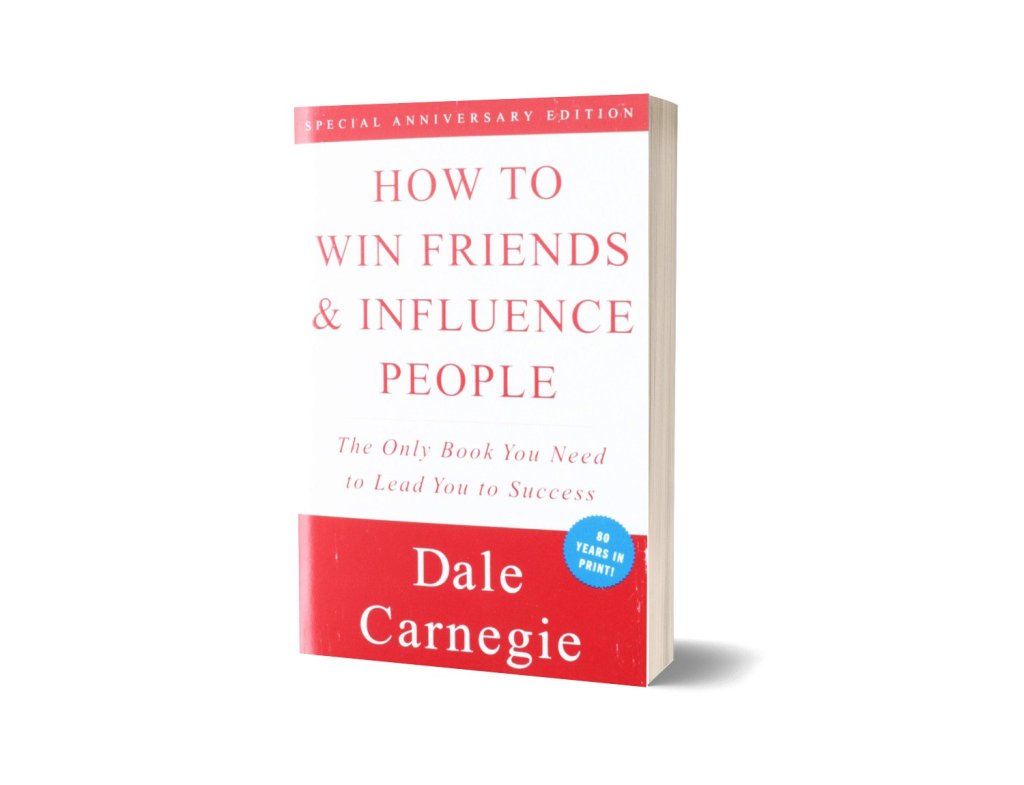
1) How to win friends and influence the people

How to Win Friends and Influence People is a self-help book written by Dale Carnegie, published in 1936. Over 30 million copies have been sold worldwide, making it one of the best-selling books of all time. Carnegie had been conducting business education courses in New York since 1912. The book is very easy to read and provides great examples and stories which makes it 10x easier to relate to and remember. I highly recommend this book, it has helped me improve certain aspects of my relationships and interactions with others.The core idea is that you can change other people’s behavior simply by changing your own. It teaches you the principles to better understand people, become a more likable person, improve relationships, win others over, and influence behavior through leadership.https://en.m.wikipedia.org/wiki/How_to_Win_Friends_and_Influence_People

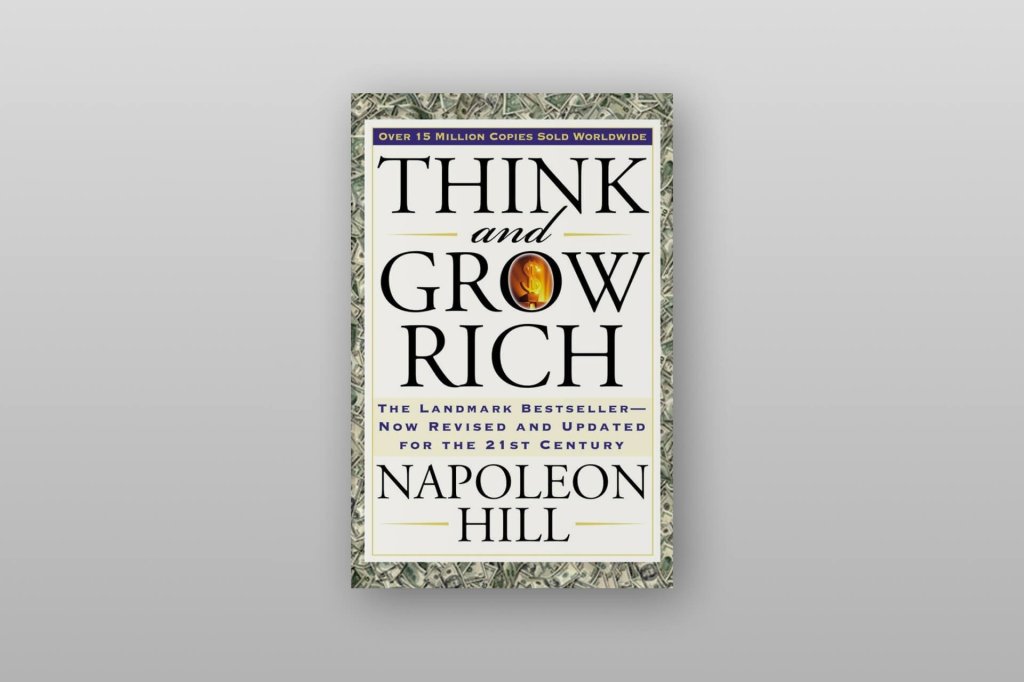
2) Think and Grow Rich

Think and Grow Rich was written by Napoleon Hill in 1937 and promoted as a personal development and self-improvement book. He claimed to be inspired by a suggestion from business magnate and later-philanthropist Andrew Carnegie. https://en.m.wikipedia.org/wiki/Think_and_Grow_Rich The “secret” of Think and Grow Rich is to place yourself within the overall scheme of creation, obeying natural laws that inevitably and invariably beget growth, expansion, renewal, and generativity.

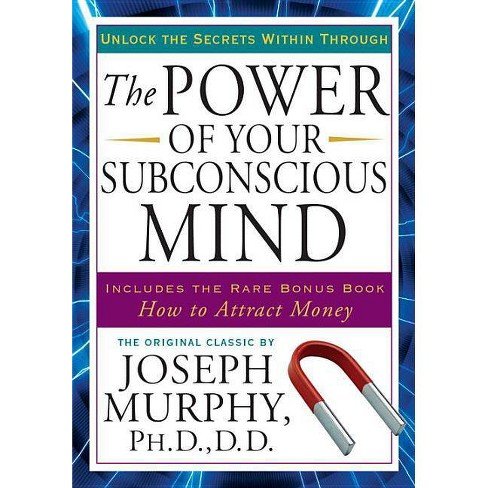
3) The Power of your subconscious mind

The Power of Your Subconscious Mind has been a bestseller since its first publication in 1963, selling many millions of copies since its original publication. It is one of the most brilliant and beloved spiritual self-help works of all time which can help you heal yourself, banish your fears, sleep better, enjoy better relationships and just feel happier. The techniques are simple and results come quickly. You can improve your relationships, your finances, your physical well-being. Your subconscious mind is a powerful force to be reckoned with. It makes up around 95% of your brain power and handles everything your body needs to function properly, from eating and breathing to digesting and making memories.

4) The Richest Man in Babylon

The Richest Man in Babylon is a 1926 book by George S. Clason that dispenses financial advice through a collection of parables set 4,000 years ago in ancient Babylon. The book remains in print almost a century after the parables were originally published, and is regarded as a classic of personal financial advice.This point is actually the crux of the book: the classic principle of paying yourself first. Clason recommends saving at least 10% of all income earned. Even in his example of those who are paying off debt, he still advocates setting aside this one-tenth. https://en.m.wikipedia.org/wiki/The_Richest_Man_in_Babylon#:~:text=The%20Richest%20Man%20in%20Babylon%20is%20a%201926%20book%20by,classic%20of%20personal%20financial%20advice.

5) Atomic Habits

An atomic habit is a regular practice or routine that is not only small and easy to do but is also the source of incredible power; a component of the system of compound growth. Bad habits repeat themselves again and again not because you don’t want to change, but because you have the wrong system for change. While it is well worth reading cover-to-cover as it is chock full of useful and actionable information about habits, from how and why we form them to how to break them and make them, I’ve decided to highlight my top takeaways and share with you the lessons I felt were the most profound. https://medium.com/tom-thoughts/i-finally-read-atomic-habits-here-are-my-top-5-takeaways-57dd6f904ab4

6 MUSCLE BUILDING FOODS

Gaining muscle is a slow process. It can take about three to four weeks to see a visible change. You’ll see some real results after 12 weeks, but it “all depends on your goals, and what type of strength training you are doing”

1) Eggs

Boiled eggs are eggs, typically from a chicken, cooked with their shells unbroken, usually by immersion in boiling water. Hard-boiled eggs are cooked so that the egg white and egg yolk both solidify, while soft-boiled eggs may leave the yolk, and sometimes the white, at least partially liquid and raw.

Hard-boiled eggs are a low-calorie, nutrient-dense food. They’re an excellent source of high-quality protein and rich in B vitamins, zinc, calcium and other important nutrients and antioxidants like choline, lutein and zeaxanthin.https://www.healthline.com/nutrition/boiled-egg-nutrition

2) Avacados

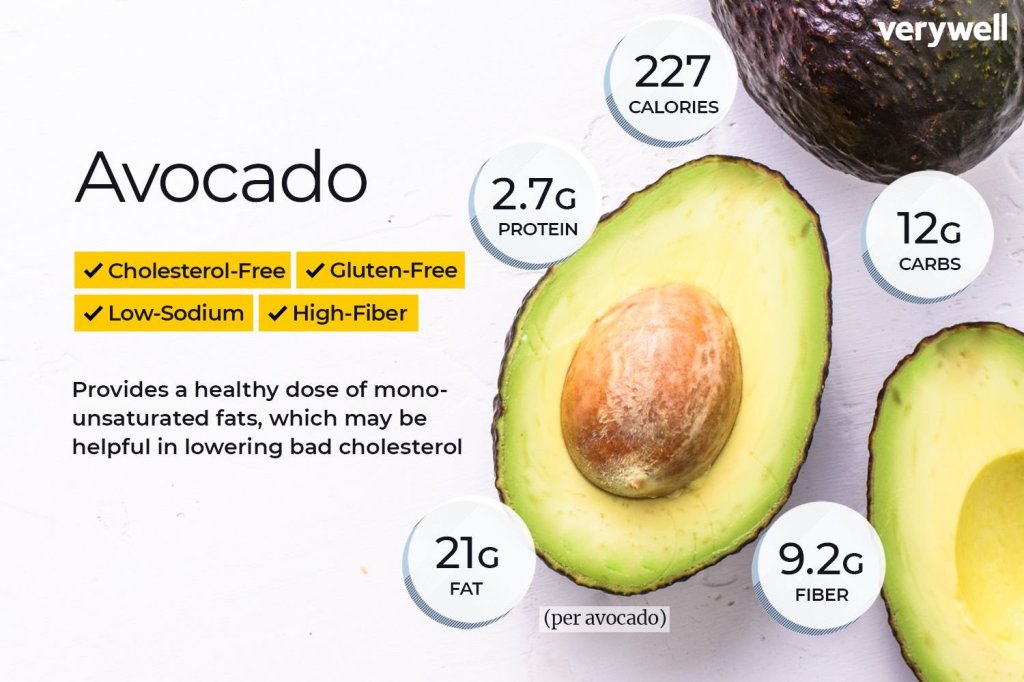
Avocado, a tree likely originating from south-central Mexico, is classified as a member of the flowering plant family Lauraceae. The fruit of the plant, also called an avocado, is botanically a large berry containing a single large seed. Researchers found overweight adults who ate avocado as part of breakfast showed improved blood flow, which can influence things like your blood pressure. They also found better after-meal blood sugar and blood-fat levels compared to those who ate the standard meal. Avocados are high in fat with 60 per cent of this being monounsaturated fats, which research suggests helps to protect against heart disease and lower blood pressure. They are also an excellent source of potassium, folate and fibre, all of which benefit the heart and cardiovascular system. https://www.bbcgoodfood.com/howto/guide/health-benefits-avocado

3) Berries

A berry is a small, pulpy, and often edible fruit. Typically, berries are juicy, rounded, brightly colored, sweet, sour or tart, and do not have a stone or pit, although many pips or seeds may be present. According to a few studies, a bowl of blueberries can help in boosting immunity and can reduce the risk of diabetes, obesity and heart diseases. Moreover, consuming a small portion of berries daily can help in strengthening the metabolism and prevent any kind of metabolic syndrome and deficiency.https://m.timesofindia.com/life-style/food-news/what-happens-if-you-eat-blueberries-everyday/articleshow/71923432.cms

4) Yogurt

Strained yogurt, Greek yogurt, yogurt cheese, sack yogurt, or kerned yogurt is yogurt that has been strained to remove most of its whey, resulting in a thicker consistency than normal unstrained yogurt, while still preserving the distinctive sour taste of yogurt. Yogurt, also known as concentrated or strained yogurt, is made by eliminating the whey and other liquids from regular yogurt. Because the straining process reduces the total volume, Greek yogurt takes significantly more milk than regular yogurt to make a batch of the same size.It’s very nutritious, and eating it regularly may boost several aspects of your health. For example, yogurt has been found to reduce the risk of heart disease and osteoporosis, as well as aid in weight management.https://www.healthline.com/nutrition/7-benefits-of-yogurt

5) Salmon

Salmon are native to tributaries of the North Atlantic and Pacific Ocean. Many species of salmon have been introduced into non-native environments such as the Great Lakes of North America and Patagonia in South America. Salmon are intensively farmed in many parts of the world.

Salmon is one of the most nutritious types of fish that offers several health benefits. Rich in omega-3 fatty acids, vitamin B12, and other essential nutrients, salmon is wonderful for hair and skin health. The great taste and excellent health benefits of salmon make it one of the most loved fish in the world.While they are both excellent sources of protein and add to your nutrient profile, the benefits of fish tend to be slightly higher than chicken, especially when it comes to the Omega-3 content in it.https://m.timesofindia.com/life-style/health-fitness/diet/fish-vs-chicken-what-helps-you-lose-weight-faster-and-why/articleshow/78148854.cms

6) Milk

Milk is a nutrient-rich liquid food produced by the mammary glands of mammals. It is the primary source of nutrition for young mammals, including breastfed human infants before they are able to digest solid food.Cow’s milk is a good source of protein and calcium, as well as nutrients including vitamin B12 and iodine. It also contains magnesium, which is important for bone development and muscle function, and whey and casein, which have been found to play a role in lowering blood pressure. It’s packed with important nutrients like calcium, phosphorus, B vitamins, potassium and vitamin D. Plus, it’s an excellent source of protein. Drinking milk and dairy products may prevent osteoporosis and bone fractures and even help you maintain a healthy weight.https://en.m.wikipedia.org/wiki/Milk

Mcaffeine Neem Face Wash

Mcaffeine Neem Face Wash Cleanser With Argan Oil & Vitamin E For Men And Women – 150 ml https://www.amazon.in/dp/B071X49GR9/ref=cm_sw_r_apan_glt_fabc_9B6RQWH965EW0W12D2T2

Factors used in this face wash are Caffeine, Neem, Argan Painting and Vitamin E. These all factor are skin-friendly. They not only clean your skin but also secure your skin. It’s extremely delicate to the skin, makes the skin smoother and vigour.

Greenberry Organics Detox activated Charcoal Face Wash

Greenberry Organics Detox activated Charcoal face wash for anti-pollution Oil control and anti-acne with the goodness of Tea tree, Mulberry and Grapefruit combo with Bio active Intense Night cream Unisex (100ml + 50ml) https://www.amazon.in/dp/B076PG55CF/ref=cm_sw_r_apan_glt_fabc_SFDCQPP9A8T30JCWP80Q

 Factors used in this face wash are Tea trees & fruits, charcoal and Vitamin c helps in keeping the skin healthy and soft. Makes the skin acne-prone and keeps it hydrated. Suitable for all types of skin.

Lotus Herbal Tea & Tree Anti Acne Face Wash

Lotus Herbals Tea Tree And Cinnamon Anti Acne Oil Control Face Wash, 80g https://www.amazon.in/dp/B0079Z7N3G/ref=cm_sw_r_apan_glt_fabc_D8N53Y620HHW1X1KDEBG

Lotus Herbals Tea Tree And CinnamonAnti-Acne Oil-control face Wash controls skin break out and lessens plenitude canvas without deserting any cleft- clogging buildup. It further controls sebum creation, lessens dry patches, and hydrates your skin. The cinnamon in it goes about as a natural constituent that evacuates dead skin cells and enhances blood income to make you look replenished and immature.

Clean & Clear Foaming Face Wash

Clean & Clear Foaming Face Wash For Oily Skin, 150ml https://www.amazon.in/dp/B00CI3HDMU/ref=cm_sw_r_apan_glt_fabc_HKAP31DH2V0G6FYKDJP1

A pomade-free facial cleanser that removes extra slick to help heal and avert boils. Formulated specially for gushy and combination skin types, this detergent flushes supererogatory canvas and contaminations. It helps combat papules and prevents them from returning. The detergent has a gentle formula suitable for everyday use.

Mama Earth Charcoal Face Wash

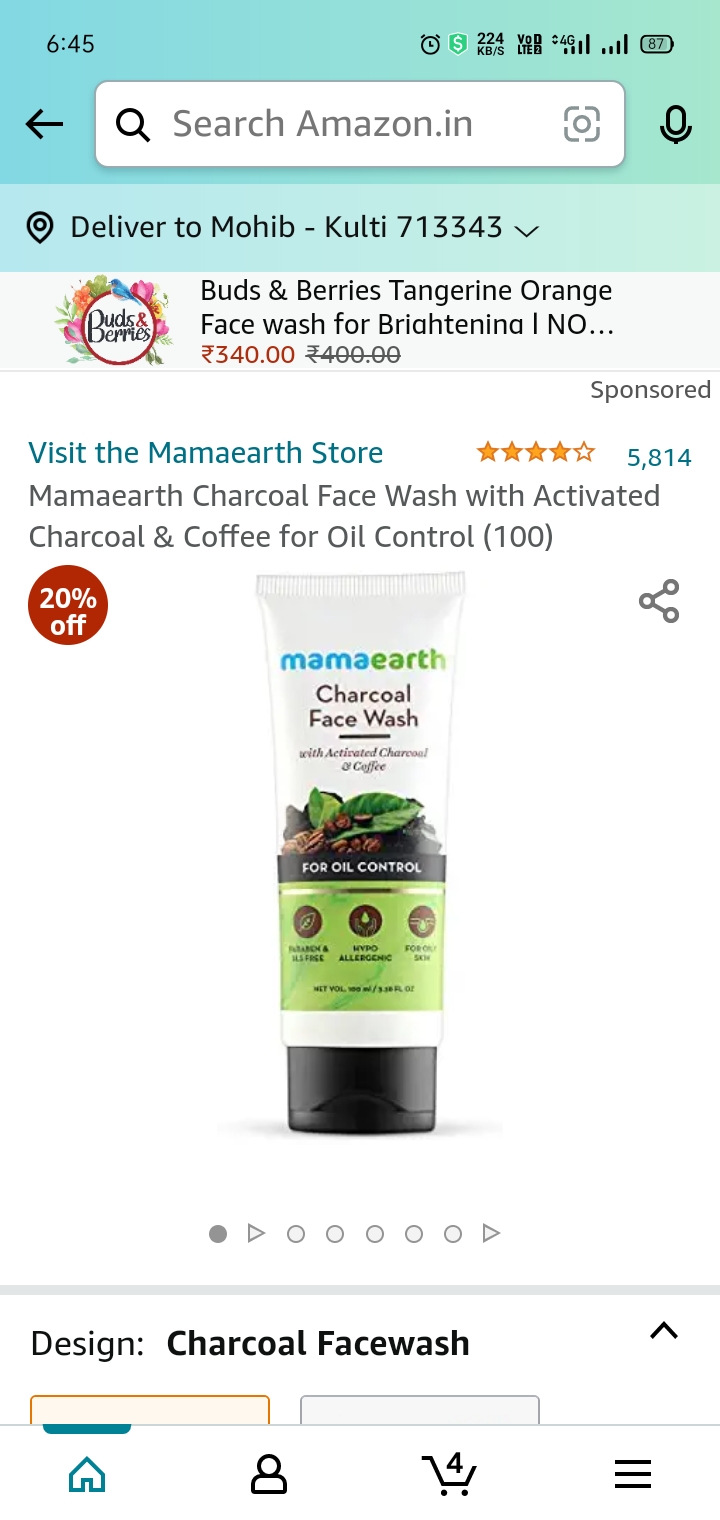
Mamaearth Charcoal Face Wash with Activated Charcoal & Coffee for Oil Control (100) https://www.amazon.in/dp/B07FPNW916/ref=cm_sw_r_apan_glt_fabc_dl_YSBZ7WZ30HTZNWR5C6K8?_encoding=UTF8&psc=1

Tired of the day-to-day struggle with gushing skin, choked pores, and dull skin? Bring back immaculate skin that looks immature and canvas-free with the power of Cranked Charcoal &Coffee.Crafted with the integrity of nature, Mamaearth Charcoal Face Wash pulls out poisons and contaminants from deep within the pores. The integrity of Coffee tightens skin pores and promotes yea skin tone to give you an canvas-free glowing complexion.

Neutrogena Deep Clean face wash

Neutrogena Deep Clean Facial Cleanser For Normal To Oily Skin, 200ml https://www.amazon.in/dp/B006LXDQRY/ref=cm_sw_r_apan_glt_fabc_dl_0F1YKXWWE1NGE0KQYS20

 Neutrogena is notable for making face fens for fulsome, acne-prone skin. This is your most solid option in the event that you have fulsome, and acne-prone skin. Delicate on your skin yet extreme on skin inflammation, the specific canvas-free equation tenderly purifies your skin from deep out. This face fen for fulsome skin contains Salicylic acid which is known to dispose of skin break out and reduces coming bunks.

Himalaya Neem Face Wash

Himalaya Herbals Purifying Neem Face Wash, 100ml https://www.amazon.in/dp/B002Q5JE2C/ref=cm_sw_r_apan_glt_fabc_1D670NAQADQ4RFK07F0X

Himalaya Herbals Purifying Neem Face Wash reduces skin inflammation and hickeys for all skin types. It has the combination of neem and turmeric for deep purification the skin from out without drying it out. It battles bacterial complications and forestalls there-occurrence of facial irregularities and calms your skin. It likewise improves the adaptability of the skin and positions out its tone.