‘FAST FASHION’ a boon or bane

Have you ever wondered how you contributed to sabotaging the environment? If not it’s high time to dig deeper into the treasure, which is a greener Earth. You know what I’m speaking about. Yes, it’s about the fashion industry and the need for sustainable fashion. The fashion industry is one of the top industrial sectors in the world, with a value of 3 trillion dollars and produces 2% of the global GDP according to global fashion industry statistics. Accordingly, 1 in 6 people work in fashion or related industry Furthermore moving closer, the Indian fashion and apparel industry produces 1586 dollars in GDP per capita and enabled 45 million recruitments within the country. It is presently the second-largest employer within the country. Hence proving to be one of the top industries carrying out Apparel manufacturing process involving Product Design, Fabric Selection and Inspection, Patternmaking, Grading, Marking, Spreading, Cutting, Bundling, Sewing, Pressing or Folding, Finishing and Detailing, Dyeing and Washing, QC etc. 100 billion items of clothing are produced annually.

Adding onto the positives, there are many drawbacks to the very fortunate industry. It had been and is still on the top list of the contaminating industries in the world. Say, the textile industry is the second largest pollutant in the economy. The facts that had been put into due negligence till now is being brought to the limelight by Brands and fashion enthusiasts.

Blights of the fast fashion

1. Savagery towards animals

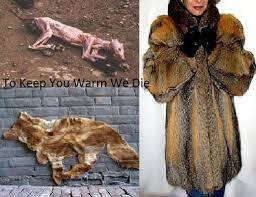
It is not a new fact to us that animals are manipulated to produce clothes or apparel items that seems to be a top trend. Most items produced from fur, leather, wool, feathers are obtained from the mass pestering of innocent animals. Sumanthran tigers and American alligators in the endangered category were still poached for cloth production. 

2. Unfair wages and working conditions

As to the latest protests and struggles to achieve a full-fledged fashion revolution, we see the campaigns with people holding placards written ‘who made my clothes’ and ‘i made your clothes’. It wasn’t any happy day speech, they are the behind the scene labour workers under hardships produce all the commodities as to the recent demands. We often tend to forget them blindsided by the white-collar workers.it had been brought to the mainframe that blue-collar workers of Bangladesh, India, China, Indonesia, Vietnam, etc had minimal protection towards worker’s rights. Under prevailing pandemic conditions, these marginal workers were reported losing jobs, being underpaid, cancelled from orders or being not even adequately paid in which they suffered meeting even the food demands of their family. On the other hand, it has become a custom to exploit farmers to the company and middle-men needs.

3. Customer attitude

The next crucial factor towards non-circular fashion is the growing needs of customers for top quality, yet cheap and mind-blowing colourful garments. consumers are well aware of the upcoming trends and glams of the industry, leading to the fast adoption of these newbies. Speaking of which is a necessary evil. It is brought to the view that one in every three young women restricts herself from wearing a cloth multiple times. As to its blitzscaling, fashion companies are compelled to showcase more attire than the actual need.
4. Water pollution

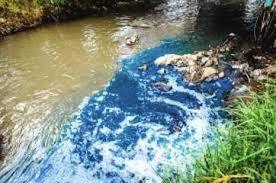
We have come to the major part of the discussion on fast fashion. It is every living being’s responsibility to safeguard the natural resources and pass on the same to the forthcoming generations. Water consumption of the textile industry had met its way beyond the danger zone. It takes 2720 litres of water to manufacture one cotton shirt and 7000 litres to make a pair of jeans. The pollution made to the water bodies doesn’t end there, the chemicals used for the mass production of the garments are disposed of directly or indirectly to the same. It is estimated that one-third of microplastics prolonging in the oceans is the impact of synthetic textiles. These are more deadly as the tiny they are, wouldn’t pass through the filters. The Aral sea, renowned as the world’s fourth-largest lake, has almost dried up as a result of the nearby cotton cultivation. The Kitex industry was recently accused of dumping excessive waste into the nearby waterbody.

5. Excessive carbon emissions

It is said to be true that the fashion industry is responsible for 8-10% of the total greenhouse gas emissions in the atmosphere. The major cause of this is the extensive use of synthetic fabrics like polyester, nylon and acrylic, spandex, faux fur, rayon, etc. Polyester ranks top on the intake of crude oil compared to all others by 70 million barrels annually. Transportation is the other means of carbon ejaculation contributed by the global distribution strategies.

6. Textile waste

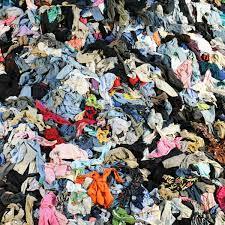
It is said that one garbage truck of textile waste is disposed of every second. This breathtaking fact does prove the intensity of the issue we are dealing with. This directly points out the rising rage for unsustainable fashion culture. For example, polyester is made from the polymerization of petroleum-derived ethylene glycol and purified terephthalic acid, which meltdown to produce polyethylene terephthalate (PET). As such many synthetic fibres are either termed plastic or made out of non-renewable substitutes that concern the ecology.

How can changes be made? How would fashion statements or the industry as a whole regain its fortune? Is the zero-waste fashion possible? Would buyers change their outlook on fashion?

 It is time to join hands on the fashion revolutions put forth by fashion creators and promoters on ideas like sustainability, circular economy, zero waste fashion and so on. The idea of the fashion economy sabotaging ecology is given a better view as a result in modern days. Brands now are looking into logical practices to ensure sustainability and restrain themselves from misfortune. Let’s get to know the efforts taken by the industry dignitaries to achieve a stable eco-friendly fashion culture.

Overhaul to fad fashion

1. Sustainable brands

Brands that prove accountable to safeguard bionomics, sacrificing the trend sets should be promoted. Brands those prioritise natural fibres, work with local artisans and so on to gain environmental, economic and social well being. These companies tend to visualise customers as creatives. For example Reff jeans and Girlfriend collective

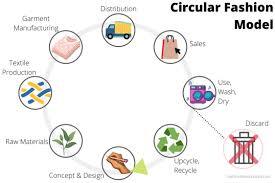
2. Circular fashion

‘Circular fashion’ can be defined as clothes, shoes or accessories that are designed, sourced, produced and provided with the intention to be used and circulate responsibly and effectively in society for as long as possible in their most valuable form, and hereafter return safely to the biosphere when no longer of human use. (Anna Brismar, Green Strategy, 2017). This is the basic idea of the longevity of any garment cycle.

“The circular economy refers to an industrial economy that is restorative by intention; aims to rely on renewable energy; minimize, tracks and eliminates the use of toxic chemicals; and eradicates waste through careful design.” (Ellen MacArthur Foundation)

3. Zero waste fashion

It is the concept of reducing the waste produced with the garment during its life cycle. Furthermore, it is divided into two categories, pre-consumer zero-waste fashion and post-consumer zero-waste fashion. Pre-consumer zero-waste fashion is a holistic approach towards the removal of waste during the manufacture of garments. post-consumer zero waste fashion, on the other hand, is the approach towards post-consumer garments, what more the garment could be used for.
4. Natural dyeing

These are the ancestral dyeing methods using degradable and natural materials like plant sources like roots, fruits, etc. yet the wide-ranging possibilities of this are still in doubt. Whereas a bit of sacrifice towards betterment wouldn’t hurt.

5. Mutating customer attitude

Nowadays customers are more aware of the rising issues on the planet and do agree to take responsive mutation to the outbreaking situations. Social media has had a great influence in making this change possible. When buying an outfit, consumers should ask themselves questions like how is this made, is it a need, how long it would stand, and what to do after. Renting and swapping is too given better focus

6. Personal style 

Rather than buying all the so-called latest trends, customers should be aware of their personal style. Personal style does mean the unique way you dress, determining what suits you well, colours favouring, vulgar eliminating, defining yourself and gives you much confidence.

7. Recycling commodities

Brands have come up with the idea of accepting their old products in store. Moreover, specific recycling methods are being conducted and succeeded to a certain level that includes unbinding the fibres to yarns and reforming them to new ones so the focus centralises virgin fibres. As of now, only 13% of clothing and footwear is recycled but in the near future, this is to be a big number. And take care the brands don’t blindside you with mere greenwashing recycling programs.

8. Aquatic treatment

Brands now maintain a ‘water budget’ to not exceed the water demands. It is also noted that natural fibres take in less water for manufacture. There are more ethical ways to dye clothes without the use of water is a plus. Whereas to solve the issue of microplastics, using guppy friend washing bags and installing Girlfriend Collectives microfibre filters in laundry machines is recommended.

9. Ban on poaching

This year London fashion week has been announced prohibiting animal fur due to the rising concerns and brands like Burberry, Gucci and Versace guaranteed to go fur-free. At the same time, Adidas and G-Star RAW introduced apparel produced of ocean plastic. Companies now are developing materials that substitute animal-based leather to the ones made with grape and orange skins which are more laboratory-made. 

10. Reducing carbon outrush

The profound carbon emissions are put to a stop by altering synthetic fabrics made of crude oil to natural ones like peach palm fabrics. Transportation caused pollution could be eliminated by procuring and sourcing local resources and employing local artisans.

11. Neat and intact employment

Sustainability couldn’t be possible without fair wages, constant job opportunities with regular and stable working hours. Meanwhile, farmers and blue collars should ensure a safe environment with right protecting laws and policies from the government. So that they could be self honoured with at least meeting the daily living standards which every person of the democracy should enjoy.

12. Minimalism

This isn’t a very pleasing method compared to others on the list. Yet leading a simplistic life could make a big change. Demand is directly proportional to supply. So when demand decreases supply decreases and so will production. Less production leads to the concentration of ones being produced and existing ones, this is where the difference would be visible.
Studying International Relations

Go for it, if you are curious of the process of International Relations among nations.

I’ve already provided my simplest version of the answer, but to dig deeper into this notion of taking up such an interesting, and recently developing subject choice has to do so much with the socio-political situation alongside the increasing globalisation we have encountered  with changing times. 

The subjects holds weird fascination to me, when I first encountered it, and I hope it does the same to you. 

But do make your self aware that you won’t directly jump into knowing what Russia or China is handling it’s relations with India, there isn’t anything direct that could give you an eureka movement, but there are these tiny steps you get to take to understand each and every detail when it come to the subject of International Relations.

From Realism, and Trade Policies to tonnes of agreements, and UN and it’s branches, you slowly understand the subject and then next you deal with Diplomacy and its multitudinous types to how a mere decision over their actions on a global scale is surely going to affect someone else. This leads to another set of trials and tribulations but nonetheless the whole idea or the fascination behind this subject lies, for me, is in the knowledge that someone could hole so much power to change something, or some region could change course to appease and pacify another region, all as an act to not create a situation that is surely going to get out of hands, if not monitored. 

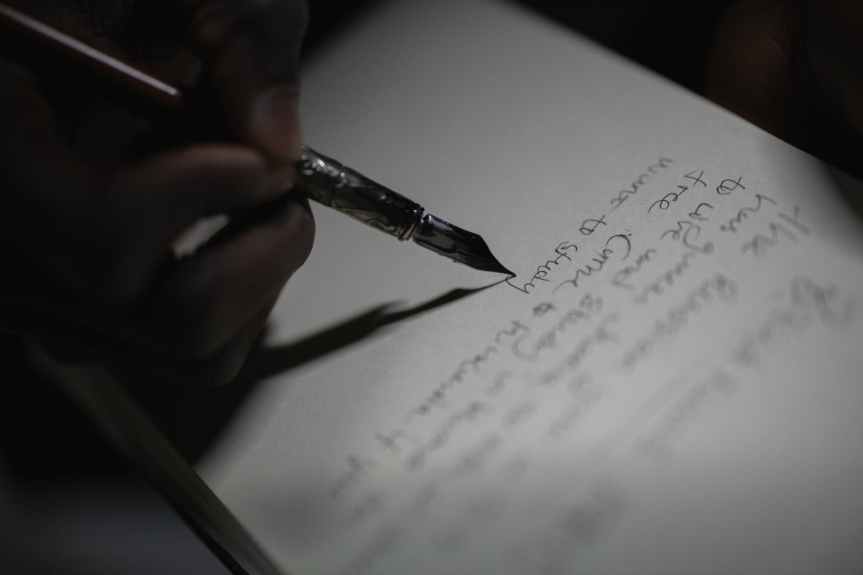
The wise always choose the pen, not the war!

Photo by Pixabay on Pexels.com

“Pen isn’t mightier than the sword.

Pens don’t win battles, and swords don’t Write Poetry.

Mighty is the Hand that knows when to pick the pen and

When to pick the sword!”

Thousands of stories, incidents, events are flourished beautifully with some splashes of ink. Indeed, a pen holds up a power which humans will never have. Everyone wants to be powerful in some way or the other. It can be physically, financially, politically, etc but we all need power because we are convicted to the clichéd topic of  “When a man is in power, he is the strongest of all”.  It’s our fault that we have created a world where a lion is considered to be the king of the jungle. We have made the world believe that power plays a major role. But have we ever thought that power can lie in the hands of humans?

 Power is in our hands!

 The strongest are those vintage philosophers and poets, who have a pen with them. Yes, a pen is all we need to be powerful. But how can a tiny pen be so powerful in this whole universe? Ever pondered about those passionate writers of the 18th century, of Victorian-era who still captivate us by telling the class condition and women suppression in that time.

Ever thought about how those writers like Sadat Hasan Manto, Khushwant shah, Ismat Chugtai taught us the value of freedom and sufferings. What made Shakespeare mend to write about the most legend love story of Romeo and Juliet, when he knew it was a time of class distinction. All these eminent writings, poetry which we read now is the power of a pen which amazed the readers of all time.

Pen is a medium

Ink has always been the best media to convey the real scenario of society. The writers have effortlessly portrayed to us how a pen is always mightier than a sword. A pen will always show us the mirage of the real society, where we live. We as a reader forecast many experiences when we read the truth. The authority is with all of us but only some chose a way to remove the disputes and that is through writing. A spot of ink has the power to removes the gap of social norms and customs from our society.

It unites!

Wars, disputes, riots always bridge a gap among humans, but a pen always unites people and their thoughts and believes. Society is filled with humans who are more affected by the glimpse of writing. As people believe in the power of words. Those who know to play with words always win. We have created a society where we have made certain beliefs’ which are not accepted by all and we have been following an age-old system where power is everything. So, it’s time to break those barriers of conventions and realize the reality of words.

Pen and readers are bonded of each other!

The power of the pen is so powerful that it can convey to the audience easily. The pen and the readers are 2 parts of a coin. The audience gets related because of the commendable expression which makes a reader and a pen get bound to each other. Immensely a pen and a reader are bounded emotional with those flickering words which string to their minds.

Media Bias: the shoddy practice

Media Bias is a term used to describe biases and personal prejudices of a journalist in the selection of events that will be reported and the manner in which they’ll be reported.

In earlier times, every media organisation had a political backing, that is, funded by any political party or group. It was only with late 19th century and early 20th century, journalists began to feel the need for a truth and unbiased reporting.

Types of Media Bias:

A) Bias by Omission

This is one of the methods in which journalists wipe out one side of the story or series of facts over a period of time.

B) Bias by Selection of Sources:

In this method, journalists usually approach those sources who will favour their own prejudices. Both sides of a story aren’t given any importance.

C) Bias by Story Selection.

This mostly happens when a media organisation is funded by a political party. In this, journalists only highlight those issues and stories that pertain to one political party. For example, only talking of achievements of a political party and ignoring its failures.

D) Bias by Placement.

This means where an editor places the story and how much they consider the story is important. For example, if a news organisation is supporting a certain political party and there’s a humanitarian crisis in any city because of that political party, in this case, news editor would place the story at the end so that it gets less importance.

E) Bias by Spin.

In this, reporters and journalists give their own “subjective comments” to a factual story and make it appear before the public their own way. These interpretations can be harmful as they divert the minds of public from actual facts.

Some examples of Media Bias:

A) Ethnic Bias:

This is the form of bias which includes racism, nationalism or xenophobia. For example, western media’s portrayal of India as a poverty stricken country with no toilets. Yes, India suffers with poverty but the western media made it look like it’s the only thing India is all about.

B) Corporate Bias:

Media is also extremely biased at times when reporting about corporate misconduct. This is because some media channels are funded by big industrialists and business people.

C) Class Bias

Media houses are extremely bias when it comes to class. Higher class cases are handled with dignity whereas oppressed classes are treated with lack of respect and humanity.

D) Religious Bias

Certain media houses favour one religion according to their own religious ideologies and thus even start supporting or give a biased reporting when their religious community is doing something wrong.

E) Political Bias

Probably the most famous form of bias in which a media house supports a political party right from the beginning of covering their political campaigns to trying to hide their political mismanagements.

Journalists must separate fact from opinions and do an unbiased reporting for a better transportation of news information to the public. This way it would also be able to hold the system responsible.
Career counselling

Career counselling provide correct and consolidate information to our young brigade by giving them whole basket of available option after school is par excellence.The exposure to technology ,Media and Social Networking on a larger scale has made our youth aware to a great extent ,but they are little aware of the authenticity of information which are exposed to on a regular basis .ITS VERY IMPORTANT for our young and dynamic students to have proper and worthy information which is only possible through proper and useful career counselling.

Free Trade Policy . (Meaning , Advantages , Disadvantages)

What is Free trade policy?

Free trade policy refers to a trade policy without any tariffs , quantitative restrictions and other devices obstructing the trade of goods between countries ..

According to Adam Smith,
The policy of free trade is a system of commercial policy which draws no distinction between the domestic and foreign commodities and thus neither impose additional burden on the latter nor grants any special favour to the former “

The theoretical case for free trade is based on Adam Smith’s argument about absolute comparative advantage , that the division of labour among countries leads to specialization, greater efficiency, and higher aggregate production.

Free trade therefore , signifies a non discriminatory trade policy that places no artificial barriers upon free international movement of goods and services .

Definitions :-

Prof Jagdish defines free trade policy as , ” absence of tariffs , quotas, exchange restrictions , taxes , subsidies on production , factor use and consumption “

Prof Lipsey gives a very simple definition ,
“A world of free trade would be one with no tariffs and no restrictions of any kind on importing or exporting . In such a world a country would import all those commodities that it could buy from abroad at a delivered price lower than the cost of producing at home .”

In Haberler’s words , ” free trade is the external trade system of liberation which opposes every interference by the state with the free play of economic forces .”

Thus ,the policy of free trade means simply complete freedom of international trade without any restrictions on the movement of goods between countries.

Free trade, also called laissez-faire,
a policy by which a government does not discriminate against imports or interfere with exports by applying tariffs (to imports) or subsidies (to exports).

However sometimes, governments with generally free-trade policies still impose some measures to control imports and exports.
For instance , in the United States, most industrialized nations negotiate “free trade agreements(FTA ),” or , with other nations which determine the tariffs, duties, and subsidies the countries can impose on their imports and exports.

Theories Of Free Trade :-


The years of debates over the benefits versus the costs of free trade policies to domestic industries, two predominant theories of free trade have emerged: mercantilism and comparative advantage.

Mercantilism

The theory of maximizing revenue through exporting goods and services is Mercantilism. High tariffs on imported manufactured goods are a common characteristic of mercantilist policy.
Mercantilist policy helps governments avoid trade deficits, in which expenditures for imports exceeds revenue from exports.
The goal of mercantilism is a favorable balance of trade, in which the value of the goods a country exports exceeds the value of goods it imports.
Mercantilism lost its popularity as it often led to colonial expansion and wars.

Today many multinational organizations such as the WTO work to reduce tariffs globally, free trade agreements and non-tariff trade restrictions supersede mercantilist theory.

Comparative Advantage

David Ricardo in his book “Principles of Political Economy and Taxation,” 1817 , stated the law of comparative advantage which refers to a country’s ability to produce goods and provide services at a lower cost than other countries.
The Comparative advantage theory is that worldwide openness in trade will improve the standard of living in all countries.
Comparative advantage holds that all countries will always benefit from cooperation and participation in free trade.


Advantages ( pros ) of Free Trade Policy.

Free trade policy has many advantages for a country.
The following are some pros of free trade policy :-

1: Maximum of Output :- Under free trade the country specialises in the production of those commodities which it is relatively best suited to produce and exports them in exchange for those imports which it can obtain more cheaply . This maximises the output of all the participating countries because all gain from trade which in turn , increases the real national income of the world economy . Thus free trade leads to the maximisation of output income and employment.


2: International Specialization :-
Free trade causes international specialisation as it enables the different countries to produce those goods in which they have comparative advantage . International trade enables countries to obtain the advantage of specialisation . If there were no international trade many countries would have to go without some products .

3: Optimisation of Consumption :-
Free trade secures the optimisation of consumption . In other words ,it benefits the consumers when they are able to buy a variety of commodities from abroad at the minimum possible prices . This results in raising their standard of living .

4:. Link with others Countries :-
International trade and commercial relations often lead to an interchange of knowledge ,ideas and culture between nations . This often produces a better understanding among those countries and leads to amity and reduces the possibility of commercial rivalry and war .

5:. Prevent Monopolies :-
Free trade prevents the establishment of monopolies . Under free trade, the country specialises in the production of a few commodities ,and the firms or industries are of the optimum size so that the cost of production of each commodity is the minimum . Thus , free trade ensures a lower price for exports as well as imports and the price mechanism under perfect competition prevents the formation of Monopolies.

6:. Higher Efficiency and optimum Utilisation of Resources :-
Free trade stimulates home producers who face to foreign competition to put forth their best efforts and thus increase managerial efficiency . Again as under free trade each country produces those goods in which it has the best advantages , the resources of each country are utilised in the best possible manner.

7:. Best policy for Economic Development :-
Haberler points out that “substantial free trade with marginal insubstantial corrections and deviations is the best policy from the point of view of economic development “
Besides the direct gains of free trade noted above , free trade fosters development in the following ways
(a) it leads to the importation of capital goods , and raw material ;
(b) it instills new ideas and brings technical know-how, skills , managerial talents and entrepreneurship to the developing countries ;
(c) it facilitates the flow of foreign capital and fosters healthy competition and checks inefficient and exploitative monopolies.


Disadvantages ( cons ) of Free Trade

Despite having several advantages , there are certain theoretical and practical difficulties in following free trade policy .

Some of those disadvantages are :-

1:
Excessive dependence :- Free Trade policy leads to unwanted dependence for goods among countries which leads to major problems in a countries economy if there is some conflicts between the Countries due to some matter .

2:
Obstacles to Development of home Industries :-
If foreign goods are imported freely , the domestic industries of the developing countries would not be able to develop rapidly due to the superior strength of foreign industries .

3:
Empire Builder :- Under the free trade the foreign traders particularly the dominant ones may try to become empire builders in future . In the past it is see ,free trade gave rise to colonialism and imperialism.

4:
Import of Expensive Harmful Goods :- With no restrictions it’s easy to import expensive harmful foreign goods . This leads to diminution of social welfare . Trade restrictions on import goods become necessary.

5:
Less job opportunity :- While free of tariffs, products imported from foreign countries may be seemingly good for consumers, it makes it hard for local companies to compete, forcing them to reduce their workforce. It causes job loss through outsourcing: Tariffs tend to prevent job outsourcing by keeping product pricing at competitive levels. with lower wages cost less.


In conclusion , we can say that at present no country in the world follows the policy of free trade . Every country imposes some restrictions on the import and export of goods .
T.Scitovsky has pointed out that free trade can be shown to be beneficial to the world as whole but has never been proved to be the best policy for a country .


However , poor countries that have adopted free-trade policies have experienced high economic growth, with China and India as prime examples. Free trade allows companies from rich countries to directly invest in poor countries, sharing their knowledge, providing capital and giving access to markets.

Know asteroids better on World asteroid day

June 30 is the world asteroid day and it is held on the anniversary of Siberian Tunguska event which is known as one of the most dangerous asteroid related event on earth. This day is designed by United Nations general assembly to raise awareness about the harmful effects of asteroids and measures to be taken to avoid these effects. On this day lets know more about the asteroids.

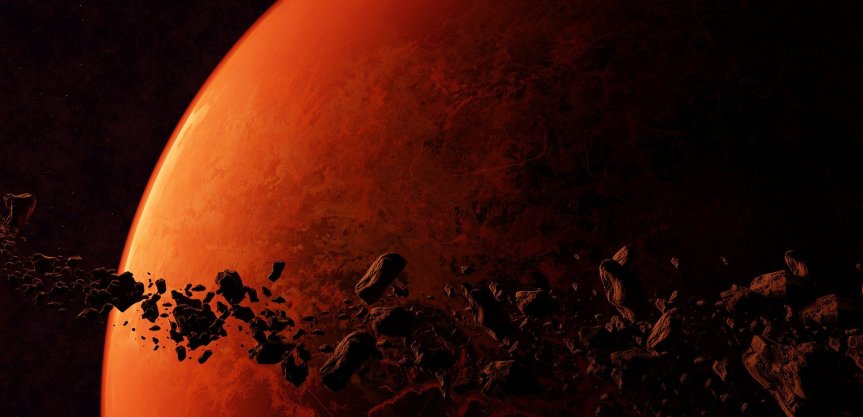
After the formation of the solar system, some of the rocky remains which failed to form a planet started to revolve around the sun around 4.6 billion years ago and these are called asteroids. Asteroids are made of same starting materials as earth and the other planets. But they are not big enough to be called a planet. Currently 1,097,065 is the known asteroid count and there is an asteroid belt between Jupiter and Mars which contains more than 200 asteroids of size larger than 60 miles in diameter. And many asteroids are present outside the belt also.

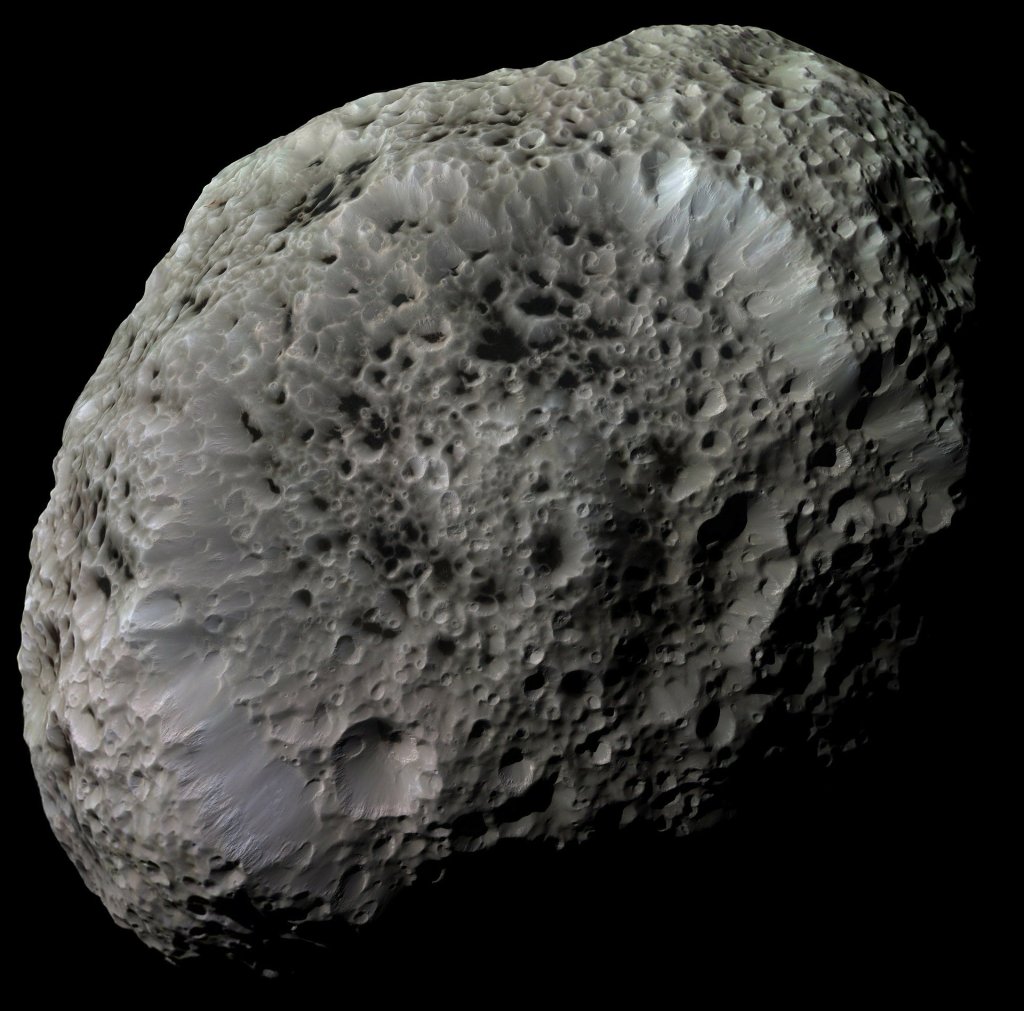
asteroids can be very big of 940km and can be very small of 6-foot-wide. They are irregularly shaped although some are nearly spherical. Their surface is pitted as moon`s surface. Some of the asteroids also have their own moon. There are binary asteroids also present which revolve around the sun in pair and revolve around each other too. The average temperature on their surface is minus 73 degree Celsius.

THERE IS A CLASSIFICATION FOR ASTEROIDS BASED ON THEIR COMPOSITION
asteroid

C-type asteroids: They are also called as carbonaceous asteroids. This is the most common type of the asteroid making 75% of the population. They are mostly grey in color. They have large amount of carbon with rocks and minerals. They inhabit the main belt`s outer region.

M-type asteroids: They are also called as metallic asteroids. They are mostly made of nickel and iron and small amount of stone. They are moderately bright and red in color. They are in the middle region of the main belt.

S-type asteroids: They are also called as siliceous asteroids. They are of 17% of the total asteroids present at inner region of the asteroid belt. They are mostly made of silicate materials. Their composition is similar to meteorites.

CAN ASTEROIDS BE A SPACE COLONY FOR HUMANITY?

The desperation of the humanity for survival is the main driving force to think about colonizing the asteroids. But this has many obstacles. The main challenge is the transportation. Asteroid belt is 204.43 million miles away from the earth & journey to them may take more than 18 months. And size of the asteroids is not enough to produce gravity. This makes landing on them difficult. Another problem is the temperature which is very less. Scientist are studying to remove all these obstacles and possibility of habiting on the asteroids is quite at the far end of the future.

MINING ON ASTEROIDS
mining

Mineral depletion is becoming a major thing on the earth. It is predicted that earth will run out of the minerals in coming 50-60 years. So extraction of minerals from the space that too asteroids sounds interesting and hopeful. Asteroids also contain water which can be used as fuel for the spacecrafts used. Its been said that the world`s first trillionaire will be a person who owns asteroid mining. Asteroid mining will bring the essential economic progress.

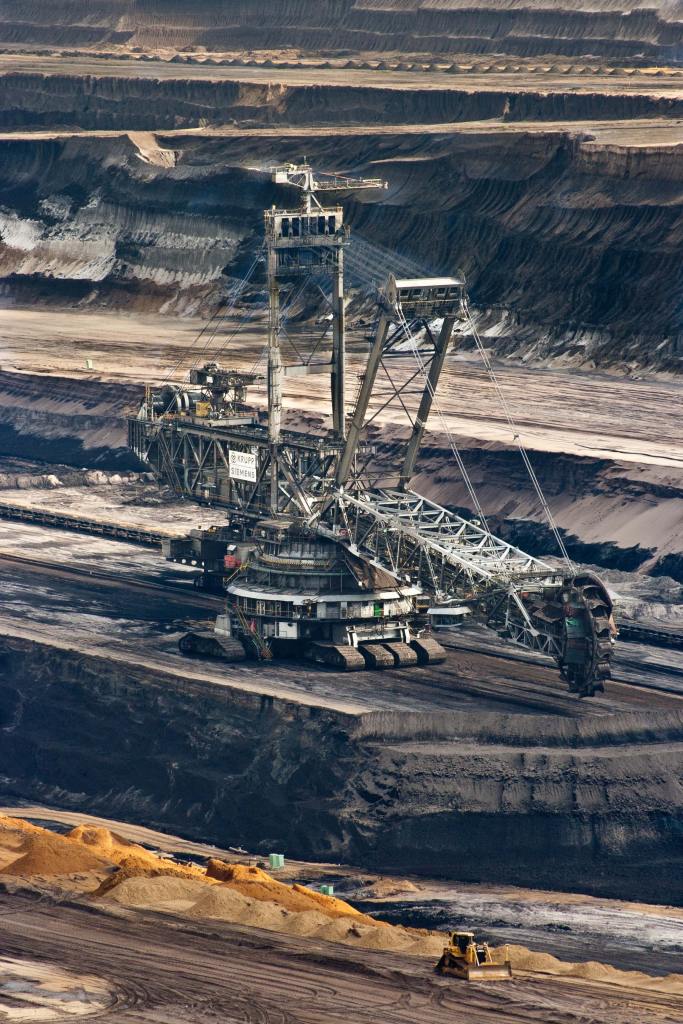
Mining on asteroids requires a  lot amount of resources. Some of may include mining robots and haulers. Construction and maintenance of infrastructure is important. In-space manufacturing should be enabled to do mining effectively. Bringing the mined materials back to earth is also a challenge.

The technology for asteroid mining is being constructed by a company called Deep space industries. They are developing 3 types of spacecrafts. They are: Fireflies to examine the asteroids, Dragonflies to bring back samples to the earth and Harvesters to voyage to the asteroids and gather tons of minerals and return back to the earth. TransAstra is another company which is developing technologies for the same. If all these companies succeed then the dream of mining on asteroids will come true and will benefit the earth`s economy.

UDAIPUR- THE CITY OF LAKES

Let’s take a virtual tour with my article.

Sometimes it seems true that ‘I’ in India stands for ‘incredibility’. Yess! Udaipur is incredible. It is known as ‘the city of lakes’.In 1559, Udaipur was founded by Maharana Udai Singh (2nd) in the fertile circular Girwa Valley to the southwest of Nagda, on the Banas River. This city served as the capital of Mewar kingdom between 10th and 12th century. It is in the state of Rajasthan. 

CLIMATE OF UDAIPUR-

Basically Udaipur is a place of tropical climate.There are three main seasons, summer, monsoon and winter. The weather of the city is usually hot for being located in the desert land of Rajasthan. Iy is an area of 598m above sea level that’s why it has a sultry type of climate. It is the only one place in Rajasthan where the place is made hot in summer for the scorching sun and pleasant in winter.Summer runs from mid- March to June and July is the Monsoon season. Winter is actually a pleasant and beautiful season. In winter this city is relatively cold than summer but not too cold. The winter season runs from October to March. 

CULTURE OF UDAIPUR-

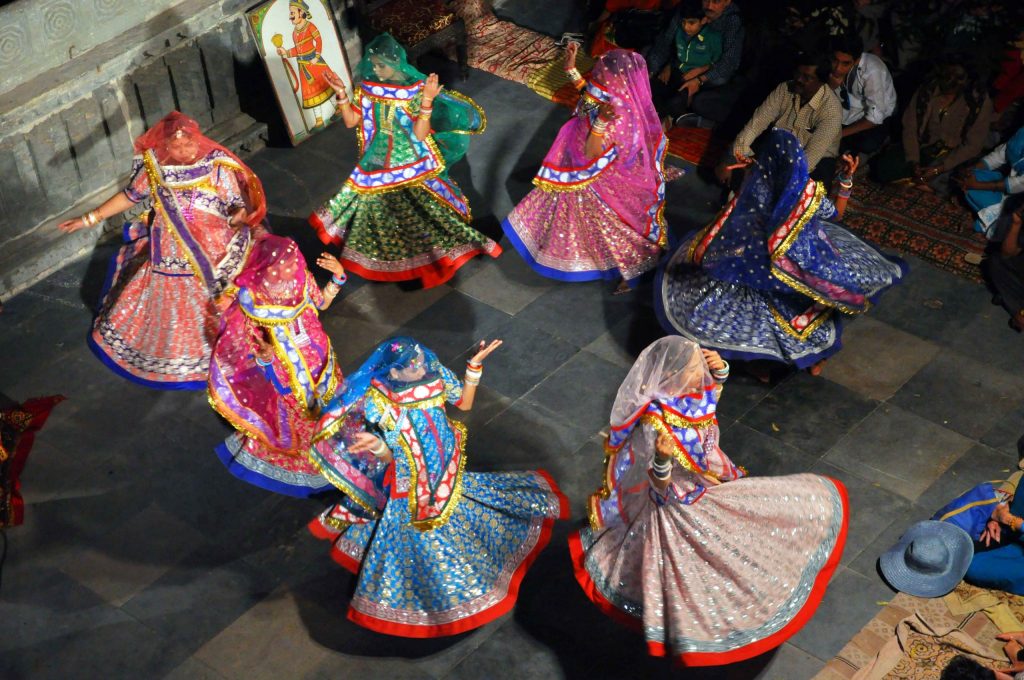
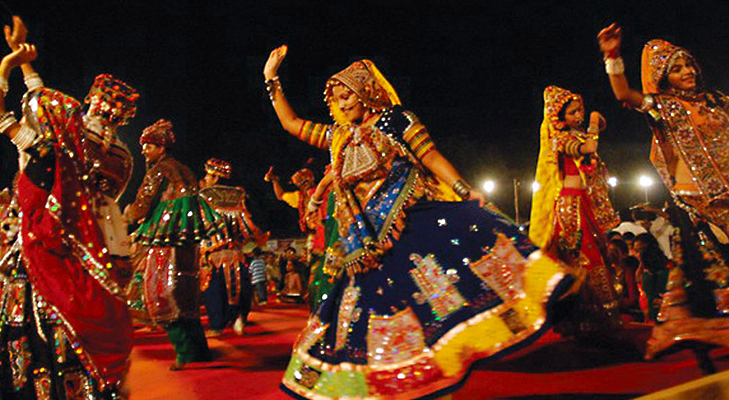
Udaipur is so colourful. It is the owner of the rich cultural heritage from the bygone ages. The lakes, temples, huge forts,and palaces maintain the culture. There is the Bhil tribe till now, so it’s possible that  we could see the people with typical colourful rajasthani dresses with silver jewelry. The colourful people, their colourful festivals and fairs delimitate the culture of Udaipur. The city has kept the balance between the past rituals and the modern advancements. The folk dance and music colored the culture and tradition more. Dance like- Ghoomar, Kalbelia,Bhavai, Kachchhi Ghodi and Terahtaali etc. 

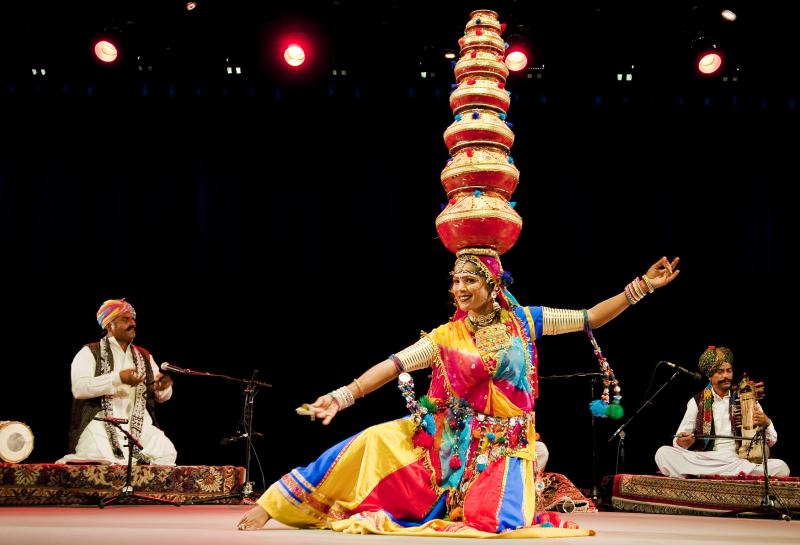
 Ghoomar or Ghumar is a traditional folk dance which was performed by the Bhil tribe to worship Goddess Saraswati. The veiled women who wear flowing dresses are called ghaghara,and chiefly perform this type of dance. It was ranked 4th in the list of “Top 10 local dances around the world” in 2013.The Kalbelia dance is an integral part of their culture and performed by men and women. In the Bhavai dance the male or female performers balance a number of earthen pots or brass/metal pitchers as they dance nimbly, pirouetting and then swaying with the soles of their feet perched on the top of a glass bottles, on the edge of the sword, on the rim of a brass/metal thali (plate) and on the broken glass during the performance. Kachchhi Ghodi is mainly performed during weddings to welcome the bride grooms party and it has an interesting novelty horse costume. And when we  come to the music, the dwellers of Udaipur find solace in the melodious music of Morchang, Naad, Tanpura, Sarangi and many other instruments that used to echo the courts of Mewar rulers.

FESTIVALS-

India’s most exciting and colourful part is its festival. Udaipur looks different during festivals. There are observed Mewar festival, Shilpgram festival, Diwali, Teej festival,Dussehra, Hariyali Amavasya, Gangur festival,Jagannath Ratha Yatra, Jal-Jhulni Ekadashi etc.

TOURIST SPOTS-

Udaipur is the city of lakes .It is a beautiful tourist spot. The main tourist spots are-

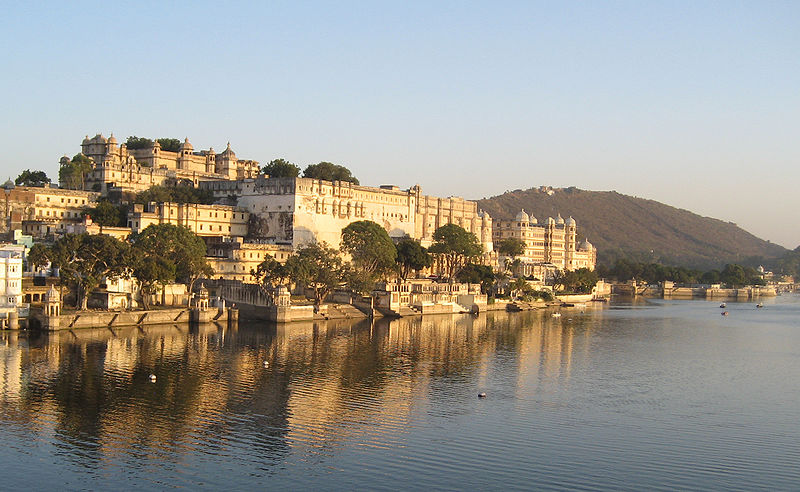
CITY PALACE, UDAIPUR- It is located on the east bank of Lake Pichola. Its main entrance is through the triple-arched gate. This gate leads to a series of courtyards, overlapping partitions, terraces, corridors and gardens. The palace now houses a museum with many antique articles, paintings, decorative furniture and utensils from the royal era. 

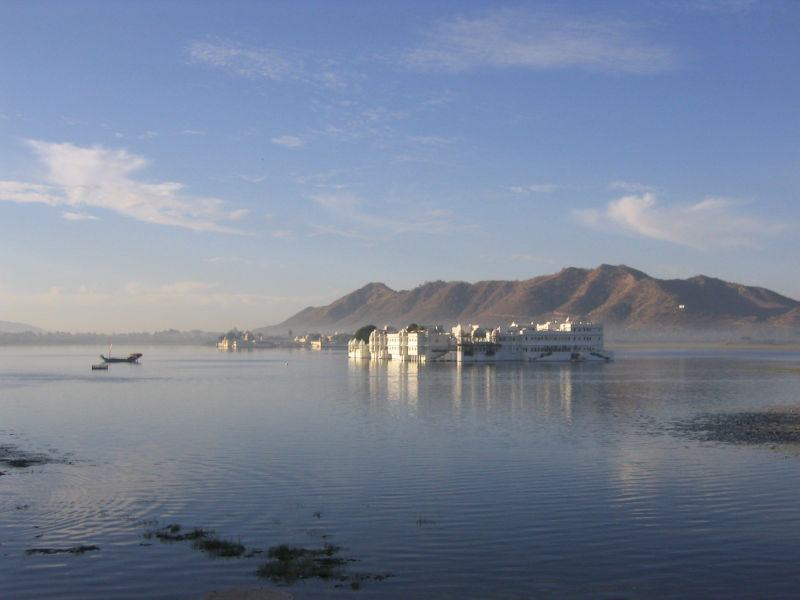
LAKE PALACE- It is located over an island in Lake Pichola and it served as a royal summer palace. It is made of white marble and it is now transferred into a 5 star hotel.

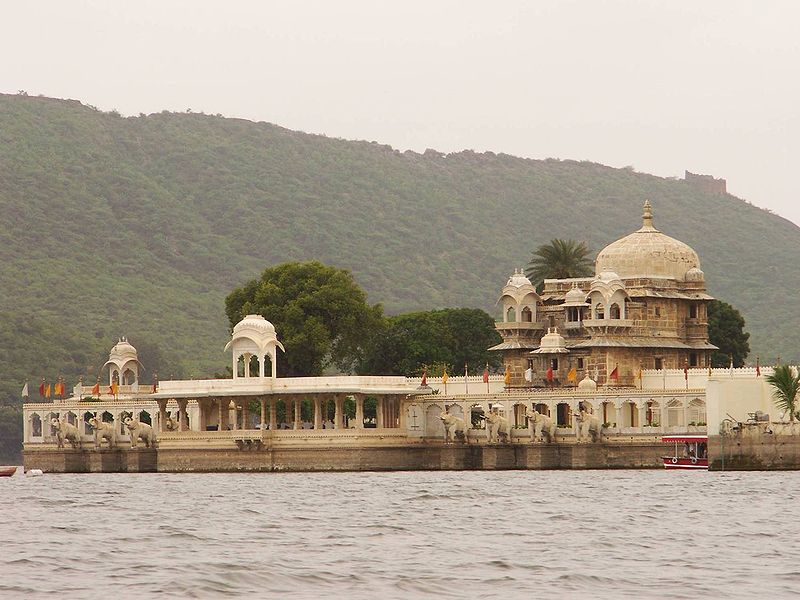
JAG MANDIR-  It is also located on Lake Pichola island. This is also known as ‘Lake Garden Palace’.  The royal family used the palace as a summer resort and pleasure palace.

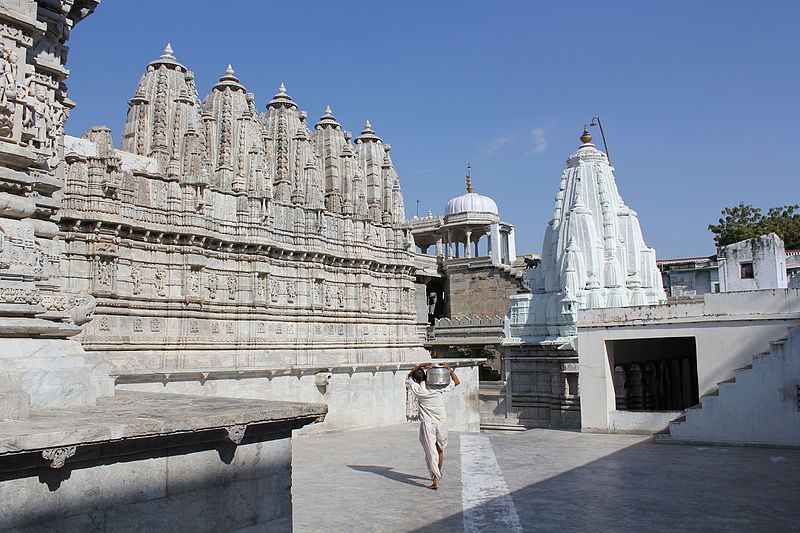
KESARIYAJI TEMPLE- The temple is dedicated to Lord Rishabh dev, the first Jain Tirthankara. The fifty-two pinnacles of the temple are seen from a long distance. The main idol in the temple is of Tirthankara Rishabha, carved in black stone in padmasana posture.

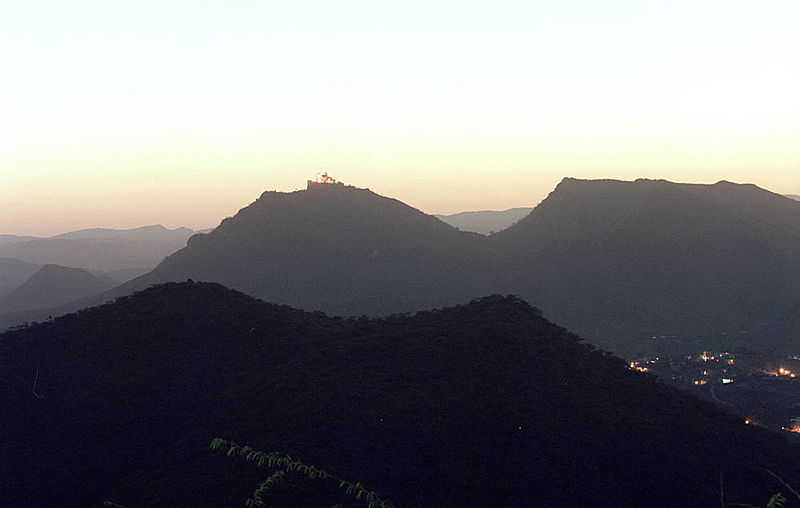
MONSOON PALACE- Monsoon Palace is known as Sajjan Garh Palace. It is made  with white marble and  it is located on Bandera peak of the Aravalli hill. From this palace we can take a view of the city’s lakes, palaces, and surrounding countryside.

JAGDISH TEMPLE- Maharana Jagat Singh founded this temple which is a large Hindu temple in the middle of Udaipur.

FATEH SAGAR LAKE- It is located in the north-west part of Udaipur. It was originally built by Maharana Jai Singh and later it was reconstructed by Maharana Fateh Singh.

SUKHADIA CIRCLE-  It is a large roundabout in the city’s northern suburb of Panchwati, on the road to Ranakpur and Mt. Abu. There are  fast food centers, camel and horse rides, boat rides and kids play zone areas.

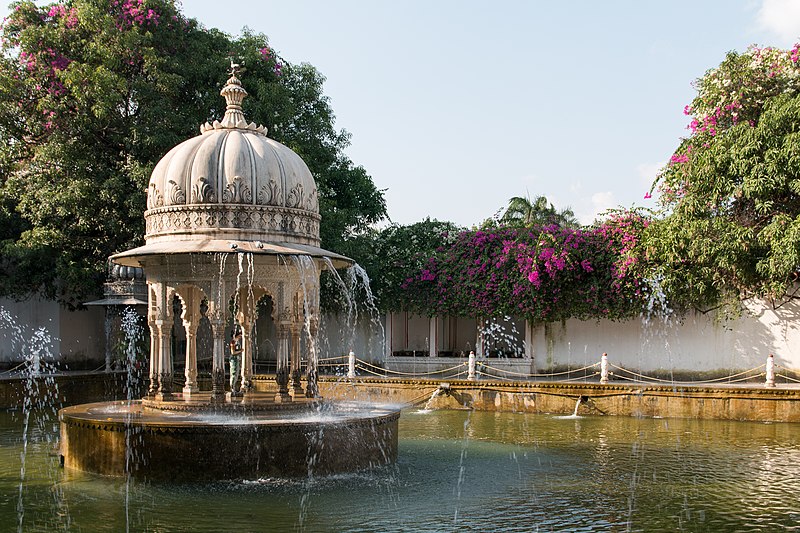
SAHELIYON-KI-BARI – It is a garden and tourist space which is in the northern part of the city. There has garden with its fountains and kiosks, a lotus pool and marble elephants, was laid for a group of forty-eight young women attendants who accompanied a princess to Udaipur as part of her dowry.

LAKE PICHOLA- It is an artificial freshwater lake .Two islands, Jag Niwas and Jag Mandir are located within Pichola Lake, and have been developed with several palaces to provide views of the lake.

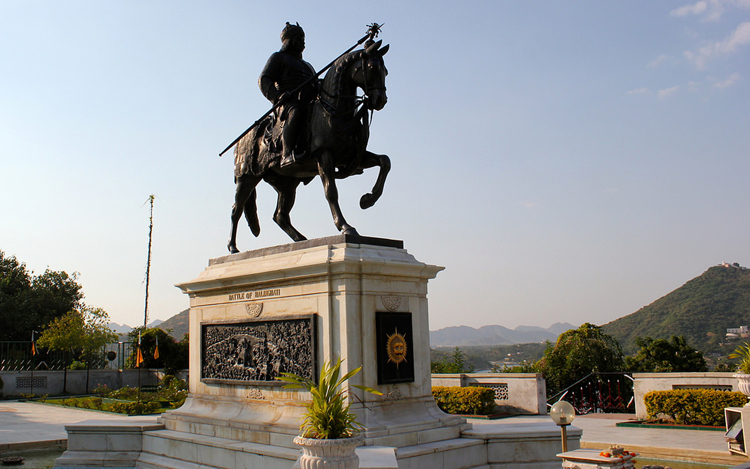
MOTI MAGRI- Moti Magri is a memorial of Maharana Pratap.It is basically a small hill, atop of which there is a bronze statue of the Maharana astride his favourite horse “Chetak”.

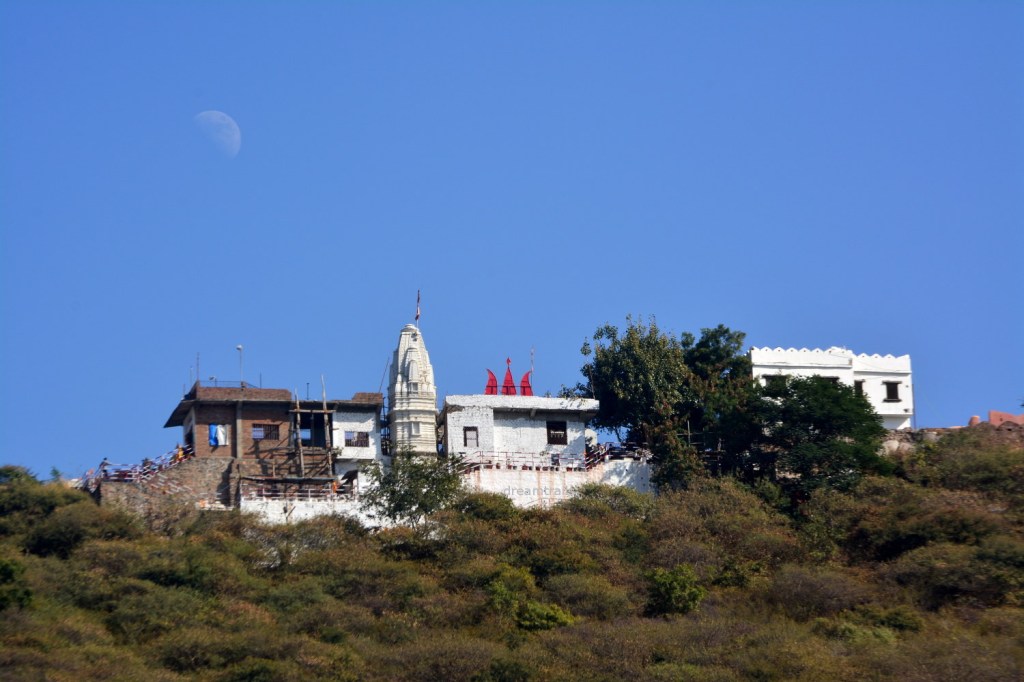
NEEMACH MATA TEMPLE- It is located on a hill near Fateh Sagar Lake. From this  location we can take a holistic view of the entire Udaipur.

KERNI MATA, UDAIPUR- It is located on Doodh Talai near Pichola lake. There is a rope-way which takes visitors to a hill at which this temple is located. We can take views of Pichola Lake, Jag Mandir and Doodh Talai. One can view the whole city from the top .

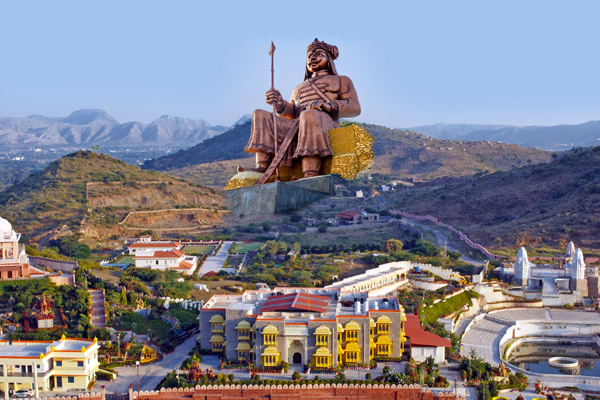
PRATAP GAURAV KENDRA- It is located at Tiger Hill. It aims at providing information about Maharana Pratap and the historical heritage of the area with the help of modern technology.

It is Udaipur and it is incladible. 

Randomised Controlled Trial

The 2019 Nobel Prize in Economic Sciences was awarded to Abhijit Banerjee and Esther Duflo, who currently work at the Massachusetts Institute of Technology, and Michael Kremer of Harvard University. The Prize committee noted that these economists “introduced a new approach to obtaining reliable answers about the best ways to fight global poverty.” The new Nobel laureates are considered to be instrumental in using randomised controlled trials to test the effectiveness of various policy interventions to alleviate poverty.

So what is randomised control trial?

A randomised controlled trial is an experiment that is designed to isolate the influence that a certain intervention or variable has on an outcome or event. A social science researcher who wants to find the effect that employing more teachers in schools has on children’s learning outcomes, for instance, can conduct a randomised controlled trial to find the answer. The use of randomised controlled trials as a research tool was largely limited to fields such as biomedical sciences where the effectiveness of various drugs was gauged using this technique. Mr. Banerjee, Ms. Duflo and Mr. Kremer, however, applied RCT to the field of economics beginning in the 1990s. Mr. Kremer first used the technique to study the impact that free meals and books had on learning in Kenyan schools. Mr. Banerjee and Ms. Duflo later conducted similar experiments in India.

Why is randomised controlled trial so popular?

At any point in time, there are multiple factors that work in tandem to influence various social events. RCTs allow economists and other social science researchers to isolate the individual impact that a certain factor alone has on the overall event. For instance, to measure the impact that hiring more teachers can have on children’s learning, researchers must control for the effect that other factors such as intelligence, nutrition, climate, economic and social status etc., which may also influence learning outcomes to various degrees, have on the final event.Randomised controlled trials promise to overcome this problem through the use of randomly picked samples. Using these random samples researchers can then conduct experiments by carefully varying appropriate variables to find out the impact of these individual variables on the final event.

What are some criticisms of randomised controlled trials?

A popular critic of randomised controlled trials is economist Angus Deaton, who won the economics Nobel Prize in 2015. Mr. Deaton has contended in his works, including a paper titled “Understanding and misunderstanding randomised control trials” that simply choosing samples for an RCT experiment in a random manner does not really make these samples identical in their many characteristics.

While two randomly chosen samples might turn out to be similar in some cases, he argued, there are greater chances that most samples are not really similar to each other. Other economists have also contended that randomised controlled trials are more suited for research in the physical sciences where it may be easier to carry out controlled experiments. They argue that social science research, including research in the field of development economics, may be inherently unsuited for such controlled research since it may be humanly impossible to control for multiple factors that may influence social events.

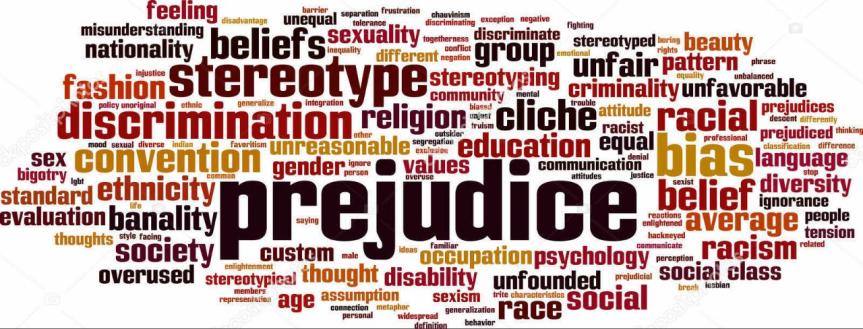
Prejudices and Stereotypes

Prejudices refers to a set attitudes towards a particular group of people. They usually refer to negative attitudes. Attitude is a state of mind or set of views with an evaluative feature. Prejudices are often based on stereotypes about the specific group.
Stereotypes refers to fixed ideas regarding the characterstics of a specific group. Usually, stereotypes consist of undesirable characteristics about the target group. All members of the group are assumed to possess these characteristics which is often not true in reality.
Prejudice is often accompanied by dislike or hatred towards members of the group. Prejudice can be seen in behaviour through discrimination. Discrimination makes a distinction between the two groups by favouring one group over other. Sometimes prejudice can lead to excessive hatred and discrimination which may even lead to mass killing of innocent people. An example of this is the holocaust of Jews by Nazi Germany. Discrimination can controlled by law but attitudes and minds sets of people cannot.
Just like any other attitude, prejudices are also learned through observation, association, exposure to information or through culture. The family, groups, personal experiences, media also play a role in learning of prejudices. In some cases it has been observed that a strong social identity towards one’s own group may cause group bias and lead to negative attitudes towards other groups and lead to prejudice.
Another reason for prejudice is scapegoating. It is a group based way of expressing frustration towards the weaker group and it leads to negative attitudes. Here the stronger group places the blame for its problems on the weaker group. The weaker group is too weak to defend itself.
https://www.bbc.co.uk/bitesize/guides/zcb42hv/revision/3#:~:text=One%20bad%20experience%20with%20a,and%20can%20lead%20to%20prejudice
Sometimes people continue to hold stereotypes because they believe that after all, there may be some truth in what people say. These sorts of beliefs are rather difficult to change as they originate in response to other stronger beliefs.
Stereotypes are also learned in the similar manner as attitudes. Stereotypes are usually formed by hearing different things about the particular group. A single bad experience with the member of a group may lead to the assumption that all members of that group behave that way.
https://blogs.hope.edu/getting-race-right/our-context-where-we-are/the-history-we-inhaled/what-are-the-causes-of-stereotypes/
Stereotypes provide grounds for prejudices which lead to discrimination. This however, is not always true. Sometimes prejudices may develop without stereotypes or may not lead to discrimination. Similarly, discrimination may be seen without prejudice. But even so, these three are often considered to be connected.
Prejudices are attitudes and are not very easy to change if once formed. In order to control it, strategies should focus on minimising the opportunities for learning prejudices or changing such attitudes at an earlier stage. Narrow social identity based on the in-group should not be emphasised and people should be encouraged to seek out truth rather than blindly believing in what they hear.
These goals can be achieved through education and information. By correcting the stereotypes that are formed on false grounds. Emphasis should be given to individual identities rather than group identities. This can weaken strong in-group bias. Increasing the contact between the two groups can remove misunderstandings, mistrust and can lead to communication which may lead to discovery of positive characteristics.

WOMEN AND SPORTS

In the field of games and sports, people do not acknowledge women’s sports to be at par with men’s sports .Right from the beginning of Olympic Games, the role of women in sports and games has been neglected. However, from the last decade of previous century , there is an increasing interest of women in sports both as participants and spectators. The provision of sports facilities to both women and men in sports shows a new trend. More people, than in the past, now want to see women on the playfields. However , few discriminations still persist in terms of salaries, cash awards, television time, etc. Indeed a lot of efforts have been taken vis-a`-vis women participation in sports and even greater steps are yet to be taken.

SPORTS PARTICIPATON OF WOMEN IN INDIA

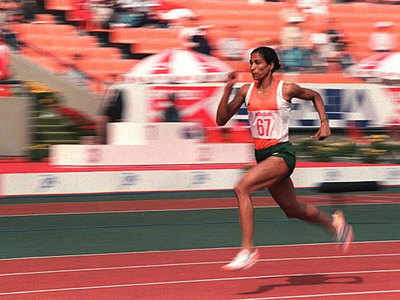
Here, we will discuss in detail women’s participations in the field of sports .As a matter of fact, women’s participation in sports has a long history . In ancient Olympics , women were not allowed to even watch sports competitions . Even in the first modern Olympic games which were held in 1896 in Athens , there was no participation of women .In fact , women started participating in the modern Olympic Games from 1900 onwards . They participated only in two sports events . In this Olympics , only twenty – two women participated . In 1904 Olympic Game , only six women participated in three events . With the passage of time , the number of women participants in Olympics increased and exactly after 100 years i.e., in 2000 Sydney Olympics , the number of women participants increased up to 4,096 . In this Olympics , a total of 10,500 sportspersons from 199 countries took part and out of which 38.2 per cent were women. This number of women participants was a record during that time . In 2008 Olympic Games , which were held in Beijing , a total of 10,700 sportspersons from 205 countries took part and out of which 4,637 were women whose percentage was 42.4 , whereas only 23 women of India participated in the London Olympics . In 2012 London Olympic Games , 10,960 sportsperson from 205 countries participated , out of which 4,862 were women whose percentage was more than ever before . For the first time women boxing was included in the Olympic program . In 2008 Olympics , 26 female sportsperson participated from India . Only four Indian women participated in the Olympics held in 1952 in athletics . Karnam Malleshwari became the first Indian Women to secure a bronze medal in weightlifting in Sydney Olympic Games in 2000 . In 2012 London Olympic Games , Sania Nehwal and MC Mary Kom added feather in the cap of India by securing one bronze medal each . Though PT Usha could not win any medal in the 1984 Olympic in 400 m hurdle race , yet her performance was remarkable and extraordinary . In fact , there is a long list of Indian woman sportsperson who have won various positions in the World Cups , Common Wealth Games, Asian Games ,SAF Games , etc.

AGNI:THE FAMILY OF BALLISTIC MISSILES

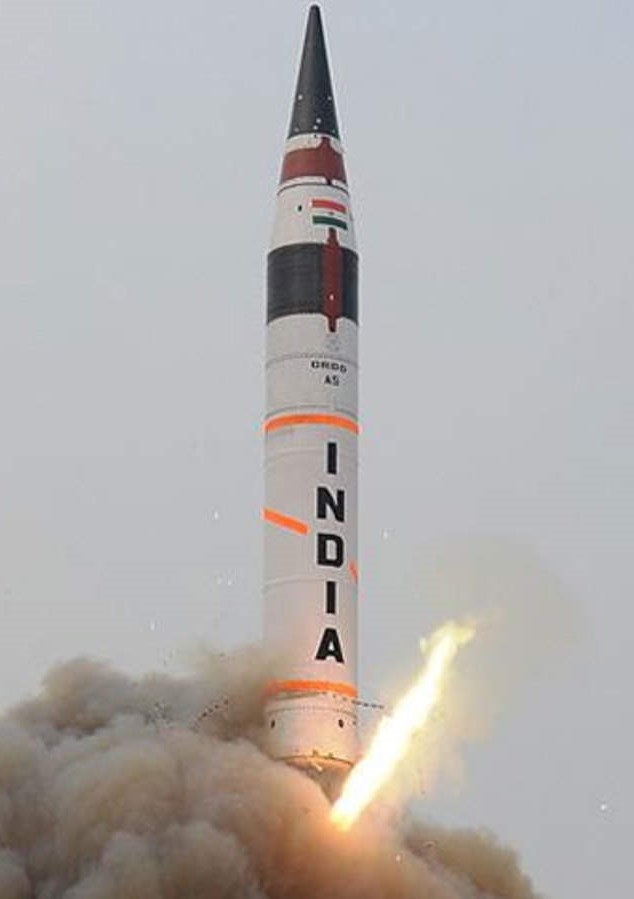
The name Agni(meaning fire) was given after one of the 5 elements in nature(Agni, Vayu, Prithvi, Akash, Jala). Agni missiles are medium to intercontinental-range ballistic missiles, developed under the Integrated Guided Missile Development Programme, INDIA. The family of missiles consists of AGNI I, AGNI II, AGNI III, AGNI IV, AGNI V, AGNI P, AGNI VI. And here is a brief description of each one of them.

India night-tests Agni-I missile

Agni I:

Agni I is an intermediate-range ballistic missile, it is 14.8 m long, with a diameter of 1.3 meters, and weighs 22,000 kgs. With a maximum payload of 1,000 kgs, the missile could extend its range up to 1,200 km of distance. Agni I is used by the SCF of the Indian Army. It is made of all-carbon composite materials to protect the payload during its re-entry stage. It is designed to be launched from Transporter-Erector-Launcher (TEL) vehicles, either by road or rail-mobile through transportation. The development of this missile began in 1999, and was first tested in January 2002 from a TEL vehicle at the Interim Test Range on Wheelers’ Island of India’s eastern coast. This missile has relatively high accuracy, simplicity, and due to its combination of an inertial guidance system with a terminal phase radar correlation targeting system on its warhead. 

Agni II missile

Agni II:

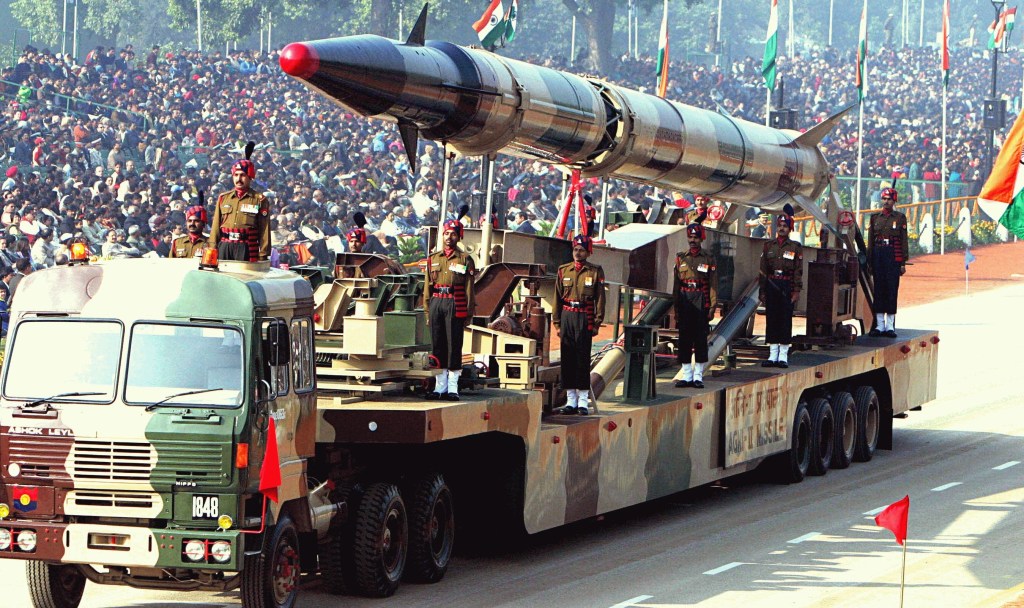
Agni II is a medium-range, two-and-half-stage solid propellent ballistic missile, and is 20 m long, with a diameter of 1 m, and weighs around 26,000 kg. With a payload of 820-2,000 kgs, the missile could extend its range from 2,000 to 3,500 km. Agni II was first tested on 11th April 1999 at the Wheelers’ Island of the Odisha coast using IC-4 launch pad, over the range 2,000 to 2,200 km. The Agni II uses a combination of inertial navigation and GPS in its guidance module as well as dual-frequency radar correlation for terminal guidance. The 20-meter-long, two-stage ballistic missile has a strike range of 2,000 km to 3,000 km during the night trail of a nuclear-capable intermediate-range ballistic missile on 16th Nov 2019.

Agni-3 ballistic missile successfully launched by India’s Strategic Forces Command (SFC) from Wheeler Island, off the coast of Odisha on September 21, 2012.

Agni III:

Agni III is an intermediate-range, two-stage solid propellent ballistic missile, it is shorter (17 m and wider and 2 m in diameter) compared to other missiles (Agni I and Agni II), and weighs up to 44,000 kg. With a payload of 2,500 kg, Agni III could extend its range from 2,000 to 3,000 km. It is made using advanced carbon composite materials, while the second-stage booster is made of iron-based steel alloy. Agni-III was first tested on 9th July 2006 from Wheeler Island on the coast of the eastern state of Odisha, by Rail-mobile, possible road-based TEL( Transporter-Erector-Launcher). It was again tested on 12th April 2007 successfully, again from Wheeler Island. The third successive trail-test was fired on 7th May 2008 from Wheelers island, which had a range of 3,500 km, taking a warhead of 1.5 tonnes. It is the most accurate strategic ballistic missile which increases the “kill efficiency” of the weapon. It was reported that with a low payload Agni III and hit a target of over 3,500 km.

Agni IV missile

Agni IV:

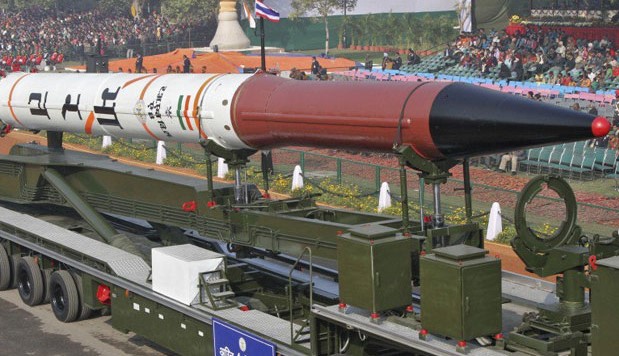
Agni IV is an intermediate-range, two-stage nuclear-capable ballistic missile, it is 20 m long, with a diameter of 1 m, and weighs up to 17,000 kg. It was previously called as Agni II prime. Agni IV was first tested on 15th November 2011 and on 19 September 2012 from Wheeler Island(Abdul Kalam Island) off the coast of the eastern state of Orissa. It could reach the target up to the range of 3,500–4,000 km with a payload of 800–1,000 kg. On 20th January 2014, that is during its third test, the missile was lifted off from the launcher and after reaching an altitude of over 800 km, and impacted near the target in the Indian ocean with a remarkable accuracy carrying a payload of 900 kg. Agni IV is equipped with state-of-the-art technologies, that include indigenously developed ring laser gyro and composite rocket motor.

Agni V missile

Agni V:

Agni V is an intercontinental-range, three-stage solid-fuel ballistic missile, it is 17 m long, with a diameter of 2 m, and weighs up to 50,000 kg, developed by the Defense Research and Development Organisation of India. It could reach a target of more than 5,500 km. It was first test-fired on 19th April 2012, from Abdul Kalam Island formerly known as Wheelers Island off the coast of Odisha. It is a canister launch missile system and ensures that it has the requisite operational flexibility and can be swiftly transported and fired from anywhere. The second test launch of Agni-V was completed on 15th September 2013 and the canisterized version was launched in January 2015.

Agni P missile

Agni P:

Agni prime is a medium-range, two-stage solid-fueled ballistic missile, it is half of the weight of Agni III, developed by the Defense Research and Development Organisation, India. Both the first and second stage of the missile was made of composite materials. It could extend its range up to 1,000-2,000 km. As per DRDO, Agni-Prime is a new generation advanced variant of the Agni family, launched on 28th June 2021. “Being a canister-launched missile, Agni-P will give the armed forces the requisite operational flexibility to swiftly transport and fire it from anywhere they want. The test at 10:55 met all mission objectives with a high level of accuracy,” says DRDO. This missile has followed the Textbook trajectory with a great level of accuracy.

Agni VI under development

Agni VI:

Agni VI will be a four-stage intercontinental ballistic missile, currently in the hardware development phase and expected to have a Multiple Independently targetable Reentry Vehicle(MIRV) as well as a Maneuverable Reentry Vehicle(MaRV). It is expected as the latest and most advanced version among the Agni Missiles.

References:

http://www.indianexpress.com/news/india-successfully-testfires-agni-i-ballist/715859/

https://timesofindia.indiatimes.com/india/india-successfully-test-fires-new-generation-agni-p-ballistic-missile/articleshow/83914848.cms

https://en.wikipedia.org/wiki/Agni_(missile)

https://frontline.thehindu.com/dispatches/india-successfully-test-fires-agni-prime-missile/article35022926.ece

credits to the right owner of the images used.

SOCIAL MEDIA

Needs and merits

The ability to build real relationships is one of the most important aspects of social media and a key factor in attracting people of all ages, genders and nationalities. It is an important part of developing healthy social networks and powerful social network tools. People can share their business, products and services with the world as long as they stay connected and use social media. Social networks allow people to communicate, and everyone can update and report at any time. Companies make full use of social media to improve your online reputation and greatly help increase sales and personal income.

  • You need to make sure to use all social media platforms to gain insight into the needs of your customers. To make the most of social media for your business, make sure you have a content marketing plan. If you need content on any social media platform, you can use social media asset management tools to create high-quality content.
  • You can also use social media to track what people say on social media. Although social media is mainly used by the public, the government also uses it to raise public awareness.
  • Although the use of social media for teaching can be distracting, educators can do everything they can to guide students to develop good habits and practices, Benefit. Regarding the advantages provided by social networks.
  • If you consistently and continuously invest time and effort, you will see the real benefits of social media marketing. Social media can give your business a huge advantage by helping you connect with your target audience. It can cover a large number of people, but for social media, it is also a media sharing network.
  • Social media advertising is one of the two components used together to attract potential customers and spread information and brand awareness. Different from classic ads. When you actively post on social media pages, social media marketing is easy.

SOCIAL MEDIA AS A BLESSING

There are some people who actually make a good or can say the best use of the social media. Like if we talk about the young entrepreneurs who have just begun with a start up but is lacking in public attraction and funding so they create a short 30seconds advertisement and attach it with the trending apps which work through network connection . Talking about the awareness ;both the social media and mass media have been playing their roles very well by keeping their viewers updated with the latest screamers , exposing the Scams ,scandals , and even the worse parts of humanity .

Mental Wellness

According to WHO ,mental Wellness means that your mind is in order and functioning in your best intrest .You are able to think ,feel and act in ways that create a positive impact on your social and physical well-being.According to report by WHO , depression is the most common illness worldwide ,with more than 264 million people affected.Close to 800,000 people die due to suicide every year .Suicide is the second leading cause of death in 15-29 years-olds.A friendly reminder to check in on your family and friends to make sure they doing okay and they know you’re there for them .

What is Catcalling?

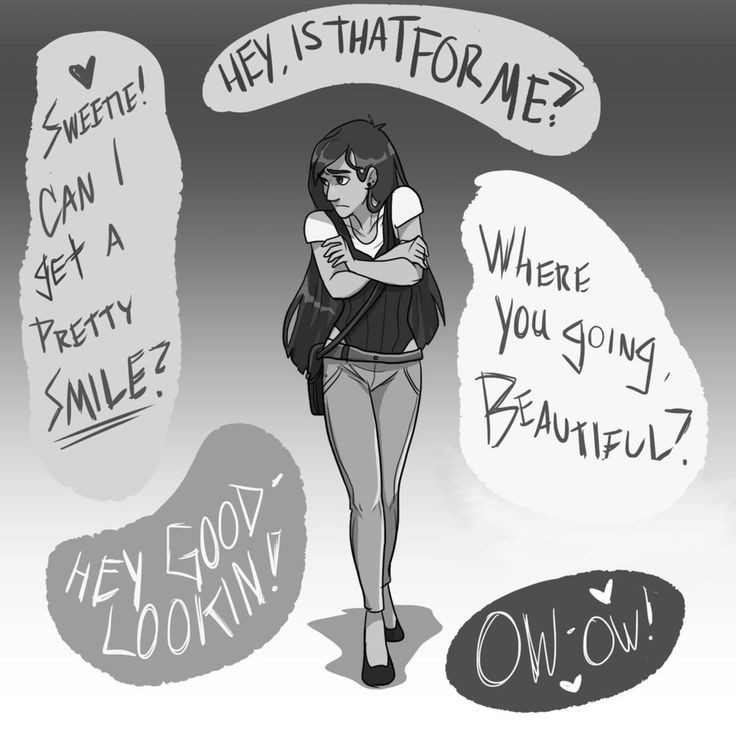
Catcalling is a form of harassment primarily consisting of unwanted sexual comments. This may include honking, wolf-whistling and indecent exposures. Most of the time, it is a man who catcalls and a woman who is catcalled.

According to surveys by Stop Street Harassment (a non-profit organization):

  • Nearly 95% of female respondents were honked at one or more times
  • Nearly 82% of female respondents were the target of a vulgar gesture at least once
  • Nearly 81% of female respondents were the target of sexually explicit comments from an unknown man at least once
  • Just over 77% of women said they were the target of kissing noises from men.

Where catcalling takes place?

Catcalling doesn’t only happen on the streets. Sexual harassers find targets on campus sidewalks, in restaurants and movie theaters, at work, inside homes – literally anywhere. Similarly, anyone can be a catcaller – including a person’s acquaintances. Online catcalling is also an issue just as severe as in-person catcalling. What’s worse, people on social media are able to say more because they are protected by a screen.

The Problems with Catcalling

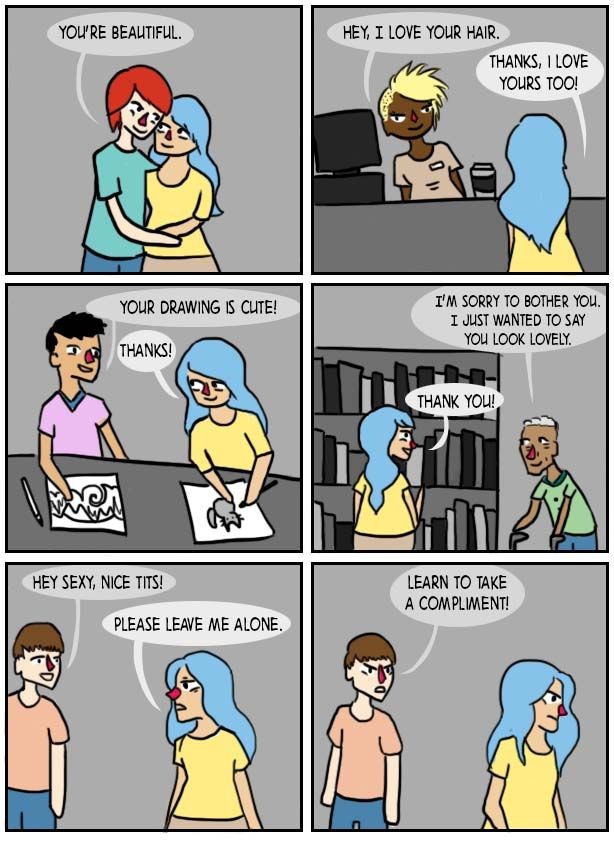
  • It’s disrespectful: Catcalling is uncalled-for and usually makes the victim feel exposed and uncomfortable. In some cases, catcalling is used as a method of expressing power over someone, rather than the misperception of it being a “compliment”.
  • It’s not impressive: Someone may catcall in order to impress their friends, or the person they are catcalling at, but it’s actually unimpressive and immature.

Catcalling is not a compliment, it’s a harassment!!

Whilst compliments and flirting can be harmless and fun, shouting at strangers is not flattering, it leaves “targets” feeling exposed.

Catcalling is degrading, demeaning, and disgusting.

Women have the right to be treated with as much respect and dignity when walking down the street as any man. Women deserve to feel safe.

How to react if you are being catcalled?

  • Catcallers usually look for a reaction. Don’t give them one, especially fear.
  • Get to a safe or crowded place as soon as you can. Seek help if needed.
  • If you are around other people and it’s safe, you can use a simple comeback like “that’s harassment” or “don’t do that”.
  • While snapping back (if you choose to do so), make sure to keep walking and don’t stop.
  • Avoid the use of swear words or eye contact.
  • If it’s online, you can block and report them. Choosing to reply is also an option (e.g., asking “would you find it okay if someone spoke to your mother or sister in that way?”).
  • Document it: write it down or take a picture/screenshot. By doing this you can call them out later.
  • Share your story if you feel comfortable.

How to intervene if someone is being catcalled?

  • Call out the harasser if it is safe to do so.
  • Create a distraction or start chatting with the target (e.g., drop your keys and ask “are these yours?”).
  • Approach the target afterwards to see if they need company or if there is anything else you can do to help.
  • Whatever you do, don’t put the person who is catcalled at greater risk (e.g., becoming aggressive).

Catcalling has become normalized, as it is often disregarded as a “joke”, or even a compliment. These are some tips to learn why this is absolutely not the case.