Foreign Direct Investment

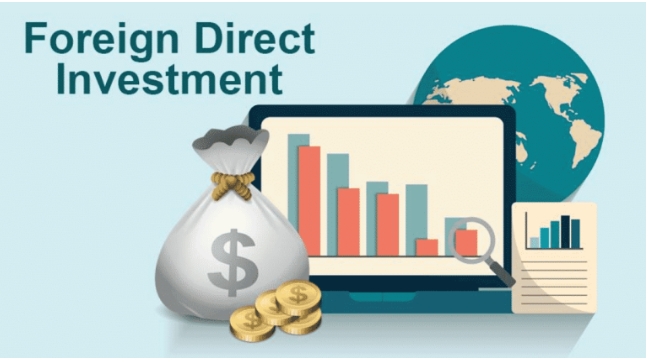
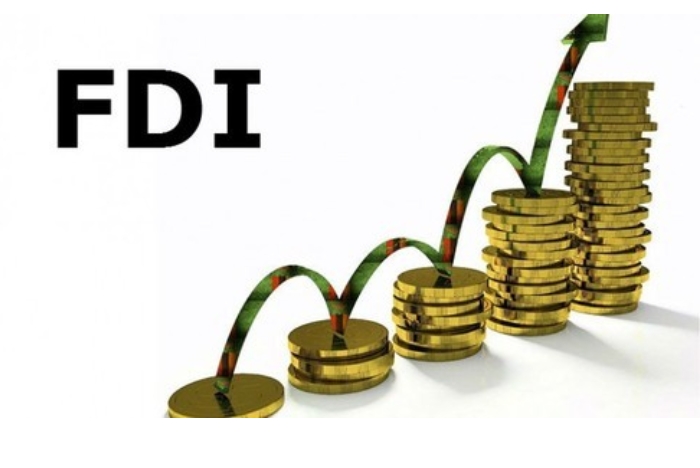
FDI stands for “Foreign Direct Investment”. It is an investment by foreign individual(s) or company(ies) into business, capital markets or production in the host country. FDI plays an important role in the economic development of a country. The capital inflow of foreign investors allows strengthening infrastructure, increasing productivity and creating employment opportunities in the Host country.
Foreign Direct Investment in India

Foreign direct investment policy in India is regulated under the Foreign Exchange Management Act (FEMA) 2000 administered by the Reserve Bank of India (RBI). India is one of the top five attractive location for investment. Japan bank of international cooperation continues to rate India as topmost promising country for overseas business operations.

The Government has put in place a policy framework on FDI which is transparent, Predictable, and easily comprehensible. The framework is embodied in circular which may be update.

How FDI works?

Foreign direct investments are commonly made in open economies that offer a skilled workforce and above average growth prospects for the investor, as opposed to tightly regulated economies. Foreign direct investment frequently involves more than just a capital investment. It may include provisions of management or technology as well. The key feature of foreign direct investment is that it establishes either effective control of or at least substantial influence over the decision-making of a foreign business.
Who can invest in India?

A non-resident can invest in India subject to FDI policy except in those sectors which are prohibited. An FII or FPI may invest in the capital of an Indian economy under the portfolio investment schemes which limits the individual holding FII or FPI below 10% of the capital of the Company. The aggregate limit of investment is 24% of the capital of the company. The aggregate limit can be increased to the sectorial cap as applicable by Indian company concerned through a resolution by its bord of director followed by special resolution to that effect and subject to prior intimation to RBI. However, a citizen of Bangladesh or an entity established in Bangladesh can invest only under government route.

* Recent amendments in FDI policy.

1. The amendments in FDI policy is to discourage opportunistic investment in Indian companies by neighbouring countries like china during the COVID-19 pandemic. 2. Recent China’s central bank has increased stake to 1.01% in HDFC bank via automatic route. 3. Revised FDI policy – Any entity of a country which shares land borders with India or where the beneficial owner of investment into India is Situated or is citizen of any such country can invest only under a Government Route.

Why Do We Need FDI?

1. Helps in balancing international payment:- FDI is the major source of foreign exchange inflow in the country. It offers a supreme benefit to country’s external borrowings as the government needs to repay the international debt with the interest over a particular period of time.

2. FDI boosts development in various fields:- For the development of an economy, it is important to have new technology, proper management and new skills. FDI allows bridging of the technology gap between foreign and domestic firms to boost the scale of production which is beneficial for the betterment of Indian economy.

3. FDI & Employment:- FDI allows foreign enterprises to establish their business in India. The establishment of these enterprises in the country generates employment opportunities for the people of India. Thus, the government facilitates foreign companies to set up their business entities in the country to empower Indian youth with new and improved skills.

4. FDI promotes exports from host country:- Foreign companies carry a broad international marketing network and marketing information which helps in promoting domestic products across the globe. Hence, FDI promotes the export-oriented activities that improve export performance of the country.

The Indian government has initiated steps to promote FDI as they set an investor-friendly policy where most of the sectors are open for FDI under the automatic route (meaning no need to take prior approval for investment by the Government or the Reserve Bank of India). The FDI policy is reviewed on a continuous basis with the purpose that India remains an investor-friendly and attractive FDI destination. FDI covers various sectors such as Defence, Pharmaceuticals, Asset Reconstruction Companies, Broadcasting, Trading, Civil Aviation, Construction and Retail, etc.

we can say that FDI plays a crucial role in the growth of Indian economy as it helps to bring new technologies, employment generation and improvement in business operations, etc.
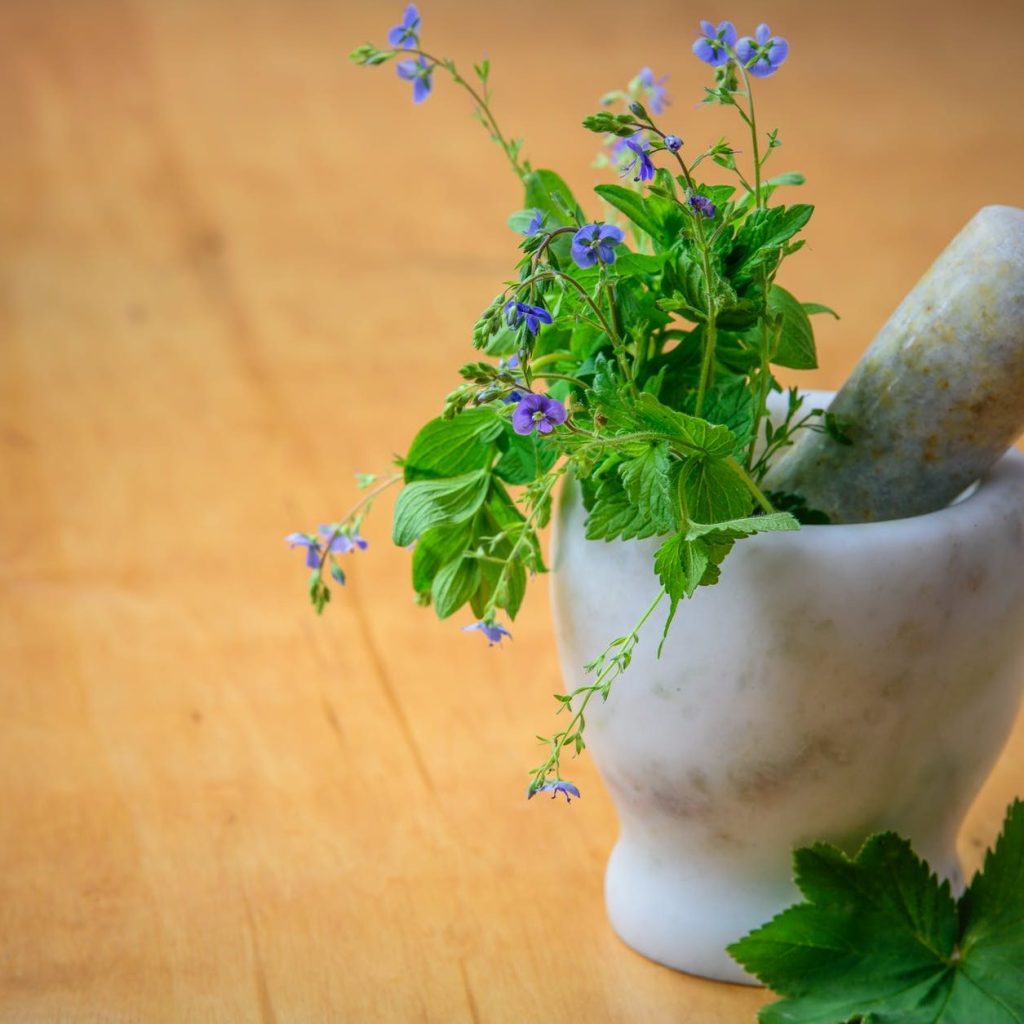

AYURVEDIC MEDICINE:History and its importance

The word Ayurvedha is comprised of two Sanskrit terms “Ayur” means life, “veda” means science or knowledge.Ayurvedha is Explored Natural method for Improving the wellness of the body and Mind.It is believed that the Ancient Rishis or saints of india Received the gift of Ayurvedha from their Hindu Deities about 5000 years ago.Most of its essential Information about achieving a balanced and healthy life was obtained from Vedas,specifically the Artarva Vedha.

The Rishis ,saints and munis of the indian society dedicated their entire lives to understand and explore the truth about the universe.All their Knowledge and Practices to their students has been passed down and recorded their discoveries in the holy book of Vedas.The vedas are the oldest form of literature.The Artarva Veda is the book of Knowledge that india’s ancient medical Practices are studied and systematically Outlined.The Classics of Ayurveda consist of Charaka Samhita,sushruta Samhita,and Ashtanga Hridayam Sangraha.

CHARAKA SAMHITA:

The orginal texts of this book were thought to be written by Agnivesha, an Ayurvedic Scholar.It is believed that Agnivesha’s and his co-disciples created samihitas By adding their Knowledge to the subject.Charka later annotated Agnivesha’s work and focussed more on the diagnosis of the disease.He also detailed The medical value and qualities of over 10,000 Herbal Plants.

SUSHRUTA SAMHITA :

This samhitas explain the concept and practice of Surgery in ayurveda.Many modern Scolars and Researchers suggest that it was created around in middle of first BCE.Sushruta Samhita is composed of 184 chapters,300 types of operations,different surgical procedures , various kinds of instruments and kinds of medicines derived from animals,plants and Minerals.

ASHTANGA HRIDAYAM SANGRAHA:

This samhita was formed after the Charaka samhita and Sushruta Samhita were written.It mainly focuses on the kayachikista, the branch of ayurveda that specializes in internal Medicine.It also explains the qualities of various food,plants and animals in respect of their medicinal and Health benefits.

AYURVEDIC MEDICINE IN MODERN TIMES AND ITS IMPORTANCE:

The emergence of modern science has threatened Ayurveda’s integrity.Many researches conclude that Ayurveda and experimental evidence-based medicine should be combined together with innovative intiatives that explore preventive and personalized medicine.This modern medical Practices and remedies has also become significant price point,Ayurveda provides an excellent alternative for people who cannot afford the cost of modern medicine due to economic factors.Ayurveda’s influence is steadily seeping into societies internationally,it not only provide health benefits but it also offers a postive economic impacts.

Ayurveda was officially recognised by WHO(World Health Organization)in 1976.Ayurveda ,through diet and lifestyles balances stress and work under pressure which is vital for the present human era.It also leads to long term revitalizing energy in forms of relaxation,meditation,anti-aging,Healthy skin etc.Ayurveda provides a heal to all the diseases in a plain and healthy methods.Ayurveda is considered as one of the most ancient sciences of health and Medicine,also includes cosmetics.Ayurvedic Cosmetics as considered as safe solutions,no side effects to skin with use of natural herbs,long lasting impacts with beauty.

One of the challenges that Ayurveda faces in its developement is the standardization of its medicine .Medicinal Plants and herbs used in Ayurveda are also threatening the conservation of india’s flora.Despite the importance of these medicinal plants,the trade for them remains unorganized,unregulated.It is based on the indigenous theories, and experiences passed from one to other generation WHO continues to encourage the preservation and promotion of the Traditional medicine of each country.Ayurveda has importance with it’s own ways and how it is used for the required medications.

THANK YOU!

HISTORY OF CRICKET

Cricket is a global passion, played everywhere from Test match arenas to village greens, tropical beaches and dusty back lots. Just look at the varied cricket events sponsored by royal london: star-studded internationals for men and women; Britain’s club championship pairing 256 community teams, county cups for teens. It has a great history too…

LONG BACK

Cricket was first recorded in 16th-century England, and it was played in grammar schools, farm communities and everywhere in between. But things really took off when 18th-century nobles realised that not only was it a great sport but also an excellent opportunity for betting.

With sky-high stakes being wagered, it was deemed necessary to come up with agreed rules. The oldest surviving set of cricket laws date from 1744 – printed on a handkerchief, naturally. It’s now in the MCC Museum at Lord’s in London.

The oldest permanent fixture is the annual Eton v Harrow match, played since 1805. A young Lord Byron turned out for Harrow in the first match, though history doesn’t record how poetic – or “mad, bad and dangerous” – his bowling was.  

The first international match was in 1877 when Australia beat England in Melbourne. The match was dubbed a “Test”, since the gruelling nature of playing over five days was deemed the ultimate “test” for any side.

But it was Australia’s first win on English soil – in 1882 at The Oval in London – that led to matches between the two nations being christened the Ashes. Following the defeat, newspapers published an obituary mourning “the death of English cricket”, adding that “the body will be cremated and the ashes taken to Australia”.GREAT PLAYERS

GREAT PLAYERS

Cricket’s earliest star was WG Grace, who played 44 seasons from 1865 to 1908. Despite the game’s reputation as the epitome of fairness, Grace was as famous for his gamesmanship as his batting. He once ran three, then when the ball was flung in from the outfield, caught it, put it in his pocket and ran three more.

The top batsman in history is India’s Sachin Tendulkar, who retired in 2013 after scoring 15,921 runs in 200 Tests and 18,426 in 463 one-day internationals. He is the only player to have made 100 international centuries, was the first batsman to score a double century in a one-day International and is the only player to amass more than 30,000 international runs.

A special mention must go to West Indies’ legend Sir Garfield (Gary) Sobers, who became the first batsman to hit six sixes in a single over off six consecutive balls in first-class cricket, playing for Nottinghamshire against Glamorgan in 1968.

Mimesis in Aristotle’s Theory of Art [Part B]

In addition to imitation, representation and expression; mimetic activity produces appearance and illusion that affects the perception and behaviour of people, though this doesn’t negate Plato’s theory on the “realness” of imitation. For, though it is a common belief that perpetual experience allows us to have a closer look at the ‘real’ because works of art are encoded in such a way that humans are not duped into believing that they are the reality but rather recognise features from their own experience of the world within the work of art that cause the representation to seem valid and acceptable – not just existing object or element but beautifies, improves upon and universalises these artistic musings. Aristotle next explores how imitation gives knowledge not just only to the philosophers but to everyone, which in turn creates a delight. Art unlike Plato who dismisses the said notion of art as an imitative form brings about the best in an artist, in terms of how he produces art. It is also essential to note that Aristotle doesn’t put Mimesis in some hierarchical nomenclature like Plato who’d put it to the lowest level of stratification. In any Tragedy, Aristotle insists on a plot arousing Pity and Fear by spectacle/audience which adds more to comprehending imitation; the spectator need not see the object in person which though is crucial, isn’t a deal – breaker, as even a play which has this element of imitation – can convey the plot effectively this can. Be achieved by delivering the speech, actions, the chorus, setting and other elements in such a way that imitation of the desired idea is carried out with brilliance and would successfully be rousing the cathartic element of tragic pleasure is also an important idea with Mimesis.

He dwells upon how Art doesn’t reflect any aspect of natural life as origin of art to the human affinity is through imitation, and while doing so isn’t discarding or trampling is as something necessarily bad but is entirely critical of an artist. Furthermore, he speaks on The Theory of Art as a productive science — for Aristotle, something which only rational human beings can engage in — as the quality produced determines merit of Art, and so art in its absolute formation is acknowledged by Aristotle focusing on its imitative element, as all works of art are modes of mimesis. 

Mimesis in Aristotle’s Theory of Art [Part A]

Please make sure that you read cache up on the next post for more.

Aristotle in his Theory of Art reasons on the imitative nature of art; and further proposes that art imitates everything that is nature. In his theory he hints out that a poet, by his work tells us what is to happen unlike a historian who recites on what occurred in the past, which is put forth by Aristotle himself on the imitative nature of ‘poets’ work. The Oxford English Dictionary defines Mimesis as “a figure of speech, whereby words or actions of another are imitated” or “the deliberate imitation of the behaviour of one group of people by another as a factor in social change”. Mimicry as “the action, practice, or art of mimicking or closely imitating … the manner, gesture, speech, or mode of actions and persons, or the superficial characteristics of a thing” .
Aristotle focuses on the Mimetic nature of Art which isn’t a sole focus of Poetics, and while doing so, he had opposed to what Plato believed, that mimesis was manifested in ‘particulars’ which copies or imitates the forms from which they are derived; thus, the mimetic world (the world of representation and the world of structure of conscious experience) is inherently inferior in that it consists of imitations which will always be subordinate or auxiliary to their original. Aristotle, unlike Plato, has his own interpretation to the theory of imitation and thus doesn’t comply with what Plato presents when he talks about Mimesis. Aristotle has evidently accepted and agreed of the heterogeneous notion of art being produced by different artist differently, which gives a distinct identity to the theory of imitation and so he believes that an artist is responsible to birth an art form unlike Plato, who negates any form of Art – as it’s being thrice removed from reality. He contests these notions of reality and argues to the point that imitation is an extremely natural instinct in human nature, something very basic, the ability to imitate sets human beings apart from other animals and so not only it is natural to imitate it further helps to learn and simultaneously experience delight from it. In Poetics, what Aristotle has wrapped up for us isn’t a very definite answer, for what he means about ‘Mimesis’, instead has left it broad and elusive. Although various discussions on ‘Mimesis’ to be an integral fraction to the relationship between art and nature and to the relations governing works of art themselves. Therefore, we can assert the various species that Mimesis is distinguished in, i.e. Mean; Object; Mode of Imitation. Although for Aristotle, Imitation involves not merely physical resemblance, but also what one might call generally the relations between things or the ‘mechanism’ of things, he thus proposes the three key distinguishers through which one could filter imitations. Mean – is something a poet applies to his work of art, say Poetry and Dance, what distinguishes these two forms is; one requires spoken language to be at fruition and the other, not essentially emphasises on language and it thus could be substituted by music, similarly in Poetry difference in its metres or rhyme scheme and the structure in general could itself separately each genre from the other like Epics, Ballads or Elegy, et cetera. Next is Object of imitation – what the mean — the ‘matter’ of imitation — represent, and this would produce for better or worse or the same effect of the original piece imitated, here Aristotle points at the distinction of Tragedy and Comedy, for tragedy we’d need a better mode of imitation and for Comedy one uses caricature i.e. laughing at the object of imitation, to show an inferior or worse form of imitation to produce the choice effect. Further along is Means of imitation which in poem could be what the poet chooses as a form of delivering his work of imitation.

Is Literature taking us away from the real world?

Photo by Maria Orlova on Pexels.com

It is always considered that the people always acknowledge “ what is actual and reasonable” and in this instance often the imaginative world is denied by them!

Literature is not only a branch of academia which people are fond of for centuries but it has further become into a subject of the matter when it comes to fiction”. It is often unvalued by the fact that literature provides an absurd approach to the other branches of the world that believes in science and not in magical elements.

The fact that one should always remember is that the essence of literature is never gone even in spite of so many prejudices against it. Great writers Like John Donne, William Shakespeare, Rabindranath Tagore have upheld the pride of literature by their beautiful works.

Literature – A Backbone of the Inner society!

A very famous quote of all, which we have known for ages; “Literature is a mirror of society”, yet we forget this quote because non- Literature people are not very fond of poetry, essays, and novels. But one must know that Literature is not only a place for fictional lovers but also provides a reality of the real world.

Taking back to Chaucer’s age when writing was not so popular, yet “Canterbury Tales” was written and unexpectedly it turned out to be the legendary piece that literature holds to date. Being one of the best pieces of all, Canterbury tales was the background of the 14th-century society of England where people believe in god and considered god above humans.

When the English renaissance came people started to believe among themselves and considered humans and humanists as the great topic and wrote about them and their lives.

The whole background history is found in those classical works in the form of so called “Literature works”.

Now when people talk about the history and the consequences of the wars, it is literature that has preserved the whole history in several kinds of books that are cherished and protected by them who understood the purity of literature.

Every drop of works is poured into the petals of history and preserved by these eminent writers who contributed their emotions and portrayed the society of that era through their writings and contributed to the ocean of literature.

For some it’s a “Myth” :

There are several ideologies and theories are done in the matter of literature and they proved that literature is a myth as it doesn’t belong any place in the real world! So the question that arrives here is , what do literarians, bibliophiles and the readers think about?

This is a very controversial concern, as for some “Literature is an emotion which should be presevered for the coming eras, It is something to be conserved so that the coming generation would know the aesthetics of emotions, culture and people.

As the days are going by, the essence of humanity is decreasing day after the other, but certain emotional norms are still alive holding up because of literature, it is because of Great works like “Romeo and Juliet”, “Pride and Prejudice”, “Wuthering Heights”, that people still believe in love and its pure existence between two people. Even in this era where people are having an ill-fated relationship and are doomed by their own actions still believe that there are certain emotions present In them.

The world is a better place if people love each other and live in harmony. It is literature that teaches that still we all are humans and we should accept the fact that not everywhere facts and logical explanations are approved, rather it is emotional evidence that is more prominent.

Its time to save literature!

Every branch of academia is relevant in some way or the other which provides us the reality check of various elements present in the world , among them literature is one of them which still is remembered and exists in our society due to the tremendous works done by the crafters of literature ( The writers, poets).

Hiding it or erasing it would never be a good thing to do, as aestheticism always protected these works and still popular among people who believe in fantasy and poetry. It is rather a sense a catharsis which each reader goes through which is written by these dead writers.

Though the artists die, the art remains forever! Likewise, The art of literature can never be faded because the artist’s art is immortal, all we have to respond that we as ardent readers should make this immortal art live for many centuries and should never let them fade away in spite of any circumstances which the worlds demand us to do.

Cloud computing

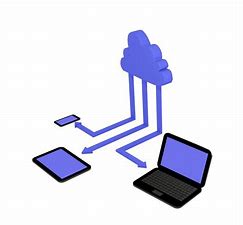
Cloud computing is that the on-demand availableness of automatic data processing system resources, particularly knowledge storage and computing power, while not direct active management by the user. The term is usually wont to describe knowledge centers offered to several users over the web.

How will cloud computing work?

Rather than owning their own computing infrastructure or knowledge centers, firms will rent access to something from applications to storage from a cloud service supplier.

One good thing about victimisation cloud computing services is that corporations will avoid the direct value and complexness of owning and maintaining their own IT infrastructure, and instead merely buy what they use, after they use it.

In turn, suppliers of cloud computing services will have the benefit of vital economies of scale by delivering an equivalent services to a large vary of shoppers.

What square measure samples of cloud computing?

Cloud computing underpins a massive variety of services. that has client services like Gmail or the cloud back-up of the photos on your smartphone, tho’ to the services which permit giant enterprises to host all their knowledge and run all of their applications within the cloud. Netflix depends on cloud computing services to run its its video streaming service and its different business systems too, and have variety of different organisations.

How does one build a business case for cloud computing?

To build a business case for moving systems to the cloud you initially ought to perceive what your existing infrastructure truly prices. there is a ton to issue in: obvious things just like the value of running an information centers, and extras like hired lines. the value of physical hardware — servers and details of specifications like CPUs, cores and RAM, and the value of storage. you will additionally ought to calculate the value of applications — whether or not you propose to dump them, re-hosting them within the cloud unchanged, fully reconstruction them for the cloud or shopping for a completely new SaaS package every possibility can have totally different value implications. The cloud business case additionally has to embrace folks prices (often second solely to the infrastructure costs) and a lot of nebulous ideas just like the good thing about having the ability to supply new services quicker. Any cloud business case ought to additionally think about the potential downsides, as well as the danger of being fastened into one marketer for your technical school infrastructure.

The period taboo

Women are often told to not do certain things while they are menstruating. These things vary from not going to a temple, not entering the kitchen, to being treated like an untouchable. There are many homes where they have separate rooms, utensils for women menstruating. Nobody enters the room nor do they touch the things used by them. You might find it hard to believe but these things still happen and what’s worse is they are “normalised”.

Menstruation is normal, every woman goes through it every single month. So, why is it still looked down upon? Menstruation has been around for as long as the very existence of human beings. But still, people treat it like a taboo. Here are some things that prove that periods are still taboo.

Why do the commercials of sanitary products show the period blood blue? 

It is considered fine to show blood in movies during a fight but when it comes to period blood it is suddenly “sensitive content”.

Why in schools did we hide the sanitary napkin like it was something illegal? 

This one time in school a female teacher during a bag checking, picked my sanitary napkin and asked what’s this?

Why are sanitary napkins packed in newspaper, or a black bag like we are hiding something? 

Why do we have to hide the fact that we are menstruating from our brothers or father?

Why are menstruation products still so expensive for the women? 

In a lot of places women still have to use newspapers, cloths, rags, hay, or leaves because they cannot afford the sanitary products. The world has come so far yet it fails to provide necessities to the women who cannot afford them.

  • In India, 88% of women don’t have access to menstrual products.
  • 23% of the girls drop out of school after they start menstruating.

Some girls don’t even receive education on menstruation because it is an “uncomfortable” topic to talk about.

The women go through a hard time while menstruating. A lot of women get very painful cramps, that even pain killers do not help. While women go through this, society decided to treat women as impure and dirty while they are already dealing with so much.

I fail to see the justice in that. Society needs to be supportive and not make the girl hate herself for getting her periods.

I know that not everyone suffers from the issues I talked about. But, the majority of the women are going through this. So, it is our responsibility to raise awareness. We need to start talking about it, raising awareness, supporting films like Padman and advertisements like bleeding red: where Radhika Apte shows period blood as red instead of blue.

 Let’s normalise menstruation and help the women out. Raising awareness will bring more and more light to the issues and that is how we will be able to create change. This article is not just for women. It is also for the men, as a men make sure that the females in your family, or your partner, or your female friends know they can talk to you about menstruation. It should be a normal topic and not an uncomfortable taboo.

Breaking taboos is hard but it is something that is needed to be done.

I may not be able to change the mindsets of the people who are older and like to stick to old norms. But, I know I will be able to change the mindsets of the future generation.

Economics of fuel price hike-A line of no control

Remarkable role of fuel:

Fuel is at the center of our lives and we revolve around it. It plays a pivotal role in our daily life without which our life would be unfeasible and become intricate. It is one of the widely used sources of energy in the world. It has its prevalence in various spheres from the domestic field of life to dealing with worldwide business, fuel is very essential. Beyond fuel in the tank, it is used to make everyday objects, because fuels like petrol are not only concerned with transportation and vehicles, it has lot more to deal with like in the medical field, toiletries, paint, electronics etc. It takes an indispensable part in our livelihood and irrespective of fuel life would be strenuous. It is like a key ingredient in the products that we use everyday and is an integral part of our life. Fuel is a universal need but the fuel prices are sky rocketing and when there is a continuous price hike, enormous amount of people especially those who toil for their daily being and many major sectors like transportation, manufacturing would be greatly affected. So eventually it will leave a huge devastating impact on us and the economy which could paralyze various fields all over world.

Fuel price hike crisis:

Hike in price of petroleum products in India has been a boiling issue since two decades. Petrol and diesel rates in the country have sharply climbed after the latest round of fuel price hike by oil marketing companies. When fuel price increased in 2000 there was a huge impact on the transport sector. Within three years petrol price has increased ten times and still counting. Petrol is now retailing above Rs.90 per liter in all major cities. It has already hit century in some spheres. A recent report indicated that some folks in Bihar’s Araria and Krishnaganj region are crossing the borders to smuggle petrol from Nepal. Both oil and petroleum are scarce commodities. Therefore both demand and supply are less elastic. The supply of the foreign currency reduces thus appreciating the value of the foreign currency and depreciating the value of the local currency which in turn increases the prices of imports. In 1990 the petrol was available to the consumers at Rs.9.8, if we compare the historical and the present prices the consumer will notice that the price has increased 9 times.

Cascading effect of the price hike:

There are many ways in which the people would be affected by the rising fuel crisis. Initially the impact would be felt by the owners of vehicles where two wheelers provide mobility to the aspiring people of the middle class. And many people agree that the price hike is having a great impact on their monthly budget. Petrol price hike directly and subsequently affects many major sectors like transportation, textiles, manufacturing, automotive sector etc. This affects the prices of daily essential commodities which are transported on a daily basis. Banking sector is also expected to suffer due to high inflation level. Increase in fuel price will also make an increase in food price. This will have a more severe effect on poor people who toil day and night for one or two meals a day. It is a like chain reaction which is interconnected with many other domain. If there is an increase in petrol price it will obviously increase the transportation cost which in turn will increase the price of goods and gradually it would push people into poverty. This will hit the common man so hard who is striving arduously to meet ends, because the business class would shift the burden to the customers. It also destructs the balance of trade of the country.

Proposals in framing alternatives:

We cant pin the blame on just one entity. It is not just one factor that causes fuel price hike ,it is a combination of things and even we are liable for the same. So each one of us are solely responsible for the betterment of the situation.

The initial thing to contribute to the alternatives is using the public transport for travelling places which can save fuel eventually.

Developing alternate sources of energy like solar and alternate fuel forms like hydrogen, natural gas, biodiesel, propane, waste derived oils, electricity etc.

Constantly accelerating and braking only wastes fuel and reduces the fuel consumption so coast when possible and avoid burning excess fuel.

For every 100 pounds of weight in the vehicle, the car’s fuel economy decreases by about 1 or 2%. So we can get rid of the unnecessary weight adding to the trunk of the car.

The Government can take initiatives which can help in the long run by allocating funds for the alternative sources of energy.

We all know fuel is a non-renewable energy and limited in nature. It is our responsibility to use it prudently and bequeath the future generation with this legacy and thus lead to sustainable development!!!

Vaccination

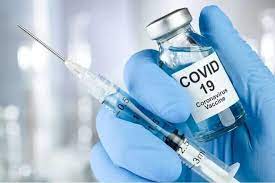
Before we start, please ensure that you — yourself and other are trying and registering yourself for the Covid-19 Vaccines.

The worlds largest vaccination drive, surely, but I’m tired of searching slots, and definitely who isn’t at this point. Be it Dose 1 or Dose 2, getting a slot — is equivalent to witting lottery, and you can’t argue with me, the lottery has amounts; price, money as a gift, with Vaccination slots, the nearer the Centre the bigger the jackpot. Oh.. what a nuisance. 

I just had to travel 10+ KM to get my jab, and mind you; I stay in a metropolis. After months, and I’m not exaggerating, months, I finally paid enough to get my first jab (a pat on my back).

Nonetheless, don’t get dishearten, getting these vaccinations are crucial, with the Delta Variant hanging over our head, it has been all the more important that we start taking care of our health more and more. 

Please still do follow all the social guidelines and public health notices, make sure you follow it for yourselves and that you don’t bring harm upon someone else; don’t complain if someone isn’t following the rules, you can insist them, but it’s their option and we have to respect, but that doesn’t mean you can compromise your safety. 

Eat healthy, eat well, stay door, maintain social distance and wear a mask. 

Go to the COWIN website and ensure that you have registered yourself by now, don’t make plans for a group vaccination day, it’s not a picnic, your health should be your primary focus. Keep on searching for slots in your district, or area, enrol yourself to sites/apps like PayTM to get notified when the nearest slot is available, the process is tough, with such a huge population, it can’t be avoided, that’s why you need to stay of top of your vaccination game, and take proper care once you do get your jab.

PLEASE CHECK THE COWIN WEBSITE HERE: https://www.cowin.gov.in/home

Revolt of puli Thevar 1755-1767

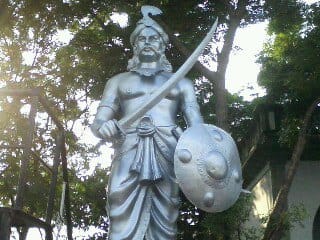
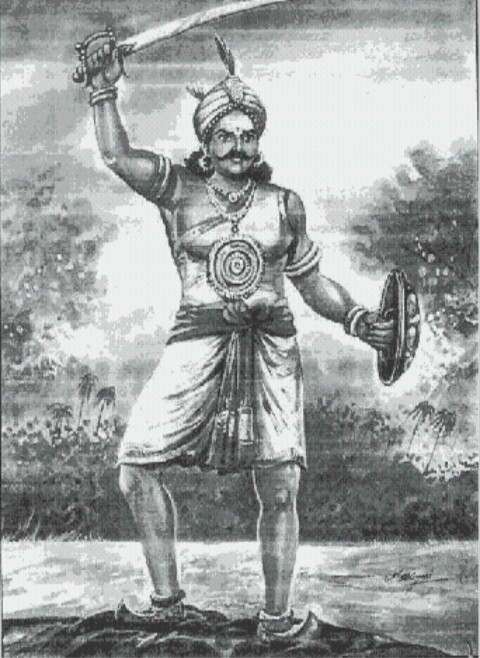
In March 1755 Mahfuzkhan (brother of Nawab of Arcot)was sent with a contingent of the company army under colonel Heron to Tirunelveli.Madurai easily fell into their hands.Thereafter colonel Heron was urged to deal with puli Thevar as he continued to defty the authority of the company.Puli Thevar wielded much influence over the western palayakkarars.For want of cannon and of supplies and pay to soldiers,colonel Heron abandoned the plan and retired to Madurai.Heron was recalled and dismissed from service.

Confederacy and Alliance with enemies of the British

Three pathan officers ,Nawab chanda sahib’s agents, named Miannah ,Mudimiah and Nabikhan Kattak commanded the Madurai and Tirunelveli regions.They supported the Tamil palayakkarars aganist Arcot Nawab Mohamed Ali.Puli Thevar had established close relationships with them.Puli Thevar also formed a confederacy of the palayakkarars to fight the British.With the exception of the palayakkarars of sivagiri,all other Maravar palayams supported him.Ettayapuram and panchalamkurichi also did not join this confederacy.Further ,the English succeeded in getting the support of the rajas of Ramanathapuram and pudukottai.Puli Thevar tried to get the support of Hyder Ali of Mysore and the French .Hyder Ali could not help Puli Thevar as he was already locked in a serious conflict with the Marathas.

Kalakadu Battle

The Nawab sent an additional contingent of sepoys to Mahfuzkhan and the reinforced army proceeded to Tirunelveli.Besides the 1000 sepoys of the company,Mahfuzkhan received 600 more sent by the Nawab.He also had the support of cavalry and foot soldiers from the Carnatic.Before Mahfuzkhan could station his troops near kalakadu ,2000 soldiers from Travancore joined the forces of Puli Thevar .In the battle at kalakadu ,Mahfuzkhan’s troops were routed.

Yusuf Khan and puli thevar

The organized resistance of the palayakkarars under puli Thevar gave an opportunity to the English to interfere directly in the affairs of Tirunelveli .Aided by the Raja of Travancore,From 1756 to 1763,the palayakkarars of Tirunelveli led by Puli Thevar were in constant state of rebellion against the Nawab’s authority.Yusuf Khan (also known as Khan sahib or, before his conversion to Islam,Marudhanayagam)who had been sent by the company was not prepared to attack Puli Thevar unless the big guns and ammunition from Thiruchirappalli arrived.As the English were at war with the French,as well as with Hyder Ali and Marathas ,the artillery arrived only in September 1760 .Yusuf Khan began to batter the Nerkattumseval fort and this attack continued for about two months .On 16 May 1761 Puli Thevar’s three major forts (Nerkattumseval,Vasudevanallur and Panayur) came under the control of Yusuf Khan.

In the meantime, after taking pondicherry the English had eliminated the French from the picture.As a result of this the unity of palayakkarars began to break up as French support was not forthcoming.Travancore ,seithur,uthumalai and surandai switched thier loyalty to the opposite camp.Yusuf Khan who was negotiating with the palayakkarars, without informing the company administration,was charged with treachery and hanged in 1764.

Fall of puli Thevar


After the death of Khan sahib ,Puli Thevar returned from exile and recaptured Nerkattumseval in 1764.However ,he was detected by Captain Campbell in 1767.Puli Thevar escaped and died in exile.

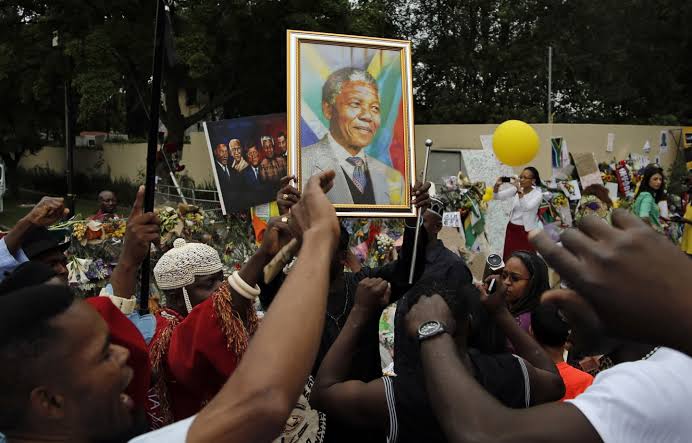
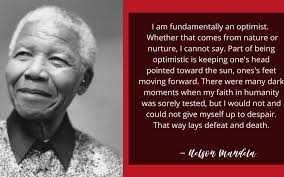
Nelson Mandela (1918……..)

⭐Nelson Rolihlahla Mandela (xhosa pronunciation :[xo’li??A mande?la]; born 18 July 1918) is a South African anti-apartheid revolutionary and politician who served as President of South Africa from 1994 to1999. He was the first black south African to hold the office ,and the first elected in fully representative,multiracial election. His government focused on dismantling the legacy of apartheid through tackling institutionalisef racism, poverty and inequality ,and fostering racial reconciliation. Politically in African nationalist and democratic socialist,he served as the President of the African National Congress (ANC) from 1991 to 1997 . Internationally, Mandela was the secretary General of the Non-Aligned Movement from 1998 – 1999.

A xhosa born to the Thembu Royal family, Mandela attended Fort Hare University and the University of witwatersrand,where he studied law. Living in Johannesburg,he became involved in anti-colonical politics, joining the ANC and becoming a founding member of its Youth League.

⭐In 1962 he was arrested, convicted of sabotage and conspiracy to overthrow the government,and sentenced to life imprisonment in the Rivonia Trail. Mandela served 27 years in prison.

⭐Becoming ANC President,Mandela published his autobiography and led negotiations with President F.W. de Klerk to abolish apartheid and establish multi-racial elections in 1994 ,in which he led the AMC to victory. He was elected President and formed a Government of National Unity. As President,he established a new Constitution and initiated the Truth and Reconciliation commission to investigate past human rights abuses, while Introducing policies to encourage land reform, combat poverty and expand healthcare services.

Controversial for much of his life, right-wing critics denounced Mandela as terrorist and communist sympathiser . He has nevertheless received international aaclaim for his anti-colonical and anti-apartheid stance, having received over250 awards, including the 1993 Nobel Peace Prize,the US Presidential medal of Freedom and the Soviot Order of Lenin. He is held in deeo respect within South Africa, and has been described as "the father of Nation." He is often referred to by his Xhosa clan name of Madiba.

But the late 1960s, Mandela's fame had been eclipsed by Steve Biko and the Black Consciousness Movement. (BCM).

⭐He was awarded an honorary decorate in Lesotho ,the Nehru prize for international Understanding in India in 1970, and the Freedom of the city of Glasgow, Scotland in 1980 . In March 1980 the slogan “Free Mandela” was Developed by journalist Percy Qoboza, sparking an international campaign that led the UN Security Council to call his release . Presidency of South Africa: 1994-1999.

⭐South Africa's first black President , Mandela became head of a Government of National Unity dominanted by the ANC-which alone had no experience of governance - but containing representatives from the National Party and Inkatha. In keeping with earlier agreement ,de Klerk became first Deputy President, while Than Mbeki was selected as second.

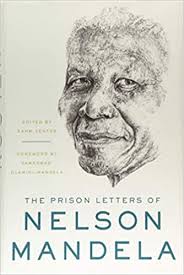
In December 1994, Mandela's autobiography, Long walk to Freedom ,was finally published. Across the world , Mandela cane to be seen as "a moral authority" with a great " concern for truth". Considered friendly and welcoming , Madela exhibited a " relaxed charm" when talking to others, including his opponents. Although often befriending millionaires and dignitaries,he enjoyed talking with their staff when t official functions. In later life,he was known for looking him too trusting of with their staff when at official functions. In later life,he was known for looking him too trusting of others. He was renowned for his stubbornness and loyalty,and exhibited a " hot temper" which could flare up in anger in certain situations,also being "moody and dejected" away from the public eye. He also had a mischievous sense of humour.

⭐Within South Africa, Mandela is widely considered to be “the father of the Nation”, and “the founding father of democracy”, being seen as ” the national liberator,the saviour ,it’s Washington and Lincoln rolled into one”. In 2004, Johannesburg granted Mandela the freedom of the city, with sandton square being renamed Nelson Mandela square, after a Mandela statue was installed there. In 2008, another Mandela statue was inveiled at Groot Drakenstein Correctional Center, formerly Victor Verster Prison, near Cape Town , standing on the spot where Mandela was released from the prison.

⭐He has also received international aaclaim. In 1993, he received the joint Nobel Peace Prize with de Klerk. In November 2009, the united Nations General Assembly proclaimed Mandela's birthday, 18 July,as "Mandela Day", marking his contribution to the anti-apartheid struggle. It called on individuals to denote 67 minutes to doing something for others,commemorating the 67 years the Mandela had been a part of the movement.

Awarded the US Presidential Medal of Freedom,and the order of canada, he was the first living person to be made an honorary Canadian citizen. The last reciprocate of the Soviot Union's Lenin Peace Prize from the Soviot Union,in 1990 he received the Bharat Ratna Award from the government of India, and in 1992 received Pakistan's Nishan-e-Pskitan . In 1992 he was awarded the Ataturk Peace Award by Turkey. He refused the award, citing human rights violations committed by the Turkey at the time, but later accepted the award in 1999. Elizabeth 2 nd awarded him the Bailiff Grand Cross of the Order of St.John and the order of Merit.

LGBTQ

When lesbian, gay, promiscuous, and transsexual (LGBT) people are an undeniably open, recognized, and obvious piece of society, clinicians and scientists are confronted with fragmented data about the wellbeing status of this network. Albeit a humble assemblage of information on LGBT wellbeing has been created in the course of the most recent twenty years, much remaining parts to be investigated. What is presently thought about LGBT wellbeing? Where do holes in the examination around there exist? What are the needs for an examination plan to address these holes? This report plans to address these inquiries.

The expression “lesbian, gay, androgynous, and transsexual network” (or “LGBT people group”) alludes to an expansive alliance of gatherings that are different regarding sex, sexual direction, race/identity, and financial status. Subsequently while this report centers around the network that is exemplified by the abbreviation LGBT, the board wishes to feature the significance of perceiving that the different populaces spoke to by “L,” “G,” “B,” and “T” are unmistakable gatherings, each with its own unique wellbeing related concerns and needs. The panel trusts it is basic to stress these distinctions at the beginning of this report in light of the fact that in some contemporary logical talk, and in the mainstream media, these gatherings are regularly treated as a solitary populace under umbrella terms, for example, LGBT. Simultaneously, as talked about further beneath, these gatherings share numerous encounters practically speaking, key among them being the experience of criticism.

Rather than lesbians, gay men, and swinger people, transsexual individuals are characterized by their sex personality and introduction. This gathering includes people whose sexual orientation personality contrasts from the sex initially doled out to them upon entering the world or whose sex articulation shifts altogether based on what is generally connected with or run of the mill for that sex (i.e., individuals recognized as male upon entering the world who along these lines distinguish as female, and individuals recognized as female upon entering the world who later recognize as male), just as others who change from or reject conventional social conceptualizations of sex regarding the male–female division. The transsexual populace is different in sex personality, articulation, and sexual direction. Some transsexual people have gone through clinical mediations to adjust their sexual life structures and physiology, others wish to have such methodology later on, and still others don’t. Transsexual individuals can be hetero, gay, or androgynous in their sexual direction. A few lesbians, gay men, and bisexuals are transsexual; most are definitely not. Male-to-female transsexual individuals are known as MtF, transsexual females, or transwomen, while female-to-male transsexual individuals are known as FtM, transsexual guys, or transmen. Some transsexual individuals don’t find a way into both of these double classes. As one would expect, there are wellbeing contrasts among transsexual and nontransgender individuals, just as between transsexual females and transsexual guys.

Though “LGBT” is suitable and helpful for depicting the joined populaces of lesbian, gay, androgynous, and transsexual individuals, it additionally can darken the numerous distinctions that recognize these sexual-and sex minority gatherings. Joining lesbians and gay men under a solitary rubric, for instance, clouds sex contrasts in the encounters of gay individuals. Similarly, falling together the encounters of indiscriminate ladies and men will in general darken sex contrasts. Further, to the degree that lesbian, gay, and androgynous are perceived as character names, “LGB” leaves out individuals whose experience incorporates same-sex attractions or practices yet who don’t embrace a nonheterosexual personality. What’s more, the transsexual populace, which itself envelops numerous gatherings, has needs and worries that are unmistakable from those of lesbians, indiscriminate ladies and men, and gay men.

While recognizing that peer-evaluated diaries are the best quality level for the detailing of exploration results and bending over backward to counsel works distributed in significant examination diaries, the advisory group decided to remember for this investigation what it decided to be the best exact writing accessible: diary articles, book parts, observational reports, and other information sources that had been fundamentally audited by the board of trustees individuals. Perceiving that scholastic diaries contrast in their distribution standards and the thoroughness of their companion audit measure, the panel gave the best weight to papers distributed in the most legitimate diaries. Given that sections, scholastic books, and specialized reports normally are not exposed to a similar friend audit principles as diary articles, the advisory group gave the best assurance to such sources that announced examination utilizing thorough strategies, were wrote by settled scientists, and were commonly reliable with academic agreement on the present status of information.

Lesbian, Gay, Bisexual and Transgender. Over the previous decade, LGBT individuals have increased increasingly more resilience and acknowledgment in India, particularly in huge urban communities. In any case, most LGBT individuals in India remain closeted, dreading separation from their families, who may consider homosexuality to be dishonorable. Segregation is as yet present in rustic regions, where LGBT individuals frequently face dismissal from their families and constrained other gender relationships. Individuals in the LGBT people group are battling for equivalent rights and acknowledgment. Trans individuals, particularly, face a great deal of trouble in discovering acknowledgment. Individuals in the LGBT people group are peered downward on constantly. This is a significant issue since oppression the LGBT people group is profoundly predominant. Individuals’ biases lead them to believe that LGBT individuals are odd and totally different. Today, homosexuality and eccentric personalities might be satisfactory to more Indian adolescents than any time in recent memory however inside the limits of families, homes and schools, acknowledgment actually stays a steady battle for LGBT individuals. I have known about individuals exposing the unadulterated truth and announcing to their families that they are not the individual their family anticipated that them should be. Being L,G,B or T isn’t a ‘issue’, nor is it a ‘decision’ thusly. LGBT people are simply people who have sexual inclinations that contrast from what might seem, by all accounts, to be the ‘standard’, due to varying educated practices and, you know, having an individual point of view and outlook that varies from everybody else’s. Saying that it’s dispassionately off-base for individuals to have sexual inclinations that contrast from the standard is unbiasedly off-base itself. Article 15 of our Indian Constitution Article 15, 1949 15. Restriction of segregation on grounds of religion, race, station, Sex or spot of birth. On the off chance that ordinary people reserve the privilege to live in this general public with deference then why not an individual who has a place with LGBT can live in this general public with deference. It’s not about what our religion says it’s regarding what humankind says… If we talk about religion according to the Hindu viewpoints Lord Rama had given a shelter to hijras for their reliability that is the reason the revile or aid of hijras implies a great deal to the typical creatures.

Child Abuse and Trafficking

Dealing of youngsters for work and sexual abuse disregards essential basic liberties and establishes a significant worldwide general medical issue. Pediatricians and other medical services experts may experience casualties who present with diseases, wounds, posttraumatic stress issue, suicidality, or an assortment of other physical or social ailments. Forestalling kid dealing, perceiving exploitation, and mediating fittingly require a general wellbeing approach that joins thorough exploration on the danger factors, wellbeing sway, and successful treatment alternatives for kid misuse just as usage and assessment of essential anticipation programs. Medical services experts need preparing to perceive potential indications of abuse and to mediate suitably. They have to receive a multidisciplinary, outward-engaged way to deal with administration arrangement, working with nonmedical experts in the network to help casualties. Pediatricians likewise need to advocate for enactment and strategies that advance youngster rights and casualty benefits just as those that address the social determinants of wellbeing, which impact the weakness to illegal exploitation. This arrangement proclamation plots significant issues with respect to public strategy, clinical training, examination, and coordinated effort in the territory of youngster work and sex dealing and gives suggestions to future work.

Youngster misuse is the physical or mental injury of a kid by any parent or other individual who has perpetual or brief consideration or care or obligation regarding oversight of a kid, or by any family unit or relative, under conditions that show that the kid’s wellbeing or government assistance is hurt or at generous danger of being hurt; or sexual maltreatment of a kid, if actual wounds are supported. Disregard is the leaving of a youngster unattended or other inability to concentrate on a kid by any parent or other individual who has lasting or transitory consideration or guardianship or duty regarding management of the kid under conditions that show: that the kid’s wellbeing or government assistance is hurt or set at generous danger of damage; or mental injury to the kid or a significant danger of mental injury. Disregard incorporates physical, instructive, clinical, and mental/passionate disregard.

Kid dealing is a significant issue that is pervasive particularly in India. As indicated by a report distributed by the U.S. Branch of State, “India is a source, objective and travel nation for men, ladies and youngsters exposed to constrained work and sex dealing… most of India’s dealing issue is interior, and those from the most burdened social layers least rank Dalits, individuals from ancestral networks, strict minorities and ladies and young ladies from barred gatherings – are generally defenseless .” The 2012 Global Report on Trafficking in Persons delivered by United Nations Office on Drug and Crime (UNODC) has uncovered that 27 percent of all casualties of illegal exploitation formally identified internationally between year 2007 and 2010 are youngsters. Youngster dealing either occurs for sex exchange or for kid work. Another enormous territory of concern is the sex slanting among missing kids, as the MHA information uncovers. More than 2010-2014, out of the 3.85 lakh youngsters who disappeared the nation over, 61% were young ladies. For instance, the quantity of missing young ladies in the territory of Andhra Pradesh remains at a stunning 11,625 as against 6,915 missing young men (The Times of India). These young ladies are regularly constrained into prostitution and asking rackets and are bound for an existence of youngster misuse and abuse.

It is the offspring of poor people and underestimated networks who are regularly dealt to be constrained in the process of childbirth. Guardians of these youngsters are either deceived or attracted because of their poor financial conditions hence driving them to ‘send’ or ‘sell’ their kids for better business choices. The absence of mindfulness is a circumstance that dealers abuse particularly with regards to uninformed helpless living in ghettos and other in reverse districts in the nation. Dealers guarantee day by day wages to guardians of little youngsters and transport them to huge urban communities where they are frequently treated as products. Families in critical monetary conditions are regularly drawn closer by dealers with a proposal to purchase their youngsters and with no other getaway from their pathetic conditions, guardians consent.

In India, there is an incredible requirement for combination and execution of exhaustive youngster assurance systems. The Indian kids are presented to numerous weaknesses. With a great many kids actually working in block furnaces, building destinations, and agrarian land, dealing for constrained youngster work is generally pervasive. Aside from this, horrendous stories arise day by day of young ladies as youthful as 9 years of age being constrained into the sex exchange. Aside from this youngsters are additionally sold by their folks to work in plant and ventures that are exceptionally risky with harmful conditions. The seriousness of the issue requests that the endeavors of the public authority be enhanced by open mindfulness. Youngster assurance is one of the needs for CRY. While the program centers around counteraction of issues like kid dealing with the mediation zones, it likewise manages the parts of ‘salvage’, ‘reclamation’ and ‘recovery’ of the dealt casualties.

Youngster dealing is a forceful type of savagery against kids and a developing worldwide general medical issue. Medical care suppliers assume an essential part in battling current servitude and dealing by upholding for sound, supporting childhoods (weakness decrease), acknowledgment of kid casualties when they present to medical services and the arrangement of injury educated, survivor-educated, ideal medical services and defending reactions. The wellbeing effects of kid present day bondage and dealing are various and compounding, especially serious because of the effect of mental and actual viciousness on the creating cerebrum and body. There is a basic requirement for additional instruction, backing, exploration and wellbeing aptitude with respect to youngster pre trafficking weaknesses, casualty acknowledgment, compelling intercessions and recuperation pathways. The pathways from youth to execution of dealing and misuse additionally require critical examination.

Natural disasters and man-made disasters

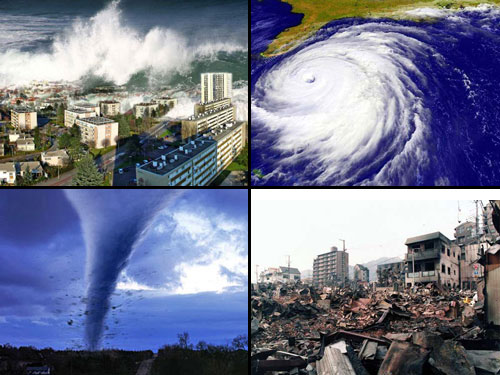
A disaster is an event which causes physical damage to property,huge loss of life and drastic change in the environment.The economic,social and cultural life of the people is affected and they need external help for food,shelter, medicine, financial and social support to overcome the disaster.Disaster is classified according to the origin as natural and man made disaster.

Natural disasters: Earthquake,landslides,tsunami,volcano, Avalanches,flood, Extreme temperatures,drought,wild fires,cyclones,storms,surges and waves.

Man made disaster:

Industrial accidents, pollution,acid rain,road accidents,leakage of toxic waste and war.

NATURAL DISASTERS

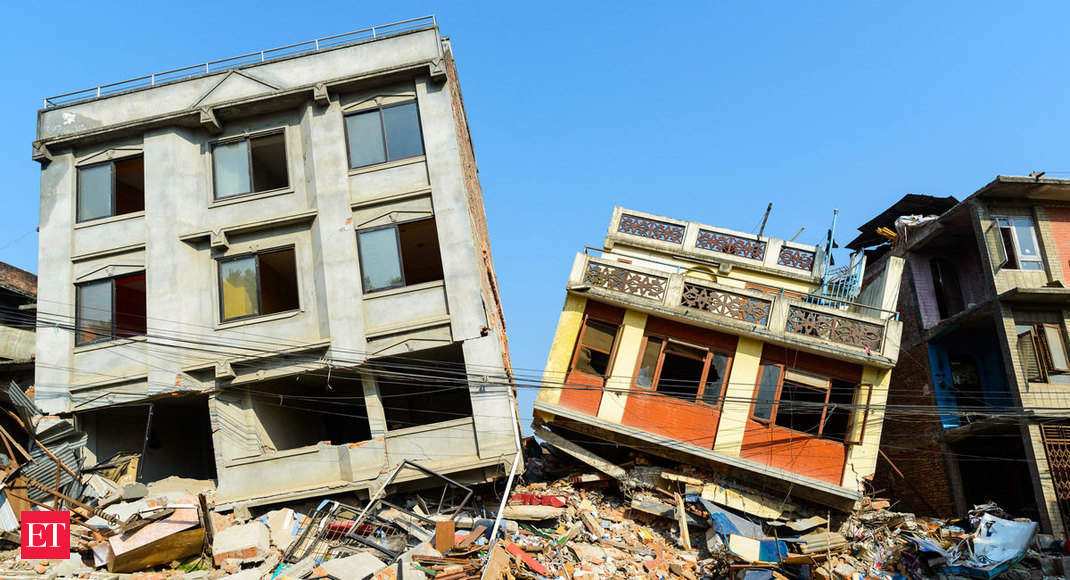
⭐ Earthquake:An earthquake is a sudden vibration or shake of the Earth’s crust.It is caused by the circulation of the convection cells and the plate movements.An earth quake may cause the landslide, avalanche,fire,soil liquefaction and tsunami.

Changes in the shape of the Earth’s surface,loss of life and property are some of the effects of earth quake.

Landslides: Landslides occur when ground on slopes becomes unstable. The unstable ground collapses and flows down the side of a hill or mountain, and can consist of earth, rocks, mud and any debris which may be caught in its wake. If a landslide occurs near inhabited areas, it can cause a great deal of damage.

Slides can cause disastrous flooding, particularly when landslide dams across streams are breached, and flooding may trigger slides.

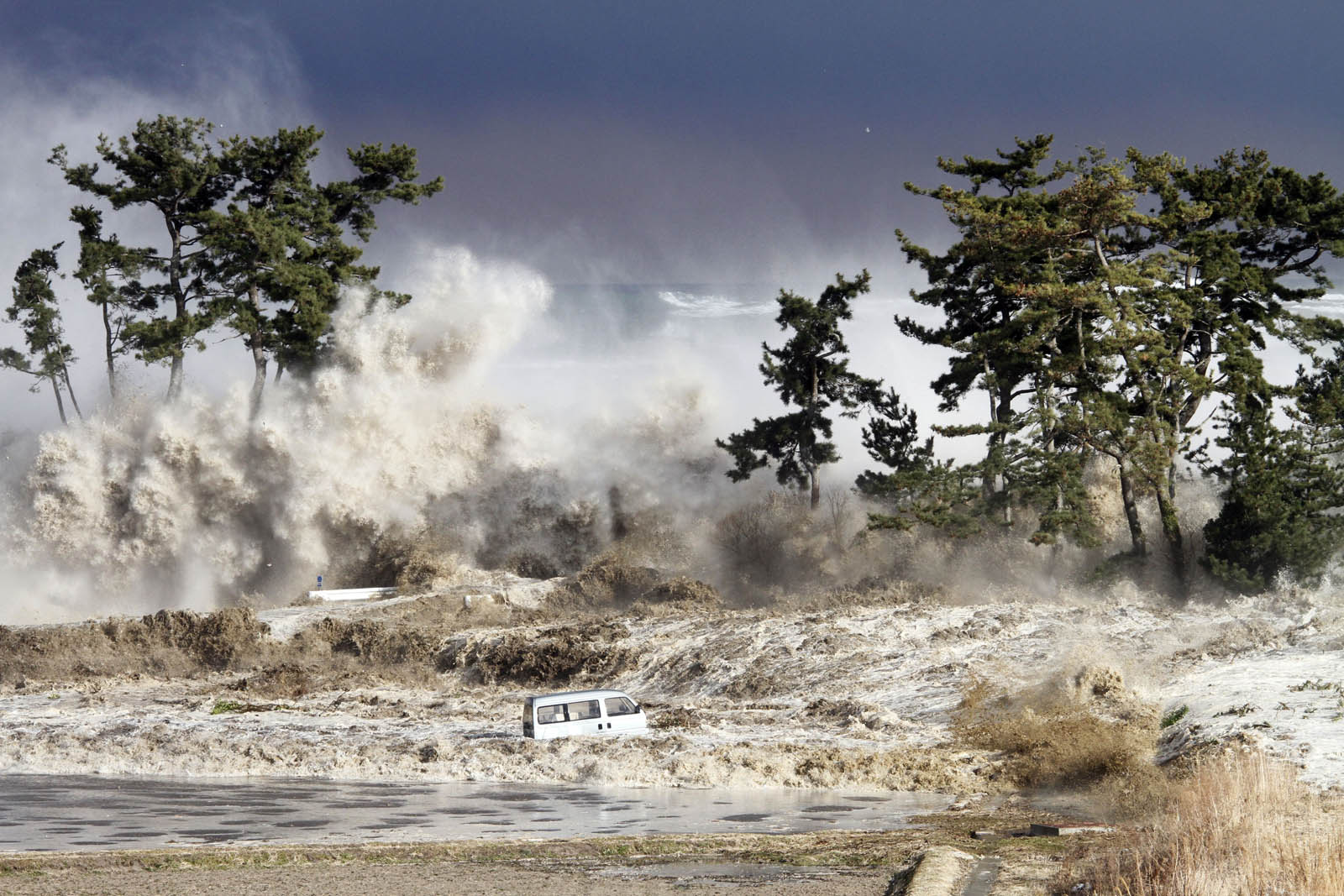
Tsunami:An extremely large wave in the sea caused by the earth quake occuring under the ocean floor.Apart from huge loss of life and property the environmental impact of tsunami is tremendous.It affects the quality of fresh water in the coastal acquirers.The salt is deposited on the table land by sea water and it takes long time to restore the quality of soil.

Tsunami can travel as fast as 500 miles per hour, without being noticed and can cross the entire ocean is lass than a day.

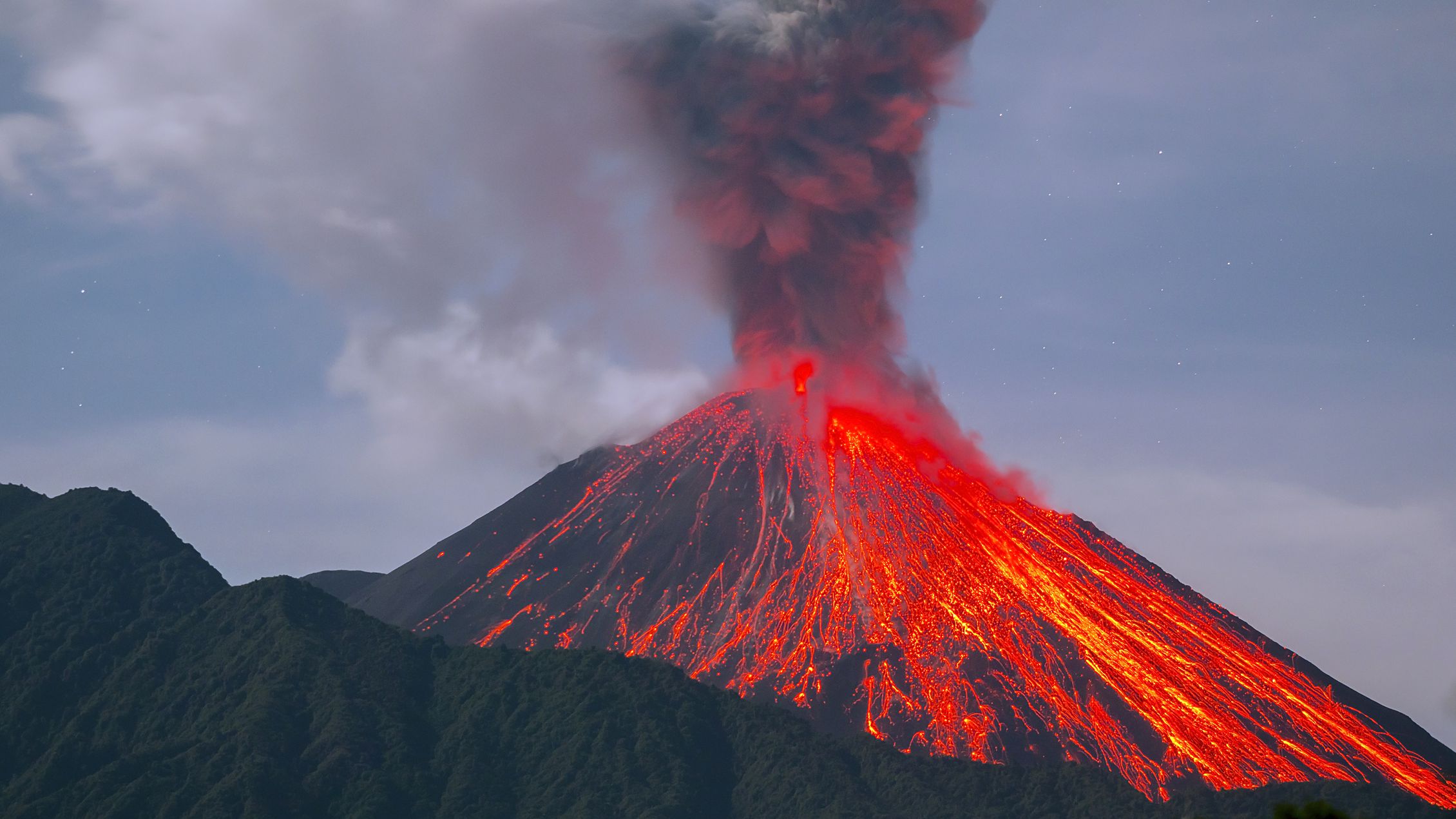
⭐Volcano:Volcanic gases that pose the greatest potential hazards are sulfur dioxide, carbon dioxide, and hydrogen fluoride. Locally, sulfur dioxide gas can lead to acid rain and air pollution downwind from a volcano. These gases can come from lava flows as well as a volcano that erupts violently.

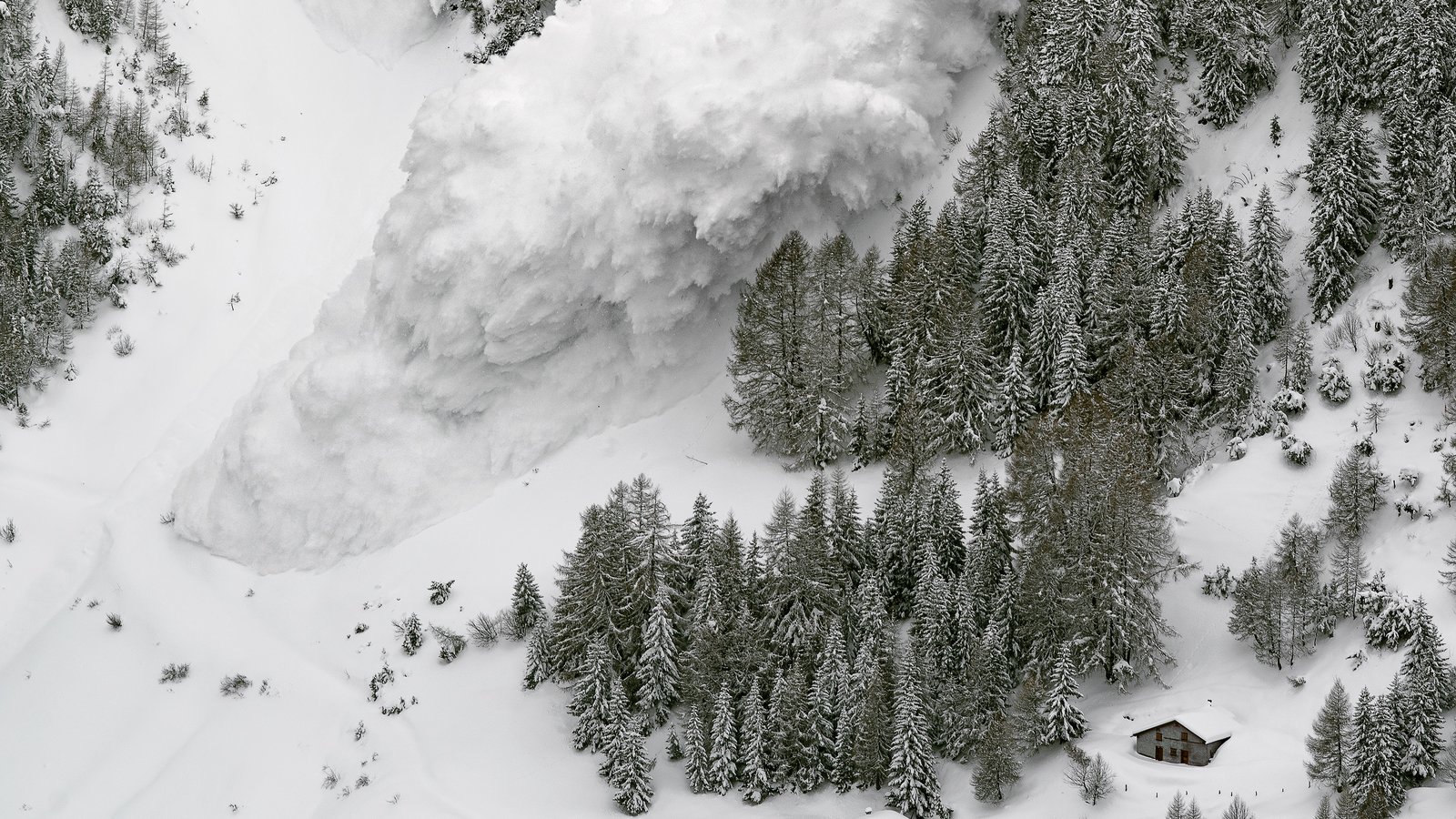
⭐ Avalanches:An avalanche is a natural disaster that occurs when snow rapidly flows down a mountain. During an avalanche a combination of snow and ice is formed. The avalanche begins when the snowpack is unstable and breaks off along a mountain slope.

Human activity, vibration or movement,steep slopes,warm temperature are some of the causes of Avalanches.

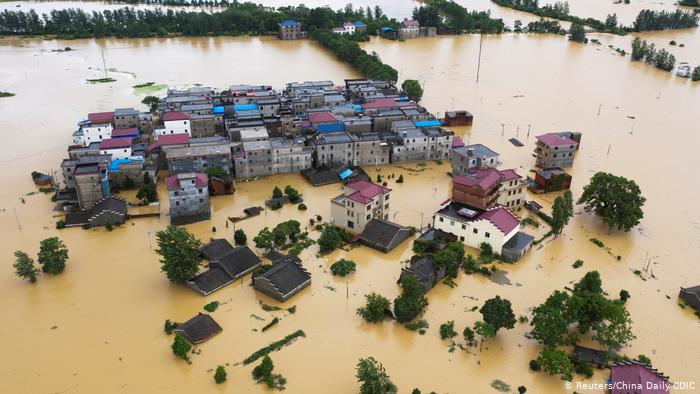
⭐Flood:Sudden overflow of large amount of water caused by heavy rainfall, cyclones, melting of ice,tsunami,etc.,is called as flood.Low lying flood plains, coastal plains and river confluences are prone to flood.

Loss of life and property, displacement of people,spread of contagious diseases such as cholera,malaria,etc,.are some of the effects of flood.

⭐ Extreme temperatures:Illnesses caused by exposure to high temperatures include heat cramps, fainting, heat exhaustion, heatstroke, and death. Population at increased risk especially older and younger people, risk of dehydration, low fitness/excessive exertion, etc. Another reason of death during heat wave is because of living alone.

⭐ Drought:Long period of rainless weather condition is termed as drought.The severity of the drought depends upon the degree of moisture deficiency,the duration,and the size and location of the affected area.

Techniques of conversation of water like sprinkle irrigation,fertigation,pot hole irrigation, precise farming,and selection of suitable variety of crop that can with stand draught are some of the remedies that may reduce the impact of drought when it is possible to predict drought.

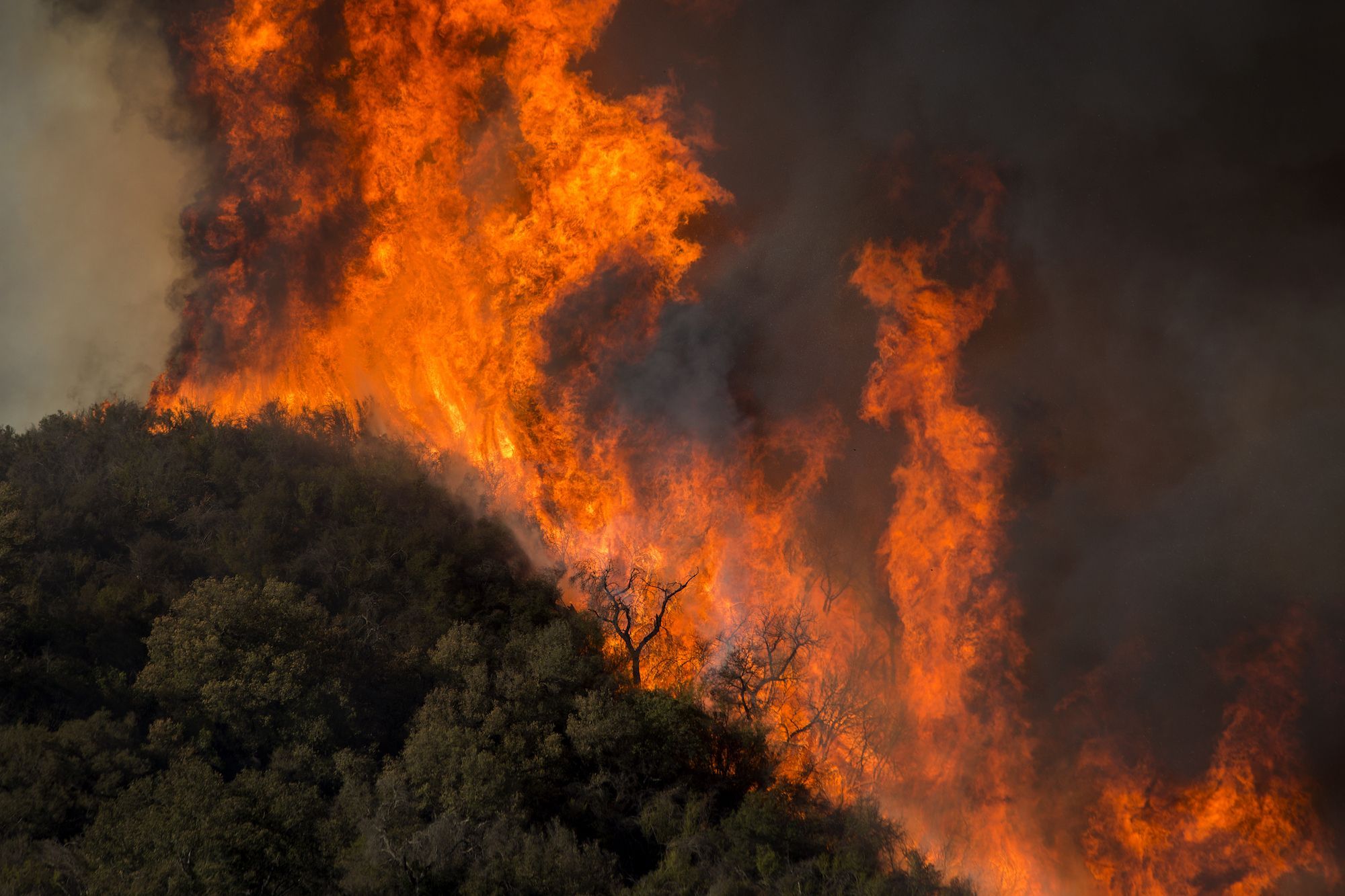
⭐Wild fires:Forest wild fires are a major disaster all over the world.The environmental impact of forest fire includes emission of large amount of carbon dioxide leading to global warming,loss of bio diversity, affecting hydrological cycle,reducing photo synthetic activity,and health hazards.

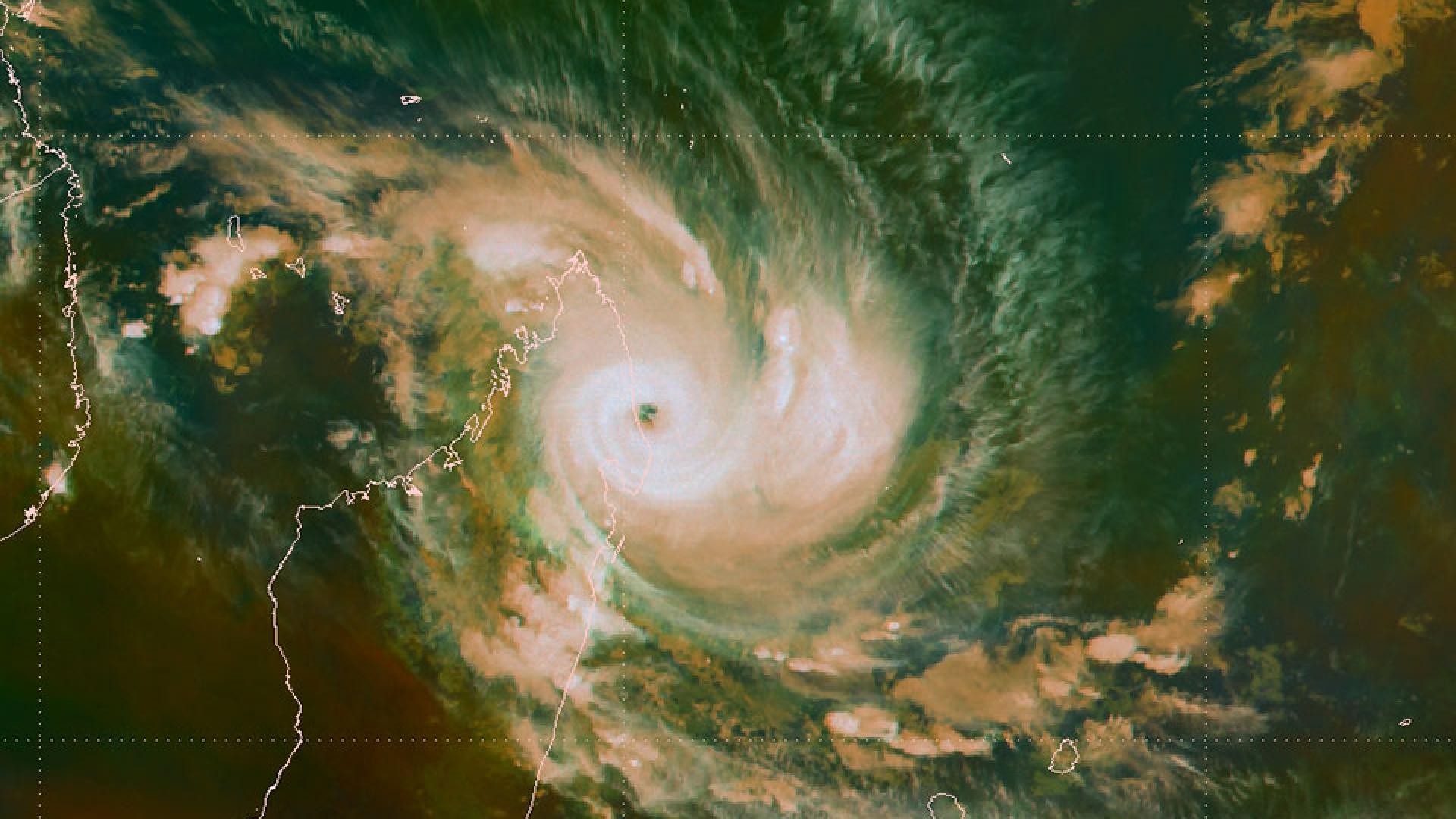
⭐ Cyclones:Areas of low pressure sorrounded by high pressure is called as cyclone.It is anticlockwise in northern hemisphere and clockwise in southern hemisphere.The centre of the cyclone called the eye of the storm is calm and clear without clouds.The condensation of vapour releases more latent heat and that gives the energy for the Cyclones to enhance further evaporation and formation of clouds.

Cyclones are associated with strong squall, torrential rain, flood and storm surge.

MAN-MADE DISASTERS

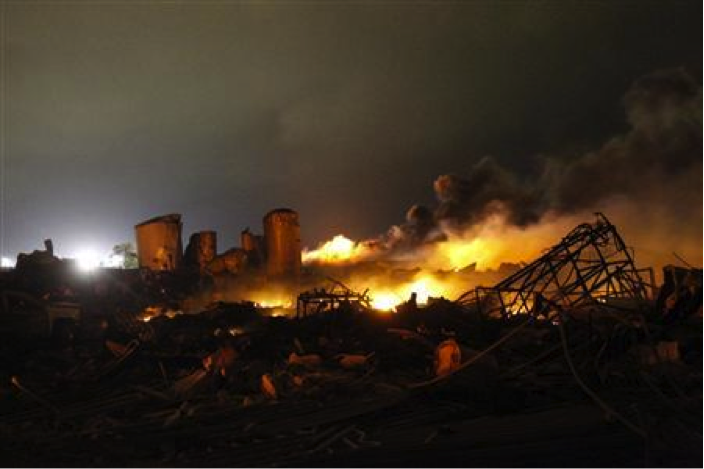
⭐ Industrial accidents:These disasters result from accidents, failures,mishap or misuse of some kind of technology.The storage and transportation of various hazardous materials used in industries may result in industrial hazard accidents.

Chemical industries faces multiple risks involved with its production, transportation,storage,usage and disposal of the effluents containing residual chemicals.

⭐ Pollution: Pollution is the introduction of harmful materials into the environment. … These harmful materials are called pollutants. Pollutants can be natural, such as volcanic ash. They can also be created by human activity, such as trash or runoff produced by factories. Pollutants damage the quality of air, water, and land.

The Burning of Fossil Fuels, industrial emission, indoor air pollution, transportation,open burning of garbage waste are some of the causes for pollution.

⭐ Acid rain:Acid rain , or acid deposition, is a broad term that includes any form of precipitation with acidic components, such as sulfuric or nitric acid that fall to the ground from the atmosphere in wet or dry forms. This can include rain, snow, fog, hail or even dust that is acidic.

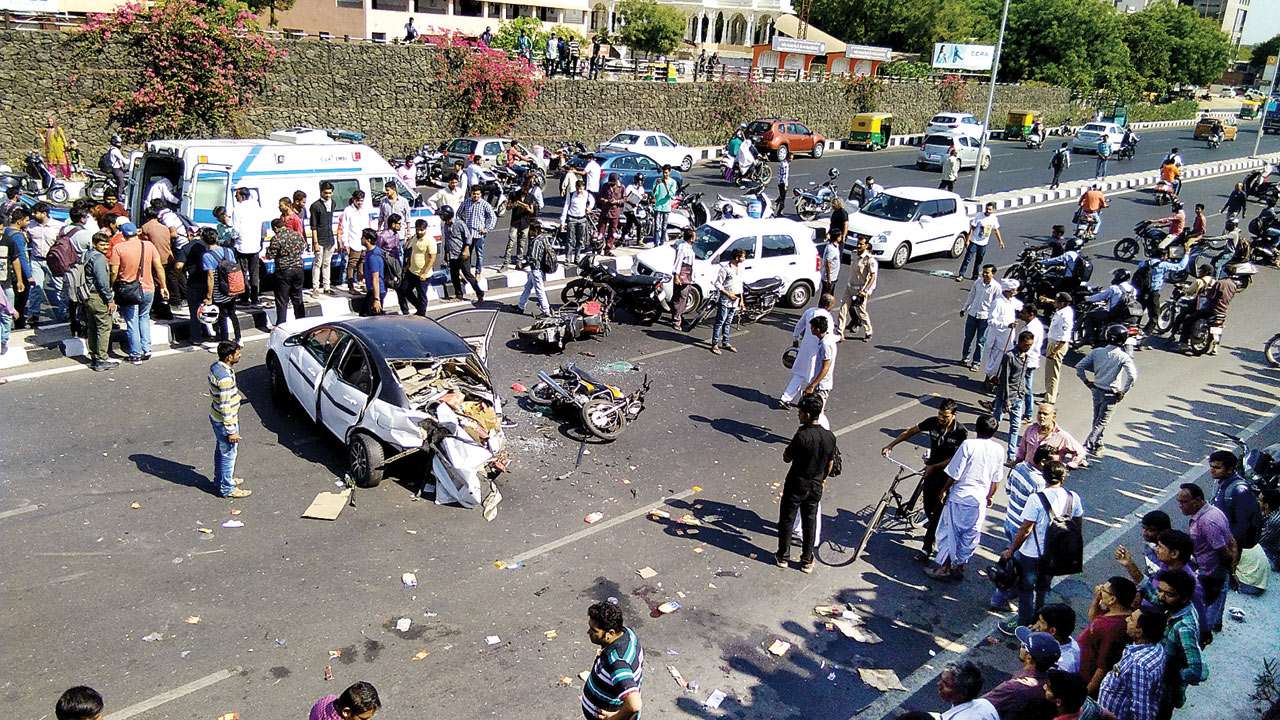
Road accidents:large number of railroad accidents, including collisions and derailments, happen in India; many get injured, and some people even die in these accidents.

The more severe physical injuries associated with a car accident commonly include brain and head trauma such as a traumatic brain injury , neck injuries such as whiplash, neck strains, or disk damage, and back or spine injuries such as sprains, strains, fractures, or disk injuries.

⭐ Leakage of toxic waste:Toxic wastes often contain carcinogens, and exposure to these by some route, such as leakage or evaporation from the storage, causes cancer to appear at increased frequency in exposed individuals.

War:Disasters are also caused by sociopolitical conflicts that escalate into violence. War is defined as a conflict between to large groups of population, which involves physical force, violence and the use of weapons.