RACISM

Racism is a political ideology of the belief that groups of humans possess different behavioral traits corresponding to physical appearance and can be divided based on the superiority of one race over another. It may also mean prejudice, discrimination, or antagonism directed against other people because they are of different ethnicity.

While the concepts of race and ethnicity are considered to be separate in contemporary social science, the two terms have a long history of equivalence in popular usage and older social science literature. “Ethnicity” is often used in a sense close to one traditionally attributed to “race”: the division of human groups based on qualities assumed to be essential or innate to the group (e.g. shared ancestry or shared behavior). Therefore, racism and racial discrimination are often used to describe discrimination on an ethnic or cultural basis, independent of whether these differences are described as racial. According to a United Nations convention on racial discrimination, there is no distinction between the terms “racial” and “ethnic” discrimination. The UN Convention further concludes that superiority based on racial differentiation is scientifically false, morally condemnable, socially unjust, and dangerous. The convention also declared that there is no justification for racial discrimination, anywhere, in theory, or in practice.

Racism is a relatively modern concept, arising in the European age of imperialism, the subsequent growth of capitalism, and especially the Atlantic slave trade, of which it was a major driving force. It was also a major force behind racial segregation especially in the United States in the nineteenth and early twentieth centuries and South Africa under apartheid; 19th and 20th-century racism in Western culture is particularly well documented and constitutes a reference point in studies and discourses about racism. Racism has played a role in genocides such as the Holocaust, the Armenian genocide, and the genocide of Serbs, as well as colonial projects including the European colonization of the Americas, Africa, and Asia as well as the Soviet deportations of indigenous minorities. Indigenous peoples have been—and are—often subject to racist attitudes.

Though many countries around the globe have passed laws related to race and discrimination, the first significant international human rights instrument developed by the United Nations (UN) was the Universal Declaration of Human Rights (UDHR), which was adopted by the United Nations General Assembly in 1948. The UDHR recognizes that if people are to be treated with dignity, they require economic rights, social rights including education, and the rights to cultural and political participation and civil liberty. It further states that everyone is entitled to these rights “without distinction of any kind, such as race, colour, sex, language, religion, political or other opinion, national or social origin, property, birth or other status”.

1. Acknowledge racism in all its forms

This first step to ending racism is to recognize its existence. Many people think of racism as always overtly blatant or intentional, but racism comes in many forms. In the United States, studies show there’s bias in every sector of society from healthcare to housing to media. Job applicants with “stereotypical” African-American names are less likely to get called for an interview, while around the world, the beauty industry celebrates fair skin while degrading dark skin tones. It’s also important to understand the history and evolution of racism. Things like poll taxes and literacy tests kept people from voting. While these laws didn’t explicitly mention race, they intended to target marginalized groups.

2. Overturn racist and discriminatory laws

Getting rid of laws that negatively and disproportionately affect certain races is a vital part of ending systemic racism. It isn’t enough to simply acknowledge that a law has a racist intent or effect; it needs to be overturned. There are many examples of systemic racism around the world. In the United States, systemic racism is found in healthcare, banking, and education. In South Africa, the apartheid system (1948-1994) ensured that the white population stayed on top politically, socially, and economically, while black Africans were the most disenfranchised. China has a reputation for systemic racism against Black people in their universities. In 2020, the local Guangzhou government implemented strict surveillance and forced quarantines for all African nationals in response to Covid-19.

3. Commit to anti-racism

On an individual level, people must commit to being anti-racist for racism to end. While we just mentioned that systemic racism wouldn’t end even if everyone stopped being racist overnight, that first step in personal anti-racism is necessary for people to fight to end racist systems. Anti-racism is a lifelong pursuit. It isn’t an accomplishment you can check off a list; it’s a continuous self-reflection and willingness to be held accountable. To be anti-racist, you must acknowledge differences rather than pretending they aren’t there. As an example, when addressing the gender pay gap, it’s essential to acknowledge that white women make more than Black, Hispanic, and Native women. At the same time, anti-racists must also identify the common goals they share with other racial groups. This helps build solidarity.

Success story of Jeff Bezos

Jeffrey Preston “Jeff Bezos” was born on the 12th of January 1964 in Albuquerque, Modern Mexico. His father,Ted Jorgenson, was one of the best unicyclists and part of a local troupe The Unicycle Wranglers who put on execution at county fairs and sideshows whereas Jeff was still an infant
Jeff Bezos has gone to River Oaks Elementary School in Houston from the fourth to sixth review. He would spend summers at the farm working on changed assignments such as fixing windmills, laying pipe, vaccinating cattle, and other cultivate work.
His grandfather, Lawrence Gise, was a huge role demonstrate in his life, with this wide-ranging information of science and steady nearness on the ranch as well. Within the year 2010 commencement speech, Jeff told graduates that his grandfather instructed him how “it is harder to be kind than clever”.
Bezos has begun his first business at school. It was called The Dream Institute, and it was an educational summer camp for fourth, fifth, and sixth graders. There were a few books that Bezos required his members to examined.
After a while, the time period, Jeff’s family was moved to Florida and was transferred to Miami Palmetto Senior Tall School, where he exceeded expectations at his studies and realized he adores computers. He was even welcomed to take part in the Student Science Preparing Program at the College of Florida, where he won a Silver Knight Grant in 1982 and was a National Justify Scholar. Bezos graduated as the school valedictorian and a National Justify Scholar, securing his spot at Princeton University.
Bezos arranged to study physics at Princeton University, but he before long decided to return to his love of computers. He graduates with two Bachelor of Science degrees in computer science and electrical design from Princeton University.
After the completion of his graduation, Bezos went to Wall Road, where computer science was progressively in demand, and worked in several firms. The Work at FITFEL had him flying each week between New York and London.
Bezos remained in the fund realm with the Bankers Trust, where he rose to vice president and the investment firm D.E. Shaw. The company specialized in the application of computer sciences to the stock market, and Bezos was hired for his by and large ability within the field at D.E Shaw.
Amazon career is the major step of Jeff Bezos’s success story. Bezos quit D.E Shaw in 1994 and moved to Seattle to press into the possibilities of the internet market by opening a web bookstore. He made the decision by drawing up a list of possible items that he might offer with the assistance of the internet, including programs, CDs, and hardware.
In the conclusion, books were the choice because of the wide run of titles in presence. Another advantage of an internet store was a then-recent US Preeminent Court administering that mail-order catalogs did not have to be compelled to pay charges in states where they did not have a physical presence. In a nutshell, Bezos paid zero tax for the item he sold through the internet.
Bezos chose that Seattle would be a perfect pet for his new business at the time since of the huge pool of hi-tech ability. Bezos has supervision to secure $1 million from his companions and family, sufficient to set up his business within the garage of his Seattle domestic.
Bezos at first consolidated the company as “Cadabra” on the 5th of July 1994. In addition, a year afterward, he considered changing it when his attorney misheard the word “Cadaver”, but that was not the most exceedingly bad one. Another alternative was “MakeltSo”, a catchphrase from Captain Picard in Jeff adored Star Trek.it seems to have moreover been “Aard,” which would help push the company to the front of the site postings. Jeff too enlisted the domain names Awake.com, Browse.com, Bookmall.com, and Relentless.com.
At last, Bezos has chosen Amazon after looking through the words that begin within the dictionary. Bezos liked the reverberation between one of the planet’s longest streams and the biggest bookstore.

SOCIAL ISSUES

THE SOCIAl ISSUES

The social issue is a problem that influences by many citizens within a society.

Social issue be a group of common problem in present society and one that many people struggle  to solve. Social issues are distinguished from economic issues. Some issues have both social and economic aspects, such as immigration. There are also issues that don’t fall into either category, such as wars.

The definition of a social problem has both an objective component and a subjective component. The objective component involves empirical evidence of the negative consequences of a social condition or behavior, while the subjective component involves the perception that the condition or behavior is indeed a problem that needs to be addressed.

 social issues influence society

Slow social change is desirable, but rapid social change threatens social order. Social problems weaken a society’s stability but do not reflect fundamental faults in how the society is structured. Solutions to social problems should take the form of gradual social reform rather than sudden and far-reaching change.

COVID-19 from 2020 is the hell of the year for all of us . the world facing many issues in this  pandemic situation . many of people lose thire dear and nears ones and many of finacial supports many of the people become homeless, they don’t have proper food to continue thire lifes

In every conntry thire many of issues facing in society , in this pandemic  the people facing issues are:

Suicide Prevention

With so many people forced into lockdown and isolation over the last year, many people have suffered from poor mental health. In Victoria alone, there has been a 40% spike in calls to various mental health hotlines as a consequence of COVID-19, and it is now more important than it ever has been to pay attention to the struggles of millions of people around the world

Family Violence

Another victim of the pandemic are families who are in dangerous situations due to loss of work, lockdowns and being isolated from the public. Record rates of family violence were recorded in 2020, and cases have increased dramatically, resulting in many support services struggling to help those in need

The Rise In Homelessness

Over the last year, the number of people who have been forced into homelessness has surged as short-term coronavirus and housing protections have phased down. Due to loss of income, many families have had to bear the burden of being kicked out of housing due to an inability to pay rent.

Our Ecological Crisis

Poverty and pandemic aside, another issue we are facing is the ecological crisis due to the collapse of ecosystems and troubling disappearance of biodiversity. Although the slowdown in economic activity due to COVID-19 created a very brief reduction in global carbon emissions, it is impossible to ignore the mounting effects of unchecked human activity over the last decade or so

Speeding Up The Vaccine Rollout

Last but certainly by no means the least, 2021 will see the COVID-19 vaccines being rolled out in most countries around the world. Although more than 360 million vaccine doses have been administered, there is a troubling gap between vaccination programmes in various countries, with many yet to report even a single dose.

Common of Social Issues

  • Poverty and Homelessness. Poverty and homelessness are worldwide problems. …
  • Climate Change. A warmer, changing climate is a threat to the entire world. …
  • Overpopulation. …
  • Immigration Stresses. …
  • Civil Rights and Racial Discrimination. …
  • Gender Inequality. …
  • Health Care Availability. …
  • Childhood Obesity.

Poverty and Homelessness

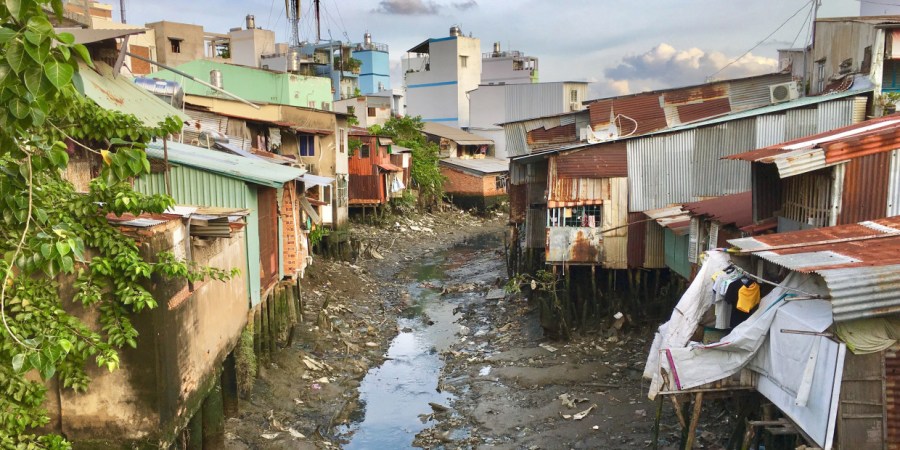
Poverty and homelessness are worldwide problems. According to Habitat for Humanity, one-quarter of the world’s population lives in conditions that harm their health and safety. Many do not have shelter, a basic human need for survival.

This social issue also goes beyond the 25% of the population directly affected. Because of the lack of shelter for this vulnerable population, there is greater stress on government and social programs, including schools and healthcare systems.

Climate Change

A warmer, changing climate is a threat to the entire world. Climate change affects the entire world population, and the Union of Concerned Scientists calls this social issue “one of the most devastating problems humanity has ever faced.”

The 800 million people already living in extreme poverty will be impacted most severely. Around the world, people are already noticing warmer winters, more severe storms and rainfall events, and more frequent wildfires. These issues already put stress on governments and systems in many countries.

Overpopulation

As the population of the world grows, resources become scarcer. The United Nations reports that the current population of 7.7 billion people is expected to grow in coming decades, with a projection of 8.5 billion people by 2030.

The fastest growing areas of the world, such as sub-Saharan Africa, often face already scarce resources like land for farming. As the population becomes more than the country can sustain, people will need to move elsewhere to avoid starvation and homelessness.

Immigration Stresses

People move from one country to another, and in itself, this isn’t a social problem. However, immigration can place stress on government programs and social systems within a country, and it can be a divisive topic in a society. These immigration-related stresses affect many people.

Civil Rights and Racial Discrimination

Civil rights, or the rights of citizens in a country to have equal treatment socially and politically, is another one of the most significant social issues in America and around the world. More than 40 years after the Civil Rights Act passed, almost 60% of African Americans still live in segregated neighborhoods and 90% of African Americans report that racial discrimination is still a major problem.

Gender Inequality

A report from the Pew Research Center Fact Tank indicates that about 50% of Americans feel the country needs to do more to address the income gap between men and women. Women still lag behind men in wages and top leadership positions held, although they are now more likely to attain a college degree.

Worldwide, the situation is even more extreme. UNICEF reports that 12 million girls are married before they reach adulthood, and 98 million high school-aged girls do not attend school.

Health Care Availability

When people are sick or hurt, they need access to medical care to get better. According to the Centers for Disease Control and Prevention (CDC), almost one in 20 U.S. citizens do not obtain needed medical care because of the cost. Worldwide, 97 million people become impoverished by seeking needed medical care, as reported by the World Health Organization (WHO). Governments around the world are working on this problem, as are nonprofit organizations.

Childhood Obesity

Some types of social problems are health-based, but they also have an impact on socio-economic issues. For instance, the CDC reports that 18.5% of U.S. children are considered obese, having a body mass index at or above the 95th percentile.

However, the childhood obesity epidemic doesn’t affect all children equally. Children in families where the parents have more education and higher incomes are far less likely to be obese than those in families with less education and lower incomes.

Poor Leadership

Many of the social problems in society are connected in subtle ways, but all social problems are connected to the leadership of countries, corporations, and other groups. An ongoing Gallup poll asks Americans to rate the most important problems and social issues facing the country. By far, the most significant issue was poor leadership; 28% of respondents list it as the number one problem.

Social Issues  Teens facing

Advances in technology mean today’s teens are facing issues that no previous generation has ever seen. While some issues are not exactly new, electronic media has changed or amplified some of the struggles young people face.

Depression

According to The National Institute of Mental Health, an estimated 3.2 million adolescents in the United States had at least one major depressive episode in 2017. That means about 13% of teenagers may experience depression before reaching adulthood.

Depressive disorders are treatable, but it’s important to seek professional help. If your teen seems withdrawn, experiences a change in his sleep patterns, or starts to perform badly in school, schedule an appointment with your teen’s physician or contact a mental health professional. Do not delay getting help for your teen if you notice these symptoms

Bullying

It’s also important to talk to your child about when and how to get help from an adult. Remind them that asking for help is not a sign of weakness, but instead a show of courage. Talking about how someone has humiliated them is never an easy topic.

Sexual Activity

Of the 20 million new sexually transmitted diseases each year, more than half were among young people between the ages of 15 and 24.

Parents may not be aware that their children are sexually active, however. Talk to your teen about sex, even if you don’t think your child is engaging in sexual activity.

Drug an Alcohol use

Make sure you have regular conversations with your teen about the dangers of drugs. And don’t forget to mention the dangers of prescription drugs, too. Many teens do not recognize the dangers of taking a friend’s prescription or popping a few pills that are not prescribed to them.

Unfortunately, teens often underestimate how easy it is to develop an addiction. And they don’t understand the risks associated with overdosing. Be sure you are talking about these risks on a consistent basis.

Fixing Social Issues

Although many Americans feel their leaders are the biggest problem they face, governments, corporations, and communities are working to fix some of the top social issues. These are just a few of the actions they are taking:

Schools are implementing anti-bullying programs, which the PACER National Bullying Preventions Center says can decrease bullying by up to 25%.

Community efforts to help reduce childhood obesity include adding salad bars to school lunches, focusing on physical fitness, and adding obesity prevention initiatives to hospitals.

The U.S. enacted the Affordable Care Act (ACA) to begin addressing the challenges in health care availability, and it remains an important political issue.

The European Union is on track to meet its goals for reducing carbon emissions and helping mitigate the effects of climate change. Other countries are also working hard to make progress.

Government extends deadline for linking of PAN with Aadhaar till September 30

Government has extended the deadline for linking PAN with Aadhaar till 30th of September. The Finance Ministry has made it mandatory for every person to quote an Aadhaar number in their Income tax return and application for allotment of PAN. Minister of State for Finance, Anurag Thakur also announced extension till 31st August for Vivad se Vishwas Payment without interest. He also announced tax exemption for expenditure on COVID-19 treatment and ex-gratia received on death due to COVID-19.

Mr Thakur said, many taxpayers have received financial help from their employers and well-wishers for meeting their expenses incurred for treatment of Covid-19. He said, in order to ensure that no income tax liability arises on this account, it has been decided to provide income-tax exemption to the amount received by a taxpayer for medical treatment from employer or from any person for treatment of Covid-19 during Financial Year 2019-20 and subsequent years. He said, the government has also  decided to provide income-tax exemption to ex-gratia payment received by family members of a person from the employer of such a person or from another person on the death of the person on account of Covid-19 during 2019-20 and subsequent years. The exemption will be allowed without any limit for the amount received from the employer and the exemption shall be limited to 10 lakh rupees  in aggregate for the amount received from any other persons.

SC panel says Delhi govt inflated Oxygen demand four times during peak of second wave of COVID-19

A Supreme Court-appointed panel has indicted Delhi government for allegedly inflating the Oxygen requirement by four times during peak of the second wave of Covid-19. The panel concluded that the Delhi government exaggerated the consumption figure to claim 1,140 Metric Tonne of Oxygen. It also said that pro-active steps taken by the Union government during the first wave COVID helped to quickly enhance Oxygen production during the second wave.

BJP spokesperson Sambit Patra criticised Delhi government for inflating Oxygen demand during the second wave of Covid-19. He said it is unbelievable to see that the AAP government was playing politics with Oxygen supply when Covid was at its peak.

Prime Minister Narendra Modi to share his thoughts in Mann Ki Baat programme at 11 AM tomorrow

Prime Minister Narendra Modi will share his thoughts with the people in the country and abroad in the ‘Mann Ki Baat’ programme on All India Radio at 11 AM tomorrow. It will be the 78th episode of the monthly radio programme.

It will be broadcast on the entire network of AIR and Doordarshan and also on AIR News website www.newsonair.com and newsonair Mobile App. It will also be streamed live on the YouTube channels of AIR, DD News, PMO and Information and Broadcasting Ministry. AIR will broadcast the programme in regional languages immediately after the Hindi broadcast. The regional language versions will be repeated at 8 in the evening.

More than 31.43 crore doses of Covid vaccine administered so far; Recovery rate improves to 96.7 pct

India’s cumulative COVID Vaccination Coverage has crossed 31 crore. So far, over 31.43 crore Vaccine Doses have been administered in the country. Over 54.48 lakh  Vaccine Doses were  administered yesterday. Around 36 lakh vaccine doses were administered as first dose and over 77 thousand vaccine doses given as second dose in the age group of 18 to 44 years yesterday.

Cumulatively, over 7.87 crore people across 37 States and UTs have received their first dose and a total more than 17 lakh have received their second dose since the start of Phase three of the vaccination drive. Andhra Pradesh, Assam, Bihar, Chhattisgarh, Delhi, Gujarat, Haryana, Jharkhand, Karnataka, Kerala, Madhya Pradesh, Maharashtra, Rajasthan, Tamil Nadu, Telangana, Odisha, Uttar Pradesh and West Bengal have administered more than ten lakh beneficiaries of the age group 18 to 44 years for the first dose of COVID vaccine.

Centre asks seven States, J&K to step up containment measures to prevent spread of Delta plus variant of Corona

Union Health Secretary, Rajesh Bhushan has written to the Chief Secretaries of Tamil Nadu, Gujarat, Andhra Pradesh, Rajasthan, Karnataka, Punjab, Jammu and Kashmir, and Haryana to step up containment and contact tracing, as measures to prevent the spread of Delta Plus variant. They have been asked to take up immediate containment measures in affected districts and clusters including preventing crowds and intermingling of people, widespread testing, prompt tracing as well as vaccine coverage on a priority basis. The Secretary has told them to ensure that adequate samples of positive persons are sent to the designated laboratories promptly so that the clinical epidemiological correlations can be established.

Father of the Nation.

Mohandas Karamchand Gandhi 2 October 1869 – 30 January 1948) was an Indian lawyer, anti-colonial nationalist, and political ethicist who employed nonviolent resistance to lead the successful campaign for India’s independence from British rule and in turn inspired movements for civil rights and freedom across the world. The honorific Mahātmā , first applied to him in 1914 in South Africa, is now used throughout the world.

Born and raised in a Hindu family in coastal Gujarat, western India, Gandhi trained in law at the Inner Temple, London, and was called to the bar at age 22 in June 1891. After two uncertain years in India, where he was unable to start a successful law practice, he moved to South Africa in 1893 to represent an Indian merchant in a lawsuit. He went on to live in South Africa for 21 years. It was in South Africa that Gandhi raised a family and first employed nonviolent resistance in a campaign for civil rights. In 1915, aged 45, he returned to India. He set about organising peasants, farmers, and urban labourers to protest against excessive land-tax and discrimination. Assuming leadership of the Indian National Congress in 1921, Gandhi led nationwide campaigns for easing poverty, expanding women’s rights, building religious and ethnic amity, ending untouchability, and above all for achieving swaraj or self-rule.

Also in 1921, Gandhi adopted the use of an Indian loincloth (short dhoti) and a shawl (in the winter) woven with yarn hand-spun on a traditional Indian spinning wheel (charkha) as a sign of identification with India’s rural poor. He also began to live modestly in a self-sufficient residential community, ate simple vegetarian food, and undertook long fasts as a means of self-purification and political protest. Bringing anti-colonial nationalism to the common Indians, Gandhi led them in challenging the British-imposed salt tax with the 400 km (250 mi) Dandi Salt March in 1930 and in calling for the British to quit India in 1942. He was imprisoned many times and for many years in both South Africa and India.

Gandhi’s vision of an independent India based on religious pluralism was challenged in the early 1940s by a new Muslim nationalism which demanded a separate Muslim homeland carved out of India. In August 1947, Britain granted independence, but the British Indian Empire was partitioned into two dominions, the Hindu-majority India and the Muslim-majority Pakistan. As many displaced Hindus, Muslims, and Sikhs made their way to their new lands, religious violence broke out, especially in the Punjab and Bengal. Eschewing the official celebration of independence in Delhi, Gandhi visited the affected areas, attempting to provide solace. In the months following, he undertook several hunger strikes to stop religious violence. The last of these, undertaken on 12 January 1948 when he was 78, also had the indirect goal of pressuring India to pay out some cash assets owed to Pakistan. Some Indians thought Gandhi was too accommodating. Among them was Nathuram Godse, a Hindu nationalist who assassinated Gandhi on 30 January 1948 by firing three bullets into his chest.

Gandhi’s birthday, 2 October, is commemorated in India as Gandhi Jayanti, a national holiday, and worldwide as the International Day of Nonviolence. Gandhi is commonly, though not formally, considered the Father of the Nation in India and was commonly called Bapu (Gujarati: endearment for father,papa)

bapu’s sacrifices

Mohandas Gandhi is one of the most famous leaders and champions for justice in the world. His principles and firm belief in non-violence have been followed by many other important civil rights leaders including Martin Luther King, Jr. and Nelson Mandela. His renown is such that he is mostly just referred to by the single name “Gandhi”.

Mohandas was born in Porbandar, India on October 2, 1869. He came from an upper class family and his father was a leader in the local community. As was tradition where he grew up, Mohandas’ parents arranged a marriage for him at the age of 13. Both the arranged marriage and the young age may seem strange to some of us, but it was the normal way of doing things where he grew up. Mohandas’ parents wanted him to become a barrister, which is a type of lawyer. As a result, when he was 19 years old Mohandas traveled to England where he studied law at the University College London. Three years later he returned to India and started his own law practice. Unfortunately, Mohandas’ law practice wasn’t successful, so he took a job with an Indian Law firm and moved to South Africa to work out of the South African law office. It was in South Africa where Gandhi would experience racial prejudice against Indians and would begin his work in civil rights

Once back in India, Gandhi led the fight for Indian independence from the British Empire. He organized several non-violent civil disobedience campaigns. During these campaigns, large groups of the Indian population would do things like refusing to work, sitting in the streets, boycotting the courts, and more. Each of these protests may seem small by themselves, but when most of the population does them at once, they can have an enormous impact. Gandhi was put in prison several times for organizing these protests. He would often fast (not eat) while he was in prison. The British government would eventually have to release him because the Indian people had grown to love Gandhi. The British were scared what would happen if they let him die. One of Gandhi’s most successful protests was called the Salt March. When Britain put a tax on salt, Gandhi decided to walk 241 miles to the sea in Dandi to make his own salt. Thousands of Indians joined him in his march. Gandhi also fought for civil rights and liberties among Indian people.

Gandhi was assassinated on January 30, 1948. He was shot by a terrorist while attending a prayer meeting.

His birthday is a national holiday in India. It is also the International Day of Non-Violence. He was the 1930 Time Magazine Man of the Year. Gandhi wrote a lot. The Collected Works of Mahatma Gandhi have 50,000 pages! He was nominated for the Nobel Peace Prize five times


tips to house train your dog

Introduction:

Your puppies become the spotlight of your house and earn the affection of you as soon as they are joined as your new family member. The training of your paw partner is a crucial part and it becomes a piece of cake when you start it at an early stage. Both puppies and kids replicate the same pace of learning in their formative years. Things to be looked after in the first place are the diet schedule and the places where it has to do its regular activities.

A well-planned diet is a well-planned lifestyle:

Starting off with the diet schedule you must first identify some good puppy foods and feed them to your little paw partners and figure out the foods they like the most and the approximate quantity needed on a meal. Proper feeding times must be scheduled prior and food must be provided to them close to the scheduled times every day. This will make your little friends get adapted to the schedule owing to which they will have a healthy diet.

A play day is always a happy day:

A happy puppy is one that locomotes without any limitations. The place where you reside may or may not have such a comfortable option for the same. So it would be better for your pet playmates if you could train them with the places where they can play and where they must avoid moving in. A proper walk with them in the early mornings and evenings would make them healthier and give them a feel that they are not being confined to stay at one particular place all day. This will also help them to regularize their potty schedules. 

A friend by the side is the best place to reside:

Most people are growing a pet in their homes nowadays and your neighbors could be one among them. It is important for the little puppies to know that the pets in your neighborhood are also lovable, friendly as yours and it must not frighten them when they are close to each other. It would be as pretty as a painting if your little paw partner could get some peers at its playtime.

Cleanliness is the best care:

Maintaining a routine to bathe and cleaning your dogs will improve both the health of the dog and the persons living in your household. Initially, certain puppies will not be comfortable for a regular bathe. Playtime in the bathing schedule with their favorite bone toys and products which coils attract them with their flavorful scents will make the situation better. Cleaning of dogs’ ears and eyes must be done in a patient manner for which the puppies must co-operate. While cleaning its ears or eyes a gentle massage or any activity which could make the puppy stay calm must be done. Regular checking for infections must be done at the bathing schedule.

Understanding one is made by observing one:

The new little members of yours will be desperate to return the love you showed to them. It is the time when you teach them about various signs for alerting you, helping you out, and avoiding bitting your kids and other family members.. Make them observe the people who regularly visit the place and understand the difference between those visitors and strangers. Practice them with signs of communication and make sure they respond to those signs appropriately. In case if you have any kids in your house train your dogs not to hurt them by scratching with their nails.

Although the points addressed might seem challenging at the initial stages both you and your puppy will get adapted to it and the cute smile on your canine’s face will make it sound effortless for you.

Doctrine of Repugnancy

The distribution of powers is an important feature of federalism. When a federal state is formed it involves a division of authority between the central and the state government. The tendency of federalism is to limit on every side the action of the govt. and to separate the strength of the state among co-ordinate and independent authorities are particularly noticeable. In terms of different Articles read with Schedule VII of the Indian Constitution, the Union Parliament and State Legislatures have the power to make legislation. It further provides List I which is allocated for the Parliament, List II being those within the domain of the State Legislatures and List III which represent those areas where both Parliament and State Legislatures carry concurrent law making powers. The Constitution of India through Article 254 states that a law on a subject-matter prescribed in List III enacted by the State Legislature would be valid only in case, where it is not in violation to a law made by the Parliament on the same subject-matter. So as to put more light and certainty the principle “Doctrine of Repugnancy” was introduced, which is used to find out when and where a State law turns repugnant to the Parliamentary legislation.

Repugnancy is described as “a discrepancy or contradiction between two or more portions of a legal instrument (such as legislation or a contract)” by Black’s Law Dictionary. The Constitution of India can be easily described as a federal constitution because it contains the essential principles of a federal constitution. However the word federal isn’t directly mentioned in a very qualifying sense anywhere within the constitution. Dr. Ambedkar while addressing to the Constituent Assembly explained that the word “Union” is employed over “Federation” because “Indian Federation is not the result of an agreement among the States, as in the United States of America. Secondly, the states do not have any right to separate from the federation.” And this also articulates the supremacy of the Centre over the constituent States, and therefore the justification for the same can only be appreciated more in a country like India because of its heterogeneous character. Part XI of the Constitution deals with the “relations between the Centre and the States.” From article 245 to 254, these articles especially deal with the legislative relations between the centre and the states and the principle of Central supremacy is also mentioned in the same provisions too. And it’s in the light of this structural impulse, why we must appreciate the implication of the doctrine of repugnancy in its relation with the Constitutional law. The doctrine of repugnancy is often roughly understood as a conflict resolution principle, which is invoked when there exist two different tiers of Legislature, each competent to legislate on a similar subject, and where there is an irreconcilable inconsistency between the provisions of two laws enacted by the two legislatures on this field in exercise of their legislative competency. And the constitutional provisions which are relevant for solving such questions of repugnancy are to be found in Article 254 of the Indian Constitution.

It asserts that repugnant laws are laws that are so incompatible with one another that they can’t stand together at the same time, and that such a situation emerges when one law’s command, authority, or provision directly conflicts with another law’s command, power, or provision. The word “inconsistent” itself, within the legal sense, has been outlined as mutually repugnant in the sense that acceptance of one leads to the abandonment of the other. In such a situation, the ground-norm foresees a mechanism to resolve such a conflict, for “it is not possible to obey one law without disobeying the other”. The resolution proposed may vary from one polity to the other. Generally, one law prevails over another and the paramount legislation is determined by the nature or character of the federation.

Article 254 of the Constitution of India provides for the resolution of conflicts between Central and State legislations that are wholly repugnant to one another. The term “existing laws” which is mentioned under Article 254 has been defined under Article 366, clause 10, and these are the laws which are made by the competent legislatures before the Constitution. The provisions under Article 254 are attracted only if the statutes in question are wholly incompatible with one another and can’t stand together. And that there is no repugnancy unless the two laws are wholly repugnant to each other and their conjunctive application would manufacture absurd results. This doesn’t mean that the laws ought to be inconsistent in each and every letter and provision, but that in so far as the provisions are in fact inconsistent, the inconsistency should be absolute, so as to be militating against any possibility for harmonious construction.

As an interpretation principle, it’s a well-established principle of procedure that there is a presumption in the favor of the constitutionality of laws and also the onus to prove repugnancy lies on the party assailing the challenged law. Even so, the doctrine of harmonious construction dictates that the courts interpret the provisions of the laws in such a way as to avoid repugnancy and allow for the smooth coexistence of the challenged laws, with the laws being struck down on grounds of repugnancy in the manner prescribed by Art. 254(1) only when “the laws are fully inconsistent and absolutely irreconcilable.”

The laws made by the legislature of a state legislature or the Parliament with respect to their exclusively assigned spheres might incidentally with no consequence get in the restricted sphere, but as long as it can be shown that the legislation in its pith and substance falls in the four corners of the assigned sphere, the law would be intra-vires. The doctrine of pith and substance applies to concerns of repugnancy as well, though in a different way. If it can be shown that a law in pith and substance falls under a State or Union entry and any infringement on a concurrent subject is incidental and inconsequential, no repugnancy would arise.

There have been a number of judgments in India, on cases related to repugnancy arising out of conflicts between legislation with respect to Article 254 of the Constitution, and the widely held view on the scope, meaning and implication of repugnancy in several cases. M. Karunanidhi vs. Union of India[1], where a Constitution Bench of the Supreme Court considered the principles to be applied for determining repugnancy between a law made by the Parliament and a law made by the State Legislature, is one of the most commanding and authoritative judgments on the subject doctrine. Honorable court in this case, laid down following conditions which are essential for any repugnancy to arise.

  • That there is a clear cut and direct inconsistency between the Central Act and the State Act.
  • That such an inconsistency is absolutely irreconcilable.
  • That the discrepancy between the provisions of the two Acts is of such a kind that it brings them into direct conflict with one another, making it impossible to obey one without disobeying the other.

Thereafter, the Honorable Supreme Court after referring to reasoning of many judgments on the subject laid down following propositions:

  • That in order to decide the question of repugnancy it must be demonstrated that the two enactments contain conflicting and irreconcilable provisions, so that they cannot stand together or operate in the same field.
  • By implication, there can be no repeal unless the discrepancy is visible on the face of the two Acts.
  • There is no repugnancy where two statutes occupy the same field but there is room or opportunity for both statutes to operate in the same field without colliding.
  • That where there is no inconsistency but a statute occupying the same field looks to create distinct and separate offenses, no question of repugnancy arises and both the statutes continue to operate in the same field.

The aforesaid analysis of the relevance of the doctrine of repugnancy brings forward some salient points. The doctrine of repugnancy as interpreted by the courts in India, applies to law only when they’re wholly irreconcilable. The doctrine of harmonious construction asserts that the courts should interpret the statutes so as to avoid the occurrence of repugnancy and protect the legislative sanctity of the authority. The widely advocated view confines the application of repugnancy to only Concurrent List enactments. The current judicial position on repugnancy has numerous political implications. While the separation of laws under the State List from scrutiny from the perspective of repugnancy gives the State Legislature the freedom to enact on matters under the State List, the Centre’s supremacy has led to a situation where the Centre has professed a tendency to occupy entire fields in the Concurrent List to its exclusive jurisdiction through its laws. There has also been a tendency to use the President’s assent to advance the Central government’s policy in the states rather than allowing for repugnant but locally necessary laws to operate in the states based on discretion based on policy efficiency and in the spirit of the constitution. The most significant problem, however, has been the push to read Art 254 in a broader sense, to include concurrent field disputes in its scope, which would include Articles 252 and 253. The proposed explanation is that the text of the provisions allows for a much broader interpretation, that the terms “in the Concurrent List” are indicated to qualify only existing laws, and that the phrases “which the Parliament is competent to enact” apply to post-Constitutional laws. It’s also proposed that the provisions in Article 246 only provide the guiding principle, subject to which Article 254 must provide for a more comprehensive dispute resolution mechanism.


[1] [1979] AIR 898, SCR (3) 254

BLACK SEA INCIDENT

News

• Russia accused Britain of spreading lies over a warship confrontation in the Black Sea.

Russia – Black Sea

• Russia – To project its power in the Mediterranean. • Black Sea – flashpoint between Russia and its
competitors.

• Russia – Crimean Peninsula from Ukraine in 2014.

• Western countries – reject Russia’s claim to the seas around it.

Black Sea

• A large inland sea – South-eastern extremity of Europe. • World’s largest meromictic basin – deep waters do not mix with the upper layers
of water that receive oxygen from the atmosphere.

• Over 90 percent of the deeper Black Sea volume is anoxic water.

• Transportation artery – Eastern European countries with world markets.

• Fish – widely utilized biological resource of the Black Sea.

• Conservation and antipollution measures:
 Banning of dolphin fishing
 Restrictions on oil tankers
 Disposal of industrial wastes.

• 1992, Istanbul – the Summit Declaration and the Bosphorus Statement.

• Formation of the Black Sea Economic Cooperation (BSEC).
 Countries – Albania, Armenia, Azerbaijan,
Bulgaria, Georgia, Greece, Moldova, Romania, Russia, Turkey and Ukraine.
• Aims:
 Fostering interaction and harmony among the Member States.
 Ensures peace, stability and prosperity.

Child Abuse in India


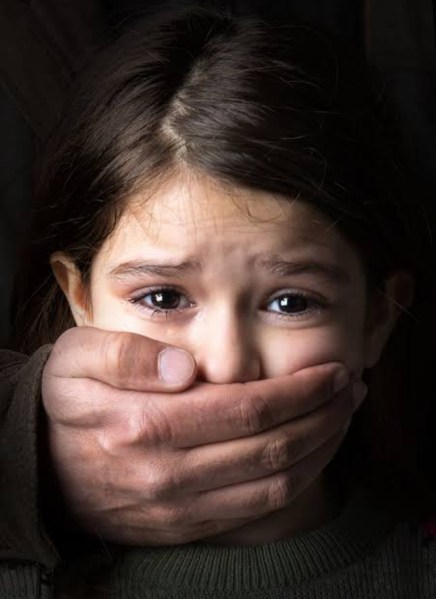
Abusing a toddler is like insulting the God you preach . Children are featured as soft hearted and are free from all their works and enjoying as the way they are. They are kind hearted and adorable. They shower love towards whom they love more.
But there are some culprits who are abusing this adorable children without any courtesy or any humanity towards them.

What is child abusing?

Child abusing is not just a violence directed to them. It includes both physical and verbal abuse. It is a type of maltreatment by the adults, which many be violent or threatening the child and troubling their emotions. It is also called as maltreatment. There are several types of child abuse which includes physical, emotional or psychological, physical neglect , psychological neglect or emotional neglect , sexual abuse and so on .

Causes of child abuse

There are several causes of child abusing and the prime mover is poverty. It happens when the family doesn’t have the resources to supply or to satisfy the necessity of their relations especially children like food, proper dress, education.

Many people who cannot satisfy the needs of their children are leaving their children at orphanage or selling them to the rich people who are ready to accept them for many purposes. As we all know that family is the best place for children and it is the place for crucial sour of affection and care .

Now-a-days maltreatment are occurring within the family and it is not exposed to the society.

Substance abuse is becoming one among the reasons for increasing number of child abuse round the world. Throughout different studies it had been clear that oldsters with history of drug abuse , most ordinarily alcohol, cocaine, and heroin, were more likely to abuse their children.

This substance can results in developing abnormal behaviors by the abuser either they are from family or strangers. The last explanation for maltreatment are often psychological. Parents who don’t have community of close friends or relatives living nearby may feel isolated. Parents with psychological disorders may affect their children without knowing.

How to prevent children from child abusing?


• Parents taking note of their children and talk with them.

• Educating new parents on the parenting skills since Children got to know that they’re special, loved and capable of following their dreams.

• Stopping maltreatment when seeing it.

• Teaching the kid the difference between acceptable and unacceptable touching, and to trust their instincts about people.

• Educating the oldsters about the signs of abuse so it’ll be easy to detect it and making the laws more stronger.

Preventing maltreatment isn’t simply a matter of oldsters doing a far better job, but rather it’s about creating a context during which “doing better” is simpler . Enlightened public policy and therefore the replication of high-quality publicly supported interventions are only a part of what’s needed to successfully combat maltreatment . It remains important to remind the general public that maltreatment and neglect are serious threats to child’s health development which overt violence toward children and a persistent lack of attention to their care and supervision are unacceptable. Individuals have the power to simply accept personal responsibility for reducing acts of kid abuse and neglect by providing support to every other and protectively to all or any children within their family and their community.

As sociologist Robert Wuthnow has noted that every volunteer effort or act of compassion finds its justification not in offering solutions for society’s problems but in offering hope “both that the great society we envision is feasible which the very act of helping one another gives us strength and a standard destiny”.

Save child and save future generations

World poverty


Poverty entails more than the lack of income and productive resources to ensure sustainable livelihoods. Its manifestations include hunger and malnutrition, limited access to education and other basic services, social discrimination and exclusion, as well as the lack of participation in decision-making. In 2015, more than 736 million people lived below the international poverty line. Around 10 per cent of the world population (pre-pandemic) was living in extreme poverty and struggling to fulfil the most basic needs like health, education, and access to water and sanitation, to name a few.


While pre-pandemic global poverty rates had been cut by more than half since 2000, the COVID-19 pandemic could increase global poverty by as much as half a billion people, or 8% of the total human population.


For those who work, having a job does not guarantee a decent living. In fact, 8 per cent of employed workers and their families worldwide lived in extreme poverty in 2018. One out of five children live in extreme poverty. Ensuring social protection for all children and other vulnerable groups is critical to reduce poverty.

Recent estimates for global poverty are that 9.2% of the world, or 689 million people, live in extreme poverty on $1.90 or less a day, according to the World Bank.

Money isn’t a complete measure of poverty. Other dimensions of poverty include access (or lack thereof) to work, health, nutrition, education, sanitation, housing, etc.

A study of 13 developing countries found that government spending on education and health accounted for 69% of the total reduction of economic inequality. The entire health budget of Ethiopia, a country of 105 million people, is equivalent to just 1% of the fortune of the world’s richest man, Amazon CEO Jeff Bezos.