Everyone out there saying, Nature is healing and it is the revenge of nature that’s why we’re suffering this pandemic because we people were harming our mother ‘Earth’ and some posting that, let’s not pollute our planet, use of vehicles should be less and blah, blah… That’s completely okay if we’ll not safeguard our planet then who will.
But Maybe nature taught us the real meaning of freedom that we craved for in the past 2 months and we’re neglecting it.
Maybe she is making us realise the value of freedom of those birds and animals who are caged inside our homes and zoo. Don’t they deserve this freedom, and after being caged in our homes in this pandemic, why we’re still not sensing this common message?
Maybe we can’t do less use of vehicles for less pollution and maybe we can, but there’s one thing we can surely do, ‘To release those innocents’, let them free and fly all around, the way we wanted in this lockdown and if still, we’re not realising this then nothing can make us sense their freedom.
This earth is their mother too, they do deserve this freedom.
Although it’s becoming difficult to be in lockdown for several months due to coronavirus, we also know it’s for our better so let’s focus at its beneficial influence in our life in a number of different ways.
Personally to me that is the biggest chance we can get to improve for ourselves. To look into our shortcomings or weaknesses that we are lacking. To create us more qualified for our mission our future so that any moment we come out after lockdown everyone would see our entirely different constructive and inspiring transform. And that encourages me personally in a really massive way.
We will get much more chance to spend with our families, since most of us, because of our busy schedules, couldn’t even look at them. We also get the time to play sports, perform arts and crafts, prepare food and more, and so on. It’s a huge opportunity to mitigate tension and boost wellbeing while we’re with our loved ones
It’s a wonderful opportunity to focus on our hobbies and learn about all sorts of different activities from our parents, which include with mom, we could learn to cook all kinds of new recipes, from dad, we could learn so much about his company, and so much time to sit down with our grandpa and grandma, which we are unable to do.
Digitalization has the greatest part in this lockdown for all of us. So we can’t appreciate for the technologies to make our quarantine smoother. Modern users who used to consider it challenging to utilize this technologies are already being increasingly accessible to this technology, although existing users have started to use it more appropriately so efficiently.
Individuals are more interested in taking new lessons, watching webinars, pursuing online internships, etc. because of this beneficial opportunity. Schools, universities, private coaching are expected to offer continuous study hours without disrupting their instructional schedules.
It is also a massive support for financial institutions to provide resources and also to raise identification among their clients. Companies are embracing technologies during covid19 to increase knowledge and intern a daily interaction with their on-board consumers.
Government as a whole and its various departments at central and state level have increased the scope of technology through video conferences. In fact, we are all being addressed and updated by the government through this technology.
Such technology also allows us sensitive of the amount of cases that have taken place in our world, as well as rendering useful apps like Arogya Setu by showing us the virus from our surroundings.This lockout has also had a significant effect on improving the emissions in our country. After the curfew, there has been a substantial drop in the air quality index throughout the region.
After 30 years, the Himalayan Rane has been seen by people in Punjab more than 100 miles away due to the reduction of air pollution caused by the lockdown. eg; The famous Silk Board Junction known for the worst traffic jam is empty.
eg:south america”s most popular city Sao Paulo too is witnessing calm streets and clearer skies.
There has been a major decrease of air quality of Bangkok as a consequence of the closing of schools a month earlier owing to an rise in air pollution. Infection in India to Taj Mahal now appears so bright in healthy air that air pollution is that.The consistency of the water in the river Yamuna is so good that chemical waste and pollution are prevented in the flow.After years, though, the Swans are now heading to Venice because of this lockdown. Intact species can be seen roaming openly in various parts of the world while people are restricted by coronavirus lockdown.
These quarantine is also helping us greatly in maintaining our health:
Generally, because of our everyday schedule, we might get much less time to relax due to long distance travel, but instead, because of this lockdown, we ‘re not just having enough time to sleep, but infact more than enough to complete our proper nap, as well as at night, we ‘re also able to go back to bed early because we’re not moving out to work because of the lockdown, which is a huge benefit in enhancing our safety.Now that we don’t drive too often so we can concentrate on our eating at home by getting home-cooked and balanced meals.We ‘re also finding more motivation to continue working out at home from exercise, therapy, fun Zumba and so on for our families to stay well together.
We may also make a major contribution to cleaning our house by ourselves, and often we do end up with items that we haven’t used for a long time, and other garbage that we can quickly throw away, which allows us to have a cleaner living space. Sweeping, mopping, dusting and sweeping are also opportunities to keep us healthy and consume our excess calories.
So thats why instead of stressing much on coronavirus cases or when will this lockdown endow should start investing time on things that really matters in our life and for our self growth because we don’t always get such opportunity to work on ourselves.
Andreas Kaplan and Michael Haenlein describe social media as “a group of Internet-based applications that build on the ideological and technological foundations of Web 2.0 and that allow the creation and exchange of user-generated content”.
Social Media contains two words. The first one is “Social” which means interaction, sharing and so on. Another word is “Media” where to say that social media is a medium for publication.
Social media contains a lot of tools and applications which let the users express their opinion, publish articles, sharing videos and so on easily.
Social Media Influence:
According to Sir Andrew Likierman, London Business School Dean, “social media has completely disrupted the way businesses assess their performance”. This statement is completely true because social media is no longer an option but is a must, especially companies that dealing straightly with customers. Some business can completely avoid thinking about social media like wholesalers because they are just dealing with another business. Since social media became more powerful, organization are facing difficulties to measure their performance. They must have specific strategy for social media or even companies could have one special unit that handle feedbacks and responses from user. Any negative feedbacks should grab attention and they have to discuss on how to react with any negative comments. Any negative response from customers will be there on net forever. No way to remove that and because of that, companies that avoid think about social media will lose some customers.
Customers are now become more particular about with whom and from where they are buying products or services. They willing to make online search before making any purchase decision especially for expensive items. Since internet is now more conveniently searchable through smart phones, customer can make search in just a minute. That’s why companies must have social media presence and put some attention to manage customer response and try to convince them that the business is reputable and trusted.
Social media providing big opportunity to organization to build better relationship with clients and providing real one to one communication. They have no better advertising then “word of mouth”. Satisfied customers surely will share to their friends in their social network about their experiences with the particular company. If one person shares their experience to his 400 Facebook friends, and that friends spread that news to their friends, the information moves extremely fast. If a video uploaded in YouTube with attracting title like “Think Twice before you eat XXX”, this video surely will grab thousands or even millions of social medial users. With “Share” function available almost in any site, in just a second we can share anything to social media community.
One of the main reasons that we must use social media is because our competition is using that daily as marketing strategy. Another big reason why a business should use social media because their customers and future customers are using it. A lot of people have at least one social media account like Facebook, YouTube and so on. A business should present their brand where customers are. Traditionally we can see people open shops at crowd places like in shopping mall and so on. The same case here where a business should present in crowd place like social media. Millions of people using that every day.
Some Fail Stories of Businesses When Using Social Media:
In 2012, giant car manufacturer Toyota launched Camry Effect Campaign on Twitter to promote Camry. They had created number of Twitter account. This campaign was designed for directly communicating with users but what happen is, big number of users start to accuse Toyota for their bombarding and spamming marketing then with many unsolicited messages. As response Toyota suspended their accounts. Until now this campaign is well known as fails campaign. The main problem with this campaign is, not because Toyota Spamming but the content of the messages that they send out were not attracting. They also were sending same messages content over and over. They were only sending promotional messages which did not help to build relationship with users.
Advantage of Social Media for Business:
The advertising cost is much more cheaper then traditional advertising and promotional activities. Social media also gives full value for every penny they spend. Traditional advertising only shows the brand to the customer but with social media company can build long term relationship through “Like” function and can get their email address for sending future emails.
Future customer able to find our brand through many channels like sharing activities, news, search engine search result and so on which gives company free advertising. Social media can bring huge amount of traffic to their content especially when that content is grabbing their attention. This is what we can call free traffic or free customers.
Social media allows customers to express their experiences to others. A satisfied customer surely will bring another new customer through sharing experience activity. Companies will improve their products and services to customers.
Disadvantage of Social Media for Business:
A successful online presence especially in social media, a company needs an experienced team which can improve companies’ reputation. Social media becomes unique and able to drive a lot of sales when they engage with their customers. This mean they have to reply messages, comments and so on. Pushing sales without engaging with customers or not responding to negative feedback will damage the companies’ reputation. Organization also must produce new contents and always find out ways to overcome to any negative feedback.
Wrong online presence strategy will damage the companies’ reputation and put them at a viral social disadvantages. Any mistake they companies make in front of thousand of fans or social media members will result in big reputation impact. So, companies must be careful when performing social media campaign.
Using social media marketing and advertising campaign could be more time consuming because companies would have to watch out every activity in the social media.
Conclusion:
Social media gives deep impact to the business world. Today from small companies to big giant companies. Social media landscape is big and the system and technology are continuously growing and changing everyday. Companies who are using and present in social media are enjoying big benefits. Social media is no longer an option but is a must especially companies that dealing straightly with customers. Social media promises a lot of opportunities and challenges, so organization must prepare themselves for facing it.
In Enrica Lexie’s case, India’s long-await hasn’t caused any satisfactory result. Italy has command over it since the very beginning and eventually succeeded in its objective. on February 15, 2012, two fishermen sailing on fishing boat St. Antony shot off by two Italian marines, Massimiliano Latorre and Salvotore Girone in India’s contiguous zone. Which is positioned 20.5 nautical miles off the Kerala coast. This incident caused outrage and conflict of opinions over legal jurisdiction and immunity between the governments of India and Italy.
Recently, Permanent Court of Arbitration acknowledged the functional immunity of the two marines accepting the plea of Italy that they were working on a mission on behalf of the Italian government and gave Italy the jurisdiction over the matter, regardless of the fact that, the incident happened in India’s contiguous zone and the victims were the Indians. Due to the non-existence of any unilateral and bilateral and treaty between India and Italy, the Italian marines shouldn’t have gotten away in the name of immunity. This decision has set the menacing precedent for all the countries will now be enacting specific laws to give immunity to the military and paramilitary personnel. This will be troublesome for contiguous States. Albeit, the International tribunal for the law of the Sea, ruled that the marines are entitled to compensate India for the loss of life, physical harm, material damage to property, and moral harm, India still seeks for more than just monetary restitution for the unjustified killing of its citizens on mere doubt that the boat was a pirate skiff. Now it is to be seen how Italian court will act against the marines under the criminal law. India as a responsible state accepted the decision made by PCA by the virtue of Article 51 of Indian constitution which mandates it to uphold and respect the International law. Now that India has no jurisdiction over the matter anymore it must not show any leniency in securing the justice for Pink and Valentine if Italian court go to the extreme to support the killers.
Many yoga studios and local gyms offer yoga classes that are open to all generations and levels of strength. It’s fun to walk into a room full of young people, athletes, middle-aged mothers, older men, and solid foods and bodybuilders. Everyone can feel welcome and included and, unlike other games or classes focused on niche clients, yoga tends to offer open arms. Whether you like “Om” or can’t stand the word “yogi”; whether you are 92, 53, or even 12, yoga can help you.
This is how it encourages our health
Yoga is not just about working out, it’s about a healthy lifestyle. Yoga practice allows students to find peace in a world dominated by chaos. The peace and quiet that comes from training that focuses on loving everyone.
Breathing habits and deep meditation on Yoga help to promote inner transformation from the to-do list, the needs of children and spouses, financial worries, and relationships struggling in something less than the problems you face. Yoga helps relieve stress and distort the mind, helping you to stay focused.
Different faces of yoga
One of the benefits of yoga is that you can choose a yoga style tailored to your lifestyle, such as hot yoga, power yoga, relaxing yoga, baby work yoga, etc. Whether you prefer to practice at home, in a private session, while watching a DVD or a studio or gym, there are many options to suit your goals and needs.
If you are a beginner of yoga, hatha yoga, which focuses on the basic exit at a relaxed pace, it can be good for you. If you want to increase energy by using more of your body’s resistance, energy yoga may be right for you. When you are ready for a deep practice, Bikram, also called “hot yoga,” may be what you are looking for. In Bikram yoga, room temperature is maintained at about 105 degrees Fahrenheit [105 ° C], leading to the elimination of toxins from the human body through increased sweat production. No matter your fitness level, fat percentage, or health history, yoga has your own style.
Strength advantages and flexibility of Yoga
Yoga’s focus on strength training and flexibility is an incredible benefit to your body. The postures are meant to strengthen your body from the inside out, so you don’t just look good, you feel good, too. Each of the yoga poses is built to reinforce the muscles around the spine, the very center of your body, which is the core from which everything else operates. When the core is working properly, posture is improved, thus alleviating back, shoulder, and neck pain.
The digestive system gets back on track when the stretching in yoga is coupled with a healthy, organic diet, which can relieve constipation, irritable bowel syndrome (IBS), and acid reflux. Another one of the benefits of yoga is that stretching and holding postures also causes muscles to lengthen, which gives the body a longer, leaner look.
Allover Power of Yoga
Isometric exercise is one of the best ways to build spinal strength. Isometric, dubbed “the same” and “the same length,” simply translates holding one position without moving. The power of yoga uses isometric exercises and other exercises designed to make the spine and back strong. Flexibility and firmness from the depths of your heart, so it is important to train this area of the body. Also, you can increase the strength and health of your whole body. A high temperature is often used in this practice to help keep the tissues warm and to release more toxins from the body.
Chapter III of Indian Penal Code, 1980 defines punishment for various offences. Section 53 of the Indian Penal Code sets out different kinds of punishments which are awarded to convicts for crime by the courts. These are imprisonment for life, rigorous or simple imprisonment, forfeiture of property, fine and death penalty (also known as capital punishment). Yes, capital punishment is a legal penalty in India. It is an integral part of criminal justice system in India but it is highly debated. All the punishment is based on the same proposition i.e. there must be penalty wrongdoing and the person who has done wrong should suffer for it also it is a common belief that inflicting punishment on wrongdoers discourages other from doing wrong. But with the increasing strength of human rights movement all across the world, the existence of capital punishment is questioned as immoral and extreme. In spite of many organizations protesting for the nullification of death sentence, it is still being executed in different countries. The profounder of death penalty argued that it will act as a deterrent against crimes in the society and it is economical than keeping the convicts behind the bars. On the other hand, some might argue that, punishment in present context must be more reformative than retributive. The UN in its Charter of Rights has declared death penalty or capital punishment as a crime against humanity and had also asked its member countries to put an end to it. One of the member countries of the UN – India, still carries out capital punishment in “rarest of the rare” cases even though the Constitution of India has stated that the government has no right to take the life of any person as per article 21. A majority of countries in the world has now abandoned the use of the death penalty but the world has not yet amicably come forward against its use.
However, the number of countries carrying out the death penalty is declining and it is possible that worldwide opinion and pressure will gradually influence all countries to abolish this practice. Capital punishment in current scenario of the country trend towards abolition of the death penalty as it has emerged over recent decades. It will trace the development of capital punishment as a human rights issue in the international forum, and examine recent challenges to the death penalty in India. Death, life imprisonment, simple or rigorous imprisonment, fine and forfeiture of property. In contemporary India, death sentences are only reserved for the rarest of rare case.
However, there is no guideline or structure to define these “rarest of rare” cases. Whenever a Punishment is awarded for the wrong doing there are two main reasons for inflicting such punishment; 1.) One is that the person who committed the wrong must suffer for it. 2.) And, the other one is that inflicting punishment on wrongdoer acts as an example for others. In India deciding the case for death penalty is based on doctrine of “rarest of the rare test” which was stated in the case of Bachan Singh V. State of Punjab. Which means that death penalty will only be awarded in rarest of rare cases only . Further, in the case of Macchi Singh & Others V. State of Punjab the Three Judge Bench followed the decision of Bachan Singh and stated that only in rarest of rare cases when collective conscience of community is in such a way that it will expect the holders of the judicial powers to inflict death penalty then it can be awarded if the murder is committed in an extremely brutal, revolting or dastardly manner so as to arouse intense and extreme indignation of the community. 2.) When a murder of a member of a Scheduled caste is committed which arouse social wrath. 3.) In case of “Bride Burning” or “Dowry Death”. 4.) When the crime is enormous in proportion. 5.) When the victim of murder is ● An Innocent child ● A vulnerable Women or a Person rendered unaided by mature epoch or illness. ● once the injured party is an individual in relation to whom the slaughterer is in point of authority or reliance. Apex court in the case, Macchi Singh v. State of Punjab expanded the finding laid down in Bacchan Singh. Hereunder are certain observations made by the court; “capital punishment can be awarded only in the case of gravest crimes. Circumstances of the offender must be taken into consideration before pronouncing a death sentence”. Jagmohan vs state of UP was the first case dealing with the question of constitutional validity of capital punishment in India. India retains death punishment for a number of serious offences.
Death penalty is no doubt unconstitutional if imposed arbitrarily, capriciously, unreasonably, discriminatorily, freakishly or wantonly, but if it is administered rationally, objectively and judiciously, it will enhance people’s confidence in criminal justice system. thus, the conclusion in the present circumstances of the country, it is required to retain death penalty in rarest of the rare cases. Because if it doesn’t deter the crime, then why do people still seek for commutation and pardon?
Illiteracy and Poverty go hand in hand. Education plays a very big role in uplifting people from poverty. It also helps one to improve his/her lifestyle or standards of living. Illiterate people miss these opportunities provided by education. Everyone, every girl, boy or an adult should be literate, it not just forms a basis to have a good career but it helps one in handling day to day life issues too.
Time is changing fast; technology and research making progress in leaps and bound. The present generation is completely different from the generation for which our education system was designed. The current education system is not keeping up with current needs of education. We are in dire need of extensive changes in Indian education system. Education is the most important component out of various components of social infrastructure. The well educated and properly trained manpower can accelerate the pace of economic development.
The following are the main problems faced in the progress of education:
Lack of funds: The lack of sufficient funds is the main problem in the development of education. Due to insufficient funds most educational institutions lack infrastructure, science equipment and libraries etc.
Expensive Higher Education: University, professional and technical education has become costly in India. It is beyond the reach of common man. Privatization of higher education has led to the growth of profit hungry entrepreneurs. Now a day’s higher education is much costly affair.
Neglect of Indian Languages: The medium of instruction particularly in science subjects is English. So rural students who are not well versed in English, cannot study science properly in English. They suffer a lot; Indian languages are still under developed. Standard publications are not available in Indian language.
Problem of Brain Drain: When intelligent, talented and deserving candidates do not get suitable jobs in the country, they prefer to go abroad for seeking jobs. So our country is deprived of good talent. This phenomenon is called ‘Brain drain’.
Mass Illiteracy: Despite constitutional directives and economic planning we are not able to achieve cent percent literacy. -Even now 35 percent people remain illiterate. In India, the number of illiterates is almost one-third of the total illiterates in the world.
Problems of Primary Education: Our primary education is ridden with too many problems. Large number of primary schools has no buildings what to talk of basic facilities like drinking water, urinals and electricity, furniture and study materials etc. Large numbers of primary schools are single teacher schools and many schools are even without teachers. So the drop rate is very high and a cause of concern. Concluding, we can say that there is quantitative expansion of education but in qualitative development we are still lagging behind.
The only way to deal with failing education system is that they need to adapt with time over and over again.
Cyberbullying is bullying that takes place over digital devices like cell phones, computers, and tablets. Cyberbullying can occur through SMS, Text, and apps, or online in social media, forums, or gaming where people can view, participate in, or share content. Cyberbullying includes sending, posting, or sharing negative, harmful, false, or mean content about someone else. It can include sharing personal or private information about someone else causing embarrassment or humiliation.
Some cyberbullying crosses the line into unlawful or criminal behavior.
The most common places where cyberbullying occurs are:
Social Media, such as Facebook, Instagram, Snapchat
Text messaging and messaging apps on mobile or tablet devices
Instant messaging, direct messaging, and online chatting over the internet
Online forums, chat rooms, and message boards, such as Reddit
Email
Online gaming communities
Cyberbullying can be done in different forms over the various online platform, some of the cyberbullying examples are given below for a better understanding of what is cyberbullying or anti-bullying:
Humiliating/embarrassing content posted online about the victim of online bullying,
Hacking of account
Posting vulgar messages
Threatening the victim to commit an act of violence
Stalking
Child pornography or threats of child pornography
Facts of cyberbullying
Statistics of cyberbullying which helps in discovering that bullying in schools kids is at the majority. To understand what is cyberbullying and how to stop bullying first let’s get to know some facts of the cyberbullying:
1 in 4 kids have been bullied more than once and in total 43% of the kids have fallen prey to cyberbullying or anti-bullying
India ranks at number 3 in the list of online bullying cases as per the survey conducted by Microsoft in 2012 in 25 countries
70% of the cyberbullying or anti-bullying activities happen over facebook
Usage of mobile phones by almost 80% of the teens makes it a common and most popular medium for anti-bullying
It has been believed by the 81% of youth that getting away with online bullying is easy as compared to traditional bullying
90% of teens agree that have ignored the cyberbullying while some of the youth has taken a step to stop bullying
Girls are more preferred victims of cyberbullying as compared to boys
Victims of cyberbullying or anti-bullying are 2 to 9 times more prone to committing suicide
Cyberbullying laws in india
There is no specific legislation that provides for the specific cyberbullying laws in India however provisions such as Section 67 of the Information Technology Act deals with cyberbullying in a way.
Section 67 of the act prescribes punishment for publishing or transmitting obscene material in electronic form for a term which may extend to five years and also with fine which may extend to ten lakh rupees.
Other than Section 67 of the IT Act following are the provisions of the cyberbullying laws in India:
Section 507 IPC : The section states that if anyone receives criminal intimidation by way of an anonymous communication then the person giving threats shall be punished with imprisonment for up to two years. By virtue of word anonymous the offense of anti-bullying and cyberbullying is included in this section.
Section 66 E of IT Act : The section prescribes punishment for violation of privacy. The section states that any person who intentionally violates the privacy by transmitting, capturing or publishing private pictures of others shall be punished with up to three years imprisonment or fine up to three lakhs.
Cases of cyberbullying:
Shreya Singhal vs. union of India, Writ Petition (criminal) No. 167 of 2012.
Vishaka vs state of Rajasthan AIR 1997 SC 3011.
Mewa Ram v. A.I.I. Medical Science AIR 1989 SC 1256
“the doctrine of ‘equal pay for equal work’ is not an abstract doctrine. Equality must be among equal, unequal people cannot claim equality.”
Consumer Education and Research Centre v. Union of India AIR SC (1995) 922 para [10]
What is cyberbullying?
Cyberbullying is bullying that takes place over digital devices like cell phones, computers, and tablets. Cyberbullying can occur through SMS, Text, and apps, or online in social media, forums, or gaming where people can view, participate in, or share content. Cyberbullying includes sending, posting, or sharing negative, harmful, false, or mean content about someone else. It can include sharing personal or private information about someone else causing embarrassment or humiliation.
Some cyberbullying crosses the line into unlawful or criminal behavior.
The most common places where cyberbullying occurs are:
Social Media, such as Facebook, Instagram, Snapchat
Text messaging and messaging apps on mobile or tablet devices
Instant messaging, direct messaging, and online chatting over the internet
Online forums, chat rooms, and message boards, such as Reddit
Email
Online gaming communities
Cyberbullying can be done in different forms over the various online platform, some of the cyberbullying examples are given below for a better understanding of what is cyberbullying or anti-bullying:
Humiliating/embarrassing content posted online about the victim of online bullying,
Hacking of account
Posting vulgar messages
Threatening the victim to commit an act of violence
Stalking
Child pornography or threats of child pornography
Facts of cyberbullying
Statistics of cyberbullying which helps in discovering that bullying in schools kids is at the majority. To understand what is cyberbullying and how to stop bullying first let’s get to know some facts of the cyberbullying:
1 in 4 kids have been bullied more than once and in total 43% of the kids have fallen prey to cyberbullying or anti-bullying
India ranks at number 3 in the list of online bullying cases as per the survey conducted by Microsoft in 2012 in 25 countries
70% of the cyberbullying or anti-bullying activities happen over facebook
Usage of mobile phones by almost 80% of the teens makes it a common and most popular medium for anti-bullying
It has been believed by the 81% of youth that getting away with online bullying is easy as compared to traditional bullying
90% of teens agree that have ignored the cyberbullying while some of the youth has taken a step to stop bullying
Girls are more preferred victims of cyberbullying as compared to boys
Victims of cyberbullying or anti-bullying are 2 to 9 times more prone to committing suicide
Cyberbullying laws in india
There is no specific legislation that provides for the specific cyberbullying laws in India however provisions such as Section 67 of the Information Technology Act deals with cyberbullying in a way.
Section 67 of the act prescribes punishment for publishing or transmitting obscene material in electronic form for a term which may extend to five years and also with fine which may extend to ten lakh rupees.
Other than Section 67 of the IT Act following are the provisions of the cyberbullying laws in India:
Section 507 IPC : The section states that if anyone receives criminal intimidation by way of an anonymous communication then the person giving threats shall be punished with imprisonment for up to two years. By virtue of word anonymous the offense of anti-bullying and cyberbullying is included in this section.
Section 66 E of IT Act : The section prescribes punishment for violation of privacy. The section states that any person who intentionally violates the privacy by transmitting, capturing or publishing private pictures of others shall be punished with up to three years imprisonment or fine up to three lakhs.
Cases of cyberbullying:
Shreya Singhal vs. union of India, Writ Petition (criminal) No. 167 of 2012.
Vishaka vs state of Rajasthan AIR 1997 SC 3011.
Mewa Ram v. A.I.I. Medical Science AIR 1989 SC 1256
“the doctrine of ‘equal pay for equal work’ is not an abstract doctrine. Equality must be among equal, unequal people cannot claim equality.”
Consumer Education and Research Centre v. Union of India AIR SC (1995) 922 para [10]
Surrogacy refers to a contract in which a woman carries a pregnancy “for” another couple. Number of infertile couples from all over the World approach India where commercial surrogacy is legal. Although this arrangement appears to be beneficial for all parties concerned, there are certain delicate issues which need to be addressed through carefully framed laws in order to protect the rights of the surrogate mother and the intended parents.
The ever-rising prevalence of infertility world over has led to advancement of assisted reproductive techniques (ART). Herein, surrogacy comes as an alternative when the infertile woman or couple is not able to reproduce. Surrogacy is an arrangement where a surrogate mother bears and delivers a child for another couple or person. In gestational surrogacy, an embryo, which is fertilized by in vitro fertilization, is implanted into the uterus of the surrogate mother who carries and delivers the baby. In traditional surrogacy, the surrogate mother is impregnated with the sperms of the intended father artificially, thus making her both genetic and gestational mother. Surrogacy may be commercial or altruistic, depending upon whether the surrogate receives financial reward for her pregnancy.
Commercial surrogacy is legal in India, Ukraine, and California while it is illegal in England, many states of United States, and in Australia, which recognize only altruistic surrogacy. In contrast, countries like Germany, Sweden, Norway, and Italy do not recognize any surrogacy agreements. India has become a favourite destination of fertility tourism. Each year, couples from abroad are attracted to India by so-called surrogacy agencies because cost of the whole procedure in India is as less as one third of what it is in United States and United Kingdom (10-20 lakhs).
Is Surrogacy Profitable for All
At a glance, surrogacy seems like an attractive alternative as a poor surrogate mother gets very much needed money, an infertile couple gets their long-desired biologically related baby and the country earns foreign currency, but the real picture reveals the bitter truth. Due to lack of proper legislation, both surrogate mothers and intended parents are somehow exploited and the profit is earned by middlemen and commercial agencies. There is no transparency in the whole system, and the chance of getting involved in legal problems is there due to unpredictable regulations governing surrogacy in India.
Although in 2005, ICMR issued guidelines for accreditation, supervision, and regulation of ART clinics in India, these guidelines are repeatedly violated. Frustration of cross border childless couples is easily understandable who not only have to cope up with language barrier, but sometimes have to fight a long legal battle to get their child. Even if everything goes well, they have to stay in India for 2-3 months for completion of formalities after the birth of baby. The cross border surrogacy leads to problems in citizenship, nationality, motherhood, parentage, and rights of a child. There are occasions where children are denied nationality of the country of intended parents and this results in either a long legal battle like in case of the German couple with twin surrogate children or the Israeli gay couple who had to undergo DNA testing to establish parentage or have a bleak future in orphanage for the child. There are incidences where the child given to couple after surrogacy is not genetically related to them and in turn, is disowned by the intended parent and has to spend his life in an orphanage.
If we look upon the problem of surrogate mothers, things are even worse and unethical. The poor, illiterate women of rural background are often persuaded in such deals by their spouse or middlemen for earning easy money. These women have no right on decision regarding their own body and life. In India, there is no provision of psychological screening or legal counseling, which is mandatory in USA. After recruitment by commercial agencies, these women are shifted into hostels for the whole duration of pregnancy on the pretext of taking antenatal care. The real motive is to guard them and to avoid any social stigma of being outcast by their community. These women spend the whole tenure of pregnancy worrying about their household and children. They are allowed to go out only for antenatal visits and are allowed to meet their family only on Sundays. The worst part is that in case of unfavorable outcome of pregnancy, they are unlikely to be paid, and there is no provision of insurance or post-pregnancy medical and psychiatric support for them. Rich career women who do not want to take the trouble of carrying their own pregnancy are resorting to hiring surrogate mothers. There are a number of moral and ethical issues regarding surrogacy, which has become more of a commercial racket, and there is an urgent need for framing and implementation of laws for the parents and the surrogate mother.
Two Types of Surrogacy
A traditional surrogate is a woman who donates her own egg and then carries the pregnancy. The surrogate’s egg is fertilized through artificial insemination with the sperm of the father or a sperm donor. Traditional surrogates are genetically related to the baby because their own eggs are donated.
A gestational surrogate is not biologically related to the child she carries. Gestational carriers become pregnant through the process of in-vitro fertilization, where an embryo created from the gametes (sex cells) of the intended parents are implanted in the uterus for the gestational period of 40 weeks.
Altruistic Surrogacy
In the approach of altruistic surrogacy (where no payment for a baby is made; only those to cover pregnancy costs), it is evident that willing surrogates would be acting in the Post-Conventional Level, at Stage Six. An altruistic surrogate performs the miraculous task of carrying a baby, then delivering and handing it over to the intended parents. To accomplish such a difficult venture requires compassion, a sense of self-worth and self-sacrifice. This is evident in the case of parents Luke and Amanda, whose surrogate mother Lisa displayed an awe-inspiring act of kindness through carrying their baby. This act illustrates Lisa’s characteristics of Stage 6 – despite the controversy the pregnancy may have caused, she was able to act upon her own morals to surrender a baby to deserving parents.
Conclusion
It seems ironical that people are engaging in the practice of surrogacy when nearly 12 million Indian children are orphans. Adoption of a child in India is a complicated and a lengthy procedure for those childless couples who want to give a home to these children. Even 60 years of Independence have not given a comprehensive adoption law applicable to all its citizens, irrespective of the religion or the country they live in as Non-Resident Indians (NRIs), Persons of Indian Origin (PIOs) or Overseas Citizens of India (OCIs). As a result, they resort to the options of IVF or surrogacy. The Guardian and Wards Act, 1890 permits Guardianship and not adoption. The Hindu Adoption and Maintenance Act, 1956 does not permit non-Hindus to adopt a Hindu child, and requirements of immigration after adoption have further hurdles.
There is a strong need to modify and make the adoption procedure simple for all. This will bring down the rates of surrogacy. Altruistic and not commercial surrogacy should be promoted. Laws should be framed and implemented to cover the grey areas and to protect the rights of women and children.
The virus has proved itself to be infectious economically as it is biologically. The present scenario of the coronavirus pandemic is a perfect example that portrays how disease outbreaks can cripple modern economies resting on the foundation of globalization by causing a multi-sectoral chaos, the repercussions of which are global, making their presence felt even in countries not affected from the virus.
In the Indian context, enforcement of containment measures and nation-wide lockdowns has resulted in a significant deprivation of workforce in almost every sector, industrial, tourism, hospitality, automotive, finance, power, construction, or healthcare and has rendered several public amenities like hospitality, malls, multiplexes, supermarkets, hotels, resorts, etc. impracticable dealing an enormous loss to the economy. Force majeure acts as a ray of hope for these hard-hit business ventures.
Usually, a force majeure clause involves discrete events that would qualify as force majeure events, requirements that must have been met for such force majeure clause to apply to the agreement, and the implications of any force majeure occurrence. The clause can be inclusive of new unforeseen events that render the performance impossible or kills the subject matter of the contract. From a contractual context, force majeure provides a party with immediate relief from meeting its contractual obligations when a force majeure incident occurs.
While the lex loci, Indian Contract Act, 1872 lacks specific mention of the concept, section 32 (Enforcement of a contract contingent on an event) and 56 (Frustration) contain reference to this concept. In case of commercial contracts, parties concerned have strictly abide by what is written in the contract as mandated by the court with respect to definition of Force Majeure event. They should be aware and take care of how such an intervening event satisfies the definition of Force Majeure event as per the contract. The procedure of notifying the other party includes giving a detailed notice specifying the occurrence of a Force Majeure event, impact of the event and suspension of underlying obligations till the continuation of the event.
If the contract is silent on it, parties can rely on section 56, that talks about performance rendered impossible by a supervening event. Here, impossibility, as laid down in Satyabrata Ghose vs Mugneeram Bangur and others following judgments, must be construed in strictest manner possible. It means commercial difficulty per se not an impossibility and unviability in terms of price or onerousness in operation would not constitute any impossibility.
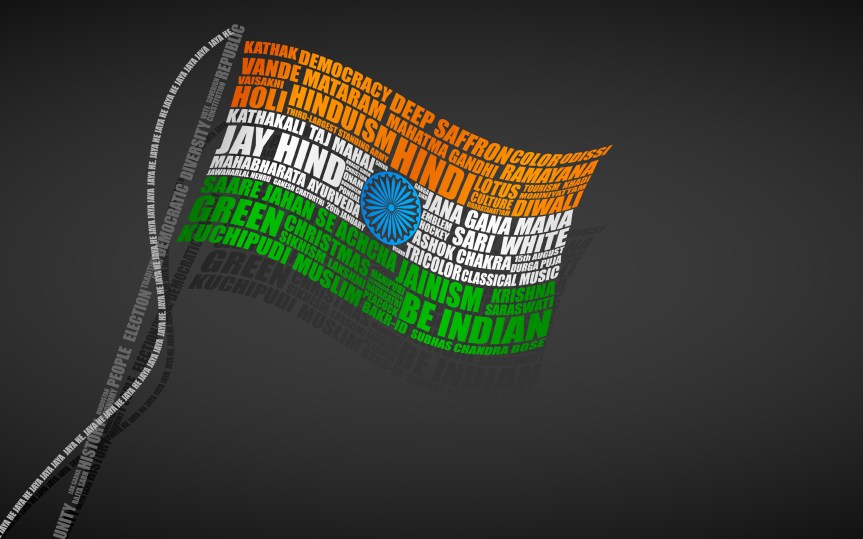
The Indian Flag Portraying Diversified Culture of India
India, the world’s most diversified country, 565 princely states united by Sardar Vallabhbhai Patel (former Home Minister of India). These states with their own set of languages, food cuisines, apparels, climates, race, skin shades, religions, traditions and cultures make India vibrant and colourful. A nation that is alternate to rainbows and unexpected surprises. The only nation with a demography including almost all sets of the religions in the world, the super minority religious group of Parses too. Now the question arises, does this variance divide us or its just mix of spices that unites us with delicious flavour of nationalism, i personally prefer the latter option.
Now let us see how it is according to the recent activities in the nation. With the high tensions among certain communities in India and dozens of riots among them in the past, shows us that there had been some sort of hatred pumping into veins of many Indians. Definitely some are not happy with the partition and some seek another partition but the biggest difficulty arises when we try to see all under same umbrella, which is indeed not appropriate measure to be followed by any responsible citizen of India. Yes, there is communal hatred in India and we cannot hide it anymore, the truth should prevail over emotions and need to see where India is lagging behind, what is pulling her back from developing. With this another question arises, how do we solve it, we cannot cut another piece of land to satisfy any particular community and we know it well that 1947’s partition resulted in the biggest failure of mankind ever. It turned into huge loss for both India and Pakistan and the purpose to completely divide Hindus and Muslims could not work out.
Coming back to our topic, we certainly understand this that there’s shouldn’t be any more partitions and we are actually good with a mix of all religions living with harmony and peace. The law & order should dominate over any religion and law breakers shouldn’t be judged on the basis of their skin shade, race, state or religion.
Religion isn’t the only problem that causes distress in India. There are certain cases of cultural biases. Certain states that are unable to generate enough revenue to sustain its domiciles within the state are responsible for migration of millions. These unfortunate poor citizens of India are forced to leave their states, to be into developed cities of India for earning their bread. Who are they and why do they have leave their homes, their villages and walk thousands of miles and live in exile. The one word answer is poverty. The all the diversifying elements we discussed earlier does not divide humanity as much as poverty does. The gap between rich and poor, strong and weak, literate and illiterate, fortunate and unfortunate, happy and unhappy is unfortunately increasing day by day, year by year. There’s a saying that nothing goes for vain but life of a poor in India, yes it goes for waste. The biharis in general always discriminated in India and their lives are counted as meaningless. We saw a good example of this during recent impact of Covid-19 in India, where millions of labours migrated miles on their way home, majority by walk.
Does diversity really divide us or is it poverty that does so. Readers of this article should ask this question to themselves and others. Let us understand this for real, India’s diversity is not dividing, we should see it as a blend of brilliant tastes, south and north, Hindi and tamil, Idli and Paratha, Chai and Coffee, Bengali sweet and Rajasthani Salty, Delhi Rajma and Pune’s Poha and this list goes on because there’s no ending to tastes and cultures in India. India is a garden of most beautiful flowers and some weeds like any other nation would have. All we have to do is nourish these flowers so to blossom India into rich fragrance and for weeds we have use our wisdom as weedicide and should kill our differences and see every citizen of this Nation as Indian first.
I am about to quit from one of the online course but something made me stick to it. May be its due to the pressure I feel by doing nothing or may be its due to influence of some other mates who quitted from the course. I never had a courage neither to quit nor to admit the fact of dropping. I do nothing and thing of everything. The only thing I last is feeling pressurised by doing nothing.
My scores are low and I stand in last position . Only thing I undergo is scoldings from mentor. Intially I submitted my code by pasting from some other external source and had been in safe zone. One thing my mentor made me realise is that I gain nothing by doing so. So I stopped copying and started nothing which makes me stand in again same position. One of the thing that hit me hard on my face is by seeing the confidence and courage of other mates who are doing problems on their own. I know that confidence is more than enough to live under any circumstances. I was one of them long back and now I feel ashamed of myself to think in a position where I stand.
Some gut feeling inside me is trying to eat me from inside. I want to change but that change is constant. I have to work because I can work. I must work because there is no other alternative. One of the review meeting made me to introspect me. I should work hard for myself. I keep on escaping from everything else. I can withstand in it once I get out of this feeling. I am one of the kind who tries to motivate others but lacking behind in self motivation. I can and I will.
The greatest battle that I am having right now is fighting with myself. I should come out it and face it. I will start working from now because I should never regret for doing so. I never had a feel of feeling regret in future but now the only time my gut feeling is making me so something. If I fail doing so I will definitely regret it later. Something inside me is trying to warn me. Hope I could make it possible because it’s possible.
We often judge or categorise people on the basis of there caste, colour, creed, gender and nowadays even on the basis of their region. Since the ancient times people have categorised the society into multiple categories and worked according to it, it’s 2020 and people are still not able to identify who are the good and the bad people. Let me be specific with this thing, I am talking about religion or caste, for instance: These days half of the society is against Muslims, because of some facts that I cannot mention, but why can’t they understand that a coin has two faces, and war always takes place between two people so this means that you cannot blame only one group, you can also be wrong, at least look at yourself before blaming someone else. Let me tell you some unknown facts in which Muslims have also set an example of humanity.
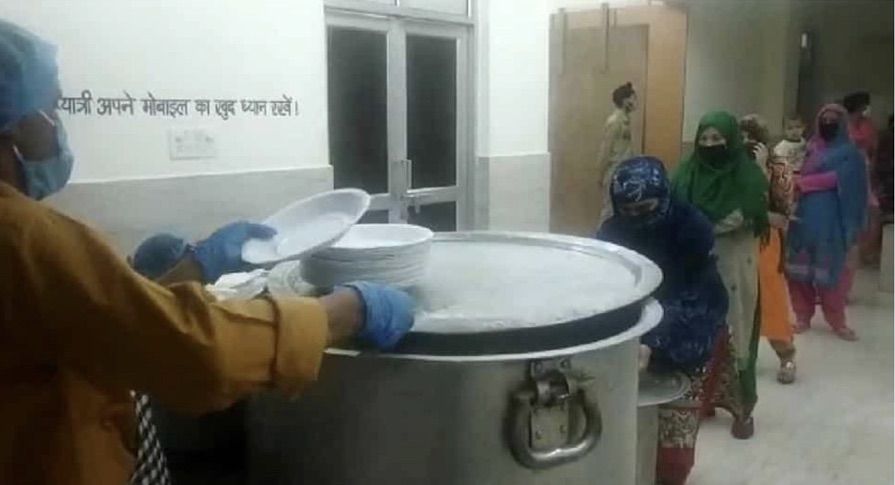
In Mumbai “Food- ek choti si asha” is a community led by Nikhat Mohamedy, who took an initiative to help the needy people in this pandemic and several others from different religion joined hands and came forward to help each other. Today the kitchen is serving 15,000 meals per day.
“This is about recognising the fact that we are all children of Adam and Eve, and feeding those brothers and sisters who are hungry and deprived is fundamental to expressing our humanity”, says Mohamedy.
Facebook.com
Another example of this is when Vaishno Devi Shrine Board served recipes to Muslims housed in quarantine centres on the occasion of Eid, March 25th. The Shrine Board said that they have been providing Sehri and Iftari meals to the Muslims after changing their schedule to meet the requirement of food for those fasting early morning and in the evening.
Hindustan times
Instances like these help me to understand that we should never judge people specially on the basis of religion or caste, we should always look upon them either as a good person or a bad person. If the world is good with you, be good to the world, if it is bad just turn your back, learn a lesson and focus on yourself, just don’t be like them. It is 2020 stop judging people, stop discriminating them, stop calling them with unwanted names, God has created people but it us who have separated ourselves into various divisions and factors. Just treat everyone equally and respect everyone. Smile and greet them be it a sweeper or a rich man. Play your part and leave the rest upon them. Change your sight of looking at the world, world will change itself automatically.
A blood donation occurs when a person voluntarily has blood drawn and can be used for transfusions or made into bio pharmaceutical medications by a process called fractionation(separation of white-blood components). Donation may be of whole blood, or of specific components directly. Today in the developed world, most blood donors are unpaid volunteers who donate blood for a community supply.
If your blood type is:
You can give to:
You can receive from:
A Positive
A+, AB+
A+, A-, O+, O-
B Positive
B+, AB+
B+, B-, O+, O-
AB Positive
AB+ Only
All blood types
O Negative
All blood types
O- only
Blood Donors Eligibility
You are eligible to donate blood if you are in good health, weight at least 110 pounds and are 17 years or older.You should not be suffering from any of the following diseases or taking medicines for Hepatitis B, C, AIDS, Diabetes, Cancer, Leprosy or any other infectious diseases, any allergies Hemophilia/ Bleeding problems, Kidney disease, Heart disease, Hormonal disorders, any other type of Jaundice (within 5 years), Tuberculosis (within 2 years), Chicken Pox (within 1 year), Malaria (within 1 year), Organ Transplant (within one year), Blood Transfusion (within the last 6 months), Pregnancy (within the last 6 months), Blood Donation (within the last 3 months), Major Surgery (within the last 3 months), Small Pox Vaccination (within the last 3 weeks), Hemoglobin deficiency / Anemia (recently), Drastic weight loss (recently)
The Pros of Donating Blood
Help Others
Blood donation is a voluntary act that all healthy adults can take part in. Donated blood is distributed to those in need of it, including people that suffer from severe loss of blood and people who have undergone extreme medical procedures.
Renewable
Blood is renewable. It renews itself within the body, so the donated blood will not be a loss by the body. Donation time is approximately 45 minutes or less, and a person can donate blood every 56 days.
Health Benefits
Blood donation has several health benefits. It reduces blood cholesterol level and sheds extras calories. The number of blood cells within the body decreases after blood donation. This stimulates the bone marrow to produce new and fresh blood cells to replace the lost cells.
The Cons of Blood Donation
Painful
The insertion of needle into the veins can be painful. While some people find the needle poke unpleasant, others have a strong fear of needles. Others are even afraid to see blood.
Weakness
A person may faint or feel dizzy after donating blood, but these symptoms are quite common. These feelings disappear quickly after the body makes more blood. Almost all blood donation centers have free snacks and juice to help the donor boost energy levels.
A common myth-people think that they can’t give blood because of their tattoos.
Due to lack of awareness, a large number of potential blood donors are being turned away by blood banks if they have got themselves tattooed or pierced. Recently many young people opting are going getting tattooed and body piercing and subsequently more than 5 per cent of the donors are rejected.
Reason: Blood donated by such people carries the risk spread of hepatitis B and in rare cases HIV and hepatitis C infections through unsanitary needles used for tattoos and body pierces.
Medical Opinion: The good news for tattooed blood donors, is that they can donate blood after six months/one year (depends on blood banks) of having undergone piercing or body art.
Root Cause
In India lack of any regulation in tattoo facilities is also to blame.
In USA, you may be able to donate blood if you got your tattoo at a state-regulated tattoo shop. State-regulated shops are routinely monitored for safe and sterile tattooing practices, so the risk of infection is low.
Lack Of Coordination Between Blood Banks and Hospitals Wasted 6 Lakhs Litres Of Blood In The Last 5 Years
A Right To Information (RTI) petition filed by activist Chetan Kothari with the National AIDS Control Organisation (NACO) revealed serious loopholes in the nation’s blood banking system. In the last five years, over 28 lakhs units of blood and its components were discarded by banks across India.When calculated in litres, the 6% cumulative wastage translates to more than 6 lakhs litres of blood – which is enough to fill 53 tankers.On an average, India faces a shortage of 3 million units of blood annually. Lack of blood, plasma or platelets often leads to maternal mortality as well as deaths in case of accidents that cause serious blood loss.
State-wise spoilage by blood banks
The states that fared the worst in the country in terms of not only discarding whole blood, but even red blood cells and plasma as the life-saving components could not be used before their expiry date, were Maharashtra, Uttar Pradesh and Tamil Nadu. In 2016-17 alone, more than 6.57 lakh units of blood and its products were wasted.
The most troubling part is that 50% of the units wasted were of plasma, which has a shelf life of one year, much longer than the 35-day deadline by which whole blood and red blood cells have to be used.
The only state to have crossed the one-million mark with regard to collection of blood units – Maharashtra – has also accounted for the maximum spoilage of whole blood, followed by the states of West Bengal and Andhra Pradesh.
The top three positions in the wastage of red blood cells were bagged by Maharashtra, UP and Karnataka, with the latter two also wasting the maximum units of fresh frozen plasma. Given that fresh frozen plasma is imported by several pharma companies to produce albumin, it is surprising that in 2016-17, over 3 lakhs units of the product were discarded.
Around 56,000 litres of blood and its components were wasted in Tamil Nadu in the last 5 years – which is 5% of the total donations made, but the government, in an effort to reduce wastage, is used in the process of drafting, the state’s first blood policy.
Reasons for spoilage
The crisis of spoilage of blood can be blamed on the absence of a robust blood sharing network between banks and hospitals, according to crusaders of safe blood transfusion.
In many states, donation camps involving thousands of participants are set up by local politicians to use them as a tools to please constituents.
Dr Zarine Bharucha of the Indian Red Cross Society pointed out that a collection of up to 500 units was acceptable and manageable.
“But we have seen and heard of camps where 1,000 to 3,000 units are collected. Where is the place to store so much blood? Why can’t people walk into regular banks and donate once every three months?” she said, as reported by The Economic Times.
However, the head of the directorate of health services in Maharashtra argued that the wastage could be a “noble health plan to curtail maternal deaths”.
“We have created more than 200 storage centres in interior areas for emergencies. We would rather be prepared to save a life than worry about unused units of blood,” he said.
NACO revealed that in the past 17 months starting May 2016, 2234 persons across India were infected with human immunodeficiency virus (HIV) while getting blood transfusions.
Though in some cases it is understandable that emergency stores of blood might go waste, spoilage in other areas, especially urban cities, where blood donation camps can be held at regular intervals cannot be justified.
In a country where shortage of blood is on a rise, wastage of imported fresh frozen plasma is troubling. This not only poses a threat on the lives of those who might require a blood transfusion, but is also a monetary loss.
All hospitals – private and public, blood banks and government authorities should implement proper regulations to prevent such loss in the future.
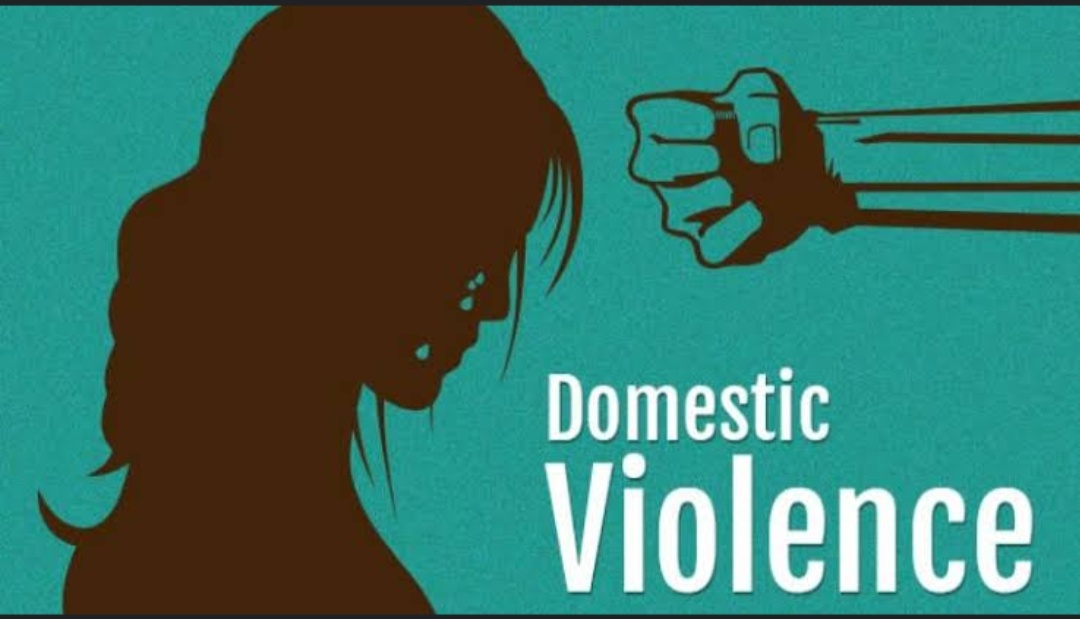
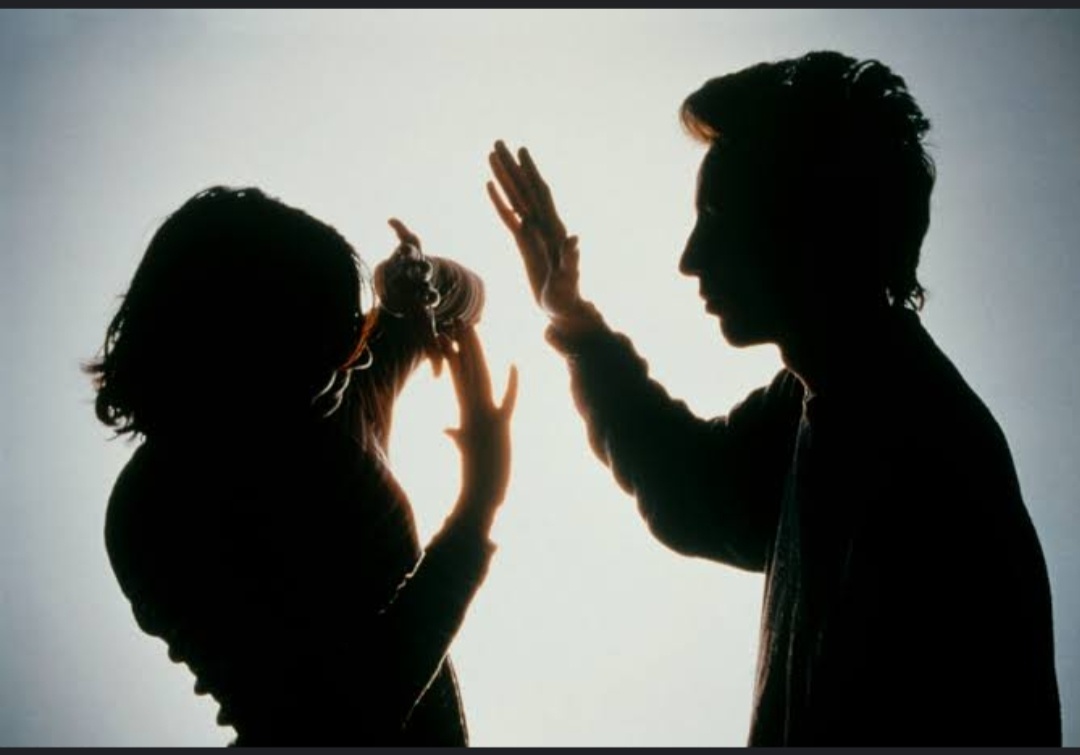
Domestic violence in India includes any form of violence suffered by a person from a biological relative, but typically is the violence suffered by a woman by male members of her family or relatives.
Domestic violence, or intimate partner violence (IPV) as it is sometimes called, is a worldwide problem.[10] Domestic abuse includes physical, emotional and sexual violence of any form. In India, the PWDVA also includes economic abuse under the definition of domestic violence.
Definition and law
Domestic violence is currently defined in India by the Protection of Women from Domestic Violence Act of 2005. According to Section 3 of the Act, “any act, omission or commission or conduct of the respondent shall constitute domestic violence in case it:
1: harms or injures or endangers the health, safety, life, limb or well-being, whether mental or physical, of the aggrieved person or tends to do so and includes causing physical abuse, sexual abuse, verbal and emotional abuse and economic abuse; or 2: harms, injures or endangers the aggrieved person with a view to coerce her or any other person related to her to meet any unlawful demand for any dowry or other property or valuable security; or 3: has the effect of threatening aggrieved person or any person related to her by any conduct mentioned in clause (a) or clause (b); or 4:otherwise injures or causes harm, whether physical or mental, to the aggrieved person.” 2005 it was made illegal Jammu and Kashmir, which has its own laws, has enacted in 2010 the Jammu and Kashmir Protection of Women from Domestic Violence Act, 2010.
Victims of domestic violence:
Women make up the largest group of victims. However, men, children, and elderly people may also be victims of domestic violence. Domestic violence occurs at all levels of society and in all population groups.
Abuse is usually intentional, but not always. For example, often people can no longer cope with family care. The situation can then escalate and lead to abuse.
Facts of domestic violence in India
The issue of gender-based violence in India has been on the political agenda for many years. And with substantial data, one thing is clear: rampant domestic violence against women in India is a reality. Every third woman, since she was 15 years of age, has been confronted with domestic violence of various forms in the country, according to the National Family Health Survey (NHFS-4) released by the Union Ministry of Health. Thus, the incubation of a new round of debate on the cultural underpinnings of domestic violence.
According to the survey, 27 percent of women have experienced physical violence in India since the age of 15. This experience of physical violence between women is more common in rural areas than among women in urban areas. Domestic violence cases, where women reported physical abuse in rural and urban areas, were 29 percent and 23 percent respectively.
The Protection of Women from Domestic Violence Act 2005 (PWDVA) sets out a comprehensive definition of domestic violence that encompasses all forms of physical, emotional, verbal, sexual, and economic violence and covers both actual acts of violence and threats of violence. Also, the PWDVA recognizes marital rape and treats harassment in the form of unlawful dowry claims as a form of abuse.
Domestic violence cases in India on the rise during CoVid-19
Recent data released by the National Legal Services Authority (NALSA) suggest that the nationwide lockdown has led to a rapid increase in cases of domestic violence. The data, which is categorized according to cases in different states suggest that Uttarakhand recorded the highest number of domestic violence cases in the last two months of lockdown. Haryana ranks on number two and the national capital Delhi on number three.
The report by NALSA documents cases from the start of the lockdown till May 15 and was collected through 28 State Legal Services (SLAs). Some shocking numbers were revealed in the report which mentioned that a total of 144 cases of domestic violence were reported in Uttarakhand. From Haryana, the number of cases were 79 and a total of 69 cases surfaced from Delhi.
The situation of increase in cases of domestic violence is not restricted to only India. The lockdown has brought the world to a standstill. The lives of women across the globe, who are in an abusive relationship have also come to a halt. The same violence is repeated and perpetrated frequently, and on a regular basis during the lockdown. Various domestic violence helplines and organizations all over the world are working constantly to deal with this global issue.
The COVID-19 lockdown has brought simmering tensions to the fore with many couples struggling to find a common ground and retain their sanity. From division of household chores, a partner binge eating or drinking or spending too much time on social media, all of these situations are giving rise to increased animosity among couples. Here’s how you can address each of them.
Steps That Survivors Of Domestic Violence Should Take:
1: Call the cops. If you are physically or sexually assaulted by your spouse, partner, or anyone else, call the police and ask for help immediately. 2: Take videos of the injuries. It’s important to keep some evidence of that attack, 3: Create a safety. Survivors of domestic violence should set up a safety plan for themselves and their children. A safety plan may involve stashing some money, clothing, phones, extra car keys, passports, I.D.s, and other essential documents in a safe place outside the house.
Conclusion
Domestic violence is one of the most egregious types of harassment suffered by women in our culture today. Statistics show that 85% of victims of domestic violence are female. Only 15% of the victims are men. Domestic violence can happen to anyone, regardless of race, creed, religion, or standing in the victim’s society. If the issue of domestic violence is not dealt with adequately, this type of abuse will continue to exist in all classes of society without an end. For us, as a society, to eradicate this horrible type of abuse, we need to stand together and make tougher laws to protect the victims of this abuse.







 Eduindex
You must be logged in to post a comment.