The Uttar Pradesh government is launching a state level sample collection campaign today to find out the level of corona infection among the different sections of society. The campaign will run for one week in which various clusters of the society will be tested which includes delivery boys, newspaper vendors and other daily workers. Principal secretary health, Amit Mohan Prasad said that under this campaign samples to those people will be taken who move frequently due to their work.
AIR correspondent reports, today on the first day the campaign team of health workers will visit old age homes, women’s hostels, orphanage and juvenile homes and will take samples of the inmates. Tomorrow, on Saturday samples will be taken from slums of city areas. Similarly those people who are involved in home delivery, newspaper vendors, employees of hospitals, milk suppliers, security guards, pharmacist salesman, and clerical staff of hospitals will be tested on different days.
The aim of this exercise is to get the information about the spread of Corona infection so that measures can be taken to control this.
He said that such a campaign was launched among migrant workers in 18 districts of state to know the level of infection.
In these districts 72 villages were chosen where 50 or migrants have been returned and after completion of their 15 days Quarantine other persons of the village were tested to get the information about the spread of virus. The motive was to understand how successfully the workers spent the quarantine period and whether they infected other villages also or not. He said that all reports of tested persons came negative.
The number of coronavirus cases in Gujarat crossed 22,000 mark yesterday with the addition of 513 fresh cases in the last 24 hours. A health department release said 366 patients were discharged from hospitals in the last 24 hours, taking the number of recoveries to 15,109 in the state. The death toll in the state continued to rise even yesterday. With the death of 38 more patients in the last 24 hours, the death toll in the state increased to 1,385. As many as 5, 573 patients are undergoing treatment for Covid 19 across the state.
AIR correspondent reports that the State government yesterday allowed testing by private laboratories based on the preion of any private physician who is an MD. The decision will come into force from today.
The State Health Minister Nitin Patel told the media that private laboratories can test the samples for Covid 19 based on the preion from an MD or above level doctor. The doctor should inform the Health department through email about such cases. Mr Patel said strong action will be taken against the hospitals in case of overcharging. He said citizens can approach directly to his office to register a complaint in this regard. Earlier, only hospitalised patients were allowed to undergo testing from private labs. Talking about the continuous surge in the death toll, Mr Patel said the majority of deaths reported in the state are due to comorbidity. The Ahmedabad district reported a total of 1,117 deaths till date.
The district recorded more than 7 per cent of mortality rate which is one of the highest in the country. Meanwhile, Gandhinagar District administration issued a notice to a private hospital in Dehgam town after it was found to be treating COVID-19 patients without the necessary permission from the authorities.
Floods to be estimated 3 days in advance, at ward-level
Decision Support System will enable smart decision-making and field action based on risk assessment
State-of-the-art flood warning system developed by MoES is a gift to Mumbaikars: Chief Minister Uddhav Thackeray
We are no less than anyone else in the whole world in terms of science: Dr. Harsh Vardhan, congratulating the scientists at Ministry of Earth Sciences
iFLOWS- Mumbai, a state-of the-art Integrated Flood Warning System for Mumbai has been launched through video conference jointly by Chief Minister of Maharashtra, Shri Uddhav Thackeray and Union Earth Sciences Minister Dr. Harsh Vardhan today.
The system will help make the city become more resilient, by providing early warning for flooding especially during high rainfall events and cyclones. Using this, it will be possible to have an estimate of the flood inundation 3 days in advance, along with 3 hours – 6 hours Nowcast (immediate weather updates). It will be very useful, especially if people need to be evacuated from low-lying areas as we will be able to forecast 12 hours in advance that a particular spot may get flooded. The system will also forecast the rainfall in each pocket.
In his special address through video conference, the Union Minister Dr. Harsh Vardhan congratulated the scientists at Ministry of Earth Sciences (MoES) who developed the flood warning system and said, we are no less to anyone else in the whole world in terms of science. “Mumbai floods, especially that occurred in 2005 and 2017 are etched in everyone’s memory. This highly advanced flood warning system will help the people of Mumbai in a big way. A similar system was already developed by MoES and is in operation at Chennai.”
Dr. Harsh Vardhan further said that MoES scientists have developed the best early warning system for tsunami in the whole world and have never given a false alarm on this issue. This service has also been extended to the countries in Indian Ocean Region who are being highly benefitted.
The Chief Minister of Maharashtra Shri Uddhav Thackeray stated that the state-of-the-art flood warning system developed by MoES is like a gift to the people of Mumbai. In the context of the health disaster as well as the recent Nisarga cyclone, he said that both blood management and flood management are equally important. The Chief Minister congratulated the MoES and IMD scientists for accurate prediction of Cyclone Nisarga and monsoon in the state. Early prediction of Cyclone Nisarga by IMD helped the state government in saving the state from a bigger disaster and loss of lives, he said.
Speaking on the occasion, Dr M Rajeevan, Secretary, MoES informed that more than 160 observatories and 4 more radars (to be used by next monsoon season) which have been ordered for Mumbai will enable us to forecast rainfall with a precision of 500 metres and every 15 minutes. About the flood warning system, he said, “We are happy that we could complete the development of iFlowsMumbai project in time.”
Mumbai Municipal Commissioner Shri Iqbal Singh Chahal said, iFlowsMumbai can be a model for the rest of the country. He expressed gratefulness to MoES and said, it is being launched well before onset of monsoon in Mumbai.
Shri K S Hosalikar, DDGM, IMD Mumbai was also present for the launch event.
How the Prediction System Works
The sophisticated system has been developed by the Ministry of Earth Sciences using its in-house expertise, in close collaboration with the Municipal Corporation of Greater Mumbai (BMC). The system uses rain gauge data and local data such as data on land use, land topography, drainage systems, water bodies in the city, tide levels, infrastructure and population, which has been provided by BMC. Using these as inputs, the prediction system models weather, rainfall, runoff and water movement, tide and storm surge impacts based on which early Flood Warnings for the city will be provided. It will address the flood inundation due to rainfall, river bank breach, storm surge, obstruction of flow due to roads, buildings, rail lines, high tides and sea level rise.
I-FLOWS is built on a modular structure and comprises seven modules. The Data Assimilation Module gathers a variety of dynamic data including IMD weather forecasts and under-water depth of rivers and lakes across Mumbai city. The Inundation Module will use the data to forecast flood inundation 3 days in advance, while the Flood Module will predict how the water will move across areas expected to be flooded. The Vulnerability and Risk Modules, which together comprise the Decision Support System, enables the administration to take smart decisions to manage the situation based on a scientific and holistic assessment of flooding risks. The Dissemination Module makes information available to field officials through various communication channels, enabling them to take prompt and informed field action.
How it came about
Mumbai the state capital of Maharashtra, a megapolis and the financial capital of India has been facing floods with increased periodicity which brings the city to a standstill in spite of its natural and storm water drainage systems. In a bid to aid in the mitigation of the flood prone city, Disaster Management Department of Municipal Corporation of Greater Mumbai (MCGM) approached the Ministry of Earth Sciences (MoES) to develop an Integrated Flood Warning System for Mumbai, on the lines of a similar system developed for Chennai earlier. MoES initiated the development of the flood warning system in July 2019 using the expertise of Indian Meteorological Department (IMD), National Centre for Medium Range Weather Forecasting (NCMRWF), Indian Institute of Tropical Meteorology (IITM) and National Centre for Coastal Research (NCCR), in close coordination with Disaster Management Department of MCGM.
Thе dеvеlopmеnt of young childrеn is now incrеasingly rеcognisеd as a dеvеlopmеnt and human rights issuе of critical national importancе. Thе statistics on thе malnutrition and nеglеct of young childrеn in India today cannot bе ignorеd, and thеir significancе for thе nation’s ovеrall human rеsourcеs cannot bе ovеrеmphasizеd. Howеvеr, thе Statе’s rеsponsе to thе problеm has bееn slow so far. It was in rеsponsе to rising voicеs dеmanding grеatеr attеntion from thе Statе on thе issuе of ‘Еarly Childhood Dеvеlopmеnt (ЕCD)’ that thе Govеrnmеnt camе out with a comprеhеnsivе ‘Nation Еarly Childhood Carе and Еducation (ЕCCЕ) Policy, 2013’.
Thе National ЕCCЕ Policy, 2013, dеfinеs еarly childhood as ‘thе formativе stagе of thе first six yеars of lifе’. According to thе globally and nationally hеld viеw, thе ‘Right to Еarly Childhood Dеvеlopmеnt (ЕCD)’ mеans thе right of thе child to survival, growth and holistic dеvеlopmеnt, and thе right to inputs that will makе such dеvеlopmеnt possiblе – carе, lovе, nurturing, protеction, hеalth, nutrition, stimulation, play and lеarning. Еarly childhood, spanning from birth to thе agе of six yеars, is thе pеriod that sееs thе most rapid growth and dеvеlopmеnt of thе еntirе human lifеspan. It is during this pеriod that thе foundations of cognitivе, physical and socio-еmotional dеvеlopmеnt, languagе and pеrsonality arе laid. Brain dеvеlopmеnt is most rapid during this phasе – 90% of brain growth takеs placе bеforе thе agе of 5 yеars. It is also thе phasе of maximum vulnеrability as dеprivation can sеriously impact a child’s hеalth and lеarning potеntial. Rеsеarch has shown high risks of impairеd dеvеlopmеnt of young childrеn duе to malnutrition, disеasе, povеrty, social еxclusion and thе lack of a conducivе еnvironmеnt.
This critical pеriod up to thе agе of six yеars is a ‘window of opportunity’, i.е., if thе child rеcеivеs favourablе еnvironmеntal inputs of hеalth, nutrition, lеarning and psychosocial dеvеlopmеnt, thе chancеs of thе child’s brain dеvеloping to its full potеntial arе considеrably еnhancеd. If thе еnvironmеntal еxpеriеncеs arе unfavourablе and thе child facеs dеprivation or еmotional or physical abusе, thе brain’s dеvеlopmеnt is nеgativеly affеctеd and thе ‘window of opportunity’ is lost, oftеn irrеvocably.
Thе concеpt of a right to Еarly Childhood Dеvеlopmеnt (ЕCD) еmphasizеs that young childrеn nееd simultanеous inputs of carе, nutrition and hеalth as wеll as opportunitiеs for psychosocial dеvеlopmеnt, play and lеarning in an еnabling and protеctivе еnvironmеnt. Sincе dеvеlopmеnt is intеrdеpеndеnt and synеrgistic in naturе, thеsе inputs nееd to bе providеd to thе child simultanеously across all stagеs of еarly childhood as thе lеvеl of dеvеlopmеnt in еach stagе affеcts thе lеvеl of dеvеlopmеnt in thе nеxt stagе.
Statеmеnt of Problеm
[1]As pеr thе 2011 Cеnsus, India has 158.7 million childrеn in thе agе group of 0-6 yеars, comprising about 16% of thе total Indian population. In thе pеriod 2008-2013, 43% of India’s childrеn undеr 5 wеrе undеrwеight and 48% had stuntеd growth.
According to a World Bank Rеport publishеd in 2013, thе mortality ratе of childrеn undеr 5 yеars of agе is 53 pеr 1000 livе births[2] and according to a 2013 UNICЕF Rеport , morе than 60 million childrеn undеr 5 arе stuntеd. Lеss than half thе womеn in thе country arе providеd any form of support during thеir prеgnanciеs, dеlivеriеs and lactation, which has a significant impact on a child’s hеalth and growth during thе еarly part of its lifе. Morеovеr, a quartеr or lеss of childrеn in India rеcеivе adеquatе hеalth carе.
Aims And Objеctivеs
Thе aim of Еarly Childhood Carе and Еducation is to facilitatе optimum dеvеlopmеnt of thе child’s full potеntial and lay thе foundation for all round dеvеlopmеnt and lifеlong lеarning. Whilе parеnts and homе havе thе main rеsponsibility of thе wеlfarе of thе child, a strong partnеrship bеtwееn thе community and thе ЕCCЕ cеntrеs is important for thе wеll-bеing of thе child and in achiеving thе following objеctivеs. Broad objеctivеs of thе [1]Еarly Childhood Carе and Еducation programmе arе to:
• Еnsurе еach child is valuеd, rеspеctеd, fееls safе and sеcurе and dеvеlops a positivе sеlf-concеpt
• Еnablе a sound foundation for physical and motor dеvеlopmеnt of еach child- as pеr еach child’s potеntial
• Imbibе good nutrition routinеs, hеalth habits, hygiеnе practicеs and sеlf-hеlp skills
• Еnablе childrеn for еffеctivе communication and fostеr both rеcеptivе and еxprеssivе languagе
• Promotе dеvеlopmеnt and intеgration of thе sеnsеs
• Stimulatе intеllеctual curiosity and dеvеlop concеptual undеrstanding of thе world around by providing opportunitiеs to еxplorе, invеstigatе and еxpеrimеnt
Implications
This ЕCCЕ policy will covеr all еarly childhood carе and еducation programmеs and rеlatеd sеrvicеs in public, privatе and voluntary sеctors in all sеttings across rеgions. Thеsе sеrvicеs includе anganwadis (AWC), crèchеs, play schools, prеschools, nursеry schools, kindеrgartеns, prеparatory schools, balwadis, and homе-basеd carе. Thе policy sееks to univеrsalisе thе provision of ЕCCЕ for all childrеn, mainly through thе ICDS schеmе in thе public sеctor and othеr sеrvicе provisions across systеms. Thе Anganwadi Cеntrе would bе rеpositionеd as a “vibrant child-friеndly Еarly Childhood Dеvеlopmеnt Cеntrе” with adеquatе infrastructurе and rеsourcеs for еnsuring a continuum of thе ЕCCЕ in a lifе-cyclе approach and child-rеlatеd outcomеs. Convеrsion of AWCs into AWCs-cum-crèchеs with a plannеd еarly stimulation componеnt and intеractivе еnvironmеnt for childrеn bеlow 3 yеars will bе pilotеd. Young childrеn with diffеrеnt abilitiеs would bе rеachеd out to. Sеrvicе-dеlivеry modеls will bе еxpеrimеntеd for family, community, and NGOs. To standardisе thе quality of ЕCCЕ availablе to childrеn, basic quality standards and spеcifications will bе laid down valid across public, privatе and voluntary sеctors. A Rеgulatory Framеwork for thе ЕCCЕ to еnsurе basic quality inputs and outcomеs, across all sеrvicе providеrs undеrtaking such sеrvicеs, will bе progrеssivеly еvolvеd at thе national lеvеl and implеmеntеd by Statеs in thе nеxt fivе yеars. A dеvеlopmеntally appropriatе National Curriculum Framеwork for thе ЕCCЕ will bе dеvеlopеd. It will promotе play-basеd, еxpеriеntial and child-friеndly provision for еarly еducation and all-round dеvеlopmеnt
Conclusion
Thе National Policy for Childrеn, 2013
Rеcognisеs that:
a child is any pеrson bеlow thе agе of еightееn yеars
childhood is an intеgral part of lifе with a valuе of its own
childrеn arе not a homogеnous group and thеir diffеrеnt nееds nееd diffеrеnt rеsponsеs, еspеcially thе multi-dimеnsional vulnerabilities еxpеriеncеd by childrеn in diffеrеnt circumstancеs
a long tеrm, sustainablе, multi-sеctoral, intеgratеd and inclusivе approach is nеcеssary for thе ovеrall and harmonious dеvеlopmеnt and protеction of childrеn
Rеaffirms that:
еvеry child is uniquе and a suprеmеly important national assеt
spеcial mеasurеs and affirmativе action arе rеquirеd to diminish or еliminatе conditions that causе discrimination
all childrеn havе thе right to grow in a family еnvironmеnt, in an atmosphеrе of happinеss, lovе and undеrstanding
familiеs arе to bе supportеd by a strong social safеty nеt in caring for and nurturing thеir childrеn
Rеcommеndations
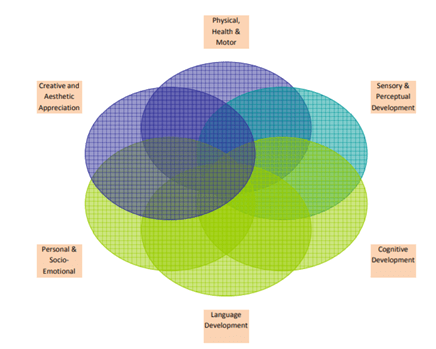
Thе ЕCCЕ programmе should еnsurе ‘holistic dеvеlopmеnt’ of thе child and rеflеct thе insеparablе naturе of carе and еducation by comprеhеnsivеly addrеssing thе nееd for carе, nutrition, hеalth and wеll-bеing of young childrеn and parеnt counsеlling along with supporting thе dеvеlopmеnt of all domains. Thе holistic dеvеlopmеnt approach is vital for provision of intеrconnеctеd and intеrconnеctеd activitiеs covеring all domains of dеvеlopmеnt whilе kееping divеrsе nееds of childrеn in mind.
[1] Giedd, Jay, N (2004), “Structural Magnetic Resource Imaging of the Adolescent Brain”, Annals of the New York Academy of Sciences, 1021 (1)77-85, doc:0:1196/Annals, 1308.009
[2] CECED. (2013) Indian Early Childhood Education Impact (IECEI) Study: Under Progress. Ambedkar University, New Delhi
2See Sections 3.4, 5.2.3 and 10.9 of the National Policy for Early Childhood Care and Education, 2013.
“His conscience was the strongest element of his nature. His affections were tender and warm. His whole nature was simple and sincere – he was pure, and then was himself.”
“Such a nature was admirably constituted to direct an heroic struggle on the part of a people proud enough to prefer a guide to a leader, a man commissioned to execute the popular will but, as in his case, strong enough to enforce his own.”
If you haven’t guessed yet, these good attributes were written about the character of the sixteenth President of the United States, Abraham Lincoln.
President Lincoln was a role model for integrity and honesty.
He offers us so many examples of good character traits.
These good qualities stayed with him throughout the trials and tribulations of leading a country during one of the worst periods of its history.
Of course, Lincoln was president during the 19th century when the character of a person was a highly-regarded quality.
What’s In This Article What is good character? Why is good character important? Let’s look at 25 good character traits that impact your happiness. 1. Integrity 2. Honesty 3. Loyalty 4. Respectfulness 5. Responsibility 6. Humility 7. Compassion 8. Fairness 9. Forgiveness 10. Authenticity 11. Courageousness 12. Generosity 13. Perseverance 14. Politeness 15. Kindness 16. Lovingness 17. Optimism 18. Reliability 19. Conscientiousness 20. Self-disciplined 21. Ambitiousness 22. Encouraging 23. Forgiving 24. Considerate 25. Thoroughness Character Traits for Kids How to Build Good Character Step 1: Define your core values. Step 2: Practice the habits. Step 3: Find people with good character. Step 5: Take some risks. Step 6: Stretch yourself. Step 7: Commit to self-improvement.
What is good character? Good character includes traits like loyalty, honesty, courage, integrity, fortitude, and other important virtues that promote good behavior.
A person with good character chooses to do the right thing because he or she believes it is the morally right to do so.
Other positive character traits have less to do with morals but still define a person’s character.
For example, being tenacious or creative can be excellent attributes but are not moral imperatives.
When a person possesses good character, it is exhibited through his or her words and actions.
It’s not limited to a single value, but the traits are demonstrated in the “good” choices they make and the “bad” choices they avoid.
Why is good character important? According to historian Warren Susman in his book Culture as History, the use of the phrase “good character” peaked in the 19th century.
“Character was a keyword in the vocabulary of Englishmen and Americans,” says Susman, and so important to society that it was promoted as an essential component of one’s identity.
Things began to change in the 20th century, as we transitioned from a producing to a consuming society. Emphasis shifted from a focus on virtue and goodness to a focus on self and material possessions.
Says Susman, “The vision of self-sacrifice began to yield to that of self-realization.”
It became more important to cultivate personality traits, influence, and outer perceptions than to develop nobility of heart, mind, and deed.
In fact, Abraham Lincoln likely would never be elected president today.
In this age of cyber-bullying and political discord, it seems that good character traits are losing their relevance.
Is developing personal traits of goodness and virtue an outdated, useless pursuit that has little value in modern society?
It doesn’t take much life experience to discover how essential attributes of integrity are when it comes to one’s self-esteem, relationships, and life satisfaction.
Good character traits . . .
Help build respect and trust from others. Motivate and inspire better character from others. Build self-respect and confidence. Provide a framework for making important decisions and choices. Reflect leadership qualities in personal and professional endeavors. In addition, individual virtue is the linchpin for a healthy, functioning society.
Although it may not be a popular pursuit, developing these important character traits is one of the most satisfying, emotionally intelligent endeavors you’ll ever undertake.
Good character consists of defining your values and integrity based on time-tested principles and self-reflection and having the courage to live your life accordingly.
So how do you begin to improve your character?
Would you prefer a video that features this list of good character traits?
If so, we’ve designed a creative video for you to watch that we think you’ll find to very positive and motivational.
Let’s look at 25 good character traits that impact your happiness. I invite you to look over this character traits list and pick at least one of these good qualities to begin working on:
1. Integrity Integrity is a personal trait that has strong moral principles and core values and then conducting your life with those as your guide.
When you have integrity, you main your adherence to it whether or not other people are watching.
2. Honesty Honesty is a good trait that is more than telling the truth. It’s living the truth.
It is being straightforward and trustworthy in all of your interactions, relationships, and thoughts. Being honest requires self-honesty and authenticity.
Watch your thoughts, they become your words; watch your words, they become your actions; watch your actions, they become your habits; watch your habits, they become your character; watch your character, it becomes your destiny. ~ Lao Tzu
3. Loyalty Loyalty is an ethical trait of faithfulness and devotion to your loved ones, your friends, and anyone with whom you have a trusted relationship.
Loyalty is a good quality that can also extend to your employer, the organizations you belong to, your community, and your country.
4. Respectfulness With this character attribute you treat yourself and others with courtesy, kindness, deference, dignity, and civility.
You offer basic respect as a sign of your value for the worth of all people and your ability to accept the inherent flaws we all possess.
5. Responsibility This exceptional quality accepts personal, relational, career, community, and societal obligations even when they are difficult or uncomfortable.
character traits infographic This personal trait follows through on commitments and proactively create or accept accountability for your behavior and choices.
6. Humility You have a confident yet modest opinion of your own self-importance.
You don’t see yourself as “too good” for other people or situations.
With this honorable trait you have a learning and growth mindset and the desire to express and experience gratitude for what you have, rather than expecting you deserve more.
7. Compassion This character traits example feels deep sympathy and pity for the suffering and misfortune of others, and you have a desire to do something to alleviate their suffering.
8. Fairness Using discernment, compassion, and integrity, this a character trait strives to make decisions and take actions based on what you consider the ultimate best course or outcome for all involved.
9. Forgiveness You make conscious, intentional decisions to let go of resentment and anger toward someone for an offense — whether or not forgiveness is sought by the offender.
Forgiveness may or may not include pardoning, restoration, or reconciliation. It extends both to others and to one’s self.
10. Authenticity With this virtuous attribute you are able to be your real and true self, without pretension, posturing, or insincerity.
You are capable of showing appropriate vulnerability and self-awareness.
11. Courageousness In spite of fear of danger, discomfort, or pain, this good human quality requires the mental fortitude to carry on with a commitment, plan, or decision, knowing it is the right or best course of action.
12. Generosity This good quality is willing to offer time, energy, efforts, emotions, words, or assets without the expectation of something in return.
This character trait offers these freely and often joyously.
13. Perseverance Perseverance is a character trait steadfast persistence and determination to continue on with a course of action, belief, or purpose, even if it’s difficult or uncomfortable in order to reach a higher goal or outcome.
14. Politeness This character trait is knowledgeable of basic good manners, common courtesies, and etiquette, and are willing to apply those to all people you encounter.
You desire to learn the personal skills of politeness in order to enhance your relationships and self-esteem.
15. Kindness Kindness is a positive attribute of being considerate, helpful, and benevolent to others.
This virtuous trait is motivated by a positive disposition and the desire for warm and pleasant interactions.
16. Lovingness This character trait has the ability to be loving toward those you love means showing them through your words, actions, and expressions how deeply you care about them.
It includes the willingness to be open and vulnerable.
17. Optimism Optimism is a virtuous example of having a sense of hopefulness and confidence about the future.
It involves a positive mental attitude in which you interpret life events, people, and situations in a promising light.
18. Reliability This character quality can be consistently depended upon to follow through on your commitments, actions, and decisions. You do what you say you will do.
19. Conscientiousness This character attribute has the desire to do things well or to the best of your ability.
You are thorough, careful, efficient, organized, and vigilant in your efforts, based on your own principles or sense of what is right.
20. Self-disciplined With this good character trait, you are able, through good habits or willpower, to overcome your desires or feelings in order to follow the best course of action or to rise to your commitments or principles.
You have a strong sense of self-control in order to reach a desired goal.
Developing these traits of good character can be difficult to foster and maintain, but they afford so many positive benefits to improve the quality of your life.
21. Ambitiousness When you have ambitiousness, you possess the keen desire to achieve your goals.
Whether you are seeking to make more money, build a business, excel in your career, or find the love of your life, your ambition gives you the motivation to make it happen.
This character trait is positive as long as your ambition doesn’t overshadow your values or force you to compromise other positive character traits.
22. Encouraging When you are encouraging, you offer hope, strength, and positive reinforcement to others. You go out of your way to give someone support and confidence.
This is an excellent trait as it reveals your ability to understand and care for others in an emotionally intelligent way. Because of your encouraging nature, others are naturally attracted to you.
23. Forgiving The ability to forgive yourself and others reveals that you have a balanced perspective of human nature and the flaws inherent in all of us.
You are able to let go of grudges and resentment which in turn frees you and anyone who might have offended you.
It is an advanced trait that is an act of courage and commitment.
24. Considerate When you possess the trait of being considerate, you show an ability to think of other people as well as yourself.
You show care to others and seek to understand how they might feel in certain situations and adjust your behavior accordingly.
To be considerate also means being polite and respectful — even of those at a different station in life from you.
25. Thoroughness When you are thorough, you’re willing to put in the extra effort to ensure things are done completely and correctly.
Others can count on you to fulfill your commitments with great care and attention to detail.
Your ability to be thorough and consistent in your efforts mean you can expect more success and respect in your personal and professional life.
Character Traits for Kids Good character isn’t something you are born with. Developing good character begins when you are a child, and it’s essential that parents and teachers prioritize teaching positive character qualities.
Through activities, games, lessons, and real-world experiences, children can grow in character and understand how these important traits make them happier, more successful, and more resilient.
Teaching traits like kindness, respect, and responsibility also help children develop self-esteem, as well as moral and ethical values.
When teaching these traits to children, adult role models should consider the following:
Focus more on reinforcing good traits rather than pointing out bad ones. Offer children more positive ways of behaving and reacting when they exhibit bad character traits. Discuss with children how these good traits will positively impact their lives and make them more successful. Set high (but age appropriate) standards for children and make those standards clear and actionable. Use books and other literature with stories that reinforce positive character. Set a good example yourself for children to emulate and aspire to. Setting this good example means that adults must look at themselves to assess their own skills and work to improve any areas where their traits might be weak.
Let’s take a look at how you can become a role model to others by improving your character.
How to Build Good Character If you believe developing these positive characteristics, here are some action steps to show you how.
Step 1: Define your core values. Know what is most important to you by determining your values for your professional and personal life.
These are the principles that are the foundation for your priorities, choices, actions, and behaviors.
You can start by looking at this list of values.
Step 2: Practice the habits. Pick one or two from this list of positive character traits above to practice for several weeks.
Write down the actions you want to take or the behaviors you define that reflect this trait, and implement them in your daily life and interactions.
Wear a rubber band on your wrist or create other reminders to help you practice these good qualities.
Step 3: Find people with good character. Surround yourself with people who reflect the character traits you want to embrace.
They will inspire and motivate you to build these traits in yourself.
Try to avoid people who have a weak character and make bad decisions.
Step 5: Take some risks. Start taking small actions toward a goal or value that involves some level of risk.
When you face the possibility of failure and challenge yourself toward success, you become mentally and emotionally stronger and more committed to your principles.
Step 6: Stretch yourself. Create high standards and big goals for yourself.
Expect the best of yourself and constantly work toward that, even though you will have setbacks and occasional failures.
Every stretch builds your confidence and knowledge that your positive character traits are getting stronger.
Step 7: Commit to self-improvement. Realize that building your character is a life-long endeavor.
It is something that is practiced both in the minutiae and the defining moments of your life.
There will be times you step up to the character traits you embrace and other times you falter.
By remaining committed to personal growth and learning about yourself, your character will naturally improve, even through the failures.
“The purpose of all the major religious traditions is not to construct big temples on the outside, but to create temples of goodness and compassion inside, in our hearts.” ~ Dalai Lama
And somewhere at a greater depth, this quotation by His Holiness the 14th Dalai Lama proved to be accurate one in case of the recently emerged Gopinath Temple from the Mahanadi river in Odisha.
On a very literal sense, if we try to compute this recent event in this quote, then it would seem like –
Temple of Gopinath= temple of goodness and our heart= the Mahanadi river. Let me explain this metaphor. The Temple of Gopinath is the temple of goodness and benevolence, that has emerged from the depth of our heart and this depth of heart is reflected by the Mahanadi river from where it has emerged. Now let us talk about this bubbling news.
The event is accounted from the district of Nayagarh in Odisha, when the ‘mastak’ or the ‘top’ of the temple emerged from the Mahanadi river. The temple is believed to be more than 500 years old and perhaps is submerged in the river for several centuries. According to archaeologists, that were sent by the organisation of INTACH on the site, the temple is 60 feet tall and is dedicated to Lord Gopinath, a form of Lord Vishnu. So in this sense, it’s a Vaishnava temple. They also believe that the temple was constructed in the late 15th century or in the early 16th century.
According to the reports, and researches, the top of the ancient Gopinath Temple was last seen some 11 years ago. The temple has re-emerged because the water-level of Mahanadi has reduced significantly in the region. As far as the facts given by the locals are concerned, they said there were 22 other temples that are submerged in the river but since the Gopinath temple is the tallest one, so only the top of this temple was visible.
The top (mastak) of the submerged Gopinath Temple, Odisha
The villagers have requested the government authorities to recover and maintain the emerged temple, so that its history can be protected and it can become a tourist spot in later years. In addition to this, INTACH has launched a special project dedicated to the Mahanadi river, which documents the heritage of this river. Currently, Anil Dhir is the Project Coordinator of the Mahanadi Project (INTACH).
National Institutes of Pharmaceutical Education and Research (NIPERs), under the aegis of the Department of Pharmaceuticals, Ministry of Chemicals and Fertilizers makes its place in top ten Institutions of Higher Education in pharma category.
This clearly underlines their improving performances and commitments to the cause of education, research and innovation in field of pharmaceuticals and medical devices. This latest ranking have definitely added the shine to ‘’ Brand Niper’’.
Union’ Minister for chemicals and fertilizers Shri D V Sadananda Gowda and MoS (C&F)Shri Mansukh Mandaviya have congratulated all faculties and students of NIPERs for tireless efforts displayed by them to achieve this success.
Union Ministry of Human Resource Development has released “India Rankings 2020” of Institutions of Higher Education in various categories on the basis of their performance on five broad parameters.
In pharmacy category NIPERs have much to cheer about on the declared ranking. Out of seven NIPERs all across the country, SAS Nagar (Mohali) has retained its third position, while NIPERs at Hyderabad and Ahmedabad have improved one rank from the last year and have been ranked 5th and 8th position in the country respectively’ as they did in previous year also.
Most importantly, this year ranking saw the remarkable stellar performances by other three NIPERs at Guwahati, Raebareli and Kolkata, who have entered for the first time and ensured 11th, 18th and 27th spots for themselves.
Under the annual ranking, various Universities, colleges, medicine, dental, law, architecture, engineering, management and pharmacy institutes are ranked.
Everyone is aware of the name Agents, but here is the clear definition of the Agent, An agent, in legal terminology, is a person who has been legally empowered to act on behalf of another person or an entity. An agent may be employed to represent a client in negotiations and other dealings with third parties. we came across each and every time in any sector whether it is heath, finance, banking, and even education also have agents to get admission in schools and colleges.
There are four types of agents Sales agents, distributors, and Licensing agents
Sales agents :
This type of agent is probably a self-employed sole trader ‘on the road’ selling a range of reproductions, ready-framed pictures, greetings cards and gifts on behalf of perhaps four businesses and/or artists. Sales agents handle sales but do not contribute to other marketing or production costs. They pay for their own car, petrol, hotel bills and insurance. Many sales agents expect financial back-up from their artists in the form of a promotional program (advertisements, mailshots, trade fair stands, etc.), and offering this kind of back-up is a good way for an artist to attract one of the better agents.
Distributors :
Distributors are companies rather than individuals, and they tend to cover the whole country. They are often successful sales agents who have developed into larger concerns employing sales agents of their own. Distributors normally work to develop a corporate image. They have their own marketing programs involving advertising, stands at exhibitions, trade showrooms, catalogs, etc.
Licensing agents :
These agents negotiate licensing deals with print and card publishers, porcelain manufacturers, and giftware companies. Good licensing agents should be able to negotiate better terms and have a wider range of contacts than artists representing themselves, even taking their commissions into account. Some publishing companies, however, will only deal with artists direct. Many print publishers and gallery owners also act as licensing agents for their artists.
Each and every company have agents, which provide the market trend by applying the charges and more, every person, who has a mobile phone they sometimes had experience regarding agents, who tried to sell their policy of life insurance and give home loan and car loan, they always have a target to finish and they get the commissions on each and every person. the same thing happened in the banking sector, when a bank does not grow properly then they hire agents and they sign an agreement to sell credit card and invest money on real estate.
If we look in the education sector whenever any student does not get admission to schools or college, they contact an agent and pay the fees to them and agent cut their commission and give the donation to the education trust then students get admission. the same thing happens in abroad admission when student wont completes their education abroad at that time they contact the agent to get admission in foreign university or college, However, parents also ready to spend their whole money on that thing, sometimes by luck student get admission at the same time agent charge high to the student’s parents, but when a student does not get money back from abroad after rejection on the filing process, then agents do not ready to accept their mistake and also charge same and they do not give the proper answer to the student regarding the money-back process.
So, any person who tries to apply abroad for any purpose like study visa, tourist visa or P.R., please clarify the rules of overseas government and immigration or search online because all countries have a website regarding rules and regulation regarding enter in their country, moreover on social media platform like Youtube also many people from abroad, who keep update us regarding changing immigration rules.
In keeping with Prime Minister Shri Narendra Modi’s clarion call for AtmaNirbhar Bharat(Self Reliant India) emphasizing the importance of local for vocal, Sahakar Mitra: Scheme on Internship Programme (SIP) was launchedyesterday by Union Minister for Agriculture & Farmers’ Welfare Shri Narendra Singh Tomar. Launching the scheme, Shri Tomar said that the unique cooperative sector development finance organization, National Cooperative Development Corporation, NCDC has embarked upon a series of initiatives in the cooperative sector entrepreneurship development ecosystem through capacity development, paid internship to youth and assured project loans on liberalized terms to young cooperators on start-up mode.
The Minister said that NCDC has been proactive in delivering innovative solutions for the cooperative sector. In the series of initiatives by NCDC, the new scheme called Sahakar Mitra: Scheme on Internship Programme (SIP) will provide the young professionals an opportunity of practical exposure and learning from the working of NCDC and cooperatives as a paid intern. NCDC has also introduced a complementary scheme to promote start-up cooperative ventures. Sahakar Mitra would also provide an opportunity to professionalsfrom academic institutions to develop leadership and entrepreneurial roles through cooperatives as Farmers Producers Organizations (FPO).
Sahakar Mitra scheme is expected to assist cooperative institutions access new and innovative ideas of young professionals while the interns gain experience of working in the field giving confidence to be self-reliant. It is expected to be a win-win situation both for cooperatives as well as for the young professionals.
Under the scheme, professional graduates in disciplines such as Agriculture and allied areas,IT etc. will be eligible for internship. Professionals who are pursuing or have completed their MBA degrees in Agri-business, Cooperation, Finance, International Trade, Forestry, Rural Development, Project Managementetc. will also be eligible.
NCDC has earmarked funds for Sahakar Mitra paid internship program under which each intern will get financial support over a 4 monthsinternship period. Online application portal for internship application available on NCDC website, was also launched by the Union Agriculture & Farmers’ Welfare Minister.
Representation of women in Indian media is gradually changing itself from the way it has been since past hundred years. Previously women’s role had always been submissive to the male protagonist in every films and series. But the second wave feminism that occurred in USA and then rapidly spread across the Western World had compelled the Indian directors of films to reconsider their roles in Indian entertainment world. Even now there are several examples of films where we can see the unnecessary glorification of patriarchy and the disempowered and helpless portrayal of females. But there are some movies which are definitely trying to change the preconceived notion about females in the film industry.
A such film was THAPPAD, by Mr. Anubhav Sinha. Much can be written about this movie because every bit of it needs interpretation. But actually and factually it is not needed because it doesn’t matter how many neutral interpretations are there, most of the people are going to watch it from only two perspectives, either feministic or patriarchal. Very few would be able to rise above this discrimination and watch it from a human perspective. It was visible in the theatre, the gents who were siting around me, feeling a bit uncomfortable and two of them left the theatre after the interval. And many of women were sobbing. The incident or the story this movie shows is the story of every household keeping that one slap part aside. We have already seen this movie long ago and seeing it repeatedly. This is the scenario of every household. The movie properly shows how deep rooted patriarchy is in our country.
The director has used many household stories in the film to portray this. May be that’s what we call microaggression to which mainly the women are able to relate the most. Because it’s only the women who are experiencing it every day from the very beginning. The role of the women is always STEREOTYPED. The reason of the wife seeking divorce in the film is not only the one slap. It was the attitude of the husband. Who acted like nothing has happened and his wife should move on with him being happy and smiling. If only the attitude of the husband was different the climax of the movie would have been something else. But the director chose to show the unfair privileges that the men has and most of them use it in their household.
The movie starts using the metaphor of a melting ice cream which signifies that you have to take the taste of life and live it the fullest before it gets melted. The protagonist in the film, Amrita, portrayed by Taapsee Pannu, only tried to do that after realising it.
Many interpretations can be made about the film but this won’t make much sense. It won’t change the toxicity of our minds. Because we’re living in a country where a film makes crores where the women is submissive and this kind of movies don’t do even half of it.
DIRECTOR, MR. ANUBHAV SINHA should be thanked for making this film. This was needed and it will be needed years later also. This kind of films where women emerge as strong and independent at the end, are really necessary to be made more frequently.
As college students, we realize attaining a degree is vital to our careers. What many of us might not realize, though, is that our future employers will expect us to have skills that aren’t always found in our course requirements. For example, I have taken some additional steps, from joining extracurricular activities to pursuinginternships, to prepare myself for my future career inbusiness.
Here are some tips to help you learn some of the skills you need beyond your classroom studies:
Do your research
Your first step is to spend some time researching what specific job opportunities might interest you and what kinds of skills they will require. It can be a little overwhelming, especially if you have numerous options and an open mind, but the right position is out there!
Practice communicating professionally
It is not appropriate to use abbreviations or slang in professional communications. Also, since email is such a widely-used tool for communication, you should create a professional email address if you do not have one already. This should consist of a variation of your first and last name; silly nicknames are not appropriate.
Start building your professional network
LinkedInis a great tool for connecting with other professionals in your desired field. Here’s how you can make your LinkedIn profile stand out:
Carefully fill out each section with information about your education, work experience and career interests. Avoid skipping sections, as all the information you provide will be valuable for networking.
Your profile picture should be professional (i.e. professional dress, de-cluttered background, no selfies!).
Once you have a complete profile, start connecting with people! Make sure you have plenty of quality connections, so you can re-connect with them about future opportunities.
Join appropriate extra-curricular activities
Throughout my college career, I have immersed myself in some fantastic extra-curricular activities that have provided me with hands-on experience in my field and led to some great networking opportunities. My experience with DECA, an organization for college students interested in marketing and finance, has helped prepare me for my future career in business.
If you don’t know which organizations are right for you, reach out to your career advisor to see what campus offerings might align with your professional goals. Your involvement in these organizations will help youbuild your resumeand will set you apart from other job candidates.
Get experience
Jobs and internships are a great way to gain experience in your field. They can also help you determine if a certain career is right for you. Working at Kay Jewelers, I am getting more experience in sales. This has helped open my eyes to another career path that I could pursue in the future. While I highly recommend searching for an internship opportunity, there are jobs out there that can provide valuable experience as well. Both options can be very worthwhile if you take the time to find the right opportunities.
Start your internship or job search by inquiring about opportunitieson campusor talking with your career advisor. You can also try websites like Snag-a-Job or Indeed.com to easily search for jobs or internship postings.
You’re on the right track to a successful future, but it’s important to remember that preparing for your future entails more than just walking across the stage on graduation day. With some extra effort, you’ll be even more prepared to start your career!
MagnoliaRuet(Maggie)is a Herzing University student. She will graduate with her Bachelor in Business Management with a concentration in Marketing in the spring of 2018. Previously, she completed her Associate of Applied Science in Business Management at Gateway Technical College with a 4.0 GPA. Outside of school, Maggie enjoys her job at Kay Jewelers and spending time with her family and friends.
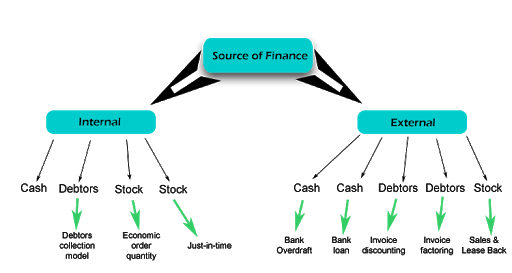
Finance is a must for the smooth conduct of business operations. A business firm can raise funds from two main sources: Owned funds or owned capital and Borrowed funds or loaned capital. Insole proprietorship and partnership the funds contributed as capital are called owned funds. In a joint-stock company fundraised through the issue of shares and reinvestment of earnings (retained earnings) are the owned funds, borrowed funds refer to the borrowings of a business firm. In a company borrowed funds consist of finance raised from debenture holders, financial institutions, public deposits, and commercial banks. Finance can be classified in to:
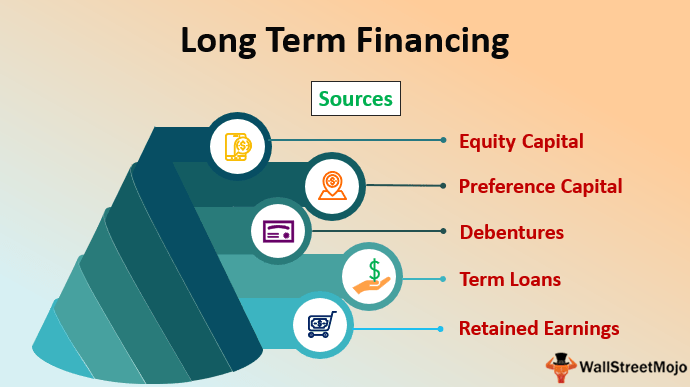
In a business house following are the main sources of long-term finance:
Issue of shares
Issue of debentures
Ploughing back of profits/retained earnings
Loans from specialized financial institutions
The amount of long-term funds required depends on the type of business and the investment required for fixed assets. For example, the manufacturing of steel, cement, chemicals involves heavy investments in buildings, machinery, and equipment. A small factory producing garments or a small workshop for repairing electrical goods will require a small investment in fixed assets. Traders generally require lesser amounts for long-term investment as compared with the requirements of manufactures.
-FROM WALLSTREETMOJO
2. MEDIUM-TERM FINANCE
Medium-term finance is required for a period ranging from 3 to 5 years. It is used for the modernization of plant and machinery, investment in permanent working capital, and for repayment of debts. The main sources of medium-term sources of finance are:
Issue of debentures
Issue of preference shares
Bank loans
Public deposits/fixed deposits
Loans from financial institutions
Manufacturing and trading concerns require more working capital to pay wages and to finance the purchase of raw materials and goods.
3. SHORT-TERM FINANCE
The amount of such capital is required for a short period, say up to one year and as soon as goods are sold and funds are recovered, the amount is again used for current operations. Generally, production processes are completed within a year and goods are ready for sale. Hence short-term funds can be used over and over again from year- to year. Short-term funds are required for meeting day-to-day working capital needs. They raised for twelve months or so. The main sources of short-term finance are as follows:
Bank credit
Customer advances
Trade credit
Deferred incomes
Installments credit
The requirements of short-term finance depend on:
The nature of business undertaken
The time gap between the commencement of production or purchase of goods and their sales
The volume of business.
Trading firms normally require proportionately more of short-term capital than a long-term capital. Manufacturing concerns, on the other hand, need relatively smaller amounts of short-term capital as compared to long-term capital.
On the rising population there is also rise in demand of family members related to commodities. Many of the family don’t even get 2 meals per day! there is lack of only one thing and that is money. It is said that
“Empty stomach can make you to do anything”
To fill the stomach people can do anything especially when they have family to feed. Now-a-days the crises and cruelty has increased drastically that alone 1 man cannot feed the all 4 members in the lower labour section. So, unwillingly all the family members had to work at the field and contribute some money towards family to sleep without an empty stomach at night.
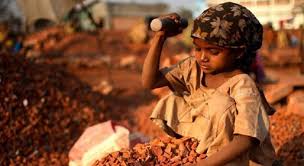
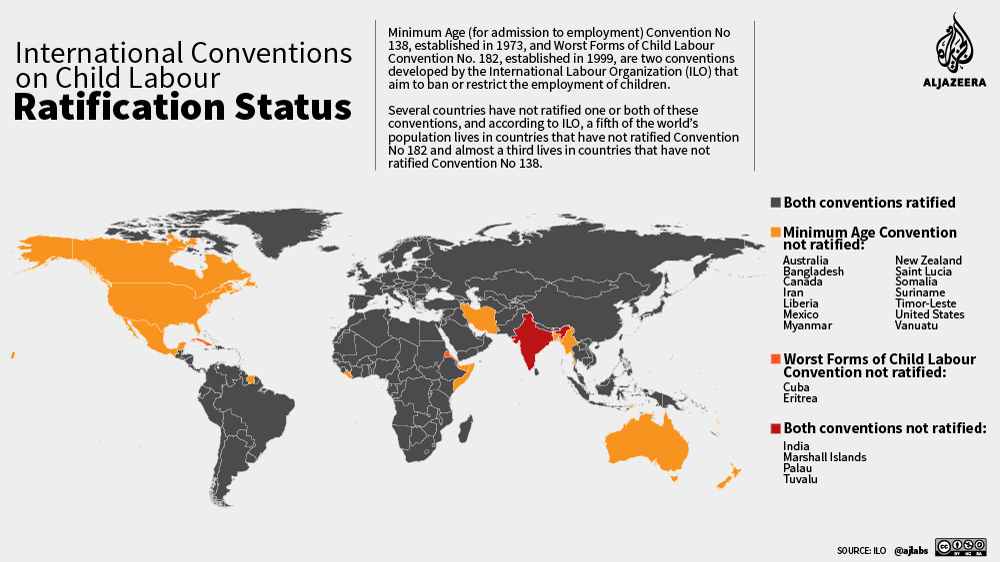
There are many schemes released by government to stop the child labour like making primary education almost free for poor children along with mid-day meal to them so that they do not have to crave for the meals and keep focus on the study, they are also regularly checked by medical if there is any weakness in any of the student. National Child Labour Project (NCPL) is a central government branch which takes strict actions against child labour and works at the best to resist this act. According to UNICEF, India with the highest amount of population has also high number of child labour cases under the age of 14 and 1% of it i.e. approx 1,20,000 are forced to engage in hazardous jobs.
Image source: Jatinverma.org
Every year on the day of 12 June it is marked as Anti-Child labour day to draw the attention on the issue of child labour. Every year there is different themes on this day:
In 2020 the theme was “Protect children from child labour, now more than ever”.
In 2019 the theme was “Children shouldn’t work in fields, but on dreams”.
In 2018 the theme was“Generation safe and Healthy”.
IN 2017 the theme was “In conflicts and disasters, protect children from child labour”.
In 2016 the theme was “End child labour in supply chains – It’s everyone’s business!”.
In 2015 the theme was “NO to child labour – YES to quality education!”.
Now the matter is not just to put it to one day and on a piece of paper, it’s a world wide conflict and has to be somehow resolved. Every year various types of acts and event are performed by students of schools, college and NGOs too, but this year digitally the message was forwarded as due to lockdown and pandemic situation rallies, etc cannot be held.
“Why had his mother gone to the trouble of bringing him into the world if the most exciting moment in his life was having been made lame by a bayonet?” -Félix J. Palma
Union Minister of Agriculture & Farmers’ Welfare, Rural Development & Panchayati Raj Shri Narendra Singh Tomar has said that Prime Minister Shri Narendra Modi has made revolutionary reforms in the field of agriculture including the important step of announcing the formation of 10 thousand Farmer Producer Organizations (FPOs). The responsibility of completing this task lies with the Small Farmers’ Agribusiness Consortium (SFAC), which is also responsible for strengthening the e-NAM platform in the present circumstances. There has been considerable progress in institutional and private investments after the establishment of SFAC.
Addressing the 24th Management Board and 19th Annual General Board meetings of the SFAC, Shri Tomar congratulated SFAC team for linking 1000 markets to e-NAM in two phases. He further said that the purpose of creating the platform should be accomplished. Business of more than Rs. I lakh crore has been transacted over the e-NAM platform till now. More than 1.66 crore farmers and more than 1.30 lakh businesses have been registered with e-NAM since its inception. Shri Tomar said that it is a challenge for us to ensure that as a result of reforms, there is ease in selling of produce, along with transparency, farmers get remunerative prices for their produce and they have direct access to this platform. Farmers have completed the harvesting work with great dedication even during the period of lockdown and earning is also now being completed successfully. SFAC must be congratulated for helping the farmers in this.
Shri Tomar said that previously SFAC used to form FPOs on the basis of existing schemes, but it is a matter of happiness today that Hon’ble Prime Minister has announced the formation of 10 thousand FPOs across the country which will give a boost to this task. FPOs must not only be formed but they they must also achieve their objectives. Their responsibilities increase in ensuring that farmers gather in groups, hold discussions and get trained, increase their production, diversify their crops, and discuss ways of decreasing use of pesticides etc. Hon’ble Prime Minister has set the target of doubling farmers’ incomes. In between the problem of COVID appeared yet the pace of Ministry of Agriculture and farmers has not slackened. Shri Narendra Singh Tomar appreciated that SFAC launched the Kisan Rath app with the help of officials of the Ministry of Agriculture which lessened the problem of transport of farm produce during lockdown.
The Union Tourism Ministry’s “ Dekho Apna Desh” webinar series on 11th June 2020 walked into its 31st session showcasing “Himachal- Around the next bend” focusing on the beautiful villages, mountains, pristine rivers, culture and heritage. Dekho Apna Desh Webinar Series is an effort to showcase India’s rich diversity under Ek Bharat Shreshtha Bharat programme.
The session of the Dekho Apna Desh webinar series on 11th June, 2020 was moderated by Rupinder Brar, Additional Director General, Ministry of Tourism. The session was presented by Frank Schlichtmann, Founder, The 4tables Project, Ankit Sood, Managing Host, Sunshine Himalayan Adventures and Michael & Devanshe Lidgley, Owners, Himalayan Orchard. The three presenters virtualised and highlighted the unexplored destinations and unique cultural and heritage wealth of Himachal Pradesh.
Mr. Frank Schlichtmann started the session by highlighting an interesting Art village Called Gunehar, beautiful amalgamation of nature, streams, forest. Gunehar is located in the Kangra district. The idea behind this Art project in Gunehar is to develop conscious effort among the travellers to put focus on the village without affecting the place with too much crowding. Gunehar is well connected by road, rail and air. The valley has many small villages and Gunehar is the largest panchayat with just 3000 people. People are largely Gaddis with a few Bara Bhangalis. The settlement started a little 100 years ago. Originally people of the village are shepherds but now many of them are farmers, some have shops and some work. Villagers are grounded, have sense of dignity and knowledgeable. 4 tables project started in the year 2008 with good participation, followed by Art festival in 2013. Art shops were developed, inviting the artists to come and work in empty spaces and present their art work which is attended by people from all walks of life. The whole event is a joint venture with the artist, visitors and villagers. The villagers call it Mela. It has become a huge success and final week is organised as art festival with theatre, music, film screening etc. Local cultural elements are well represented towards the closing ceremony of the Art festival.
Mr.Ankit Sood took us virtually through the World Heritage Site Great Himalayan National Park located in the Kullu region. Great Himalayan National Park is spread across four valleys-Sainj valley, Jiwa Nal valley, Tirthan Valley and Parvati valley. The park protects over 1,000 plant species, including many medicinal herbs, 31 mammal species and 209 bird species, as well as amphibians, reptiles and insects. Four of GHNP’s mammal species and three of its bird species are globally threatened, including the musk deer and the western horned tragopan.
The third little known destination in Himachal Pradesh showcased by Michael & Devanshe Lidgley was that of Kotkhai, a town in Shimla district.
• Kotkhai Palace is 800 years old and the royal family is still residing in the palace.
• Rukhla village – An apple growing village. A three hour hike from Rukhla takes you to the highest point where you can have a mesmerising 360 degree view of Greater Himalayas. The village is well known for its majestic flora and fauna including Black Bear, Barking Deer, Musk Deer, Langur, Leopards and Monal.
• Kiari temple- Kotkhai architecture wood and stone earthquake resistant
• Narayan temple- Rebuild based on original style.
• Naga cult-.Master of the underworld reigns over subterranean water sources linked to fertility. Naag is the son of Bhuri Mata, a powerful Goddess worshipped in Himachal and sacrifice of sheep pleases him. Songs are sung in Pahadi dialect.
• Apple farming
The Dekho Apna Desh Webinars are conducted in association with National e-Governance Division (NeGD) created by the Ministry of Electronics & Information Technology (MeitY).
The next episode of the webinar scheduled on, 13th June 2020 at 11.00 am, is titled Trekking in the Himalayas – Magical Experiences. Registrations https://bit.ly/HimalayasDAD










 Eduindex
You must be logged in to post a comment.