Putin's journey from KGB agent to the president of Russia

Putin was born in Leningrad (now St. Petersburg) in 1952. After graduating from Leningrad State University in 1975, he joined the KGB, the Soviet Union’s security agency, and served as a foreign intelligence officer for 16 years. During his time in the KGB, Putin was stationed in East Germany, where he reportedly recruited agents and monitored foreigners.

Creator: SPUTNIK Credit: via REUTERS

After the collapse of the Soviet Union in 1991, Putin entered politics and served as the head of the Federal Security Service (FSB), the KGB’s successor agency, from 1998 to 1999. He was appointed as prime minister by President Boris Yeltsin in August 1999, and later that year, he succeeded Yeltsin as president of Russia.

Putin’s rise to power was marked by a series of events that helped him consolidate his position. In 1999, a series of apartment bombings in Russia killed over 300 people, and the Russian government blamed Chechen separatists for the attacks. Putin used the bombings as a pretext to launch a military campaign against Chechnya, which helped him gain popular support in Russia.

Putin’s early years as president were marked by a number of reforms, including changes to the tax system, efforts to modernize the military, and the consolidation of power within the federal government. Putin also pursued a more assertive foreign policy, including the annexation of Crimea from Ukraine in 2014.

Putin has been criticized for his authoritarian tendencies, including restrictions on freedom of the press and the persecution of political opponents. He has been accused of ordering the assassination of journalists and dissidents, and his government has been accused of human rights abuses in Chechnya and other regions of Russia. Despite these criticisms, Putin remains a popular leader in Russia, with approval ratings that are consistently above 60%. He has been re-elected as president multiple times, most recently in 2018.

Putin’s journey from a KGB agent to the president of Russia is a remarkable story that reflects both his personal ambitions and the political landscape of Russia. While he has been criticized for his authoritarian tendencies, Putin remains a dominant figure in Russian politics and has had a significant impact on the country’s direction over the past two decades.
SSC CGL 2023 Notification Out, Exam Date

SSC CGL (Combined Graduate Level) is considered to be one of the biggest examinations for graduate students in India. The SSC CGL exam is conducted every year to recruit various posts in the various Ministries and Departments of the Government of India and in its Subordinate Offices. SSC CGL 2023 will be a great opportunity for students looking forward to a position in a reputed organization under the central government. While a government job helps to build a stable career, it is also loaded with responsibilities.

The Staff Selection Commission (SSC) conducts the Combined Graduate Level (CGL) Exam for recruitment to various subordinate services like:


  1. Assistants in Ministries/Departments, Attached and Subordinate office of the Govt. of India

  2. Inspectors of Central Excise & Customs

  3. Inspectors of Income Tax

  4. Preventive Officers in Customs

  5. Examiner in Customs

  6. Sub-Inspectors in Central Bureau of Narcotics & CBI

  7. Assistant Enforcement Officer in the Directorate of Enforcement, Department of Revenue

  8. Divisional Accountant, Jr. Accountant, Auditor & UDCs in various offices of Govt. of India

  9. Auditor Offices under C&AG, CGDA, CGA & others

  10. Accountant/ Junior Accountant

  11. Tax Assistant in CBDT and CBEC

  12. Compiler in Registrar General of India

  13. Research Assistant

  14. Postal Assistant/ Sorting Assistant


SSC CGL Notification 2023 Out


The Official SSC CGL Notification 2023 has been released by the Staff Selection Commission (SSC) of India to recruit approximately 7500 vacancies in different departments of Govt. of India. On 03rd April 2023, the official SSC CGL Notification 2023 PDF has been released at www.ssc.nic.in with complete details about the exam. The candidates can go through the SSC CGL 2023 notification pdf by clicking the below link. 


SSC CGL Notification 2023


SSC CGL 2023 Online Form


The registration dates for the SSC CGL recruitment 2023 exam have already been released by the SSC along with SSC Calendar 2023-24. The online application process for SSC CGL 2023 exam has been started with the release of the SSC CGL Notification on 03rd April 2023. All aspirants can register themself for CGL 2023 exam by clicking on the link given below before 03rd May 2023.


https://ssc.nic.in/


SSC CGL 2023 Application Fee


• The required application fee is Rs. 100/-

• Exemption: No fee is required to be paid by female, SC, ST, Physically Handicapped, and Ex-Servicemen candidates.

• Applications fee should be paid only through SBI either in the form of challan or through SBI Net Banking or any other bank Credit/Debit Card. Challan form will be generated online.


7 Famous American Sitcoms to binge-watch this Summer

Summer is the perfect time to catch up on all the latest sitcoms, and with so many classic American sitcoms available to stream, there’s never been a better time to settle down and binge-watch. Here are some of the most popular and beloved American sitcoms that you can watch this summer:

1. Friends (1994-2004)


This iconic sitcom follows the lives of six friends living in New York City and has remained a cultural phenomenon since its debut in 1994. Friends is known for its hilarious one-liners, memorable characters, and heartwarming moments, making it a perfect choice for a summer binge-watch.

2. The Office (2005-2013)


This mockumentary-style sitcom is set in the offices of the Dunder Mifflin Paper Company in Scranton, Pennsylvania, and follows the day-to-day lives of the company’s employees. The Office is known for its quirky characters, witty humor, and memorable moments, and is a must-watch for any fan of the sitcom genre.

3. Parks and Recreation (2009-2015)


This mockumentary-style sitcom is set in the fictional town of Pawnee, Indiana, and follows the lives of the town’s government employees, including Leslie Knope (Amy Poehler) and Ron Swanson (Nick Offerman). Parks and Recreation is known for its strong character development, political satire, and heartfelt moments, and is perfect for a summer binge-watch.

4. Seinfeld (1989-1998)


This classic sitcom follows the lives of Jerry Seinfeld (playing himself), his best friend George Costanza (Jason Alexander), and their eccentric friends Elaine (Julia Louis-Dreyfus) and Kramer (Michael Richards). Seinfeld is known for its observational humor, quirky characters, and iconic catchphrases, making it a perfect choice for a summer binge-watch.


5. How I Met Your Mother (2005-2014)

This sitcom follows the life of Ted Mosby (Josh Radnor) as he tells his children the story of how he met their mother. How I Met Your Mother is known for its quirky characters, unique storytelling, and heartwarming moments, and is a perfect choice for a summer binge-watch.

6. The Big Bang Theory (2007-2019)

This sitcom follows the lives of a group of friends, including two physicists and their neighbor, a waitress, and an aspiring actress. The Big Bang Theory is known for its smart humor, geeky references, and strong character development, and is a must-watch for any fan of the genre.


7. Modern Family (2009-2020)

This mockumentary-style sitcom follows the lives of the Pritchett-Dunphy-Tucker clan, a large and diverse family living in Los Angeles. Modern Family is known for its diverse cast, relatable storylines, and heartwarming moments, and is a perfect choice for a summer binge-watch.

Whether you’re looking for a classic like Friends or Seinfeld, or something more modern like Parks and Recreation or Modern Family, there’s something for everyone on this list. So grab some popcorn, kick back, and enjoy some of the best sitcoms that American television has to offer.

Biggest Volcanoes in the World

Volcanoes are one of the most fascinating and destructive natural phenomena on our planet. They are openings, or vents where lava, tephra (small rocks), and steam erupt onto the Earth’s surface. Volcanic eruptions can last days, months, or even years. They are formed when magma, molten rock beneath the Earth’s surface, rises up and erupts, releasing lava, ash, and gases. Some volcanoes are small and relatively harmless, while others are massive and capable of catastrophic eruptions. In this article, you will read about some of the biggest volcanoes in the world.

  1. Mauna Loa – Hawaii, USA: Mauna Loa is the world’s largest active volcano and the largest subaerial volcano in both mass and volume. It rises 4,170 meters (13,678 feet) above sea level, but most of its bulk is beneath the ocean surface. Mauna Loa has erupted 33 times since its first well-documented eruption in 1843 and is considered one of the most active volcanoes on Earth.

  2. Tamu Massif – Pacific Ocean: Tamu Massif is an enormous underwater volcano in the Pacific Ocean, about 1,000 miles east of Japan. It is the largest known volcano on Earth, with a height of 4,460 meters (14,628 feet) and a diameter of about 640 km (400 mi). Tamu Massif is thought to have formed about 145 million years ago during the Jurassic period and is now extinct.

  3. Ojos del Salado – Argentina/Chile: Ojos del Salado is the highest active volcano in the world, standing at 6,893 meters (22,615 feet) above sea level. It is located on the border between Argentina and Chile and has erupted several times in the last 1,000 years. Ojos del Salado is part of the Andes mountain range, which is known for its many active and dormant volcanoes.

  4. Mount Kilimanjaro – Tanzania: Mount Kilimanjaro is the highest peak in Africa and one of the most famous mountains in the world. It is actually a dormant volcano that last erupted about 360,000 years ago. Kilimanjaro stands 5,895 meters (19,341 feet) tall and is composed of three distinct volcanic cones: Kibo, Mawenzi, and Shira.

  5. Eyjafjallajökull – Iceland: Eyjafjallajökull is a stratovolcano located in Iceland and is known for its 2010 eruption, which caused widespread disruption to air travel across Europe. It stands 1,666 meters (5,466 feet) tall and last erupted in 2010. Eyjafjallajökull is part of a larger volcanic system in Iceland and is considered one of the country’s most active volcanoes.

  6. Mount Etna – Italy: Mount Etna is an active stratovolcano located on the east coast of Sicily, Italy. It is one of the most active volcanoes in the world, with frequent eruptions over the past 2,000 years. Mount Etna stands 3,329 meters (10,922 feet) tall and is composed of several overlapping cones and craters. It is a UNESCO World Heritage site and a popular destination for tourists.

  7. Krakatoa – Indonesia: Krakatoa is a volcanic island located in Indonesia and is best known for its catastrophic eruption in 1883. The eruption was one of the deadliest and most destructive in recorded history, causing a massive tsunami that killed tens of thousands of people. Today, the island is still home to an active volcano, although it is closely monitored for signs of another major eruption.

Next Summer 2024 Olympics in Paris, France

The Olympics is a major international multi-sport event in which athletes worldwide compete against each other. The first modern Olympic Games were held in Athens, Greece in 1896, and since then, the Olympics have been held every four years (with some exceptions due to war) alternating between the Summer and Winter Games.

The Olympics feature a range of sports, with the Summer Olympics typically including sports like athletics, swimming, gymnastics, and basketball, while the Winter Olympics feature sports like skiing, ice hockey, and figure skating. The Olympics provide a platform for athletes to showcase their skills and compete at the highest level, while also promoting international unity and sportsmanship.

The next Summer Olympics are scheduled to take place in Paris, France in 2024. The Paris Olympics will mark the 33rd edition of the Summer Games and the third time the French capital has hosted the Olympics. The previous two times were in 1900 and 1924. The Paris Olympics are scheduled to take place from July 26 to August 11, 2024, and will feature over 10,000 athletes from over 200 countries.


Source – Olympics

The Paris Olympics will feature 28 sports and a total of 329 events. These sports include athletics, swimming, gymnastics, cycling, fencing, boxing, and more. One of the most exciting events to watch in the Paris Olympics will be the introduction of breakdancing as an Olympic sport. Breakdancing will be making its debut at the Paris Olympics, and it is expected to be a popular event.

It will feature several new venues, including the Paris La Défense Arena, which will host the basketball and wheelchair basketball events, and the Olympic Village, which will be located in the Seine-Saint-Denis area. The Paris Olympics will also feature several iconic venues, including the Stade de France, which will host the opening and closing ceremonies, and the Roland Garros Stadium, which will host the tennis events.

The 2024 Olympics are expected to have a significant economic impact on the French economy. It is estimated that the Paris Olympics will generate over $16 billion in economic activity and create over 240,000 jobs. The Paris Olympics will also provide an opportunity for the city to showcase its culture and tourist attractions, such as the Eiffel Tower, the Louvre Museum, and the Champs-Élysées.

The Paris Olympics will also prioritize sustainability and environmental responsibility. The organizers of the Paris Olympics have made a commitment to carbon neutrality, zero waste, and sustainable sourcing. The Paris Olympics will feature several green initiatives, such as the use of renewable energy, the reduction of single-use plastics, and the promotion of sustainable transportation.

ROI – Return on Investment

ROI (Return on Investment) is a financial performance metric used to evaluate the profitability of an investment relative to its cost. It is expressed as a percentage and is calculated by dividing the net profit from an investment by its initial cost and multiplying the result by 100.

ROI can be used to compare the profitability of different investments, and it can also help investors make decisions about where to allocate their resources in order to maximize their returns. However, it is important to note that ROI does not take into account the time value of money or other factors such as risk and opportunity cost, and should be used in conjunction with other financial metrics to make informed investment decisions.

Advantages of using ROI:

Easy to understand: ROI is a simple and straightforward financial metric that is easy to calculate and interpret, making it a popular tool for investors and businesses.

Helps in making investment decisions: ROI can be used to compare the profitability of different investments and help investors make informed decisions about where to allocate their resources.

Encourages efficiency: ROI can help businesses focus on projects or investments that generate the highest returns, which can lead to increased efficiency and profitability.

Measures financial performance: ROI provides a clear picture of a company’s financial performance and can help investors and stakeholders evaluate its success over time.

Disadvantages of using ROI:

Limited in scope: ROI only considers the financial returns of an investment and does not take into account other factors such as risk, time value of money, and opportunity cost.

Ignores non-financial benefits: ROI does not consider non-financial benefits such as improved customer satisfaction or brand reputation, which can be important in certain investments.

Can be manipulated: ROI can be easily manipulated by adjusting the inputs to the calculation, such as the cost of investment or the net profit.

Does not reflect long-term impact: ROI may not reflect the long-term impact of an investment, especially if the returns are not realized immediately.

Overall, ROI is a useful tool for evaluating the financial performance of an investment or project, but it should be used in conjunction with other financial and non-financial metrics to make informed decisions.

Formula for ROI

Numerical Example.

ROI = (Net Profit / Cost of Investment) x 100

For example, if you invested $10,000 in a business and earned a net profit of $12,000, your ROI would be:

ROI = ($12,000 / $10,000) x 100 = 120%

This means that for every dollar you invested, you earned $1.20 in profit. A higher ROI indicates a more profitable investment, while a lower ROI indicates a less profitable investment.

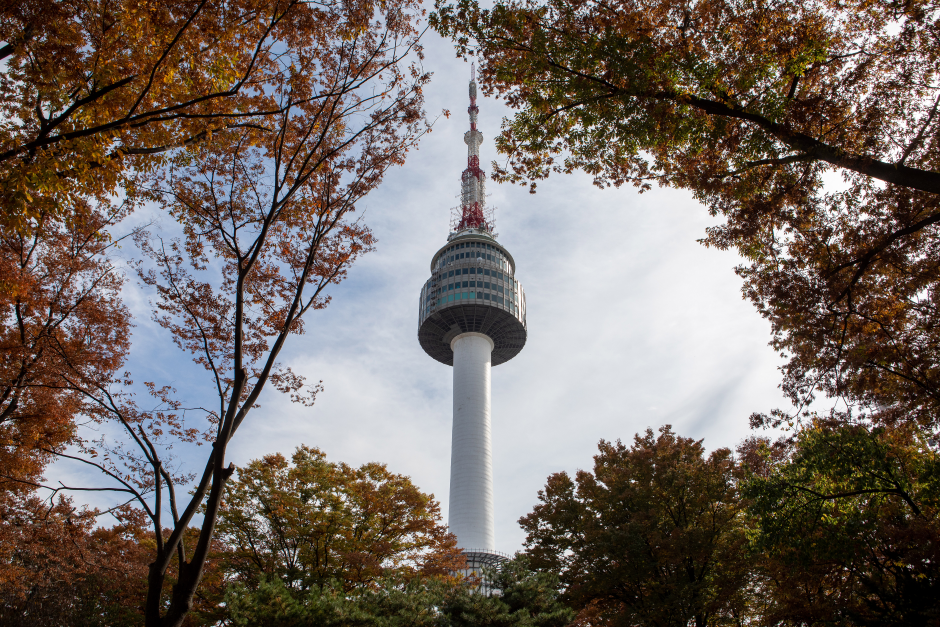
All you need to know about N Seoul Tower

Namsan Tower, also known as N Seoul Tower, is an iconic landmark located in the heart of Seoul, South Korea. The tower is situated on top of Namsan Mountain, offering panoramic views of the city from its observation deck. It is a popular tourist destination, attracting millions of visitors each year.

The tower was first opened to the public in 1980 and has since become one of the most recognizable symbols of Seoul. It was built as part of a government project to promote tourism and develop the city’s infrastructure. The tower stands at a height of 236 meters (774 feet), making it the tallest point in Seoul.

Visitors can reach the tower by hiking up Namsan Mountain or taking the Namsan Cable Car, which offers breathtaking views of the city. The tower features several observation decks, including an indoor observation deck located on the tower’s third floor, and an outdoor observation deck located on the tower’s fourth floor. The outdoor deck offers panoramic views of the city, including popular landmarks such as the Han River and the Gyeongbokgung Palace.

In addition to its observation decks, Namsan Tower is also home to several restaurants and cafes, as well as a gift shop and a digital art gallery. The tower’s restaurants offer a range of cuisine, including Korean, Japanese, and Western dishes, and are popular destinations for romantic dinners and special occasions.

One of the most unique features of Namsan Tower is its “Locks of Love” exhibit. Visitors can purchase padlocks from the gift shop and attach them to the fence surrounding the tower’s outdoor observation deck. The tradition of attaching padlocks to the fence dates back to the early 2000s, and is a symbol of love and commitment between couples. It is now a popular tourist attraction, with thousands of padlocks attached to the fence.

Namsan Tower is also a popular destination for events and celebrations. The tower is lit up in different colors during major holidays and events and hosts a range of cultural performances and festivals throughout the year. In addition, the tower is a popular spot for fireworks displays, particularly during New Year’s Eve celebrations.

Overall, Namsan Tower is a must-visit destination for anyone traveling to Seoul. It offers stunning views of the city, unique cultural experiences, and a romantic atmosphere that makes it a popular destination for couples. Whether you’re looking for a romantic dinner with your significant other, or simply want to take in the breathtaking views of Seoul, Namsan Tower is the perfect place to do so.

Pu La Deshpande – The Wodehouse of Marathi Literature

Pu La Deshpande (Purushottam Lakshman Deshpande) was a renowned Marathi writer, humorist, and actor from Maharashtra, India. He was born on 8 November 1919 in Mumbai and passed away on 12 June 2000. He was known for his contributions to Marathi literature, especially his humorous writings and plays.

He started his career as a teacher, but he soon realized that writing was his true calling. He began his writing career as a journalist and later started writing short stories, plays, and novels. His writing style was unique, and his works were infused with humor and satire. He was also known for his mastery of the Marathi language, and his ability to convey complex ideas in a simple and witty manner.

His most famous works include his humorous essays and articles, which were published in various Marathi newspapers and magazines. These essays covered a wide range of topics, from politics to everyday life, and were immensely popular among Marathi readers. Some of his most popular collections of essays include “Batatyachi Chal” (Potato’s Movement), “Vyakti Ani Valli” (People and Relationships), and “Asa Mi Asami” (I am That Name).

Apart from his essays, Deshpande was also a prolific playwright. He wrote several plays, including “Teen Paishacha Tamasha” (The Spectacle of Three Coins), “Pudhcha Paaul” (Next Please), and “To Mee Navhech” (I am not Him). These plays were hugely successful, and are still performed in Marathi theaters today. Deshpande was not only a writer but also an accomplished actor. He acted in several Marathi plays and was also a popular television and film actor. He starred in several Marathi films, including “Gupchup Gupchup” and “Var Dhagala Lagli Kala”. He was also a popular television personality and hosted several TV shows, including “Pu La Deshpandeanchi Mati” (The Soil of Pu La Deshpande).

In addition to his literary and acting career, Deshpande was also a social activist. He was actively involved in various social causes and used his writing and public speaking skills to raise awareness about issues such as education and rural development.

Deshpande received several awards and honors for his contributions to Marathi literature and culture. He was awarded the Padma Bhushan in 1990, and the Sahitya Akademi Award in 1987, for his book “Vyakti Ani Valli”. He was also awarded the Maharashtra Bhushan Award and the Sangeet Natak Akademi Award for his contributions to Marathi literature and theater.

Pu La Deshpande was a beloved figure in Maharashtra, and his contributions to Marathi literature and culture continue to be celebrated today. His unique writing style and sense of humor have influenced generations of Marathi writers and readers, and his legacy remains an important part of Marathi culture.

12 Jyotirlinga in India – Temples of Lord Shiva

Jyotirlinga is a term used in Hinduism to refer to twelve holy shrines that are dedicated to the worship of Lord Shiva. The term “jyotirlinga” translates to “lingam of light,” which refers to the radiant energy that is believed to emanate from these shrines. There is a distance of 2383 km between Kedarnath and Rameswaram. But all these temples fall in almost the same parallel line. After all, thousands of years ago, the technology with which these temples had been built in a parallel line is a mystery to this day. In this article, you can read about the 12 Jyotirlingas below:

  1. Somnath Jyotirlinga: Located in the state of Gujarat, Somnath Jyotirlinga is considered to be the first among the twelve jyotirlingas. The temple has been destroyed and rebuilt several times throughout history.

  2. Mallikarjuna Jyotirlinga: Located in the state of Andhra Pradesh, Mallikarjuna Jyotirlinga is situated on Shri Shaila Mountain. The temple is considered to be one of the holiest shrines in South India.

  3. Mahakaleshwar Jyotirlinga: Located in the city of Ujjain in Madhya Pradesh, Mahakaleshwar Jyotirlinga is one of the most famous jyotirlingas in India. The temple is known for its unique architecture and rich history.

  4. Omkareshwar Jyotirlinga: Located in the state of Madhya Pradesh, Omkareshwar Jyotirlinga is situated on an island in the Narmada River. The temple is famous for its unique location and beautiful natural surroundings.

  5. Kedarnath Jyotirlinga: Located in the state of Uttarakhand, Kedarnath Jyotirlinga is situated in the Himalayas. The temple is considered to be one of the holiest shrines in the country and is visited by millions of pilgrims each year.

  6. Bhimashankar Jyotirlinga: Located in the state of Maharashtra, Bhimashankar Jyotirlinga is situated in the Sahyadri Mountains. The temple is known for its beautiful architecture and stunning natural surroundings.

  7. Vishwanath Jyotirlinga: Located in the city of Varanasi in Uttar Pradesh, Vishwanath Jyotirlinga is one of the most famous temples in India. The temple is known for its beautiful architecture and rich history.

  8. Triambakeshwar Jyotirlinga: Located in the state of Maharashtra, Triambakeshwar Jyotirlinga is situated in the Western Ghats. The temple is known for its beautiful architecture and stunning natural surroundings.

  9. Baidyanath Jyotirlinga: Located in the state of Jharkhand, Baidyanath Jyotirlinga is situated in the town of Deoghar. The temple is known for its unique architecture and rich history.

  10. Nageshwar Jyotirlinga: Located in the state of Gujarat, Nageshwar Jyotirlinga is situated on the coast of the Arabian Sea. The temple is known for its beautiful location and rich history.

  11. Rameshwaram Jyotirlinga: Located in the state of Tamil Nadu, Rameshwaram Jyotirlinga is situated on an island in the Gulf of Mannar. The temple is known for its beautiful architecture and stunning natural surroundings.

  12. Grishneshwar Jyotirlinga: Located in the state of Maharashtra, Grishneshwar Jyotirlinga is situated near the famous Ellora Caves. The temple is known for its beautiful architecture and rich history.

Each temple is unique in its own way and has its own rich history associated with it. For example, the Somnath Jyotirlinga is believed to have been built by the moon god, Chandra, to seek forgiveness for the curse he received from his father-in-law, Daksha. The Kedarnath Jyotirlinga is believed to be the place where Lord Shiva appeared in the form of a bull to bless the Pandavas after the Kurukshetra war. Pilgrims from all over India and the world visit these shrines to seek the blessings of Lord Shiva and attain spiritual enlightenment.

The significance of the twelve jyotirlingas is not only limited to their religious importance but also to their historical and cultural value. These temples are considered to be a representation of the rich cultural heritage of India, and are an important part of its history. Visiting these shrines is also believed to be a spiritual journey that can bring about a sense of peace and enlightenment.

Intriguing facts about Capybara

The capybara is a large, semi-aquatic rodent native to South America. It is the largest living rodent in the world, with adults typically weighing between 35 and 66 kg (77 and 146 lb). They are herbivorous animals and feed mainly on grasses, aquatic plants, and fruits.


Capybaras are social animals and typically live in groups of 10-20 individuals, though larger groups of up to 100 individuals have been observed. They are excellent swimmers and spend much of their time in and around water. They are also capable of holding their breath for up to five minutes underwater, making them well-adapted to their semi-aquatic lifestyle. They have a distinctive appearance, with a round, barrel-shaped body, short legs, and a short, blunt snout. They have webbed feet that help them navigate through the water and reduce friction when swimming. Their fur is short, dense, and varies in color from reddish-brown to grayish-brown.

In the wild, capybaras are found throughout much of South America, living in a variety of habitats, including forests, savannas, and wetlands. They are preyed upon by a variety of predators, including jaguars, pumas, anacondas, and caimans.

Capybaras are important prey for many species in their ecosystem, and they also play an important role in maintaining the health of their habitats. They are considered keystone species, meaning that their presence or absence can have a significant impact on the biodiversity of their environment. They are also important to humans in several ways. In some areas, they are hunted for their meat, which is considered a delicacy in some parts of South America. They are also sometimes kept as pets, although they require specialized care and can be difficult to keep in captivity.

Capybaras are also important in the field of science, as they are often used as a model organisms in studies of animal behavior, ecology, and physiology. They have been used in studies of thermoregulation, social behavior, and the evolution of mammals, among other topics.

Despite their importance, capybaras face several threats in the wild, including habitat loss and hunting for their meat and fur. In some areas, they are also considered agricultural pests, as they can damage crops and compete with livestock for food.

Efforts are underway to conserve capybara populations and their habitats. In some areas, they are protected by law, and conservation organizations are working to educate people about the importance of these animals and the need to protect them.

Kamakhya Temple

Kamakhya Temple is a Hindu temple dedicated to the goddess Kamakhya, located in the city of Guwahati in the northeastern state of Assam, India. It is a significant Hindu pilgrimage site and a cultural icon of Assam. It is not only a place of worship but also a symbol of the rich cultural heritage of the region.

According to Hindu mythology, the temple is the site where the goddess Sati’s womb and genitals fell after her body was dismembered by the god Shiva. The temple is thus considered to be one of the Shakti Peethas or holy sites where the body parts of the goddess Sati fell to earth.

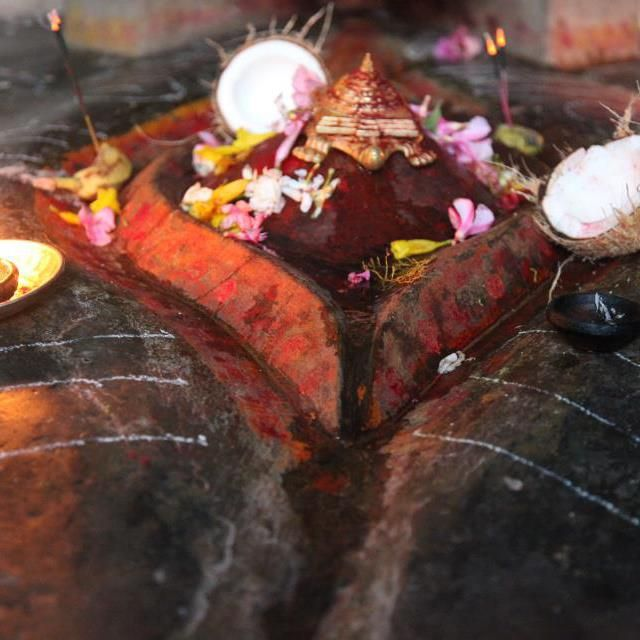
The temple is one of the most important pilgrimage sites for Hindus, especially those who worship the divine feminine. The temple complex consists of several smaller shrines and buildings, but the main temple is a large structure made of stone and brick. The temple has a unique design, with a dome-shaped roof and walls made of red sandstone. The main shrine inside the temple houses a rock formation that is said to represent the goddess Kamakhya. The rock is covered with a red cloth and is surrounded by images of other Hindu deities. The temple also has several smaller shrines dedicated to other deities.

The temple is famous for its annual Ambubachi Mela, a festival held in the month of June or July to celebrate the goddess Kamakhya’s menstruation. During the festival, the temple is closed for three days as it is believed that the goddess is menstruating during this time. Devotees from all over the country come to the temple to offer their prayers and seek the blessings of the goddess.

Apart from its religious significance, Kamakhya Temple is also known for its stunning architecture and beautiful surroundings. The temple is located on a hill and offers a panoramic view of the city of Guwahati and the Brahmaputra River. The temple complex is surrounded by lush green forests and is home to several species of birds and animals.

In recent years, the temple has also become a popular tourist destination, attracting visitors from all over the world. The Assam government has taken several measures to improve the infrastructure around the temple, including building new roads, parking areas, and hotels.

National awardee teachers brainstormed to provide feedback for national curriculum framework

  Ministry of Education is celebrating Shikshak Parv, 2022 from 5th to 30th September 2022 in the country. All the States and UTs are participating in this event conducting various activities engaging students and teachers to mark the occasion and show respect to our teachers following the Guru-shishya Parampara of our country. DIETs, Block Resource Centres and Cluster Resource Centres are being involved and engaged for discussion and interaction on innovative pedagogies with teachers.

As a follow-up of the National Education Policy 2020, four National Curriculum Frameworks (NCF) are being developed using bottom-up approach, wherein States and UTs are also involved in providing the inputs for the NCFs. The four areas of NCFs are- School Education, Early Childhood Care and Education, Teacher Education and Adult Education.

A Tech Platform has been built to facilitate the entire process of development of curriculum frameworks in a paperless manner using a bottom-up approach including consultations and preparation of reports at all levels. The platform also utilizes Machine Learning (ML) for consolidation and summarization of consultations / opinions. Digital Survey for National Curriculum (DiSaNC): Based on the recommendation of NEP-2020, the process for formulation of National Curriculum Framework (NCF) is being undertaken and is available on https://disanc.ncert.gov.in/.

While consultations with various stakeholders such as universities, civil society groups, experts, teacher educators, teachers, parents, students, etc., for seeking inputs for NCFs are ongoing, an interaction with Awardee Teachers, who have accomplished milestones with their contributions in School Education was organised on the occasion of Shikshak Parv, 2022.

NCERT led this interaction on some of the major recommendations of the National Education Policy, such as implementation of new curricular and pedagogical structure 5+3+3+4, multilingual education, holistic assessment, innovative pedagogies, etc. Discussions were held on the themes encompassing core competencies at four stages of school education, cultural rootedness in curriculum, multilingual education, flexibility in choice of subjects at secondary stage, innovative pedagogy and holistic assessments.

Awardee Teachers provided inputs for shaping up of NCF based on their grass root level experiences. Awardee Teachers participated in the discussion in the presence of officials and faculty members from Ministry of Education and NCERT.

Personal Loan – Low interest rate personal loans from a wide range of lenders

  Personal loans are an unsecured form of credit that is popular to meet immediate requirements. It is multi-purpose in nature and therefore can be used for various purposes including wedding, home renovation, travel purposes and more. Moreover, there is no restriction for the amount borrowed and can be used for any purpose they want. In fact, a personal loan can help you build your credit faster when compared with other forms of credit. This is because of the risk it carries due to being unsecured.

All in all, a personal loan can offset any temporary financial crisis.

Benefits and Features of Personal Loan

No collateral required

One of the benefits associated with an online personal loan is that it is unsecured in nature. This means you don’t need to pledge any collateral for your loan. Although this can be a reason for your interest rate, you can get a low-interest personal loan easily if you meet the eligibility requirements.

Minimal Documentation

In this age of digitisation, the process of verification and documentation has now become short. This is applicable for an instant personal loan as they are fast in disbursal and require minimum documents for approval.

Easy Approval

You can get personal loans that are quick and easy in approval. This is why it is the best bet in times of financial emergency. Moreover, the process has become digital; thus reducing time in the verification process.

Multipurpose in nature

A personal loan can be used for anything except for investment and illegal activities. Apart from that, it is multipurpose in nature and can be used for anything. Other forms of credit when taken are for a specific purpose and can be used only for the same. For example, a home loan is used for purchasing a house whereas a car loan is taken to buy a car. However, a personal loan can be taken to offset any immediate requirements.

Personal Loan Eligibility

Personal loans are provided by most of the banks/NBFCs but with different eligibility requirements. However, there are certain criteria that are common for all financial institutions. The eligibility criteria to get an online personal loan approval for salaried and self-employed individuals are:

Age 18/21 years – 60/65 years
Employment Type 1. Salaried
2. Self-Employed professionals
Credit score 750 or above with a good credit history
Minimum Net Income (Monthly)
  • ₹15,000(non-metro cities)
  • ₹20,000( metro cities)
Loan Amount Up to ₹50 lacs depending on the credit profile
Work Experience Salaried

  • Employed at current company for at least 6/12 months

Self-Employed

  • Business tenure of at least 3 years (continuous)
  • ITR of last 3 years

Documents Required for Personal Loan

The common documents required for an online personal loan approval are given below:

For Salaried Individuals

1. Identity & Age Proof

2. Completely filled personal loan application with photograph

3. PAN Card

4. Residence proof – Passport driving licence, Voter ID, postpaid/landline bill, utility bills (electricity/water/gas)

5. Bank statements for the last 3 months(preferably your salary account)

6. Salary Slips of last 3 months

7. Form 16 or Income Tax Returns of last 3 years

For Self-Employed Individuals

1. Identity & Age Proof

2. Completely filled personal loan application with photograph

3. PAN Card

4. Residence proof – Passport driving licence, Voter ID, postpaid/landline bill, utility bills (electricity/water/gas)

5. Bank statements for the last 3 months(preferably your salary account)

6. Salary Slips of last 3 months

7. Last 3 years Income Tax Returns with computation of Income

8. Last 3 years CA Certified / Audited Balance Sheet and Profit & Loss Account

Personal Loan Comparison Table

  Here is a comparison table of the popular personal loans online along with their processing fees, preclosure charges and interest rate:

BANK/NBFC Interest Rate(pa) Loan Amount Processing Fees Part Payment Pre-closure Charges Locking Period Tenure
IDFC First Bank 12.00 % to 21% 1 Lakhs to 40 Lakhs Up to 2.0% of the loan amount Up to 40% of loan amount every year 5% on your principal outstanding + GST 1 Month 12 to 60 months
HDFC Bank 11.25%- 17.75% 50k to 40Lakhs Up to 2.50% of the loan amount subject to a minimum of ₹1,999/- & Maximum of ₹25000/- Up to 25% of Principal Outstanding allowed 13-24 Months – 4% of Principal Outstanding

25-36 Months – 3% of Principal Outstanding

>36 Months – 2% of Principal Outstanding

>48 months – 0%

12 Months 12 to 60 months
ICICI Bank 11.50% – 17.25% 50k to 25 Lakhs Up to 2.25% per annum of loan amount plus GST Not available 5% per annum of principal outstanding plus GST 6 months 12 to 60 Months
Bajaj Finserv 12.49% -15.30% 1 Lakh to 20 Lakhs Up to 2.0% of the loan amount Normal Loan – Should be more than 1 EMI (2% + applicable taxes on part-payment amount paid)
Flexi Loan – Unlimited part payment Allowed (Min. Rs. 100 ) without any charges
4% plus applicable taxes on Loan amount 1 month 12 to 60 Months
Kotak Bank 10.75% -17.99% 1Lakh to 30Lakhs Up to 2.5% of the loan amount + GST and other applicable statutory levies 5% of the outstanding amount + GST on principal outstanding 12 months 12 to 60 Months
TATA Capital 11.25%-18.75% 75K- 25 Lakhs From ₹999/- Up to 3.00% of the loan amount and applicable Service Tax Part-payment up to 25% of the principal outstanding (No part-payment charges) More than 25% of the principal outstanding (2.50% part-payment charges on the part-payment exceeding 25% of principal outstanding)

*Maximum of 50% of the principal outstanding permissible

>6 months – 3.5% of principal outstanding

For Loan amount >=7Lacs – NIL Preclosure

BT – 5% of the principal outstanding

6 Months 12 to 72 Months
IndusInd Bank 11.50% -19.0% 1Lakh to 25Lakhs Up to 3.00% of the loan amount plus tax Salaried: 4% of the principal outstanding after repayment of 12 EMIs. 1 Year 12 to 60 Months
Fullerton 11.99% – 25% 65k to 25Lakhs Upto 4.5% of the loan amount plus GST Within 7 months to 17 months – 7%

Within 18 months to 23 months – 5%

Within 24 months to 35 months – 3%

After 36 months – NIL

6 Months 12 to 60 Months
RBL Bank 11.99%- 18.0% 1Lakh to 20Lakhs 1.5% of the loan amount (Non Refundable fee of Rs 7500 Upfront, Rest at the time of disbursal) NIL NIL 12 months 12 to 60 Months
Yes Bank 10.99% – 15.99% (BT Special rates – 10.75%) 1Lakh to 25Lakhs Up to 2.50% of the loan amount subject to a minimum of ₹999/- plus taxes • 20% Principal Outstanding for 12 – 24 months

• 20% Principle Outstanding for 25 – 36 Months

• 25% Principal Outstanding for 37 – 48 Months

• 25% Principal Outstanding for 49 – 60 Months

1% plus applicable taxes on part payment amount paid

13 – 24 months – 4% of principal outstanding

25 – 36 months – 3% of principal outstanding

37 – 48 months – 2% of principal outstanding

>48 Months – Nil

12 months 12 to 60 Months

*The figures provided in the table are indicative subject to change from time.

Representative Example:

With a representative 10.75% APR based on borrowing ₹ 10 lacs and repaying over 60 months with 60 monthly repayments. Monthly repayments of ₹ 21618.

Types of Personal Loan:

Here are the different types of online personal loan:

  • Personal Loan for Home Improvement
    There’s something that can be always done to your home and this is where an instant personal loan can help you fulfill them. From remodelling your kitchen to making your house a perfect mix of comfort and durability, a personal loan for home renovation can be the solution.
  • Personal Loan for wedding
    In India, a normal wedding cost ₹25 lakhs on an average! Exhausting all your savings for all the wedding expenses is not an ideal option. This is where you apply online personal loan and cover the expenses. Now, planning a wedding is now easy.
  • Personal Loan for Travel
    Apart from home renovation or wedding, you can get personal loan to cover your travel expenses. Since it is convenient and an economic option, it can be an open option. Moreover, it can alternate your uses with your credit card and help you save on interest costs.
  • Fresh Funding Meeting working capital requirements can be a daunting process and without raising fresh funds, the everyday operations can get affected. A personal loan can be the best alternative option to meet your short-term working capital requirements such as cover accounts payable, wages, etc
  • Top Up Personal Loan
    Top up personal loan is a facility provided by financial institutions to customers that allows you to borrow a certain amount of money over your personal loan. The interest rate for a top up loan is slightly higher than the regular personal loan.
  • Personal Loan Balance Transfer
    Did you know you can save thousands on your interest costs on a personal loan? Well, that is what a balance transfer can help you with. You can pay off your existing loan with a new loan at a lower-interest rate. Please note there is a charge associated with a personal loan balance transfer. .

How To Apply For A Personal Loan

  Applying for a personal loan involves three simple steps:

Step-1: Fill the eligibility form

In the first step, the customer needs to fill in the eligibility form which includes filling the following details:

  • Full Name(As per PAN Card)
  • Email Address
  • Current Residence Pincode
  • Employment Type
  • Current Company Name
  • Monthly in-hand salary
  • Mobile Number

Step-2: Select from the multiple offer(s)

You will be given a list of lenders based on the information provided by you in Step-1. The offer could be one or more than one based on your profile. Out of the list, select the lender you wish to go ahead with. Please remember to consider the following points when choosing the lender:

  • Interest rate offered
  • Loan amount
  • Loan Tenure
  • EMI

Step-3: Apply for the loan

This step is an extended version of Step-1 where you have to give more details on your application. This is where you give a detailed information about your personal details and bank details.

Once you submit your application, our representative will contact you to cross verify the details before sending the application to the respective lender.

Best Personal Loans in India

S. No. Bank Name Interest rate (p.a) Loan Amount
1 Yes Bank 10.99% – 15.99% (BT Special rates – 10.75%) ₹1 lakh – ₹25 lakhs
2 ICICI Bank 11.50% – 17.25% ₹50k – ₹25 lakhs
3 HDFC Bank 11.25% – 17.75% ₹50k – ₹40 lakhs
4 Kotak Bank 10.75% – 17.99% ₹1 lakh – ₹30 lakhs
5 Tata Capital 11.25%- 18.75% ₹75k – ₹25 lakhs
6 IndusInd Bank 11.50% to 19.00% ₹1 lakh – ₹25 lakhs
7 IDFC First Bank 12.00 % to 21% ₹1 lakh – ₹40 lakhs
8 Bajaj Finserv 12.49%-15.30% ₹1 lakh – ₹20 lakhs
9 RBL Bank 11.99% – 18.0% ₹1 Lakh – ₹20 Lakhs
10 Fullerton 11.99% – 25% ₹65K – ₹25 Lakhs

*The figures provided in the table are indicative subject to change from time.

Yes Bank Personal Loan

YES Bank personal loans are personalised, faster and easier.

Particulars Salaried Individual
Interest Rate 10.99% – 15.99% (BT Special rates – 10.75%)
Loan Tenure 12-60 months
Age 22 to 60 years (at the time of loan maturity)
Processing Fee Up to 2.50% of the loan amount subject to a minimum of ₹999/- plus taxes
Lock-in period 12 months
Prepayment/ Preclosure charges 13 – 24 months – 4% of principal outstanding

25 – 36 months – 3% of principal outstanding

37 – 48 months – 2% of principal outstanding

>48 Months – Nil

*The figures provided in the table are indicative subject to change from time.

ICICI Personal Loan

ICICI personal loans are flexible, quick and convenient and have competitive interest rates.

Particulars Salaried Individual
Interest Rate 11.50% to 17.25%
Loan Tenure 12-60 months
Age 23 years to 58 years
Processing Fee Up to 2.25% per annum of loan amount plus GST
Lock-in period 6 months
Prepayment/ Preclosure charges 5% per annum of the principal outstanding plus GST

*The figures provided in the table are indicative subject to change from time.

HDFC Personal Loan

HDFC bank personal loan is one of the popular products of this bank. The personal loans are easy-to-get, hassle-free and superfast.

Particulars Salaried Individual
Interest Rate 11.25% – 17.75%
Loan Tenure 12-60 months
Age 21 years – 60 years
Processing Fee Up to 2.50% of the loan amount subject to a minimum of ₹1,999/- & Maximum of ₹25000/-
Lock-in period 12 months
Prepayment/ Preclosure charges 13-24 Months – 4% of Principal Outstanding

25-36 Months – 3% of Principal Outstanding

>36 Months – 2% of Principal Outstanding

>48 months – 0%

*The figures provided in the table are indicative subject to change from time.

Kotak Bank Personal Loan

Kotak bank personal loans are quite popular in India. It provides personal loans at minimal documentation and flexible EMI’s.

Particulars Salaried Individual
Interest Rate 10.75% – 17.99%
Loan Tenure 12-60 months
Age 21 years – 58 years
Processing Fee Up to 2.5% of the loan amount + GST and other applicable statutory levies
Lock-in period 12 months
Prepayment/ Preclosure charges 5% of the outstanding amount + GST on principal outstanding

*The figures provided in the table are indicative subject to change from time.

Bajaj Finserv Personal Loan

The Bajaj personal loans are non-collateral loans with minimal documentation. Moreover, the loans are available at flexible EMI’s ranging from a year to 5 years.

Particulars Salaried Individual
Interest Rate 12.0% to 21%
Loan Tenure 12-60 months
Age 25 years – 58 years
Processing Fee Up to 2.0% of the loan amount
Lock-in period 1 month
Prepayment/ Preclosure charges 4% plus applicable taxes on principal outstanding

*The figures provided in the table are indicative subject to change from time.

IDFC First Bank Personal Loan

Particulars Salaried Individual
Interest Rate 12.49% to 15.30%
Loan Tenure 12-60 months
Age 23 years – 60 years
Processing Fee Up to 2.0% of the loan amount plus GST
Lock-in period 1 month
Prepayment/ Preclosure charges 4% plus applicable taxes on Loan amount

*The figures provided in the table are indicative subject to change from time.

RBL Personal Loan

Particulars Salaried Individual
Interest Rate 11.99% to 18.00%
Loan Tenure 12-60 months
Age 25 years – 60 years
Processing Fee 1.5% of the loan amount (Non Refundable fee of Rs 7500 Upfront, Rest at the time of disbursal)
Lock-in period 12 Months
Prepayment/ Preclosure charges NIL

*The figures provided in the table are indicative subject to change from time.

Tata Capital Personal Loan

Particulars Salaried Individual
Interest Rate 11.25% to 18.75%
Loan Tenure 12-72 months
Age 25 years – 60 years
Processing Fee From ₹999/- Up to 3.00% of the loan amount and applicable Service Tax
Lock-in period 6 months
Prepayment/ Preclosure charges >6 months – 3.5% of principal outstanding
For loan amount >= 7lakhs – NIL Preclosure
BT – 5% of the principal outstanding

*The figures provided in the table are indicative subject to change from time.