Various initiates by the world community in safeguarding natural resources

Montreal
Protocol 

It was finalized in the year 1987
and adopted on 15 September 1987. It is a multilateral environmental agreement
and this protocol is the only UN treaty ever up to date which was
initially approved by only 46 countries but now it is ratified by all 197 UN
member countries/states. This protocol regulates the production and consumption
of man-made chemicals which can deplete the ozone layer. 

 

Kyoto
Protocol

Second commitment of Kyoto
Protocol (2013-2020), bridges the gap between the end of the first
commitment and the start of the second commitment with further emission cuts.
The Kyoto Protocol is an international agreement within the United Nations
Framework Convention on Climate Change (UNFCCC), which commits its Annex
B-Parties (the countries which have adopted the targets to reduce the
greenhouse emissions) with legally binding emission reduction commitments.

Paris
Agreement

It is an agreement within
the United Nations Framework Convention on Climate Change (UNFCC) which focuses
on reducing the greenhouse gas emissions. It is replaced by its predecessor,
the Kyoto protocol which is also the international treaty for similar purposes
and its second commitment expires this year i.e. 2020. The Paris Agreement came
into force on 4th November 2016 and has been signed by 197 countries and as of
November 2019- 187 countries have confirmed. India has also given its consent
to this agreement. In the whole world, India stands at third after China and
the US when it comes to the emission of the greenhouse effect according to May
2019.

Vienna
Convention for the Protection of the Ozone Layer
1985

Initially, this convention was agreed in 1985 and it came into force on
22 September 1988. It is a multilateral agreement. Montreal protocol comes
under this convention. This convention was formed with a purpose to globally
monitor and report on the ozone depletion. Under this convention, it made
structures for the improvement of protocols and also for taking a more binding
action.


Convention
on Biological Diversity, 1992 (CBD)

This convention provides a legally binding framework which
came into force in 1993 with a purpose to conserve the biodiversity and use
biodiversity feasibly. The main objective of this convention is to encourage
those actions which will lead to a sustainable or viable future. The governing
body of this convention is the Conference of the Parties (COP).

Convention
on International Trade in Endangered Species of Wild Fauna and Flora (CITES)

This convention is an international agreement between the
countries and entered into force in 1975 which aims to protect wildlife from
over-exploitation due to international trade. Basically under this agreement,
the government regulates the traded wildlife and its products that it does not
threaten the survival of the species in the wild, for example, leather goods,
animals, food etc.

Convention
on Long-Range Transboundary Air Pollution (CLRTAP)

This convention came into force on 16th March 1983. This
convention aims that the contracting parties should make efforts to protect the
environment against the adverse effects of the pollution, to ensure that the
parties take several and necessary steps to fight against the release of the
air pollutants and also to create committees for the further progress and
imposition of the convention.

Convention
on the Conservation of Migratory Species of Wild Animals (CMS)

This convention is
an international treaty under the aegis of the United Nations Environment
Programme. It came into force on 1st November 1983. Since 1983 India is a party
to this convention. The primary focus of this convention is to provide for the
conservation and sustainable use of migratory animals and their
habitats. This convention tries to complement and co-operate the
provisions with a number of international organisations, NGOs, corporate sector
etc.

Convention
on the Conservation of Migratory Species of Wild Animals (CMS)

This convention came
into force on 1st January 2005 and as of February 2018, only 39 Council of
Europe member states have ratified the Convention. 

The motive of this convention is to
protect and manage the landscapes and to organise the international
co-operation on landscape issues. The parties of this convention in order to
implement the provision should undertake the activities which are set to raise
public awareness, defining the quality of landscapes etc.

Ramsar
Convention on Wetlands

This convention is an intergovernmental treaty adopted on 2nd
February 1971 and it entered into force on 21 December 1975. It provides a
framework for international and national cooperation so that they can achieve
sustainable development throughout the world by taking efforts towards the
conservation and judicious/wise use of the wetlands. As of January 2016, 170
nations have joined the Convention as Contracting Parties. 

The Ramsar convention under its
fourth strategic plan set off a period from 2016-2024 with almost the same
objectives mentioned earlier.

Stockholm
Convention on Persistent Organic Pollutants

This convention is a legally binding international treaty
which was adopted on 22nd May 2001 in Sweden and it came into force on 17th May
2004. Its objective is to protect human health and the environment from the
dangerous outcomes from the organic pollutants (Pesticides, Industrial
chemical, Aldrin etc.). POPs are the chemicals that remain intact in the
environment for long periods and it gets widely distributed in the overall area
which collects or gathers the fatty tissue of the living organisms which are
toxic to the humans and wildlife. These POPs circulates globally which in
result can cause damage wherever they travel. 

United
Nations Framework Convention on Climate Change (UNFCCC)

It is an international environmental
treaty which was adopted on 9th May 1992, and it was opened for signature at
the United Nations Conference on Environment and Development. It is also known
as Rio de Janeiro Earth Summit or Rio summit. It came into force on 21st
March  1994. Almost every country on earth has ratified this convention.

It is an agreement made on climate
change and mainly focuses on the prevention of dangerous actions or
interference by humans on climate change or on the environment. The parties
also agreed towards the stabilization of the greenhouse gas emissions. Every party/country
by signing to this convention have dedicated themselves to do the regular
reporting regarding the level of greenhouse emissions and also their initiation
to reduce the interference. 

World
Heritage Convention

This convention was adopted by the United Nations Educational,
Scientific and Cultural Organisation (UNESCO) in 1972 and as of 31st January
2016- 193 state parties (including India) have ratified to this convention. The
primary objective of this convention is to protect the world’s natural and
cultural heritage. It also manifests an idea that few places are so important
that their protection is not only the responsibility of a single nation, but is
also the duty of the international community as a whole, and not only for this
generation but for all those to come. 

 

Indian princess who married a Korean King – Heo hwang ok

Source: BBC News

 Ayodhya is best known for being the birthplace of the Hindu god Ram. However, the city has special significance for some South Koreans, as many believe they can trace their ancestors back to it. This belief is based on several historical Korean stories about an Indian princess named, Suriratna who married a South Korean king and established a dynasty.

According to legend, Princess Suriratna, also known as Heo Hwang-ok, travelled to Korea in 48 AD, approximately 2000 years ago, and founded the Karak dynasty by marrying a local king. According to some Chinese-language texts, the then-King of Ayodhya had a dream in which God told him to send his 16-year-old daughter to South Korea to marry King Kim Suro.

According to Samguk Yusa (Memorabilia of the Three Kingdoms), a popular South Korean book of fables and historical stories, Queen Hwang-ok was the princess of the “Ayuta” kingdom. The royal couple was a success. They had 12 sons and lived to be more than 150 years old. While children in Korea usually take their father’s surname, the queen was disappointed that her children would not be able to use her surname. As a result, King Suro granted her name (Heo) to two of their sons, which is still used today.” Historians estimate that the couple’s descendants number more than six million, accounting for nearly 10% of the South Korean population.

People from the Karak dynasty have also preserved the rocks that are said to have been used by the princess during her sea voyage to Korea to keep her boat stable.

An anthropologist named Kim Byung-mo Ayuta appeared to confirm the widely held belief that Ayuta was actually Ayodhya, as the two names are phonetically similar.

How this connection has impacted the modern ties?

In the year 2000, an agreement was signed to develop Ayodhya and Gimhae as sister cities. 

Then in 2001, more than 100 historians and government representatives, including the North Korea ambassador to India, unveiled Queen Hwang-ok’s memorial on the west bank of the River Saryu in Ayodhya.

In 2016, a Korean team presented the Uttar Pradesh Government with a proposal to expand the memorial. On the eve of Diwali, South Korean first lady Kim Jung-sook lay the foundation stone for the enlargement and beautification of the current memorial on November 6, 2018. She paid her respects at the Queen Heo Memorial, attended a ground-breaking ceremony for the memorial’s upgrade and beautification, and joined the current Chief Minister of Uttar Pradesh, Yogi Adityanath, at an elaborate Diwali celebration in Ayodhya that included cultural shows and the lighting of 300,000+ lights on the banks of the Saryu River.

As per reports, every year, hundreds of South Koreans visit Ayodhya for paying homage to their legendary queen Heo Hwang-ok.

Prof Kim Do-young, a Korean studies expert based in Delhi, claims that this shared history began to be recognised in India “after the diplomatic and economic relationship” between the two countries developed.

“Whether it is history or legend – based on it – mental or spiritual gap [between the people] is reduced and a common cultural ground is made,” he adds, pointing out that it’s interesting that there maybe a “ancient bond” between the two nations.

The story of Queen Hwang-ok has been and can continue to be the “foundation for building better relations” between South Korea and India.


FACT Devices; Statcom & its working

FACT is an abbreviation for Flexible
AC transmission system. It is a system composed of static equipment used for

the alternating current (AC) transmission of electrical energy and is
a power electronics based system.

Series compensation – In this we connect
the fact devices in series with power system. Here, the line impedance is
modified, that means net impedance is decreased and increasing the
transmittable active power.

Shunt compensation – It is used to
improve the power factor. In this we connect the fact devices in parallel with
power system. It also works as a controllable for the current source. Eg-
Statcom (Static synchronous Compensator) and SVC (Static VAR compensator). They
are further classified into two types –

  1. Shunt capacitive compensation: This method is used to
    improve the power factor. Whenever an inductive load is connected to
    the transmission line, power factor lags because of lagging load current.
    To compensate, a shunt capacitor is connected, which draws the current
    leading to the source voltage. The net result is an improvement in
    power factor.
  2. Shunt inductive compensation: This method is used
    either when charging the transmission line, or when there is a very
    low load at the receiving end. Because of very low, or no load–very low current
    flows through the transmission line. Shunt capacitance in the transmission
    line causes voltage amplification (Ferranti effect). The receiving end
    voltage may become double the sending end voltage (generally in case of
    very long transmission lines). To compensate, shunt inductors are
    connected across the transmission line. 

A few advantages of FACT devices
are:
• Helps in improving power transfer capability
• Used for transient and dynamic stability improvement.
• Used for damping of power system oscillations.
• For better voltage regulation.
• For flexible operation and control of the system.

What
is a Statcom?

The STATCOM (or SSC) is a
shunt-connected reactive-power compensation device that can generate and/ or
absorbing reactive power and in which we can vary the output to control the
specific parameters of an electric power system. It is a solid-state switching
converter capable of generating or absorbing independently controllable real
and reactive power at its output terminals when it is fed from an energy source
or energy-storage device at its input terminals. Voltage-source converter that,
from an input of the voltage, produces a set of 3-phase AC-output voltages,
each in phase with and coupled to the corresponding AC system voltage through a
relatively small reactance.

How
does a statcom work?

Now suppose we have a load connected
to the grid; the load takes the power as P + jQ, where P is active power and Q
is reactive power. Now we have to make the Q= 0. So that the power factor is
always unity (PF = 1). For that, we connect statcom at the load, so that the
reactive power is supplied by the statcom and active power is given by the
Grid. This is how a statcom works for reactive power compensation.

The different softwares in which we
can simulate and analyze FACT devices are:
• MATLAB
• PSCAD
• ETAP

Noise Pollution- Causes, & Preventive Measures

 Noise is usually defined as unwanted sound or a sound without value that causes discomfort to the listener. Noise is usually measured in units of decibels and is denoted by dB.

1. On human beings:-

Mental health

Exposure to intense levels of noise can cause personality changes and violent reactions. Noise has also been shown to be a factor that attributed to violent reactions. 
Psychological health effects from noise include depression and anxiety stress. Individuals who have hearing loss, including noise induced hearing loss, may have their symptoms eased with the use of hearing aids. Individuals who do not seek treatment for their loss are 50% more likely to have depression than their aided peers. These psychological effects can lead to detriments in physical care as reduced self-care, work-tolerance, and increased isolation.

Physical health

Exposure to loud sound or longer exposure causes threshold shift. Noise-induced threshold shifts are seen as a notch on an audiogram from 3000 to 6000 Hz, but most often at 4000 Hz.
Exposure to loud noises, either in a single traumatic experience or over time, can damage the auditory system and result in hearing loss and sometimes tinntius as well. Noise induced hearing loss is sometimes unilateral and typically causes patients to lose hearing around the frequency of the triggering sound trauma.

2. On animals:-

Marine animals

Two main reasons that make an environmental impact of noise in marine life a grave are – 1. Noise travels much more in water, covering greater distances than it would do on land while travelling though air, and secondly because the marine life is extremely sensitive to noise pollution and an absence of any mechanism to safeguard them against it, underwater noise pollution disrupts marine life in more serious ways.

The deaths can occur because of haemorrhages, changed diving pattern, migration to newer places, and damage to internal organs and an overall panic response to the foreign sounds. There is also a disruption in normal communication between marine animals because of underwater noise pollution. This means animals prone to noise pollution cannot call their mates, look for food or even make a cry for help under such circumstances.

Birds

Anthropogenic noise, emitted from the oil and gas compressors, is becoming a global issue. The idea of the study was to measure the stress levels of the birds compared to the distance they were nesting with the oil and gas compressors.

So much so that they were showing Post Traumatic Stress Disorder-like (PTSD) symptoms. In the birds, their corticosterone levels were relatively low. And that isn’t exactly what you would expect to see in a high-stress situation. This is likely to be what was happening with the birds. It triggered health defects such as stunted growth, issues with their reproduction, and fewer feathers on the birds. Their ability to hear predators also seemed to be jeopardised because of the noisy surroundings.

Preventive measures to reduce noise pollution

  • Factories should be established away from the settlements.
  • Settlements should be located 20 kms away from the mining areas and coal areas.
  • Explosives should be not used in mountainous, forest and mining areas.
  • Use of horn in public places should be banned.
  • The sound of musical instruments should be controlled to desirable limits.
  • The use of sound amplifiers of high power should be banned in religious events.
  • The use of sound absorber tiles should be encouraged in the construction of multi-storeyed buildings.
  • In industrial, commercial and hospital buildings, adequate soundproof systems should be installed.
  • Intensive plantation should be made in the entire building complex.
  • Planting green trees along the roadside reduces the intensity of noise pollution.
  • Protective tools should be provided for workers.
  • Legal provisions should set limits on noise and control over noise pollution.

8 High Impact Ways You Can Help the Environment

Go beyond turning off lights or using reusable bags. Make a real impact and help the environment with these high impact efforts.

Keyword(s): help the environment

Anchor Text: best solar installation company

Recycling a single aluminum can help save enough energy to run a television for 3 hours. Small changes to the way you live can make a bigger impact than you might expect.

While you may know that recycling and reducing electricity usage can be good for the environment, there are many ways to do your part in saving the planet. Certain habits and lifestyle changes can make a high impact on the environment and can allow you to feel better about the way you live.

Here are 8 high impact ways that you can help the environment.

1. Take Your Recycling to the Next Level

The first step to helping the environment is to start recycling. When you recycle properly, you’ll help to reduce waste and the amount of trash that goes to a landfill.

You may choose to add a simple recycling bag to your home and recycle plastic and paper, but you can also take things further. It can be useful to recycle metal, electronic devices, batteries, and appliances as well. 

In addition to this, it can be a good idea to do some upcycling as well. Making trash such as plastic bottles into works of art or items you can use can be a great way to protect nature as well.

2. Avoid Using Plastic

Anything you can do to start using fewer plastic products and more reusable products can make a big impact on the environment. 

While reusing grocery bags is a great place to start, there are many ways that you can cut down on plastic use. Using reusable straws, avoiding the use of plastic silverware, and buying package-free fruits and vegetables can be helpful. 

To further reduce your use of plastic, you may want to invest in more stainless steel water bottles and dishes and use them instead of plastic options. 

3. Start Composting

Getting into the habit of composting can also make a big impact on the environment as well. 

When composting, you’ll have something to do with your leftover food scraps. This can allow you to reduce waste in your everyday life. 

In addition to this, you’ll be able to put the compost to use in your garden and start growing fresh vegetables at home. Composting can help to improve soil quality. It can allow you to help the environment while also reducing your consumption as well.

4. Shop Used Items

Another thing that you can do to make a big impact on the environment is to buy secondhand items more often. When you shop at thrift stores, yard sales, online auctions, and other places where you can buy secondhand items, you’ll be helping to recycle materials and consumer goods.

As a result, you’ll be helping to conserve resources and help extend the lifecycle of a product. This can make a positive impact on the environment and can minimize your consumption and use of goods.

5. Change Your Transportation

Cutting down on your driving time is also a high-impact action that you can take for the environment. This is especially true if you have a car that runs on gas rather than on electric power.

You may want to come up with some ways to get around that don’t require a personal vehicle. Spending your commute or certain trips taking a walk, riding a bike, going on public transport, or carpooling can be very helpful.

Changing your transportation habits can help to reduce your use of fossil fuels and can be great for the environment.

6. Reduce Utility Usage

One of the things that you can do to help the environment is to cut down on any utilities that you use. Conserving electricity and water can be beneficial for the environment and can allow you to do your part in going green.

While changing your habits when using your utilities is one part of the puzzle, you should also consider installing new fixtures and appliances. If you currently have older appliances, water fixtures, or lights, consider making some energy-efficient replacements to easily improve your usage.

It can also be helpful to make the switch to solar power. If you’re in Arkansas, be sure to learn more about the best solar installation company now.

7. Avoid Household Chemicals

Many homeowners use household and yard care chemicals that can actually be harmful to the environment as well as to human health.

It’s a good idea to avoid using anything that has chemicals in it and opt for all-natural products instead. Consider making switches in lawn and garden care, beauty and hygiene products, and cleaning products you use in and around your home.

Opting for natural options will sometimes be more expensive but could end up improving the health of your family and the environment.

8. Reduce Meat Consumption

While it may not be for everyone, one of the most high-impact ways that you can help the environment is to eliminate or reduce your meat consumption.

Going vegan, or at least going vegetarian, can go a long way in helping curb the harmful effects of animal agriculture on the planet. Animal agriculture leads to forest loss with the expansion of farmland. Producing meat also creates a lot of carbon dioxide when compared to farming vegetables and grains.

Cutting out meat and dairy completely or at least reducing your consumption by a bit can have a bigger impact on the health of the planet than you might expect.

Understanding How You Can Help the Environment

If you want to go green and help the environment, then you should aim to use some of the tricks and strategies above. Making some simple changes to your habits can go a long way in protecting the planet.

Need more helpful environmental tips and advice? Find more useful articles about sustainable living by browsing our blog now.

Structure of the Earth

 The earth’s interior is divided into three layers: crust, mantle, and core. The crust is the earth’s outermost layer, and the core is the earth’s innermost layer, located at a depth of 2900 kilometers. This article provides a brief overview of the earth’s three interior layers.

Core

The core is the source of the Earth’s internal heat. This is due to the presence of radioactive materials, which emit heat as they degrade into more stable materials. The core is located at the center of the Earth. It has two layers –
  • Inner core
  • Outer core

Inner Core – The inner core can reach temperatures of up to 4000°C, while the outer core can reach temperatures of up to 3600°C. The Lehmann Discontinuity is a liquid-solid boundary that exists between these two layers. This is the most intense part of the core. It’s as hot as the Sun’s surface!

The inner core is approximately 1216 km thick. It’s made of solid iron and nickel. These heavy metals would have sunk to the centre of the young Earth. The liquid outer core rotates around the solid inner core.

Outer Core – The outer core is approximately 2270 km thick. It’s made of liquid iron and nickel. Because it is under less pressure than the inner core, it is liquid. This layer is also electrically conductive. This produces the electrical currents that make up the Earth’s magnetic field.

Mantle

The mantle is located above the core. The mantle is composed of two layers of hot, dense, semi-solid rock. The mantle, like the core, has two layers – 

  • Lower Mantles
  • Upper Mantles

These are approximately 2885 km thick. This layer is so massive that it accounts for approximately 84% of the total volume of the Earth! The mantle’s temperature is lower than the core’s. It only gets to about 3000°C. The material becomes less dense as you move from the lower to upper mantle.

A transition zone exists between the lower and upper mantles. It is located 400-660 kilometers beneath the Earth’s surface.

The upper mantle is located above the transition zone. This zone extends from 400 km below the Earth’s surface to the crust layer. The asthenosphere is the uppermost part of the upper mantle. The asthenosphere is composed of fluid, soft rock.

Crust 

The crust is our planet’s solid, rigid outer layer. The crust is not a continuous layer of rocks, but consists of large masses called plates, which are free to drift slowly on top of the asthenosphere. It ranges in thickness from 5 to 80 km. The lithosphere is made up of the upper asthenosphere and the crust. 
The ocean floor contains the thinnest parts of the crust. It contributes to the formation of the oceanic crust. This section of the crust may be as thin as 5 km.
The continents contain the thickest parts of the Earth’s crust. It contributes to the formation of the continental crust. This layer of the crust can be up to 80 kilometers thick.
The crust closest to the mantle has a temperature of about 500°C. The temperature of the crust near the Earth’s surface is roughly the same as the temperature of the air.

Vedic Literature

Vedic literature consists of four classes of literary creations, viz. Vedas, Brahmanas, Aranyakas and Upanishads. The Vedas are hymns, prayers, charms, litanies, and sacrificial formulae. The term veda means “knowledge,” and it is believed that they contain fundamental knowledge relating to the underlying cause of, function of, and personal response to existence.

Rigveda 

The literal meaning of the word rig is ‘to praise’. It is a collection of hymns in praise of gods. It was compiled around 1500-1000 BC. 

It has been divided into ten volumes called Mandals, each of which contains 1,028 hymns and 10,600 verses. The oldest books are Mandal II through VII. They are also known as family books because they are attributed to rishi families. Mandal VIII and IX are from the middle ages. Mandals I and X are the most recently completed. Mandal III contains the Gayatri Mantra, which was written in honour of the sun god Savitri. Mandal IX is solely dedicated to Soma, the Lord of Plants. Mandal X contains a hymn called Purusha Sukta, which discusses the origins of the varna system. Hotra or hotri were rishis who were experts in Rigveda. The Rigveda shares many similarities with Avesta, the oldest text in Iranian language.

Samaveda

In fact, Samaveda is the shortest of all the four Vedas. It is a collection of songs mostly taken from the hymns of Rigveda and set to tune It is a book of chants. Sama Veda is the Veda of melodies and chants. It is believed that the Samaveda was compiled during 1200 or 1000 BCE. It holds a divine status in the Hindu tradition.
In fact, Lord Krishna describes the Samaveda as the most important of all the Vedas in the Bhagavad Gita. Sama Veda has been compiled solely for ritual use. It contains 1549 verses. Its verses were chanted during ceremonies like the Soma sacrifice. It honours deities like Indra, Agni, and Soma. Furthermore, its prayers are devoted to summoning the Supreme Being. Only three recensions of the Samaveda have survived to this day. Worship and devotion are central themes in this work. It believes that devotion and musical chanting are the only ways to reach the Glorious Lord and Brahman. The experts in Samaveda knowledge were known as udgatri. The Samaveda compilation is regarded as the birthplace of Indian music.

Yajurveda

The Yajur Veda (“Worship Knowledge” or “Ritual Knowledge”) consists of recitations, ritual worship formulas, mantras, and chants used in worship services. It is a collection of sacrificial formulae. Like Sama Veda, its contents are derived from the Rig Veda, however it focuses 1,875 verses is on religious observance liturgy. The experts in the knowledge of Yajurveda were called adhvaryu. It is found in both prose and poetry. It consists of two parts, viz. Krishna Yajurveda ( dark) and Shukla Yajurveda(light). Theses are not distinct parts but rather characteristics of the whole. The “dark Yajur Veda” refers to parts that are unclear and poorly organized, whereas the “light Yajur Veda” refers to verses that are clearer and better organized. It describes the rituals to be followed at the time of recitation of mantra. 

Atharvaveda

The Atharva Veda (“knowledge of Atharvan”) is distinguished from the first three by its emphasis on magical spells to ward off evil spirits or danger, chants, hymns, prayers, initiation rituals, marriage and funeral ceremonies, and observations on daily life. The name is thought to be derived from the priest Atharvan, who was reputed to be a healer and religious innovator. It is thought that the work was written around the same time as the Sama Veda and Yajur Veda by an individual (possibly Atharvan, but this is unlikely) or individuals (c. 1200-1000 BCE). It is divided into 20 books and contains 730 hymns, some of which are based on the Rig Veda. It consists of charms and spells. It contains magical hymns for disease relief. Ayurveda, an Indian medicinal science, derives from Atharvaveda.

An Overview of Popular Cryptocurrencies and their Market Performance

 Cryptocurrencies have become increasingly popular over the past few years, with more people investing in virtual currencies like Bitcoin and Ethereum. As a result, the market has exploded, with billions of dollars invested in cryptocurrencies. In this article, we will take a closer look at some of the most popular cryptocurrencies, their market performance, and what makes them unique. More info click at this Link.

Bitcoin: The Pioneer of Cryptocurrency

Photo by Karolina Grabowska on Pexels.com

The Rise of Bitcoin

Bitcoin is the first and most well-known cryptocurrency in the world. It was created in 2009 by an anonymous individual or group of individuals using the pseudonym Satoshi Nakamoto. Despite its questionable origin, Bitcoin has become a household name and has seen massive growth in recent years.

Market Performance

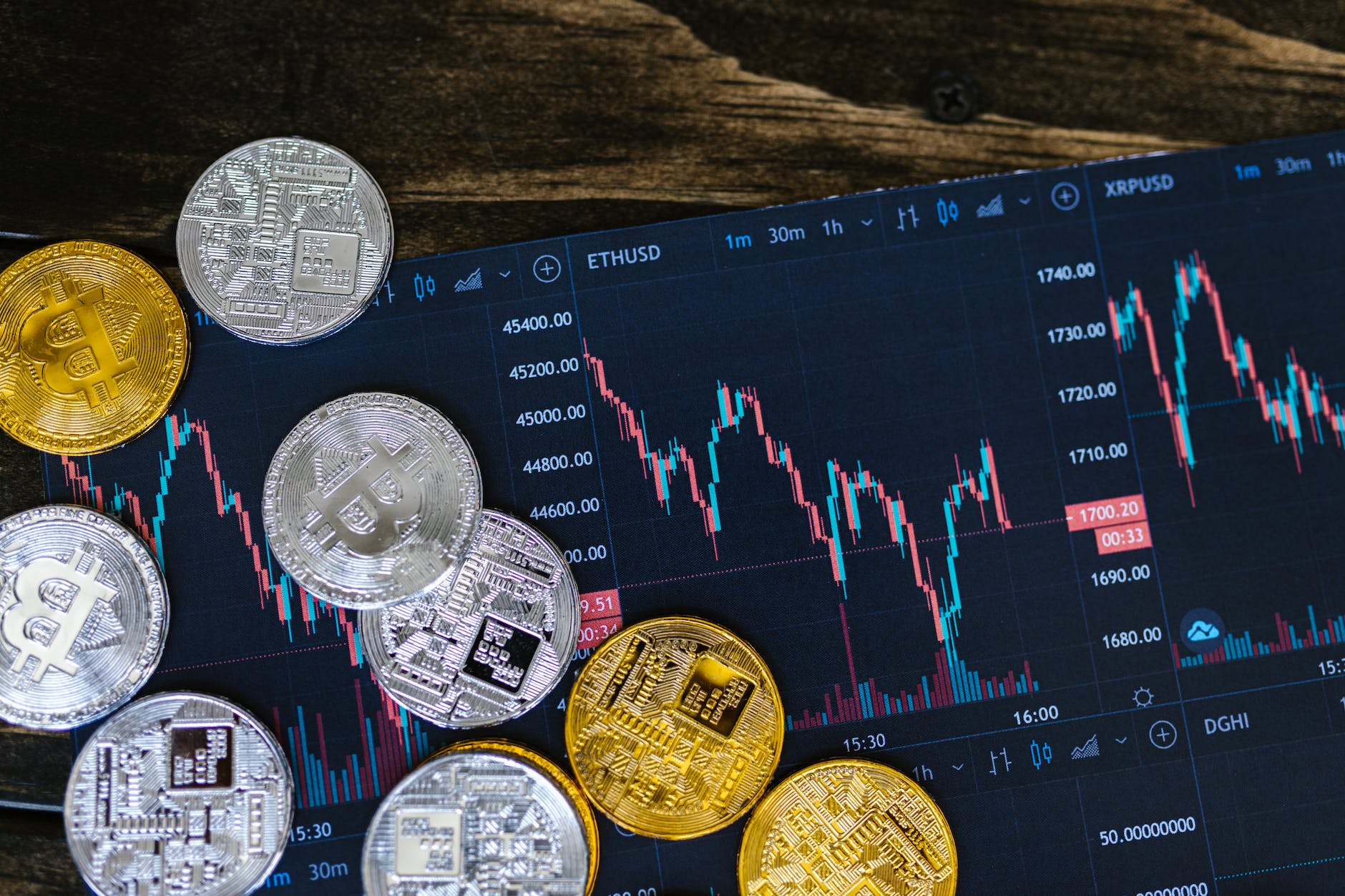
Over the past few years, Bitcoin’s market performance has been impressive, with its value increasing from a few cents to thousands of dollars. In December 2017, the price of Bitcoin reached its all-time high of nearly $20,000. Since then, the price has fluctuated, but it has remained relatively stable, hovering around the $50,000 to $60,000 range.

What Makes Bitcoin Unique

Bitcoin is unique for several reasons. Firstly, it operates on a decentralized ledger system, meaning that it is not controlled by any central authority. This makes it more secure and resistant to censorship, as there is no single point of failure. Secondly, Bitcoin is designed to be a finite currency, with only 21 million coins in circulation. This scarcity has helped to increase its value, as there is a limited supply. Finally, Bitcoin is highly transparent, as all transactions are recorded on a public ledger, making it easier for people to track their investments.

Ethereum: The Smart Contract Platform

The Introduction of Ethereum

Ethereum is a decentralized platform for building decentralized applications, also known as DApps. It was launched in 2015 by Vitalik Buterin, a young programmer from Canada. Unlike Bitcoin, which is primarily used as a store of value, Ethereum is designed to be a platform for decentralized applications.

Market Performance

Since its launch, Ethereum has seen significant growth in terms of market performance. In early 2018, the price of Ethereum reached its all-time high of over $1,400. Since then, the price has fluctuated, but it has remained relatively stable, hovering around the $2,000 to $3,000 range.

What Makes Ethereum Unique

Ethereum is unique in several ways. Firstly, it operates on a decentralized ledger system, making it more secure and resistant to censorship. Secondly, Ethereum is designed to be a platform for decentralized applications, allowing developers to build their own applications on top of the Ethereum network. Finally, Ethereum is highly transparent, as all transactions are recorded on a public ledger, making it easier for people to track their investments.

Binance Coin (BNB): The Native Token of Binance Exchange

The Creation of Binance Coin

Binance Coin (BNB) is the native token of Binance, one of the largest cryptocurrency exchanges in the world. It was created in 2017 by Changpeng Zhao, the founder of Binance. Binance Coin was created as a way for users to pay for fees on the Binance exchange, with discounts available for those who use the Binance Coin.

Market Performance

Since its creation, Binance Coin has seen significant growth in terms of market performance. In early 2018, the price of Binance Coin was around $10. Since then, the price has increased significantly, reaching its all-time high of over $600 in 2021. The price of Binance Coin has been relatively stable, hovering around the $400 to $500 range, making it one of the top performing cryptocurrencies in the market.

What Makes Binance Coin Unique

Binance Coin is unique in several ways. Firstly, it is the native token of Binance, one of the largest cryptocurrency exchanges in the world. This means that it is widely accepted and used, giving it a strong user base. Secondly, Binance Coin offers discounts for users who pay for fees on the Binance exchange, making it more cost-effective for users to trade on the platform. Finally, Binance Coin operates on a decentralized ledger system, making it more secure and resistant to censorship.

Conclusion

In conclusion, the cryptocurrency market is diverse and growing, with several popular cryptocurrencies like Bitcoin, Ethereum, and Binance Coin leading the way. These cryptocurrencies offer unique features and benefits, making them appealing to a wide range of investors. Despite their fluctuating prices, these cryptocurrencies have shown impressive market performance over the past few years, making them worth considering for those interested in investing in the cryptocurrency market. However, it’s important to note that investing in cryptocurrencies comes with risks and it’s important to do thorough research and seek professional advice before making any investment decisions.

7 Pitfalls to Avoid When Investing in Cryptocurrency

 Crypto Predictions  has taken the world by storm, and for good reason. It has the potential to revolutionize the financial industry, making transactions faster, cheaper, and more secure. But like any investment, there are risks involved. In this article, we will look at some common pitfalls to avoid when investing in digital coins.

Photo by Karolina Grabowska on Pexels.com

Lack of Understanding

Cryptocurrency is a complex and rapidly evolving field, and it can be difficult to keep up with all the latest developments. This can make it challenging to understand the risks and potential rewards of investing in digital coins. To be a successful cryptocurrency investor, it’s essential to educate yourself on the basics of the technology, the different types of coins available, and their underlying financial models.

Hype-Driven Investing

Cryptocurrency is a highly speculative market, and it’s easy to get caught up in the hype. Many investors make the mistake of investing in a digital coin simply because it’s popular or has a high market cap. However, just because a coin is popular doesn’t mean it’s a good investment. It’s crucial to do your own research and understand the technology behind each coin you’re considering investing in.

Ignoring Fundamentals

Another common mistake is to ignore the fundamentals of investing in cryptocurrency. This includes looking at factors like the team behind a project, its adoption rate, and the competition in the market. Before investing in any digital coin, it’s important to assess its potential for long-term growth and to consider its underlying technology.

Failing to Diversify

Diversification is key to any successful investment strategy, and this is especially true in the world of cryptocurrency. Failing to diversify your portfolio can put your investments at risk if a single coin performs poorly. To minimize this risk, it’s recommended to invest in a variety of coins, both large and small, and to keep your portfolio well-balanced.

Following the Herd

It’s tempting to follow the crowd when it comes to cryptocurrency investing. However, just because everyone else is investing in a particular coin doesn’t mean it’s a good investment. It’s important to remember that the market can be highly speculative, and that coins can rise and fall rapidly in value. To be a successful investor, it’s crucial to follow your own research and not simply rely on the opinions of others.

Not Protecting Your Investments

Cryptocurrency is still a relatively new and unregulated market, which means that it’s important to take steps to protect your investments. This includes keeping your coins in a secure wallet, using strong passwords and two-factor authentication, and staying informed about any potential security threats. Additionally, it’s essential to be aware of the potential for fraud in the cryptocurrency market and to avoid investing in any projects that seem too good to be true.

Timing the Market

Finally, it’s important to avoid timing the market when it comes to cryptocurrency investing. This means trying to predict when the market will rise or fall and making investments based on those predictions. In reality, it’s nearly impossible to accurately predict the market, and trying to time the market can lead to missed opportunities or significant losses. Instead, it’s recommended to take a long-term approach to investing in digital coins and to hold onto your investments for the long haul.

Conclusion

Cryptocurrency has the potential to be a lucrative investment, but it’s also a highly volatile and complex market. To be a successful cryptocurrency investor, it’s crucial to avoid the common pitfalls outlined in this article. This includes educating yourself on the technology, avoiding hype-driven investing, considering the fundamentals of each coin, diversifying your portfolio, avoiding following the herd mentality, protecting your investments, and avoiding trying to time the market. By following these guidelines, you can minimize your risks and maximize your potential for success in the world of cryptocurrency.

An Overview of Current State of Cryptocurrency

 Cryptocurrency and Bitcoin Loophole  has been one of the most talked-about and rapidly growing industries in recent years. With its decentralized and digital nature, it has attracted a lot of attention from both investors and financial institutions. In this article, we will delve into the current state of the cryptocurrency market and its performance.

Market Capitalization

Photo by Jonathan Borba on Pexels.com

A Look at the Total Market Capitalization

As of February 7th, 2023, the total market capitalization of all cryptocurrencies is around $1.67 trillion. This represents a significant increase from the market capitalization of $813 billion in January 2021. The continued growth of the market capitalization of cryptocurrencies reflects the increasing popularity and mainstream adoption of these digital assets.

Bitcoin Dominance

The Continued Dominance of Bitcoin

Despite the growth of various altcoins, Bitcoin continues to dominate the cryptocurrency market, with a market capitalization of around $970 billion. This represents approximately 58% of the total market capitalization of all cryptocurrencies. The continued dominance of Bitcoin highlights its status as the first and most well-established cryptocurrency, and its role as a safe-haven asset and store of value.

Altcoin Performance

The Rise of Altcoins

While Bitcoin continues to dominate the market, many altcoins have also seen significant growth in recent months. Ethereum, the second-largest cryptocurrency by market capitalization, has seen its market capitalization grow from around $135 billion in January 2021 to approximately $200 billion as of February 7th, 2023. Other altcoins, such as Binance Coin, Cardano, and Dogecoin, have also seen significant growth, highlighting the increasing popularity of alternative digital assets.

Institutional Adoption

Growing Interest from Institutions

The growth of the cryptocurrency market has also been driven by increasing interest from institutional investors. Many major financial institutions, including JPMorgan, BlackRock, and Fidelity, have recently entered the market, either by offering their clients exposure to cryptocurrencies or by investing in their own crypto assets. This growing institutional interest highlights the increasing mainstream acceptance of cryptocurrencies as a legitimate investment option.

Regulation

The Role of Regulation

Regulation continues to play a significant role in the development of the cryptocurrency market. While some countries have taken a hands-off approach to regulation, others, such as the United States, have implemented stricter regulations to ensure the protection of investors. The increasing regulatory oversight of the cryptocurrency market is seen as a positive development, as it helps to increase investor confidence and prevent fraudulent activity.

When is the Best Time to Invest in Cryptocurrency?

The timing of investment in cryptocurrency is a topic of much debate among investors. Some believe that it is best to invest during periods of market volatility, while others believe that it is better to invest during periods of market stability. The truth is, there is no one-size-fits-all answer to this question, as the best time to invest in cryptocurrency depends on various factors such as an individual’s investment goals, risk tolerance, and market conditions.

One factor that may influence the best time to invest is market volatility. During periods of market volatility, the prices of cryptocurrencies can be more unpredictable and subject to sudden shifts in either direction. This can present opportunities for short-term gains, but it also carries a higher level of risk.

On the other hand, during periods of market stability, the prices of cryptocurrencies may be more predictable and less subject to sudden shifts. This can provide a more secure environment for longer-term investments, but it may also limit potential gains.

Another factor to consider is market trends. If the overall trend of the cryptocurrency market is bullish, meaning that prices are rising, it may be a good time to invest. Conversely, if the overall trend is bearish, meaning that prices are falling, it may be a better time to wait for a market recovery before investing.

Conclusion

In conclusion, the cryptocurrency market has seen significant growth in recent years, driven by increasing mainstream adoption, institutional interest, and regulatory oversight. While Bitcoin continues to dominate the market, the rise of altcoins and the growing interest from institutional investors highlight the increasing popularity of digital assets. As the industry continues to evolve, it will be interesting to see how the market capitalization, adoption, and regulation of cryptocurrencies develop in the future.

Constructing a Balanced Cryptocurrency Portfolio for Optimal Risk and Return

 Cryptocurrencies have become increasingly popular in recent years, with more and more investors looking to diversify their portfolios with digital assets. However, investing in cryptocurrencies can be a complex and challenging process, as the market is highly volatile and can be difficult to predict. To maximize returns while minimizing risk, it is essential to have a well-balanced portfolio that includes a mix of different cryptocurrencies. To create an account for extra info then  Register now.

Risk Management

Photo by RODNAE Productions on Pexels.com

Understanding Risk Management

One of the most important aspects of investing in cryptocurrencies is risk management. With high volatility and a fast-paced market, it is essential to have a strategy in place to minimize losses and maximize gains. To achieve this, investors should consider the following factors when constructing their portfolios.

Diversification

Diversifying your portfolio by investing in a mix of different cryptocurrencies can help reduce risk, as losses in one asset may be offset by gains in another.

Risk tolerance

Understanding your personal risk tolerance is crucial, as this will determine the types of investments that are suitable for you. Some investors may prefer to invest in more established and stable cryptocurrencies, while others may be comfortable with taking on more risk in exchange for potential higher returns.

Market conditions

Keeping an eye on market conditions and staying informed about the latest developments in the cryptocurrency market can help you make informed investment decisions.

Return Maximization

Strategies for Maximizing Returns

While minimizing risk is an important factor in investing in cryptocurrencies, maximizing returns is equally important. Here are some strategies that can help you achieve this:

Long-term investments

Investing in cryptocurrencies for the long-term can help you ride out the ups and downs of the market and potentially earn higher returns over time.

Active trading

For investors who are comfortable with taking on higher risk, active trading can be a way to maximize returns. This involves buying and selling cryptocurrencies frequently in response to market conditions, but it is important to have a solid understanding of the market before engaging in this strategy.

Research and analysis

Conducting thorough research and analysis of different cryptocurrencies can help you identify potential investment opportunities and make informed decisions.

Choosing the Right Cryptocurrencies

Factors to Consider When Choosing Cryptocurrencies

With so many cryptocurrencies to choose from, it can be overwhelming to know where to start. To help you choose the right cryptocurrencies for your portfolio, here are some factors to consider:

Market capitalization

The market capitalization of a cryptocurrency is a measure of its size and popularity. Investing in cryptocurrencies with higher market capitalizations can be a more stable option, as they are less likely to be impacted by sudden market changes.

Technology

The technology behind a cryptocurrency is an important factor to consider, as it can impact the cryptocurrency’s long-term potential for growth. Consider investing in cryptocurrencies that have a solid technology foundation and a clear roadmap for the future.

Community support

The support of a cryptocurrency’s community can also be an indicator of its potential for growth. Consider investing in cryptocurrencies that have a strong and active community of developers, users, and supporters.

Balancing Risk and Return

Balancing Risk and Return for Optimal Results

Balancing risk and return is the key to success when constructing a cryptocurrency portfolio. The goal is to find a balance between taking on enough risk to achieve high returns, while also minimizing risk to protect your investment. This can be achieved by investing in a mix of different cryptocurrencies that have different risk profiles. For example, you might choose to invest in some more established and stable cryptocurrencies, while also including some high-risk, high-reward options in your portfolio.

Additionally, it is important to regularly review and adjust your portfolio to ensure that it remains balanced. This might involve selling off assets that have outperformed and replacing them with assets that have underperformed. By continually monitoring and adjusting your portfolio, you can ensure that it remains well-balanced and continues to deliver optimal returns.

Investing in cryptocurrencies is not for everyone, and it is important to carefully consider your personal circumstances and risk tolerance before making any investments. However, for those who are comfortable with taking on some risk, a well-balanced cryptocurrency portfolio can offer the potential for significant returns. With a long-term approach and a focus on risk management, you can build a portfolio that is designed to deliver optimal results.

Conclusion

Constructing a well-balanced cryptocurrency portfolio is essential for maximizing returns while minimizing risk. By following a risk management strategy, actively seeking out investment opportunities, and choosing the right cryptocurrencies, investors can build a portfolio that is tailored to their specific needs and goals. With careful planning and a long-term approach, investing in cryptocurrencies can be a rewarding and profitable experience.

A Wide-ranging Guide in Interest in Crypto

 What is Crypto and How Does It Work?

Cryptocurrency, also known as crypto, is a digital asset designed to work as a medium of exchange that uses strong cryptography to secure financial transactions, control the creation of additional units, and verify the transfer of assets. In simple terms, crypto is a digital form of Bitcoin Sprint  that operates independently of a central bank.

Photo by RODNAE Productions on Pexels.com

Bitcoin

The Pioneer of Crypto

Bitcoin, created in 2009, was the first decentralized cryptocurrency and is still the most popular and valuable crypto asset today. It operates on a decentralized ledger technology called blockchain, which allows for secure and transparent transfers without the need for intermediaries.

Types of Crypto Assets

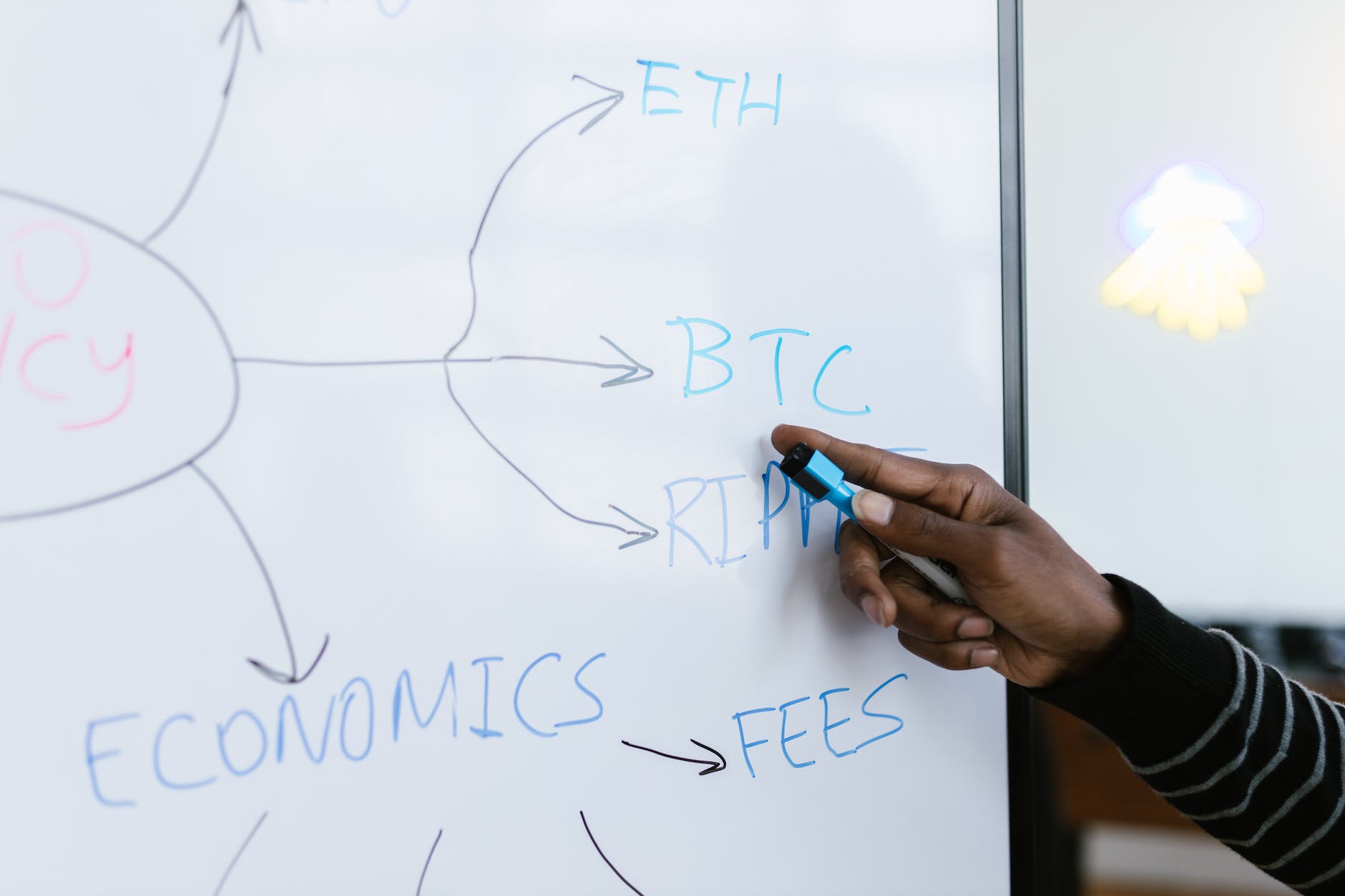
While Bitcoin remains the most well-known crypto asset, it is just one of many. There are several different types of crypto assets, including:

  • Bitcoin
  • Ethereum
  • Ripple
  • Litecoin
  • Tether
  • Cardano

Each of these assets operates differently and has its own unique features and benefits.

Investing in Crypto

What You Need to Know

Investing in crypto can be a lucrative opportunity, but it can also be risky. Here are some key factors to consider before investing in crypto.

Market volatility

The crypto market is highly volatile, with prices fluctuating rapidly. It is important to be aware of the potential for significant losses, as well as the possibility for significant gains.

Regulatory risks

Cryptocurrency is not yet widely regulated, and there is a risk that governments could take action to limit or ban its use.

Security risks

As with any digital asset, there is a risk of theft or loss through hacking or other security breaches.

Lack of understanding

Many people are still unfamiliar with crypto, and there is a risk that investors could make poor decisions based on a lack of understanding.

Earn Interest on Your Crypto Holdings

One of the benefits of investing in crypto is the opportunity to earn interest on your holdings. This can be done through a variety of methods, including:

Staking

Staking involves holding onto a specific crypto asset, such as Ethereum, and earning rewards for helping to secure the network.

Lending

Lending your crypto assets to others in exchange for interest payments is another option. This can be done through peer-to-peer lending platforms or through specialized crypto lending services.

Deposits

Some crypto exchanges offer the ability to earn interest on your crypto holdings simply by depositing them into a specialized account.

How to Choose the Right Platform for Earning Interest on Your Crypto Holdings

There are several platforms that offer the ability to earn interest on your crypto holdings. When choosing a platform, it is important to consider.

Interest rates

The interest rate offered by the platform will directly impact your earnings. Look for platforms with competitive interest rates.

Security

The security of your crypto holdings is of the utmost importance. Look for platforms with strong security measures in place, such as insurance coverage and secure storage systems.

Reputation

The reputation of the platform is important, as it can impact the stability of your earnings. Look for platforms with a strong track record and positive reviews from other users.

Fees

Some platforms may charge fees for accessing their services. Be sure to understand the fees charged by the platform before investing your funds.

Conclusion

In conclusion, earning interest on your crypto holdings can be a lucrative opportunity, but it is important to approach it with caution. Investing in crypto can be risky, and it is important to be aware of the potential for significant losses. By carefully considering the factors outlined above and by researching and choosing a reputable platform, you can increase your chances of earning a healthy return on your crypto investments. However, it’s essential to remember that no investment is without risk, and it’s important to only invest what you can afford to lose.

Before investing in crypto, it’s also important to educate yourself on the market and the assets you are considering. This includes understanding how each asset operates, its historical performance, and its future potential. With the right knowledge and approach, earning interest on your crypto holdings can be a valuable addition to your investment portfolio.

Buying Cryptocurrency Anonymously

 Cryptocurrency is a digital asset designed to work as a medium of exchange using cryptography to secure transactions and control the creation of new units. It has been gaining popularity over the years, and the market continues to grow. Many individuals are interested in purchasing cryptocurrency but are concerned about their privacy and want to know if it is possible to buy cryptocurrency anonymously. For more info visit this Website

Photo by David McBee on Pexels.com

Can Cryptocurrency be Bought Anonymously?

The short answer is no, buying cryptocurrency is not completely anonymous. Most cryptocurrency exchanges and platforms require some form of identification, such as a passport, driver’s license, or government-issued ID, to comply with anti-money laundering and know your customer (AML/KYC) regulations. The purpose of these regulations is to prevent illegal activities such as money laundering, terrorism financing, and tax evasion.

How Does the AML/KYC Process Work?

The AML/KYC process works by verifying the identity of the customer and ensuring that the funds used to purchase cryptocurrency are not obtained illegally. This process is usually carried out by collecting personal information and documentation from the customer, which is then compared to public databases and other sources to verify the customer’s identity.

What Does the AML/KYC Process Entail?

The AML/KYC process typically includes the following steps:

Customer registration

The customer is required to provide basic personal information, such as their full name, address, and date of birth.

Identity verification

The customer is required to provide a government-issued ID, such as a passport or driver’s license, and a selfie to confirm their identity.

Source of funds

The customer is required to provide information about the source of their funds, such as their employment or business information, bank statements, or tax returns.

Once the AML/KYC process is complete, the customer can then proceed to purchase cryptocurrency.

Can the AML/KYC Process Be Bypassed?

While it is not possible to completely bypass the AML/KYC process, there are some ways to increase privacy and reduce the amount of personal information required. For example, some exchanges allow customers to purchase cryptocurrency using a pseudonym, rather than their real name. However, this does not guarantee anonymity as the exchange may still require additional information for compliance purposes.

Another option is to use a decentralized exchange, which operates on a peer-to-peer basis and does not require personal information. However, these exchanges are often less user-friendly and less reliable than centralized exchanges.

Risks Associated with Anonymity

It is important to note that attempting to buy cryptocurrency anonymously may increase the risk of fraudulent activities, such as scams or hacking. Without proper verification, individuals may become victims of scams and lose their investment. Additionally, anonymous transactions may also be used to support illegal activities, such as money laundering or financing terrorism.

Furthermore, buying cryptocurrency anonymously may also violate the terms of service of the platform or exchange, and individuals may face consequences such as account termination or legal action. In some cases, law enforcement may also seize anonymous funds as part of an investigation into illegal activities.

Therefore, it is important to weigh the potential benefits of anonymity against the risks and consequences, and to make an informed decision. The AML/KYC process is in place to protect both the individual and the wider community, and it is important to adhere to these regulations to maintain the integrity of the cryptocurrency market.

Conclusion

In conclusion, while it is not possible to completely buy cryptocurrency anonymously, there are ways to increase privacy and reduce the amount of personal information required. It is important to understand the AML/KYC process and the reasons behind it, as well as the potential risks associated with attempting to bypass it. As always, it is advisable to conduct thorough research and consult a financial advisor before making any investment decisions.

A Study of Growth and Adoption of Alternative Cryptocurrencies

 Cryptocurrencies have been gaining in popularity and recognition since the launch of Bitcoin in 2009. With Bitcoin like (bit-indexai.co) becoming the first decentralized digital currency, several other cryptocurrencies have been developed and introduced to the market, with varying features and use cases. In this article, we take a closer look at alternative cryptocurrencies and their growth and adoption in recent years.

The Rise of Alternative Cryptocurrencies

Photo by Alesia Kozik on Pexels.com

The Birth of Alternative Cryptocurrencies

After the launch of Bitcoin, several other cryptocurrencies were developed and introduced to the market. The main objective of these alternative cryptocurrencies was to offer improved features, security, and scalability over Bitcoin. Alternative cryptocurrencies, also known as altcoins, are digital currencies that use decentralized technology to carry out transactions and store value.

The Growing Number of Altcoins

As of 2021, there are over 8,000 alternative cryptocurrencies in existence, each with its unique features, use cases, and objectives. These altcoins have gained a lot of popularity and recognition in recent years, with some of them even surpassing Bitcoin in terms of market capitalization and adoption.

The Rise of Decentralized Finance (DeFi)

One of the most significant growth drivers for alternative cryptocurrencies has been the rise of decentralized finance (DeFi). DeFi refers to a new financial system built on the blockchain, which allows users to transact and store value without the need for intermediaries. DeFi has opened up a world of opportunities for alternative cryptocurrencies, with many of them providing unique features and use cases for decentralized finance.

The Adoption of Altcoins

The growth and adoption of alternative cryptocurrencies have been on the rise in recent years. While Bitcoin still remains the most popular and widely used cryptocurrency, alternative cryptocurrencies have been gaining in popularity, especially among younger generations and early adopters.

Factors Driving Growth and Adoption

Improved Features and Use Cases

One of the key factors driving the growth and adoption of alternative cryptocurrencies is their improved features and use cases. Many altcoins have been designed to offer better scalability, security, and privacy compared to Bitcoin. For example, Ethereum, the second-largest cryptocurrency by market capitalization, is a decentralized platform that enables the creation and execution of smart contracts and decentralized applications.

Market Volatility and Speculation

Another factor driving the growth and adoption of alternative cryptocurrencies is market volatility and speculation. Cryptocurrency markets are highly speculative and volatile, which has made them an attractive investment opportunity for many people. The high volatility of alternative cryptocurrencies has led to significant price swings, which has generated a lot of interest among investors and traders.

Decentralized Finance (DeFi)

As previously mentioned, the rise of decentralized finance (DeFi) has been a significant driver for the growth and adoption of alternative cryptocurrencies. DeFi provides users with a new financial system built on the blockchain, which offers a wide range of financial services, including lending, borrowing, trading, and more. Alternative cryptocurrencies have been playing a significant role in the DeFi space, providing unique features and use cases for decentralized finance.

Challenges and Risks

Regulation and Security Concerns

While the growth and adoption of alternative cryptocurrencies have been on the rise, they still face several challenges and risks. One of the main challenges facing alternative cryptocurrencies is regulation and security concerns. Cryptocurrencies are still in their early stages, and there is a lack of clarity and consistency in terms of regulation. This has led to security concerns, as many altcoins have been subject to hacking and scams.

Market Volatility and Speculation

Another challenge facing alternative cryptocurrencies is market volatility and speculation. The highly speculative and volatile nature of cryptocurrency markets makes it difficult for investors and traders to accurately predict their future value. This can lead to significant losses for those who invest without a clear understanding of the market and its underlying risks.

Limited Adoption and Awareness

Another challenge facing alternative cryptocurrencies is limited adoption and awareness. Despite their growing popularity, many people are still unaware of alternative cryptocurrencies and their potential use cases. This has resulted in limited adoption and usage, as many people are still hesitant to invest in something they do not fully understand.

Conclusion

In conclusion, alternative cryptocurrencies have been growing in popularity and recognition in recent years, driven by factors such as improved features, market volatility, and the rise of decentralized finance (DeFi). However, they still face several challenges, including regulation and security concerns, market volatility, and limited adoption and awareness. As the cryptocurrency market continues to evolve, it will be interesting to see how alternative cryptocurrencies continue to grow and evolve in the future.