Compelling A Married Woman To Live In Her Parental Home Amounts To Cruelty

While displaying zero tolerance towards act of cruelty against women, the Madhya Pradesh High Court has just recently on June 22, 2021 in a learned, laudable, latest and landmark judgment titled Amar Singh Vs Smt Vimla minced just no words to observe that compelling a married woman to live in her parental home after marriage amounts to cruelty and that for this reason, it cannot be said that she was living separately without reasonable reason. To ensure that women is protected from being harassed, humiliated and harangued by her husband and his relatives, it is imperative that Courts speak out firmly in favour of women where she is compelled to stay at her parental home without any cogent reason whatsoever! It must be apprised here that this significant development came from a Single Judge Bench of Justice GS Ahluwalia who was dealing with a criminal revision petition challenging the Family Court’s order directing the husband to pay Rs 7,000/- per month to wife under Section 125 CrPC. 

To start with, a Single Judge Bench of Justice GS Ahluwalia of Madhya Pradesh High Court who has authored this cogent, commendable, composed and convincing judgment sets the ball rolling through video conferencing by first and foremost observing that, “This criminal revision under Section 397/401 of Cr.P.C. r/w Section 19(4) of Family Court Act has been filed against the order dated 10/10/2020 passed by Principal Judge, Family Court Guna in case MJC No.72/2018, by which the application filed by the respondent under Section 125 of Cr.P.C. has been allowed and the applicant has been directed to pay Rs.7,000/- per month from the date of the order.”
While elaborating on the facts of the case, the Bench then puts forth that, “The necessary facts for disposal of present revision in short are that, the respondent filed an application under Section 125 of Cr.P.C. on the ground that she got married to the applicant on 25/05/2013 in accordance of Hindu Rites and Rituals. Since, the applicant and her in-laws were not satisfied with the dowry, therefore, they used to beat her, harass her for demand of a four wheeler and cash amount. About seven months prior to filing of the application i.e. in the month of September, 2017, the respondent was ousted from her matrimonial house and thereafter, she is residing in her parental home. In the meanwhile, neither the applicant came to take her back nor made any efforts to look after her. The respondent is on the verge of starvation. Her father is poor and is not in position to bear her expenses and accordingly, it was prayed that for meeting out necessary expenses, the applicant be directed to pay Rs.15,000/- per month by way of maintenance amount. It was further pleaded that the applicant belongs to a rich family and is having 50 bigha of agriculture land with two tube wells. The applicant has cattles, tractor and other agriculture equipments. He has a house and accordingly, the yearly income of the applicant is Rs. 50,00,000/-.”
Furthermore, the Bench then points out that, “The applicant filed his reply to the application filed under Section 125 of Cr.P.C. He admitted that he got married to the respondent on 25/05/2013. It was claimed that since, both the parties are poor and since they were not in a position to bear the expenses of marriage and therefore, the marriage was performed in Sammelan. The marriage was performed without any dowry. The allegation of harassment due to non fulfillment of demand of four wheeler and cash amount was denied. It was also denied that the respondent was ousted from her matrimonial house about seven months prior to the filing of application. It was pleaded that for the first time the respondent had resided in her matrimonial house for a period of four days and during this period her behavior towards her in-laws was cruel. It was further pleaded that the respondent never allowed the applicant to consummate the marriage and she was continuously challenging the potency of the applicant in the society. The respondent is an expert in stitching and is also running beauty parlor and earning rupees thirty to forty thousand per month. She is maintaining her parents out of her own income that is why the parents of the respondent are not permitting her to come to her matrimonial home. It was further pleaded that in fact the parents of the respondent are insisting that the applicant should reside in the parental home of the respondent as Gharjamai. When the applicant refused to do so, then a false criminal case under Section 498-A of IPC was instituted against the applicant and his family members. Later on the applicant and his family members were acquitted. It was further denied that the applicant is having any agriculture land, house, two tube wells, tractor and agricultural equipments. He also denied that he had any cattles, it was also denied that yearly income of the applicant is Rs.50,00,000/-. It was further pleaded that the applicant is a student and is working on a part time basis in a shop from where he is getting Rs.2,000/- per month and apart from that, the applicant has no source of income. It was further pleaded that after the marriage, when the applicant went to the parental home of the respondent to take her back, then for half an hour, the respondent and her family members did not open the door and thereafter, they insisted that the respondent should be permitted to reside in her parental home for next 8 to 10 days. Accordingly, the applicant came back from the door of the parental home of the respondent. Thereafter, the applicant again went to the parental home of the respondent to take her back. However, although the respondent was 4 permitted to come back to her matrimonial home but the applicant was disrespected. Whenever the applicant informed the parents of the respondent about her cruel behavior then every time they replied that if the applicant wants to leave the respondent then he can do so but he has to pay an amount of Rs.15 to 20 Lacs. In reply several allegations were made against the respondent and her parents about cruel behavior.”
Going ahead, the Bench then points out that, “The respondent in support of her case examined herself. In cross-examination, she admitted that the applicant was acquitted for offence under Section 498-A of IPC. However, she denied that the marriage was performed without any dowry. She further admitted the suggestion given by the applicant that the applicant and his mother did not like the food prepared by the respondent. It was further denied that she did not allow the applicant to consummate marriage. She further denied that the applicant was detained in her parental home. She further denied that the applicant is a land less laborer. She further accepted that the marriage has not been consummated so far. She Further denied that she is doing the work of stitching or beauty parlor. She further denied that she is running a beauty parlor in the name of Sunena beauty parlor and Sunena Ladies Tailor. She further denied that she is earning Rupees 30 to 40 thousand per month. She further denied that the applicant is doing a part time job in a shop on monthly income of Rs.2,000/-. The respondent examined her father Kedari as P.W.2.”
On the contrary, the Bench then also brought out in the next para that, “The applicant examined himself in his defence and apart from alleging the allegations of cruelty by the respondent and her parents, it was claimed by the respondent that he does not have any property or land or agriculture equipments. He also denied that the respondent was ever harassed for demand of four wheeler and an amount of ten lacs. He further claimed that the marriage has not been consummated however, he denied that because of non consummation of marriage, he had started beating the respondent.”
To put things in perspective, the Bench then after considering the version of both the sides goes on to point out that, “The Court below after considering the totality of the facts and circumstances of the case, came to a conclusion that it cannot be said that the respondent is residing separately without any reasonable reason. It was further held that the applicant is an able bodied person and certain allegations have been made by the applicant, which have not been proved by him. It was also found that the respondent is not doing any work and she is unable to maintain herself.”
Frankly speaking, the Bench then holds in the next para that, “So far as the question of quantum of maintenance amount is concerned, it was held that according to the respondent, the applicant is having 12 bigha of land whereas his father is having 38 bighas of land. He is the only son of his parents. Kedari P.W.2 has also claimed that the applicant is having forty to fifty bigha of land.”
As against what is stated above, the Bench then brings out in the next para that, “On the contrary, it was the claim of the applicant that he is a student and is working as a part time job in a shop from where he is earning Rs.2,000/- per month.”
Interestingly enough, the Bench then envisages in the next para that, “The Court below after considering the evidence came to a conclusion that although, the respondent has failed to prove that the applicant is having any agriculture land but from the pleadings as well as evidence of the parties, it appears that the applicant belongs to a financially sound family and accordingly, he is in a position of maintaining the respondent. Accordingly, an amount of Rs.7,000/- has been awarded by way of monthly maintenance.”
As we see, the Bench then goes on to add in the next para that, “Challenging the order passed by the Court below, it is submitted by the counsel for the applicant since the applicant was acquitted for offence under Section 498-A of IPC, therefore, the Court below has committed material illegality by holding that the respondent is residing separately because of reasonable reason. It is further submitted that the respondent has failed to prove the monthly income of the applicant, therefore, the maintenance amount of Rs.7,000/- per month is on higher side. None for the respondent though served.”
It cannot be glossed over that the Bench then observes in the next para that, “It is true that the applicant has been acquitted for offence under Section 498-A of IPC. However, it is equally true that the applicant had leveled serious allegations against the respondent and her parents. However, the applicant did not file even a single document to show that he had ever lodged any report regarding the illegal confinement or mal-treatment by the respondent her parents. Leveling serious allegations and failing to prove the same, may also amount to cruelty. Undisputedly the marriage between parties could not be consummated. On one hand the applicant has claimed that the respondent is defaming him in the society by alleging that he is impotent but he did not bring any evidence on record to show that he is not impotent. Further, the applicant had leveled a false allegation that the respondent is running a beauty parlor as well as a stitching center. He did not even file the photographs of the shops.”
What’s more, the Bench then further most significantly holds in the next para that, “Under these circumstances, this Court of the considered opinion that after having leveled serious allegations against her and her parents and having failed to prove the same, it cannot be said that the respondent is residing separately without any reasonable reason. Furthermore, it is not the case of the applicant that he had ever tried to take the respondent back from her parental home. Thus, it is also clear that the applicant has deserted the respondent and he cannot take advantage of his own wrong. Further, compelling a married women to live in her parental home, is also a cruelty. Accordingly, it is held that it cannot be said that the respondent is residing separately without any reasonable reason.”
Be it noted, the Bench then also makes it clear in the next para that, “Thus, if the husband is healthy and is an able bodied person, then he is under legal obligation to support his wife. It is the claim of the applicant that he is working on a part time basis in a shop and is earning Rs.2,000/- per month. The applicant has not examined owner of the shop in support of his claim. The applicant has also not examined his father to establish that the applicant does not belongs to a financially sound family. The applicant has not filed any document to show that he is a student. Under these circumstances, this Court is of the considered opinion that since the applicant is a healthy and able bodied person therefore, he cannot run away from his legal obligation to support the respondent.”
While citing the relevant case law, the Bench then holds that, “So far as the question of quantum of maintenance is concerned, the Supreme Court in the case of Jasbir Kaur Sehgal v. Distt. Judge, Dehradun reported in (1997) 7 SCC 7 has held as under:- 
“8. The wife has no fixed abode of residence. She says she is living in a Gurdwara with her eldest daughter for safety. On the other hand the husband has sufficient income and a house to himself. The wife has not claimed any litigation expenses in this appeal. She is aggrieved only because of the paltry amount of maintenance fixed by the courts. No set formula can be laid for fixing the amount of maintenance. It has, in the very nature of things, to depend on the facts and circumstances of each case. Some scope for leverage can, however, be always there. The court has to consider the status of the parties, their respective needs, the capacity of the husband to pay having regard to his reasonable expenses for his own maintenance and of those he is obliged under the law and statutory but involuntary payments or deductions. The amount of maintenance fixed for the wife should be such as she can live in reasonable comfort considering her status and the mode of life she was used to when she lived with her husband and also that she does not feel handicapped in the prosecution of her case. At the same time, the amount so fixed cannot be excessive or extortionate. In the circumstances of the present case we fix maintenance pendente lite at the rate of Rs 5000 per month payable by the respondent-husband to the appellant-wife.””
In addition, the Bench then states in the next para that, “The Supreme Court in the case of Chaturbhuj v. Sita Bai reported in (2008) 2 SCC 316 has held as under:- 
“6. The object of the maintenance proceedings is not to punish a person for his past neglect, but to prevent vagrancy by compelling those who can provide support to those who are unable to support themselves and who have a moral claim to support. The phrase “unable to maintain herself” in the instant case would mean that means available to the deserted wife while she was living with her husband and would not take within itself the efforts made by the wife after desertion to survive somehow. Section 125 CrPC is a measure of social justice and is specially enacted to protect women and children and as noted by this Court in Captain Ramesh Chander Kaushal v. Veena Kaushal [(1978) 4 SCC 70 : 1978 SCC (Cri) 508 : AIR 1978 SC 1807] falls within constitutional sweep of Article 15(3) reinforced by Article 39 of the Constitution of India. It is meant to achieve a social purpose. The object is to prevent vagrancy and destitution. It provides a speedy remedy for the supply of food, clothing and shelter to the deserted wife. It gives effect to fundamental rights and natural duties of a man to maintain his wife, children and parents when they are unable to maintain themselves. The aforesaid position was highlighted in Savitaben Somabhai Bhatiya v. State of Gujarat [(2005) 3 SCC 636 : 2005 SCC (Cri) 787 : (2005) 2 Supreme 503].””
Quite significantly, the Bench then also points out that, “Thus, it is clear that the applicant has made every effort to suppress his income as well as the financial condition of his family. It is well established principle of law that a wife is entitled to enjoy the same status, which she would have enjoyed in her matrimonial house. The Wife cannot be compelled to leave the life of rectitude.”
While rejecting the contention of the counsel of the applicant that the Trial Court should not have awarded maintenance from the date of application, the Bench then while citing a recent, remarkable and relevant case law holds that, “The Supreme Court in the case of Rajnesh v. Neha reported in (2021) 2 SCC 324 has laid down guide lines for determining the quantum of maintenance and has held as under:- 
“113. It has therefore become necessary to issue directions to bring about uniformity and consistency in the orders passed by all courts, by directing that maintenance be awarded from the date on which the application was made before the court concerned. The right to claim maintenance must date back to the date of filing the application, since the period during which the maintenance proceedings remained pending is not within the control of the applicant.””
As a corollary, the Bench then holds in the next para that, “Accordingly, this Court is of the considered opinion that Court below did not commit any mistake by awarding the maintenance from the date of the application. Consequently, the order dated 10/10/2020 passed by Principal Judge, Family Court Guna in case MJC No.72/2018 is hereby affirmed.”
Finally, the Bench then holds in the last para that, “It appears that by order dated 06/02/2019, Court had below awarded an amount of Rs.3,000/- by way of interim maintenance. Accordingly, it is directed that the amount paid by the applicant by way of interim maintenance is liable to be adjust in the arrears of maintenance amount. With aforesaid observation, this petition is hereby dismissed.”
In essence, this brief, brilliant, balanced and bold judgment by a Single Judge Bench of Justice GS Ahluwalia of Madhya Pradesh High Court leaves no room of doubt that compelling a married woman to live in her parental home amounts to cruelty. It is the bounden duty of the husband to keep his wife with her. If the husband compels a married women to live in her parental home then he is guilty of cruelty and shall be accordingly held liable!
Sanjeev Sirohi

VALUE OF SPORTS

Education and literacy are important. Rather inevitable. One who is not educated and learned is compared to an animal. But is education, academics, and studying throughout the day without any extracurricular a good pattern to follow? Is it good for your body and the amazing, powerful brain that you carry within? The answer is an obvious ‘no’.

The organs, bones, and tissues that the human body is composed of require at least amount of physical exercise for them to function properly.

Therefore, it can be rightly concluded that the role of sports, just like education and academics cannot be ignored.

Let us first delve into the value and importance of sports in life to get a better understanding of the topic.

  1. Health Purposes –   Indulging in some type of sports, prevents the fat from accumulating thereby resulting in the continuous and smooth working of the heart. Also, when a person plays some sport, he/she is physically toned and comes out as more confident. Alongside, physically active people are more healthy sexually at later stages of their lives.
  2. Pass-time –  Not only are sports beneficial for the health, but also they can prove to be a great pass time and a source of recreation. Just imagine the physical tension and stiffness after a long study session. Playing some sport releases this tension and makes one more active with a positive and solid mindset for later work. 
  3. Team spirit and generosity – If a person plays sports that involve multiple players or playing in a team such as football, basketball, cricket, and volleyball, he develops team spirit and a sense of unity. The formation of ever-lasting bonds takes place and generosity is developed.
  4. Concentration and focus –  These are key qualities required by a sportsperson. Even if you are a rookie to a sport, then albeit slowly, but you will develop concentration and focus which will prove to be helpful not just for that particular sport but also in other spheres of life.
  5. Discipline- Acting out in a proper and well-structured way is an essential requirement of every sport. One gets to learn and live a disciplined life when one indulges in the field of sports.

But what will you do if you have a busy schedule and are not able to take out time to go out for a game of football or the lawn tennis stadium is too far from your home?

Well, these are simple techniques to stay in shape despite any sort of hurdle that may come.

  1. Stretching –  If you have a desk job and spend a great amount of time on the computer or just sitting scrolling through files of different sorts, take out time to get up and stretch your limbs. For eyes, simply rub your hands until warm and put on your eyes, and experience the soothing effect that comes along.
  2. Walking up and down the stairs –  If the facility of stairs is available at your accommodation, take out time to walk up and down, for this is a great way to exercise your body and shed some weight.
  3. Walking; simple walking –  Taking simple walks at your terrace or a nearby park can also prove helpful and also be beneficial for the working of the heart.

VALUE OF SPORTS

Education and literacy are important. Rather inevitable. One who is not educated and learned is compared to an animal. But is education, academics, and studying throughout the day without any extracurricular a good pattern to follow? Is it good for your body and the amazing, powerful brain that you carry within? The answer is an obvious ‘no’.

The organs, bones, and tissues that the human body is composed of require at least amount of physical exercise for them to function properly.

Therefore, it can be rightly concluded that the role of sports, just like education and academics cannot be ignored.

Let us first delve into the value and importance of sports in life to get a better understanding of the topic.

  1. Health Purposes –   Indulging in some type of sports, prevents the fat from accumulating thereby resulting in the continuous and smooth working of the heart. Also, when a person plays some sport, he/she is physically toned and comes out as more confident. Alongside, physically active people are more healthy sexually at later stages of their lives.
  2. Pass-time –  Not only are sports beneficial for the health, but also they can prove to be a great pass time and a source of recreation. Just imagine the physical tension and stiffness after a long study session. Playing some sport releases this tension and makes one more active with a positive and solid mindset for later work. 
  3. Team spirit and generosity – If a person plays sports that involve multiple players or playing in a team such as football, basketball, cricket, and volleyball, he develops team spirit and a sense of unity. The formation of ever-lasting bonds takes place and generosity is developed.
  4. Concentration and focus –  These are key qualities required by a sportsperson. Even if you are a rookie to a sport, then albeit slowly, but you will develop concentration and focus which will prove to be helpful not just for that particular sport but also in other spheres of life.
  5. Discipline- Acting out in a proper and well-structured way is an essential requirement of every sport. One gets to learn and live a disciplined life when one indulges in the field of sports.

But what will you do if you have a busy schedule and are not able to take out time to go out for a game of football or the lawn tennis stadium is too far from your home?

Well, these are simple techniques to stay in shape despite any sort of hurdle that may come.

  1. Stretching –  If you have a desk job and spend a great amount of time on the computer or just sitting scrolling through files of different sorts, take out time to get up and stretch your limbs. For eyes, simply rub your hands until warm and put on your eyes, and experience the soothing effect that comes along.
  2. Walking up and down the stairs –  If the facility of stairs is available at your accommodation, take out time to walk up and down, for this is a great way to exercise your body and shed some weight.
  3. Walking; simple walking –  Taking simple walks at your terrace or a nearby park can also prove helpful and also be beneficial for the working of the heart.

Bihar flood: An annual saga.

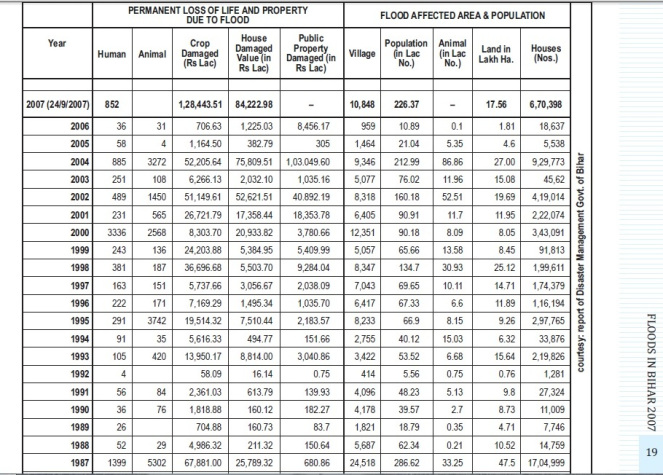
Bihar is the most flood-prone state of India. About 73-74% of the area of the state falls under the flood zone that makes up around 17.2% of the total flood-prone area of India. Several factors contribute together that makes Bihar and its native suffer every year. Key regulating factors are its flat topography as well as yearly rainfall of 1200 nm on average. Geographically, Bihar is surrounded by several rivers including Ganga, Sone, Punpun, Falgu, Karmanasa, Durgavati, Kosi, Gandak and the Ghaghara. The Kosi river causes major destruction each year which is why it is also known as “The sorrow of Bihar”.

In the year 2007, the Bihar flood alone affected over 10 million people and did heavy damage to the infrastructure worth crores. Likewise, in the year 2017, 15 million people were affected again because of the flood and havoc caused by it. Again, the flood of 2019, affected the lives of 8 million people spread across 13 districts. In the Year 2020, when the whole globe was suffering from the menace of Covid-19, Bihar was dealing with an additional flood problem that made the condition even more miserable in terms of medical facilities and lacking resources.

Bihar flood: Annual damage

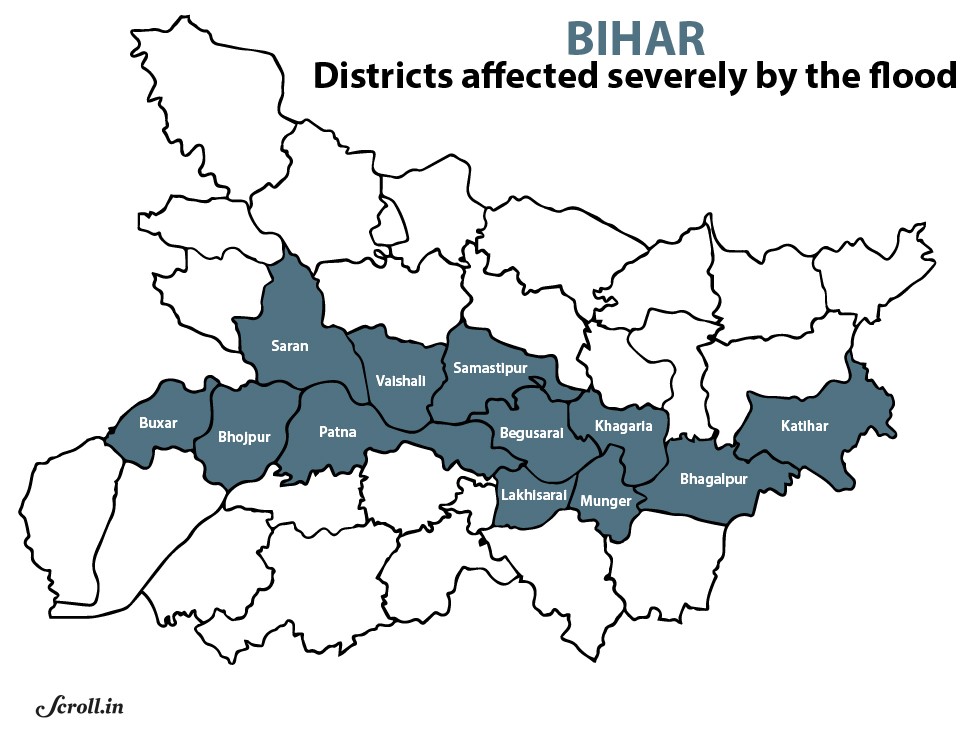
Munger, Samstipur, Purnia, Muazzafapur, Saran etc. undergo damage and face flood threats each year due to surging water levels in rivers such as Gandak, Bagmati etc. Half of Patna that is the capital city of Bihar submerge in the water due to intense rainfall and improper drainage facility because of which the rainwater stays stagnant which hinder day to day activities immensely. Despite taking preventive measures Bihar government fail every year to manage the flood effectively.

In the year 1954, different structural and well as non-structural preventive measures such as flood forecasting, flood plain zoning were adopted as a method of protection against floods. Structural measures such as flood-embankments, drainage channels etc were made to check flood water. But recent cases of a breach in the embankment in which 66 villages of Gopalganj were flooded show that embankment alone isn’t enough to put a halt to the brimming water level of rivers that costs thousands of lives and livelihood annually.

The aforementioned preventive measures are not proved to be as beneficial as it was thought to be. So another structural measure such as a huge storage dams should be built up to hold up the flood peaks of major rivers and recede the water downstream that will control the gushing water up to some extent. Apart from storage dams, preparedness such as flood forecasting, warning, flood insurance and policies should be taken as a flood management strategy to alleviate the misery caused by the flood.

Bihar flood: An annual saga.

Bihar is the most flood-prone state of India. About 73-74% of the area of the state falls under the flood zone that makes up around 17.2% of the total flood-prone area of India. Several factors contribute together that makes Bihar and its native suffer every year. Key regulating factors are its flat topography as well as yearly rainfall of 1200 nm on average. Geographically, Bihar is surrounded by several rivers including Ganga, Sone, Punpun, Falgu, Karmanasa, Durgavati, Kosi, Gandak and the Ghaghara. The Kosi river causes major destruction each year which is why it is also known as “The sorrow of Bihar”.

In the year 2007, the Bihar flood alone affected over 10 million people and did heavy damage to the infrastructure worth crores. Likewise, in the year 2017, 15 million people were affected again because of the flood and havoc caused by it. Again, the flood of 2019, affected the lives of 8 million people spread across 13 districts. In the Year 2020, when the whole globe was suffering from the menace of Covid-19, Bihar was dealing with an additional flood problem that made the condition even more miserable in terms of medical facilities and lacking resources.

Bihar flood: Annual damage

Munger, Samstipur, Purnia, Muazzafapur, Saran etc. undergo damage and face flood threats each year due to surging water levels in rivers such as Gandak, Bagmati etc. Half of Patna that is the capital city of Bihar submerge in the water due to intense rainfall and improper drainage facility because of which the rainwater stays stagnant which hinder day to day activities immensely. Despite taking preventive measures Bihar government fail every year to manage the flood effectively.

In the year 1954, different structural and well as non-structural preventive measures such as flood forecasting, flood plain zoning were adopted as a method of protection against floods. Structural measures such as flood-embankments, drainage channels etc were made to check flood water. But recent cases of a breach in the embankment in which 66 villages of Gopalganj were flooded show that embankment alone isn’t enough to put a halt to the brimming water level of rivers that costs thousands of lives and livelihood annually.

The aforementioned preventive measures are not proved to be as beneficial as it was thought to be. So another structural measure such as a huge storage dams should be built up to hold up the flood peaks of major rivers and recede the water downstream that will control the gushing water up to some extent. Apart from storage dams, preparedness such as flood forecasting, warning, flood insurance and policies should be taken as a flood management strategy to alleviate the misery caused by the flood.

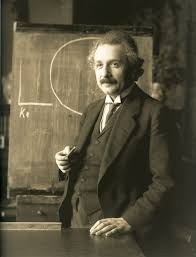
“Albert Einstein” Biography

Albert Einstein comes from a middle-class family. When he was born his
family started that something was wrong with him he had a very large and
misshapen head but unfortunately within the first few weeks the shape of
his head become normal but their worry didn’t stop when he was very
young his parents thought of him it intellectually disabled because he was
very slow too long to talk and did not speak until he was four years old at
that time in his thoughts but did not speak.

He used to practice the sentence
in his head or dumb topically under his breath until he got a right and then
say them aloud many people believe that anything would never succeed at anything when he was 5 years old his father shown in men simple pocket compass Einstein Boss fascinated and that was the beginning of his
opposition with science he also began playing the violin at 808 continue to
play throughout his life cool and still was a good student most of his grades
were and he was the top of his class but mainly because of Math and Science so history depends mostly on his interest in the subject when Einstein for only 10 years old he started educating himself by the age of 12
and 10 thought himself Euclidean geometry by the age of 15 him master calculus but he headed the disciplined and rigid type of the teachers so he dropped out of school at age 15 and left Germany to award Military Service his parents were worried that their son become a School dropout with no
employee office girls and not wearing promising future bed all bed and time
did not quit his education he applied to the Swiss Federal Institute of Technology but believe it or not if fail the entrance exam Albert Einstein failed an exam he was not prepared He excelled in Math and physics that his knowledge on project other than that was not good so he failed the exam
and had to take it a second time and then he was admitted that he met his future wife, Mileva maric she was the only woman among the students in the graduation.

He would not get a job in the academy for almost A decade every one of these professionals knew that is that he was brilliant but they were also bothered by his Rebellious and disobedient side so
they refused to recommend him for various positions to the academic institution wouldn’t hear him bad in Einstein needed money so he got a job as a clerk in a patent office the job was mostly mindless and very easy for
increasing so he like the job because he had so much free time to study and Research while working there developed his most important theories while walking the boring job he developed the theory of relativity aunty world most famous equation e =MC2.

Einstein was nominated for a Nobel prize that did not receive it until 11 years later Albert Einstein become the most influential president of the 20 century his research changed the world Road hundred of books and was also a great philosopher so there are so many things to be learned I have no special talent I am only passionately curious to follow your curiosity whatever that is see where it goes never be afraid to coaching the world around you and don’t be afraid of falling and making mistakes along the way a person who never made a mistake tried anything new dark to discover and dark to make mistakes that what device such as per people from unsuccessful don’t be afraid to control your fear and don’t be afraid to follow your passion you don’t have to be the next Einstein be the best you can be to rise tomorrow and become a person you will be proud of the world is waiting for you.

"Albert Einstein" Biography

Albert Einstein comes from a middle-class family. When he was born his
family started that something was wrong with him he had a very large and
misshapen head but unfortunately within the first few weeks the shape of
his head become normal but their worry didn’t stop when he was very
young his parents thought of him it intellectually disabled because he was
very slow too long to talk and did not speak until he was four years old at
that time in his thoughts but did not speak.

He used to practice the sentence
in his head or dumb topically under his breath until he got a right and then
say them aloud many people believe that anything would never succeed at anything when he was 5 years old his father shown in men simple pocket compass Einstein Boss fascinated and that was the beginning of his
opposition with science he also began playing the violin at 808 continue to
play throughout his life cool and still was a good student most of his grades
were and he was the top of his class but mainly because of Math and Science so history depends mostly on his interest in the subject when Einstein for only 10 years old he started educating himself by the age of 12
and 10 thought himself Euclidean geometry by the age of 15 him master calculus but he headed the disciplined and rigid type of the teachers so he dropped out of school at age 15 and left Germany to award Military Service his parents were worried that their son become a School dropout with no
employee office girls and not wearing promising future bed all bed and time
did not quit his education he applied to the Swiss Federal Institute of Technology but believe it or not if fail the entrance exam Albert Einstein failed an exam he was not prepared He excelled in Math and physics that his knowledge on project other than that was not good so he failed the exam
and had to take it a second time and then he was admitted that he met his future wife, Mileva maric she was the only woman among the students in the graduation.

He would not get a job in the academy for almost A decade every one of these professionals knew that is that he was brilliant but they were also bothered by his Rebellious and disobedient side so
they refused to recommend him for various positions to the academic institution wouldn’t hear him bad in Einstein needed money so he got a job as a clerk in a patent office the job was mostly mindless and very easy for
increasing so he like the job because he had so much free time to study and Research while working there developed his most important theories while walking the boring job he developed the theory of relativity aunty world most famous equation e =MC2.

Einstein was nominated for a Nobel prize that did not receive it until 11 years later Albert Einstein become the most influential president of the 20 century his research changed the world Road hundred of books and was also a great philosopher so there are so many things to be learned I have no special talent I am only passionately curious to follow your curiosity whatever that is see where it goes never be afraid to coaching the world around you and don’t be afraid of falling and making mistakes along the way a person who never made a mistake tried anything new dark to discover and dark to make mistakes that what device such as per people from unsuccessful don’t be afraid to control your fear and don’t be afraid to follow your passion you don’t have to be the next Einstein be the best you can be to rise tomorrow and become a person you will be proud of the world is waiting for you.

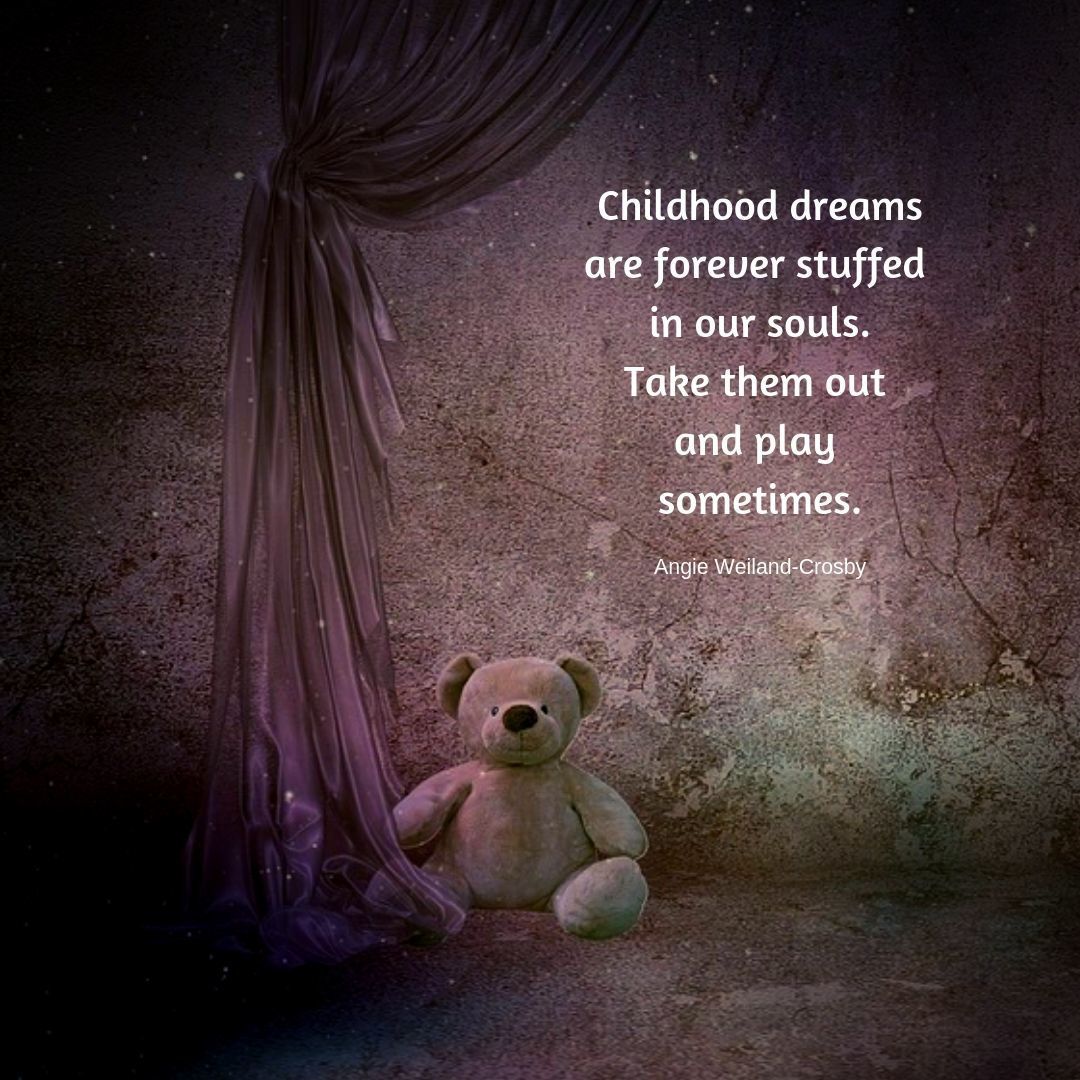
CHILDHOOD – BEST DAYS

I don’t know when I lost my childhood
I think I lost my childhood
When I started focusing on my studies,
Maybe I lost it
When I start overthinking about tomorrow
Maybe when I get jealous of my cousin
Maybe I lost it when my parents compare me with others
May be when I started doing something to please my parents
Maybe when I feel guilty for saying something
Maybe when I came to know that everything that I learnt in my childhood is just a bookish line
And no one takes that seriously in real life
Not even my parents
Maybe then I lost my childhood

We have to learn from our childhood
●To be happy for no reason
●To always be curious
●To fight tirelessly for something

I think Childhood was the best memories of everyone.


My childhood was also very memorable to me.
I used to play till 7pm without any thought of my homework or my parents.
At that time my father was in Indian army that’s why he couldn’t live with us.I was living with my mom and grandma
Thus whenever I come from school I have to go to market for food supplies or everything that is needed for home.And that’s why I am always onMy angry mood because my friends were playing when I had to go to market
And as a child I also wanted to play.
Thus whenever I return to the market I started playing with my friends till 7 pm.
My grandma is always waiting for me to come back after playing.
My grandma loves me so much.I usually sleep with my grandma and she always sang a song for me, tells bad time stories.She loves to irritate me..
She was my best friend at that time.I think I was closer to my grandma even more than my mom.
My grandma and I were just like friends.
Whenever grandma borrows some money from me then I always get it back with some intrest.


Whenever I went to my maternal grandmother’s home I enjoyed a lot there.My uncle always takes me to a resturant for my favorite foods.He took me to a fair.And in my grandfathers shop I played a lot.I used to irritate every customer but my grandfather never scolds me for that.
In the evening grandmother took me to the tour of village and I enjoyed it a lot.
Best thing is that I was known by my mothers name there.And I am proud of them.


My Childhood was definitely the best memory for me.
There was no tension for homework, assignment, exams career, future
We just enjoy our lives but now everything is the opposite.


We always complete some tasks.Always always always…..
In the morning we wake up and keep doing our work whether we enjoy it or not.As it is our duty and we have to do it because we get paid for it or to get a job we have to study hard.


Some have dreams to achieve it thus they also enjoy their everywork that brings them closer to their dreams
But some don’t have, they are just doing things because their parents want them to do or they want to earn money for their livelihood.

But what do you think about it?Are they enjoying their lives?
Of course not.


So according to my best things for happiness is stop questioning yourself and be proud of yourself for enjoying your life

●You have a roof over your head.

●You ate today.

●You have clean water.

●You have a good heart.

●You wish for others.

●You are breathing.

●Atleast one person care for you.

●You have clean clothes.

Be grateful for the little things…

Sometimes we stress over things that we don’t have and not thankful for the things we already do have.

CHILDHOOD – BEST DAYS

I don’t know when I lost my childhood
I think I lost my childhood
When I started focusing on my studies,
Maybe I lost it
When I start overthinking about tomorrow
Maybe when I get jealous of my cousin
Maybe I lost it when my parents compare me with others
May be when I started doing something to please my parents
Maybe when I feel guilty for saying something
Maybe when I came to know that everything that I learnt in my childhood is just a bookish line
And no one takes that seriously in real life
Not even my parents
Maybe then I lost my childhood

We have to learn from our childhood
●To be happy for no reason
●To always be curious
●To fight tirelessly for something

I think Childhood was the best memories of everyone.

My childhood was also very memorable to me.
I used to play till 7pm without any thought of my homework or my parents.
At that time my father was in Indian army that’s why he couldn’t live with us.I was living with my mom and grandma
Thus whenever I come from school I have to go to market for food supplies or everything that is needed for home.And that’s why I am always onMy angry mood because my friends were playing when I had to go to market
And as a child I also wanted to play.
Thus whenever I return to the market I started playing with my friends till 7 pm.
My grandma is always waiting for me to come back after playing.
My grandma loves me so much.I usually sleep with my grandma and she always sang a song for me, tells bad time stories.She loves to irritate me..
She was my best friend at that time.I think I was closer to my grandma even more than my mom.
My grandma and I were just like friends.
Whenever grandma borrows some money from me then I always get it back with some intrest.

Whenever I went to my maternal grandmother’s home I enjoyed a lot there.My uncle always takes me to a resturant for my favorite foods.He took me to a fair.And in my grandfathers shop I played a lot.I used to irritate every customer but my grandfather never scolds me for that.
In the evening grandmother took me to the tour of village and I enjoyed it a lot.
Best thing is that I was known by my mothers name there.And I am proud of them.

My Childhood was definitely the best memory for me.
There was no tension for homework, assignment, exams career, future
We just enjoy our lives but now everything is the opposite.

We always complete some tasks.Always always always…..
In the morning we wake up and keep doing our work whether we enjoy it or not.As it is our duty and we have to do it because we get paid for it or to get a job we have to study hard.

Some have dreams to achieve it thus they also enjoy their everywork that brings them closer to their dreams
But some don’t have, they are just doing things because their parents want them to do or they want to earn money for their livelihood.

But what do you think about it?Are they enjoying their lives?
Of course not.

So according to my best things for happiness is stop questioning yourself and be proud of yourself for enjoying your life

●You have a roof over your head.

●You ate today.

●You have clean water.

●You have a good heart.

●You wish for others.

●You are breathing.

●Atleast one person care for you.

●You have clean clothes.

Be grateful for the little things…

Sometimes we stress over things that we don’t have and not thankful for the things we already do have.

  • Subjects to be incorporated in the school curriculum
    Education is more than a black board and ahead of the school text books. Woefully education has just been dumped and limited to the curriculum followed in schools which comprises of science, mathematics, social science and languages. These five subjects cannot solely provide the skills required for the career of every individual in the long run. Although the above subjects frame a basic foundation for the students, education is beyond this small circle. It should facilitate quality learning all through the life which should be enduring. Education should be concentrated on a wide range of fields and provide platforms to […]
  • IIT-MADRAS, AVISHKAR HYPERLOOP TEAM QUALIFIES FOR EUROPEAN HYPERLOOP WEEK
    A group of students with team named “AVISHKAR” from IIT Madras have been working tremendously towards the technology behind the future of transportation, HYPERLOOP. The team comprises of forty students from various department of IIT, madras. They have been working on this new prototype hyperloop project since last November. BUT, WHAT IS HYPERLOOP? Basically, hyperloop is a high speed mass transportation system. A hyperloop is a super speed ground-level transportation system in which people could travel in a hovering pod inside a vacuum tube at speeds as high as 760 mph (1220 km/h). While talking about the product, Neel said, “Hyperloop […]
  • 360 Wander Writer
    Welcome to the Festive world The Carnival of Venice This Carnival of Venice is described as one of the best carnivals in the world. It is centered around the Piazza San Marco. The events are held in every towns and cities of Venice. This event also contains boat parades along with the Grand Canal. Its main specialty is about their elaborate masks and a mask parade is done in the Piazza San Marco. It comprises of a special Carnival for Children in the Cannaregio district of Venice. It is kind of annual festival held every year in the city of […]

Jeff Bezos: A Biography

Jeff Preston Bezos is an American businessman and investor. Bezos is the founder and executive chairman of Amazon, having previously been the chairman, president and CEO of the company. With a net worth of more than $200 billion as of June 2021, he is the richest person in the world according to both Forbes and Bloomberg’s Billionaires Index. He was born on 12th January 1964 in New Mexico and raised in Miami, Bezos graduated from Princeton University in 1986. He has a degree in electrical engineering and computer science. Bezos founded Amazon in 1994, on a cross-country road trip from New York City to Seattle. The company began as an online bookstore and has since expanded to a wide variety of other e-commerce products and services, including video and audio streaming, artificial intelligence, and cloud computing. It is currently the world’s largest online sales company, the largest Internet company by revenue, and the world’s largest provider of virtual assistants and cloud infrastructure services through its Amazon Web Services branch. He also purchased the major American newspaper The Washington Post in 2013 for $250 million, and manages many other investments through his venture capital firm, Bezos Expeditions. Bezos founded the aerospace manufacturer and sub-orbital spaceflight services company Blue Origin in 2000. Blue Origin’s New Shepard vehicle reached space in 2015, and afterwards successfully landed back on Earth. The company has upcoming plans to begin commercial human spaceflight.

He is the first centi billionaire on the Forbes wealth index and was named the “richest man in modern history” after his net worth increased to $150 billion in July 2018. In August 2020, according to Forbes, he had a net worth exceeding $200 billion. In 2020 during the COVID-19 pandemic, Bezos’s wealth grew by approximately $24 billion. On February 2, 2021, Bezos announced that he would step down as the CEO of Amazon sometime in the third quarter of 2021 and transition into the role of executive chairman, officially stepping down on July 5, 2021. Andy Jassy has become the new CEO of Amazon.

Bezos has also invested very sizable sums in giving back through multiple charitable donations. In addition to the Bezos Family Foundation that funds several education projects, Bezos has made individual multimillion-dollar charitable contributions to the Seattle Museum of History & Industry as well as to his alma mater, Princeton University. In January 2018, Bezos and his ex-wife, MacKenzie, announced a $33 million donation to TheDreamUS, an organization working to improve college access for immigrant youths who were brought to the United States as children. The grant will provide college scholarships to 1,000 U.S. high school graduates with Deferred Action for Childhood Arrivals (DACA) status.

Two of Bezos’ investments that engender a lot of discussion and are considered a bit off-the-wall are the 10,000-year clock and the now-complete F-1 engine retrieval project. The 10,000-year clock project is an effort to build a clock into the side of the Sierra Diablo mountain range in Texas, a clock that literally keeps ticking for 10,000 years. The F-1 engine retrieval project was an effort to salvage from the ocean floor the engines that powered the Apollo 11 flight to the moon. Enough artifacts were recovered to fashion displays out of two F-1 engines. Bezos is truly a great business mogul is this day and age.

Jeff Bezos: A Biography

Jeff Preston Bezos is an American businessman and investor. Bezos is the founder and executive chairman of Amazon, having previously been the chairman, president and CEO of the company. With a net worth of more than $200 billion as of June 2021, he is the richest person in the world according to both Forbes and Bloomberg’s Billionaires Index. He was born on 12th January 1964 in New Mexico and raised in Miami, Bezos graduated from Princeton University in 1986. He has a degree in electrical engineering and computer science. Bezos founded Amazon in 1994, on a cross-country road trip from New York City to Seattle. The company began as an online bookstore and has since expanded to a wide variety of other e-commerce products and services, including video and audio streaming, artificial intelligence, and cloud computing. It is currently the world’s largest online sales company, the largest Internet company by revenue, and the world’s largest provider of virtual assistants and cloud infrastructure services through its Amazon Web Services branch. He also purchased the major American newspaper The Washington Post in 2013 for $250 million, and manages many other investments through his venture capital firm, Bezos Expeditions. Bezos founded the aerospace manufacturer and sub-orbital spaceflight services company Blue Origin in 2000. Blue Origin’s New Shepard vehicle reached space in 2015, and afterwards successfully landed back on Earth. The company has upcoming plans to begin commercial human spaceflight.

He is the first centi billionaire on the Forbes wealth index and was named the “richest man in modern history” after his net worth increased to $150 billion in July 2018. In August 2020, according to Forbes, he had a net worth exceeding $200 billion. In 2020 during the COVID-19 pandemic, Bezos’s wealth grew by approximately $24 billion. On February 2, 2021, Bezos announced that he would step down as the CEO of Amazon sometime in the third quarter of 2021 and transition into the role of executive chairman, officially stepping down on July 5, 2021. Andy Jassy has become the new CEO of Amazon.

Bezos has also invested very sizable sums in giving back through multiple charitable donations. In addition to the Bezos Family Foundation that funds several education projects, Bezos has made individual multimillion-dollar charitable contributions to the Seattle Museum of History & Industry as well as to his alma mater, Princeton University. In January 2018, Bezos and his ex-wife, MacKenzie, announced a $33 million donation to TheDreamUS, an organization working to improve college access for immigrant youths who were brought to the United States as children. The grant will provide college scholarships to 1,000 U.S. high school graduates with Deferred Action for Childhood Arrivals (DACA) status.

Two of Bezos’ investments that engender a lot of discussion and are considered a bit off-the-wall are the 10,000-year clock and the now-complete F-1 engine retrieval project. The 10,000-year clock project is an effort to build a clock into the side of the Sierra Diablo mountain range in Texas, a clock that literally keeps ticking for 10,000 years. The F-1 engine retrieval project was an effort to salvage from the ocean floor the engines that powered the Apollo 11 flight to the moon. Enough artifacts were recovered to fashion displays out of two F-1 engines. Bezos is truly a great business mogul is this day and age.

THE WORLDS RAINIEST CITY – MAWSYNRAM

Wettest Place

The current record holder, as recognised by the Guinness Book of World Records , is the cluster of hamlets known as Mawsynram in India . Moisture swept from the Bay of Bengal, condenses over this 1491m plateau, in the Khasi Hills that overlook the plains of Bangladesh . The results is an astonishing average annual rainfall of 11871 mm . Even the worlds biggest statue, would be up to his knees in that volume of water. It is certainly wet in Mawsynram . Unsurprisingly the area is overwhelming lush and green , rich with waterfalls and fascinating caves carved in the limestone by the falling water. Ten miles to the East lies the town of Cherrapunji . Its known locally by its traditional names Sohra and is the second wettest place on Earth. THE ABODE OF THE CLOUDS Its average record falls shy of Mawsynram by 100mm but it holds plenty of other titles . It is still the location of wettest month and year ever recorded.

THE WORLDS RAINIEST CITY – MAWSYNRAM

Wettest Place

The current record holder, as recognised by the Guinness Book of World Records , is the cluster of hamlets known as Mawsynram in India . Moisture swept from the Bay of Bengal, condenses over this 1491m plateau, in the Khasi Hills that overlook the plains of Bangladesh . The results is an astonishing average annual rainfall of 11871 mm . Even the worlds biggest statue, would be up to his knees in that volume of water. It is certainly wet in Mawsynram . Unsurprisingly the area is overwhelming lush and green , rich with waterfalls and fascinating caves carved in the limestone by the falling water. Ten miles to the East lies the town of Cherrapunji . Its known locally by its traditional names Sohra and is the second wettest place on Earth. THE ABODE OF THE CLOUDS Its average record falls shy of Mawsynram by 100mm but it holds plenty of other titles . It is still the location of wettest month and year ever recorded.

17 Sustainable Goals by United Nations.

Sustainable development is development that meets the needs of the present without compromising the ability of future generations to meet their own needs. Sustainable development has continued to evolve as that of protecting the world’s resources while its true agenda is to control the world’s resources. Environmentally sustainable economic growth refers to economic development that meets the needs of all without leaving future generations with fewer natural resources than those we enjoy today. Let us know 17 Sustainable Goals set by UN and their progress by now.

1) Poverty Eradication:

The 2030 Agenda acknowledges that eradicating poverty in all its forms and dimensions, including extreme poverty, is the greatest global challenge and an indispensable requirement for sustainable development.

2) ENDING HUNGER:

The total number of persons suffering from severe food insecurity has been on the rise since 2015, and there are still millions of malnourished children. The economic slowdown and the disruption of food value chains caused by the pandemic are exacerbating hunger and food insecurity.

3) Ensure healthy lives and promote well- being for all at all ages

Progress in many health areas continues, but the rate of improvement has slowed and will not be sufficient to meet most of the Goal 3 targets. Globally, an estimated 295,000 maternal deaths occurred in 2017, resulting in an overall maternal mortality ratio of 211 maternal deaths per 100,000 live births, a 4 per cent reduction compared with 2015 and a 38 per cent reduction compared with 2000. The majority of the deaths occurred in low- and lower-middle-income countries, and roughly 66 per cent of them occurred in sub-Saharan Africa. At the current pace of progress, the world will fall short of the target of the Goal.

4) Ensure inclusive and equitable quality education and promote lifelong learning opportunities for all:

At the end of 2019, millions of children and young people were still out of school, and more than half of those in school were not meeting minimum proficiency standards in reading and numeracy.

5)Achieve gender equality and empower all women and girls

The commitment to advancing gender equality has brought about improvements in some areas, but the promise of a world in which every woman and girl enjoy full gender equality and all legal, social and economic barriers to their empowerment have been removed remains unfulfilled.

6)Ensure availability and sustainable management of water and sanitation for all

In 2017, 3 billion persons lacked soap and water at home. In 2016, 47 per cent of schools worldwide lacked handwashing facilities with available soap and water, and 40 per cent of health-care facilities were not equipped to practise hand hygiene at points of care.

7) Ensure access to affordable, reliable, sustainable and modern energy for all

The world is making good progress on increasing access to electricity and improving energy efficiency. However, millions of people throughout the world still lack such access, and progress on facilitating access to clean cooking fuels and technologies is too slow.

8) Promote sustained, inclusive and sustainable economic growth, full and productive employment and decent work for all:

In 2018, the rate of growth of global real GDP per capita was 2 per cent. In addition, the rate for least developed countries was 4.5 per cent in 2018, less than the 7 per cent growth rate targeted in the 2030 Agenda.

9) Build resilient infrastructure, promote inclusive and sustainable industrialization and foster innovation:

In 2019, 14 per cent of the world’s workers were employed in manufacturing activities, a figure that has not changed much since 2000. The share of manufacturing employment was the largest in Eastern and South-Eastern Asia (18 per cent) and the smallest in sub- Saharan Africa (6 per cent).

10)Reduce inequality within and among countries

In 73 of the 90 countries with comparable data during the period 2012–2017, the bottom 40 per cent of the population saw its incomes grow. Moreover, in slightly more than half of those countries, the bottom 40 per cent experienced a growth rate in income that was higher than the overall national average.

11) Make cities and human settlements inclusive, safe, resilient and sustainable:

Rapid urbanization has resulted in a growing number of slum dwellers, inadequate and overburdened infrastructure and services and worsening air pollution.

12) Ensure sustainable consumption and production patterns:

As at 2019, 79 countries and the European Union reported on at least one national policy instrument that contributed to sustainable consumption and production in their efforts towards the implementation of the 10-Year Framework of Programmes on Sustainable Consumption and Production Patterns.

13) Take urgent action to combat climate change and its impacts.

The year 2019 was the second warmest on record and the end of the warmest decade, 2010 to 2019. In addition, with a global average temperature of 1.1°C above estimated pre-industrial levels, the global community is far off track to meet either the 1.5 or 2°C targets called for in the Paris Agreement.

14. Conserve and sustainably use the oceans, seas and marine resources for sustainable development:

Oceans and fisheries continued to support the global population’s economic, social and environmental needs while suffering unsustainable depletion, environmental deterioration and carbon dioxide saturation and acidification.

15) Protect, restore and promote sustainable use of terrestrial ecosystems, sustainably manage forests, combat desertification, and halt and reverse land degradation and halt biodiversity loss:

Forest areas continued to decline, protected areas were not concentrated in areas of key biodiversity and species remained threatened with extinction.

16) Promote peaceful and inclusive societies for sustainable development, provide access to justice for all and build effective, accountable and inclusive institutions at all levels:

Conflict, insecurity, weak institutions and limited access to justice remain a great threat to sustainable development. Millions of people have been deprived of their security, human rights and access to justice.

17) Strengthen the means of implementation and revitalize the global partnership for sustainable development:

Strengthening multilateralism and global partnerships is more important than ever before. The global nature of the pandemic requires the participation of all governments, the private sector, civil society organizations and people throughout the world.

17 Sustainable Goals by United Nations.

Sustainable development is development that meets the needs of the present without compromising the ability of future generations to meet their own needs. Sustainable development has continued to evolve as that of protecting the world’s resources while its true agenda is to control the world’s resources. Environmentally sustainable economic growth refers to economic development that meets the needs of all without leaving future generations with fewer natural resources than those we enjoy today. Let us know 17 Sustainable Goals set by UN and their progress by now.

1) Poverty Eradication:

The 2030 Agenda acknowledges that eradicating poverty in all its forms and dimensions, including extreme poverty, is the greatest global challenge and an indispensable requirement for sustainable development.

2) ENDING HUNGER:

The total number of persons suffering from severe food insecurity has been on the rise since 2015, and there are still millions of malnourished children. The economic slowdown and the disruption of food value chains caused by the pandemic are exacerbating hunger and food insecurity.

3) Ensure healthy lives and promote well- being for all at all ages

Progress in many health areas continues, but the rate of improvement has slowed and will not be sufficient to meet most of the Goal 3 targets. Globally, an estimated 295,000 maternal deaths occurred in 2017, resulting in an overall maternal mortality ratio of 211 maternal deaths per 100,000 live births, a 4 per cent reduction compared with 2015 and a 38 per cent reduction compared with 2000. The majority of the deaths occurred in low- and lower-middle-income countries, and roughly 66 per cent of them occurred in sub-Saharan Africa. At the current pace of progress, the world will fall short of the target of the Goal.

4) Ensure inclusive and equitable quality education and promote lifelong learning opportunities for all:

At the end of 2019, millions of children and young people were still out of school, and more than half of those in school were not meeting minimum proficiency standards in reading and numeracy.

5)Achieve gender equality and empower all women and girls

The commitment to advancing gender equality has brought about improvements in some areas, but the promise of a world in which every woman and girl enjoy full gender equality and all legal, social and economic barriers to their empowerment have been removed remains unfulfilled.

6)Ensure availability and sustainable management of water and sanitation for all

In 2017, 3 billion persons lacked soap and water at home. In 2016, 47 per cent of schools worldwide lacked handwashing facilities with available soap and water, and 40 per cent of health-care facilities were not equipped to practise hand hygiene at points of care.

7) Ensure access to affordable, reliable, sustainable and modern energy for all

The world is making good progress on increasing access to electricity and improving energy efficiency. However, millions of people throughout the world still lack such access, and progress on facilitating access to clean cooking fuels and technologies is too slow.

8) Promote sustained, inclusive and sustainable economic growth, full and productive employment and decent work for all:

In 2018, the rate of growth of global real GDP per capita was 2 per cent. In addition, the rate for least developed countries was 4.5 per cent in 2018, less than the 7 per cent growth rate targeted in the 2030 Agenda.

9) Build resilient infrastructure, promote inclusive and sustainable industrialization and foster innovation:

In 2019, 14 per cent of the world’s workers were employed in manufacturing activities, a figure that has not changed much since 2000. The share of manufacturing employment was the largest in Eastern and South-Eastern Asia (18 per cent) and the smallest in sub- Saharan Africa (6 per cent).

10)Reduce inequality within and among countries

In 73 of the 90 countries with comparable data during the period 2012–2017, the bottom 40 per cent of the population saw its incomes grow. Moreover, in slightly more than half of those countries, the bottom 40 per cent experienced a growth rate in income that was higher than the overall national average.

11) Make cities and human settlements inclusive, safe, resilient and sustainable:

Rapid urbanization has resulted in a growing number of slum dwellers, inadequate and overburdened infrastructure and services and worsening air pollution.

12) Ensure sustainable consumption and production patterns:

As at 2019, 79 countries and the European Union reported on at least one national policy instrument that contributed to sustainable consumption and production in their efforts towards the implementation of the 10-Year Framework of Programmes on Sustainable Consumption and Production Patterns.

13) Take urgent action to combat climate change and its impacts.

The year 2019 was the second warmest on record and the end of the warmest decade, 2010 to 2019. In addition, with a global average temperature of 1.1°C above estimated pre-industrial levels, the global community is far off track to meet either the 1.5 or 2°C targets called for in the Paris Agreement.

14. Conserve and sustainably use the oceans, seas and marine resources for sustainable development:

Oceans and fisheries continued to support the global population’s economic, social and environmental needs while suffering unsustainable depletion, environmental deterioration and carbon dioxide saturation and acidification.

15) Protect, restore and promote sustainable use of terrestrial ecosystems, sustainably manage forests, combat desertification, and halt and reverse land degradation and halt biodiversity loss:

Forest areas continued to decline, protected areas were not concentrated in areas of key biodiversity and species remained threatened with extinction.

16) Promote peaceful and inclusive societies for sustainable development, provide access to justice for all and build effective, accountable and inclusive institutions at all levels:

Conflict, insecurity, weak institutions and limited access to justice remain a great threat to sustainable development. Millions of people have been deprived of their security, human rights and access to justice.

17) Strengthen the means of implementation and revitalize the global partnership for sustainable development:

Strengthening multilateralism and global partnerships is more important than ever before. The global nature of the pandemic requires the participation of all governments, the private sector, civil society organizations and people throughout the world.