TOURISM MANAGEMENT

Meaning

Tourism Management is the leading international journal for all those concerned with the management, including planning, of travel and tourism. The journal takes an interdisciplinary approach and includes planning and policy aspects of international, national and regional tourism as well as specific management studies.

Is tourism management a good career?

Getting started in tourism management-what do I need to know?

Here we see example for Tourism Management is,South Africa.

Tourism opportunities in South Africa are booming! International guests continue to flock to our coastlines and cities to experience a little “local is lekker? and the 2010 World Cup is certain to keep them coming well into the second decade of this millennium.

If you have a love of travelling, passion for people and are a great ambassador for SA, tourism management is a worthwhile career option for you. So, how do you get involved in this hugely popular industry and get a career in tourism management?

Quinton Meiring, Career Guidance Counsellor from INTEC College gives Skills Portal the inside scoop on tourism management day-to-day.

Am I suited To A Carrer In Tourism Management?

If you answer Yes to most these questions, you could have what it takes to be a successful tourism manager!

Do I have good oral and written communication skills?
Y/N

Do I have good management skills?
Y/N

Have I got a flair for marketing?
Y/N

Do I have an interest in the outdoors and nature?
Y/N

Do I enjoy working with people?
Y/N

Have I got a good geographical knowledge of SA?
Y/N

DO I NEED ANY SKILLS WHEN APPLYING TO STUDY TOURISM MANAGEMENT?

Excellent communications skills, a love of SA and its culture will give you a strong advantage.

What career Opportunities Are There For Me?

A career in tourism management can lead you into a number of different job opportunities where you will be responsible for maintaining a positive image and development of local destinations. You could look into working in a travel consultancy and arranging packages and holidays for international and local guests. Or you could work for the tourism information offices and assist people on their travel itineraries.

A career as a tour guide may be more your thing and you could align with car rental groups and bus groups to take guests to exciting new destinations. Even consider combining your knowledge of tourism management with other areas in hospitality such as guest house management, wildlife management or event coordination, hotel management or even food and beverage related industries to achieve a comprehensive and thorough skills base to work across these careers.

What will My Typical Day Be Like On The Job As A Tourism Manager?

You could manage a tourism information centre which would include areas like business management, staff supervision and office systems

You may be responsible for ensuring services are in place to respond to day-to-day tourism enquiries

You may be required to check and regularly report to management on the status of the tourism marketing budget

You may need to give presentations on tourism awareness or new initiatives on behalf of the employer to industry, community or interest groups

You may assist in planning, development and implementation of the tourism marketing budget

You may liaise and build close relationships with the media to promote issues, and encourage community involvement and awareness.

You may act as the executive officer of the local tourism committee.

Where Can I Study Tourism Management?

INTEC College is one of the recommended SA institutions where you can study tourism management and is structured according to tertiary level developments in tourism studies, universities of technology and colleges. You can enrol into the Certificate of Tourism Management or a National Diploma.

Both of these distance learning courses will allow you to study while you work, giving you the option of gaining some in-house practical training at the same time.

Areas of study in the tourism management field include:

Introduction to tourism

Tourism management

Communication

Marketing management

Financial accounting

Top 10 CARRIERS IN TOURISM:

1.Travel Agent

2.Tour Operator

3.Event and conference Organiser

4.Tour Guide

5.Leisure Activity Co-Ordinator,etc…
TOURISM MANAGEMENT

Meaning

Tourism Management is the leading international journal for all those concerned with the management, including planning, of travel and tourism. The journal takes an interdisciplinary approach and includes planning and policy aspects of international, national and regional tourism as well as specific management studies.

Is tourism management a good career?

Getting started in tourism management-what do I need to know?

Here we see example for Tourism Management is,South Africa.

Tourism opportunities in South Africa are booming! International guests continue to flock to our coastlines and cities to experience a little “local is lekker? and the 2010 World Cup is certain to keep them coming well into the second decade of this millennium.

If you have a love of travelling, passion for people and are a great ambassador for SA, tourism management is a worthwhile career option for you. So, how do you get involved in this hugely popular industry and get a career in tourism management?

Quinton Meiring, Career Guidance Counsellor from INTEC College gives Skills Portal the inside scoop on tourism management day-to-day.

Am I suited To A Carrer In Tourism Management?

If you answer Yes to most these questions, you could have what it takes to be a successful tourism manager!

Do I have good oral and written communication skills?
Y/N

Do I have good management skills?
Y/N

Have I got a flair for marketing?
Y/N

Do I have an interest in the outdoors and nature?
Y/N

Do I enjoy working with people?
Y/N

Have I got a good geographical knowledge of SA?
Y/N

DO I NEED ANY SKILLS WHEN APPLYING TO STUDY TOURISM MANAGEMENT?

Excellent communications skills, a love of SA and its culture will give you a strong advantage.

What career Opportunities Are There For Me?

A career in tourism management can lead you into a number of different job opportunities where you will be responsible for maintaining a positive image and development of local destinations. You could look into working in a travel consultancy and arranging packages and holidays for international and local guests. Or you could work for the tourism information offices and assist people on their travel itineraries.

A career as a tour guide may be more your thing and you could align with car rental groups and bus groups to take guests to exciting new destinations. Even consider combining your knowledge of tourism management with other areas in hospitality such as guest house management, wildlife management or event coordination, hotel management or even food and beverage related industries to achieve a comprehensive and thorough skills base to work across these careers.

What will My Typical Day Be Like On The Job As A Tourism Manager?

You could manage a tourism information centre which would include areas like business management, staff supervision and office systems

You may be responsible for ensuring services are in place to respond to day-to-day tourism enquiries

You may be required to check and regularly report to management on the status of the tourism marketing budget

You may need to give presentations on tourism awareness or new initiatives on behalf of the employer to industry, community or interest groups

You may assist in planning, development and implementation of the tourism marketing budget

You may liaise and build close relationships with the media to promote issues, and encourage community involvement and awareness.

You may act as the executive officer of the local tourism committee.

Where Can I Study Tourism Management?

INTEC College is one of the recommended SA institutions where you can study tourism management and is structured according to tertiary level developments in tourism studies, universities of technology and colleges. You can enrol into the Certificate of Tourism Management or a National Diploma.

Both of these distance learning courses will allow you to study while you work, giving you the option of gaining some in-house practical training at the same time.

Areas of study in the tourism management field include:

Introduction to tourism

Tourism management

Communication

Marketing management

Financial accounting

Top 10 CARRIERS IN TOURISM:

1.Travel Agent

2.Tour Operator

3.Event and conference Organiser

4.Tour Guide

5.Leisure Activity Co-Ordinator,etc…

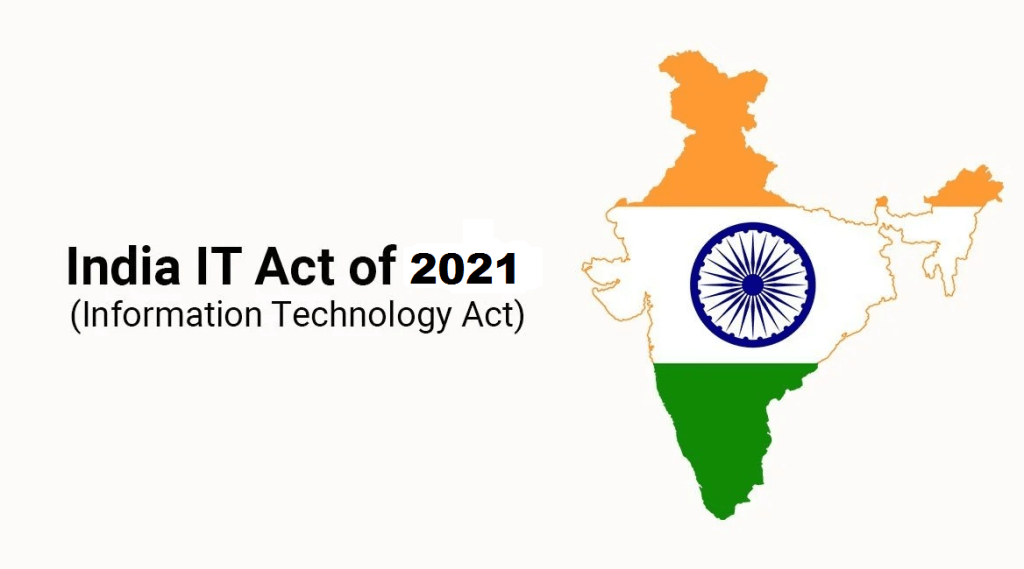
ANALYSIS OF IT (INFORMATION TECHNOLOGY) ACT, 2021

This year in February the Ministry of Electronics and Information Technology announced the Information Technology (Intermediary Guidelines and Digital Media Ethics Code) Rules. the Information Technology Rules 2011 were superseded by the Digital Media Ethics Code) Rules 2021, which were framed, in the exercise of powers under section 87 (2) of the Information Technology Act,2000. As per the data gathered, In India, there are 530 million WhatsApp users. While YouTube has 448 million users, Facebook and Instagram each have 410 million and 210 million users, respectively. 

Social Media has grown into an arena for trade and commercial operations in addition to being a medium of entertainment. It has also preserved the fundamental standards for information transmission and provided a platform for individuals to openly express their ideas and beliefs. 

Therefore, in this growing trend of using social media, few rules must be there in order to make social media a secure place to open up and share ideas. So, IT RULES, 2021 came up which intended to provide ordinary users of social media platforms and over-the-top (OTT) platforms with a system for grievance redress and fast resolution through the employment of a Grievance Redressal Officer (GRO) who must be a resident of India. Special attention has been paid to protecting women and children from sexual assaults, fake news, and other forms of social media abuse.

On the other hand, OTT platforms, online news, and digital media organisations would be required to adhere to a Code of Ethics. Under the new guidelines, OTT platforms would be referred to as “publishers of online curated content.” They’d have to divide the content into five groups based on age, and apply parental controls for everyone above the age of 13. They must also provide procedures for age verification for adult related content.

Furthermore, three-tiered grievance resolution system has been established. The appointment of a GRO, self-regulatory entities registered with the Ministry of Information and Broadcasting (MIB) to oversee the Code of Ethics, and a Charter for the self-regulating bodies created by MIB are all part of this.

However, the new regulations have been criticized by some as a breach of free expression, the government has emphasized that they allow social media sites to operate freely in India while adhering to the law. The country’s Constitution and the Rule of Law must be followed by all entities. Furthermore, according to Article 19 of the Constitution, the right to free speech and expression is not absolute and is subject to legitimate limitations, particularly when national sovereignty and security are at risk.

The new restrictions were given a three-month grace period for social media intermediaries to comply. On May 26, the government sent a second notice to all social media intermediaries, requesting information on the status of compliance with the new laws that took effect that day. Various social media sites such as Google, LinkedIn did shared details as per the requirements but other sites such as twitter requested for the compliance window to be extended and demanded a collaborative approach from the government to protect public freedom of speech. WhatsApp has launched a lawsuit against the government in the Delhi High Court, alleging that the new restrictions infringed user privacy by breaking the end-to-end encryption in order to identify traceability.  The administration, on the other hand, has maintained that tracking will be necessary only in the event of “extremely serious offences” that endanger India’s sovereignty and integrity. It may also be done without compromising the end-to-end encryption. Companies, on the other hand, will be responsible for developing a technical solution

So, as we know that no freedom is a total freedom. It comes up with some level of restrictions and is not absolute unrestricted. Since the establishment of the Constitution of india, striking the appropriate balance between fundamental rights and determining the rationality of a limitation has been a continual struggle. Therefore, the battle between the governments that want to impose reasonable restrictions and users concerned about data privacy and restrictions on freedom of speech and expression vs the tech giants who own significant amount of huge data  is only going to get more complicated before optimal solutions are found. So, The IT Rules 2021 which preserves digital sovereignty and aim to answer people’ concerns without compromising on their privacy or personal rights should be properly followed by the social media sites which is only the best solution left.  

CHILDREN’S DAY

Children’s Day is celebrated across India to increase awareness of the rights, care and education of children.[1][2] It is celebrated on 14 November every year as a tribute to the birthday of India’s First Prime Minister, Jawaharlal Nehru. Known as Chacha Nehru among children, Nehru advocated for children to have all-rounded education that would build a better society in the future.Nehru considered children as real strength of a nation and foundation of society.On this day, many educational and motivational programs are held across India for children.

The celebration of Children’s Day in India dates back to 1956. Prior to the death of Pt. Jawaharlal Nehru, India celebrated Children’s Day on 20 November (the date observed as Universal Children’s Day by the United Nations). After the death of Jawaharlal Nehru, his birth anniversary was chosen to be celebrated as Children’s Day in India. A resolution was passed in the parliament to give a befitting farewell to the first Prime Minister of India.

CHILDREN'S DAY

Children’s Day is celebrated across India to increase awareness of the rights, care and education of children.[1][2] It is celebrated on 14 November every year as a tribute to the birthday of India’s First Prime Minister, Jawaharlal Nehru. Known as Chacha Nehru among children, Nehru advocated for children to have all-rounded education that would build a better society in the future.Nehru considered children as real strength of a nation and foundation of society.On this day, many educational and motivational programs are held across India for children.

The celebration of Children’s Day in India dates back to 1956. Prior to the death of Pt. Jawaharlal Nehru, India celebrated Children’s Day on 20 November (the date observed as Universal Children’s Day by the United Nations). After the death of Jawaharlal Nehru, his birth anniversary was chosen to be celebrated as Children’s Day in India. A resolution was passed in the parliament to give a befitting farewell to the first Prime Minister of India.

Judicial integration with Artificial Intelligence-

Amalgamating artificial intelligence (AI) with indian courts has now become effective in decision making process, improving judicial efficiency, expedite processes and improving access to justice. This infact has become more vital amid pandemic.

What is Artificial Intelligence?

Artificial Intelligence is the machine intelligence, antithesis to natural intelligence possessed by humans and animals. It offers infinite possibilities to people. Machines mimic ‘human cognitive functions’ such as learning and problem solving. It is relevant to any intellectual task. Some examples of use of AI are autonomous vehicles, medical diagnosis, solving puzzles and problems, online assistants. Operation of AI, with regard to judiciary, has become another prominent feature now.

AI in Indian Judicial System-

Overburdened judiciary in India with few judges handling millions of trial cases is the salient characterstic of indian courts lead to delay in adjudication. Still many seats in courts are vacant. This not only slow down trial procedure but also drains energy and economic resources of people. AI can prove beneficial in this context. But before using AI in judiciary, it is important to identify the various legal procedure where the use of AI can prove remarkable.
Multiple realms where AI application can have a noteworthy impact are-
1. Augmenting decision making process which in turn help reduce case burdens in courts and fasten the processes. Indian courts have the highest number of cases pending before them.
2. Increase judiciary efficiency.
3. Creatively solving the legitimate issues.
4. Help judges to trial faster and more effectively.
5. Developing better legal reasoning, legal discussion and interpretation of laws.

Recent innovations-

Recently, SUPACE (Supreme Court Portal for Assistance in Court Efficiency) was launched by Supreme Court of India. This portal helps in assisting the court in improving efficiency and reducing pendency.
Another portal SUVAS assist in translation of judgements into vernacular languages from English. This is an landmark effort to enhance the access to justice to weaker section. Now, Supreme court has become the global pacesetter in application of AI and Machine Learning into judiciary.

Challenges with AI-

Before applying such technology into Judicial system, it is important to identify the potential problems and challenges causes by AI.
• Privacy of individual is at risk.
Data protection
• Ethical issues like hacking.
• Virtual court proceedings through videoconferencing creating inequality by downsizing those who cannot use it.

Even though the use of AI is prevalent in various domains, but it is still in its nascent stage in judiciary. There is an apprehension that it may widen the gap between judiciary and weaker section, perhaps becoming a issue in equal justice. Hence it should not create new inequalities and deliver justice to all according to our constitution.

Computer Organization and Architecture(COA)

The computer organisation and architecture (COA) course is one of the most essential and comprehensive subjects since it contains many basic concepts and information required in the design of a computer system.

The COA is also the most essential component of the syllabus for all computer science degrees at all institutions, as well as for many competitive tests.This lesson is specifically created for absolute novices to understand all important subjects connected to computer organisation and architecture. All fundamental concepts such as computer system functional units, processor, microarchitecture, programme instructions, instruction formats, addressing modes, instruction pipelining, memory organisation, instruction cycle, interrupts, and other important related topics are covered in the COA important topics.

Computer Architecture 

Let us first define architecture in order to comprehend the phrase computer architecture. Architecture is described as the art and science of designing a thing. Because the building is one of the most frequent objects in the human world, we typically associate the term architecture with it. The architecture aids in the definition of functional, physical, and performance criteria for any item.

Every item in the actual world is supported by some form of architecture. An architect, for example, will define the building in terms of architectural drawings and specifications for various construction components.Similarly, the system architecture specifies the computer system’s numerous functional components and how these units are linked. It specifies the performance parameters for the system and what the system should achieve in terms of performance.

The computer architecture is a high level design specification that does not specify details of the hardware components. The computer architecture gives an abstracted view of the structure of various functional units and its behaviour. In order to build a computer system, the first step is to design and develop the system architecture. The next step in the process is to finalize the computer organization details.

Computer Organization 

Let us first define the term “organisation” in the context of computers. The term organisation is defined as organising and categorising things rationally in order to enhance practical convenience.

Computer architecture serves as the foundation for computer organisation. The system architecture is implemented by the computer organisation. Simply defined, the computer organisation is concerned with arranging various system hardware components and how these components are interrelated. The computer organisation describes the numerous hardware components associated with the various functional units found in the system.

The computer organisation is concerned with the layout of various system hardware components as well as the function of the components. The presence of distinct functional units and their components is defined by computer organisation. It also specifies how distinct functional components interact with one another.The structure and behaviour of digital computers are defined by computer organisation. The primary goal of the computer organisation is to comprehend the various computer hardware components and their interactions.

Judicial integration with Artificial Intelligence-

Amalgamating artificial intelligence (AI) with indian courts has now become effective in decision making process, improving judicial efficiency, expedite processes and improving access to justice. This infact has become more vital amid pandemic.

What is Artificial Intelligence?

Artificial Intelligence is the machine intelligence, antithesis to natural intelligence possessed by humans and animals. It offers infinite possibilities to people. Machines mimic ‘human cognitive functions’ such as learning and problem solving. It is relevant to any intellectual task. Some examples of use of AI are autonomous vehicles, medical diagnosis, solving puzzles and problems, online assistants. Operation of AI, with regard to judiciary, has become another prominent feature now.

AI in Indian Judicial System-

Overburdened judiciary in India with few judges handling millions of trial cases is the salient characterstic of indian courts lead to delay in adjudication. Still many seats in courts are vacant. This not only slow down trial procedure but also drains energy and economic resources of people. AI can prove beneficial in this context. But before using AI in judiciary, it is important to identify the various legal procedure where the use of AI can prove remarkable.
Multiple realms where AI application can have a noteworthy impact are-
1. Augmenting decision making process which in turn help reduce case burdens in courts and fasten the processes. Indian courts have the highest number of cases pending before them.
2. Increase judiciary efficiency.
3. Creatively solving the legitimate issues.
4. Help judges to trial faster and more effectively.
5. Developing better legal reasoning, legal discussion and interpretation of laws.

Recent innovations-

Recently, SUPACE (Supreme Court Portal for Assistance in Court Efficiency) was launched by Supreme Court of India. This portal helps in assisting the court in improving efficiency and reducing pendency.
Another portal SUVAS assist in translation of judgements into vernacular languages from English. This is an landmark effort to enhance the access to justice to weaker section. Now, Supreme court has become the global pacesetter in application of AI and Machine Learning into judiciary.

Challenges with AI-

Before applying such technology into Judicial system, it is important to identify the potential problems and challenges causes by AI.
• Privacy of individual is at risk.
Data protection
• Ethical issues like hacking.
• Virtual court proceedings through videoconferencing creating inequality by downsizing those who cannot use it.

Even though the use of AI is prevalent in various domains, but it is still in its nascent stage in judiciary. There is an apprehension that it may widen the gap between judiciary and weaker section, perhaps becoming a issue in equal justice. Hence it should not create new inequalities and deliver justice to all according to our constitution.

Computer Organization and Architecture(COA)

The computer organisation and architecture (COA) course is one of the most essential and comprehensive subjects since it contains many basic concepts and information required in the design of a computer system.

The COA is also the most essential component of the syllabus for all computer science degrees at all institutions, as well as for many competitive tests.This lesson is specifically created for absolute novices to understand all important subjects connected to computer organisation and architecture. All fundamental concepts such as computer system functional units, processor, microarchitecture, programme instructions, instruction formats, addressing modes, instruction pipelining, memory organisation, instruction cycle, interrupts, and other important related topics are covered in the COA important topics.

Computer Architecture 

Let us first define architecture in order to comprehend the phrase computer architecture. Architecture is described as the art and science of designing a thing. Because the building is one of the most frequent objects in the human world, we typically associate the term architecture with it. The architecture aids in the definition of functional, physical, and performance criteria for any item.

Every item in the actual world is supported by some form of architecture. An architect, for example, will define the building in terms of architectural drawings and specifications for various construction components.Similarly, the system architecture specifies the computer system’s numerous functional components and how these units are linked. It specifies the performance parameters for the system and what the system should achieve in terms of performance.

The computer architecture is a high level design specification that does not specify details of the hardware components. The computer architecture gives an abstracted view of the structure of various functional units and its behaviour. In order to build a computer system, the first step is to design and develop the system architecture. The next step in the process is to finalize the computer organization details.

Computer Organization 

Let us first define the term “organisation” in the context of computers. The term organisation is defined as organising and categorising things rationally in order to enhance practical convenience.

Computer architecture serves as the foundation for computer organisation. The system architecture is implemented by the computer organisation. Simply defined, the computer organisation is concerned with arranging various system hardware components and how these components are interrelated. The computer organisation describes the numerous hardware components associated with the various functional units found in the system.

The computer organisation is concerned with the layout of various system hardware components as well as the function of the components. The presence of distinct functional units and their components is defined by computer organisation. It also specifies how distinct functional components interact with one another.The structure and behaviour of digital computers are defined by computer organisation. The primary goal of the computer organisation is to comprehend the various computer hardware components and their interactions.

GANDHI JAYANTI

“The best way to find ypurself is to lose yourself in the service of others”.

A Great slogan given by our great Father of nation “Mahatma Gandhi”. He was born on 2nd october 1869.

Born and raised in a Hindu family in coastal Gujarat, Gandhi trained in law at the Inner Temple, London, and was called to the bar at age 22 in June 1891. After two uncertain years in India, where he was unable to start a successful law practice, he moved to South Africa in 1893 to represent an Indian merchant in a lawsuit. He went on to live in South Africa for 21 years. It was in South Africa that Gandhi raised a family and first employed nonviolent resistance in a campaign for civil rights. In 1915, aged 45, he returned to India. He set about organising peasants, farmers, and urban labourers to protest against excessive land-tax and discrimination. Assuming leadership of the Indian National Congress in 1921, Gandhi led nationwide campaigns for easing poverty, expanding women’s rights, building religious and ethnic amity, ending untouchability, and above all for achieving swaraj or self-rule.[9]

Also in 1921, Gandhi adopted the use of an Indian loincloth (short dhoti) and a shawl (in the winter) woven with yarn hand-spun on a traditional Indian spinning wheel (charkha) as a sign of identification with India’s rural poor. He also began to live modestly in a self-sufficient residential community, ate simple vegetarian food, and undertook long fasts as a means of self-purification and political protest. Bringing anti-colonial nationalism to the common Indians, Gandhi led them in challenging the British-imposed salt tax with the 400 km (250 mi) Dandi Salt March in 1930 and in calling for the British to quit India in 1942. He was imprisoned many times and for many years in both South Africa and India.

GANDHI JAYANTI

“The best way to find ypurself is to lose yourself in the service of others”.

A Great slogan given by our great Father of nation “Mahatma Gandhi”. He was born on 2nd october 1869.

Born and raised in a Hindu family in coastal Gujarat, Gandhi trained in law at the Inner Temple, London, and was called to the bar at age 22 in June 1891. After two uncertain years in India, where he was unable to start a successful law practice, he moved to South Africa in 1893 to represent an Indian merchant in a lawsuit. He went on to live in South Africa for 21 years. It was in South Africa that Gandhi raised a family and first employed nonviolent resistance in a campaign for civil rights. In 1915, aged 45, he returned to India. He set about organising peasants, farmers, and urban labourers to protest against excessive land-tax and discrimination. Assuming leadership of the Indian National Congress in 1921, Gandhi led nationwide campaigns for easing poverty, expanding women’s rights, building religious and ethnic amity, ending untouchability, and above all for achieving swaraj or self-rule.[9]

Also in 1921, Gandhi adopted the use of an Indian loincloth (short dhoti) and a shawl (in the winter) woven with yarn hand-spun on a traditional Indian spinning wheel (charkha) as a sign of identification with India’s rural poor. He also began to live modestly in a self-sufficient residential community, ate simple vegetarian food, and undertook long fasts as a means of self-purification and political protest. Bringing anti-colonial nationalism to the common Indians, Gandhi led them in challenging the British-imposed salt tax with the 400 km (250 mi) Dandi Salt March in 1930 and in calling for the British to quit India in 1942. He was imprisoned many times and for many years in both South Africa and India.

INDIA’S CoWIN APP PLATFORM WILL NOW BE AVAILABLE AS OPEN SOURCE :-

OVERVIEW AND WHY CoWIN WAS REQUIRED :-

Today everyone is aware that all the countries are facing the deadly pandemic of COVID-19. Millions of people have suffered due to this pandemic. Lakhs of deaths are already reported all over the world. No country is left who has not suffered because of this deadly virus.
But now our scientists have found out the vaccine of this deadly virus. This vaccine is created only due to the excellence, hard work and dedication of our scientists. But the cost of the vaccines are high and the procedure for its manufacturing is not so easy. It takes time for manufacturing vaccine doses in high quantity. As we know that the world’s population is very large and the time taken t manufacture these vaccines is also more therefore, it was highly required to develop a system where vaccine doses are allotted to people on the priority basis. The priority can be on the basis of age, work occupation and many more.
India is such a country which a large population. More than 100 crore people needs to be vaccinated as early as possible to make India COVID free country. It requires more 200 crore vaccine doses to completely vaccinate such a huge population. But as we discussed earlier that the process of manufacturing vaccine is a complicated and time consuming task so the vaccination drive is going in India on the priority basis. Firstly front-line workers and doctors were vaccinated. Then senior citizens and 18+ population is getting vaccinated.
But the thing is that how India is able to vaccinate its people on priority basis and maintain the track record of its vaccination drive…???? The answer to this question is that India has developed an excellent and completely indigenous CoWIN app.

It is very simple to use and has a user-friendly interface. The slots for vaccination drive are updated on a daily basis on it. Users can book their vaccination slots on it. Filters option on the basis of age group is available and if there is more than one vaccine available then users can choose any one of the vaccine as per their interest.

REQUESTS FROM OTHER COUNTRIES :-

After looking at all these handy features of CoWIN platform, now many other countries are requesting about its source from India. More than 50 countries have already shown their interest in it. Therefore, Indian Government has now decided to make available CoWIN platform as open source application. Now, any country can easily access it without any prior request or any fee. This is a huge step by India to help other countries in this pandemic.


“Despite all our constraints, we have tried to share as much as possible with the world. And we remain eager to learn from global practices. Technology is integral to our fight against covid. Luckily, software is one area in which there are no resource constraints,” PM Modi said.
“That’s why India made its covid tracking and tracing app open source as soon as it was technically feasible. With nearly 200 million users, the ‘Aarogya Setu’ app is a readily available package for developers,” PM said.
“What we have developed is a robust, inclusive and scalable system that can prevent rent-seeking, black marketing and other malpractices. The CoWIN platform can be scaled-up as per requirements,” Harsh Vardhan, Health Minister (India) said.

Links :-

INDIA'S CoWIN APP PLATFORM WILL NOW BE AVAILABLE AS OPEN SOURCE :-

OVERVIEW AND WHY CoWIN WAS REQUIRED :-

Today everyone is aware that all the countries are facing the deadly pandemic of COVID-19. Millions of people have suffered due to this pandemic. Lakhs of deaths are already reported all over the world. No country is left who has not suffered because of this deadly virus.
But now our scientists have found out the vaccine of this deadly virus. This vaccine is created only due to the excellence, hard work and dedication of our scientists. But the cost of the vaccines are high and the procedure for its manufacturing is not so easy. It takes time for manufacturing vaccine doses in high quantity. As we know that the world’s population is very large and the time taken t manufacture these vaccines is also more therefore, it was highly required to develop a system where vaccine doses are allotted to people on the priority basis. The priority can be on the basis of age, work occupation and many more.
India is such a country which a large population. More than 100 crore people needs to be vaccinated as early as possible to make India COVID free country. It requires more 200 crore vaccine doses to completely vaccinate such a huge population. But as we discussed earlier that the process of manufacturing vaccine is a complicated and time consuming task so the vaccination drive is going in India on the priority basis. Firstly front-line workers and doctors were vaccinated. Then senior citizens and 18+ population is getting vaccinated.
But the thing is that how India is able to vaccinate its people on priority basis and maintain the track record of its vaccination drive…???? The answer to this question is that India has developed an excellent and completely indigenous CoWIN app.

It is very simple to use and has a user-friendly interface. The slots for vaccination drive are updated on a daily basis on it. Users can book their vaccination slots on it. Filters option on the basis of age group is available and if there is more than one vaccine available then users can choose any one of the vaccine as per their interest.

REQUESTS FROM OTHER COUNTRIES :-

After looking at all these handy features of CoWIN platform, now many other countries are requesting about its source from India. More than 50 countries have already shown their interest in it. Therefore, Indian Government has now decided to make available CoWIN platform as open source application. Now, any country can easily access it without any prior request or any fee. This is a huge step by India to help other countries in this pandemic.

“Despite all our constraints, we have tried to share as much as possible with the world. And we remain eager to learn from global practices. Technology is integral to our fight against covid. Luckily, software is one area in which there are no resource constraints,” PM Modi said.
“That’s why India made its covid tracking and tracing app open source as soon as it was technically feasible. With nearly 200 million users, the ‘Aarogya Setu’ app is a readily available package for developers,” PM said.
“What we have developed is a robust, inclusive and scalable system that can prevent rent-seeking, black marketing and other malpractices. The CoWIN platform can be scaled-up as per requirements,” Harsh Vardhan, Health Minister (India) said.

Links :-

Foods to prevent hair loss

Hair fall can be caused due to a lot of things such as diet, stress, hormonal change. Eating a balanced diet with the right nutrients can help promote hair growth. Vitamins, zinc, protein, biotin, and essential fatty acids promote hair growth.

When the protein intake is reduced, it may shut down the production of non essential protein which could include hair growth. After about 2 or 3 month of drastic reduction of protein intake, one might be able to notice hairfall. 10% to 30% of your calorie intake should be from protein.

Eggs, fish, tofu, cottage cheese are a great source of protein which promote hair strength. Meat is extremely rich in iron. Biotin is essential for the production of a hair protein called keratin. Consuming biotin can help improve your hair growth.

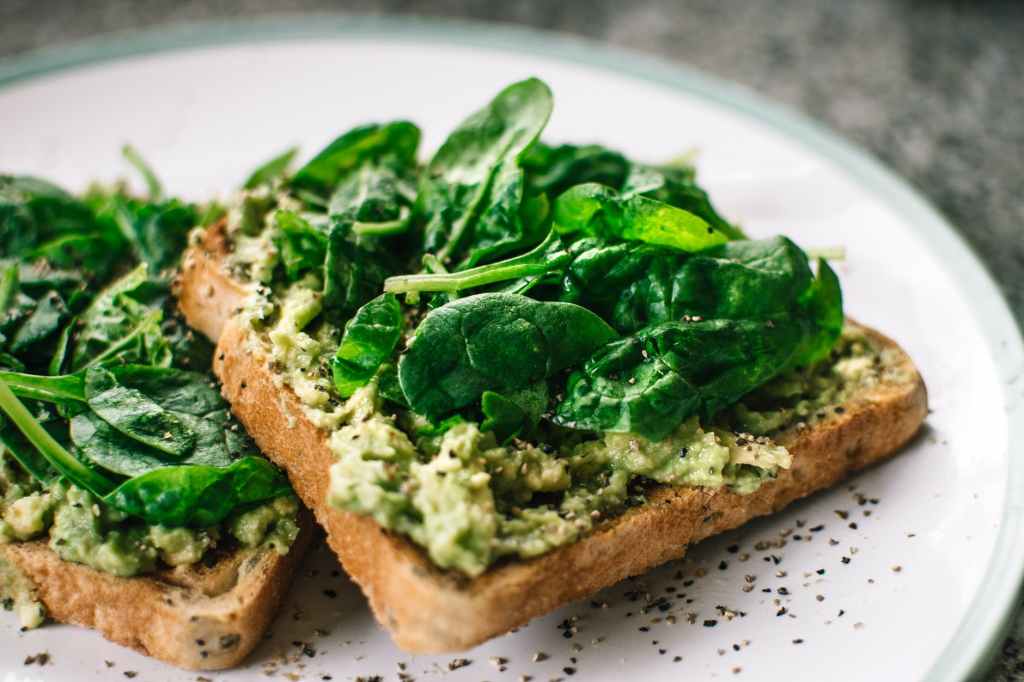
Spinach. Healthy green vegetable that’s loaded with beneficial nutrients. Rich in vitamins, and nutrients like folate, iron, vitamin A and vitamin C, all of which are essential for hair growth. If you are not too fond of the Indian-style spinach sabzi, you can also have it as a smoothie.

Carrot and Sweet potato. It’s perfect source of Vitamin A. Vitamin A is essential for hair thickness. They are extremely nutritious for the scalp.

Dairy products. Calcium is an extremely essential mineral for hair growth. You can add berries to your yoghurt for natural sweetness. Berries are loaded with vitamins and antioxidants that may promote hair growth. Ex. Strawberries, berries. Fruits like oranges, guava, pomogranate contain a number of antioxidant and vitamin C to produce collagen, a protein that helps strengthen hair.

Lentils and green leafy vegetables. Pulses are loaded with protein, iron, zinc, and biotin which are all essential nutrients for your hair. It contains folic acid which makes your hair stronger and prevent breakage.

Nuts and Seeds. Replace your unhealthy snacks with the healthy one, like roasted almonds, walnuts, peanuts. Peanuts can be soaked overnight, can be added to salads, or just eaten as a snack. Nuts contain a variety of nutrients including vitamin E, zinc, magnesium and biotin content, selenium, and omega-3 fatty acids that may promote hair growth. Nuts help in strengthening hair cuticles and nourish the scalp. Seeds like flax seeds, chia seeds, methi seeds add elasticity to your hair.

If you think you’re lacking any of these nutrients, including vitamins A, C, D and E, zinc, B vitamins, iron, biotin, protein and essential fatty acids try adding some of the above foods to your diet. None of these foods have a side effect, it’s best to consume all of them in moderate quantities.

Foods to prevent hair loss

Hair fall can be caused due to a lot of things such as diet, stress, hormonal change. Eating a balanced diet with the right nutrients can help promote hair growth. Vitamins, zinc, protein, biotin, and essential fatty acids promote hair growth.

When the protein intake is reduced, it may shut down the production of non essential protein which could include hair growth. After about 2 or 3 month of drastic reduction of protein intake, one might be able to notice hairfall. 10% to 30% of your calorie intake should be from protein.

Eggs, fish, tofu, cottage cheese are a great source of protein which promote hair strength. Meat is extremely rich in iron. Biotin is essential for the production of a hair protein called keratin. Consuming biotin can help improve your hair growth.

Spinach. Healthy green vegetable that’s loaded with beneficial nutrients. Rich in vitamins, and nutrients like folate, iron, vitamin A and vitamin C, all of which are essential for hair growth. If you are not too fond of the Indian-style spinach sabzi, you can also have it as a smoothie.

Carrot and Sweet potato. It’s perfect source of Vitamin A. Vitamin A is essential for hair thickness. They are extremely nutritious for the scalp.

Dairy products. Calcium is an extremely essential mineral for hair growth. You can add berries to your yoghurt for natural sweetness. Berries are loaded with vitamins and antioxidants that may promote hair growth. Ex. Strawberries, berries. Fruits like oranges, guava, pomogranate contain a number of antioxidant and vitamin C to produce collagen, a protein that helps strengthen hair.

Lentils and green leafy vegetables. Pulses are loaded with protein, iron, zinc, and biotin which are all essential nutrients for your hair. It contains folic acid which makes your hair stronger and prevent breakage.

Nuts and Seeds. Replace your unhealthy snacks with the healthy one, like roasted almonds, walnuts, peanuts. Peanuts can be soaked overnight, can be added to salads, or just eaten as a snack. Nuts contain a variety of nutrients including vitamin E, zinc, magnesium and biotin content, selenium, and omega-3 fatty acids that may promote hair growth. Nuts help in strengthening hair cuticles and nourish the scalp. Seeds like flax seeds, chia seeds, methi seeds add elasticity to your hair.

If you think you’re lacking any of these nutrients, including vitamins A, C, D and E, zinc, B vitamins, iron, biotin, protein and essential fatty acids try adding some of the above foods to your diet. None of these foods have a side effect, it’s best to consume all of them in moderate quantities.