NIVEA Milk Delights Minding besan Facewash does a nice job as it cleanses well, removing redundant canvas and dirt, without leaving skin dry or any slippery u forward. It adds a subtle fluorescence to the skin on regular employment. Suitable for both, dry and gushing skin.
Currently, Rajasthan govt released an amendment “Rajasthan compulsory Registration of Marriage Amendment Bill 2021” it allowed registration of child marriages, it’s 21 century and we all are aware of how heinous child marriage is, here are some of my views on this act
In my views law is not wrong Those who commit or help in child marriage will still be punished, but those who already had marriage were not allowed to have registration and so they were not able to avail all govt schemes and benefits, those saying it will make it easier to do child marriage remember availing govt benefits are everyones fundamental rights.
Those saying it’s illegal look it like this rape is illegal but rape victim and culprit both have some rights that we can’t snatch, like culprit must be allowed to go court etc, ofcourse child marriage is as heinous as rape and here victims are both boy and girl but why they suffer whole life for it, they can’t get rashion, jobs, water, now as everything is more and more digitalizing and you can’t prove you’re married, it will become more hard to avail services like jacha bacha Suraksha and this are thee parents who most need it.
Also one negative point is it will make child marriage easier, but many people will not be able to avail fundamental rights isn’t it totally wrong also we can make child marriage hard by making strong rules. As we have data of child marriage we can ask govt employee who are posted there why they let it happen like police or magistrate, they will become more accountable this way.
If I’m missing some points or you want to share your views here’s my email soni362002@gmail.com
Either Stable burning in various states accrued the air pollution in Delhi and created a gas chamber around NCR ; SC came upon a committee to observe scenario , Or 4 industries inflicting stream pollution were shut down by Maharashtra pollution board . Everybody has responsive to environmental problems as higher than . The key solution for resilience to environmental issues are provided by government in various legislations , enactments and provisions on environment laws .
In republic of India environmental law is concern with the policy and law for protection of the environment . It aims for achieving carbon free economy through taking measures for reducing climate change. All the acts under this laws are safeguards in ensuring effective management of the environment and its multiple ecosystems . It provides for preventing environmental damage .
Natural resources in the earth were unscathed from millions of years. It were remain pure until the industrialized started . After the industrialization this resources have been exploited in Spain of 100 years only . From 19th century, the environment (air , water and land ) is directly exploited by rapidly growing population at alarming-rates.
environment includes water, air and land and the inter-relationship which exists among and between water, air and land, and human beings, other living creatures, plants, microorganisms and property , as mentioned in section 2 of environmental protection Act of 1986 . Environment is a wide sphere , it consists of social, economically , political , religious dimensions .
Addressed area of environmental laws in India :
1. Quality of water : For the prevention and control of water pollution and to maintain or restore wholesomeness of water in the country the water act of 1974 was enacted. It further provides for the establishment of Boards ( CPCB and SPCB ) for the prevention and control of water pollution with a view to carry out the aforesaid purposes. This act prohibits the discharge of pollutants into water bodies beyond a given standard, it also lays down fine and penalties for non-compliance.
2. Reduction of air pollution and maintaining air quality : The Air (Prevention and Control of Pollution) Act, 1981 (the “Air Act”) is an act to provide for the prevention , protection and abatement of air pollution .It provides for establishment of Boards at the Central and State levels with a view to carrying out the aforesaid purposes.
3. Hazardous Waste management : legislations that directly or indirectly deal with hazardous waste management are the Factories Act, 1948, the Public Liability Insurance Act, 1991, the National Environment Tribunal Act, 1995 and rules and notifications under the Environmental Act.
4. Containment cleanup, damage mitigation : preventing future damage to the environment is undeniably the primary objective of environmental law, mitigating and reducing existing damage is also important. This area most often deals with issues like toxic leaks and oil spills. The central objective of this branch of environmental law is deciding liability, planning an appropriate response, and also determining the best process of investigation and monitoring in the overall clean up process. This area also concerns itself with the study and assessment of risk in the long term, to better mitigate any future accidents and risks.
5. Sustainability of resources : United Nations has put great emphasis on ensuring the sustainability of resources. For this vision , it has advocated the formation of various legal principles and legislation. In this regards concept of environmental impact assessment introduced .
Noble legislations and enactments on environment law in India :
Laws on Forest and wild life protection: • The Indian Forest Act, 1927 ; The Wildlife Protection Act, 1972; The Forest (Conservation) Act, 1980 ; The Environment (Protection) Act, 1986; The National Green Tribunal Act, 2010.
Laws on Water pollution : • The Water (Prevention and Control of Pollution) Act, 1974.
Laws on air pollution : • The Air (Prevention and Control of Pollution) Act, 1981 (the “Air Act”)
Laws on hazardous waste management : • Biomedical Waste (Management and Handling) Rules, 1998 ; Municipal Solid Wastes (Management and Handling) Rules, 2000 ; Batteries (Management & Handling) Rules, 2001 ; Hazardous Wastes (Management, Handling and Transboundary) Rules, 2008 ; E – Waste (Management and Handling) Rules, 2011 . Laws on wetlands
•Ramsar convention (1971) : This convention was initiated to push for greater conservation and sustainable use of wetlands ; Wetlands (Conservation and Management) Rules, 2017. Constitutional provisions on environment laws
• Part IVA (Art 51A-Fundamental Duties) of the constitution casts a duty on every citizen of India to protect and improve the natural environment including forests, lakes, rivers and wildlife, and to have compassion for living creatures.
• the Constitution of India under Part IV (Art 48A-Directive Principles of State Policies) stipulates that the State shall endeavour to protect and improve the environment and to safeguard the forests and wildlife of the country.
environment makes human life possible, and our cultural environment helps define who we are. It is therefore essential that our population and economic growth are environmentally sustainable.
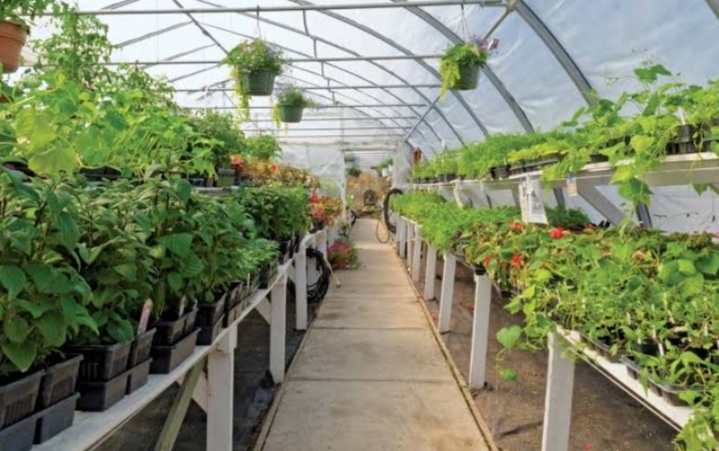
Horticulture, the branch of plant agriculture dealing with garden crops, generally fruits,vegetables, and ornamental plants. The Horticulture falls between domestic gardening and field agriculture, through all forms of cultivation naturally have close links.
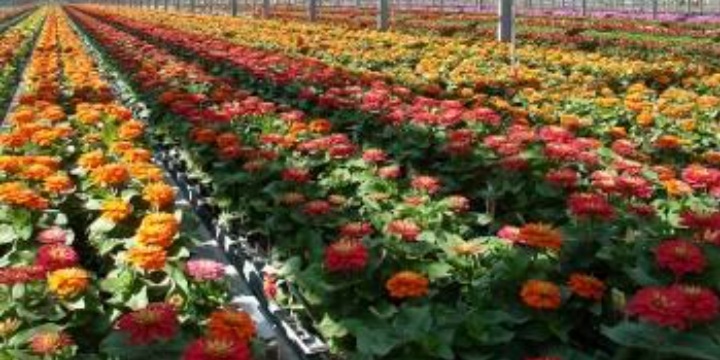
It is divided into the cultivation of plants for food and plants for ornament. Pomology deals with fruit and nut crops. Oliericuture deals with herbaceous plants for the kitchen, including, for example carrots, cauliflower. Floriculture deals with the production of flowers and ornamental plants; generally, cut flowers, pot plants, and greenery. Landscape Horticulture is a broad category that includes plants for the landscape, including lawn turf but particularly nursery crops such as shrubs, trees, and vines. The specialisation of the horticulture and the success of the crop are influenced by many factors. Among these are climate, terrain, and other regional variations.
HORTICULTURAL REGIONS :
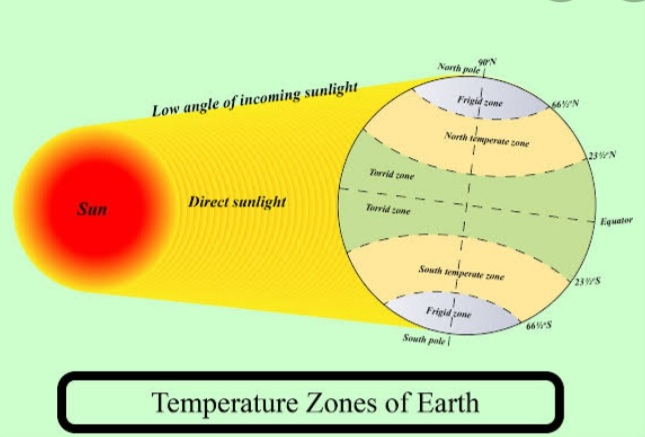
TEMPERATURE ZONES :
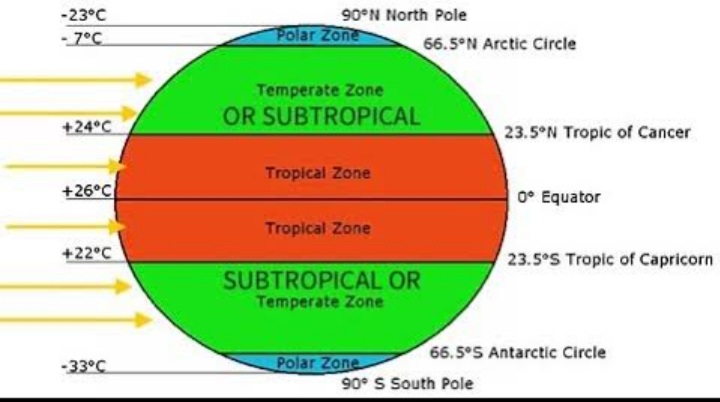
Temperature zones for horticulture cannot be defined exactly by lines of latitude or longitude but are usually regarded as including those areas where frost in winter occurs, even though rarely. Thus, most parts of Europe, North America and Northern Asia are included, though some parts of the United States, such as southern Florida, are considered subtropical. The temperature zones are also the areas of the grasses – the finest lawns particularly are in the regions of moderate or high rainfall- and of the great cereal crops. Rice is excluded as being tropical, but wheat, barley, corn and Rye grow well in the temperature zones. Plants in the temperature zones benefit from a winter resting season, which clearly differentiates them from tropical plants which tend to grow continuously. Most of the great gardens of the world have been developed in temperature zones. Particular features such as rose gardens, herbaceous borders, annual borders, woodland gardens, and rock gardens are also those of temperature zone gardens. Nearly all depends for their success on the winter resting period.
TROPICAL ZONES :
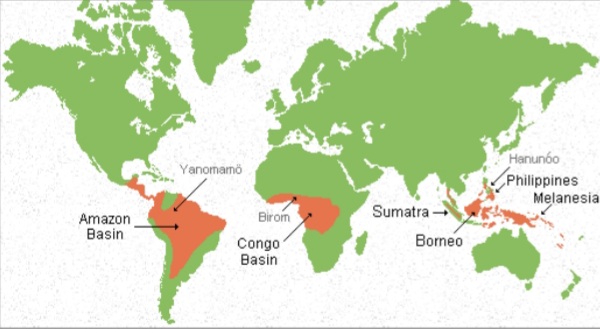
There is no sharp line of demarcation between the topics and the subtropics. Just as many tropical plants can be cultivated in the subtropics, so also many subtropical and even temperature plants can be grown satisfactorily in the tropics. Elevation is a determining factor. In addition to Elevation, another determinant is the annual distribution of rainfall. Plants that grow and flower in the monsoon areas, as in India, will not succeed where the climate is uniformly wet. Another factor is the length of day, the number of hours the sun is above the horizon;some plants flower only if the day is long, but others make their growth during the long days and flower when the day is short. In the tropics of Asia and parts of central and south America, the dominant features of the gardens are flowering trees, shrubs, and climbers. Herbaceous plants are relatively few, but many kinds of orchids can be grown.
PROPAGATION :
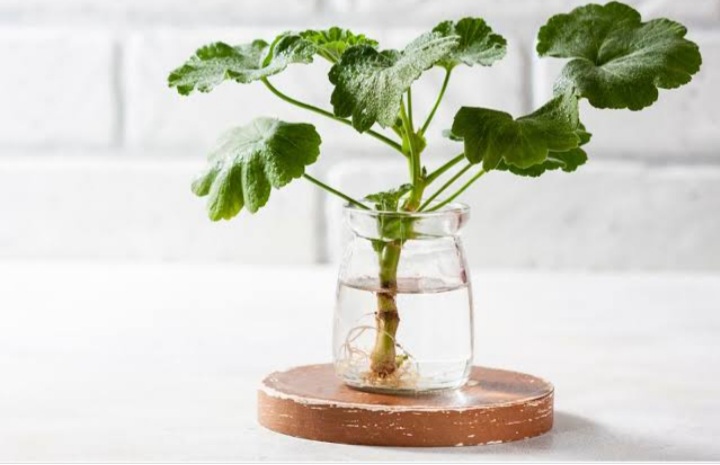
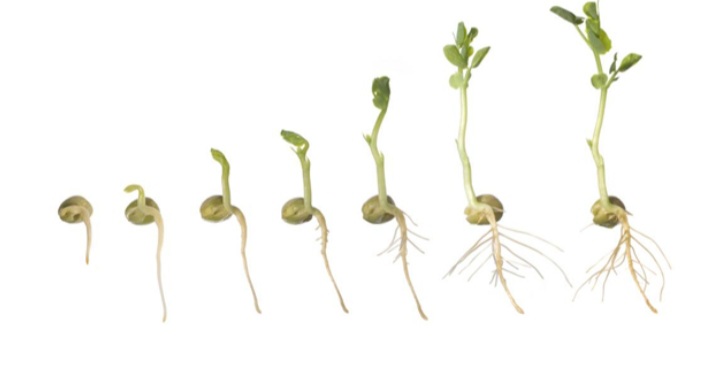
propagation is the controlled perpetuation of plants,is the most basic of Horticulture practices . It’s two objectives are to achieve an increase in numbers and to preserve the essential characteristics of the plant. Propagation can be achieved sexually by seed or asexually by utilising specialised vegetative structures of the plant or by employing such techniques are cutting, layering, grafting and tissue culture
SEED PROPAGATION :
The most common method of propagation for self- pollinated plants is by seed. In self-pollinated plants,the sperm nuclei in pollen produced by a flower fertilize egg cells of a flower on the same plant. Propagation by seed is also used widely for many cross- pollinated plants pollen is carried from one plant to another. The practice of saving seed to plant the following year has developed into a specialized part of horticulture. Seed technology involves all of the steps necessary ensure production of seed with high viability, freedom from disease, purity, and trueness to type. These processes may include specialized growing and harvesting techniques, cleaning, and distribution. Germination in such seed may be accomplished by treatment to remove these inhibitors. This may involve cold stratification, storing seed at high relative humidity and low temperatures, usually slightly above freezing. Cold stratification is a prerequisite to the uniform germination of many temperature-zone species such as apple, bear, and redbud.
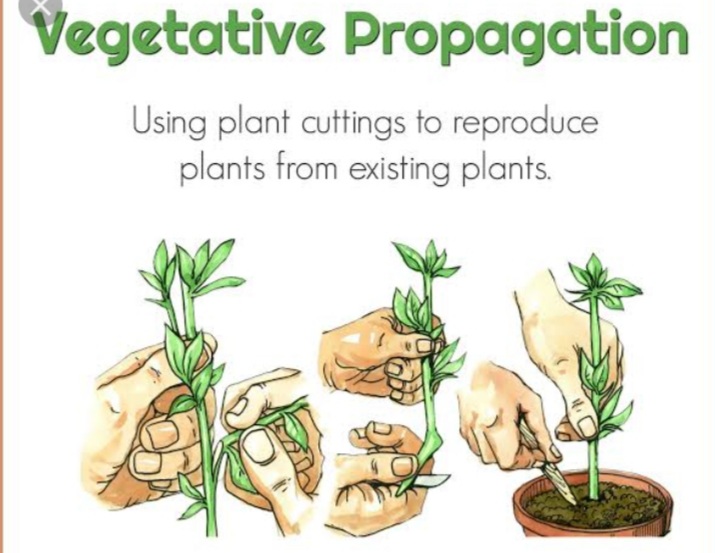
VEGETATIVE PROPAGATION :
Asexual or vegetative reproduction is based on the ability of plants to regenerate tissues and parts. In many plants vegetative propagation is a completely natural process; in others it is an artificial one. It has may advantages. These include the unchanged prepetuation of naturally cross pollimated palnts and the possibility of propagation seedless progeny. Vegetative propagation is accomplished be use of
Apomictic seed
Specialized vegetatice structres such as runners, bulbs, corms, rhizomes, offshoot, tubers, stems and roots.
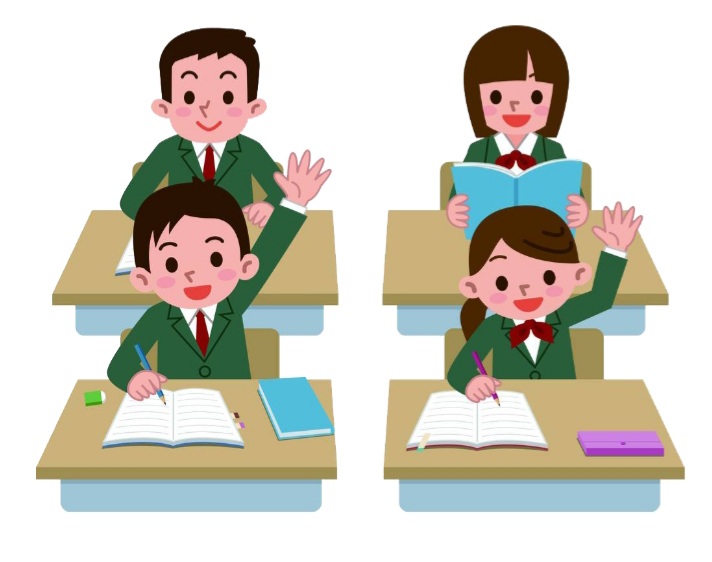
An ideal student is one who is good at skills and an motivation to everyone in the class. Schooling is one of the best blessings that a child can have. It is one of the best feelings which no others can have.
The ideal student is the one who respects others feelings and who will be obedient in many of the situations.
The student’s relation with the teacher is a great one. A student must maintain a healthy relationship with the teachers. Teachers play a very important role in making the student perfect and make them to understand the need of the situation. Teachers help the students to reach their desired goals and in any situation teacher motivates a student to get up and stand in all the ups and downs. Like that of the mother and the father, the teacher also feels equally happy when their student acheives high in their life and when they reach their desired goals.
An ideal student will never feel low at the failures. Instead, they will take their mistakes as an experience and will continue the hard work.
Some of the qualities that make an ideal student are :
Hard work
Discipline
Taking responsibility
Maintaining friendly relationships
Respecting everyone
Raising diubts without features.
SOME QUALITIES THAT MAKE AN IDEAL STUDENT FOR KIDS :
• Ideal student traits make him uniqu, anong others. • It is believed that an ideal student will never waste his time and energy on non- productive things. • The ideal student has inborn winning qualities. • Ideal students will always goal- oriented. Thys, they play according to actions to reach their goals. • It is proven that ideal students will punctual in school and always on time regularly. • He respects everyone. He also obeys their instructions and others. • Ideal students are not bookwarms. They keenly observe and read wisely. • Ideal students take his studies with all seriousness. They dont’t allow any other activites to disturb them • Ideal students always seek the teacher’s guidance. Also, they believe in the knowledge of their teachers.
SOME QUALITIES THAT MAKE AN IDEAL STUDENT FOR SCHOOL STUDENTS :
• Ideal students are always thirsty to gain knowledge.
• They always strive to reach their goals • Ideal students always dedicated to their education and work. • Ideal students behave well and very attentive in classes. They always listen to their teachers while classes are going on • They never hesitate to raise their doubts about studies if they feel some difficulty in understanding. • one of the best things about ideal students is that they are very friendly. Also, they help yo his friends regarding studies. • Ideal students are creative and think out of the box for any completion of tasks. • He always inspire eveyone and attracts the teachers and elders easily. • Ideal students are very responsible and underdtand the value of every wird from their elders.
SOME QUALITIES THAT MAKE IDEAL STUDENT FO HIGHER CLASS STUDENTS :
• Ideal students are always fit both physically and mentally. • Ideal students can differentiate between what is right and what is wrong . • Ideal students always keep friendly relations with othet students even though he has many competitors • He always maintains his promise and never feels proud of his awards and achievements. • Ideal students will nevet trust in superstitions, but believe beliefs. It is because they think very logically abd ratinally. • An ideal students tries to improvr in all aspects of his life and to reach goals. • Ideal students show affection and respect towards their elders and parents. • Ideal students read a lot of books. • The ideal students will take responsibility for their society and country. • An ideal student will never look fir shortcuts. They believe that hard work is the only way to succeed in life.
In simple terms, an ideal students is science towards academics and maintains friendly relations with teachers and elders. Aldo, an ideal student will have leadership and communication skills. The role of an ideal student is both attentibe and punctual in duties. He goes to his school, college or university in time. He attends the classes on regular basis .
“Science has learned recently that contempt and indignation are addictive mental states. I mean physically and chemically addictive. Literally! People who are self-righteous a lot are apparently doping themselves rhythmically with auto-secreted surges of dopamine, endorphins and enkephalins. Didn’t you ever ask yourself why indignation feels so good?”
~ David Brin
Introduction
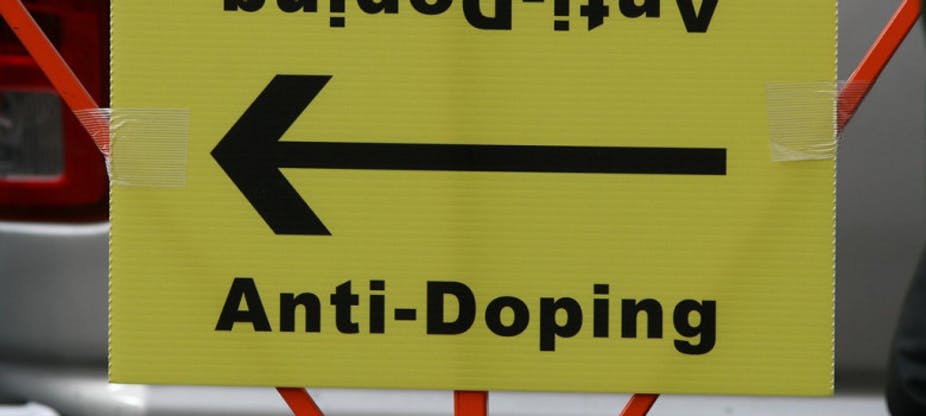
Doping in sport is a widespread problem not just among elite athletes, but even more so in recreational sports. In scientific literature, major emphasis is placed on doping detection, whereas detrimental effects of doping agents on athletes’ health are seldom discussed. Human growth hormone also increases muscle mass, although the majority of that is an increase in extracellular fluid and not the functional muscle mass.
The term doping is widely used by organizations that regulate sporting competitions. The use of drugs to enhance performance is considered unethical, and therefore prohibited, by most international sports organizations, including the International Olympic Committee.
History
According to the World Anti-Doping Agency (WADA), the term “doping” probably comes from the Dutch word “dop,” an alcoholic beverage made of grape skins that was used by Zulu warriors to make them stronger in battle.
Ancient Greek athletes used special diets and stimulating potions to improve performance, and 19th century endurance athletes indulged in strychnine, caffeine, cocaine and alcohol.
The American specialist in doping, Max M. Novich, wrote: “Trainers of the old school who supplied treatments which had cocaine as their base declared with assurance that a rider tired by a six-day race would get his second breath after absorbing these mixtures.”[8] John Hoberman, a professor at the University of Texas in Austin, Texas, said six-day races were “de facto experiments investigating the physiology of stress as well as the substances that might alleviate exhaustion.”
Effects of doping in sports
It builds muscle but causes abnormal growth, heart disease, diabetes, thyroid problems, hypertension, blood cancers and arthritis. Other adverse effects include joint pain, muscle weakness, visual disturbances, enlarged heart and diabetes.
Other side effects include:
Heart palpitations.Heart rhythm abnormalities.
Weight loss.
Tremors.
Mild high blood pressure (hypertension)
Hallucinations.
Stroke.
Heart attack and other circulatory problems.
Constipation.Skin rash or dermatitis.
Diarrhea.
Dizziness.
Drowsiness.
Dry mouth.
Headache.
Insomnia.
UFC ( Ultimate Fighting Championship ).
In December 2013, the UFC began a campaign to drug test their entire roster randomly all year-round. Random testing, however, became problematic for the promotion as it began to affect revenue, as fighters who had tested positive would need to be taken out of fights, which adversely affected fight cards, and therefore pay-per-view sales.
According to Steven Marrocco of MMAjunkie.com, about 31% of UFC fighters subjected to random testing since the program first started have failed due to using performance-enhancing drugs. That is approximately five failed tests for every sixteen random screenings.
From July 2015, the UFC has advocated to all commissions that every fighter be tested in competition for every card. Lorenzo Feritta, who at the time was one of the presidents of the UFC, said, “We want 100 percent of the fighters tested the night they compete”. Also, in addition to the drug testing protocols in place for competitors on fight night, the UFC conducts additional testing for main event fighters or any fighters that are due to compete in championship matches.
Adultery is a French word that came from the Latin verb “adulterium,” which means “to corrupt”. Adultery is described as a consensual extramarital sexual connection that is considered impolite on social, religious, and moral grounds, as well as earlier on legal ones.
Even if adultery is no longer a criminal offence, it is still considered a delinquent behaviour since it breaches societal norms that an individual is expected to follow.
Religion views adultery as a sin. India is famed for its variety while remaining together. Our country is a secular one, in which all religious views are honoured equally. Every religion has its own set of beliefs and goals. In the case of adultery, however, almost every religion is harshly critical. Adultery is seen differently by many religions, but the underlying view stays the same. Adultery is considered a sin in every faith. Religions, on the other hand, may have different punishments. It is considered a delinquent behaviour since it offends the sacred sentiments of all religions.
Adultery in the eyes of the law Adultery is defined in India under Section 497 of the Indian Penal Code (IPC) 1860 as: “Whoever has sexual intercourse with a person who is and whom he knows or has reason to believe is the wife of another man without that man’s consent or connivance, such sexual intercourse not amounting to the offence of rape, is guilty of adultery and shall be punished with imprisonment of either description for a term that may extend to five years, or with fine or with b The wife shall not be held liable as an abettor in such a case.”
Will infidelity have an impact on alimony? An unfaithful wife is not entitled to maintenance from her husband under section 125 of the CrPC. Initially, whether the husband is maintaining a concubine in the same house or living apart with a concubine, the wife has the right to live separately and sue her husband for support.
Conclusion: The necessity to alter India’s adultery statute has not arisen in the last few years; rather, jurists and attorneys have been clamouring for change for decades. The courts have ruled that a part cannot be struck down just because it is desirable to remove it. However, the study suggests that the section be amended rather than deleted. As a result, the Legislature should make a modification to the law of adultery as soon as possible to eliminate the legislation’s gender prejudice.













 Eduindex
You must be logged in to post a comment.