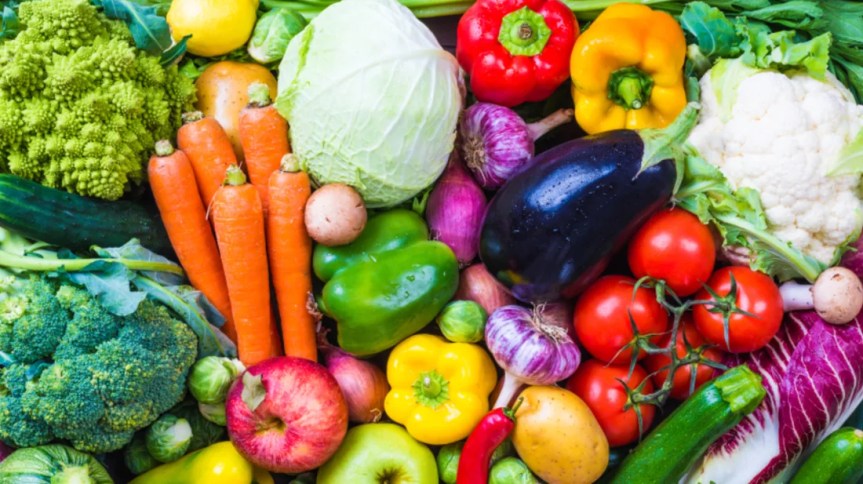
Organic Farming in India: The Future of Sustainable Agriculture

Organic Farming Produce

Introduction

The term ‘organic’ was first coined by Northbourne, in 1940, in his book entitled ‘Look to the Land’. In recent years, organic farming as a cultivation process is gaining increasing popularity . Organically grown foods have become one of the best choices for both consumers and farmers. Organically grown foods are part of go green lifestyle.
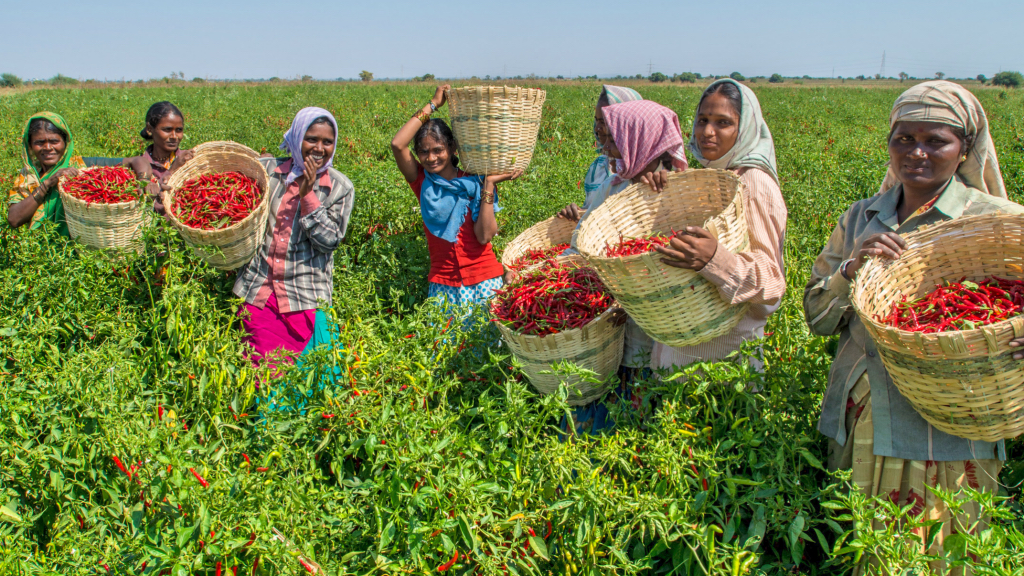
Farmers showing their Organic Harvest

Why Being Preferred These Days: The Importance of Organic Farming

Food quality and safety are two vital factors that have attained constant attention in common people. Growing environmental awareness and several food hazards (e.g. dioxins, bovine spongiform encephalopathy, and bacterial contamination) have substantially decreased the consumer’s trust towards food quality in the last decades. Intensive conventional farming can add contamination to the food chain. For these reasons, consumers are quested for safer and better foods that are produced through more ecologically and authentically by local systems. Organically grown food and food products are believed to meet these demands.
Organic Farming Processes

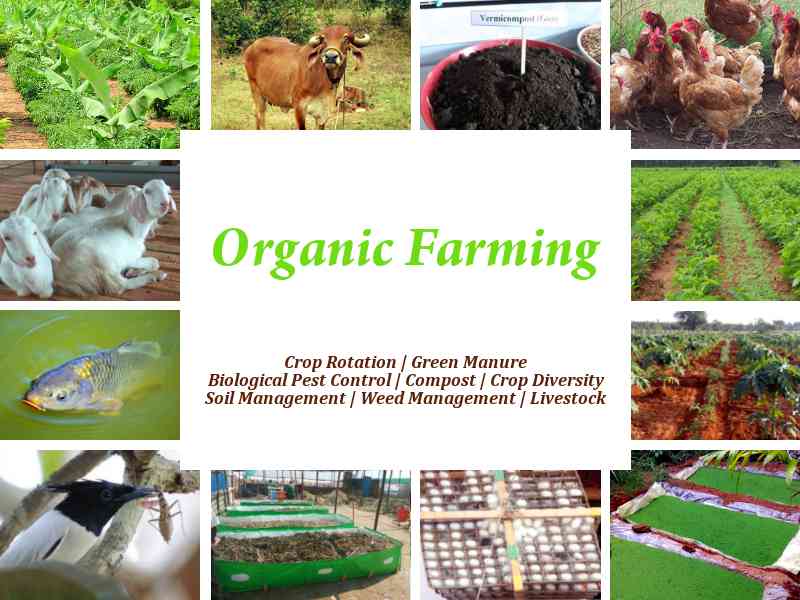
Organic Farming Process

Organic farming and food processing practices are wide-ranging and necessitate the development of socially, ecologically, and economically sustainable food production system. The International Federation of Organic Agriculture Movements (IFOAM) has suggested the basic four principles of organic farming, i.e. the principle of health, ecology, fairness, and care . The main principles and practices of organic food production are to inspire and enhance biological cycles in the farming system, keep and enhance deep-rooted soil fertility, reduce all types of pollution, evade the application of pesticides and synthetic fertilizers, conserve genetic diversity in food, consider the vast socio-ecological impact of food production, and produce high-quality food in sufficient quantity.

Principles of Organic Farming  

According to the National Organic Programme implemented by USDA Organic Food Production Act (OFPA, 1990), agriculture needs specific prerequisites for both crop cultivation and animal husbandry. To be acceptable as organic, crops should be cultivated in lands without any synthetic pesticides, chemical fertilizers, and herbicides for 3 years before harvesting with enough buffer zone to lower contamination from the adjacent farms. Genetically engineered products, sewage sludge, and ionizing radiation are strictly prohibited. Fertility and nutrient content of soil are managed primarily by farming practices, with crop rotation, and using cover crops that are boosted with animal and plant waste manures. Pests, diseases, and weeds are mainly controlled with the adaptation of physical and biological control systems without using herbicides and synthetic pesticides. Organic livestock should be reared devoid of scheduled application of growth hormones or antibiotics and they should be provided with enough access to the outdoor. Preventive health practices such as routine vaccination, vitamins and minerals supplementation are also needed.
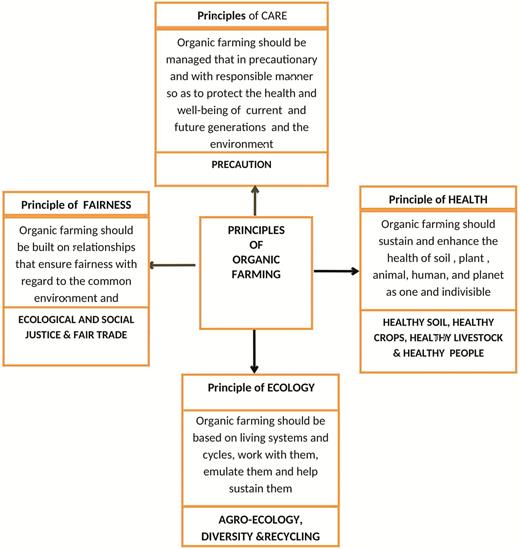
Principles of Organic Farming

Types of Organic Farming

Organic Farming are of two types. Here are the two types of Organic Farming being performed in India.

(a) Pure Organic Farming – pure organic farming, there is avoiding every unnatural chemical. In the process of pure farming, fertilizer and pesticides obtain from natural sources. It is called a pure form of organic farming. Pure organic farming is the best for high productivity. 

(b) Integrated Organic Farming – Integrated organic farming consists of integrated nutrients management and integrated pest management.

Organic Farming in India

Organic farming is in a nascent stage in India. About 2.78 million hectare of farmland was under organic cultivation as of March 2020, according to the Union Ministry of Agriculture and Farmers’ Welfare. This is two per cent of the 140.1 million net sown area in the country. A few states have taken the lead in improving organic farming coverage, as a major part of this area is concentrated only in a handful of states. Madhya Pradesh tops the list with 0.76 million of area under organic cultivation — that is over 27 per cent of India’s total organic cultivation area. The top three states — Madhya Pradesh, Rajasthan and Maharashtra — account for about half the area under organic cultivation. The top 10 states account for about 80 per cent of the total area under organic cultivation. Sikkim is the only Indian state to have become fully organic so far. Even though India has very small organic area under cultivation, in terms of number of organic farmers it is being ranked first. India has over 1.9 million farmers as of March 2020, which is 1.3 per cent of 146 million agricultural landholders.
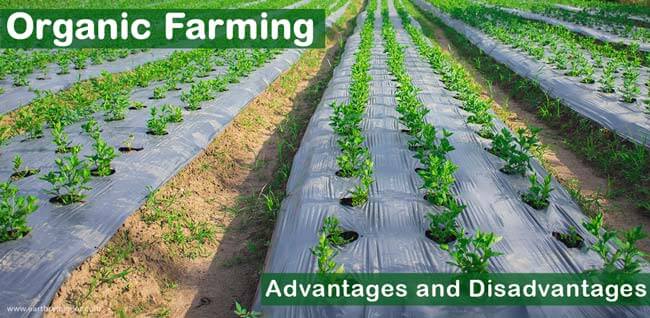
Advantages and Disadvantages of Organic Farming

Advantages of Organic Farming

Organic farming in India is very economical, it uses no expensive fertilizers, pesticides, HYV seeds for the plantation of crops. It has no expenses. 

With the use of cheaper and local inputs, a farmer can earn a good return on investment. This is one of the most important benefits of organic farming in India. 

There is a huge demand for organic products in India and worldwide and can earn more income through export.

Organic products are more nutritional, tasty, and good for health to chemical and fertilizer utilized products. 

Organic farming in India is very environment friendly, it does not use fertilizers and chemicals. 

Disadvantages of Organic Farming

Organic farming in India has fewer choices, and off-season crops are limited.

Organic agricultural products are low in the early years. Farmers find it difficult to accommodate mass production.

The main disadvantage of organic farming is the lack of marketing of the products and Inadequate infrastructure.
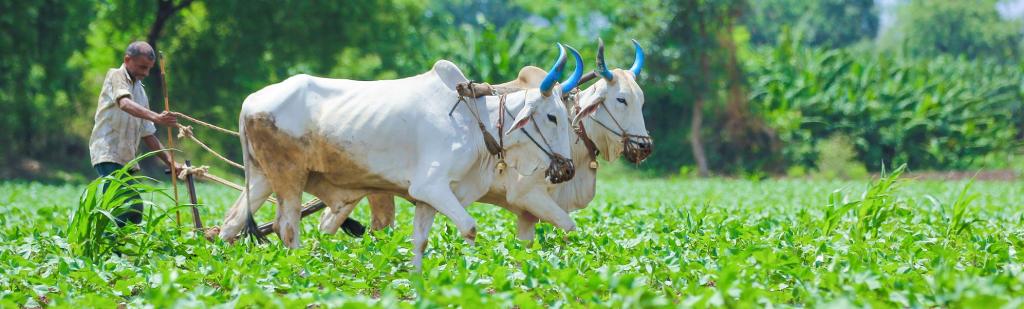
Organic Farming in India

Future of Organic Farming in India

India is an agriculture-based country with 67% of its population and 55% of manpower depending on farming and related activities. Agriculture fulfils the basic needs of India’s fastest-growing population accounted for 30% of total income. Organic farming has been found to be an indigenous practice of India that practised in countless rural and farming communities over the millennium. The arrival of modern techniques and increased burden of population led to a propensity towards conventional farming that involves the use of synthetic fertilizer, chemical pesticides, application of genetic modification techniques, etc.
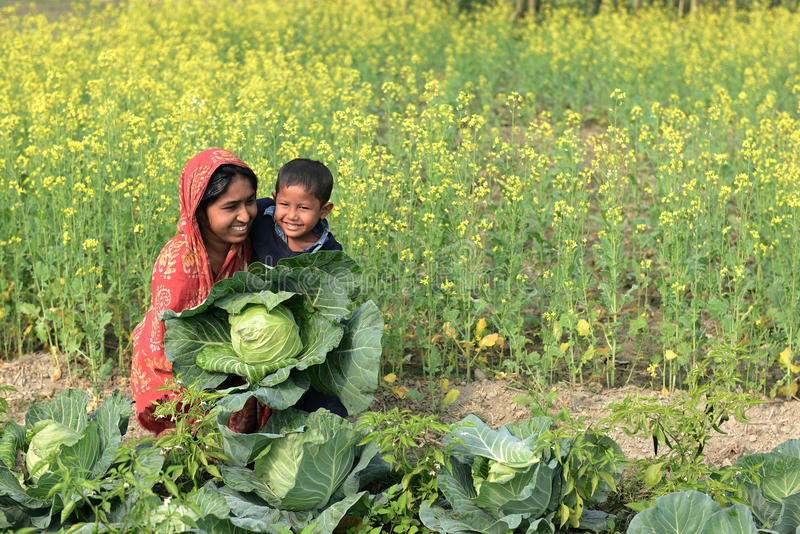
Organic Farming leads to Sustainability and Holistic Growth

Even in developing countries like India, the demand for organically grown produce is more as people are more aware now about the safety and quality of food, and the organic process has a massive influence on soil health, which devoid of chemical pesticides. Organic cultivation has an immense prospect of income generation too. The soil in India is bestowed with various types of naturally available organic nutrient resources that aid in organic farming.
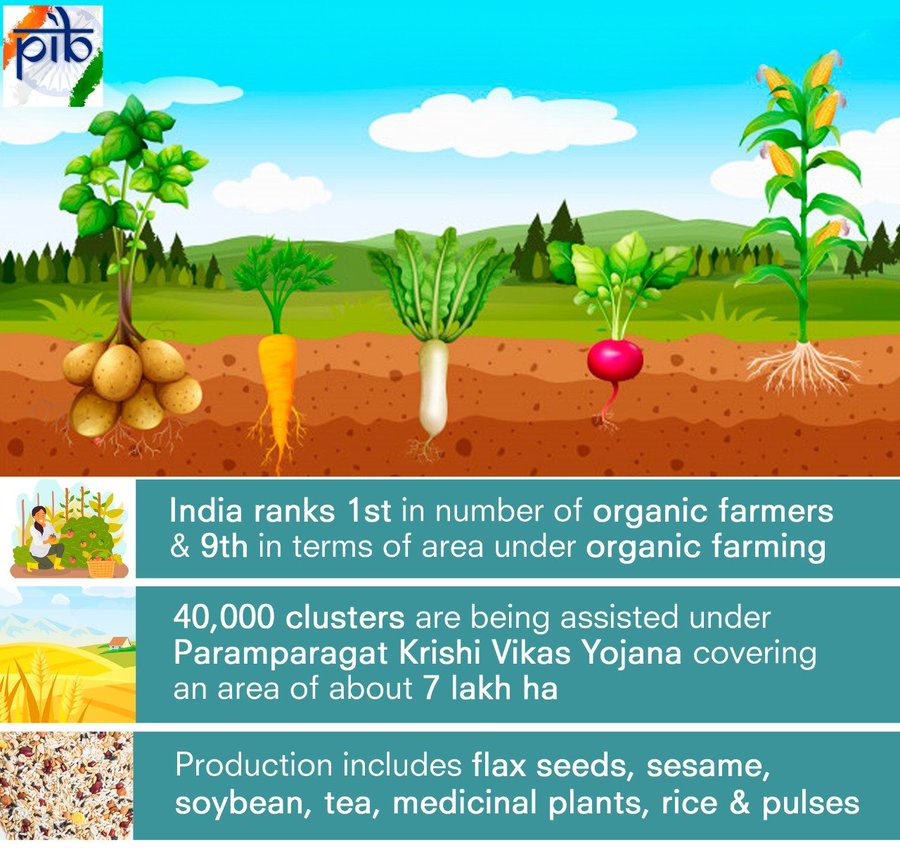
As per data collected from Government of India

Conclusion

India is a country with a concrete traditional farming system, ingenious farmers, extensive drylands, and nominal use of chemical fertilizers and pesticides. Moreover, adequate rainfall in north-east hilly regions of the country where few negligible chemicals are employed for a long period of time, come to fruition as naturally organic lands. Organic farming yields more nutritious and safe food. The popularity of organic food is growing dramatically as consumer seeks the organic foods that are thought to be healthier and safer. Thus, organic food perhaps ensures food safety from farm to plate. The organic farming process is more eco-friendly than conventional farming. Organic farming keeps soil healthy and maintains environment integrity thereby, promoting the health of consumers. Moreover, the organic produce market is now the fastest growing market all over the world including India. Organic agriculture promotes the health of consumers of a nation, the ecological health of a nation, and the economic growth of a nation by income generation holistically. India, at present, is the world’s largest organic producers and with this vision, we can conclude that encouraging organic farming in India can build a nutritionally, ecologically, and economically healthy nation in near future.


India signs a three-year work program for cooperation in Agriculture with Israel

On 24th May 2021, India signed a three-year work program agreement with a vision for the development of Agriculture cooperation with Israel. “INDO-ISRAEL Agricultural Project Centres of Excellence” and “INDO-ISRAEL Villages of Excellence” are also implemented by India and Israel.

The work program aims to improve existing Centres of Excellence, build new centres, increase CoE’s value chain, bring the Centres of Excellence into the self-sufficient mode, and encourage private sector companies and collaboration.

This programme will help boost the bilateral relationships among both governments. Cooperation between the two countries in the field of agriculture will benefit the farming community. India and Israel have had bilateral relations since 1993 in the agricultural sector. It is the 5th IIAP(Indo-Israel Agriculture Action Plan).

India has 29 operational Centres of Excellence (COEs) across India in 12 States. Centres of excellence implement Advanced-Intensive agriculture farms with Israeli Agro-Technology suitable to local conditions.

The Centres of Excellence helps to impart knowledge, demonstrate best practices and train farmers. Every year, these COEs produce more than 25 million quality vegetable seedlings, more than 387 thousand quality fruit plants and train more than 1.2 lakh farmers regarding the latest technology in horticulture.

INDO-ISRAEL Villages of Excellence(IIVOE) aims at creating a model ecosystem in agriculture across eight states, alongside 13 Centers of Excellence within 75 villages. It has the vision to incorporate a large-scale and complete value chain approach based on the principles of Israeli novel technologies and methodologies dissemination of the CoE’s, tailored to local conditions. IIVOE will focus on Modern Agriculture infrastructure, Capacity Building, Market linkage.

“So far, we have successfully completed 4 action plans. This new work programme will further strengthen the bilateral relations and mutual cooperation between the two countries in the field of agriculture for the benefit of the farming community. The COEs established under these Israeli-based action plans are playing an important role in doubling farmers’ income. The exchange of technology between India and Israel will greatly improve the productivity and quality of horticulture, thereby increasing the income of farmers” were the words of Shri Narendra Singh Tomar, Minister of Agriculture & Farmers Welfare.

Shri Sanjay Agarwal, Secretary, Department of Agriculture, Cooperation & Farmers Welfare said, “These Centers of Excellence established under Indo-Israel Agriculture Action Plan (IIAP) have become epicentres of transformation in the horticulture sector. Our focus during the new work programme will be to convert the villages surrounding these COEs into Villages of Excellence through massive outreach programmes”.

Ambassador Dr Ron Malka said, “The three-year work program (2021-2023) reflects the strength of our growing partnership and will benefit local farmers both through the Centers of Excellence and the Villages of Excellence”.

The work program signing ceremony was also attended by Union Minister of State for Agriculture and Farmers’ Welfare Shri Parshottam Rupala and Shri Kailash Choudhary along with Senior officers of the Israeli Ministry of Foreign Affairs, Ministry of External Affairs, Government of India and Ministry of Agriculture & Farmer’s Welfare, Government of India.

Indian Agriculture!…

India has always been a prominent name in the field of agriculture. Indian economy, GDP and even politics revolve around farmers and agriculture. Though the world feels India as an agro nation, in fact, farmers are the one who struggles the most to get their rights.
India falls into the hot zone of the earth’s atmosphere. Farmers have to fight with nature in every season. It is like a dead investment. They don’t even know if they would get anything in return or not. All their efforts and investments are totally based on how nature will respond. But still, they do it. Just for the sake of humanity and to feed people, they do it. They work hard on the farm, no matter what season, they stay there working all day long. They prepare the land for farming, sow seeds in it and then wait for the rain. After the crop is grown fully, they harvest it and take it to the market. But in the market, we people don’t even value their efforts and make them sell it a very lower price than they actually deserve. In the mall, we don’t even check the price tag before buying anything, forget about bargaining. But while buying vegetables, we hesitate for just 10-20 rupees of their right.
Indian farmers don’t even get returns equal to their investments. Profit is a myth for farmers. Every political party promises to do good for farmers before the election, but when in rule nobody even bothers about the farmers. Even the media take farmer suicide as just casual news. We live because of them. Just imagine a day if farmers decide not to grow anything. We all will starve. So to avoid that day, we should respect the farmers of our nation.
Agriculture is given a last preference by the young generation. We’ve developed a negative vibe for agriculture that you need to work hard and there’s no guarantee of returns. It is a volatile profession and much before. But the fact is, despite all the hardships farmers face in India, there are few farmers who modernised their agriculture techniques and now earning well. With the upgradations in the farming techniques and planting new and hybrid varieties, few farmers are making money well. This change even made the customers change a bit. Now customers demand the fresh vegetables at whatever price farmer wish. Few remain in the waiting list just to get good quality products. This change can be made into a mass level if youth enters into the field of agriculture. Government and agricultural organisations need to educate youth to choose agriculture as a profession. Indians have been driving the world for a long time. Let’s make it big even in the field of agriculture taking young minds together!…

Locust swarms sweeping across northern India, control operations stepped up

Amidst a wave of locust swarms sweeping across western and northwestern India, the Department of Agriculture and Farmers’ Welfare (DAC&FW) has stepped up locust control operations in the affected States of Rajasthan, Punjab, Gujarat and Madhya Pradesh. As of today, there are active swarms of immature locust in Barmer, Jodhpur, Nagaur, Bikaner, Ganganagar, Hanumangarh, Sikar, Jaipur Districts in Rajasthan and Satna, Gwalior, Seedhi, Rajgarh, Baitul, Devas, Agar Malwa district of Madhya Pradesh.

crop field under rainbow and cloudy skies at dayime

At present 200 Locust Circle Offices (LCO) are conducting survey & control operations in close coordination with District Administration and agriculture field machinery of the affected States. Locust control operations are in full swing in coordination with State Agriculture Departments and Local Administration. In Rajasthan 21 districts, in Madhya Pradesh 18 districts, in Punjab one district and in Gujarat 2 districts have undertaken Locust control till now. For effective control of locusts beyond Scheduled Desert Areas, temporary control camps have been established in Ajmer, Chittorgarh and Dausa in Rajasthan; Mandsaur, Ujjain and Shivpuri in Madhya Pradesh and Jhansi in Uttar Pradesh.

So far (till 26.05.2020), control operations against Locusts have been done in 47,308 hectare area in total 303 places in Rajasthan, Punjab, Gujarat and Madhya Pradesh by LCOs in coordination with District Administration and State Agriculture Department. 89 fire brigades for pesticide spray; 120 survey vehicles; 47 control vehicles with spray equipments and 810 tractor mounted sprayers have been deployed for effective locust control, as per requirement during different days.

Usually, the locust swarms enter the Scheduled Desert Area of India through Pakistan for summer breeding in the month of June/July with the advent of monsoon. This year, however the incursions of locust hoppers and pink swarms have been reported much earlier because of presence of residual population of Locusts in Pakistan which they couldn’t control last season. Since 11th April 2020, locust hoppers and from 30th April, 2020, the incursion of pink immature adults has been reported in bordering districts of Rajasthan and Punjab, which are being controlled. Pink immature adults fly high and cover long distances during day hours from one place to another along with the westerly winds coming from the Pakistan side. Most of these pink immature adults settle on the trees during night and mostly fly during day.

Concerned over the early attack of locust swarms this year, the Union Minister for Agriculture & Farmers’ Welfare, Shri Narendra Singh Tomar chaired a meeting with the pesticide manufacturers and all related stakeholders on 6th May, 2020 to review the preparedness for locust control in the affected States. Following directions of the Agriculture Minister Shri Tomar, a video conference was conducted under the chairmanship of Secretary (DAC&FW) Shri Sanjay Agarwal was conducted on 22nd May, 2020 with the District Administration and District Agriculture Officers of locust threatened districts of Punjab, Rajasthan, Gujarat, Madhya Pradesh and Uttar Pradesh along with the representatives of NDMA.  Locust awareness literature, SOPs, approved pesticides and awareness videos were shared with the States in the meeting. Earlier, a video Conference was held on 5th May, 2020 with the Principal Secretary (Agriculture) and DMs of the locust prone districts of Rajasthan, Gujarat and Punjab under the chairmanship of Secretary, DAC&FW to review the preparedness and further coordination with the locust States for taking necessary action.

On 11th March, 2020 a High- Level virtual meeting on Desert Locust in South-West Asian countries was held at the office of the FAO representative in India. Representatives of four member countries (Afghanistan, India, Iran and Pakistan) and the Plant Protection Division of FAO, Rome also participated in the meeting. The MoS (Agriculture & FW) Shri Kailash Choudhury and Secretary DAC&FW attended the meeting. It was decided to hold the virtual meetings of technical officers of member countries every Monday via Skype and nine meetings have so far been held. Advisories have been issued to the States of Rajasthan, Gujarat, Haryana and Punjab regarding the locust attack and necessary measures to be taken for effective control and pesticides that are to be used for effective Locust control in the cropped area.

Currently Locust Control Offices have 21 Micronair and 26 Ulvamast (47 spray equipments) which are being utilized for locust control. On approval of the Agriculture Minister Shri Tomar, supply order for additional 60 sprayers has been placed to M/s. Micron, United Kingdom. e-Tender has been invited for the empanelling agencies to provide services of drones for aerial spraying of insecticides for effective control over tall trees and inaccessible areas. Ministry of Civil Aviation has approved “Conditional exemption to Government entity (DPPQS) for use of Remotely Piloted Aircraft System for anti-locust operations” on 21st May, 2020 and in accordance with this order, two firms have been finalized through tender for use of the drones for spray of pesticides for Locust control.

Meanwhile, supply order for procurement of additional 55 vehicles has been placed to strengthen the control potential. Adequate stock of Pesticide is being maintained (53,000 litres Malathion) with Locust Control Organizations. Under Sub-mission on Agriculture Mechanization, assistance for 800 tractors mounted spray equipments has been sanctioned for Rajasthan costing Rs. 2.86 crores. Also, under RKVY sanction for hiring of vehicles, tractors and for purchase of pesticides has been issued for Rajasthan worth Rs. 14 crores. Under RKVY sanction for purchase of vehicles, spray equipments, safety uniform, android application and training has also been issued for Gujarat at a cost of Rs. 1.80 crores.

As per FAO’s Locust Status Update of 21st May, 2020, the current situation remains extremely alarming in East Africa where it is an unprecedented threat to food security and livelihoods. New swarms will migrate to the summer breeding areas along both sides of the Indo-Pakistan border as well as to Sudan and West Africa. As vegetation dries out, more groups and swarms will form and move from these areas to the summer breeding areas along both sides of the Indo-Pakistan border. Good rains are predicted during the first half of June along the Indo-Pakistan border that would allow egg-laying to occur.


During 2019-20, India witnessed a massive locust attack which was successfully controlled. Starting from 21st May, 2019 till 17th February 2020, a total of 4,03,488 ha area was treated and locust was controlled. Along with this, the State Agriculture Department of Rajasthan and Gujarat coordinated Locust control in cropped areas of the State. During 2019-20, Control operations were done in 3,93,933 ha area of  11 districts of Rajasthan; 9,505 ha area in 2 districts of Gujarat and 50 ha area in 1 district of Punjab. Senior Locust Forecasting Officer of FAO who visited India on 16-17 January 2019 also appreciated the efforts of India in Locust control.

Everyday Locust Control Organizations and District Authorities and State Agriculture Department officials with control spray vehicles of LCOs, tractor mounted with sprayers and fire tenders, are undertaking Locust control operations in early morning hours. The immature locust is very active and their mobility makes it difficult to control the swarm at one location and it takes 4 to 5 days of control at different locations to control a particular locust swarm.

Locust is an omnivorous and migratory pest and has the ability to fly hundreds of kilometers collectively. It is a trans-border pest and attacks the crop in large swarm. Found in Africa, the Middle East and Asia, they inhabit some 60 countries and can cover one-fifth of Earth’s land surface. Desert locust plagues may threaten the economic livelihood of one-tenth of the world’s human population. Swarms of locusts in the desert come to India from Africa/ Gulf/ South West Asia during the summer monsoon season and go back towards Iran, Gulf & African countries for spring breeding.

In India more than 2 lakh square kilometers area comes under Scheduled Desert Area. Locust Warning Organization and 10 Locust Circle Offices (LCO) of Government of India are situated in Rajasthan (Jaisalmer, Bikaner, Phalodi, Barmer, Jalore, Churu, Nagaur, Suratgarh) and Gujarat (Palanpur and Bhuj) are responsible for monitoring, survey and control of Desert Locust in Scheduled Desert Area in coordination with State Governments.