November is a vibrant month filled with various festivals and celebrations across different cultures and regions. Here are some significant festivals in November:
Hindu Festivals
Diwali (Dates vary, typically in November): The festival of lights, symbolizing victory over darkness and evil.
Govardhan Puja (1st November): Celebrating Krishna’s victory over Indra, the god of rain.
Bhai Dooj (2nd November): Honoring the bond between brothers and sisters.
Kartik Purnima (Full Moon Day, typically in November): A sacred day for spiritual growth and rituals.
Tulsi Vivah (typically in November): Celebrating the marriage of Lord Vishnu and Tulsi.
Other Important Days
All Saints’ Day (1st November): A Christian holiday honoring saints and martyrs.
All Souls’ Day (2nd November): A Christian holiday commemorating the deceased.
World Vegan Day (1st November): Promoting veganism and animal rights.
National Author’s Day (1st November): Honoring authors and writers.
International Day for Tolerance (16th November): Promoting tolerance and understanding.
World Children’s Day (20th November): Advocating for children’s rights and welfare.
Thanksgiving Day (4th Thursday of November, USA): Expressing gratitude and appreciation.
Islamic Festivals
Mawlid al-Barzanji (Dates vary, typically in November): Celebrating the birth of Prophet Muhammad.
Sikh Festivals
Guru Nanak Jayanti (full moon day, typically in November): Celebrating the birth of Guru Nanak, the founder of Sikhism.
Buddhist Festivals
Loi Krathong (Dates vary, typically in November): A festival of lights, releasing lanterns onto rivers.
Jain Festivals
Kartik Purnima (Full Moon Day, typically in November): A sacred day for spiritual growth and rituals.
Other Cultural Festivals
Day of the Dead (Día de los Muertos) (1st-2nd November, Mexico): Honoring ancestors and loved ones.
Bonfire Night (5th November, UK): Commemorating the Gunpowder Plot.
These festivals showcase the diversity and richness of cultures worldwide, promoting unity, gratitude, and celebration.
Maharashtra is home to some of India’s most prestigious universities, known for their academic excellence, research, and diverse programs. Here are the top universities in Maharashtra:
Indian Institute of Technology Bombay (IIT Bombay), Mumbai: One of India’s leading engineering and research institutions, renowned for its cutting-edge research, innovation, and top-ranked programs in engineering, technology, and sciences.
University of Mumbai, Mumbai: One of India’s oldest universities, offering a wide range of undergraduate, postgraduate, and doctoral programs in arts, science, commerce, law, and management.
Savitribai Phule Pune University (SPPU), Pune: A well-regarded public university offering a diverse array of programs in arts, science, commerce, engineering, and management, known for its research contributions.
Institute of Chemical Technology (ICT), Mumbai: A premier institute specializing in chemical engineering, technology, and applied sciences, known for its research and industry collaborations.
Tata Institute of Social Sciences (TISS), Mumbai: A prestigious institute offering programs in social sciences, humanities, public policy, and social work, with a strong focus on research and societal impact.
Symbiosis International (Deemed University), Pune: A leading private university offering diverse programs in management, law, humanities, and health sciences, known for its international collaborations and industry connections.
Narsee Monjee Institute of Management Studies (NMIMS), Mumbai: A top private university offering programs in management, engineering, commerce, law, and health sciences, with a focus on innovation and entrepreneurship.
Dr. Babasaheb Ambedkar Marathwada University, Aurangabad: A prominent public university offering a variety of programs in arts, science, commerce, law, and management, with a focus on regional development.
Maharashtra Institute of Technology (MIT), Pune: A leading private institute offering programs in engineering, technology, management, and humanities, known for its academic rigor and innovation.
Shivaji University, Kolhapur: A well-known public university offering programs in arts, science, commerce, and engineering, with a strong emphasis on research and community engagement.
These universities are recognized for their contributions to higher education, research, and innovation in Maharashtra, making them top choices for students across India.
In India, films are censored by the Central Board of Film Certification (CBFC), a statutory censorship and classification body under the Ministry of Information and Broadcasting, Government of India. Films should be certified by the board to be publicly exhibited it in India, including films shown on television.
History -:
Film censorship, the control of the content and presentation of a film, has been a part of the film industry for almost as long as it has been around. The activists of current society continue to broaden the First Amendment rights for the film industry allowing the art to be restricted to a certain limit.[24] Britain established film censorship in 1912 and the United States followed a decade later. Other early efforts of censoring the film industry include the Hays Code of 1922 and the Motion Picture Production Code of 1930.
The Film Fraternity – :
Films are considered a great medium of communication with people. With the development and progress of society and also with the progress in the field of science and technology, films have undergone a sea change and by adopting all the available technologies, have been able to reach the masses and are also significantly contributing to the social and cultural development of the country. In this way, the films are equated with the Press as Press is also considered a great medium of communication.
The Constitution-:
Article 19(1) of the Indian constitution ensures the right to freedom of speech and expression for all. Hence, this right is also applicable to moviemakers as well as writers. Article 19(2) specifies that freedom of expression should not threaten the sovereignty and integrity of the Nation. Censor Board was established based on this principle.
Central Board of Film Certification (CBFC) -:
A motion film is certified by CBFC, the regulatory authority in India, under Sections 5A and B of the Cinematograph Act, 1952. CBFC certifies and differentiates movies as ‘U (Unrestricted Public Exhibition)’, ‘U/A (Parental Guidance for children below the age of 12 years)’, A (Restricted to adults), and S (Restricted to any special class of persons).
NECESSITY OF CENSORSHIP -:
1. Influences the young -:
Nowadays, most movies have unrealistic scenes. Violent scenes that motivate young viewers to copy the tasks their heroes perform on screen may cost them their lives. movies that claim that the consumption of drugs is injurious to health are promoting the use of drugs as young minds grow curious to try them in real life. It is better if such scenes are censored. Children are also watching ‘A’ certified movies, filled with full of violence. The accessibility to movies has increased considerably. So there is a need to remove scenes of too much violence and vulgarity.
2. Tackles the unacceptable -:
If a part of a movie contains scenes or language that cannot be accepted by people of all religions, then there will be calls to ban the movie and a riot may break out. So, to avoid them, the government has set up a board that will censor those unacceptable parts. If there is no censorship, there are dangers that movies that hurt the sentiments of certain sections will be out in public. This can lead to violence and threatens public order.
3. Keeps children safe -:
Censoring certain parts of movies helps keep children away from hearing and seeing inappropriate things. Nowadays, children are addicted to watching TV. When a movie is shown on TV — and most movies are these days — children are exposed to it. Inappropriate scenes or a string of wrong words can teach them all the wrong things and have a bad influence. As a society, we have a responsibility to protect children from being exposed to dangerous content.
4. Maintains harmony -:
Scenes that make a travesty of history or create friction amongst people should be completely removed. The case of the movie, Padmaavat, which was released in January 2018, is the perfect example of the need of censoring movies to maintain communal harmony.
DISADVANTAGES OF CENSORSHIP -:
1. An art -:
The arts do not influence people’s thoughts and feelings, let alone their actions unless they connect with something already present in those people’s personalities or experiences. People choose what art they will look at, what movies they will watch, what games they will play, or what sites they will visit, because of who they already are. Cinema, like other art forms, is a medium for expression. Filmmakers translate their vision onto the big screen through months or years of hard work. Thus, to snip off portions that are undesirable in a movie is unfair.
2. Obstructs creativity -:
Censoring parts of movies obstructs their creative flow and nullifies the effect of the narrative. It is always up to us if we want to watch a movie or not. Censoring parts of it means breaking the million thoughts and ideas that go into building that movie. Documentaries, which are meant to expose truths, are also undergoing many cuts. Filmmakers spend a lot of money and time making movies. If parts of the movie are cut in the name of censorship, they will be discouraged to make more movies.
3. Essence lost-:
Be it a plot or sub-plot, every part of a movie is crucial. So, with a part missing, the entire essence of the movie is lost. It’s time to leave movies in the hands of the movie’s crew and not the certification board. People have the mental ability to decide what to watch and what not to watch. Government has no right to decide what people are allowed to watch.
Is censorship a necessary evil?
Censorship can be considered a necessary evil, but that doesn’t negate the freedom of speech and expression completely. The chief problem is that it seems that Censor Board doesn’t look into alternative options before banning a movie and fails to take into account a lot of mitigating factors involved in the making of the movies. While public interest needs to be protected, the private interest of the parties involved cutely be forgotten.
Loss of time and money :
Right from the script to music, to production and advertising, a lot of effort and money has gone into the movies which when banned enormously impacts the economic status of people involved, which in turn comes under the ambit of their fundamental right of livelihood. This repeated pattern of Board or Government banning or halting the release of movies, thereby consequently an appeal being filed to High Courts and Supreme Court where the ban is lifted is getting quite tedious.
Conclusion :
The Certification Board must take a balanced approach while reviewing movies and must take into account that the harmony between freedom of expression and a sense of security and peace in society is maintained. In a perfect world, censorship would not be necessary. Children wouldn’t be exposed to movies inappropriate for their age and every person would have the mental stability to recognize the boundary between movies and reality. But we don’t live in a perfect world – so while we can’t always monitor what our children watch, or predict what could inspire violent behavior, we can take steps to protect the unguarded things in society through classification and censorship.
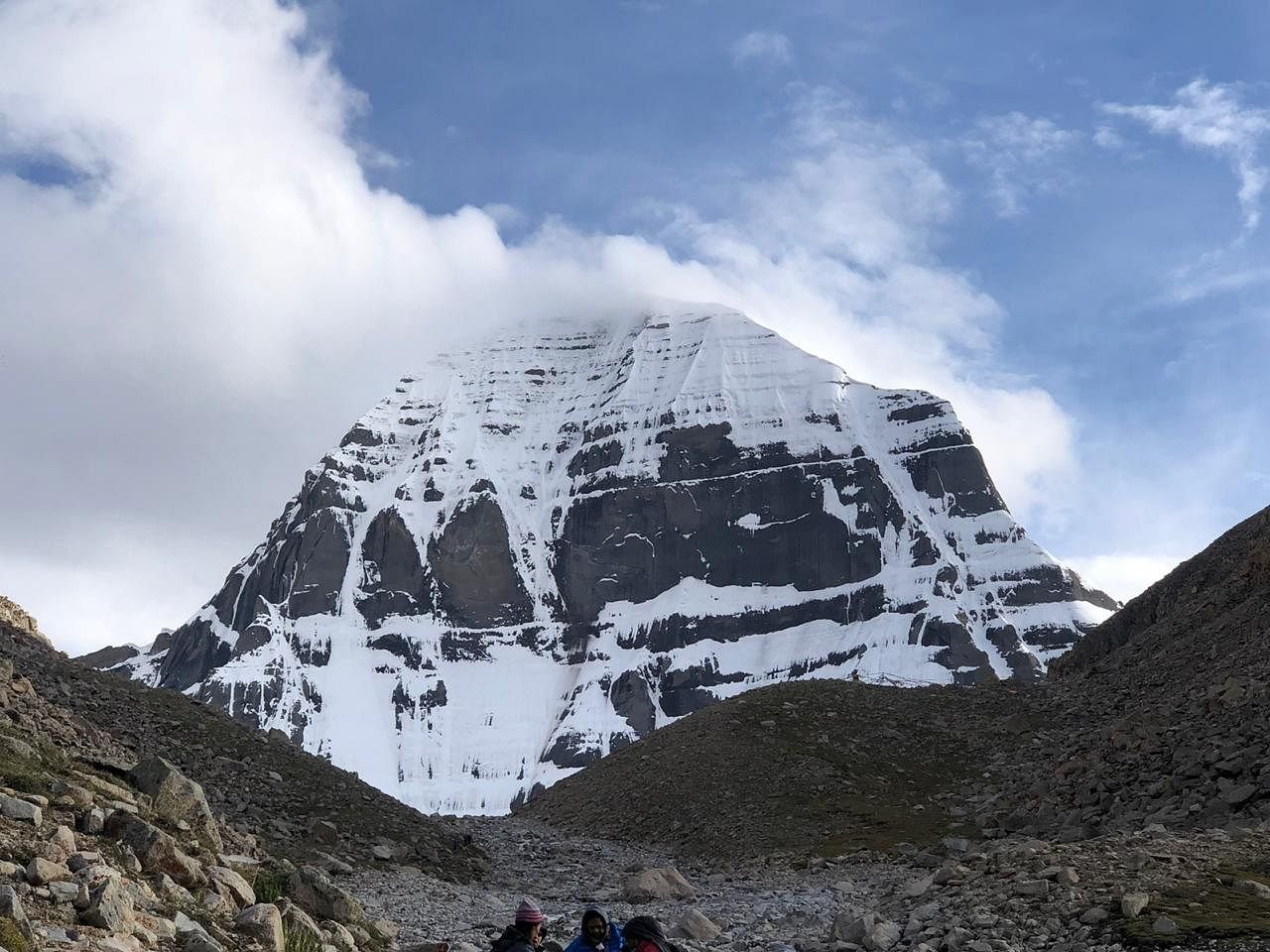
Mount Kailash is located near Lake Manasarover and Lake Rakshastal, near the Indus River, the headwaters of Asia’s longest river. Sutlej; Brahmaputra; Karnali also known as Ghaghara (a tributary of the Ganges) in India. Mount Kailash is considered to sacred in four religions. Receipts; Buddhism; and Jainism.
SOME INTRESTING FACTS ABOUT KAILASH MANASAROVAR
• Stairway to Heaven: Mount Kailash in Tibet is considered a “stairway to heaven”. According to Hindu mythology, it is the residence of Lord Shiva and Goddess Parvati. Climbing this sacred mountain peak is forbidden, as other religions also considered it sacred. •Sacred to different religions: Mount Kailash is sacred to four religions, including Hinduism, Jainism, Bonn, and Sikhism. Kailash Strange Structure:The strange pyramid shape of Kailash Manasarovar led to the theory that it was an artificial mountain. According to Russian researchers, Kailash is not a mountain because it is too perfect and symmetrical to be considered a natural event. According to scientists, it’s an artificial vacuum pyramid surrounded by hundreds of small pyramids. • Kailash cannot be conquered :Kailash, just 6,656 meters above sea level, is not the highest mountain in the world, but it is still unconquerable. There were several trekker trying to climb Mount Kaikash, but none reached the summit. It is believed that climbing this sacred summit will protect the gods. • Unexpected death of a climber: There are certain points in time when subsequent visits are prohibited. Siberian mountaineers visited once before this point and quickly aged decades earlier. Surprisingly, they died a year later at an old age. Divinity Dwelling: Mt. Kailash is a physical embodiment of Mt. Meru and is believed to have the technical expertise of the superhuman being of God. Earth’s Energy Center: This sacred mountain is considered the center of the universe. It is considered the axis of the universe, the center of the world, and the pillars of the world. It is the place where the earth and the sky meet. • Accelerating Aging Near Mt.Kailash: Scientists believed that the aging process would accelerate here. People who spend nearly 12 hours here have been shown to grow their hair and nails. This is equivalent to two weeks in normal life. • Kailash satellite view: The satellite view of Kailash shows that the shadow of Kailash represents the smile of Lord Shiva. • Kailash Mystery: You can see the Hindu symbol OM (ॐ) from the southern ridge of Kailash. The formation of a huge ice valley and horizontal rocks from the top of the mountain make up this symbol. Headwaters of the Great Rivers: There are four great rivers in Asia that spring from Kailash Manasarobar. Lake Mansarobar are the sources of the Indus, Sutlej, Brahmaputra and Karnali rivers, which form the main left tributaries of the Ganges. • Lakes of Good and Evil: The Kailas Himalayan region has two lakes, Lake Manasarovar and Lake Rakshastal. There are many myths surrounding these two lakes. They also show both the good and the bad of humanity. • Birthplace of Sir Ganesha: Gauri Kund is located near Lake Manasarovar, which is believed to be the birthplace of Lord Ganesha. This is the place where the goddess Parvati surrounded Sir Ganesha with bubbles while taking a bath. Mount Kailash is said to be non-flying area, you cannot fly over Mt. Kailash by helicopter or any other means.
” It’s pointless giving advice to people who will not listen. It only reduces the value of your words. “
Mana Village is located in the Chamoli district of Uttarakhand, at an altitude of 3200 m , on the banks of the Saraswati River, about 5 km from the famous Hindu pilgrimage site Badrinath. This beautiful place is located 26 km from the border between India and Tibet and is the last village of India. According to the 2011 census, the village was home to about 558 households and with population of about 1214 people . Most of the population here belong to Marchhas and Jads or Bhotias. During the winter, the area is covered with snow, so the entire population moves to lower altitudes. Many cafes here tell people that their store is the last cafe on the Indian border. Most of the people here speaks Garhwali Or Hindi languages. If you visit this place, you will notice that the shopkeepers in the area sell their products under the title “Last Village”, such as “The Last Tea and Coffee Corner in India”.
Religious importance of mana village:
The village of Mana is of great religious importance to Hindus as it is associated with the Mahabharata era. Pandavas, the five mythical figures of the epic Mahabharata, is believed to have passed through the village of Mana on his final journey to heaven. There is also a stone bridge called “Bheempul” near the Saraswati River. It is believed to have been created by Bheem, one of the Pandava’s .
How do you get to Mana village? You can reach Mana village easily as it is easily accessible from Rishikesh / Haridwar/Dehradun and situated just 5 km from Badrinath Temple. The nearest train station is located in Haridwar, about 275 km away, and you can reach the village by bus / taxi from outside this station. Mana is just 315 km from Dehradun and there is a regular bus in front of the train station.
Mana attractions :
Neelkanth Peak: At an altitude of 6597 feet above sea level, Neelkanth Peak is one of the region’s main attractions. Also known as the “Queen of Garhwal”, this snow-capped peak rises beautifully above the Badrinath Temple and is a must-see for adventure and trekking lovers.
Tapt Kund: According to Hindu mythology, Tapt Kund is the Sanctuary of the Lord of Agni (Fire). This natural hot spring is thought to have medicinal properties, and it is said that soaking in Tapt Kund water will cure skin diseases.
Vasudhara: This is a scenic waterfall about 9km from Badrinath Temple. According to Legend it is the place where Pandavas stayed for some time during their exile.
Vyas Gufa: As the name implies, Ved Vyas, a famous scholar and author of the epic Mahabharata, lived in this cave while writing the four famous vedas. What makes this cave interesting is a small shrine dedicated to him, which is said to be over 5,000 years old.
Beehma Pul: One of Mana Village’s main attractions is Beehma Pul. Beehma is said to have built this Bheem Pul, a stone bridge to allow his wife Draupadi to cross the Saraswati River on a journey to heaven.
Cyber security is the protection of Internet-connected systems such as hardware, software, and data from cyber threats. This technique is used by individuals and businesses to protect against unauthorized access to data centers and other computerized systems.
Cyber security is important because it protects all categories of data from theft and damage. This includes sensitive data, intellectual property data, government and industry information data and systems information,personally identifiable information , protected health information and personal identified information . Without cybersecurity programs, organizations cannot protect themselves from data breaches campaigns and are attractive targets for cybercriminals. Global connectivity and the use of cloud services such as Amazon Web Services to store sensitive and personal information increase both inherent and residual risks. Along with increasingly sophisticated cybercriminals, widespread misconfiguration of cloud services means an increased risk for businesses suffering from successful cyberattacks and data breaches. Executives can no longer rely solely on off-the-shelf cybersecurity solutions such as antivirus software and firewalls, cybercriminals are smarter, and their tactics are more resilient to traditional cyber defense. It is important to cover all areas of cybersecurity to remain fully protected. Cyber threats can come from all levels of an organization. Organization should educate employees about common cyber threats such as social engineering fraud, phishing, ransomware attacks and other malware designed to steal intellectual property and personal information. Should include cybersecurity awareness training for.
Types of Cyber Threats : Malware-This is a type of malicious software that can use arbitrary files or programs to harm computer users. This includes worms, viruses, Trojan horses, and spyware. Ransomware-This is another type of malware. This involves an attacker locking the victim’s computer system files and requesting payment to unlock them. Social Engineering-This is an attack that relies on human interaction to trick users into breaking security procedures and gaining sensitive information that is normally protected. Phishing-This is a form of social engineering that involves sending deceptive emails or text messages similar to those from trusted or known sources. Often in random attacks, the purpose of these messages is to steal sensitive information such as credit cards and login information. Spear phishing – This is a type of phishing attack aimed at targeted users, organizations, or businesses.
Cyber security is very important today. Our society is more dependent on technology than ever before and in today’s digital time data breaches that could lead to the theft of personal information which are easily disclosed to social media accounts. Sensitive information such as social security numbers, credit card information, and bank account details are now stored in cloud storage services such as Dropbox and Google Drive. In fact, whether you are an individual, a small business, or a large multinational company, in today’s time everyone rely on computer systems every day .
Section 375 of the Indian Criminal Code was created to protect women from rape. In Indian criminal law, in section 375 Men are said to commited rape if he : (a) pierce the penis in some way or force a “rape” on a woman’s vagina, mouth, urethra, or anus. (b) in some way insert an object or body part other than the penis into the woman’s vagina, urethra, or anus, or have the woman do so to him or others. (c) manipulate any part of a woman’s body to penetrate or penetrate the woman’s vagina, urethra, anus, or other parts of her body. (d) place the mouth in the woman’s vagina, anus, urethra.
Under Section 370 , If a person rape woman and do so in any of the following seven situations. 1) Against to their will. 2) Without their consent. 3)With consent and consent for fear of death or injury to them or those they are close to. 4) Consent is given because a man knows he is not her husband and believes that he is another man who is married, or that he is legally married. If so, with her consent 5) If she is under the age of 18, with or without her consent.
Abuse of power One of the famous sayings used in connection with Section 375 is “Men are guilty until proved innocent, and women are not guilty until proved innocent.” Laws enacted to empower women and reassure them in patriarchal societies soon turned into swords that killed the dignity of men in society by false accusations, or women misused laws and power made to protect them. The problem that is occurring in our world today is that women use verbal consent to have sexual intercourse and later refuse or refrain from having sexual intercourse or falsely accuse men that they had it without thier consent. In both cases, the man has the responsibility of proof and must prove his innocence.
According to an article published in The Times of India , only one person was convicted in each of the fourth cases of rape, and high probability that anyone who did not proven guilty after a full trial could be innocent. Leads to the high assumption that innocent people have been accused of rape. India’s conviction ratebin rape cases is 32%, which is self-evident from the fact that numerous false reports related to rape have been registered in India.
Being a victim of false rape allegations is as bad as being a victim of rape. You can’t imagine the shock, trauma, ridicule, and humiliation that someone experienced after being falsely accused of rape. Not only the man, but his family and close friends suffer from various consequences, and isolation and ridicule are just a few of them. Their future is shattered, the humiliation and shame that society suffers is enough to shatter it, and no one can think of them living as they used to.
What can be done ? The creators of Article 375 of the 2013 Act and the Criminal (Amendment) having only one vision in context to the problem, consider only the safety of women and have not developed any means of protecting innocent men in society. Therefore, there is usually a debate about what we can do to protect innocent people from society who are falsely accused. Provision (Section 375) cannot be said to be gender-neutral to remove the slight justice that this section offers, as it acts as a hurdle for women to file genuine rape cases. Then the question arises. What can you do? In such situations, the legislature and judiciary need to work together to strike the right balance between men and women so that the virtues of justice are provided to them equally.
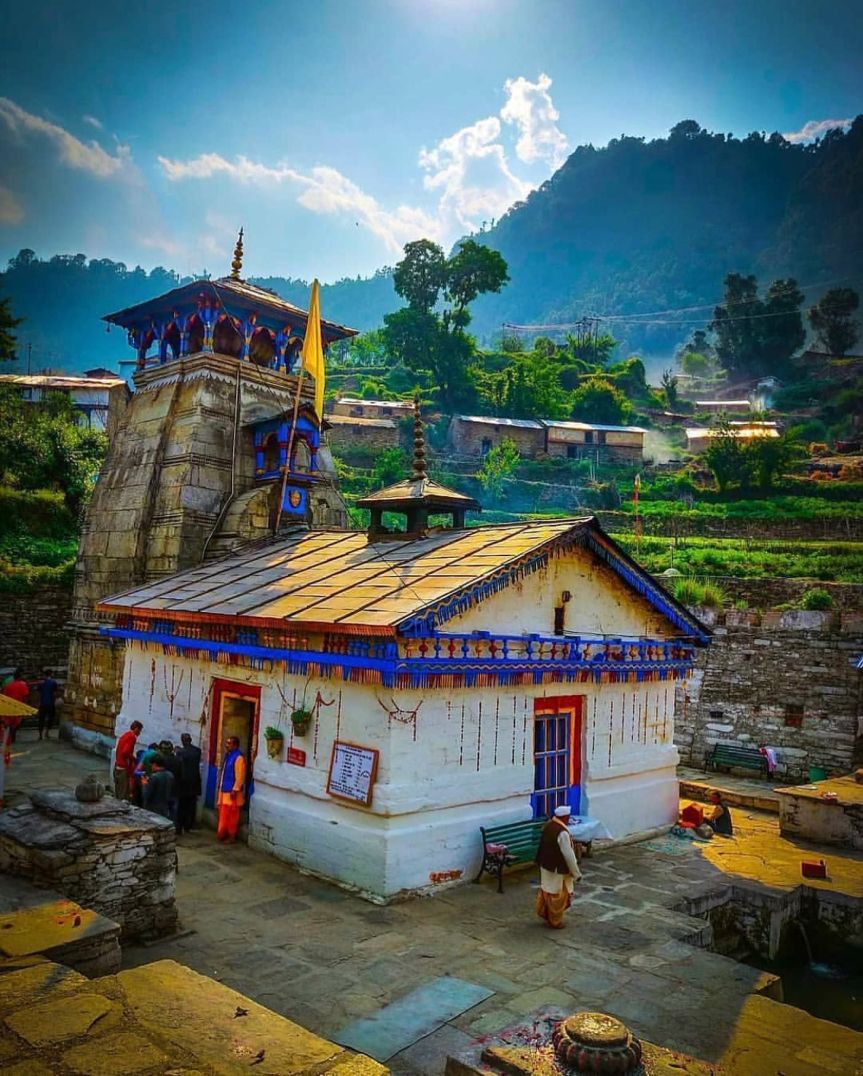
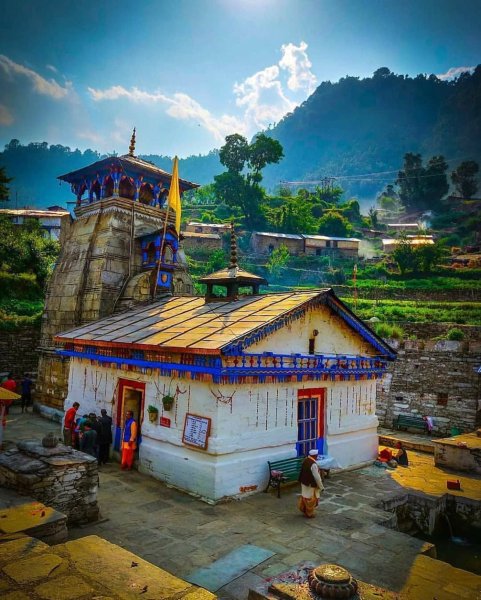
Trijuginarayan Temple is a Hindu temple located in the village of Trijuginarayan in the Rudraprayag district, Uttarakhand, India. The ancient temple is dedicated to Lord Vishnu. Its a popular Hindu pilgrimage site because it is attributed to the legend that this is the place where the marriage of Lord Shiva and Goddess Parvati took place and which Lord Vishnu witnessed here. The hallmark of this temple is the eternal fire that burns in front of the temple. It is believed that the fire is burning from the time of Lord Shiva and Goddess Parvati marriage. Therefore, this temple is also known as Akhand Dhuni Temple. The temple courtyard is also the source of water that fills the three nearby sacred bathing ponds (Kund).
It is believed by many historian that Trijuginarayan Temple have been built by Adi Shankaracharya. Adi Shankaracharya is said to have built many temples in Uttarakhand. The shrine has a silver two-foot statue of Vishnu, accompanied by Consort (the goddess of wealth Lakshmi and the goddess of music and learning) Saraswati.The Trijuginarayan Temple is located at an altitude of 1,980 meters (6,500 feet), about 5 km from Sonprayag, the meeting junction of the Mandakini and Songanga rivers. During the three months of winter, the area is covered with snow. Apples and drupes are cultivated in this area for agricultural purposes.
According to Hindu Dharma, the goddess Parvati was the daughter of Himavat or Himavat-personification of the Himalayas. She was the reincarnation of Shiva’s first wife, Sati-who lost her life when her father offended Shiva. Parvati first tried to allure Shiva with her beauty, but failed. In the end, she suffered severe penance in Gaurikund, five kilometers from Trijuginarayan, and won Shiva. Pilgrim visitors to the Trijuginaryan Temple also visit the Gauri Kund Temple dedicated to Parvati, which is also the base camp for trekking to the Kedarnath Temple. According to mythology, Shiva proposed to Parvati in Guptakashi before getting married in the small village of Trijuginarayan . Triwajinarayan is believed to be the capital of Himavat. It was the place where Shiva and Pearlvati married in heaven during Satya Yuga, and was witnessed in front of the eternally burning sacred fire in front of the temple of Havana Kund or Agni Kund. It is said Vishnu appeared at the wedding ceremony of Lord Shiva and Goddess Parvati as a brother of Parvati. Meanwhile, the Lord Brahma served as the priest of marriage which was witnessed by all the wise men of the time. The exact location of the wedding is indicated by a stone called Brahma Sila in front of the temple. The splendor of this place is also recorded in Stala Purana, a scripture unique to the Pilgrimage Center. According to the scripture , pilgrims visiting this temple consider the burning ashes of fire to be holy and carry it with them. The ashes from this fire are also believed to promote the bliss of the couple. There were no witnesses to the incident before the wedding, but it is believed that the gods taken bath from the four kunds: Rudra Kund, Vishnu Kund, and Brahma Kund. The stream of the three Kunds, according to legend, comes from Saraswati Kund, which is derived from the navel of Vishnu. Therefore, these Kund waters are considered a remedy for infertility.
NEW EDUCATION POLICY: ° Students are currently undergoing school exams conducted by responsible authorities in grades 3, 5, and 8. ° 10th and 12th grade board exams will continue, but will be redesigned for overall development. ° Mathematical reasoning and scientific temperament coding begins in 6th grade .Vocational training begins at school in sixth grade and includes internships. ° The 10 + 2 structure is replaced by 5 + 3 + 3 + 4. The new system consists of grades 12 and 3 years preschool / Anganwadi. ° Until 5th grade, this policy emphasizes the local / regional / native language as the teaching language. ° In schools and universities, Sanskrit is also included as a student option at all levels and consists of three language formulas. ° Under Graduate is now 3 or 4 years, with multiple degree options eligible for this period, such as a 1 year certificate, 2 years diploma, 3 years degree, 4 years bachelor’s degree in research, etc. ° An Academic Credit Bank (ABC) is created to store, transfer, and award bachelor’s degrees from digital learning achievements earned by students from various universities. ° The curriculum has been reduced to essentials for all subjects. They focus on critical thinking, discovery, inquiry, debate, and education based on analytical and holistic learning methods for education. ° Focus on e-learning so you can reduce your reliance on textbooks Under the new policy, education will receive 6% of GDP, up from 1.7%. This definitely boosts the education system. ° By the end of 2040, all universities should be interdisciplinary institutions with more than 3000 students each. University affiliation will be phased out over the next 15 years.
Credit- iShiksha
Foucus on Regional /Mother Tongue Language: As you know, young children learn new things as soon as they teach in their own language, not in another language they are unfamiliar with. This policy is aware of it, so children will be taught in their native language until the age of 5, but it can change to 8th grade .
Credit- Sarkari Yojana
NEW CURRICULUM STRUCTURE: •) Rebuild the school curriculum and teaching methods into new 5 = 3 + 3 + 4 patterns. •) The new curriculum structure is designed to attract the attention of learners at various developmental stages, such as 3-8 years old, 8-11 years old, 11-14 years old, 14-18 years old. •) Elementary level lasts 5 years: 3 years before school, 1st and 2nd grade. The preparatory stage lasts for 3 years: 3rd, 4th and 5th grade. Middle school or high school lasts 3 years: 6th, 7th and 8th grade. High school or junior high school lasts four years: 9th, 10th, 11th, 12th grade. All of the above levels include Indian and regional traditions, ethical thinking, socio-emotional learning, quantitative and logical thinking, digital literacy, computational thinking, scientific manipulation, language and communication skills.
“Learning starts with failure; the first failure is the beginning of education.”
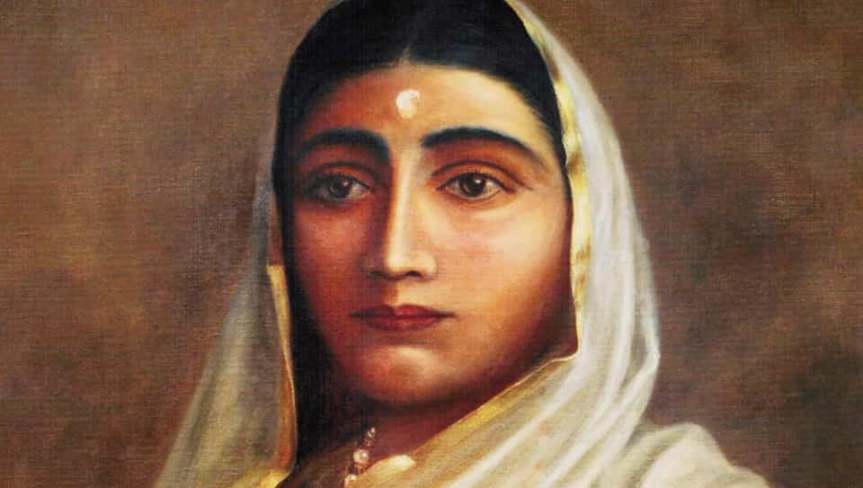
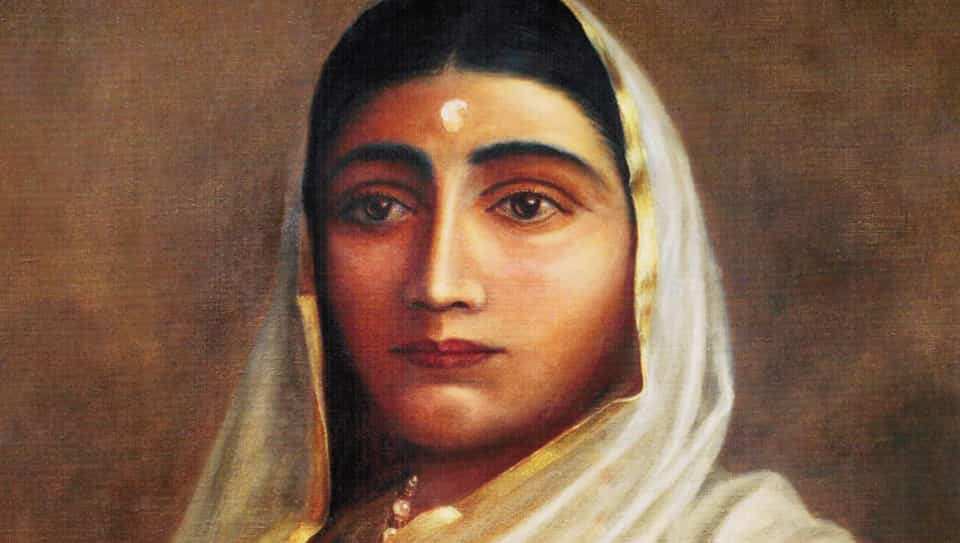
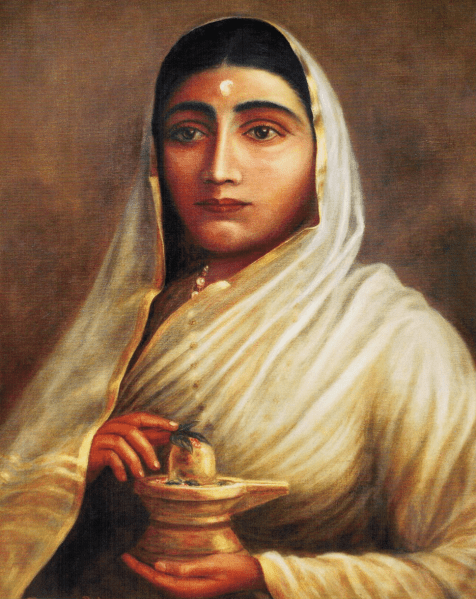
Ahilya Bai was born write to Mankoji Shinde and Sushila Shinde in the village of Chaundi (now Ahmednagar district) in Maharashtra, and was born in the Marathi Hindu family. His father, Mankoji Shinde, a descendant of the magnificent Dhangar family, served as a patil. At that time, the woman were not allowed to attend school , but her father taught her how to read and write.
According to one legend, Ahiliya once stopped by Chaundi on her way to Pune, where Bajirao I, commander of the Maratha army, and Marhar Rao Holker, the ruler of Malwa, saw eight-year-old Ahilya in a temple worship service. Impressed by her devotion and her personality, Marhar, on the advice of Peshwa, married Ahilya and his son Khande Rao. She married Khande Rao in 1733. Ahilya accompanied Khande Rao on many campaigns. Throughout her marriage, she was raised by her mother-in-law, Gautama Bai. Gautama Bai is believed to have played an important role in bringing out the values that she had planted in Ahiliya. She trained them in administration, accounting, politics, etc. and finally delivered their Khasgi Jagir in 1759.
In 1754, Candelao, along with his father Marharla O’Holker, besieged Fort Kumar in Jatrajas Rajimar in Bharatpur at the request of Imadulmark and General Mirbakshi of Mugar Emperor Ahmadsha Bahadur. Suraj Mal supported Emperor Mugar’s rebellious Wajir Safdar Jang. Khande Rao was inspecting his army with an open litter when a shell fired by the Jat army during the battle hit him and died. After the death of her husband, Ahilya Bye was prevented from playing sati by her father-in-law. After the death of her husband, she received military training by Malhar Rao Holker. After the death of Khande Rao.Ahilya Bai gave up all the desires of life and decided to perform a sati to accompany her husband’s funeral cremation. Her people urged her not to commit sati, but she said her husband promised to accompany her for the rest of her life, and now he walked in the middle of her. Finally, when she decided to play Sati and did not forgive her, it was her father-in-law, Malhar Rao, who made a fervent emotional plea to stop her from doing suicide. .
Credit- Wiki
Marhar Rao Holker died in 1766, twelve years after his son Khande Rao died. Male Rao,the grandson of Marhar Rao and the only son of Khande Rao became the ruler of Indole under the rule of Ahilya Bai in 1766, but he also died within a few months in April 1767.
Ahiliya Bai died on August 13, 1795, at the age of 70. The reign of the modern woman Ahiliya Bai is remembered as a golden age in the history of the Maratha Empire. Ahiliya Bai was taken over by her nephew Tucozy Rao Holker, her commander-in-chief. He immediately abandoned the throne in 1797 in support of his son Kashi Rao Holker.
Ahiliya Bai was a great pioneer and builder of Hindu temples and built hundreds of temples and Dharmashala throughout India. Especially well known for the refurbishment and re-dedication of some of the most sacred sites of Hindu pilgrimages that were desecrated and destroyed by Emperor Aurangzeb in the last century.
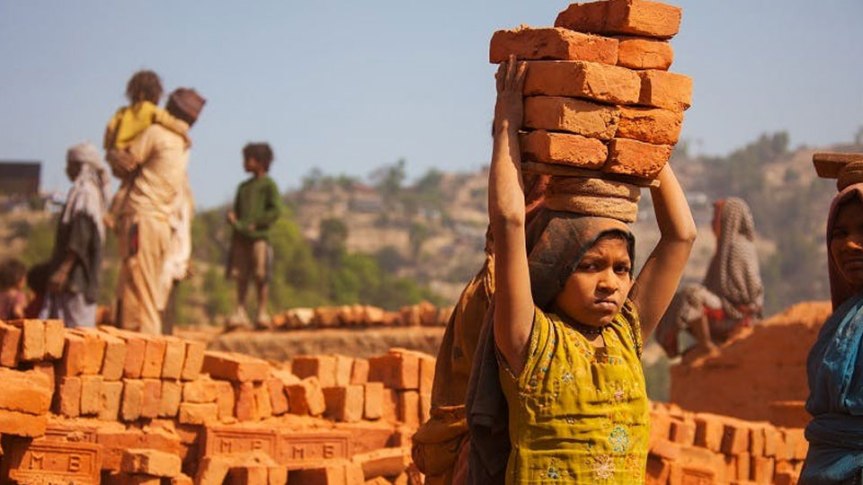
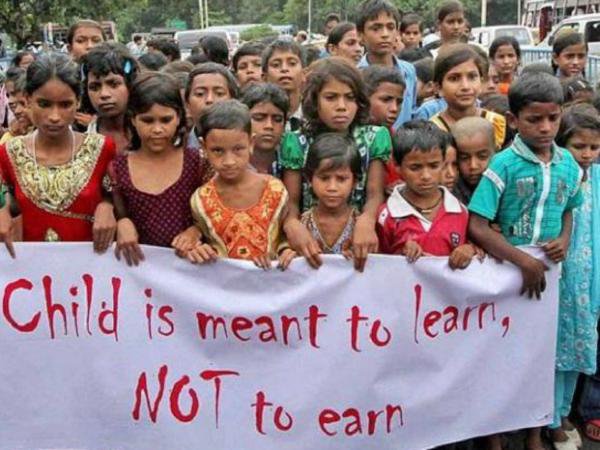
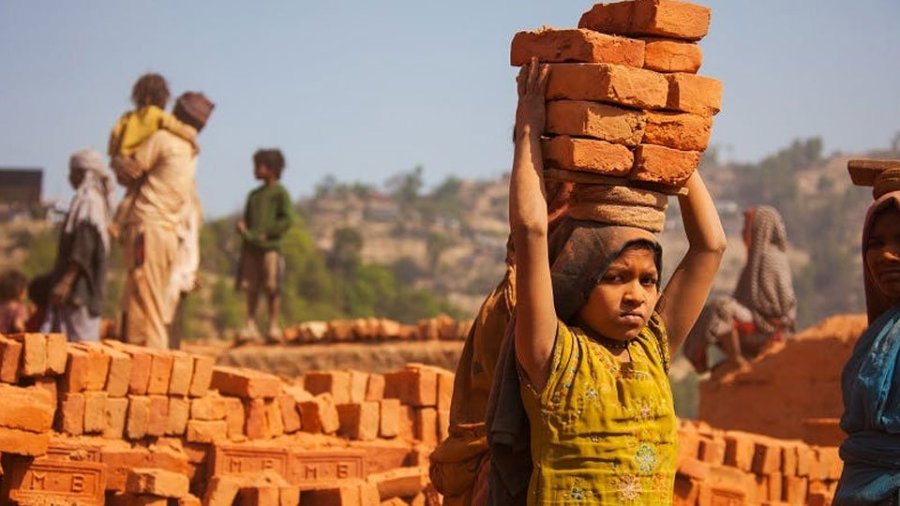
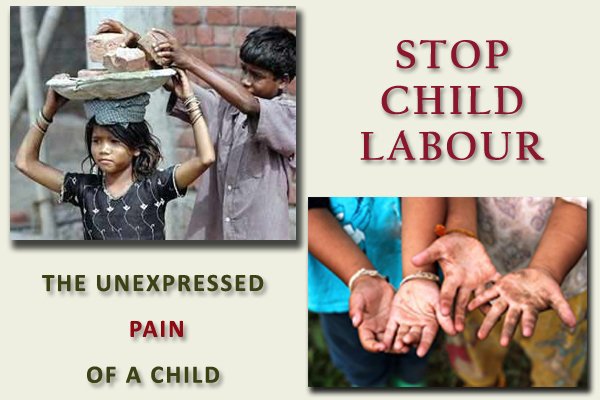
Child labor is the deprivation of children’s childhood, affecting their ability to attend regular school and exploiting them through all forms of work that are mentally, physically, socially and morally harmful.
After gaining independence from colonial rule, India enacted many constitutional protections and child labor laws. The Constitution of India in the principles of basic rights and public policy prohibits child labor under the age of 14 in factories, mines, castles or other dangerous occupations (Article 24). The Constitution also stipulated that by 1960 India would provide all children aged 6 to 14 with the infrastructure and resources for compulsory free of charge education . (Articles 21-A and 45). In 2011, the Indian Census found that of the 259.64 million children in this age group, the total number of child laborers [ages 5-14] was 10.1 million. The problem of child labor is not unique to India. Approximately 217 million children work worldwide, many of whom work full-time.
Credit-ipleaders
In India child labour is defined as the involvement of children under the age of 17 in economically productive activities, with or without compensation and wages . Such participation can be physical, mental, or both. This work includes part-time or unpaid work on farms, family businesses, or other economic activities such as cultivation or milk production for sale or personal consumption. The Government of India divides child labor into two groups. The main workers are those who work more than 6 months a year. And marginal child laborers are workers who work all year round, but less than six months a year. In 1979, the Government of India established the Gurupadswamy Commission to learn about child labor and how to fight it. The Child Labor Probation and Regulation Act was enacted in 1986 on the recommendation of the Commission. A national child labor policy was developed in 1987 focusing on the rehabilitation of children working in dangerous professions. Since 1988, the Ministry of Labor and Employment has established approximately 100 industry-specific national child labor projects to rehabilitate child laborers.
Credit- Track4Trainings
The Government of India has enacted numerous laws, organizations and institutions to combat the issue of child labor. Some initiatives include child labor bans and regulations, laws prohibiting the employment of children in certain occupation and regulating the working conditions of children. The National Child Labor Policy attempts to take a sequential approach with a primary focus on the rehabilitation of children working in dangerous professions and processes of works. The Ministry of Labor and Employment is responsible for providing and supervising a range of child labor policies in India. In addition, as Osment reported, NGOs such as Care India, Child Rights and You, and Global March Against Child Labor were implemented to tackle child labor through access to education and resources. However, these efforts were of little success.
Non-governmental organisations: Bachpan Bachao Andolan, Child Rights and You, ChildFund, CARE India, GoodWeave India,Talaash Association, Global March for Child Labor, and many other NGOs are campaigning to eliminate child labor in India. increase.
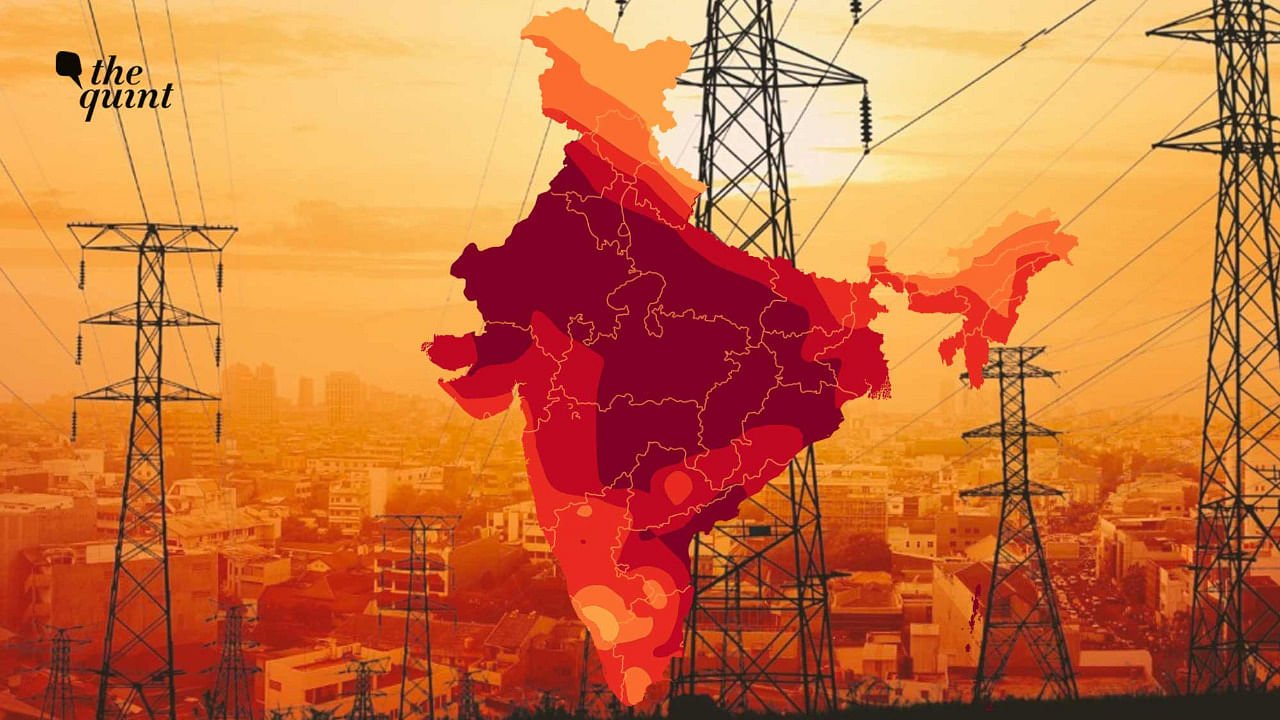
India has the fourth largest coal deposit in the world. It is the second largest fossil fuel producer after China and is home to Coal India, the world’s largest coal mining mine, which accounts for 80% of domestic production. Already allocated coal block mining capacity exceeds expected demand in 2030 by approximately 15% to 20%.
So why are India’s power plants facing coal shortages each year, leading to widespread power outages, exposing parts of the country to darkness and endangering industry? There are several factors. India has a long time policy of minimizing coal imports. In February 2020, Coal Minister Pralhad Joshi announced that the country would stop importing steam coal from 2023 to 2024. Mr Joshi said the Ministry of Coal will work with the Ministry of Railways and the Ministry of Shipping to allow Coal India, prisoners and commercial miners to discharge more coal from their supply by 2030. And the coal supply at power plants is running out at an alarming rate. The Department of Energy is currently blaming the decline in coal imports due to the current crisis. In 2018-19, 21.4 million tonnes of coal were imported for mixing, down to 23.8 million tonnes in 2019-20 and 8.3 million tonnes in 2021-22.
Credit- Civildaily
Power plant coal inventories have fallen by about 13% since April, reaching pre-summer lows. And for the first time since 2015, Coal India will import fuels used by state-owned and private power companies. The Ministry of Energy said almost all states showed that multiple state bids for coal imports would cause confusion and that the decision was made after calling for centralized procurement by Coal India. Imported coal costs five times as much as domestic mining, so the center is being pushed back by the state. Recently, the government has also pressured utilities to increase imports to mix with local coal. Last year, after a two-year break, three tranches of coal auctions were held and nine blocks were successfully awarded.
In September 2021, the Ministry of Coal issued a strict warning to owners of confined coal blocks, stating that their mines should increase production or face restrictions on coal supply by the CIL. The ministry has discovered that these mines are producing below target.
Of the 43 coal mines outsourced to private companies in the energy, steel and metals sectors, none have met their annual production targets. On May 6, Coal India announced that it would provide the private sector with 20 closed and abandoned underground coal mines and reopen and operate its revenue sharing model.
According to journalist Shreya Jai the current power supply chain does not seem ready to handle periods of high growth and state discos cannot pay gencos, but the power supply chain starts with state discos and needs repairs. Railroads, on the other hand, are struggling to align the thermal power industry’s demands for faster coal supply with those from other industries. Rakes must be prepared to meet the growing demand for almost all other bulk commodities, from cement and steel to sand and edible grains. By strengthening the value chain of the electric power sector, it is possible to resolve the coal supply-demand mismatch in the long run.
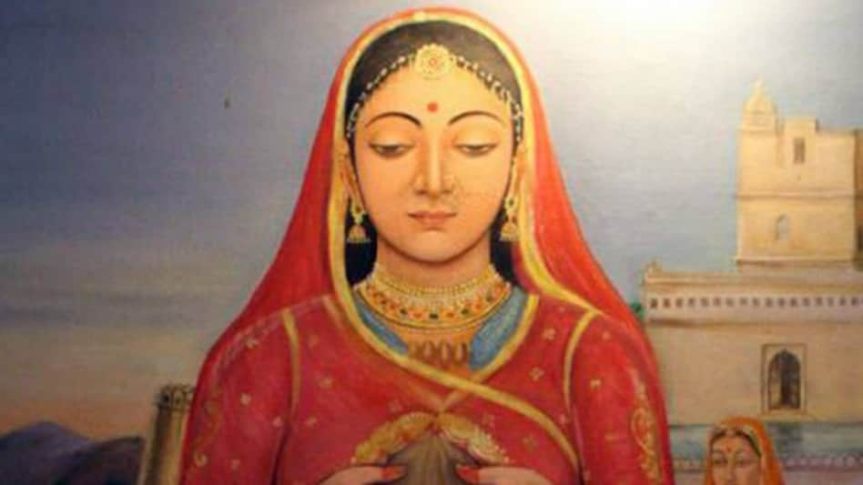
Rani Karnavati was a princess and temporary ruler from Bundi, India. She married Rana Sanga of Mewar in Chittorgarh, the capital of the Kingdom of Mewar. She was the mother of Rana Vikramaditya and Rana Uday Singh, and the grandmother of the legendary Maharana Pratap. During 1527 to 1533 the minority years of her sons she served as a regent for Mewar. She died on 8th March 1535.
After Babur seized the throne of Delhi in 1526, Rana Sanga of Mewar led a coalition of Rajput Kings against Babur to seize the throne of Delhi. In the starting Rana Sanga was able to defeat Babul in the Battle of Bayana, but in the Battle of Kanua, he was defeated because of Babur’s excellent tactics, guns, and artillery.Rani Karnavati took over as regent on behalf of his eldest son Vikramaditya who was a minor at that time. Meanwhile, Mewar was attacked a second time by Gujarat’s ruler Bahadur Shah against whom Vikramaditya had previously been defeated. It was very important issue for Rani Karnavati.
The nobles of Mewar Kingdom did not want to fight for Vikramaditya, and as the upcoming battle will certainly be another stain in the history of Sisodias. Rani Karnavati was able to persuade nobles to fight for Mewar and honor of Sisodias . Their only condition was that Vikramaditya and Uday Singh should go to Boondi for their personal security during the war. In some legends some also said, that Rani Karnavati also sent Rakhi to Emperor Humayun of Mugals calling him his brother and asking for help. Therefore, her name was irreparably linked to the Raksha Bandhan Festival. However, this is not supported by modern writers, and modern historians such as Satish Kumar consider it a fable rather than a historical fact.
Rani Karnavati agreed to send her sons to Bundi ,while knowing the situation being very critical and which can be dangerous for her two sons and send her trusted maid Panna Dai to accompany them and take care of them. Panna hesitated, but she left for Bundi with Vikramaditya and Uday Singh and accept the Queen’s wishes.
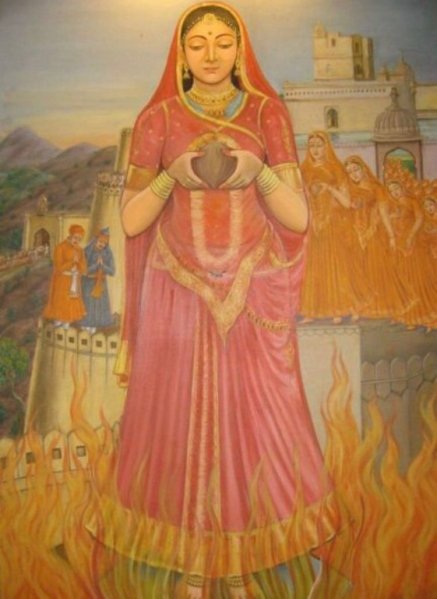
The Sisodias dynasty fought bravely, but the army of Mewar was outnumbered by Bahadur Shah army and they were defeated. Bahadur Shah entered Chittorgarh and it was his second attack on Chittor. The male nobles donned with saffron cloths fought with the enemy till thier death and commited Saka.Karnavati and other noble court women realized that defeat was imminent and to save their honour they committed suicide on March 8, 1534, in a fire called Jauhar. This was the second of the three Jauhar to take place in Chittor.
Uttarakhand became a state on November 9, 2000. The establishment of Uttarakhand was achieved after a lot of hard work and sacrifice. The voice for Uttarakhand to become a state was first raised in a special session of the Indian National Congress in Srinagar, May 5-6, 1938. In 1994, after a series of events, demand gradually increased for another state eventually which took the form of a mass movement, leading to the formation of India’s 27th state by 2000.
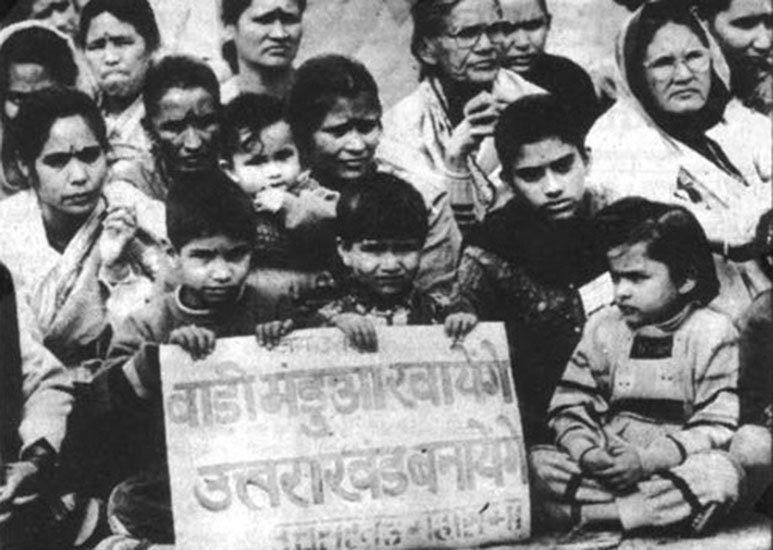
In March 1994, Uttar Pradesh Chief Minister Mulayam Singh Yadav recommended the Mandal Commission to secure 27% of government positions and places in schools and universities for socially and economically weaker classes,which was later on carried on. The Hill region OBC population was very small at 2.5% and reserving OBC seats meant that all government seats would go to the plains of Uttar Pradesh. This led to intensified protests against the nation.
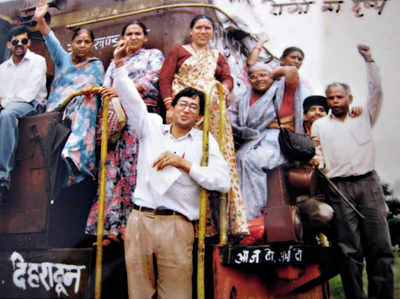
In 1994, the students throughout the region participated in separate state and group movements for reservations. The Uttarakhand movement was further intensified locally by the anti-Uttarakhand statement by then-Chief Minister of Uttar Pradesh, Mulayam Singh Yadav. Uttarakhand leaders continued to support their call for another state until their death. State officials went on strike for three months, and the Uttarakhand movement was exacerbated by the blockade and confrontation with police. Uttarakhand activists in Mussoorie and Khatima were shot dead by police. On October 2, 1994, in Delhi, the capital of the country, a large-scale demonstration and protest was held in support of the state under the support of Samyukta Morcha. Uttarakhand activists marched to Delhi to participate in the struggle. Activists who participated in peaceful demonstrations near Ranpur Tiraha Junction in Muzaffarnagar were tortured and shot dead openly without warning. Police officers were also charged with obscene behavior and rape with female activists. Satya Pokhriyal was a leader who led all people out of misery and other Andolankari helped others and showed courage. Several people were killed and many were injured. These incidents has fueled the Uttarakhand movement. The next day, October 3, the destruction of gunfights across the region and protests over multiple deaths broke up.
Credit- Himalaya Buzz
On October 7, 1994, a female activists died after police brutally attacked her in Dehradun while she protested against the shooting at Rampur Tiraha and many activists attacked the police station in return. A curfew was imposed in Dehradun on October 15, and one activists was also killed on the same day. On October 27, 1994, then Indian Minister of Home Affairs Rajesh Pilot met with state activists. Meanwhile, a brutal police attack in Srinagar’s Sriyantra Tapu killed several activists while they were protesting.
On August 15, 1996, then Prime Minister H.D. Deve Gowda announced at the Red Fort of Delhi the forming of a new state Uttarakhand.
In 1998, the BJP-led coalition government at the centre sent the “Uttarakhand Bill” through the President of India to the Uttar Pradesh state government . The Uttar Pradesh State Assembly passed , the Uttarakhand bill with 26 amendments and sent back to the central government. On July 27, 2000, the central government submitted the 2000 Uttar Pradesh Reorganization Bill to the Parliament of India. Lok Sabha passed the bill on August 1, 2000, and Rajya Sabha passed the bill on August 10, 2000. The Uttar Pradesh Reorganization Act was approved by then President of India, K.R. Narayana on August 28, 2000 and on November 9, 2000, the new state of Uttaranchal was established as the 27th state of India, now known as Uttarakhand.
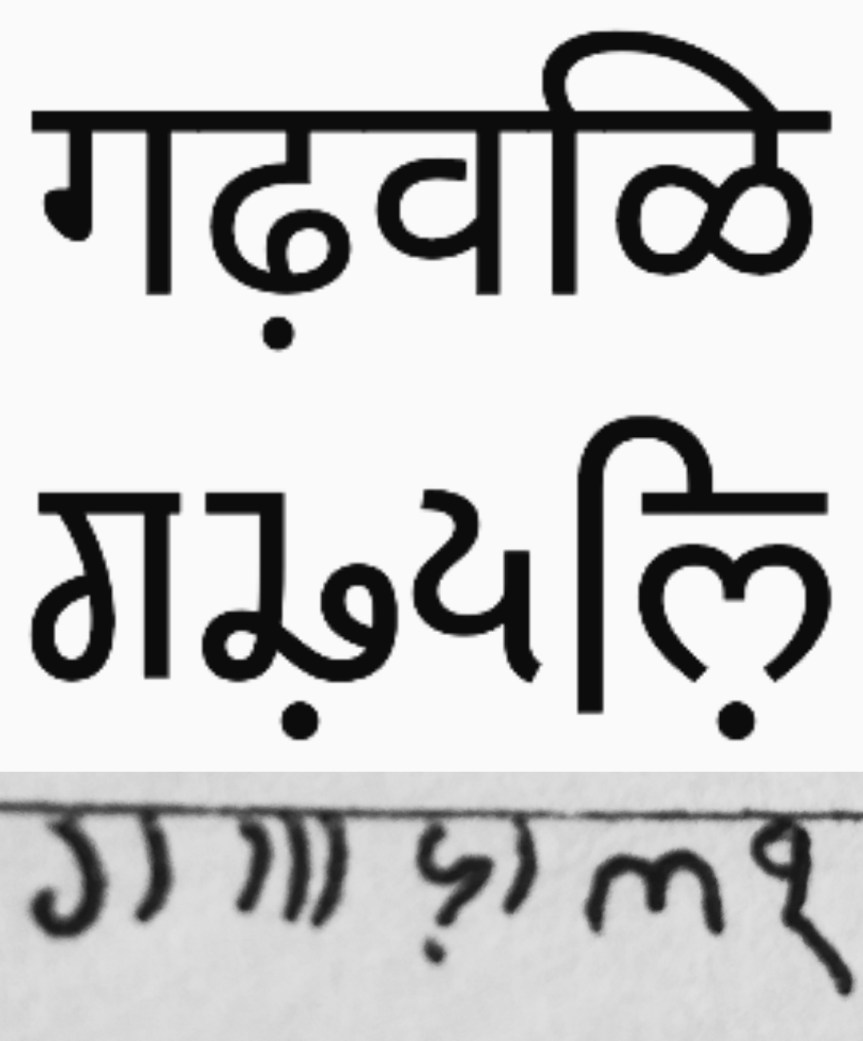
Garhwali is the Indo-Aryan language of the Central Pahari Region which is mainly spoken by more than 2.5 million people in the Garhwal region of Uttarakhand, northern India, in the Himalayas of India, Uttarakhand. Garhwali is also spoken by Garhwali people living in other parts of India, such as Himachal Pradesh, Delhi, Hariyana, Punjab and Uttar Pradesh. According to various estimates, at least 3.5 million Garhwali migrants live in Delhi and other cities.
HISTORY During the Middle Indo-Aryan era, there were various languages called Prakrit. Of which, Khas Prakrit language is believed to be the source of Garhwali language.The earliest forms of Garhwali can be traced back to the 10th century and can be found in temple stones, including numismatics, royal seals, copper plate inscriptions, royal orders and grants. An example is the inscription of King Jagatpal’s Temple Grant in Dev Prayag in 1335 AD. Most Garhwali literature survives in vernacular form and is transmitted verbally. But since the 18th century, Garhwali has developed a literary tradition.
LITERETURE & WRITERS Among the famous Garhwali writers in hiastory of literature are Sudarsan Shah, Kumdanand Bahguna, Hari Dutt Sharma (Nautiyal), Hari Krishna Daurga Dutti Rudra, Urvi Dutt Shastri ,Mahidhar Dangwal, etc. , Satyasaran Raturi, Atma Ram Gairola, Devendra Dutt Raturi, Suradutt Saklani and more. Among historians are Mola Ram, Miya Prem Singh, Hari Dutt Shastri, Hari Krishna Raturi and Vijaya Ram Raturi. Garhwali literature is thriving despite the ignorance of the government. Today, newspapers like Uttarakhand Khabarsar and Rant Raibaar are published entirely in Garhwali. Magazines such as Baduli, Hilaans, Chitti-patri and Dhaad have contributed to the development of GarhwaliGarhwali language.
Some Notable works of Gharwali writers: •)Abodh Bandhu Bahuguna – (1927–2004) Garhwali writer. Some nitable writings include Gaad, Myateki Ganga, and Bhumyal. •)Bachan Singh Negi – “Garhwali translation of Mahabharata and Ramayana”. •)Lalit Mohan Thapalyal – “Achhryun ku taal” •)Leeladhar Jagudi – (1944) Writer and novelist. PadmaShri •)Lokesh Nawani – “Phanchi” •)Madan Mohan Duklaan – “Aandi-jaandi saans” •)Chandramohan Raturi – “Phyunli” •)Chinmay Sayar – “Aunar” •)Dr. Narendra Gauniyal – “Dheet” •)Durga Prasad Ghildiyal – “Bwari”, “Mwari” and “Gaari” •)Gireesh Juyal ‘Kutaj’ – “Khigtaat”.
Struggle of Official RecogItion: Since the establishment of Uttarakhand in 2000, the state governments have made slow progress in promoting and developing the regional language of Uttarakhand. Like other languages in Uttarakhand, Garhwali, the most widely spoken language, is not officially recognized. In 2010, Hindi became the official language and Sanskrit became the second official language of Uttarakhand. In 2014, after making Garhwali the official language of Uttarakhand and demanding that it be taught at schools and universities for many years, the Uttarakhand State Government established Kumaoni and Garhwali departments at Kumaoni and Garhwali universities, respectively, to study the regional languages. At the national level, Garhwali is always required to be included in the 8th schedule of the Indian Constitution in order to be one of India’s schedule languages. In July 2010, Parliamentary member Satpal Maharaj of Pauli Garhwal submitted a legislative bill to Lok Sabha to include the languages of Garhwali and Kumaoni in the eighth schedule of the Constitution. Like most private citizen bills, the bill has not been discussed in Parliament and has since expired.














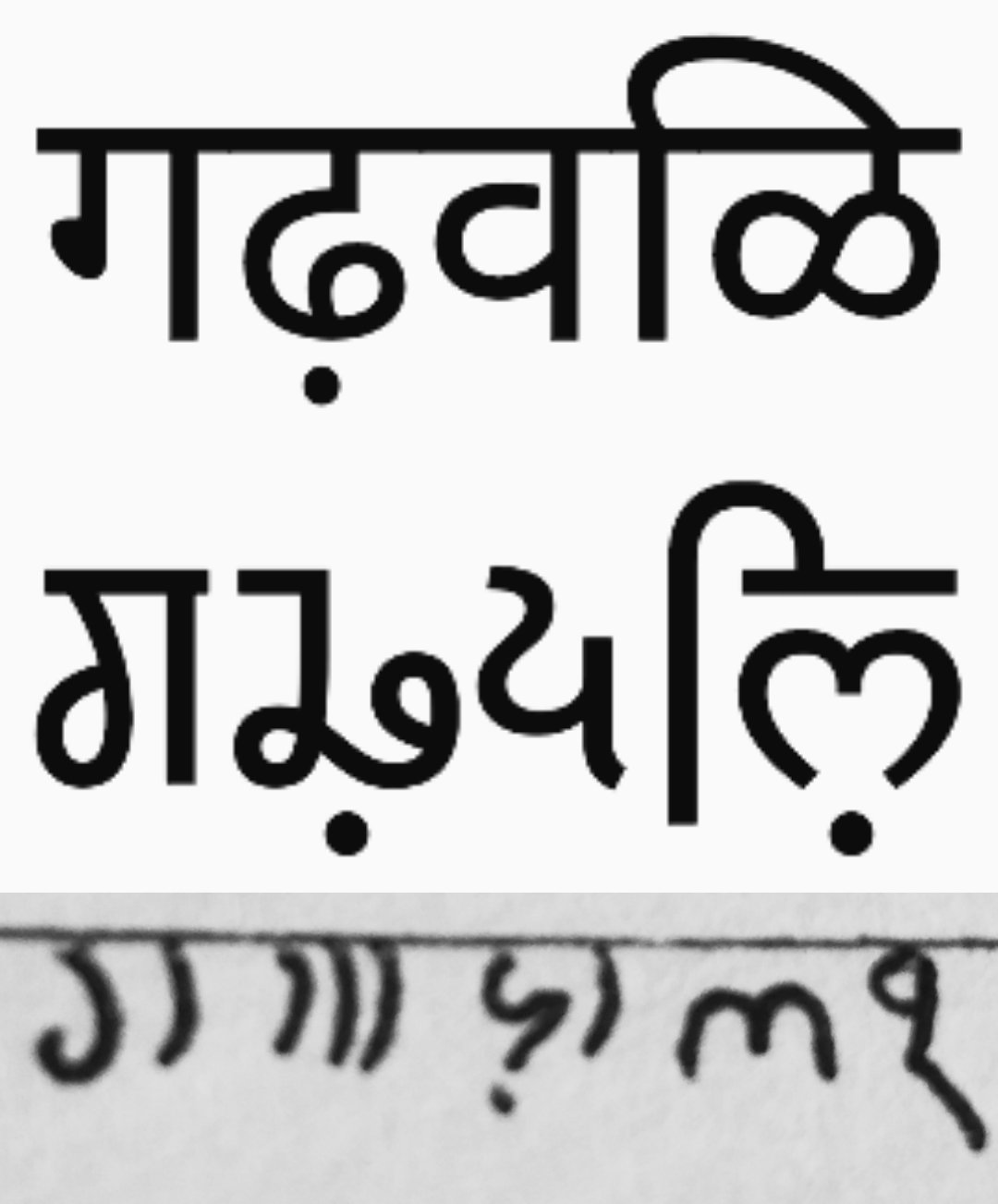
 Eduindex
You must be logged in to post a comment.