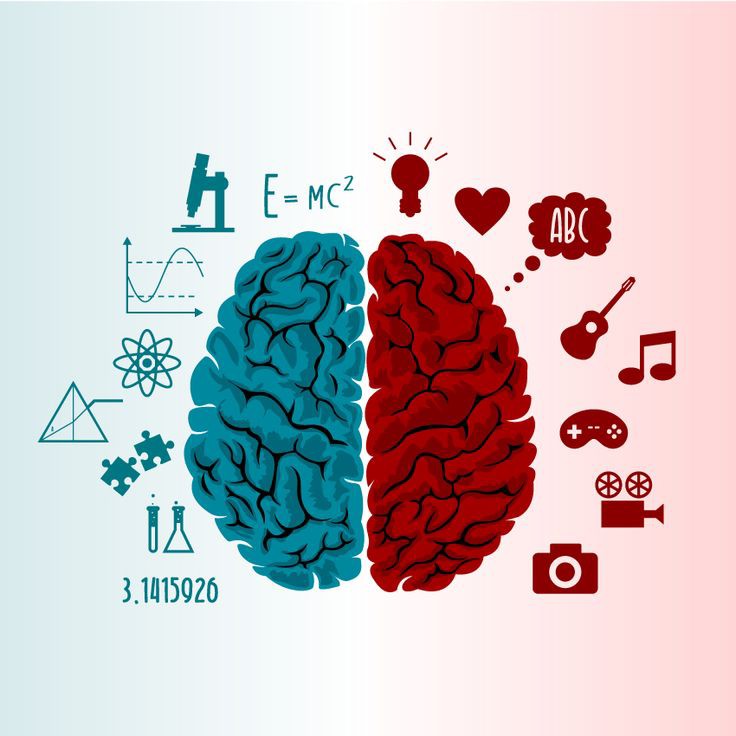
Being in the imagination or live in the realistic world .

Being born in money or torn away by poverty is the world where we live

The Hallucination
Are the money makers living their life without fear ?

Can a poorer get to live more life than its fated ?

Will you ignore the one who hurt you immensely ?

Or like a coward , can you run from the truth ?

If yes , than pray to god for providing you such an imaginary world . Don’t take it seriously but you really need to wake up .

The Truth
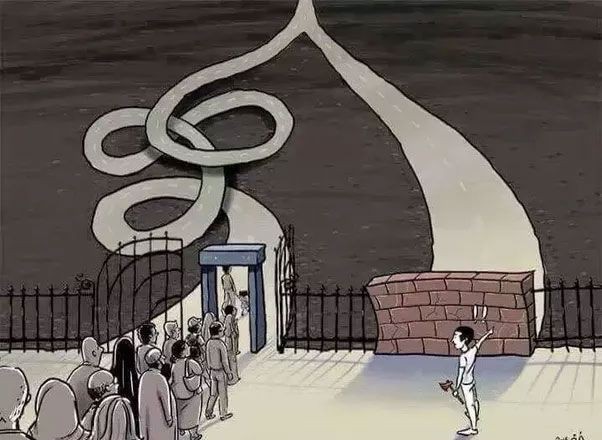
The life that we are living is not a game to play . We need be realistic while taking decisions in our life . I don’t want to sound like an arrogant person . But we need to think before taking any decision because it may or may not harm our future . In our life we only focus on materialistic things and grow accustom to them . Which leads to the situation where we become selfish and fiercely jealous to one’s personality .

We judge them regarding to their status , money , power , clothes and their physique . Ding ding …. It’s time for the truth we become impetuous .
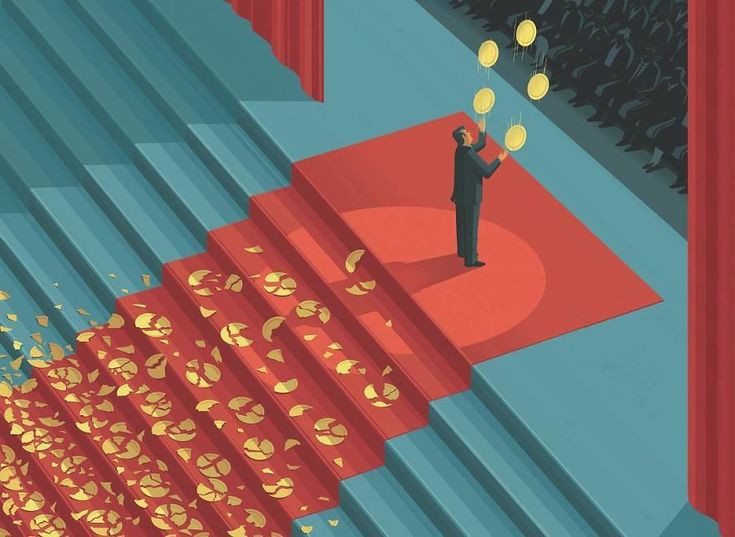
So what we learn from OJO -MOJO . 1. Like OJO that donot study and fail in your class. OR 2. MOJO that learn workhard and get award from the school . I choose options 1 (hehe don’t get any ideas I am a hardworker so I will choose my handsome MOJO not an overconfident OJO )


The REALITY

Not against the world of imagination just a believer of reality .
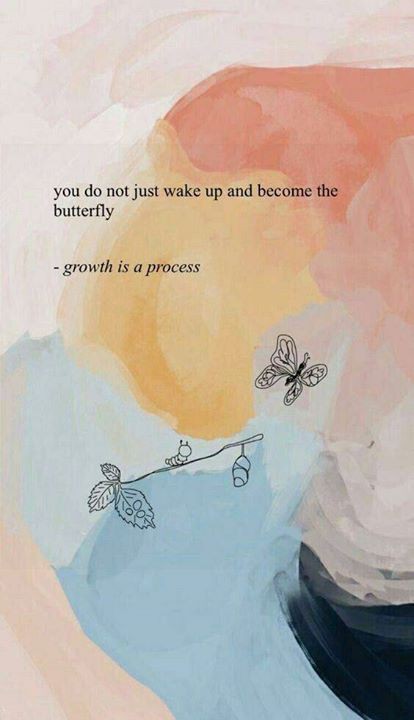
Life is not easy I agree with you but can we make it easy , Is the question only you can answer .

For me , we can only when we are focusing on our work rather than its result . I am not repulsive about getting a promotion on my first day on the work . But I am excited about learning new things and improve my capabilities . That how we need to react . I didn’t get the idea of getting a luxurious jet when I didn’t even have a penny to spend on my health . Well if you can just don’t forget to take me as well ( Huh.. greedy me ) .

I do imagine my life being in the island with some hot people around me ( its a wild imagination) . Well I can’t change that . But what I can change is the accept the reality ( like sitting in my PJ’s , eating popcorn and drooling over Michele Morrone yeah I am fan of 365 days ) .

Conclusion

Life is a series of natural and spontaneous changes. Don’t resist them; that only creates sorrow. Let reality be reality. Let things flow naturally forward in whatever way they like.

Lao Tzu
things that are written in the blog is my perspective of life . i am not taunting anyone . 
its your life you can live according to your rules .

and yes pictures that i used in the blogs are from pintrest .

enjoy your reading .

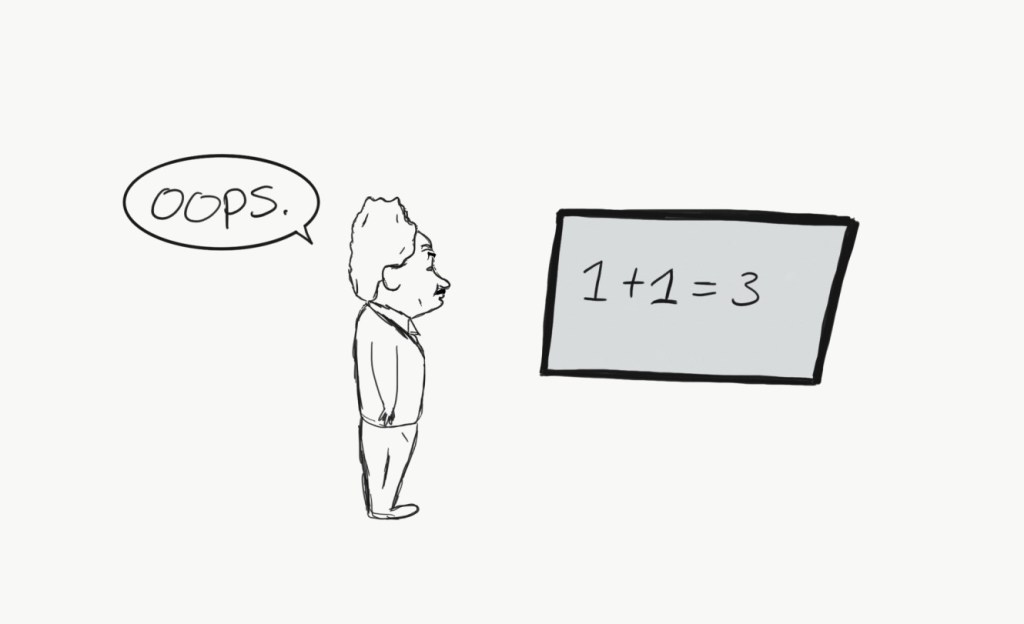
3 Common Mistakes Smart People Make

OOPS!

If you believe that only stupid people make these common mistakes, you’re as wrong as I was. The truth is that everyone makes mistakes. Smart people admit that. Stupid people do not.

What’s more, the smartest and most successful people in history have made the most mistakes. Are those two things connected? I think so. This Albert Einstein quote says it all:

“Anyone who has never made a mistake has never tried anything new.”

I used to blame myself for making mistakes in life. I think that’s how our society is. As a kid, you’re punished for making mistakes in school and life. And because of that, we think it’s normal to punish each other as adults.

But why would you punish yourself or another person for making silly mistakes? Most things in life are reversible and small (I’m not talking about committing crimes or adultery here). What matters is that we learn from our mistakes.

One of the best traits one can have in life is to be forgiving. You must go easy on yourself when you screw up. The same is true for the people in our lives. Alexander Pope put it best:

“To err is human, to forgive, divine.”

And when people really cross the line—just move on. No need to make things complicated.

In life, there are lines one should not cross. If you keep yourself to a high moral standard, you’re doing the right thing. And if you make mistakes? So what? No one is perfect.

Here are 5 of those mistakes that smart people make. Remember that you don’t have to make these mistakes yourself. It’s better to learn from other people’s mistakes. They have made them, so we don’t have to.

1. Chasing money

I recently read How To Get Rich by Felix Dennis, who owned one of the biggest magazine publishers in the UK. Contrary to the title, the book actually tries to discourage you to chase money.

Many rich people will tell you the same. The funny thing is that we all know there is more to life than money. And yet, we make it our sole purpose. Dennis writes:

“People who get trapped in the tunnel vision of making money think that is all there is to life.”

There’s nothing wrong with wanting to get rich. We just have to remind ourselves that making money beyond a certain amount has little impact on our happiness. But somehow, we get tunnel vision. Again, trying to get rich is not a mistake. However, it is a mistake if you expect that it’s the answer to all your problems.

2. Ignoring sleep

When you get excited about something, you want to spend all your time on it. That’s a great feeling.

But when your excitement prevents you from having quality sleep, you want to change that. It’s one of my biggest pitfalls. I can read and work all day long—well into the night.

But even when I go to bed at 2 AM and wake up 8 hours later, I still feel tired. Somehow, it’s different when I hit the sack at 11 and wake up at 7. I feel much more energized.

For the past year, I’ve been taking my sleep more seriously. I wake up at the same time every morning. And I turn off my devices exactly one hour before I want to sleep. That means no work or heavy mental activity before bedtime. Just some light reading or journaling.

3. Being connected too much

The past decade has been great for technology. Almost everyone has a smartphone with access to the internet. Within a few years, the whole world will be connected. Even the less developed countries.

Modern technology has changed the world. These developments are great. But remember that too much of a good thing becomes bad.

That also applies to your smartphone, tablet, and laptop. Recent research shows that Generation Z (born after 1995) is distressed and anxious. The American Psychological Association even says they have “the worst mental health of any generation.”

One of the biggest reasons for their mental state? All the signs point towards their smartphones and connectedness. For years, I’ve been limiting my smartphone usage.

And inspired by Cal Newport’s new book, Digital Minimalism, I’m only getting more strict with this.

These Six Questions Will Improve Your Decisions

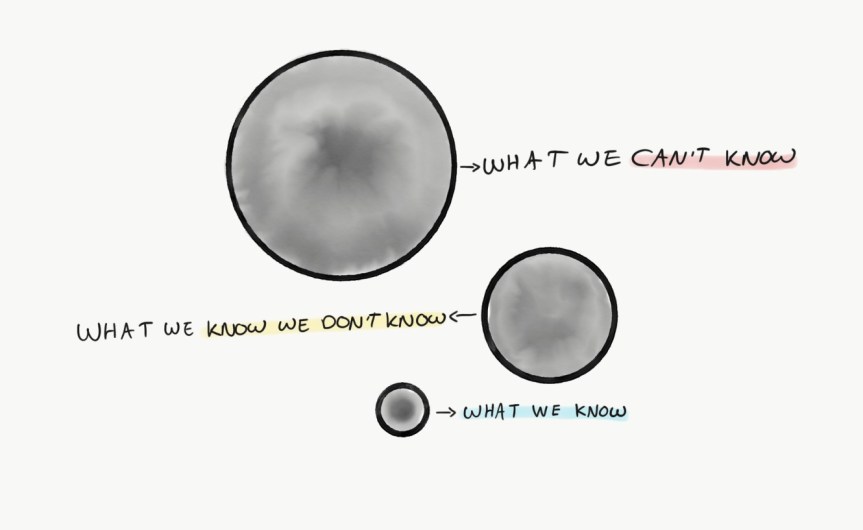
BUT WE CAN KNOW!

To improve your decisions, you want to look at your process for making a decision. Most people assume that good decision making is a matter of picking a course of action that leads to the desired outcome.

That’s a misconception. Decision making refers to your cognitive process. It’s about how you end up with your decision, not what the decision leads to. 

Good decision making can lead to bad outcomes. The opposite is also true. Bad decision making doesn’t mean you always get bad results. For every decision, there are external factors that influence your outcomes.

So how can we improve our decisions? By focusing on the process, not the outcome. The best method for improving your decision making process is to ask yourself critical questions. It’s not enough to ask obvious questions like, “What are my alternatives? What has worked for others? What are the consequences?”

While it’s good to ask yourself those questions, it will not change your decision making process. Those questions only look at what you already know. 

I found a list of six thought-provoking questions in Annie Duke’s book, Thinking In Bets. Notice what the theme is.

  • Why might my belief not be true? 
  • What other evidence might be out there bearing on my belief? 
  • Are there similar areas I can look toward to gauge whether similar beliefs to mine are true? 
  • What sources of information could I have missed or minimized on the way to reaching my belief? 
  • What are the reasons someone else could have a different belief, what’s their support, and why might they be right instead of me? 
  • What other perspectives are there as to why things turned out the way they did?

Think About What You Can’t Know

The reason I like these questions from Annie Duke is because they force you to think about what you can’t know. In my experience, that’s what drastically improves your decisions. 

We all know the feeling of talking to an experienced person who shares some insights with us, and we go, “Aha! I didn’t realize that.” That’s what you want. Duke writes the following in Thinking In Bets:

”Just by asking ourselves these questions, we are taking a big step toward calibration. But there is only so much we can do to answer these questions on our own. We only get exposed to the information we have been exposed to, only live the experiences we have experienced, only think of the hypotheses that we can conceive of.”

This is the reason I often turn to my friends, mentors, communities, books, courses, and podcasts for insights that come outside of myself. I want to learn about things I can’t know.

It’s impossible to know and see everything. We haven’t had the experiences of other people. Most of us keep making the same decisions because we never get an outside point of view. We don’t make an effort to improve our decisions.

Open To Beliefs—Not Gullible 

To improve your decisions, ask yourself questions that challenge your existing beliefs. I highly recommend saving those six questions in your note-taking app. I’ve done it and when I face a decision, I often go through these questions and my other notes on decision making.

As you become open to other beliefs and perspectives, keep in mind that other people also don’t have all the answers. Adopt the mindset of a skeptic. Be open to other beliefs, but don’t believe everything instantly. 

Keep looking for evidence and other perspectives. When you have collected enough information, make your decisions. Sometimes people assume you have to listen to everything “experts” have to say. This will only make us gullible. If there’s one thing that harms our decisions, it’s that.

We should always make our own decisions after going through a process. We should avoid making rash decisions based on the opinions of others.

Common Decision Making Pitfalls

Here’s what you should watch for when you’re making decisions (no matter how big or small):

  • Analysis paralysis—This is very common. At some point you get stuck in the process and you can’t make a decision. You go over the process over and over again. This is a big risk. You can NEVER have 100% of the information you need. It also helps that your decisions are not about the outcomes. Don’t let your fear of making the “right” decision paralyze you. There’s no right or wrong outcome. Just outcomes. Deal with it later.
  • Extinction by instinct—The opposite of the above. It’s the belief that instincts are a useful tool in decision making. This leads to rash decisions.
  • Information overload—This is when you ask too many people for their opinion or insights. Stick to trustworthy sources and keep them at a minimum. More information is not better. Reliable information is.

I’m not a fan of complicated theoretical decision-making frameworks to improve your decisions. Those types of formal frameworks might work for large institutions, but for you and me, it’s just not useful. Who makes time to read an 800-page textbook on statistical decision theory? And if you do study it, you probably can’t remember all of that theory. Instead, work with what you have.

When you face a problem, simply look at your options, collect some information, think about what you can’t know (the six questions at the top), evaluate everything, and pull the trigger. Done. Then, move on to the next one.

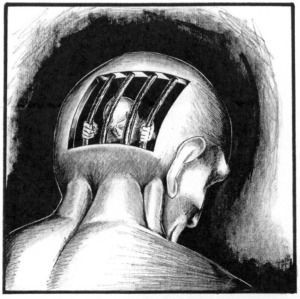
World that lives inside : In consideration to Mental Health .

“There is hope, even when your brain tells you there isn’t.”

John Green

A great quote by a great person , yeah I also believe it but do you ? .

Who am I ? Am I gaining weight , what if people doesn’t like me ?

What will happen when I tell her I am depressed ?

How do I know I’m unwell ?

How do I react if my relatives finds out ? .


These are some questions that we asked ourselves in our daily life . 5Ws and 1H (Why , who , how , what , when, where ) . Aristotle used them as an element in order to distinguish vocabulary. And what we are doing. is we are using them to explain one’s personality ,distinguish them and then despise them .


That’s how it starts , THE MIND GAMEPLAY . We differentiate , we compare , we make fun of others , we got jealous , we take harsh decisions, we judge others and we ask ourselves that where I was wrong .

Then , we start to get depressed , cry , nervous – breakdown , anxiety and so on……. This cycle is more complicated than Ojo – mojo friendship . Just kidding …

Let’s get in the topic .

Yes , we are talking about mental health . Which most of us ignore more than advertisements on TV’s . Like I said doesn’t matter . But what matters the most is the ignorance of your own health .

In present scenario , mental health takes a major role world wide and our mother land India is not far behind .


As , the pandemic takes a harsh troll on people of all over the world . Others died due to the confined places , loneliness , family members death and anxiety attacks caused by lack of oxygen and also one of the important aspect of mental illness.

How we can check our metal health ? Are we mentally fit or not . Now , if you ask me I do have solution . And u want to know about one secret . It will only take 5 min. so now you don’t have to waste more time on search .


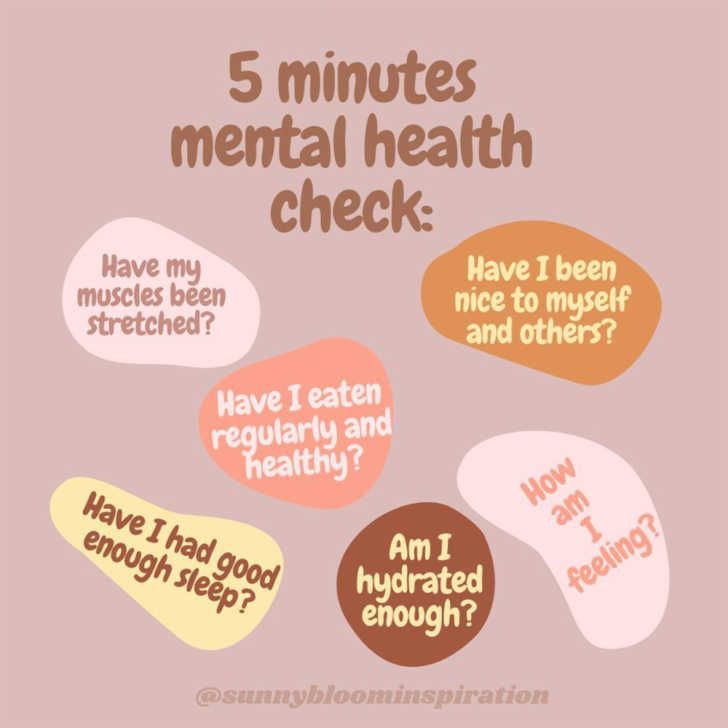
5 min. Mental Health Check :-

1. Have my muscles been streched ? 2. Have I been nice to myself and others?
3. Have I eaten regularly and healthy ?
4. Have I had good enough sleep ?
5. Am I hydrated enough ?
6. How am I feeling ?
And yes last but not the least be truthful to yourself .
And like this you get to know that you are mentally healthy or not .


Conclusion

Like physical health , mental health is equally important .
Small things can cause a lot of problems . So before things get out of your hands , grip it with a tight leash .

“You don’t have to control your thoughts. You just have to stop letting them control you.”

Dan Millman