Tag: #Bihar
SPIRITUAL CIRCUIT: BIHAR
GURU CIRCUIT
TAKHAT SRI HARMANDIR SAHIB
GURDWARA PAHILA BARI AKA GURUDWARA GAE GHAT
GURDWARA BAL LILA MAINI SANGAT
GURDWARA SHRI GURU GOBIND SINGH GHAT
GURDWARA HANDI SAHIB DANAPUR
GURDWARA BARI SANGAT SHRI GURU TEGH BAHADUR JI CHAUKI
SHRI GURU TEGH BAHADUR AITIHASIK GURDWARA, KATIHAR
JAIN CIRCUIT
KAMALDAH, PATNA
KUND GRAM, MUZAFFARPUR
KUNDALPUR, NALANDA
JALMANDIR, PAWAPURI
SAMOSARAN
GONAVA JEE, NAWADA
BISRAM, BHOJPUR
MANDAR HILLS, BANKA
VAISHALI
NALANDA
BODH GAYA
KESARIA, EAST CHAMPARAN
LAURIA NANDANGARH
RAMAYAN CIRCUIT
PANTH PAKAR (SITAMARHI)
CHANKI GARH (WEST CHAMPARAN)
VALMIKI NAGAR (WEST CHAMPARAN)
PHULLAHAR (MADHUBANI)
KAKO (JEHANABAD)
RAINCHURA (VAISHALI)
AHIRAULI (BUXUR)
TAR (BHOJPUR)
GIDDHESHWAR (JAMUI)
SUFI CIRCUIT
MANER SHARIF (MANER, PATNA)
KHANQUAH MUJIBIA (PHULWARI SHARIF, PATNA)
DARGAH SHARIF, MITHAN GHAT (PATNA CITY, PATNA)
BIBI KAMAL SAHIBS (KAKO, JEHANABAD)
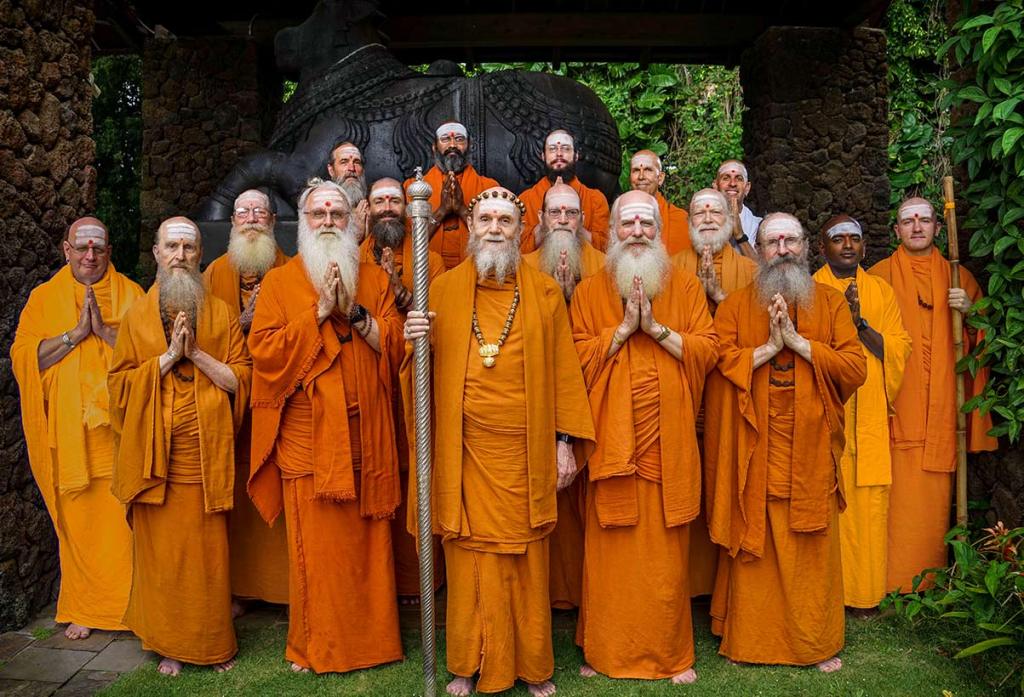
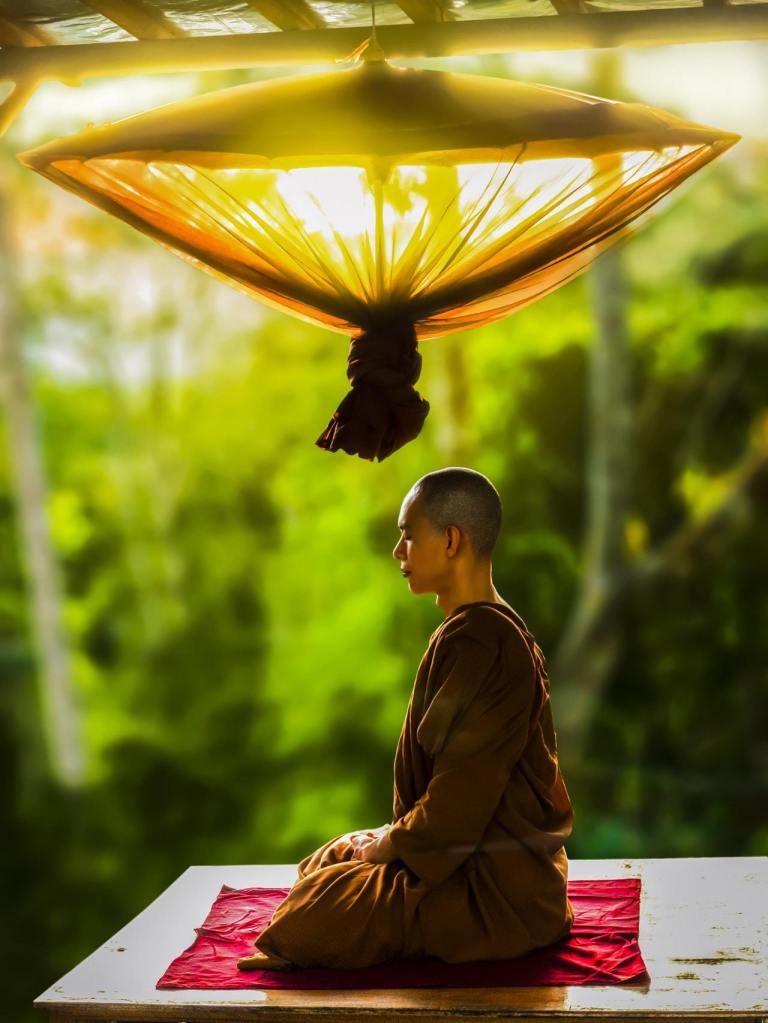
A Monk

Who are Monks ?
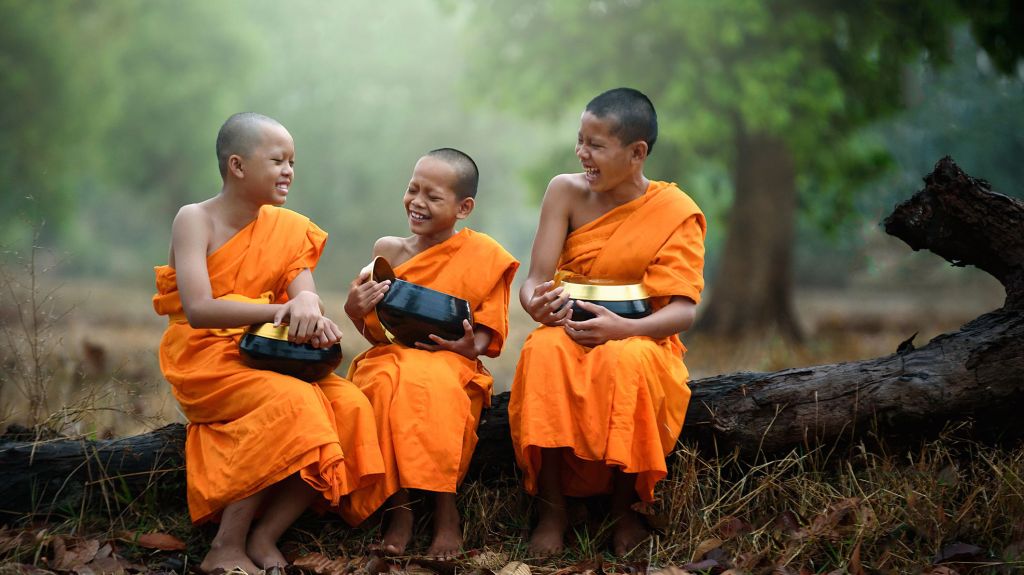
Why people are becoming Monks?
Is it some kind of religion ?
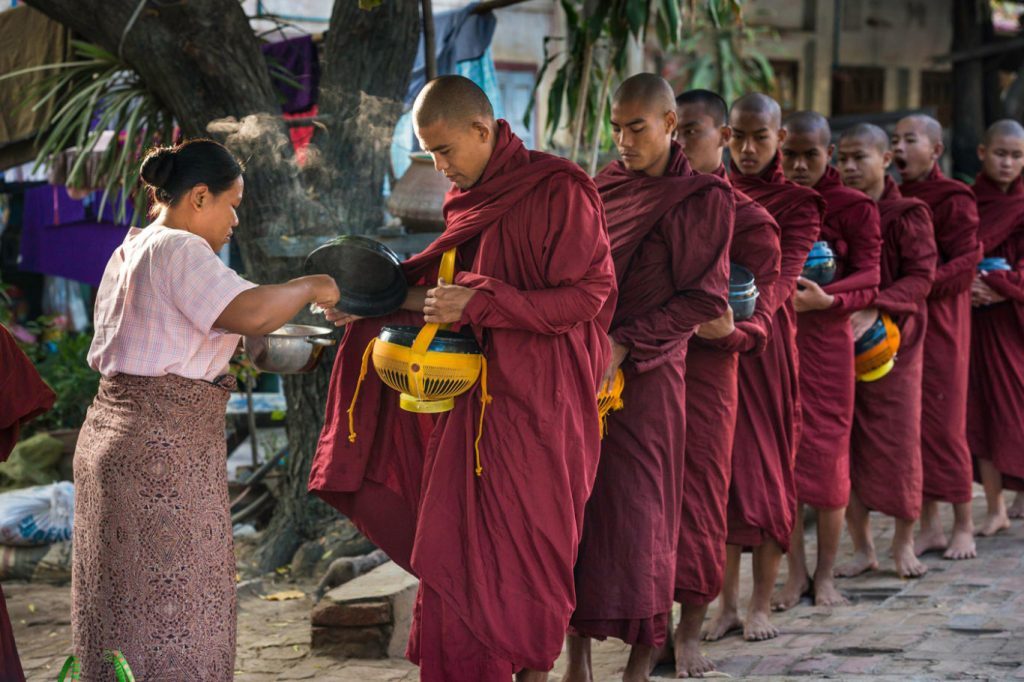
How a monk lives ?
What kind of God they persuit ?
Want to know more about them , then start some reading .
Introduction

A monk is a person who practices religious asceticism by monastic living, either alone or with any number of other monks . A monk may be a person who decides to dedicate his life to serving all other living beings, or to be an ascetic who voluntarily chooses to leave mainstream society and live his or her life in prayer and contemplation. The concept is ancient and can be seen in many religions and in philosophy.
In simple words , A monk is a man who devoted part or all of his life to a religion. The word comes from Ancient Greek, and can be translated as solitary. In Greek, the word can apply to women, but in modern English it is mainly used for men. The word nun is usually used for female monastics. Monks practice asceticism. They either live alone, or together with other monks who share the same ideals. Monks can be found in different religions, most often in Buddhism, Christianity, Hinduism, Jainism and Taoism.
There living

Monks usually follow rules and regulations for convenient life. As a monk you must obey these rules .
- Poverty: the monk cannot own anything.
- Chastity: the monk cannot have sex or a sexual relationship and cannot start a family or get married.
- Solitude: the monk should always be alone. Some monks choose to not follow this law.
- Silence: the monk shall not speak unless it is necessary.
- Generosity: the monk should always help other people.
- Stillness: the monk cannot travel far unless it is necessary. Sometimes this means that the monk must be cloistered which means that they must not leave their monastery (especially Warsa period). Sometimes they can be allowed to leave, but must not go very far.
- Duty: The monk must do some things every day. For example, the monk must pray or meditate and must do some work.
Indian monks

One of the finest and versatile monk in India was Swami Vivekananda . Swami Vivekananda was greatly inspired by Ramakrishna. For Swami, Ramakrishna was just a plain and simple villager, who was a part of the Kali temple. However, his intense spiritual practices intrigued Swami.
For five years, Swami learnt everything from his master, Ramakrishna. After his master left the world, everyone looked up to Swami. He urged the followers of Ramakrishna to leave the worldly pleasures and look up to God.
“You cannot believe in God until you believe in yourself.”
His saying intrigued just not one nation but the whole world .
Life lessons
Being a monk , gives you a pleasure of being yourself . We live in the world where we get pleasure from materialistic things . We become selfish , ruthless, dull, lifeless and worthless. You have to believe in yourself in order to excel in life.
Start learning from lessons.
- When you start to do meditation you recognize the egotistical mind.
- Trying until you get it right.
- The answer to your question is inside of you.
- Real wisdom in life comes from doing something and failing.
- We must be both compassionate and resilient.
- Patience is a virtue.
- Detach from your ego.
- Happiness come from within, and also comes from outside.

Link
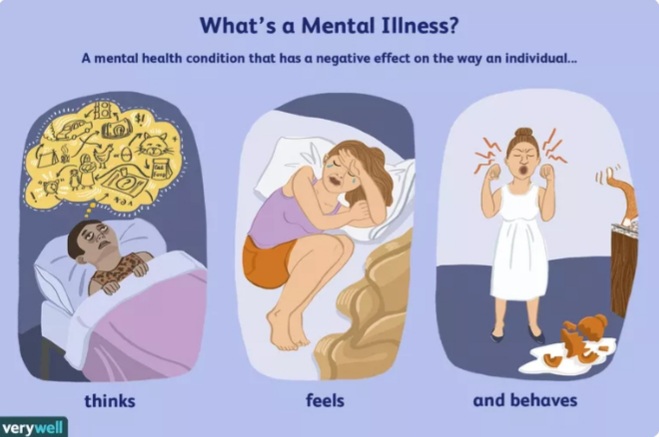
Mental Health
We human beings often tend to pay less attention to our mental health than our physical one, but we all should understand its heavy importance and admit the fact that they can be equally or even more dangerous than the physical issues so one should take immediate help of doctor or councilor in case some abnormalities or issues arises.
Importance of mental health :
Mental and physical health are equally important components of overall health. Mental illness, especially depression, increases the risk for many types of physical health problems, particularly long lasting conditions like stroke, type 2 diabetes and heart disease. Similarly, the presence of chronic conditions can increase the risk for mental illness.
Some mental illnesses :
Mental illnesses are among the most common health conditions in the united states.
* More than 50% will be diagnosed with a mental illness or disorder at some point in their lifetime.
* 1 in 5 children,either currently or at some point during their life, have had a seriously debilitating mental illness.
Causes of mental illness :
There is no single cause for mental illness. A number of factors can contribute to risk for mental illness, such as
* Early adverse life experiences such as trauma or a history of abuse.
* Experiences related to other ongoing medical condition, such as cancer or diabetes
* Biological factors, such as genes or chemical imbalances in the brain.
* use of alcohol or recreational drugs.
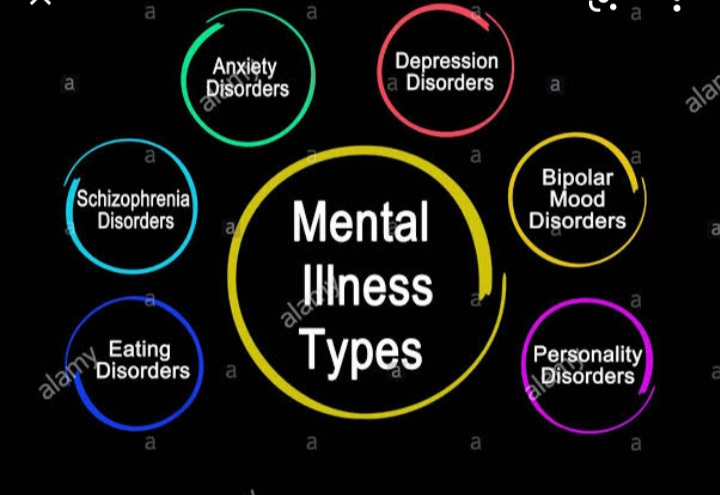
Types of mental illness :
People can experience different types of mental illnesses or disorder and they can often occur at the same time.Mental illness can occur over a short period of time or be episodic. This means that the mental illness comes and goes with discrete beginnings and ends. Mental illness can also ongoing or long term.
There are more than 200 classified types of mental illness. Some of the main types of mental illness and disorders are listed below; however; this list is not exhaustive.
Anxiety Disorders :
People with anxiety disorders respond to certain objects or situations with fear and dread or terror. Anxiety disorders include generalized anxiety disorder, social anxiety, panic disorders and phobias.
Hyperactivity Disorder :
It is one of the most common childhood mental disorders. It can continue through adolescence and adulthood. People diagnosed with ADHD may have trouble paying attention, controlling impulsive behaviors or be overly active.
Disruptive Behavioral Disorders :
It involves a pattern of disruptive behaviors in children that last for atleast 6 months can cause problems in school, at home and in social sitauations.Behavioral symptoms can also continue into adulthood.
Depression and other mood disorders :
While bad moods are common and usually pass in a short period, people suffering from mood disorders live with more constant and severe symptoms. People living with this mental illness find that their mood impacts both mental and psychological well- being, nearly evry day and often for much of the day.
Eating Disorders :
Eating disorders involve obsessive and sometimes distressing thoughts and behaviors including
* Reduction of food intake
* overeating
* Feelings of depression or distress
* concern about weight, body shape, poor self image
Personality Disorders :
People with personality disorders have extreme and inflexible personality traits that cause problems in work, school or social realtionships. Personality disorders include antisocial personality disorder and borederline personality disorder
Substance use Disorders :
Substance use disorders occur when frequent or repeated use of alochol and or drugs causes significant impairment, such as health problems, disability, and failure to meet major responsibilities at work, school, or home. Substance use problems can be fatal to the user or others. Exsmples include drunk driving fatalities and drug overdoses.
In this busy world our brain gets a lot stressed and its very important that we should take due care of it, some of the practices which will help us to do better with our mental health are:
- Yoga plays a great role in keeping our mind calm and also helps us to focus and concentrate on things. It also helps us deal with tough situations and gives us the strength to stay away from negativity.
- Exercising regularly is a key to healthy body and we all know that a healthy body and a healthy mind goes hand in hand, so we must ensure that we exercise daily to keep ourselves fit.
- The environment that we stay in also the company with which we spend time also plays a major role we should be extremely aware while selecting our company and in case we are not able to adjust we should walk away.
- Food is the fuel and is of immense importance we should ensure that we are not nutrient deficient also we should ensure that we intake enough amount of water daily.
INSPIRATIONAL STORY OF J.K ROWLING
J.K Rowling’s story is one of the most famous insipirational failures to the success story of our time. She had failed in almost everything she attempted to do in her life and at one point she considers herself a major failure.
Most of the people only know her as a woman writer who created Harry Potter, but what people don’t know about the struggle she faces before reaching the stardom.
BIRTH AND CHILDHOOD :
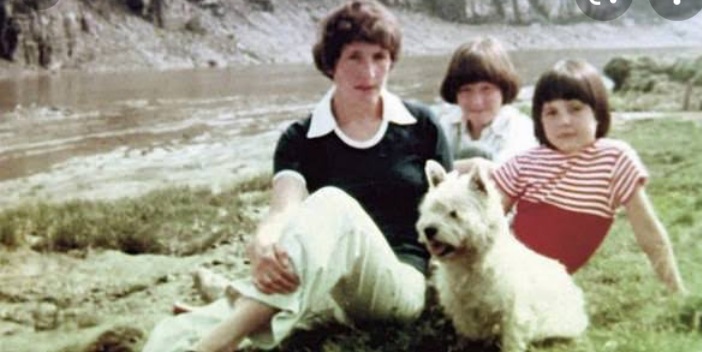
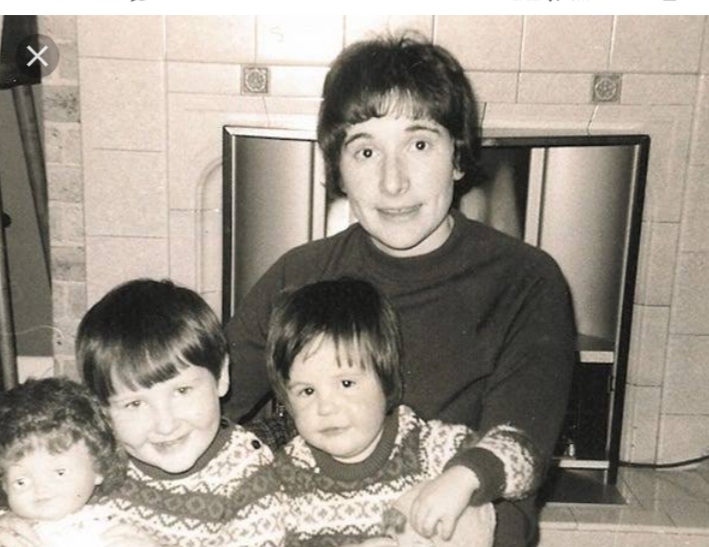
Joanne Rowling was born on 31st July 1965 in yate, Gloucestershire, England to Peter James Rowling and Anne Rowling. Her father was a Rolls- Royce aircraft engineer and mother was a science technician
She had one little sister, Dianne, as a child Rowling loves to write fantasy stories and read them to her younger sister. When she was a teenager she got a chance to read Jessica Mitford ‘s autobiography, from then on Mitford become her heroine and after that, she read all her books.
BOOK INSPIRATION AND MOTHER ‘S DEATH :
After working for Amnesty International as a researcher and bilingual secretary in London, Rowling moved to Manchester with her then- boyfriend where she worked at chamber of commerce. In1990, Rowling first had the idea for Harry Potter, a story of a young boy who attends a school of wizards, while she was on a 4 hour delayed train trip from Manchester to London.
While travelling the idea fully formed in her mind and when she reached her flat she began writing furiously. However, in December 1990 her mother died after 10 years of complications from Mutiplr sclerosis Mother’s death heavily affects Rowling and leave her extremely distraught and upset. Later she channelled her own feelings of her loss by writing about Harry’s feelings in her first book.
MARRIAGE, DIVORCE AND SINGLE MOTHER:
After a few months of her mother’s death, she moved to Portugal to teach the English language. There she met a man, fall in love with him, got married and gave birth to her daughter. In 1993 her marriage ended in Divorce and she with her infant daughter moved to Edinburgh Scotland to be closer to her sister.
This is the most struggling time for Rowling and she saw herself as a complete failure. She was divorced, jobless, no money and a dependent child. Because of all this, she suffered bouts of depression and contemplated suicide. Eventually, she signed for Government-assisted welfare describing her economic status as poor. It was a really difficult time in her life but she kept going on and put all her energy on completing her novel.
HARRY POTTER :
In 1995 Rowling completes her manuscript for Harry Potter and the philosopher’s stone on an old manual type writer. She was so poor at that time she could not afford a computer or even the cost of photocopying the novel, so she manually typed each copy and submitted to twelve publishing house in London.
The manuscript was rejected almost dozens time until she was finally given chance with £1,500 advance by a small London publisher, Bloomsbury after the company’s CEO little 8 years old daughter fell in love with it after reading the first chapter of the book.
In July 1997 Bloomsbury published first 1000 copies of Harry Potter series out of which 500 copies were distributed to libraries. Just five months later the book won Nestlé smarties Book prize it’s first award . In early 1998 an auction was held in America for the printing rights to publish the novel.
Scholastic INC won the auction for USB 105, 000, later Rowling said in a interview that she nearly died when she heard the news of this amount for printing her novel. Today Harry Potter is a global brand worth an estimated 15 billion dollars.
The last four Harry Potter books have set the records for the fastest selling books in history. The Harry Potter series to talking 4, 195 pages have been translated either in whole or in part into 65 languages. The Harry Potter books series have also gained recognition for creating an interest in reading among the children’s at a time when they were more inclined towards the Internet, computers and television.
FINANCIAL SUCCESS :
In 2001 J.K ROWLING purchased a 19th century killiechassie House, an estate house on the banks of the river tay in Perth. She also owns a £ 4.5 million Georgian house in West London. In 2004 , Forbes named Rowling as the first person to become a us dollar billionaire by only writing books.In 2017, according to Sunday times, Richard list Rowling net worth was approx. £ 650 million.
PERSONAL LIFE :
Rowling and her second husband Neil Murray were married on 26th December 2001. They live in Edinburgh with their 3 children. Rowling was a runner up in 2007. Time’s annual person of the year issue after Russia’s president Vladimir putin.
JK ROWLING’S RULES OF SUCCESS :
- Failure helps you discovers yourself.
- Take action on your ideas.
- You will be criticised
- Remember where you started
- Truly Believe in yourself
- learn from adversity.
*Visualise to achieve - Persevere
- Dreams can happen.
- use your creativity.
Depression
Depression and anxiety are very common problem these days starting from teenager to elderly adults anyone and everyone can face this at any point in life and they equally affect us as any physical disease does, many people don’t take mental health seriously but it is outmost necessary to do so. Here are a few simple daily habits which will help you to deal with depression:
- Stay away from negative thoughts, and always try to focus on the filled part of the glass and try not to worry about the empty.
- Practice meditation regularly it helps to calm one’s mind and helps in relaxing the brain.
- Try to stay out from field where you feel irritated and also do try ignoring unnecessary mess.
- Physical exercising is a must for a healthy mind as it keeps the body fit and also helps keeping negativity away.
- The physical environment where one spends time and the company of people with which one spend time also plays a key role in determining the and dealing with depression issues.
- One must also take care of the diet, consuming fresh fruits and vegetables are highly recommended and one must take care that proper diet is consumed.
Depression symptoms :
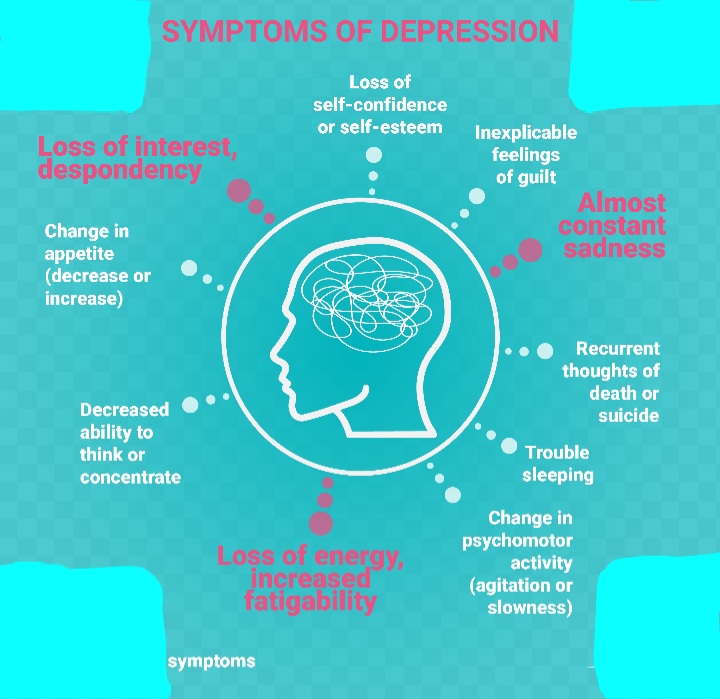
Depression can be more than a constant state of sadness or feeling ” blue”. Major depression cane cause a variety of symptoms. Some affect your mood, and others afect your body. Symptoms may also be onging or come and go. The symptoms of depression can be experienced differently among men, women and children differently.
Men may experience symptoms related to their:
* Mood, such as anger, aggressive, irritability, anxiousness, restlessness.
* Emotional well- being such as feeling empty, sad, hopeless.
* Behavior, such as loss of interest, no longer finding pleasure in favorite activites feeling tired easily , thiughts of suicide, drinking- execessively , using drugs, engaging in high- risk activities.
* sexual interest, such as reduced sexual desire, lack of sexual performance
* cognitive abilities , such as inability to concentrate, difficulty completeing tasks, delayed responses during- conversations.
* sleep patterns, such as insomina, restless slepp, excessive sleepiness, not sleeping through the night.
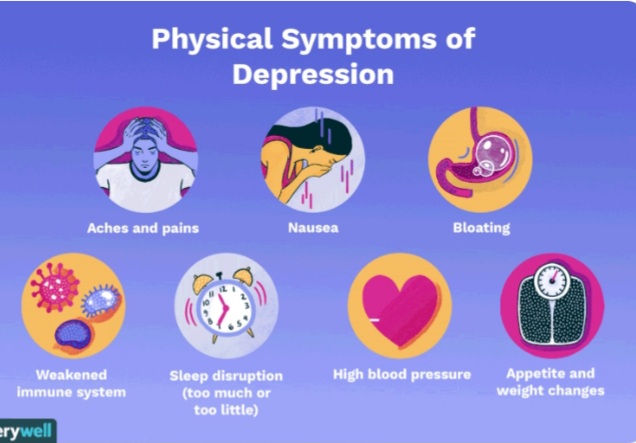
* physical well- being, such as fatigue, pains, headache, digestive problems.
Women may experience symptoms related to their:
* mood, such as irritability
* emotional well- being, such as feeling sad or empty, anxious or hopless.
* congnitive abilities,such asthinking or talking more slowly
* behavior, such as loss of interest in activities, withdrawing from social engagements, thoughts of suicide
* sleep patterns, such as difficultu sleeping through the night, waling early, sleeping too much.
* physical well- being, such as decreases energy, greater fatigue, changes in appetite, weight changes, aches,pain, headaches, increased cramps.
Children may dxperiences symptoms related to their :
* mood such as irritability, anger, mood swings, crying.
* emotional well- being, such as feelings of incompetence or despair, crying, intense sadness
* behavior, such as gettkng into trouble at school or refusing to go to school, avoiding friends or siblings thoughts of death or suicide.
* cognitive abilities, such as difficulty concentrating, decline in school performance, changes in grades.
* sleep patterns, such as difficulty sleeping or sleeping too much
*physical well- being, such as loss of energy digestive problems, changes in appetite, weight loss or gain.
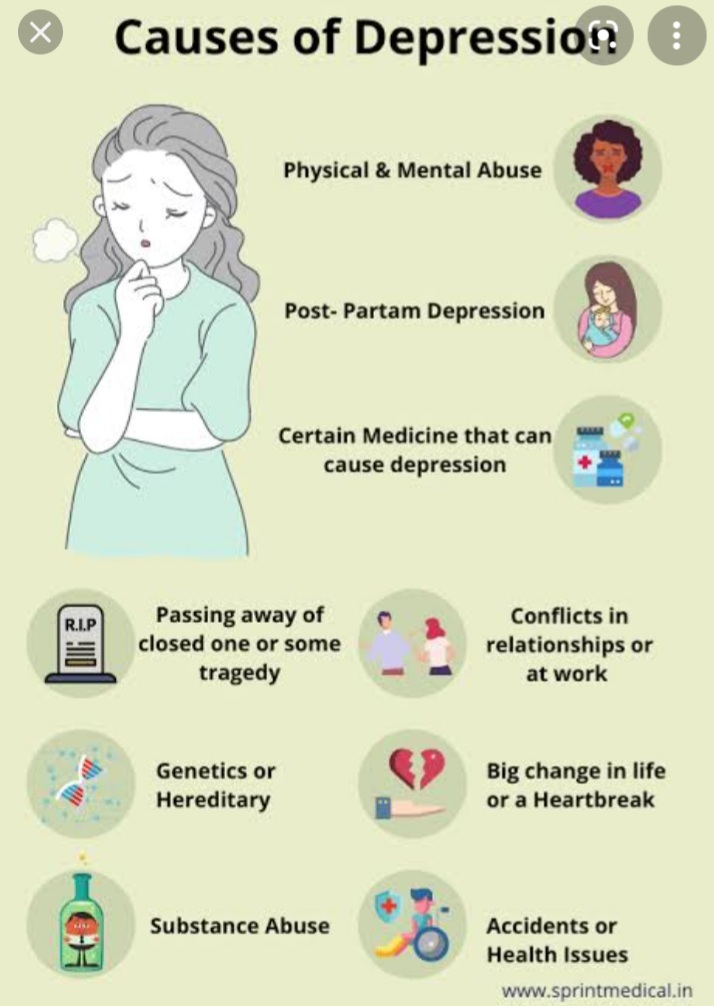
Depression causes :
There are several possible causes of depression. They can range from biological to circumstantial.
Common causes include ;
* Family history :
You’re at a higher risk for developing depression if you hace a family history of depression or another mood disorder.
* Early childhood trauma :
Some events affect the way your body reacts to fear and stressful situations
* Brain structure :
There’s a greater risk for depression if her frontal lobe of your brain is less active.
* Medical conditions :
Certain conditions may put you at higher risk, such as chronic illness, insomia, chroinc pain or attention- deficit hyperactivity disorder
* Drug use :
A history of drug or alcohol misuse can affect your risk.
Many factors can influence feelings of depression, as well as who develops the condition . The causes of depression are often tied to other elements of your health. Depression can be linked with to other health problems, your healthcare provider may also conduct a physical examination and order blood work.
Types of depression :
Depression can be broken into categories depending on the severity of symptoms. Some people experience mild and temporary episodes, whike other experience severs and ongoing depressive episodes.
There are two main types. Major depressive disorder and persistent depressive disorder .
Major depressive disorder :
Major depressive disorder is the more severe form of depression. It’s characterized by persistant feelings of sadness, hoplessness and worthlessness that dont’t go away on their own.
Persistent depressive disorder :
Persistent depressive disorder ( pDD) used to be called dysthymia. It is a milder, but chronic, form of depression.
It’s common for people with PDD to
* lose interest in normal daily activites.
* feel hopless
* lack productivity
* haveclow self- esteem
Depression can be treated successfully, but it’s important to stick your treatment plan.
Treatment for depression :
Living with depression can be difficult, but treatment can help improve your quality of life. Talk to your health care provider about possible options. You may successfully manage symptoms with one form of treatment ,or may find that a combinations of treatment works best.
Horticulture
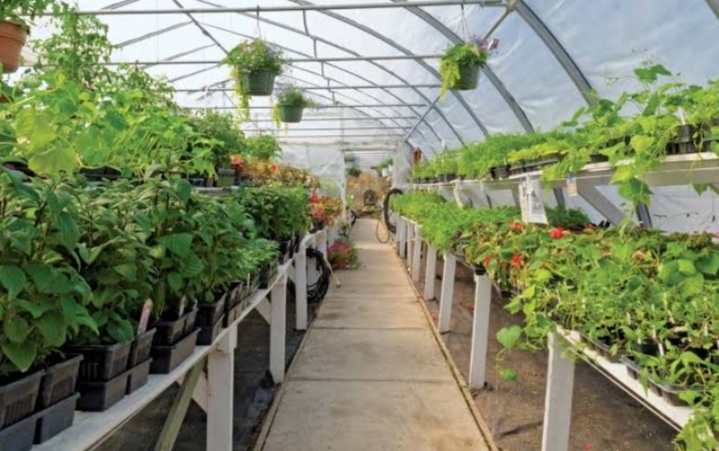
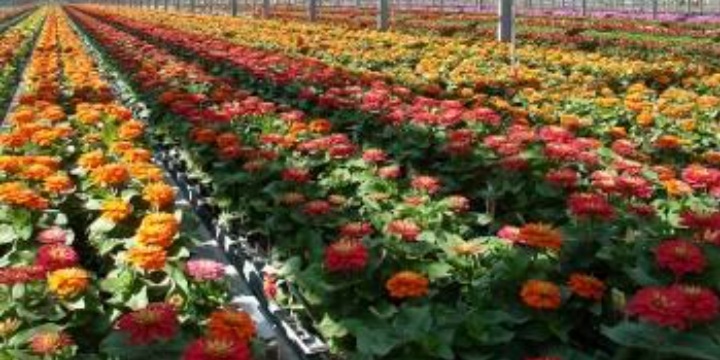
Horticulture, the branch of plant agriculture dealing with garden crops, generally fruits,vegetables, and ornamental plants. The Horticulture falls between domestic gardening and field agriculture, through all forms of cultivation naturally have close links.
It is divided into the cultivation of plants for food and plants for ornament. Pomology deals with fruit and nut crops. Oliericuture deals with herbaceous plants for the kitchen, including, for example carrots, cauliflower. Floriculture deals with the production of flowers and ornamental plants; generally, cut flowers, pot plants, and greenery. Landscape Horticulture is a broad category that includes plants for the landscape, including lawn turf but particularly nursery crops such as shrubs, trees, and vines.
The specialisation of the horticulture and the success of the crop are influenced by many factors. Among these are climate, terrain, and other regional variations.
HORTICULTURAL REGIONS :
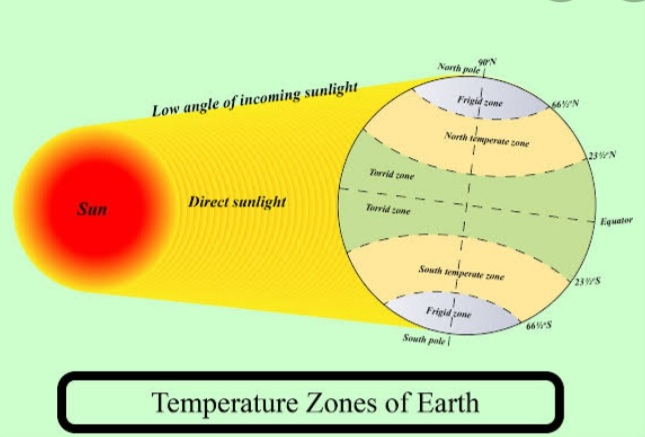
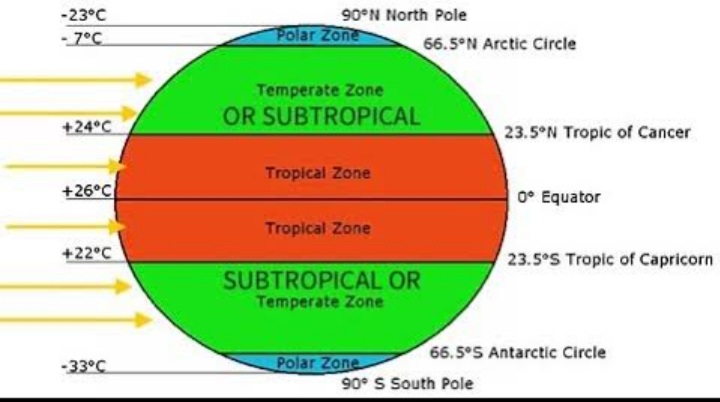
TEMPERATURE ZONES :
Temperature zones for horticulture cannot be defined exactly by lines of latitude or longitude but are usually regarded as including those areas where frost in winter occurs, even though rarely. Thus, most parts of Europe, North America and Northern Asia
are included, though some parts of the United States, such as southern Florida, are considered subtropical.
The temperature zones are also the areas of the grasses – the finest lawns particularly are in the regions of moderate or high rainfall- and of the great cereal crops. Rice is excluded as being tropical, but wheat, barley, corn and Rye grow well in the temperature zones.
Plants in the temperature zones benefit from a winter resting season, which clearly differentiates them from tropical plants which tend to grow continuously. Most of the great gardens of the world have been developed in temperature zones. Particular features such as rose gardens, herbaceous borders, annual borders, woodland gardens, and rock gardens are also those of temperature zone gardens. Nearly all depends for their success on the winter resting period.
TROPICAL ZONES :
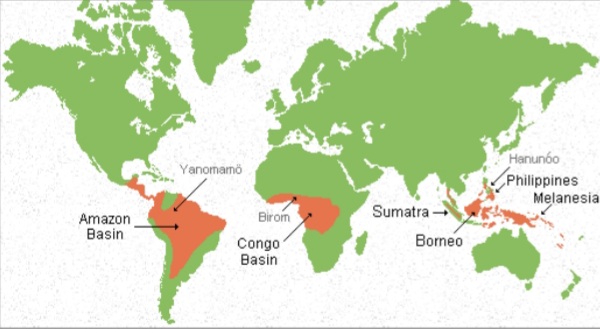
There is no sharp line of demarcation between the topics and the subtropics. Just as many tropical plants can be cultivated in the subtropics, so also many subtropical and even temperature plants can be grown satisfactorily in the tropics. Elevation is a determining factor. In addition to Elevation, another determinant is the annual distribution of rainfall. Plants that grow and flower in the monsoon areas, as in India, will not succeed where the climate is uniformly wet. Another factor is the length of day, the number of hours the sun is above the horizon;some plants flower only if the day is long, but others make their growth during the long days and flower when the day is short.
In the tropics of Asia and parts of central and south America, the dominant features of the gardens are flowering trees, shrubs, and climbers. Herbaceous plants are relatively few, but many kinds of orchids can be grown.
PROPAGATION :
propagation is the controlled perpetuation of plants,is the most basic of Horticulture practices . It’s two objectives are to achieve an increase in numbers and to preserve the essential characteristics of the plant. Propagation can be achieved sexually by seed or asexually by utilising specialised vegetative structures of the plant or by employing such techniques are cutting, layering, grafting and tissue culture
SEED PROPAGATION :
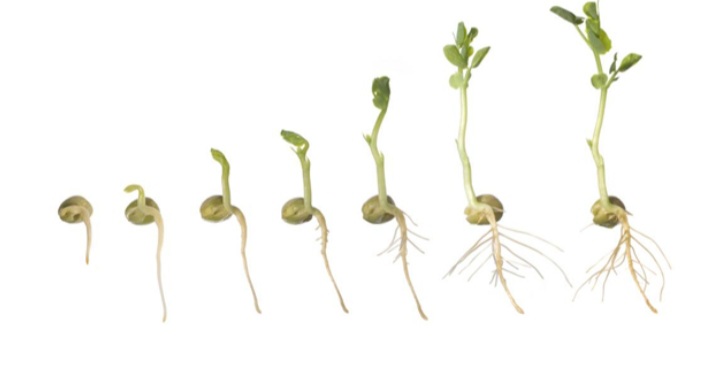
The most common method of propagation for self- pollinated plants is by seed. In self-pollinated plants,the sperm nuclei in pollen produced by a flower fertilize egg cells of a flower on the same plant. Propagation by seed is also used widely for many cross- pollinated plants pollen is carried from one plant to another.
The practice of saving seed to plant the following year has developed into a specialized part of horticulture. Seed technology involves all of the steps necessary ensure production of seed with high viability, freedom from disease, purity, and trueness to type. These processes may include specialized growing and harvesting techniques, cleaning, and distribution. Germination in such seed may be accomplished by treatment to remove these inhibitors. This may involve cold stratification, storing seed at high relative humidity and low temperatures, usually slightly above freezing. Cold stratification is a prerequisite to the uniform germination of many temperature-zone species such as apple, bear, and redbud.
VEGETATIVE PROPAGATION :
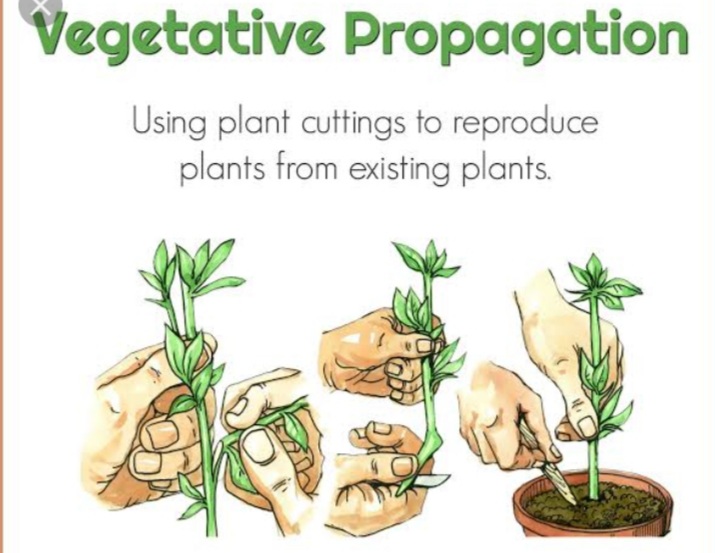
Asexual or vegetative reproduction is based on the ability of plants to regenerate tissues and parts. In many plants vegetative propagation is a completely natural process; in others it is an artificial one. It has may advantages. These include the unchanged prepetuation of naturally cross pollimated palnts and the possibility of propagation seedless progeny.
Vegetative propagation is accomplished be use of
- Apomictic seed
- Specialized vegetatice structres such as runners, bulbs, corms, rhizomes, offshoot, tubers, stems and roots.
- Layers and cuttimgs
- Grafting and budding
- tissue culture.
The case of magahi betel leaf (paan)
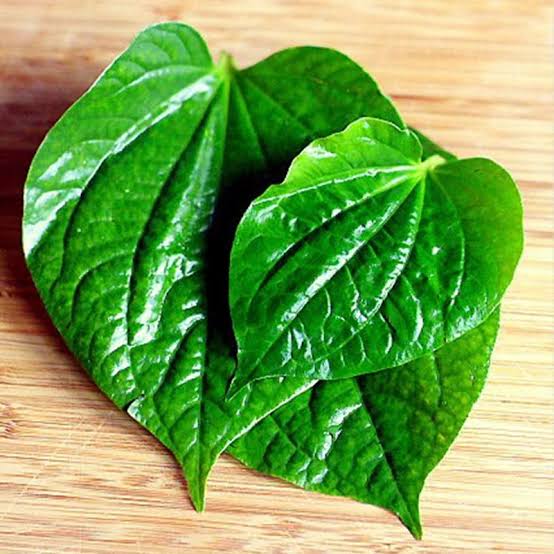
Magahi betel leaf (Paan) is an variety of betel grown in south Bihar region and mostly in Aurangabad, Gaya and Nalanda districts. This paan, is about 3.5 to 9.5 inches in size. It’s non-fibrous, sweeter, tastier and the soft.it got GI tagged in 2018 alongwith Jardalu mango and katarni rice
Magahi paan was popular even during ancient times. It is claimed that prince Vijai Mal was fond of Magahi paan and it is mentioned in the 1884 book of GA Grierson, an Irish administrator and linguist in British India. Several other references had been cited in the journal to establish Magahi paan being an exclusive produce of Magadh region
Magahi paan is sown during March-May each year, with leaves plucked during January-March. Each plant can give 40-60 leaves, yielding 500 dholis per year per katha .Every year, farmers have to sow new plants. When everything goes well, farmers can earn Rs 70,000-1,00,000 from one katha of land.

Problems encountered by betel leaf (paan) farmers
There is lack of insurance or MSP facility to the farmers. it is highly susceptible to bad weather conditions and is classified as horticulture, not agriculture product. Money is paid in installments by the buyer and Sometimes money is paid after one and a half years to the farmers.
Number of paan farmers is on the decline because of lack of any state help to ease their high cost of production, as the plant requires an artificial conservatory to grow.
Future ahead
A tie up between Agricultural and Processed Food Products Export Development Authority (APEDA) and Bihar Agricultural University (sabaur) is currently under process. Plan is to export GI tagged products Makhana, Jardalu Mango, Shear Rice, Litchi and Magahi Pan.
Let’s hope the things gets better and government policies should be made and implemented in a way keeping the problems faced by farmers and their needs at centre. Then, only these betel growing farmers will get benefitted from those government benefits.
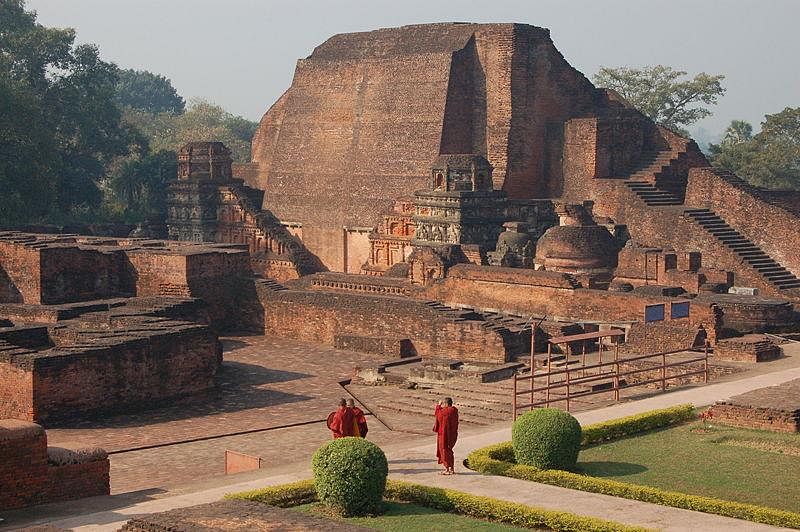
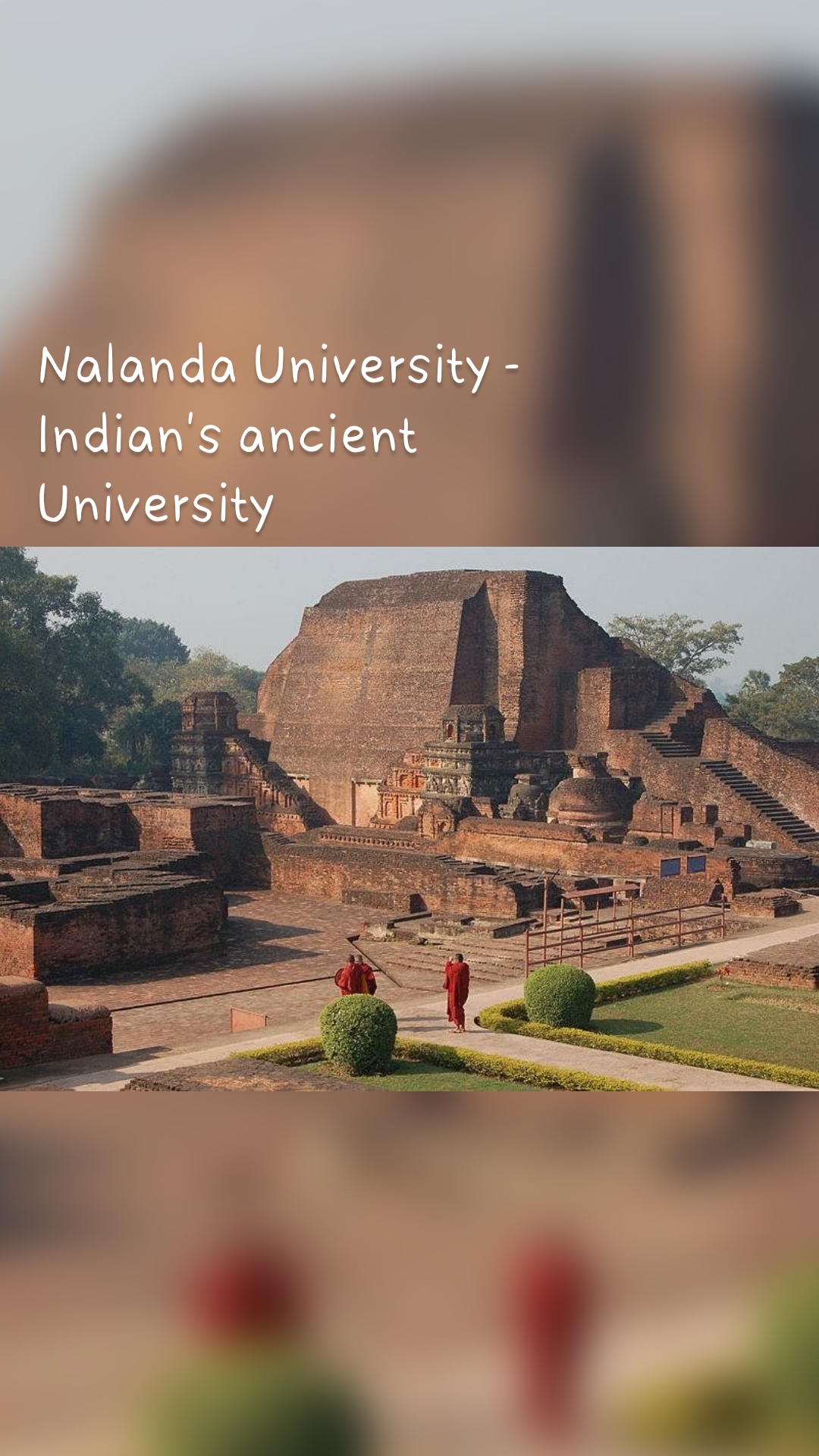
Nalanda University – An Ancient Seat of Learning
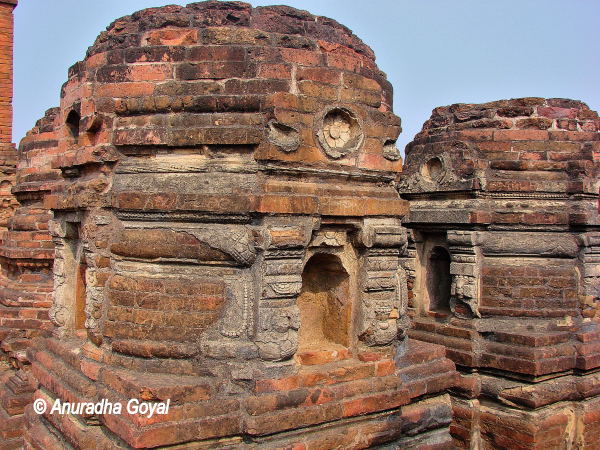
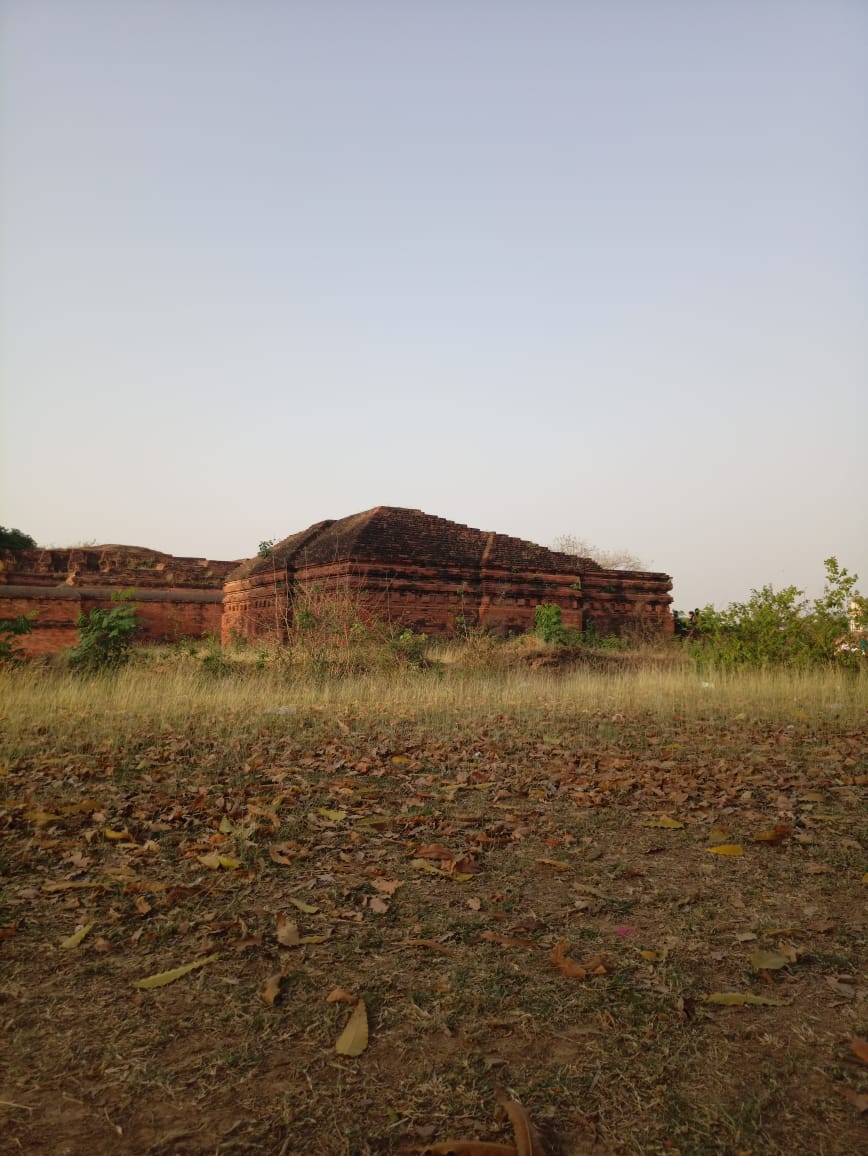
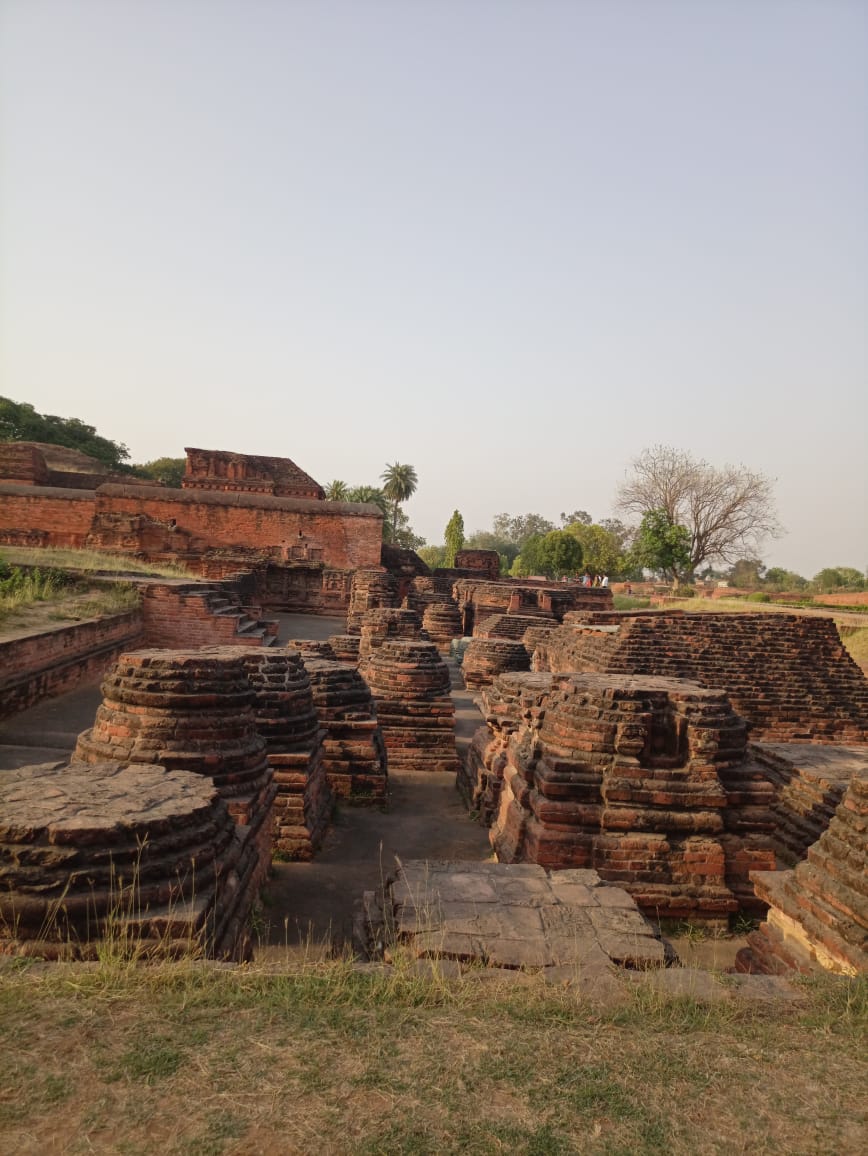
Nalanda was one of the earliest and finest universities in India.
It is located in Nalanda District, Bihar, India.
ORIGIN OF NALANDA
The origins of this scholastic institution in 5th century CE. It served for an uninterrupted duration of 800 years
The university thrived under the patronage of the rulers of the Gupta dynasty during the 5th and 6th centuries.
It continued to flourish under Emperor Harshavardhan of Kannauj in the 7th century as well.
The growth and the popularity of the university continued until the 9th century.
The declination of Nalanda University was primarily due to the establishment of four other seats of Buddhist learning in the same region under the Pala Empire from the 9th century to the 12th century
FACTS

Taken by Kirti kumari
- Oldest university with hostel facilities in India.
- The massive library of Nalanda was called Dharma Gunj, meaning the Treasury of Truth or the Mountain of Truth.
- It contained hundreds of thousands of books.
- The subjects taught at Nalanda covered in every field of learning, and it attracted pupils and scholars from Korea, Japan, China, Tibet, Indonesia, Persia and Turkey
- It is believed that the library of Nalanda was so huge that it burned for months after the university was ransacked by Bakhtiyar Khilji and the library was set on fire.
- Nalanda was attacked three times by the invaders –
- The Huns
- The Gaudas
- Bhaktiyar Khilji – who brought about its complete destruction.
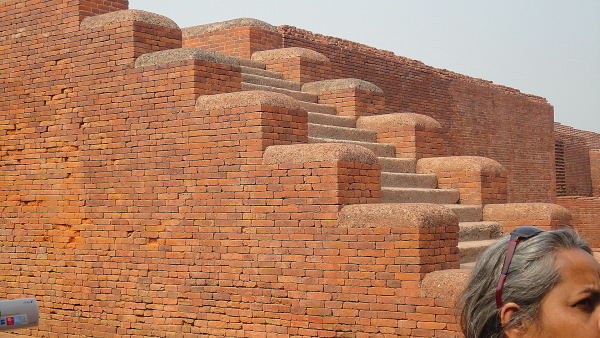
- Archeologists and historians are of the opinion that just 10% of the Nalanda campus has been excavated till date. Around 90% remain to be excavated.
- The ruins of Nalanda were the location for the shooting of the popular song “O Mere Raja” from the Bollywood movie Johny Mera Naam starring Hema Malini and Dev Anand.
DECLINATION
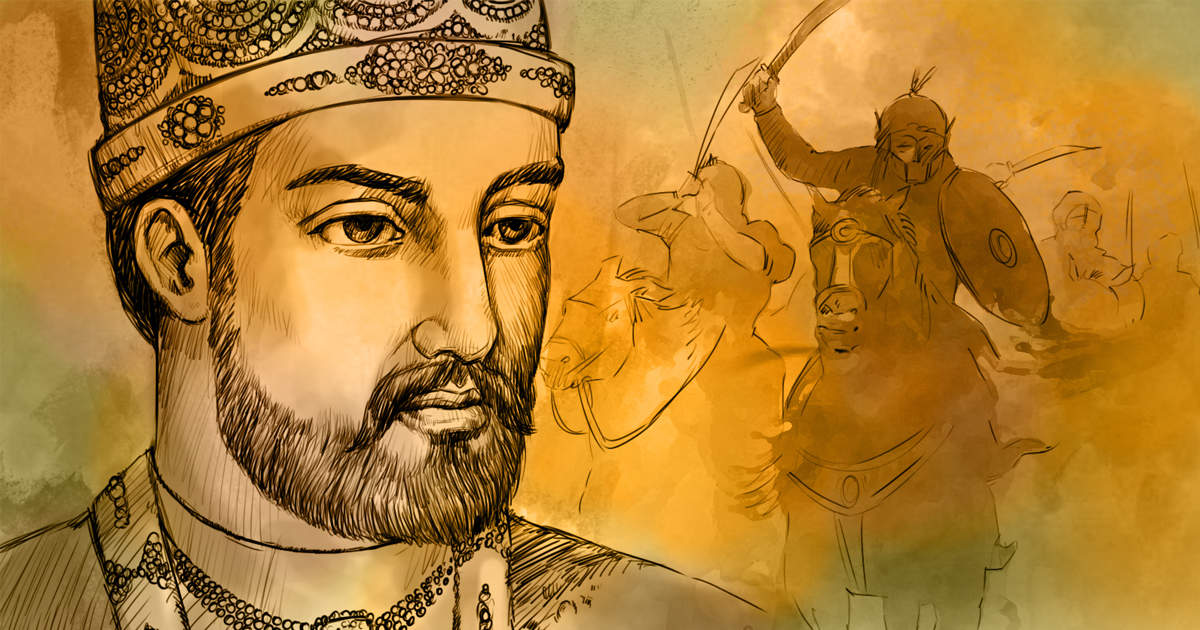
Muḥammad Bakhtiyar Khalji, a Turkic invader destroyed the Nalanda University in 1202 AD.
At that time Bakhtiyar Khilji had captured some areas ruled by Buddhists in North India and once he became quite ill. He got enough treatment from his princes but he could not recover and reached a moribund condition.
Then someone advised him to take the treatment from Acharya Rahul Sribhadra, who was head of Ayurveda department of Nalanda University. But Khilji was not ready for this. He had more faith in his princes. He was not willing to believe that Indian physicians have more knowledge than his wife and their masters.
But to save his life he had to call Acharya Rahul Sribhadra, head of Ayurveda department of Nalanda University. Then Bakhtiar Khilji put a strange condition in front of Vaidyaraj that I will not eat any kind of medicine given by him. They had to fix it without medication. After thinking of this, Vaidyaraj accepted his condition and after a few days, he came to Khilji with a Quran and said that he had to read the page of the Quran. And after reading these pages you will free from illness.
Bakhtiar Khilji read the Quran as Vaidyaraj said he was cured.
“It is said that Rahul Shribhadra applied for medicine on some pages of the Quran. and as he started reading those pages of the Quran he kept on recovering.”
After recovering khilji was shocked by the fact that an Indian scholar and teacher had more knowledge than his princes and countryman.
After this, he decided to destroy the roots of Buddhism and Ayurveda. As a result, Khilji set fire to the great library of Nalanda and burned around 9 million manuscripts.
BIHAR ELECTIONS TO START FROM 28TH OCT, RESULT ON 10TH NOV

The Election Commission of India (ECI) on Friday announced the schedule for Bihar Assembly polls 2020. Voting for Bihar assembly elections will be held in three phases — first on October 28, second on November 3 and the third on November 7 — while counting of all votes will take place on November 10, the Election Commission announced on Friday.
Announcing the three-phase election, Chief Election Commissioner Sunil Arora called it a “leap of faith”, pointing out that medical and engineering exams JEE and NEET took place recently and a large number of students sat for them. “COVID doesn’t show any sign of going down. Some way had to be found to choose representatives and protect the health of people. Life has to go on,” he told reporters.
“The world has changed significantly since the last elections, which were held for the Delhi assembly. The COVID-19 pandemic has forced a new normal in every aspect of our life,” Mr Arora said.

As soon as the dates are announced, the Model Code of Conduct will be enforced in the state. Bihar has to elect a new 243-member assembly by November 29. The Election Commission has decided not to hold 65 pending by-elections to fill vacancies in various assemblies and one in Lok Sabha simultaneously with the Bihar elections. The bypolls were already deferred due to excessive rains and the pandemic.
Amid the pandemic, several measures have been taken for campaigning and polling to ensure safety of leaders and voters. Polling has been extended by one hour from 7 am to 6 pm. The last hour will be reserved for those with Covid-19 and who are quarantined.
Several countries have held elections amid the pandemic. However, CEC Arora said the Bihar polls are likely to be the largest elections conducted during the pandemic given there are with 72.9 million electors in the state.
BIHAR SCHOOLS TO OPEN PARTIALLY FROM 28TH SEPTEMBER FOR HIGHER CLASSES

Schools in Bihar will partially reopen from September 28, for students of Class 9 to Class 12 belonging to non-containment zones. An order issued by the state education department on Tuesday said that Classes 9-12 students will be allowed to visit schools for seeking academic guidance, following health advisories and SOPs issued by the Central Government.
However, hostels and coaching institutes in the state will continue to remain closed. Classes 9-12 students visiting schools will be subject to written consent from parents, the order said.

Bihar School Reopening Guidelines & SOPs
- No students or teachers from containment zones to be permitted to attend the school
- Proper sanitization protocol, as laid out by the Health Ministry, has to be followed before the schools reopen and thereafter.
- Only 50 per cent teaching and non teaching staff allowed to schools on any given day
- Only one third of students allowed to attend classes
- School management would be required to prepare a schedule for the classes such that students are allowed to attend the classes for two days in a week
- Wearing for face mask is mandatory for students whilst in schools – in classrooms as well as on the campus
- Instructions to manage social distancing properly to be provided to students and strictly maintained
- Students will have to carry their own hand sanitisers and wash their hands at regular intervals


You must be logged in to post a comment.