30 Classic Novels: Must Read

Must-read books: There are so many out there – so don’t waste your time on average books!

Still, it can take time to find books worth reading. That’s why we’ve compiled this epic must-read book list to make your life easier. It features 40 top books to read in popular categories, such as fiction, business, personal development, travel, and more.

So, if you’re wondering, “what book should I read next?” we’ve got you covered. This list is jam-packed with great books to read! For more suggestions visit m.topread666.com

Classic Novels to Read

1. 1984 by George Orwell
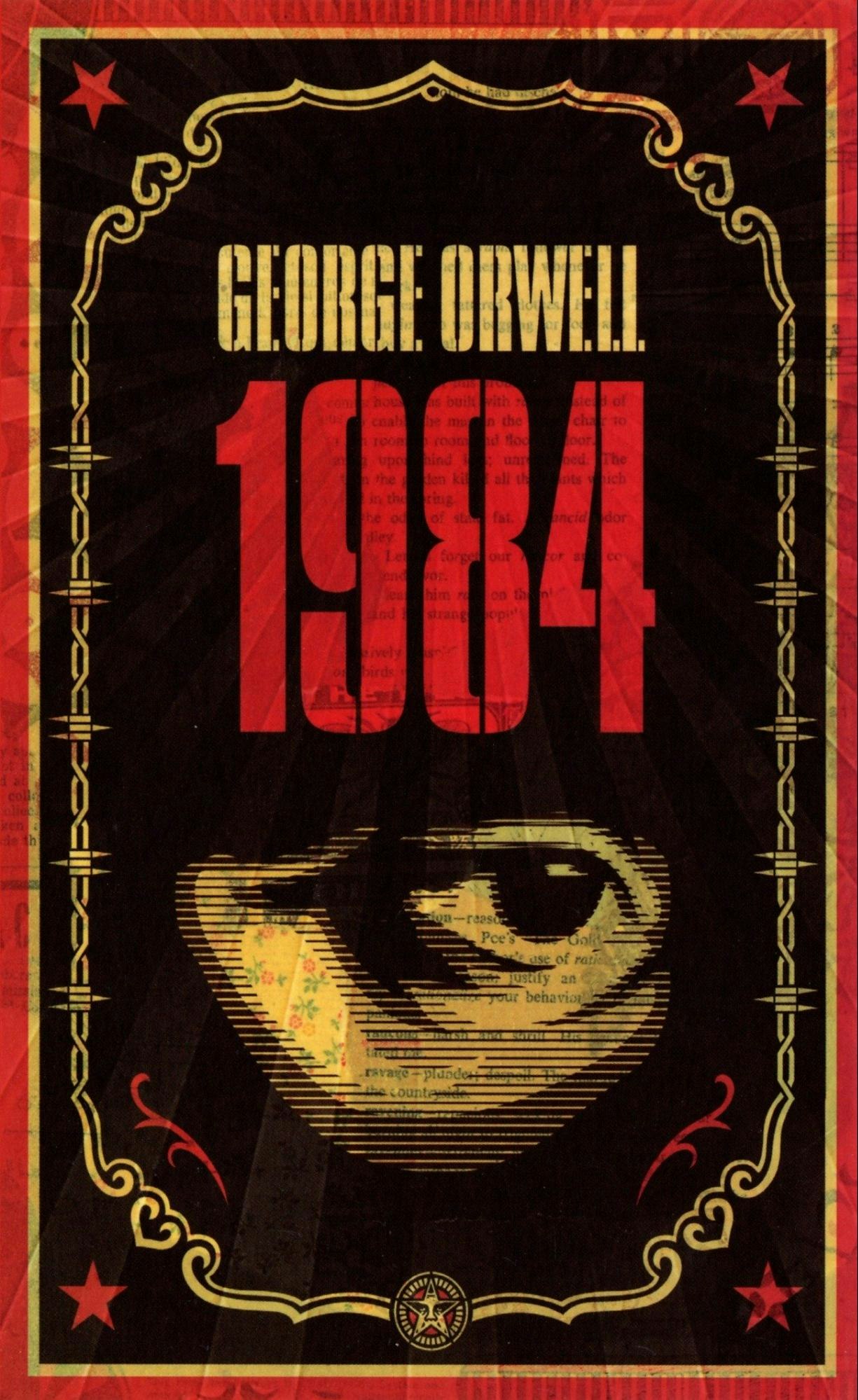
1984 – George Orwell

1984 tells the futuristic story of a dystopian, totalitarian world where free will and love are forbidden. Although the year 1984 has long since passed, the prophecy of a society controlled by fear and lies is arguably more relevant now than ever.

2. The Lord of the Rings by J.R.R. Tolkien
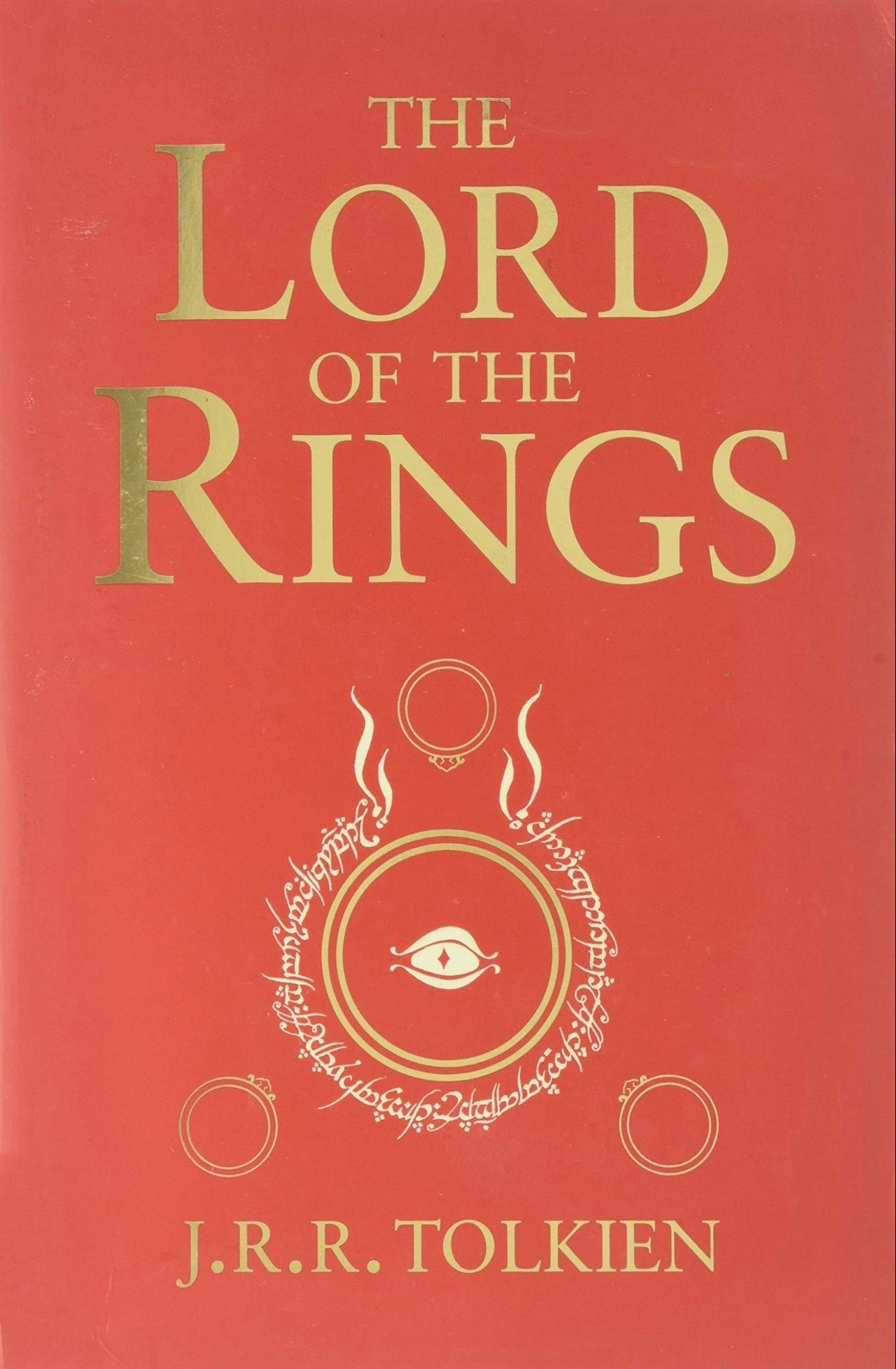
The Lord of the Rings – J.R.R.Tolkien

Tolkien’s fantasy epic is one of the top must-read books out there. Set in Middle Earth – a world full of hobbits, elves, orcs, goblins, and wizards – The Lord of the Rings will take you on an unbelievable adventure.

3. The Kite Runner by Khaled Hosseini
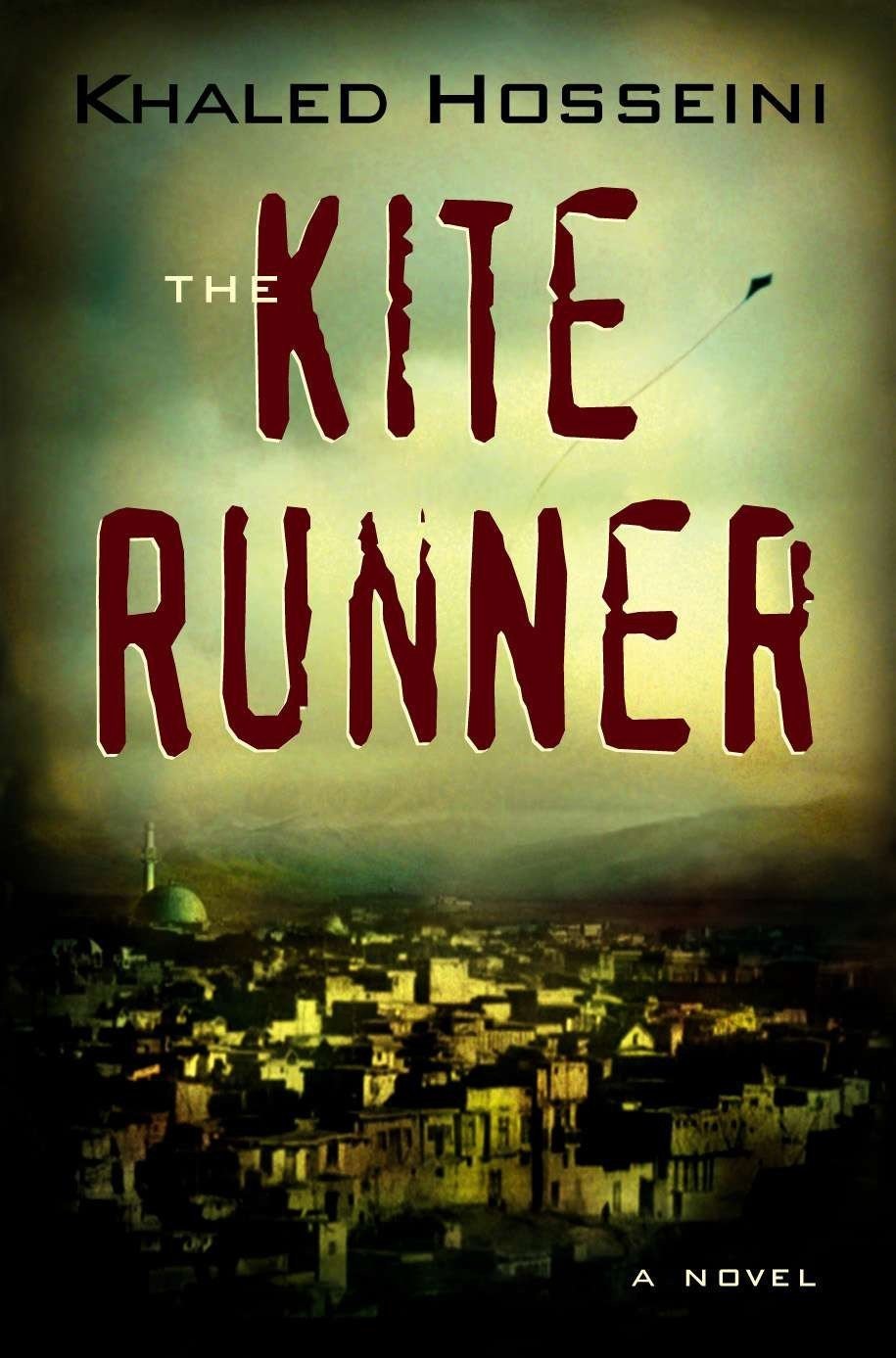
The Kite Runner – Khaled Hosseini

The Kite Runner is a moving story of an unlikely friendship between a wealthy boy and the son of his father’s servant. Set in Afghanistan during a time of tragedy and destruction, this unforgettable novel will have you hooked from start to finish.

4. Harry Potter and the Philosopher’s Stone by J.K. Rowling
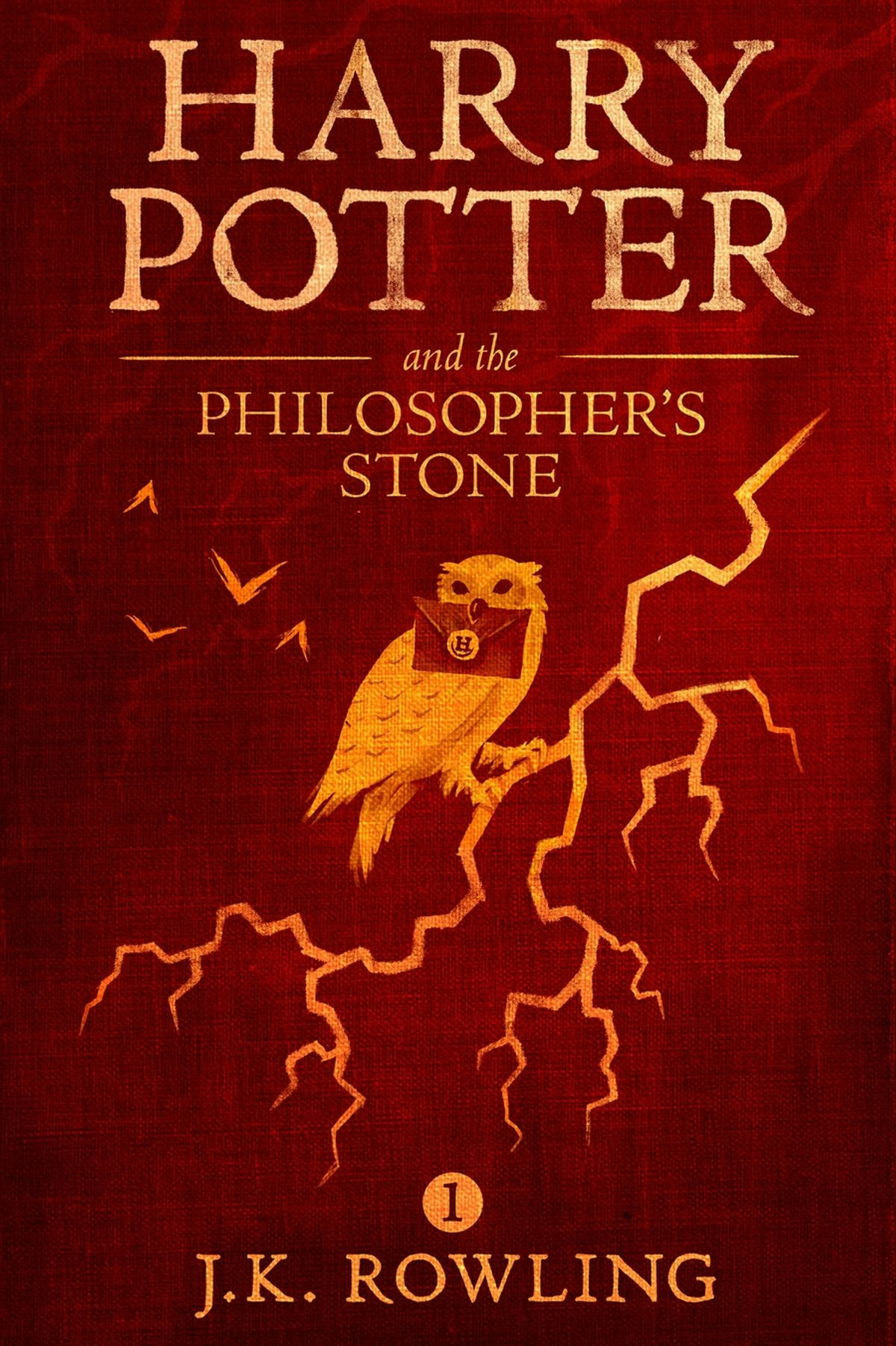
Harry Potter and the Philosopher's Stone – J.K. Rowling

This global bestseller took the world by storm. So, if you haven’t read J.K. Rowling’s Harry Potter, now may be the time. Join Harry Potter and his schoolmates as this must-read book transports you deep into a world of magic and monsters.

5. Slaughterhouse-Five by Kurt Vonnegut
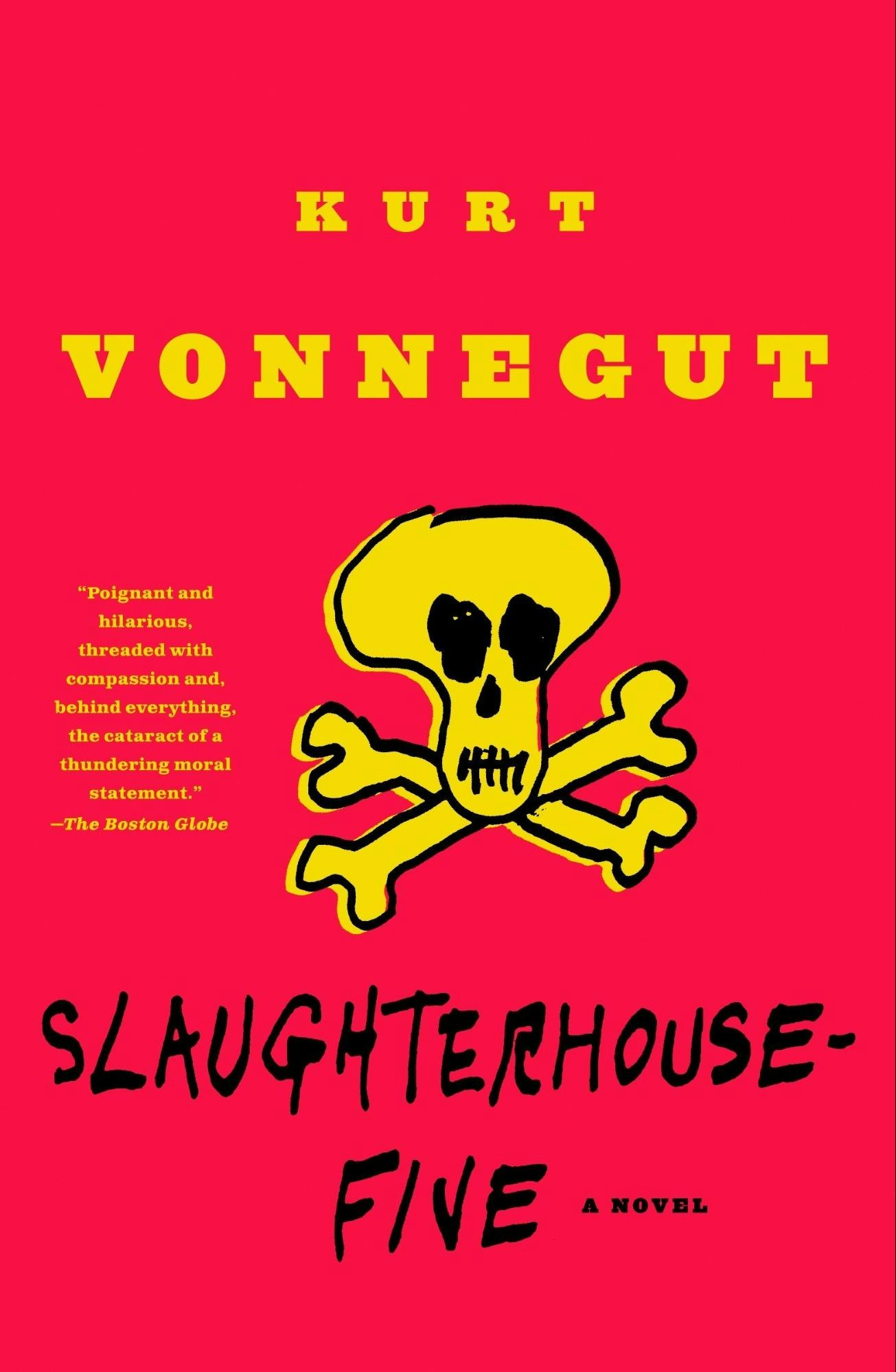
Slaughterhouse Five – Kurt Vonnegut

Slaughterhouse-Five is arguably one of the greatest anti-war books ever written. This rich and amusing tale follows the life of Billy Pilgrim as he experiences World War II from a peculiar perspective.

6. The Lion, the Witch, and the Wardrobe by C.S. Lewis
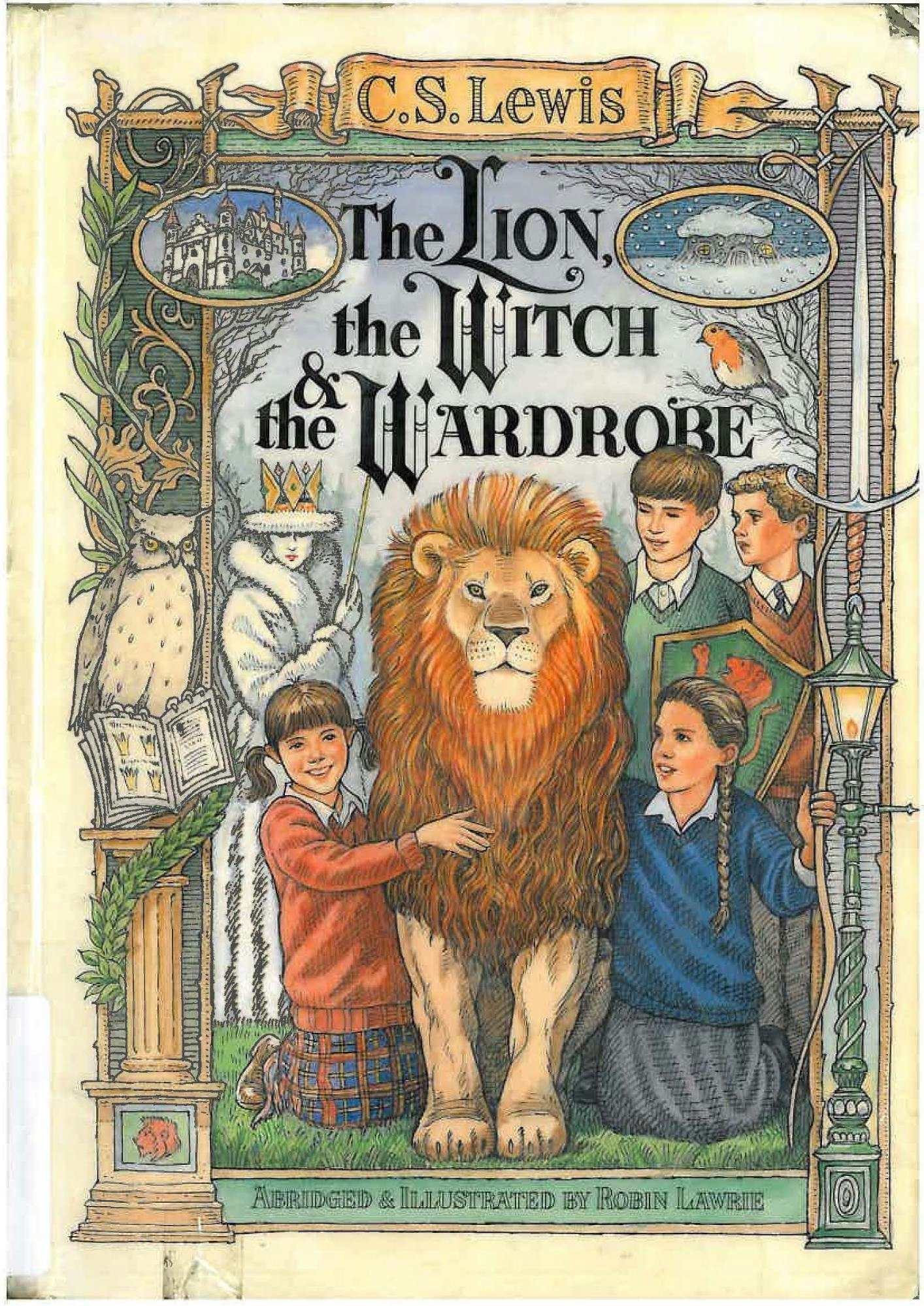
The Lion, the Witch, and the Wardrobe – C.S.Lewis

The Lion, The Witch, and the Wardrobe is undoubtedly one of the great books of all time. This renowned fantasy novel is set in Narnia, home to mythical beasts, talking animals, and warring kingdoms. The story follows a group of school children as they become entangled in this incredible world’s fate.

7. To Kill a Mockingbird by Harper Lee
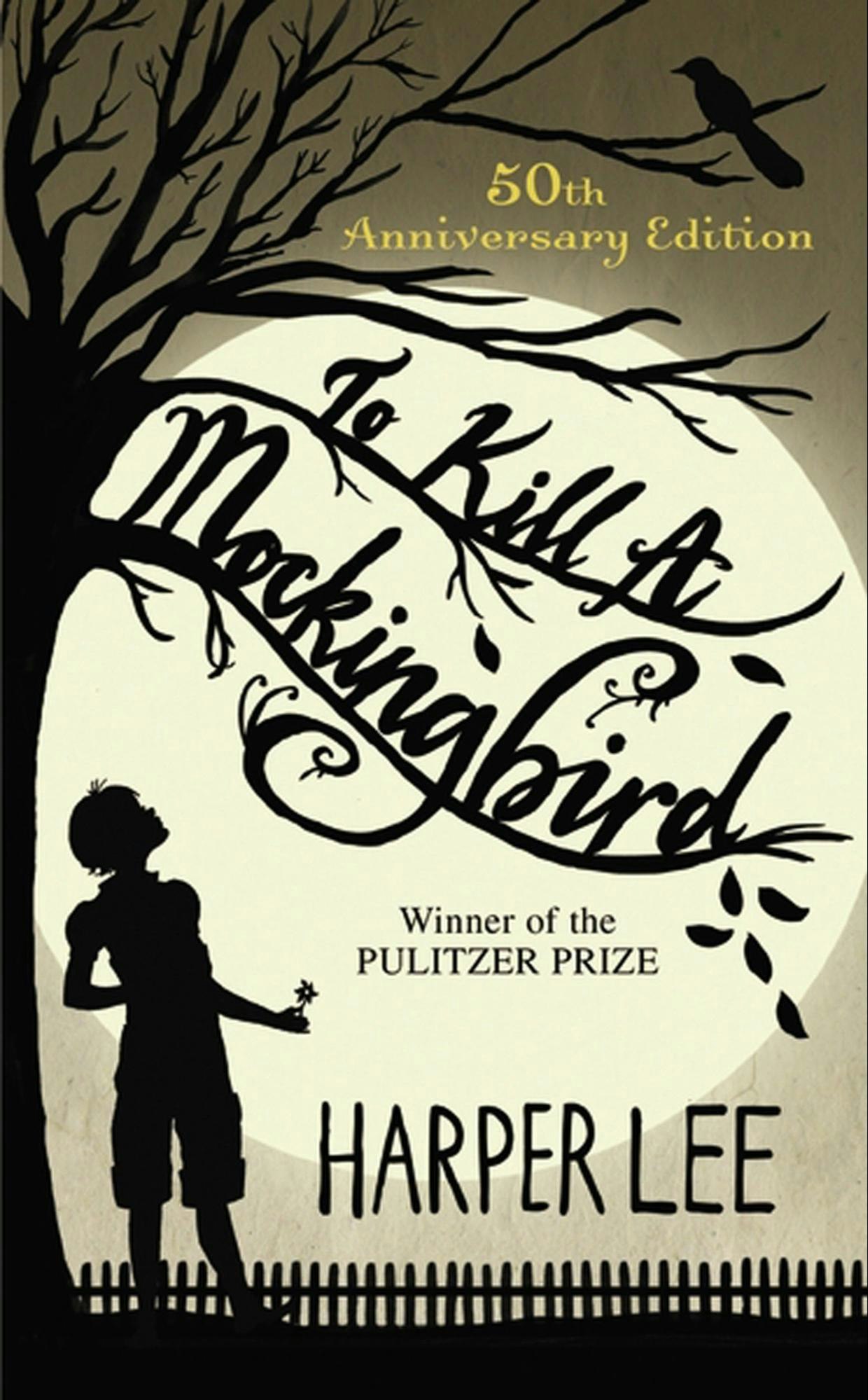
To Kill a Mockingbird – Harper Lee

To Kill a Mockingbird is one of the top must-read books of all time. Published in 1960, the story explores life in the Deep South during the early 20th century through the story of a man accused of a terrible crime. It’s poignant, humorous, and gripping.

8. The Book Thief by Markus Zusak
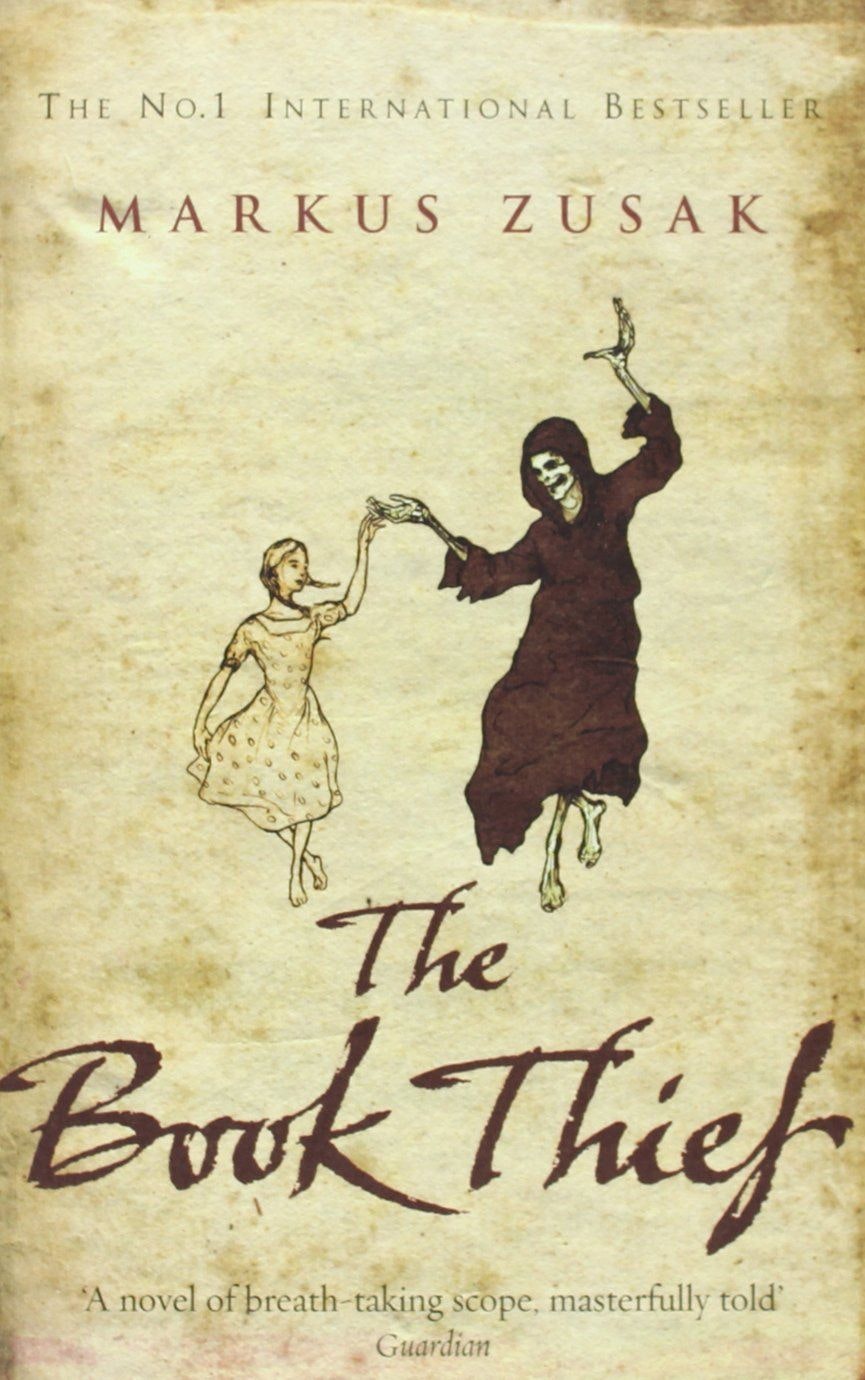
The Book Thief – Markus Zusak

The Book Thief is a story of bravery, hope, and friendship in a time of Nazi tyranny. Narrated by Death itself, this novel will have you holding your breath for chapters at a time.

9. Wuthering Heights by Emily Bronte
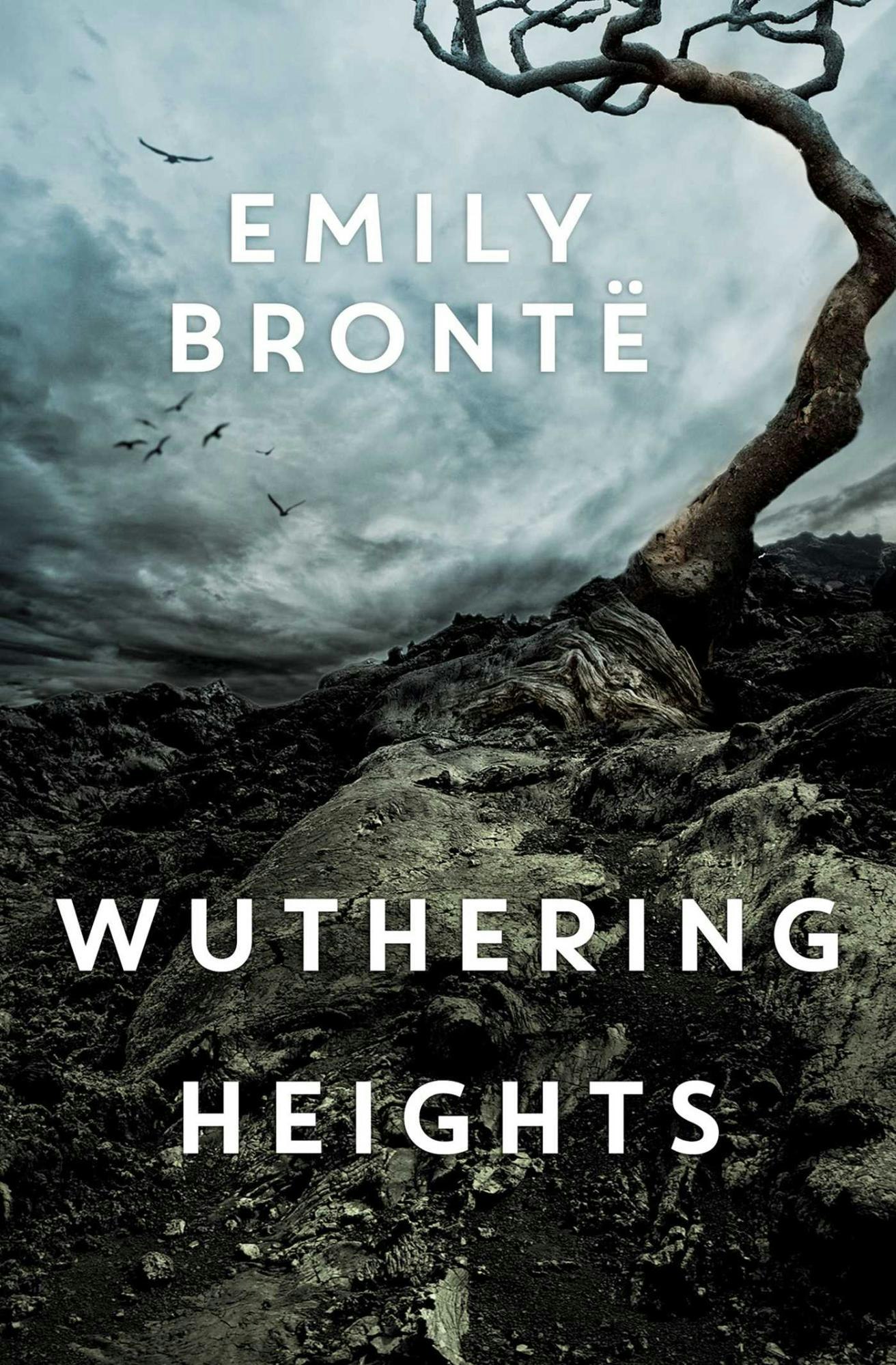
Wuthering Heights – Emily Brontë

Wuthering Heights is a classic novel published way back in 1847. This harrowing story, set on a lonely English moorland, follows Catherine Earnshaw and Heathcliff’s struggle with love, betrayal, and revenge. If you love dramatic novels, add this to your must-read book list.

10. The Catcher in the Rye by J.D. Salinger
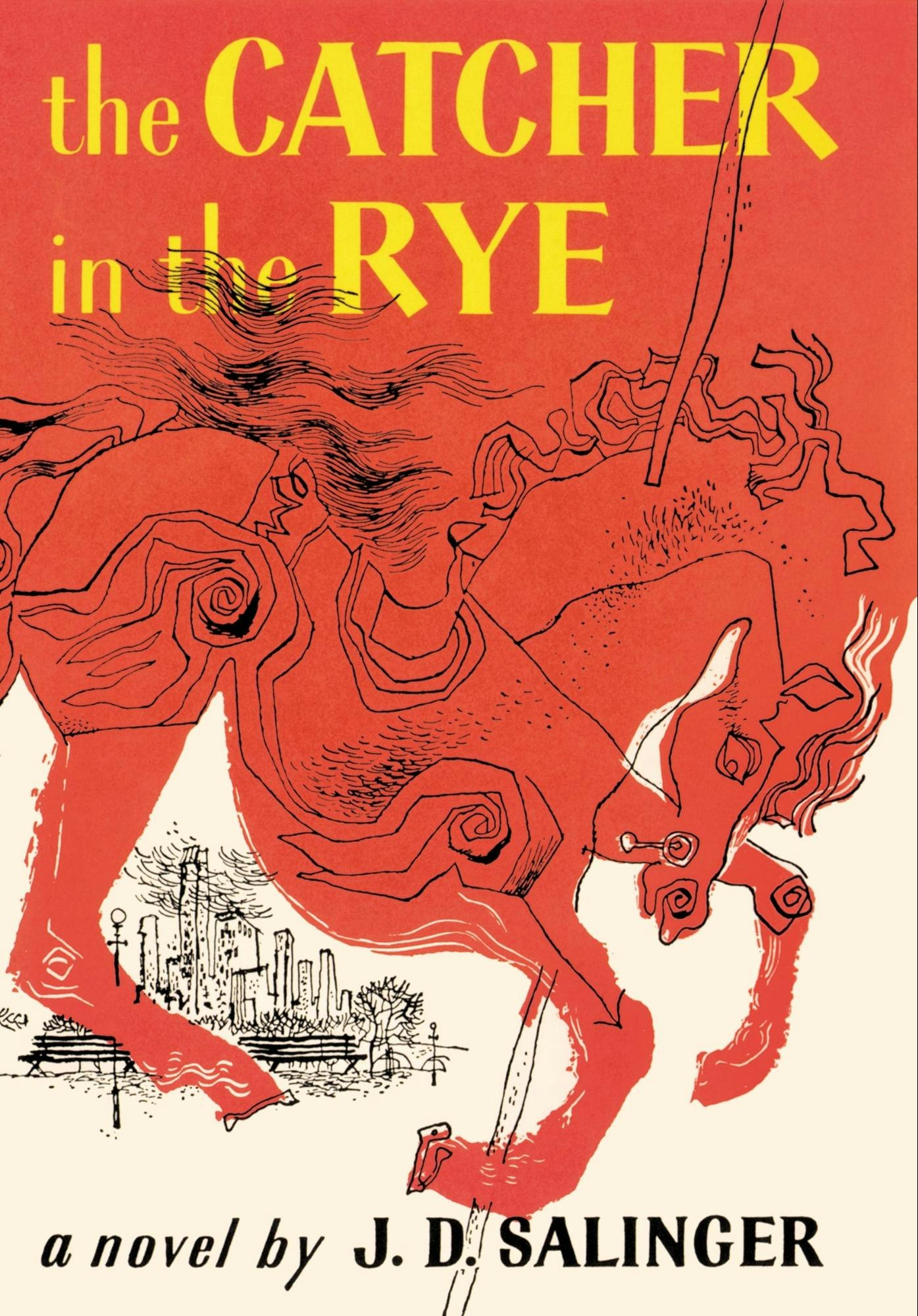
The Catcher in the Rye – J.D. Salinger

The Catcher in the Rye is the classic coming-of-age story. It follows sixteen-year-old Holden Caulfield’s adolescent journey of angst and alienation as he leaves his prep school and moves to New York City.

11. Jane Eyre by Charlotte Bronte
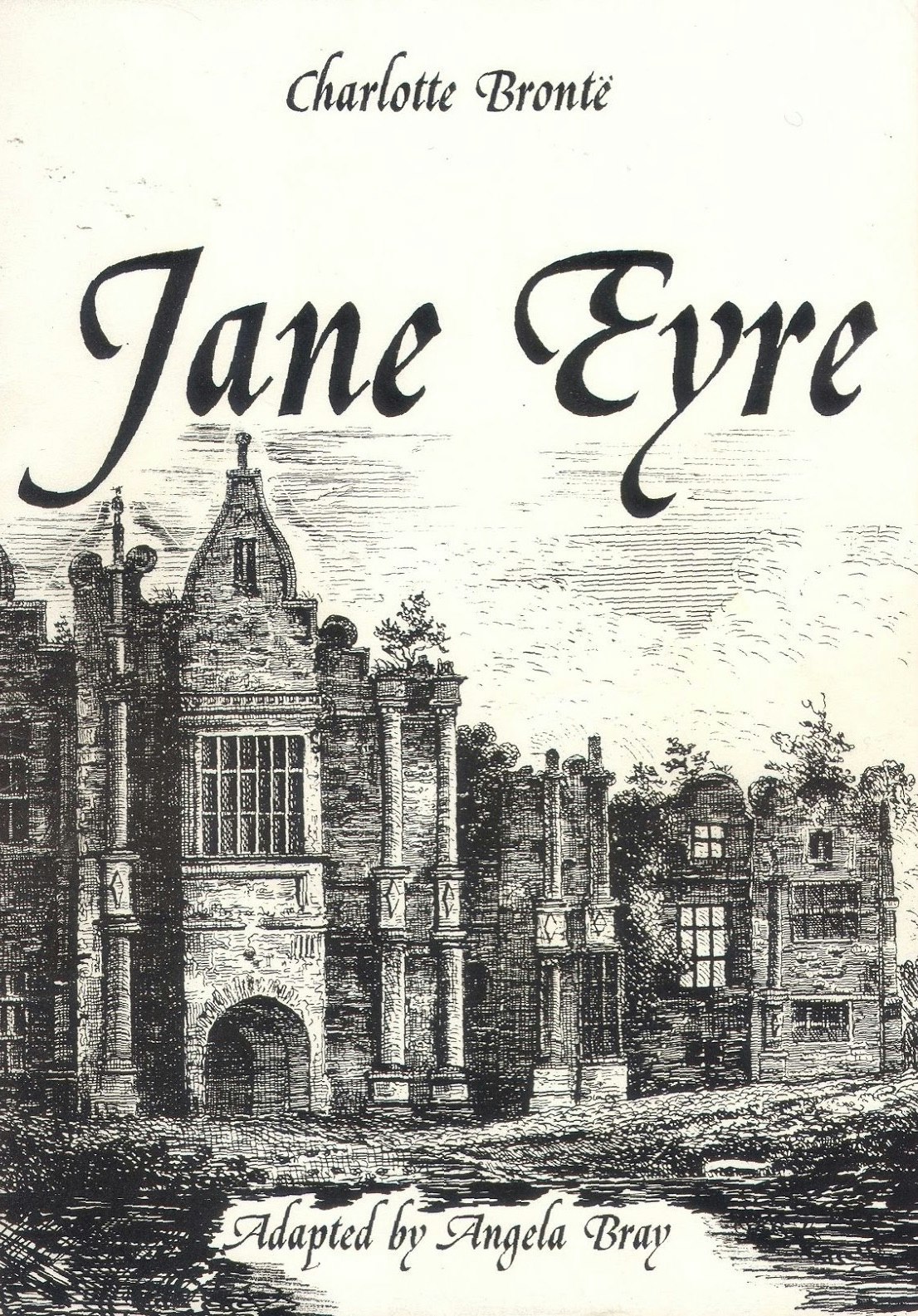
Jane Eyre – Charlotte Brontë

Jane Eyre is often considered one of the must-read books of all time. It follows the emotions and experiences of a strong, unbroken woman who continued to grow morally and spiritually despite a troubled childhood and a sexist, repressed Victorian society.

12. Animal Farm by George Orwell
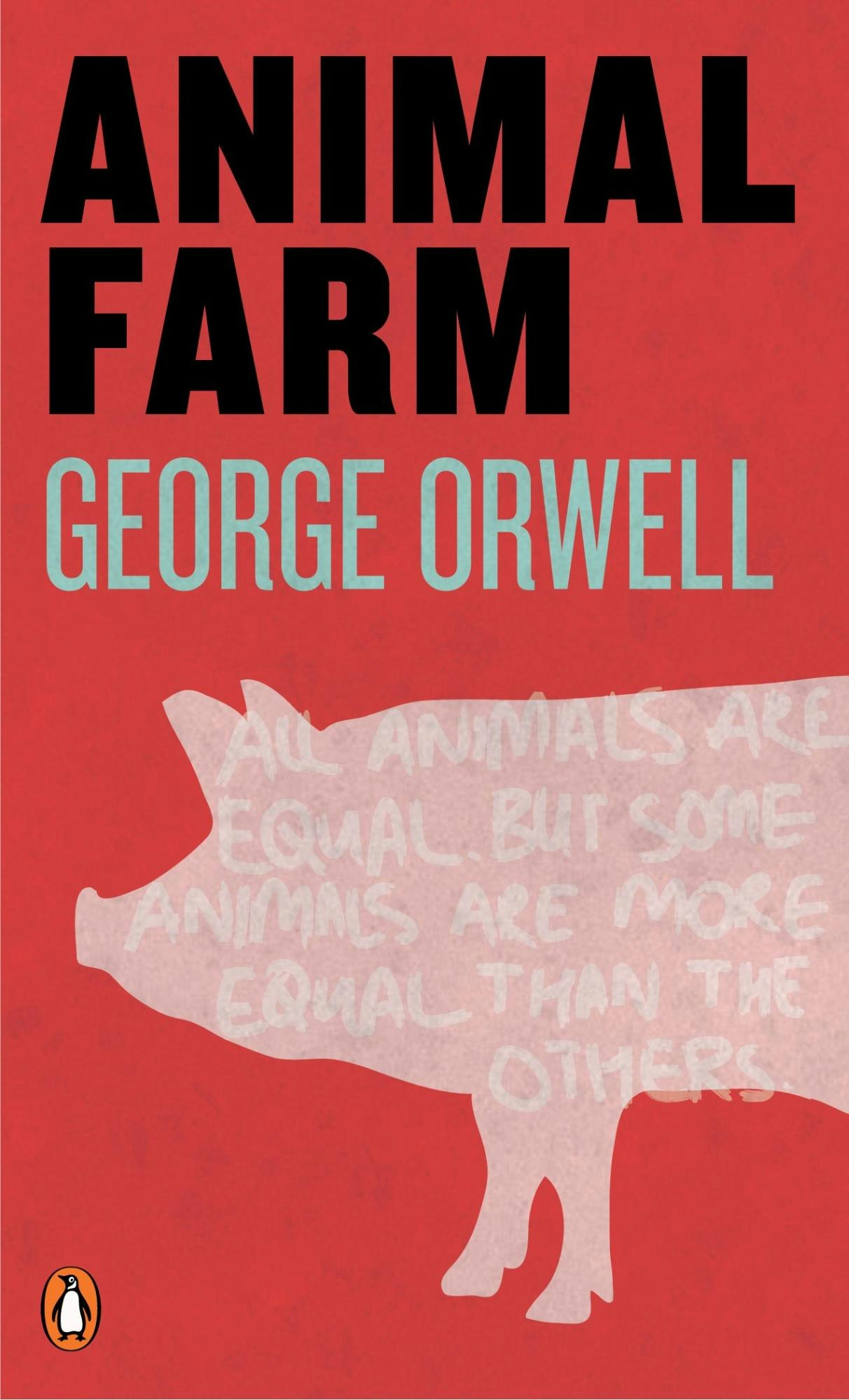
Animal Farm – George Orwell

Orwell tells a fairy tale of a revolution against tyranny that ends in even more unjust totalitarianism. The animals on the farm are rife with idealism and desire to create a world of justice, equality, and progress. However, the new regimen attempts to control every aspect of the animals’ lives.

13. Fahrenheit 451 by Ray Bradbury
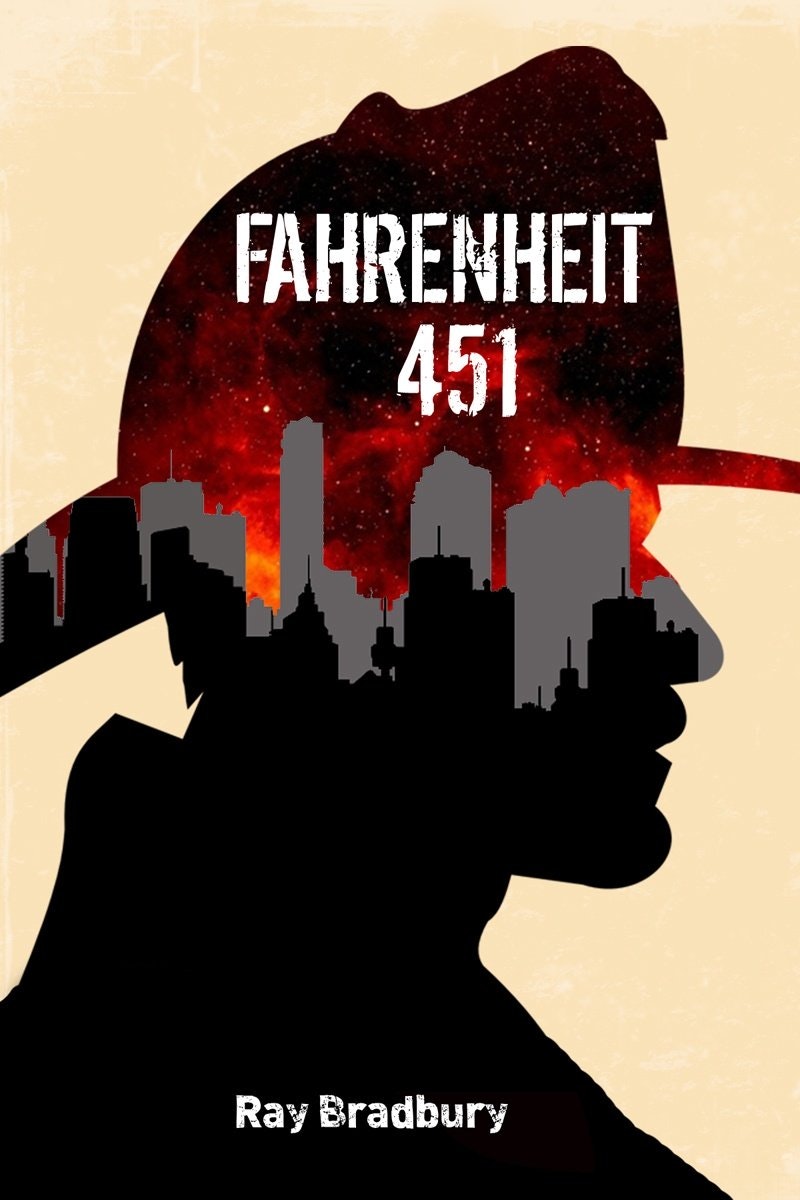
Fahrenheit 451 – Ray Bradbury

Ray Bradbury’s dystopian world shines a light on Western societies’ dependence on the media. The main character’s job is to find and burn any books he can find – until he begins to question everything. Considering the state of current politics and world affairs, this is one of the absolute must-read books in life.

14. Little Women by Louisa May Alcott
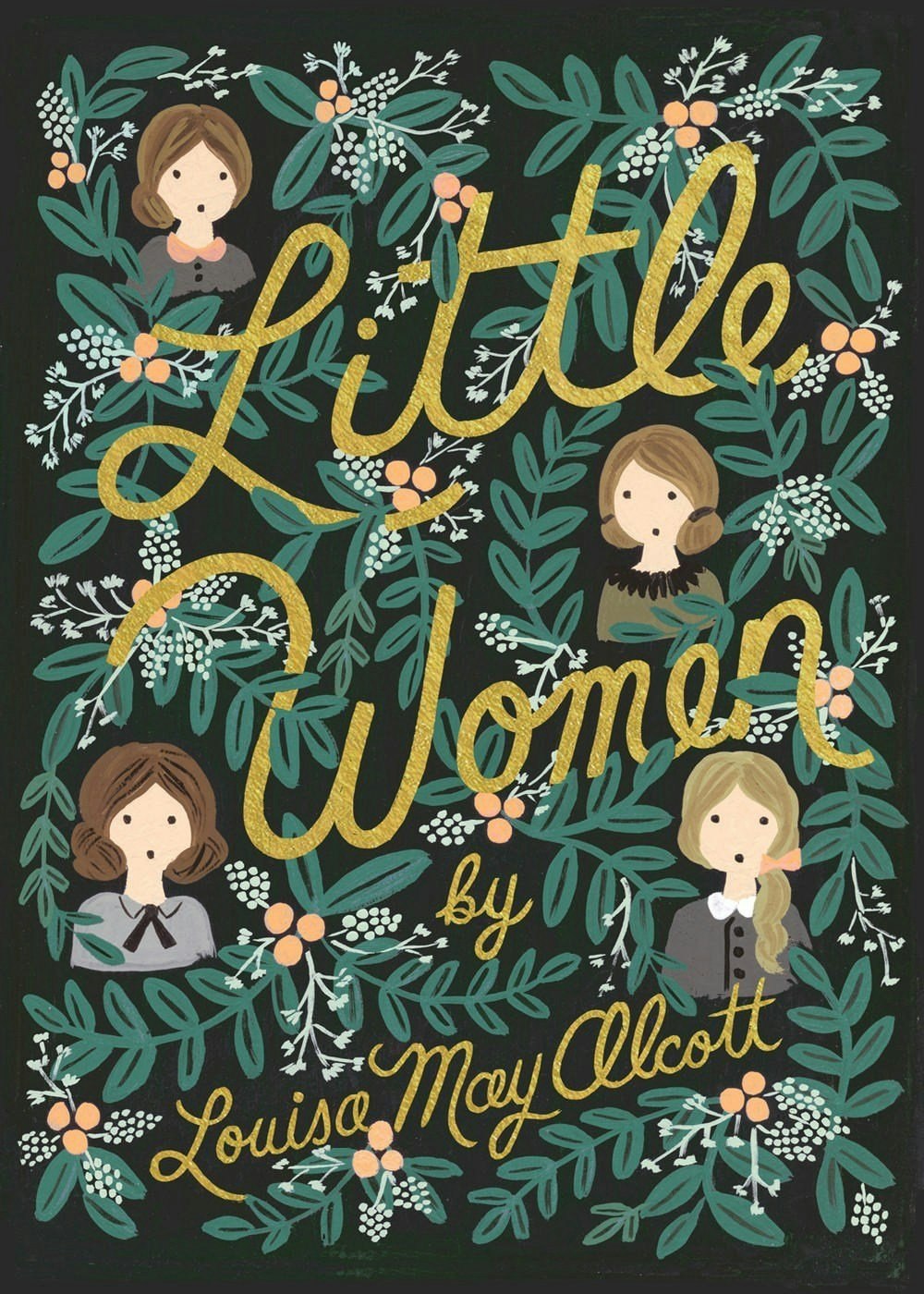
Little Women – Louise May Alcott

This is a tale of four sisters with their own very different and very prominent personalities. The novel draws the reader deep into their lives as we get to know each of their flaws, joys, struggles, and fears.

15. Charlotte’s Web by E.B. White
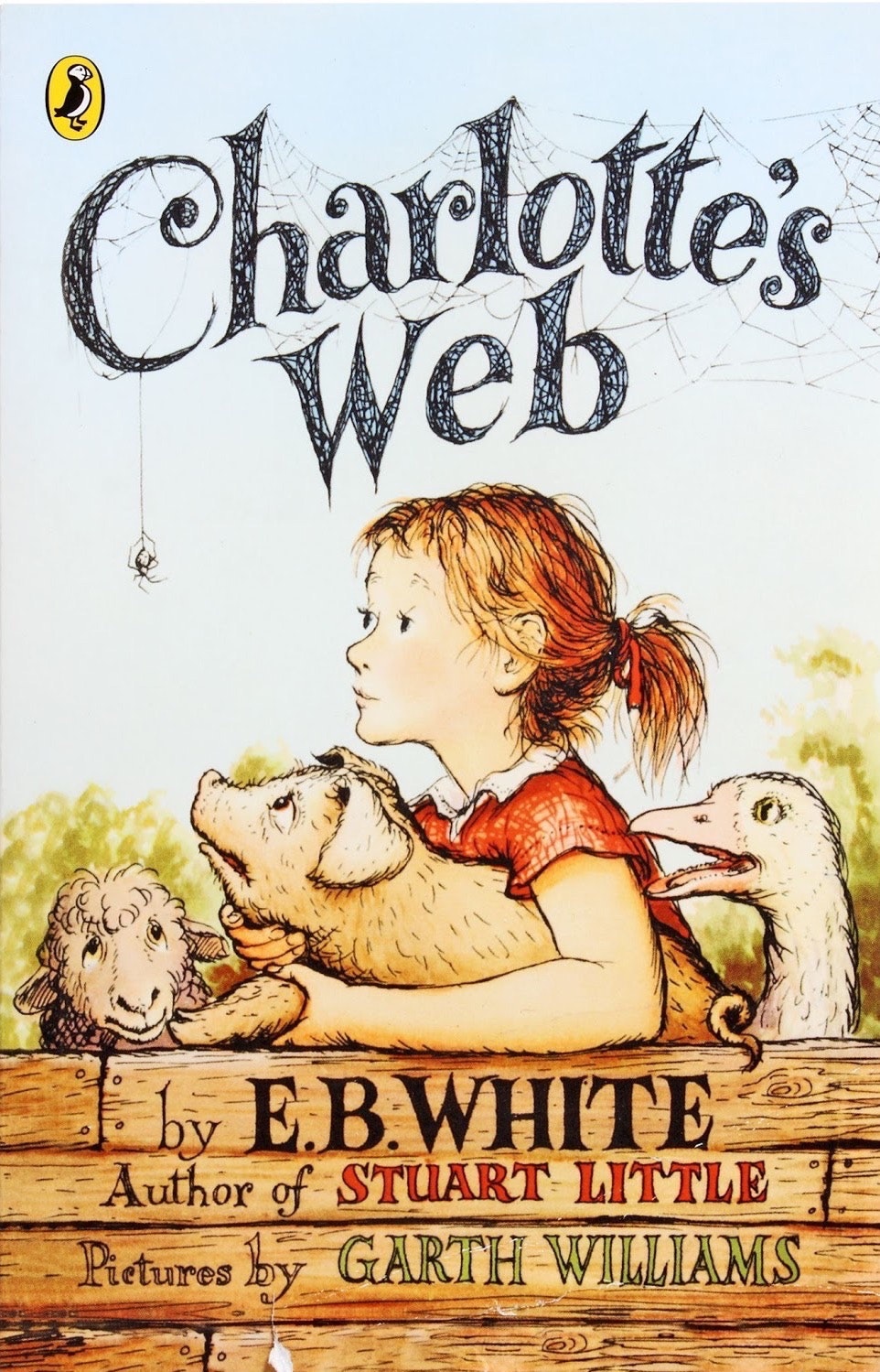
Charlotte's Web – E.B. White

Charlotte’s Web is a great reminder to be kind to all living creatures. This magical story takes place on a farm where a little girl tries to save her piglet from slaughter. Fern, the little girl, enlists the help of her farm friends to execute her clever plan. 

16. Frankenstein by Mary Shelley

Frankenstein – Mary Shelley

English author Mary Shelley tells the story of Victor Frankenstein, a young scientist who creates a monster and brings it to life. This gripping novel evokes questions about what makes us human and what love and kindness truly mean. 

17. Of Mice and Men by John Steinbeck
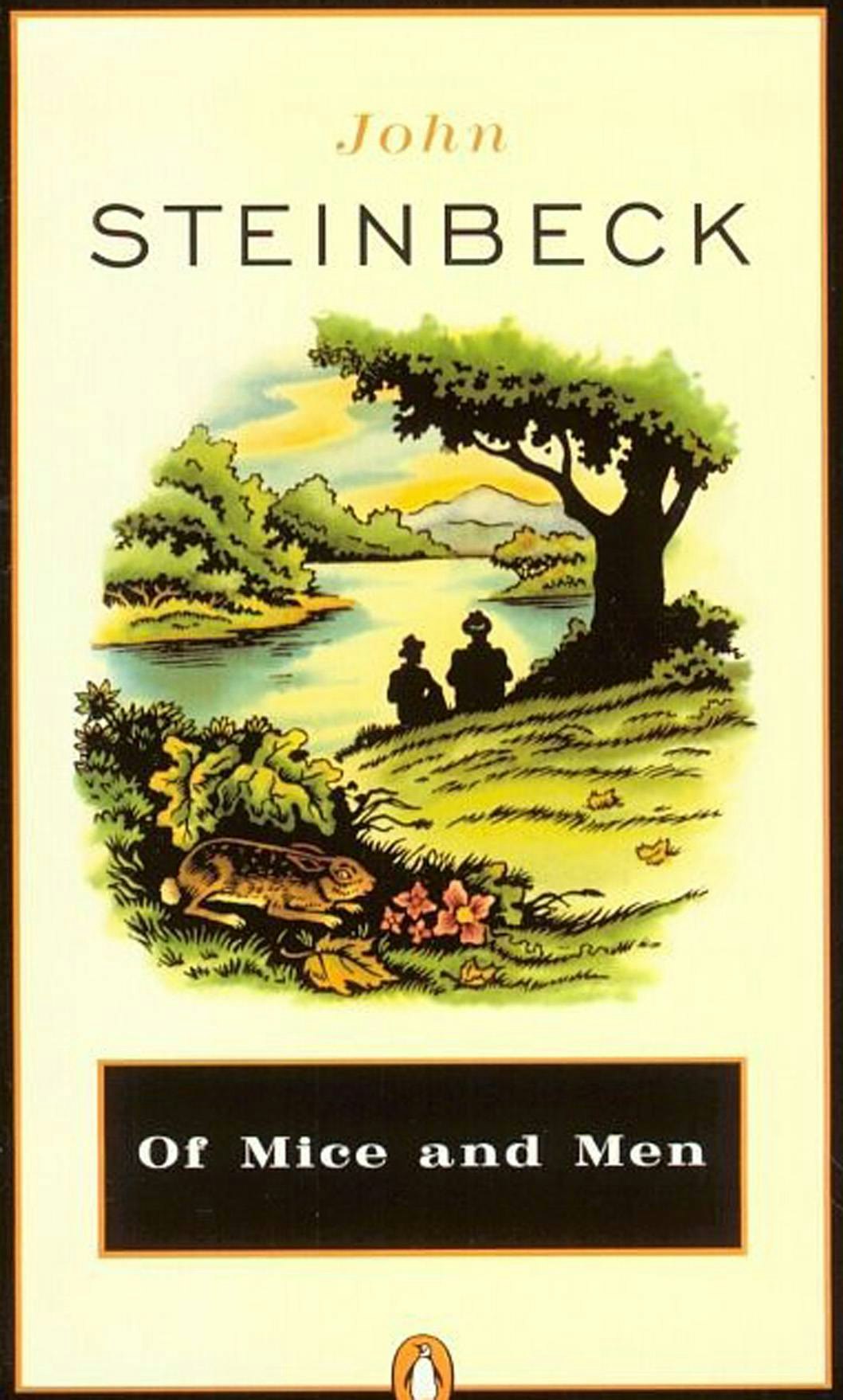
Of Mice and Men – John Steinbeck

Of Mice and Men should be on every must-read book list. Set in the Great Depression, this is a controversial tale of friendship between two migrant workers in California. Filled with hope and tragedy, the two work towards the dream of owning land and pets.

18. The Hitchhiker’s Guide to the Galaxy by Douglas Adams
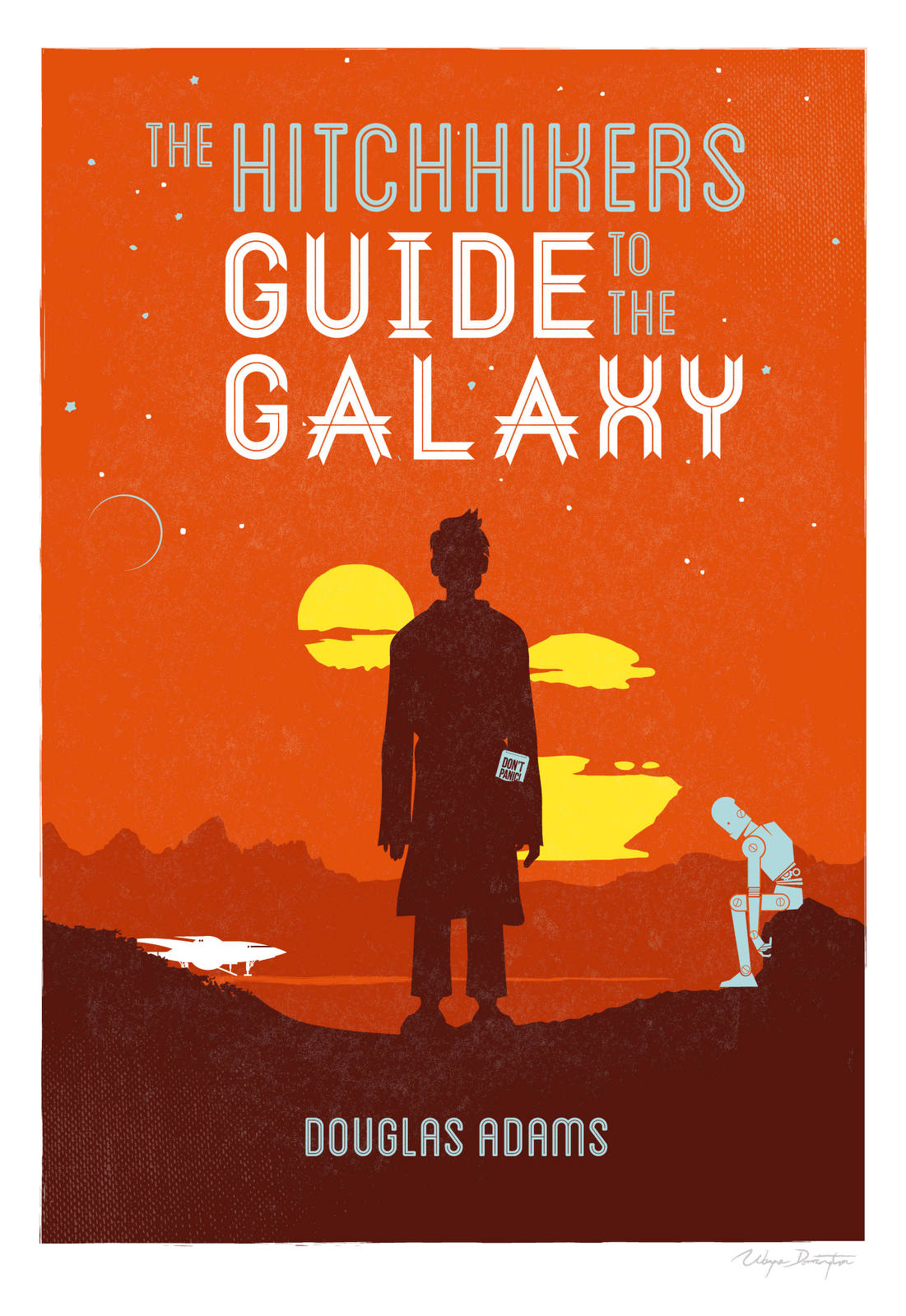
The Hitchhikers Guide to the Galaxy – Douglas Adams

In Guardians of the Galaxy, Arthur Dent sets off on a hilarious and fantastic adventure across the stars. He learns not to take the universe seriously as he meets all kinds of interesting characters.

19. The Great Gatsby by F. Scott Fitzgerald
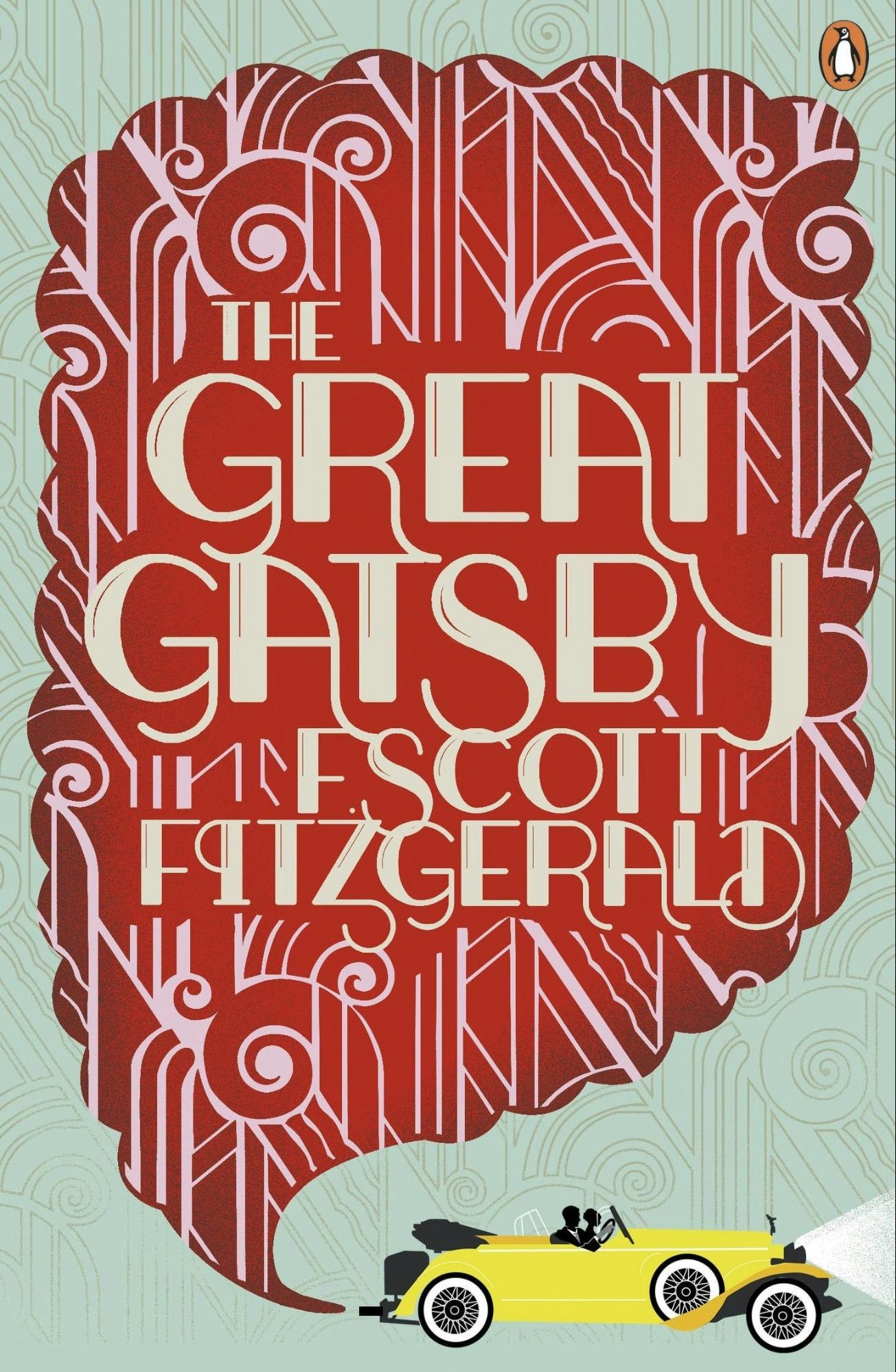
The Great Gatsby – F.Scott Fitzgerald

Scott Fitzgerald’s The Great Gatsby is said to be the quintessential novel of the Jazz Age. Set in 1922 amongst unfathomable indulgence and decadence, the novel highlights a man’s struggle to earn the love of the woman he’s obsessed with.

Business and Money Must-Read Books

Ready to start an online business? Find best selling products from suppliers you can trust at Handshake, a wholesale marketplace by Shopify.

20. Think and Grow Rich by Napoleon Hill
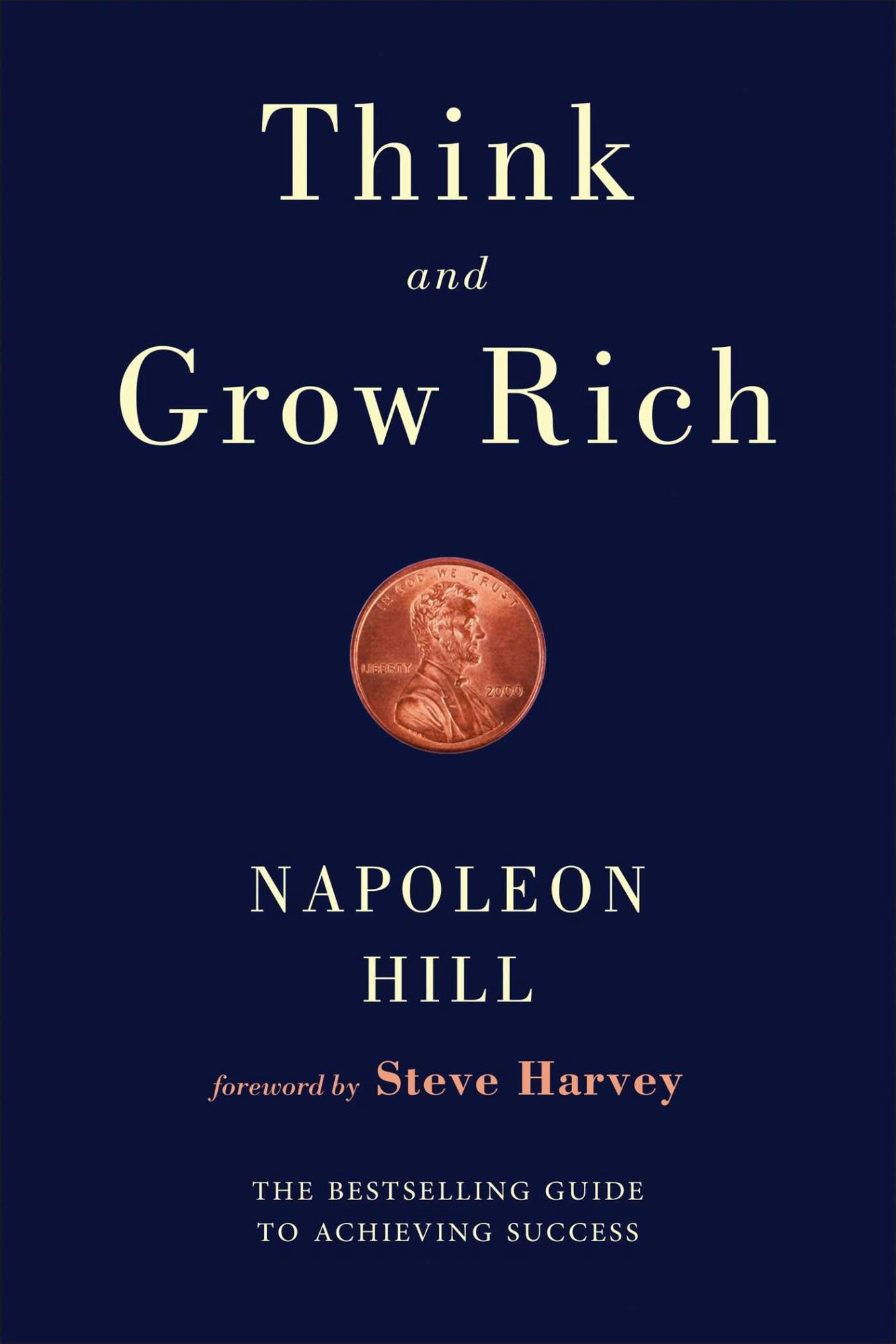
Think and Grow Rich – Napoleon Hill

Think and Grow Rich is a classic bestseller that has sold millions of copies worldwide. It’s packed full of money-making tips, techniques, and strategies. If you want to improve your mindsetaround money, this book can potentially change your life completely.

21. Rich Dad Poor Dad: What the Rich Teach Their Kids About Money That the Poor and Middle Class Do Not! by Robert T. Kiyosaki
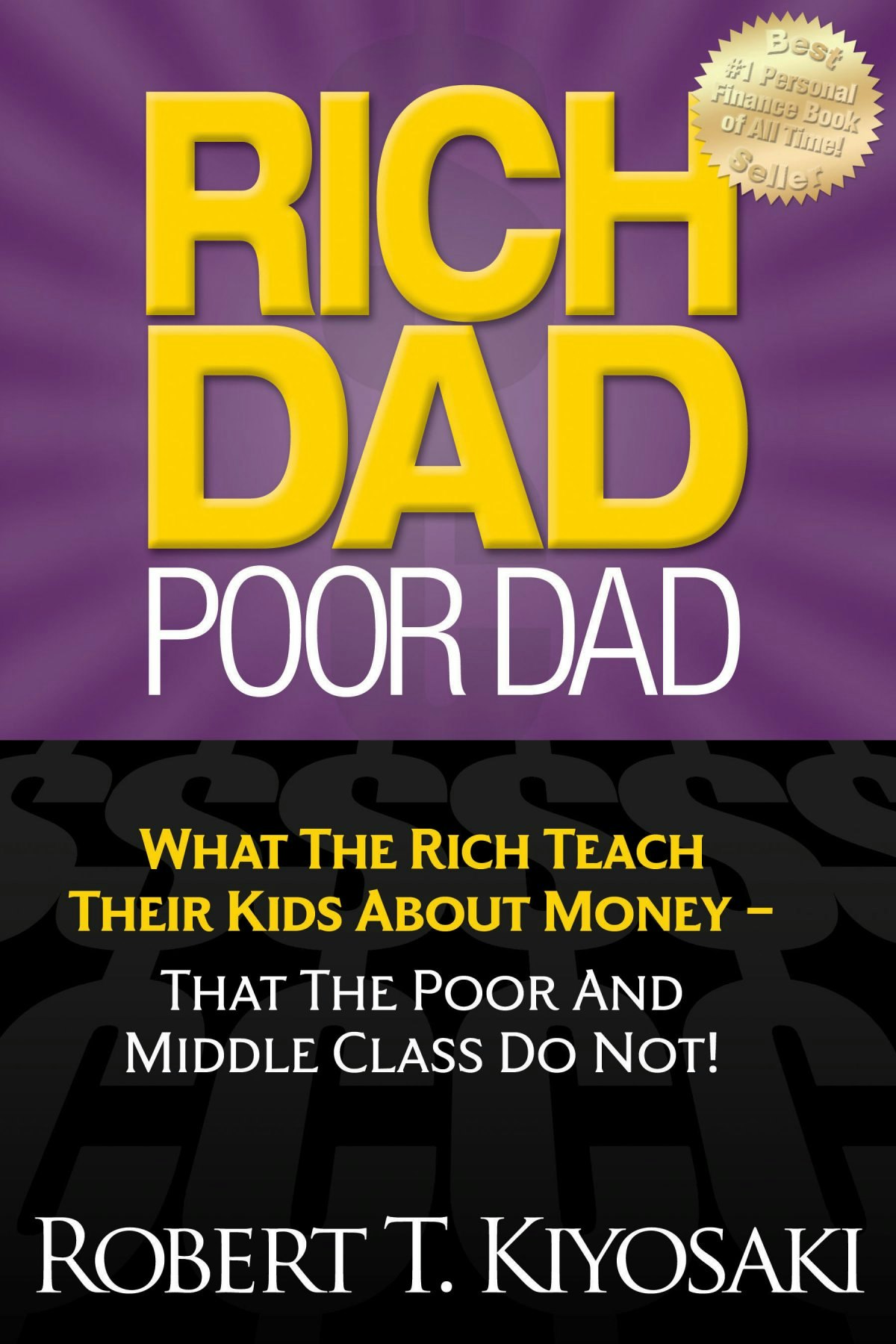
Rich Dad Poor Dad – Robert T. Kiyosaki

Rich Dad Poor Dad explains how wealthy people and poorer people think differently. It challenges commonly held beliefs about money and explains how you don’t need to have a high income to become rich.

22. The Intelligent Investor by Benjamin Graham
The Intelligent Investor – Benjamin Graham

If you want to learn how to invest, add this to your list of must-read books. Author Benjamin Graham is considered one of the greatest investment advisors of the twentieth century. In The Intelligent Investor, you’ll learn about Graham’s philosophy of ‘value investing’ and how to develop long-term strategies that are used by the most successful investors in the world.

23. Principles: Life and Work by Ray Dalio
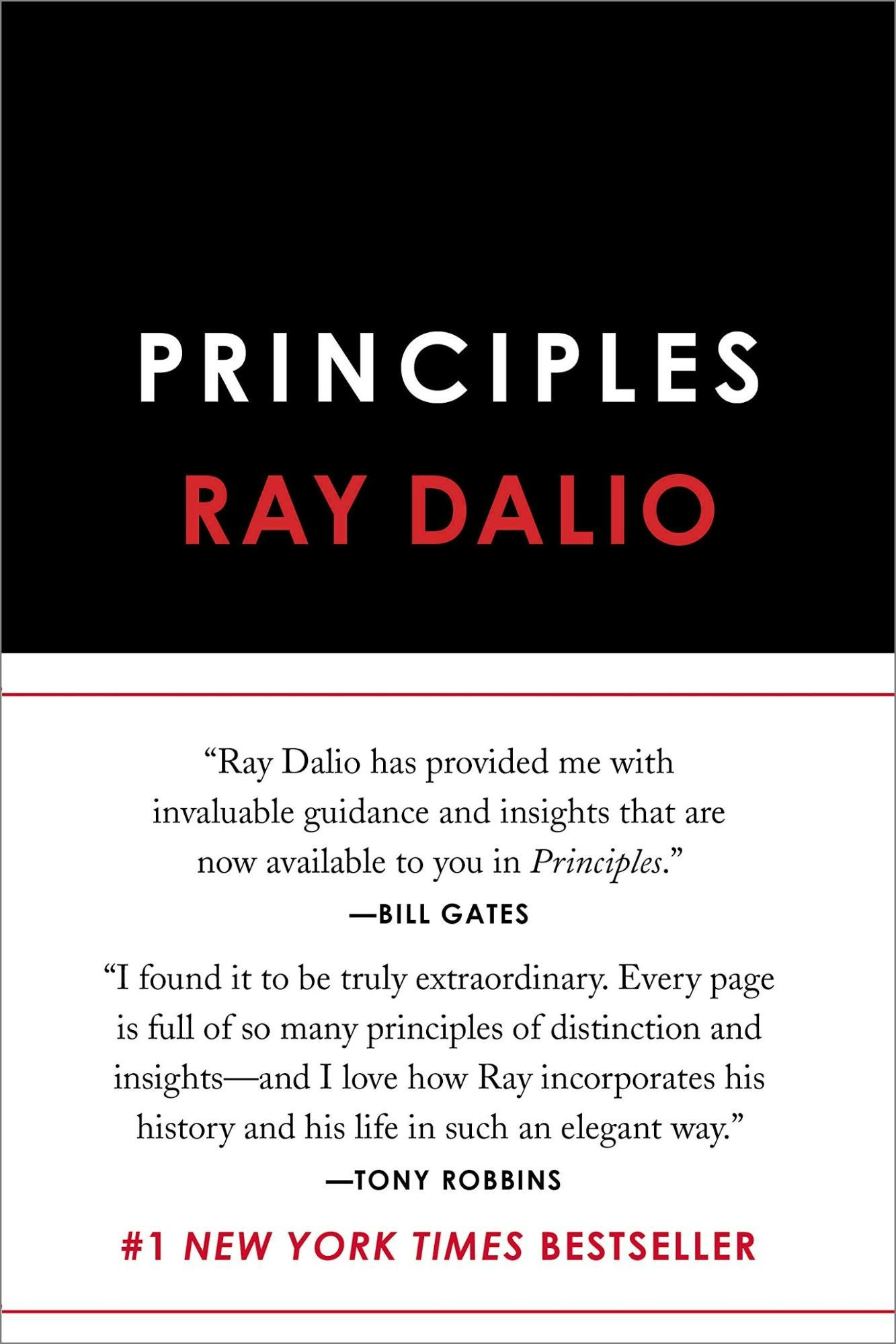
Principles – Ray Dalio

Ray Dalio’s investment firm, Bridgewater Associates, has made more money for its clients than any other hedge fund in history. In Principles, Dalio shares everything he’s learned about investing, business, and life over the years.

24. Influence: The Psychology of Persuasion by Robert B. Cialdini
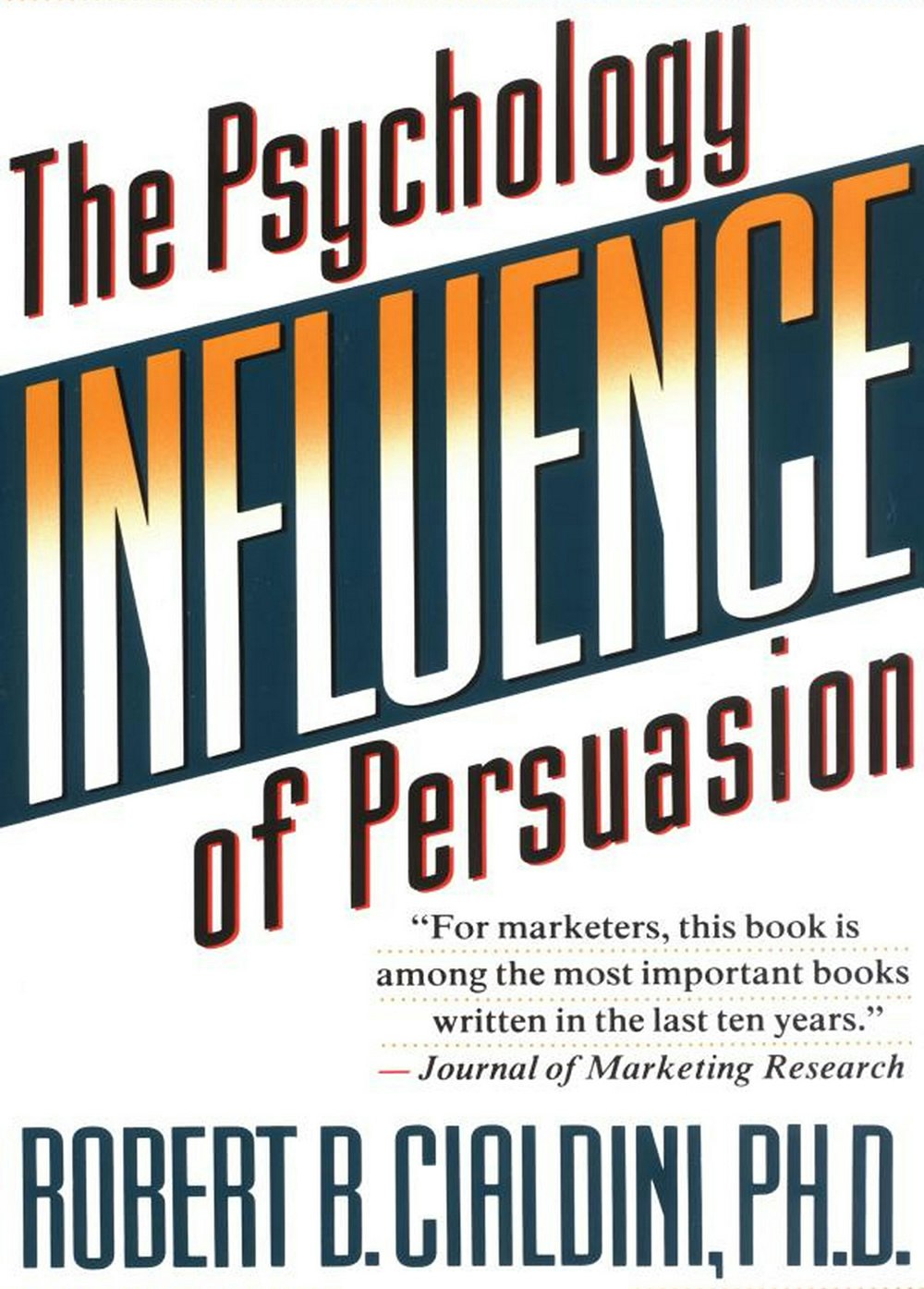
Influence – Robert B. Cialdini, Ph.D

In this New York Times bestseller, DR. Robert B. Cialdini reveals the psychology behind influence – and how to apply the principles of persuasion in business and everyday life.

Personal Development Books Everyone Should Read

25. How to Win Friends and Influence People by Dale Carnegie
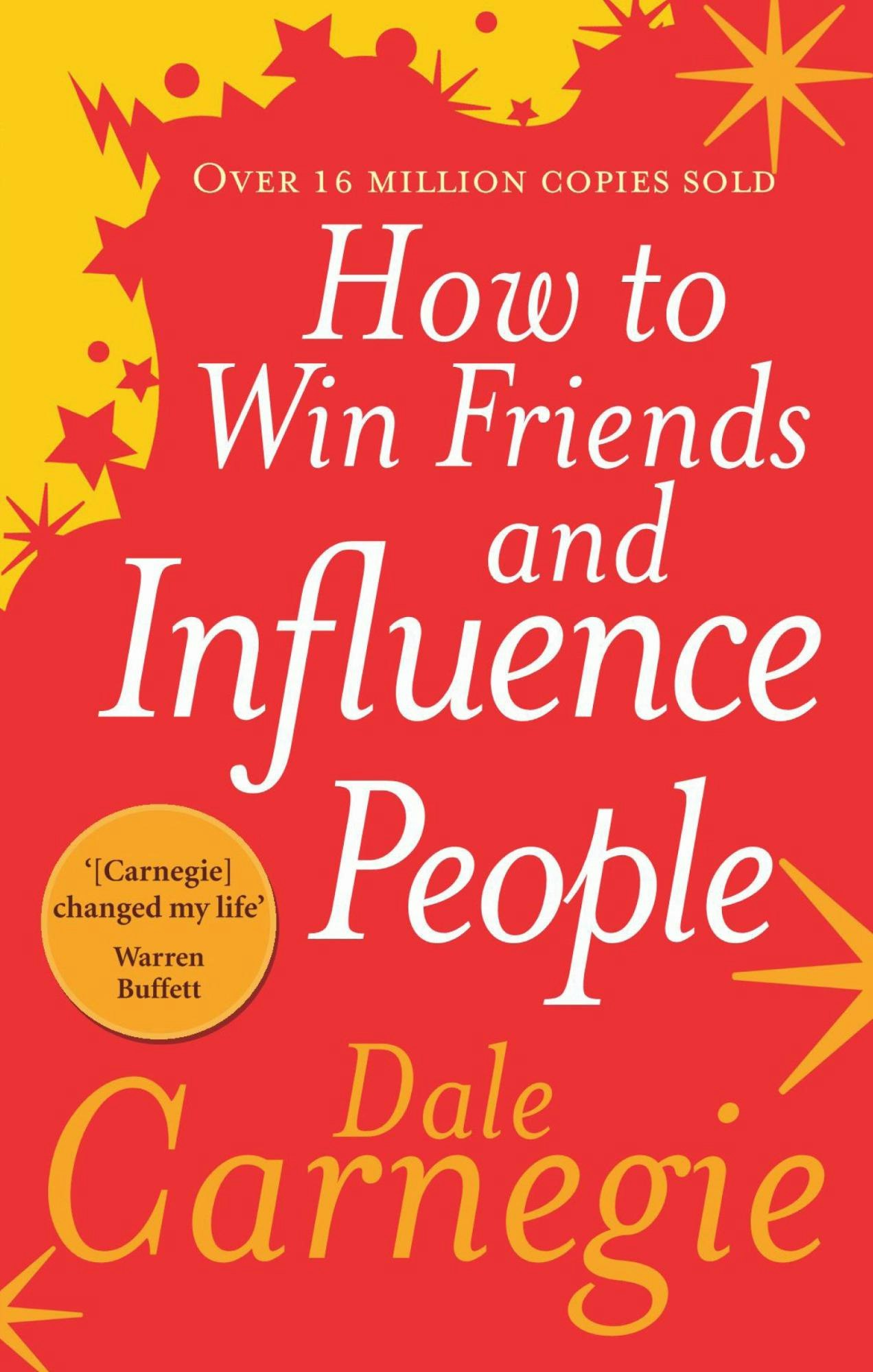
How to Win Friends and Influence People – Dale Carnegie

First published in 1936, Dale Carnegie’s classic self-help book has stood the test of time. How to Win Friends and Influence People will teach you straightforward methods to improve your relationships – and as a result, your business and personal lives.

26. The Power of Habit: Why We Do What We Do in Life and Business by Charles Duhigg
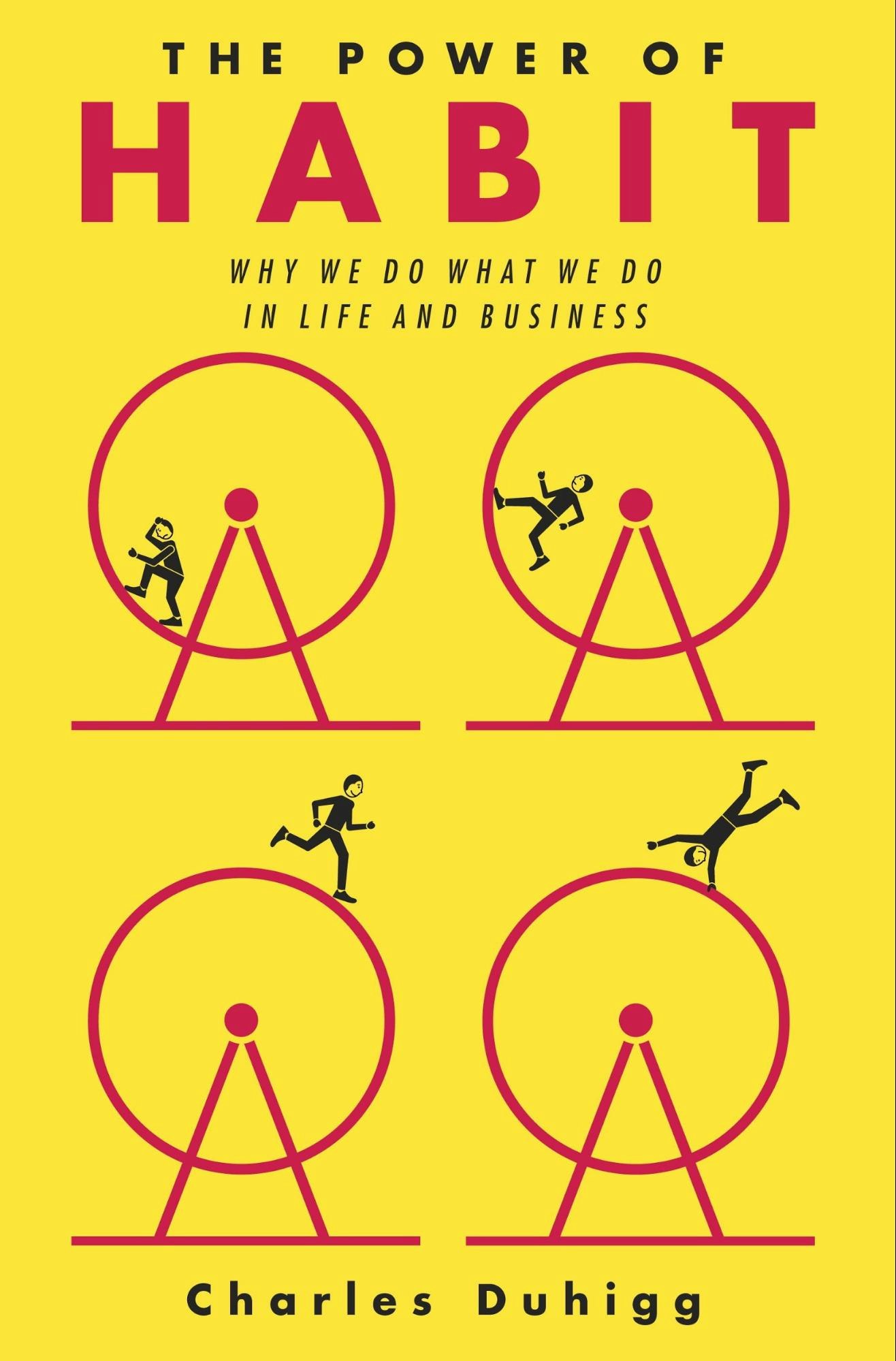
The Power of Habit – Charles Duhigg

If you’ve ever tried to change a habit unsuccessfully, this should be one of your must-read books. In The Power of Habit, Charles Duhigg reveals the empowering nature of how habits are formed and – crucially – how you can change them.

27. The Power of Now: A Guide to Spiritual Enlightenment by Eckhart Tolle
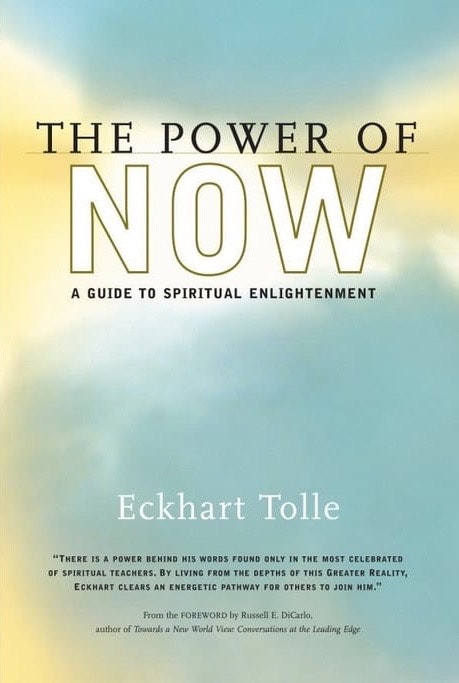
The Power of Now – Eckhart Tolle

The Power of Now has sold more than two million copies and has been translated into over 30 languages. This groundbreaking book has the potential to completely revolutionize how you experience life – making life far more joyous and prosperous in the process.

28. The Body Keeps the Score: Brain, Mind, and Body in the Healing of Trauma by Bessel van der Kolk M.D.
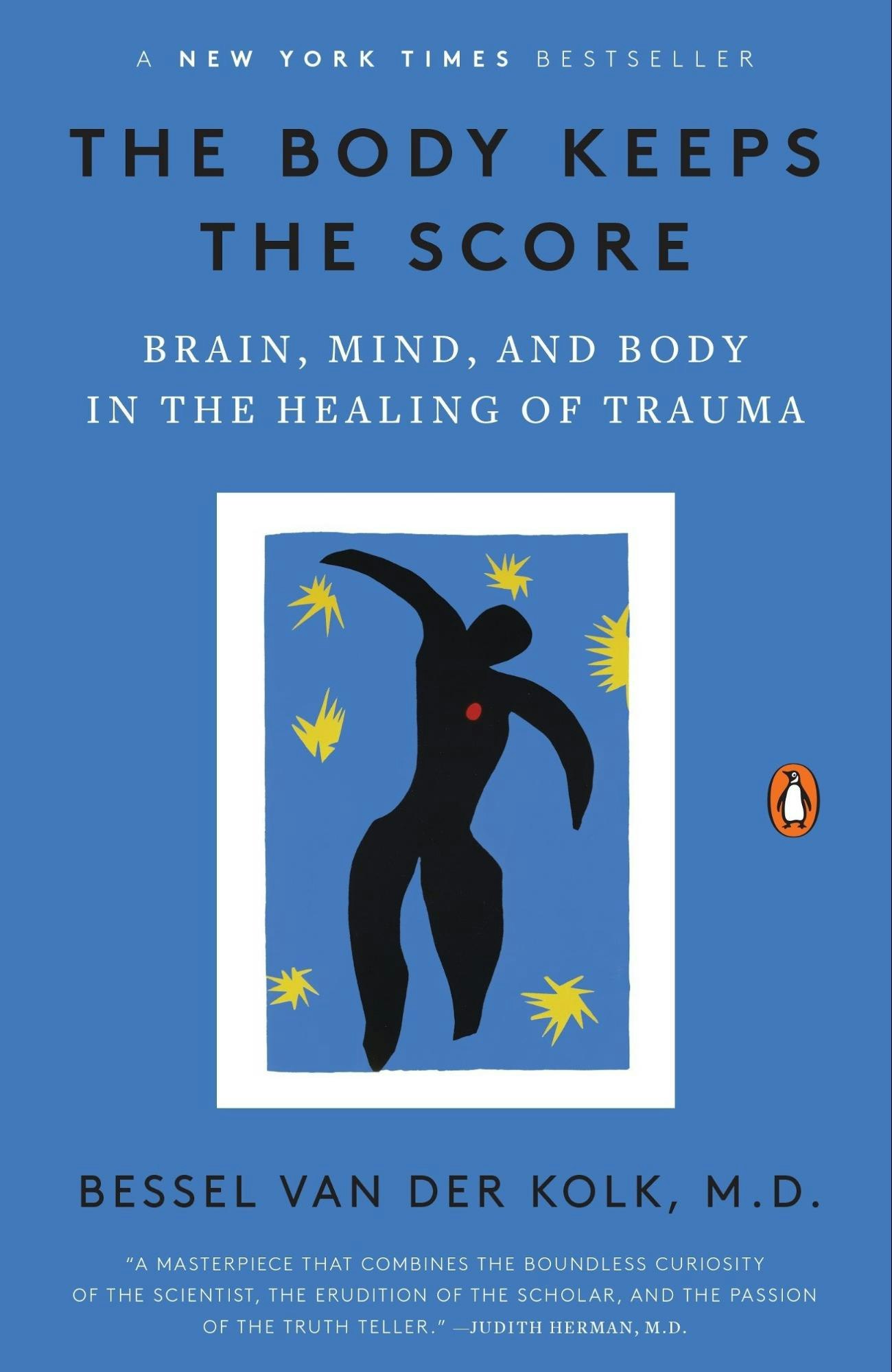
The Body Keeps the Score – Bessel Van Der Kolk, M.D.

Dr. Bessel van der Kolk is one of the world’s foremost experts on trauma – something that virtually everyone experiences to some degree. The Body Keeps the Score unravels the science behind emotional and psychological trauma and offers new paths to recovery.

Science and Technology Books You Must-Read

29. A Brief History of Time by Stephen Hawking
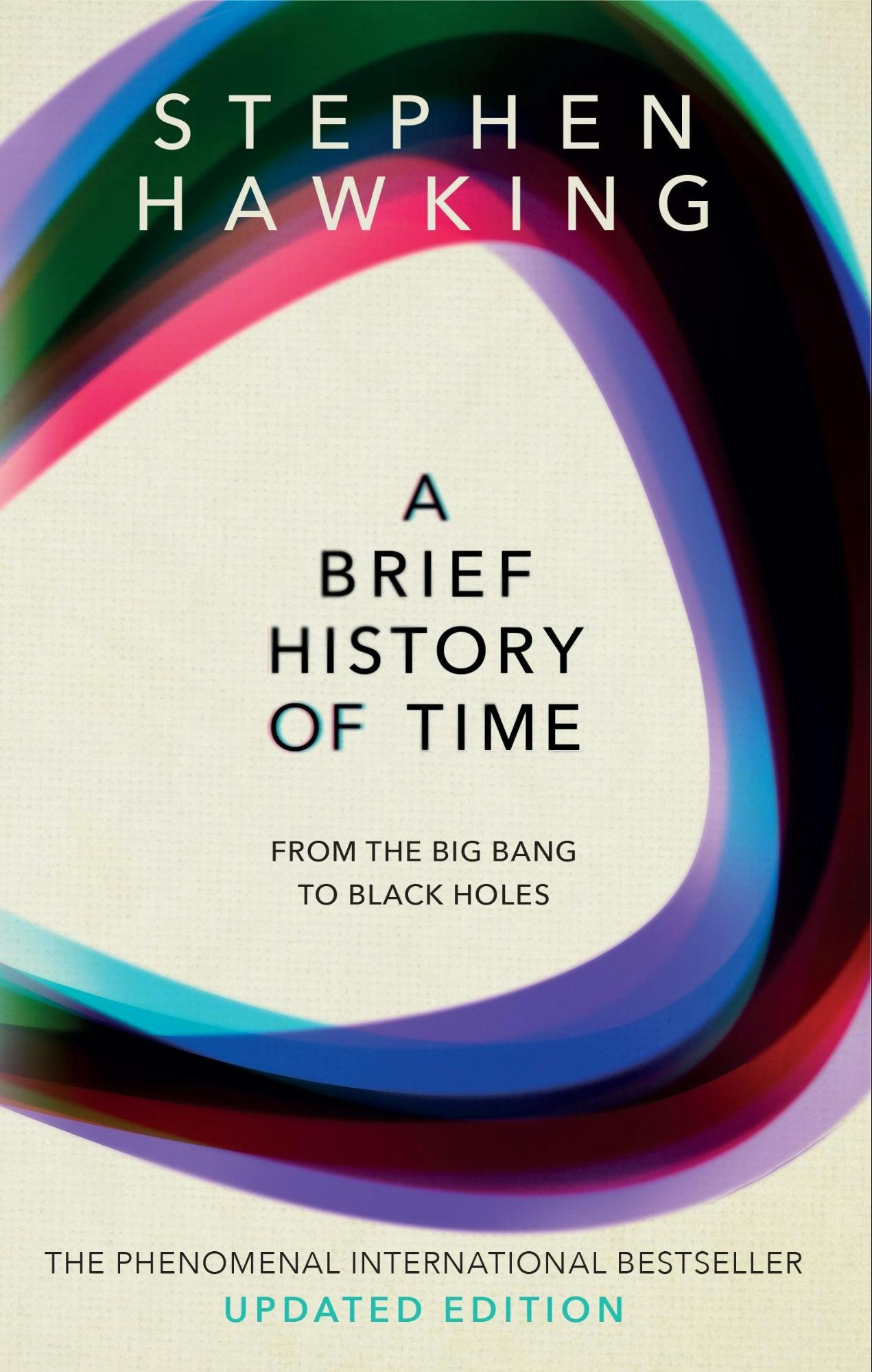
A Brief History of Time – Stephen Hawking

Stephen Hawking’s A Brief History of Time is one of the most famous books in science. It discusses the history of cosmology and its development from Ancient Greece through to the 1980s.

30. Freakonomics: A Rogue Economist Explores the Hidden Side of Everything by Steven D. Levitt
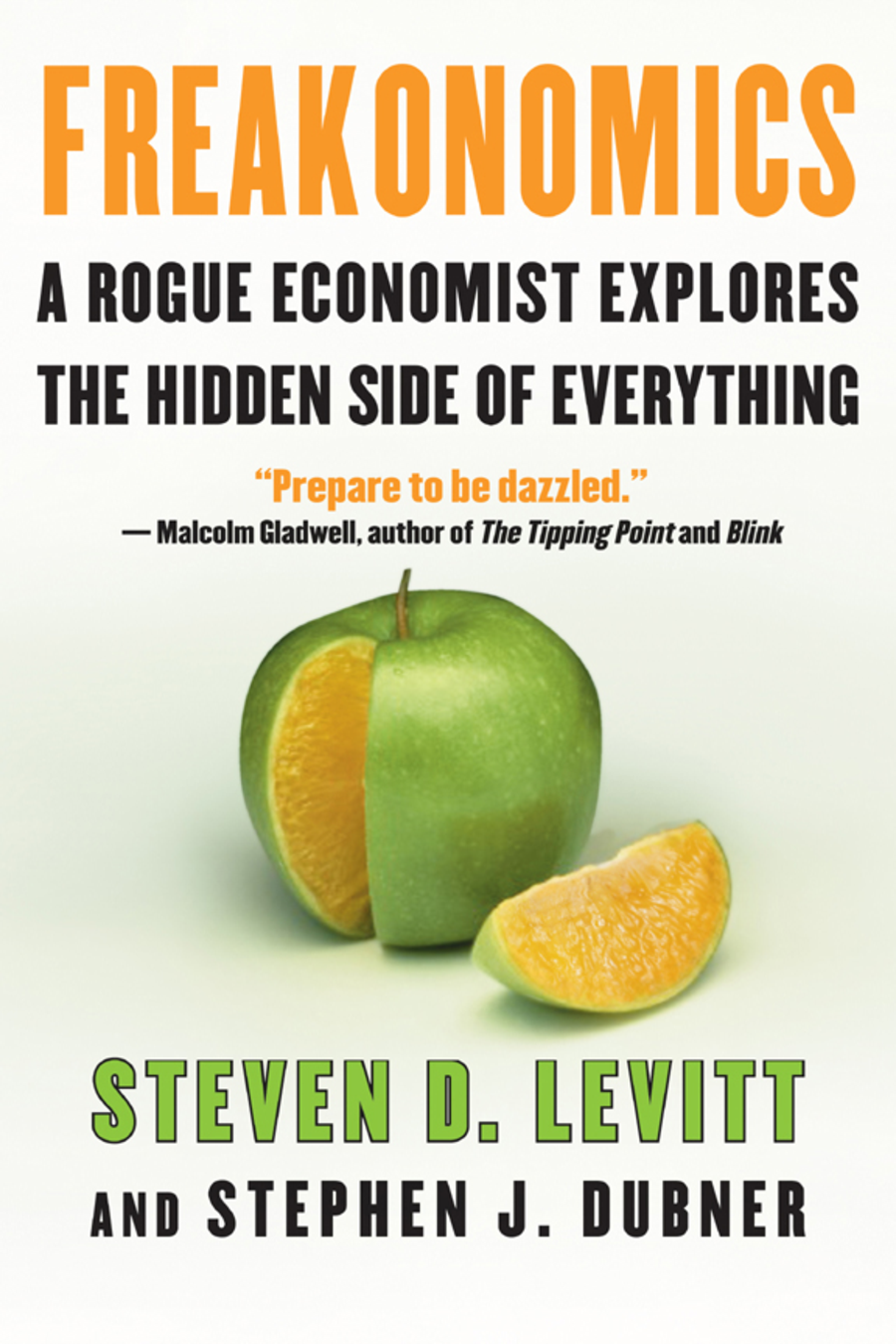
Freakonomics – Steven D. Levit and Stephen J. Dubner

If you’re interested in the truth behind controversial social issues, this book should be on your must-read book list. The authors reveal the facts behind issues, such as crime, shopping, and drugs. 
30 Classic Novels: Must Read

Must-read books: There are so many out there – so don’t waste your time on average books!

Still, it can take time to find books worth reading. That’s why we’ve compiled this epic must-read book list to make your life easier. It features 40 top books to read in popular categories, such as fiction, business, personal development, travel, and more.

So, if you’re wondering, “what book should I read next?” we’ve got you covered. This list is jam-packed with great books to read! For more suggestions visit m.topread666.com

Classic Novels to Read

1. 1984 by George Orwell
1984 – George Orwell

1984 tells the futuristic story of a dystopian, totalitarian world where free will and love are forbidden. Although the year 1984 has long since passed, the prophecy of a society controlled by fear and lies is arguably more relevant now than ever.

2. The Lord of the Rings by J.R.R. Tolkien
The Lord of the Rings – J.R.R.Tolkien

Tolkien’s fantasy epic is one of the top must-read books out there. Set in Middle Earth – a world full of hobbits, elves, orcs, goblins, and wizards – The Lord of the Rings will take you on an unbelievable adventure.

3. The Kite Runner by Khaled Hosseini
The Kite Runner – Khaled Hosseini

The Kite Runner is a moving story of an unlikely friendship between a wealthy boy and the son of his father’s servant. Set in Afghanistan during a time of tragedy and destruction, this unforgettable novel will have you hooked from start to finish.

4. Harry Potter and the Philosopher’s Stone by J.K. Rowling
Harry Potter and the Philosopher's Stone – J.K. Rowling

This global bestseller took the world by storm. So, if you haven’t read J.K. Rowling’s Harry Potter, now may be the time. Join Harry Potter and his schoolmates as this must-read book transports you deep into a world of magic and monsters.

5. Slaughterhouse-Five by Kurt Vonnegut
Slaughterhouse Five – Kurt Vonnegut

Slaughterhouse-Five is arguably one of the greatest anti-war books ever written. This rich and amusing tale follows the life of Billy Pilgrim as he experiences World War II from a peculiar perspective.

6. The Lion, the Witch, and the Wardrobe by C.S. Lewis
The Lion, the Witch, and the Wardrobe – C.S.Lewis

The Lion, The Witch, and the Wardrobe is undoubtedly one of the great books of all time. This renowned fantasy novel is set in Narnia, home to mythical beasts, talking animals, and warring kingdoms. The story follows a group of school children as they become entangled in this incredible world’s fate.

7. To Kill a Mockingbird by Harper Lee
To Kill a Mockingbird – Harper Lee

To Kill a Mockingbird is one of the top must-read books of all time. Published in 1960, the story explores life in the Deep South during the early 20th century through the story of a man accused of a terrible crime. It’s poignant, humorous, and gripping.

8. The Book Thief by Markus Zusak
The Book Thief – Markus Zusak

The Book Thief is a story of bravery, hope, and friendship in a time of Nazi tyranny. Narrated by Death itself, this novel will have you holding your breath for chapters at a time.

9. Wuthering Heights by Emily Bronte
Wuthering Heights – Emily Brontë

Wuthering Heights is a classic novel published way back in 1847. This harrowing story, set on a lonely English moorland, follows Catherine Earnshaw and Heathcliff’s struggle with love, betrayal, and revenge. If you love dramatic novels, add this to your must-read book list.

10. The Catcher in the Rye by J.D. Salinger
The Catcher in the Rye – J.D. Salinger

The Catcher in the Rye is the classic coming-of-age story. It follows sixteen-year-old Holden Caulfield’s adolescent journey of angst and alienation as he leaves his prep school and moves to New York City.

11. Jane Eyre by Charlotte Bronte
Jane Eyre – Charlotte Brontë

Jane Eyre is often considered one of the must-read books of all time. It follows the emotions and experiences of a strong, unbroken woman who continued to grow morally and spiritually despite a troubled childhood and a sexist, repressed Victorian society.

12. Animal Farm by George Orwell
Animal Farm – George Orwell

Orwell tells a fairy tale of a revolution against tyranny that ends in even more unjust totalitarianism. The animals on the farm are rife with idealism and desire to create a world of justice, equality, and progress. However, the new regimen attempts to control every aspect of the animals’ lives.

13. Fahrenheit 451 by Ray Bradbury
Fahrenheit 451 – Ray Bradbury

Ray Bradbury’s dystopian world shines a light on Western societies’ dependence on the media. The main character’s job is to find and burn any books he can find – until he begins to question everything. Considering the state of current politics and world affairs, this is one of the absolute must-read books in life.

14. Little Women by Louisa May Alcott
Little Women – Louise May Alcott

This is a tale of four sisters with their own very different and very prominent personalities. The novel draws the reader deep into their lives as we get to know each of their flaws, joys, struggles, and fears.

15. Charlotte’s Web by E.B. White
Charlotte's Web – E.B. White

Charlotte’s Web is a great reminder to be kind to all living creatures. This magical story takes place on a farm where a little girl tries to save her piglet from slaughter. Fern, the little girl, enlists the help of her farm friends to execute her clever plan. 

16. Frankenstein by Mary Shelley
Frankenstein – Mary Shelley

English author Mary Shelley tells the story of Victor Frankenstein, a young scientist who creates a monster and brings it to life. This gripping novel evokes questions about what makes us human and what love and kindness truly mean. 

17. Of Mice and Men by John Steinbeck
Of Mice and Men – John Steinbeck

Of Mice and Men should be on every must-read book list. Set in the Great Depression, this is a controversial tale of friendship between two migrant workers in California. Filled with hope and tragedy, the two work towards the dream of owning land and pets.

18. The Hitchhiker’s Guide to the Galaxy by Douglas Adams
The Hitchhikers Guide to the Galaxy – Douglas Adams

In Guardians of the Galaxy, Arthur Dent sets off on a hilarious and fantastic adventure across the stars. He learns not to take the universe seriously as he meets all kinds of interesting characters.

19. The Great Gatsby by F. Scott Fitzgerald
The Great Gatsby – F.Scott Fitzgerald

Scott Fitzgerald’s The Great Gatsby is said to be the quintessential novel of the Jazz Age. Set in 1922 amongst unfathomable indulgence and decadence, the novel highlights a man’s struggle to earn the love of the woman he’s obsessed with.

Business and Money Must-Read Books

Ready to start an online business? Find best selling products from suppliers you can trust at Handshake, a wholesale marketplace by Shopify.

20. Think and Grow Rich by Napoleon Hill
Think and Grow Rich – Napoleon Hill

Think and Grow Rich is a classic bestseller that has sold millions of copies worldwide. It’s packed full of money-making tips, techniques, and strategies. If you want to improve your mindsetaround money, this book can potentially change your life completely.

21. Rich Dad Poor Dad: What the Rich Teach Their Kids About Money That the Poor and Middle Class Do Not! by Robert T. Kiyosaki
Rich Dad Poor Dad – Robert T. Kiyosaki

Rich Dad Poor Dad explains how wealthy people and poorer people think differently. It challenges commonly held beliefs about money and explains how you don’t need to have a high income to become rich.

22. The Intelligent Investor by Benjamin Graham
The Intelligent Investor – Benjamin Graham

If you want to learn how to invest, add this to your list of must-read books. Author Benjamin Graham is considered one of the greatest investment advisors of the twentieth century. In The Intelligent Investor, you’ll learn about Graham’s philosophy of ‘value investing’ and how to develop long-term strategies that are used by the most successful investors in the world.

23. Principles: Life and Work by Ray Dalio
Principles – Ray Dalio

Ray Dalio’s investment firm, Bridgewater Associates, has made more money for its clients than any other hedge fund in history. In Principles, Dalio shares everything he’s learned about investing, business, and life over the years.

24. Influence: The Psychology of Persuasion by Robert B. Cialdini
Influence – Robert B. Cialdini, Ph.D

In this New York Times bestseller, DR. Robert B. Cialdini reveals the psychology behind influence – and how to apply the principles of persuasion in business and everyday life.

Personal Development Books Everyone Should Read

25. How to Win Friends and Influence People by Dale Carnegie
How to Win Friends and Influence People – Dale Carnegie

First published in 1936, Dale Carnegie’s classic self-help book has stood the test of time. How to Win Friends and Influence People will teach you straightforward methods to improve your relationships – and as a result, your business and personal lives.

26. The Power of Habit: Why We Do What We Do in Life and Business by Charles Duhigg
The Power of Habit – Charles Duhigg

If you’ve ever tried to change a habit unsuccessfully, this should be one of your must-read books. In The Power of Habit, Charles Duhigg reveals the empowering nature of how habits are formed and – crucially – how you can change them.

27. The Power of Now: A Guide to Spiritual Enlightenment by Eckhart Tolle
The Power of Now – Eckhart Tolle

The Power of Now has sold more than two million copies and has been translated into over 30 languages. This groundbreaking book has the potential to completely revolutionize how you experience life – making life far more joyous and prosperous in the process.

28. The Body Keeps the Score: Brain, Mind, and Body in the Healing of Trauma by Bessel van der Kolk M.D.
The Body Keeps the Score – Bessel Van Der Kolk, M.D.

Dr. Bessel van der Kolk is one of the world’s foremost experts on trauma – something that virtually everyone experiences to some degree. The Body Keeps the Score unravels the science behind emotional and psychological trauma and offers new paths to recovery.

Science and Technology Books You Must-Read

29. A Brief History of Time by Stephen Hawking
A Brief History of Time – Stephen Hawking

Stephen Hawking’s A Brief History of Time is one of the most famous books in science. It discusses the history of cosmology and its development from Ancient Greece through to the 1980s.

30. Freakonomics: A Rogue Economist Explores the Hidden Side of Everything by Steven D. Levitt
Freakonomics – Steven D. Levit and Stephen J. Dubner

If you’re interested in the truth behind controversial social issues, this book should be on your must-read book list. The authors reveal the facts behind issues, such as crime, shopping, and drugs. 

Write Book Review and Suggest your Book

How to write a review of a book

Step 1. Provide a summary

Have you ever watched a movie only to realize that all the good bits were already in the trailer? Well, you don’t want the review to do that. What you do want the summary to do is reveal the genre, theme, main conflict, and main characters in the story — without giving away spoilers or revealing how the story ends.

A good rule of thumb is not to mention anything that happens beyond the midpoint. Set the stage and give readers a sense of the book without explaining how the central issue is resolved.


Emily W. Thompson’s review of The Crossing:

In [Michael] Doane’s debut novel, a young man embarks on a journey of self-discovery with surprising results.

An unnamed protagonist (The Narrator) is dealing with heartbreak. His love, determined to see the world, sets out for Portland, Oregon. But he’s a small-town boy who hasn’t traveled much. So, the Narrator mourns her loss and hides from life, throwing himself into rehabbing an old motorcycle. Until one day, he takes a leap; he packs his bike and a few belongings and heads out to find the Girl. Read more…

Non-fiction summary tip: The primary goal of a non-fiction summary is to provide context: what problems or issues has the book spotted, and how does it go about addressing them? Be sure to mention the authors of the title and what experience or expertise they bring to the title. Check Stefan Kløvning’s review of Creativity Cycling for an example of a summary that establishes the framework of the book within the context of its field.

Step 2. Present your evaluation

While you should absolutely weave your own personal take of a book into the review, your evaluation shouldn’t only be based on your subjective opinion. Along with presenting how you reacted to the story and how it affected you, you should also try to objectively critique the stronger and weaker elements of the story, and provide examples from the text to back up your points.

To help you write your evaluation, you should record your reactions and thoughts as you work your way through a novel you’re planning on reviewing. Here are some aspects of the book to keep in mind as you do.

Your evaluation might focus heartily on the book’s prose:

Donald Barker’s review of Mercenary

Such are the bones of the story. But, of course, it is the manner in which Mr Gaughran puts the bones back together and fills them with life that makes “Mercenary” such a great read. The author’s style seems plain; it seems straightforward and even simple. But an attempt at imitation or emulation quickly proves that simple it is not. He employs short, punchy sentences that generate excellent dialogue dripping with irony, deadpan humour and wit. This, mixed with good descriptive prose, draws the characters – and what characters they are – along with the tumultuous events in which they participated amidst the stinking, steaming heat of the South American jungle, out from the past to the present; alive, scheming, drinking, womanising and fighting, onto the written page.

You can give readers a sense of the book by drawing comparisons to other well-known titles or authors:

Laura Hartman’s review of The Mystery of Ruby’s Mistletoe:

Reading Ms. Donovan’s book is reminiscent to one of my favorite authors, Dame Agatha Christie. Setting up the suspects in a snowbound house, asking them to meet in the drawing room and the cleverly satisfying conclusion was extremely gratifying. I can picture Miss Marple and Hercule Poirot nodding at Ms. Donovan saying “Well done!”

Not everyone’s tastes are the same, and you can always acknowledge this by calling out specific story elements in your evaluation: 

Kevin R. Dickinson’s review of The Heart of Stone:

Whether you enjoy Galley’s worldbuilding will depend heavily on preference. Galley delivers information piecemeal, letting the characters, not the author, navigate the reader through Hartlund. A notable example is the magic system, an enigmatic force that lacks the ridge structures of, say, a Brandon Sanderson novel. While the world’s magical workings are explained, you only learn what the characters know and many mysteries remain by the end. Similar choices throughout make the world feel expansive and authentic.

Non-fiction evaluation tip: A book’s topic is only as compelling as its supporting arguments. Your evaluation of a nonfiction book should address that: how clearly and effectively are the points communicated? Turn back to Stefan’s critique for an example of a non-fiction critique that covers key takeaways and readability, without giving away any “big reveals.”

Step 3. Give your recommendation 

At the end of the day, your critique needs to answer this question: is this a book you would (or wouldn’t) recommend to other readers? You might wrap up by comparing it to other books in the same genre, or authors with similar styles, such as: “Fans of so-and-so will enjoy this book.” 

Let’s take a look at a few more tips:

You don’t need to write, “I recommend this book” — you can make it clear by highlighting your favorable opinion:

Emily W. Thompson’s review of The Crossing:

Following in the footsteps of Jack Kerouac and William Least Heat-Moon, Doane offers a coming of age story about a man finding himself on the backroads of America. Doane’s a gifted writer with fluid prose and insightful observations, using The Narrator’s personal interactions to illuminate the diversity of the United States.

Despite his flaws, it’s a pleasure to accompany The Narrator on his physical and emotional journey. The unexpected ending is a fitting denouement to an epic and memorable road trip.

Add more punch to your rating by mentioning what kind of audience will or won’t enjoy the book:

Charleigh Aleyna Reid’s review of The King of FU:

I would recommend this book to anyone who grew up in the 90’s and would like to reminisce about the time, someone who is interested to see what it was like to be a 90’s kid, or perhaps anyone who is looking for a unique, funny story about someone’s life.

Unless you found the title absolutely abhorrent, a good way to balance out a less favorable book review it to share what you did like about the book — before ultimately stating why you wouldn’t recommend the novel:

Nicola O’s review of Secrets of the Sea Lord:

Overall, there are plenty of enjoyable elements in this story and fans of Atlantis and mer mythology should give it a try. Despite this, it does not rise above a three-star rating, and while I had some difficulty pinning down why this is, I concluded that it comes from a surprisingly unsophisticated vocabulary. There are a couple of graphic sex scenes, which is absolutely fine in a paranormal romance, but if they were removed, I could easily imagine this as an appealing story for middle-schoolers.

Non-fiction recommendation tip: As with fiction book reviews, share why you did or didn’t enjoy the title. However, in one of the starkest divergences from fiction book reviews it’s more important than ever that you mention your expectations coming into the non-fiction book. For instance, if you’re a cow farmer who’s reading a book on the benefits of becoming a vegetarian, you’re coming in with a large and inherent bias that the book will struggle to alter. So your recommendation should cover your thoughts about the book, while clearly taking account your perspective before you started reading. Let’s look once more at Stefan’s review for an example of a rating that includes an explanation of the reviewer’s own bias.

Bonus tips for writing a book review

Let’s wrap up with a few final tips for writing a compelling review.

  • Remember, this isn’t a book report.If someone wants the summary of a book, they can read the synopsis. People turn to book reviews for a fellow reader’s take on the book. And for that reason…
  • Have an opinion. Even if your opinion is totally middle-of-the-line — you didn’t hate the book but you didn’t love it either — state that clearly, and explain why.
  • Make your stance clear from the outset. Don’t save your opinion just for the evaluation/recommendation. Weave your thoughts about the book into your summary as well, so that readers have an idea of your opinion from the outset.
  • Back up your points. Instead of just saying, “the prose was evocative” — show readers by providing an actual passage that displays this. Same goes for negative points — don’t simply tell readers you found a character unbelievable, reference a certain (non-spoiler) scene that backs this up.
  • Provide the details. Don’t forget to weave the book’s information into the review: is this a debut author? Is this one installment of a series? What types of books has the author written before? What is their background? How many pages does the book have? Who published the book? What is the book’s price?
  • Follow guidelines. Is the review you’re writing for Goodreads? For The New York Times? The content and tone of your review will vary a good deal from publication to publication.
  • Learn from others. One of the best ways to learn how to write a great review is to read other reviews! To help you out with that, we’ve published a post all about book review examples.

Writing book reviews can be a rewarding experience! As a book-lover yourself, it’s a great opportunity to help guide readers to their next favorite title. If you’re just getting started as a reviewer and could use a couple more tips and nudges in the right direction, check out our comprehensive blog post on how to become a book reviewer. And if you want to find out which review community is the right fit for you, we recommend taking this quick quiz:

Write your Book Review and Get Published on this portal for free. Send mail to editor@eindex.org

Choices That Make or Break

 Choices That Make or Break

Gloria Godson


ABSTRACT 

Life is all about the choices we make. Make good ones and you do yourself a huge favor. Make crummy ones and, well, you’ve got problems. Bad choices result in a life of more than your fair share of bad days. This book won’t tell you what to do, but it just might keep you from making a terrible mistake in life that would derail your pursuit of happiness. The person you decide to marry, the career you pursue, even the friendships you choose to invest in these are some of life’s biggest decisions, yet many are made far too casually. Dr. Ralph Carter has spent decades trying to point people in a direction that would enable them to live life well to make fewer mistakes to live life, as the writer of Proverbs puts it, “skillfully.” The key to living such a life is to make good choices. It’s not rocket science, nor is it dumb luck. So are you going to start choosing well? You make the call.

Book Specifications

Book Identifiers

Title of Book

Choices that Make or Break

Author Name

Gloria Godson

Print Book ISBN no. 

eBook ISBN

978-81-951122-0-3

978-81-951124-0-1

ISBN Barcode

Imprint

Independently Published

Year of Publication

2022

Categories

Fiction > General

Copyright

2022 © Gloria Godson

Assassination Of Former Prime Minister Rajiv Gandhi .

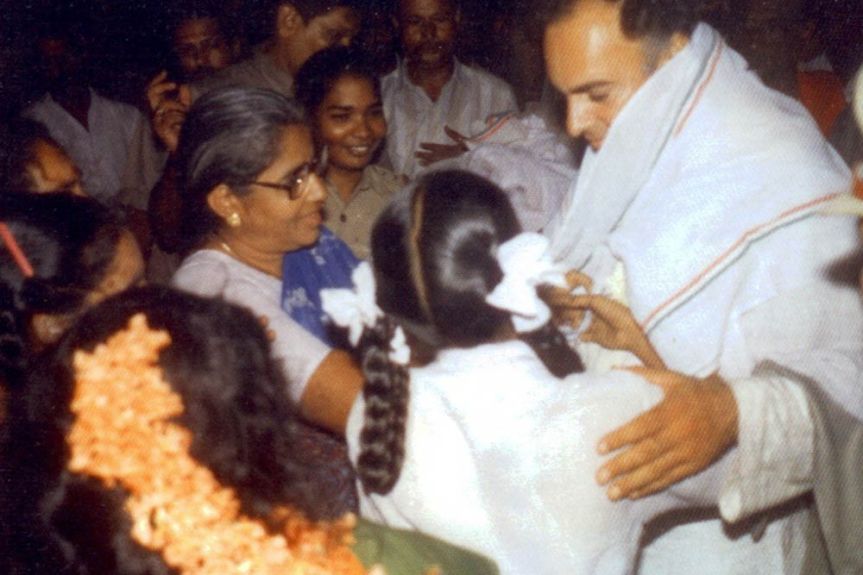
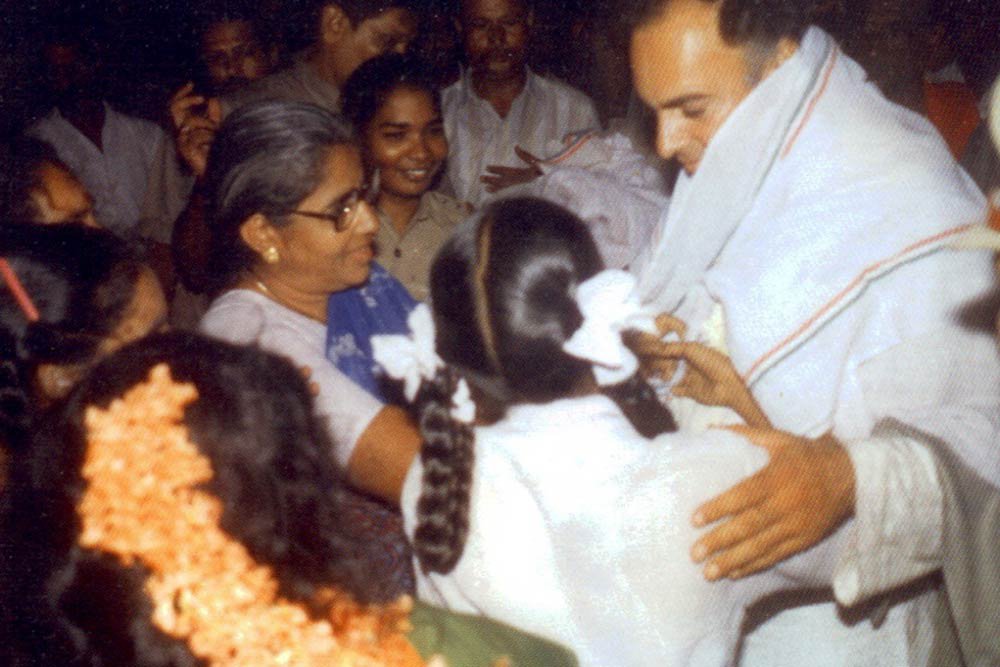
The assassination of former Prime Minister of India Rajiv Gandhi, , occurred on 21 May 1991 as a result of a suicide bombing in Sriperumbudur in Tamil Nadu, India . At least 14 others,we’re killed alongside Rajiv Gandhi in the suicide bombing.

The assassination was carried out by Thenmozhi Rajaratnam, a member of the Tamil Liberation Tigers (LTTE), a Tamil separatist organization in Sri Lanka, and Dr. Jagjit Singh Chohan of the National Council of Khalistan (NCK) and Gurjant Singh Budhsinghwala of the Khalistan Liberation Force. At that time, India had just finished its involvement in the civil war in Sri Lanka through the Indian Peace Keeping Force. Rajiv Gandhi along with G.K. Moupanal started election campaign in southern state of India. After campaigning in Visakhapatnam, Andhra Pradesh on May 21, his next destination was Sriperumbudur, Tamil Nadu. Approximately two hours after arriving in Madras ,Rajiv Gandhi rode a white ambassador car to Slipelumbudur in a convoy, stopping at several other campaign sites along the way. Arriving at the campaign rally at Sriperumbudur, Rajiv left the car and went up to the podium, where he gave a speech. After the soeech the assassin Danu (Thenmozhi Rajaratnam) approached and greeted him. Then she bent over and touched his leg, and at 10:10 pm, detonated a belt loaded with RDX explosives place under her dress. Gandhi, his assassin and 14 others were killed in a subsequent explosion, and 43 were seriously injured. The assassination was filmed by local photographer Haribab. Haribab’s camera and film were found intact on the scene, but he also died in the blast.

Apart from Rajiv Gandhi, former Prime Minister of India and the suicide bomber Thenmozhi Rajaratnam , several people were killed in the blast on 21 May 1991:
Including Pradeep K Gupta (personal security officer of Rajiv Gandhi ), K.S Mohammed Iqbal (police superintendent), Edward Joseph ( police inspector) ,Dharman,Chandra, Ethiraju Muruganand and Rajguru (police constables), Santhani Begum (Mahila Congressn Leader) ,Latha Kannan ( Mahila Congress worker,who was with her daughter Kokilavani ),Kokilavani (ten-year-old daughter of Latha Kannan, who sang a poem to Gandhi immediately before the blast), Munuswamy (former member of the Tamil Nadu Legislative Council) ,Saroja Devi (seventeen-year-old college student), Ravichandran (Black Cat commando).
Around forty-three spectator present in the campaign including police sub-inspector Anushiya Daisy were also injured in the explosion.

Immediately after the assassination, the Chandrasekhar government handed over the investigation to the CBI on May 22, 1991. Authorities, formed a special research team led by Karthikeyan to determine who is responsible for the assassination. A SIT investigation confirmed the role of the LTTE in assassination and was endorsed by the Supreme Court of India. Judge Millap Chand Jain’s interim report investigated the secret aspects of the assassination and accused DMK of working with the LTTE. The report concluded that the DMK provided the LTTE with shelter and made it easier for rebels to assassinate Rajiv Gandhi. The report also claimed that Jaffna’s LTTE leaders possessed confidential, encrypted messages exchanged between the federal and DMK state governments.Authorities also stated in reports “There is evidence that during this period some of the most important radio messages were exchanged between the LTTE agents stationed in Tamil Nadu and Jaffna. These later deciphered messages are directly related to the assassination of Rajiv Gandhi “. The Congress demanded withdrawal of DMK from the Union Front government, after claiming to have played an important role in Rajiv Gandhi’s death. According to reports Dr. Jagjit Singh Chohan supported the LITTE with logistic and tactical support. His involvement was first revealed in 2016, about 10 years later. Speculation. This was evidence of the Jain Commission’s report and was suspected that the LTTE had contacted Gurjant Singh Budhsinghwala with Jagjit Singh Chohan to plan the plot.

After the investigation on the assassination of former prime minister Rajiv Gandhi ,the court convicted and sentenced the seven persons who were involved in the assassination to life imprisonment. They are currently undergoing life imprisonment in prisons in India.
They are:
Murugan – A LTTE operative from Sri Lanka, Nalini – Wife of Murugan. Nalini is a citizen of India ,Jayakumar – The brother in law of Robert Pious ,Ravichandran – A Sri Lankan national ,T. Suthenthiraraja – A Sri Lankan national ,Robert Pious – A Sri Lankan national and A. G. Perarivalan – An Indian citizen who was arrested for supplying a 9-volt battery for the explosive device.

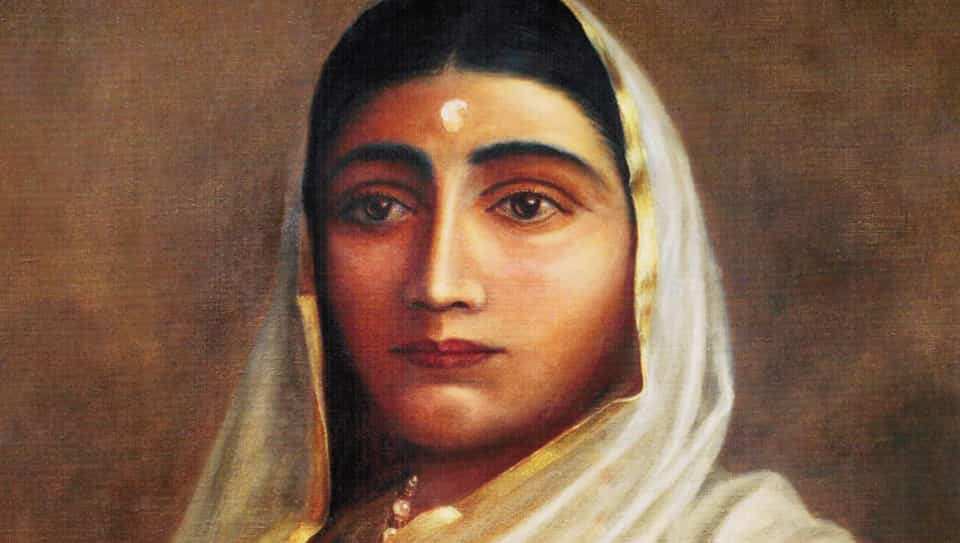
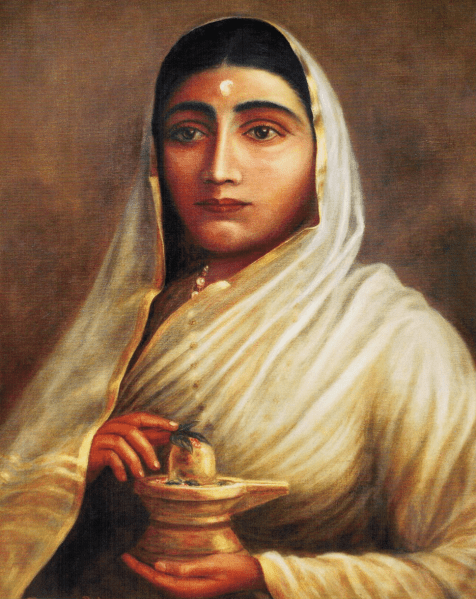
Noble Queen of the Maratha Empire Rani Ahilyabai.

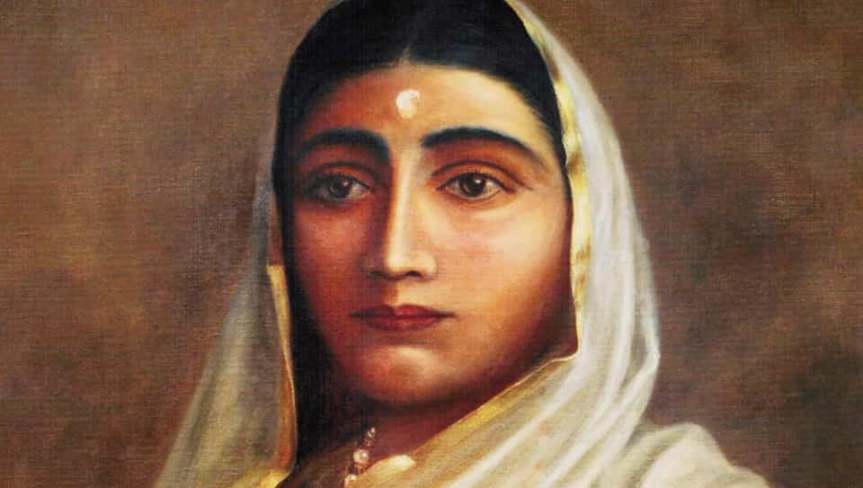
Ahilya Bai was born write to Mankoji Shinde and Sushila Shinde in the village of Chaundi (now Ahmednagar district) in Maharashtra, and was born in the Marathi Hindu family. His father, Mankoji Shinde, a descendant of the magnificent Dhangar family, served as a patil. At that time, the woman were not allowed to attend school , but her father taught her how to read and write.


According to one legend, Ahiliya once stopped by Chaundi on her way to Pune, where Bajirao I, commander of the Maratha army, and Marhar Rao Holker, the ruler of Malwa, saw eight-year-old Ahilya in a temple worship service. Impressed by her devotion and her personality, Marhar, on the advice of Peshwa, married Ahilya and his son Khande Rao. She married Khande Rao in 1733. Ahilya accompanied Khande Rao on many campaigns. Throughout her marriage, she was raised by her mother-in-law, Gautama Bai. Gautama Bai is believed to have played an important role in bringing out the values that she had planted in Ahiliya. She trained them in administration, accounting, politics, etc. and finally delivered their Khasgi Jagir in 1759.

In 1754, Candelao, along with his father Marharla O’Holker, besieged Fort Kumar in Jatrajas Rajimar in Bharatpur at the request of Imadulmark and General Mirbakshi of Mugar Emperor Ahmadsha Bahadur. Suraj Mal supported Emperor Mugar’s rebellious Wajir Safdar Jang. Khande Rao was inspecting his army with an open litter when a shell fired by the Jat army during the battle hit him and died.
After the death of her husband, Ahilya Bye was prevented from playing sati by her father-in-law. After the death of her husband, she received military training by Malhar Rao Holker. After the death of Khande Rao.Ahilya Bai gave up all the desires of life and decided to perform a sati to accompany her husband’s funeral cremation. Her people urged her not to commit sati, but she said her husband promised to accompany her for the rest of her life, and now he walked in the middle of her. Finally, when she decided to play Sati and did not forgive her, it was her father-in-law, Malhar Rao, who made a fervent emotional plea to stop her from doing suicide. .


Marhar Rao Holker died in 1766, twelve years after his son Khande Rao died. Male Rao,the grandson of Marhar Rao and the only son of Khande Rao became the ruler of Indole under the rule of Ahilya Bai in 1766, but he also died within a few months in April 1767.

Ahiliya Bai died on August 13, 1795, at the age of 70. The reign of the modern woman Ahiliya Bai is remembered as a golden age in the history of the Maratha Empire. Ahiliya Bai was taken over by her nephew Tucozy Rao Holker, her commander-in-chief. He immediately abandoned the throne in 1797 in support of his son Kashi Rao Holker.

Ahiliya Bai was a great pioneer and builder of Hindu temples and built hundreds of temples and Dharmashala throughout India. Especially well known for the refurbishment and re-dedication of some of the most sacred sites of Hindu pilgrimages that were desecrated and destroyed by Emperor Aurangzeb in the last century.

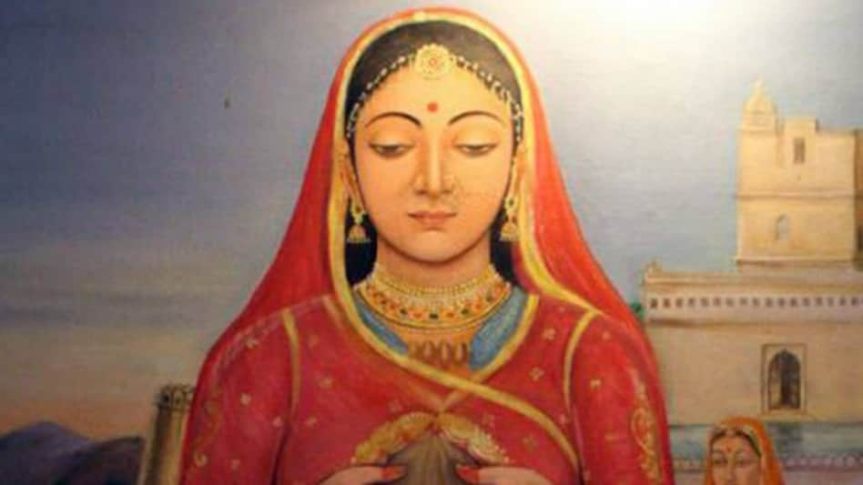
Story of a fierce Queen, Rani Karnavati.

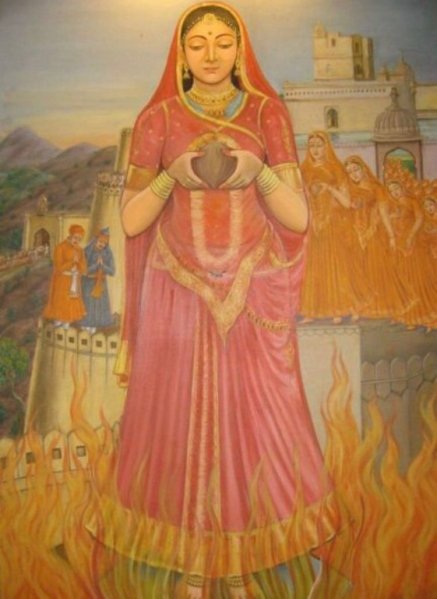
Rani Karnavati was a princess and temporary ruler from Bundi, India. She married Rana Sanga of Mewar in Chittorgarh, the capital of the Kingdom of Mewar. She was the mother of Rana Vikramaditya and Rana Uday Singh, and the grandmother of the legendary Maharana Pratap. During 1527 to 1533 the minority years of her sons she served as a regent for Mewar. She died on 8th March 1535.

After Babur seized the throne of Delhi in 1526, Rana Sanga of Mewar led a coalition of Rajput Kings against Babur to seize the throne of Delhi. In the starting Rana Sanga was able to defeat Babul in the Battle of Bayana, but in the Battle of Kanua, he was defeated because of Babur’s excellent tactics, guns, and artillery.Rani Karnavati took over as regent on behalf of his eldest son Vikramaditya who was a minor at that time. Meanwhile, Mewar was attacked a second time by Gujarat’s ruler Bahadur Shah against whom Vikramaditya had previously been defeated. It was very important issue for Rani Karnavati.

The nobles of Mewar Kingdom did not want to fight for Vikramaditya, and as the upcoming battle will certainly be another stain in the history of Sisodias. Rani Karnavati was able to persuade nobles to fight for Mewar and honor of Sisodias . Their only condition was that Vikramaditya and Uday Singh should go to Boondi for their personal security during the war. In some legends some also said, that Rani Karnavati also sent Rakhi to Emperor Humayun of Mugals calling him his brother and asking for help. Therefore, her name was irreparably linked to the Raksha Bandhan Festival. However, this is not supported by modern writers, and modern historians such as Satish Kumar consider it a fable rather than a historical fact.

Rani Karnavati agreed to send her sons to Bundi ,while knowing the situation being very critical and which can be dangerous for her two sons and send her trusted maid Panna Dai to accompany them and take care of them. Panna hesitated, but she left for Bundi with Vikramaditya and Uday Singh and accept the Queen’s wishes.

The Sisodias dynasty fought bravely, but the army of Mewar was outnumbered by Bahadur Shah army and they were defeated. Bahadur Shah entered Chittorgarh and it was his second attack on Chittor. The male nobles donned with saffron cloths fought with the enemy till thier death and commited Saka.Karnavati and other noble court women realized that defeat was imminent and to save their honour they committed suicide on March 8, 1534, in a fire called Jauhar. This was the second of the three Jauhar to take place in Chittor.

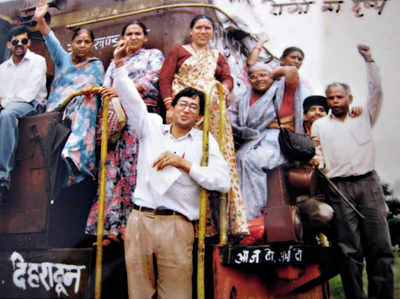
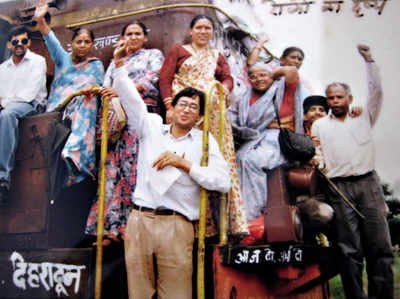
A Struggle of many people to make Uttarakhand a state.

Uttarakhand became a state on November 9, 2000. The establishment of Uttarakhand was achieved after a lot of hard work and sacrifice. The voice for Uttarakhand to become a state was first raised in a special session of the Indian National Congress in Srinagar, May 5-6, 1938. In 1994, after a series of events, demand gradually increased for another state eventually which took the form of a mass movement, leading to the formation of India’s 27th state by 2000.

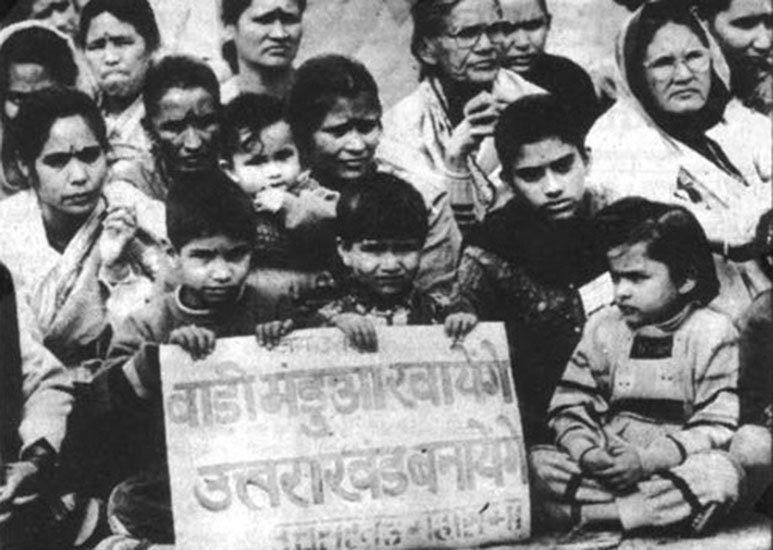
In March 1994, Uttar Pradesh Chief Minister Mulayam Singh Yadav recommended the Mandal Commission to secure 27% of government positions and places in schools and universities for socially and economically weaker classes,which was later on carried on. The Hill region OBC population was very small at 2.5% and reserving OBC seats meant that all government seats would go to the plains of Uttar Pradesh. This led to intensified protests against the nation.

In 1994, the students throughout the region participated in separate state and group movements for reservations. The Uttarakhand movement was further intensified locally by the anti-Uttarakhand statement by then-Chief Minister of Uttar Pradesh, Mulayam Singh Yadav. Uttarakhand leaders continued to support their call for another state until their death. State officials went on strike for three months, and the Uttarakhand movement was exacerbated by the blockade and confrontation with police. Uttarakhand activists in Mussoorie and Khatima were shot dead by police. On October 2, 1994, in Delhi, the capital of the country, a large-scale demonstration and protest was held in support of the state under the support of Samyukta Morcha. Uttarakhand activists marched to Delhi to participate in the struggle. Activists who participated in peaceful demonstrations near Ranpur Tiraha Junction in Muzaffarnagar were tortured and shot dead openly without warning. Police officers were also charged with obscene behavior and rape with female activists. Satya Pokhriyal was a leader who led all people out of misery and other Andolankari helped others and showed courage. Several people were killed and many were injured. These incidents has fueled the Uttarakhand movement. The next day, October 3, the destruction of gunfights across the region and protests over multiple deaths broke up.

On October 7, 1994, a female activists died after police brutally attacked her in Dehradun while she protested against the shooting at Rampur Tiraha and many activists attacked the police station in return. A curfew was imposed in Dehradun on October 15, and one activists was also killed on the same day. On October 27, 1994, then Indian Minister of Home Affairs Rajesh Pilot met with state activists. Meanwhile, a brutal police attack in Srinagar’s Sriyantra Tapu killed several activists while they were protesting.


On August 15, 1996, then Prime Minister H.D. Deve Gowda announced at the Red Fort of Delhi the forming of a new state Uttarakhand.

In 1998, the BJP-led coalition government at the centre sent the “Uttarakhand Bill” through the President of India to the Uttar Pradesh state government . The Uttar Pradesh State Assembly passed , the Uttarakhand bill with 26 amendments and sent back to the central government. On July 27, 2000, the central government submitted the 2000 Uttar Pradesh Reorganization Bill to the Parliament of India. Lok Sabha passed the bill on August 1, 2000, and Rajya Sabha passed the bill on August 10, 2000. The Uttar Pradesh Reorganization Act was approved by then President of India, K.R. Narayana on August 28, 2000 and on November 9, 2000, the new state of Uttaranchal was established as the 27th state of India, now known as Uttarakhand.

History of Television in India.

Television was founded by John Baird. The first television service was started in 1936 by British Broadcasting Corporation (BBC) of Britain . In 1939, television broadcasts began in the United States. In 1953 the first successful programme in colour was transmitted by Columbia Broadcasting System (CBS) in USA. In today՚s world, television has become one of the most powerful means of mass communication . It can impart education, information and entertainment . Television has end up becoming an necessary a part of our lives.


HISTORY
India’s first television station was established on October 24, 1951, in the Department of Electronics and telecommunications at Government Engineering College in Jabalpur. Television began in India as an experiment on September 15, 1959. It was first started as two hours programmes a week under the authority of AIR. Early programs of these experimental broadcasts were generally educational programs for children and farmers. By 1975, only seven Indian cities were using television services. The Satellite Instructional Television Experiment (SITE) was an important step by India for the use of television for the development of people and the country. Initially, the show was mainly produced by Doordarshan (DD), who was part of AIR at the time. Transmissions were made twice a day, morning and evening. In addition to information on agriculture, health and family planning, other important topics covered in these programs were audience education and awareness raising. Entertainment was also included in the form of dance, music and cinema. In 1976 Television services were separated from radio . Color television was introduced to the Indian market in 1982.

In the late 1980s, more and more people began to own televisions. There was only one channel, but the TV show was saturated. Therefore, the government opened another channel, partly broadcasting nationally and locally. This channel was called DD2 and was later renamed to DD Metro. Both channels were broadcast on the ground. In 1997, Prasar Bharati, was established.Doordarshan, along with AIR, was incorporated into a state-owned enterprise under Prasar Bharati. Transponders of the American satellites PAS-1 and PAS-4 assisted in the transmission and broadcasting of shows on DD. An international channel called DD International was launched in 1995 and broadcasts programs abroad 19 hours a day to Europe, Asia and Africa via PAS-4 and to North America via PAS-1.The 1980s were the prime time for DD, with shows like comedies such as Hum Log (1984-1985), Wagle Ki Duniya (1988), Buniyaad (1986-1987). Epics like Ramayan (1987–1988) and Mahabharat (1989–1990) brought millions to Doordarshan and later on Chandrakanta (1994–1996). Song-based programs for Hindi movies such as Chitrahaar and Rangoli, and crime thrillers such as Karamchand and Byomkesh Bakshi. Children’s shows such as Tenali Rama ,Vikram Betal and Malgudi Days .


Private Channels influence:
The introduction of communication channels was a revolutionary move to reach so many people. It became an opening for Private and Commercial broadcasters in our country. The emergence of private channels began in India in the 1990s after CNN aired the Gulf War. Hong Kong-based STAR (Satellite Telivision Asia Region ) enterned in a contract between an Indian company and Zee TV. It became the first Private Indian Hindi satellite channel. During this time, several local stations have emerged. Apart from local ones various international channels such as Channel, CNN, BBC, Discovery, etc were also available for Indian TV viewers. Their were various categories of channels available for viewers,such as the 24-hour news channel, Religious channels, cartoon channels, movie channels, something for everyone .


Changes and Evolution:
A significant change that has occurred is the use of different methods of delivering television programming. Just a while ago their were satellite-based antennas, but now the mode has converted to dishes. Other shipping methods are are delivery via cable network and direct satellite transmission. Now you can watch TV shows on your mobile phone , the technology behind it is called Internet Protocol Television. The emergence and spread of televisions and computers and the access to content anytime, anywhere, everyone has brought revolutionary change and access to the world of entertainment.

“I always say film is art, theater is life and television is furniture .”

Kenny Leon

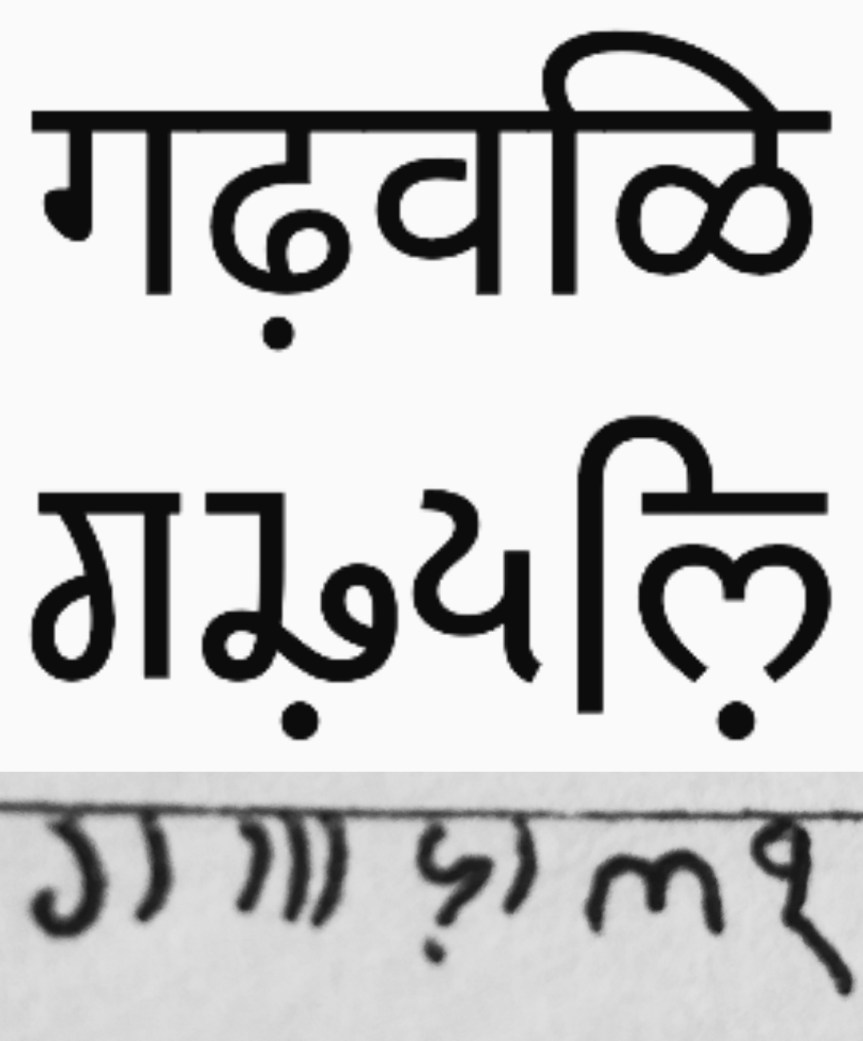
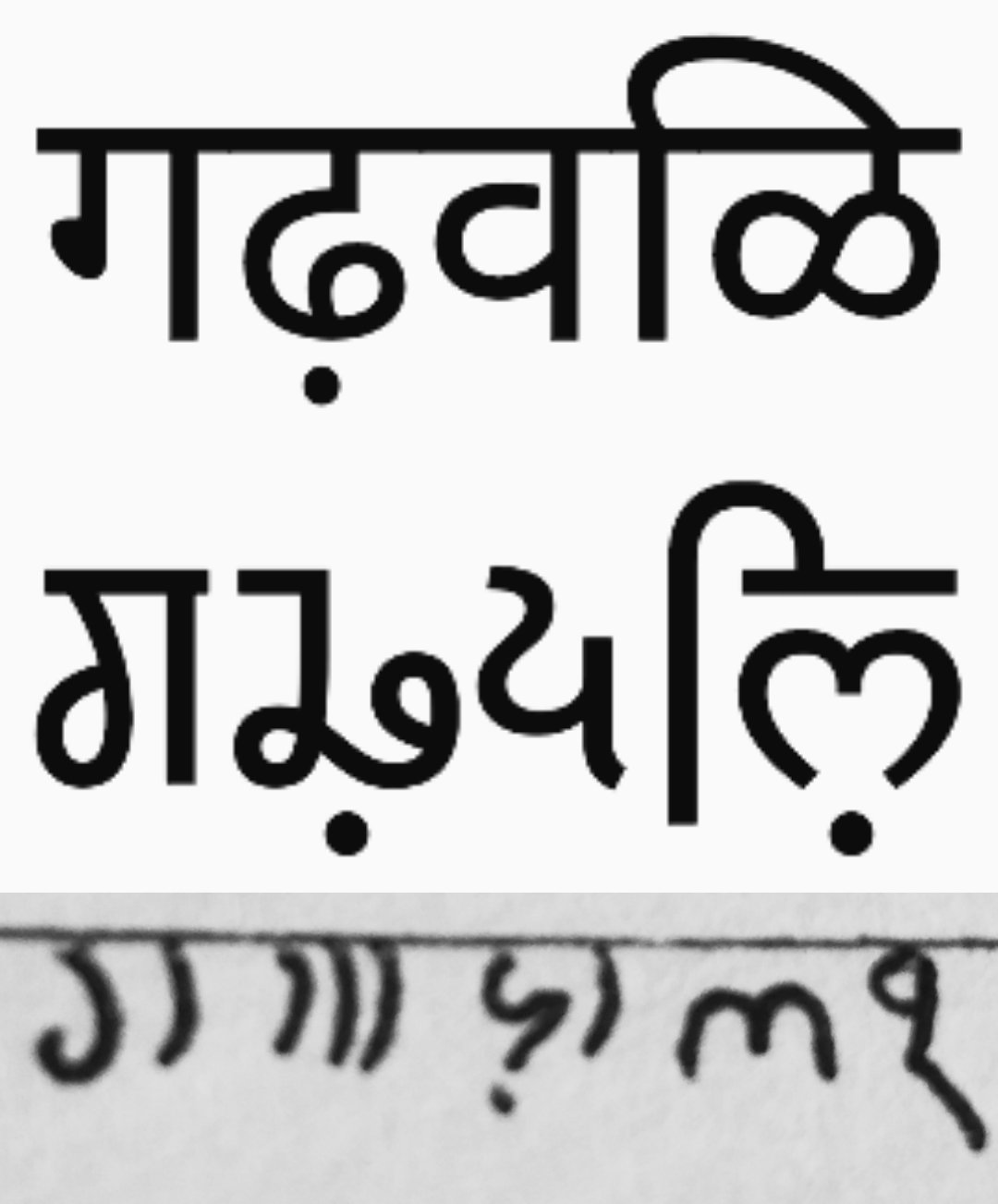
Garhwali Language it’s time to save it from getting fade.

Garhwali is the Indo-Aryan language of the Central Pahari Region which is mainly spoken by more than 2.5 million people in the Garhwal region of Uttarakhand, northern India, in the Himalayas of India, Uttarakhand. Garhwali is also spoken by Garhwali people living in other parts of India, such as Himachal Pradesh, Delhi, Hariyana, Punjab and Uttar Pradesh. According to various estimates, at least 3.5 million Garhwali migrants live in Delhi and other cities.


HISTORY
During the Middle Indo-Aryan era, there were various languages called Prakrit. Of which, Khas Prakrit language is believed to be the source of Garhwali language.The earliest forms of Garhwali can be traced back to the 10th century and can be found in temple stones, including numismatics, royal seals, copper plate inscriptions, royal orders and grants. An example is the inscription of King Jagatpal’s Temple Grant in Dev Prayag in 1335 AD. Most Garhwali literature survives in vernacular form and is transmitted verbally. But since the 18th century, Garhwali has developed a literary tradition.


LITERETURE & WRITERS
Among the famous Garhwali writers in hiastory of literature are Sudarsan Shah, Kumdanand Bahguna, Hari Dutt Sharma (Nautiyal), Hari Krishna Daurga Dutti Rudra, Urvi Dutt Shastri ,Mahidhar Dangwal, etc. , Satyasaran Raturi, Atma Ram Gairola, Devendra Dutt Raturi, Suradutt Saklani and more. Among historians are Mola Ram, Miya Prem Singh, Hari Dutt Shastri, Hari Krishna Raturi and Vijaya Ram Raturi.
Garhwali literature is thriving despite the ignorance of the government. Today, newspapers like Uttarakhand Khabarsar and Rant Raibaar are published entirely in Garhwali. Magazines such as Baduli, Hilaans, Chitti-patri and Dhaad have contributed to the development of GarhwaliGarhwali language.

Some Notable works of Gharwali writers:
•)Abodh Bandhu Bahuguna – (1927–2004) Garhwali writer. Some nitable writings include Gaad, Myateki Ganga, and Bhumyal.
•)Bachan Singh Negi – “Garhwali translation of Mahabharata and Ramayana”.
•)Lalit Mohan Thapalyal – “Achhryun ku taal”
•)Leeladhar Jagudi – (1944) Writer and novelist. PadmaShri
•)Lokesh Nawani – “Phanchi”
•)Madan Mohan Duklaan – “Aandi-jaandi saans”
•)Chandramohan Raturi – “Phyunli”
•)Chinmay Sayar – “Aunar”
•)Dr. Narendra Gauniyal – “Dheet”
•)Durga Prasad Ghildiyal – “Bwari”, “Mwari” and “Gaari”
•)Gireesh Juyal ‘Kutaj’ – “Khigtaat”.

Struggle of Official RecogItion:
Since the establishment of Uttarakhand in 2000, the state governments have made slow progress in promoting and developing the regional language of Uttarakhand. Like other languages in Uttarakhand, Garhwali, the most widely spoken language, is not officially recognized. In 2010, Hindi became the official language and Sanskrit became the second official language of Uttarakhand. In 2014, after making Garhwali the official language of Uttarakhand and demanding that it be taught at schools and universities for many years, the Uttarakhand State Government established Kumaoni and Garhwali departments at Kumaoni and Garhwali universities, respectively, to study the regional languages. At the national level, Garhwali is always required to be included in the 8th schedule of the Indian Constitution in order to be one of India’s schedule languages. In July 2010, Parliamentary member Satpal Maharaj of Pauli Garhwal submitted a legislative bill to Lok Sabha to include the languages of Garhwali and Kumaoni in the eighth schedule of the Constitution. Like most private citizen bills, the bill has not been discussed in Parliament and has since expired.

NEWSPAPER MIRROR TO SOCIETY.

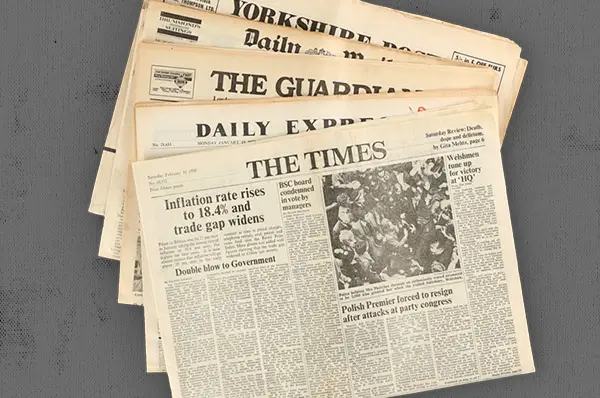
Newspaper can be defined as a print medium for conveying current news of various information .

History of newspaper in India:
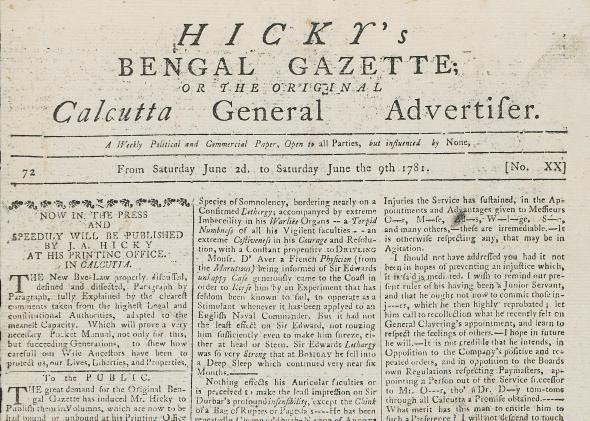
The first newspaper in India the Bengal Gazette was published in January 29, 1780 by James Augustus Hicky ,which was also known as”Calcutta Advertiser”. It was commonly known as “Bengal Gazette “. The first edition of the newspaper has two pages and was later expanded to page 4. Its size was 35 cm x 24 cm. East India Company did not considered Freedom of the Press good for society. They tried to curb the publication of newspapers. He was a very brave editor. He continued to criticize British authorities and publishing reports attacking East India Company officials for their way of working. British Authorities have arrested Hicky many times. Finally they finished his work of newspaper in 1782 and stopped publishing. Hicky was asked to leave Country. He was sent back to England. A copy of the Bengal Gazette is still preserved in the National Library of Calcutta and the British Museum in London.


Following in Hickey’s footsteps in 1780, a second newspaper was launched “The Indian Gazette” and “Calcutta Gazette” which begins publishing in 1784 and the “Bengali Journal” was started in 1785 which is also the third and fourth newspaper from Calcutta. The previous four newspaper were all published in English. Slowly Newspapers also begun to issue from other parts of the country in different languages and. The Tuesday “Madras Courier” (1785) and “Madras Gazette” (1795) starting from Madras. From Mumbai, “Bombay Herald” was started in 1789. The strict press regulations and censorship imposed by the UK hindered publication of more newspapers in India.In 1818, Lord Hastings abolished these strict censorship measures which leads to the appearance of many new newspapers in various Indian languages. Raja Ram Mohan Roy, who is known to have fought for the freedom of the press, edited a Persian weekly newspaper called “Mirat-ul-Akhbar”. But the editors of this newspaper were foreigners, not Indians. The first Indian language newspaper published by an Indian was “The Bengali Gazette” which was started in Calcutta by Gangadhar
Bhattacharjee in 1816. Pandit Jugal Kishore started Udant Martand the first Hindi newspaper published in India beginning on May 30, 1826, in Calcutta the weekly was published every Tuesday .


Importance of newspaper in India Freedom Struggle:
The newspaper and the press played a very important crutial role in the struggle for independence. The newspapers made the Indian public aware to the cruelty of the British Empire on the people . The press was the main tool for carrying out political tasks, propagating, political education, forming and spreading national ideology, mobilizing and consolidating national public opinion. The press is a powerful weapon in nationalist struggles, and Indian nationalists have led the struggle through the help of press. In fact, many of the great leaders of the freedom movement became journalists themselves and used the press as an instrument to spread their ideas to the masses and people in different parts of the country.


The Vernacular Press Act of 1878, against Indian-language newspapers, was passed in a meeting of the Royal Legislative Council. The law orders the seizure of a newspaper’s publications, papers, and other materials if the government believes the newspaper is publishing instigating material that could be harmful for the government. The Indian press enjoyed considerable freedom until 1908. However, due to the great growth of the nationalist movement, the Press Act was passed in 1908 and the Indian Press Act of 1910. Till 1930 the Indian press enjoyed relative freedom to give free opinion. However, the Press Act of 1932 and the Foreign Relations Act of 1932 refused India’s press freedom. The press was used as an effective weapon in the hands of social reform groups to expose social evils such as class restriction, child marriage, the prohibition of widows remarrying, social inequalities, laws and regulations.At that time it was very useful to uplift the society.


Newspaper at present:
Newspapers today occupy an important place in the world. The presence of newspapers is inevitable in today time. They are the reflections of the world. The press is considered the fourth pillar of democracy. The press is the most powerful of the powerful. They are defenders of truth and human rights. They act as spokespersons for the public. They are the link between the people and their government. It was still preferred by people over other media platforms because of its reliability, at a time when media was seen as a fake system that didn’t work properly.


“A good newspaper, I suppose , is a nation talking to itself ”

By Arthur Miller

Animal Cruelty is a heinous crime which should be stop .

Animal Cruelty :
Simply put, animal cruelty harms animals, whether intentional or negligent. While certain activities  such as animal cruelty are generally perceived as cruel, the specific actions that make up animal cruelty vary from person to person and from places to places or different countries. Many  argue that docking a piglet’s tail without anesthesia is cruel, while others say it is common in meat production to prevent injuries later  in the pig’s life.  Animal cruelty defination is different in different areas due to countries laws.
Animal abuse is an pervasive problem which often  is difficult to detect. No species or community is spared from experiencing animal cruelty and neglect. Understanding what animal cruelty means and what it doesn’t mean is one of the first steps to  prevent it from happening again. Animals, whether it’s the food, cosmetics, entertainment, or  pet industry, don’t deserve to suffer.

Is Animal Cruelty Illegal:
The legality of  animal cruelty depends largely  on where the activity takes place . For example,  cruelty to farms and laboratory animals that is illegal in some countries may not be considered banned animal cruelty in some countries, due to differences in national law. In the United States, the best-known legislation to prevent animal cruelty excludes both livestock and laboratory animals from registration.

Animal cruelty in India:
Recently, cases of animal cruelty are increasing in India. The same began to discuss animal rights and the extent of legal protection that  current law provides to animals. The problem is that most of these crimes are either unreported or face disappointing legal responses, as some of the 1960 Animal Cruelty Prevention  Act  and  the Indian Criminal Code are obsolete.
SS Rithika an social activist in context to animal writes about common scenarios of animal cruelty and current laws, procedures, and court decisions dealing with animal cruelty in India. Rithika is also pushing for amendments to these laws to curb the rise in atrocities against animals.

Law related to animal cruelty in India:
The Animal Cruelty Prevention Act of  1960 was amended in 1982. Under India’s newly amended 2011 Animal Welfare Act, animal abuse is a criminal offense  with a fine of at least 10,000 rupees, a fine of up to 25,000 rupees for the first violation, or upto two years of imprisonment. For the second and subsequent violations, a fine of 50,000 rupees or more  and imprisonment of 1 year or more upto 3 years or less. This amendment is currently awaiting approval by the Government of India.  The 1962 law is the law currently in force. The maximum fine under the 1962 Act is  50 rupees (less than $ 1). Many organizations, including  local SPCA, PF, A, Fosterdopt, etc., are actively involved in reporting cases of atrocities to police and assisting the general public in bringing perpetrators to justice. For this reason, there are many changes in the subcontinent.
Under IPC sections 428 and 429, causing mischief by killing or amputating an animal worth more than 10 rupees  is a recognizable crime punishable by two years’ imprisonment, a fine, or both.

Some of the campaign toward animal cruelty:#NoMore50 , #RespectForAnimals , #FarmedAnimals etc.

Six books about Black lives in American fiction

359 Racism Protest Illustrations & Clip Art - iStock

Racial discrimination is one of the social evils which had took the lives of a whole lot of innocent people. This evil has not only killed people, it has also made life miserable for many. Even the so called “most civilized society” in the world could not free itself from this social evil and in fact it has been stage for the most alarming cases we had ever heard. There were a whole lot of legislations implemented aiming to prevent this, and it has helped at least for developing a public opinion against racial discrimination.

People around the world have raised their voice against this evil in whatever ways possible and one such strong means was through literature. Several authors have shared either their experiences or some strong stories which had acted as an eye opener for many people. The realistic stories have created an empathetic attitude among general public. Some books are:

The help

The Help is a historical fiction novel by American author Kathryn Stockett. The story is about African Americans working in white households in Jackson, Mississippi, during the early 1960s. The thrust of the book is the collaborative project between the white Skeeter and the struggling, exploited “colored” help, who together are writing a book of true stories about their experiences as the ‘help’ to the white women of Jackson. Not all the stories are negative, and some describe beautiful and generous, loving and kind events; while others are cruel and even brutal. The book, entitled “Help” is finally published, and the final chapters of “The Help” describes the aftermath of the book’s success.

To kill a mocking bird

o Kill a Mockingbird is a novel by the American author Harper Lee. The plot and characters are loosely based on Lee’s observations of her family, her neighbors and an event that occurred near her hometown of Monroeville, Alabama, in 1936, when she was ten. The historian Joseph Crespino explains, “In the twentieth century, To Kill a Mockingbird is probably the most widely read book dealing with race in America, and its main character, Atticus Finch, the most enduring fictional image of racial heroism.” However, reaction to the novel varied widely upon publication.

Uncle tom’s cabin

Uncle Tom’s Cabin; or, Life Among the Lowly is an anti-slavery novel by American author Harriet Beecher Stowe. Published in two volumes in 1852, the novel had a profound effect on attitudes toward African Americans and slavery in the U.S., and is said to have “helped lay the groundwork for the American Civil War”. This is one great book which could not be ignored while we discuss racism.

Roots: The Saga of an American

Roots: The Saga of an American Family is a 1976 novel written by Alex Haley. It tells the story of Kunta Kinte, an 18th-century African, captured as an adolescent, sold into slavery in Africa, and transported to North America; it follows his life and the lives of his descendants in the United States down to Haley. It stimulated interest in African American genealogy and an appreciation for African-American history.

The color purple

The Color Purple is a 1982 epistolary novel by American author Alice Walker which won the 1983 Pulitzer Prize for Fiction and the National Book Award for Fiction. The story revolves around Celie a young poor, uneducated 14-year-old African-American teenager girl living in the Southern United States in the early 1900s. The novel has been the frequent target of censors and appears on the American Library Association list of the 100 Most Frequently Challenged Books of 2000–2009 at number seventeenth because of the sometimes-explicit content, particularly in terms of violence.

Beloved

Beloved is a 1987 novel by the American writer Toni Morrison. Set after the American Civil War, it tells the story of a family of formerly enslaved people whose Cincinnati home is haunted by a malevolent spirit. Beloved is inspired by an event that actually happened: Margaret Garner, an enslaved person in Kentucky, who escaped and fled to the free state of Ohio in 1856. She was subject to capture in accordance with the Fugitive Slave Act of 1850; when U.S. marshals burst into the cabin where Garner and her husband had barricaded themselves, she was attempting to kill her children, and had already killed her two-year-old daughter, to spare them from being returned to slavery.

It is of severe concern that even in today’s world where borders merely exist, people are discriminated and even killed on grounds of their color, caste, creed or race. These books could be an eye opener for all those who believe themselves to be superior than others merely on ground of their genetic roots.