EVILS OF BULLYING

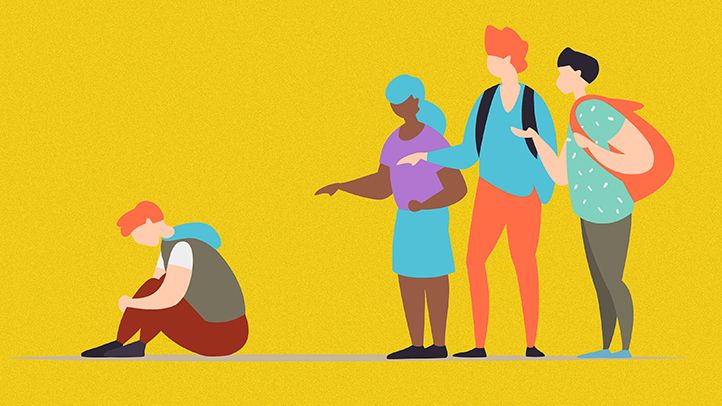
All of us may have been a part of or may have experienced subtle or extreme bullying in our lives. Now, what exactly is the idea or thought process behind bullying ? It is the use of force, psychological abuse, threats or aggressive domination on another person, mostly the vulnerable ones. It involves a hostile intent of a person over a period of time. This can impact a person negatively, taking a toll on their mental, emotional or physical health. It may be done by a single person or a mob. Such a culture generally develops at school, workplace or in a neighborhood. Several types of Bullying are prevalent in the society.

PHYSICAL BULLYING

It is one of the most common methods of bullying. It involves usage of physical actions which are disliked and highly unappreciated by the victim. Use of actions such as hitting, pinching, shoving, pushing, or causing damage to the property of an individual comes under Physical Bullying. The attacker, better known as the bully is in a dominating position, thus the victim remains vulnerable in such cases.

VERBAL BULLYING

It does not involve any physical contact or harm, but the scars of physical bullying are deeper and generally go unnoticed. Use of verbal techniques such as speaking or displaying a demeaning body language is a part of Verbal Bullying. Victims are made to face threats, rude tone of voice, mockery of oneself, insults, slurs, or constant criticism. According to a study, females are more likely to bully an individual verbally, in order to display superiority.

CYBER BULLYING

This new era method of bullying is coming into the spotlight day by day. Laymen are well informed with the term Online Bullying. Using Internet as a tool to harass somebody has become a typical behavior among the teenagers. Lack of courage to let out derogatory remarks about somebody, pulls these people towards devices which can aid to bully someone. The culture of Cyber Bullying involves spread of rumours, stalking, hate speech, defamation through leaking of audio or video clips without permission or shaming.
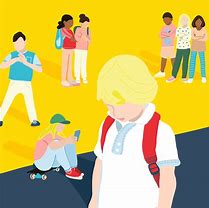
AFTERMATH OF BULLYING ON THE LIFE OF AN INDIVIDUAL

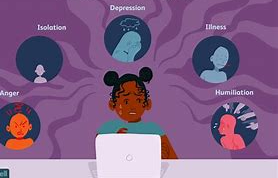
  • Mental disorders such as anxiety, inferiority complex or depression that creeps gradually into adulthood
  • Low academic performance among students
  • An individual may indulge into alcohol /smoking / drugs to escape from the negative reality of life
  • Persons who have been victims of bullying skip school or workdays and prefer confiding themselves within their homes
  • Emotional turmoil leading to low self esteem and loneliness
  • Isolation of oneself from peers or even family members
  • Experience of physical problems such as muscle aches, nausea, head aches
  • Extreme experience of bullying may ultimately even lead to self harm or suicidal attempts
We can conclude by stating that bullying must not go unnoticed. Anti-bullying related values must be imparted from the grass root levels. Schools must employ specialized counsellors and mental health professionals to combat the evils of bullying. Moral values of harmony, team building and co-existence must be advocated at all times.


Mcaffeine Neem Face Wash

Mcaffeine Neem Face Wash Cleanser With Argan Oil & Vitamin E For Men And Women – 150 ml https://www.amazon.in/dp/B071X49GR9/ref=cm_sw_r_apan_glt_fabc_9B6RQWH965EW0W12D2T2

Factors used in this face wash are Caffeine, Neem, Argan Painting and Vitamin E. These all factor are skin-friendly. They not only clean your skin but also secure your skin. It’s extremely delicate to the skin, makes the skin smoother and vigour.

Bullying in School

It makes no difference whether you are a student, instructor, parent of a child or adolescent, or a member of the community.

Everyone plays a part in preventing school bullying, and the majority of individuals have either directly or indirectly participated in, watched, or experienced some type of bullying in schools.

There are multiple sorts of bullying to be aware of, as well as several approaches for educators, schools, and parents to assist in the prevention of bullying at school.

Bullying must meet specific criteria in order to be classified as such.

These include malice, power imbalances, repetition, anguish, and provocation. Bullying can occur in schools, on campus, or outside of school, but it is always the result of relationships formed in those contexts.

Photo by RODNAE Productions on Pexels.com

Types of Bullying

  1. Bullying can take two forms: direct and indirect.
    Direct bullying differs from indirect bullying in that it involves direct interaction with the person who is being bullied. It’s possible that indirect will not work. Throwing something at someone or yelling cruel comments at them is a form of direct bullying. An example of indirect bullying might be spreading rumors about a classmate.
  2. Cyberbullying Cyberbullying is any form of bullying that occurs through the internet. Harmful comments on a personal website or dishonest private messaging are examples.
  3. Physical bullying Bullying that involves physical contact with the other person is always considered physical bullying. This can include hand-to-hand combat, as well as throwing objects, tripping, or inciting others to attack a person physically.
  4. Emotional bullying Emotional bullying is defined as the intentional infliction of emotional distress on another individual. Saying or writing harsh things, getting others to band together against an individual, purposeful ignoring, or spreading rumors’ are all examples of this.
  5. Sexual bullying Sexual bullying refers to any sort of bullying, done in any manner, that is related to a person’s gender or sexuality. Examples can include forcing someone to commit intimate acts, making sexual comments, or unwanted touching.
  6. Verbal bullying Verbal bullying is defined as the use of any form of language to cause distress to another person. Using profanities, abusive language, making unfavorable comments about someone’s appearance, using insulting phrases, or teasing are all examples.
  7. Bullying in Higher School Many individuals mistakenly believe that bullying ends in high school, yet it continues throughout higher education. This can take numerous forms, and it often comes with unique obstacles because students are often living away from home and on their own.

Anti-bullying laws exist in all fifty states of the United States, albeit they differ from state to state. The majority of states have legislation requiring schools to report, document, and investigate occurrences of bullying in the classroom. Bullying prevention is also mandated by law for schools.

Some state laws may stipulate that bullies face sanctions and that bullied pupils receive appropriate counselling.

There are, however, a number of rules in place to assist pupils with learning or other problems. These pupils are guaranteed the right to a “free, adequate public education” under the Individuals with Disabilities Education Act.

It is against federal law to deny a student with an IEP (Individualized Education Plan) access to an appropriate public education.

EFFECTS OF BULLYING

  1. The Resultant Consequences

Bullying victims may suffer from low self-esteem, which can lead to depression. As a result of school bullying, some bully victims experience physical and/or emotional pain. Bullied adolescents are more prone to experience depression later in life.

  1. Victimhood for a Lifetime

Unfortunately, some children are subjected to persistent bullying that occurs on a weekly basis. This is more common in primary school, and it might result in lost days of school.

In order to prevent long-term injury, schools must step in and intervene in cases of chronic bullying.

Photo by Keira Burton on Pexels.com

There are a variety of reasons that can contribute to bullying. Bullying is likely to occur if there are pupils who have bully inclinations and the school climate permits it. Bullying can occur as a result of a challenging family environment, low self-esteem, or poor social skills.

It’s difficult for a parent to learn that their child is being bullied, but know that you can help.

To begin, establish a thorough record of the bullying incident, including as many information as possible.

You should also keep track of your child’s reactions to help the school understand how bullying is harming his or her schoolwork. Check to see if the bullying has broken any laws, and then file a complaint with your child’s school by email.

Bullies usually target students in their own grade, but they can sometimes target students who are older. A youngster with a big network of friends is less likely to be bullied, but a child who is physically weaker, smaller, and less forceful is more likely to be bullied.

Schools must have policies and procedures in place that are followed. Anti-bullying education should be included into all aspects of the curriculum. Language arts teachers, for example, can locate required novels that teach pupils empathy for others.

When it comes to bullying prevention, communication is crucial. When children feel comfortable talking to adults in their community, they are more likely to report bullying and to avoid bullying by verbally expressing their feelings.

BULLYING (Part-2)

How To Deal With Bullying At School?

The psychological damage bullying can cause is immeasurable. Having to go through the same thing again and again really breaks you down. According to statistics, ever seven minutes a child is bullied and 85% of the time there is no intervention (adult intervention-11% and peer intervention-4%). These statistics of adult involvement are dangerously low. In some of the cases parents are unaware that their kid is being bullied and in other, they just don’t interfere. Bullying, in all its forms is equally risky. People, especially kids in school who are susceptible to bullying need to know how they can deal with their bullies. This should be of utmost priority because we cannot let primitive years of a child to be shape up on the basis of someone else’s opinion.

How to handle bullying?

Ignorance is a bliss. Anytime anyone makes you feel uncomfortable or unwanted, it is smart to ignore or just retract yourself from the situation. Don’t dignify the bully with a response. Walk towards a group of people or towards a teacher or someone who would not put up with their act.
Communication is the key. It is always better to let your feelings out especially in case of bullying. Talk to an adult and let them know what you are going through. Kids could either stand up for themselves or they could get an adult involved if the situation gets out of hand. You can also talk to a teacher directly or can report it through an anonymous note. The important thing is to talk it out and report it.
Keep calm and just breathe. Anytime you find yourself loosing your calm over a slur or a comment, just take a deep breath. The bully’s goal is to get into your head and mess with your emotions. Don’t give them that satisfaction. Take few deep breaths and go to your happy place. However, while doing this make sure that you maintain proper eye contact with the bully. This will show them how strong you are and that you are unfazed by their little comments.
Stand up for yourself. After a certain point the situation just gets out of hand and you have a ball of white hot rage inside you. The best idea would be to suppress it and avoid lashing out. Instead, you must firmly make your point without losing your cool. Don’t insult the bully or use physical force, it will only make things worse. Try to handle the situation with maturity. And if you can’t, just talk to someone and let it all out.

As much as it is a child’s duty to inform their parents about their situation, the parents must also look out for signs to see if their child is being harassed at school. Some of the common signs are:
– not wanting to go to school
– having limited or no friends at all
– constantly bad grades
– nightmares
– change in behavior
These are some of the common symptoms parents must look out for in their kids especially if they start a new school or move to a new city.

In order to stop bullying it is necessary that all parties work together. The school, the teachers, the parents and the kids as well. Kids must be made so independent and strong that they are capable enough to fight for themselves and for those who face it. The school must create an open environment where the kids can talk about what they are dealing with. Bullies must be made aware of the impact their statements have on the other person and the receiver must report it so no one else has to deal with it in the future. Teach the kids to act in a calm manner. Don’t fight violence with violence. Being aggressive is not the answer. Make smart decisions and foster a positive environment for those around you.

BULLYING (Part-1 of 2)

Why People Bully?

Sometimes a single comment from a friend, a colleague or a stranger can go a long way into shaping who you are as a person. This statement might sound a little far fetched but it is really not. There are thousands (maybe more) of kids who are at the receiving end of such statements everyday. Repeatedly making fun of people, using force to dominate them, making people feel like they don’t belong, all these come under the purview of bullying.

Bullying starts with making unwanted comments on people and making them feel less. Overtime these comments turn harsh and unbearable for the receiver. There are times when people don’t even realize that they are in fact bullying the other person because in their minds it’s all in fun especially when the receiver is just eating it all up. Bullying is often confused with some old fashioned hazing but it is actually more extreme. Hazing is done for fun and to make the receiver a part of the group. On the other hand bullying is done with the sole motive of making a person feel left out, like they don’t fit in. American sitcoms have given us a good picture on how bullying occurs at schools and colleges. We have seen the “cool kids” being mean to a group of friends just because they are intelligent or because they are of a different race or maybe because they are new to that school/college. We also know that this is how those kids establish their power. And if their so called “power” to make others feel small makes them “cool”, then we need to think long and hard about where the kids are headed.

What are the reasons for the occurrence of bullying?

There are several reasons as to why people feel it is okay to bully others. Even though none of them are justified, people just say it to make themselves feel better about themselves. One of the major reasons is to gain power and popularity. There was a time when popularity came from being a good person but now it’s all about who people are more afraid of. Bullies use force to assert their power over those who can’t. A more complicated reason is that the bully has no power at home so he/she establishes it at school to compensate and feel good. In what world is that balancing it out? Another more complicated reason would be the fact that the bully was once at the receiving end of those hurtful comments and now wishes to transfer that hate onto others. In addition to this, people who are generally unhappy in life tend to take their anger out on others in form of unwanted slurs. Lastly, peer pressure also plays an important role in turning a person into a bully. Sometimes people are so eager to fit in, they pick up the habits of their fellow mates without realizing if they are good or bad. And soon it becomes habit.

The above mentioned reasons are not the end of a long list of causes of why bullying occurs. There are many psychological and mental issues that push a person to become a bully. It must be noted that, as against the common notion bullying does not occur at school or college levels only. People of all age groups face bullying in one form or the other. The bullying could be verbal (teasing, taunting, etc), social (spreading rumors, embarrassing on purpose, etc) and physical (stripping, pushing, punching, etc). These acts have the capacity to put a dent in the personality of the receiver and thus needs to be stopped. How many innocent lives must be lost before it is too late!!

(Stay tuned for Part-2)

Body Shaming- Too Fat Too Skinny

Body shaming is not just limited to making fun of someone just because they are fat or thin. It has wide scope for shaming someone for their height, body shape, any physical mark, physical features, muscularity or femininity, or any other external elements on the body such as tattoos.

What is Body Shaming?

Body shaming is the mocking of people based on their physical appearance. Fat-shaming might be the most common shaming that you must be knowing, but that’s not the end. Today, people are even mocked for their masculinity or femininity (even lack of it). Some physical features are stereotypically gender-associated. Some features like- broad shoulders, hairy body, facial hair, muscular body, and short hairs are associated with men, while features like- broad hips, prominent breast, long hairs, and smooth hair-free skin are associated with women. 

Sometimes these features, if visible in the opposite gender becomes the reason for bullying. A man having a prominent breast or a woman with small breasts are often bullied for their appearance and are put up with questions on masculinity and femininity. A woman with facial hair and a man without a beard (both of them are normal and naturally possible) are also mocked as they are expected to have the opposite. 

Movies and TV shows have contributed to a great extent in developing such a mindset of mocking someone or judging oneself by comparing self with others based on physical appearance. You must have seen, a ‘fat’ or a ‘bald’ character is always a subject of a joke and is bullied and called names. These visuals leave a psychological impact on the viewers and make it seem normal to bully someone for their appearance. 

Body shaming can take various forms;

  • Judging and commenting on someone’s physical appearance on their face.
  • Self-judging and comparison of one’s physical appearance with others.
  • Mocking on someone’s appearance without their knowledge.

Body shaming has increased with the increase in the use of social media. People tend to put up themselves much different way than they are in real life. People get flattered with other people’s posts and want to have such lives or look the way the other person looks in the posts. Also, the photo filters or filter apps available make them want to look “perfect”, without any flaws. These filters can make you look thinner if you are fat or vice-versa, make your skin look smooth and flawless, make you look tall if you are short, or the other way.

Bullying people traumatizes them and leaves them in self-doubt and immensely low self-esteem. Having acne or marks is all-natural, but the fear of your appearance not getting accepted by people makes it difficult to accept oneself the way you are. Every individual has their natural height, hair type, body shape, skin type, and skin colour. Sometimes few of the physical aspects evolve because of underlying disease or health issues. You never know what someone might be going through. 

Your physical appearance doesn’t define you. What makes you stand out is how your behavior and actions. Beauty is very distinctive for everyone. What might not be appealing to you might be liked by someone else. That’s why it’s said, “beauty lies in the eyes of the beholder”. There is no standard appearance to be socially accepted. It’s just made up of people around which has no significance. So, neither bully someone for their appearance nor stay quiet if you see anyone bully someone or you. If you see someone body shaming someone, take a stand. Stay positive and love yourself and everyone the way they are.

BULLYING – A DESTRUCTIVE BEHAVIOR

Whenever we see a person making fun or play a prank on someone, we’ll probably snort or grin and say that guy is joking around but what about the person whom he/she made fun of? Was that person fine with it? Personally, no one cares, mostly because they don’t understand the real meaning of the term “Bullying”. Bullying is when someone is picked on by a person/group or someone who uses their power to harm or control a person. Bullies might make fun of somebody who they believe doesn’t fit in or seems like they are weak and cannot stand up for themselves. Some instances of bullying are spreading rumors, social status, appearance, threatening harm, sexual identity, religion, and one major kind of bullying where these bullies posts mean texts or nasty photos online known as Cyber Bullying. 

The aftermath of bullying can be horrifying. It can cause depression, anxiety, sleeplessness, loss of appetite, lack of self-confidence and self-respect, lose interest from their work, or worse become a bully. Bullies can be kind and fake – this bully might act like your buddy so you tell them things, but later do harmful things behind your back.The outspoken and aggressive one might make fun of you to your face or physically hurt you and secretive and tricky. This bully might attempt to maneuver in secret. They might anonymously begin a damaging rumor just to witness what happens. Bullies are all similar to one another they don’t care about anyone, like to control others, are often vulnerable, and threaten others to make themselves feel great.

We can help a person who has been bullied by observing if there is any unusual change in behavior or attitude. Try to find out the circumstances and see if these changes usually take place during the use of digital devices or after coming from school, college, or workplace. Don’t sound too inquisitive, but gently engage that person in a conversation. Take him/her into trust and try to understand what is happening, when it all began, and who is all into this act. Immediately file a complaint with the police in case that person is receiving sexual or physical intimidations, or you sense an illegal activity or violation underway. 

If you are facing this issue, then ignore the bully and walk away. They normally like to get a response, so just show them you don’t give a damn. Always remember how much ever they provoke you do not get into a physical fight. You are better than them. It may help if you’ll talk to your parents, teachers, or friends or anyone who can give you the aid you require. Avoid being alone, stay with your friends who will back you up. Don’t forget self-confidence is the key to stand up against the bullies. Most people who bully others were once a victim, too. Try to talk to them and make them understand that all human beings are different and no matter what you should respect others. 

WhatsApp Bullying

A few days back, I was casually chatting with my cousin sister discussing about how the pandemic is altering our life. While discussing she cited a very interesting incident which happened to her daughter, Tanaya a couple of weeks back. Tanaya is currently promoted to fifth standard and she has been attending her classes in online mode since June end. My cousin said that they have created WhatsApp group among themselves where they discuss about their ‘school-affairs’. A few days passed by, she noticed that Tanaya was feeling very low and she almost stopped communication with her fellow mates. Distressed, she questioned her if something is bothering her, since it is a very new thing for Tanaya. After a lot of pestering, she opened her unofficial WhatsApp group of their class and she says that she was shocked reading the conversation. She noticed that there were a lot of slangs for fifth standard students. The most oppressive thing that she understood was that Tanaya was completely ignored when she asks or say something, or laughed at or completely victimised her. She was so outrageous that she took the matter up to the Principal and finally after a heated discussion that volunteer parents will be a part of those group and banned the creation of any other unofficial WhatsApp groups. Upon listening, I just saluted her for what she did and how she stood up to it.

WhatsApp is the only source of communication among us right now. That is the platform where everyone, from students to professionals, converse among themselves, trying to keep up with the changing world. That said, now when we all are chatting in a public forum, we usually tend to oversee the boundaries and limitations. Students who have been programmed to attend classes in offline mode were under a lot of restrictions and discipline and so such random conversations were easily avoided. But they have started attending their classes online, where there is no restriction, no rules and especially there is no such ingrained discipline. Well, I have particularly experienced that seeing my cousin’s daughter. Considering her age, it is very well perceived that freedom of such kind in unexpected and very often, such freedom bears its own consequences. They tend to say everything, thinking that it is cool and very often they tend to exhibit groupism. At times, they say something to a particular person, out of ‘longing for acceptance’, without giving it a second thought. This is what constitutes bullying. Repeated avoidance, being laughed at or made mockery of, posting ridiculous and insulting messages as WhatsApp status, sending offensive memes or caricatures in the public groups are some forms of mental harassment in online mode, otherwise known as WhatsApp Bullying.

What I believe is that people, especially such young ones, are going through a massive change. Schools and other such institutions need to understand that just initiating classes in the online mode can make someone ‘educated’ but it will completely erode the ‘mental’ and ‘civilized’ part of our character. Parents and teacher should make them understand that everyone is feeling excluded at this hour and we should take the responsibility of making someone feel inclusive.

While leaving my cousin’s house, Tanaya came to bid me good-bye. I looked at her eyes and remembered about my past too. I smiled, and then left.

Source: Self

Dealing With Cyberbullying

Most of us are familiar with the term bullying. We know what it is and why it is wrong. No one wants their kids to be bullied and well, frankly, no good parent wants their child to be a bully. However, since the advent of the digital age, bullying has also extended its claws to the cyber world. When adults torment, harass, humiliate, or threaten each other using support from the internet, it is known as cyber-harassment or cyber-stalking. But when a child, be it a preteen or a teen, gets involved, that is, both the parties are children, it is called cyber-bullying.

Cyber-bullying is usually not a one-time communication. Kids keep on changing their roles, going from the victim to the bully and back again. The person who is a cyberbully for one moment may become the victim the next moment. Many children don’t even realize that they are being a bully or being bullied online. As responsible adults, it is our duty to educate and warn them.

Signs of cyber-bullying

bullyAccess to a phone, computer, or any other communication device puts the kids in the way of cyber-bullying. Here are some of the common signs to look out for if you think a child is being cyber-bullied.

  1. Secrecy: Generally, a child beings active secretive or protective of a communication device in case of bullying. Check if your kid gets nervous about receiving a text or an email or is not interested in sharing his experience of the day with you.
  2. Mood swings: Often a child shows sudden changes in mood or behavior. His sleep and appetite patterns are disturbed and he gets agitated easily.
  3. Slipping grades: All the pent-up tension causes a child to lose his focus in his studies and his grades start slipping. He faces difficulty in understanding even the easiest of the topics.

Combat cyber-bullying

  1. bully2Talk: The first thing to do is make your ward comfortable around you and ask him questions to learn what is happening, how it started, and who is involved. Be a part of his virtual and real life.

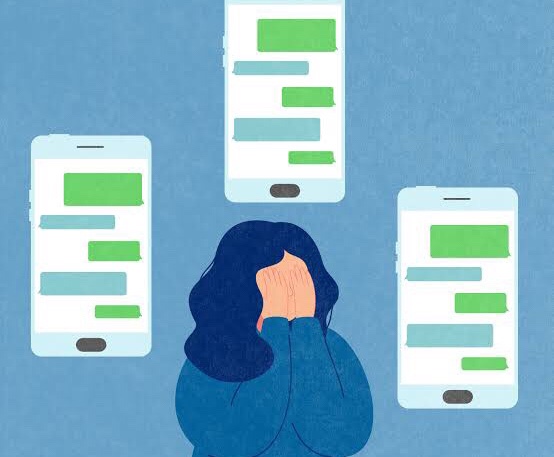
  2. Document: Keep a record of what is happening and where it is happening. Take screenshots of harmful posts, it will help to document the bullying and may even serve as proof later on.
  3. Report: Many institutions have a strict policy on bullying and will take strict action on reporting the culprit to them. Social media platforms also have policies on cyber-bullying and reporting the offensive content to them may get it removed even.
  4. Support: At a sensitive time like this, the child needs the emotional support of his friends and family. Try to reach both, the bully and the target and express your concern. Sometimes a public intervention by a trusted adult can be helpful, shifting the focus from the negative or hurtful posts to the more positive aspects of the target. If the case worsens, try to seek professional help from a guidance counselor or mental health professional.

Image COurtesy: GOOGLE

All you need to know about Cyberbullying ( and how to prevent it)

Cyberbullying, also known as cyberharassment, which happens using electronic means. It is also known as online bullying. It has become increasingly prevalent nowadays, especially among adolescents, as technology had advanced and the digital sphere has broadened. Cyber bullying occur on platforms like social media, chat rooms, and gaming sites where people can see and participate in sharing of content.

Cyber bullying is said to be happen, when someone bullies or harasses others on the internet and other digital spaces, usually on social media sites.

Cyber bullying behaviour involves posting threats, rumors, hateful comments on online platforms/apps, or via SMS or messaging in order to cause humiliation to other users. It includes posting, sending or sharing negative, Unpleasant or false information about an individual for causing humiliation and character assassination. It also involves posting threats, a victim’s personal information, hate speech or sexual remarks to someone on the internet.

Types of Cyber Bullying

An awareness of the different types of Cyberbullying is important. This helps parents and young adults to report cyber bullying and adopt various measures for the same. Following are some of the common types of cyber harassment:

• Trolling has become increasingly prevalent in these days and is the most common form of bullying that happens in an online community. This is done to evoke a reaction or disruption, or sometimes, even for personal amusement.

Cyberstalking is another type of bullying or harassment which involves electronic communications to stalk a victim; this may tend to be threatening to the victim.

• posting an embarrassing or unpleasant photo/video.

• faking identity online

• issuing online threats to hurt or provoke someone.

• posting hate comments or content triggering religious, racial, ethnic or political malice.

• Also Doxing, it is a practice common on the internet where personal information about an individual is reasearched and published. One finds out information from the person’s social media and other online platforms. It is then used for online defamation, harassment or other forms of cyber bullying.

Cyber Bullying in India 

Cyber bullying in India had increased prominently since availability of affordable data services and social media presence has increased. According to a research by Symantec, almost 8 out of 10 individuals are exposed to different types of internet bullying in India. Most of the victims are generally women and teenagers.

The same study categorises India as the country facing the highest cyber bullying in the Asia Pacific region, more than Australia and Japan.

Special Concerns

with the widespread presence of digital forums, social media websites, posts, comments, content shared by individual can be seen by strangers as well as acquaintances. Whatever content the individual shares online, be it personal or public, creates a kind of public record of their activities, views and behaviour. this can basically represents their personality, which may be accessible to schools, employers, college, clubs, and other institutions who may be researching an individual now or in the future. Cyberbullying can tamper the reputation of everyone involved, not just the the person being bullied but also those who are participating in the bullying. 

What can you do?

Ask for help: if you are experiencing any distress related to online bullying, reach out to someone for help. It maybe your friend, relative, colleague or someone you trust.

Use the technology to cut off the Bully: almost every social media site allows you to report or block someone. They also enable you to report inappropriate content or behaviour. 

Protect your Accounts: passwords are your private information. never share your passwords with anyone no matter who the person might be. Password protect your phone so that no one can use it for impersonation. 

Report Cyber Bullying: The Ministry of Women and Child Development launched a helpline to report cyber bullying/harassment, cyber defamation, especially for women and children as they are subject to cyberbullying the most. most institutions also have special faculty of development whom you may report to, about the bullying.

Helpline – complaint-mwcd@gov.in