Nurturing Creativity and Curiosity in Young Minds

In a rapidly changing world, creativity and curiosity are crucial skills for young minds. These traits not only enhance learning but also equip children with the tools they need to thrive in an unpredictable future. By fostering an environment that nurtures these qualities, we can help unlock each child’s potential and prepare them for lifelong success.
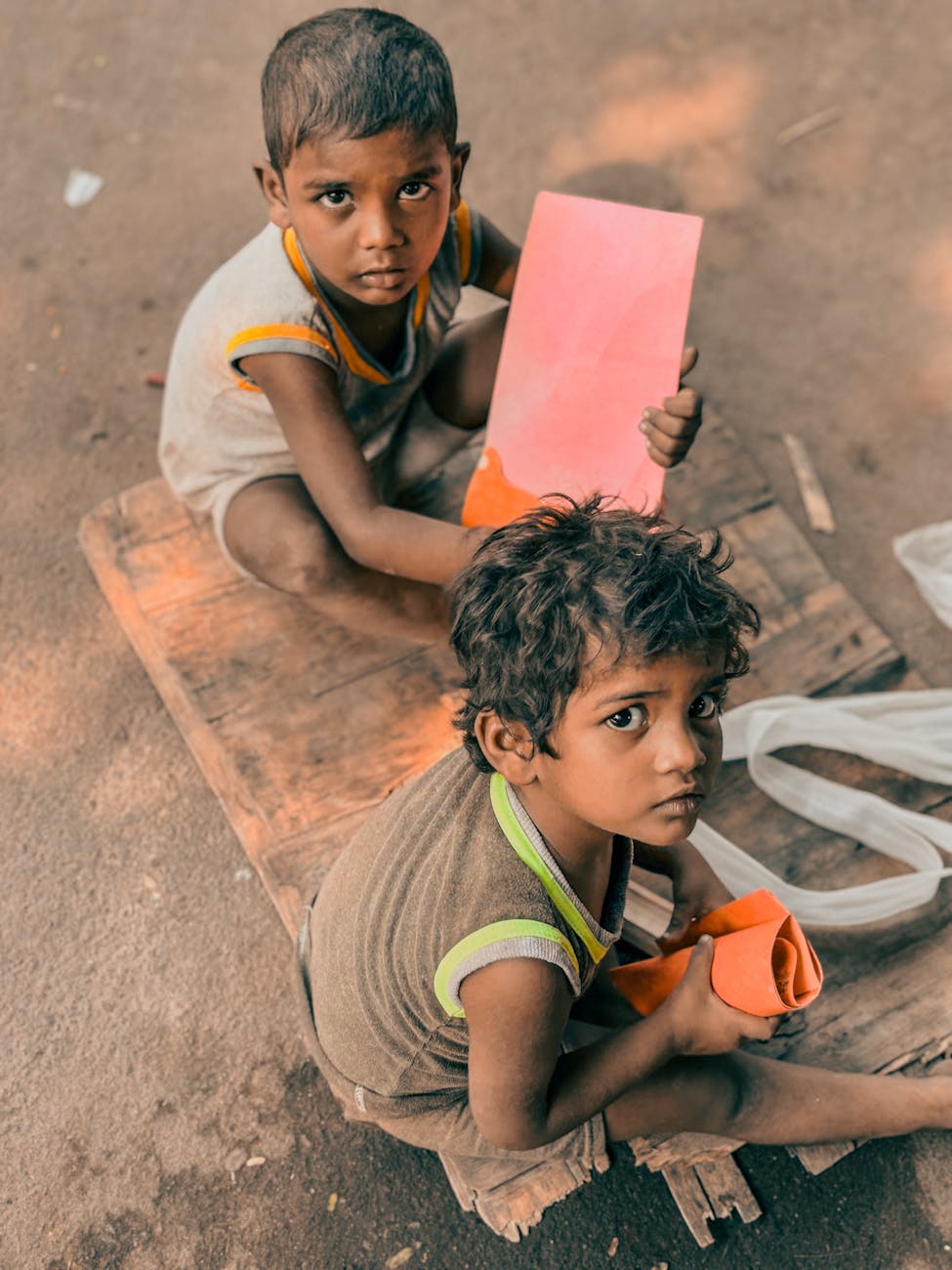
Photo by Wevlog VIjay on Pexels.com

The Importance of Creativity in Childhood

Creativity is more than just artistic expression. It encompasses problem-solving, critical thinking, and the ability to see things from different perspectives. Encouraging creativity in children helps them adapt to new situations and challenges, enhancing their ability to innovate and think independently.

Curiosity as a Catalyst for Learning

Curiosity is the driving force behind exploration and discovery. When children are curious, they are motivated to learn and seek answers. This intrinsic motivation leads to deeper understanding and retention of knowledge, making curiosity a vital component of effective learning.

Creating a Stimulating Environment

To nurture creativity and curiosity, it’s essential to create an environment rich with opportunities for exploration. This includes providing diverse materials and experiences that spark interest and encourage experimentation. A variety of art supplies, building blocks, and open-ended play items can inspire imaginative play and critical thinking.

Encouraging Open-Ended Questions

One of the most effective ways to nurture curiosity is by asking open-ended questions. These types of questions prompt children to think deeply and express their ideas, fostering a sense of wonder and exploration. Instead of asking yes-or-no questions, encourage children to explain their reasoning and expand on their thoughts.

The Role of Play in Creative Development

Play is a powerful tool for nurturing creativity and curiosity. Through play, children learn to experiment, take risks, and solve problems. Whether it’s building a fort or pretending to be a superhero, play allows children to explore their environment and discover new ideas in a fun and engaging way.

Incorporating Art and Music

Art and music are integral to fostering creativity in young minds. These mediums allow children to express themselves freely and explore different emotions and ideas. Encouraging children to draw, paint, or play an instrument can enhance their creative thinking and provide a valuable outlet for self-expression.

Encouraging Outdoor Exploration

Nature is a rich source of inspiration and discovery for young minds. Time spent outdoors helps children develop their senses and observe the world around them. Encourage activities like nature walks, gardening, and outdoor games to spark curiosity and connect children with the natural environment.

Storytelling and Imagination

Storytelling is a powerful tool for nurturing creativity and curiosity. When children hear stories, they create vivid images in their minds and explore different scenarios. Encourage children to tell their own stories, helping them develop their imagination and communication skills.

Supporting Risk-Taking and Failure

A key aspect of nurturing creativity is allowing children to take risks and learn from their mistakes. By creating a safe environment where failure is viewed as a learning opportunity, children become more willing to experiment and try new things. This mindset fosters resilience and encourages innovation.

Fostering a Growth Mindset

Teaching children to adopt a growth mindset is crucial for nurturing creativity and curiosity. When children believe that their abilities can improve with effort and persistence, they are more likely to pursue challenges and learn from setbacks. Encourage children to view obstacles as opportunities for growth and exploration.

Encouraging Collaboration and Teamwork

Working with others can enhance creative thinking and problem-solving skills. Encourage children to collaborate on projects and activities, promoting teamwork and communication. This collaborative approach helps children learn from different perspectives and develop a sense of shared accomplishment.

Conclusion

Nurturing creativity and curiosity in young minds is essential for their development and future success. By providing a supportive and stimulating environment, encouraging exploration and play, and fostering a growth mindset, we can help children reach their full potential. Whether it’s through art, storytelling, or outdoor activities, every experience contributes to a child’s learning journey. For parents in the daycare in West Jordan, these practices can be particularly beneficial, providing a foundation for creativity and curiosity that will last a lifetime.
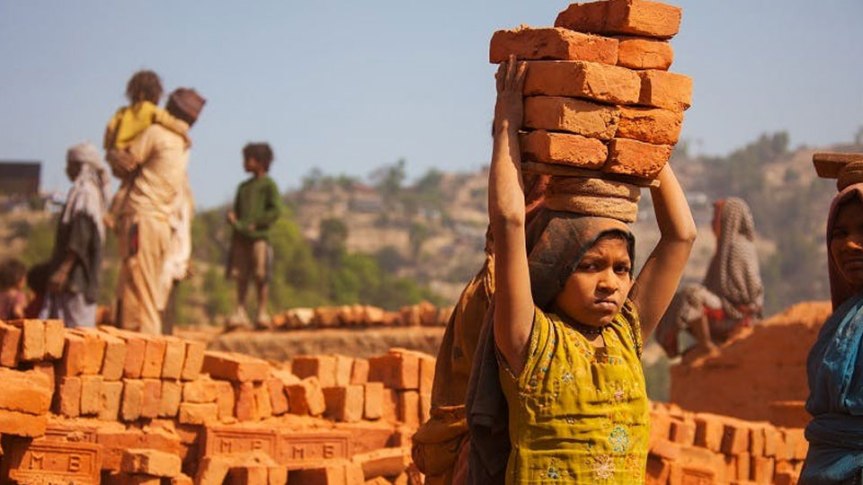
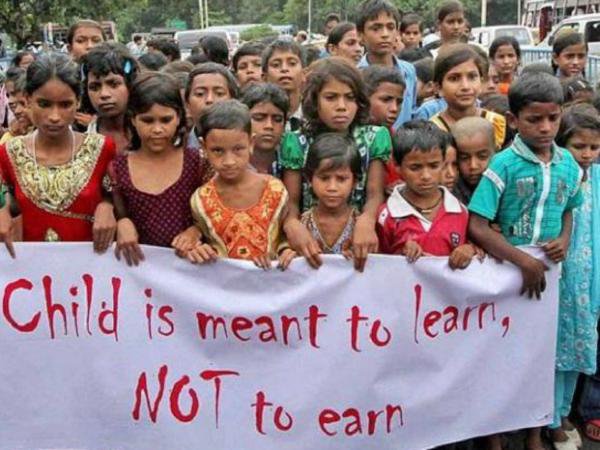
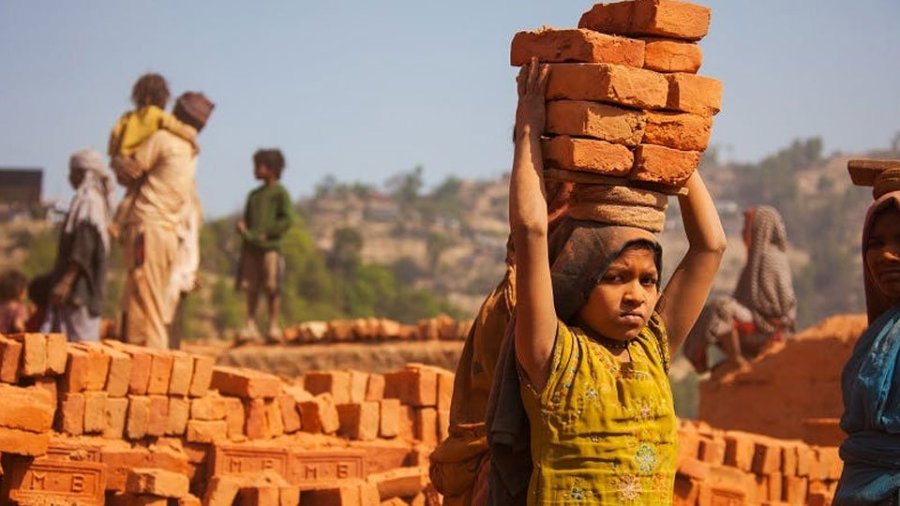
Child Labour in India.

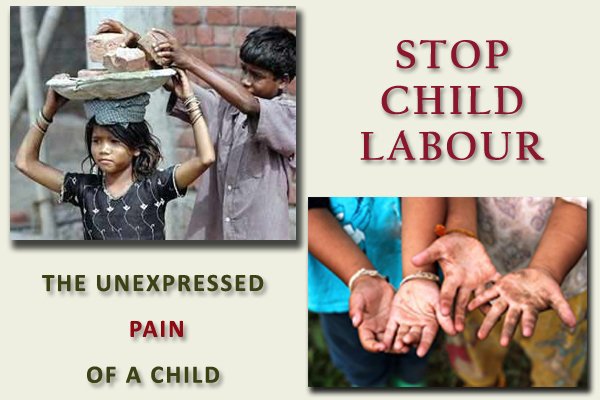
Child labor is the deprivation of children’s childhood, affecting their ability to attend regular school and exploiting them through all forms of work that are mentally, physically, socially and morally harmful.

After gaining independence from colonial rule, India enacted many constitutional protections and child labor laws. The Constitution of India in the principles of basic rights and public policy prohibits child labor under the age of 14 in factories, mines, castles or other dangerous occupations (Article 24). The Constitution also stipulated that by 1960 India would provide all children aged 6 to 14 with the infrastructure and resources for compulsory free of charge education . (Articles 21-A and 45).
In 2011, the Indian Census found that of the 259.64 million children in this age group, the total number of child laborers [ages 5-14] was 10.1 million. The problem of child labor is not unique to India. Approximately 217 million children work worldwide, many of whom work full-time.

In India child labour is defined as the involvement of children under the age of 17 in economically productive activities, with or without compensation and wages . Such participation can be physical, mental, or both. This work includes part-time or unpaid work on farms, family businesses, or other economic activities such as cultivation or milk production for sale or personal consumption. The Government of India divides child labor into two groups. The main workers are those who work more than 6 months a year. And marginal child laborers are workers who work all year round, but less than six months a year. In 1979, the Government of India established the Gurupadswamy Commission to learn about child labor and how to fight it. The Child Labor Probation and Regulation Act was enacted in 1986 on the recommendation of the Commission. A national child labor policy was developed in 1987 focusing on the rehabilitation of children working in dangerous professions. Since 1988, the Ministry of Labor and Employment has established approximately 100 industry-specific national child labor projects to rehabilitate child laborers.

The Government of India has enacted numerous laws, organizations and institutions to combat the issue of child labor. Some initiatives include child labor bans and regulations, laws prohibiting the employment of children in certain occupation and regulating the working conditions of children. The National Child Labor Policy attempts to take a sequential approach with a primary focus on the rehabilitation of children working in dangerous professions and processes of works. The Ministry of Labor and Employment is responsible for providing and supervising a range of child labor policies in India. In addition, as Osment reported, NGOs such as Care India, Child Rights and You, and Global March Against Child Labor were implemented to tackle child labor through access to education and resources. However, these efforts were of little success.

Non-governmental organisations:
Bachpan Bachao Andolan, Child Rights and You, ChildFund, CARE India, GoodWeave India,Talaash Association, Global March for Child Labor, and many other NGOs are campaigning to eliminate child labor in India. increase.

How to manage separation anxiety in children.

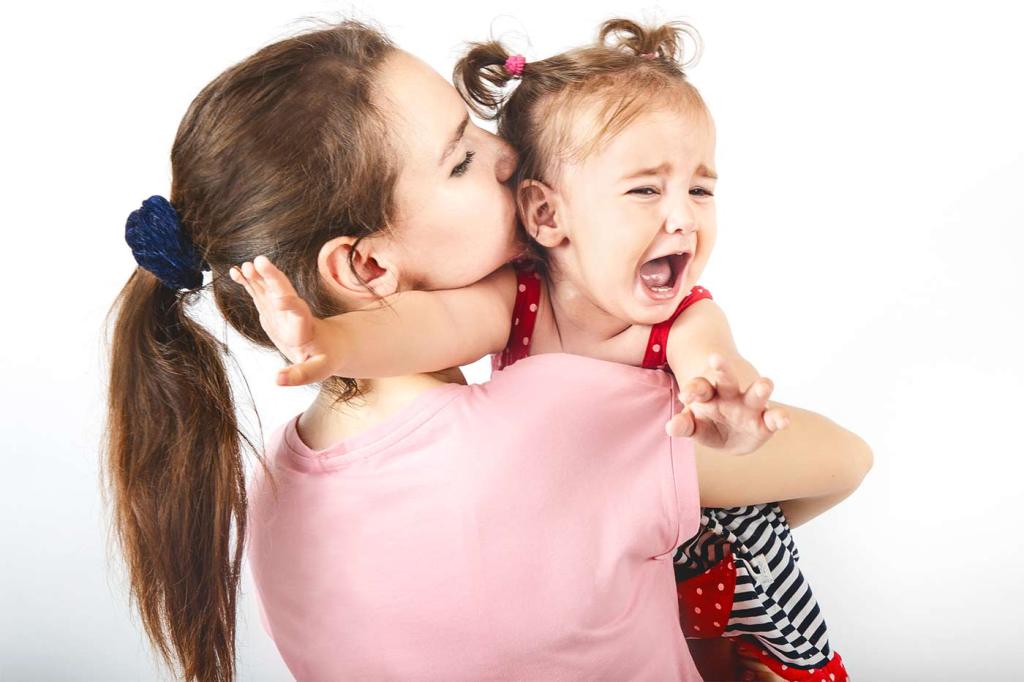
As a parent, it’s sometimes hard to be away from your kids. But it’s an indescribable, heartwarming feeling when you return – their smiles, the running to you with open arms, their tiny arms squeezing your neck. Whether you’ve been gone ten minutes or two days, that moment, this sweet reward, is everything.But what if reunions aren’t possible because the goodbyes are too much for your child to bear? If goodbyes are full of tears and fits, your little one might have separation anxiety.

Separation anxiety is a normal part of development that occurs when toddlers begin to grow more aware and develop stronger relationships with their caregivers. This awareness can make them more apprehensive and possibly feel unsafe without their parent or caregiver.Whether it’s dropping your child off at day-care or leaving your child at home as you head out to work, farewells can be difficult. Your child may understand that mommy and daddy didn’t vanish, but they might not know for how long. All they know is that they feel safest when you’re around.

When does it begin?

Separation anxiety typically develops before age 1 and peters out around age 3, but it can be experienced by older children and young adults as well—particularly during major life changes like transitioning to high school or leaving for college. Certain life stressors can trigger feelings of anxiety about being separated, such as divorce, loss of a pet, new caregiver, a new sibling, a new school or moving to a new place.

Separation anxiety can be normal and temporary. Although it can be difficult for your child, and for you as their parent, remember this indicates a strong attachment between you and your child.However, if you notice your child’s anxiety starts affecting their daily life and academics, talk to their doctor. Things like stomach aches, vomiting, headaches, constant worry about losing you or a loved one to a disease or illness or a reluctance to sleep away from you may be a sign of a more serious emotional problem called separation anxiety disorder (SAD. The main difference between the two is that with SAD their fears keep them from normal activities. Adult separation anxiety can have an onset in childhood or adulthood. Similar to other anxiety disorders, adult separation anxiety can affect your quality of life, but the condition can be managed with treatment. Talk to a medical professional if you suspect you or someone you love is living with this disorder.

Common causes of separation anxiety disorder

Separation anxiety disorder occurs because a child feels unsafe in some way. Take a look at anything that may have thrown your child’s world off balance, made them feel threatened, or upset their normal routine. If you can pinpoint the root cause—or causes—you’ll be one step closer to helping your child through their struggles.Common causes of separation anxiety disorder in children include:

  • Change in environment. Changes in surroundings, such as a new house, school, or day care situation, can trigger separation anxiety disorder.
  • Stress. Stressful situations like switching schools, divorce, or the loss of a loved one—including a pet—can trigger separation anxiety problems.
  • Insecure attachment. The attachment bond is the emotional connection formed between an infant and their primary caretaker. While a secure attachment bond ensures that your child will feel secure, understood and calm enough for optimal development, an insecure attachment bond can contribute to childhood problems such as separation anxiety.

Tips to reduce separation anxiety

Separation anxiety may come and go, but there’s plenty you can do to help ease your child’s symptoms. These tips can help them through this difficult period.

  • Talk to your child in a calm, positive tone. Let your child know what will happen while you are gone, who they will be with and all the fun things they get to do. Even if you feel your child is too young to understand, your positive tone and attitude will send a reassuring message. It may even be helpful to find and read picture books that talk about separation and that goodbyes aren’t forever.
  • Practice separating. Practice leaving your child at home with a caregiver for a short period of time. As time goes on, you can extend the time you are away before returning home.
  • Ease the separation. Leave your child with their favorite stuffed animal or toy.
  • Prepare an activity. Engage your child in a fun activity when the caregiver arrives or ask the daycare teacher to have an activity ready as soon as you drop your child off.
  • Make your goodbye short. Whenever you leave your child or drop them off, keep the goodbye brief. If you act anxious or keep returning for just one more hug or kiss, you may unnecessarily worry your child
  • Follow through on your promise. It’s important that you return when you promised to return as this helps your child build confidence and trust.
  • Aim for consistency. Kids like consistency, so try to schedule the same caregiver whenever possible, so your child feels more comfortable when you leave. Develop a brief, consistent routine for when you leave to create a familiar transition from being with you to being without you.
  • Attention: When separating, give your child full attention, be loving, and provide affection. Then say good-bye quickly despite their antics or cries for you to stay.

Additional tips for older children

Although separation anxiety tends to lower during adolescence, teens can experience it too. it is necessary to make sure an older child still feels safe and emotionally well to start being independent or it can resurface in untimely situations. . Here are some additional tips to help your adolescent child:

  • Acknowledge their fears. Let them know you’re there for them and that uneasy feelings are natural parts of adolescence.
  • Praise them for doing something they are anxious about.
  • Gently encourage, don’t force, them to do things that make them anxious.
  • Wait until your child is anxious before stepping in to help.
  • Remind your child of times when they were initially afraid but still managed to do something.

How to manage separation anxiety in children.

As a parent, it’s sometimes hard to be away from your kids. But it’s an indescribable, heartwarming feeling when you return – their smiles, the running to you with open arms, their tiny arms squeezing your neck. Whether you’ve been gone ten minutes or two days, that moment, this sweet reward, is everything.But what if reunions aren’t possible because the goodbyes are too much for your child to bear? If goodbyes are full of tears and fits, your little one might have separation anxiety.

Separation anxiety is a normal part of development that occurs when toddlers begin to grow more aware and develop stronger relationships with their caregivers. This awareness can make them more apprehensive and possibly feel unsafe without their parent or caregiver.Whether it’s dropping your child off at day-care or leaving your child at home as you head out to work, farewells can be difficult. Your child may understand that mommy and daddy didn’t vanish, but they might not know for how long. All they know is that they feel safest when you’re around.

When does it begin?

Separation anxiety typically develops before age 1 and peters out around age 3, but it can be experienced by older children and young adults as well—particularly during major life changes like transitioning to high school or leaving for college. Certain life stressors can trigger feelings of anxiety about being separated, such as divorce, loss of a pet, new caregiver, a new sibling, a new school or moving to a new place.

Separation anxiety can be normal and temporary. Although it can be difficult for your child, and for you as their parent, remember this indicates a strong attachment between you and your child.However, if you notice your child’s anxiety starts affecting their daily life and academics, talk to their doctor. Things like stomach aches, vomiting, headaches, constant worry about losing you or a loved one to a disease or illness or a reluctance to sleep away from you may be a sign of a more serious emotional problem called separation anxiety disorder (SAD. The main difference between the two is that with SAD their fears keep them from normal activities. Adult separation anxiety can have an onset in childhood or adulthood. Similar to other anxiety disorders, adult separation anxiety can affect your quality of life, but the condition can be managed with treatment. Talk to a medical professional if you suspect you or someone you love is living with this disorder.

Common causes of separation anxiety disorder

Separation anxiety disorder occurs because a child feels unsafe in some way. Take a look at anything that may have thrown your child’s world off balance, made them feel threatened, or upset their normal routine. If you can pinpoint the root cause—or causes—you’ll be one step closer to helping your child through their struggles.Common causes of separation anxiety disorder in children include:

  • Change in environment. Changes in surroundings, such as a new house, school, or day care situation, can trigger separation anxiety disorder.
  • Stress. Stressful situations like switching schools, divorce, or the loss of a loved one—including a pet—can trigger separation anxiety problems.
  • Insecure attachment. The attachment bond is the emotional connection formed between an infant and their primary caretaker. While a secure attachment bond ensures that your child will feel secure, understood and calm enough for optimal development, an insecure attachment bond can contribute to childhood problems such as separation anxiety.

Tips to reduce separation anxiety

Separation anxiety may come and go, but there’s plenty you can do to help ease your child’s symptoms. These tips can help them through this difficult period.

  • Talk to your child in a calm, positive tone. Let your child know what will happen while you are gone, who they will be with and all the fun things they get to do. Even if you feel your child is too young to understand, your positive tone and attitude will send a reassuring message. It may even be helpful to find and read picture books that talk about separation and that goodbyes aren’t forever.
  • Practice separating. Practice leaving your child at home with a caregiver for a short period of time. As time goes on, you can extend the time you are away before returning home.
  • Ease the separation. Leave your child with their favorite stuffed animal or toy.
  • Prepare an activity. Engage your child in a fun activity when the caregiver arrives or ask the daycare teacher to have an activity ready as soon as you drop your child off.
  • Make your goodbye short. Whenever you leave your child or drop them off, keep the goodbye brief. If you act anxious or keep returning for just one more hug or kiss, you may unnecessarily worry your child
  • Follow through on your promise. It’s important that you return when you promised to return as this helps your child build confidence and trust.
  • Aim for consistency. Kids like consistency, so try to schedule the same caregiver whenever possible, so your child feels more comfortable when you leave. Develop a brief, consistent routine for when you leave to create a familiar transition from being with you to being without you.
  • Attention: When separating, give your child full attention, be loving, and provide affection. Then say good-bye quickly despite their antics or cries for you to stay.

Additional tips for older children

Although separation anxiety tends to lower during adolescence, teens can experience it too. it is necessary to make sure an older child still feels safe and emotionally well to start being independent or it can resurface in untimely situations. . Here are some additional tips to help your adolescent child:

  • Acknowledge their fears. Let them know you’re there for them and that uneasy feelings are natural parts of adolescence.
  • Praise them for doing something they are anxious about.
  • Gently encourage, don’t force, them to do things that make them anxious.
  • Wait until your child is anxious before stepping in to help.
  • Remind your child of times when they were initially afraid but still managed to do something.

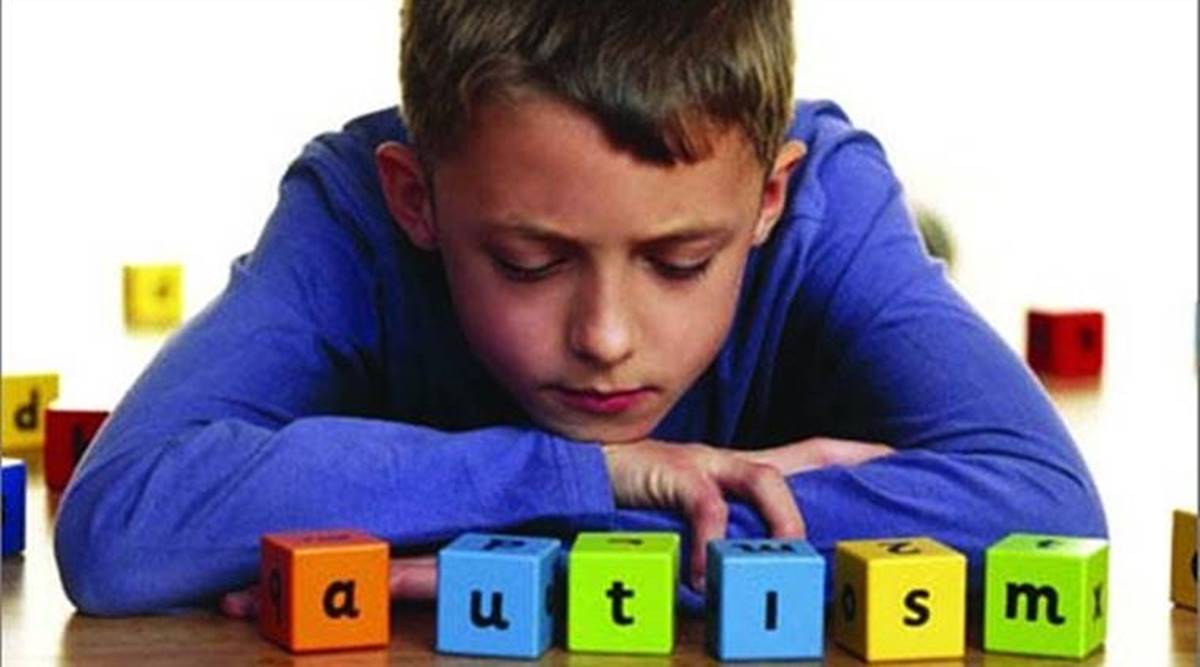
Explaining Autism

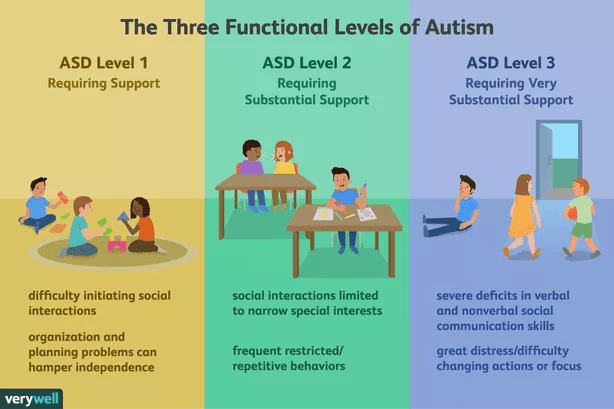
There are many people around us of different age groups that are either diagnosed or have underlying symptoms of autism. Autism is a neurodevelopmental disorder characterized by challenges with social communication, and by restricted and repetitive behaviours. is now considered part of the wider autism spectrum. People with autism have trouble with communication. They have trouble understanding what other people think and feel. This makes it hard for them to express themselves, either with words or through gestures, facial expressions, and touch. People with autism might have problems with learning. Their skills might develop unevenly. For example, they could have trouble communicating but be unusually good at art, music, math, or memory. Because of this, they might do especially well on tests of analysis or problem-solving. More children are diagnosed with autism now than ever before. But the latest numbers could be higher because of changes in how it’s diagnosed, not because more children have a disorder.

Autism is known to affect every one in every 60 individuals and boys are said to have more risk of developing it than girls. It can be hard to get a definite diagnosis of autism. Your doctor will focus on behaviour and development.

A developmental screening will tell the doctor whether a child is on track with basic skills like learning, speaking, behavior, and moving. If a child shows signs of a problem on these screenings, they’ll need a more complete evaluation. This might include hearing and vision tests or genetic tests. Your doctor might want to bring in someone who specializes in autism disorders, like a developmental paediatrician or a child psychologist. Some psychologists can also give a test called the Autism Diagnostic Observation Schedule (ADOS).parents can also find some symptoms and unusual behaviour

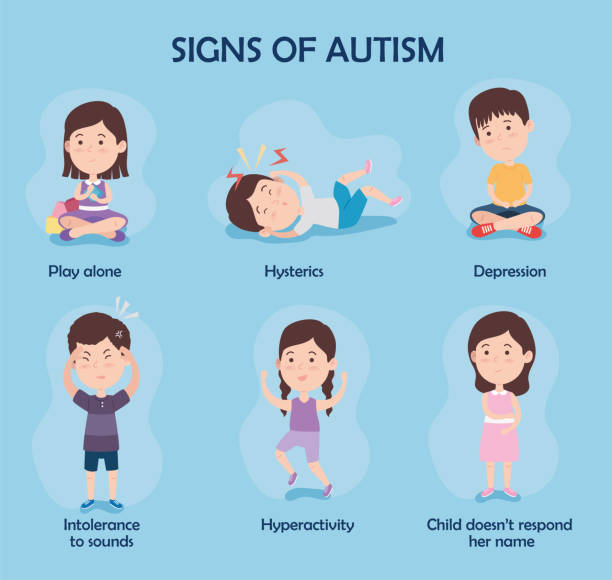
Common symptoms of autism include:

  • A lack of eye contact
  • A narrow range of interests or intense interest in certain topics
  • Doing something over and over, like repeating words or phrases, rocking back and forth, or flipping a lever
  • High sensitivity to sounds, touches, smells, or sights that seem ordinary to other people
  • Not looking at or listening to other people
  • Not looking at things when another person points at them
  • Not wanting to be held or cuddled
  • Problems understanding or using speech, gestures, facial expressions, or tone of voice
  • Talking in a sing-song, flat, or robotic voice
  • Trouble adapting to changes in routine

What Are the Types of Autism Spectrum Disorders?

These types were once thought to be separate conditions. Now, they fall under the range of autism spectrum disorders including:

Asperger’s syndrome. These children don’t have a problem with language; in fact, they tend to score in the average or above-average range on intelligence tests. But they have social problems and a narrow scope of interests.

Autistic disorder. This is what most people think of when they hear the word “autism.” It refers to problems with social interactions, communication, and play in children younger than 3 years.

Childhood disintegrative disorder. These children have typical development for at least 2 years and then lose some or most of their communication and social skills.

Pervasive developmental disorder (PDD or atypical autism). Your doctor might use this term if your child has some autistic behavior, like delays in social and communications skills, but doesn’t fit into another category.

What Causes Autism?

Exactly why autism happens isn’t clear. It could stem from problems in parts of your brain that interpret sensory input and process language.. It can happen in people of any race, ethnicity, or social background. Family income, lifestyle, or educational level doesn’t affect a child’s risk of autism. Autism runs in families, so certain combinations of genes may increase a child’s risk. A child with an older parent has a higher risk of autism. Pregnant women who are exposed to certain drugs or chemicals, like alcohol or anti-seizure medications, are more likely to have autistic children. Other risk factors include maternal metabolic conditions such as diabetes and obesity. Research has also linked autism to untreated phenylketonuria (also called PKU, a metabolic disorder caused by the absence of an enzyme) and rubella (German measles).There is no evidence that vaccinations cause autism.

How Is Autism Treated?

There’s no cure for autism. But early treatment can make a big difference in development for a child with autism. If you think your child shows symptoms of ASD, tell your doctor as soon as possible.What works for one person might not work for another. Your doctor should tailor treatment for you or your child. The two main types of treatments are:

Behavioral and communication therapy to help with structure and organization. Applied behavior analysis (ABA) is one of these treatments; it promotes positive behavior and discourages negative behavior. Occupational therapy can help with life skills like dressing, eating, and relating to people. Sensory integration therapy might help someone who has problems with being touched or with sights or sounds. Speech therapy improves communication skills.

Medications to help with symptoms of ASD, like attention problems, hyperactivity, or anxiety.

Complementary treatments may help boost learning and communication skills in some people with autism. Complementary therapies include music, art, or animal therapy, like horseback riding and even swimming with dolphins.

It is high time that people start to embrace autism and not ostracize such individuals but give more support and kindness. Young children must be taught about it and it’s not a topic to shy away from but accept and cherish that its ok to be different because that way you are special.

Explaining Autism

There are many people around us of different age groups that are either diagnosed or have underlying symptoms of autism. Autism is a neurodevelopmental disorder characterized by challenges with social communication, and by restricted and repetitive behaviours. is now considered part of the wider autism spectrum. People with autism have trouble with communication. They have trouble understanding what other people think and feel. This makes it hard for them to express themselves, either with words or through gestures, facial expressions, and touch. People with autism might have problems with learning. Their skills might develop unevenly. For example, they could have trouble communicating but be unusually good at art, music, math, or memory. Because of this, they might do especially well on tests of analysis or problem-solving. More children are diagnosed with autism now than ever before. But the latest numbers could be higher because of changes in how it’s diagnosed, not because more children have a disorder.

Autism is known to affect every one in every 60 individuals and boys are said to have more risk of developing it than girls. It can be hard to get a definite diagnosis of autism. Your doctor will focus on behaviour and development.

A developmental screening will tell the doctor whether a child is on track with basic skills like learning, speaking, behavior, and moving. If a child shows signs of a problem on these screenings, they’ll need a more complete evaluation. This might include hearing and vision tests or genetic tests. Your doctor might want to bring in someone who specializes in autism disorders, like a developmental paediatrician or a child psychologist. Some psychologists can also give a test called the Autism Diagnostic Observation Schedule (ADOS).parents can also find some symptoms and unusual behaviour

Common symptoms of autism include:

  • A lack of eye contact
  • A narrow range of interests or intense interest in certain topics
  • Doing something over and over, like repeating words or phrases, rocking back and forth, or flipping a lever
  • High sensitivity to sounds, touches, smells, or sights that seem ordinary to other people
  • Not looking at or listening to other people
  • Not looking at things when another person points at them
  • Not wanting to be held or cuddled
  • Problems understanding or using speech, gestures, facial expressions, or tone of voice
  • Talking in a sing-song, flat, or robotic voice
  • Trouble adapting to changes in routine

What Are the Types of Autism Spectrum Disorders?

These types were once thought to be separate conditions. Now, they fall under the range of autism spectrum disorders including:

Asperger’s syndrome. These children don’t have a problem with language; in fact, they tend to score in the average or above-average range on intelligence tests. But they have social problems and a narrow scope of interests.

Autistic disorder. This is what most people think of when they hear the word “autism.” It refers to problems with social interactions, communication, and play in children younger than 3 years.

Childhood disintegrative disorder. These children have typical development for at least 2 years and then lose some or most of their communication and social skills.

Pervasive developmental disorder (PDD or atypical autism). Your doctor might use this term if your child has some autistic behavior, like delays in social and communications skills, but doesn’t fit into another category.

What Causes Autism?

Exactly why autism happens isn’t clear. It could stem from problems in parts of your brain that interpret sensory input and process language.. It can happen in people of any race, ethnicity, or social background. Family income, lifestyle, or educational level doesn’t affect a child’s risk of autism. Autism runs in families, so certain combinations of genes may increase a child’s risk. A child with an older parent has a higher risk of autism. Pregnant women who are exposed to certain drugs or chemicals, like alcohol or anti-seizure medications, are more likely to have autistic children. Other risk factors include maternal metabolic conditions such as diabetes and obesity. Research has also linked autism to untreated phenylketonuria (also called PKU, a metabolic disorder caused by the absence of an enzyme) and rubella (German measles).There is no evidence that vaccinations cause autism.

How Is Autism Treated?

There’s no cure for autism. But early treatment can make a big difference in development for a child with autism. If you think your child shows symptoms of ASD, tell your doctor as soon as possible.What works for one person might not work for another. Your doctor should tailor treatment for you or your child. The two main types of treatments are:

Behavioral and communication therapy to help with structure and organization. Applied behavior analysis (ABA) is one of these treatments; it promotes positive behavior and discourages negative behavior. Occupational therapy can help with life skills like dressing, eating, and relating to people. Sensory integration therapy might help someone who has problems with being touched or with sights or sounds. Speech therapy improves communication skills.

Medications to help with symptoms of ASD, like attention problems, hyperactivity, or anxiety.

Complementary treatments may help boost learning and communication skills in some people with autism. Complementary therapies include music, art, or animal therapy, like horseback riding and even swimming with dolphins.

It is high time that people start to embrace autism and not ostracize such individuals but give more support and kindness. Young children must be taught about it and it’s not a topic to shy away from but accept and cherish that its ok to be different because that way you are special.

Covid impact on Children

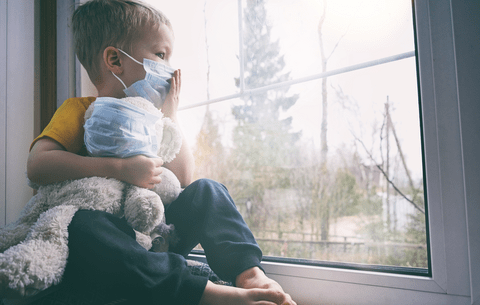
‘The new normal’ a phrase you have offen listened to, and had became used to nowadays. Everything has changed the way we live, the way we interact, the way we meet, the way we chill. Our whole world has shrinking to just our electronic gadgets and our house. Even though everything is opening slowly but still, it is not the same as it was before covid.

Effect on children

One of the worst effected during this ‘new normal’ times are the children. They are not able to go out and play, not able to interact with their friends and teachers, not able to enjoy outdoor meals.As they used to before covid.

Now, their eyes are getting strained due to online class, they are becoming insocial, have become a night own. They have actually lost their whole routine. They have lost their speaking skills, have became addictive to social media. They have ultimately started losing the main essence of their childhood.

This is a really important issue, it should be treated with at most seriousness, as they number of children facing mental problems has increased drastically since, the out break of the covid.

It is the responsibility of the parents and teachers to observe their child’s behavior, if the are behavior has become rude or they are getting irritated or frustrated on small things or has stopped or reduced their interaction with you. Then it is certainly a matter of concern.

Ultimately this article is not to scare you, but to bring out the genuine problems of the children in this difficult time.

Disrupt, Divide, and Develop – The Effects of Covid-19 on Education

The pervasive nature of the Covid-19 pandemic has created one of the largest disruptions of education in human history, countervailing all efforts to provide education for all children. It caused unprecedented changes and continues to change numerous aspects of education that we took for granted. In March 2020, schools around India began closing to avoid the spread of Covid-19. These sudden closures led to confusion and uncertainty amongst students, especially those who were appearing for their board exams. For other students, these abrupt closures brought about a perplexing break from school. These ostensibly temporary closures were made permanent once the nationwide lockdown was effectuated and students were separated from their schools.

According to data by UNICEF and UNESCO, more than 1 billion children were at risk of falling behind due to school closures during the pandemic. Schools for more than 168 million children globally have been completely closed for almost an entire year. Around 214 million children globally, which is equivalent to 1 in 7 children, have missed more than three-quarters of their in-person learning. Furthermore, more than 888 million children worldwide continue to face disruptions to their education due to full and partial school closures. 

In India, the closure of 1.5 million schools in 2020 impacted 247 million children enrolled in elementary and secondary schools. In early March 2021, only eight States and Union Territories had reopened classes 1 to 12; 11 had reopened classes 6-12 and 15 had reopened classes 9-12. However, the ongoing second wave has caused the complete closure of schools yet again, as well as either the cancellation or postponement of board exams, competitive exams, and entrance exams. 

We began a new academic year like never before – from our homes. To continue the process of education, schools were compelled to adapt, adopt, and evolve. The biggest change has been the abandonment of traditional notions of schooling and the shift to online learning and teaching. Teachers have had to adapt to teaching online, a complete shift for those who’ve had many years of traditional classroom teaching experience. The fun and exciting trip to school has been diminished to clicking a link to join our classes. Interactive classes have become eerily similar to videos on our laptop or phone screen with a tincture of interaction arising when teachers ask us whether we’re present. The extreme sport of completing notes just before the teacher calls out our names has become the tedious process of scanning our notes and sending them as a pdf. Eating with our friends in the school canteen has been replaced with us eating alone during classes. Our classmates have become little rectangles on our screens. Outdoor sports have disappeared from the list of extracurriculars that we did in school. The end of school or college life is marked by video calls instead of grand graduation ceremonies. A lot has changed. 

These changes have led to some pernicious problems. The blurring of lines between school and home has led to students feeling overworked. This holds true for teachers too as they answer questions, clear doubts, and create lesson plans at all hours of the day. Students often have to study and sleep in the same rooms now. According to scientific studies, this often leads to a decrease in productivity and concentration. Students, especially younger ones, are easily distracted during online classes, despite attempts to marshal concentration and focus, as a classroom atmosphere is non-existent. Teachers are unable to pick up cues such as body language and facial expressions, making it challenging to connect with and understand their students. Problems such as eye strain and headaches are more common now due to the drastic and unavoidable increase in screen time for students. Online classes are often disrupted by copious internet problems, power cuts, background noise, and vexing software problems. All forms of practical education have been eliminated. A lack of clarity on important events such as board exam and entrance exam dates has led to the upheaval of students’ plans that were formulated before the pandemic began, fueling a rise in students’ anxiety and uncertainty.  

Covid-19 has also been a catalyst to the widening of socio-economic gaps in society on numerous fronts. While the virus cossets no one, the fact that it has disproportionately affected students belonging to less affluent households, especially those in rural India, is indubitable. Undoubtedly, access to the internet and an appropriate device are the lifelines of online education. 

A UNICEF report from August 2020 highlighted that only 24% of Indian households have access to the internet. While television and radio were purported as an alternative, there is no substitute for an actual teacher. A more recent survey conducted by Learning Spiral in February 2021 revealed that more than 50% of Indian students in rural and urban areas don’t have access to the internet. Moreover, only 47% of the households that have access to the internet own a device that can access the internet. It also revealed that, while 27% of all Indian households have access to the internet, only 28% of those are in rural India, even though rural India comprises of nearly 71% of India’s households.

Families in rural India are plagued with other impediments to online education –  insufficient or no smartphones, having to borrow smartphones (and therefore may not get them at the time needed), not having enough money to buy an appropriate internet package, and patchy connectivity even if they have internet access. The severity of these problems is incalculable and more prevalent than in urban households.   

Assuming that the problems stop here would be specious. The closure of schools has obstructed the “Mid Day Meal Scheme”. India has about 120 million children enrolled in the scheme in over 1.26 million schools across the country. However, due to the disruptions caused by Covid-19, many States and Union Territories have been forced to stop this initiative, depriving children of their basic nutritional needs. This scheme also serves as a huge incentive for children to attend school. Therefore, its removal may negatively impact both their health and their education. Furthermore, incidents of domestic abuse and child labour have drastically increased as students can no longer be protected by going to school. 

The Covid-19 pandemic has been atrocious but there has been a silver lining. The pandemic has led to an “academic revolution” that, unfortunately worsened certain differences in our society, but has also alleviated certain differences. 

Even before Covid-19, there was high growth in and adoption of education technology. Projections have shown that the overall market for online education may be valued at $350 Billion by 2025. There has been a significant surge in the usage of language apps, virtual tutoring, video conferencing tools, online learning software, etc. This is not only providing alternative paths for education but it is also future-proofing education. Through programs such as Coursera and edX, students can attend classes that they normally wouldn’t have had access to. India is considered the largest marketplace for Massive Open Online Courses (MOOCs) after the USA.

In certain aspects, online learning has made school more inclusive and obviated numerous hindrances to education. The use of videos in class greatly benefits visual learners. The use of tools such as online polling and chats have improved the class participation of those who otherwise may have hesitated to speak up. Notes, videos, and other study material that are sent to students can be reviewed anytime so the pressure on students to complete their work “before the bell” has been reduced. Furthermore, differently-abled students who found it difficult to attend school in-person can now attend classes with their friends from their homes. 

As students are attending classes from their homes, commuting to school no longer blocks their schedules. This gives them more time for extracurriculars such as internships, online courses, and online competitions. It also allows them more time to do the things they enjoy such as singing, cooking, writing, and painting. Students are also honing their online collaborative skills and improving their digital literacy, this will immensely benefit them in the future as the entire world shifts online.    

Hopefully, the move to online learning creates a new, permanent, and more effective method of educating students. While this “new normal” has had certain benefits, we must remember the value of education for all and prudentially strive to shrink the divide caused by this unavoidable transition to online learning.     

THE FIGHT AGAINST CHILD TRAFFICKING

Child trafficking alludes to the abuse of girls and boys, essentially for labor work and sexual exploitation. Children account for 27% of all the illegal exploitation victims around the world, and two out of each three child victims are girls. Some of the time sold by a relative or an associate, in some cases baited by bogus guarantees of education and a “superior” life.

Child Trafficking in the European Union - Humanium

The reality is that they take advantage of children. They are held in slave-like conditions without sufficient food, haven or clothing, and are regularly seriously manhandled and cut off from all contact with their families. Every country on the planet is influenced by human trafficking, and subsequently, kids are compelled to exit school, hazard their lives and are denied of what each child deserves ,a better future.

We can stop this by supporting unprivileged children who are denied of legitimate education, health and shelter. It’s a child right to get legitimate education, heath and shelter fundamentally a superior living. We can do this by interfacing with NGOs which work in improvement of kids’ lives. We can donate cash, garments and different accomplices to them. Also strict action should be taken against those who are involved in this vicious crime. Children are future of a country if they are not safe then a country will never develop.

RESOURCES:

https://www.savethechildren.org/us/charity-stories/child-trafficking-awareness

Child Labour

Child labour is the worst form of child exploitation. There are more than 25 million child labourers in India. There is nothing more henious than this line. When it is time for children to play in the garden, they are forced to do banded labour. They have dreams to fulfill so it is need of the hour to stop this exploitation. They need play, education and nutrition. These must be provided to them but unfortunately they have to work in inhuman conditions. Childhood which is the most carefree period of a person’s life becomes a nightmare for them. they are mercilessly exploited at the hands of certain sections of the society.

Penury, in fact, is the root cause of all the troubles. It forces the poor parents to engage their children to work for them and earn something. The main culprits of the society are greedy contractors, the poor and uncaring parents and also the perceptors who do not teach. This gigantic wrong must stop and must be eliminated.

Law against child labour must be made strict and be enforced. Severe punishment should be given to those who indulged in or even encourage child labour. Though various steps have been taken by the government and many voluntree organisation are working to prevent the exploitation. Yet this social evil has not been eradicated completely. It is our foremost duty to look into this grave problem and take stringent actions in order to safeguard the rights of children.

The need of the hour for the government and NGOs is to come forward to establish institutes which provide free education and free meds. Primary education should be made mandatory. Until and unless we all get together to fight against the inhuman exploitation of children. We will not be able to eliminate this social stigma completely.

Generation Gap

Maya Angelou quoted, “I’ve learned that regardless of your relationship with your parents, you’ll miss them when they’re gone from your life. ” It is indeed the truth. Lately I have been thinking a lot about relationship between parents and child nowadays.

Though we love our parents more than anything in this world and so they do. It is of no question that our parents took care of us and will always do, no matter how old we become. But, don’t you think that these days parents-child conflict are increasing way too much? What could be the reason behind that?

The first thing that comes in our mind is obviously generation gap and it’s true. Why generation gap? It is basically age gap between parents and children. However, the major issue arrives due to the mental gap in terms of thinking and current trends. These days, children, mostly teenagers believe that they are grown-ups and it’s high time for them to be independent. This helps them to gain more self-esteem. On the whole, both parents and children do not see things from the standpoint of each other and thus leads to conflict.

Some teenagers feel that their parents should trust them and give them freedom but they also know that parents are more concerned about their safety, which sometimes make children irritated.

Technology also affects the relationship between them. Technological ability is also important. Parents might not learn technology as quick as teenagers and when they try to learn from them, they get impatient. Our world keeps changing and developing, things rarely stay the same, causing generation gaps between the parents and their children.

Below are some of the significant points which need to be understood.

• Parents often do not tolerate mistakes and tend to tell their children off. They need to understand that this is their learning phase and making mistakes will make them grow in life, but if they only get punished for it, it widens the gap and creates a lack of proper communication.

• Children are expected to be replicas of parents often have dreams for their kids. They should not impose their wish on them without knowing what they want.

• Comparing children to each other or telling them how you were as a child also widens the gap. Due to this, they lose confidence and enthusiasm they may previously had.

• Lack of understanding is also the major cause. Listening and understanding what a children is trying to convey could be a good step. But, it is lacking these days. Parents often feel like because they have already been the age their child is currently, that they understand how their child thinks. They should understand things have changed from then to now.

Now, how to solve these problems? Here are some ways :

  1. Keep an open mind – The way that kid think is different from how parents do. Keeping an open mind and not assuming that they are same as you were at their age is very important. You must also understand that there are some things that are acceptable in society and therefore acceptable to your child that may not have been acceptable when you were the same age.
  2. Communicate – Taking out time to communicate with your kids will be very helpful. Your child must feel comfortable to talk to you about anything. The children must be assured that they can approach their parents with anything and can speak freely without any fear. And this way parents need not to worry about their children hiding thing from them.
  3. Listen – Parents need to allow their kids time to talk without interruption and listen to what they have to say. Learning your child’s thoughts and opinions makes them feel like what they want or feel matters to you, which in turn makes them feel much closer to you than before. Having a parent who listens as well instead of only talks and lectures will give your child more encouragement to listen to you in return.
  4. Understand – With listening comes understanding and this means that you have to learn to put yourself in your child’s shoes and trying to understand how they feel and what they want from what they tell you. If you are able to understand where your child is coming from, you will be able to close that generation gap to some extent.
  5. Unconditional Love – Love has a way of crossing boundaries and bringing people together if acted upon. So show your children how much you love them. This unconditional love and support that they get from you is very encouraging and makes children more inclined to show that same love and understanding back.

In the end, I would like to mention that children should also treat parents with love and affection because they did and are doing a lot for you everyday that is unnoticed. Your one word of affection can make their day. No matter how miserable you feel while they’re scolding you, never stop respecting them.

The Right To Education.

The Right of Children to Free and Compulsory Education Act or Right to Education Act (RTE), is an Act of the Parliament of India authorized on 4 August 2009, which portrays the modalities of the significance of free and obligatory schooling for children somewhere in the range of 6 and 14 in India under Article 21a of the Indian Constitution. India became one of 135 nations to make training a fundamental right of each child when the Act came into power on 1 April 2010.

The Act makes instruction a fundamental right of each child between the ages of 6 and 14 and determines least standards in elementary schools. It requires all non-public schools to save 25% of seats to children (to be repaid by the state as a component of the public-private organization plan). Children are conceded in to tuition based schools dependent on monetary status or rank based reservations. It likewise restricts all unnoticed schools from training, and makes arrangements for no gift or capitation expenses and no meeting of the child or parent for affirmation. The Act likewise gives that no child will be kept down, removed, or needed to breeze through a board assessment until the culmination of elementary schooling. There is likewise an arrangement for uncommon preparing of school quitters to carry them acceptable with understudies of a similar age.

The RTE Act requires overviews that will screen all areas, distinguish children requiring instruction, and set up offices for giving it. The World Bank instruction expert for India, Sam Carlson, has noticed: “The RTE Act is the principal enactment on the planet that puts the obligation of guaranteeing enrolment, participation and fruition on the Government. It is the guardians’ duty to send the children to schools in the US and different nations.”

The Right to Education of people with handicaps until 18 years old is set down under a different enactment – the Persons with Disabilities Act. Various different arrangements with respect to improvement of school framework, instructor understudy proportion and personnel are made in the Act.

Training in the Indian constitution is a simultaneous issue and both focus and states can administer on the issue. The Act sets down explicit obligations regarding the middle, state and neighborhood bodies for its implementation. The states have been clamoring that they need monetary ability to convey instruction of suitable norm in all the schools required for all inclusive training. In this manner plainly the focal government (which gathers the greater part of the income) will be needed to sponsor the states.

A board set up to contemplate the assets requirement and subsidizing at first assessed that INR 1710 billion or 1.71 trillion (US$38.2 billion) across five years was needed to implement the Act, and in April 2010 the focal government consented to sharing the financing for implementing the law in the proportion of 65 to 35 between the middle and the states, and a proportion of 90 to 10 for the north-eastern states. Be that as it may, in mid 2010, this figure was moved up to INR 2310 billion, and the middle consented to raise its offer to 68%. There is some disarray on this, with different media reports expressing that the a lot of the implementation costs would now be 70%. At that rate, most states should not have to expand their schooling financial plans generously.

A basic development in 2011 has been the choice taken on a basic level to stretch out the right to schooling till Class X (age 16) and into the preschool age range. The CABE board is currently investigating the ramifications of rolling out these improvements.

The Ministry of HRD set up an undeniable level, 14-part National Advisory Council (NAC) for implementation of the Act. The individuals included Kiran Karnik, previous leader of NASSCOM; Krishna Kumar, previous overseer of the NCERT; Mrinal Miri, previous bad habit chancellor of North-East Hill University; Yogendra Yadav – social researcher. India

Sajit Krishnan Kutty, Secretary of The Educators Assisting Children’s Hopes (TEACH) India; Annie Namala, an extremist and head of Center for Social Equity and Inclusion; and Aboobacker Ahmad, VP of Muslim Education Society, Kerala.

A report on the situation with implementation of the Act was delivered by the Ministry of Human Resource Development on the one year commemoration of the Act. The report concedes that 8.1 million children in the age bunch six-14 stay out of school and there’s a deficiency of 508,000 instructors country-wide. A shadow report by the RTE Forum addressing the main schooling networks in the nation, nonetheless, testing the discoveries bringing up that few key lawful commitments are falling behind the timetable. The Supreme Court of India has likewise mediated to request implementation of the Act in the Northeast. It has likewise given the lawful premise to guaranteeing pay equality between educators in government and government helped schools. Haryana Government has relegated the obligations and duties to Block Elementary Education Officers–cum–Block Resource Coordinators (BEEOs-cum-BRCs) for viable implementation and persistent checking of implementation of Right to Education Act in the State.

It has been called attention to that the RTE act isn’t new. Widespread grown-up establishment in the demonstration was gone against since the majority of the populace was unskilled. Article 45 in the Constitution of India was set up as a demonstration: The State will attempt to give, inside a time of a long time from the commencement of this Constitution, free of charge and necessary schooling for all children until they complete the age of fourteen years.

As that cutoff time was going to be passed numerous many years prior, the instruction serve at that point, MC Chagla, notably said: “Our Constitution fathers didn’t mean that we just set up cabins, put understudies there, give undeveloped instructors, give them terrible course readings, no jungle gyms, and say, we have consented to Article 45 and essential training is growing… They implied that genuine training ought to be given to our children between the ages of 6 and 14” – (MC Chagla, 1964).

During the 1990s, the World Bank subsidized various measures to set up schools inside simple reach of provincial ommunities. This work was solidified in the Sarva Shiksha Abhiyan model during the 1990s. RTE takes the interaction further, and makes the enrolment of children in schools a state right.

Child Labor

Not every work done by children ought to be named child labor that will be focused on for disposal. Children’s or alternately teenagers’ investment in work that doesn’t influence their wellbeing and self-awareness or meddle with their tutoring, is by and large viewed as being a positive thing. This incorporates exercises like aiding their folks around the home, aiding a privately-owned company or bringing in pocket cash outside school hours and during school occasions. These sorts of exercises add to children’s turn of events and to the government assistance of their families; they furnish them with abilities and experience, and help to set them up to be useful citizenry during their grown-up life.

The expression “child labor” is frequently characterized as work that denies children of their childhood, their latent capacity and their pride, and that is hurtful to physical and mental turn of events. It alludes to work that is intellectually, genuinely, socially or ethically hazardous and hurtful to children; and additionally meddles with their tutoring by: denying them of the chance to go to class; obliging them to leave school rashly; or expecting them to endeavor to consolidate school participation with unnecessarily long and substantial work.

Regardless of whether specific types of “work” can be designated “child labor” relies upon the child’s age, the sort and long periods of work played out, the conditions under which it is performed and the targets sought after by singular nations. The appropriate response differs from one country to another, just as among areas inside nations.

The most recent worldwide evaluations show that the quantity of children in child labor has ascended to 160 million around the world – an increment of 8.4 million children over the most recent four years. 63 million young ladies and 97 million young men were in child labor universally toward the start of 2020, representing very nearly 1 out of 10 of all children around the world.

This report cautions that worldwide advancement to end child labor has slowed down without precedent for a very long time. The quantity of children matured 5 to 17 years in dangerous work – characterized as work that is probably going to hurt their wellbeing, security or ethics – has ascended by 6.5 million to 79 million since 2016. In sub-Saharan Africa, populace development, outrageous destitution, and insufficient social assurance measures have prompted an extra 16.6 million children in child labor in the course of recent years.

Extra financial shocks and school terminations brought about by COVID-19 imply that children effectively in child labor might be working longer hours or under deteriorating conditions, while a lot more might be constrained into the most noticeably terrible types of child labor because of work and pay misfortunes among weak families. The report cautions that universally 9 million extra children are in danger of being driven into child labor before the finish of 2022 because of the pandemic.

Children in child labor are in danger of physical and mental damage. Child labor undermines children’s schooling, confining their rights and restricting their future chances, and prompts horrendous between generational patterns of destitution and child labor.

The significance of children’s rights

There are numerous purposes behind singling out children’s rights in a different common liberties Convention . Children are neither the assets of guardians nor of the state, nor are they simple individuals really taking shape; they have equivalent status as individuals from the human family.

Children start life as absolutely dependent creatures , Children should depend on grown-ups for the support and direction they need to develop towards freedom. Such support is undeniably found from grown-ups in children’s families, yet when essential grown-up parental figures can’t address children’s issues, it is up to the State as the essential obligation conveyor to track down an option to the greatest advantage of the child. The activities, or inactions, of government sway children more unequivocally than some other gathering in the public eye . Essentially every space of government strategy – from schooling to general wellbeing – influences children somewhat. Childish policymaking that neglects to consider children adversely affects the fate of all citizenry.

Children’s perspectives ought to be heard and considered in the political interaction , Children by and large don’t cast a ballot and don’t generally partake in political cycles. Without extraordinary thoughtfulness regarding the assessments of children – as communicated at home and in schools, in neighborhood networks and surprisingly in governments – children’s perspectives go unheard on the numerous significant issues that influence them now or will influence them later on. Numerous progressions in the public eye are having an unbalanced, and regularly adverse, sway on children . Change of the family structure, globalization, environmental change, digitalization, mass relocation, moving business designs and a contracting social government assistance net in numerous nations all emphatically affect children. The effect of these progressions can be especially decimating in circumstances of equipped clash and different crises.

The solid improvement of children is essential to the future prosperity of any general public. Since they are as yet creating, children are particularly defenseless – more so than grown-ups – to helpless day to day environments like destitution, insufficient medical services, nourishment, safe water, lodging and ecological contamination. The impacts of infection, hunger and neediness undermine the fate of children and hence the eventual fate of the social orders wherein they live. The expenses for society of bombing its children are colossal

Social examination discoveries show that children’s soonest encounters essentially impact their future turn of events. The course of their improvement decides their commitment, or cost, to society throughout their lives.

School vs Workspace

Our children must learn how to acquire knowledge that can be applied across domains and situations.

Photo by samer daboul on Pexels.com

Traditionally, schools and colleges have been cloistered enrollments where students only acquire knowledge. They then move to the next stage of their lives – into work places – where they may or may not apply the knowlege they have.

This separation has ensured that young people who join the work force have no idea about the exigencies of the work environment and are completely unprepared to deal with this situation.

However, future workplaces are likely to be far removes from conventional or current experiences.

In fact, it is estimated that most of tomorrow’s workforce may be contractual. In fact, already many large organizations are tapping into on-demand talent of the gig economy.

Increasingly, these new economy workers will be required to rely on their own knowledge and the skills to provide services and produce products that solve businesses’ and society’s pressing problems.

Photo by Burst on Pexels.com

Our children, therefore, must learn how to acquire relevant knowledge that can be applied in different domains and circumstances. They must discover the joy learning so that they can become learners for life as well as independent learners, capable of handling uncertainty with flexibility.

Schools must therefore re-engineer their systems, curricular and pedagogies to ensure that students have agency over their own learning and lives and learn to learn, unlearn and re-learn with agility.

Schools, therefore, must teach children to be entrepreneurs, expose them to real life work and social environments through projects and experiences so that they know how to tackle challenges that lie ahead and are capable of solving problems independently.

Reference

http://www.timesofindia.com

http://www.wilipedia.com

http://www.hindustantimes.com