Effects of COVID-19 on Education system

Education is undoubtedly the backbone of modern civilization.Covid-19 affected every part of society so education is not left alone.As per United Nations, some 1 billion students and youth across the planet are affected by school and university closures due to the COVID-19 outbreak.In India schools ,colleges are closed more than 3 months as of now but still their is uncertainty about when and how the education system can come back to normal.

The COVID-19 pandemic has significantly impacted the education system worldwide, leading to a myriad of challenges and changes:

  1. School Closures: To control the spread of the virus, many countries implemented widespread closures of educational institutions. This disrupted traditional learning and affected millions of students globally, leading to interruptions in their education.

  2. Transition to Remote Learning: To mitigate the effects of closures, schools and universities shifted to remote learning and online classes. However, this transition was not seamless for everyone. Disparities in access to technology and the internet resulted in unequal learning opportunities for students.

  3. Learning Loss: Extended periods away from traditional classrooms led to learning loss for many students. The lack of face-to-face interaction, support, and structured learning environments affected academic progress.

  4. Mental Health Impact: The pandemic brought about increased stress and anxiety among students, teachers, and parents. Isolation, uncertainty, and the challenges of adapting to remote learning took a toll on mental health.

  5. Economic Impact: Families facing financial hardships due to the pandemic had to make difficult choices, potentially affecting their children’s ability to access education. This led to concerns about increased drop-out rates, especially among vulnerable populations.

  6. Educational Inequalities: Existing educational disparities were exacerbated. Students from low-income families, rural areas, or marginalized communities faced greater challenges in accessing remote learning due to lack of resources or inadequate infrastructure.

  7. Adaptation of Teaching Methods: Educators had to rapidly adapt their teaching methods to suit online platforms. This shift required training and resources, often posing challenges for teachers who were unfamiliar with technology-driven teaching methods.

  8. Reimagining Education: The pandemic forced a reevaluation of traditional educational systems. It highlighted the importance of flexibility, innovation, and resilience in education, leading to discussions about reforming teaching practices and educational policies.

Moving forward, there’s a push for hybrid learning models that combine in-person and online elements, increased investment in technology and infrastructure to bridge the digital divide, and a focus on mental health support for students and educators. The pandemic has spurred a conversation about reshaping education to be more adaptable and inclusive in the face of future challenges.

Creating a Pandemic-proof Infrastructure

During the last few years, the world saw a crisis that shook every aspect of human life. A crisis that comes once in many decades. Almost every country experienced a complete lockdown at some point in time. Many countries with previously thought-to-be world-class health-care systems have also been tried, pushed to the limit, and in some respects found wanting. The pandemic took all countries by surprise and the discussion on appropriate national and global strategies is very diverse. The COVID-19 epidemic has demonstrated what is at risk, upending the lives of families worldwide. Millions of people have died, and a generation of kids has experienced a learning catastrophe.

The two years of the pandemic highlighted the current inadequacies of our healthcare delivery system and the need for urgent improvisation. The two years have seen us go through harrowing times—patients died for want of hospital beds and oxygen; the ventilator supply ran dry; high infections led to a severe manpower crunch at hospitals; there were not enough vaccines available then. Our healthcare system had crumbled under pressure, and our frontline workers, both in public and private hospitals, had burned themselves out. And now with cases rising, there is fear of a return to the past among healthcare workers.

Although the pandemic has eased, the virus is still alive and mutating and more pandemics are expected to follow. In the wake of this scenario, it is important for the world community to better equip ourselves to tackle such situations in the future. It is the moment that we realise the importance and need to strengthen healthcare infrastructure globally. It is time to work on making a pandemic-proof healthcare system for the future. Below are the areas that need to be focused on:

  • ·         Curative services – there is a need for the expansion of telemedicine from triage, diagnosis, and follow-up services covering all conditions (acute to chronic). Making institutions adapt and become centres of knowledge dissemination- telemedicine and all possibilities of e- and m-health and provide knowledge to people at home, on what symptoms to look out for, where to test, how to self-care, etc for not only Covid-19 but for other conditions too.
  • ·         Improve primary health care – Better primary health care will help us protect against future pandemics. Improving primary health care includes recruiting, training, and prioritising healthcare workers, and establishing effective surveillance and response systems, building confidence in health services through community outreach.
  • ·         Improve logistics and supply – There are a lot of logistics that are needed in a healthcare system. Some examples include masks, gloves, PPEs, disinfectants, etc. Apart from there’s also the supply of syringes and the cold chain storage that’s been necessary to make sure that the vaccines are stored at the proper temperature and don’t go to waste.  Increased investments in this type of infrastructure will assist to guarantee that communities obtain the immunizations they require while also protecting them from future outbreaks.
  • ·         Promotive and preventive healthcare services – The pandemic has demonstrated that having an underlying condition like diabetes, hypertension or obesity predisposes one to complications, long hospital stays, and mortality. Because of all these reasons, COVID-19 has been categorised as a syndemic rather than a pandemic. It is necessary to provide preventive and promotive health services like boosting one’s immune system through diet, exercise, and supplements, in different formats, online, face-to-face, or through home visits.
  • ·         Mental health services – Mental health issues during the pandemic are threatening to become the next pandemic. Stress and mental health issues related to lockdowns affect everyone but tend to affect the weaker segments of society more severely. It is necessary to create awareness about mental health and make mental health services available, accessible, and affordable to all.

It is true that we need to build pandemic-proof health infrastructure. But does Covid-19 expose our health sector only or show us the reality of other aspects also? Working only on health will not be sufficient. We also need to improve our social, educational and political infrastructure. The world saw a huge dropout of students because of online classes during pandemic. Some of the major reasons given for dropping are fairly obvious: technology problems, lack of support, poorly designed courses, and technologically inexperienced educators. This demands due consideration and commitment. The epidemic has impacted numerous nations’ governmental and political systems, resulting in declarations of emergency, suspensions of legislative activity, isolation or death of multiple lawmakers, and postponing of elections owing to worries of viral transmission.Furthermore, in certain areas, the epidemic has posed various problems to democracy, causing it to be weakened and harmed. Hence, building a pandemic-proof political infrastructure will not only ensure an efficient response to tackle the crisis but also provide basic institutional support to the nation and to the world as a whole.

This is a unique moment where we have an opportunity to learn from this pandemic and prevent others in the future. The legacy of COVID-19 mustn’t be one of disruption and disparity, but instead a moment of monumental change.

Creating a Pandemic-proof Infrastructure

During the last few years, the world saw a crisis that shook every aspect of human life. A crisis that comes once in many decades. Almost every country experienced a complete lockdown at some point in time. Many countries with previously thought-to-be world-class health-care systems have also been tried, pushed to the limit, and in some respects found wanting. The pandemic took all countries by surprise and the discussion on appropriate national and global strategies is very diverse. The COVID-19 epidemic has demonstrated what is at risk, upending the lives of families worldwide. Millions of people have died, and a generation of kids has experienced a learning catastrophe.

The two years of the pandemic highlighted the current inadequacies of our healthcare delivery system and the need for urgent improvisation. The two years have seen us go through harrowing times—patients died for want of hospital beds and oxygen; the ventilator supply ran dry; high infections led to a severe manpower crunch at hospitals; there were not enough vaccines available then. Our healthcare system had crumbled under pressure, and our frontline workers, both in public and private hospitals, had burned themselves out. And now with cases rising, there is fear of a return to the past among healthcare workers.

Although the pandemic has eased, the virus is still alive and mutating and more pandemics are expected to follow. In the wake of this scenario, it is important for the world community to better equip ourselves to tackle such situations in the future. It is the moment that we realise the importance and need to strengthen healthcare infrastructure globally. It is time to work on making a pandemic-proof healthcare system for the future. Below are the areas that need to be focused on:

  • ·         Curative services – there is a need for the expansion of telemedicine from triage, diagnosis, and follow-up services covering all conditions (acute to chronic). Making institutions adapt and become centres of knowledge dissemination- telemedicine and all possibilities of e- and m-health and provide knowledge to people at home, on what symptoms to look out for, where to test, how to self-care, etc for not only Covid-19 but for other conditions too.
  • ·         Improve primary health care – Better primary health care will help us protect against future pandemics. Improving primary health care includes recruiting, training, and prioritising healthcare workers, and establishing effective surveillance and response systems, building confidence in health services through community outreach.
  • ·         Improve logistics and supply – There are a lot of logistics that are needed in a healthcare system. Some examples include masks, gloves, PPEs, disinfectants, etc. Apart from there’s also the supply of syringes and the cold chain storage that’s been necessary to make sure that the vaccines are stored at the proper temperature and don’t go to waste.  Increased investments in this type of infrastructure will assist to guarantee that communities obtain the immunizations they require while also protecting them from future outbreaks.
  • ·         Promotive and preventive healthcare services – The pandemic has demonstrated that having an underlying condition like diabetes, hypertension or obesity predisposes one to complications, long hospital stays, and mortality. Because of all these reasons, COVID-19 has been categorised as a syndemic rather than a pandemic. It is necessary to provide preventive and promotive health services like boosting one’s immune system through diet, exercise, and supplements, in different formats, online, face-to-face, or through home visits.
  • ·         Mental health services – Mental health issues during the pandemic are threatening to become the next pandemic. Stress and mental health issues related to lockdowns affect everyone but tend to affect the weaker segments of society more severely. It is necessary to create awareness about mental health and make mental health services available, accessible, and affordable to all.

It is true that we need to build pandemic-proof health infrastructure. But does Covid-19 expose our health sector only or show us the reality of other aspects also? Working only on health will not be sufficient. We also need to improve our social, educational and political infrastructure. The world saw a huge dropout of students because of online classes during pandemic. Some of the major reasons given for dropping are fairly obvious: technology problems, lack of support, poorly designed courses, and technologically inexperienced educators. This demands due consideration and commitment. The epidemic has impacted numerous nations’ governmental and political systems, resulting in declarations of emergency, suspensions of legislative activity, isolation or death of multiple lawmakers, and postponing of elections owing to worries of viral transmission.Furthermore, in certain areas, the epidemic has posed various problems to democracy, causing it to be weakened and harmed. Hence, building a pandemic-proof political infrastructure will not only ensure an efficient response to tackle the crisis but also provide basic institutional support to the nation and to the world as a whole.

This is a unique moment where we have an opportunity to learn from this pandemic and prevent others in the future. The legacy of COVID-19 mustn’t be one of disruption and disparity, but instead a moment of monumental change.

Covid – 19 Pandemic

Covid – 19

Covid – 19 or coronavirus is a disease which is spread through the air when we talk or sneeze. The first coronavirus case have been identified in Wuhan, China in December 2019. After that, it spread all over China and after that, it spread all over the world. It has been declared a pandemic. From March 2020. The lockdown has been imposed by the government in India and many countries in the world. All the schools, colleges, offices, markets, shopping malls and everything has closed except hospitals. Millions of people have died from this disease and many of them lost their jobs which led to unemployment again. Many small children have lost their parents and family and many problems have bee arrived at that time because no one can help each other at that time. Teenagers and youngsters were in depression due to their loss of studies, some have lost their and many more.

The main symptoms of covid – 19 are –

1. Cough
2. Fever
3. Loss of smell and taste
4. Headache
5. Body pain
Whenever someone has tested positive for covid-19 they suffer a lot because they can’t eat properly due to loss of smell and taste. Their body and fever are high. They have to regular medicines and should check their oxygen level in an oximeter. Those who have suffered from covid – 19 they can feel what happen to their body at that particular time.

Precaution for covid -19 

1. We should regularly wash our hands before eating or giving something to others.
2. We should use sanitiser
3. Wearing a mask when you go out
4. Maintain proper hygiene
5. Clean our house and surroundings
6. Avoid going out unnecessarily
Vaccines have been invented and arrived in the whole world and 99% of people have taken their vaccination but taking vaccines is not the solution to get away from that disease. Now also we have to take precautions for covid – 19 then only we can stay safe. 
This pandemic has changed a lot in everyone’s life. We can thank God for helping out and we can pray to God that never such a pandemic comes into our life.

Indian captain Rohit Sharma has tested positive for covid 19

Indian captain Rohit Sharma has been found positive for Covid-19 on the Rapid Antigen Test (RAT) and has been placed in quarantine ahead of the “fifth test” against England. This was announced by the Board of Control for Cricket in India (BCCI) on Sunday. The test match begins July 1 in Birmingham and if Rohit remains in quarantine for six days, fast bowler Jasprit Bumrah or wicket-keeper batsman Rishabh Pant may be asked to lead the team. When Bumrah becomes captain, a record is also added to him.He would become India’s first Test captain as a fast bowler in Test cricket in 35 years.BCCI Secretary Jay Shah said: “Rohit was found positive for Covid-19 in the Rapid Antigen Test (RAT) conducted on Saturday.He is currently in quarantine at the team hotel and is being cared for by the BCCI medical team.On Sunday, an RT-PCR test will be performed to determine the CT value.Rohit continued to bat on day one of the warm-up against Leicestershire but did not appear on the field on day two.It was expected to debut and now their representation in this game will depend on the result of the RT-PCR test and their recovery.off-spinner Ravichandran Ashwin also joined the England team late as he tested positive for COVID-19 before the team embarked on the UK tour.No bio-bubble (a safe environment for players to protect against Covid) has been prepared for these games in England.Also India had not prepared a biobubble to house So uth Africa recently.

All you need to know about an Economic Recession.

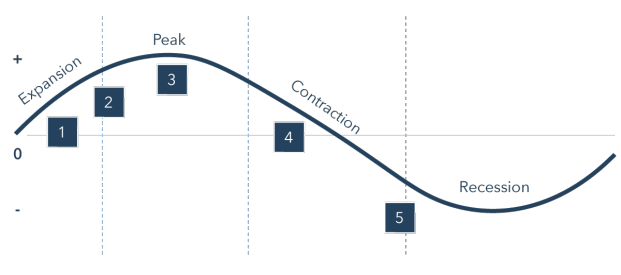
The National Bureau of Economic Research (NBER) defines a recession as “a significant decline in activity spread across the economy, lasting more than a few months, visible in industrial production, employment, real income, and wholesale-retail trade.” A recession is also believed to be signalled when businesses cease to expand, the GDP diminishes for two consecutive quarters, and the unemployment rate rises. The nature and causes of recessions are simultaneously evident and uncertain. Recessions are, in essence, a cluster of business failures being realized simultaneously. Firms are forced to reallocate resources, scale back production, limit losses, and, usually, lay off employees. Those are the clear and visible causes of recessions. There are several different ways to explain what causes a general cluster of business failures, why they are suddenly realized simultaneously, and how they can be avoided.

What Causes a Recession?

Some recessions can be traced to a clearly-defined cause. For instance, the recession of 1973-1975 began as a result of the 1973 oil crisis. However, most recessions are caused by a complex combination of factors, including high interest rates, low consumer confidence, and stagnant wages or reduced real income in the labour market. Other examples of recession causes include bank runs and asset bubbles.

Psychological Factors of a Recession

Psychological factors are frequently cited by economists for their contribution to recessions also. The excessive exuberance of investors during the boom years brings the economy to its peak. The reciprocal doom-and-gloom pessimism that sets in after a market crash at a minimum amplifies the effects of real economic and financial factors as the market swings. Moreover, because all economic actions and decisions are always to some degree forward-looking, the subjective expectations of investors, businesses, and consumers are often involved in the inception and spread of an economic downturn.

Economic Factors of a Recession

Real changes in economic fundamentals, beyond financial accounts and investor psychology, also make critical contributions to a recession. Some economists explain recessions solely due to fundamental economic shocks, such as disruptions in supply chains, and the damage they can cause to a wide range of businesses. Shocks that impact vital industries such as energy or transportation can have such widespread effects that they cause many companies across the economy to retrench and cancel investment and hiring plans simultaneously, with ripple effects on workers, consumers, and the stock market. There are economic factors that can also be tied back into financial markets. Market interest rates represent the cost of financial liquidity for businesses and the time preferences of consumers, savers, and investors for present versus future consumption. In addition, a central bank’s artificial suppression of interest rates during the boom years before a recession distorts financial markets and business and consumption decisions.

What Are the Indicators of a Recession?

Economists determine whether an economy is in recession by looking at a variety of statistics and trends. Factors that indicate a recession include:

  • Rising in unemployment
  • Rises in bankruptcies, defaults, or foreclosures
  • Falling interest rates
  • Lower consumer spending and consumer confidence
  • Falling asset prices, including the cost of homes and dips in the stock market

All of these factors can lead to an overall reduction in the Gross Domestic Product (GDP). The European Union and the United Kingdom define a recession as two or more consecutive quarters of negative real GDP growth.

Impact of Covid-19 Pandemic on the Economy

In February 2020, the National Bureau of Economic Research (NBER) announced that according to their data, the U.S. was in a recession due to the economic shock of the widespread disruption of global and domestic supply chains and direct damage to businesses across all industries. These events were caused by the COVID-19 epidemic and the public health response. Some of the underlying causes of the two-month recession (and economic hardship) in 2020 were the overextension of supply chains, razor-thin inventories, and fragile business models. The pandemic-related recession, according to NBER, ended in April 2020, but the financial hardship caused by the pandemic is still impacting Americans.

For simpler understanding-

https://www.youtube.com/watch?v=SwaCg7Gwtzw: All you need to know about an Economic Recession.

All you need to know about an Economic Recession.

The National Bureau of Economic Research (NBER) defines a recession as “a significant decline in activity spread across the economy, lasting more than a few months, visible in industrial production, employment, real income, and wholesale-retail trade.” A recession is also believed to be signalled when businesses cease to expand, the GDP diminishes for two consecutive quarters, and the unemployment rate rises. The nature and causes of recessions are simultaneously evident and uncertain. Recessions are, in essence, a cluster of business failures being realized simultaneously. Firms are forced to reallocate resources, scale back production, limit losses, and, usually, lay off employees. Those are the clear and visible causes of recessions. There are several different ways to explain what causes a general cluster of business failures, why they are suddenly realized simultaneously, and how they can be avoided.

What Causes a Recession?

Some recessions can be traced to a clearly-defined cause. For instance, the recession of 1973-1975 began as a result of the 1973 oil crisis. However, most recessions are caused by a complex combination of factors, including high interest rates, low consumer confidence, and stagnant wages or reduced real income in the labour market. Other examples of recession causes include bank runs and asset bubbles.

Psychological Factors of a Recession

Psychological factors are frequently cited by economists for their contribution to recessions also. The excessive exuberance of investors during the boom years brings the economy to its peak. The reciprocal doom-and-gloom pessimism that sets in after a market crash at a minimum amplifies the effects of real economic and financial factors as the market swings. Moreover, because all economic actions and decisions are always to some degree forward-looking, the subjective expectations of investors, businesses, and consumers are often involved in the inception and spread of an economic downturn.

Economic Factors of a Recession

Real changes in economic fundamentals, beyond financial accounts and investor psychology, also make critical contributions to a recession. Some economists explain recessions solely due to fundamental economic shocks, such as disruptions in supply chains, and the damage they can cause to a wide range of businesses. Shocks that impact vital industries such as energy or transportation can have such widespread effects that they cause many companies across the economy to retrench and cancel investment and hiring plans simultaneously, with ripple effects on workers, consumers, and the stock market. There are economic factors that can also be tied back into financial markets. Market interest rates represent the cost of financial liquidity for businesses and the time preferences of consumers, savers, and investors for present versus future consumption. In addition, a central bank’s artificial suppression of interest rates during the boom years before a recession distorts financial markets and business and consumption decisions.

What Are the Indicators of a Recession?

Economists determine whether an economy is in recession by looking at a variety of statistics and trends. Factors that indicate a recession include:

  • Rising in unemployment
  • Rises in bankruptcies, defaults, or foreclosures
  • Falling interest rates
  • Lower consumer spending and consumer confidence
  • Falling asset prices, including the cost of homes and dips in the stock market

All of these factors can lead to an overall reduction in the Gross Domestic Product (GDP). The European Union and the United Kingdom define a recession as two or more consecutive quarters of negative real GDP growth.

Impact of Covid-19 Pandemic on the Economy

In February 2020, the National Bureau of Economic Research (NBER) announced that according to their data, the U.S. was in a recession due to the economic shock of the widespread disruption of global and domestic supply chains and direct damage to businesses across all industries. These events were caused by the COVID-19 epidemic and the public health response. Some of the underlying causes of the two-month recession (and economic hardship) in 2020 were the overextension of supply chains, razor-thin inventories, and fragile business models. The pandemic-related recession, according to NBER, ended in April 2020, but the financial hardship caused by the pandemic is still impacting Americans.

For simpler understanding-

World immunization week

Vaccination Tracker for COVID-19 | UL

After two long years of Covid 19 and its difficulties world is getting back to normalcy. Covid vaccines are the most important weapon which helped the human kind to defeat this virus which bought the entire world to a halt. Similarly, there are several instances when vaccines came to the rescue of mankind.

Recognising the significance of immunization, world health organization observes the last week of April as world immunization week every year. It aims to highlight the need for collective action to promote the use of vaccine. The theme for this year is “Life for all”. On this instance, let us learn more about vaccines:

What are vaccines?

A vaccine is a biological preparation that provides active acquired immunity to a particular infectious disease. A vaccine typically contains an agent that resembles a disease-causing microorganism and is often made from weakened or killed forms of the microbe, its toxins, or one of its surface proteins. The agent stimulates the body’s immune system to recognize the agent as a threat, destroy it, and to further recognize and destroy any of the microorganisms associated with that agent that it may encounter in the future.

The administration of vaccines is called vaccination. Vaccination is the most effective method of preventing infectious diseases widespread immunity due to vaccination is largely responsible for the worldwide eradication of smallpox and the restriction of diseases such as polio, measles, and tetanus from much of the world.

Even though vaccines have got all these positives many are still hesitant to get vaccinated. This is termed as vaccine hesitancy. The major reasons are:

  • Lack of confidence

Most of the times people will show hesitancy towards vaccine if they are not confident about the manufacturers. In order to solve this issue, the government has to ensure the general public about the reliability of vaccines.

  • Lack of sufficient testing

In some cases, vaccines may not be pre tested sufficiently before administering to the general public. In such instances government has to clarify regarding the surety of vaccines.

  • Illiteracy

Lack of knowledge among people also act as a barrier to vaccination drives. Due to ignorance people will not give importance to vaccine.

  • Religious and cultural beliefs

Some religions lay down restrictions to their followers in case of immunization. As a part of cultural or religious beliefs there exists some inherent resistance towards vaccination

  • Lack of access

Inaccessibility to vaccines also restricts vaccination process. Lack of health care services and facilities in remote areas prevents vaccination.

  • Inconvenience

Sometimes the long process and follow ups are difficult for people and many people find it inconvenient. In this case people should be made aware of the importance of vaccination. Also, efforts should be made to make the process less tiring.

  • Economic barriers

In many cases the vaccines are costly and downtrodden masses are unable to pay the price for vaccines. The government subsidies must be provided properly to solve this issue.

  • Future health implications

Some people don’t take vaccines fearing the health impacts in future. Believing the rumours many people fear to take loans.

  • Personal beliefs

The inherent beliefs and thoughts May also restrict people from getting vaccinated. Their political inclination and other such factors will affect this process.

Ultimately, it is the duty of general public to educate the hesitant population about the benefits of vaccination. The government should also play significant role in educating people and encouraging research.

So, let us work together and ensure a healthy life for all.

World immunization week

Vaccination Tracker for COVID-19 | UL

After two long years of Covid 19 and its difficulties world is getting back to normalcy. Covid vaccines are the most important weapon which helped the human kind to defeat this virus which bought the entire world to a halt. Similarly, there are several instances when vaccines came to the rescue of mankind.

Recognising the significance of immunization, world health organization observes the last week of April as world immunization week every year. It aims to highlight the need for collective action to promote the use of vaccine. The theme for this year is “Life for all”. On this instance, let us learn more about vaccines:

What are vaccines?

A vaccine is a biological preparation that provides active acquired immunity to a particular infectious disease. A vaccine typically contains an agent that resembles a disease-causing microorganism and is often made from weakened or killed forms of the microbe, its toxins, or one of its surface proteins. The agent stimulates the body’s immune system to recognize the agent as a threat, destroy it, and to further recognize and destroy any of the microorganisms associated with that agent that it may encounter in the future.

The administration of vaccines is called vaccination. Vaccination is the most effective method of preventing infectious diseases widespread immunity due to vaccination is largely responsible for the worldwide eradication of smallpox and the restriction of diseases such as polio, measles, and tetanus from much of the world.

Even though vaccines have got all these positives many are still hesitant to get vaccinated. This is termed as vaccine hesitancy. The major reasons are:

  • Lack of confidence

Most of the times people will show hesitancy towards vaccine if they are not confident about the manufacturers. In order to solve this issue, the government has to ensure the general public about the reliability of vaccines.

  • Lack of sufficient testing

In some cases, vaccines may not be pre tested sufficiently before administering to the general public. In such instances government has to clarify regarding the surety of vaccines.

  • Illiteracy

Lack of knowledge among people also act as a barrier to vaccination drives. Due to ignorance people will not give importance to vaccine.

  • Religious and cultural beliefs

Some religions lay down restrictions to their followers in case of immunization. As a part of cultural or religious beliefs there exists some inherent resistance towards vaccination

  • Lack of access

Inaccessibility to vaccines also restricts vaccination process. Lack of health care services and facilities in remote areas prevents vaccination.

  • Inconvenience

Sometimes the long process and follow ups are difficult for people and many people find it inconvenient. In this case people should be made aware of the importance of vaccination. Also, efforts should be made to make the process less tiring.

  • Economic barriers

In many cases the vaccines are costly and downtrodden masses are unable to pay the price for vaccines. The government subsidies must be provided properly to solve this issue.

  • Future health implications

Some people don’t take vaccines fearing the health impacts in future. Believing the rumours many people fear to take loans.

  • Personal beliefs

The inherent beliefs and thoughts May also restrict people from getting vaccinated. Their political inclination and other such factors will affect this process.

Ultimately, it is the duty of general public to educate the hesitant population about the benefits of vaccination. The government should also play significant role in educating people and encouraging research.

So, let us work together and ensure a healthy life for all.

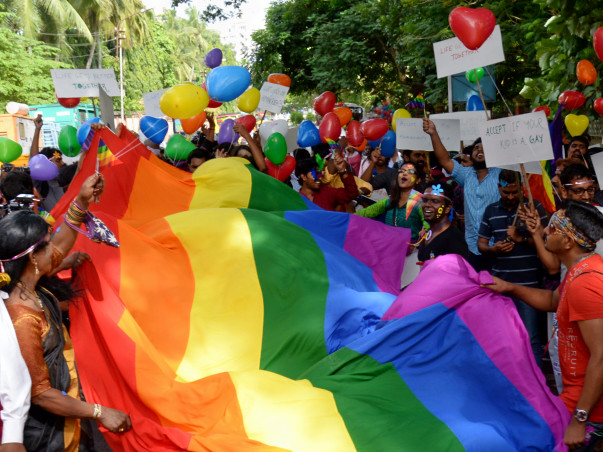
COVID-19 and its impact on LGBTQ+

The world came to a standstill with the spreading of the infectious coronavirus in 2020. In March 2020, the WHO declared the COVID-19 as a pandemic. Hence, the governments all around the world imposed (and are still imposing) nationwide/partial lockdown and curfew timings, as a measure to contain the spread of the virus.

With the imposition of lockdown came different sets of difficulties. The COVID-19 pandemic has had adverse impact on the world economy, and the impact is expected to be visible in the coming times as well. However, not just the economy but the social impact of the virus can be felt on different genders groups as well. Gender and sexual minorities are the one most prone to face the social impact of the virus.

COVID-19 and its discrimination towards LGBTQA+

The gender and sexual minorities (SGM) are especially vulnerable to the experiences of COVID-19. The SGM people collectively includes Lesbian, Gay, Bisexual, Transgender, Two-Spirit, Queer, Intersex, and Asexual (LGBT2SQIA+) people.  Hankivsky & Kapilashrami in their work ‘Beyond sex and gender analysis: An intersectional view of the COVID-19 pandemic outbreak and response’ (2020), mention that, While COVID-19 was initially framed as an illness that does not discriminate COVID-19, but like other biocultural health crises, it does in fact discriminate, and it does so in ways that mirror the discriminations that are fundamental to contemporary society.

It is not an uncommon fact for SGM people to face discrimination on a daily basis. Now in times of COVID and the past nation-wide lockdowns and state lockdowns, along with the mass hysteria of not-knowingness, their chances of facing discrimination is clearly higher than the usual.

In the work ‘Sexual and Gender Minority Health Vulnerabilities During the COVID‐19 Health Crisis’ (2020) by Gibb et al, they mention, the heteronormative structures of power, inequality and marginalisation have shaped the understanding of economic, social and political inequalities experienced by SGM people. The stigma, systemic discrimination and other forms of structural inequalities faced by SGM people’s reduces their access to vital resources such as basic healthcare, educational and employment opportunities, housing, wealth, social support and political power related to heterosexual cisgender people. Like other marginalised communities SGM people face the risk of behavioural and environmental inequalities linked to social and economic marginalisation. In the crisis of the COVID-19 pandemic, SGM people are being subjugated to the atrocities from the hysteria created by the public.

COVID-19 and mental health of LGBTQ+

With the imposition of nation-wide lockdowns and/or curfew timings, the livelihood of people came to a pause. This also meant that people had to return to their homes of safety. But, this option was not entirely available for people of SGM because of their past social unacceptance of their sexuality by their family and others. And hence, they had to take abode in unsafe neighbourhoods.

Gibb et al in their ‘Sexual and Gender Minority Health Vulnerabilities During the COVID‐19 Health Crisis’ (2020) further mention that, public health measures, such as social distancing and self-isolation, to protect the public from the pandemic may have unintended consequences for SGM people’s physical and mental health. Social distancing and isolation may lead SGM people to take shelter in dangerous places, and fall prey to experience violence and abuse. Such experiences also lead to cases of  anxiety and depression, increasing risks of suicide, self-harm and controlled substance dependence among the SGM people.

In worst case scenario when a LGBTQ+ person contacts the virus, the absence of love and care from loved ones can be damaging to their mental health. The emotional support from family could help them deal with the recovery process as they have someone to look forward to.

SGM and COVID-19 vaccination

The greater challenges faced by the LGBTQ+ was/is for getting the vaccination. There have been instances where members of the trans community were getting left out of the vaccination drive. One of the main reason for such exclusion is that it first requires the access to the web portal, which includes navigating through the sites, further demanding the need for identification to book a slot for the vaccine. This process can be quite complicated and not everyone has the access to the internet or other related means of access to it, thus creating a digital divide.

Apart from the challenge of booking a slot, there has been speculation regarding the efficacy of the vaccination and the possible side effects, which further limited the chances of them being vaccinated. However, different aid organisations are working towards especially vaccinating the LGBTQ+ community. Their efforts are yielding slow but visible results in vaccinating the community.

                         It can be regarded that the LGBTQ+ community members experienced the COVID-19 pandemic differently. These differences and discriminations always existed and will continue to do so. However, the pandemic has further exaggerated these already existing discriminations. Nevertheless, it is hopeful to anticipate that these discriminations would be reduced someday with collective efforts.

आज़ादी के खातिर – त्रिलोक कुमार

खून खौल जाता है
जब देश का कोई अपमान करे,

खून खौल जाता है
जब वीरो का कोई न  सम्मान करे,

बहुतो ने आज़ादी के खातिर
अपना लघु बहाया है

कितनो ने फासी को चूमा
कितनो ने गोली खाया है,

तब जाके हमने ये चैन के निंद पाया है
हम कदर करे उन वीरो का
हम सम्मान करे उन वीरो का
जिन्होंने सर्वस्य गवा के हमे ये समान दिलाया है,

तब जाके हैं कही अपना गर्व से सिर उठाया है
हमे अलख जागआना है

राष्ट्र प्रेम दिखलाना है
उन महान वीरो का बलिदान न व्यर्थ हो
दुश्मन चाहे कोई हो अपने प्रहार न पस्त हो,

भारत मा के वीर सिपाही हम करते आपका सम्मान 
आपने बढ़ाया है हम सबका मान

कुछ सपने देखे थे वीरो ने
ऐयसे राष्ट्र बनाना है

कोई न हो दुश्मन सबको अपनआ बतलाना है
कुछ भ्रस्ट लोगो ने मिलके सपने को अपमान किया
हम लोगो ने भी मिलके उनको है नकार दिया।।।

खून खौल जाता है
जब देश का कोई अपमान करे,

खून खौल जाता है
जब वीरो का कोई अपमान करे

कवि – श्री त्रिलोक कुमार


Covid-19: Biodiversity Conservation– Our Solutions Are In Nature

The social energy generated by the COVID-19 pandemic provides an opportunity to develop and implement many new ways to build sustainable and adaptable relationships between people and the rest of nature. The public can be prepared for a recovery that includes effective and sustainable biosecurity with elements of human health, biodiversity conservation, and climate change adaptation as a package based on sustainable development principles. A biosecurity approach that simultaneously tackles the COVID-19 pandemic, biodiversity loss, and climate change crises can leverage economic incentives for greener national economies.

Increase investment in the conservation, sustainable use, and restoration of biodiversity. Set biodiversity spending targets for COVID-19 stimulus measures and recovery plans. . For example, the German International Climate Initiative (IKI) is implementing a €68 million Crown response package that will, among other things, provide financial support for the conservation of nature reserves in IKI partner countries to address the immediate impacts of COVID-19 (Platform Redesign 2020, 2020 [101 ]). For example, the EU has introduced a new biodiversity strategy as part of its Green Deal, which proposes introducing new conservation and land-use planning targets, including a commitment to ensure that at least 30% of Europe’s land and seas are protected areas by 2030.

In other countries, the integrated protection of biodiversity has been recognized as a key component of a successful green recovery from COVID-19. While the overall environmental impact of the blockade and other pandemic policies has been mixed, COVID-19 has helped highlight the importance of protecting biodiversity. Because the COVID-19 pandemic is similar to the COVID-19 pandemic but is of greater global concern than recent past zoonotic pandemics such as SARS, the current pandemic provides additional opportunities to reframe conservation monitoring in favor of public health (Jones et al.., 2008; Morse et al. al., 2012; Zinsstag et al., 2011), as well as to understand the biodiversity changes associated with the global extent of human isolation and the long-term effects of sustaining the social and behavioral changes associated with the pandemic (Bates et al., 2020; Cheval et al. ., 2020; Soga et al., 2021; CS1, CS2, CS3, CS5, and CS6).

Understanding how the current epidemic will affect biodiversity conservation in the short and long term, and to what extent this impact will differ from past disturbances, is critical to achieving biodiversity conservation outcomes in an uncertain future. The global COVID-19 pandemic shows how changes in the scale, type, and extent of human activity can affect biological conservation. Conservation of natural habitats, in turn, requires profound changes in human food production and human encroachment on remaining natural habitats.

Decisions to prevent pandemics and protect nature must be permanently elevated to the highest levels of government. In the absence of this awareness, protecting the environment and biodiversity in a post-COVID-19 world may be pushed further down the national and international agenda. Conservation research is unlikely to be a government priority during the post-pandemic economic recovery, and conservation biologists need to communicate the many benefits that this research and biodiversity itself brings to society.

The diversion of funds for more urgent purposes, as well as travel restrictions, are likely to have a direct impact on research activities such as long-term monitoring programs, prioritizing conservation of species and ecosystems, social-ecological research involving humans, and poorly studied expeditions. places. Immediate impact Conservation and development projects that require human presence, such as monitoring protected areas, treating plant and wildlife diseases, and eradicating invasive alien species, may fall by the wayside. Concerns persist that the COVID-19 pandemic will trigger hasty government action that will harm conservation efforts or spark a social backlash against species considered to be vectors of zoonoses, with negative consequences for the local conservation of these species and their habitats (MacFarlane & Rocha, 2020). ). There are huge risks that when COVID-19 vaccines are available and memories of the crisis fade, so will the resolve to prevent pandemics while conserving biodiversity.

There is no doubt that our immediate priority in dealing with the pandemic must be to protect people and prevent its spread, but our long-term strategy must be to combat deforestation, biodiversity loss and the illegal wildlife trade. There are countless benefits to strategizing and investing in natural solutions for the planet’s holistic well-being. We need to understand the simple fact that nature does not need people, but people need nature.

Covid-19 has provided us with a great opportunity to re-examine our lost relationship with nature and to put nature at the center of our decision-making. COVID-19 is our opportunity to redefine our relationship with nature and rebuild a more environmentally responsible world. Combatting the current coronavirus (COVID-19) pandemic and protecting against future global threats requires proper management of hazardous medical and chemical waste; robust integrated management of nature and biodiversity; A good recovery”, a clear commitment to creating “green” jobs and facilitating the transition to a carbon-neutral economy.

The current pandemic is a wake-up call for all of us to build a resilient economy together, conserve nature and biodiversity, to regain lost glories. Because the theme of the International Day for Biodiversity 2021 suggests that we are part of the solution for nature, and solutions are indeed nature’s. Other zoonoses and devastating global pandemics are inevitable unless we fundamentally rethink our relationship with nature.

The emergence of COVID-19 has highlighted the fact that by destroying biodiversity, we are destroying the system that sustains human life. The positive and negative impacts of Covid-19 on biodiversity resources are predictable as the current pandemic intensifies as population grows around the world. The Covid-19 pandemic has affected virtually every sector and sector of biodiversity conservation at the local, regional and global levels (Corlett et al., 2020).

Its impact on biodiversity conservation is numerous and can be both negative and positive, but the negative impact outweighs the positive (Muhumuza and Balkwill, 2013; Roe et al., 2015; Corlett et al., 2020). Like previous outbreaks, Covid-19 has resulted in the inability to manage protected areas and implement conservation programs due to a complete lockdown (Corlett et al., 2020). The consequences of Covid-19 are inevitable as anthropogenic pressure on the natural ecosystem is reduced due to the blockage of social and economic activities. Protecting biodiversity contributes to social and economic resilience4 Integrating biodiversity into the recovery from COVID-19 is important not only to prevent future pandemics; it is also vital to economic sustainability and human well-being.

Investing in nature has immediate and long-term benefits for economic development and social stability, health and well-being, and climate resilience and biodiversity conservation. Based on this experience, we must be part of the solution to create nature through reforestation, preserving existing forests and other landscapes that are home to biodiversity.

These civil society engagement efforts can become more effective tools for biodiversity conservation and awareness raising. Since the beginning of the pandemic, there have been numerous changes in national and international conservation policy and practice. Growing political interest in biodiversity conservation is fueled by the recognition that our economy is heavily dependent on nature and that proper protection and management of biodiversity ecosystems can help address other social challenges, including climate change.


Global Surge in Domestic Violence During Covid-19 Crisis!

“O Janneman”, she increased her pace on hearing a stranger calling. She reached the bus stop but could still feel eyes on her. It was dreadful. She wanted to reach home as soon as possible. She wanted to cover herself in the safety that only a home could provide.

About 95% of women feel unsafe in public places (UN Women, 2013) and about 50% of women face harassment during commutation (Pan India Study, 2015)[1]. Though women are considered most vulnerable while commuting, their entrapment during the lockdown tells a different story. While protecting themselves from the pandemic, women face another terminal problem. Though cases such as rape, catcalling, stalking and other forms of molestation have decreased due to restrictions on movement, a rise in the cases of domestic violence is seen, which is horrendous. Even before the lockdown, 243 million females of 15-49 years have faced physical abuse (UN Women reported). National Family Health Survey 2016 reveals that 30% of women of 15-49 years’ experience physical violence. About 31% of married women experience abuse by their spouses.

Given the already sheer violation of basic human rights, the world is now experiencing a surge in such crimes! Where are we moving to?

[i]France has reported a 30% increase in such case[2]. In UK, calls to the national abuse hotline went up by 65%[3]. Spain has registered calls to 144 gender violence hotline increase by 25%[4]. In Singapore, AWARE’s Women Helpline number has registered an increase in calls by 33%.[5] In Australia 40% of frontline workers reported increase in the calls to domestic violence helpline[6]. National Commission for Women registered over 587 complaints between March 27-April 16 2020[7].

Many countries/places have registered a drop in such calls, like the Delhi Commission for Women. This trend is more frightening since it indicates the inability of victims to reach for help. A lot of women might not be able to make phone calls due to the constant presence of the abuser. A lack of help increases the chance for their abusers to coerce them and inculcate greater fear in their relationships.

The lockdown has also compromised the care and support services provided by various NGOs and counseling centers- clinical management, mental health and psycho-social support to the survivors. To free oneself from the clutches of an abuser, women need to be financially independent but given the situation of a recession of the global economy, the solution is covered by clouds.

These statistics do not tell the whole story. A lot of cases are not even reported! Women belonging to poor households find it difficult to reach out for help due to lack of access to phones and the internet while many do not report marital rapes and domestic violence due to the fear of society. UN Women reported that only about 40% of women facing domestic violence call domestic abuse hotlines and only about 10% go to the police. In the current situation, it has become even more difficult for them to reach for help.

A lot of reasons can be put forward for such an abusive behavior of men but these can never be taken as excuses to set them free. With everything that is going on, this world requires a change in mindset which certainly cannot be achieved overnight. So, there is a need for proper counseling of men too to help them get through the situation without inflicting pain on others. During the lockdown, ways should be formulated to help NGOs to reach both the victims and the abusers. There is a need for the allocation of more resources to enable these centers to reach a wider section of the population. Also, every country should have stringent laws in place and practice. It has been reported that about 1 in 4 countries do not have any laws to serve justice to the victims of domestic violence.

For a dignified life, safety and security are basic human rights. The status of women in society determines their safety. Women being the target of violence and rapes in their own homes makes me question the very core of humanity, the very idea of ‘home’. It seems that humanity has gotten lost somewhere in space- unable to find its way back to earth. As rightly pointed by the UN chief, “peace is not just the absence of war”[8]. It is indeed necessary that we come together to fight the battle to keep women safe as we fight COVID-19. For a sustainable, inclusive and resilient society, every section must live a dignified life.


[1] Bhatt, A. Women’s Safety in Public Transport-A Pilot Initiative in Bhopal. 2015. Embarq India


[2] Domestic violence cases jump 30% during lockdown in France.23rd March, 2020. https://www.euronews.com/2020/03/28/domestic-violence-cases-jump-30-during-lockdown-in-france

[3] Megha Mohan. Coronavirus: I’m in lockdown with my abuser. 31st March, 2020. https://www.bbc.com/news/world-52063755

[4] During quarantine, calls to 144 for gender violence increased by 25%. 21st March, 2020. http://www.diario21.tv/notix2/movil2/?seccion=desarrollo_nota&id_nota=132124

[5] Commentary: Isolated with your abuser? Why family violence seems to be on the rise during COVID-19 outbreak. 26 March, 2020. https://www.channelnewsasia.com/news/commentary/coronavirus-covid-19-family-violence-abuse-women-self-isolation-12575026


[6] Domestic Violence Spikes During Coronavirus As Families Trapped At Home. 27 March, 2020. https://10daily.com.au/news/australia/a200326zyjkh/domestic-violence-spikes-during-coronavirus-as-families-trapped-at-home-20200327


[7] Coronavirus cases: No Lockdown for Domestic Violence. 26 April, 2020. https://www.deccanherald.com/specials/insight/coronavirus-crisis-no-lockdown-for-domestic-violence-829941.html

[8] UN Chief calls for Domestic Violence ‘Ceasefire’ amid ‘horrifying global surge’. 6th April, 2020. https://news.un.org/en/story/2020/04/1061052


[i] The data pertains to the month of April – June (when lockdown was in full force everywhere)

Image Credit: Google

Covid Cases on the rise in post-Diwali week


NEW DELHI: The end of the Diwali week marked a steady increase in new Covid-19 infections. India recorded 80,614 new cases of the coronavirus this week. With 10,789 new cases in the last 24 hours.

While cases in the southern states, namely Kerela and Tamil Nadu continue to gradually drop, a number of states observed a significant spike in cases. Jammu & Kashmir recorded a 34% increase in new cases in the past week.


Other states where the count increased in the current week are Karnataka, with a 17% increase, Maharashtra, Punjab, Delhi, Uttar Pradesh, Bengal, Rajasthan. Experts claim the increase in cases is a result of increased contact among people in the festive period. A major credit for the over-all spike can also be credited to increase in population in the markets. As most people connect the festival with an incentive to shop.

-Ananya Kaushal

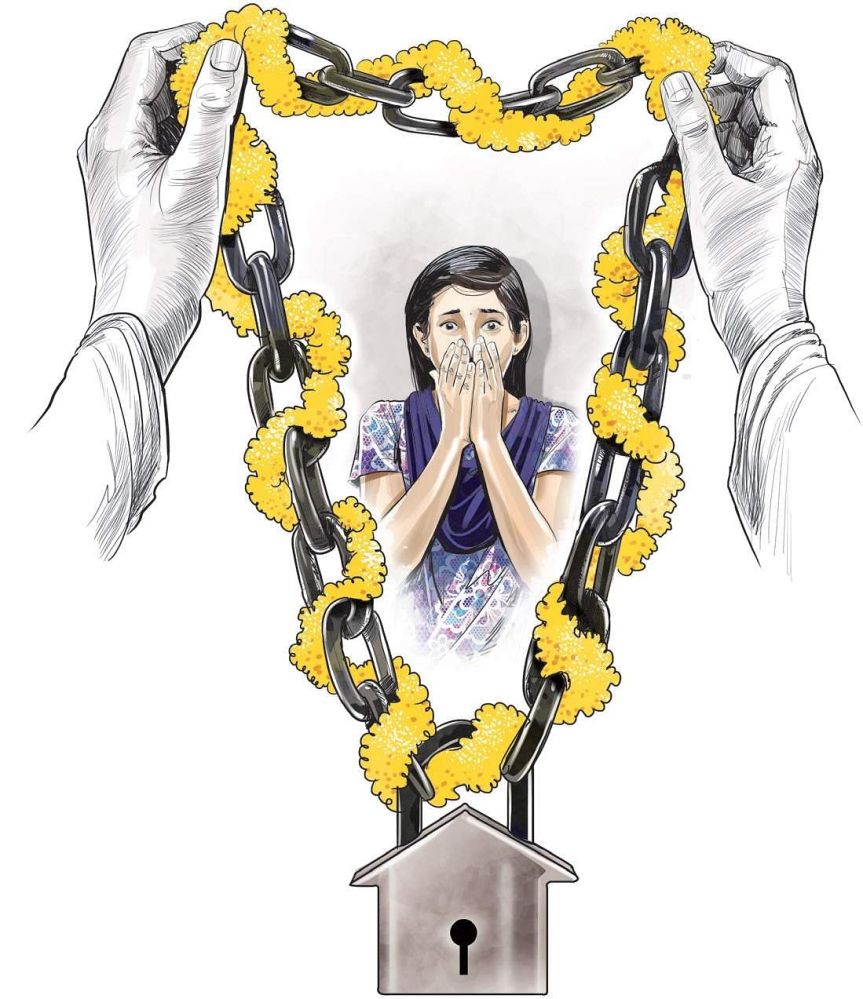
Child Marriages in India – Two Steps Backward!

It is in common knowledge that the legal age of marriage for girls is 18 years and 21 years for boys. However, social factors and circumstances, age-old prejudices cloud the judgement – leading to child marriage as a solution to one thing or other. Child marriages are not confined to a single country but happens across the world – barring the girls from being empowered and at times, the boys too. Keeping this in mind, the Sustainable Development Goal 5, which focuses on ‘Gender Equality’ has set a target to stop child marriages entirely by 2030.

According to UNICEF report, about one in three of the world’s child brides live in India and about 102 million were married before turning 15 and were pregnant even before reaching adolescents. Among the states in India, 36 billion child brides have been reported to be in Uttar Pradesh. Other states with large population of child brides are Bihar, West Bengal, Maharashtra and Madhya Pradesh. Among the Southern states, Andhra Pradesh with 13 million tops the list followed by Tamil Nadu with 11 million. It has also been reported that about 60 % of the child brides who were married before turning 15 went through pregnancy before completing the adolescent period. Whereas those married after the age of 15 but before age 18, about 20% of them went through pregnancy before completing adolescent period. Those married before turning 15 tend to contribute to larger families. During the trying COVID-19 times when the entire focus of the world was on healthcare system, the child marriages saw a spike. United Nations Population Fund has estimated that COVID-19 will result in 13 million additional child marriages globally. Women Development and Child Welfare, India has reported that child marriages saw a rise of 27%. While rural areas are the hub of reports against child marriages, interestingly, “more than 25 percentage of child marriages in 2011 happened in urban districts. In other words, one out of five girls aged between 10-17 was married in urban districts in the ear 2011”, IANS reports (yourstory, 2017).

Even with the coming of Child Marriage Prevention Act, 2006, one of the reasons for its so not grand success can be the poor implementation and also the fact that people always find ways to try and tamper with the acts and laws. What actually force them to do so? What actually compels them to do – send off their buds away, forcing them to marriage? One of the reasons is being orphaned. COVID-19 has taken lives of many people, parents of many rendering the children orphan (Jejeebhoy, 2021). The lack of parents or unwilling relatives to take care of the orphaned, thus marriage. Financial constraints are another compelling factor. Families tend to marry all the girls together (if there is more than one girl and the family is drowning in poverty) in a single place to save money. It is sort of passing off the so-called burden.

It is important to bring back the focus of the world to the atrocities happening. While there are cases where girls have escaped, seeking help and prevention of child marriage, there are still alarming cases of ‘being stuck’ in the unlawful marriage. At this point of time, youth volunteers can be a powerful force. Bringing in more volunteers to spread awareness as well as for on ground action to prevent marriages from happening can be a helpful approach. The schemes of the government seem to fail to trickle down, more maybe because of the lack of effort in the lower vertical ladder. Bringing in the community in action can help to keep in check the local government and vice-versa.

Image Credit: Google