The rise of short- form content and marketing- is it good or bad?

The rise of short-form content and marketing- is it good or bad?

A catchy Instagram reel, a provocative twitter post, an infectious slam poetry or just a hilarious meme, you know what all these have in common? Yes, you guessed it right, they are all short form content. The rise in short form content in the past few years has been monument. Even players who have traditionally been making traditional long form content are entering this space, a prime example would be YouTube with YouTube Shorts. Love it or hate it, short form content is here and it is here to stay.

Short form content does all those things long form content does and does it much better and much quicker. Imagine integrating a brand promotion in a 40 minute YouTube video and integrating the  same in a 40 second Instagram reel, the latter has much better reach, retention value as well as easier to integrate. You do not require writing a 4000 word blog promoting a product/service, the same can be achieved with the help of 4 posts on Instagram. Short form Content has revolutionized the way we produce and consume content. Everyone is now a Prosumer, everybody produces as well as consumes content at the same time.

In this age of information overload short form content is the only thing that can cut through the clutter. And if done in an intuitive manner, then even better. With the help of artificial intelligence along with the numerous algorithms marketers now can specifically target their Target Group and achieve conversions. We often see ourselves engrossed in social media, scrolling and scrolling and that is the power of short form content. Even a consumer can now become a producer and that is what makes short form content so alluring.

Often short form content is accused of being cringe and massy. And perhaps to some extent it is but one man’s cringe is another man’s classic. Be it a trending Instagram reel or a quote trending on Twitter short form content has revolutionized the social media space. Remember the ALS ice bucket challenge, the movement,# the black lives matter movement, needs oxygen or even Palestine, all social issues of immense magnitude and all were able to have immense reach because of short form content. Short form content reaches people who are absolutely reluctant to go through content which is in any way cumbersome.

Even during this COVID-19 pandemic short form content has been used to spread awareness, locate resources and help the needy. Even marketers who have been sceptical of the same have acknowledged it. Short form content has influenced us and we have influenced it. So what does that mean, Will long form content cease to exist? Both long form content and short form content will continue to exist although one maybe more popular than the other at a particular given time.

Written by- Daniel Ayush Mehra
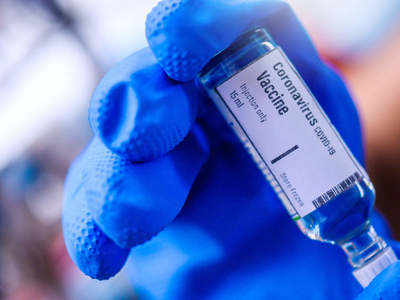
Serum institute to begin novavax covid vaccine trials for kids in july

Pune-based Serum Institute of India said that clinical trials on children will begin from the month of July.

Amidst fears of the third wave of Coronavirus vaccine on children from July onwards. Pune – based SII, which is also manufacturing the Oxford-AstraZeneca jab known as Covishield in India, is hoping to introduce the Novavax vaccine, to be known as Covavax in the country, by September.

In the midst of vaccine shortage across the country, Novavax vaccine got a shot in the arm as the clinical trials were conducted across 119 locations in the United States and Mexico and proved efficacy of the vaccine. The development comes just days after Novavax Inc announced that its vaccine had turned out to be more than 90 percent effective in trials, including against a number of coronavirus variants of concern, in a large, late-stage clinical trial conducted in the United States. It was said that the trial was done on nearly 30,000 volunteers in the US and Mexico. According to the company, it is likely to apply for emergency use authorization in the US and other countries in the third quarter of this year.

Soon after the news broke out about the excellent clinical trial results, Dr VK Paul who is the head of India Covid-19 task force urged Serum Institute to begin clinical trials of the vaccine on children without any delay. While terming the vaccine clinical trials result as a positive development, Dr Paul had also said the vaccine was very relevant as it would be indigenously produced in the country and groundwork for the manufacturing of the vaccine has also been completed by SII.

As per the study, the vaccine candidate was found to be 93 percent effective against COVID-19 variants that are more easily transmissible and predominant. According to Novavax, the vaccine is generally well tolerated. Its side effects seen during the trial include mild headache, fatigue and muscle pain. According to the company, it is expecting to produce 100 million doses per month by the end of the third quarter of 2021 and 150 million doses per month in the fourth quarter of 2021. What makes the Covavax vaccine critical in the country’s Covid-19 immunisation programme is the fact that the government expects about 20 crore doses of the vaccine to be available between August and December. Also, the vaccine can be stored at a temperature between 2 and 8 Celsius which makes it highly suitable for Indian conditions where logistics and storage bottlenecks in far flung areas hamper efficient inoculation.

After the completion of clinical trials and regulatory approval to the vaccine, India’s Covid-19 vaccination drive will pick pace with three indigenously manufactured vaccines namely- Serum’s Covishield and Covavax and Bharat Biotech’s Covaxin. 

YOUR FOOD GUIDE TO FIGHT COVID-19

The second wave of COVID-19 pandemic has made us susceptible to the life-threatening effects of the corona virus and such is its effect that people are focusing more on building immunity and strengthen body’s immune system to fight the deadly virus. Well it’s not that easy however, if one takes the right steps at the right time it can be instrumental for faster recovery from COVID-19.   According to experts the key to faster recovery is by modifying the diet and adding healthy and nutritious foods which can help in improving the slackening immunity.

“Good nutrition helps your battered body build up its energy levels as fast as possible “says Dr Kavitha Fenn Arunkumar who is a Madurai based psychiatrist. Moreover, she recommends the intake of easy to digest food frequently rather than taking three big elaborate meals.

So what are the things which are essential for the recovery from COVID-19?

1.Say yes to protein rich foods

Protein helps in building muscles and repairs cell damage, which further helps in boosting your immunity. The reason why experts suggest increasing the intake of protein rich foods is because it helps in healing the cell damage caused due to COVID-19.

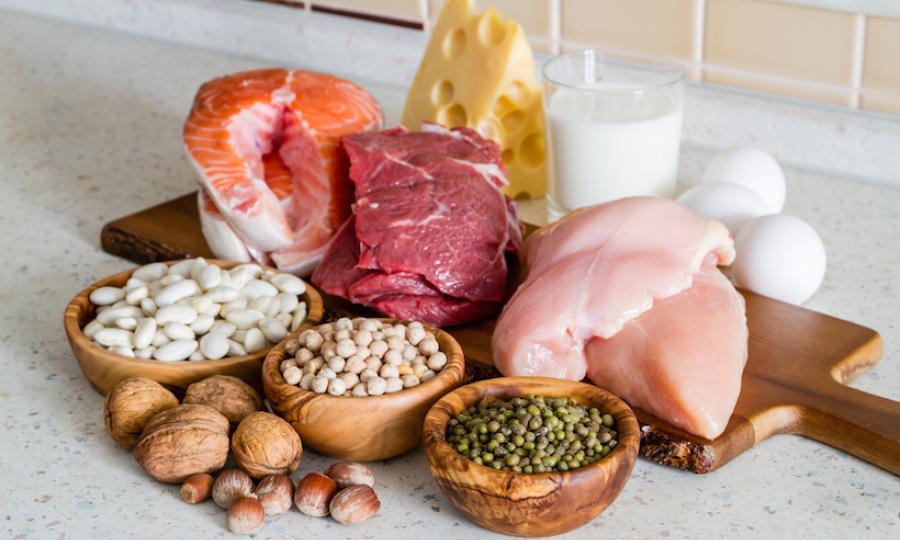
Adding protein rich foods like fish, lean meat, nuts and seeds, legumes and pulses to your diet during or post COVID-19 helps in replenishing the lost nutrition. These protein rich foods are also a great source of omega 3 fatty acids that help in boosting metabolism thereby improving gut health.

2. Vitamins should be your best friend

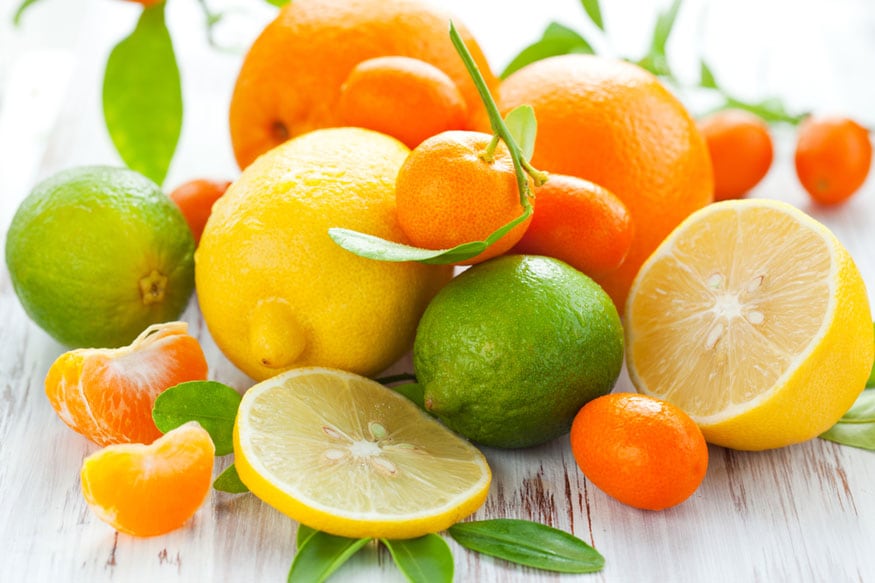
 Adding fresh  fruits and veggies help in faster recovery, this is the reason why experts suggest to include them in the diet during any recovery. Adding fresh fruits and veggies rich in vitamins and antioxidants help in strengthening the body’s resistance to combat deadly virus attacks like COVID-19. The addition of Vitamin C and multivitamin rich fruits like oranges, mango, pineapple, lemons help in reviving lost nutrients, hydrates the body and helps in boosting respiratory system.

3. Add soya to your diet

The addition of protein rich soy in your daily diet can help in healing and faster recovery post COVID-19. As per the Food Safety and Standards Authority of India, it has been suggested that adding high protein soy based foods can help in boosting immunity naturally. Also going for a nutrient dense vegetarian diet can improve overall health and immunity, post COVID-19.

4. Keep check on sugar intake

 Apart from adding these healthy foods to your daily diet, you must keep a check on the intake of sugar and salt as they may lead to a spike in sugar levels or blood pressure levels, which eventually slows down the recovery process

5. Hydrate yourself

During any sort of illness, dehydration and its associated challenges remain a major risk to our body. During such times, it becomes imperative to prioritize basic self-care, including drinking adequate fluids. One can also add lassi, coconut water or ORS during their COVID-19 recovery phase.

effect of covid-19 on environment

The global pandemic Covid-19 has affected every aspect of human lives whether it be mental health or physical environment. The government took several measures to halt the spread of this lethal virus. The slowdown of economic activities had a significant impact on the environment. The outbreak of the disease first emerged in December 2019 after which WHO declared it as an International Public Health Emergency and declared covid -19 as a global pandemic. The virus is spread from person to person through direct contact like as sneezing, talking, and coughing. This virus resulted in the death of millions and many more were infected. For breaking the chain and controlling the death rate, the movement of people was restricted and many countries saw nationwide lockdowns. Overall, The pandemic wreaked havoc on the global economy, affecting the environment directly or indirectly.

ADVANTAGES-As factories, transportation, and businesses have closed, greenhouse gas (GHG) emissions dropped dramatically. Many countries recorded a nearly 50% drop in nitrogen dioxide and carbon dioxide. Nitrogen oxide is released from burning of the fossil fuels and around 80% comes from motor vehicle exhaustion. According to reports the nitrogen oxide level and PM2.5 level dropped by 70% in Delhi, the capital of India. People were able to breathe more clean and fresh air during the Covid-19 lockdown. Before lockdown, the industrial waste was directly dumped into the rivers without proper treatment resulting in water pollution. But during the lockdown, the industries causing major pollution were closed, which resulted in the reduction of pollution loads. Rivers were cleaner and there was a huge drop in sewage and industrial effluents. The reduced industrial activities, vehicle movement, and construction work resulted in the reduction of noise pollution. In Delhi, the noise level was reduced by around 40-50%. During this time people witnessed the chirping of birds which is not usual in the capital. The lockdown also reduced soil and marine pollution.

DUMPING OF FACE MASK DIRECTLY IN OCEANS


DISADVANTAGES-But, since the outbreak of Covid-19, there has been an increase in the global medical waste generation which poses threat to health and the environment. For prevention, people use a face mask, hand gloves, and other safety equipment which results in an increase in healthcare waste. These equipment are the sources of increase in microplastic level in the environment. Some equipments are directly dumped into oceans posing a threat to marine life. However, with proper management of waste, environmental pollution can be reduced.

CONCLUSION-The epidemic is harming human lives and the global economy, which in turn is affecting the environment and climate. It reminds us of how we have ignored environmental components while enforcing human-caused climate change. Furthermore, COVID-19’s global response encourages us to act together to resist the threat to humanity. Though the environmental benefits of COVID-19 are short-term, a concerted and time-bound effort can increase environmental sustainability and preserve the planet from the ravages of global climate change.

IS GURUGRAM THE BEST CITY TO LIVE IN COVID-19 ERA?

According to a report Gurugram is the most apt city to live from a Covid perspective as compared to Bengaluru and Mumbai
According to the report, Gurugram is overall the most suitable city to live from a Covid perspective as compared to Mumbai and Bengaluru

According to a report by Square Yards, Gurugram is the apt city to live during COVID-19 considering the factors like hospital infrastructure, population density and open area ratio. The study titled Suitability Index: The COVID perspective  highlights the suitability and working in three prime cities of our country- Mumbai, Bengaluru and Gurugarm with respect to COVID-19.

The report ascertains that the factors such as hospital infrastructure, population density and open area ratio are far more important than the work distance or affordability to decide where a homebuyer wants to live at a time when coronavirus disease is at it’s peak and transmitting rapidly.

According to the Suitability Index, even though the density of COVID-19 cases in Gurugram is second only to the North, presence of maximum number of hospitals/10K people, more than 40% open area and lowest population density made the area most suitable and hence sustainable and livable  from the COVID-19 perspective. Also as per the analysis, the most suitable zone found in Bengaluru were Mahadevapura, Bellandur, Devasandra and Marathahalli.

In Mumbai, the most suitable zone were found in Western suburbs and the Central suburbs.

The COVID-19  pandemic exposed the shortcomings in medical infrastructure like never before and during this time according to statistics, both Mumbai and Bengaluru offer only 1.3 and 0.30 hospitals per 10,000 people respectively on the other hand, Gurugram surpasses both the cities with 2.5 hospitals for every 10, 000 people. Mumbai had 13 of the total 24 wards severely affected with more than 50 cases per 10,000 people. In Gurugram, the North and East zones averaged 55 cases per sq km while in Bengaluru 4 zones of the total 8 zones recorded more than 200 cases per sq km. The Covid-suitability index for each city suggests that across all cities, suitability increased as people moved away from the city centres and older parts of the city towards more peripheral locations.

Contrary to the common notion, the report suggests that Mumbai has the highest open area ratio amongst the three cities at nearly 45%. Mumbai was the most densely populated with nearly 60,000 people/sq km while Gurugram had the lowest population density at approximately 4200 people/sq km.

“The Suitability Index is an attempt to bring many non-transaction elements to the forefront that can have an impact while making a home buying decision. The ‘new normal’ is here to stay and the idea is to look at factors other than proximity to work or affordability that impacts the choice of residence,” said Anand Moorthy, Business Head – Data Intelligence & Asset Management Services – Square Yards.

Not only these cities are the top real estate destinations in the country, but they are also among the top cities to be severely hit by the pandemic. This is where the relevance of a Suitability Index kicks in. The need for one’s own ‘home’ has gained an all-new dimension since 2020 due to the changes brought about by the pandemic. The study is an attempt at making the home-buying process in the Covid era slightly more pragmatic.
It highlights certain meaningful factors that today’s end users need to acknowledge while deciding to buy the right home in a pandemic like situation.

IS INDIA PREPARED FOR A POTENTIAL THIRD WAVE?

Things India needs to do to negate the possible effects of COVID-19 Third wave

India has recorded 26 million Covid-19 cases  which is second only to the US. The second wave of COVID-19  has overwhelmed the healthcare system with hospitals struggling to bear the pressure of oxygen shortage and treatment drugs. Experts believe the wave is getting diminished at the national level. However, people are more awry this time for a potential third wave of COVID-19 virus.

The most important factor that will play the role whether or not India is getting hit by a third wave, is the rate of vaccination. Apart from this, let us look at other factors which can be instrumental to curb the effects of a third wave.

1. Expansion of testing facilities

Timely testing and isolation of COVID-19 patients is the key. Now-a-days, people who are feeling symptomatic to COVID-19 are not testing themselves due to the distance of testing facilities. Free testing for COVID-19( especially for the poor) can be beneficial as well.

2.  Poor needs to be encouraged to seek medical advice

It is a tendency which has been observed that seeking medical advice from doctors is proportional to the economic background of the people. Most of the patients won’t go and seek any medical advice from doctors or pharmacists thinking that would incur charges as well. Lack of health facilities in proximity and affordability are much bigger reasons for not seeking medical advice among the poor than the rich.  The fact that COVID-19 starts with a common symptoms of fever, cough and cold they think it can be managed well by self-medication rather than visiting a doctor after travelling a lot.

3. Financial burden on the patients and their family

There are many patients whose families are unable to pay the debt or the fees of the hospital with regard to the bed, facilities and treatment. According to the survey done by NSO it is estimated that 81% of hospitalization cases (excluding childbirth cases), the expenditure was met by family income or savings. 11% of such cases were financed with borrowing, 3.5% of these were met with contributions from friends and relatives and 0.4% required sale of physical assets.

4. Cover of  Health Insurance

According to the survey conducted by NSO, it is estimated that over three-fourth of hospitalization cases in India involved individuals who were not covered by a health expenditure insurance or scheme . Access to health insurance is correlated to incomes, and the share of hospitalization cases not covered by any kind of insurance increases from 68% among the richest 20% to 85.5% among the poorest 20%. Even in cases where health insurance existed, it did not cover the cost of the entire treatment. NSO survey shows that on an average, health insurance paid for only 10.2% of the medical expenditure and 9.1% of total expenditure (which includes cost of transporting patient as well as the cost of food, lodging, transport, etc.for the household) in cases which required hospitalization.

All you need to know about Copa America 2021

Copa America 2021 is all set to begin on Monday early morning IST where Brazil and Venezuela are scheduled to kick off at Mane Garrincha stadium in Brazil.

Copa America 2020 was postponed due to COVID-19 pandemic and recently, Brazil got the nod to host the Copa America 2021. But Brazil have reported approximately more than 17.3 million cases of COVID-19 which includes at least 486,000 deaths, the second-highest number in the world.

Why Brazil is hosting Copa America 2021?

Earlier Colombia and Argentina were scheduled to host Copa America 2020 which got postponed due to Corona virus pandemic.  Argentina was not given the nod this year due to increased rising cases of COVID-19 in the country while Colombia was rejected to host the tournament following the protests against President Ivan Duque.

What is up with the national side?

It seems Brazil as a team is not happy with the decision of Copa America being played in their country. However, they hesitantly agreed to participate in the tournament despite concerns over the late decision to host the tournament in their home country.

Brazilian players on social media  published a message saying they are “unsatisfied” with South American football’s governing body, CONMEBOL, which decided to move the tournament to Brazil. They didn’t wanted this tournament to become a result of political debate although.

How is the public responding to the tournament ?

A poll was set based on 1000 interviews which was conducted between June 7 to June 10. The poll showed nearly two-third of Brazilian population opposed the country hosting the event amidst rising cases of COVID-19 in Brazil.

How many players tested COVID-19 positive ?

Eight Venezuelans and three Bolivian players has been tested positive even before the tournament  started. Venezuela which is playing their first match on Sunday has called for 15 other players in their squad to enhance their bench strength. Along with those eight players, three of their coaching staff are also infected with COVID-19 virus.

Bolivia is playing their first match against Paraguay on Monday.

In response to the rising cases, South American soccer body CONMEBOL issued a statement which stated “the matches will be played as scheduled”.

How many teams are participating in Copa America 2021?

Earlier, the tournament was scheduled to play with 12 nations with Qatar and Australia coming in as guest nations. However, both of the teams pulled off from the tournament due to their prior commitments in the World Cup qualifier.

As of now, only 10 teams are participating in the tournament.

Group A: Brazil, Colombia, Ecuador, Peru, Venezuela
Group B: Argentina, Bolivia, Chile, Paraguay, Uruguay

What is the tournament format?

After completion of the round matches, the top four teams of each group will qualify for the quarter finals.

Dates to remember

Copa America 2021 is starting from June 14 as early as 2:30 am IST. The knockout phase will be starting from July 3 and the finals will be played on 11th of July.

Where you can watch Copa America 2021?

Copa America 2021 will be telecast live on Sony TEN 2, Sony TEN 2 HD, Sony SIX and Sony SIX HD TV channels in India. Live streaming of Copa America 2021 in India will be available on SonyLIV and Jio TV respectively.

Now Black Fungus can be diagnosed early with a newly launched “DUTCH KIT”

The efficacy of the Dutch Kit is quite similar like RTPCR for COVID-19, explains Dr. K Bhujang Shetty.

Black fungus or mucormycosis is a fatal condition which is seen recently in most of the patients who are recovered from COVID-19.  Due to increase in number of patients affected by the deadly fungus, there is a severe shortage of  Amphotericin B (the drug which is required for it’s treatement).

Due to it’s recent advent in the market, people are unaware of it’s symptoms and when they are diagnosed with Black fungus, most of the damage is being done. Hence, to prevent that to happen Narayana Nethralaya’s Chairman, Dr. K Bhujang Shetty and his team have come up with a rapid solution for mucormycosis which they call it as the ‘Dutch Kit’.

According to Dr. Shetty, the efficacy of the Dutch kit is quite similar with RTPCR test of COVID-19.  “We are seeing lot of patients who gets panic and rush to the hospital even if they have a slight nose block. As such there is no rapid tool which can diagnose mucormycosis. Presently what we have is, it takes minimum 10 days to confirm. Since the fungi needs to be cultured in  lab before knowing the exact group. So we brought in this Dutch kit. As the name indicates, it is imported from The Netherlands. The kit as a whole efficiently detects fungal infection in 24 to 48 hours. All we need is the patient’s blood sample and lesion if possible. There are 5 main varieties of mucormycosis and it can be detected and differentiated easily through this method. And the accuracy is 100%” explains Dr. K Bhujang Shetty.

Narayana Nethralaya has already tested the Dutch Kit in approximately 25 people who were doubtful of the fungal infection. Several hospitals are looking  for this kit, which can provide results quickly, with good efficacy and saves time as well. It has come as a big relief for people as they can check themselves whenever they are in doubt of the fungal infection after paying Rs- 7000 for the kit.

Mucormycosis if left untreated or diagnosied at a later stage can prove fatal. Some patients are also getting panicked by the mere thought of Black fungus and that stress is leading to further complications. Recently, a patient named Usha Rani  got a severe headache one week after she tested negative for COVID-19. Being diabetic, she stressed about her symptoms and a mere fact that has been infected by COVID-19 earlier, she feared for Black fungus disease.

“Black fungus was the first thought that crossed my mind. I panicked and rushed to the hospital. Even if it was not a black fungus, I wanted to hear it from the doctor. They mentioned about this imported kit and I immediately went for it. After waiting for 24 hours or so the hospital called and said I tested negative for fungal infection. I can’t explain the relief I felt at that moment. And surprisingly my headache vanished soon after. Looks like the thought of another infection pushed me into stress resulting in headache”, says a much relieved Usha Rani.

Nasal Vaccine to Combat COVID-19

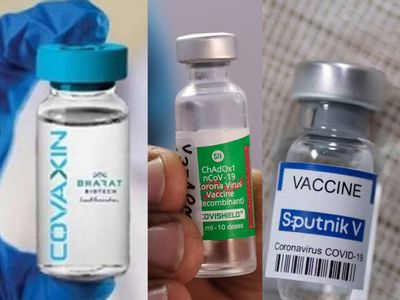
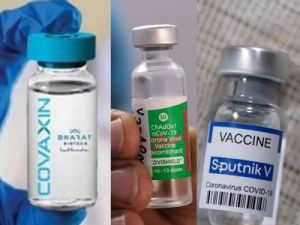
Covaxin,Covishield,Sputnik V (left to right)

The unprecedented onset of COVID-19 brought an unexpected storm in the lives of people all around the globe. The pandemic not only affected the jobs and social life of the people but also took a great toll on the lives of people, resulting in the death of lakhs of people in India.

Medical researchers around the world extensively worked for developing vaccines for the deadly coronavirus. India at present produces two locally developed vaccines for coronavirus: Covaxin and Covishield.

Covaxin is a product of Bharat Biotech, while Covishield is a product of Serum Institute of India. Both vaccines require two doses.

The government of India further approved for the use of Sputnik V vaccine, supplied by Russia. Unlike Covaxin and Covishield, the Sputnik V vaccine is a single dose vaccine. This vaccine is also locally being produced for fastening the vaccination drive.

Now, a new vaccine is in the process of developing- the nasal vaccine.

Prime Minister Narendra Modi on 07th June 2021, Monday said that researchers are working on the nasal vaccine, and hopefully it would turn out to be successful, which would further increase the pace of vaccination drive in the country.

What is a Nasal Vaccine?

As the name suggests, the nasal vaccine is a vaccine given through a person’s nose. It does not require to be injected in the body by a needle unlike the existing vaccines. It is a spray that is pumped via nostrils which would travel through the nasal passage and directly work upon the microbes that might have travelled through air.

As it is found out that the coronavirus commonly enters the body through the nose affecting the respiratory tract and lungs, damaging the respiratory system. The nasal vaccine would intercept the virus, helping combat the virus and prevent it from multiplication. It would also build a much widespread immune system against the coronavirus.

Currently, vaccination drive is going on for the people above the age of 18 years. The children below the age of 18 years are still left to be vaccinated. Which again is a matter of great concern as the old aged and the children are more vulnerable to coronavirus. The existing vaccines are not suitable for the children and hence the kids are left to be vaccinated.

Experts say, if the nasal vaccine turns out to successful, it would be safe to use nasal vaccine on children. It would also much easy to be administered in kids as it would not require insertion of needle on the skin, which children often resists because of the pain caused.

The nasal vaccine would be a single dose requirement unlike the existing vaccines. It is also expected to have no after affects like pain, fever or cold, as with the existing vaccines. The nasal vaccine could be self-administered with any medical help as it has a simple process of spraying the vaccine into the nostrils.

The self-assistance aspect of nasal vaccine would also reduce the crowd which is often seen for getting the present vaccines because of the que people have to stand in.

91 Nations vulnerable to new strain due to Indian vaccine export ban

91 Nations are vulnerable to the B1.617.2 strain after India has stopped export of vaccines claimed WHO: After being hit by the deadly and life taking second wave, New Delhi has banned all exports and started redirecting supplies for domestic use. India’s decision to ban exports and redirect supplies for domestic use has made a severe impact on those 91 Nations who were totally dependent on products of Serum Institute of India (SII), Covishield or AstraZeneca and the upcoming Novavax.

Without sufficient stocks these counties which are majorly African will remain Susceptible to the deadly B1.617.2 variant which was primarily found in India, said WHO . As per a chief scientist of World Health Organization, “91 countries are impacted by the shortage of supplies, particularly since the AstraZeneca parent company has not been able to compensate for the doses which have not come from Serum,” . The scientist stated that these nations are very vulnerable to new and more Transmissible strains including the B1.617.2 variant also.

The scientist added, “not just B.1.617.2, but other variants will emerge in other countries and spread around the world…We know that these variants spread very quickly. Even before they can be recognised, they are already spreading around the world. The same thing happened with the 117 [variant], now dominant“. As per an agreement signed between AstraZeneca and Serum Institute of India(SII) , SII was expected to supply a billion doses for low and middle income countries, with a commitment to provide 400 million doses by 2020 i.e. last year. All of this was to be delivered by Gavi, an international vaccine alliance.

The scientist also said that “most African countries, unfortunately, have vaccinated less than 0.5 per cent of their populations and haven’t even vaccinated all their healthcare workers,“.She also added that “if we continue having this inequitable distribution of available vaccines, we will see some countries going back to some degree of normalcy in their life, while other countries are hit very hard and continue to be hit hard by subsequent waves,“.

But after being hit heavily by the second wave, India stopped exports of it’s vaccines and redirected those for domestic use for vaccinating the natives. In this process, the nations which were dependent on Gavi and on Indian vaccines were left amid. As per some data, rich nations like US, UK, Israel, Canada and the European Union already ordered millions of vaccines from multiple vendors even before the vaccines were approved.

Now when there are no more options for the other countries, WHO has said that it hopes India will continue it’s exports again maybe somewhere at last of this year so that the other nations could also be vaccinated. The institution is “really going out with a plea to all countries to share their doses so that vulnerable groups can be protected before we start expanding to other groups such as children“. By the end of May, India has vaccinated about 3.5% of it’s total population. Indian government has also estimated that by the end of 2021 it will vaccinate every Indian.


Covid-19 in Tamilnadu

COVID-19 affects different people in different ways. Most infected people will develop mild to moderate illness and recover without hospitalization.Tamil Nadu reported 486 Covid-19 deaths and 30,016 fresh infections on Saturday. After 31,579 people recovered, the state was left with 3.1 lakh people under treatment for the viral infection. Cases in hotspot Coimbatore dropped from 3,937 on Friday to 3,692 on Saturday, and in Chennai from 2,762 to 2,705. Three other districts in western Tamil Nadu —- Erode (1,743), Tirupur (1,697) and Salem (1,472) —- reported more than 1,000 cases as did Chengalpet (1,314), Trichy(1,099) and Tiruvallur (1,072).

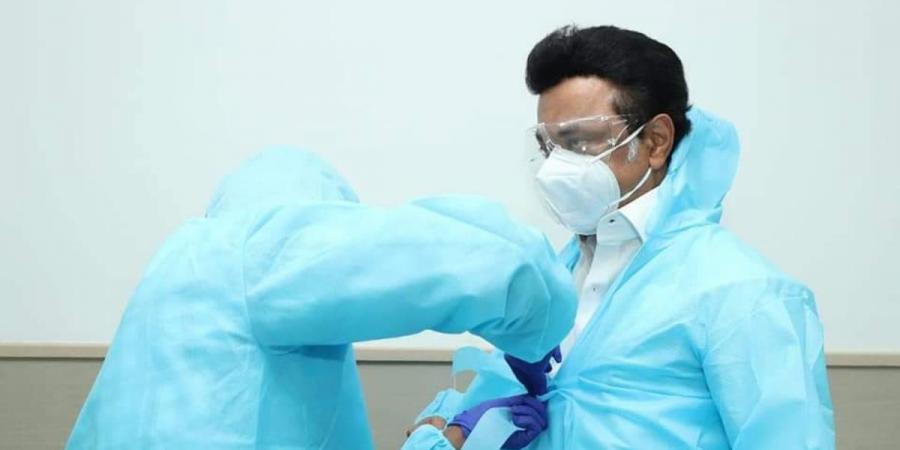
As the number of COVID-19 cases being reported from Coimbatore district surpassed that of even the capital city of Chennai, Tamil Nadu Chief Minister MK Stalin visited COVID-19 patients admitted at Coimbatore, Erode and Tirupur hospitals on Sunday afternoon. Stalin visited COVID-19 patients at Government Erode Medical College Hospital on Sunday morning and inspected the 300 newly setup oxygen beds at the hospital.

Health Minister Ma Subramanian and Minister for Housing and Urban Development S Muthusamy accompanied the CM during the inspections. Following the inspection, CM visited Tirupur Government Hospital and inaugurated 100 new oxygen beds. The Chief Minister reportedly interacted with the patients and enquired about their health and facilities at the hospital.Subsequently, CM Stalin visited Government ESI Medical College and Hospital in Coimbatore on Sunday afternoon, where he proceeded with the inspections. CM also launched 50 car ambulances for COVID-19 patients to be brought into the hospitals without any delay.

After interacting with the patients and inspecting the COVID-19 treatment and facilities at the hospital, CM held a review meeting regarding measures to contain COVID-19 spread. As per official data, Coimbatore district on May 26 recorded 4,268 new COVID-19 cases, highest in the state, whereas Chennai recorded 3,561 new cases on the same day.Since then, Coimbatore district has recorded the highest number of cases compared to Chennai. On May 29 Coimbatore recorded 3,692 new cases, whereas Chennai reported 2,705 new cases.To contain the spread of the virus, the officials in Coimbatore, Erode and Tirupur, which have also witnessed a surge in numbers, have ramped up the testing, tracking and treating methods in respective districts.

Explosive study claims:Chinese scientists created Corona virus

An explosive study claimed that Chinese scientists created virus in lab: Amid all the studies and research, an explosive new study has found that Chinese scientists were responsible for Corona virus. The study has found that Chinese scientists created the virus in a laboratory in Wuhan, and later they tried to hide their tracks by some reverse engineering versions of the virus so that it may look like it has evolved naturally and it is not created by some artificial means.

As per a report by The Daily Mail on sunday, the novel coronavirus SARS-CoV-2 virus is not having any “credible natural ancestor” and was created by Chinese scientists who were working on a ‘Gain of Function‘ project in a Wuhan lab. The report was citing a new research paper by British professor Angus Dalgleish and Norwegian scientist Dr Birger Sorensen. As per the research, it is claimed that scientists took a natural coronavirus backbone which is usually present in Chinese cave bats. They later spliced onto it a new spike, which turned it into the deadly and rapidly transmissible Covid 19.

As per the report from The Daily Mail, researchers even found some unique fingerprints in some Covid 19 samples and it is evident that such fingerprints could have only arisen due to some manipulation in laboratory. It also claimed deliberate destruction, concealment or contamination of data at Chinese labs and the mysterious disappearing of many Chinese scientists who used to spoke about such activities. It is estimated that this research study is going to affect a lot to the current Covid issue and also intensify all the debates related to this.

In this 22 paged research, Dalgleish and Sorensen pieced together how Chinese scientists, some even working with American universities, allegedly built the tools to create the deadly coronavirus. In an exclusive interview with The Daily Mail, Sorensen told that there is positive charge on four amino acids on the spike, which makes this virus more infectious as the positive charge sticks to the negatively charged parts of human. Also since these positively charged amino acids repel each other, it is rare to find three in organisms. While, four amino acids are not natural for sure.

Dalgeish told that “the laws of physics mean that you cannot have four positively charged amino acids in a row. The only way you can get this is if you artificially manufacture it,” . He further added that “We think that there have been retro-engineered viruses created. They’ve changed the virus, then tried to make out it was in a sequence years ago,“. He also emphasised on the fact that the scientists who tried to throw some light on this issue were mysteriously disappeared. He estimated that the virus escaped from some low security areas where he believes Gain of Function research was performed.

He further also said “We have seen lab leaks and we know it’s happening. We also know from the reports we’ve seen, that coronavirus is worked on in Biosafety Level 2 or 3 labs. If they do Gain of Function in such labs, what do you expect?” Before this an Australian daily has also estimated the same. And now US has also announced that it will check on this issue.


US promises to help India in Covid Fight

Will never forget the help given to us by India’ says US promising help to India in its Covid fight: Indan minister of external affairs S Jaishankar who was in his official trip to US became the first cabinet minister to visit it since Joe Biden was appointed as US president i.e January 20th. On Saturday external affairs minister gave an statement related to expand production of vaccines in India with assistance from the United States. He gave this statement after lot of discussion with some officials of US regarding Covid pandemic and vaccines.

The primary focus of the visit obviously was on the relationship with the new administration. It is a very important relationship. Also, to engage with the senior cabinet members here,” said the external affairs minister while revealing reason of his visit to Indian reporters after concluding successfully most of his engagements. The minister further added “There was also of course the COVID-19 context because of the vaccine partnership between India and the US, and also Quad-based discussions on vaccines. That was also one of the important subjects. In fact, in many ways, I would say the most important subject of my discussion,”.

Over the last two days Jaishankar met many officials and cabinet ministers of US. He met Secretary of State Antony Blinken, Defense Secretary Lloyd Austin, National Security Advisor Jake Sullivan, US Trade Representatives Katherine Tai and Director of National Intelligence Avril Haines and some others. Jaishankar had some wide ranging talk with his counterpart from US i.e Anthony Blinken. He discussed many important issues with him and expressed his gratitude for Biden administration for it’s strong support and solidarity with India at a moment of great difficulty and for helping India in fighting with this deadly Covid 19 pandemic.

Blinken also expressed his gratitude for the help given to US by India while welcoming Jaishankar to the state department. He said that they will never forget that India was with US in the early days of Covid. He addressed to state department that “Now we want to make sure that we are there for and with India,“.

In the joint media interaction between the two leaders while addressing the reporters, Jaishankar said that “We have a lot of issues to discuss. I think our relations have grown stronger over the years and I’m very confident that it’ll continue to do so. I also want to take the opportunity to express to the Secretary, through him to the administration, (and) to the United States for the strong support and solidarity and at the moment of great difficulty (for us),” .

We are united in confronting COVID-19 together…We are united in dealing with the challenge posed by climate change and we are partnered together directly through the QUAD and other institutions in the United Nations in dealing with many of the challenges that we face in the region,” Blinken said emphasising on the unity of India and United States in supporting each other and fighting such challenges.


Covid Vaccines: Why you can’t compare 92% efficiency with 81% efficiency

The only way to fight this deadly pandemic is by vaccinating ourselves. People are people’s cure. With so many companies releasing Covid-19 vaccines, people get confused as to which parameter is to be used while comparing them. Most of them start comparing vaccines based on their efficiency. There is a strong reason behind why you shouldn’t do that.

Parameters to consider

covishield,covaxin,sputnik
Covaxin, Covishield, Sputnik V (left to right)

Let us consider the three most used vaccines in India: Sputnik V, Covaxin, Covishield. The efficacy rates of the three are:

  • Sputnik V- 92%
  • Covaxin-81%
  • Covishield-70%

Based on this data, one may conclude that Sputnik V is the best and Covishield the worst. But before reaching this conclusion, let us consider some more important specifications.

Sputnik V vaccine:

Sputnik V is an adenoviral based Russian made vaccine, used against Covid-19. It works by introducing a weakened virus into the body so that they don’t immediately replicate and cause disease. Instead it prepares our immune system so that when the real virus attacks, the severity can be minimum to none. It requires two doses, with a 21 day interval between.

The trials were conducted on volunteers from Russia from June 2020 to Nov 2020 against the original and UK variant Covid-19. 19,000 volunteers from Russia participated in the trial, so trials were not done on Indian people.

Covaxin:

Covaxin was developed by India’s National Institute of Virology (NIV). It works by introducing a dead Covid virus into the body, thus enabling the immune system to develop a response, and this method is often considered safe. It was first trialed on animals, and then proceeded to human trials. It requires two doses, with a 4-6 week interval between.

The trials were conducted on volunteers from India from June 2020 to Jan 2021 against both the original and UK variant virus. Trials were done on a total of 26,000 volunteers.

Covishield:

Covishield was developed by Oxford University and AstraZeneca. It works by introducing a weakened version of a common cold adenovirus into the body and triggers an immune response. It requires two doses, with a 4-8 week interval between.

The trials were conducted on volunteers from USA from August 2020 to December 2020 against the original virus only. Trials were done on a total of 30,000 volunteers.

As it can be observed, all three vaccine trials were conducted under different time periods, in different countries, on people of different nationalities on different variant viruses. Thus comparing them solely on the efficiency rates alone is not fair.

So which one to choose?

The answer to this question is that all three do their jobs as specified. There is no single ‘perfect’ vaccine. So instead of waiting for a vaccine with higher efficiency rate, try to vaccinate yourself as soon as possible. The goal of a vaccine is not to prevent you from getting Covid-19, but to reduce its severity, thus reducing severe symptoms and death.

Evidently, no vaccinated individual during the trials were hospitalized when they got Covid-19. The intake of medicines prescribed by their doctors, good food and isolation cured them. Hence this is proof that vaccination reduces the severity of the virus. Do not be under the false pretense that once vaccinated, Covid-19 cannot affect you and hence do not roam out. You maybe vaccinated, but other may not be. So do not be the cause of their attack.

This post was written with the intention of debunking the false hope of people that better efficiency rate equals better vaccine. So vaccinate yourself when you get the chance instead of waiting for the perfect vaccine. Be safe and be home. Let us together win this battle and soon return back to normal.

One More Fungal Infection After Yellow Fungus?

After Black, White and Yellow Fungus, there’s a new fungal infection found in COVID patients- Aspergillosis.

Some patients in Mumbai and Ghaziabad who are currently infected with COVID or have recovered from the disease are showing symptoms of Aspergillosis.


  • What is Aspergilliosis?

Aspergillosis | Types of Fungal Diseases | Fungal Diseases | CDC


Aspergillosis is an infection, allergic reaction, or fungal growth caused by the Aspergillus fungus. The fungus usually grows on decaying vegetation and dead leaves. Exposure to the fungus doesn’t necessarily guarantee that you’ll get aspergillosis. We all encounter the fungus everyday but it only people with weaker immune system or who have just recovered from some major health issues might catch this.


  • What are the symptoms?


Dry cough: Causes, treatments, and when to see a doctor


  1. Headaches
  2. Difficulty in Breathing
  3. Blood in urine
  4. Coughing and sneezing
  5. Pain in chest


  • How can it be treated?


  • Medications:

Oral or intravenous drugs like voriconazole (Vfend) can treat the invasive type of aspergillosis. If you have allergic aspergillosis, you may receive medication that suppresses your immune system, such as prednisone, along with antifungal drugs. Although the antifungal drugs can cause serious side effects later on.


  • Surgery:

Surgery in the form of lobectomy is the primary treatment. Surgery for aspergilloma is known to be risky because of massive hemorrhage during dissection and poor pulmonary reserve of the patient due to the underlying disease.


  • Source:

http://https://www.healthline.com/health/aspergillosis#treatments

http://https://timesofindia.indiatimes.com/life-style/health-fitness/health-news/mucormycosis-cases-rising-in-india-people-who-are-at-most-risk-for-black-fungus-white-fungus-and-yellow-fungus-fungal-infections/photostory/82935656.cms