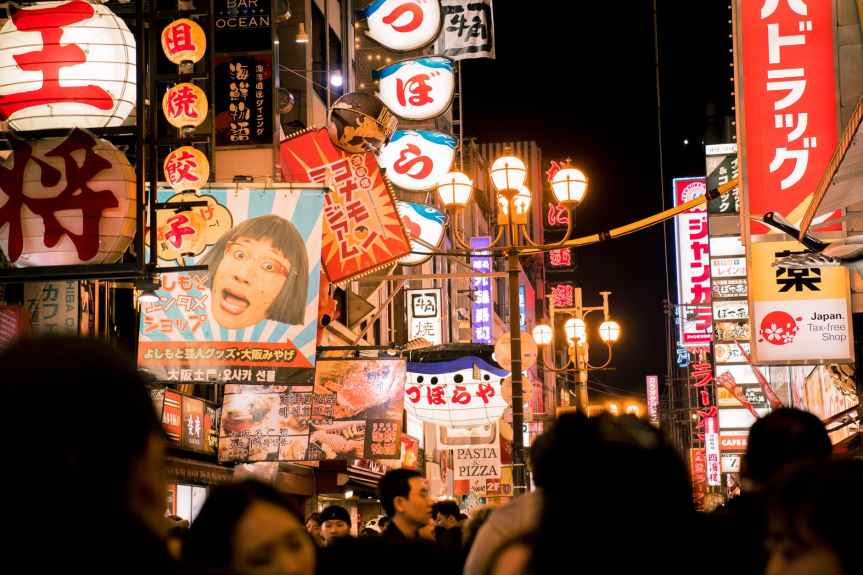
Japanese people have a unique way of living that provides many lessons for people willing to open their minds and understand their incredible culture. Japan boasts a nation of people who are incredibly kind, good-natured and polite.
The few things I learnt from them are :
REVERENCE TO PEOPLE
Japanese are masters of showing respect. Whether it’s the way they greet people they don’t know or their incredible attention to detail when it comes to developing relationships. The Japanese are mindful of respect at all times.
HARDWORK TO ACHIEVE GOALS
They work extremely hard to achieve their goals. Its for this reason that they’re one of the most pioneering, forward thinking nations on the planet! They work really hard in their careers, so they can support their families and work on self-growth.
VISIONARIES
Japan has some of the most pioneering technology companies on the planet, including Toyota, Nippon and Honda. The country has propelled its technological advancements to the forefront of human history. We must learn to believe in our vision, even if no one has achieved that.
DISCIPLINED LIFE
Discipline is akin to respect in Japan. To be disciplined is not to give in to your urges but to live a life that is respectable and based on profound will to do good for people.
CLEALINESS
In Japan, there is a general obsessiveness with cleanliness that starts in the home and extends to public spaces like parks and schools. It certainly makes the country an extremely pleasant place to be.
Either Stable burning in various states accrued the air pollution in Delhi and created a gas chamber around NCR ; SC came upon a committee to observe scenario , Or 4 industries inflicting stream pollution were shut down by Maharashtra pollution board . Everybody has responsive to environmental problems as higher than . The key solution for resilience to environmental issues are provided by government in various legislations , enactments and provisions on environment laws .
In republic of India environmental law is concern with the policy and law for protection of the environment . It aims for achieving carbon free economy through taking measures for reducing climate change. All the acts under this laws are safeguards in ensuring effective management of the environment and its multiple ecosystems . It provides for preventing environmental damage .
Natural resources in the earth were unscathed from millions of years. It were remain pure until the industrialized started . After the industrialization this resources have been exploited in Spain of 100 years only . From 19th century, the environment (air , water and land ) is directly exploited by rapidly growing population at alarming-rates.
environment includes water, air and land and the inter-relationship which exists among and between water, air and land, and human beings, other living creatures, plants, microorganisms and property , as mentioned in section 2 of environmental protection Act of 1986 . Environment is a wide sphere , it consists of social, economically , political , religious dimensions .
Addressed area of environmental laws in India :
1. Quality of water : For the prevention and control of water pollution and to maintain or restore wholesomeness of water in the country the water act of 1974 was enacted. It further provides for the establishment of Boards ( CPCB and SPCB ) for the prevention and control of water pollution with a view to carry out the aforesaid purposes. This act prohibits the discharge of pollutants into water bodies beyond a given standard, it also lays down fine and penalties for non-compliance.
2. Reduction of air pollution and maintaining air quality : The Air (Prevention and Control of Pollution) Act, 1981 (the “Air Act”) is an act to provide for the prevention , protection and abatement of air pollution .It provides for establishment of Boards at the Central and State levels with a view to carrying out the aforesaid purposes.
3. Hazardous Waste management : legislations that directly or indirectly deal with hazardous waste management are the Factories Act, 1948, the Public Liability Insurance Act, 1991, the National Environment Tribunal Act, 1995 and rules and notifications under the Environmental Act.
4. Containment cleanup, damage mitigation : preventing future damage to the environment is undeniably the primary objective of environmental law, mitigating and reducing existing damage is also important. This area most often deals with issues like toxic leaks and oil spills. The central objective of this branch of environmental law is deciding liability, planning an appropriate response, and also determining the best process of investigation and monitoring in the overall clean up process. This area also concerns itself with the study and assessment of risk in the long term, to better mitigate any future accidents and risks.
5. Sustainability of resources : United Nations has put great emphasis on ensuring the sustainability of resources. For this vision , it has advocated the formation of various legal principles and legislation. In this regards concept of environmental impact assessment introduced .
Noble legislations and enactments on environment law in India :
Laws on Forest and wild life protection: • The Indian Forest Act, 1927 ; The Wildlife Protection Act, 1972; The Forest (Conservation) Act, 1980 ; The Environment (Protection) Act, 1986; The National Green Tribunal Act, 2010.
Laws on Water pollution : • The Water (Prevention and Control of Pollution) Act, 1974.
Laws on air pollution : • The Air (Prevention and Control of Pollution) Act, 1981 (the “Air Act”)
Laws on hazardous waste management : • Biomedical Waste (Management and Handling) Rules, 1998 ; Municipal Solid Wastes (Management and Handling) Rules, 2000 ; Batteries (Management & Handling) Rules, 2001 ; Hazardous Wastes (Management, Handling and Transboundary) Rules, 2008 ; E – Waste (Management and Handling) Rules, 2011 . Laws on wetlands
•Ramsar convention (1971) : This convention was initiated to push for greater conservation and sustainable use of wetlands ; Wetlands (Conservation and Management) Rules, 2017. Constitutional provisions on environment laws
• Part IVA (Art 51A-Fundamental Duties) of the constitution casts a duty on every citizen of India to protect and improve the natural environment including forests, lakes, rivers and wildlife, and to have compassion for living creatures.
• the Constitution of India under Part IV (Art 48A-Directive Principles of State Policies) stipulates that the State shall endeavour to protect and improve the environment and to safeguard the forests and wildlife of the country.
environment makes human life possible, and our cultural environment helps define who we are. It is therefore essential that our population and economic growth are environmentally sustainable.
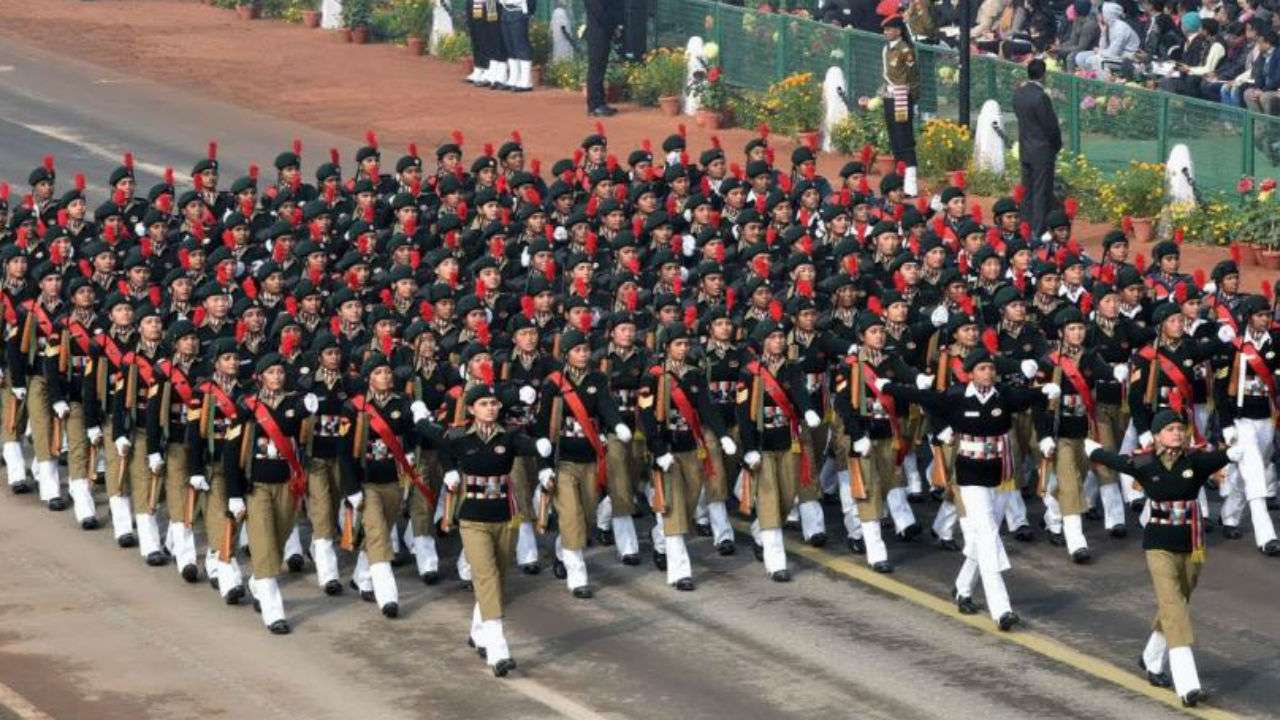
The National Cadet Corps is the youth wing of the Indian Armed Forces with its headquarters in New Delhi, India. It is open to school and college students on voluntary basis as a Tri-Services Organization, comprising the Army, the Navy and the Air Wing, engaged in grooming the youth of the country into disciplined and patriotic citizens.
The soldier youth foundation in India is a voluntary organization which recruits cadets from high schools, higher secondary, colleges and universities all over India. The Cadets are given basic military training in small arms and drill. The officers and cadets have no liability for active military service once they complete their course.
Origin
In 1949, the Girls Division was raised in order to give equal opportunities to school and college going girls. The NCC was given an inter-service image in 1950 when the Air Wing was added, followed by the Naval Wing in 1952. In the same year, the NCC curriculum was extended to include community development/social service activities as a part of the NCC syllabus at the behest of Late Pandit Jawaharlal Nehru who took keen interest in the growth of the NCC. Following the 1962 Sino-Indian War, to meet the requirement of the Nation, the NCC training was made compulsory in 1963. In 1968, the Corps was again made voluntary.
Aim and Motto
The discussion for motto of NCC was started in 11th central advisory meeting (CAC) held on 11 August 1978. At that time there were many mottos in mind like “Duty and Discipline”; “Duty, Unity and Discipline”; “Duty and Unity”; “Unity and Discipline”. Later, at the 12th CAC meeting on 12 Oct 1980 they selected and declared “Unity and Discipline” as motto for the NCC. In living up to its motto, the NCC strives to be and is one of the greatest cohesive forces of the nation, bringing together the youth hailing from different parts of the country and molding them into united and disciplined citizens of the nation.
Skill development
The benefits of joining NCC include receiving basic military training. It develops the students’ interest in three forces – Air force, Army, and Navy. NCC is the first platform that provides opportunities to the cadets to check their efficiency to join the mainstream Indian Defence Services.
The cadets are imparted training in the use of arms, along with communication skills and personality development skills, he said. The NCC helps to develop leadership qualities in students. NCC cadets Indrajith and Yashaswi have been selected for Republic Day parade in New Delhi. The NCC helps to instil confidence.
NCC is an effective organization designed to mould the youth at their most impressionable age with the aims of developing qualities of character, courage, comradeship, discipline, leadership, secular outlook, spirit of adventure and sportsmanship and the ideals of selfless service among the youth to make them useful .
Learning
Discipline, basic arms training, team ethics, following orders, various kinds of physical activities, sports, tours to remote areas, etc. are some of the things you experience and learn in NCC. These lessons are invaluable and make the journey of learning beautiful.
Since the time Earth developed the quality of sustaining life, life has always gone under the process of evolution. Life started from single celled organisms and developed stage by stage. One organism extinct to develop into its better developed species or even at times it happens that some animals get erased from the surface of the earth due to extreme environmental condition.
EXTINCT ANIMALS: Species of animals which existed in the surface of the earth once upon a time but has no current existence, this may have been a result of extreme environmental condition or some other condition for existence. For example, we have dinosaurs, Dodo.
ENDANGERED ANIMALS: The species of animals which have only a few animals left on the surface of the earth and are in the mouth of being extinct are known as endangered, currently this is a result of poaching i.e., unethical killing of wild animals with purpose or change in the climate due to pollution and other factors. For example, we have the Royal Bengal Tiger.
We cannot do anything for the species which are extinct but we can definitely take steps and save our endangered species. Poaching laws should be made stricter and it should be taken care that people follow them.
Different types of animals :
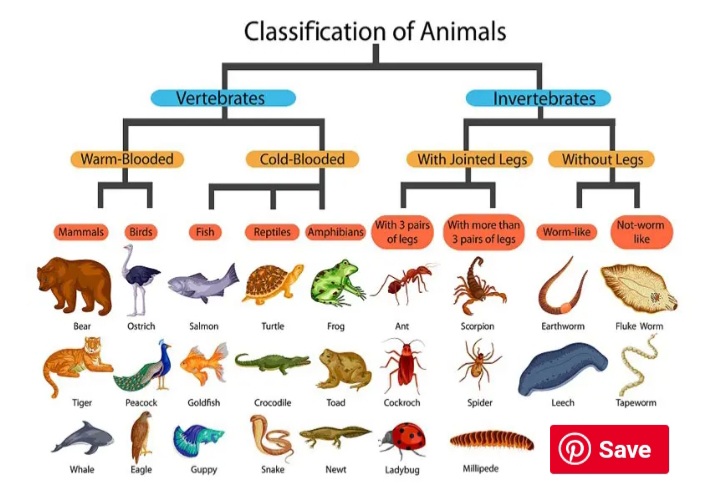
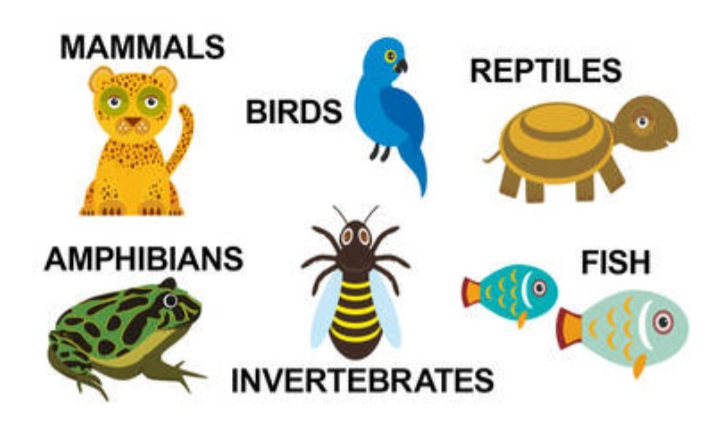
Scientists sort the different types of animals in the world into categories based on certain characteristics. Animals are generally grouped into six types of aninals. The system for animal classifications is called taxonomy.
The Animal Kingdom :
All animals belong to a biological kingdom called kingdom Animalia. This kingdom is then broken down into over 30 groups. About 75% of all species on earth are aninals. Animals are then broken down into two types : vertebrates and invertebrates.
* Animals with a backbone are vertebrates.
* vertebrates belong to the phylum called phylum chordata.
* vertebrates are classified into five classes. They are amphibians, birds, fish,mammals, and reptiles.
* Animals without a backbone are invertebrates.
* Most invertebrates are in the phylum Arthropoda.
1. Amphibians :
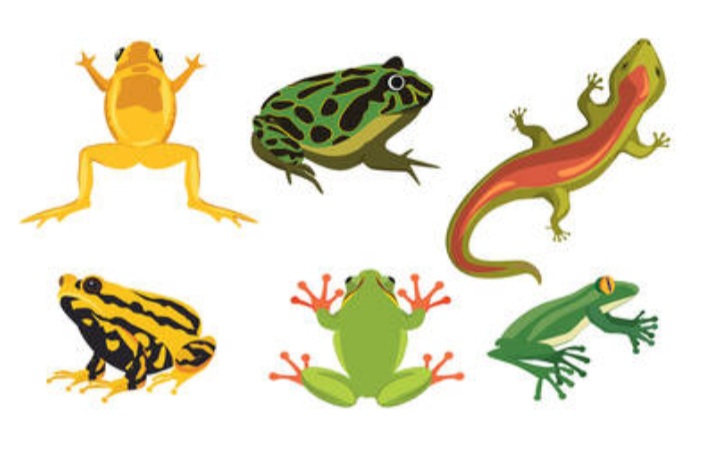
All amphibians are vertebrates, and they need moist environment or water to survive.
* They are cold- blooded.
* They absorb water and breathe through their thin skin
* They have at least one special king gland used for defense.
* Most follow the life cycle of egg-larva- adult.
* examples : frog , newts, salamanders, toads.
2. Birds
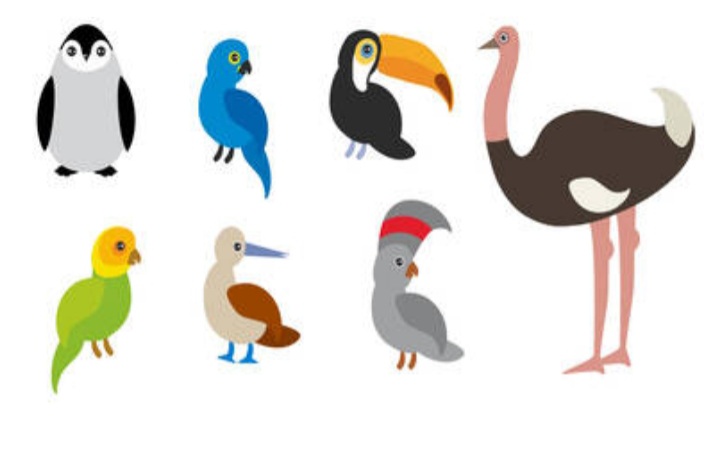
Birds are a type of warm- blooded vertebrate that are adapted to fly.
* Not all birds can fly, but they do all have wings.
* Birds have beaks that help them catch and swallow food.
* The digestive system of a bird allows it to eat whenever it can and digest that food later.
* Birds lay egg to reproduce.
* They are endothermic, mening they maintain their own constant body temperature.
* They are bipedal, which means they have two legs.
* They have hollow bones and their bodies are covered in feathers.
Mammals are another type of vertebrate that belongs to the class Mammalia.
* young mammals get nourishment from milk produced by their mothers.
* Most mammals have hair.
* Their jaw is hinged directly to their skull unlike all other vertebrates.
* Almost aĺl mammals give birth to live bsbies.
* They are endothermic, or warm- blooded.
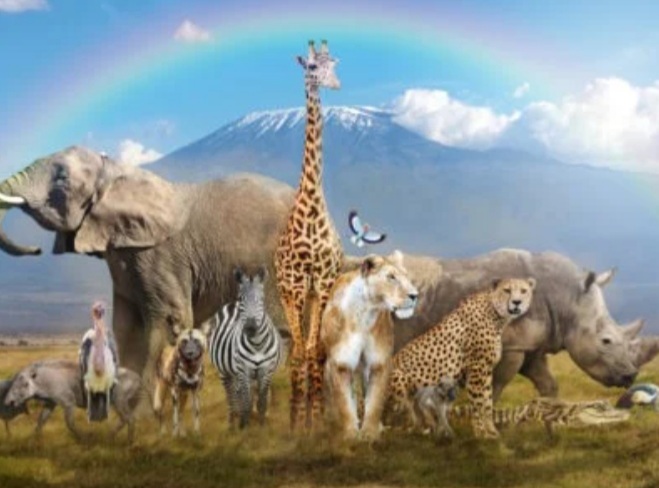
* Examples : there are over 5500 living species of mammals all over the world. Aardvarks, bats, elephants, hamsters, human, rabbits, rhinoceroses, whales.
5. Reptiles :
Reptiles are thought to be the first vertebrates to live completely on land. But, not all reptiles live only on land today.
* They are cold- blodded, or ectothermic
* They lay eggs to reproduce.
* They have four legs or descended from animals with four legs.
Approximately 95% of all animals are invertebrates. Invertebrates do not have a backbone. There are different types of invertebrates, but they all share a few characteristics.
• They are made up of many cells that work together, or multicellular.
• Most, but not all have tissues, cells that work together in a more complex way.
• Most, but not all, can move.
• There are over 35 phyla of invertebrates.
• They generally have soft babies.
● Types of Invertebrates :
There are eight phyla of invertebrayes that are alive today.
* Annelida – have a segmented body and primitive brain
* Arthropoda – have jointed appendages and an exoskeleton.
* Cnidaria – have tissues and an incomplete digestive system
* echinodermata – have some type of spiny structure on their bodies
* Mollusca – generally have sofy bodies and a hard exoskeleton.
* Nematoda – unsegmented with worm- shaped bodies
* platyhelminthes – have soft, ribbon- like worms with no respiratory system.
* porifera – multicellular organisms living in water with no organs or tissues.
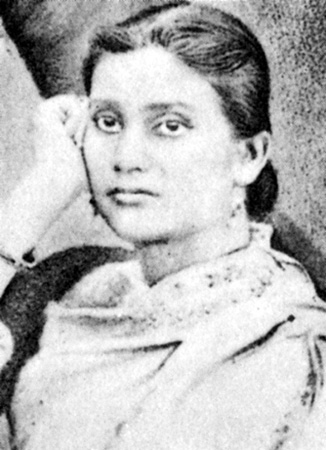
160 years ago, on this day, July 18, Kadambini Ganguly was born in a Bengali family in Bhagalpur, Bihar. As a child, she was rebellious with regard to sexism and patriarchy and was very hard-working as a student.
Picture of Dr. Kadambini Ganguly.
During her childhood, she had witnessed that in her area many women used to die without treatment as women could not get proper treatment because all doctors were males and Indian social culture didn’t approve a male doctor treating a female patient. From here, she dreamt of becoming a doctor during her childhood.
However, things didn’t happen according to her. She was married off at young age and thus she thought her dreams would go down the gutter. But it was then her husband who supported her in every walk of her life. She did her schooling partly at Banga Mahila Vidyalaya and partly at Bethune School. In 1878, she became the first female to pass the University of Calcutta entrance examination.
Within few years, she became one of the first few female graduates in the country alongside Chandramukhi Basu. When she wanted to study medicine, she was denied admission by University of Calcutta as the university wasn’t allowing female students back then. Dwarkanath Ganguly, Kadambini Ganguly’s husband challenged this patriarchal rule and in 1883 Kadambini Ganguly was the first female to take admission in Calcutta Medical College.
Kadambini Ganguly received a scholarship of two years and in 1886 she was awarded the GBMC award and thus making her the first female to have a degree in Western Medicine in the whole of South Asia.
It is also important to note that during that time people didn’t approve a female getting education and as a result she received strong opposition regarding her academical choices from conservatives even from her neighbourhood and relatives.
Bangabashi, a magazine of that time that was run by the then conservatives also called her a “whore” and this obviously didn’t go well with the Ganguly couple. Dwarkanath Ganguly legally filed a court case against the magazine and this resulted in 6 months jail term for the editor of the magazine.
Kadambini Ganguly also went abroad for her studies and got her further education in Edinburgh College of Medicines for Women. She quickly earned three different diploma degrees. Soon, she became popular in entire South Asia and Europe. Her name became so popular that the then King of Nepal invited her to treat his ailing mother.
Kadambini Ganguly had even advocated for social change in India and especially for women. It was due to her efforts that Bethune College in Kolkata added the Fine Arts course in their college. She was also one of the six female delegates to fifth session in Indian National Congress and even organised Women’s Conference in 1906 in Calcutta.
Authors of that time described Kadambini Ganguly as one of the “greatest” and the “most accomplished woman” of her time. And truly, all of us agree to it. Because of courageous women like her, so many women in the world must have got inspired to achieve their dreams. Kadambini Ganguly will always remain immortal in all her hearts.
Being a part of a mixed economy , where politics tend to exploit the peace between different religions and so on …….. .
“India was the motherland of our race, and Sanskrit the mother of Europe’s languages: she was the mother of our philosophy; mother, through the Arabs, of much of our mathematics; mother, through the Buddha, of the ideals embodied in Christianity; mother, through the village community, of self-government and democracy. Mother India is in many ways the mother of us all.”
Will Durant, American historian
And now you want to know why I am being so dramatic over such things . Well , if you want to know than start reading the editorial .
Introduction
Indians say it is important to respect all religions, but major religious groups see little in common and want to live separately
More than 70 years after India became free from colonial rule, Indians generally feel their country has lived up to one of its post-independence ideals: a society where followers of many religions can live and practice freely.
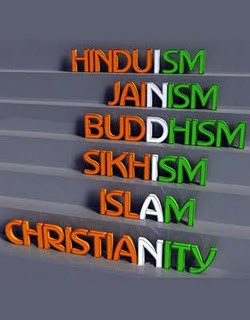
Religion has historically influenced Indian society on a political, cultural and economic level. There is a sense of pride associated with the country’s rich religious history as the traditions of Hinduism, Buddhism, Sikhism and Jainism all emerged out of India. Moreover, while a majority of people in India identify as Hindu (79.8%), the medley of religions that exist within the country continually impact contemporary society.
Census
The 2011 Indian census indicated that 79.8% of Indians identified as Hindu, 14.2% identified as Muslim and 2.3% identified as Christian. A further 1.7% of the population identified as Sikh, 0.7% identified as Buddhist and 0.37% identified as Jain. Due to the massive population size of India, religious minorities still represent a significant number of people. For example, although only 0.37% of India may identify with Jainism, that still equates to over 4 million people. While not all religions in India can be discussed in detail, the following provides an overview of the major religions in the country as well as sizable religions that originated in India.
Social beliefs
“India has two million gods and worships them all. In religion all other countries are paupers; India is the only millionaire.”
Mark Twain
Karma, Acceptance and Personal Choice . Many Indians tend to have a sense of acceptance towards one’s life position or a belief that, due to actions in one’s past life, good or bad personal circumstances are deserved. This attitude partly stems from religious ideas such as ‘karma’ (the idea that one’s actions will affect their current or future life) and ‘samsara’ (the cycle of rebirth).
The interplay of these social, cultural and religious factors allows people to be accepting of life events and trajectories. However, this is not to be interpreted as Indians being unwilling to take responsibility for life circumstances. Many often contemplate how their actions may impact their future and make decisions accordingly. Some of India’s youth are challenging a fatalistic perspective by asserting their free will to choose their vocation, spouse and other life factors. Indeed, as social mobility becomes more common, there is a growing belief that one can change their circumstances.
It’s Role
Religion plays a major role in the Indian way of life. Rituals, worship, and other religious activities are very prominent in an individual’s daily life; it is also a principal organizer of social life. The degree of religiosity varies amongst individuals; in recent decades, religious orthodoxy and observances have become less common in Indian society, particularly amongst young urban-dwellers. As of the politics , they play with religion , people’s belief and with their trust .
“It Isn’t Hate to Speak the Truth.” Cancel culture or call-out culture is a modern form of ostracism in which someone is thrust out of social or professional circles whether it be online, on social media, or in person. The expression “cancel culture” has mostly negative connotations and is commonly used in debates on free speech and censorship. The notion of cancel culture is a variant on the term call-out culture and constitutes a form of boycotting or shunning involving an individual (often a celebrity) who is deemed to have acted or spoken in a questionable or controversial manner. The concept of cancel culture has been criticized on the grounds that people claiming to have been “cancelled” often remain in power and continue their careers as before. The practice has also been defended as an exercise of free speech.
To many people, this process of publicly calling for accountability, and boycotting if nothing else seems to work, has become an important tool of social justice — a way of combatting, through collective action, some of the huge power imbalances that often exist between public figures with far-reaching platforms and audiences, and the people and communities their words and actions may harm. But conservative politicians and pundits have increasingly embraced the argument that cancel culture, rather than being a way of speaking truth to power, has spun out of control and become a senseless form of social media mob rule. At the 2020 Republican National Convention, for example, numerous speakers, including President Trump, addressed cancel culture directly, and one delegate resolution even explicitly targeted the phenomenon, describing it as having “grown into erasing of history, encouraging lawlessness, muting citizens, and violating free exchange of ideas, thoughts, and speech.” Actually ending someone’s career through the power of public backlash is difficult. Few entertainers or other public figures have truly been canceled — that is, while they may have faced considerable negative criticism and calls to be held accountable for their statements and actions, very few of them have truly experienced career-ending repercussions. Harry Potter author J.K. Rowling, for example, has faced intense criticism from her own fans since she began to voice transphobic beliefs, making her one of the most prominently “canceled” individuals at the center of the cancel culture debate. But following Rowling’s publication, in June 2020, of a transphobic manifesto, sales of the author’s books actually increased tremendously in her home country of Great Britain. As ideological divides seem more and more insurmountable, the line between the personal and the political is vanishing for many people. Even though cancel culture seems to generate few lasting consequences for celebrities and their careers, some people view it as part of a broader trend they find deeply disturbing: an inability to forgive and move on.
Nonetheless, that divide seems to be widening and growing more visible. And it isn’t purely a divide between ideologies, but also between tactical approaches in navigating ideological differences and dealing with wrongdoing. The view that a traditional approach — apology, atonement, and forgiveness — is no longer enough might be startling. But to those who think of cancel culture as an extension of civil rights activists’ push for meaningful change, it’s an important tool. And it’s clear that, controversial as cancel culture is, it is here to stay.
In its counterparts as public law , it widely known as “the law of sea “. It also called Admiralty law. the process of carrying goods through sea, rules concerning protection and maintenance of ships at sea, registration and damage to ships, marine insurance etc. , is covered under maritime laws .
As india is surrounded by water from the three sides , it created nature condition for Marin trade after the water territorial trade started.
Legislations prior to Independence : maritime laws in India were governed under the British government. There are some of the regulations which deal with various aspects of maritime in India.
Coasting Vessels Act, 1838
Indian Registration of Ships Act, 1841,
Admiralty Offences (Colonial) Act, 1849
Inland Steam Vessels Act, 1917
Indian Ports Act, 1908
Control of Shipping Act, 1947
Legislations after independence : after the independence sea laws mostly governed under article 297 of the constitution. And there are different lex on waters, continental shelf, EEZ and other maritime zones.
Some of the acts are there , for maritimes affairs . This are
The Merchant Shipping Act, 1958
The Admiralty (Jurisdiction and Settlement of Maritime Claims) Act, 2017.
Article 297 of the constitution
Marines crimes , are frequent offenses which have been committing in sea . There are some marine offences mentioned below –
Maritime Piracy
Smuggling Exotic plants and animals
Unauthorized entry
Illegal Carrying of Weapons and artillery
Maritime Drug trafficking
Maritime Human Trafficking
Discharging in Ocean Waters
Sailing or fishing in unauthorized areas–
Tax evasion
Maritime piracy is an illegal act of violence, detention or destruction against a ship , on person or property, for private purposes, by the crew or passengers of a private ship . Piracy also includes inciting and intentionally facilitating such acts of violence, and voluntarily participating in the operation of a pirate ship . Pushiment for piracy is prescribed in anti maritime piracy bill 2019 , that is (i) life imprisonment ; or (ii) death , if the act of piracy is caused or seek to cause death.
Smuggling Exotic plants and animals : For a ship without authorization, its illegal to do Smuggling of exotic plants and animals for wildlife smuggling. This is because wildlife smuggling involves the isolation of plants and animals. When they arrived at the destination, they may not be able to adapt to the new place. Animals may also cause vulnerable diseases in people. And it may also leads to the serious illness or death of animals . To smuggle Endangered Species of Wild Fauna and Flora , is crime in maritime law.
Unauthorized entry : the ship must seek permission from government of that nation , For entry in a nation’s marine boundary . Sailing on that nation’s waters without a permission is a maritime crime and punishable in all countries. And a person who illegally and secretly boards and hides in to the ship, without the consent of ship owner and master, to travel into international waters to reach some other country without any monitory payment and legal documents , is known as stowaway.
Illegal Carrying of Weapons and Artillery : to carry weapons and artillery, throughout the water territory of any country , which is not legally bonded , is a martime offence .Goods which are sensitive in nature can be transported by specific ships only . Bringing in weapons on a ship, is not authorized , it is a punishable offense.
MaritimeDrug trafficking : maritime drug trafficking means transportation of illegal drugs produced in this region to global consumer markets through using ships . To sell drug, is illegal in itself and trafficking of it become more severe offence .
Maritime Human Trafficking : maritime Human Trafficking involves the use of force, fraud, or coercion to obtain some type of labor or commercial sex act , through exporting victim in other country vie ships .
Discharging in Ocean Waters : it refers to the sewage discharge done by the vessels and ships in the water territory of any nation . Marine pollution is a serious issue and almost all countries have strict policies against ships discharging sewage or oil into their coastal waters.
Sailing or fishing in unauthorized areas : it’s an offence to do sailing in an areas of water territory where the sailing or fishing is not allowed .
Tax evasion : ship owners trying to evade taxes through false documentation or incorrect representation of cargo material have been increasing rapidly, posing a threat to maritime security. It’s a white collar crime.
Happiness is a state of mind which we possess when something good happens to us and we feel that goodness at our heart. This is an abstract feeling which is not materialistic and cannot be bought by money or some other possession. Happiness brings with itself a lot of positivity and also provides us with the motivation to go ahead and achieve other milestones. Happiness also maintains the zeal and enthusiasm for doing things and experiencing new paths. Happy state of mind also increases the age of people and lets them live a longer life.
Happiness is a key to healthy life; it sets a soul free and encourages it to explore the world and also gives us power. Happiness is a part of being successful in life it is that fruit which we all want to grow and thus we do so much of hard work throughout our entire life so that we can live a happy peaceful life after all. Happiness cannot be ever faked it comes straight out from our heart and it is priceless. At the end of a hard-earned day all we care for is some peace and happiness in our families and ourselves so that we can start another fresh day ahead.
4 levels of Happiness :
” Happiness is the meaning and the purpose of life, the whole aim and end of human existence” . Of course, there are a number of different types of happiness and each person has different things in life that make them happy and unhappy. It is important for people to be self- aware and to truly understand what makes them happy and content as individuals. Take a look at the different types of happiness below and think about the things in your life that maku you happy.
There are main types of happiness, these being related to; pleasure, passion and purpose.
Pleasure :
Pleasure is important to us human beings but its related benefits are relatively short term. A delicious meal, a nice meeting with friends or listening to our favourite music all produce endorphins and offerus happy moments that can be the highlights of our day. However, these singular moments don’t equate to long- term satisfaction.
Passion :
Being passionate about something whether a hobby cause or group activity and actively being involved with it can be a great source of happiness. These activites deliver contentment in the medium term and provide a sense of achievement and variety in life
Purpose :
Feeling like you are part of something bigger than yourself and that your actions will really matter can lead to a deep sense of fulfillment and long- term happiness. We all like to think that our lives have menaing and if you can find your ” calling” or be part of great team, group or organisation that are making a difference then chances are you will be truly happy.
Ultimate Good :
The fourth level of happiness is known as ultimate good. This is a fundamental desire we have as human beings for perfect truth, goodness beauty and love . Many people find this form of happiness through their religious beliefs. Even those who don’t believe in a higher power can find happiness in their pursuit of truth, beauty, love and goodness in themselves and in helping others. This level is happiness is often considered the most enduring and profound.
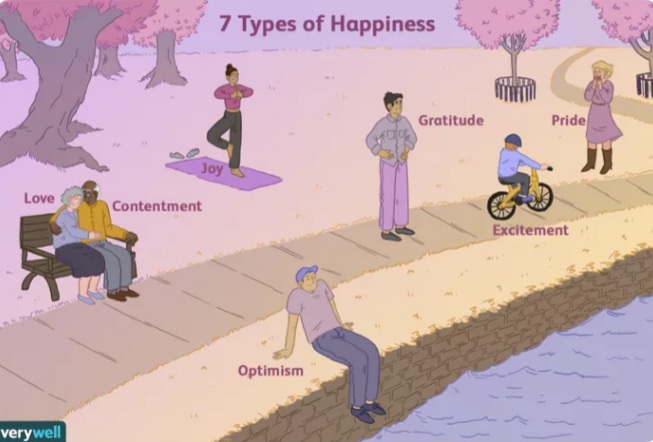
Different types of Happiness :
1. Joy :
Joy is when you win a hard- fought competition, you finally accomplish a project you’ve wanted to or times when you doible over in uncontrolled laughter when someone relates a hilarious story. Joy makes you feel great about yourself, makes you feel confident, assertive, capable, loved and fulfilled.
The feeling of joy is fleeting joy is presemt at the moment. It is possible to feel joy despite grief or uncertainty. Happiness can be found in many things. It transforms tough times into blessimgs and turns heartache into gratitude.
2. Love :
Second, on the list pf different types of happiness is love. Which means other things to different people still, a wholesome ,reciprocared love with another person seems to be the fundamental predictor of happiness. Here, we are not just talking about romantic love, it means to love with friends and family, as well as partners. When you’re in love, you’ re blissfully happy all the time.
3. Contentment :
The secret of Happiness is contentment which means a state of happiness or satisfaction . It isn’t a matter of being satisfied with what you have. Contentment not only holds the power tobmake you happy, but it will transforms your life in many ways.
4. Optimism :
Optimism is a type of happiness that reflects the belief that events or experience outcomes will generally be positive. The key to attaining happiness is to have an optimistic approach to life, as optimism reflects hope and faith, helping people believe that this world is the right place
5. Gratitude :
Gratitude creates positive emotions, like different types of happiness, joy, love, and contentment, it can undo the hold of negative emotions. It goes hand in hand with mindfulness in its focous on the present and greatfulness for what we have now, rather than wanting more and more.
6. Excitment :
Excitment can be anything from about a new job or moving to a different place and motivates youbto work harder and channel that positive energy into more constructive activity. Excitements is fleeting. It dissipates rather quickly and can turn into ennui. It sometimes acts as a motivating factor , and execitment often leads people to likely make a decision. Even a bad one as excitment leads to impulsivity.
7. Pride :
Last on the list of different types of happiness is pride. Yes, pride and happiness go hand in hand. You can take pride in your work and your family, your haome and yourself, and in anything you put effort, attention, and love into. It is a positive feeling in reactive to a jouous event.
There are 7 essential keys to happiness and successthat will help to materialize both those things in your life:
* Gratitude.
* Be present
* Manage time Effectively
* Set smarter Goals
* Embody an Empowering morning Routine
* Tackle the MITs
* Focus on Health and wellbeing.
To get the most bang for the happiness buck, I’ve realized that I should complete four stages of reveling in a moment of happiness :
Unemployment has become one of the biggest problems around the world. When an individual is an implied, he or she will know very less about the mankind. It is so difficult to face situation and handle situations when the individual is unemployed. Unemployment leads to many silly mistakes. And an unemployed person cannot take over the family and lead the family as well. There is a huge competition in highly populated countries like India. In order to be employed, the only method is to study hard and improve the skills and score better. Basically, the students are not showing good amount of interest towards the studies. Let us now see how to motivate them.
Covid crisis has made many people unemployed. It has taken away the basic need of living. Many people are left with the unfilled stomachs. Some people are dead about by not finding a way to live.
Types of unemployment :
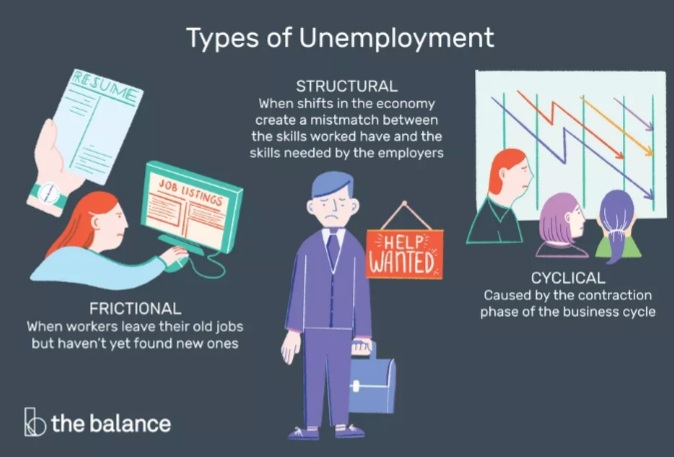
There are four main types of unemployment in an economy frictional, structural, cyclical, and seasonal and each has a different cause.
1. Frictional unemployment :
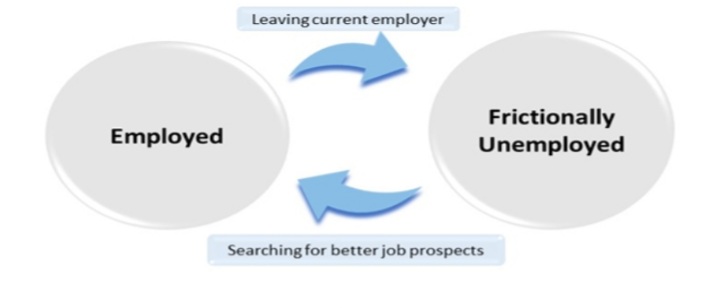
Frictional unemployment is caused by temporary transitions in workers lives, such as when a worker moves to a new city and has to find a new job. Frictional unemployment also includes people just entering the labor force, such as freshly graduated college students. It is the most common cause of unemployment, and it is always in effect in an economy.
2. Structural unemployment :
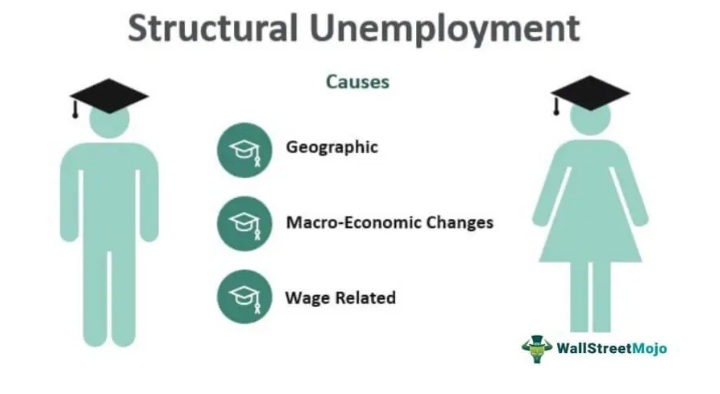
Structural unemployment is caused by a mismatch in the demographics of workers and the types of jobs available, either when there are jobs available that workers don’t have the skills for, or when there are workers availabes but no jobs to fill. Structural unemployment is most obvious in industries undergoing technological advancements.
3. Cyclical unemployment :
Cyclical unemployment is caused by declining demand. When there is not enough demand in an economy for goods and services, businesses cannot offer jobs . According to keynesian economics , cyclical unemployment is a natural result of the business cycle in times of recession: if all consumers become fearful at once, consumers will attempt to increase their saving at the same time, which means there will be a decrease in spending, and businesses will not be able to employ all employable workers.
4. Seasonal unemployment :
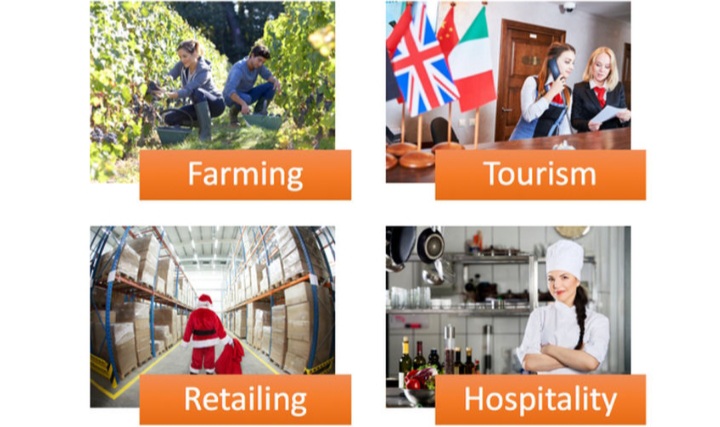
Seasonal unemployment is caused by different industries or parts of the labor market being available during different seasons. Fot instance, unemployment goes up in the winter months, because many agricultural jobs end oncr crops are have harvested in the fall, and those wotkers are left to find new jobs.
Consequences of unemployment in an Economy :
Low unemployment is key to economic stability High and long- term unemployment can cause significant stress on a nation in three key areas.
* Individuals :
Unemployed people have no ability to fulfill their financial obligations and can become mentally stressed, ill, and even homeless.
* Economic efficiency :
During times of high unemployment many job seekers will accept new jobs below their skill level, a situation called “underemployment ” which translates to a loss of human capital for an economys labor market. Unemployed workers will also significantly decreases their consumer spending, which is one of the driving forces of economic growth. Without consumer spending, the economy will slow dramatically.
* socio- political stability :
If unemployment remains high, citizen dissatisfaction can rise to the point of widespread civil unrest.
Possible solutions for Unemployment :
Solving unemployment is a hotly debated topic, and no economists agree on one simple way to do it. However, in the U.S ,if unemployment rises noticeably, the government usually steps in with specific policies designed to lower the total number of unemployed people.
1. Monetary policy :
Monetary policy is financial influence implemented by a central bank . Monetary policies usually come in the form of lower interest rates, which increase the total money supply within an economy by allowing banks and businesses more access to loans and therefore, more accessible spending power.
2. Fiscal policy :
If expansionary monetary policy doesn’t adequately lower the unemployment rate government agencies will turn to fiscal policy. Fiscal policy is fiscal stimulus implemented by the national government and fiscal policies include spending on infrastructure, proposingtax cuts , increasing the minimum wage, or implementing unemployment benefits. These methods are designed to inject more demand into private economy and strengthen economic activity.
Let us now see some of the ways to motivate the students to study and get employeed.
• Make things easier :
Showing the things easier and explaining them with clarity helps the students to show better interest on the subject and makes them to pay more attention on what the teacher is trying to convey. When the topics are shown easier for the students, they start learning them and they feel achieved and they pay more attention to study. When a student learns a particular topic or a question, he/she feels comfortable and happy for getting it. Once if they start reading, they develop the interest in them and they continue to read more and more.
• Tell the importance :
The students must be motivated with good number of words to understand the need of studying and what happens if they don’t study. A student is like a bird without the wings when they don’t study. So, it is very important to motivate students to study and to make them understand the need of the situation. Motivation brings the right change in the students who are not interested in learning. It develops the interest in them to study.
It seems good if the government provides good number of jobs.
In the course of its long history, the Hindi Cinema has gone through constant evolutions and is still witnessing massive socio-cultural changes, however, from substantive and insular point of view; the Hindi Film Industry still retains its own unique and peculiar characteristics. Since the beginning, the Hindi Cinema has drawn its inspiration from the styles and aesthetics of the mega diverse Indian culture.
In general great emphasis has been put on classical Indian traditions over the years including Indian storytelling, epics, and poems and like. Although movies came to India in July 1896 as famous French Lumiere Brothers screened their short films in Watson Hotel, Mumbai, the first ever Indian film was ‘Raja Harishchandra’, a mythological film released in 1913 directed by Dada Saheb Phalke, who is often called as the father of Indian Cinema.
Film Poster of Raja Harishchandra, 1913.
Raja Harishchandra being a silent film had Hindi, Marathi and English interfiles. In 1905, filmmaker Hiralal Sen documented “Swadeshi Movement of India” and screened it at Town Hall, Calcutta on 22nd of September which is considered as India’s first political film. H.S. Bhatavdekar’s first movie and the first film by an Indian Filmmaker was shot in 1899 in which he shot a Wrestling Match in Mumbai’s Hanging Gardens. By the 1930s, the industry was producing 200 films per year and it was in 1931, the industry had its first sound film named ‘Alam Ara’ by director Ardeshir Irani which had a mixture of both Hindi and Urdu.
Alam Ara, India’s first Sound Film. (1931)
Since then the talkie films quickly were in high demand by the audience mostly in big cities and hence the industry permanently switched to sound films. The first ever Hindi color film was released in 1937 by Ardeshar Irani named “Kisan Kanya ”, however the colour films became popular among the audience only in late 1950s and early 1960s. The industry has also witnessed the breakdown of the studio system and complete on location shooting over the years. At present, Hindi Cinema produces over 1000 movies per year.
A still from Kisan Kanya (1937).
The Song and Dance Sequences
As mentioned earlier, the Hindi movies have always been a reflection of Indian culture and so hasn’t been any Hindi movie without a song till date. Two of the major characteristics of Hindi Cinema are songs and dance sequences. In fact, these two unique features are considered as the ‘peculiarities’ of Hindi Cinema which separates it from Hollywood or any other foreign film industry. In earlier times whenever there was a requirement of steamy scenes in movies, the protagonists, that is the hero and the heroine used to indulge into a song and dance sequel. The song and dance sequences pop up here and there according to necessary requirements and situations. The 1932 movie Indra Sabha was one of the first Indian movies with over 70 songs.
Film Poster of Indra Sabha (1932).
Truly, Hindi Cinema has entertained audiences worldwide for more than a century now. Informally and popularly known as Bollywood, Hindi Films will always have a special place in hearts of millions of Bollywood fans!
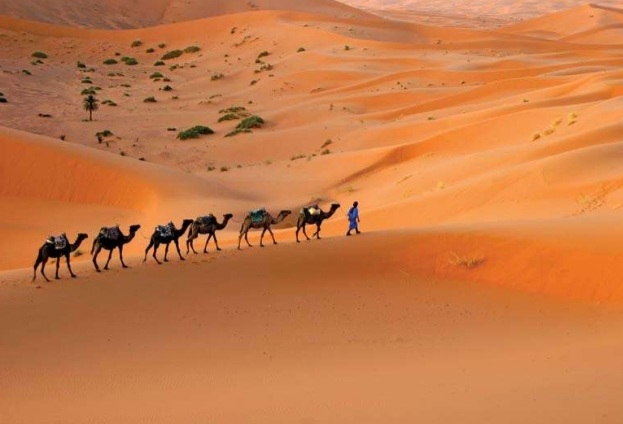
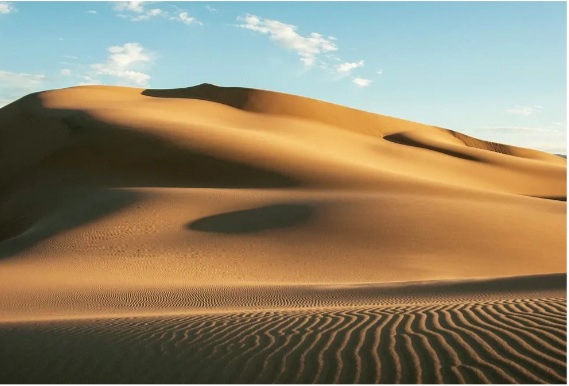
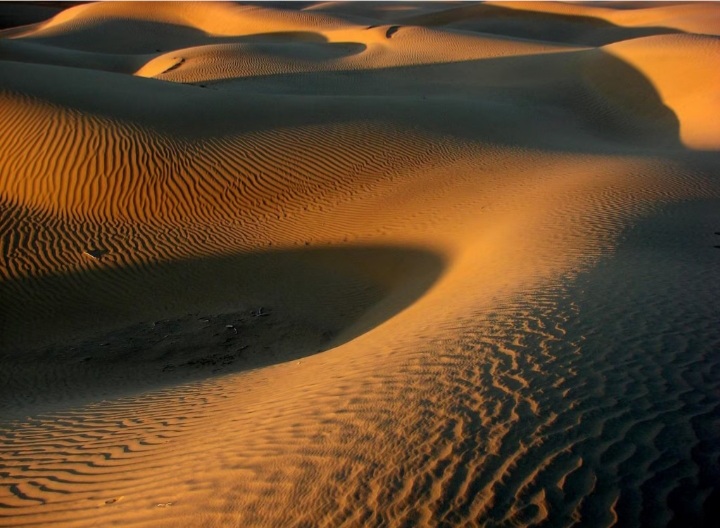
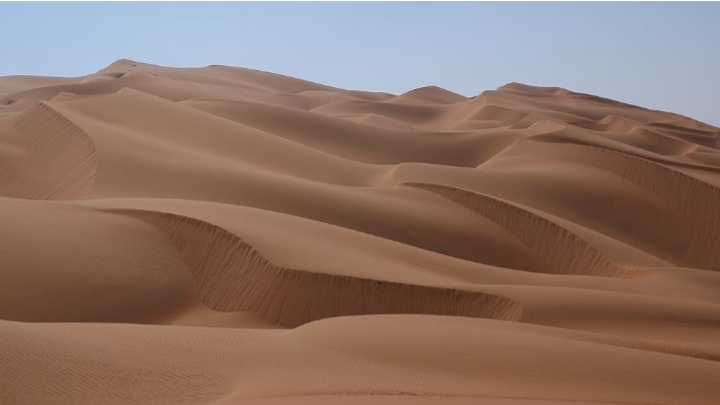
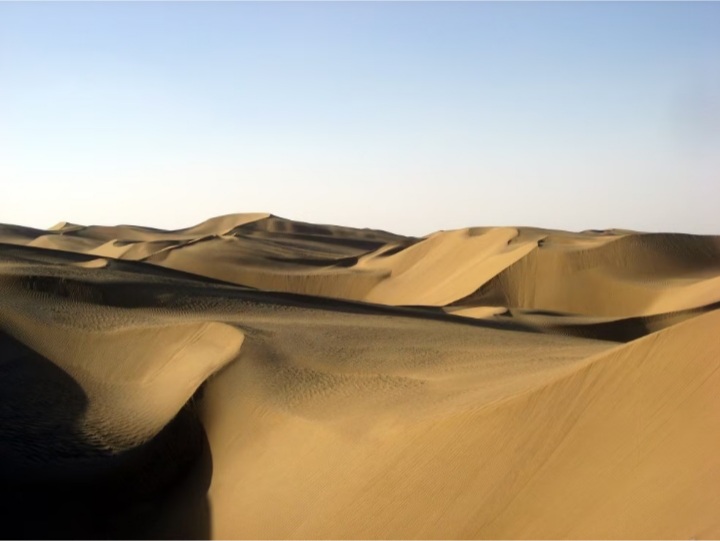
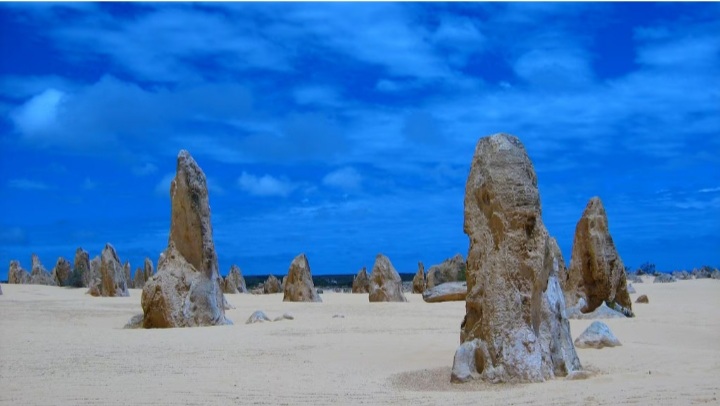
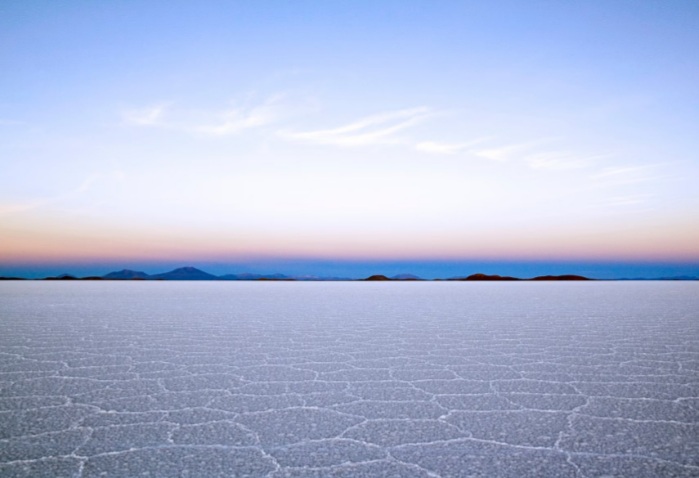
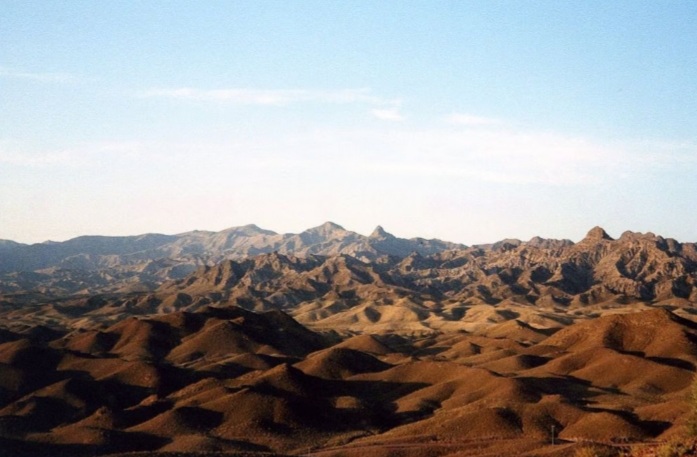
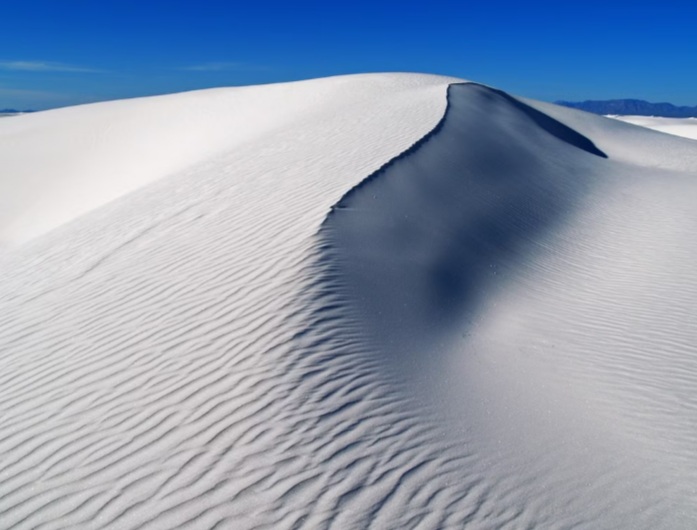
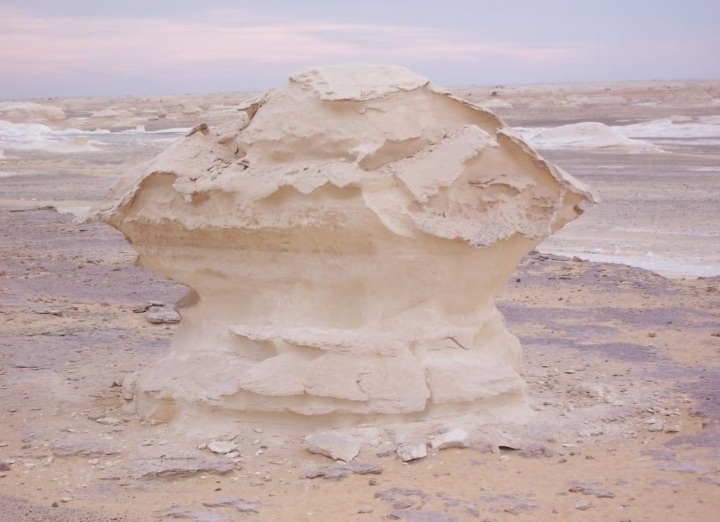
In the world we find varied geographical regions which includes mountains, plains, deserts, plateaus all with their own physical features. Desert is basically a piece of barren land which is filled with sand and lacks water bodies and have dry weather all along. In day time deserts are extremely heated up and at night it becomes chilling cold at the same place. In the Indian subcontinent we find desert in the western part of the subcontinent in the state of Rajasthan.
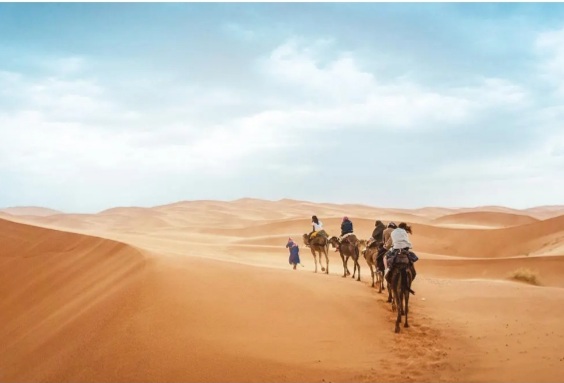
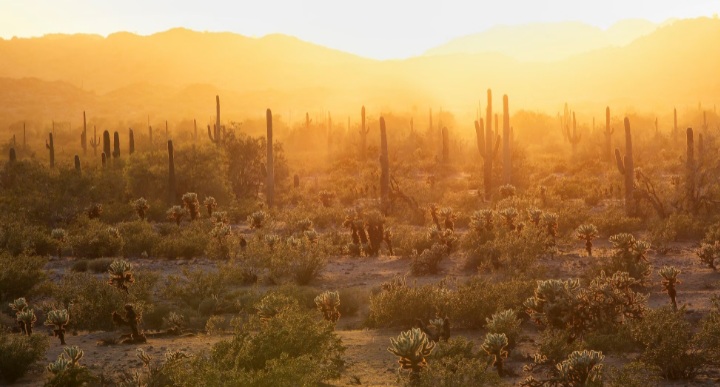
The animals and plants in the deserts have their own adaptations, among plants we find a variety of cactus, cactus plants have special adaptations to survive in the desert, they have fleshy stem which holds water in them which turns out to be useful when there is scarcity of water also they have very long roots which can penetrate deep inside the soil in search of water also they don’t have leaves and have thorns in place of them in cactus the food is prepared in the step as it contains chlorophyll and is green in color. Also, we find camel in desert their feet have adaptation to walk on the sand also they can survive with less water and they have long eyelashes to protect their eyes from dust storms.
Types of Deserts :
1. Coastal Deserts :
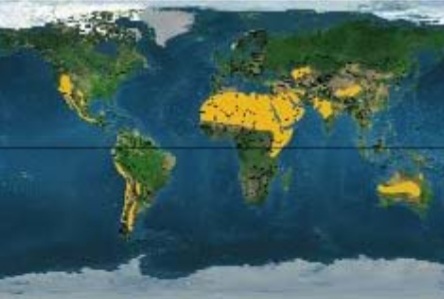
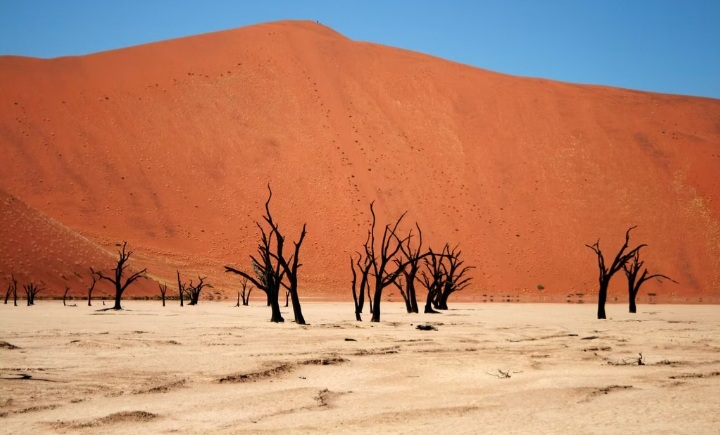
Coastal deserts occur in cool to warm areas along the coast. They have cool winters and long, warm summers. Coastal deserts are located on the west coasts of continents between 20° to 30° lattitude. Winds off the coast blows in an easterly pattern and prevents the moisture from moving onto the land. The Namib desert in Africa and the Atacama desert in chile are coastal deserts.
2. Subtropical Deserts :
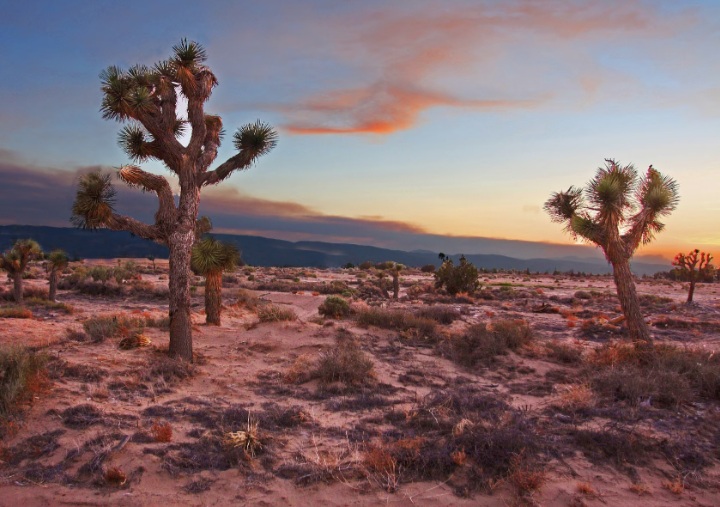
Subtropical deserts the hottest deserts. They are found in Asia, Australia, Africa and North and south America. In the united states, the chilhuahuan, sonoran and Mojave are all subtropical deserts. Subtropical deserts are very hot and dry in the summner and cooler but still dry in the winter. Rainfall happens in short bursts. The air is so hot and dry in these deserts that sometimes rain evaportaes before it even has a chance to hit the ground. The soil in subtropical deserts is usually either sandy or coarse and rocky.
Plants and animals in subtropical deserts must be able to withstand the hot temperatures and lack of moisture. Shrubs and small trees in the subtropical desert usually have leaves adapted to retain moisture. Animals in sbtropical deserts are usually active at night, when it is cooler.
3. Cold wintet Deserts :
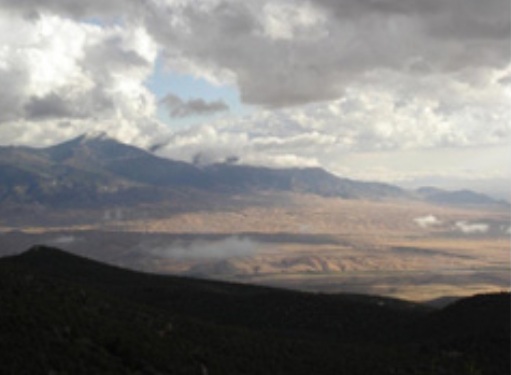
Cold winter deserts are also known as semiarid deserts . They have long, dry summers and cold winters with low rain or snowfall. In the united states the Great basin, the colorado plateau and the Red Desert are all cold winter deserts. Other cold winter deserts include the Gobi desert in china and Mongolia and the patagonian desert in Argentina. The lack of rainfall in cloud winter deserts is often caused by the rainshadow effect. The rainshadow effect happens when a high mountain range stops moisture from reaching an area. The Himalayan Mountain prevent rainfall from reaching the Gobi desert.
4. Ploar Deserts :
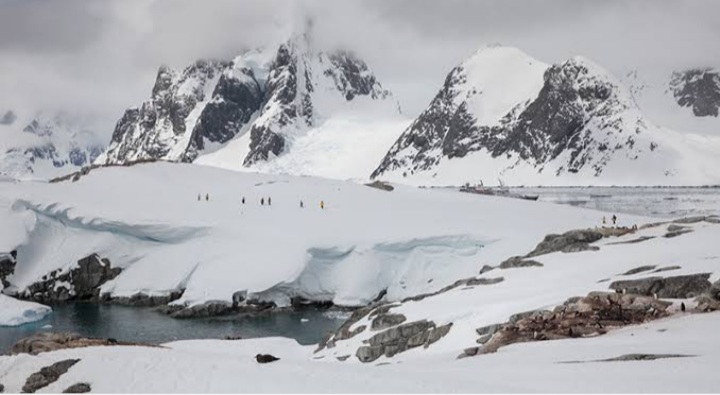
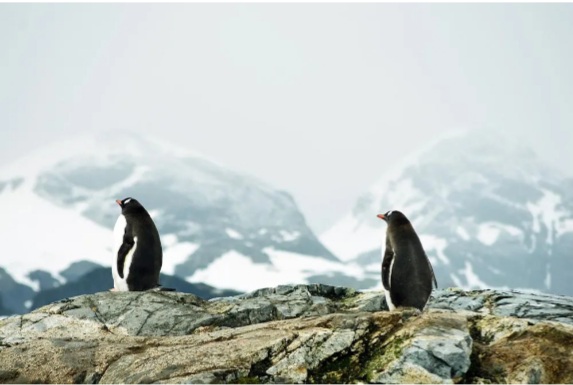
Polar deserts are found in the Arctic and Antarctic regions. Like warmer deserts, they also get very little precipitation.polar deserts are cold year- round.
Largest Desert in the world :
The antarctic polar Desert, which makes up the vast majority of Antarctica, is the largest desert in the world. In fact this single desert is larger than the combined size of the Gobi Desert, the Arabian Desert, and the sahara Desert.
* The driest desert of the world Atacama is surely the most dangerous desert of all.
The strongest animal in the Desert :
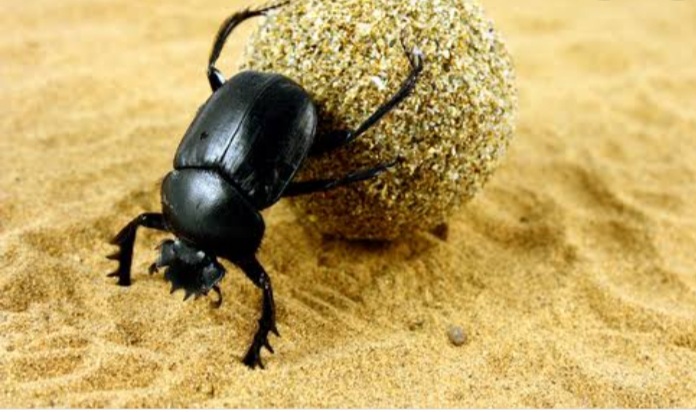
Based on strength to weight ratio, the dung beetle of the scarab is the strongest creature on earth. They can lift 1141 times their own body weight. It helps them a lot in finding the mate and food. The dung beetles also constitute a large percentage of scarab family.
The 7 hardest Animals to Hunt :
* Leopards
* Mountain Goats.
* Elk
* Eland.
* cape Buffalo
* Roan and sable
* Bears.
what can kill you in the Desert?
Aside from the oppressive heat and lack of water, the desert is also full of critters that can bite and sting. Some of these guys can even kill you if you aren’t able to find medical help. Spiders, scorpions, centipedes, and snakes are all found in dark places , abandoned builidings and under rocks.
We human beings are the one who is responsible for polluting our nature and thus in turn nature also takes its revenge through various calamities, diseases, pandemic and so on. We all know that pollution is mainly caused by non-biodegradable wastes and plastic is such a non-biodegradable product which we human beings use very frequently in our everyday life, starting from plastic bags to toys, containers, food packaging almost everything has the use of plastic in it and thus is also generates a lot of waste daily. Plastic being a non-biodegradable waste stays into the soil or water for years and does not decompose rather they choke animal and water creatures also restricts plant growth and leads even to their death sometimes when the roots get entangled into them. Non-biodegradable plastic waste if burnt emits toxic fumes which in turn causes severe air pollution and is extremely harmful for living beings. We have got so much use of plastic that we cannot completely stop the use of plastic we can reduce it to some extent. To save the nature and environment from pollution we can follow the 3R’s i.e., Reduce, Reuse and Recycle. Recycling plastic is a great method which is even sustainable and can help us save our nature.
Package :
Several design options and features are available. Some bags have gussets to allow a higher volume of contents, special standup pouches have the ability to stand up on a shelf or a refrigerator, and some have easy opening or reclosable options. Handles are cut into or added into some. Bags can be made with a variety of plastics films. Polyethylene is the most common. Other forms, including laminates and co- extrusions can be used when the physical properties are needed. Plastics to create single use bags are primarly made with Fossil fuels. International plastic bag free day is celebrated on july 3.
Medical uses :
Plastic bags are used for many medical purposes. The non purpose quality of plastic film means that they are usefu for isolating infections body fluids ; other porous bags made of nonwoven plastics can be sterilized by gas and maintain this sterility. Bags can be made under regulated sterile manufactoring conditions ,so they can be used when the infection is a health risk. They are lightweight and flexiblr, so they can be carried by or laid next to patients without making the patients as uncomfortable as a heavy glass bottle would be. They are less expensive than re- usable options, such as glass bottles.
Flexible intermediate bulk container :
Flexible intermediate bulk containers are large industrial containers, usually used for bulk powders or flwables. They are usually constructed of women heavy-duty plastic fibers.
Plastic shopping bags :
Open bags with carrying handles are used in large numbers. Stores often provide them as a convience to shoppers. Some stores charge a nominal fee for a bag. Heavy duty reuseable shopping bags are often considered environmentally better than single use paper or plastic shopping bags. Because of envirpnmental a little problems, some locations are working toward a phase- out of lightweight plastic bags.
Danger to children :
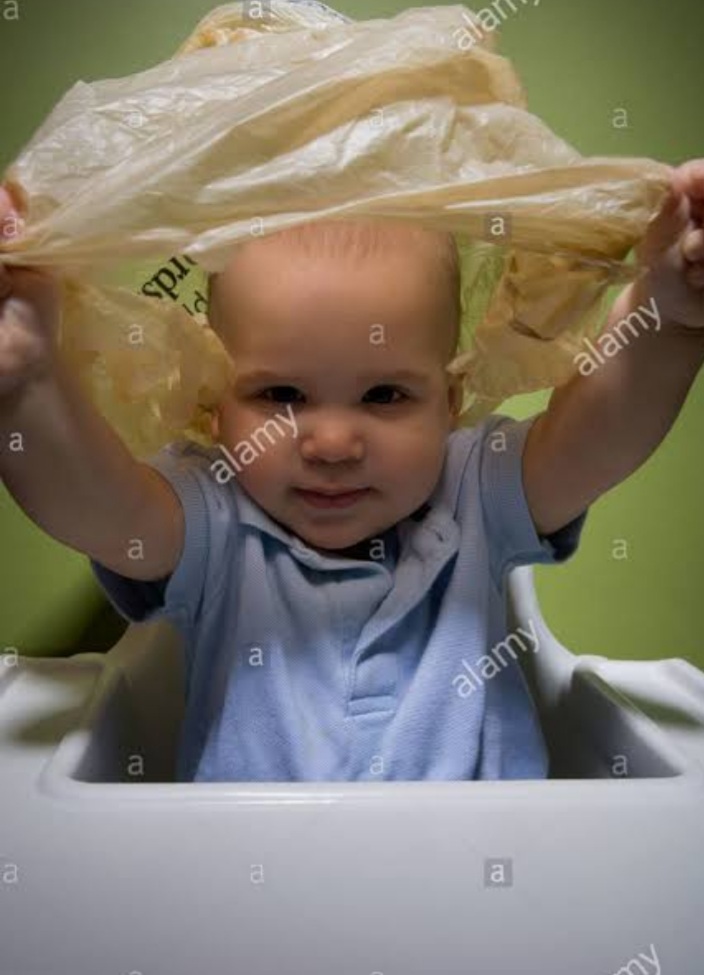
Thin, comfortable plastic bags, especially dry cleaning bags, have the potential to cause suffocation. Because of this about 25 children in the united states suffocate each year due to plastic bags, almost nine- tenth of whom are under the age of one. This had led to voluntary warning lables on some bags posing a hazard to small children.
Uses :
Plastic bags are used for diverse applications. Bags of crisps, gardening supplies, bagging vegetables, blood platelets, inner bladder for bag-in – box , pastry bag with convenience closure, ostomy bag, bin bag, string bag made of plastic fibers, porous bag for cooking rice, Intravenous therapy, evidence bag, travel toiletries in a reclosable plastic bag, woven plastic fiber bags used for sand, A plastic body bag.
Different Types of plastic Bags :
* High Density polyethylene (HDPE)
* Low Density polyethylene ( LDPE)
* Linear Low Density Polyethylene ( LLDPE)
* Medium Density polyethylene (MDPE)
* polypropylene ( pp)
* The problem with plastic bags. Plastic bags start out as fossil fuels and end up as deadly waste in landfills and the ocean. Birds often mistakes shredded plastic bags for food, filling their stomachs with toxic debris.
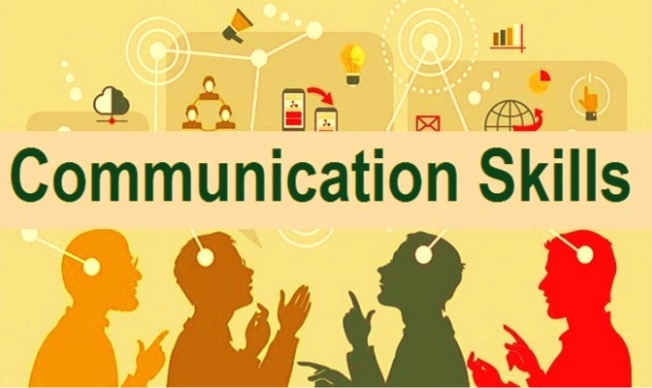
Good communication is very important to convey what is there in the mind. Whatever language, communicating in a understandable way is very important. communication today is very important both in the business world and in private life.
Even though the person is good at skills and is capable of doing things better, lack of communication degrades the skills and brings a negative mark on the person which is a bad thing for the individual.
Top 5 communication skills and How to improve them
Developing strong communication skills is essential when it comes to building a successful careee. Communication skills play a key role in your private life too. These 5 skills are absolutely necessary for sucessful commuincation in the workplace or private life.
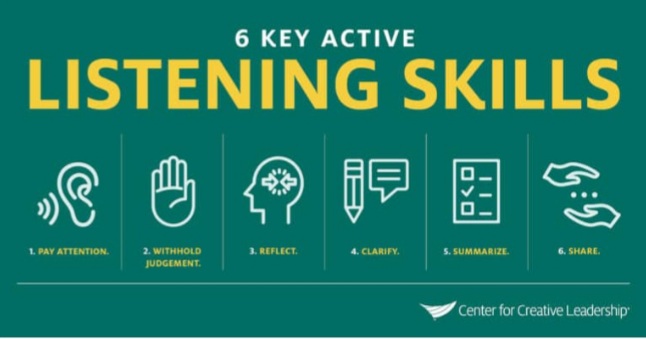
1. Listening :
Listening is one of the most important aspects of communication. Successful listening is not just and understanding of spoken or written information, but also an understanding of how the speaker feels during communication. If a speaker can see and feel that someone is listening and understanding that can help build a stronger, deeper realtionship between interlocutors.
Careful listening can also create an environment in which everyone feels safe to express ideas, opinions and feelings, or plan and solve problems in a creative way.
2. Straight talking :
Conversation is the basis of communication, and one must not neglect its importanc. Even a simple, friendly conversation with colleafues can build mutual trust and even detect problems before they become serious. A healthy does of chatting with and unknown person can lead to a business opportunity . Be accessible and friendly because then you will be able to talk to almost anymore.
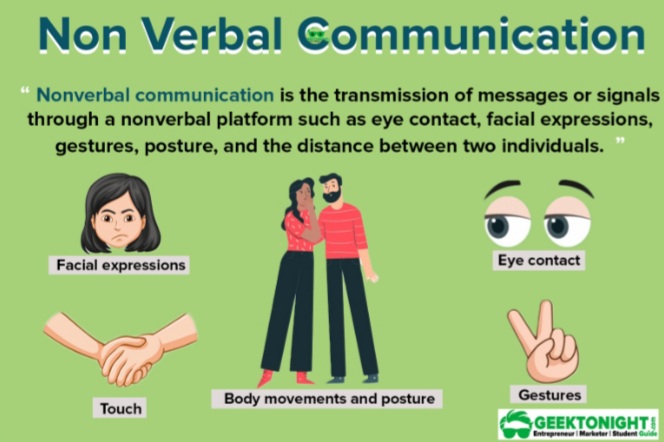
3. Non- verbal communication :
When we talk about things that matter to us then we send a lot of nonverbal messages. Non verbal signals are wordless communication, body position, facial experssion, hand movements, gestures, eye contact, attitude and tone of your voice, muscle tension and the way you breathe. The way you look, listen create, react, gesture , speaks far more about feelings than words will ever be able to.
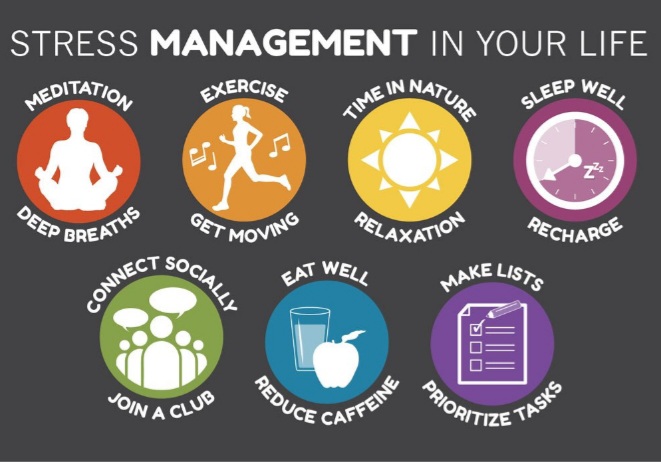
4. Stress Management :
In small quantities, stress can be very useful and encouraging for work . However, when the stress becomes constant and completely begins to take effect, it can affect communication, clarity of opinion and appropriate behavior and action. When you are under stress you may misunderstand other people, send confusing nonverbal signals, and use funny patterns of behavior.
5. Emotion control :
In communication, feelings play an important role. Making decisions more often affects the way you feel than the way you think. Gudided by emotions, your nonverbal behavior affects the understanding of other people and how others understand and perceive you. Control of emotions provides you with tools to understand others, yourself and the messages you send. Though recognizing feelings makes it simple, many people have strong feeling like anger, sorrow, or fear being pushed under the carpet.
Importance of communication :
Communication thus helps understand people better removing misunderstanding and creating clarity of thoughts and expression. The communication brings people together, closer to each other. The communication is an important management function closely associated with all other managerial functions.
Everybody has their own way of communicating. It is influenced by cultural background, the way someone was raised, their gender, their temperament, and much more. At that point true communication may become utterly impossible. Sometimes we may have a difficult time understanding anothers feelings , needs and habits.
* communication serves four major functions with a group of organization :
* control
* Motivational
* Emotional expression
* Information
* communication serves five major purposes :
* to inform
* to express feelings
* to imagine
* to influence and
* to meet social expectations
For example:
For instance, if an individual is going to an interview with great confidence. An individual who is good at different kinds of skills, and also good at executing them and he is lack of communication skills. As the person is not a good communicator, the person faces difficulty in explaining the things to the other person which is known to him. Instantly, this brings a bad impression on the person and a negative mark will be marked on him. The negative mark has a lot to do with. The negative mark can also lead to the rejection of the person in the interview.
Being knowledgeable is very important to achieve certain goals in life, attaining good communication skills and being a good communicator is also equally important to achieve high in the life. Being a good communicator is not A big deal. It is so easy as the lifestyle. Any individual can be good communicator if he communicates all the time with other people in the possible way.
Have you ever attended a yoga session before? Have you ever heard about these chakras?
If yes, that’s great. If not, that’s fine we are going to cover it in this article.
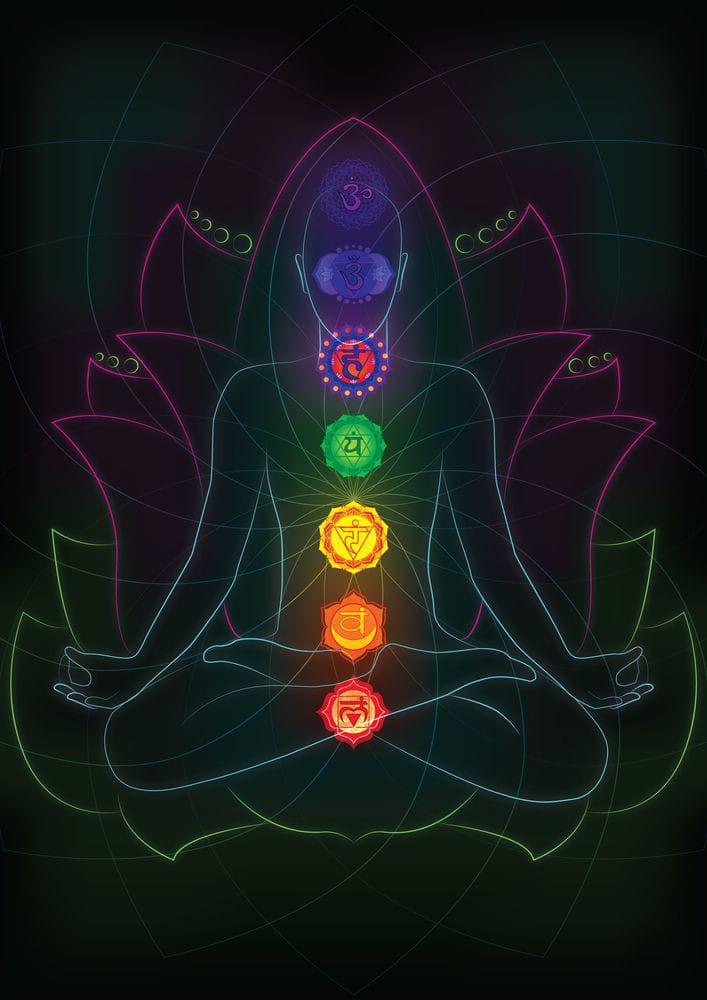
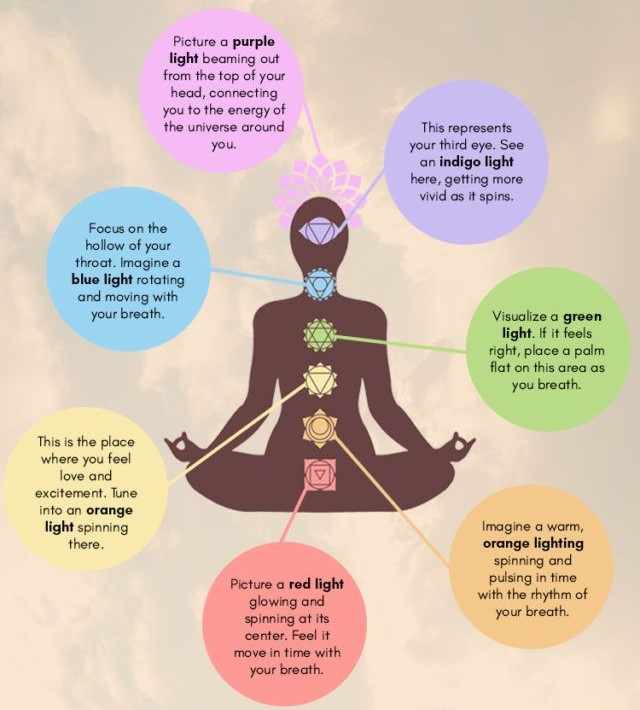
Chakra is a word that comes from Sanskrit, meaning wheel. There are seven wheels or chakras in a human body. Each is located in sequential order along our spinal cord.
Activating these chakras are important to have a physical and emotional balance. If any of them is imbalanced it means that your chakras are blocked and there is a need to activate them.
But how do we do that? Before answering that question let’s learn about the position and significance of each chakra.
Okay, let’s start from the bottom.
1. Root chakra- Muladhara:
Color– Red
Represents– the Earth
It is located at the bottom of the spine. It provides a foundation for your life. Gives a sense of commitment, energy, vitality, and independence in life. Helps you to stay grounded.
If this chakra is blocked. The consequences may be like this- anger, possessiveness, insecurity, fear, low self-esteem, etc.
How to activate/balance this chakra?
You can activate this chakra by performing yoga or meditation.
Hand Mudra yoga poses
2. Sacral Chakra- Swadhisthana:
Color– Orange
Represents– Water
Located below the belly button.
This chakra deals with one’s creativity, emotional identity, desires, and pleasure. Gives a feeling of compassion, a good sense of humor, intuition, sense of belonging.
If this chakra is blocked it gives a sense of shyness, guilt, irritation, lack of creativity, etc.
How to activate this chakra?
By following the mudras mentioned below you can balance the chakra.
Hand Mudra yoga poses
3. Solar plexus chakra- Manipura:
Color– yellow
Represents– Fire
Located in the stomach area. This chakra deals with the sense of belonging and mental understanding of emotions. This makes you feel energetic, confident, intelligent, focused, good digestion, and productive.
If this chakra is blocked you feel timid, depressed, judgmental, angry, and fear of rejection.
By following the mudras mentioned below you can balance the chakra
Hand Mudra yoga poses
4. Heart Chakra- Anahata:
Color– green
Represents– Air
Located at the center of the chest. It reflects a person’s social identity and affection like love, trust, forgiveness, and wisdom. Makes you motivated, compassionate, emphasized, sense of completeness, friendliness, etc.
If this chakra is blocked you might feel difficulty in love, lack of hope and compassion, mood fluctuations, and feeling low.
By following the mudras mentioned below you can balance the chakra
Hand Mudra yoga poses
5. Throat chakra- Vishuddha:
Color– Blue
Represents– Sound
It is located in your throat. Deals with creativity, effective communication skills, faith, expression, listening skills, and all.
If this chakra is blocked it may cause indecisiveness, weakening of willpower, lack of expressiveness, low level of creativity, and proneness to addiction.
By following the mudras mentioned below you can balance the chakra
Hand Mudra yoga poses
6. Third eye chakra- Ajna:
Color– Indigo
Represents– light
Located between the eyes. It is responsible for intuition, imagination, wisdom, self-awareness, insight, understanding, and reasoning. It gives clear thinking, a healthy imagination, strong intuition power, good concentration, and focus.
If this chakra is blocked it results in poor judgment, confusion, fear of truth, poor concentration, and addictions.
By following the mudras mentioned below you can balance the chakra
Hand Mudra yoga poses
7. Crown chakra- sahasrara:
Color– Violet/white
Represents– Conscience
Located at the top of the body, the crown chakra is to maintain a spiritual connection and consciousness. Gives a feeling of oneness, open-mindedness, thoughtfulness, etc.
If this chakra is blocked you feel a sense of fear, lack of purpose, lack of inspiration, disbelief in spiritual and devotional practices.
By following the mudras mentioned below you can balance the chakra

















































 Eduindex
You must be logged in to post a comment.