Hospital Medicine CME: Is Your Learning Plan Ready for Complex Inpatient Care?

Hospital medicine brings together clinical judgment, communication, teamwork, and continuous learning within a demanding inpatient environment. Clinicians often coordinate care across specialties while managing patients with varied and complex medical needs. 

This broad responsibility makes professional development an important part of long-term clinical practice. A thoughtful hospital medicine CME plan can help organize learning around real inpatient priorities. It can also connect current knowledge with future professional goals in a practical way. 

As care models evolve, physicians benefit from reviewing how their learning supports daily responsibilities. Let’s explore the key areas that can help shape a balanced and practical learning plan for complex inpatient care.

What Should Your Hospital Medicine Learning Plan Cover?

The most useful plans usually combine several learning areas instead of concentrating on a single subject throughout the year. This creates a broader foundation for managing inpatient care while supporting professional growth over time.

  1. Acute Clinical Decision-making

Hospitalists regularly assess changing symptoms, test results, treatment responses, and evolving patient needs. Continuing education can support current approaches to common inpatient conditions.

Case-based hospital medicine CME can be especially useful because it places knowledge within realistic clinical situations. This format helps physicians connect evidence with everyday decisions and strengthen clinical reasoning across varied patient presentations.

Physicians can also choose topics that reflect the cases they encounter most frequently. This keeps learning closely connected with the decisions made during everyday rounds.

  1. Care Transitions and Discharge Planning

A patient’s hospital journey includes admission, inpatient management, and transition to the next care setting. Each stage benefits from clear coordination and communication.

Learning in this area can strengthen medication review, discharge communication, follow-up planning, and coordination with community providers. It can also support patient and family engagement during transitions between care settings.

Hospital medicine CME focused on care transitions can help physicians build practical approaches that support continuity and coordinated care.

  1. Quality Improvement and Patient Safety

Hospitalists often contribute to initiatives that support safer care, efficient workflows, and better clinical processes. These responsibilities make quality improvement a valuable learning priority.

Education can introduce practical methods for reviewing performance data, identifying opportunities, and testing improvements within care systems. It can also strengthen multidisciplinary collaboration around shared quality goals.

Including quality improvement in a hospital medicine CME plan connects individual learning with broader hospital priorities and everyday patient care.

  1. Point-of-care Ultrasound and Bedside Skills

Point-of-care ultrasound can support focused diagnostic questions and selected bedside procedures when used by appropriately trained clinicians. Ongoing education can help develop these skills responsibly.

For physicians who use these tools, hospital medicine CME may combine conceptual learning, image interpretation, and hands-on instruction. Procedure-focused learning can also reinforce technique, clinical judgment, and appropriate application in inpatient settings.

Skill-based education can be especially useful when it includes opportunities for feedback and guided practice. That approach helps connect theoretical knowledge with bedside application.

  1. Communication and Team-based Care

Hospital care often involves physicians, nurses, pharmacists, therapists, case managers, specialists, and other professionals. Clear communication helps teams coordinate around shared care goals.

A learning plan can include handoffs, consultations, shared decision-making, patient conversations, and interprofessional communication. Case discussions and simulation-based learning can make these skills easier to apply in daily practice.

Hospital medicine CME can also help physicians refine communication approaches for complex discussions and collaborative decision-making.

  1. Documentation and Information Management

Electronic health records, clinical decision tools, and digital communication are closely integrated with inpatient workflows. Physicians benefit from understanding how information supports coordinated care.

Learning may include clinical documentation, information management, digital tools, and responsible use of emerging technologies. These topics can support clearer communication and more efficient workflows.

Adding these subjects to a professional development plan keeps learning aligned with the tools used in modern hospital practice.

  1. Certification and Professional Development

Continuing education can support clinical growth, developing interests, and applicable professional requirements. A well-planned approach also helps physicians organize learning across the year.

Some accredited CME activities may qualify for Maintenance of Certification credit when they meet relevant program requirements. Physicians should review activity details before selecting courses for specific certification goals.

Hospital medicine CME can become more purposeful when educational choices align with both clinical priorities and long-term professional development. It can also help to review the learning plan every few months. Physicians can then adjust upcoming activities based on new responsibilities or emerging interests.

Let Your Learning Plan Evolve With Your Practice

An effective learning plan can grow alongside a physician’s responsibilities, interests, and professional goals. New clinical questions can shape future priorities, while changing roles may invite fresh areas of study. 

Hospital medicine CME offers a structured way to keep that development connected with everyday inpatient practice. Physicians can review their plans periodically and select formats that complement both clinical work and personal learning preferences. 

This creates room for education to remain relevant across different stages of a hospital medicine career. Platforms like Oakstone offer hospital medicine CME programs in flexible learning formats for clinicians. A purposeful plan can help make continuing education a steady and valuable part of professional growth.

Daily writing prompt
How did you meet your significant other?

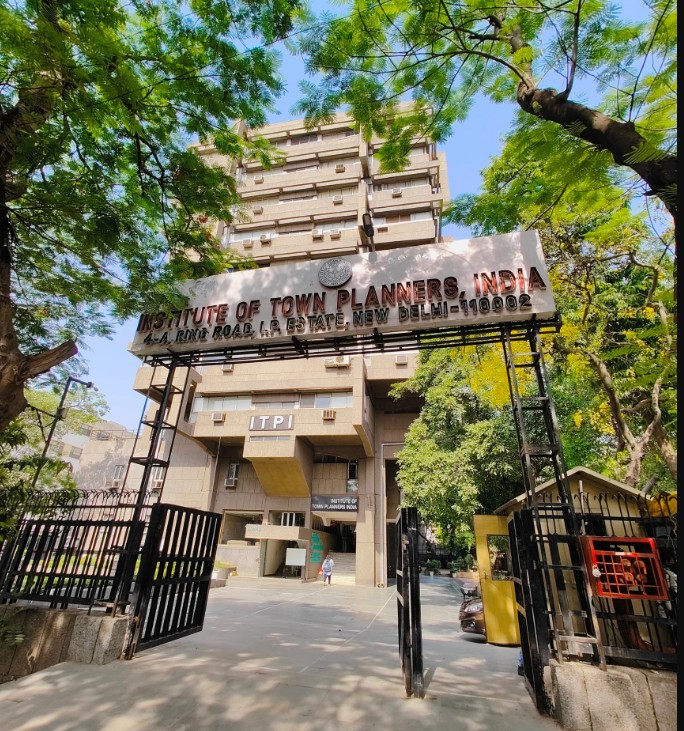
Institute of Town Planners, India: Promoting Professional Planning for Sustainable Development

The Institute of Town Planners, India, commonly known as ITPI, is a professional organisation representing and supporting town and country planning in India. It provides a platform for planners, academics, researchers, students, government officials and allied professionals to exchange knowledge and contribute to the improvement of human settlements.

As India experiences rapid urbanisation, infrastructure expansion, climate-related risks and increasing pressure on land and natural resources, professional planning has become increasingly important. ITPI contributes to this field through professional membership, conferences, publications, educational activities and engagement with planning policies.

History of ITPI

The Institute of Town Planners, India was established in 1951 during a period when independent India was beginning to formulate major programmes for urban development, housing, industrialisation and regional planning.

Indian cities were expanding, new towns were being developed and public institutions needed qualified professionals capable of preparing master plans, regional plans and development strategies. ITPI emerged as a professional platform to advance the science and practice of town and country planning.

Its headquarters is located in New Delhi, while regional chapters support professional activities in different parts of the country.

What Is Town and Country Planning?

Town and country planning is concerned with the organised and sustainable use of land and resources. It seeks to balance housing, transportation, employment, public services, environmental protection and social needs.

Planning professionals work in areas such as:

  • Urban and regional planning
  • Rural and regional development
  • Land-use planning
  • Transportation planning
  • Housing and community development
  • Environmental planning
  • Infrastructure planning
  • Heritage conservation
  • Disaster-risk reduction
  • Climate-resilient development
  • Geographic Information Systems
  • Urban governance
  • Local economic development
  • Smart-city planning
  • Participatory planning

The work of a planner involves more than preparing maps. Planners analyse demographic, social, economic, environmental and spatial data before recommending policies and development strategies.

Major Objectives of ITPI

ITPI seeks to promote professional knowledge, ethical conduct and high standards in planning practice. Its broad objectives include:

  • Advancing the study of town, regional and country planning
  • Promoting professional standards in planning practice
  • Encouraging planning education and research
  • Supporting continuing professional development
  • Organising seminars, workshops and conferences
  • Publishing research and professional material
  • Facilitating interaction among planners and allied professionals
  • Contributing professional perspectives to planning policy
  • Creating awareness about the importance of planned development
  • Promoting sustainable, inclusive and resilient settlements

Through these activities, ITPI helps connect academic knowledge with real-world planning problems.

Professional Membership

Professional membership is an important function of ITPI. The institute provides membership categories for eligible planning professionals and others associated with the field, subject to its prevailing rules.

Membership applications may be assessed according to factors such as:

  • Academic qualifications
  • Planning specialisation
  • Professional experience
  • Nature of employment
  • Recognition of the qualifying programme
  • Supporting documents
  • Compliance with institutional rules

The requirements differ according to the category of membership. Applicants should consult current ITPI regulations rather than relying on old application forms or unofficial summaries.

Professional membership may provide opportunities to participate in technical events, access professional networks and contribute to the planning community. However, membership should not automatically be interpreted as a statutory licence or a guarantee of government employment. Recruitment eligibility is determined by the applicable service rules and official vacancy notification.

Role in Planning Education

Planning education provides students with knowledge of land-use systems, urban economics, housing, transportation, infrastructure, environmental management, planning law and research methods.

ITPI contributes to discussions concerning the quality and relevance of planning education. It also evaluates qualifications in connection with professional membership according to its rules.

Planning programmes in India may include:

  • Bachelor of Planning
  • Master of Planning
  • Master of Urban and Regional Planning
  • Master of City Planning
  • Master of Transport Planning
  • Master of Housing
  • Master of Environmental Planning
  • Master of Regional Planning
  • Other specialised planning qualifications

Students should verify the recognition and approval status of an institution and programme before admission. They should also check whether the qualification satisfies the requirements of prospective employers and professional organisations.

National and Regional Events

ITPI organises professional events that enable planners to discuss emerging challenges, research findings and policy developments. These may include national congresses, seminars, workshops, lectures and regional conferences.

Such events commonly address issues such as:

  • Sustainable urbanisation
  • Affordable housing
  • Metropolitan governance
  • Urban mobility
  • Regional inequality
  • Informal settlements
  • River-sensitive planning
  • Climate adaptation
  • Disaster-resilient cities
  • Urban finance
  • Digital planning tools
  • Transit-oriented development
  • Planning for small and medium towns
  • Rural–urban linkages

Professional events are valuable because planning problems are interdisciplinary. Effective solutions frequently require collaboration among planners, architects, engineers, geographers, economists, sociologists, environmental specialists and public administrators.

Publications and Knowledge Sharing

ITPI supports the dissemination of planning knowledge through its professional publications. The Journal of the Institute of Town Planners, India provides a platform for articles, research findings, professional experiences and discussions concerning urban and regional development.

Professional publications help planners remain informed about new methods, planning legislation, case studies and technological developments. They also allow researchers and practitioners to document lessons from Indian cities and regions.

Authors interested in submitting an article should consult the journal’s current instructions regarding scope, formatting, review and publication ethics.

Importance of Regional Chapters

India has significant geographic, social and economic diversity. Planning challenges in Himalayan settlements differ from those in coastal cities, desert regions, metropolitan areas, industrial corridors or tribal districts.

ITPI’s regional chapters allow professional activities to respond to local and regional needs. These chapters can organise discussions, training programmes, lectures and consultations on planning issues relevant to their respective areas.

Regional engagement also helps students and young professionals connect with experienced planners working in government departments, development authorities, academic institutions and consultancy organisations.

ITPI and Sustainable Development

The planning profession is closely connected with sustainable development. Decisions about land use, transport, housing and infrastructure directly affect energy consumption, environmental quality and social equity.

ITPI can support sustainable development by promoting planning approaches that:

  • Reduce unplanned urban sprawl
  • Encourage efficient public transport
  • Protect environmentally sensitive areas
  • Improve affordable-housing access
  • Strengthen water and sanitation systems
  • Support walkable and inclusive neighbourhoods
  • Reduce disaster and climate risks
  • Preserve cultural and natural heritage
  • Promote balanced regional development
  • Improve access to public services

These priorities are also related to the Sustainable Development Goals, particularly SDG 11 on inclusive, safe, resilient and sustainable cities and human settlements.

Technology and the Changing Planning Profession

Modern planners increasingly use digital tools to collect, analyse and present spatial information. Geographic Information Systems, remote sensing, satellite imagery, artificial intelligence and urban simulation are changing planning practice.

Important technical capabilities for emerging planners include:

  • GIS-based spatial analysis
  • Remote-sensing interpretation
  • Statistical analysis
  • Urban-growth modelling
  • Transport modelling
  • Building and land-use databases
  • Digital mapping
  • Data visualisation
  • Scenario planning
  • Public-participation platforms

Technology can improve planning decisions, but it cannot replace community knowledge, professional judgement or ethical responsibility. Data-driven planning must also consider privacy, inclusion and the needs of marginalised groups.

Opportunities for Students and Young Planners

Students can benefit from professional engagement even before beginning full-time employment. They may attend lectures, conferences, workshops and planning exhibitions organised by ITPI and its regional chapters.

Young planners should also develop skills in:

  • Planning legislation and development-control regulations
  • Research and report writing
  • Public consultation
  • Socio-economic surveys
  • Environmental assessment
  • Project management
  • GIS and quantitative analysis
  • Professional communication
  • Interdisciplinary teamwork

Participation in professional organisations can help students understand emerging areas of practice and build connections with academics and practitioners.

Challenges Facing the Planning Profession

India’s planning system faces several challenges, including shortages of qualified planners, weak planning capacity in smaller local bodies, outdated development plans and limited public participation.

Other concerns include:

  • Unregulated urban expansion
  • Housing inequality
  • Informal development
  • Traffic congestion
  • Infrastructure deficiencies
  • Environmental degradation
  • Climate vulnerability
  • Fragmented urban governance
  • Limited municipal resources
  • Inadequate use of planning data

Professional organisations such as ITPI can contribute by supporting training, ethical practice, institutional reform and evidence-based policy discussion.

Conclusion

The Institute of Town Planners, India has an important role in the development of planning education and professional practice. It provides a common platform for planners to exchange ideas, improve their knowledge and contribute to sustainable development.

As India’s settlements continue to grow, the country will require more qualified planners who can integrate land use, infrastructure, transportation, housing, environment and community needs. ITPI’s continuing engagement with professional standards, education, research and policy can help strengthen this planning capacity.

For current information about membership, regional chapters, publications, conferences and professional activities, visit the official website of the Institute of Town Planners, India.

Daily writing prompt
How did you meet your significant other?