Call for Guest Posts on Eduindex.org – High Impact News Portal

Daily writing prompt
What’s your favorite cartoon?

Call for Guest Posts on Eduindex.org – High Impact News Portal

Eduindex.org, a prominent high-impact news portal, is now accepting guest post submissions from passionate writers, thought leaders, researchers, and professionals from diverse fields. The portal, which covers a wide array of topics ranging from education, technology, business, health, to lifestyle and current affairs, offers an excellent platform to share your insights, research, and expertise with a global audience.

This article will delve into the call for guest posts on Eduindex.org, the high-impact domains it focuses on, the benefits of contributing to this platform, and the submission process to ensure that your guest post meets the site’s editorial standards.


About Eduindex.org

Eduindex.org is a renowned news portal that serves as a comprehensive platform for content related to education, technology, business, health, and lifestyle, along with up-to-date global news and trends. Eduindex has gained a reputation for promoting high-quality content that adds value to readers and fosters intellectual discourse.

By accepting guest posts, Eduindex seeks to expand its pool of content by inviting experts, influencers, and professional writers to contribute original articles. This initiative is aimed at enriching the platform with diverse perspectives, thought-provoking ideas, and useful information that resonates with an audience of students, academics, professionals, and general readers.


Why Write for Eduindex.org?

  1. Global Reach and Visibility: Eduindex.org attracts readers from all over the world, including students, educators, researchers, professionals, and industry leaders. Contributing a guest post helps you reach a wider, global audience who are actively interested in the topics you cover.
  2. Engagement with a Diverse Audience: The platform engages with a diverse demographic, which means your content can have a broad impact across various sectors such as education, business, technology, healthcare, and more. This is an excellent opportunity to engage with people from different backgrounds and industries.
  3. Enhance Your Professional Credibility: Publishing on Eduindex.org provides you with an opportunity to showcase your expertise. It can help enhance your professional reputation and position you as a thought leader in your field. It’s a great addition to your portfolio, whether you’re an academic, an entrepreneur, or a professional writer.
  4. Networking and Collaboration Opportunities: By writing for Eduindex.org, you open doors for potential collaborations, networking opportunities, and partnerships with like-minded professionals in your field. Being featured on a high-traffic platform can increase your exposure and facilitate valuable connections.
  5. Improve Your SEO and Online Presence: Eduindex.org enjoys a strong online presence and its high domain authority. Publishing a guest post with a backlink to your website or blog can significantly boost your SEO rankings, driving more traffic to your own content and improving your online visibility.
  6. Contribute to Knowledge Sharing: Eduindex.org is committed to knowledge sharing and intellectual growth. By contributing a guest post, you are part of an effort to disseminate important ideas, research findings, trends, and news that can educate and inspire readers worldwide.

High-Impact Domains for Guest Posts

Eduindex.org covers a broad range of high-impact topics, and guest posts are invited across various fields. Below are some of the primary domains where you can contribute:

  1. Education and Learning
    • Innovations in Education
    • E-learning and Digital Education
    • Educational Policies and Reforms
    • Classroom Technologies and Tools
    • Higher Education Trends
    • Learning Disabilities and Special Education
    • Online Learning Platforms and MOOCs
    • Student Well-being and Mental Health
  2. Technology and Innovation
    • Artificial Intelligence (AI) and Machine Learning
    • Blockchain and Cryptocurrency
    • Internet of Things (IoT)
    • Cybersecurity and Data Protection
    • Cloud Computing and Big Data
    • Virtual Reality (VR) and Augmented Reality (AR)
    • Emerging Tech Trends and Innovations
    • Tech Startups and Entrepreneurship
  3. Business and Entrepreneurship
    • Business Strategy and Leadership
    • Startup Culture and Growth
    • Entrepreneurship in the Digital Age
    • E-commerce and Digital Marketing
    • Corporate Social Responsibility (CSR)
    • Global Business Trends
    • Financial Planning and Investment
    • Leadership and Organizational Behavior
  4. Health and Wellness
    • Healthcare Innovations and Research
    • Mental Health Awareness
    • Fitness and Nutrition Trends
    • Medical Technologies and Breakthroughs
    • Chronic Diseases and Treatments
    • Preventive Healthcare and Public Health
    • Healthcare Policies and Administration
    • Alternative Medicine and Holistic Healing
  5. Lifestyle and Society
    • Personal Development and Growth
    • Productivity and Time Management
    • Social Media and Digital Influence
    • Fashion and Beauty Trends
    • Travel and Adventure
    • Family and Parenting
    • Sustainable Living and Environment
    • Work-Life Balance
  6. Current Affairs and Global News
    • Political Analysis and Global Relations
    • Economic News and Market Trends
    • Social Justice and Human Rights
    • Climate Change and Environmental Issues
    • Technological Advancements in Society
    • Global Crises and Natural Disasters
    • Cultural Awareness and Diversity

Guest Post Submission Guidelines

To ensure that your guest post is considered for publication on Eduindex.org, it is crucial to follow their submission guidelines:

  1. Relevance to Eduindex.org’s Audience: Your guest post must be relevant to the topics covered by Eduindex.org, including education, business, technology, health, lifestyle, and global news. It should provide useful, insightful, or thought-provoking content that aligns with the interests of the portal’s readership.
  2. Original Content: Eduindex.org only accepts original and unique content. Your article should not have been published elsewhere, including on blogs, other websites, or social media platforms. Plagiarism is strictly prohibited.
  3. Length and Structure: Guest posts should typically be between 800 to 1,500 words. Your post should be well-structured, with clear headings, subheadings, and paragraphs to enhance readability. Use a professional tone while ensuring the content is engaging and easy to understand.
  4. Quality and Research: Articles should be well-researched, fact-based, and data-driven where applicable. Please include credible sources and references to support your claims, especially for topics that involve scientific research, statistics, or specific case studies.
  5. SEO Optimization: To maximize the reach of your post, please ensure that the article is SEO-optimized. Use relevant keywords that are aligned with your topic, and ensure that the post has a clear focus and is tailored to meet the needs of search engine algorithms.
  6. Grammar and Language: Your post should be written in proper English, free from grammatical errors and typos. Clear, concise language is preferred, and it’s essential that the content is easy to understand by a diverse audience.
  7. Author Bio and Links: Along with your article, please include a short author bio (about 50-100 words) that highlights your expertise, professional background, and any relevant accomplishments. You can also include one backlink to your website, blog, or social media profiles.
  8. Images and Visual Content: You can include relevant images, graphs, or infographics to complement your content. Ensure that any visual content used is of high quality and properly attributed. The images should be directly related to the topic of the article.
  9. Submission Process: To submit your guest post to Eduindex.org, follow the submission instructions on their website. Usually, you will need to complete a submission form and upload your article along with the author bio. After submission, your post will go through an editorial review process, and you will be notified if it has been accepted or requires revisions.

How to Submit a Guest Post

  1. Visit Eduindex.org and navigate to the “Guest Post Submission” section.
  2. Fill out the submission form with details about your article and your professional background.
  3. Upload your guest post along with any relevant images or supporting materials.
  4. Include a short author bio and links to your social media or website.
  5. Submit your post for editorial review.

Conclusion

Eduindex.org is a high-impact news portal that offers a unique opportunity for contributors to share their expertise, research, and insights with a global audience. Whether you are an academic, business professional, healthcare expert, or technology enthusiast, Eduindex welcomes your contributions on a wide range of important topics.

By submitting a guest post, you not only enhance your professional reputation but also contribute to the growth of intellectual discourse and knowledge sharing. Don’t miss the chance to be a part of this influential platform and make a lasting impact in your field.

What to Expect During the Personal Training Certification Process

Daily writing prompt
What’s your favorite cartoon?

Are you passionate about fitness and helping others achieve their health goals?

Personal training certification is the key to turning that passion into a rewarding career. With the right certification, you can unlock opportunities to make a difference in people’s lives while pursuing a fulfilling profession.

The journey to becoming a personal trainer can open doors to various career paths in the fitness industry. Earning a personal training certification allows you to gain credibility and the knowledge needed to guide clients safely and effectively. In this blog, we will discuss what to expect during the personal training certification process.

Preparing for the Written Exam

Getting ready for the personal training certification exam is important. Start by learning the key topics. Study the terms, exercises, and health concepts that are essential for personal trainers.

Make a study plan and stick to it. Use flashcards to remember important terms. It helps to review old exams and practice questions.

Group study can also help. Join a study group or class. This makes learning fun and effective.

Hands-On Training and Gaining Practical Experience

Hands-on training is a vital part of the personal training certification process. You will learn how to work with clients and teach exercises. This includes showing proper forms and correcting mistakes.

Find a local gym or training center. They often offer practical sessions. Shadowing experienced personal trainers can give you great insights.

Your hands-on experience will boost your confidence. The more you practice, the better you will become. This will help you in your future career as a personal trainer.

Completing the Required Practical Assessments

Practical assessments are crucial for your trainer certification. You will need to demonstrate skills in front of an evaluator. They will check how well you can train clients.

Practice all the required assessments. This includes exercises and client interactions. Knowing what to expect will ease your nerves.

Be sure to follow all guidelines during your assessment. Confidence is key to showing your skills. Doing well will help you earn your personal trainer certification.

Navigating Continuing Education and Recertification Requirements

Once you earn your personal training certification, learning doesn’t end. Continuing education courses help keep your knowledge up to date. These courses ensure you stay informed about new trends and changes in the fitness industry.

You’ll need to complete certain courses for recertification. These may include updates on the latest research and trends in personal training. Make sure you check which courses are required to stay certified.

There are many organizations offering fitness certification courses. You can choose courses that interest you to grow your skills. For instance, visiting https://www.americansportandfitness.com/products/barre-certification can help you gain more expertise and get certified in return.

Ready for Success: Your Path to Personal Training Certification

Obtaining your personal training certification opens doors to a rewarding career. It not only boosts your credibility but also equips you with essential skills to guide others toward their fitness goals. By staying updated through continuing education, you ensure ongoing success in this dynamic industry.

With hard work and dedication, you’ll be well on your way to a fulfilling career as a personal trainer. Keep learning, practicing, and pushing yourself to new heights.

Did you find this article helpful? Visit more of our blogs!

Recycled & Secondary Materials in the Construction of Roads

Daily writing prompt
What is one thing you would change about yourself?

By Kavita Dehalwar

The use of recycled and secondary materials in road construction has emerged as an essential practice for achieving sustainability in the infrastructure sector. These materials not only reduce the demand for natural resources but also mitigate environmental impacts by repurposing waste products. Below is a detailed examination of the topic, highlighting types of materials, benefits, challenges, and future directions.


1. Types of Recycled and Secondary Materials

Several recycled and secondary materials can be used in road construction, including:

  • Recycled Asphalt Pavement (RAP): Milled material from existing roads, used as a cost-effective substitute for virgin asphalt.
  • Recycled Concrete Aggregate (RCA): Crushed concrete from demolished structures, utilized in sub-base layers or as aggregate in new concrete.
  • Steel Slag: A byproduct of steel production, known for its strength and skid resistance, suitable for aggregates in base layers.
  • Crushed Glass (Glassphalt): Recycled glass incorporated into asphalt mixtures.
  • Rubberized Asphalt: Ground rubber from waste tires mixed with asphalt binders to enhance durability and flexibility.
  • Fly Ash and Bottom Ash: Byproducts of coal combustion, often used as fillers or stabilizers in subgrade soils.
  • Plastic Waste: Melted or shredded plastics incorporated into asphalt mixes to improve durability and resistance to cracking.

2. Benefits

  • Environmental Sustainability:
    • Reduces the need for virgin materials, conserving natural resources like aggregates and bitumen.
    • Diverts waste from landfills and reduces pollution.
    • Lowers greenhouse gas emissions by minimizing the extraction and transportation of raw materials.
  • Economic Advantages:
    • Cost savings from using readily available waste materials.
    • Extended lifespan of roads due to enhanced properties of recycled materials (e.g., rubberized asphalt reduces cracking and maintenance needs).
  • Performance Improvements:
    • Some materials, such as steel slag and rubberized asphalt, improve road strength, flexibility, and resistance to wear.

3. Challenges

  • Material Quality and Consistency:
    Recycled materials can vary in composition and quality, leading to potential performance issues if not properly processed and tested.
  • Technical Limitations:
    • Compatibility of recycled materials with traditional road construction processes can be challenging.
    • Limited research on long-term durability for some innovative materials (e.g., recycled plastics).
  • Regulatory and Standardization Barriers:
    • Lack of universal standards and guidelines for incorporating recycled materials into road construction.
    • Hesitation among contractors and governments due to the perceived risks associated with new materials.
  • Economic Factors:
    • Initial costs of processing and testing recycled materials can be high.
    • In some regions, the availability of virgin materials at low cost reduces the economic incentive to use alternatives.

4. Case Studies

  • Rubberized Asphalt in the United States: States like California and Arizona have successfully used rubberized asphalt in highway projects, reducing waste tires and improving road durability.
  • Plastic Roads in India: Cities like Chennai have pioneered the use of shredded plastic in road asphalt, offering a sustainable solution to plastic waste while enhancing road performance.
  • Steel Slag Roads in Europe: Countries such as the Netherlands have utilized steel slag aggregates for base layers, demonstrating improved load-bearing capacity and lifespan.

5. Future Directions

  • Innovation in Material Processing:
    Advances in processing technologies can improve the quality and consistency of recycled materials, making them more viable for widespread use.
  • Lifecycle Analysis and Circular Economy:
    Conducting comprehensive lifecycle assessments to quantify the environmental and economic benefits of recycled materials will support their adoption.
  • Policy Support and Incentives:
    Governments can promote the use of recycled materials through subsidies, tax incentives, and mandatory quotas in public infrastructure projects.
  • Research and Development:
    Continued R&D into novel materials, such as bio-based binders and composite materials, can provide sustainable alternatives to traditional road construction inputs.

Conclusion

Incorporating recycled and secondary materials in road construction is a promising pathway to sustainable infrastructure development. While challenges exist, ongoing advancements in technology, coupled with supportive policies, can pave the way for broader adoption. This approach not only addresses environmental concerns but also contributes to economic efficiency and enhanced road performance, making it a win-win solution for modern societies.

References

Kassim, T. A., Simoneit, B. R., & Williamson, K. J. (2005). Recycling solid wastes as road construction materials: An environmentally sustainable approach. Water Pollution: Environmental Impact Assessment of Recycled Wastes on Surface and Ground Waters, 59-181.

Marinković, M., Zavadskas, E. K., Matić, B., Jovanović, S., Das, D. K., & Sremac, S. (2022). Application of wasted and recycled materials for production of stabilized layers of road structures. Buildings12(5), 552.

Nunes, M. C. M., Bridges, M. G., & Dawson, A. R. (1996). Assessment of secondary materials for pavement construction: Technical and environmental aspects. Waste Management16(1-3), 87-96.

Petkovic, G., Engelsen, C. J., Håøya, A. O., & Breedveld, G. (2004). Environmental impact from the use of recycled materials in road construction: method for decision-making in Norway. Resources, Conservation and Recycling42(3), 249-264.

Sharma, S. N., Prajapati, R., Jaiswal, A., & Dehalwar, K. (2024, June). A Comparative Study of the Applications and Prospects of Self-healing Concrete/Biocrete and Self-Sensing Concrete. In IOP Conference Series: Earth and Environmental Science (Vol. 1326, No. 1, p. 012090). IOP Publishing.

Sharma, S. N., Lodhi, A. S., Dehalwar, K., & Jaiswal, A. (2024, June). Life Cycle Assessment (LCA) of Recycled & Secondary Materials in the Construction of Roads. In IOP Conference Series: Earth and Environmental Science (Vol. 1326, No. 1, p. 012102). IOP Publishing.

Red Planet Day: A Celebration of Mars and Its Mysteries

Daily writing prompt
What are your two favorite things to wear?

Red Planet Day is an annual event celebrated on November 28 to honor the fascinating planet Mars, often referred to as the “Red Planet” due to its reddish appearance caused by iron oxide (rust) on its surface. The day is an opportunity to reflect on humanity’s interest in Mars, its exploration, and the ongoing research that helps us understand its potential to support life.

Why November 28?

Red Planet Day marks the anniversary of the launch of Mariner 4, NASA’s first successful mission to Mars. On November 28, 1964, Mariner 4 was launched, and it became the first spacecraft to send back close-up images of the Martian surface, providing humanity with its first glimpse of the planet beyond telescopic observations. These images revealed a barren, cratered landscape, shattering some of the earlier misconceptions about Mars, such as the idea that it harbored canals built by intelligent life.

Mars: The Red Planet

Mars has been a subject of fascination for astronomers and science fiction writers for centuries. It is the fourth planet from the Sun and, like Earth, it has seasons, polar ice caps, and weather patterns. However, Mars differs significantly from Earth in its environment and atmospheric conditions.

Mars has:

  • A thin atmosphere, mostly carbon dioxide, which offers little protection from the harsh solar radiation.
  • The largest volcano in the solar system, Olympus Mons, which stands nearly three times the height of Mount Everest.
  • The longest canyon, Valles Marineris, stretching over 4,000 km, which dwarfs the Grand Canyon.
  • Evidence of past water flows, with dried riverbeds and ancient lake basins suggesting that liquid water may have once existed on its surface.

Despite its inhospitable surface, Mars remains one of the most studied planets in our solar system because of its potential for past life and its suitability for future human exploration.

The History of Mars Exploration

Over the decades, various space missions have explored Mars, and each has revealed new secrets about the planet. Here are a few key milestones:

  1. Mariner 4 (1964) – As mentioned, it was the first spacecraft to send back images of Mars, proving that the planet was not as Earth-like as once believed.
  2. Viking Program (1976) – NASA’s Viking 1 and Viking 2 orbiters and landers provided crucial data about the Martian atmosphere, surface, and geology, as well as the first in-depth studies of its potential for supporting life.
  3. Mars Rovers – In the 21st century, rovers such as Spirit, Opportunity, Curiosity, and Perseverance have landed on Mars to explore its surface, conduct experiments, and search for signs of past life. Perseverance, which landed in February 2021, is tasked with collecting rock samples that could one day be returned to Earth.
  4. Mars Helicopter Ingenuity – As part of the Perseverance mission, the small helicopter Ingenuity made history in 2021 by becoming the first powered flight on another planet. It successfully flew on Mars, providing aerial reconnaissance for scientific studies.

Why Celebrate Red Planet Day?

Red Planet Day serves multiple purposes:

  • Education: It’s an opportunity to educate people of all ages about Mars, its exploration, and what we’ve learned from it. Schools, observatories, and museums often host special events or activities focused on Mars-related science and space exploration.
  • Inspiration: Mars continues to inspire the imagination of people around the world. Celebrating the day can ignite curiosity about space and foster a sense of wonder about our universe.

  • Scientific Advancement: As new missions to Mars are planned, including NASA’s Artemis Program aiming to return humans to the Moon and eventually send astronauts to Mars, Red Planet Day reminds us of the long-term goals of space exploration and the scientific advancements being made in the process.
  • Future Exploration: Red Planet Day is also an opportunity to look forward to the future of Mars exploration, especially as private companies like SpaceX and governmental agencies like NASA are working towards the goal of human missions to Mars, potentially establishing the first human colony on another planet.

How Is Red Planet Day Celebrated?

While it is not a widely recognized holiday in the same way as some other observances, space enthusiasts, astronomers, and scientists mark Red Planet Day in various ways:

  • Public Events: Some observatories and space museums host special exhibits, workshops, and presentations about Mars exploration.
  • Social Media Campaigns: On Red Planet Day, many space organizations, including NASA and SpaceX, share information, updates, and fun facts about Mars on their social media platforms.
  • Stargazing: Many amateur astronomers take the opportunity to observe Mars with telescopes, especially when the planet is in close proximity to Earth during opposition (when Earth is directly between Mars and the Sun).
  • Educational Outreach: Schools and universities might engage in special lessons or activities centered on Mars, its exploration, and space science.

The Future of Mars Exploration

The future of Mars exploration is incredibly exciting. Several planned missions aim to further unravel the mysteries of Mars and explore its potential for human settlement:

  • NASA’s Mars Sample Return Mission: In collaboration with the European Space Agency (ESA), NASA aims to bring Martian soil samples back to Earth by the late 2020s or early 2030s.
  • SpaceX’s Starship Missions: SpaceX is developing the Starship vehicle with the goal of sending humans to Mars. Elon Musk’s vision is to eventually establish a sustainable human presence on Mars, potentially as soon as the 2020s or 2030s.
  • Colonization: While still a long way off, there are ongoing discussions about establishing permanent human colonies on Mars. These would require advanced technologies for life support, food production, and protection from radiation.

Conclusion

Red Planet Day is not only a celebration of the Mariner 4 mission but also a reminder of our collective curiosity and ambition to explore Mars. As we continue to explore and learn about Mars, the planet holds promise as a stepping stone for humanity’s future in space. Whether through scientific discoveries, technological innovations, or inspiring the next generation of explorers, Red Planet Day is a chance to celebrate humanity’s ongoing journey to the stars.

Social Responsibility of Media

Daily writing prompt
What technology would you be better off without, why?

By Shashikant Nishant Sharma

Media plays a crucial role in shaping public perceptions and disseminating information, including scientific knowledge, to the general populace. However, while media has the potential to foster scientific thinking among newspaper readers, it also faces several challenges that can hinder its effectiveness in achieving this goal.

On the positive side, media can serve as a powerful tool for popularizing scientific concepts, discoveries, and advancements. Well-written articles and features in newspapers have the potential to simplify complex scientific subjects, making them accessible to a wider audience. Through engaging storytelling and relatable examples, media can bridge the gap between scientific jargon and public understanding, fostering a sense of curiosity and interest in science.

Furthermore, media coverage can help shed light on critical scientific issues such as climate change, public health concerns, and technological innovations. By presenting accurate and balanced information, media can elevate public awareness and prompt informed discussions, which are vital for making informed decisions at both individual and societal levels.

However, there are challenges that media encounters in effectively spreading scientific thinking. One significant concern is the oversimplification or sensationalization of scientific news for the sake of grabbing attention. This can lead to the distortion of scientific facts and misrepresentation of research findings, which in turn undermines the credibility of scientific information.

Additionally, the competition for readership and the need for high click-through rates in the digital age can encourage the prioritization of sensational stories over in-depth, accurate reporting. This can result in the neglect of more complex scientific issues that require nuanced understanding and analysis.

Furthermore, the lack of scientific literacy among journalists can contribute to inaccurate reporting. Misinterpretation of scientific studies or failure to critically evaluate the credibility of sources can perpetuate misinformation, leading to a misinformed public.

In conclusion, media has the potential to be a powerful agent for spreading scientific thinking among newspaper readers. However, responsible journalism, accurate reporting, and a commitment to presenting science comprehensibly and unbiasedly are crucial for media to effectively fulfil this role. Balancing the demands of generating attention-grabbing content with the responsibility of promoting accurate scientific knowledge is essential for fostering a scientifically informed society.

Role of Demography & Rahul Gandhi in Karnataka State Election Results

Daily writing prompt
What’s the hardest decision you’ve ever had to make? Why?

By Shashikant Nishant Sharma

xr:d:DAFiyYG1Y4w:2,j:47066149369,t:23051309

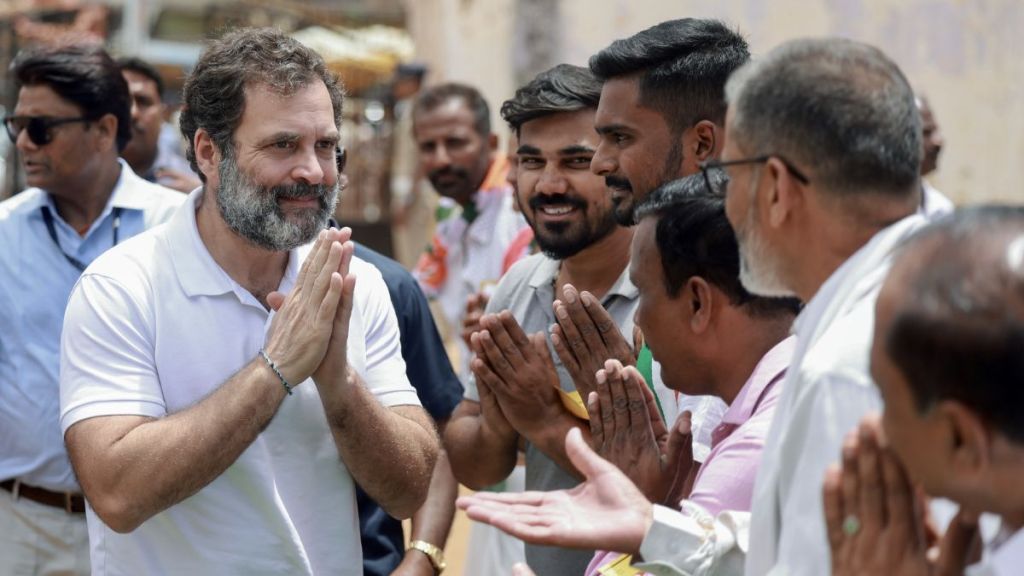
Demography, encompassing factors like age, caste, and religion, influences voting patterns in Karnataka state elections. Understanding the composition of the electorate helps analyze alliances and voting behavior. Rahul Gandhi, a prominent politician from the Indian National Congress, has campaigned in Karnataka and sought to mobilize support for his party. His effectiveness in connecting with voters and influencing the election outcome varies, as it depends on multiple factors beyond an individual’s influence. Other dynamics, such as party strategies, local issues, and the performance of rival parties, also play crucial roles in determining the results of Karnataka state elections.

Demography plays a significant role in elections as it involves the study of population characteristics and their influence on political outcomes. In the context of the Karnataka state election results, demography can provide insights into the composition of the electorate, such as age, gender, caste, and religion, which can shape voting patterns and alliances. Rahul Gandhi is a prominent Indian politician and a member of the Indian National Congress party. His role in the Karnataka state election results would depend on various factors, including his party’s performance, his campaign efforts, and his ability to connect with voters. While he may have campaigned in the state and tried to mobilize support for his party, the overall outcome of the election would depend on multiple factors beyond any individual’s influence.

Changing Demography of Karnataka

Karnataka has experienced significant demographic changes in recent years. The state’s population has been growing steadily, primarily due to natural increase and in-migration from other parts of India. According to the 2011 census, Karnataka had a population of approximately 61 million. Urbanization has been a prominent trend in the state, with cities like Bengaluru, Mysore, and Mangalore witnessing rapid growth. Bengaluru, in particular, has emerged as a major IT and technology hub, attracting professionals from different parts of the country. This influx of migrants has contributed to the cosmopolitan nature of the city. Karnataka is linguistically diverse, with Kannada being the primary language spoken by a majority of the population. However, there are also significant populations that speak other languages such as Tamil, Telugu, Urdu, and Konkani, among others. In terms of religious composition, Hinduism is the predominant religion in Karnataka, followed by Islam, Christianity, and Jainism. The state is also home to various religious sects and communities, contributing to its religious diversity. Caste continues to be a factor influencing Karnataka’s demography and politics. Historically influential communities, such as the Lingayats and Vokkaligas, have played significant roles in the state’s social and political landscape. However, other communities, including Scheduled Castes (Dalits) and Scheduled Tribes, have also gained political representation and influence.

It’s important to note that the demographic landscape of Karnataka may have evolved since my last update. For the most up-to-date and precise information, referring to recent studies and official data sources is recommended.

Emergence of Rahul Gandhi 

Rahul Gandhi is a prominent Indian politician and a member of the Indian National Congress party. He is the son of former Indian Prime Minister Rajiv Gandhi and the grandson of former Prime Minister Indira Gandhi. Rahul Gandhi’s emergence as a political figure in India began with his active involvement in the Indian National Congress party and his eventual entry into electoral politics. Rahul Gandhi initially served as a general secretary of the Indian National Congress, working behind the scenes to strengthen the party’s organization and support its electoral campaigns. Over time, he took on a more prominent role within the party, becoming the vice president in 2013 and eventually the president of the Indian National Congress in 2017. Rahul Gandhi’s emergence as a political leader has been characterized by efforts to connect with the youth, marginalized communities, and rural populations. He has advocated for issues such as social justice, inclusivity, and economic development. Rahul Gandhi has campaigned extensively in various state elections, including Karnataka, and has sought to rally support for his party’s candidates. While Rahul Gandhi has garnered a considerable following and support within the Indian National Congress party, his political journey has seen ups and downs. He has faced criticism and scrutiny from political opponents and has been actively involved in debates and discussions on various national and regional issues. It is worth noting that political dynamics and individual influence can vary over time, and the specific impact and future trajectory of Rahul Gandhi’s emergence in Indian politics will continue to evolve as political landscapes change.

History of Karnataka Elections

The history of Karnataka elections dates back to the formation of the state in 1956. Since then, Karnataka has witnessed numerous state assembly elections as well as Lok Sabha (parliamentary) elections. Here is a brief overview of the history of Karnataka elections: Early Years: The first general elections in Karnataka took place in 1957. The Indian National Congress (INC) dominated the political landscape in the early years, winning the majority of seats in the state assembly. Coalition Politics: In the 1980s and 1990s, Karnataka witnessed the rise of coalition politics. The Janata Party, a coalition of various anti-Congress parties, came to power in 1983, marking a shift from single-party dominance. This period saw multiple governments being formed by different alliances, including the Janata Dal and Bharatiya Janata Party (BJP). Rise of the BJP: The Bharatiya Janata Party (BJP) gained prominence in Karnataka during the late 1990s and early 2000s. In 2004, the BJP formed its first government in the state, led by Chief Minister B.S. Yeddyurappa. However, the government faced internal issues, leading to its collapse. Congress Revival: The Indian National Congress made a comeback in Karnataka politics, winning the state assembly elections in 2013. Siddaramaiah became the Chief Minister, leading a Congress government. However, in the 2018 elections, the Congress was unable to secure a majority, leading to a coalition government with the Janata Dal (Secular) party.

Recent Elections: In the most recent state assembly elections held in 2018, the BJP emerged as the single largest party. After a period of political uncertainty, the BJP formed the government with B.S. Yeddyurappa as the Chief Minister. However, in subsequent by-elections, the BJP lost a few seats, resulting in a change of Chief Minister with B.S. Yediyurappa resigning and Basavaraj Bommai taking office in 2021. It’s important to note that the political landscape in Karnataka has been dynamic, with various parties and alliances vying for power. State elections in Karnataka have seen the emergence of regional parties, coalition governments, and shifts in power between the Indian National Congress and the Bharatiya Janata Party. The outcome of elections in Karnataka has had implications for state governance as well as national politics.

New Challenges for Congress Party

The Congress Party in India has faced several challenges in recent years. Here are some of the key challenges it has encountered: 

Electoral Performance: The Congress Party has witnessed a decline in its electoral performance, especially in national elections. In the 2014 and 2019 Lok Sabha elections, the party faced significant setbacks, winning only a limited number of seats. This decline has impacted its overall political influence and ability to form a government at the national level.

Leadership Crisis: The party has grappled with a leadership crisis, with a lack of clear and dynamic leadership. This has resulted in a leadership vacuum and internal factionalism, which have weakened the party’s ability to present a united front and effectively communicate its message to the electorate.

Ideological Positioning: The Congress Party has faced challenges in clearly articulating its ideological positioning. In recent years, there has been a growing trend of political parties aligning themselves with specific ideologies or issues, while the Congress Party has struggled to define and communicate its distinct ideological stance.

Regional Strongholds: The Congress Party has lost ground in many states where it previously had strongholds. Regional parties have gained prominence and appeal, leading to a fragmentation of the political landscape. This has reduced the Congress Party’s ability to form alliances and consolidate its support base.

Youth Appeal: The Congress Party has faced difficulties in appealing to the aspirations and concerns of the younger generation. It has struggled to connect with the youth, who are increasingly looking for dynamic and transformative leadership and policies.

Communication Strategy: The Congress Party has faced challenges in effectively communicating its policies and achievements to the electorate. It has struggled to counter the narrative of its political opponents and has often been perceived as lacking a robust communication strategy.

Organizational Strength: The Congress Party has faced issues with its organizational strength and grassroots presence. It has struggled to rejuvenate its party structure and mobilize workers effectively, particularly at the local level.

To overcome these challenges, the Congress Party needs to undertake significant introspection, revitalize its leadership, redefine its ideological positioning, and strengthen its organizational structure. It must also focus on engaging with the aspirations of the youth and effectively communicate its policies and vision to regain public trust and support.

Concluding Remarks 

The Congress Party’s performance in Karnataka elections has been subject to critical appraisal due to a mix of successes and failures. While the party has experienced some notable achievements, it has also encountered significant setbacks. Here is a critical appraisal of the Congress Party’s performance in Karnataka elections:

Mixed Electoral Performance: The Congress Party has had mixed electoral performances in Karnataka. It won the state assembly elections in 2013, forming the government under the leadership of Siddaramaiah. However, in the subsequent 2018 elections, the party failed to secure a majority and had to form a coalition government with the Janata Dal (Secular) party. This highlighted a lack of sustained popularity and the inability to secure a clear mandate.

Leadership Challenges: The Congress Party has struggled with leadership challenges in Karnataka. While Siddaramaiah played a significant role in the party’s victory in 2013, his tenure as Chief Minister was marked by controversies and internal rifts. Additionally, the absence of a strong and decisive leader at the state level has affected the party’s ability to effectively mobilize support and present a cohesive image.

Intra-party Factionalism: The Congress Party in Karnataka has been plagued by factionalism and infighting. Internal divisions and power struggles have hindered the party’s unity and cohesion, leading to weakened electoral campaigns and suboptimal coordination among party members.

Failure to Capitalize on Governance: The Congress Party’s tenure in Karnataka witnessed a mixed record in governance. While some initiatives were undertaken, such as social welfare programs and measures to address agrarian issues, the party failed to effectively communicate and capitalize on these achievements. Inadequate implementation and a lack of clear messaging hindered their ability to connect with voters and secure their trust.

Inability to Counter BJP’s Rise: The Congress Party has struggled to counter the Bharatiya Janata Party’s (BJP) rise in Karnataka. The BJP’s strong organizational structure, effective campaign strategies, and appeal to Hindutva ideology have posed significant challenges for the Congress Party. The party has been unable to effectively counter the BJP’s messaging and address the concerns of a changing electorate.

Failure to Strengthen Party Organization: The Congress Party has faced challenges in strengthening its party organization at the grassroots level in Karnataka. The absence of a robust and well-connected organizational structure has hindered their ability to mobilize support and build a strong voter base.

To improve their performance in national elections, the Congress Party needs to address these critical issues. They should focus on nurturing strong and decisive leadership, resolving internal factionalism, communicating their achievements effectively, countering the BJP’s rise, and revitalizing the party organization at all levels. Additionally, connecting with voters on issues that resonate with them and presenting a clear vision for the state’s development will be crucial in rebuilding public trust and support.

References 

Antil, A., & Verma, H. V. (2021). Rahul Gandhi on Twitter: An analysis of brand building through Twitter by the leader of the main opposition party in India. Global Business Review, 22(5), 1258-1275.

Devi, B. U. (2013). Rahul Gandhi’s Immaturity. Economic and Political Weekly, 48(43), 5-5.

Gould, H. A. (1997). General Elections, 1996: Karnataka: Decline and Fall of the Congress Machine. Economic and Political Weekly, 2335-2349.

Manor, J. (2008). Letting a winnable election slip away: Congress in Karnataka. Economic and Political Weekly, 23-28.

Mahapatra, S., & Plagemann, J. (2019). Polarisation and politicisation: the social media strategies of Indian political parties.

Manor, J. (2013). Lucky in Its Adversaries: A Slipshod Congress Gains a Majority in the Karnataka Election. Economic and Political Weekly, 51-59.

Palshikar, S., & Suri, K. C. (2014). India’s 2014 Lok Sabha elections: Critical shifts in the long term, caution in the short term. Economic and Political Weekly, 39-49.

Pinto, A. (1994). Karnataka Assembly Elections: An Overview. Economic and Political Weekly, 3309-3311.

Shastri, S. (2009). Leadership at the state level mattered. Economic and Political Weekly, 88-91.

Shastri, S. (2013). The 2013 Karnataka Assembly Outcome: Government Performance and Party Organization Matters. Studies in Indian Politics, 1(2), 135-152.Simmons, C. (2019). Dynastic Continuity and Election in Contemporary Karnataka Politics. In South Asian Sovereignty (pp. 136-149). Routledge India.

Poetry Depicting the Plight of the Rural Migrants

Daily writing prompt
What technology would you be better off without, why?

By Shashikant Nishant Sharma

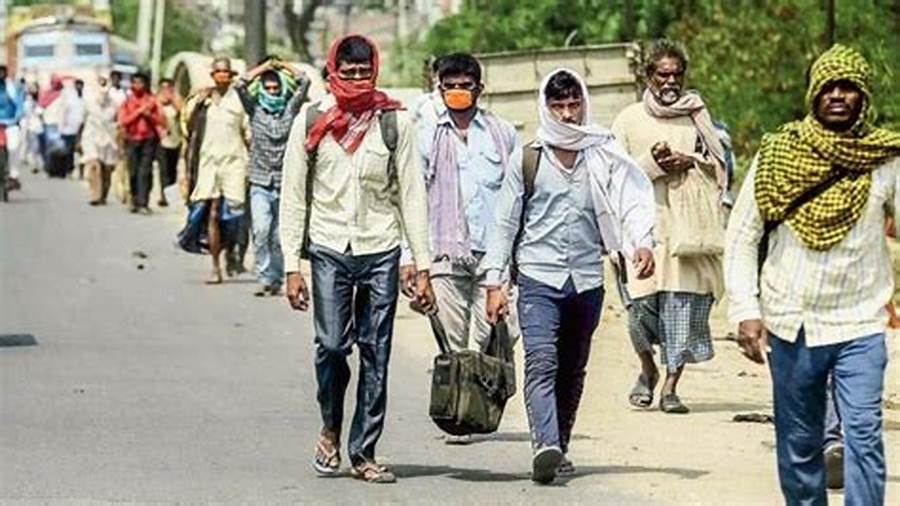
In the vast expanse of fields they toil,

The rural migrants, their hopes embroiled.

Leaving their homes, their villages behind,

Seeking better prospects, a new life to find.

Through dusty roads and uncertain trails,

They journey forth, their spirit never fails.

Dreams in their eyes, determination their guide,

They face the challenges with an unwavering stride.

From sunup to sundown, their hands never rest,

Working the soil, giving it their best.

Yet, their economic status remains a plight,

As they battle hardships, day and night.

Their labor fuels the cities’ bustling might,

Yet their own pockets struggle, a constant fight.

They build the skyscrapers, brick by brick,

But their own dreams seem just out of reach.

Their wages are meager, their earnings slim,

Struggling to provide, their chances seem grim.

But within their hearts, resilience resides,

A burning fire that no hardship can hide.

They yearn for a future where opportunities abound,

Where their efforts and sacrifices are truly renowned.

A world where their economic status can rise,

And their aspirations can touch the skies.

Let us not forget their struggles, their plight,

For they are the backbone, the true source of light.

Together, let’s work towards a better tomorrow,

Where rural migrants find solace from their sorrow.

For every field they sow, every harvest they reap,

Deserves a fair share, a promise we must keep.

So, let us join hands, bridge the divide,

And empower their dreams, side by side.

For in their hands lies the potential untold,

To transform their lives, to break the mold.

May their economic status find new heights,

As they journey towards prosperous sights.

CAQMrelaxes certain restrictions under Stage-III and Stage-IV of the Graded Response Action Plan (GRAP)

Daily writing prompt
Do you have a favorite place you have visited? Where is it?

Today, the Hon’ble Supreme Court vide its Order dated 25.11.2024 in WP (C) No. 13029 of 1985 titled as M. C. Mehta Vs. Union of India & Ors., inter alia, directed as under:

“…we direct the Commission to consider the grant of relaxation of actions in terms of clauses 5 and 8 of Stage IV measures (only in relation to educational institutions) as well as clause 11 of Stage III measures. The Commission may consider of grant of exemptions to certain classes from the aforesaid actions/measures. The Commission will have to consider the grant of relaxation/exemption as regards the actions under the aforesaid three clauses for various reasons, including the following:

  1. A large number of students are being deprived of the facility of Mid Day Meals as the schools and anganwadis are closed;
  2. A large number of students do not have the facilities to take benefit of online education. Many educational institutions do not have facilities to provide online education; and
  3. The residences of many students do not have air purifiers, and therefore, there may not be any difference between the children sitting at home and the children attending school.

…We also leave it to the Commission to decide on the continuation of the ban on conducting physical classes of X and XII standards on the same grounds.

Various options can be considered by the Commission. One can be of granting relaxation to those schools and educational institutions which do not have the facility of online education, and the other can be of granting relaxation to those students who do not have the facilities of attending online education at their respective homes. We make it clear that we are leaving it to the Commission to decide to what extent, if any, the measures relating to education which are otherwise applicable in Stages III and IV of the GRAP can be either relaxed or exceptions can be carved out. We expect that a decision shall be taken by the Commission during the course of the day or, at the latest, by tomorrow morning so that it can be implemented…”

Further, in respectful compliance of the above noted directives of the Hon’ble Supreme Court, the Commission further deliberated upon the related issues and has taken note of the following key factors:

  1. All the primary schools in the NCT of Delhi and also those in other areas of NCR do not have capabilities / access for conducting classes purely in an online mode;
  2. The adverse air quality scenario, primarily owing to highly unfavourable meteorological and climatic conditions, generally prevails for a long duration during winter months typically from November till January and going by the AQI trend in Delhi during such periods, GRAP Stages – III / IV are required to be invoked for considerable periods of time during these months. Such restrictions have an impact on the functioning of the educational system and the quality of education; 
  1. Students of classes X and XII and the associated school authorities are most impacted by the GRAP Stage – IV restrictions, considering the Board examinations facing them and the various competitive exams which follow. These students are required to attend classes in a physical mode considering the practical classes as also the practical examinations. Besides, the students are also required to attend to extra classes / tutorials for the Board examinations;
  2. The Commission also considered various representations relating to conduct of physical classes in schools during such restrictive GRAP stages.

Considering all the above noted aspects and in respectful compliance of the Hon’ble Supreme Court’s directives, the Commission, today has ordered the following with immediate effect and until further orders:

  • Clause 11 of GRAP Stage-III, Clause 5 of GRAP Stage-IV and Clause 8 of GRAP Stage-IV (to the extent it relates to colleges / educational institutions) are relaxed to the extent that State Govts. in the NCR and the GNCTD shall ensure that all classes upto 12th Standard in schools and those in colleges / educational institutions are conducted in a “Hybrid” mode i.e., both in “physical” and also in an “online” mode, wherever online mode is feasible, in the territorial jurisdiction of the NCT of Delhi and in the districts of Gurugram, Faridabad, Ghaziabad and Gautam Buddh Nagar in the NCR. The option to exercise online mode of education, wherever available, shall vest with the students and their guardians.
  • NCR State Governments may also consider conducting classes in a hybrid mode as above in all other areas in NCR.

                                                                            *****

Teachers are the real Karmayogis building the future generation

Daily writing prompt
Share five things you’re good at.

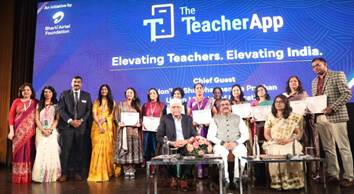
Union Minister for Education, Shri Dharmendra Pradhan, today in New Delhi unveiled the TeacherApp, an innovative digital platform designed to revolutionize education in India by equipping educators with future-ready skills to meet the demands of 21st-century classrooms. The Platform has been developed by Bharti Airtel Foundation, the philanthropic arm of Bharti Enterprises. Vice Chairman of Bharti Enterprises, Shri Rakesh Bharti Mittal; CEO of Bharti Airtel Foundation, Smt. Mamta Saikia, dignitaries from the education sector, school principals, teachers and B.Ed. students were also present at the event.

Image

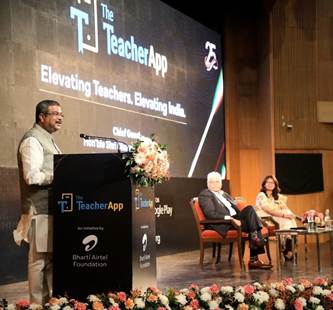
Addressing the gathering on the theme of “Elevating Teachers, Elevating India,” Shri Dharmendra Pradhan stated that this app will significantly empower teachers through continuous capacity building, leveraging innovative course content, technology, and community-building features. He emphasized that teachers are the real Karmayogis shaping the future generation, and the government is placing unprecedented focus on their continuous capacity building in line with the spirit of NEP 2020.

Image

The Minister further highlighted that enlightened teachers create enlightened students. As India progresses in the knowledge-driven 21st century, teachers will play a pivotal role in identifying future opportunities and ensuring that our youth lead the nation’s growth story, he added.

Based on the on-ground experience and deep understanding of the challenges educators face, The TeacherApp has been conceptualised. This platform will equip them with both time-tested and future-ready skills through innovative digital resources. This user-centric, free app developed with direct inputs from teachers is accessible across the Web, iOS, and Android, ensuring seamless access for educators nationwide. The platform offers over 260 hours of high-quality resources, both created and curated including courses, learning bytes, short videos, podcasts, and interactive webinar formats such as thematic fests, webinars, competitions, and quizzes, all designed to foster future readiness, elevate pedagogical practices, and enhance student engagement in classrooms. Additionally, the app also features live expert sessions that provide practical classroom strategies and aims to build a community of teachers by highlighting their exceptional impact stories. The app combines tech innovation with partnerships across 12 states to transform education.

This platform has a unique section called Teaching Kits comprising content of 900 hours. This feature is designed to support teachers with tools Including teaching videos, project-based learning activities, worksheets, lesson plans, and question banks, among others for classroom delivery. With a mission to transform schools into safe and happy learning spaces, The TeacherApp not only supports teachers’ growth but also empowers schools’ leaders and administrators. Aligned with the National Education Policy 2020, the app aims to build future-ready educators equipped to meet the evolving needs of education.

Shri Rakesh Bharti Mittal, in his address, said that to make India thrive as a global economic leader, it is imperative that the education system equips educators to foster creativity, critical thinking, and innovation. The TeacherApp will offer teachers access to world-class resources and best practices that empower them to deliver exceptional learning experiences, he added.

*****

One Nation One Subscription (ONOS)

Daily writing prompt
What is one thing you would change about yourself?

The Union Cabinet, chaired by Prime Minister Shri Narendra Modi, has approved One Nation One Subscription,  a new Central Sector Scheme for providing country-wide access to scholarly research articles and journal publication. The scheme will be administered through a simple, user friendly and fully digital process. This will be a “One Nation One Subscription” facility for the government higher education institutions and R&D laboratories of the central government.

A total of about Rs.6,000 crore has been allocated for One Nation One Subscription for 3 calendar years, 2025, 2026 and 2027 as a new Central Sector Scheme. One Nation One Subscription will build on and further enhance the scope and reach of the range of initiatives undertaken by the Government of India over the past decade in the domains of education, for maximizing access to quality higher education for the youth of India. This will supplement the ANRF initiative to promote research and development and foster a culture of research and innovation throughout government universities, colleges, research institutions, and R&D laboratories.

The benefits of One Nation One Subscription scheme will be provided to all Higher Educational Institutions under the management of the Central or State Government and Research & Development Institutions of the Central Government, through a national subscription coordinated by a central agency, namely the Information and Library Network (INFLIBNET), an autonomous inter-university centre of the University Grants Commission (UGC). This list covers more than 6,300 institutions, translating into nearly 1.8 crore students, faculty and researchers, who will be able to potentially avail benefits of One Nation One Subscription.

This is in line with the goals of Viksitbharat@2047, National Education Policy (NEP) 2020 and Anusandhan National Research Foundation (ANRF). The initiative will expand access to scholarly journals to a vast diaspora of students, faculty, researchers and scientists of all disciplines, including those in tier 2 and tier 3 cities, thereby promoting core as well as interdisciplinary research in the country. The ANRF will periodically review the usage of One Nation One Subscription and publications of Indian authors of these institutions.

The Department of Higher Education will have a unified portal “One Nation One Subscription” through which the institutions will be able to access the journals. The ANRF will periodically review the usage of One Nation One Subscription and publications of Indian authors of these institutions. The DHE and other Ministries having HEIs and R&D Institutions under their management shall be proactively conducting Information, Education and Communication (IEC) campaigns among students, faculty and researchers of these institutions about availability and method of access to One Nation One Subscription, resulting in improved usage of the facility across the country. The State Governments will also be requested to carry out campaigns at their level for maximizing usage of the unique facility by students, faculty and researchers of all government institutions.

*****

Bureau of Indian Standards addresses need for reliable, affordable medical assistive technology

Daily writing prompt
What is one thing you would change about yourself?

The Bureau of Indian Standards (BIS), India’s National Standards Body is addressing growing need for reliable and affordable medical assistive technology. The Bureau is developing standards for innovative products such as therapeutic footwear, portable ramps, braille displays, and fall detectors, which support individuals with disabilities and enhance their quality of life.

In line with the National Medical Device Policy, 2023, BIS is prioritizing standards development for 214 critical medical devices. These have been identified in consultation with the Department of Pharmaceuticals (DoP). It includes septal closure devices, plasma sterilizers, and phototherapy machines. The initiative is set for phased completion by December 2025.

The Bureau is also driving improvements in healthcare quality, safety, and reliability by developing robust medical device and service standards. By aligning with the Medical Devices Rules, 2017, and the National Medical Device Policy, 2023, BIS is proving to be instrumental in establishing a robust regulatory framework that prioritizes public safety while fostering innovation.

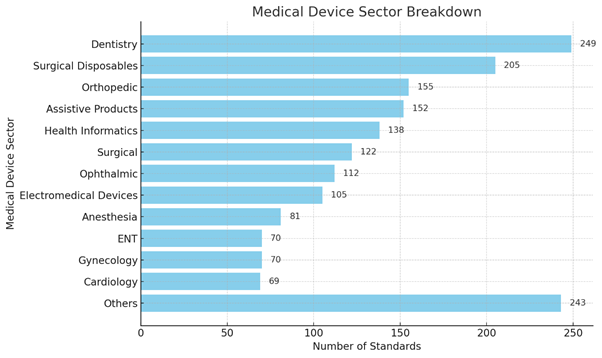
Output image

BIS has published over 1,700 standards for the medical sector, covering specialities such as cardiology, neurology, orthopaedics, ophthalmology, and more. Of these, around 1,200 standards specifically focus on medical devices critical to healthcare, including:

  • Life-saving devices: Cardiac pacemakers, heart valves, ventilators, and haemodialysis machines.
  • Advanced diagnostic tools: X-ray machines, CT scanners, MRI systems, and blood glucose monitors.
  • Assistive technology: Hearing aids, wheelchairs, Jaipur Foot, and tactile pathways for visually impaired individuals.

BIS standards in this sector ensure that Indian medical devices are safe, effective, and globally competitive. These efforts build trust among healthcare providers, consumers, and international stakeholders while solidifying India’s reputation as a leader in healthcare innovation.

Key Standards for Medical Devices:

Some of the key Indian Standards developed by BIS include:

  1. Cardiac Pacemakers: IS 13450 (Part 2/Sec 31): 2021
  2. Heart Valves: IS 17840
  3. Hip and Knee Implants: IS 12375
  4. Ventilators: IS 13450 (Part 2/Sec 12): 2023
  5. Infant Incubators and Radiant Warmers: IS 13450 (Part 2/Sec 19): 2023 for incubators and IS 13450 (Part 2/Sec 21): 2023 for radiant warmers
  6. Haemodialysis Machines: IS 13450 (Part 2/Sec 16) : 2019
  7. Infusion Pumps: IS 13450 (Part 2/Sec 24): 2019
  8. Advanced Diagnostic Tools:
    • X-ray and CT Machines: IS 7620 (Part 1) : 1986
    • MRI Systems: IS 13450 (Part 2/Sec 33) : 2018
    • Ultrasound Devices: IS 13450 (Part 2/Sec 37): 2019
    • ECG: Covered under IS 13450 (Part 2/Sec 25): 2018
  9. Monitoring Devices:
    • Blood Pressure Monitors: IS 13450 (Part 2/Sec 34): 2019
    • Blood Glucose Monitors: IS/ISO 15197: 2013
    • Pulse Oximeters: IS/ISO 80601-2-61: 2017

***

Global Cooperative Conference 2024 at Bharat Mandapam in New Delhi

Daily writing prompt
What is one thing you would change about yourself?

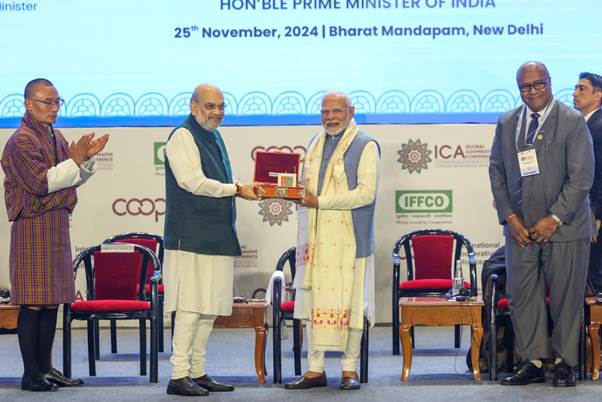
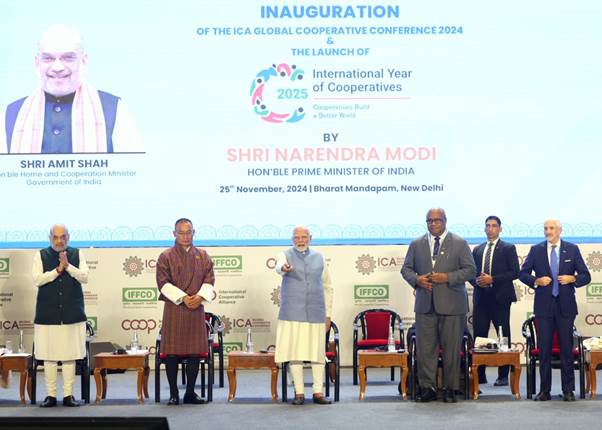
Prime Minister Shri Narendra Modi inaugurated the Global Cooperative Conference 2024 at Bharat Mandapam in New Delhi. Prime Minister Shri Narendra Modi also launched the United Nations’ International Year of Cooperatives 2025 and released a commemorative postal stamp. On this occasion, Union Home Minister and Minister of Cooperation Shri Amit Shah, the Prime Minister of Bhutan, the Deputy Prime Minister of Fiji, the President of International Cooperative Alliance (ICA), the Secretary of the Ministry of Cooperation, and several other dignitaries were present.

1.JPG

On this occasion, Union Home Minister and Minister of Cooperation Shri Amit Shah said in his address that the United Nations’ decision to observe 2025 as the International Year of Cooperatives is a timely step and will prove to be a blessing for millions of poor people and farmers worldwide. He added that the inauguration of the International Year of Cooperatives-2025 by Prime Minister Modi today and the hosting of the International Cooperative Conference of the ICA in India is a welcome step.

Shri Amit Shah said that Prime Minister Shri Narendra Modi three years ago gave the clarion call of “Sahkar Se Samriddhi” which reflects the essence of theme of this conference, which paved the way for the prosperity of millions of villages, women, and farmers. He said that in previous 3 years, many new activities have taken place in the cooperative sector of India, and after 75 years of independence, India’s cooperative movement has experienced a revival, bringing with it a new zeal.

Union Home Minister and Minister of Cooperation said that in next 3 years, through 2 lakh new Primary Agricultural Credit Societies (PACS), there will not be a single village panchayat in India without a cooperative society. He said that many steps have also been taken to make PACS modern, tech-enabled and economically-viable. He said that through 3 new cooperative bodies formed at the national level, the farmers of India will be able to increase their access to the domestic as well as global market. He said that National Cooperative Exports Limited (NCEL),  National Cooperative Organics Limited (NCOL) and Bharatiya Beej Sahakari Samiti Limited (BBSSL) will not only increase the participation of farmers in world trade in the coming days, but will also work to inspire cooperatives all over the World as to how a small farmer can reach all the markets of the World. Shri Shah said that Indian Farmers Fertiliser Cooperative (IFFCO), Krishak Bharti Cooperative (KRIBHCO) and Amul have set examples in the field of cooperatives all over the world and similarly these three cooperatives will also guide the people working in the cooperative sectors of the World.

2.jpeg

Shri Amit Shah said that after the formation of the Ministry of Cooperation three years ago, the entire legal framework of cooperatives has been strengthened, the White Revolution 2.0 and the Blue Revolution have also begun, in which the role of cooperatives is very important. He said that under the leadership of Prime Minister Modi, comprehensive changes have taken place in the last 3 years for the overall development of cooperatives. Shri Shah said that in the coming days, we are also going to build a cooperative university, through which trained and tech-enabled human resources will be created. In the “International Year of Cooperatives,” the Modi government will usher in new dimensions to India’s cooperative movement by introducing a new cooperative policy.

3.JPG

Union Home Minister and Minister of Cooperation said that in order to expand the reach of cooperatives, the Government of India is committed to connecting every village and farmer with the cooperative movement. He added that numerous efforts have been made to explore new areas and extend the scope of cooperatives.

Shri Shah stated that under the guidance of Prime Minister Modi, significant work has been done in the past three years to extend the reach of cooperatives to every individual and sector. He emphasized that the cooperative movement has opened several avenues for the empowerment of villages, farmers, women, and the underprivileged. Through this movement, the goal of “Sahkar se Samriddhi” envisioned by Prime Minister Modi, can be achieved in the coming times. He also said that the International Year of Cooperatives, inaugurated today by Prime Minister Shri Narendra Modi, will pave the way for the empowerment of millions of poor people, farmers, and women worldwide, enabling them to live with dignity and respect.

***

CREDAI to formalise its 14,000 members, says social security of labour crucial to real estate growth

Daily writing prompt
What is one thing you would change about yourself?

The real estate sector should look at a greater formalisation that will help the industry grow faster. This was stated by Union Minister of Commerce & Industry, Shri Piyush Goyal during his keynote address at the 25th Foundation Day of CREDAI (Confederation of Real Estate Developers’ Associations of India) in New Delhi today. He further urged the industry to engage the labour in formal employment, giving them the social security benefits of insurance (ESIC) and provident fund (EPFO). This will help in the number of employees getting reflected in annual reports and in national statistics. If social security, healthcare and post-retirement benefits are provided then the employees will align with the industry’s goals of enhancing their quality of work leading to better productivity and greater profits, he said. 

Photo by Alex Staudinger on Pexels.com

Commerce and Industry Minister also appealed to CREDAI to expedite formalisation of its 14,000 members. If everyone who works for CREDAI will receive salary through digital payment and if it is ensured that employees working in the ecosystem is a part of the national effort to meet the needs of the people, CREDAI’s contribution to employment will get recognised and rewarded, he said.

In his address, Shri Goyal raised the issue of environment pollution and urged CREDAI to consider setting up a team to study ways to adopt better construction techniques in the metropolitan cities of India. He further suggested the industry body to  take this up as a mission and report to the Government steps being taken in this direction. Adopting steel and precast fabrication will speed up construction benefitting the entire ecosystem. This can help in reducing AQI and pollution levels, he said.

Shri Goyal lauded CREDAI for its contribution to making India a powerhouse and also in its  journey towards Viksit Bharat and added that the industry has not only worked with brick and mortar to collectively prepare the nation for the future but has worked to provide opportunities and aspirations to the nation. Real estate contributes to the economy and jobs, he said.

Emphasising the difficulty citizens faced earlier in owning homes, Shri Goyal pointed out that a concerted effort has been undertaken in the last ten years to clean up processes, promote Ease of Doing Business and encourage businesses to expand. He also noted that bringing The Real Estate (Regulation and Development) Act (RERA) into effect in 2017 was a challenge, however, the regulations have enabled citizens to acquire homes without dispute. The Minister further highlighted CREDAI’s commitment to rectify the processes and pointed out that provisions like Goods and Services Tax (GST), RERA Act and efforts to eliminate irregular transactions have resulted in an organised growth of the real estate sector.

Hailing Prime Minister Shri Narendra Modi’s efforts to clean up the banking system, Shri Goyal noted that non-performing assets (NPAs) have decreased significantly and banks have strong credit portfolios with strong balance sheets, maintaining healthy profit each year. It shows how important the banking sector is for the real estate sector and for the economy to gain momentum in meeting the aspirations of the nation. As income levels rise, more people will take possession of their homes as they will be able to afford cheaper loans at  lower interest rates, he said.

Shri Goyal also spoke about affordable rental housing and announced that the Government would be engaging in discussions with the industry body to find ways to provide affordable rental to the citizens, besides working on the rehabilitations programme for slum dwellers. He said that affordable rental housing if made available would be able to stop the proliferation of slums in cities. Shri Goyal pointed out that aspects like parking lots and spaces for entertainment families should be looked into when planning layouts. He added that we need to recycle construction waste so that we move towards a circular economy as to be a net zero nation we have to begin from net zero localities and societies. 

Encouraging the industry leaders and participants to look for real estate opportunities abroad, Shri Goyal said that expanding the real estate footprint outside India will add to India’s exports and infrastructure services. He also urged the industry to expand its sector and the 250+ associate industries to make real estate a $1 trillion contributor to the nation.

***

Research Paper Editing Services

Daily writing prompt
Are you more of a night or morning person?

Research paper editing services offered by Eduindex.org are designed to assist students, researchers, and academic professionals in enhancing the quality of their research papers, dissertations, and academic articles. Their services focus on improving clarity, grammar, structure, and overall coherence of academic writing, helping to ensure that the final document is polished and ready for submission to journals, conferences, or academic institutions.

Eduindex.org offers a range of editing services, including:

  1. Grammar and Punctuation Check: Ensuring that the research paper adheres to proper grammar and punctuation rules, enhancing readability and professionalism.
  2. Structure and Organization: Reviewing the overall structure of the paper, ensuring logical flow, appropriate headings, and subheadings for easy comprehension.
  3. Clarity and Conciseness: Editing the content to make it clearer and more concise, removing redundant phrases and unnecessary jargon.
  4. Formatting: Ensuring the paper is formatted according to the required citation style (APA, MLA, Chicago, etc.) and meets specific institutional or publication guidelines.
  5. Referencing and Citations: Checking references and citations to ensure they are correctly formatted and consistent with the required style.
  6. Plagiarism Check: Providing a thorough plagiarism check to ensure the originality of the research paper.

How to Contact Eduindex.org for Research Paper Editing:

To make use of their professional editing services, you can reach out to the team at Eduindex.org by sending an email to editor@eduindex.org. You can share your research paper and any specific requirements or concerns you have regarding the editing process. The editorial team will respond with a tailored solution and discuss the next steps, including pricing and deadlines.

By availing of their editing services, researchers and students can ensure that their academic work is of the highest quality, increasing the chances of successful publication or submission.

Loganix: A Comprehensive Overview

Daily writing prompt
What are your feelings about eating meat?

Loganix is a prominent digital marketing agency that specializes in providing a wide range of SEO (Search Engine Optimization) and link-building services tailored to help businesses improve their online visibility. Since its inception in 2010, Loganix has established itself as a trusted name in the digital marketing industry, catering to agencies, businesses, and individuals looking for high-quality, scalable, and results-driven solutions.

Key Services Provided by Loganix

  1. Link Building Services
    Loganix offers premium link-building services that prioritize quality over quantity. These include:
    • Authority Links: Secure backlinks from high-authority websites, enhancing domain credibility.
    • Guest Posting: Placement of well-researched, valuable articles on reputable websites, driving referral traffic and boosting SEO.
    • Niche Edits: Adding contextual links to existing content on relevant websites, ensuring seamless integration and relevance.
  2. Local SEO Services
    Loganix provides robust local SEO strategies to help businesses dominate local search results. This includes:
    • Citation Building and Cleanup: Creating and maintaining accurate business listings across directories and correcting outdated or duplicate information.
    • Google Business Profile Optimization: Enhancing Google My Business profiles for better visibility in local map packs and search results.
    • Local Link Building: Targeting region-specific backlinks to increase local relevancy and authority.
  3. SEO Audits and Content Marketing
    Loganix helps businesses identify gaps in their SEO strategies through detailed audits. They also specialize in content creation and optimization to improve rankings and engagement.
    • SEO Audits: Comprehensive analysis of a website’s on-page, off-page, and technical SEO performance.
    • Content Creation: Delivering high-quality, SEO-optimized content tailored to target keywords and audience intent.
  4. White Label Services for Agencies
    Loganix serves as a white-label partner for digital marketing agencies, enabling them to offer top-tier SEO and link-building services under their branding. This allows agencies to scale their offerings without overburdening internal resources.

What Sets Loganix Apart?

  1. Commitment to Quality
    Loganix emphasizes building relationships with reputable sites and delivering high-value links, ensuring long-term SEO gains rather than quick, unsustainable fixes.
  2. Scalability and Customization
    The agency provides scalable solutions, making it a preferred choice for small businesses and large enterprises alike. Services are customizable to fit the specific needs and goals of each client.
  3. Transparent Reporting
    Loganix ensures complete transparency in its processes, providing clients with detailed reports outlining the progress and results of campaigns.
  4. Experienced Team
    With over a decade of experience, Loganix’s team is composed of seasoned SEO experts, content creators, and digital marketers dedicated to delivering measurable results.
  5. White-Hat Practices
    The agency strictly adheres to ethical SEO practices, ensuring compliance with Google’s guidelines and protecting clients from penalties.

Why Choose Loganix?

  • Proven Track Record: Loganix has worked with businesses across various industries, demonstrating consistent success in improving search rankings and online presence.
  • Tailored Strategies: Every business is unique, and Loganix crafts strategies that align with individual business objectives.
  • Cost-Effectiveness: Loganix delivers value for money by focusing on strategies that drive sustainable growth.

Industries Served

Loganix caters to a diverse range of industries, including:

  • E-commerce
  • Healthcare
  • Legal Services
  • Real Estate
  • Technology Startups
  • Digital Marketing Agencies

Conclusion

Loganix stands out as a reliable partner for businesses looking to enhance their digital footprint. With its focus on ethical practices, scalable solutions, and transparent processes, the agency has earned a strong reputation in the SEO and digital marketing space. Whether you’re a business owner seeking to dominate local search results or an agency looking to expand your service offerings, Loganix is well-equipped to meet your needs and deliver tangible results.

For more information, visit Loganix’s official website.