Communication skills

Good communication is very important to convey what is there in the mind. Whatever language, communicating in a understandable way is very important. communication today is very important both in the business world and in private life.

Even though the person is good at skills and is capable of doing things better, lack of communication degrades the skills and brings a negative mark on the person which is a bad thing for the individual.

Top 5 communication skills and How to improve them

Developing strong communication skills is essential when it comes to building a successful careee. Communication skills play a key role in your private life too. These 5 skills are absolutely necessary for sucessful commuincation in the workplace or private life.

1. Listening :

Listening is one of the most important aspects of communication. Successful listening is not just and understanding of spoken or written information, but also an understanding of how the speaker feels during communication. If a speaker can see and feel that someone is listening and understanding that can help build a stronger, deeper realtionship between interlocutors.

Careful listening can also create an environment in which everyone feels safe to express ideas, opinions and feelings, or plan and solve problems in a creative way.

2. Straight talking :

Conversation is the basis of communication, and one must not neglect its importanc. Even a simple, friendly conversation with colleafues can build mutual trust and even detect problems before they become serious. A healthy does of chatting with and unknown person can lead to a business opportunity . Be accessible and friendly because then you will be able to talk to almost anymore.

3. Non- verbal communication :
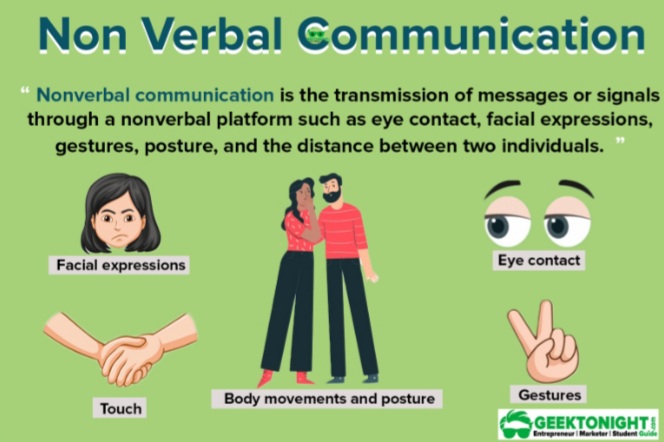
When we talk about things that matter to us then we send a lot of nonverbal messages. Non verbal signals are wordless communication, body position, facial experssion, hand movements, gestures, eye contact, attitude and tone of your voice, muscle tension and the way you breathe. The way you look, listen create, react, gesture , speaks far more about feelings than words will ever be able to.

4. Stress Management :
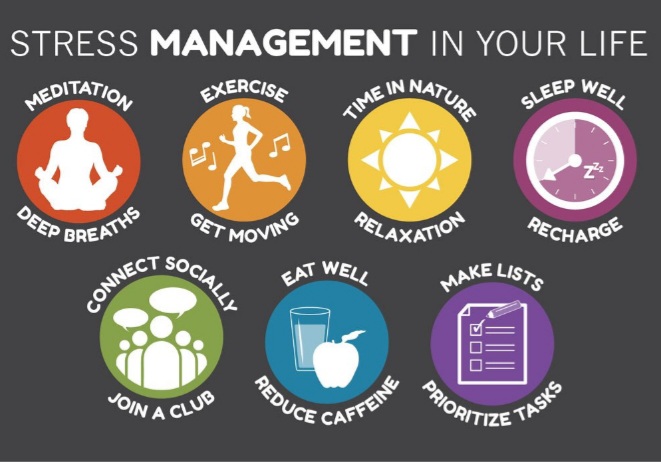
In small quantities, stress can be very useful and encouraging for work . However, when the stress becomes constant and completely begins to take effect, it can affect communication, clarity of opinion and appropriate behavior and action. When you are under stress you may misunderstand other people, send confusing nonverbal signals, and use funny patterns of behavior.

5. Emotion control :

In communication, feelings play an important role. Making decisions more often affects the way you feel than the way you think. Gudided by emotions, your nonverbal behavior affects the understanding of other people and how others understand and perceive you. Control of emotions provides you with tools to understand others, yourself and the messages you send. Though recognizing feelings makes it simple, many people have strong feeling like anger, sorrow, or fear being pushed under the carpet.

Importance of communication :
Communication thus helps understand people better removing misunderstanding and creating clarity of thoughts and expression. The communication brings people together, closer to each other. The communication is an important management function closely associated with all other managerial functions.

Everybody has their own way of communicating. It is influenced by cultural background, the way someone was raised, their gender, their temperament, and much more. At that point true communication may become utterly impossible. Sometimes we may have a difficult time understanding anothers feelings , needs and habits.

* communication serves four major functions with a group of organization :

* control

* Motivational

* Emotional expression

* Information

* communication serves five major purposes :

* to inform

* to express feelings

* to imagine

* to influence and

* to meet social expectations

For example:

For instance, if an individual is going to an interview with great confidence. An individual who is good at different kinds of skills, and also good at executing them and he is lack of communication skills. As the person is not a good communicator, the person faces difficulty in explaining the things to the other person which is known to him. Instantly, this brings a bad impression on the person and a negative mark will be marked on him. The negative mark has a lot to do with. The negative mark can also lead to the rejection of the person in the interview.

Being knowledgeable is very important to achieve certain goals in life, attaining good communication skills and being a good communicator is also equally important to achieve high in the life. Being a good communicator is not A big deal. It is so easy as the lifestyle. Any individual can be good communicator if he communicates all the time with other people in the possible way.


Agriculture

When tillage begins, other arts follow. The farmers, therefore, are the founders of human civilization.”

— Daniel Webster

Introduction

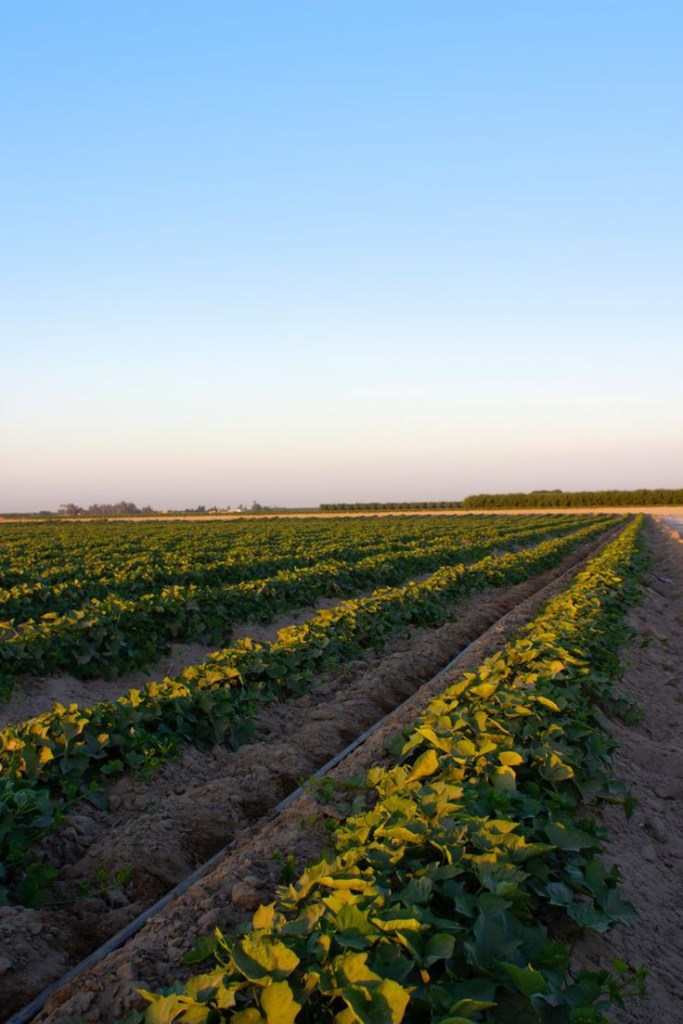
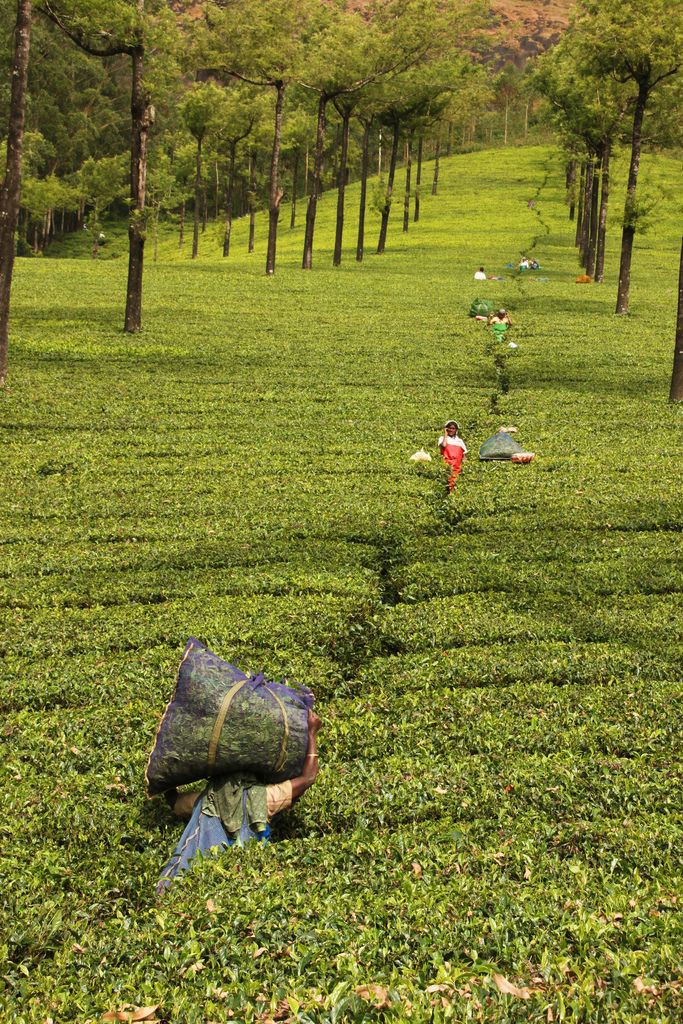
It all started thousand of years ago , when the human civilization came into existence . Agriculture was a key to survival . People were farming for there domestic purpose , not for the others .

As the civilization started to grow accustomed of agriculture , they grew food in surplus that enabled people to live in cities. Plants were independently cultivated in at least 11 regions of the world.

The development of agriculture enabled the human population to grow many times larger than could be sustained by hunting and gathering.

It was the beginning of different civilization in different parts of the World. From those civilizations , one of them was our’s The Indus Valley Civilization . Vedic literature provides some of the earliest written record of agriculture in India. Rigveda hymns , describes plowing, fallowing, irrigation, fruit and vegetable cultivation.

Some of the ancient and historical evidence suggests rice and cotton were cultivated in the Indus Valley.

Agriculture : In India and World today .

India ranks second worldwide in farm outputs. As per 2018, agriculture employed Indian work force and contributed 17–18% to country’s GDP.

In 2016, agriculture and allied sectors like animal husbandry, forestry and fisheries accounted for 15.4% of the GDP (gross domestic product) with about 41.49% of the workforce in 2020.India ranks first in the world with highest net cropped area followed by US and China.The total agriculture commodities export was US $ 3.50 billion in March – June 2020.

Agriculture is the primary source of livelihood for about 58% of India’s population. Share of agriculture and allied sectors in gross value added (GVA) of India at current prices stood at 17.8 % in FY20.

During 2019-20 crop year, food grain production reached a record of 296.65 million tonnes. In 2020-21, Government of India is targeting food grain production of 298 million tonnes.

India is among the 15 leading exporters of agricultural products in the world. Agricultural export from India reached US$ 38.54 billion in FY19 and US$ 35.09 billion in FY20.

Agriculture is an important industry in the United States. The agriculture industry, which includes both crops and livestock, is responsible for producing most of the world’s foods and fabrics. Agriculture impacts so many things that it’s hard to imagine a world without this important industry.

Schemes and Initiatives

Due to the high requirement of agriculture . It is important for the government to take initiatives and provide better infrastructure to the farmers. However , the required level of investment for the development of marketing, storage and cold storage infrastructure is estimated to be huge.

The Indian Council of Agricultural Research (ICAR), established in 1905, was responsible for the search leading to the “Indian Green Revolution” of the 1970s. The Union Minister of Agriculture is the president of the ICAR. The Indian Agricultural Statistics Research Institute develops new techniques for the design of agricultural experiments, analyses data in agriculture, and specialises in statistical techniques for animal and plant breeding.

Schemes by government for Indian agriculture :

  • Dairy Entrepreneurship Development Scheme.
  • Rainfed Area Development Programme (RADP)
  • Paramparagat Krishi Vikas Yojana (PKVY)
  • Pradhan Mantri Krishi Sinchai Yojana (PMKSY)
  • National Agriculture Market (e-NAM)
  • Pradhan Mantri Kisan Maandhan yojana.
  • Pradhan Mantri Fasal Bima Yojana (PMFBY)
  • Kisan Credit Card (KCC) scheme.
  • Pashu Kisan Credit Card Scheme.
  • PM-Kisan Scheme.

Conclusion

Agriculture sector is one of the prominent sector in India as well as all over the world . India is becoming self – sufficient in pulses and other crops .

Gone are the days , when India was unable to provide sufficient amount of food to the citizens . Gone are the days , when people used to think agriculture was not as important as other sectors . Gone are the days , when people used to think less of farmers . And gone are the days , when people were less educated about agriculture.

Farming is a profession of hope.

— Brett Brian

Link

E – Waste : the Digital Dark Side


We live in a technology-driven world, and technology is rapidly evolving. Mobile phones have been replaced by smart phones, televisions have been replaced by LEDs and LCDs, and desktop computers have been replaced by laptops and tablets. When a new model of a product is introduced to the market, the previous one quickly becomes obsolete, and outmoded items are often discarded as waste. These unwanted, broken, or obsolete electrical goods have reached the end of their useful life. Those who have reached the end of this are known as e-waste, in which some electronic products are included for quitting, such as computers, mobile phones, TVs, washing machines, refrigerators, and so on.


Millions of tonnes of e-waste are produced annually in rich countries; worse, e-waste from illegal countries such as Japan, Malaysia, Ghana, Nigeria, Pakistan, and India, as well as developed countries such as the United States and Japan, should be dumped in developing countries. It used to be like way. In developed countries, the expense of treating e-waste is significant. This is due to the relatively low cost of shipbuilding, which encourages garbage shipment to underdeveloped countries..
Local residents, industry owners, and labourers are allowed to collect valuable goods from this garbage according to their needs in underdeveloped countries, where waste is put into the underground, consuming and ill-equipped recycling facilities. The majority of them amass important information in order to leave the others behind. Acid baths and electrical burns are employed to recover valuable components. These tactics, in turn, cause major health issues and may harm individuals who participate in them.
Hazardous metals such as lead, mercury, arsenic, copper, cadmium, nickel, zinc, gold, silver, and beryllium are likely utilised in monitors such as circuit boards, electric parts, mono boards, and cables.

These metals are known to emit toxic poisons into the environment through soil, causing health problems in both animals and humans. Chemicals can likely be generated on land, resulting in pollution of both land and water. Important components of e-waste, polychlorinated biphenyl and polybrominated defanel ether have a hazardous side effect.
They are the primary contributors to ozone depletion. Food chains and food traps also store these chemicals, posing a major hazard to all animals on the earth.

In fact, the growing environmental footprint of e-waste is a source of concern. Consumers and producers are jointly responsible for managing the growing amount of e-waste. The majority of electronic materials include reusable components. Metals such as copper, aluminium, lead, and iron are found in this reusable component. To properly remove this substance from trash materials, an unique eco-friendly process should be created.
Recycling models must be promoted by both manufacturers and approved recyclers. Producers can join the recycling chain by offering a collection service and, in comparison to the unorganised sector, can increase their buyback offer. Consumers have a natural tendency to derive economic value from rubbish, and this is where financial incentives to participate in the formal recycling system can be provided. They should be urged to get rid of all of their electronics and electronic items. Many corporations, including as Dell, Apple, and HP, have launched recycling programmes. When it comes to trash management, the 3R concept, which entails reuse and recycling, can be quite useful.


In the Indian context, E-Parisissa is a fantastic effort for e-waste management. Bangalore generates 8000 tonnes of computer garbage each year, which is subsequently sold to scrap merchants. E-Parisia, an environmentally friendly recycling facility on the city’s outskirts, is India’s first e-waste recycling facility. Its goal is to reduce pollution and landfill waste by recycling valuable metals, plastic, and glass in an environmentally acceptable way.