ELON MUSK, the famous and most successful person in the tech world, who played many roles and faced many struggles to become what he is today. Elon Musk was born and raised in South Africa.
We all know him as an entrepreneur, businessman, CEO of Tesla and spacex, but he is also a skilled investor, software developer, designer, inventor, rocket scientist, actor, film producer, one of the richest man in the world.
During his school days, he was a victim of severe bullying. At the age of 12, he created a video game(blaster) and sold it to a computer magazine. Elon Musk is the founder of X.com (later it became paypal), spacex, Tesla motors.
Recently Elon Musk turned 50, over the past decades Musk managed to become CEO of Tesla and spacex, founder of the boring company, co-founder of OpenAI, Neuralink. He also played a vital role in space rockets, electric cars, solar batteries.
“”Failure is a option here, if things are not failing then you are not innovative enough.””. – Elon Musk
“” I think it’s possible for ordinary people to choose to be extraordinary.”” –Elon Musk
Raising the alarm bells for policymakers and citizens, a research report has contended that India may witness the third covid wave from August 2021. The report – COVID-19: The race to finishing line – prepared by SBI Research, claims that the covid third wave peak will arrive in the month of September 2021.
The research report says that India achieved its second wave peak on 7th May. “Going by the current data, India can experience cases around10,000 somewhere around the 2nd week of July. However, the cases can start rising by the second fortnight of August,” the report said.
These are the highlights from the report:
1. Global data shows that on average third wave peak cases are around 1.7 times the peak cases at the time of second-wave. 2. However, based on historical trends the cases can start rising by the second fortnight of Aug’21 with peak cases at least a month later. 3. India has started giving more than 40 lakh vaccination doses per day as shown by 7 DMA. 4. Overall, India has fully vaccinated 4.6% of its population, apart from 20.8% having received one dose. This is still lower than other countries including the US, the UK, Israel, Spain, France among others. 5. The decline in bank deposits in FY21 and concomitant increase in health expenditure may result in further increase in household debt to GDP in FY22. 6. States with high per capita GDP have been associated with higher Covid-19 deaths per million while low per capita GDP are associated with low Covid-19 deaths. 7. Only 4.6 per cent of the population in India is fully vaccinated, while 20.8 per cent have received one dose, much lower compared to other countries including the US (47.1 per cent), the UK (48.7 per cent), Israel (59.8 per cent), Spain (38.5 per cent), France (31.2), among others.
There is no National language in India. Hindi is also one of our official languages. Hindi is recognized as the official language of 9 states and 3 union territories, and one of the two parliamentary languages of India. Although the language is widely understood by the majority of Indian citizens, Hindi has not been accepted as the national language of this country.
Clause 1 Article 343 of the constitution of India states that the official language of the Union shall be Hindi in Devanagari script. The constitution does not assume any language for that matter in the category of the national language. Hindi and English have been acknowledged as official languages of the parliament. However, every state can exercise the right to authorize a particular language through legislation.
Hindi should be our National Language because it is easy to understand and in today’s world where everyone watches television, web shows and through internet everybody is familiar with Hindi language. Our country must have a internal language which can be understood and spoken by everyone i.e Hindi, I love Hindi and support it to be our national language. According to me it gives me the feeling of united one India. I get that unity feeling as an Indian. Hindi is the only language which unites people from different states and it increases belongingness to whole India not only limited to their own state.
But still there are many people from South India and West Bengal who opposes Hindi to be our national language and many people from South don’t even understand Hindi properly. They need to understand the fact that if Hindi becomes our National Language that will not decrease the importance of their regional language, other languages is not going to extinct. This narrow mentality which is limited to their state only should be changed, otherwise India can never be one. Sanskrit could be chosen too for our National Language but the thing is many generations already been passed who were not taught Sanskrit and they are not enough familiar with sanskrit to speak this language. Only Hindi now a days can become the language which can unite Indians and therefore India. Therefore Hindi should be taught compulsorily in every state along with English and their regional languages respectively.
The Hindi Language is very old and has a direct line of evolution to Sanskrit. As such Hindi is incredibly important in the historic development of the world’s cultures and well worth not just honoring, but studying. Anyone with an interest in world history or languages would do well to do a little bit of intense reading on the subject of Hindi.
Popularity of Hindi in other countries
Nepal has the second largest group of Hindi speaking people. Surprisingly the United States is home to the third largest group of Hindi speaking people. About 650, 000 people speak the language in the country making it the 11th most popular foreign language in the United States. A third of Mauritians ( 450,000) speak the Hindi language.
Indian songs and hymns have been adapted and used by various popular rap and pop music artists. From science to commerce and business to various multimedia as shown India to becoming a viable world economy with increasing interest in the world. Bollywood as it is called the second biggest film following Hollywood. Indian music becomes influential, not only audiences in the United States but also with the rest of the world.
Sanskrit was considered as “Dev Bhasha”, “Devavani” or the language of the Gods by ancient Indians. The word sanskrita, meaning “refined” or “purified”, is the antonym of prakrita, meaning “natural,” or “vulgar. The corpus of Sanskrit literature encompasses a rich tradition of poetry and drama as well as scientific, technical, philosophical and dharma texts.
Sanskrit is the most ancient language and perfect among the great languages in the world.It is the greatest treasure given to the world by ancient India.
Sanskrit is the primary sacred language of Hinduism, and has been used as a philosophical language in the religions of Hinduism, Buddhism, and Jainism. Sanskrit is a standardized dialect of Old Indo-Aryan, originating as Vedic Sanskrit as early as 1700-1200 BCE.
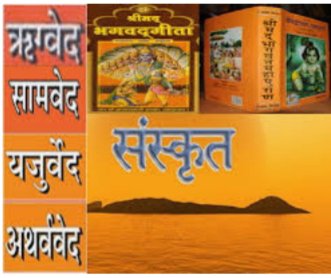
Vedic Sanskrit is the language of the Vedas, the most ancient Hindu scripts, compiled c. 1500-500 BCE. The Vedas contain hymns, incantations called Samhitas, and theological and philosophical guidance for priests of the Vedic religion. Believed to be direct revelations to seers among the early Aryan people of India, the four chief collections are the Rig Veda, Sam Veda, Yajur Vedia, and Atharva Veda. (Depending on the source consulted, these are spelled, for example, either Rig Veda or Rigveda.)
Vedic Sanskrit was orally preserved as a part of the Vedic chanting tradition, predating alphabetic writing in India by several centuries. Modern linguists consider the metrical hymns of the Rigveda Samhita, the most ancient layer of text in the Vedas, to have been composed by many authors over several centuries of oral tradition.
Sanskrit Literature began with the spoken or sung literature of the Vedas from c. 1500 BCE, and continued with the oral tradition of the Sanskrit Epics of Iron Age India, the period after the Bronze Age began, around 1200 BCE. At approximately 1000 BCE, Vedic Sanskrit began the transition from a first language to a second language of religion and learning.
Around 500 BCE, the ancient scholar Panini standardized the grammar of Vedic Sanskrit, including 3,959 rules of syntax, semantics, and morphology (the study of words and how they are formed and relate to each other). Panini’s Astadhyayi is the most important of the surviving texts of Vyakarana, the linguistic analysis of Sanskrit, consisting of eight chapters laying out his rules and their sources. Through this standardization, Panini helped create what is now known as Classical Sanskrit.
As we approach the change of times and as Indians rediscover their roots in their collective consciousness, we begin to reflect why and how the Europe-centric mind-set has pervaded and distanced us from our own languages, culture, traditions and knowledge. More and more countries are popularising the study of Sanskrit, not just for the spiritual, cultural and literary interest in the language, but also for the wealth of scientific knowledge available in Sanskrit texts.
Sanskrit is vital to Indian culture because of its extensive use in religious literature, primarily in Hinduism, and because most modern Indian languages have been directly derived from, or strongly influenced by, Sanskrit.
Knowledge of Sanskrit was a marker of social class and educational attainment in ancient India, and it was taught mainly to members of the higher castes (social groups based on birth and employment status). In the medieval era, Sanskrit continued to be spoken and written, particularly by Brahmins (the name for Hindu priests of the highest caste) for scholarly communication.
Today, Sanskrit is still used on the Indian Subcontinent. More than 3,000 Sanskrit works have been composed since India became independent in 1947, while more than 90 weekly, biweekly, and quarterly publications are published in Sanskrit. Sudharma, a daily newspaper written in Sanskrit, has been published in India since 1970. Sanskrit is used extensively in the Carnatic and Hindustani branches of classical music, and it continues to be used during worship in Hindu temples as well as in Buddhist and Jain religious practices. Sanskrit is a major feature of the academic linguistic field of Indo-European studies, which focuses on both extinct and current Indo-European languages, and can be studied in major universities around the world.
The corpus of Sanskrit literature encompasses a rich tradition of poetry and drama as well as scientific, technical, philosophical and dharma texts. Sanskrit continues to be widely used as a ceremonial language in Hindu religious rituals and Buddhist practice in the forms of hymns and mantras. The one country that still regards Sanskrit as a classical language containing merely religious literature is India. Sanskrit is a treasure and very relevant in the modern knowledge-society and is perhaps the future for science and technology.
Many universities in Europe and America are raising the level of Sanskrit proficiency in their departments, while India is still treating it as a third language meant to enhance scores in school transcripts, without real application. If there is one language that can be called the language of the future, it is undoubtedly Sanskrit.
“Humankind has not woven the web of life. We are but one thread within it. Whatever we do to the web, we do to ourselves. All things are bound together. All things connect.”
~ Chief Seattle
What is environmental pollution ?
Is it degrading our lifestyle ?
How can we improve our environment ?
Let’s get through the topic .
Introduction
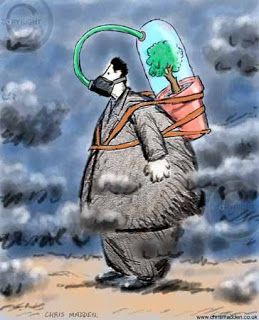
One of the greatest problems that the world is facing today is that of environmental pollution, which is causing grave and irreparable damage to the natural world and human society with about 40% of deaths worldwide being caused by water, air and soil pollution and coupled with human overpopulation has contributed to the malnutrition of 3.7 billion people worldwide, making them more susceptible to disease.
Environmental pollution is defined as “the contamination of the physical and biological components of the earth/atmosphere system to such an extent that normal environmental processes are adversely affected.”
From: Environmental Management, 2017
We all are well known about the word Environmental pollution . It is not some kind of new phenomenon , yet it is a greatest problem facing by our society . Still , people are avoiding the topic to its utmost.
Environmental pollution is one of the most serious global challenges. Wild-type organisms have a slower degradation rate of hazardous materials.
Both developed and developing nations share this burden together, though awareness and stricter laws in developed countries have contributed to a larger extent in protecting their environment.
Reasons behind environmental pollution
The Burning of Fossil Fuels. Industrial Emission.
Indoor Air Pollution.
Wildfires.
Microbial Decaying Process.
Transportation.
Open Burning of Garbage Waste.
Construction and Demolition.
Urbanization and industrialization. Since the era of industrial revolution, man has continued to introduce hazardous materials into the environment at an alarming rate.Mining and exploration.
Agricultural activities.
Particulate matter.
Plastics.
Energy production.
Deforestation.
Mining.
Over population.
Increase in global average temperature.
Effects of environmental pollution
Environmental pollution is an incurable disease . It can only be prevented.
Barry commoner
1. Effects on Humans. The effects of environmental pollution on humans are mainly physical, but can also turn into neuro-affections in the long term. The best-known troubles to us are respiratory, in the form of allergies, asthma, irritation of the eyes and nasal passages, or other forms of respiratory infections. Other rarer diseases include hepatitis, typhoid affections, diarrhea, and hormonal disruptions.
2. Effects on Animals . Environmental pollution mainly affects animals by causing harm to their living environment, making it toxic for them to live in.
3. Effects on plants . As for animals, plants, and especially trees, can be destroyed by acid rains (and this will also have a negative impact on animals as well, as their natural environment will be modified), ozone in the lower atmosphere block the plant respiration, and harmful pollutants can be absorbed from the water or soil.
Solutions for environmental pollution.
Evironment planning.
Shifting to eco-friendly transportation.
Air pollution must involve moving away from fossil fuels, replace them with sustainable fuels .
Solar power .
Wind power.
Go green.
Storage facilities for solid waste.
Environmental friendly products.
Policies implimentation for environmental pollution.
We also need to work on electromagnetic radiation (ER) reduction.
Awareness through mass media.
More green parks and areas.
Environmental education, etc,.
“We say we love flowers, yet we pluck them. We say we love trees, yet we cut them down. And people still wonder why some are afraid when told they are loved.”
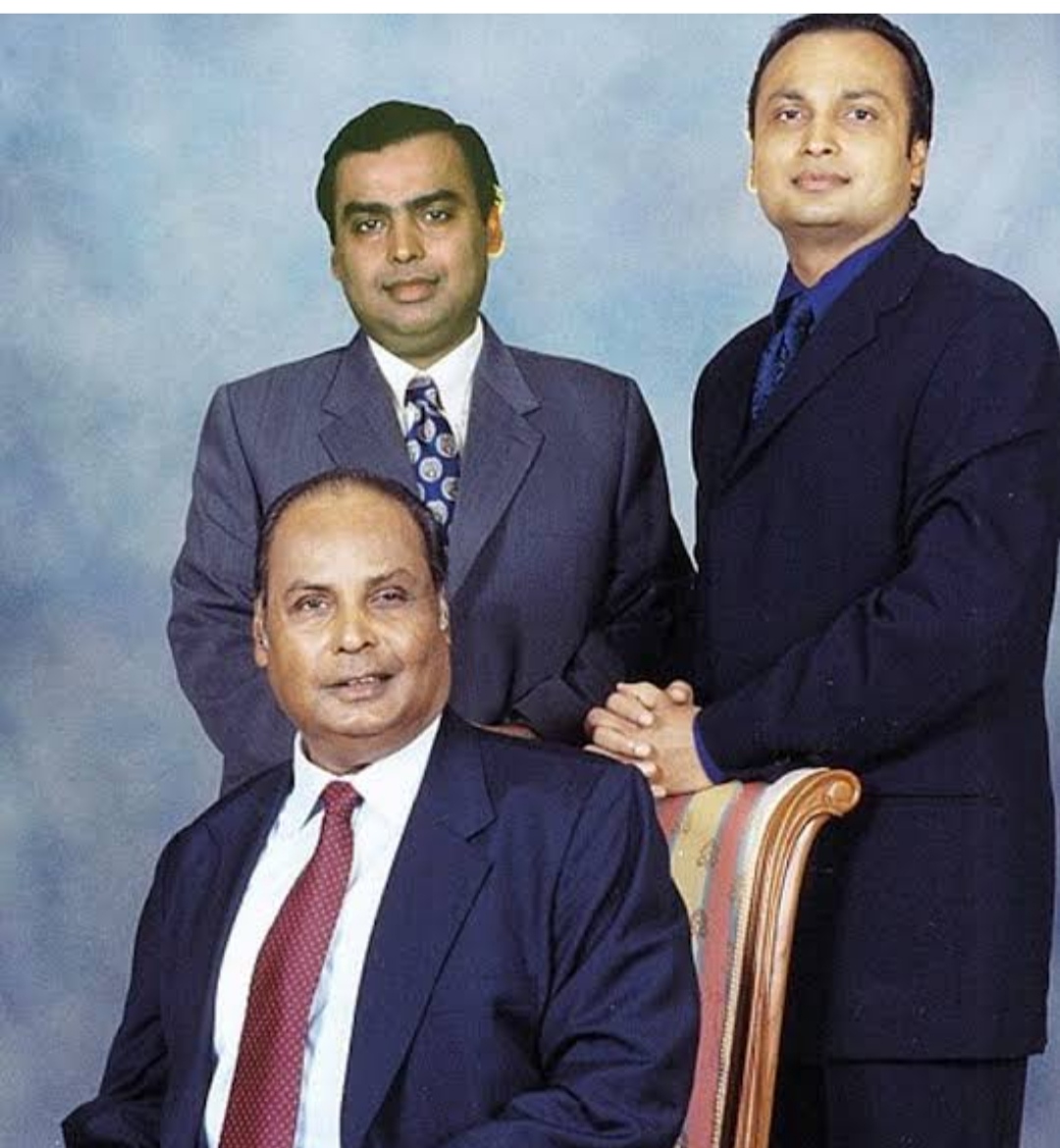
Dhirajlal Hirachand Ambani, popularly known as Dhirubhai Ambani. He is the father of Mukesh Ambani and Anil Ambani
Dhirubhai Ambani was a successful Indian business tycoon who founded Reliance Industries.
Dhirubhai Ambani,Indian industrialist,the founder of Reliance Industries, a giant petrochemicals, communications, power, and textiles.
Reliance is the biggest exporter in India and the first privately owned Indian company.
Dhirubhai Ambani passed away in 2002, before his death itself in 1980’s he handover the reliance corporation to his sons Mukesh Ambani and Anil Ambani.
Reliance Power Limited (R-power), formerly known as Reliance Energy Generation Limited (REGL) is a part of the reliance Anil Ambani Group. It was established to develop, construct, operate and maintain power projects in the Indian and international markets.
Mukesh Ambani runs Reliance industries which has interests in petrochemicals, oil and gas, telecom and retail.
Reliance industries limited, diverse businesses include petrochemicals, natural gas,retail, telecommunications,mass media and textiles. Reliance is one of the most profitable companies in India.
Reliance’s Mukesh Ambani and Nita Ambani are the owners of the second most expensive home in the World, ANTILIA, Mumbai.
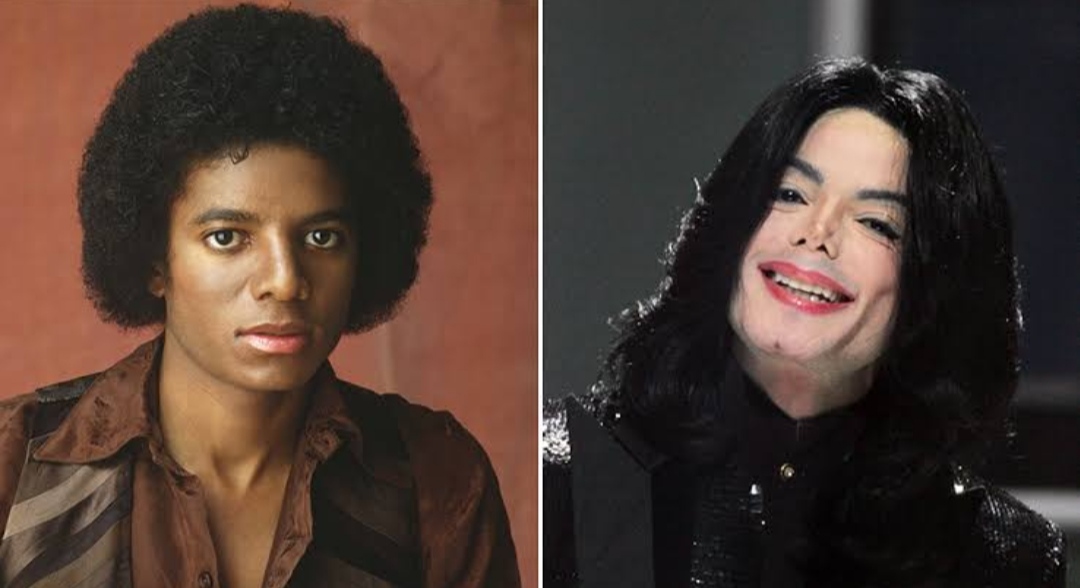
Michael Joseph Jackson(1958-2009) also popularly known as Michael Jackson,was an American singer, songwriter, and dancer. He is famously known as king of pop,he is regarded as one of the most significant cultural figures of the 20th century.
His contributions to music, dance, fashion, and philanthropy, made him a global figure.
He influenced many people, many genres across the world through stage and video performances.
His popularized dance moves like moon walk , still this complicated dance gestures is creating popularity, records.He is the most awarded music artist in history.
Jackson is one of the best selling music artists of all time, with estimated sales of over 350 million records worldwide. For his incredible contribution to music,dance he was honoured with 15 Grammy awards, six Brit awards, a golden globe award, and 39 Guinness world records.
Michael Jackson, also known as most commercially successful entertainers of all time. At the age of 50, Michael Jackson passed away,at his home in Los Angeles, California, after suffering from cardiac arrest caused by a fatal combination of drugs given to him by his personal doctor.
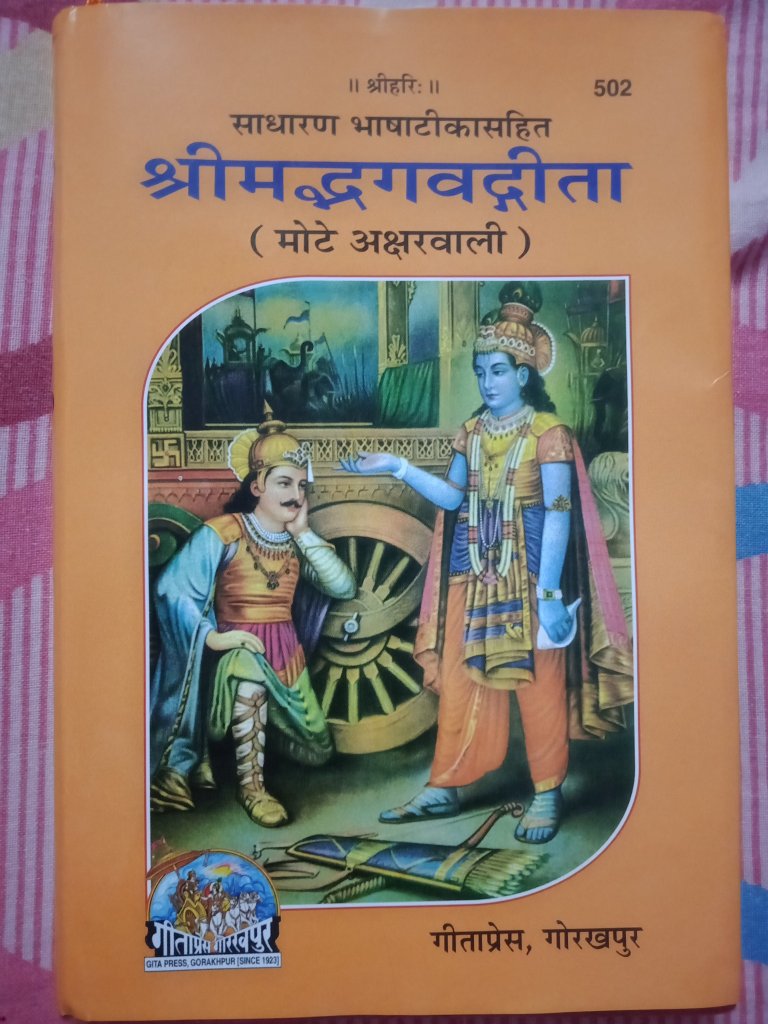
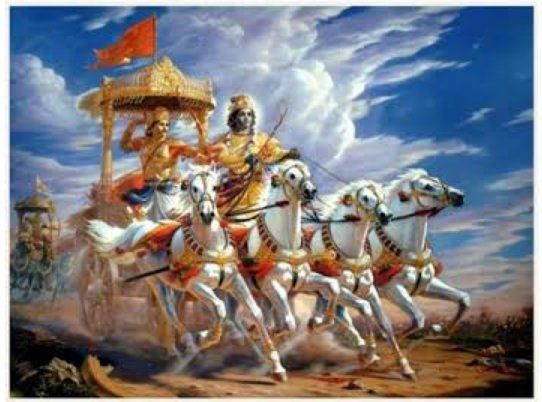
The Bhagavad Gita or the Song Celestial is one of the most sacred Scriptures in the world. It is a constant companion to men in every walk of life. It is a string of verses which were spoken by Bhagwan Krishna to Arjuna at the battlefield. It is a part of the epic Mahabharata.
The Bhagwad Gita is the most widely read and revered religious text of the world. The State of Haryana is proud of the fact that this legendary epic was orated by Lord Krishna at Jyotisar (Kurukshetra), which is located here.
Further, it was also compiled by Veda Vyasa on the bank of river Saraswati, which was once a perennial river of this State. Hence, the greatest philosophy of life is associated with Haryana because Lord Krishna had given the Supreme Sermon to Arjuna on this land.
This poem is long poem, which, in fact, describes the gist of life, karma and duties of an individual. Lord Krishna narrates to Arjuna how he should do his duty and become a part of the Ultimate Soul. This poem forms the sixteenth chapters (adhyayas) of the Mahabharata, written by Veda Vyasa. It is in the form of. Sanskrit hymns (Shlokas). Let us study, in brief, what The Bhagwad Gita tells every human form of the world.
People of modern generation are increasingly finding that in spite of the material comforts abundantly available, there is a void in their life which cries to be filled in. The crisis is psycho – spiritual and it exists whether we realize it if not. There is no other book like the holy Bhagavad Gita, which fills in the void. All the teachings are suited to the modern inquisitive mind.
I also Read Gita whenever I get time
The Bhagavad Gita teaches socially oriented positive action. The theme is Lok Sangraha, which means integration, regulation, protection, and preservation of the society.
Gita is among the three main scriptures of Hindu Dharma, others being The Upanishads and The Bhrahmasutras. These three are together known as Prashthayanas. There are 18 chapters in the Gita, and it contains 700 verses. The Mahabharata contains a canto titled as Bhishma Parva and chapters from 25 to 42 of this Parva constitute the Gita. Gita Jayanti falls in the month of December ( Mrigashirsha ) . The Gita was spoken by Lord Krishna to Arjuna in Dwapar Yuga. And in the Hindu calendar, the Kali Era, the present era, is dated with reference to the day of Gitopadesha.
Krishna, presented in the poem as Vishnu in the flesh, is the spiritual teacher who recited the Gita. Most of The Bhagwad Gita consists of a dialogue between Krishna and Arjuna on the battlefield on Kurukshetra.
That is where the armies of the royal cousins, the Pandavas and the Kauravas, face each other for the decisive battle to end their feud. The Bhagwad Gita debates the right and wrong of conflict. It also discusses a person’s duty to himself, or herself, his or her fellow human and God.
It explores God’s relationship with humans. It shows how people can begin to understand God and thus, free themselves from the burden of Karma (deeds done in previous lives and in this present life).
Krishna instructs Arjuna about three ways to have union with God. The first is Karma Yoga (the Way of Action). Every person should do his or her duty according to caste, without hope of personal benefit or ambition, but with faith in God. Those who go through the motions of performing rituals without care or interest, or do their work only for profit, will never be released from the cycle of birth, death and rebirth.
The Bhagavad Gita is the Crown-jewel of India’s spiritual wisdom.
The Bhagwad Gita provides a summary of the Hindu religious thought and practice; much of it is based on the Upanishads. These are part of the Vedas, the oldest sacred books of Hinduism. It gives a methodology for developing belief as well as for forging a personal relationship between the deity and his/her worshipper. It offers a new approach to the full perception of, and absorption in, Brahman.
The Bhagavad-gita is such an important scripture that it can help us to get out of the cycle of birth and death. Anyone who recites Bhagavad-gita with devotion will go to the spiritual world at the time of death. If one reads Bhagavad-gita sincerely the reaction of one’s past deeds will not act upon one.
According to me everyone should read Bhagvad Gita whenever you feel low and cannot find a reason to live. By reading Gita you will be able to see your life in a positive way. You’ll know about your soul needs and whatever situation you are facing today that is earned by your past life karma nobody else is responsible for that. If you focus on your karma and keep a check when you are creating negative karma it will save you from increasing your negative karma. By surrending to Bhagwan and focusing on your soul you can definately change your life for better.
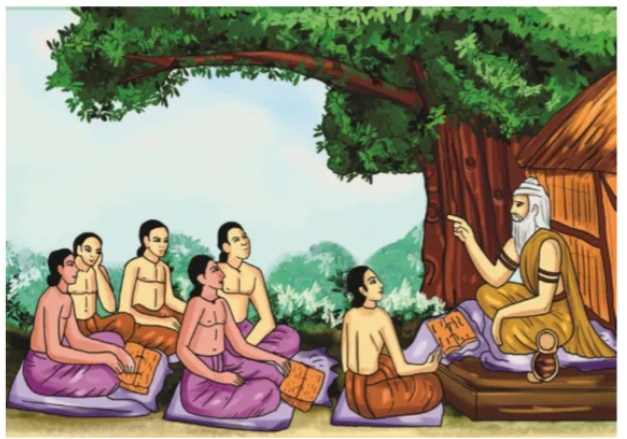
During ancient education, students live away from their parents, their education comprises of subjects like physical education, mental education, politics, economics, etc. They were shaped in a way that they can live in any condition considering how difficult the situation will be?
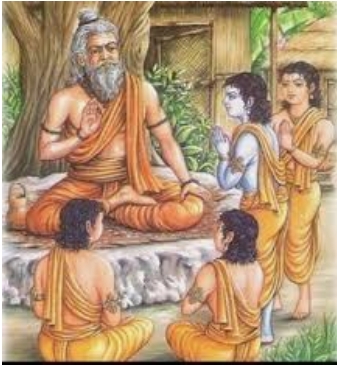
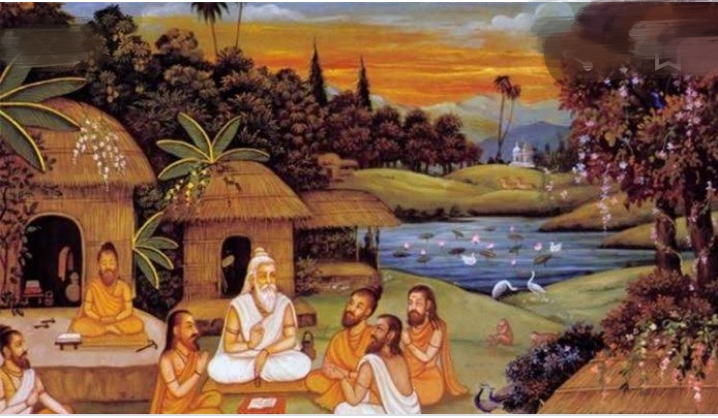
During the early period education was imparted by the teacher (Guru/Acharya) to the pupils who gathered around him and came to live in his house as members of his family. This was known as Gurukula system of eduation. The family of Guru functioned as a demostic school or an Ashram. During that period, the gurus and their shishyas (pupils) lived together helping each other in day-to-day life.
In ancient India, both formal and informal education existed. Indigenous education was imparted at home, in temples, patashalas, and gurukulas. Teaching was oral and students remembered and meditated upon what was taught in the Gurukulas. There were people in homes, villages and temples who guided young children in imbibing pious ways of life.
The medium of language during the Vedic system was Sanskrit. During those times the education was of Vedas, Brahmanas, Upnishads, and Dharmasutras. From the Rigveda onwards, our ancient education started with the objective of developing the students not only in the outer body but also on the inner body. The ancient education focused on imparting ethics like humility, truthfulness, discipline, self-reliance, and respecting all creations to the students. The education was mostly imparted in ashrams, gurukuls, temples, houses. Sometimes pujaris of the temples used to teach students. The education system of ancient India has some special features and uniqueness which was not found in any other ancient education system of the other countries. The education was mostly given in forests under the blue sky, which keeps the student’s mind fresh and alive.
The main objective of education was to equip the students with a good quality of education. The education mostly focused on the enrichment of culture, character, and personality, development, and cultivation of noble ideals. The objective was gaining the mental, physical, and intellectual personality of students, to make the students future-ready and survive in any situation.
In the Vedic system, a child started his education at the age of five. To mark this commencement, the Vidyarambhaceremony, which included worshiping GoddessSaraswati and learning alphabets for the first time, was conducted. Leaving home and starting to live with a teacher required the child to conduct another ceremony called Upanayana. Boys practiced this ceremony at different ages according to their castes (only children of the Brahmin, Kshatriya and Vaishya did so).
Education for women was quite important in ancient India. They were trained in housekeeping, as well as in dancing and music. Girls also had to conduct the Upanayana ceremony. Educated women were divided into two classes – Sadyodwahas, those who pursued their education just until they got married, and Brahmavadinis, those who never married and continued studying throughout their lives. Vedasand Vedangas were taught to women, too, but were limited to religious songs and poems necessary for rituals. Some notable Vedic and Upanishad women scholars were Apala, Indrani, Ghosha, Lopamudra, Gargi and Maitreyi.
Mastering one Veda took 12 years. Thus, depending on how many subjects the student wanted to learn, the study period varied accordingly. The education could go on for as long as 48 years.
In order to earn a livelihood, men needed to know an art form. As per the ancient Indian education system, there were about 64 art forms, including dance, music, jewel making, sculpture, agriculture, and medical sciences. To acquire vocational training in a particular art form, men were required to work as trainees under a master to gain expertise. They were taught without any cost, and food and boarding were also taken care of by the master.
Just as we have world renowned universities today, there were popular educational institutions here during the ancient times as well. Four of these institutions were quite prominent and known for different specializations. The University of Nalanda was famous for its Catholic and cosmopolitan character and its department of logic. Takshasila University, in an area what is now modern-day Pakistan, was well-known across the world for its medical school and was the chief learning centre in 6th century BC. What Nalanda University was to east India, Vallabhi was to west India. It was also a famous study center that specialized in subjects like law, medicine and economics, and had students attending from all parts of the country. Vikramshila was yet another esteemed institution, best known for Tantric Buddhism.
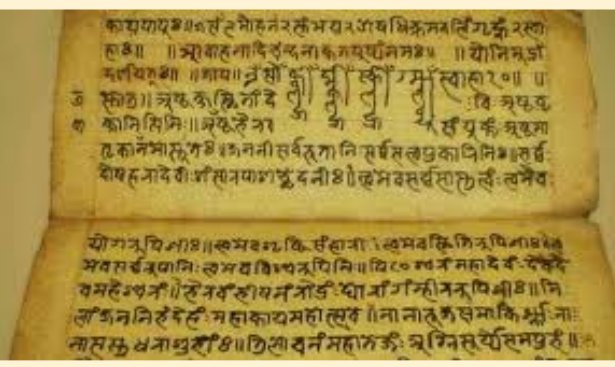
The Vedas are the oldest religious texts of the Hindus. Vedas are regarded as the world’s oldest piece of literature. It is believed that the Veda have composed several thousands of years ago. They were written down by several seers known as “Rishis” in the Hindu tradition. The Vedas were composed in Sanskrit and contain hymns describing the glories of God. They include material, religious, and spiritual knowledge.
The term veda means “knowledge” in that they are thought to contain the fundamental knowledge relating to the underlying cause of, function of, and personal response to existence. They are considered among the oldest, religious works in the world. They are commonly referred to as “scripture”, which is accurate in that they can be defined as holy writ concerning the nature of the Divine.
Unlike the scriptures of other religions, however, the Vedas are not thought to have been revealed to a certain person or persons at a specific historical moment; they are believed to have always existed and were apprehended by sages in deep meditative states at some point prior to c. 1500 BCE but precisely when is unknown. The Vedas existed in oral form and were passed down from master to student for generations until they were committed to writing between c. 1500 – c. 500 BCE (the so-called Vedic Period) in India. They were carefully preserved orally as masters would have students memorize them forwards and backwards with emphasis on exact pronunciation in order to keep what was originally heard intact.
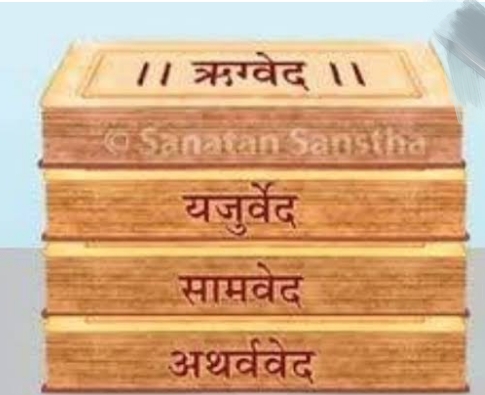
The Vedas are therefore regarded as Shruti in Hinduism meaning “what is heard” as contrasted with other texts designated Smritis (“what is remembered”), accounts of great heroes and their struggles in works such as the Mahabharat, Ramayan, and Bhagvat Gita (although some sects of Hinduism regard the Bhagavat Gita as Shruti). The texts which make up the Four Vedas are:
1. Rig Veda 2.Yajur Veda 3.Sama Veda 4.Atharva Veda
The Rig Veda is the oldest and the Sama Veda and Yajur Veda draw from it directly while the Atharva Veda takes a different course. All four, however, maintain the same vision, and the Upanishads for each of these address the themes and concepts expressed.
Each of these is further divided into types of text included within them:
Aranyakas – rituals, observances
Brahmanas – commentaries on said rituals
Samhitas – benedictions, prayers, mantras
Upanishads – philosophical narratives and dialogues
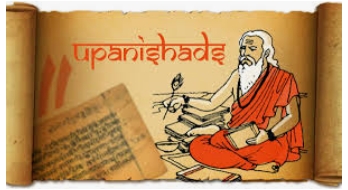
The Upanishads are an assortment of texts central to Hinduism that are recorded from oral traditions. They contain information regarding the philosophical principles and concepts of Hinduism, including karma (right action), brahman (ultimate reality), the atman (true Self or soul), moksha (liberation from the cycle of reincarnation) and Vedic doctrines that explain Self-realization through yoga and meditation practices. Upanishad is a Sanskrit word that translates in English to mean “sitting at the feet of” or “sitting down near.” This illustrates the position of receiving wisdom and guidance humbly from a teacher or guru.
The Upanishads are the best known and most often read of the Vedas because their discourse is presented in dialogue/narrative form and they were the first to be translated into other languages. The four Vedas, conversely, are considered the literal sounds of the Divine which, when recited or sung, recreate the primal vibrations of the universe. Accordingly, they are actually impossible to translate and what one reads in a translation should be understood as a paraphrase at best.
The word Upanishad is usually interpreted as “sitting down beside.” This Sanskrit word can be broken down into three parts and translated as “upa” meaning near, “ni” as down and “shad” as to sit.
The 13 Upanishads are:
Brhadaranyaka Upanishad
Chandogya Upanishad
Taittiriya Upanishad
Aitereya Upanishad
Kausitaki Upanishad
Kena Upanishad
Katha Upanishad
Isha Upanishad
Svetasvatara Upanishad
Mundaka Upanishad
Prashna Upanishad
Maitri Upanishad
Mandukya Upanishad
Their origin and dating are considered unknown by some schools of thought but, generally, their composition is dated to between c. 800 – c. 500 BCE for the first six (Brhadaranyaka to Kena) with later dates for the last seven (Katha to Mandukya).
In these sacred texts, we see an internalization of the sacrifice and worship extolled in the Vedas and a deeper understanding and exploration of the internal world of mind and spirit. Composed over several centuries and in many volumes, the Upanishads reflect a strong need to express and communicate the deep mystical states and spiritual contemplations that the ancient yogis experienced.
According to tradition, there were over two hundred Upanishads, but there are only eleven “principal” Upanishads, as commented on by the ancient sage Shankara. The texts are written in a passionate poetic verse describing mystical states and spiritual concepts or in descriptive short stories and dialogues between historical figures.
The teachings of the Upanishads revolve around four primary spiritual themes. These four philosophical concepts are described in many different ways as they can be difficult to grasp. These main teachings are repeatedly reinforced in the texts of the eleven principal Upanishads.
The first and most important is the realization that the ultimate, formless, and inconceivable Brahman (Godhead) is the same as Atman, as our internal soul. Brahman represents the entire universe, and the Atman is a little piece of that divine oneness that we contain inside us. This philosophical idea is summed up in the mantra Tat Tvam Asi (That Art Thou).
The idea that the Atman is eternal, and becomes reborn over and over again is central to the concept of reincarnation that is taught in the Upanishads.
This concept of rebirth is highly tied to the teachings of Karma: the future consequences of one’s current intentions, thoughts, behaviors, and actions.
It is the accumulation of Karma that binds us to Samsara, the cycle of death and rebirth. To escape the endless cycle of Samsara requires one to attain enlightenment through the realization of Atman/Brahman. It is this state of Self realization that the majority of the Upanishads attempt to describe and encourage us to achieve through the yoga practices of meditation, mental discrimination, and mantra recitation.
Spiritual concepts have exerted a profound influence on the development of Yoga, Hindu, and Indian philosophy. While the yogic practices taught in the Upanishads were primarily mediation based, these philosophical teachings will remain the core beliefs for all of the future developments in the many paths and practices of yoga.
Addiction is just a way of trying to get at something else. Something bigger. Call it transcendence if you want, but it’s a rat in a maze. We all want the same thing. We all have this hole. The thing you want offers relief, but it’s a trap.
“ DRUGS ” A five letter word that is destroying human race. A word that could get you to the cloud nine and than kick you from the top.
What do you think it is ?
Is it a pleasure or a pain ?
Some says ‘it gives you wings ‘, others says ‘it makes you insane ‘ . What would you do , if someone is taking drugs ? Well , I would fly (its a joke ).
Ok , Let’s just get over with the topic .
Introduction
All the suffering, stress, and addiction comes from not realizing you already are what you are looking for.
– Jon Kabat-Zinn
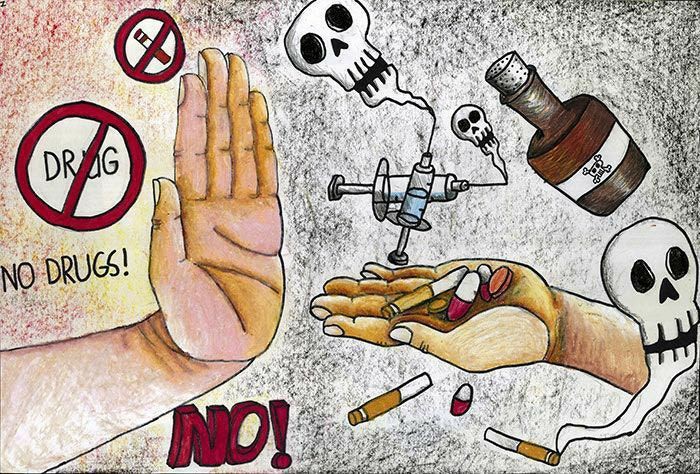
Drugs are substances that change a person’s mental or physical state. They can affect the way your brain works, how you feel and behave, your understanding and your senses. This makes them unpredictable and dangerous, especially for young people.
Drug addiction is a chronic brain disease. It causes a person to take drugs repeatedly, despite the harm they cause. Repeated drug use can change the brain and lead to addiction. That can destroy one’s life .
Signs that shows someone has a drug problem
Changing friends a lot .
Spending a lot of time alone.
Losing interest in favorite things.
Not taking care of themselves – for example, not taking showers, changing clothes, or brushing their teeth.
Being really tired and sad.
Eating more or eating less than usual.
Being very energetic, talking fast, or saying things that don’t make sense.
Being in a bad mood.
Quickly changing between feeling bad and feeling good.
Sleeping at strange hours.
Missing important appointments.
Having problems at work or at school.
Having problems in personal or family relationships.
If a person shows these signs than he / she is using drugs . But it’s not , it’s a probability . The person may or may not be using drugs . For the assurance you have to ask the person (well they can lie ) . Take them for the blood test . It will show if the person is taking drugs or not . It’s a simple procedure .
Why can’t people stop using drugs on their own?
Repeated drug use changes the brain, including parts of the brain that give a person self-control. These and other changes can be seen clearly in brain imaging studies of people with a drug addiction. These brain changes explain why quitting is so difficult, even when an addicted person feels ready.
Many people are compelled to enter treatment by the pressure of their family, friends, or a court system. People of all ages with substance use disorders live in fear of what will happen if their drugs are taken away.
Due to the addiction , they experience a variety of physical and emotional withdrawal symptoms, including depression, anxiety, and other mood disorders; restlessness, and sleeplessness . It may lead you to the death bed .
Treatment :
Counseling and other behavioral therapies are the most commonly used forms of treatment. Medications are often an important part of treatment, especially when combined with behavioral therapies. Treatment plans must be reviewed often and modified to fit the patient’s changing needs.
Rational Emotive Behavior Therapy.
Cognitive Behavioral Therapy.
Detoxification.
Treatment with Medication.
12-Step Facilitation.
One of the hardest things was learning that I was worth recovery.
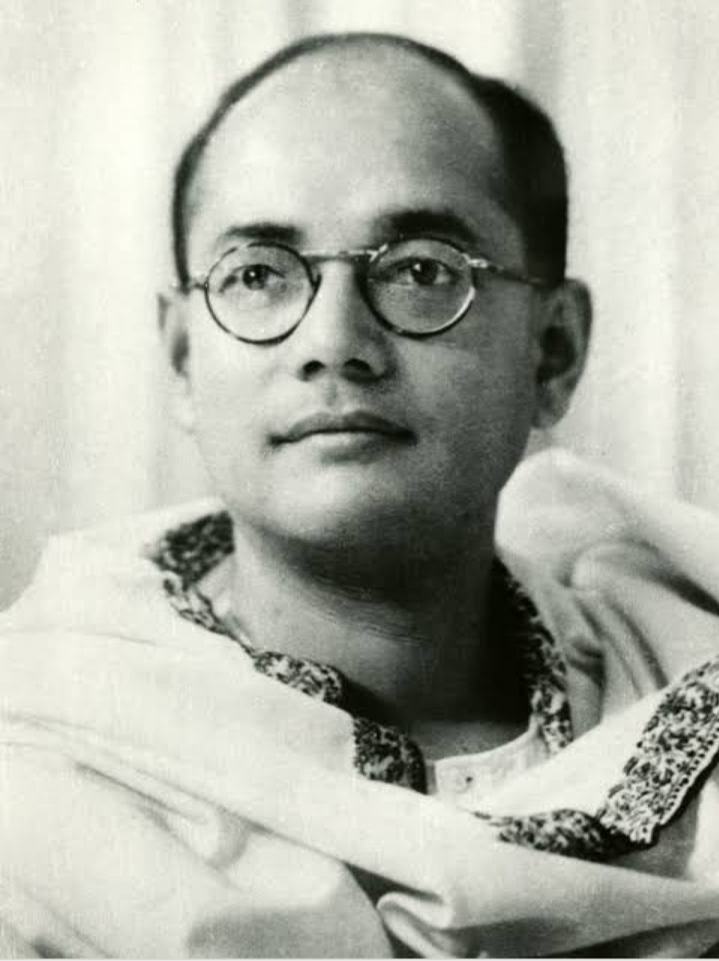
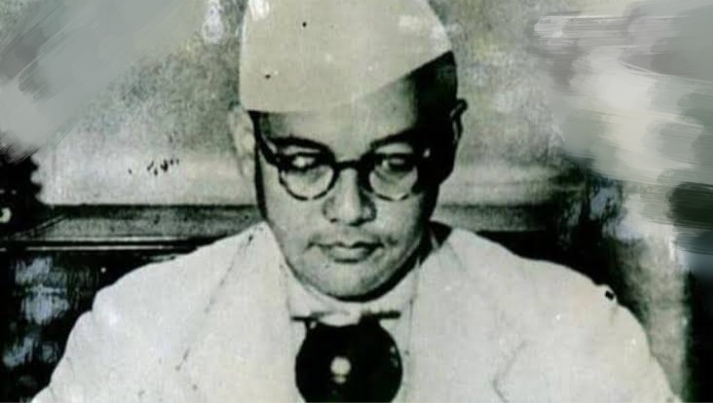
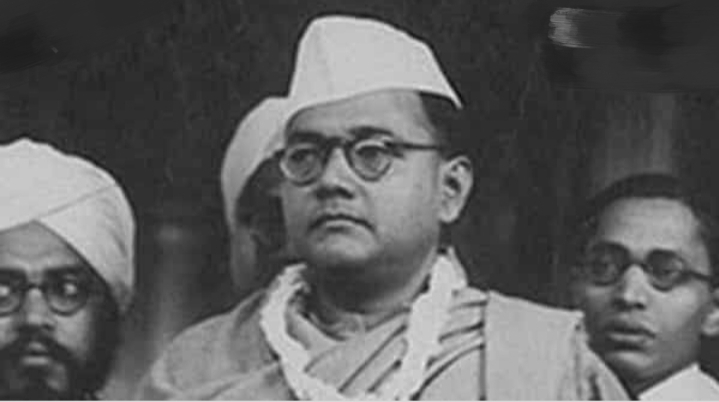
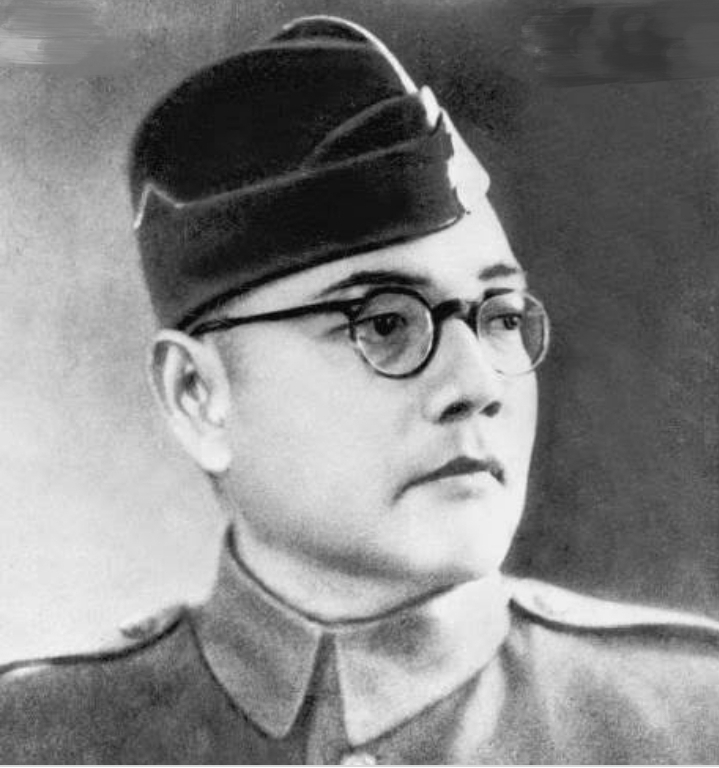
Subhas Chandra Bose was an Indian nationalist whose contribution to Indian independence and development is incomparable. Subhash Chandra Bose, the dynamic leader who gave all his sweat and blood for India’s freedom movement continues to inspire millions of mind with his words even today.
Netaji was born in Cuttack in Odisha in 1897 in a well-to-do family. His father’s name was Janakinath Bose and his mother’s name was Prabhavati Dutt Bose. He was the ninth child among the fourteen.
Bose was a bright student and also the topper in matriculation examination from Calcutta. Since childhood he was influenced by the teachings of Swami Vivekananda and was popular for his patriotic enthusiasm.
He graduated from Kolkata, and to pursue his career in Indian Civil Services, he went to England and appeared for competitive examination and stood fourth in it. He proved his mettle by becoming an Indian Civil Services (ICS) officer. But he was not accustomed to a life of comfort and amenities that came with his job. He was a warrior, who had to wage the freedom struggle.
Not only did he embrace the freedom movement wholeheartedly, but also became an inspiration for freedom. With the slogan “Give me blood and I will give you freedom”, he started preparing to awaken the country. Such was the charisma of his philosophy and personality that whoever listened to him was attracted to him. His popularity skyrocketed and he became “Netaji” to the general public.
He was so fond of Bharat Mata that his country tied to the chains of slavery did not let him live peacefully. People beyond India’s borders also developed a fascination for him. Heads of states of important countries stood by him and Netaji lit the fire of the freedom struggle beyond India’s shores. Netaji was influenced by the teachings of Mahatma Gandhi and he soon joined Indian National Congress. In 1930, he was sent to jail during the civil disobedience movement and was released in 1931. Later, he was expelled from India to Europe but taking the advantage of the situation he worked to strengthen the ties between the two countries. Challenging the ban in the home country he returned, but was again sent to jail. In 1937, after Congress came in to power, he was released.
He built a force and presented that force before the enemies of the country as the Azad Hind Fauj (Indian National Army). He gave the slogan of “Dilli Chalo” with a new spirit. Thousands of soldiers of his 60,000-strong army sacrificed their lives for the country.
Netaji was an active member of the Indian National Congress. He was elected as the President of the All India Youth Congress in 1923. His views as a freedom fighter were very different from those of Mahatma Gandhi. Netaji was a part of the Non-Cooperation Movement led by Gandhiji. He was given the title of Netaji in Germany by Indian soldiers in early 1942. Since then, he has been popularly known as Netaji among people.
“Success always stands on the pillar of failure.” Bose lived with this philosophy and also inspired others. Netaji encountered failures several times, but he converted those failures to triumph with his struggle. Whether it is municipal politics, the journey from a common Congressman to the Congress president’s position, the formation of the Forward Bloc or the struggle of the Indian National Army, he passed every test with distinction.
Bose accepted the leadership of Mahatma Gandhi, but ironically, Gandhiji himself became the cause of him leaving the Congress. But the two leaders always had respect for each other.
At the time of India’s independence, Clement Attlee was the British Prime Minister. He came to Kolkata in 1956. At that time, his host, governor and former Calcutta high court chief justice PB Chakravartti, tried to find out from him the reason behind the British decision to grant freedom to India. In response, Attlee said that the loyalty of the Indian army and navy to the British state was declining due to the increasing military activities of Bose’s Azad Hind Fauj. This was one of the major reasons. This acknowledgement proves the great contribution of Bose to India’s independence.
Jabalpur in Madhya Pradesh had a major contribution in the life of Netaji. The banks of the Narmada transformed his life. The Tripuri Congress session was held from March 4-11, 1939 in Jabalpur. Despite poor health, Netaji had arrived on a stretcher to participate in it. Thereafter, he came again to Jabalpur on July 4, 1939 to form the Forward Bloc. The people of Madhya Pradesh have a deep relationship with Netaji. In every town of the state, there’s a ward in his name. Subhas Chandra Bose’s message to his colleagues was: “Success may be distant, but it is imperative”. Bose used to say, “If a person is not obsessed, he can never become great. But he should also have something else inside him.” Bose is credited with giving global identity to the Indian leadership. Earlier, Swami Vivekananda had enlightened the world about India’s spiritual and cultural superiority and identity.
Netaji was also fluent in many Indian languages. Bose’s struggle for freedom proved to be an inspiration not just for India, but also for all Third World countries. The Indian freedom struggle and the war of independence led by Bose had a profound impact on those countries. Netaji’s status establishes him as the “hero of freedom” globally.
Unfortunately, on August 18, 1945, he was killed in a plane crash in Taiwan.
Excel is typically used to organize data and perform financial analysis. It is used across all business functions and at companies from small to large. The main uses of Excel include: Data entry.
Excel is a software program created by Microsoft that uses spreadsheets to organize numbers and data with formulas and functions. Excel analysis is ubiquitous around the world and used by businesses of all sizes to perform financial analysis.
The main uses of Excel include:
1 Data entry 2 Data management 3 Accounting 4 Financial analysis 5 Charting and graphing 6 Programming 7 Time management 8 Task management 9 Financial modeling 10 Customer relationship management (CRM) ** Almost anything that needs to be organized!
Excel is used extensively in finance and accounting functions. In fact, many organizations run their entire budgeting, forecasting, and accounting functions entirely out of Excel spreadsheets.
While Excel is defined as a “data” management tool, the data that is most commonly managed is financial. At CFI, we would define Excel as the ultimate financial software. While there are other pieces of financial software that are tailored toward performing specific tasks, the strongest point about Excel is its robustness and openness. Excel models are as powerful as the analyst wishes them to be.
Accountants, investment bankers, analysts, and people in all types of financial career paths rely on excel to perform their daily job functions.
And one should know how to use MS Excel. Its on of the most important skill in today’s corporate world.
CSE is widely known as ‘IAS EXAM’, even though it is conducted to recruit candidates to about 24 top government services like IAS, IPS, IRS, IFS ,etc.
UPSC conducts exams like Civil Services Exam (CSE) to recruit candidates into top government services like IAS, IPS, IFS etc. Civil services exam is one of the most popular examination conducted by upsc.
UPSC civil services exam mainly consists of three stages.
1. Preliminary. 2. Mains. 3. Interview
Educational requirements
Any graduate can attempt the UPSC civil services examination. The graduate can be in any stream, it may be a regular degree or distance education.
Age limit
To attend the UPSC civil services examination, a person should cross the 21 years by August of that specified year. This is the minimum age limit for UPSC CSE. The upper age limit is 32 for general category, 35 for other backward classes (OBC) , 37 for scheduled castes (SC) and scheduled Tribes (ST).
UPSC recruits candidates to both civil services as well as defence services.
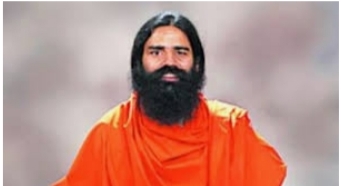
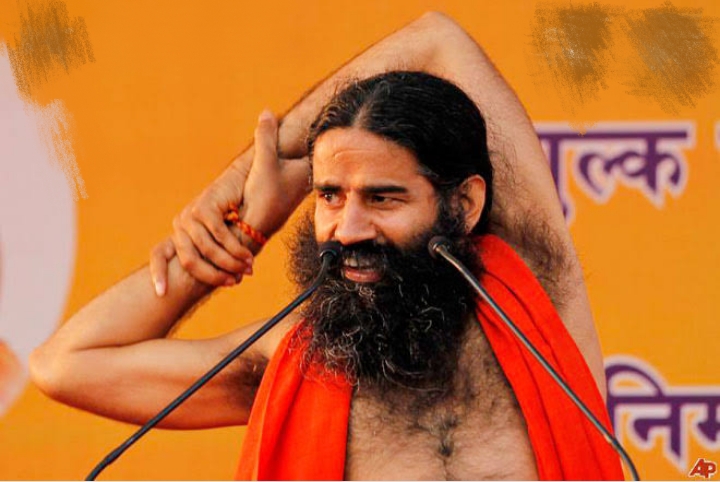
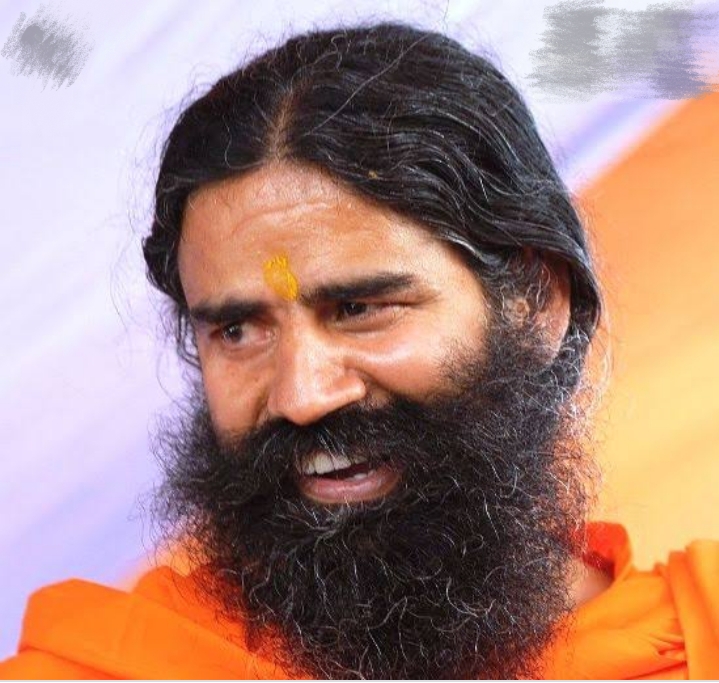
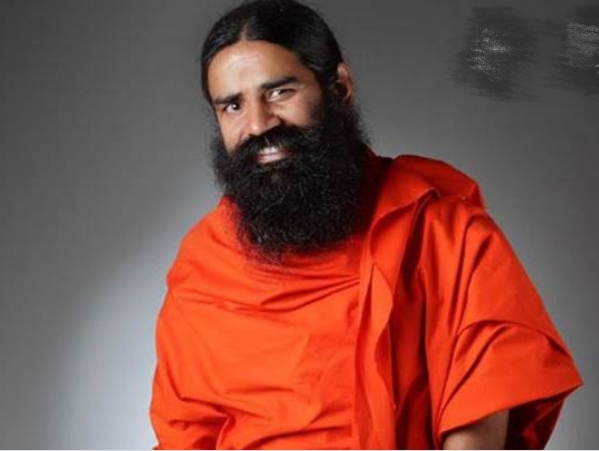
Swami Ramdev, popularly known as Baba Ramdev was born in 1965 in Alipur in the Mahendragarh district in the state of Haryana. He is famous for popularizing yoga among Indians through the medium of television and his mass yoga camps. Baba Ramdev is an Indian spiritual leader and a renowned yoga teacher. His yoga camps are attended by thousands of people and he has taught yoga to several celebrities including Amitabh Bachchan and Shilpa Shetty.
Baba Ramdev was born as Ramkrishna Yadav. His father was Ram Nivas Yadav and his mother named Gulabo Devi. He attended school till class eight in Shahjadpur in Harayana and then joined a gurukul in Khanpur village to study yoga and Sanskrit. Ultimately he renounced worldly life and became a Sanyasi (took to monastic living) taking on his present name. He later travelled to the Jind district and joined the Kalva gurukul and offered free yoga training to villagers across Harayana.
After becoming a ‘Sanyasi’ he spent many years undertaking a study of ancient Indian scriptures and also practiced intense self-discipline and meditation. During this time he started offering free yoga lessons to disciples and realized the need to popularize this ancient art among the Indians. He went on to establish the Divya Yoga Mandir Trust in 1995 and became a popular yoga guru over the years. His fame reached new heights when he started appearing in a television program aimed at promoting yoga and he gained a large following. He is also the founder of Patanjali Yogpeeth, an institution for promoting the practice of yoga and ayurveda.
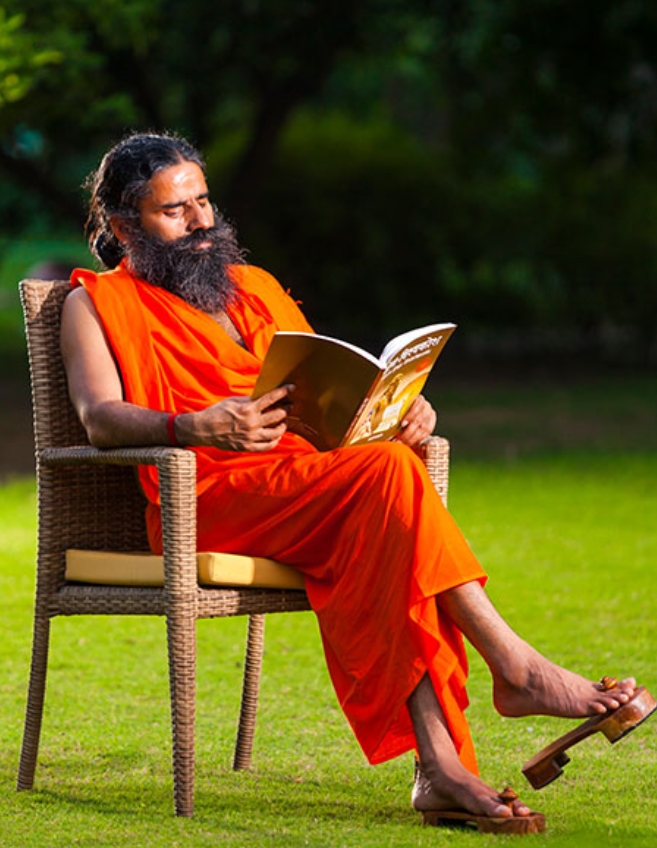
He read a book called ‘Yogik Sadhan’, written by Aurobindo Ghosh and was deeply influenced by it after that he decided to renounce the worldly ways of life and adopt Sanyas. He was initiated into the ascetic order by Swami Shankerdevji Maharaj and after becoming a sanyasi, Ramkrishna Yadav adopted the name “Baba Ramdev”.
Baba Ramdev’s educational shows have been broadcast on many religious TV channels like Aastha, and other TV channels like Zee Network, Sahara One and India TV; and the swami holds many yoga camps across the country and even abroad.
In 2007 the KIIT University (Kalinga Institute of Industrial Technology) awarded the swami with an honorary doctorate degree for his contribution towards popularizing the Vedic science of yoga.
In December 2006 the press reported that Swami Ramdev had claimed that he had found a way to use yoga to cure AIDS. As a result of these press reports the Indian Union Health Ministry sent him a cease and desist order and threatened legal action if he did not stop making these false claims. Other claims of the Baba include being able to cure cancer of the liver, breast, prostrate, uterus and brain (including brain tumours) by practising seven breathing exercises; Ramdev allegedly has documentary evidence for the same.
Baba Ramdev preaches that God resides in every human being and that the body is a temple of God. The swami believes in Vasudaiv Kutambakam (the whole World is one family) and does not support discrimination on the basis of caste, creed and religion. One of the most essential beliefs of Baba Ramdev is that showing true love and compassion towards all living things is true worship.
The Swami has taught many elements of the Indian scriptures such as the Ashtadhyayee, Mahabhashya and Upanishads and has set up many gurukuls in Ghashera, Kishangarh, and Mahendragarh in India. The yoga guru also teaches “Pranayama”; which is series of breathing exercises that were a part of the ancient Indian system of yoga. The Baba’s educational show is broadcast on TV with a total viewer ship of millions. People who watch his TV show’s have given examples of how they have been cured from diseases such as diabetes, high blood pressure, arthritis, stomach ailments, thyroid problems, heart diseases and cancer after practising yoga and breathing exercises prescribed by the Baba.
Swami Ramdev has even claimed that he was paralytic before he took up yoga, and since has been completely cured. Baba Ramdev has been conducting Yoga Science camps all across the country and abroad and even spent a month in London teaching Pranayama and Yoga.
Swami ji promoted Yoga & Ayurveda at higher pedestal and enthusiastic to bring India forward as world’s spiritual and economic super power. His expertise & knowledge are being admired by one and all in India and abroad.
For his divine and excellence services to the welfare of mankind, he was felicitated by the Prime Minister Narendra Modi Ji as a National Icon, Tarun Kranti. He received several prestigious awards namely Padma Vibhushan, Surya Ratna and Mahaveer Award. Swami Ji has been conferred with recognized honors. Among, the few are: Surya Ratna, Mahveer Award from United Kingdom, Chandrashearendra Saraswati National Eminence Award, Mahamahopadhyaya globoil India Award. Swami ji is honored from British House of Commons, Legislature of state of New Jersey, USA, ASSOCHEM’s 5th Global Knowledge Millennium Summit, Brand Ambassador of Yoga by Government of Haryana. Swami Ji is honored and celebrated 30 June 2007 as Swami Ramdev Day by Nassau County. Swami Ji was as “Most Creative Business People of 2016”, and “5th India’s 50 Most Powerful People” by American Business Magazine and India Today Magazine respectively.












 Eduindex
You must be logged in to post a comment.