

Indian cities are faltering under multiple problems, including environmental issues that we must assert with. Most desperate of them all is the issue of air pollution. The quality of air that citizens are forced to breathe- especially in the heavily polluted cities- has a serious impact on our health and well-being.
World Health Organisation (WHO) study found that fourteen of the twenty world’s most polluted cities belonged to India. Kanpur, in Uttar Pradesh, emerged as the city with the highest PM2.5 level, standing at 173 (17 times higher than the limit set for safety). It is estimated that in 2016, over 9 lakh deaths were caused due to air pollution in India. Some other cities with high PM 2.5 levels include Faridabad, Varanasi, Gaya, Patna, Delhi, Lucknow and Agra. Delhi, as the capital of the country, too gained notorious reputation as a result of its severely poor air quality. In the past, there have been multiple instances where the presence of heavy smog in the national capital has led to the declaration of public health emergencies, flight cancellations, school closures and inevitable political acrimony.
The sources of air pollution are multiple. Vehicular emissions, crop burning, generation of dust- particularly from construction sites, depleting tree covers and poor waste management – all contribute towards the declining air quality. One of the problems with tackling air pollution solely at the city level is that several factors which contribute towards increasing pollution levels have their origins in the bordering sub-urban areas. In Delhi, for instance, one of the major factors responsible for its declining air quality is paddy straw burning in its neighbouring states.
Air pollution does not recognize geographical boundaries. Just as polluted air from rural areas travels into cities, cities too contribute towards rural pollution. Thus, it is critical for anti-pollution efforts to be coordinated across different levels. Urban-rural and inter-state responses are integral to crafting successful solutions. Fortunately, the Government of India (GoI) has responded to the air pollution epidemic with a nation-wide programme. This is likely to have very positive impact on the health of all citizens, especially city dwellers. The Air Quality Life Index indicates that if national standards with regard to air quality are met, life expectancy would go up by two years.
This is clearly what the National Clean Air Mission (CAM-INDIA) aims to achieve. It is a cross-sectoral initiative for air pollution mitigation launched by GoI involving Ministries of Transport, Power, Construction, Agriculture, Rural Development, Environment and the states. Along with a five-year action plan to curb air pollution, the Mission hopes to build a pan-India air quality monitoring network and heighten citizen awareness. Air quality can be significantly improved by cutting the use of solid fuel in households; using sustainable fuels can reduce air pollution levels by almost 40 percent. According to the 2011 Census, 16.6 crore households out of a total of 24.7 crore continued to rely on solid fuels (firewood, crop residue, dung and coal) for cooking. Hopefully, GoI’s Ujjwala scheme, which provides cooking gas to millions of poor households will substantially reduce solid fuel usage. Additionally, reducing emissions from thermal power plants, instituting strong emission standards for industries and introducing stronger vehicular emission standards also need to be effectively implemented. In this regard, state pollution control boards (PCBs) are adopting the Star Rating Programme. The programme rates industries on their fine particulate pollution emissions and enables the monitoring of industries’ pollution levels. Furthermore, in partnership with GoI, states are promoting an electric vehicle policy. Use of electrically powered buses, cars and two-wheelers are bound to have a positive qualitative effect on air quality in cities.
Certain policies and programmes focus specifically on cities- The National Clean Air Programme targets 102 polluted Indian cities and aims to reduce their PM2.5 levels by about one-third over the next five years. Steps are also being taken for upgradation to BS VI fuel from BS IV which is expected to reduce air pollution. Initial results are encouraging. The Environment Ministry reported a fall in the national annual average concentration of PM 2.5 from 134 micrograms per cubic metre in 2016 to 125 in 2017. For PM 10, the national annual average fell from 289 micrograms per cubic metre in 2017 to 268 in 2016. An action plan has also been readied for 94 cities which suffer from severe air pollution.
While steps are being taken to reduce air pollution at the national and state levels, cities could improve the national performance by introducing complementary initiatives. Firstly, the Clean India Campaign requires energetic implementation. Since dust and waste burning are major sources of PM, cities must ensure wall-to-wall paving of streets, the vacuum cleaning of roads, enforce bans on open solid waste burning and attempt to effectively recover methane from landfills.
Some state municipal acts make it mandatory for cities to prepare an annual environment status report. The main objective of such a report is to curate data which allows cities to take cognizance of where they stand in terms of environmental well-being, including the status of air pollution. The next step for cities should be to launch remedial steps as the annual report enables municipalities to assess the impact of their policies on a yearly basis. Sadly, while the reports have been prepared, not much action has been taken. This needs to change.
Many cities also carry out a decennial tree census’ which tells them what their tree population is. Depletion of tree cover in specific areas triggers a warning mechanism advising the city to replenish tree stock via fresh plantation. Another city-centric solution that municipalities should consider implementing is the incentivisation of the maintenance of roof-top gardens as well as, potted plants in balconies and kitchen gardens through suitable amendments in development control regulations.
While the issue of air pollution has managed to capture public imagination, the problem of growing question of growing population density in cities continues to be at best- an afterthought. High human density hinders the successful implementation of positive initiatives. The volume of polluting activities continue to multiply, as the space to counteract them physically shrinks. The question of decentralising urbanisation needs to be addressed in a meaningful way, for it holds the key to improving the quality of urban life.
Tag: Environment
effect of covid-19 on environment
The global pandemic Covid-19 has affected every aspect of human lives whether it be mental health or physical environment. The government took several measures to halt the spread of this lethal virus. The slowdown of economic activities had a significant impact on the environment. The outbreak of the disease first emerged in December 2019 after which WHO declared it as an International Public Health Emergency and declared covid -19 as a global pandemic. The virus is spread from person to person through direct contact like as sneezing, talking, and coughing. This virus resulted in the death of millions and many more were infected. For breaking the chain and controlling the death rate, the movement of people was restricted and many countries saw nationwide lockdowns. Overall, The pandemic wreaked havoc on the global economy, affecting the environment directly or indirectly.
ADVANTAGES-As factories, transportation, and businesses have closed, greenhouse gas (GHG) emissions dropped dramatically. Many countries recorded a nearly 50% drop in nitrogen dioxide and carbon dioxide. Nitrogen oxide is released from burning of the fossil fuels and around 80% comes from motor vehicle exhaustion. According to reports the nitrogen oxide level and PM2.5 level dropped by 70% in Delhi, the capital of India. People were able to breathe more clean and fresh air during the Covid-19 lockdown. Before lockdown, the industrial waste was directly dumped into the rivers without proper treatment resulting in water pollution. But during the lockdown, the industries causing major pollution were closed, which resulted in the reduction of pollution loads. Rivers were cleaner and there was a huge drop in sewage and industrial effluents. The reduced industrial activities, vehicle movement, and construction work resulted in the reduction of noise pollution. In Delhi, the noise level was reduced by around 40-50%. During this time people witnessed the chirping of birds which is not usual in the capital. The lockdown also reduced soil and marine pollution.

DISADVANTAGES-But, since the outbreak of Covid-19, there has been an increase in the global medical waste generation which poses threat to health and the environment. For prevention, people use a face mask, hand gloves, and other safety equipment which results in an increase in healthcare waste. These equipment are the sources of increase in microplastic level in the environment. Some equipments are directly dumped into oceans posing a threat to marine life. However, with proper management of waste, environmental pollution can be reduced.
CONCLUSION-The epidemic is harming human lives and the global economy, which in turn is affecting the environment and climate. It reminds us of how we have ignored environmental components while enforcing human-caused climate change. Furthermore, COVID-19’s global response encourages us to act together to resist the threat to humanity. Though the environmental benefits of COVID-19 are short-term, a concerted and time-bound effort can increase environmental sustainability and preserve the planet from the ravages of global climate change.
Sunderlal Bahuguna – The Chipko leader

“The solution of present-day problems lie in the re-establishment of a harmonious relationship between man and nature.”- Sunderlal Bahuguna
The renowned leader of the Chipko Movement, Sunderlal Bahuguna passed away on 21st May 2021 due to COVID complication at AIMS Hospital in Rishikesh. The legacy he has left for the eco-movement in India is priceless. It was him who proposed that an ecocentric economy must be of importance instead of an egocentric economy.He along with his wife Vimla Bahuguna has led numerous peaceful protests against government policies to protect the environment and its resources including the Chipko Movement and the protest against the construction of the Tehri dam.
Sunderlal Bahuguna was born in 1927 in Uttarakhand. From a very early age, he was influenced by Gandhian principles and started off his social commitments through a protest against untouchability. Later being aware of the loss of forests in the Himalayas led him to start the revolutionary Chipko Movement. He understood that women and nature closely interrelated and he led his protests for the protection of nature through women and this more or less strengthened the eco-feminism movement in India.He firmly believed in the three Gandhian principles of Swaraj, Swadeshi and Satyagraha. He believed that each village should have the freedom to produce and to decide for their development.He became the voice for mother earth. As he said” Politicians have loudspeakers.But who will speak for the trees that will be cut? Who will come forward for the dying river? Who will protect the mountains? It is now time to hear the voice of the tree being cut, the voice of the river,the scream of the mountain that is sliding.”
Though he primarily worked for the protection of the Himalayan ecosystem and the Ganga river system, He has led and strengthened environmental movements in different parts of the country as well as the world. This includes the Appiko movement in the Western Ghats and the protest to protect forests in Nairobi and many more. He walked from Kashmir to Kohima, almost 5000 kms on foot in the 1970s to spread awareness about the need to protect trees and forests.
He was awarded Padmasree in 1981 and Padma Vibhushan in 2009. Together with Vandhana Shiva and Medha Patkar he has authored different books on the environment including the famous ‘ India’s environment: Myths and Reality’. His life is an inspiration and a true role model for all environmental activists in the country. Not just environmental activism, he influenced and convinced women about their rights and the need for them to lead such movements.He has led several anti-liquor protests also in the Himalayas.His passion, determination and love for nature have helped in saving forests around the world. He was a true eco-warrior in the true sense.
Bioenzymes : Feed Your Soil
Bioenzymes are organic soil growth supplements which has natural and essential nutrients to replenish the soil. Also known as “Jeevamrit“, does exactly what the name says!
It contains growth stimulants like potassium humate, amino acids, vitamin B complex, probiotics as well as blends of various enzymes like proteases, lipases, amylase, etc. Proteases breaks down bigger proteins into smaller amio acid units. Lipases acts on fats molecules and Amylase breaks down carbohydrates like starch.
Benefits of using bioenzymes:
Talking about the benefits, it works miracles. The enzymatic activity increases the concentration of good bacteria thereby, increasing the overall biological activity of the soil. It also increases the NPK levels, boosting plant growth and the difference is quite visible. Plants appear greener and fresher. Flowers are more fluffy n bright. Fruits, bigger and better resulting in good yield. Its a good natural herbicide, insecticide and pesticide which repels pests, enriching the soil of your home garden and orchards, helping plants to grow well in full potential.

Bioenzymes : DIY
Making bioenzymes at home is extremely easy and simple. All you need is water, fruit peels and jaggery in 10 : 3 : 1 ratio. The peels could be dried or fresh, whatever is available. Even rotten fruits could be put to use. Do not replace jaggery with sugar. Chop the fruit peels into small pieces and mix them all together in an air tight container. Smaller the fragments, better the results. And that’s all! To speed up the process, a pinch of yeast is added. It would be ready to use in a month. If you don’t want to add yeast, have patience and wait for 3 months. Make sure that you don’t fill the container completely. Leave some space, about 1/4th, for the gases to evolve during fermentation. Don’t forget to open the container and stir once in a day or two for at least a few weeks. This is because the gases evolved should be released time to time or the container may explode.
Strain the liquid in a separate bottle for convenience. The fruit peels could be used to make next batch or it could be decomposed to add to the fertility of soil. As long as you maintain the proper ratio, results would be the best!
Vegetable peels can also be utilized but fruit peels, preferably citrus peels are used as they are full of antioxidants and the final product has a very pleasant fruity smell. Even flowers like dahalia are used to make bioenzymes. They have a mild fragrance which gives an aesthetic touch to your house and garden.
How to use bioenzymes?
Bioenzymes could be used in multiple ways. It acts as an excellent cleaner and could be replaced with floor and bathroom chemical cleaners which are extremely polluting & lead to fat bergs in the sewer system. They are also used in rest rooms as surface cleanerns, odour eliminators and even more!
Bioenzymes can be added to the plant roots as liquid fertilizer, mixed with water in the ratio 1:50. Its good to always start with a more diluted solution.
Or it can be applied as foliar spray. Just add a teaspoon of it to 1 litre of water and there you go! Spray it all over the plants. It could be added once or twice a week depending on the vegetation.
Happy Gardening!
CNG: A SINE QUA NON OF THE PRESENT DAY
In the current rapidly evolving world where exploitation of nature and its resources are taking place under the tag of development, what we need is sustainable development through which we can meet the needs of today without compromising the needs of tomorrow. Developing countries like India are more prone to severe air pollution compared to developed countries accounting to the rapid urbanization, fast-paced industrial development, underdeveloped combustion technologies and continued use of traditional fuels. The deterioration of ambient air quality has been attributed with 1.24 million premature deaths and 38.7 million disability-adjusted life-years (DALYs) loss in India resulting in a national public health crisis. The national capital New Delhi is one of the most polluted cities in the world where the population is literally living in a gas chamber with noxious air quality. According to studies, 28 % of the total pollution in Delhi is contributed by vehicular emissions which necessitated the monitoring of PM measurement of outdoor air pollution. The air quality index of Delhi hit an all-time low as the pollution levels crossed seventy times the safe limit last year.
Several management plans were implemented to better the air quality of the city and various control measures were introduced to minimize the pollution. The Delhi government launched a broad CNG programme to convert the city’s public transportation to CNG and the national capital ended up the cleanest public transportation system in the world by replacing the diesel buses with CNG by 2002. This transformation has brought a significant impact on air quality and pollution levels as it helped reduce the premature death rate in the city.
CNG (Compressed Natural Gas) is one of the least toxic and cleanest burning eco-friendly fuel available. The use of CNG reduces carbon monoxide emissions up to 97 per cent as it is processed from biological waste, marking it as a sustainable replacement to fossil fuels. When compared to other fuels, CNG is safe to store and transport. Besides being eco friendly, CNG provides numerous economic benefits as well. The cost of CNG when compared to other traditional fuels is considerably low and its abundant presence in nature promises its availability for future purposes.
India is setting an example of sustainable development by reducing the use of fossil fuels and shifting to eco-friendly fuels like CNG. On Tuesday, Prime Minister Narendra Modi has inaugurated a 450 km natural gas pipeline between Kochi and Mangalore built by Gas Authority of India Limited, which will supply safe and affordable fuel to households in the form of piped natural gas (PNG) and compressed natural gas (CNG) to the transportation sector. The pipeline is a part of the country’s journey towards ‘one nation-one gas grid’, said the Prime Minister. A total of 1,544 km pipeline had been laid as part of the National Gas Grid in 2020. India plans to spend $60 billion in creating gas infrastructure till 2024. These projects are incorporated as India plans on developing a gas-based economy, reducing the use of traditional fossil fuels and thereby aiming to cut down its greenhouse gas emission levels to improve the environmental and climatic conditions.
VISIT TO SAGUNA BAUG
Nature is essential to our lives – from the food on our plates to the clothes we wear, from medicines to mental health benefits. Pressures of daily life mean we’re increasingly detached from nature even though nature in many forms is there for us. One such place which made me realize the importance of nature is Saguna Baug which I visited on 23rd December 2019 for our Travel and Tourism Management trip. We reached there by 9:30 in the morning. The journey to there was fun filled with friends. Light refreshment were provided. All students and teacher were served with yummy breakfast cuisines . After that we started our bright sunny morning with knowing the importance of Honey Bees. Bees are known for their elaborate hives. They also build homes for millions of insects. Bees are renowned for their role in providing high quality food like honey, royal jelly and other products used in health care and other sectors (beeswax) etc. A third of the world’s food production depends on Bees. Bees are a sign of well-functioning ecosystem.
After that we were taken for a guided tour. The place is covered with paddy fields, coconut trees, cinnamon, nutmeg, bottle brush, lemon etc. Enjoying the beauty of water lilies and lotus we came to know about rare facts of lotus seed. Lotus seeds are benefiting the spleen, kidney, and heart it also helps stop diarrhea associated with qi deficiency. The seed also has calming properties that alleviate restlessness, palpitations, and insomnia
We enjoyed different activities. For me kayaking was the most thrilling activity among others as my friend and I had a fun time. Then we went for camel carriage ride and it was gratifying experience and the exhilarating Bullock cart ride was entertaining with all my friends shouting and telling the cart driver to stop. We even went for paddle – wheel boating. We even came to know what Mallakhamba is a traditional sport, originating from the Indian subcontinent, in which a gymnast performs aerial yoga postures and wrestling grips in concert with a vertical stationary or hanging wooden pole, cane, or rope. The word Mallakhamb also refers to the pole used in the sport.
They even gave us information about the practice of fish farming. A sustainable approach to fisheries and aquaculture will help to protect our natural resources. Aquaculture, in particular, has tremendous potential to enhance food security. Small-scale aquaculture is especially important for meeting the world’s growing demand for fish. They even told us that Emu farming. The Emu is an Australian flightless bird and its farming is now very well established in states of Maharashtra, Tamil Nadu, Gujarat and Andhra Pradesh. Presently emu farming is also being supported by various government organizations all over India which are providing farmers with offers. It was an unforgettable and fun experience getting to know about the importance of Nature and animal farming. Saguna Baug trip was indeed a very valuable experience for all which gave not only knowledge but memories too.
Importance of talking.
we humans are no super heroes, we are blessed with various things like ability to help people, emotional intelligence, gut feelings so on and so forth
But we can’t read minds- right?
there’s a gap between your and others brain every brain works differently and to bridge that gap you have to be vocal and be clear
Set the expectations make yourself heard loud and clear as worst case scenario if things don’t work out you have your satisfaction that you were vocal and you can end things peacefully.
transparency is the key – be transparent so that the people can in act and interact with you.
If you are an introvert, then for you I will suggest that speaking in mind is never gonna help you but I will always put you in a situation where you find yourself uncomfortable. So, atleast talk little bit and if not then Stop filling gap and also thinking to fill the gap. That way you can lead a good way.
So, tell us why you think it’s important to talk, in comment section down below.
See yaa…
Impact of COVID on personal life.
“Kya se kya hogyaaa” if you are an Indian, you must have use this sentence to explain this lockdown. Still, we are not able to collect that when and how it happened. More than 7 months in home, after staying away for this many days huh!! Wasn’t a dream for all of us and also was a real challenge, isn’t it?
This blog is for those who were out from there home town and had to return back. Actually, I guess many of us has returned, but, those who didn’t are lucky and also not so lucky. Like everything has pros and cons of it and both has to be faced by every individual in respect of there action.
Let me first clear that we are not going to discuss about the business world and COVID impact on it because when we say business we mean surviving through ups and downs with tactics and making profit. But, the great impact of it was felt in every individuals life and I’m sure that something has changed in every one of us. So, I’m gonna talk about that according to my experience and level of thinking. You are free to judge here.
So, Dec 2019 has started and everyone was excited for the coming year. We can say that 2019 was little rough for all of us till that time when we were hoping for 2020. We heard about the COVID that time but we were not soo serious about it because we all have thought about it as some kind of regular flue which will be gone in few days.
But, as we entered 2020 we came to know that it is not going to end soon. And them march 2020 came when govt announced total lockdown in country.
Some of us still didn’t BELIVED that this was really happing, but soon we all. And then second news we got about work from home.
Hush! What a relief that was. Now, work and family was together. For some days it was like best thing to do but after that it became a trouble. As, staying at hom for work.e and still not able to have a good time really makes you uncomfortable, isn’t it?. We all must have started felling left out from certain things, while there were many things which again started to build up. People started working on their bonds and relationship stuffs with there loved ones. but, it also make them distracted from there work. And at last they all understood that office was best because that place had full concentration for work.
Now, let’s see the bachelor side of view. How lockdown or COVID put an impact on them?. I guess, pretty well because they are adjustable. They got some break from everything. Yeah! Even though they didn’t have such hard job to do but still for a class 1 student it’s class 1st syllabus what is hard for them. And they also weren’t getting paid. What really didn’t worked for them is not meeting there friends daily and staying in house. These bachelors have hot blood so they can’t just sit at one place for long time. And second thing was now they were under restrictions. Those who were not living with there parents from many years will be getting that being with them after so many days for these many days was a kind of trouble, right?. Like we weren’t far from them but living 24hr with them after many days needs some kind of adjustment and understanding after living alone with all the pockets money. But, at last we all came out of it and I’m pretty sure now it will be difficult to live alone again, na!.
Overall we can say that this COVID was a drastic things but it also did some good things which can’t be ignored.
So, leaving you all here with a question, How you felt this COVID impacted on personal life? Tell us below in comment section about your answer.
See yaa..
Mother Nature and Man
Article by – Shishir Tripathi
Intern at Hariyali Foundation
In collaboration with
Educational News
“Nature is Mighty
Nature is Strong
Nature is always usually right
Nature is rarely ever wrong
Nature is Beauty
Nature is Moody
Nature is Smart
Nature always has the Greater Part
Nature is Blue
Nature is Green
Nature is every Color Possibly Seen
Nature is True
Nature is Beaming
Nature is Dreaming”
The whole world is moving at a very faster pace at present. Man thinks that he with his inventions in science and other fields too; he has conquered the world and can survive on its own as he has made all the artificial things and inventions for all his luxuries. But, human beings must not forget the fact that they are born out of Nature not the vice versa.
Human beings have taken all the resources available in nature for granted as if they would have produced them on their own. Nations made international borders and divided the oceans, mountains, plateaus, etc and thought as if they owned it. But nature and its organisms do not consider any of these borders at all. A whale swimming in South Pacific Ocean can go each day each hour to South Atlantic Ocean on its own. Similarly a bird flying in Arunachal Pradesh can go on its own to China without asking anyone. Humans can make rules amongst their own selves and can follow but Mother Nature can’t be forced to accept such rules.
Human beings always thought that they are superior to all the other organisms on Earth forgetting the fact that each organism is dependent on the other for survival through a food chain. If any of the creatures of the food chain goes extinct or gets endangered then surely the entire food chain and food web gets disrupted and the other creatures have to bear the imbalances of the Nature.
Human beings consume everything at present right from eggs, meat, chicken, beef and what not. And in countries like China people consume bats, frogs, cockroaches, dogs and many other creatures. Due to the presence of laws and a proper system regarding punishments to those who kill people, otherwise human beings would start consuming other fellow human beings. The hunger and greed of man at present is increasing day by day. There are vegetable products and other foods than non- vegetarian stuffs, but still the man had and will be consuming the poor organisms like goats, chicks, fishes, pigs, etc. these creatures have no life of their own and are produced just to get consumed by such wicked, hungry human beings.
Humans extract each and every tinge of all the materials that Nature has been providing from years.oil wells in Arabic Nations are getting empty day. As millions of litres oil is consumed by the whole world in running automobiles and other machineries, showing a situation of excess demand and lesser and lesser supply. Similarly, the water resources too including ground water and surface water too are used recklessly without any limitations. Due to such reasons, some regions of the world face water scarcity. Similarly untreated smoke discharged from various factories is again the cause of polluted air in different cities of the world and is contributing towards increasing global temperatures.
And if one tries to list all such activities of man in which he harms nature, the list will never be ending. Human beings must realize that in their every deed filled with greed, the nation is surely going to react in ten times much harsh ways in the form of landslides, excessive rainfall, tsunamis, earthquakes, climate change with adverse situations, etc. Humans should realize the real meaning of sustainable development, only then they can survive peacefully without any such problems. Use of resources should be done in such an efficient way that the resources should get preserved for the future generations and also the usage at present must not harm any creature and the natural heritage too.
That’s why it is rightly said that Nature can enough for one’s need but not for everyone’s greed.
Biodiversity : An overview
The earth provides for millions of species across the globe. Some of which are known to us and others not. We all are connected to each other in various ways and have to support each other too. Species which make proper and sustainable use of this system perish while others meet their destruction.
Biodiversity deals with the degree of nature’s variety in biosphere. This variety can be observed at three levels
- The genetic variability within a species
- The variety of species within a community
- And the organization of species in an area into distinctive plant and animal communities.
Biodiversity provides a variety of environmental services from its species and ecosystem that are essential at the global, regional and local levels. The Production of oxygen, reduction of carbon dioxide, maintenance of the water cycle and protection of the soil are some important services.
Biodiversity is the amount of variety of life on Earth. It is the number of different species of plants, animals, and microorganisms. It includes organisms from Earth’s vastly different ecosystems, including deserts, rainforests, coral reefs, grasslands, tundra, and polar ice caps. Our biodiversity is very important to the well-being of our planet. Most cultures, at least at some time, have recognized the importance of conserving natural resources. Biodiversity is the occurrence of different types of ecosystems, different species of organisms with the whole range of their variants and genes adapted to different climates, environments along with their interactions and processes.
Importance of Conserving Biodiversity
Biodiversity produces a number of products harvested from nature and sold in commercial markets. Indirectly it provides economic benefits to people which include water quality soil protection, equalisation of climate, environmental monitoring, scientific research, recreation etc. The consumptive value can be assigned to goods such as fuel woods, leaves, forest products etc. which may be consumed locally and do not figure in national and international market.
The loss of biodiversity directly influences the social life of the country possibly through influencing ecosystem functions (energy flow and biogeochemical cycle). This be easily understood by observing detrimental effects of global warming and acid rain which cause an unfavourable alteration in logical processes
Aesthetic values such as refreshing fragrance of the flowers, taste of berries, softness of mossed, melodious songs of birds, etc. compel the human beings to preserve them. The earth’s natural beauty with its colour and hues, thick forest, and graceful beasts has inspired the human beings from their date of birth to take necessary steps for its maintenance. Similarly botanical and zoological gardens are the means of biodiversity conservation and are of aesthetic values.
Since earth is homeland of all living organisms, all have equal right to coexist on the surface of earth with all benefits. Unless some legal value is attached to biodiversity, it will not be possible to protect the rapid extinction of species. Biodiversity must be seen in the light of holding ethical value. Since man is the most intelligent amongst the living organisms, it should be prime responsibility and moral obligation of man to preserve and conserve other organisms which will directly or indirectly favour the existence of the man.
Biodiversity holds great ecological value because it is indispensable to maintain the ecological balance. Any disturbance in the delicately fabricated ecological balance maintained by different organisms, will lead to severe problems, which may threaten the survival of human beings.
Biodiversity has great economic value because economic development depends upon efficient and economic management of biotic resources. In the day to day life, human beings are maintaining their lifestyle at the sacrifice of surrounding species which come from diversity of plants and animals struggling for their existence.
Marine Oil Spills: Paving the Way to Destruction of The Oceans and Marine Life
Time and again, news and tabloid have reported occurrences of oil spill accidents across the globe. The most recent confirmed oil spill would be the MV Wakashio oil spill. This disaster shaped up at a gradual pace but it started from the offshore of Pointe d’Esny, south of Mauritius, after Wakashio (a Japanese bulk carrier) ran aground on a coral reef in the Indian Ocean on 25th July, approximately at 16:00 UTC. Estimation is that, about 1000 tonnes of oil was discharged into the ocean. The incident has been termed as the worst environment disaster in Mauritius.
India also had faced such disaster in the recent past. In 2017. The Ennore oil spill took place outside the Kamarajar Port in Ennore, near Chennai, Tamil Nadu. The incident took place on 28 January 2017, due to the collision between an outbound empty tanker BW Maple and An inbound loaded oil tanker Dawn Kanchipuram, at 04:00 local time.The spillage quantity is estimated to be 251 tonnes.
Needless to say, these accidents cost us humans in many ways. Some, which we don’t even realise now. So, what is the extent of damage and carnage caused by these incidents? Let’s find out.
What makes up the pollutant ?
The pollutant which causes all these environmental mayhem is crude oil. Also, known as liquid petroleum. The constituent chemical composition includes hydrocarbons of various molecular weights and also other organic compounds. It is a leading base source of numerous types of fuels and is formed due to compression of large quantities of dead organisms (mostly zooplankton and algae) under sedimentary rocks accompanied by intense heat and pressure conditions over a very large period of time.
Crude oil, especially the lighter grades (has lower density) are preferred as they contain a good balance of hydrogen and carbon. Due to their density, they tend to float over the saline water.
The slowly building adverse effects on the environment that are now being recognized and associated with fuel consumption. This includes global warming and ocean acidification due to CO2. On the other hand, short-term oil spill causes immediate and visible effects on the environment too.
What does it cost the environment?
The intensity of damage of oil spills, be it crude or refined oil, is more severe in oceans than on land. The layer of oil can spread up to hundreds of nautical miles and therefore forms a thin layer over the water surface. The nature of the adverse effects depends on the amount of oil spilled, type of oil,speed of the discharge of oil in the ocean, location of the spill, with respect to geographic and marine conditions, the oceanic circulation pattern and the local climatic conditions, and so on.
The immediate effects on marine biodiversity includes chemical toxicity, interference with physiological processes of the animals, loss of organisms from a community etc. In fishes, it leads to starvation (due to pollution of food sources), impaired respiration and reproduction, habitat destruction and toxicity due to oil ingestion.Also, certain species have sensitive reactions to the chemical composition of oil. All these build up to a high mortality rate in fishes and larvae. Also, deformities might arise in present and/or subsequent generations.
Birds are affected as they on consumption, these pollutants harm their lungs, liver and kidney. Also, due to oil trapped in their feathers, they cannot effectively fly or float, due to compression of the feathers. The feathers also provide insulation to the birds and in such cases, the feathers cannot effectively protect the under skin. Sea birds, which come in contact with water, have water residuals attached to their skin and might die due to hypothermia.
Animals like whales, dolphins, otters and sea turtles are also not immune to the oil spill adversity. They encounter physiological complexities.like tissue damage of various organs, low immunity, ingestion and inhalation of oil causing respiratory inflammation, ulcers, gastrointestinal irritation etc.
Several other classes of animals and the plant kingdom too are affected and suffer from various short and long term effects. Coral reefs, in particular, are very hard hit due to this pollutant. As for contact with large quantities of oil can damage and impede the growth, development and reproduction of the corals reefs. The oil cover also destroys the thriving ecosystem surrounding the reefs.
What’s done to reign in and restore the damage?
Cleaning up the oil spill can be difficult, as the methods and effectiveness vary with different factors like type of oil spilled, temperature of the water, and types of marine landforms involved. Also, some techniques themselves have adverse effects on the environment (eg. controlled burning). Other methods involve: Bioremediation, Dredging, Skimming, Solidifying etc. Also, in some courses of actions,’wait and watch’ approach is the best solution.
As the saying goes around, ‘Prevention is better than cure’. Hence, the focus should be on preventing such disastrous accidents rather than speedy clearance procedures. For now where we stand, any damage, even be it a small one, to the environment might hit us worse than we can think of.
Reference websites:
https://en.wikipedia.org/wiki/Petroleum
Rainwater Harvesting : A Technique of great help to Indian Farmers
Article by – Shishir Tripathi
Intern at Hariyali Foundation
In collaboration with
Educational News
The Indian economy is basically an ‘Agrarian Economy’ that implies that most of the country’s working population depend upon agriculture for their livelihood. Relying upon the figures, it’s noticeable that almost 60-65% of the Indian workforce is engaged in agriculture. Being an occupation for such a large group of people in the country, agriculture in India still has a lot of problems and challenges in it.
The primary problem is the problem of irrigation. The villages and farms located near river banks and big canals are the ones who hardly face this problem of irrigation. As of June 25, 2019, nearly 65% of the country’s reservoirs were running dry. One of the worst affected areas has been the west-central state of Maharashtra, where six of the 17 reservoirs are dried out.
There are not just big farmers in the country of India. Here in India, there are tenants who work on the farms of others and those farmers too who have just a very small patch of land which they cultivate for their livelihood. Small farmers in India don’t have financial resources to get access to techniques like Drip Irrigation, availability of own tube wells, etc. Many a times, it happens that the farmers have to either take loans from moneylenders at high rates or just leave the farms parched.
The partial solution to the problem of water scarcity and the irrigation is Rainwater Harvesting. Rainwater Harvesting is simply the process of collection and storage of rain, rather than allowing it to run off freely into drains. Rainwater is collected from a roof-like surface and redirected to a tank, cistern, deep pit (well, shaft, or borehole), aquifer or a reservoir with percolation.
Now moving ahead from the ideal definition stated from Wikipedia, in reality people just have to go for a roof like system above their houses and the roofs of their dried tube wells. In this system of Rainwater harvesting, the water from the first rain showers is drained of and the rest of the water is collected. The water gets collected in a big tank throughout the rainy season and is used afterwards.
The rainwater being the purest form of water can even be used for purposes of drinking, cooking, bathing, etc. Some people collect the rainwater in underground built tanks of depth 10 -12 feet and in hotter regions like Rajasthan people collect rainwater in big rooms adjacent to the living rooms. As the water filled tanks (rooms) are just attached to the normal living rooms, it gets so cooler and pleasant in hot summers. Big tanks can be built later in future after seeing the amount of rain in the first year of trying rainwater harvesting. Farmers can use the same water for irrigation purposes too.
Though, some crops require more water but the technique of rainwater harvesting will really help the farmers to a very great extent. Government should think about providing some subsidies to the poor farmers for building some tanks like this for saving the precious rain water.
First of all it will be an ecofriendly technique and secondly a cost saving technique too.
People living in the regions of North – East have adopted the similar technique for saving water. There are pipes built from bamboo that are used to supply water from one place to another. The tanks are built at the bottom of the hills; these are community tanks built by all the villagers together. The walls and the floors of the tanks are plastered with paddy husk to avoid seepage of water and later whenever the tank gets empty the soil and the silt at the base is used as manure by the farmers.
Similar Environment friendly techniques are needed to be promoted and implemented in other parts of India so that the farmers should not suffer from problems like scarcity of water. And also there should be techniques for the storage of water that gets logged in towns and villages. The same water should be treated and used for recharging the ground water resources which are getting empty by each passing day.
Therefore, the shift towards eco-friendly techniques like Rainwater Harvesting will give sustained prosperity in the field of Agriculture.
International System and Environmental Issues
Environmental issues arose across the world after the Industrial Revolution, during the 19th CE, there was a wide need for a change and development at that time. People desired for a speedy process of production and because of this, it set into motion changes which were unexpected.
Smoke was released across Europe and North America. Plains had turned into deserts, and various other issues had cropped up in USA and Canada too. It was only by the half of the 20th CE, there arose a concern for air and water pollution. The same cannot be said for land pollution, it only came into limelight after the introduction of pesticides. People were overjoyed with the agricultural revolution that they forgot to notice its defects, it was Rachel Carson who brought in the negative impacts of the usage of pesticides in her book ‘Silent Spring’. This gave the environmental movement a boost too. It paved way for a great number of researches across the world.
This made the people the need to have a world wide conference to discuss about the environmental issues and a need to change them. And thus the first global conference was held, it is named as Stockholm Conference. This conference was a pivotal event in the growth of the global concern for environment. This was the first time, countries of the world came to discuss the problems and make up good measures to correct them.
These were the following outcomes of the Stockholm conference
- Firstly, people were of the perception that humanity and environment were different and had no connections. This was not the case. After the conference it was made sure that such a thinking has to be shifted off people’s mind in order to save our environment.
- Stockholm created a comparison between the developed and developing countries. There were arguments from both sides but it was considered and decisions were made too. The least developed and developing countries were given priority in determining the international policy.
- The importance and role played by NGO’s gave more importance to governmental and intergovernmental organizations.
- The introduction of United Nations Environmental Program. This program was the best possible solution to the problems of the global world.
After the 1980’s there was a second wave of the environmental movement. This movement focused more on the complex issues and highlighted unresolved ones. Immediate action was taken for this, and this time it was more suitable and better understood than the previous times. Examples are World commission on Environment and Development(1986), Rio Conference(1992), Kyoto Protocol(1997) and the Johannesburg summit (2002).
The World Commission on Environment and Development is popularly known as Brundtland Commission. The commission focused on Sustainable development. The commission wanted to put forward new ideas that could create growth and sustainable development across the country. This promoted the Earth Summit of 1992 Rio de Janerio.
Major outcomes of Rio Summit are
- The Framework Convention on Climate Change
- The Convention on Biological Diversity
- Agenda 21
- The Rio Declaration on Environment and Development
- Forest Principle
The Rio conference gave birth to the Kyoto Protocol, which was signed in 1997. 160 countries, especially the developed ones came together and promised to cut off their level of emission of greenhouse gases. But this wasn’t the case for every countries, the United States of America withdrew due to its pressure. The next Summit was held in Johannesburg, its main focus was also on sustainable development, many new policies and timetables were made but nothing was quite effective as they had calculated it to be.
Nation states wanted a plan which would help their self- interest rather than the interests as a whole. If we look closely we can see that the globe is divided into two, one set of countries are developed and they add to most of the greenhouse emissions, while the other set of countries are struggling to feed their citizens. And so when policies are to be made, it is to be ensured that it is accordingly to their interests.These were the recent changes brought in by the international systems
Out of sight out of mind
The world has so much problem with the waste production and dumping and landfills. We need more space. Why not send it to outer space? You know take some amount of trash at a time and send it to space and let it go. Sounds easy but turns out it isn’t that easy.
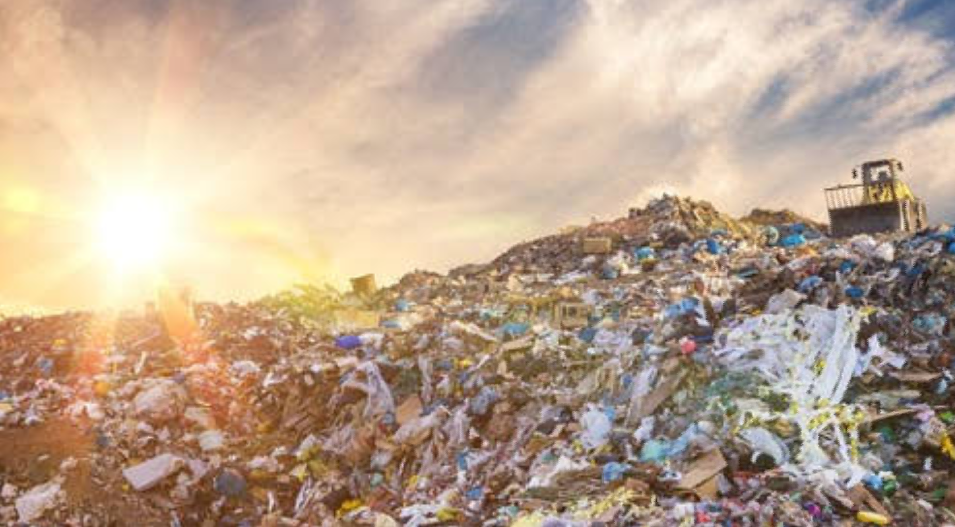
First of all it costs a LOT to send a spaceship into the space. We would need a large number of rocket launches to actually get rid of the insane amount of garbage the world produces(1.2 trillion kg). That way, the rise in air pollution… unimaginable. Also, complex infrastructure requirements! We need a lot more launch pads.
Suppose we do find a way to manage the costs and send a rocket filled with trash to be thrown out in the space. Imagine if some technical issue occurs and it blasts. It would rain burning plastic. Not good for the environment.
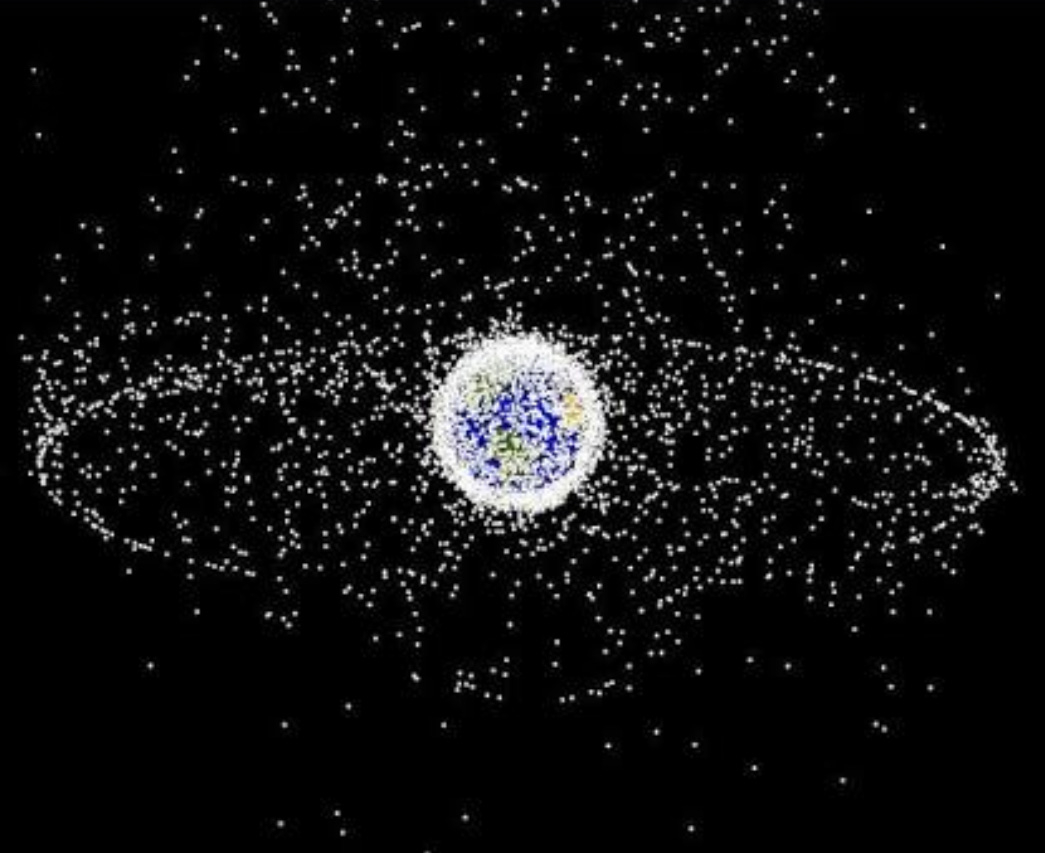
Even if we throw it out, the accumulation would make our atmosphere so dense that it would be a toxic world to live in. Also we couldn’t use satellites plus space travel would be tough. What if it comes floating back. Gross sight.
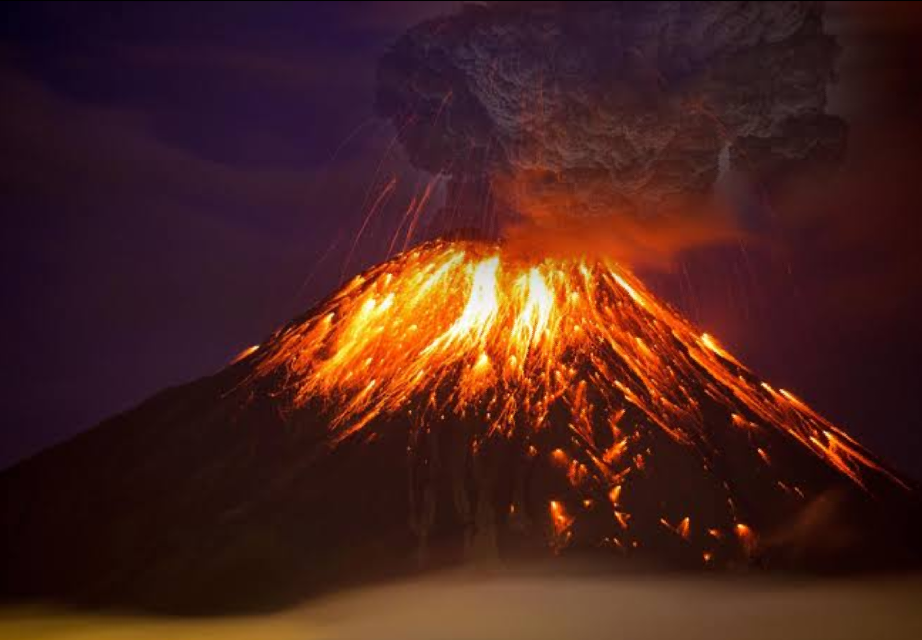
There’s another thing we could do. Burn the trash in the volcanoes. Trash incinerators have filters to filter out poisonous gases. In case of volcanoes filtering is not possible so again toxic world. Besides throwing something in the lava, disturbing the surface, would instantly trigger a chain reaction leading to an explosion. So not an option.
Guess we have to find other sources to convert the trash into some kind of energy. Maybe some day. Till then we need to manage our trash and follow the three R’s. (Reuse, Recycle, Reduce)

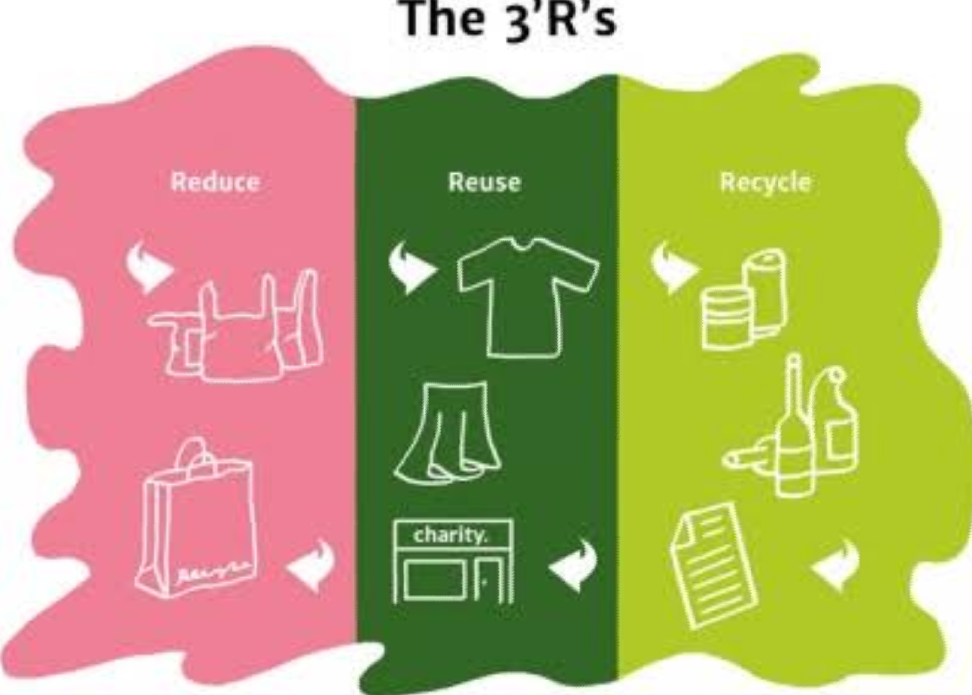
Thank you for reading. Have a nice day!
Human Life and Environment
The environment is the most valuable component of human life because it has an efficacious interconnectedness of life on both the living and non-living things. What we do to our planet is what we do to ourselves. Human life is dependent on the environment for survival on earth. The environment is a vast trove of resources such as air, shelter, food, and water. The ecosystem that includes all the plants, animals, birds, reptiles, insects, water bodies, fishes, human beings, trees, microorganisms and many more altogether constitute the environment. Besides the basic three divisions such as the physical, social, and cultural environment, Today, we are surrounded by the artificial environment created for ourselves such as buildings, air-conditioned rooms, streets, shopping complexes, vehicles emitting poisonous gases, dust, etc. All these assets, on one hand, signify our luxurious life whereas on the other, baneful and human-centred nature of man.
Over the years, innumerable environmentalists and philosophers have shifted and encouraged others to shift towards a nature centred approach. This brings the anthropocentrism and non-anthropocentrism approaches to light. Whilst anthropocentric approach sees man as the centre of the universe and all other animals and components in terms of their instrumental values, non-anthropocentrism sees the natural components, biotic as well as abiotic in terms of intrinsic values. The work of Aldo Leopold, “A Sandy County Almanac”, especially see ‘land’ as a ‘community and not as a commodity. Rachel Carson is another thinker who has extended her thoughts to the world by asserting the importance of being friendly with animals rather than killing them for their flesh and skin.
Franklin D. Roosevelt opines that “A nation that destroys its soil destroys itself. Forests are the lungs of our land, purifying the air and giving fresh strength to our people.” However, the environment is not given the respect it deserves. Man has become a poacher of nature to satisfy his economic and physical needs. The pollution of the environment has choked all the resources required to sustain the life of living things and therefore affecting negatively.
The environment always gives us countless benefits that we can’t repay our entire life. The forest and trees filter the air and absorb harmful gases. Plants purify water, reduce the chances of a flood, and maintain natural balance and many others. Moreover, the environment regulates the vital systems that are essential for the ecosystem. Every being in the environment is so significant for human life. It is well captured in the words of Maurice Maeterlinck, a Belgian playwright, poet, and essayist who says, “If the bee disappeared off the face of the earth, man would only have four years left to live.”
The environment regulates various natural cycles that happen daily. These cycles help in maintaining the natural balance between living things and the environment. Disturbance of these things can ultimately affect the life cycle of humans and other living beings. The environment has always helped us and other living beings to flourish and grow from thousands of years. The environment provides us fertile land, water, air, livestock and many essential things for survival. Saving the environment is one of the responsibilities of all humans. It begins only by identifying the pollutants and by trying to mitigate them drastically. Human activities are the major cause of environmental degradation because most of the activities of humans do harm the environment in some way. The activities of humans that cause environmental degradation are pollution, defective environmental policies, chemicals, greenhouse gases, global warming, ozone depletion, etc. All these affect the environment badly. Besides, these the overuse of natural resources will create a situation in the future there will be no resources for consumption. And the most basic necessity of living air is getting so polluted that humans are forced to use bottled oxygen for breathing as witnessed in our capital city called Delhi.
The increasing human activity is exerting more pressure on the surface of the earth which is causing many disasters in an unnatural form. Also, we are using natural resources at a pace that within a few years they will vanish from the earth. A clean environment is very important for the health and prosperity of a society and a nation as a whole. It is one of the basic requirements for the presence of life on Earth. Living species including plants, animals, humans and aquatic life cannot survive amid waste; they all need a healthy and clean environment to live; an unclean environment gives way to diseases and an unbalanced ecosystem much more. A society that consumes polluted water or breathes in polluted air cannot be healthy and prosperous. Necessary steps must be taken to clean the environment and prevent any further damage to it. To preserve a clean environment, the Environment-friendly policies are to be in a lay man’s term. The guidelines for industrial or infrastructural development are essential to claim reduced or minimal effect on the environment. The usage of renewable energy sources like wind and water instead of conventional sources would result in the reduction of environmental pollution. Vehicles with zero emissions such as vehicles running on electricity or solar energy could be encouraged. Steps should be taken for the accumulation and conservation of rainwater to meet everyday water requirements. People must be made aware of the hazards of the population explosion and its effects on the environment and depletion of natural resources. The use of Organic pesticides which are made up of minerals or other plant materials that keep pests at bay and break down quickly in the soil would certainly help prevent pollution due to hazardous chemicals.
One of the commendable initiatives taken by the U.N to curb environmental pollution is “The World Environment Day”, celebrated on 5th June every year, to raise awareness and urge the governments, individuals, and societies of the world to come together and take steps to eradicate the use of plastics in our day to day life and other factors contributing to the environmental pollution in our daily life and taking necessary steps to prevent them. India recently hosted the World Environment Day on 5th June 2018 with the theme of “Beat Plastic Pollution”. India introduced Swachh Bharat Abhiyan (Clean India Campaign) on 2nd Oct 2014 to clean its roads and cities. We as an individual must take a pledge to keep our society clean, free from any littering waste and to inform the concerned authorities when we encounter such littering or garbage.
Eventually, we should understand that it is the environment that is keeping us alive. Without the blanket of the environment, we won’t be able to survive. It is high time we wake up and heal the natural world. It is never too late to give up our prejudices and overt dependence on technology. Let’s coexist with our environment and be human(e) in a true sense. Moreover, the environment’s contribution to life cannot be repaid. Besides, still what the environment has done for us, in return we have only damaged and degraded it.
 Eduindex
You must be logged in to post a comment.