Indian Culture – Varied but one


India is a country with vast culture and several religions within itself. Before, getting into the context let us know what exactly the word culture mean.

Culture can be defined as knowledge of a particular group of people, cuisine, religion, rituals, language, arts and music, etc.


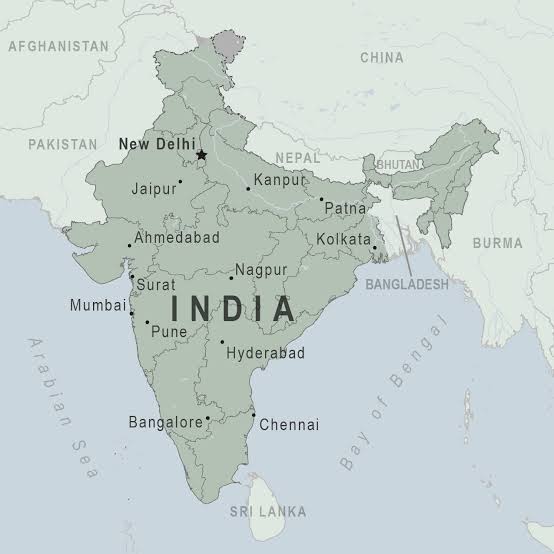
Indian culture is one of biggest and most complex cultures to understand in the world. With 29 states and 8 union territories and more than 4 religions in a single country, India stands rich in its literature. Even though, the nation has 80.5% Hindus, 13.4% of Muslims, 2.3% Christians, 1.9% Sikhs with 2 billion followers in total the unity of the nation holds strong. There is always culture in everything from God to Art in India . It has to be mentioned here that ‘Indian Gods’ play a major role in the ocean-like Indian mythologies. From Mahabharat, India has had the culture of giving priority to prayers. The religions that originated in India are based on the concepts of dharma and karma (Hinduism, Jainism, Buddhism and Sikhism). Ahisma, being an important aspect of Indian culture, has played a major role in India’s struggle for Freedom. Mahatma Gandhi, a freedom fighter, followed Ahimsa to gain freedom for the nation which was later took as an inspiration by Martin Luther King Jr.
Atheism is seen as a rejected concept by most of the Indians. Atheists are seen as aliens in the country. Even though, it is a personal choice of a person it is often not understood by many, which shows their deep passion for religions, gods and prayers.
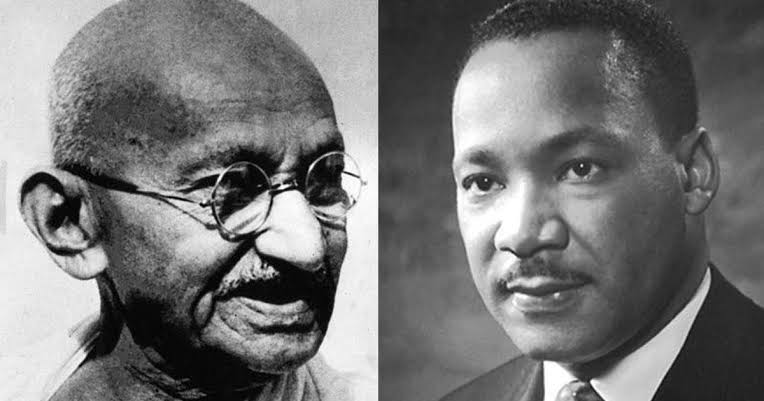
Mahatma Gandhi (left) and Martin Luther King Jr ( right)


This country with vast culture celebrates several festivals. With half of them being celebrated by the nation together (Diwali, festival of lights) and rest celebrated by a particular group of people from an area or state (Onam being celebrated by Keralites). The three national holidays in India, the Independence Day, Republic Day and Gandhi Jayanthi are celebrated with great enthusiasm.
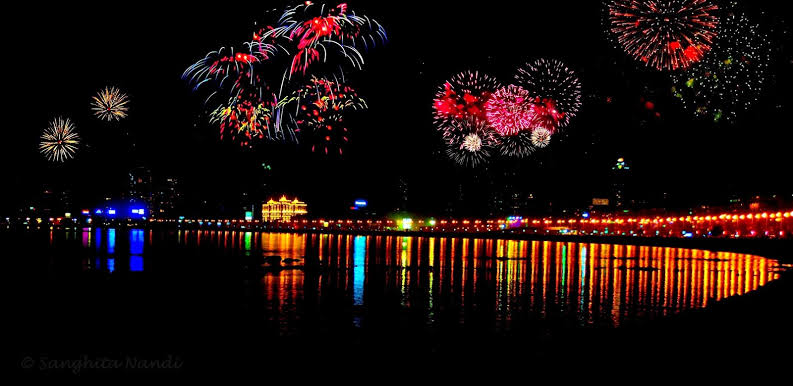
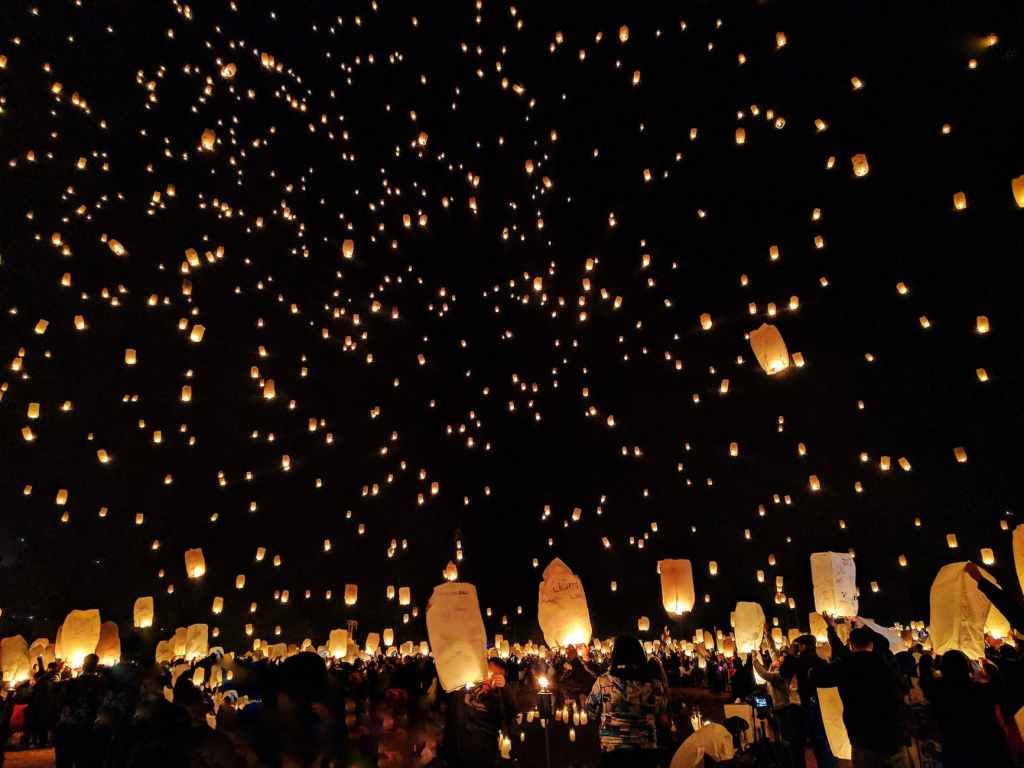
Diwali – festival of light


India has five major languages that includes Hindi, Tamil, Telugu, Malayalam and Kannada. Each language has its own history with Tamil being considered as one of the oldest and classical languages in the world. Hindi being considered as the national language by many.


India has eight classical forms of dance. Indian Art has always had mythological elements in it. With Bharatanatyam from Tamil Nadu, Kuchipudi from Andhra Pradesh, Mohiniattam from Kerala, Yakshagana of Karnataka, Manipuri from Manipur, Odissi from Odisha, Sattriya from Assam and Kathak from Uttar Pradesh. Apart from the classicals dance forms, Indian regions have a strong dance tradition from Bhangra of Punjab to Dekhnni of Goa.
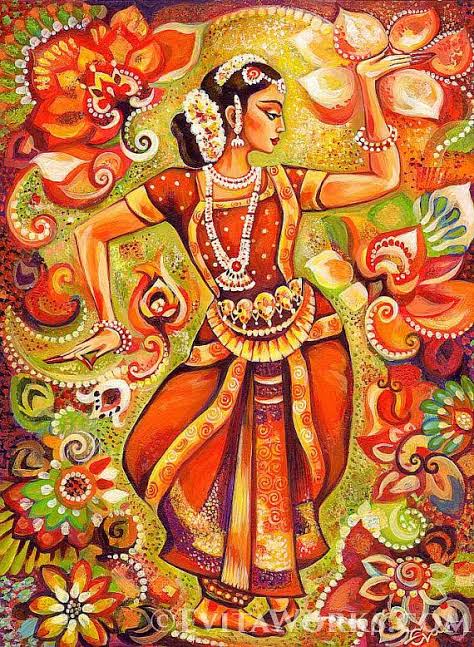
Bharatanatyam- a classical dance form


Hockey is often seen as the national game of India, though Indian Government has denied it. Indian Government has clarified India currently doesn’t have any national game. Martial Arts being another traditional sport that originates in Kerala. Kalaripayattu (400 BCE-600 CE) in the Sangam literature is one of the oldest martial arts in the world. Ayurvedic Massage with Sesame oil is also considered as a form of Martial Arts.
India being a roof for varied cultures and religions, still stays together and strong.
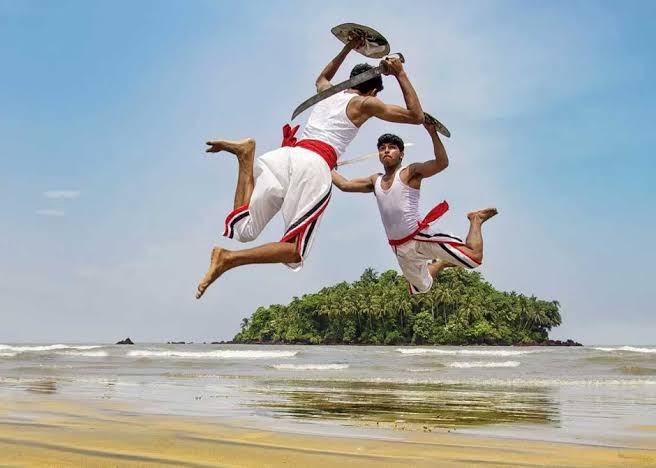
Kalaripayattu – martial arts

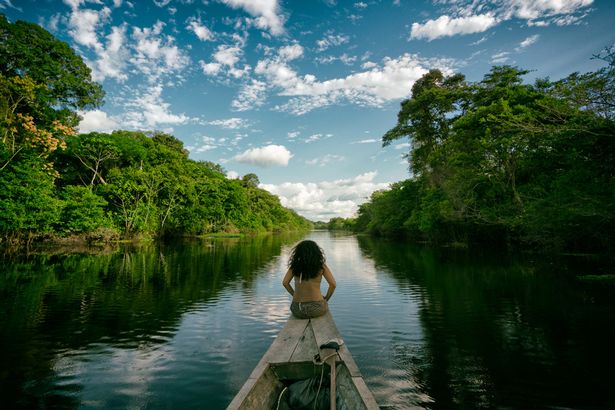
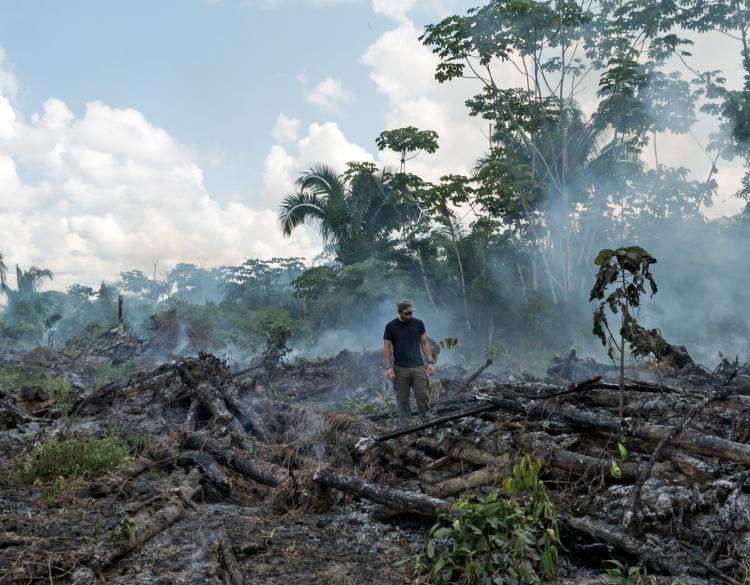
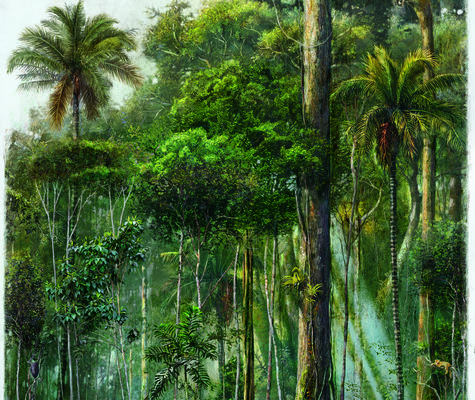
The Amazon

The forest is a peculiar organism of unlimited kindness and benevolence that makes no demands for its sustenance and extends generously the products of its life activity; it affords protection to all beings, offering shade even to the axe-man who destroys it.

– Gautama Buddha

Today , let’s feel the presence of fresh air , waterfall , trees , flora and fauna . Being a citizen of a country , which is well known for its resources , different species, mixed economy and different cultures. It is important for us to see the world of flora and fauna.

Well you get to know by the heading , today we are gonna talk about THE AMAZON’S which is well known for its vast species .

Introduction .


The Amazon jungle or Amazonia, is a moist broadleaf tropical rainforest in the Amazon biome that covers most of the Amazon basin of South America. This basin encompasses 7,000,000 km2 (2,700,000 sq mi), of which 5,500,000 km2 (2,100,000 sq mi) are covered by the rainforest. This region includes territory belonging to nine nations and 3,344 formally acknowledged indigenous territories.

The majority of the forest is contained within Brazil, with 60% of the rainforest, followed by Peru with 13%, Colombia with 10%, and with minor amounts in Bolivia, Ecuador, French Guiana, Guyana, Suriname, and Venezuela. Four nations have “Amazonas” as the name of one of their first-level administrative regions, and France uses the name “Guiana Amazonian Park” for its rainforest protected area. The Amazon represents over half of the planet’s remaining rainforests, and comprises the largest and most biodiverse tract of tropical rainforest in the world, with an estimated 390 billion individual trees divided into 16,000 species.

The name Amazon is said to arise from a war Francisco de Orellana fought with the Tapuyas and other tribes. The women of the tribe fought alongside the men, as was their custom. Orellana derived the name Amazonas from the Amazons of Greek mythology, described by Herodotus and Diodorus.

Flora and Fauna.

Wet tropical forests are the most species-rich biome, and tropical forests in the Americas are consistently more species rich than the wet forests in Africa and Asia.

This constitutes the largest collection of living plants and animal species in the world.

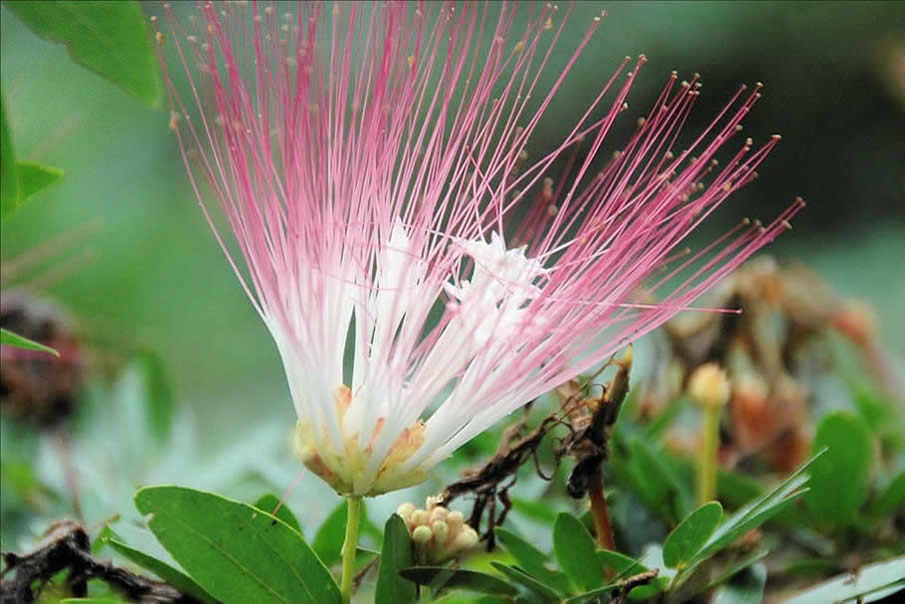
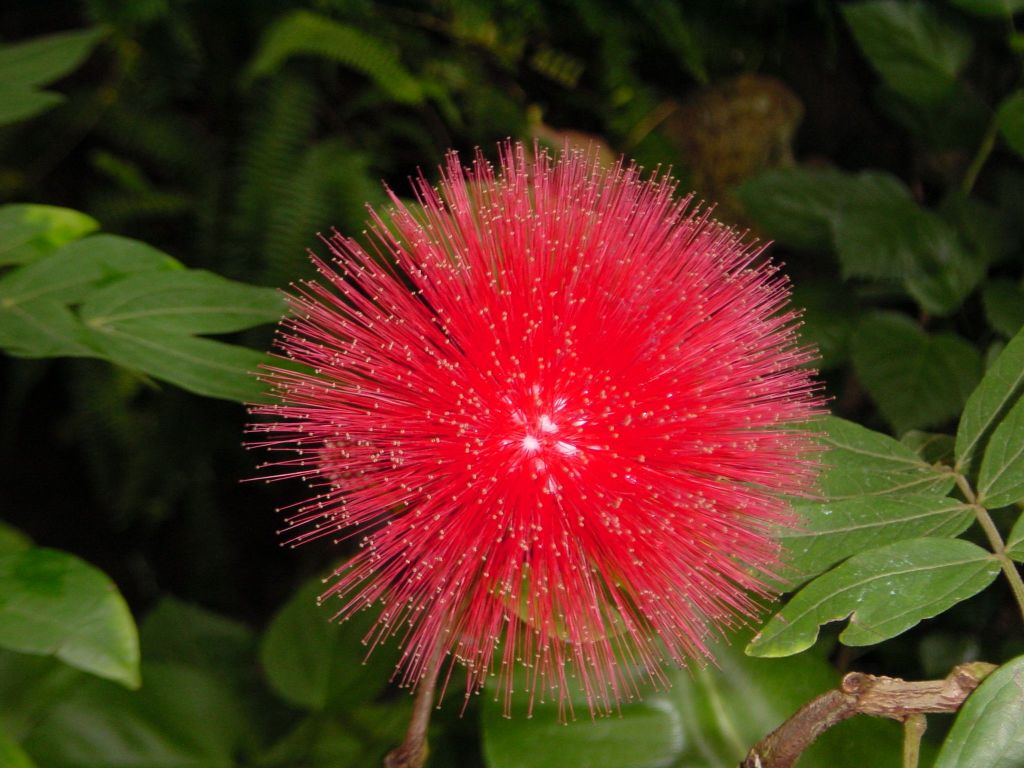
The region is home to about 2.5 million insect species, tens of thousands of plants, and some 2,000 birds and mammals. To date, at least 40,000 plant species, 2,200 fishes, 1,294 birds, 427 mammals, 428 amphibians, and 378 reptiles have been scientifically classified in the region.

The biodiversity of plant species is the highest on Earth with one 2001 study finding a quarter square kilometer (62 acres) of Ecuadorian rainforest supports more than 1,100 tree species.

Human impact on Amazon jungle.

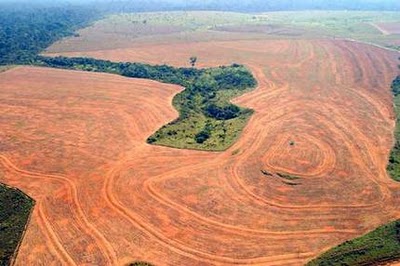
The human impact on the Amazon rainforest has been grossly underestimated according to an international team of researchers. … They found that selective logging and surface wildfires can result in an annual loss of 54 billion tonnes of carbon from the Brazilian Amazon, increasing greenhouse gas emissions.

Lead researcher Dr Erika Berenguer from Lancaster University said: “The impacts of fire and logging in tropical forests have always been largely overlooked by both the scientific community and policy makers who are primarily concerned with deforestation. Yet our results show how these disturbances can severely degrade the forest, with huge amounts of carbon being transferred from plant matter straight into the atmosphere.”

The second author, Dr Joice Ferreira from Embrapa in Brazil, said: “Our findings also draw attention to the necessity for Brazil to implement more effective policies for reducing the use of fire in agriculture, as fires can both devastate private property, and escape into surrounding forests causing widespread degradation. Bringing fire and illegal logging under control is key to reaching our national commitment to reducing carbon emissions.”

The forest is not a resource for us, it is life itself. It is the only place for us to live.

-Evaristo Nugkuag Ikanan

Link

INCREDIBLE INDIA

Indian culture is the heritage of social norms, ethical values, traditional customs, belief system, political systems, artifactcs and technologies that originated in or are associated with the Indian subcontinent. Over the centuries, there has been a significant fusion of cultures between Buddhists, Hindus, Muslims, Jain, sikhs and various tribal population in India.

>Importance of Indian Culture :

Indians are proud of its culture. In our country it is traditional to respect elders, be truthful and honest and also to help out others in need. It is also considered traditional to celebrate our cultural festivals and religious activities with the family and neighbours.

>Indian culture and values :

The two most tenents of Indian culture are Human Values and Holism. Human values refer to moral, spiritual and ethical values whereas Holism means unity.

>Features of Indian culture :

Unity in diversity, tolerance , longevity and continuity , amalgamation of spirituality and materialism.

India is the land of ‘UNITY IN DIVERSITY’, and our dances are no different. Different forms of dances find origin of different parts of the country, and they are a way of representation of the particular culture from which they originate.

INDIAN CULTURE IS VERY RICH AND DIVERSE AND TEACHES US TO BE TOLERANT TO OTHERS.

EXTERNAL REFERENCE

•India and World Cultural Heritage

•India’s intangible cultural heritage

Why do Indians eat with hands?

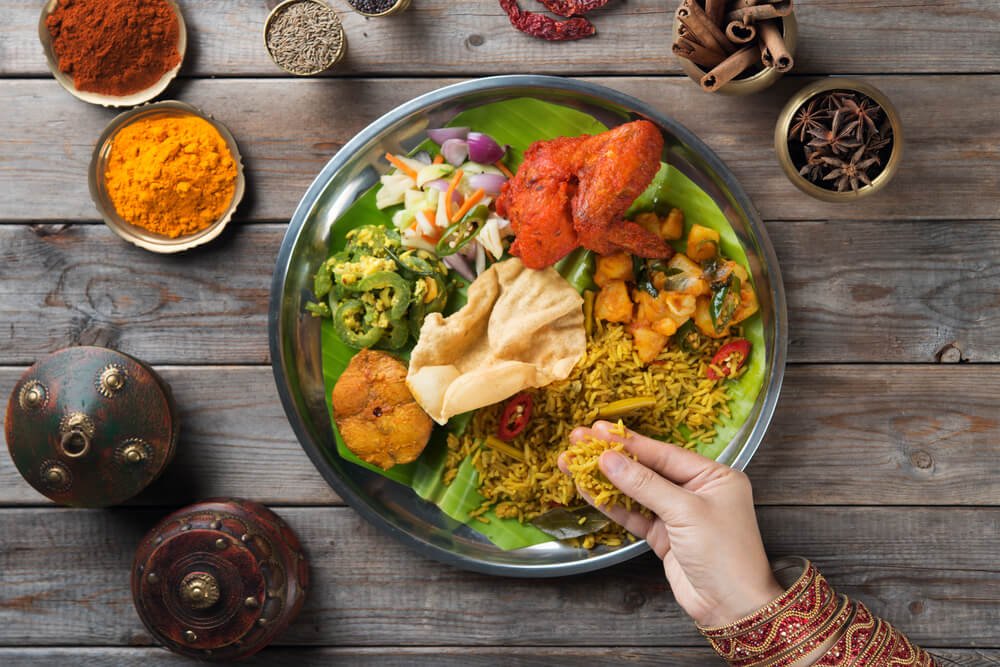
Eating with bare hand is a traditional Indian culture, which people still follow. Eating is a mindful process since the sensory organs like touch and taste are involved. Fingertips are used to feel the temperature and texture of our food. Nerves at our fingertips send a signal to our brain, and the brain activates the human body’s digestive system and further improves the digestion process. In practice, Indians sit down on the floor in comfortable clothes and eat in a big banana leaf or Saili leaf. This process activates your senses and makes you enjoy your meal.

Eating with hand is a mindful eating…

But, is it good or bad to use hands?

Stay till the end…

Imagine eating roti with a spoon and dosa with a fork. Sounds weird right? Oh well, it is!

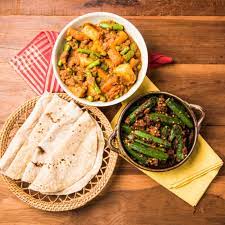
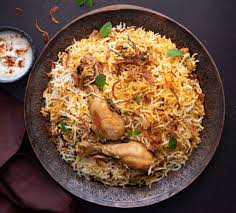
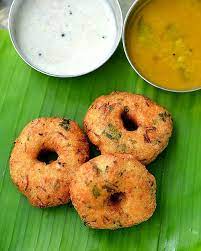
Traditional Indian foods are made to eat with hand. We use hands to eat foods like rice, chappati, vada, dosa, chicken, fish, papad, Pongal, and many more. While eating, curry is mixed with rice or stuffed in a roti that gives a flavor of multiple spices added while preparing the dish.

Here raises a question…

Is eating with your hand “unhygienic”?

Washing hands before eating is a habit of everybody. Indian tradition follows hygiene and cleanliness during dining. The hand once used by a person to consume their food is not used to serve or to share because that is treated as ‘jootha’ meaning contamination and treated as an unhygienic way of eating. People are supposed to wash their own dishes after eating which reduces the intermixing of saliva of two individuals as a concern of one’s health.
Significance of eating with hands:

According to the ancient theory, all five fingers of our hand has its own spiritual significance and it symbolizes the 5 elements of nature. 

  1. Thumb finger- Fire
  2. Index finger- Air
  3. Middle finger- Space
  4. Ring finger- Earth
  5. Little finger- Water

Apart from those theories, it was proved that using hand while eating improves the healthy digestion of food. Our palms and fingers are protected by a bacteria called Normal Flora. Normal Flora protects our skin from harmful microbes. Hence your hand is safe to use.

Is India the only country where people eat with their hands? 

Obviously Not!! 

India is not the only country where people follow the tradition of eating with hands. People from large swaths like the Middle East, Africa, South Asia, South America follow the norm of using their hands to eat. Tribes in Nigeria, Amazighs (Berbers) in North Africa, Black Africa, the Arabs of the Middle East also follow this tradition.

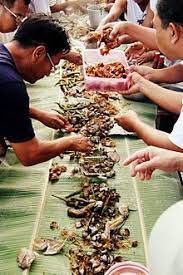
‘Kamayan‘ meaning “with hands.” Kamayan is an ancient tradition traditional Filipino practice of eating with the hands. They believe that eating with hands has its own significance than eating with fork and knife. It is also referred to specific type of Filipino feast known as the “boodle fight”.

Ethopian eating culture

Conclusion

Remember, it’s your culture and there is nothing to be ashamed of using your hand. Every culture in this world deserves respect. This article is all about bringing out the importance of Indian culture and not to dishonor western dining etiquette. Nowadays, restaurants and cafes are all westernized. As the customs and lifestyle changes it is our responsibility to hold and accept our own culture first. 

Creating an awareness among the people about the science behind our culture is the main motive of this article!!

References:

https://en.wikipedia.org/wiki/Customs_and_etiquette_in_Indian_dining

https://www.indiatoday.in/fyi/story/eat-hands-indians-357398-2016-12-14

http://www.timotis.com/news-1/eat-with-your-hands

credits to the right owner of the images used.

Bali – A Dream Destination

Bali is the only Hindu-majority province in Muslim-majority Indonesia, with 86.9% of the population adhering to Balinese Hinduism. Bali is a province of Indonesia and the westernmost of the Lesser Sunda Islands. In east of Java and waste lombok , there is a few smaller neighbouring islands, notably Nusa Penida, Nusa Lembongan, and Nusa Ceningan. The town of Ubud is known as Bali’s cultural center. The provincial capital, Denpasar, is the most populous city in the Lesser Sunda Islands and the second-largest, after Makassar, in Eastern Indonesia.

Scince the 1980’sIndonesia’s main tourist destination, with a significant rise in tourism. Tourism-related business makes up 80% of its economy. Bali is renowned for its highly developed arts, including traditional and modern dance, sculpture, painting, leather, metalworking, and music. Bali is part of the Coral Triangle, the area with the highest biodiversity of marine species especially fish and turtles. In this area alone, over 500 reef-building coral species can be found.

Why Bali is dream destination for all?

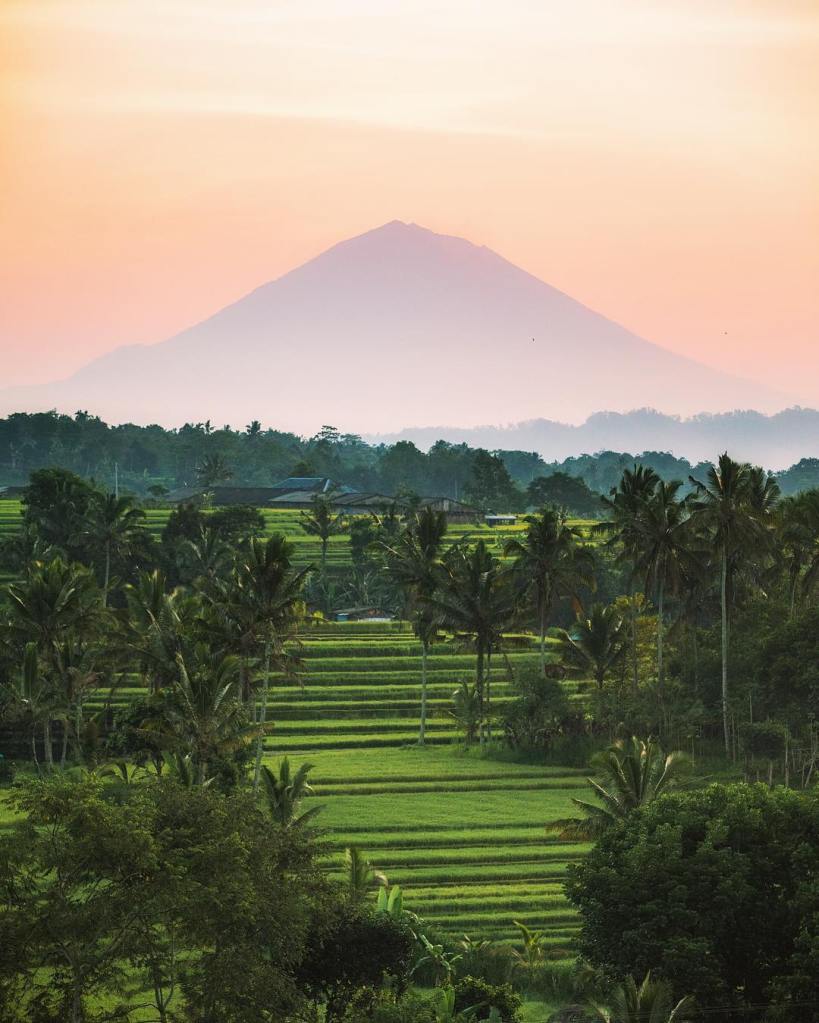
Bali has a ‘One-of-a-kind-wildlife’. Bali also has some most complex sites in the world. Beyond stunning beaches and magical temples, Bali has virtually every kind of natural beauty. Glorious mountainous areas with lush greenery, scenic lakes, gorgeous waterfalls, iconic rice fields, flower gardens, gushing sacred rivers and secret canyons all make up the island’s landscape.

Many people visit it for those mesmerizing beach places, exotic landscape and animals are also point of attraction. You can climb mountains, meet landscapes and swim a ocean life all together.

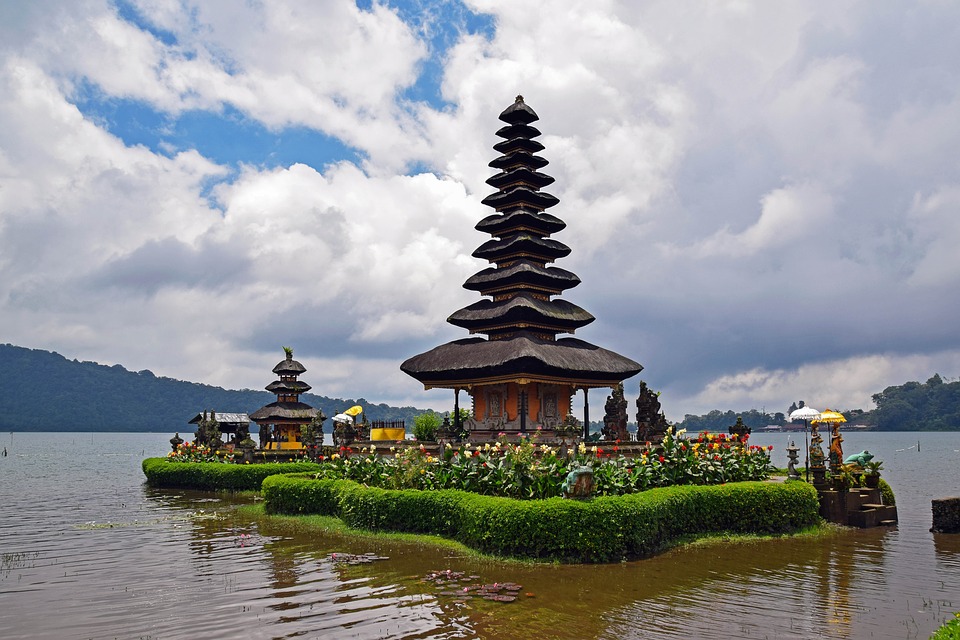
Bali, Indonesia

Is Bali cheap or expensive?

A visit to the island of Bali is essential part of any visit to Indonesia and must not be missed, but it would be wise to plan a separate budget for this portion of your trip. Bali is already the most expensive tourist destination in Indonesia and is slowly becoming more expensive as tourists discover more of Bali, but cheap food and accommodation are still widely available if you don’t mind basic accommodations, stick to your budget, and bargain respectfully for prices.The easiest way to save money is to leave the more popular destinations and head to the smaller towns and villages where tourists are still less frequent and you will save greatly on accommodations and food.

Why people say that Bail is cheap?

We usually hear about how low the prices are in Asia. Bali is one of the part of Asia. To make that day as real as possible, I found real restaurants and hotels. The prices are from real menus and stores can be found online. Besides that, Bali is extremely cheap because daily expenses are way lower than in other countries. Meals, hotels rooms, shopping, transport fees, and every other expense are all much cheaper. After reaching bail,it costs around $80 dollars per day to live a great life in Bali (as experiment says).

Top 5 must visit places in Bali :-

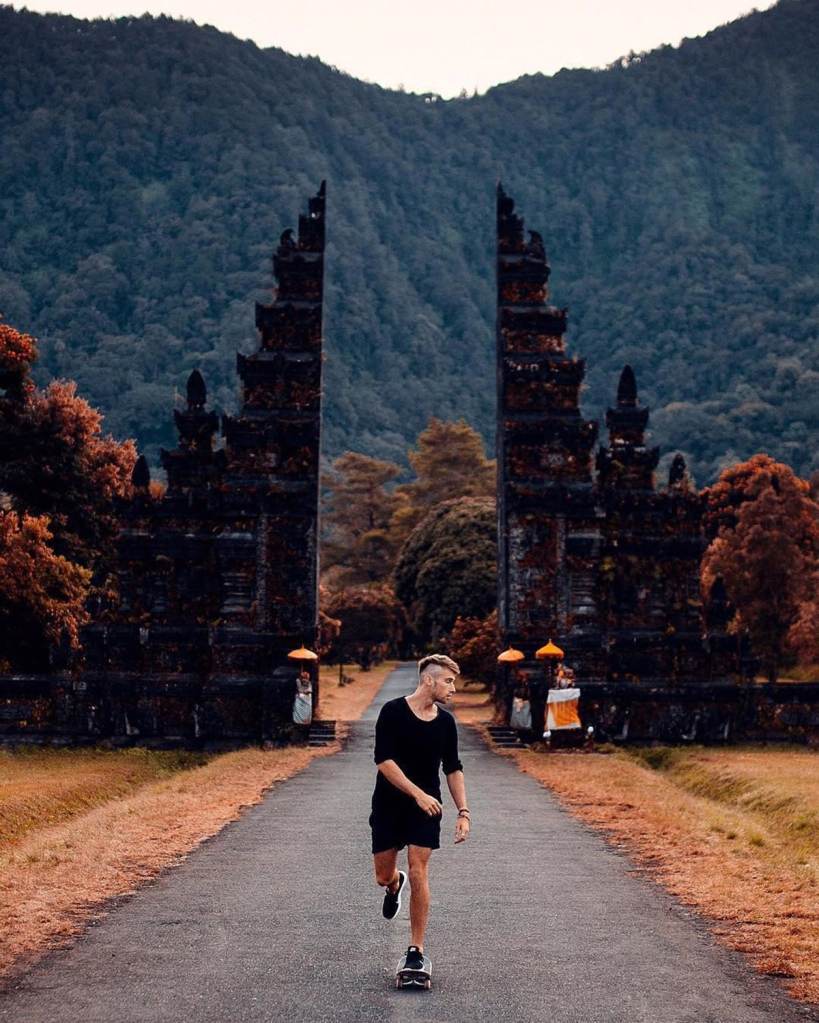
1. Handara Golf Course Gate

The iconic gate to a pathway to serenity has also become one of the hottest spots for Instagram posts lovers. Aside from the already gigantic exotic traditional Balinese gate, pamper your eyes and decorate your pictures with an amazing green surrounding and the silhouettes of green hills as your backdrop. With its beautiful green scenery and peaceful ambiance, it is no wonder people visiting Bali would squeeze this into their itinerary. If you are looking for a couple photoshoot then that’s your ultimate destination.

Handara Golf Course Gate

2. Ubud :-

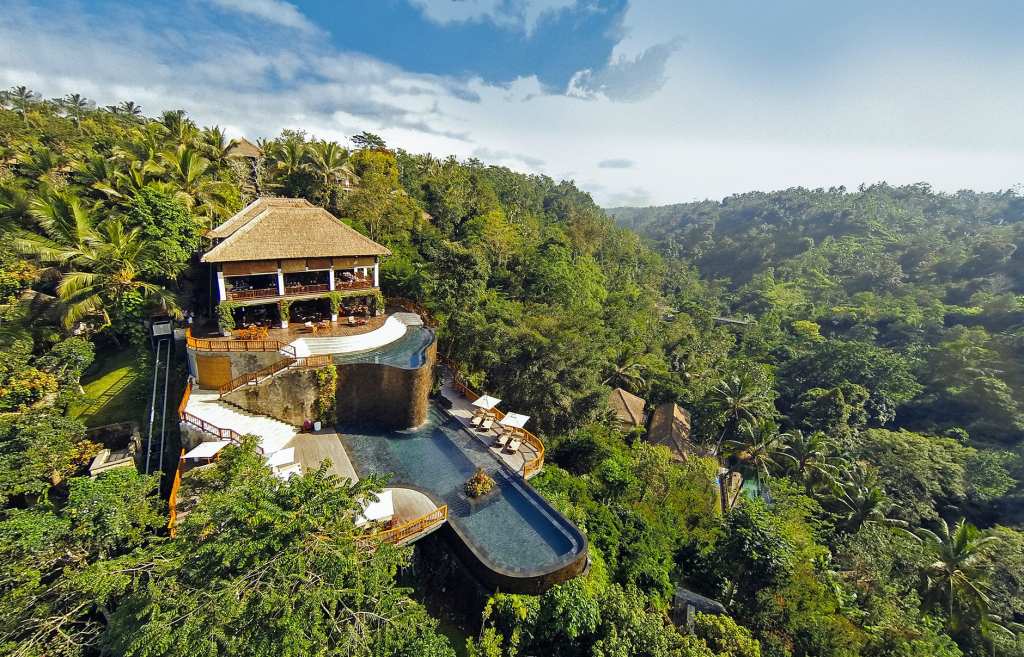
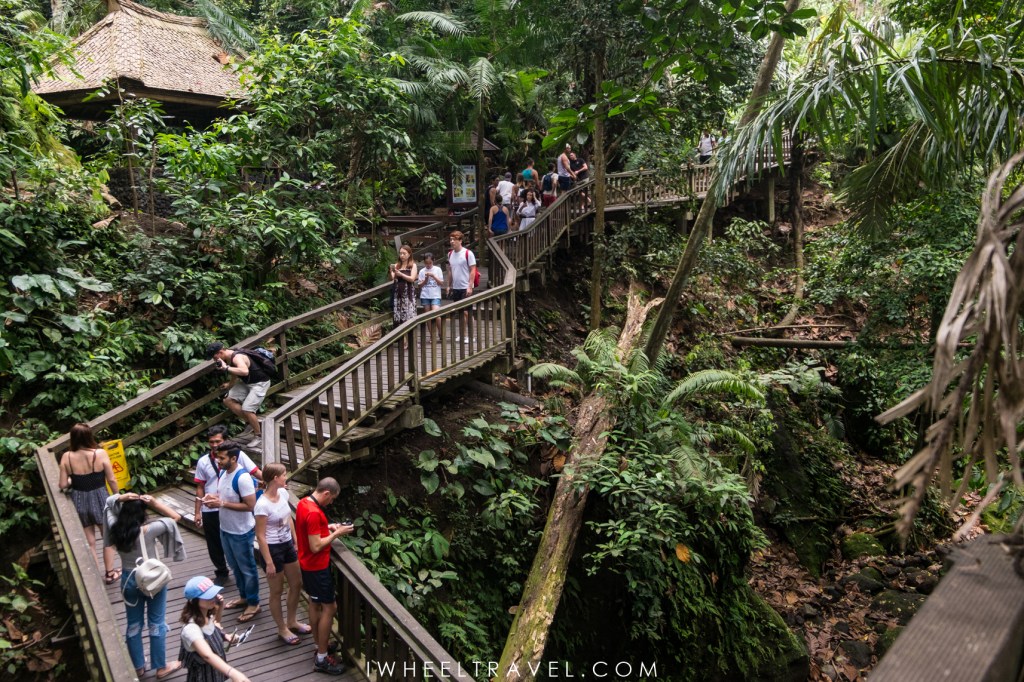
Ubud is the ultimate place to enjoy various traditional performances, from the notorious Kecak fire dance to local youths practicing their gamelan in the town hall. The surrounding Ubud District’s rainforest and terraced rice paddies, dotted with Hindu temples and shrines, are among Bali’s most famous landscapes. You can caught various surprise anywhere from the Royal Palace to public places and restaurants.

Hanging Garden Cottage, Ubud
Ubud, Monkey Forest

3. The Bali Swing :-

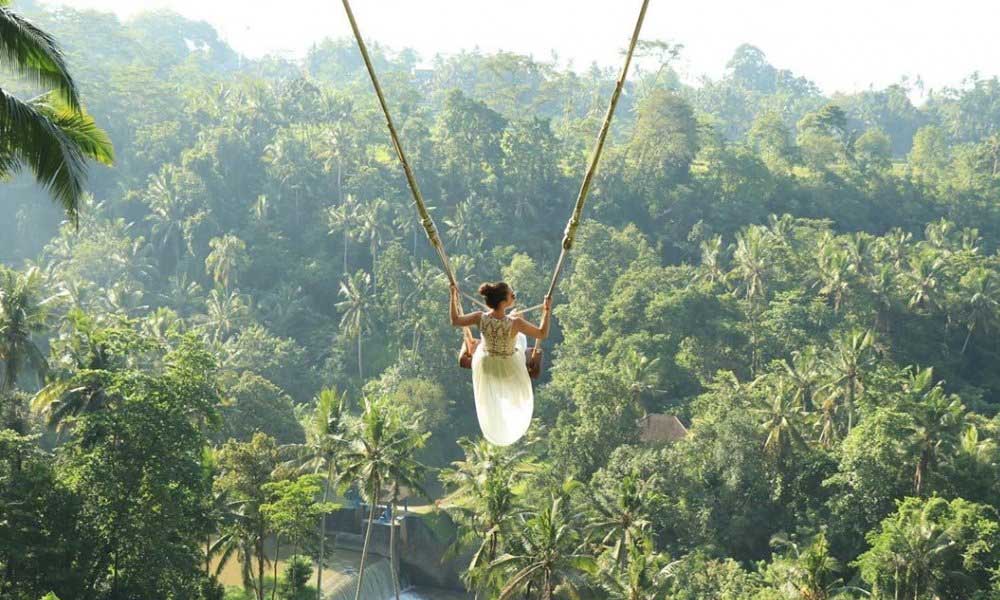
The Bali Swing is getting all the hype nowadays with people visiting just for the visitors nowadays. Be sure to visit at the right time because the hype with this spot and the stunning view attracts many visitors. Several different swings varying heights overlook a beautiful palm tree valley with a river. This gives out the real Balinese jungle ambiance that’ll mesmerized your heart. It is also important to click the right time for visti and best to check on the weather and best to go in the golden hours of the evening or early mornings with the soft light for the best picture effect.

Bail Swing

4. Tirta Ganga Water Palace :-

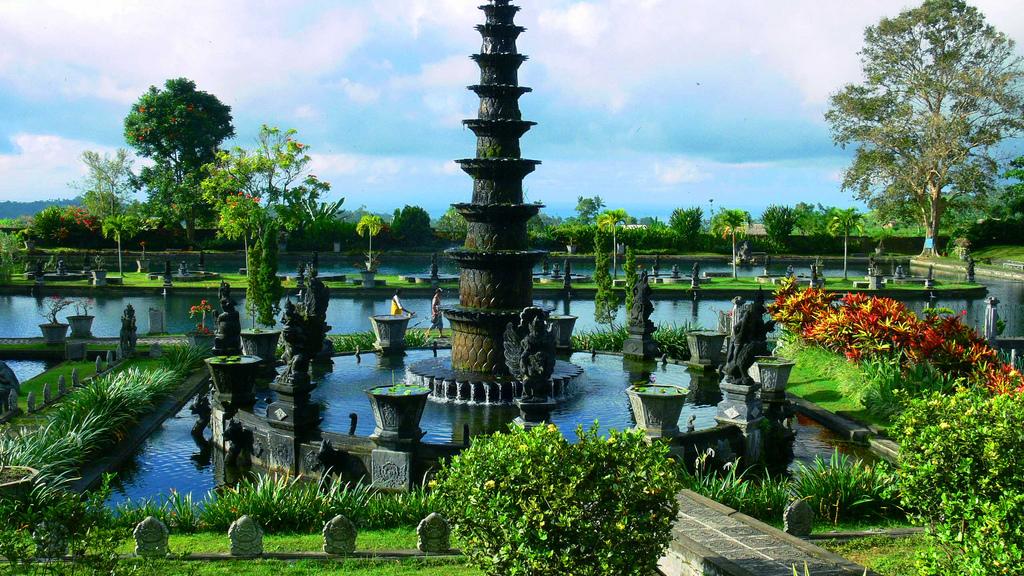
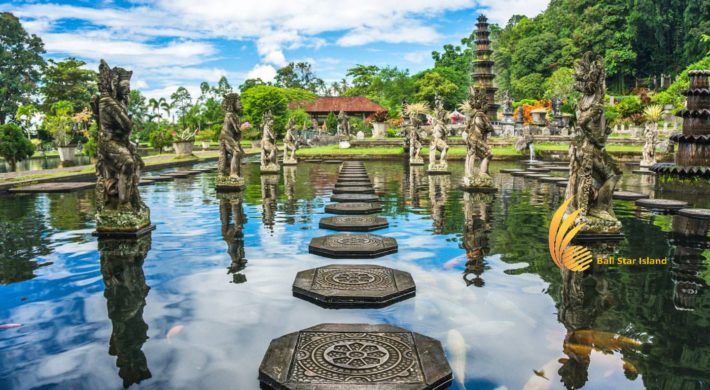
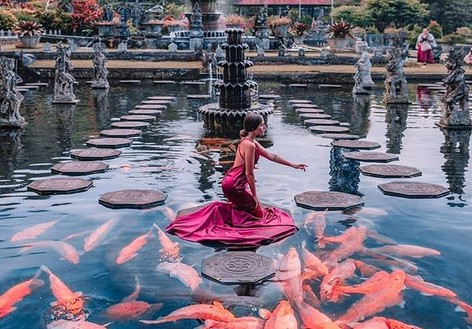
Famous for its lavish water garden, Tirta Gangga has become one of the destinations that attract many aesthetic enthusiasts to come and take pictures in. This is the most visited picture spot in Bail. The mystical ambiance of serenity from the traditional Balinese architecture will surely make impact in your soul. It is located in the village of Ababi, an approximate 75 km east of Denpasar.

Tirta Gangga Temple
Fish Pond

5. Kelingking Beach Nusa Penida :-

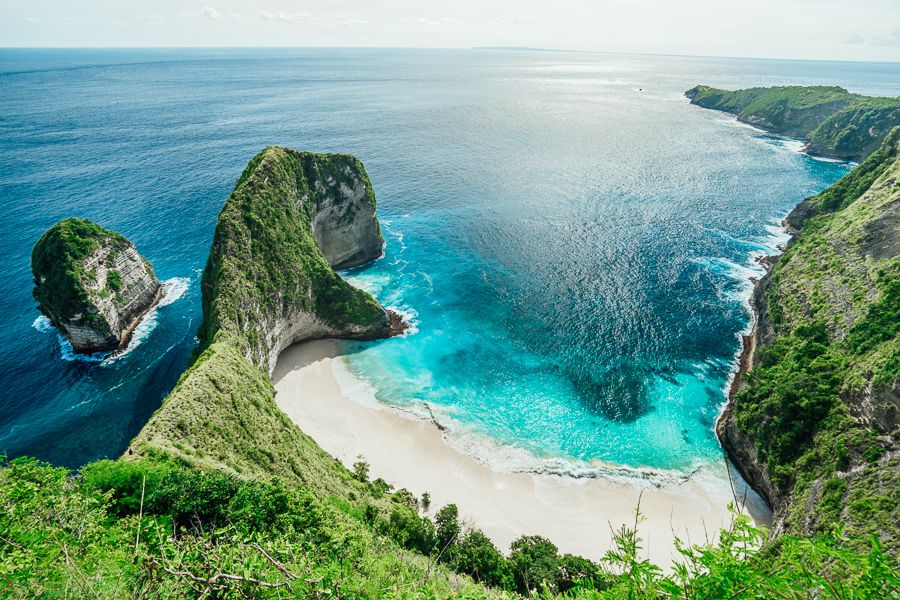
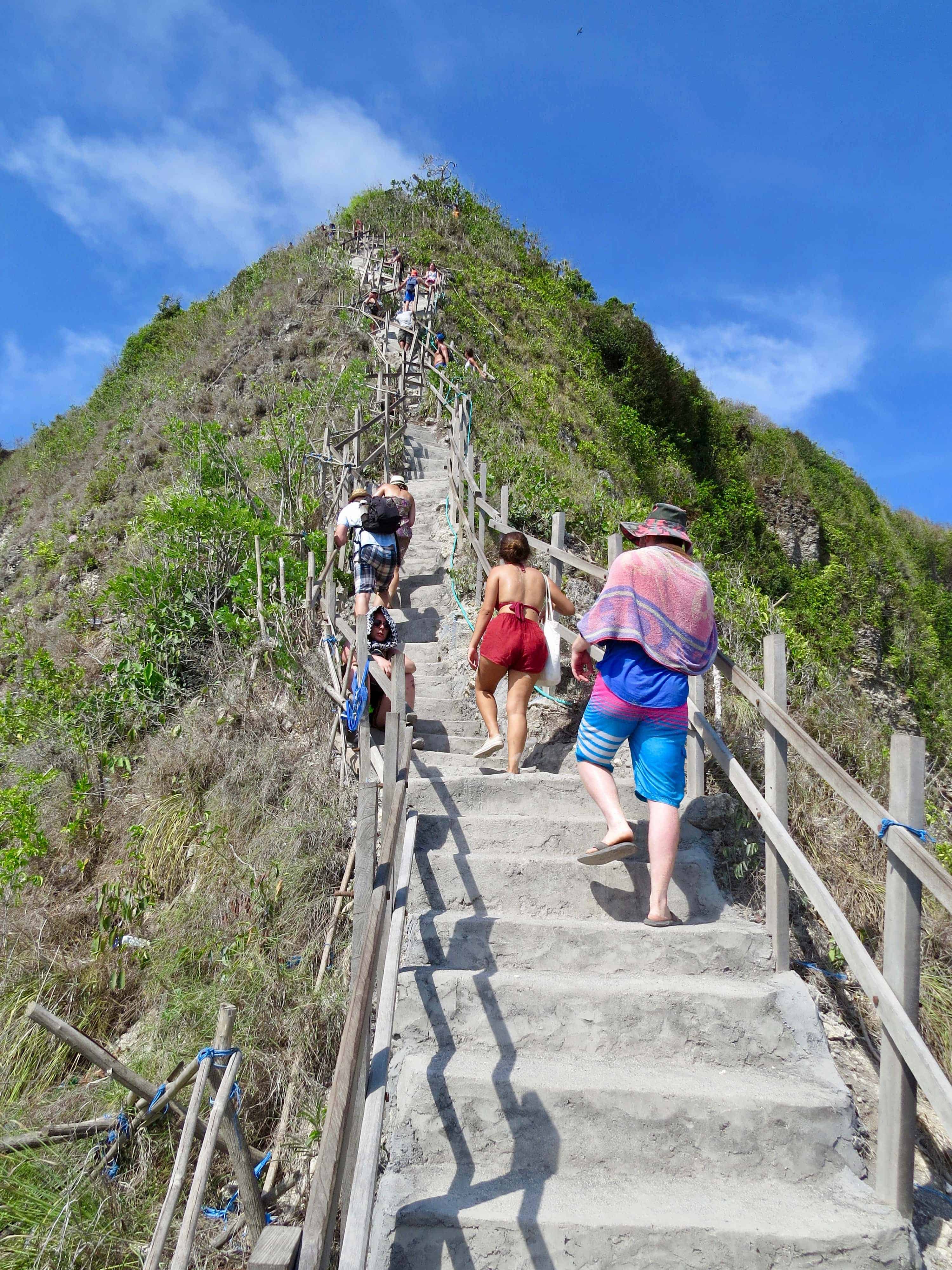
Bali has its fair share of stunning beaches and is even popular around the world because of these natural beauties. Kelingking Beach, however, brings it all up to a whole new level. You can also view the hidden beach of Kelingking in between these cliffs and only accessible through this climb then continuing down a short yet very steep descend through some stairs provided.As Bali’s most breathtaking places to visit, Kelingking Beach definitely deserves a spot on your must-do-list in Bali. The cliffs are steep and lack of maximum safety, but it is still a safe hike if you are careful of your steps. The sceneries on the viewpoint are out of this world with a view looking down to the clear blue waters and the obvious shape of the cliffs as a T-Rex.

Kelingking Beach stairs

After visiting all those places we must say Bail is worthy to be a ‘Dream Destination’. It’s actually incredible Bail, Indonesia.

ONAM- THE HARVEST FESTIVAL

ONAM – the festival of colour in Kerala

Onam is one of the famous festivals of the colourful India. It is actually a major event  of kerala. The people inside and outside of Kerala enjoy it too much. It is a harvest festival . 

According to history, Onam has a long religious context and history of Kerala. According to an earlier reference , Onam is found in Maturaikkaci – a Sangam ers Tamil poem. It says that when games and duels were held in Madurai temple , immolation was sent to the temple , then  the people wore new clothes and celebrated it. On the other hand , in the 9th-century according to Pathikas and Ballads by Periyazharwar , Onam is celebrated as offerings to Vishnu God with feasts and community events. 

According to Kurup  , Onam is a historical hindu-temple based cultural festival which is celebrated for many days. This is a harvest festival and its significance is of 2 Hindu-legends, Mahabali legend and Parashurama legend.

According to the Malayalam calendar Chingam is the 1st month  and the Onam is celebrated in this month. It is marked as the Malayalam New Year. It is celebrated over 10 days and concludes with Thiruvonam. The ten days are sequentially known as Atham, Chithira, Chodhi, Vishakam, Anizham, Thriketta, Moolam, Pooradam, Uthradam and Thiruvonam. The first and the last day are particularly important in Kerala and to Malayalee communities elsewhere.

The 1st day of this festival is Atham ws marked at Vamanamoorthy Thrikkakara temple in Kochi. This temple is the focal center of this festival and the abode of Mahabali legend with raising their festive flag. There are celebrated the parades and those are colourful ,whimming  and floating.

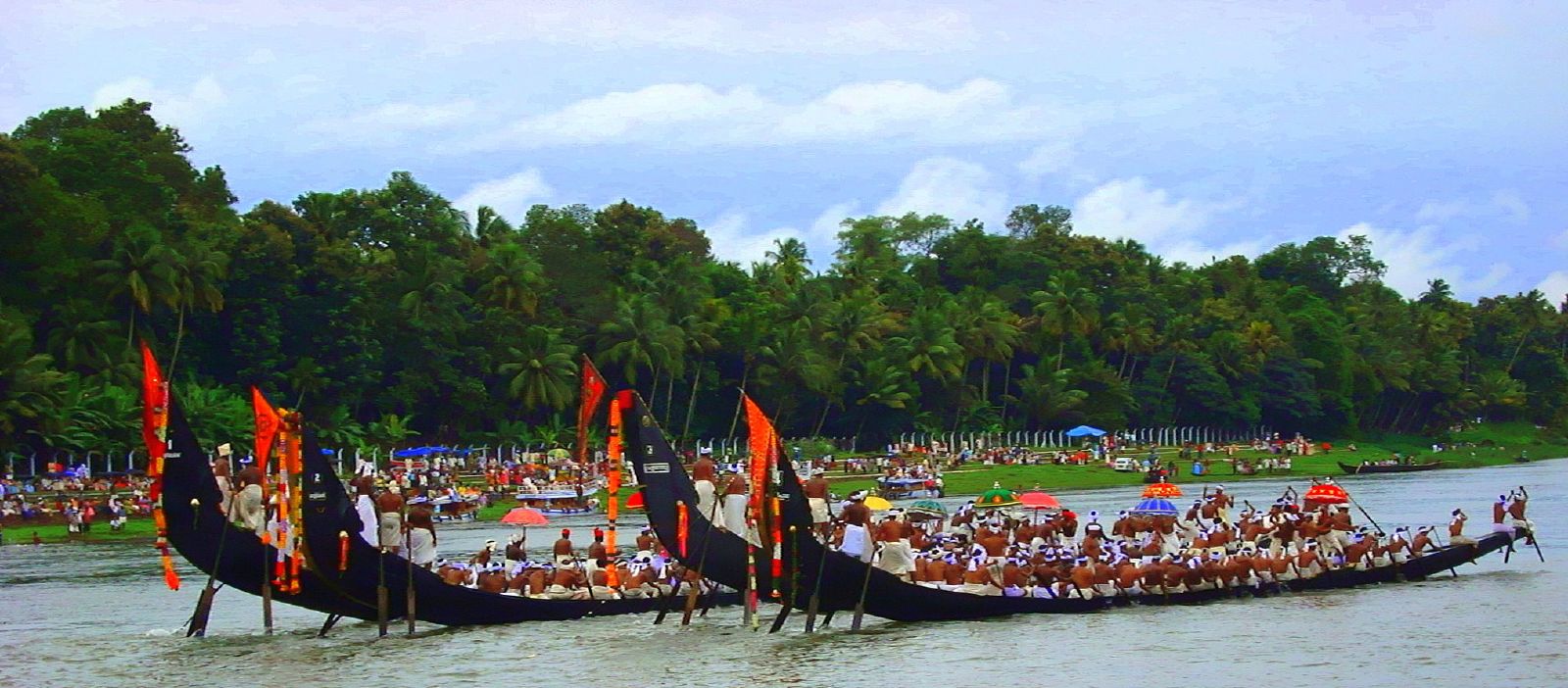
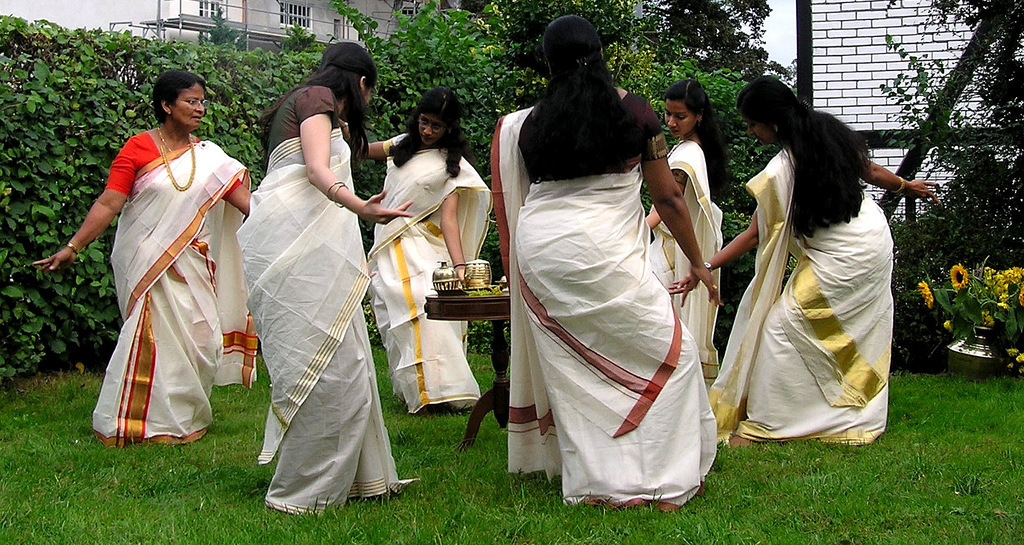
On other days there are celebrated different types of events like boat races which are most popular and stunning , different types of cultural programmes , martial arts, dance, rangoli etc.  People celebrate their times in those days by shopping, donating time or food for the charities and spending quality times with family. The men and women wear their traditional dress . Basically women wore Kasavu saree on this day. 

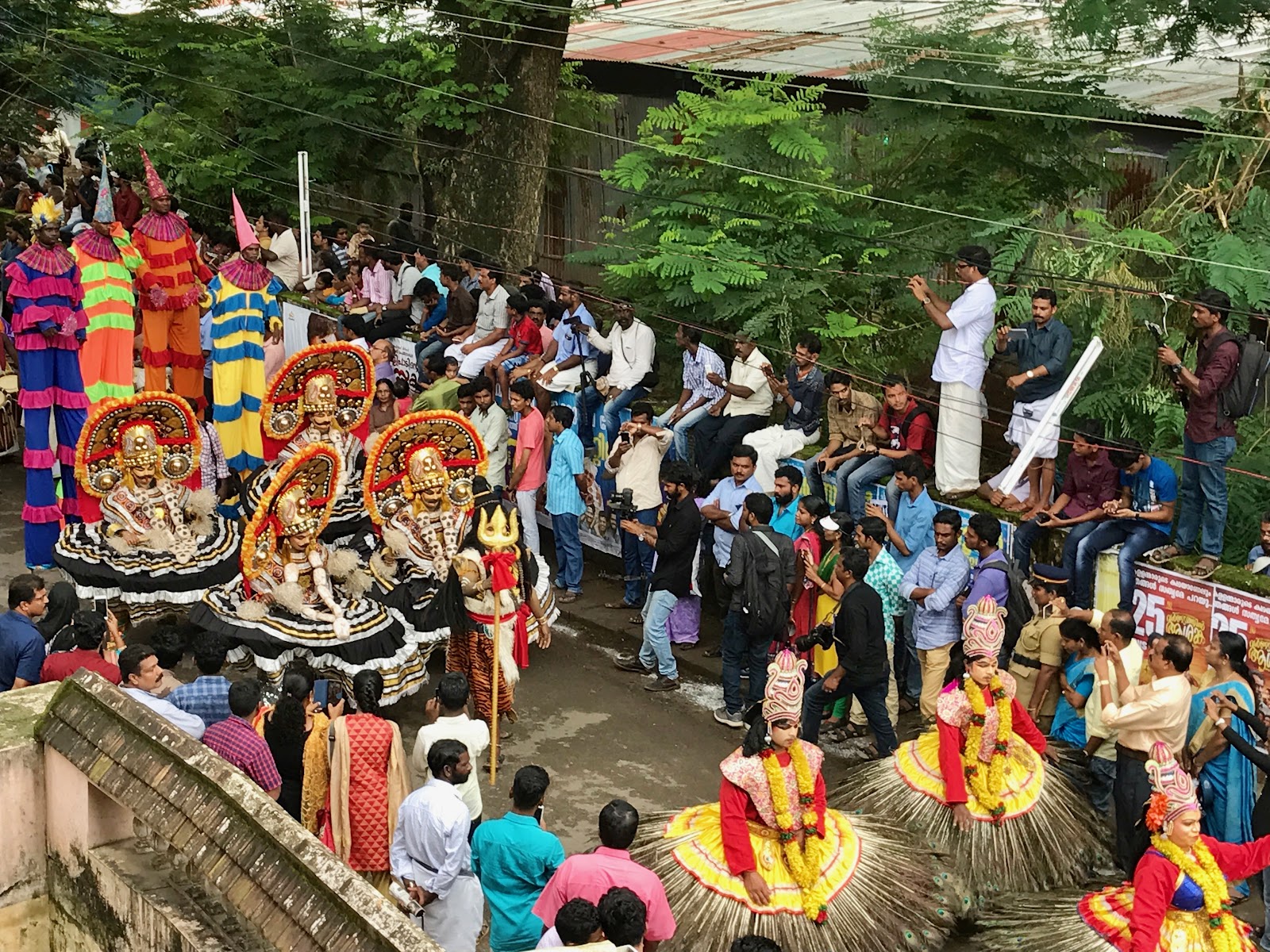
At Tripunithura near Kochi the Onam is celebrated with a grand procession which is called ‘Athachamayam’ , it is also addressed by ‘Thripunithura Athachamayam’. There are elephant marching, drum beats and other music , floats, folk art forms and colourful dressed people and with their masks which is wonderful. According to Kerala history the Kochi king conducted a grand military procession which has now become a state-supported event

There are epic scenes from Mahavarat and Ramayana in this traditional float procession . There are also themes from the Bible .From Tripunithura to the Vamanamoorthy Temple in Thrikkakara, Ernakulam district , is the traditional path. It is  the temple of Vishnu in his Vamana (dwarf) avatar. After arrival at the temple, the marchers offer a prayer.

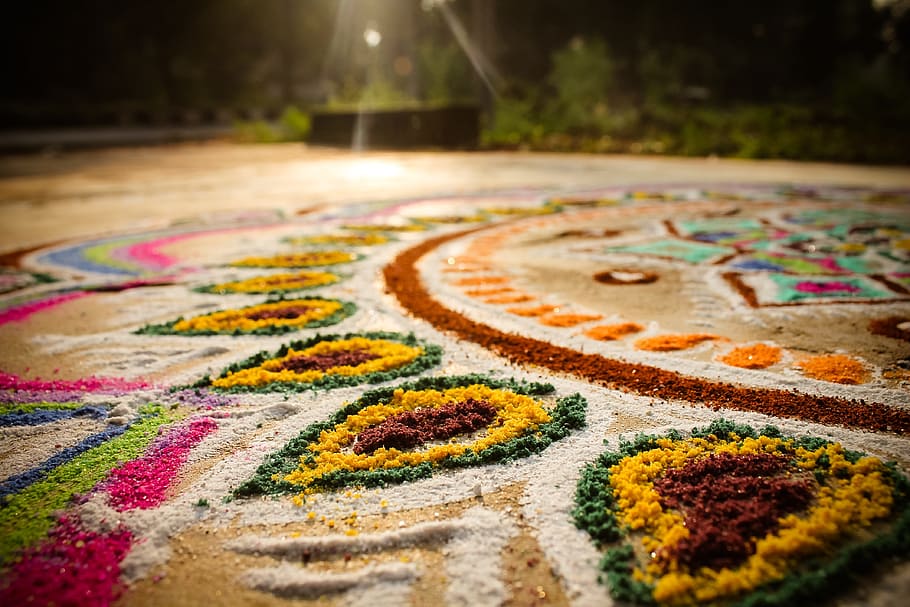
In this festival ‘Pookalam’ , which is called floral rangoli in general, is an attraction. It is known as Onapookalam or Pookalam. There are so many types of flower, basically marigold is the main blossom. It is decorated particularly at the entry point and temple premises like a flower mat. On Atham the Pookalam is called Athspoo and for this day it is comparatively small in size. It grows in size gradually with each day of this festival. In this Pookalam the Dasapushpam (10 types of flower) is used. In Kerala Pookalam competitions are common everywhere on Onam day.

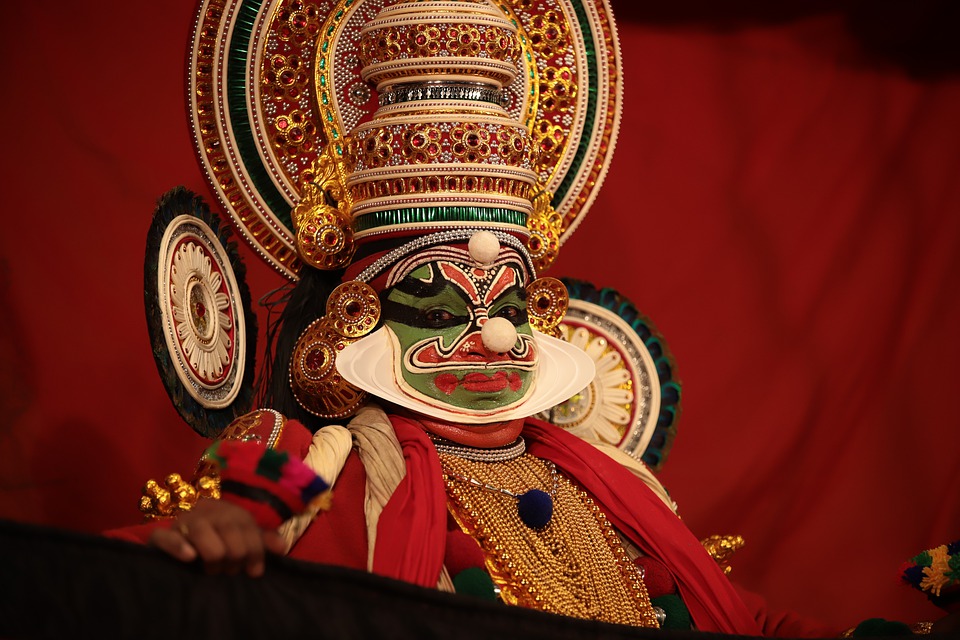
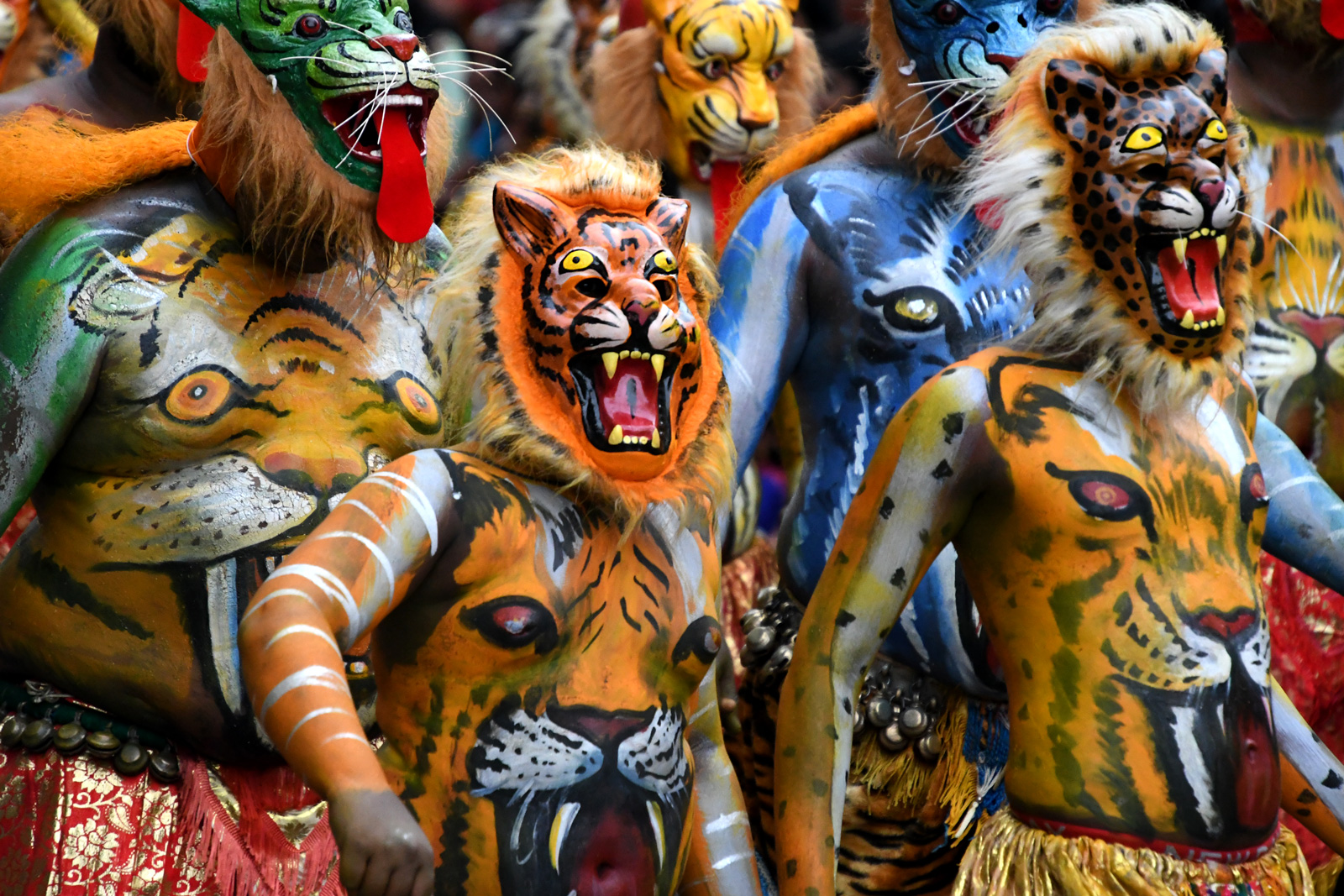
In this festival there are so many types of traditional dance performed like Kathakali , Pulikali, Kummattikali, Thumbi Thullal, Onam Kali etc. Thiruvathira Kali is a women’s dance, where they circle around a lamp. Kummattikali , which is a colorful-mask dance. In Thrissur, festivities include a procession consisting of caparisoned elephants surrounded by Kummatikali dancers. Onam Kali is a form of dance where players circle around a pole or tree or lamp,dance and sing songs from the Ramayana and other epics.  Kathakali is the most famous dance type. 

Pulikali is a different type of dance which is known as Kaduvakali during this festival where the performer is painted like tigers in bright yellow, red and black, and dances to the beats of instruments like Chenda and Thakil. It is a type of folk dance.

Another amazing part of this festival is Vallamkali which is a snake boat race. In this boat race numerous oarsmen row huge snake-shaped boats and men and women come from far and near to watch and cheer the snake boat race through the water. Particularly it happened on the Pampa River.

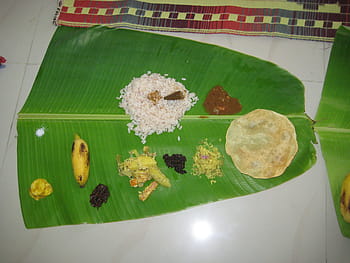
The Onam sadya, which is the feast, is  another amazing part of Thiruvonam and it is observed in every Keralite attempt . Chips , Sharkaraveratti ,Pappadam, various vegetable and soups such as Injipuli, Thoran, Mezhukkupuratti, Kaalan, Olan, Avial, Sambhar, Dal served along with a small quantity of ghee, Erisheri, Moloshyam, Rasam, Puliseri, Kichadi and Pachadi, Moru , Pickles both sweet and sour, and coconut chutney are the menu.

So it is the very interesting festival of our colourful India which is more colourful and delightful to us.

HOLI : FESTIVAL OF COLOURS

INTRODUCTION

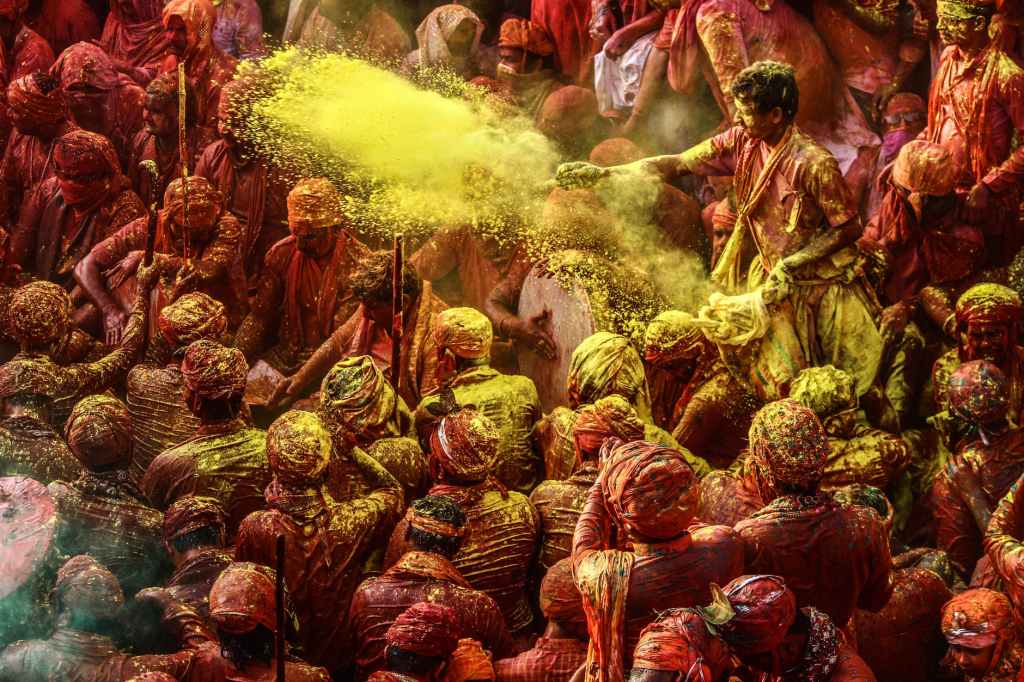
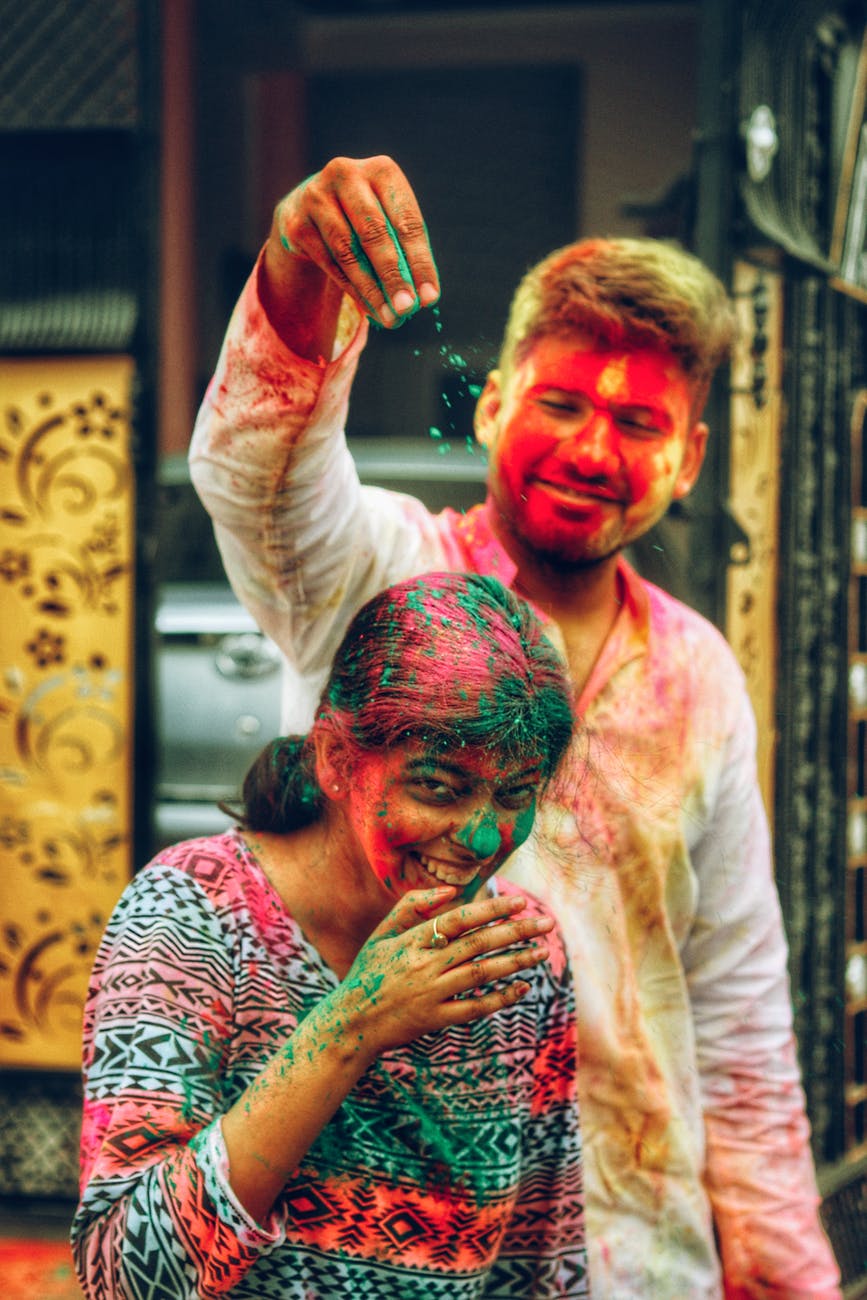
Holi is also known as the “festival of colors” in which people celebrate the day. They throw and splash the colors over friends and family. It is celebrated in the spring season of the year. It is celebrated every year by all people across the country, no matter what their faith or race is. The quality of colors are some things that bring a heap of positivity in our lives. Holi is the festival of colors. Holi is a known Hindu festival celebrated in each part of Bharat with utmost joy and enthusiasm.

HISTORY OF THE FESTIVAL

The ritual starts by lighting up the bonfire in the future before the day of Holi. This process symbolizes the triumph of excellence over the bad. On this day people play with colors with their friends and families. In the evening, they show love and regard to their close ones and celebrate it by distributing sweets. According to Indian mythology, Holi is celebrated on the occasion of the demolition of the demoness Holika by Lord Vishnu. Holika was the sister of Hiranyakashipu. Hiranya kashipu thought himself to be god and ordered others to worship him as god. He thought that no one could beat him. He also thought that he was immortal. He would kill anyone whoever didn’t follow him because of God. Hiranya kashipu had a son named Prahlad who didn’t follow his father as a god.

Due to this reason Hiranyakashipu tried to kill Prahlad. On the other hand, Prahlad idolized Lord Vishnu. Holika had an extraordinary power that she didn’t get burned from the fireplace — once wearing a unique garment. Thus, Hiranya kashipu created an idea to kill Prahlad. He planned to keep Prahlad within the lap of Holika and make her sit in a burning fire, as a result Prahlad will be burnt to death in fire. It’s believed that it had been the firm religion of Prahlad. In Vishnu, that caused the garment to hide Prahlad.

Later, Lord Vishnu appeared within the sort of Narsingh and killed Hiranya kashipu together with his claws by putting him in his lap so that the people were free from the demoness Holika and demon Hiranya kashipu. And from that day they celebrated the occasion by smearing the ash of Holika over one another. In this way the festival Holi originated. People play with colors on the day of Holi; they eat sweets and celebrate. These bright colors represent our feelings. Kids have the foremost fun at this festival by playing with colors. Balloons stuffed with colored water, pichkaris, and buckets full of colored water.

HOW IT IS CELEBRATED

On the day before Holi, we celebrate Holika Dahan. People collect wood and put fire in it. Then we celebrate it by singing songs round the hearth from that woodpile. It is dedicated to honour the myth of burning Holika and the protection of Prahlad from that fire. There is no Holi without colours. In this festival we throw colours upon one another. This is the primary means of celebrating Holi. Since Holi is known throughout the start of the spring season, the colors symbolize the recent harvest and fresh fruits and vegetables that are about to be harvested that season. The vibrant colors used to celebrate Holi’s essay in English welcome the spring season. And nothing will boost our energy state because of the bright colors.

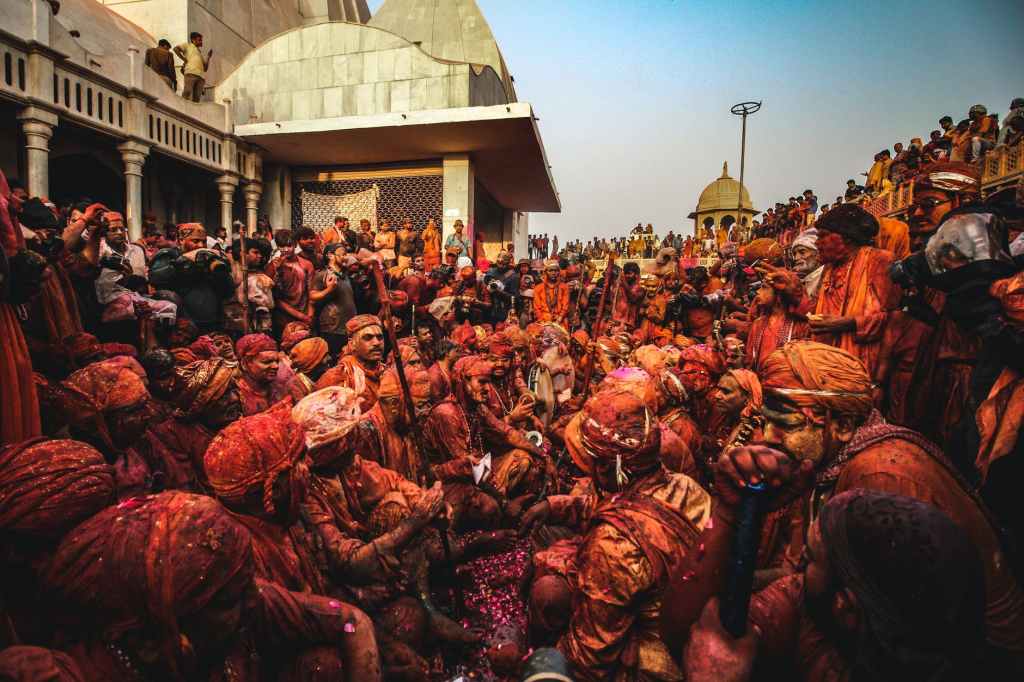
 At night people light the fire. People supply crude coconut and corn to the fireplace. The second day is the celebration of shading or “Dhuleti,” celebrated by sprinkling hued water and applying hues to at least one another. Dwarka, a dry land town of Gujarat, observes Holi at the Dwarka dheesh sanctuary and with broad satire and music festivities. Barsana, a neighboring city Mathura within the Braj scene of state. They celebrate lathmar Holi within the rambling compound of the Radha rani sanctuary.

Thousands of people accumulate to look at the lath Mar Holi once women beat up men with sticks. As those on the side-lines finally, end up insane. Everyone sings Holi melodies and yells “Shri Radhey” or “Sri Krishna.” Several foreigners visit India throughout the time of Holi to experience our culture.

Since children are thus excited about throwing colors on others, they’ll find themselves hurting others. Each festival includes a purpose. We must always celebrate it in an exceedingly good method and maintain the spirit of the festival. Holi festival is an image of our nation, and since everybody widely knows. Holi, despite caste and creed, it shows to the globe nations; yet, united we are. Holi festival brings people even a lot of firmly and makes them happier.

WARLI- THE TRIBAL ART

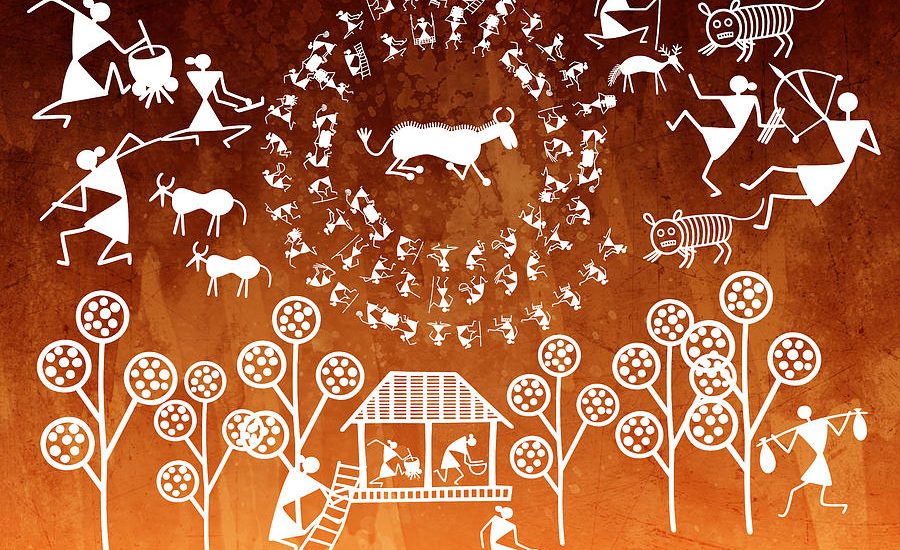
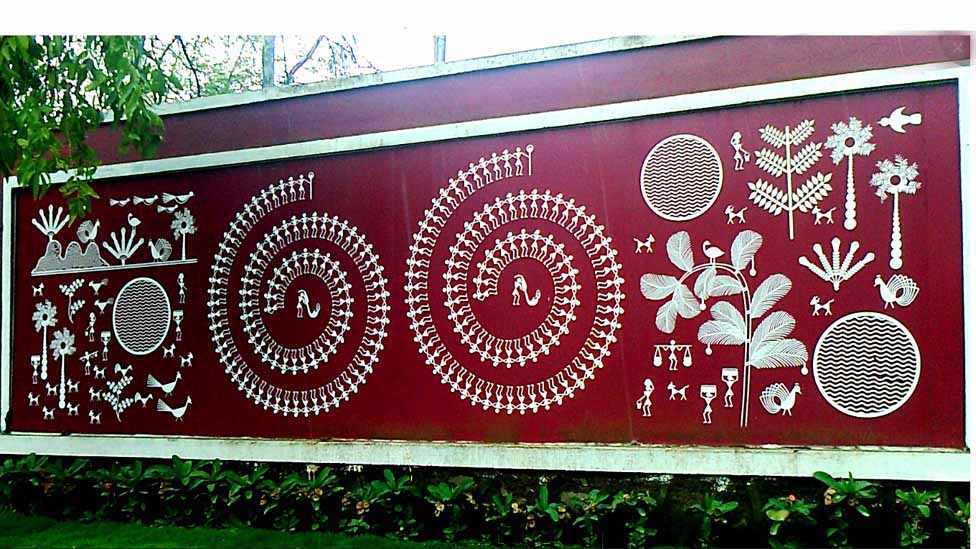
Tribal art is the visual arts and material culture of indigenous people. Warli is one of the Tribal art forms. India is a place of culture and Warli is a cultural folk style art. It is created by the tribal people from North Sahyadri Range in Maharastra, India. 

Warli painting traditions in Maharashtra are among the finest examples of folk culture. The Warli painting is created with the concept of Mother Nature and elements of nature. This type of painting was not discovered until the 1970s.Warli art is believed to have originated 2000years ago. 

The Warli painter’s main way of their life is farming and a large source of food for the tribe. So they greatly respect nature and they create the Warli art by centering this. The Wrli artists use their clay huts as the canvas.Basically this art is too simple to draw. It is characterized as geometrical shapes. The walls are only decorated to mark special occasions like weddings,festivals or harvests.

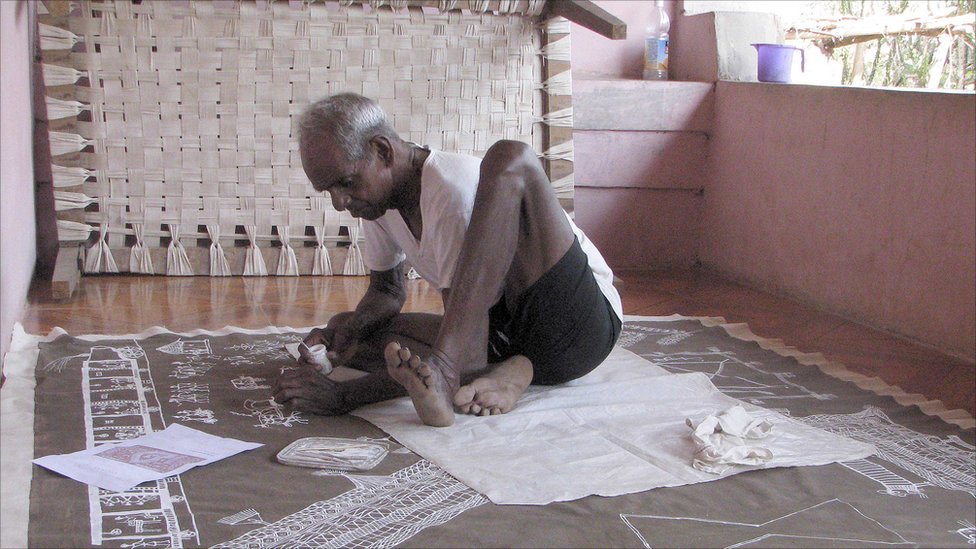
For this painting the preparation should be great. According to the Warli artists, to draw Warli on the clay huts there is some pre – preparation . Firstly , the walls should be covered by cow-dung, next earth and lastly with the reddish-brown terracotta paste. Then a paste of powdered rice and gum has to be prepared and as pens the artists use a thin stick of Baharu tree. And the upcoming result is the Warli paint. One interesting thing is there is no straight line in the Warli paint. The art is usually crooked lines, dots , circle , square , triangles and others geometric design. 

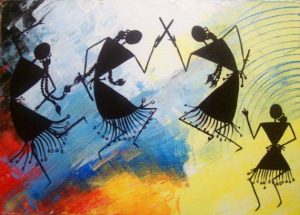
We must say that whoever discovers this art style he should be too intelligent because this art style has a symbol in every touch. This painting is a visual poetry where its evry symbols stand for a significance. Like, the circle represents the sun and moon. The  square represents the sacred land and the triangle represents trees and mountains. Square is the central motif in most of this type of painting. There is one more thing by which you will be more interested that is the central motif of this paint is such as pottery sense of hunting , fishing or farming , dancing or festive mode etc. Actually this type of painting indicates the daily life of villagers , which is apart from other modern art styles. You can notice in this art the ‘Tarpa dance’- actually tarpa is like any instrument , different men play it turn by turn. When music plays the villagers including men and women join their hands and move in a circle around the tarpa players.   

 But here I have a point to tell you that Jivya Soma Mashe , is the artist in Thane district who has played a great role in making Warli paint famous.

But all art is disappearing in this digital life . it is a matter of concern but all are not the same in this world. A few kind hearted people are still the same as they were in the past , and keep this wonderful traditional culturing art. Thus we can mention a saviour of this culture , Govardhan Eco Village in Thane district that keeps this painting alive by providing Warli artists a platform to display their art. In 2016 a group of Japanese artists made an effort to keep this art alive. They adopted the Ganjad village in Palghar district. To promote this art , this Japanese group has also been decorating huts according to the formula of Warli paint. By the way, Dahanu is one more village to keep this painting alive .  

Indian festivals!

Festivals in India are celebrated in many parts of India, as India is subdivided into different Linguistic States. The local Government in each State also specifies certain festivals, in addition to Central Government festivals and holidays, depending on the local population which have elected them.

INDIA

INDIA
Festivals of India


Festivals in India
Festivals in India are celebrated in many parts of India, as India is subdivided into different Linguistic States. The local Government in each State also specifies certain festivals, in addition to Central Government festivals and holidays, depending on the local population which have elected them.

India is a multi-cultural country
India is a multi-cultural country, and it is reflected in the Festivals of India: Festivals of India is about various social, religious, and national festivals celebrated in different parts of India. India has been rightly described as a sub-continent and of its major festivals, many are region-specific festivals too. There are many festivals which are celebrated as national festivals; while a number of them are celebrated by members of particular religious or social groups. India is a land of festivals. These Indian festivals bind all Indians together of different castes, religions, etc there is no discrimination while celebration. When there is no discrimination then it is called INDIA.


The major festivals are from religious groups as under:


Diwali or Deepawali
Dussehra
Raksha Bandhan
Krishna Janmastami
Ugadi
Maha Shivaratri
Ramanavami
Makar Sankranti
Holi
Pongal
Onam
Bonalu
Hanuman Jayanthi
Vasant Panchami
Thaipusam
Chaitra Navratri
Gangaur Festival
Mahavir Jayanti
Rath Yatra
Mahavir Jayanti
Guru Purnima
Ganesh Chaturthi
Maharishi Valmiki jayanti
Karva Chauth
Dhanteras
Govardhan Puja
Bhai Dooj
Eid-ul-Fitr
Muharram
Ramzan
Barawafat
Milad-Un-Nabi
Giaravahin Sharif
Hazarat Ali’s Birthday
Shab-e-Barat
Jamat-Ul-Vida
Id-ul-Zuha (Bakrid or Eid-Ul-Zuha)
Good Friday
Easter
Christmas
Losar
Buddha Purnima
Hemis Gompa
Ullambana
Guru Nanak’s Birthday Jayanti
Guru Govind Singh’s Birthday Jayanti
Guru Teg Bahadur’s Martyrdom Day
BaisakhiMJNJ

And many more! But this is the power of our Indian culture we celebrate all of the festivals together and happily.

FESTIVALS

A festival is an event ordinarily celebrated by a community and centering on some characteristic aspect of that community and its religion or cultures. It is often marked as a local or national holiday.

Festivals are larger than life celebrations of various things. They occur at regular intervals and helping in breaking the monotony of life. Furthermore, they give you the chance to celebrate the little and big things in life. Festivals are the carriers of peace and joy in the communities.

Festivals are perfect learning experiences to teach moral values . Festivals are full of excitement, celebration and happiness. They not only bring joy to our homes but also brings families together.

Some of the benefits of festivals are :

•Keeps us closer to our religion and tradition.

•Promotes harmony.

•Carrying the message of the past generations to the present and future.

•Festival celebrations promote communal harmony.

•We get to know about different religions.

• Helps to preserve our culture and heritage.