“A business that makes nothing but money is poor business.” This is a well known and most commonly used quote of Henry Ford, an Amercian Industrialist and the founder of Ford Motor company. This quote clearly expresses that a business should not only aim for profit maximisation , there are various other responsibilties that one should bear. Ethical business not only means to have a good relationship with the customer but also to protect the health of consumers and other citizens. But how of many businesses are following such practices? How many are following the guidelines provided by the government? How many are ensuring the life protection of the workers?
A common agenda of most of the businesses these days is ‘profit-maximisation’ and in order to achieve this goal they tend to forget that if they are taking something from the society , they need to give something back. The enrionmental havoc that many industries are creating just to earn profit is beyond imagination and unfathomable. Top four industries that contribute to global warming and other environmental hazards are Fertilizer industry, Tannery industry , Pesticides industry, Chemical industry. Central Pollution Control Board classified The Indian Fertilzer Industry under ‘red catregory’ which is really a matter of concern. Not only this , CPCB also stated that out of 52% plants, assessed in study, 12 plants received directions or show cause and even closure notices for water pollution and air pollution and solid waste management. All these figures clearly indicates the irresponsibility and carelessness of businesses.
In the era where every industries and businesses focusses on gaining profit there are certain businesses which are balancing both ethics and profits.One of such corporation is Anand Milk Union Limited (Amul). Amul is really setting an example for ethical business by providing jobs to around 12 million small farmers. They do not lean on big farmers rather they collect milk from small farmers, benefitting both the service industry and the Corporation. These small producers are grouped in nearly 108547 village – level dairy corporation society. According to data, India’s milk production has increased from 21.2 million metric tons in 1968-69 to 88.1 million metric tons in 2003-2004. These figures are gradually increasing year by year. Not only Amul , in 2018 seven leading industries namely Adidas , Method, Norton Point, West Paw, Clifbar, Waitrose, Rubbermaid, took up ‘End Plastic Pollution’ Campaign in order lessen the plastic pollution.
All the above examples suggests that it is possible to do business keeping ethics in mind. In a run long for a business to survive and thrive , community service and profit should go hand in hand . There are many ways through which a business can cater service to the needy or environment. ‘Cleaning Campaigns’, ‘charitable works’, ‘donation,’ ‘providing jobs to the lower class people’ are some of the ways to balanace profit and ethics. If business follows “one must clean his own mess” rule it will not only gain public support and profit , but also it will set example for other businesses to follow.
Global warming as we know is an increase in the temperature of Earth atmosphere.a gradual increase in the overall temperature of the earth’s atmosphere
HOW BAD IS GLOBAL WARMING ?
Global warming is causing the earth average surface temperature to increase causing changes to our natural climate system.The changes are making extreme weather events more likely and more server
GLOBAL WARMING CAUSES
• Most of the causes of global warming to human activities
–Pollution
–Deforestration
–Urbanization
• Greenhouse gases play and enormous role in a global warming as they absorb the heat and causes the Earth’s temperature rise.
Worldwide Warming could be a term nearly everybody is recognizable with. But, its meaning is still not clear to most of us. So, Global warming alludes to the continuous rise within the by and large temperature of the air of the Soil. There are different exercises taking put which have been expanding the temperature slowly. Worldwide warming is softening our ice ice sheets quickly. Usually greatly harmful to the earth as well as people. It is very challenging to control worldwide warming; in any case, it isn’t unmanageable. The primary step in fathoming any issue is distinguishing the cause of the issue. Hence, we ought to to begin with get it the causes of worldwide warming that will offer assistance us continue advance in tackling it. In this paper on Worldwide Warming, we are going see the causes and arrangements of Worldwide Warming.
Worldwide warming has gotten to be a grave issue which needs unified consideration. It isn’t happening since of a single cause but a few causes. These causes are both normal as well as artificial. The common causes incorporate the discharge of nurseries gasses which are not able to elude from soil, causing the temperature to increase. Further, volcanic ejections are moreover dependable for global warming. That’s to say, these ejections discharge tons of carbon dioxide which contributes to worldwide warming. So also, methane is additionally one enormous issue capable for worldwide warming.
Around the world warming has gotten to be a grave issue which needs bound together thought. It isn’t happening since of a single cause but a couple of causes. These causes are both ordinary as well as manufactured. The common causes consolidate the release of nurseries gasses which are not able to elude from soil, causing the temperature to extend. Advance, volcanic launches are in addition reliable for worldwide warming. That’s to say, these discharges release tons of carbon dioxide which contributes to around the world warming. So moreover, methane in addition one gigantic issue competent for around the world warming.
As expressed prior, it may well be challenging but it isn’t completely incomprehensible. Worldwide warming can be ceased when combined efforts are put in. For that, people and governments, both need to take steps towards accomplishing it. We must start with the diminishment of nursery gas. Furthermore, they have to be screen the utilization of gasoline. Switch to a half breed car and diminish the discharge of carbon dioxide. Additionally, citizens can select open transport or carpool together. Along these lines, reusing must moreover be energized.
For occurrence, once you go shopping, carry your own cloth bag. Another step you’ll be able take is to constrain the utilize of power which is able anticipate the discharge of carbon dioxide. On the government’s portion, they must control mechanical squander and boycott them from emanating destructive gasses within the discuss. Deforestation must be ceased instantly and planting of trees must be energized.
In brief, all of us must realize the reality that our soil isn’t well. It has to treatment and able to offer assistance it mend. The show era must take up the obligation of ceasing worldwide warming in arrange to anticipate the enduring of future eras. In this manner, each small step, no matter how little carries a part of weight and is very critical in halting worldwide warming.
Although the terms global warming and climate change are often used interchangeably, they apply to different phenomena. Climate change refers to changes in Earth’s temperature, humidity, air pressure, wind, clouds, and precipitation patterns over time. Global warming is a contributing factor to climate change and refers specifically to the effect of greenhouse gases on Earth’s average surface temperature. When discussing rising temperatures caused by greenhouse gases, global warming is an acceptable term. However, climate change is the more accurate term when describing other long-term changes to the planet’s weather patterns.
The term global warming first appeared in geochemist Wallace Broecker’s 1975 Sciencemagazine article, “Climatic Change: Are We on the Brink of a Pronounced Global Warming?” Scientists began studying the effect of greenhouse gases on Earth’s climate more than a century prior, however, as early as 1820. It was during this time that French scientist Joseph Fourier first discovered that Earth’s atmosphere functions to retain the sun’s heat. In the early 1900s, Serbian astrophysicist Milutin Milankovitch also identified the long-term climate effects of natural fluctuations in Earth’s orbit as well as the tilt and precession of its axis. Since then, scientists and policymakers have worked to better understand the workings of the atmosphere, as well as how to respond to challenges created by climate change.
Causes of Climate Change
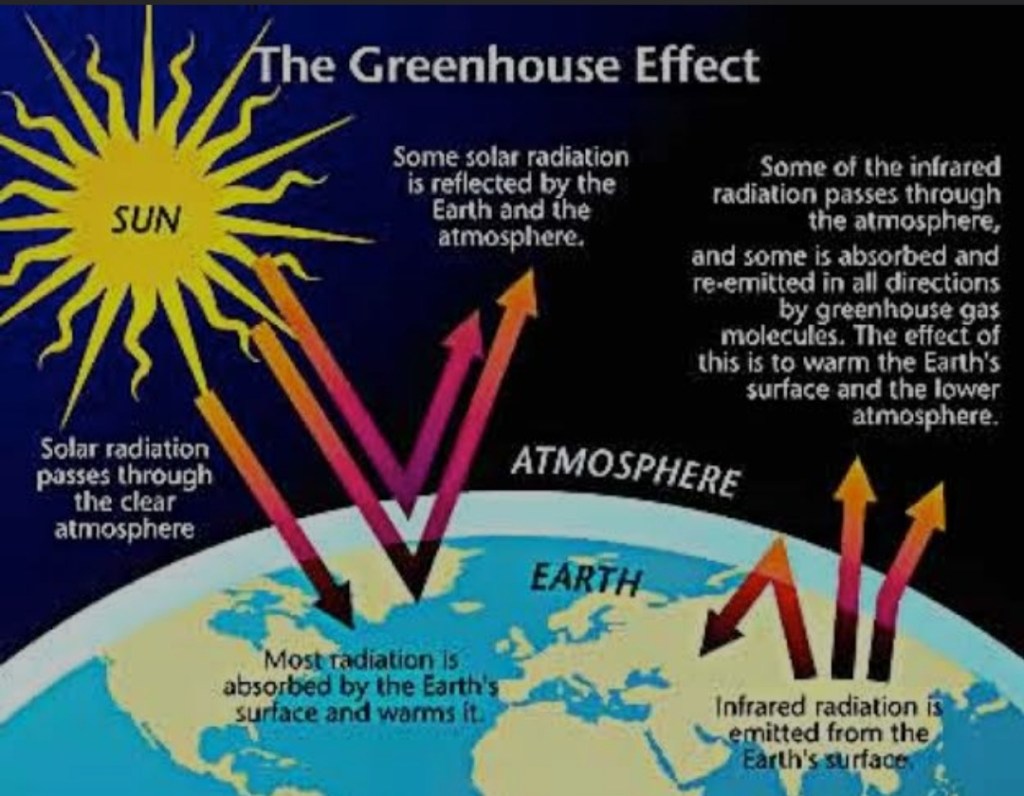
Earth’s atmosphere contains various gases that act as a blanket to trap heat from the sun and prevent it from escaping back into space. This process is known as the greenhouse effect, and the gases are referred to as greenhouse gases. The main greenhouse gases that occur in nature are carbon dioxide, methane, and nitrous oxide. Without the greenhouse effect, the planet would be too cold to support life. Over time, the amount of greenhouse gases trapped in Earth’s atmosphere has increased significantly, causing worldwide temperatures to rise.
Natural processes on Earth constantly create and destroy greenhouse gases. The decay of plant and animal matter, for example, produces carbon dioxide, which plants then absorb during photosynthesis. This natural cycle keeps the level of carbon dioxide in the atmosphere fairly stable. Shifts in the planet’s crust and changes in ocean patterns impact weather, as do fluctuations in the sun’s output of radiation. Volcanic activity also affects the climate because eruptions discharge greenhouse gases and other pollutants into the atmosphere. Climate change scientists at the National Aeronautics and Space Administration (NASA) and other federal and international agencies recognize that these natural factors continue to play a role in climate change but contend that the impact of these factors alone does not explain the substantial rise in Earth’s temperature. Natural causes of climate change are referred to as naturogenic, while human-made causes of climate change are referred to as anthropogenic.
Earth’s vegetation releases and absorbs more than two hundred billion metric tons of carbon dioxide annually. Human activities, such as the burning of fossil fuels, add an extra seven billion metric tons per year. Over time, these additions have had a dramatic effect on the atmosphere. In the past 150 years, the concentration of carbon dioxide in the atmosphere has risen by more than 30 percent. Deforestation has also played a role in this increase by eliminating forests that would otherwise absorb tons of carbon dioxide.
Increased levels of other greenhouse gases such as nitrous oxide and methane have also resulted from human activities. Several agricultural and industrial activities, such as the use of certain fertilizers in agriculture, produce nitrous oxide. Methane emissions come from the production of fossil fuels, from landfills, and from livestock. These gases may cause even more harm than carbon dioxide, even though less of them exist, because they have a much greater effect per pound on Earth’s temperature. Methane, for example, is a greenhouse gas that is twenty-one times as potent as carbon dioxide. Beginning in October 2015, a methane gas leak from a California storage facility vented about five billion cubic feet of gas into the atmosphere. The leak took more than three months to seal and was finally capped on February 18, 2016. The incident constituted the largest accidental discharge of greenhouse gases in US history, releasing the equivalent of the yearly exhaust emissions from 572,000 automobiles.
Humans have created and released greenhouse gases that do not occur in nature. These include hydrofluorocarbons (HFCs), perfluorocarbons (PFCs), and sulfur hexafluoride (SF6). These gases, released during such industrial processes as aluminum production and electrical transmission, have thousands of times greater effect on the planet’s temperature than carbon dioxide.
Global warming is the long-term warming of the planet’s overall temperature. Though this warming trend has been going on for a long time, its pace has significantly increased in the last hundred years due to the burning of fossil fuels.
As the human population has increased, so has the volume of fossil fuels burned. Fossil fuels include coal, oil, and natural gas, and burning them causes what is known as the “greenhouse effect” in Earth’s atmosphere.
The greenhouse effect is when the Sun’s rays penetrate the atmosphere, but when that heat is reflected off the surface cannot escape back into space. Gases produced by the burning of fossil fuels prevent the heat from leaving the atmosphere.
These greenhouse gasses are carbon dioxide, chlorofluorocarbons, water vapor, methane, and nitrous oxide. The excess heat in the atmosphere has caused the average global temperature to rise overtime, otherwise known as global warming.
Global warming has presented another issue called climate change. Sometimes these phrases are used interchangeably, however, they are different. Climate change refers to changes in weather patterns and growing seasons around the world.
It also refers to sea level rise caused by the expansion of warmer seas and melting ice sheets and glaciers. Global warming causes climate change, which poses a serious threat to life on earth in the forms of widespread flooding and extreme weather. Scientists continue to study global warming and its impact on Earth.
“Global warming is a term that refers to a steady rise in the average temperature of the Earth’s atmosphere and oceans, a phenomenon that is thought to be irreversibly altering the Earth’s climate.” The increase in the average global temperature of the Earth is used to measure global warming. Some sections of the Earth may become colder as our average global temperature rises, while others may become warmer—hence the concept of average global temperature. Atmospheric heating and agitation induced by greenhouse gases increase the unpredictability of weather and climate, as well as the severity, scale, and frequency of storms, droughts, wildfires, and severe temperatures. The gases in the atmosphere that absorb and release heat radiation include water vapour, carbon dioxide, methane, nitrous oxide, and ozone. Increasing or lowering the amount of greenhouse gases in the atmosphere causes the sun’s heat to be trapped or released more.
Causes of global warming:
Fossil fuel combustion: CO2 pollution is released into the atmosphere when fossil fuels such as coal and gas are burned to generate energy or power our cars. Burning coal, oil, and gas produces carbon dioxide, the most major greenhouse gas in the atmosphere, as well as nitrous oxide, which is certainly the initial source of global warming.
Deforestation: Forest exploitation is a significant contributor to global warming. By absorbing CO2 from the atmosphere, trees aid in climate regulation. When trees are cut down, the carbon contained in them is released into the atmosphere, negating the positive effect. Forests and wilderness serve as carbon sinks, helping to keep global warming below 1.5 degrees Celsius. Humans, on the other hand, clear enormous swaths of land for farming, urban and infrastructural development, and the sale of tree products like lumber and palm oil all over the world. When vegetation is cut down or burned, the stored carbon is released as CO2, contributing to global warming.
Farming & Agriculture:Methane is a greenhouse gas produced by livestock, such as sheep and cattle. The amount of methane created by livestock grazing on a vast scale, such as in Australia, contributes significantly to global warming. Intensive farming, which includes not just ever-increasing livestock but also plant protection products and fertilizers, is another contributor to global warming. When cattle and sheep digest their food, they produce enormous volumes of methane, whereas fertilizers emit nitrous oxide.
Mining:The mining and metallurgical industries are vital to modern living. Metals and minerals are the raw materials that are used to create, transport, and manufacture items. This market accounts for 5% of all greenhouse gas emissions from extraction to distribution. Decarbonization initiatives across industries may result in significant shifts in commodity demand for the mining industry. Governments, investors, and society will put pressure on the mining sector, which is responsible for 4 to 7% of global greenhouse gas (GHG) emissions, to reduce emissions.
Eruption of a Volcano: When volcanoes erupt, they release large amounts of carbon dioxide. Volcanoes have a minor impact on global warming, and eruptions result in short-term global cooling because ash in the air reflects more solar energy. Volcanic eruptions release gases and dust particles into the atmosphere, which have an impact on the climate. The majority of the particles ejected by volcanoes cool the earth by shielding it from the sun’s rays. Depending on the features of the eruption, the cooling impact can continue anywhere from months to years.
How could it be possible that when the time gets worse we often ignore the vulnerable?
Nikhil Meshram
We are living in the world , where no one can intrude . A life , where you can’t touch the one you want . A life, where one has to stay away from his own . A life , where no one can go in one’s home . Yes , it’s a life we are living ‘ A life of a LOG’ .
Coronavirus , I believe it’s not a new word in your dictionary . This eleven letter word creating a massive destruction all over the world . I know you are well aware but the real question is , are you following the protocols properly?
Firstly let’s get some knowledge about coronavirus.
The origin .
The recent outbreak began in Wuhan, a city in the Hubei province of China. Reports of the first COVID-19 cases started in December 2019.
Coronaviruses are common in certain species of animals, such as cattle and camels. Although the transmission of coronaviruses from animals to humans is rareTrusted Source, this new strain likely came from bats, though one study suggests pangolins may be the origin.
However, it remains unclear exactly how the virus first spread to humans.
Some reports trace the earliest cases back to a seafood and animal market in Wuhan. It may have been from here that SARS-CoV-2 started to spread to humans.
Coronaviruses are a group of viruses that can cause disease in both animals and humans. The severe acute respiratory syndrome (SARS) virus strain known as SARS-CoV is an example of a coronavirus. SARS spread rapidly in 2002–2003.
The new strain of coronavirus is called severe acute respiratory syndrome coronavirus 2 (SARS-CoV-2). The virus causes coronavirus disease 19 (COVID-19).
Around 80%Trusted Source of people with COVID-19 recover without specialist treatment. These people may experience mild, flu-like symptoms. However, 1 in 6 peopleTrusted Source may experience severe symptoms, such as trouble breathing.
The new coronavirus has spread rapidly in many parts of the world. On March 11, 2020, the World Health Organization (WHO)Trusted Source declared COVID-19 a pandemic. A pandemic occurs when a disease that people are not immune to spreads across large regions.
It’s okay take a deep breath . Yes, it’s a lot to take in but we all know how china played with the whole world .
The protocols.
Wear masks ,
Wash hands ,
Use sanitizers ,
Social distancing , etc,.
Is it important to follow protocols ?
You say NO , I say ‘if you want to die you can easily ignore the protocols ’ . Well I don’t want to die , I have my whole 20s , 30s and so on…… .
According to the survey, people have been moving around freely, meeting different social groups and attending gatherings, going to malls and markets. This indicates that a pandemic fatigue has set in after after a year of restrictions on movement, social distancing and strict mask wearing norms.
Well , if you are saying this is what following protocols is than I am happy to stay home rather than chilling around like a monkey . Like really , a monkey also has a common sense that when to do chilling and when to fight for himself . What we are doing is putting masks in our pocket to showcase the world that I have one . Haha it’s kinda funny .
We long to return to normal, but **normal led to this**. To avert the future pandemics we know are coming, we MUST grapple with all the ways normal failed us. We have to build something better. I hope this piece, in showing what went wrong, helps.
Global warming is the long-term heating of Earth’s climate system observed since the pre-industrial period (between 1850 and 1900) due to human activities, primarily fossil fuel burning, which increases heat-trapping greenhouse gas levels in Earth’s atmosphere.
What is global warming?
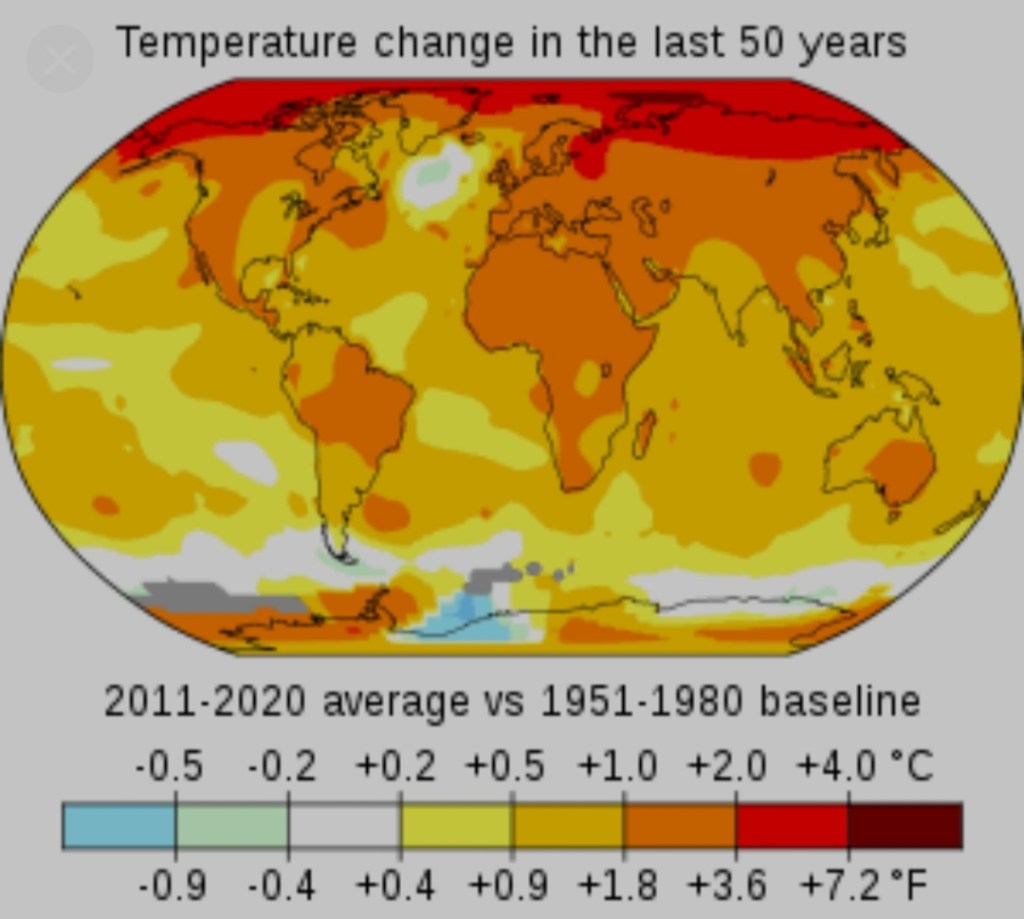
Since the Industrial Revolution, the global annual temperature has increased in total by a little more than 1 degree Celsius, or about 2 degrees Fahrenheit. Between 1880—the year that accurate recordkeeping began—and 1980, it rose on average by 0.07 degrees Celsius (0.13 degrees Fahrenheit) every 10 years. Since 1981, however, the rate of increase has more than doubled: For the last 40 years, we’ve seen the global annual temperature rise by 0.18 degrees Celsius, or 0.32 degrees Fahrenheit, per decade.
Now climate scientists have concluded that we must limit global warming to 1.5 degrees Celsius by 2040 if we are to avoid a future in which everyday life around the world is marked by its worst, most devastating effects: the extreme droughts, wildfires, floods, tropical storms, and other disasters that we refer to collectively as climate change. These effects are felt by all people in one way or another but are experienced most acutely by the underprivileged, the economically marginalized, and people of color, for whom climate change is often a key driver of poverty, displacement, hunger, and social unrest.
What is the causes of global warming?
Global warming occurs when carbon dioxide (CO2) and other air pollutants collect in the atmosphere and absorb sunlight and solar radiation that have bounced off the earth’s surface. Normally this radiation would escape into space, but these pollutants, which can last for years to centuries in the atmosphere, trap the heat and cause the planet to get hotter. These heat-trapping pollutants—specifically carbon dioxide, methane, nitrous oxide, water vapor, and synthetic fluorinated gases—are known as greenhouse gases, and their impact is called the greenhouse effect.
Curbing dangerous climate change requires very deep cuts in emissions, as well as the use of alternatives to fossil fuels worldwide. The good news is that countries around the globe have formally committed—as part of the 2015 Paris Climate Agreement—to lower their emissions by setting new standards and crafting new policies to meet or even exceed those standards. The not-so-good news is that we’re not working fast enough. To avoid the worst impacts of climate change, scientists tell us that we need to reduce global carbon emissions by as much as 40 percent by 2030. For that to happen, the global community must take immediate, concrete steps: to decarbonize electricity generation by equitably transitioning from fossil fuel–based production to renewable energy sources like wind and solar; to electrify our cars and trucks; and to maximize energy efficiency in our buildings, appliances, and industries.
What are the effects of global warming?
Each year scientists learn more about the consequences of global warming, and each year we also gain new evidence of its devastating impact on people and the planet. As the heat waves, droughts, and floods associated with climate change become more frequent and more intense, communities suffer and death tolls rise. If we’re unable to reduce our emissions, scientists believe that climate change could lead to the deaths of more than 250,000 people around the globe every year and force 100 million people into poverty by 2030.
1). Disappearing glaciers, early snowmelt, and severe droughts will cause more dramatic water shortages and continue to increase the risk of wildfires in the American West.
2). Rising sea levels will lead to even more coastal flooding on the Eastern Seaboard, especially in Florida, and in other areas such as the Gulf of Mexico.
3). Forests, farms, and cities will face troublesome new pests, heat waves, heavy downpours, and increased flooding. All of these can damage or destroy agriculture and fisheries.
4). Disruption of habitats such as coral reefs and alpine meadows could drive many plant and animal species to extinction.
5).Allergies, asthma, and infectious disease outbreaks will become more common due to increased growth of pollen-producing ragweed, higher levels of air pollution, and the spread of conditions favorable to pathogens and mosquitoes.
Though everyone is affected by climate change, not everyone is affected equally. Indigenous people, people of color, and the economically marginalized are typically hit the hardest. Inequities built into our housing, health care, and labor systems make these communities more vulnerable to the worst impacts of climate change—even though these same communities have done the least to contribute to it.
How is global warming linked to extreme weather?
Scientists agree that the earth’s rising temperatures are fueling longer and hotter heat waves, more frequent droughts, heavier rainfall, and more powerful hurricanes.
In 2015, for example, scientists concluded that a lengthy drought in California—the state’s worst water shortage in 1,200 years—had been intensified by 15 to 20 percent by global warming. They also said the odds of similar droughts happening in the future had roughly doubled over the past century. And in 2016, the National Academies of Science, Engineering, and Medicine announced that we can now confidently attribute some extreme weather events, like heat waves, droughts, and heavy precipitation, directly to climate change.
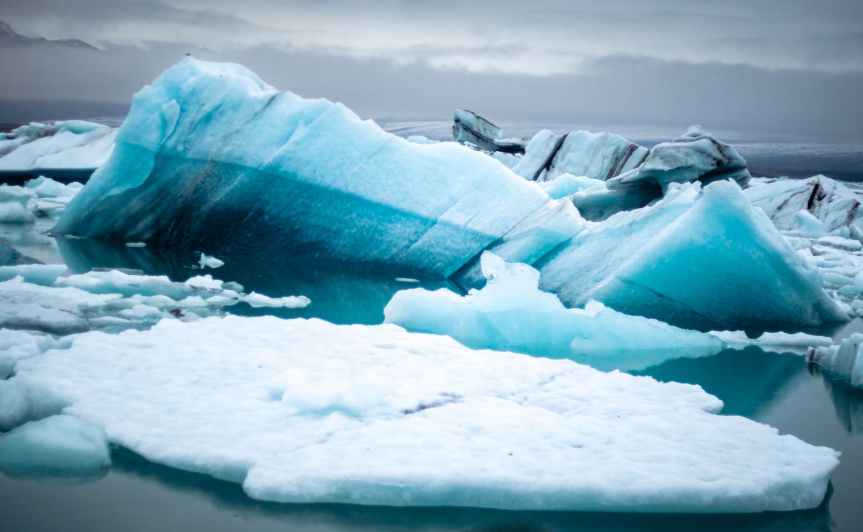
The impacts of global warming are being felt everywhere. Extreme heat waves have caused tens of thousands of deaths around the world in recent years. And in an alarming sign of events to come, Antarctica has lost nearly four trillion metric tons of ice since the 1990s. The rate of loss could speed up if we keep burning fossil fuels at our current pace, some experts say, causing sea levels to rise several meters in the next 50 to 150 years and wreaking havoc on coastal communities worldwide.
Is the United States doing anything to prevent global warming?
We’ve started. But in order to avoid the worsening effects of climate change, we need to do a lot more—together with other countries—to reduce our dependence on fossil fuels and transition to clean energy sources.
Under the administration of President Donald Trump (a man who falsely referred to global warming as a “hoax”), the United States withdrew from the Paris Climate Agreement, rolled back or eliminated dozens of clean-air protections, and opened up federally managed lands, including culturally sacred national monuments, to fossil fuel development. Although President Biden has pledged to get the country back on track, years of inaction during and before the Trump administration—and our increased understanding of global warming’s serious impacts—mean we must accelerate our efforts to reduce greenhouse gas emissions.
President Biden has made action on global warming a high priority. On his first day in office, he recommitted the United States to the Paris Climate Agreement, sending the world community a strong signal that we were determined to join other nations in cutting our carbon pollution to support the shared goal of preventing the average global temperature from rising more than 1.5 degrees Celsius above preindustrial levels. (Scientists say we must stay below a 2-degree increase to avoid catastrophic climate impacts.) And significantly, the president has assembled a climate team of experts and advocates who have been tasked with pursuing action both abroad and at home while furthering the cause of environmental justice and investing in nature-based solutions.
Is global warming too big a problem for me to help tackle?
No! While we can’t win the fight without large-scale government action at the national level, we also can’t do it without the help of individuals who are willing to use their voices, hold government and industry leaders to account, and make changes in their daily habits.
Wondering how you can be a part of the fight against global warming? Reduce your own carbon footprint by taking a few easy steps: Make conserving energy a part of your daily routine and your decisions as a consumer. When you shop for new appliances like refrigerators, washers, and dryers, look for products with the government’s ENERGY STAR® label; they meet a higher standard for energy efficiency than the minimum federal requirements. When you buy a car, look for one with the highest gas mileage and lowest emissions. You can also reduce your emissions by taking public transportation or carpooling when possible.
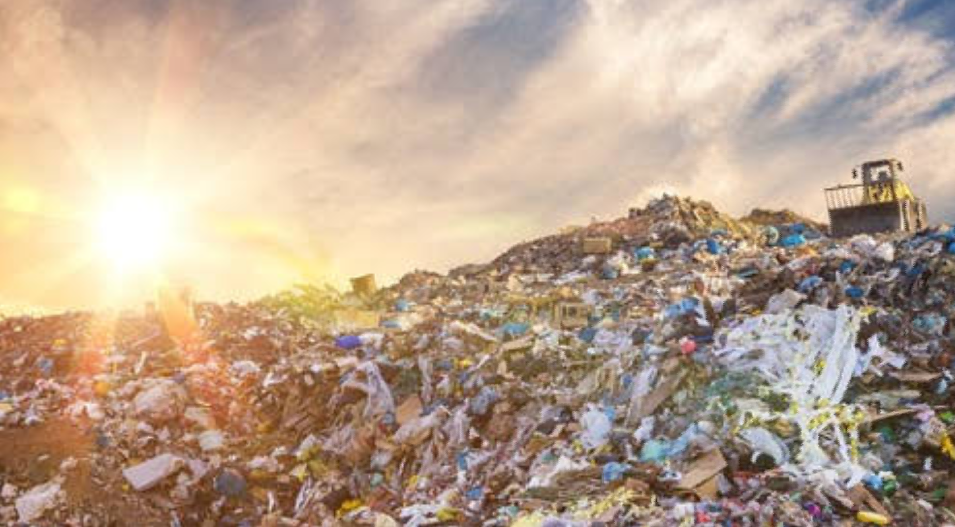
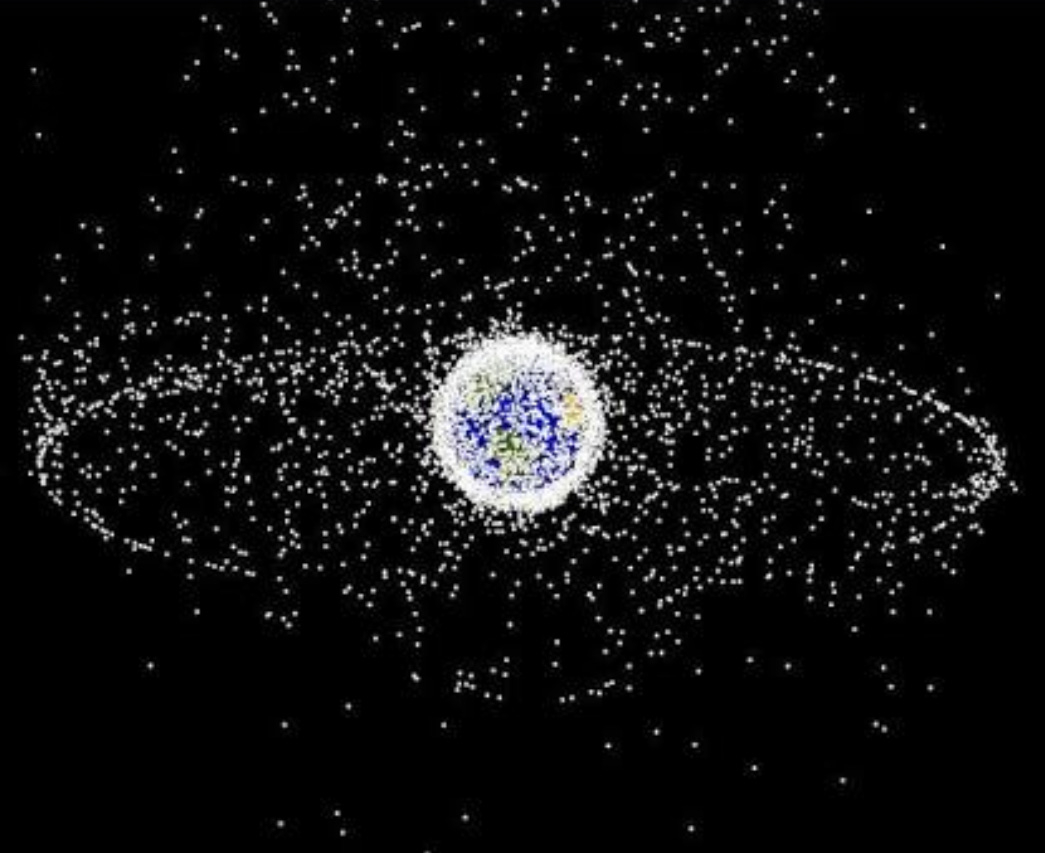
The world has so much problem with the waste production and dumping and landfills. We need more space. Why not send it to outer space? You know take some amount of trash at a time and send it to space and let it go. Sounds easy but turns out it isn’t that easy.
First of all it costs a LOT to send a spaceship into the space. We would need a large number of rocket launches to actually get rid of the insane amount of garbage the world produces(1.2 trillion kg). That way, the rise in air pollution… unimaginable. Also, complex infrastructure requirements! We need a lot more launch pads.
Suppose we do find a way to manage the costs and send a rocket filled with trash to be thrown out in the space. Imagine if some technical issue occurs and it blasts. It would rain burning plastic. Not good for the environment.
Even if we throw it out, the accumulation would make our atmosphere so dense that it would be a toxic world to live in. Also we couldn’t use satellites plus space travel would be tough. What if it comes floating back. Gross sight.
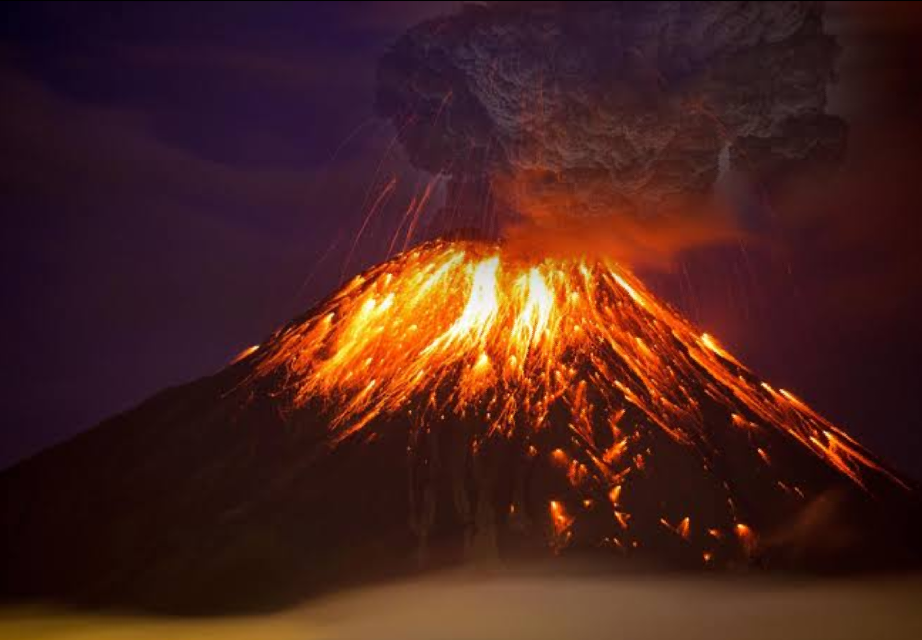
There’s another thing we could do. Burn the trash in the volcanoes. Trash incinerators have filters to filter out poisonous gases. In case of volcanoes filtering is not possible so again toxic world. Besides throwing something in the lava, disturbing the surface, would instantly trigger a chain reaction leading to an explosion. So not an option.
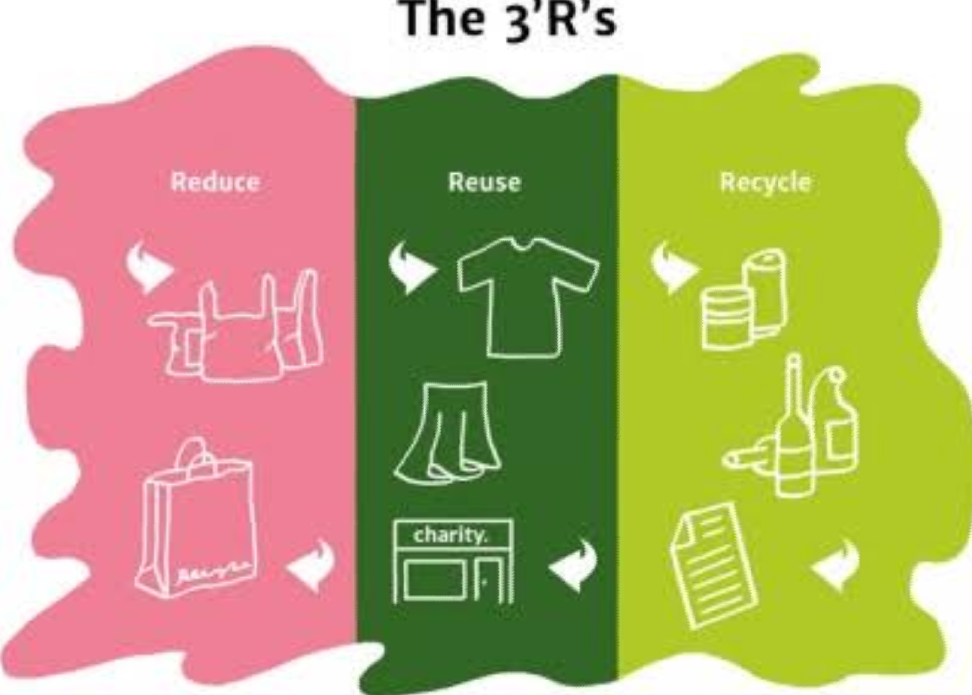
Guess we have to find other sources to convert the trash into some kind of energy. Maybe some day. Till then we need to manage our trash and follow the three R’s. (Reuse, Recycle, Reduce)
The phenomenon of rising temperatures of the Earth resulting in change of climate, seasons, rainfall patterns etc. Is called global warming. Global warming and its effects are together referred to as Climate Change. While these changes have been seen before but the rate of change has increased rapidly from the middle of the 20th century. Findings from different recognized scientific organizations support these claims. According to the Intergovernmental Panel on Climate Change (IPCC), “human influence on climate has been the dominant cause of observed warming since the mid-20th century”. The emission of greenhouse gases as a result of human activities have been one of the largest causes for this. Fossil fuels, Chloro-fluro carbons (CFCs), deforestation, rise in different forms of pollution are all behind this.
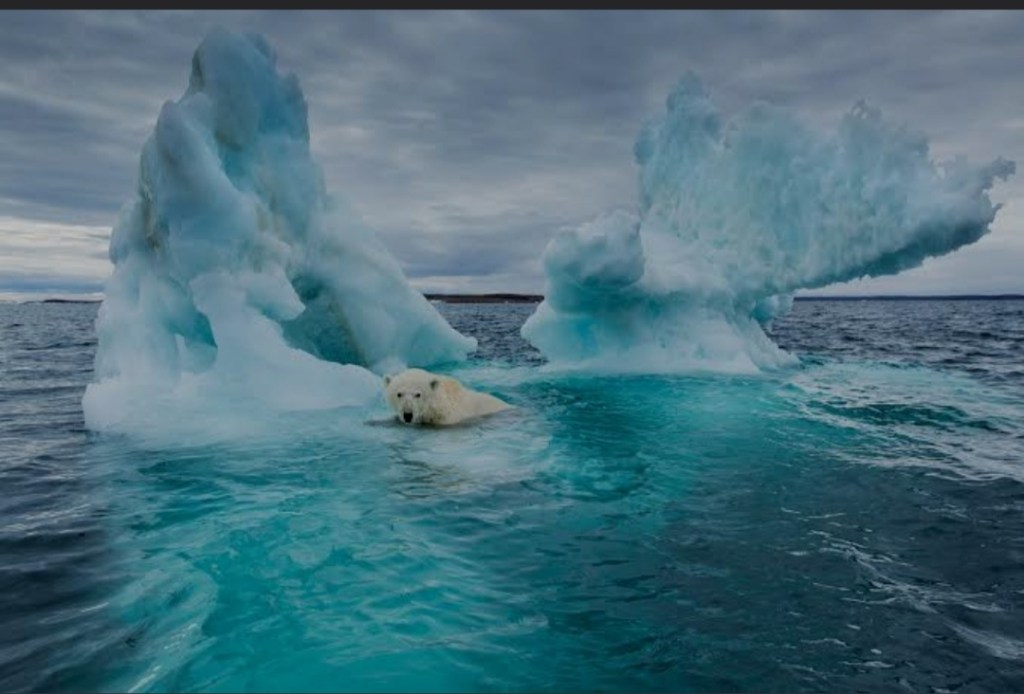
Temperature change is also accompanied by loss of snow cover, melting permafrost, frequent natural disasters like cyclones. Land surfaces heat more quickly which have resulted in heat waves, forest fires, increase in desert area. These temperature changes are the highest in the Arctic region. Changes in environmental conditions have led to extinction of several wildlife species in forests, coral reefs etc. Rising carbon dioxide emissions lead to rising sea levels, ocean temperatures and ocean acidification. These changes bring in frequent droughts, extreme weather conditions affecting the equilibrium and natural balance.
Almost all countries have come together for climate change under the umbrella of the United Nations Framework Convention on Climate Change (UNFCCC). The convention aims to “prevent dangerous anthropogenic interference with the climate system”. It has instructed policy makers that there is much greater risk to human and natural systems if the warming goes above 1.5 °C compared to pre-industrial levels. Under the Paris Agreement, nations have made climate pledges to reduce greenhouse gas (GHG) emissions, but even after following those, global warming would still reach about 2.8 °C by 2100. To prevent this from happening and limit the warming to 1.5 °C, methane emissions need to decrease to near-zero levels and carbon dioxide emissions should reach net-zero by the year 2050.
Governments should act immediately and policies should be constructed to reduce fossil fuel emissions, increase reforestation, forest prevention, use of low carbon energy technologies, food preservation. All societies should work together towards dealing with future global warming problems in a scientific way. Development of more resistant crops, better disaster management should also be considered.
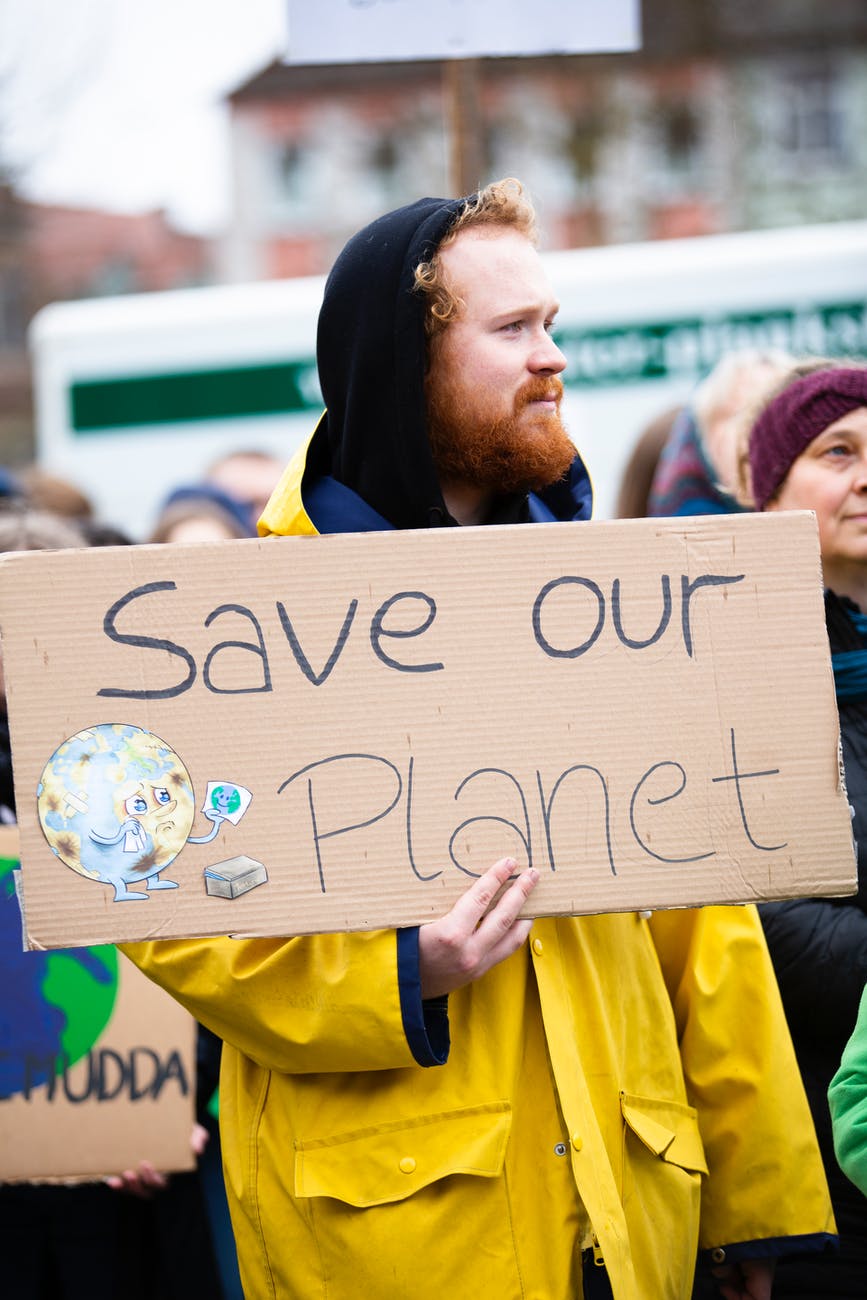
Several international movements have taken place like Fridays For Future where school students take time off from school to aware people and demand climate change action from governments. They demand action from political leaders of the world for the fossil fuel industry to convert to renewable energy and take immediate measures for climate change. This movement was publicised after Greta Thunberg started a protest outside the Swedish parliament with a poster saying “School strike for climate”. She is an environmental activist who has spoken at several internationally recognised platforms. She started her journey as an activist from the time when she had convinced her parents to change their lifestyle for reducing their carbon footprint. She is known for her straight forward manner of speaking at public platforms and criticizing world leaders for their failure to address climate change. She has participated in the United Nations Climate Change Conference (2018) and UN Climate Action Summit (2019). She has also got several awards and made it into the Forbes list of The World’s 100 Most Powerful Women (2019). Though her popularity at such a young age has made her a target of critics, but she continues to work and struggle towards her goal with indomitable spirit.
Many people are still unaware about the changes in the overall climate of the planet. Human emissions of carbon dioxide and other greenhouse gases are posing an unprecedented threat to the future of life on Earth. Recent observations suggest that the planet has experienced the largest increase in surface temperature over the last 100 years. The continuous rise in temperature of the planet is really upsetting and will severely affect ecosystems and disturb ecological balance and the fundamental cause for the rapid climate change is global warming. Global warming is caused due to human activities such as industrialization and burning of fossil fuel thereby releasing uncontrolled emission of green house gases. Fossil fuels are being continuously used to produce electricity. The burning of these fuels produces gases like carbon dioxide, methane and nitrous oxides which lead to global warming. It is the considered to be the root cause of rising sea level, flooding, changes in weather patterns, storms, cyclone, epidemic diseases, lack of food, death, etc. Melting of polar ice caps will lead to floods which can cause mayhem everywhere. Rise of sea levels will devastate agricultural and fishing activities. Hence appropriate measures must be taken to tackle this problem.
Global warming has impacted the nature’s balance, biodiversity and climatic conditions of the earth over decades. Another cause of global warming is the ozone depletion. The ozone layer protects the earth surface by inhibiting the harmful sun rays to coming to the earth. However because of the gradually declining ozone layer , ultraviolet sun rays are entering to the biosphere and get absorbed by the green houses gases which ultimately increase the global warming. The process of global warming begins when sunlight reaches the Earth. The clouds, atmospheric particles and surface of oceans then sends back sunlight back into the space, whilst the remaining is absorbed by oceans, air and land. This heats up the surface of the planet and atmosphere, making life feasible. As the Earth warms up, this solar energy is radiated by thermal radiation and infrared rays, propagating directly out to space thereby cooling the Earth. However, some of the outgoing radiation is re-absorbed by carbon dioxide, water vapours, ozone, methane and other gases in the atmosphere and is radiated back to the surface of Earth and are commonly known as greenhouse gases. The concentration of greenhouse gases in the atmosphere was artificially increased by humankind at an alarming rate since the past two centuries. According to a study, over 8 billion tons of carbon dioxide was pumped, huge amounts of methane gas are generated in landfills and agricultural decomposition of biomass and animal manure, nitrous oxide is released into the atmosphere by various nitrogen-based fertilizers including urea and ammonium phosphate and other soil management utilization . As a result, thermal radiation is further hindered by increased levels of greenhouse gases.
We must solve the issue of global warming by spreading social awareness among people about global warming to get it eradicated from worldwide and make the possibilities of life on earth forever as usual.
Global warming is the ongoing rise of the average temperature of the Earth’s climate system due to greenhouse gases released as people burn fossil fuels.
CAUSES OF GLOBAL WARMING
Global warming causes due to increasing concentration of greenhouse gases in the atmosphere mainly from human activities such as burning fossil fuels, deforestation, and farming.
Burning fossil fuels- When we burn fossil fuels like coal, oil and gas to create power for our cars and generate electricity, it will lead to CO2 production in the atmosphere.
Deforestation and tree clearing- Plants and trees play a very important role in regulating climate as absorb CO2 from the atmosphere and give back O2. Forests act as carbon sinks and it keeps global warming to 1.5 degree Celsius. But human are consistently clearing the vegetation for farming, making infrastructure or to sell tree products such as timber. When these are removed or burnt which again release CO2 back into atmosphere which contribute into global warming.
Agriculture & farming- Livestock like sheep and cattle produce methane, a greenhouse gas. Some fertilizers that farmer use also release nitrous oxide, which is also a greenhouse gas.
Global warming occurs when CO2 and other air pollutants and greenhouse gases, collect in the atmosphere and absorb sunlight and solar radiation that have bounced of the earth’s surface. Normally, these radiation would escape into space but these pollutants trap the heat which causes the planet to get hotter. These pollutant lasts for years to centuries in the atmosphere.
EFFECTS OF GLOBAL WARMING
It leads to extreme weather events such as heat waves, droughts, cyclones, bizzards and rainstorms.
It leads to flood as trees have the water holding capacity in the roots and we cut the trees then chances of flood increases.
Prolonged periods of warmer temperature typically soil and underbrush to be drier for longer periods, increase the risk of wildfire.
Global warming also effects on ocean. Ongoing effects include rising sea level due to thermal expansion and melting of glaciers and ice sheets and warming of ocean surface leading to increased temperature stratification.
Warmer water cannot contain as much oxygen as cold water, so heating is expected to lead to less oxygen in the ocean which leads to oxygen depletion.
These are only some effects. There are many more effects, so it is necessary to do something to reduce global warming.
HOW CAN WE REDUCE GLOBAL WARMING
Apply 3Rs in your life- Reduce, Reuse, Recycle. Use reusable products instead of disposable products. Eg: reusable water bottle. Buy products with minimum packaging to reduce waste. Always recycle things like paper, plastic, newspaper, glass and aluminium foil.
Use less heat or air conditioner. Adding insulation to your walls and attics and installing weather stripping and caulking around doors and windows can lower your heating cost more than 25% by reducing the amount of energy you need to heat and cool your home.
Replace regular light bulbs with LED bulbs, they are even better than CFLs.
Use cycle and walking instead of using cars. Try to check out options for carpooling. If you are driving make sure that your car is running efficiently.
Use less hot water, set your water heater at 120 degrees to save energy. Buy low-flow showerheads to save hot water and about 350 pounds to CO2 yearly.
Save electricity and reduce global warming by turning off the lights when you leave the room and use only as much light you need.
Try to plant a tree once in a year. Trees will absorb CO2 and give off O2 which helps to reduce global warming.
Try to apply these small steps and save your earth from global warming. It is your earth and it is your responsibility to save earth.
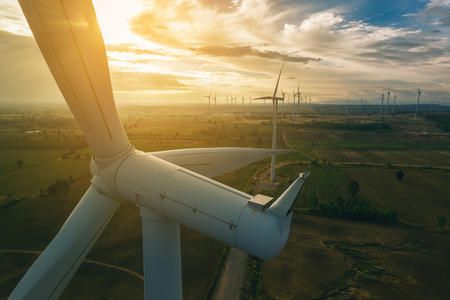
Global warming, climate change, melting of ice, earth temperature increasing and many more are some common natural phenomena happening these days with a sure shot affect on our future life. Even today, we acknowledge many examples of these phenomena as well as well researched papers which surely don’t deny the fact that these are surely happening. Countries across the world have been discussing this serious issue of climate change and global warming and have been coming up with brilliant ideas and policies to fight back. These technologies and various steps include a shift from Non sustainable resources to more Sustainable ones so as to reduce carbon emission and from them and getting a better and pure form of energy in endless quantities. Many nations have shifted to wider use of wind energy and solar energy as a mode of generation of power from them in various day to day activities. Many countries have also come up with a policy of carbon tax, which surely is charged from the companies and industries from which the emissions of carbon content is more. Also if any country buys fuel from the other country, carbon tax is included in it, which surely motivates people to cut down usage of these resources and also slow down their extra money cost in the form of fines.
So we all know that it’s really an important issue and need to work on till it becomes too late. But we do lack some of the technologies which could have a stronger impact on these or the resources which are available like sustainable one, it proves somewhat expensive to most of the countries with low economy so what’s the solution,”Is there any way we could undo and alter these activities and thus make our environment cleaner”. There are various researches and thoughts on these activities which can be done and varius good engineering methods have come into existence to fight these. One of those and widely accepted one is “Afforestation”. The term is self explanatory which means to increase the growth of plants and trees around the world and thus increase their quantity and improve quality of air as these would absorb more of the carbon-dioxide present in air. It’s a well known phenomenon and a lot many countries have been into it for quite a few years. But the main issue with this is, that we humans so lack the availability of land for the same. For trees to be grown, we need the required environment and the important is the space and fresh water resources. But we do lack it’s availability , also for the reason that we require much of our land for building hotels and other commercial activities in response to the growing population. But there are various regions which have large amounts of space and area, and are not used by humans and are widely available. These are the toughest terrain and known as deserts. These deserts have large space and thus can be used to plant trees without much human getting affected. The main issue is how can we irrigate, as we know they are desert because they lack water, then how is it possible. And if it is possible, will it not become desert again?
It’s possible as per many people doing research on this as they believe by the growing technology of desalination of water, we could utilize the water for irrigation. The benefits of utilizing these spaces are that these have lesser people living in it . So selecting the trees which are friendly to these climatic conditions would be the better option. Which could grow easily and used for commercial activities also. The benefit of growing more trees in these areas would be the amount of carbon content absorption would increase. Also we could cut down some of the trees as for the new ones to grow since it wouldn’t affect much this cycle since this would be practising around the world. We would use them for construction activities, for feeding animals and also liquifying most of them to biomass fuel, thus a pure and much better source of power for our other activities also, reducing the carbon content, and increasing economies. Also we know that most of these deserts acquire large amounts of ground water hidden under them, for example- Sahara. Which could initially be used for irrigation initially. Also the power required for the technology for the same could easily be generated from the solar energy trapped in there solar panel
So it seems according to research being done by various scientists and weather experts. But there are some other problems which could be faced in doing these projects. The water required would be clean, and thus desalination must be done carefully. But it’s output of concentrated salts dissolved in water in oceans could be harmful for the aqua life. Still this is just a thought which might affect the resulting increase in carbon content to reduce down. But still it seems difficult to make these ideas go on since they do require a large sum of money and also success of these are sureshot not acknowledged, since it’s still a question that wouldn’t these lands again transform into deserts again and lead us to big economic loss around the world.
“Various steps and policies are into actions with faster growing technologies so as to reduce the carbon content from them and shifting towards pure form of energy which is much cleaner, much cost effective and much safer for our planet”.












 Eduindex
You must be logged in to post a comment.