Why is water important?

This material accounts for the majority of your body weight and plays a role in a variety of critical functions, including:

removing waste from the body

controlling body temperature and assisting brain function


The majority of your daily water intake comes from liquids, but food also provides a minor quantity.

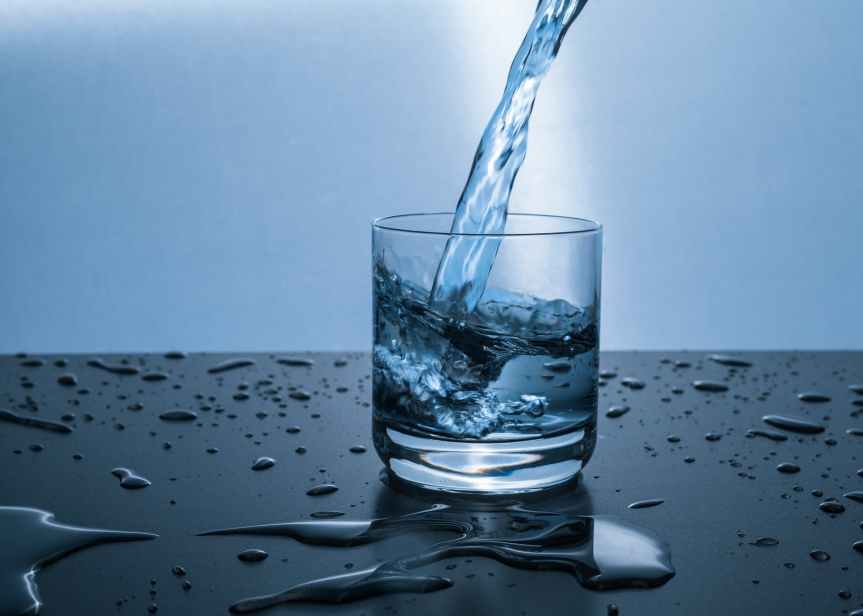
Photo by Andre Moura on Pexels.com

It helps create saliva

Saliva contains a lot of water. Saliva also contains electrolytes, mucous, and enzymes in minute amounts. It’s necessary for breaking down solid foods and maintaining oral health.

When you drink enough water, your body generates adequate saliva. However, as you become older or take certain medications or therapies, your saliva production may decrease.

If your mouth is drier than usual and increasing your water intake isn’t helping, see your doctor.

It regulates your body temperature

Maintaining your body temperature requires staying hydrated. During physical exercise and in heated situations, your body loses water through sweat.

Sweat keeps your body cool, but if you don’t replace the water you lose, your body temperature will rise. That’s because when you’re dehydrated, your body loses electrolytes and plasma.

If you’re sweating more than normal, make sure you’re getting plenty of rest.

It protects your tissues, spinal cord, and joints

Water keeps your joints, spinal cord, and tissues lubricated and cushioned. This will allow you to enjoy physical exercise while also reducing the agony caused by ailments such as arthritis.

It helps excrete waste through perspiration, urination, and defecation

Water is used by the body to sweat, pee, and pass bowel movements.

Sweat helps to keep your body temperature in check whether you’re exercising or in hot weather. Water is required to replace the fluids lost via sweating.

To have good faeces and avoid constipation, you also need enough water in your system.

Your kidneys are also responsible for removing waste from your body through urination. Adequate hydration is beneficial.
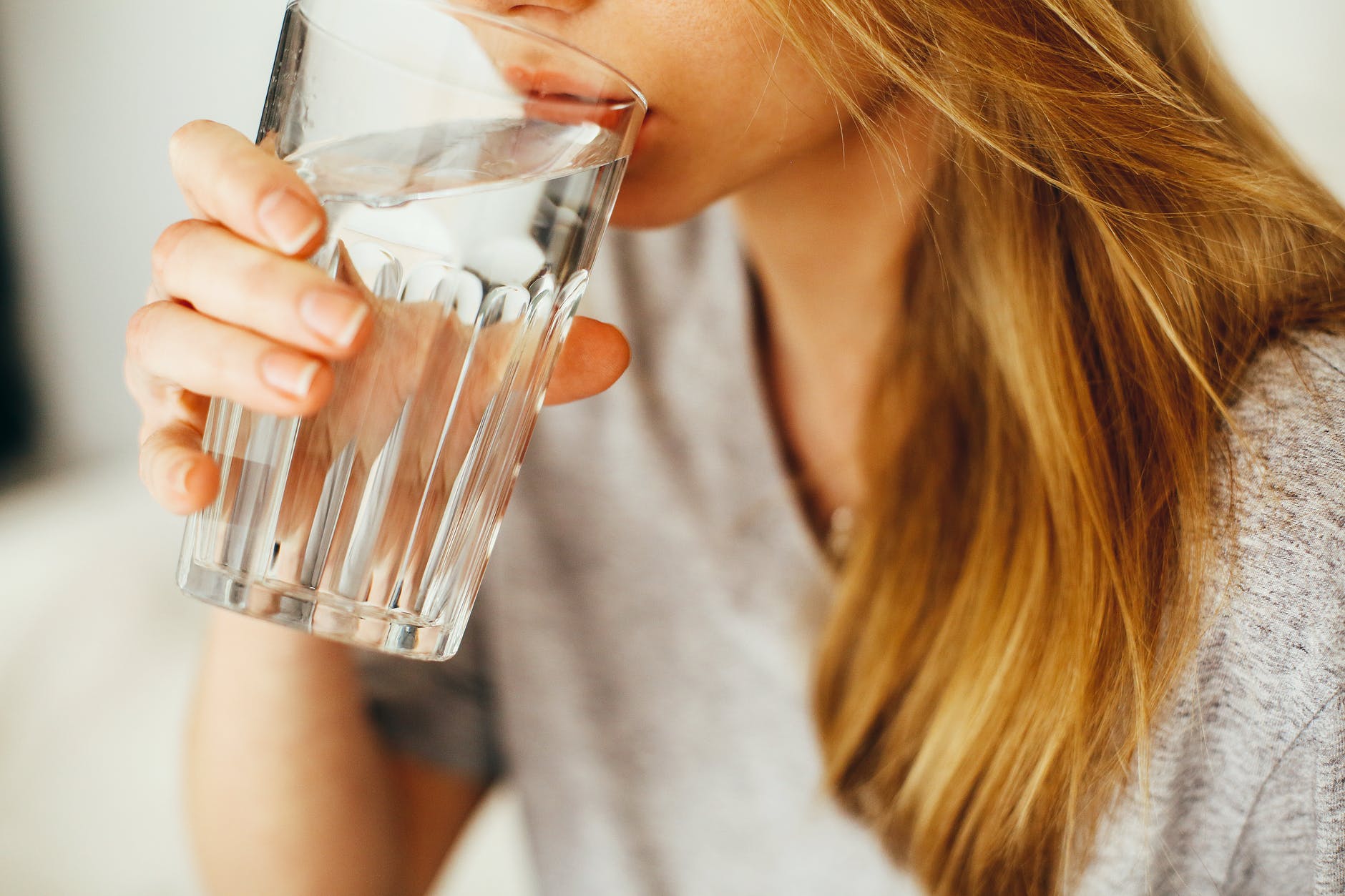
Photo by Daria Shevtsova on Pexels.com

It helps maximize physical performance

Your strength, power, and endurance are all affected by hydration.

If you engage in endurance training or high-intensity sports like basketball, you may be more susceptible to the consequences of dehydration.

Exercise in the heat without adequate hydration can result in dangerous medical issues such as low blood pressure and hyperthermia. Seizures can be caused by severe dehydration.

It aids in digestion

Experts affirm that drinking water before, during, and after a meal will assist your body break down the food you eat more easily, contrary to popular belief. This will aid in your digestion and allow you to get the most out of your meals.

The body adjusts to variations in the composition of food and stomach contents, whether they are more solid or liquid, according to a reliable source.

It helps with nutrient absorption

Water not only aids in the digestion of food, but it also aids in the dissolution of vitamins, minerals, and other nutrients. The vitamin components are subsequently delivered to the remainder of your body for usage.

Reference

http://www.healthline.com

THE JOURNEY OF PURI TOWARDS FIRST CITY TO PROVIDE 24 X 7 CLEAN WATER

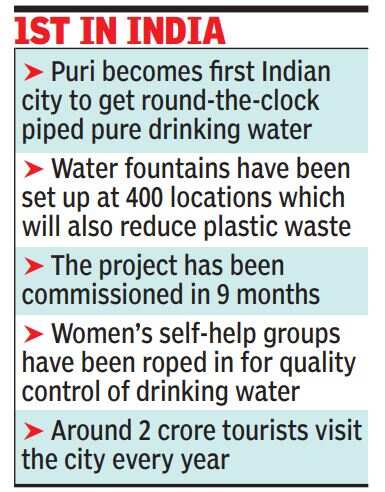
Puri is one of the major heritage cities of the country and every year more than 2 crore tourists visit every year. And this month the city earned an unique distinction of becoming the first Indian city to provide 24X7 pure drinking water. This is the landmark achievement for the city and state and is one of the major contributors for enhancing the status of sanitation and hygiene in Puri, Odisha. The city has become the first city to offer safe drinking water directly from taps to the residents and the tourists visiting the city every year and now has joined the group of global metropolitans like London and New York for providing safe drinking water.

The government launches “Sujal: Drink from Tap Mission” which has the goal of providing all time safe drinking water to all the residents and people visiting the cities directly through taps. The city has fulfilled and achieved the credentials of the ambitious mission and has achieved the goal of the mission. The 24 hour drink from tap facility provides water which can be used directly without filtration for different purposes such as drinking, cooking etc. This move is beneficial for the 2.5 lakh people residing in the city and the 2 crore tourists visiting the city every year. And the people don’t need to carry water bottles with them and can directly rely on the taps. This type of facility is present in very limited number of cities globally and Puri has established its place. Furthermore, the state government had installed 400 water fountains in different locations of the city with the aim of reducing the reliance and usage of plastic bottles in Puri. This will eventually reduce the amount of plastic wastes being can be reduced.

The government uses 5T initiative for increasing the efficiency and effectivity of the services being delivered across the city. The Chief Minister of the state emphasized on the linkage between safe drinking water with health, living standards and the economy, thereby, urging the people not to waste or pollute water. Transparency, teamwork, technology, time-frame and transformation form the 5Ts which has been adopted by the government for improving its governance. The budget for drinking water has been doubled in 5 years from Rs 200 crore to Rs 4000 crore thereby making the city the first heritage town in the country to get this facility. It is expected that the initiative will have great contribution in reducing the amount of plastic wastes generated. It is estimated that the amount of plastic waste being generated by the city will reduce by 400 tonne per annum. 1100 Stand posts were already present in the city and the state government has established additional 110 modern public stand posts along the Grand Road (Badadanda) and nine by the sea beach area have been installed. Old stand posts are being replaced with steel pipes and taps and at present 36 MLD clean water is being supplied everyday in the city. About 135 – 140 liters of drinking water per head per day is being provided to the residents everyday.

Cancer

Cancer is one of the most haunting diseases, squandering lives since ages. It occurs due to abnormal cell growth due to genetic mutations from environmental and lifestyle factors. Major of these factors are smoking, obesity, infections. There are also some certain chemicals known as carcinogens. Tobacco smoke causes almost 90% of the lung cancer. Physical inactivity and obesity also causes about 30-35% of cancer deaths.Not only cancer physical inactivity also hampers endocrine and immune system.

There are various types of cancer:

LEAUKEMIA : Commonly known as blood cancer,leukaemia affects the tissues of the bone marrow which is responsible for blood production. It is caused by abnormal production of white blood cells.

Myeloma: It targets plasma cells of our immune system. These cells divide in the bone marrow causing multiple tumours in the bones 

LYMPHOMA: It affects the lymphocytes in the lymph nodes, which are a part of the immune system.

CNS CANCER: CNS (Central Nervous System) cancers originate from the brain and the spinal cord. Gliomas, vestibular schwannomas, meningiomas, primary CNS lymphomas, pituitary adenomas are few CNS cancers.

Melanoma: It is a form of skin cancer that targets melanin – the pigment responsible for skin colour. In this form of cancer, the melanocytes are affected resulting in the abnormal formation of melanin. It may also affect other tissues that are pigmented, such as the eyes.

Symptoms

There are various symptoms through which cancer can be detected such as irregular loss weight, fatigue, continuous pain, fever or any irregular changes in skin.

Causes

Cancer can be caused by innumerous factors such as genetical factors, tobacco, alcohol, obesity, unhealthy environment, exposure to unnatural radiations etc.

Treatment

With the advancement of science many cures have been found for the treatment of cancer. The process of treatment depends on the type and stages of cancer. Some of the common treatment includes surgery, chemotherapy, hormonal therapy, immunotherapy, and radiation therapy.

How to Improve Concentration?

“Concentrate all your thoughts upon the work at hand. The sun’s rays do not burn until brought to a focus”

– Alexander Graham Bell

Introduction

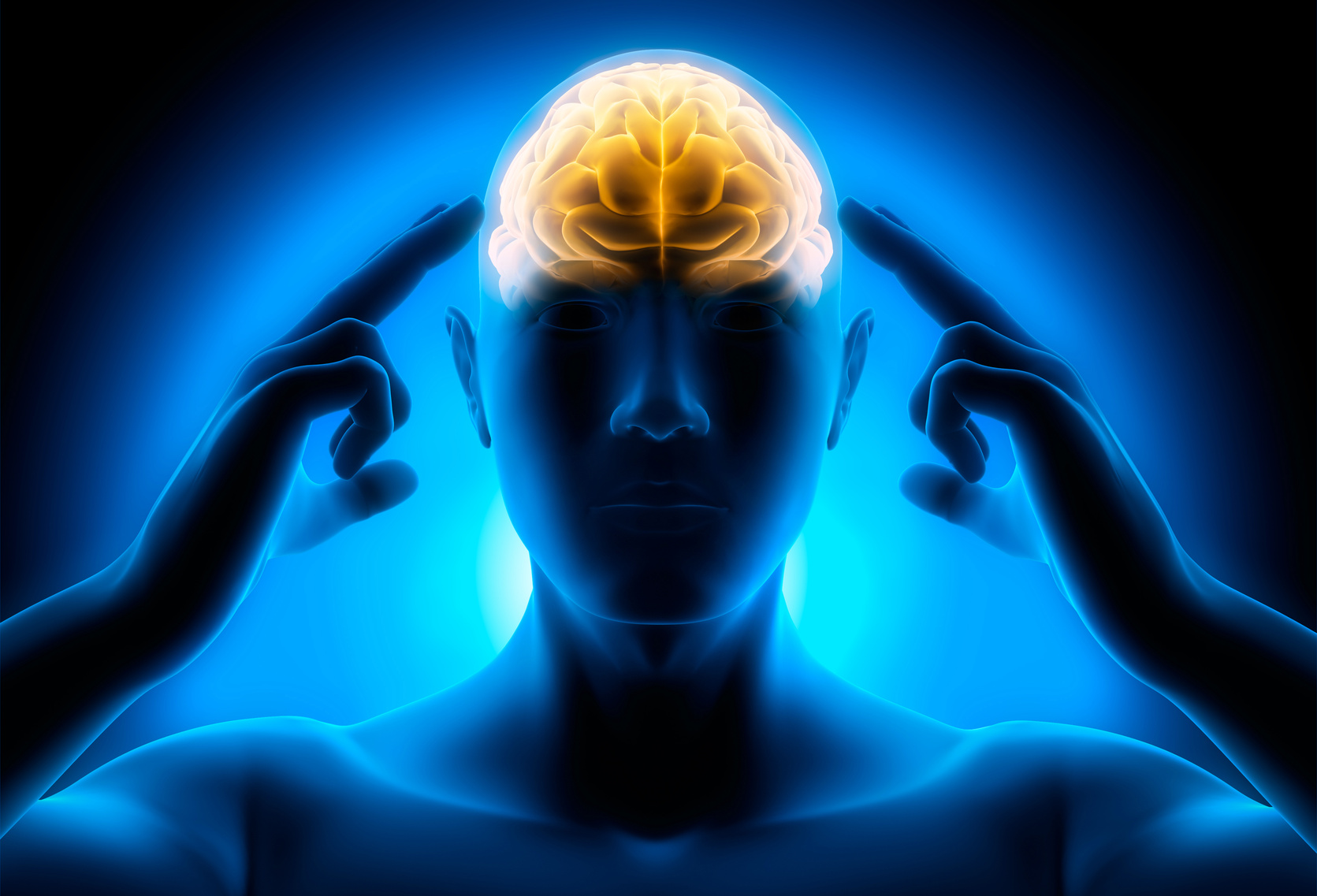
The definition of concentration is exclusive attention to one object. Concentration means focused attention and it is very important. It helps in studying, allows faster comprehension, improves memory, helps in focusing on a task, allows to ignore unwanted thoughts. It is also helpful in meditation. It is very common to be reading a paragraph when you realize you zoned out and then having to go back and read the whole paragraph just to be zoned out again and repeating the cycle. This happens because of a lack of focus or concentration. This article aims to discuss ways to improve concentration.

Train your brain

Results from a study show that spending 15 minutes a day for 5 days a week on training your brain has a huge impact on your power of concentration. You can train your brain by playing games such as sudoku, crossword puzzles, chess, jigsaw puzzle, scrambles, and memory games. These games can also help in developing short-term memory and will also teach you problem-solving skills. In kids, even colouring improves concentration.

Get your game on

Some new research shows that playing video games can also help in boosting concentration. It says that playing video games for an hour can help in improving visual selective attention (VSA), which is the ability to focus on some tasks while ignoring distractions. Note that this research has been done on a very small level so it is not conclusive yet.

Improve sleep

Sleep is a very important part of our day as getting enough of it helps in a lot of areas of our day. Sleep deprivation easily disrupts our concentration and other functions like memory and attention. Not getting enough sleep on a regular basis can result in affecting your mood and performance at tasks, it can also slow down your reflexes. With enough sleep, you have enough energy to focus on your task without getting sleepy.

Make time for exercise

A 2018 study shows that physical activity helps in improving concentration and attention. Regular exercise has many benefits like increased concentration. In older adults, it shows that moderate physical activity for a year can help in stopping or reversing memory loss. Any type of exercise can work, the point is to get your heart rate up, it can be a walk for half an hour, a morning jog, walk to whatever place you have to go to or bike.

Spend time in nature

Getting outside in nature for even 15 to 20 minutes will help in boosting your concentration. Research from 2014 found evidence which says that including plants in office spaces has helped employees with their productivity, adding to that, it also increases the air quality. It can be any kind of exposure to nature, going for a walk in the park, or even just sitting in your backyard.

Listen to music

According to research, playing music, nature sounds, or even white noise to cover up background noise can help in improving concentration and other brain functions.

Conclusion

Having the power to focus and concentrate will make a huge change in your life. It lets you be more productive as you will be able to focus on your tasks without distractions, and when there are no distractions, things get done faster. Once you start concentrating, you will realize how much time you were wasting normally.

References

PHOBIA

“Nothing in life is to be feared. It is only to be understood.’                                                             –Marie Curie A phobia is a persistent, excessive, unrealistic fear of an object, person, animal, activity or situation. It is a type of anxiety disorder. A person with a phobia either tries to avoid the thing that triggers the fear, or […]

PHOBIA

A guide to take care of your skin

Although you may believe that you have dry, oily, or sensitive skin, do you truly know? Knowing your genuine skin type can help you shop for cosmetics the next time you’re in the store. In reality, using the wrong products for your skin type — or even famous Internet tips — can exacerbate acne, dryness, and other skin issues.

Photo by Anna Shvets on Pexels.com

How to create your own skin care regimen


Which DIY skin hacks aren’t healthy, even if they seem to work, how to treat certain skin conditions like acne or scarring which DIY skin hacks aren’t healthy, even if they seem to work.

Building a daily skin care routine

A daily skin care programme can help you maintain general skin health and alleviate particular concerns like acne, scars, and dark spots, regardless of your skin type. A daily skin care routine consists of four essential stages that should be completed once in the morning and once before bedtime.

1. Cleansing: Choose a cleanser that doesn’t leave your skin tight after washing. Clean your face no more than twice a day, or just once, if you have dry skin and don’t wear makeup. Avoid washing for that squeaky-clean feeling because that means your skin’s natural oils are gone. Cleansers known to work well for all skin types include Cetaphil and Banila Clean It Zero Sherbet Cleanser.

2. Serums: A serum with vitamin C or growth factors or peptides would be better in the morning, under sunscreen. At night, retinol or prescription retinoids work best. Makeup Artist’s Choice has an effective vitamin C and E serum and retinol available.

3. Moisturizer: Even oily skin needs moisturizer, but use one that is lightweight, gel-based, and non-comedogenic, or doesn’t block your pores, like CeraVe’s facial lotion. Dry skin may benefit from more cream-based moisturizers like MISSHA Super Aqua Cell Renew Snail Cream. Most brands will label their products as gel or cream on their packaging.

4. Sunscreen: Apply sunscreen with at least 30 SPF 15 minutes before heading outdoors, as it takes a while for sunscreen to activate. Darker skin tones actually need more sun protection because hyperpigmentation is harder to correct. Try EltaMD’s sunscreen, which offers broad-spectrum UVA/UVB protection and is recommended by the Skin Cancer Foundation.

Suitable for all skin types


Keep yourself hydrated.


At least once a week, change your pillowcases.


Before going to bed, wash or wrap your hair.


Apply sunscreen 15 minutes before heading out every day.

To test how your skin reacts, start with a basic and uncomplicated routine. You can then add other products like exfoliants, masks, and spot treatments to increase your skin’s health if you’re comfortable.

Also, remember to patch test new products, especially if you have sensitive skin. This can aid in the detection of allergic reactions.

DIY Hacks to avoid

For typical skin concerns like acne pimples and dark patches, people claim that DIY remedies like lemon juice and toothpaste work miracles. Even Oscar winner Emma Stone claims that baking soda is her skin care secret. However, because these techniques might damage your skin’s barrier, they may cause more long-term harm than good.

Avoid these do-it-yourself blunders


Lemon juice: While it contains citric acid, it is far too acidic and might create dark spots following sun exposure. It might also cause your skin to become dry and irritated.


Baking soda (sodium bicarbonate) Baking soda, with a pH of 8, will stress your skin, severely reduce your skin’s water content, and produce dry skin.


Garlic: Garlic, when eaten raw, can cause skin allergies, eczema, and other skin conditions.

Toothpaste: While toothpaste’s chemicals destroy bacteria and absorb oil, they can also dry up or irritate your skin.
Sugar: Sugar is too harsh for the skin on your face as an exfoliator.

Vitamin E: Applying vitamin E to your skin can irritate it, and it hasn’t been proven to improve scar look.

Photo by cottonbro on Pexels.com

Although some of these substances are natural and inexpensive, they are not tailored for your skin. Even if you don’t experience any obvious negative effects, some substances can cause long-term or delayed harm. It’s important to utilise cosmetics designed specifically for your face. Before attempting DIY skin care, consult your doctor or dermatologist.

When to see a doctor or dermatologist

If your skin problems do not improve with over-the-counter products, you should contact a dermatologist. Prescription treatment for more severe acne, scarring, or other issues may be required, such as oral antibiotics, birth control, or topical prescription retinoids.

For deeper cysts or acne patches lodged beneath your skin, your dermatologist may conduct an extraction.

Keep in mind that the way goods perform depends on your skin type. Even when using a natural product, using the wrong one might cause breakouts, pimples, and redness.

It’s crucial to figure out your skin type and tailor your skin care routine accordingly. You can also take notes on product ingredients to determine if any of them are producing allergic reactions on your skin.

After cleansing your face, look for products that include these substances and incorporate them into your routine.

A guide to take care of your skin

Although you may believe that you have dry, oily, or sensitive skin, do you truly know? Knowing your genuine skin type can help you shop for cosmetics the next time you’re in the store. In reality, using the wrong products for your skin type — or even famous Internet tips — can exacerbate acne, dryness, and other skin issues.

Photo by Anna Shvets on Pexels.com

How to create your own skin care regimen

Which DIY skin hacks aren’t healthy, even if they seem to work, how to treat certain skin conditions like acne or scarring which DIY skin hacks aren’t healthy, even if they seem to work.

Building a daily skin care routine

A daily skin care programme can help you maintain general skin health and alleviate particular concerns like acne, scars, and dark spots, regardless of your skin type. A daily skin care routine consists of four essential stages that should be completed once in the morning and once before bedtime.

1. Cleansing: Choose a cleanser that doesn’t leave your skin tight after washing. Clean your face no more than twice a day, or just once, if you have dry skin and don’t wear makeup. Avoid washing for that squeaky-clean feeling because that means your skin’s natural oils are gone. Cleansers known to work well for all skin types include Cetaphil and Banila Clean It Zero Sherbet Cleanser.

2. Serums: A serum with vitamin C or growth factors or peptides would be better in the morning, under sunscreen. At night, retinol or prescription retinoids work best. Makeup Artist’s Choice has an effective vitamin C and E serum and retinol available.

3. Moisturizer: Even oily skin needs moisturizer, but use one that is lightweight, gel-based, and non-comedogenic, or doesn’t block your pores, like CeraVe’s facial lotion. Dry skin may benefit from more cream-based moisturizers like MISSHA Super Aqua Cell Renew Snail Cream. Most brands will label their products as gel or cream on their packaging.

4. Sunscreen: Apply sunscreen with at least 30 SPF 15 minutes before heading outdoors, as it takes a while for sunscreen to activate. Darker skin tones actually need more sun protection because hyperpigmentation is harder to correct. Try EltaMD’s sunscreen, which offers broad-spectrum UVA/UVB protection and is recommended by the Skin Cancer Foundation.

Suitable for all skin types

Keep yourself hydrated.

At least once a week, change your pillowcases.

Before going to bed, wash or wrap your hair.

Apply sunscreen 15 minutes before heading out every day.

To test how your skin reacts, start with a basic and uncomplicated routine. You can then add other products like exfoliants, masks, and spot treatments to increase your skin’s health if you’re comfortable.

Also, remember to patch test new products, especially if you have sensitive skin. This can aid in the detection of allergic reactions.

DIY Hacks to avoid

For typical skin concerns like acne pimples and dark patches, people claim that DIY remedies like lemon juice and toothpaste work miracles. Even Oscar winner Emma Stone claims that baking soda is her skin care secret. However, because these techniques might damage your skin’s barrier, they may cause more long-term harm than good.

Avoid these do-it-yourself blunders

Lemon juice: While it contains citric acid, it is far too acidic and might create dark spots following sun exposure. It might also cause your skin to become dry and irritated.

Baking soda (sodium bicarbonate) Baking soda, with a pH of 8, will stress your skin, severely reduce your skin’s water content, and produce dry skin.

Garlic: Garlic, when eaten raw, can cause skin allergies, eczema, and other skin conditions.

Toothpaste: While toothpaste’s chemicals destroy bacteria and absorb oil, they can also dry up or irritate your skin.
Sugar: Sugar is too harsh for the skin on your face as an exfoliator.

Vitamin E: Applying vitamin E to your skin can irritate it, and it hasn’t been proven to improve scar look.

Photo by cottonbro on Pexels.com

Although some of these substances are natural and inexpensive, they are not tailored for your skin. Even if you don’t experience any obvious negative effects, some substances can cause long-term or delayed harm. It’s important to utilise cosmetics designed specifically for your face. Before attempting DIY skin care, consult your doctor or dermatologist.

When to see a doctor or dermatologist

If your skin problems do not improve with over-the-counter products, you should contact a dermatologist. Prescription treatment for more severe acne, scarring, or other issues may be required, such as oral antibiotics, birth control, or topical prescription retinoids.

For deeper cysts or acne patches lodged beneath your skin, your dermatologist may conduct an extraction.

Keep in mind that the way goods perform depends on your skin type. Even when using a natural product, using the wrong one might cause breakouts, pimples, and redness.

It’s crucial to figure out your skin type and tailor your skin care routine accordingly. You can also take notes on product ingredients to determine if any of them are producing allergic reactions on your skin.

After cleansing your face, look for products that include these substances and incorporate them into your routine.

Aggressive Driving and Road Rage

For a long time, aggressive driving has been an issue on our roads, and it appears to be growing worse. Screaming, unpleasant gestures, and even violence have become commonplace on our highways, to the point where it has gained its own name: road rage. Find out what causes road rage, if you’re prone to it, and how you can help keep our roads safe by refusing to give in to it.

Photo by JESHOOTS.com on Pexels.com

Definition

After a series of shootings on many motorways throughout the city, local television station KTLA popularized the term “road rage.” The National Highway Traffic Safety Administration defines road rage as when a driver “commits moving traffic offences so as to endanger other persons or property; an assault with a motor vehicle or other dangerous weapon by the operator or passenger of one of one.

The National Highway Traffic Safety Administration distinguishes between road rage and aggressive driving, the former being a criminal offence and the latter a traffic violation, according to the NHTSA. The driver is held responsible in this definition.

Road Rage Factors

Here are some of the most typical circumstances that lead to road rage or aggressive driving behaviour.

Delays in traffic
Heavy traffic, waiting at stoplights, seeking for a parking spot, or even waiting for passengers can all contribute to a driver’s rage.

Late for a meeting
Drivers can become irritable if they are late for a meeting or appointment.

Anonymity
Drivers may feel more comfortable engaging in risky driving behavior’s such as tailgating, cutting people off, excessive honking, or making rude gestures if they believe they won’t see other drivers again.

Ignorance of others and the law
Some motorists may believe that the rules do not apply to them.

Learned or habitual conduct
Aggressive driving may be the norm for some drivers.

Forms of road rage

  • Tailgating
  • Yelling
  • Honking in anger
  • Making angry gestures
  • Trying to block another vehicle from changing lanes
  • Cutting off another vehicle on purpose
  • Getting out of the vehicle to confront another driver
  • Bumping or ramming another vehicle on purpose

How to avoid road rage

To protect yourself from aggressive drivers or if you become a victim of a road rage incident, make sure you have the right car insurance policy.

Take your time. Allow yourself plenty of time to get where you want to go; you’ll be less likely to become impatient and take unnecessary risks if you do.

Allow yourself to cool down. Take some time to relax if you’re upset.

Photo by Benjamin Suter on Pexels.com

The Diagnostic and Statistical Manual of Mental Disorders does not list road rage as a mental disorder (DSM). The behaviours commonly associated with road rage, according to an article published by the Associated Press in June 2006, can be the result of an illness known as intermittent explosive disorder, which is recognised by the DSM.

Between 2001 and 2003, polls of 9,200 adults in the United States yielded this conclusion. The National Institute of Mental Health provided funding for the surveys.

Road rage is a serious offence that may be considered a threat to public safety. However, because it is not always feasible to determine purpose by external observation, “road ragers” who are caught by police may face additional charges such as careless or reckless driving, as well as a fine.

Road ragers are potentially criminals.

The Advantages of Implementing Body Neutrality In Your Life

Body neutrality is a relatively new idea for many people. It is the discipline of embracing your body in its current condition for what it can achieve rather than focused on how it appears. As a result, some individuals may be confused why they must try it, or even whether they should.

There are several advantages to practising bodily neutrality, which vary from physical to emotional. One of the positive aspects is that just shifting your attention away from exercise that feels like punishment or for weight reduction goals, and instead engaging in exercise activities you love, can reduce your chances of overworking or injuring your body.

Although body positivity was originally seen to be the best approach to build connections with our bodies, body neutrality, a newer concept, is now thought to be a better method of connecting with our physical selves.

Some of the advantages of implementing body neutrality in your life are:

  1. Become Less Judgmental

It is really tough to avoid criticizing our bodies. We are continually inundated with pictures of “perfect” bodies in the media, and most people—often including those whose own figures are on display and digitally altered—believe that their own bodies fall short of the ideal form. If you try to stop judging your own body against those of someone else or against an aesthetic in your head, it’s logical that you’ll stop judging other people’s looks as severely.

One of the most beneficial aspects of this is that as we become less judgmental about our bodies, it becomes much easier to be less judgmental towards yourself and others generally. Even though it comes to issues other than bodies, practising body neutrality may cause you to be less critical of yourself and others.

  1. Become More Empathetic

When we become less harsh and judgemental of someone else, we start to open ourselves up to their complex and diverse experiences. Instead of passing judgement on others, we may cultivate our sense of empathy.

This might be in pertinent aspects, like not thinking of an obese person as having an unsuitable physique, or in non-related ways, such as attentively listening  to a person’s experience or narrative before making judgements on them, or deciding what your impression of them is solely based on their looks.

Cultivating more empathy allows you to connect with others more effectively and profoundly. It helps us to be more open since we have a better understanding of how sensitive everyone else is. And it causes us to behave from a gentler interior place, rather than a competitive attitude.

  1. It  Lowers Stress Levels

There is little doubt that chronic stress may have a significant detrimental impact on our lives. Prolonged stress is defined as feeling anxious about your body on a regular basis. Since your body is constantly with you, an emotional issue centred on your body has no end point on its own. Individuals might battle for years, if not their whole lives, with how they appear.

Once you choose to embrace your body for what it is capable of doing and stop concentrating about how it should be changed, your levels of stress are likely to decrease. This makes it simpler to feel content and at ease. Furthermore, when you are under reduced stress, your body produces less cortisol (the body’s major stress hormone), which results in good consequences such as increased energy, good sleep, and improved digestion.

  1. It Enhances Your Intuition

One important aspect of body neutrality is eating what your body desires. To be able to do so, you must first connect with your body on a personal level. Many individuals are accustomed to selecting foods based on what they are taught by nutritional specialists, or even celebrities, as the “correct” items to eat, so eating intuitively might feel like a significant life shift.

Once you have learnt how to connect with your intuition in respect to your health and food, you unlock the way to hearing and listening to your instincts in general. It can be beneficial to your mental health since it can make you feel much more secure in your decision-making abilities.

  1. It Improves Your Mood

If you spend any of your time worrying about your physique, chances are you’re not in the greatest of moods. And then from there, it may well be difficult to immediately put oneself in a great mood, even when everything else in your environment is technically fine.

Less judgement, reduced stress, and improved intuition as a result of bodily neutrality are all excellent mood enhancers. Body neutrality practise may lead to all of these benefits, and as a result, you may find yourself in a positive mindset more frequently than you’ve ever anticipated.

Body neutrality is not a one-time event. It may be a long process, just like any other personal journey. However, the advantages might be enormous. From reduced stress to increased happiness, the mental wellbeing advantages of body neutrality are compelling enough to warrant a try.

The Advantages of Implementing Body Neutrality In Your Life

Body neutrality is a relatively new idea for many people. It is the discipline of embracing your body in its current condition for what it can achieve rather than focused on how it appears. As a result, some individuals may be confused why they must try it, or even whether they should.

There are several advantages to practising bodily neutrality, which vary from physical to emotional. One of the positive aspects is that just shifting your attention away from exercise that feels like punishment or for weight reduction goals, and instead engaging in exercise activities you love, can reduce your chances of overworking or injuring your body.

Although body positivity was originally seen to be the best approach to build connections with our bodies, body neutrality, a newer concept, is now thought to be a better method of connecting with our physical selves.

Some of the advantages of implementing body neutrality in your life are:

  1. Become Less Judgmental

It is really tough to avoid criticizing our bodies. We are continually inundated with pictures of “perfect” bodies in the media, and most people—often including those whose own figures are on display and digitally altered—believe that their own bodies fall short of the ideal form. If you try to stop judging your own body against those of someone else or against an aesthetic in your head, it’s logical that you’ll stop judging other people’s looks as severely.

One of the most beneficial aspects of this is that as we become less judgmental about our bodies, it becomes much easier to be less judgmental towards yourself and others generally. Even though it comes to issues other than bodies, practising body neutrality may cause you to be less critical of yourself and others.

  1. Become More Empathetic

When we become less harsh and judgemental of someone else, we start to open ourselves up to their complex and diverse experiences. Instead of passing judgement on others, we may cultivate our sense of empathy.

This might be in pertinent aspects, like not thinking of an obese person as having an unsuitable physique, or in non-related ways, such as attentively listening  to a person’s experience or narrative before making judgements on them, or deciding what your impression of them is solely based on their looks.

Cultivating more empathy allows you to connect with others more effectively and profoundly. It helps us to be more open since we have a better understanding of how sensitive everyone else is. And it causes us to behave from a gentler interior place, rather than a competitive attitude.

  1. It  Lowers Stress Levels

There is little doubt that chronic stress may have a significant detrimental impact on our lives. Prolonged stress is defined as feeling anxious about your body on a regular basis. Since your body is constantly with you, an emotional issue centred on your body has no end point on its own. Individuals might battle for years, if not their whole lives, with how they appear.

Once you choose to embrace your body for what it is capable of doing and stop concentrating about how it should be changed, your levels of stress are likely to decrease. This makes it simpler to feel content and at ease. Furthermore, when you are under reduced stress, your body produces less cortisol (the body’s major stress hormone), which results in good consequences such as increased energy, good sleep, and improved digestion.

  1. It Enhances Your Intuition

One important aspect of body neutrality is eating what your body desires. To be able to do so, you must first connect with your body on a personal level. Many individuals are accustomed to selecting foods based on what they are taught by nutritional specialists, or even celebrities, as the “correct” items to eat, so eating intuitively might feel like a significant life shift.

Once you have learnt how to connect with your intuition in respect to your health and food, you unlock the way to hearing and listening to your instincts in general. It can be beneficial to your mental health since it can make you feel much more secure in your decision-making abilities.

  1. It Improves Your Mood

If you spend any of your time worrying about your physique, chances are you’re not in the greatest of moods. And then from there, it may well be difficult to immediately put oneself in a great mood, even when everything else in your environment is technically fine.

Less judgement, reduced stress, and improved intuition as a result of bodily neutrality are all excellent mood enhancers. Body neutrality practise may lead to all of these benefits, and as a result, you may find yourself in a positive mindset more frequently than you’ve ever anticipated.

Body neutrality is not a one-time event. It may be a long process, just like any other personal journey. However, the advantages might be enormous. From reduced stress to increased happiness, the mental wellbeing advantages of body neutrality are compelling enough to warrant a try.

World Hepatitis Day 2021

Introduction

Every year on July 28th, World Hepatitis Day is observed. The goal is to raise awareness about viral hepatitis. Hepatitis is a medical condition in which the liver is in an inflammatory condition. The theme for this year is “Hepatitis Can’t Wait”, magnifying the urgency of putting efforts to eliminate hepatitis as a public health threat by 2030.

History

July 28th was chosen as the date for World Hepatitis Day because it is the birthday of Nobel-prize-winning scientist Dr. Baruch Blumberg, the scientist who discovered the Hepatitis B virus (HBV) and also developed a diagnostic test and vaccine for the same virus.

Dr. Baruch Samuel Blumberg was born on July 28, 1925, and died on April 5, 2011. He was an American physician, geneticist, and co-recipient of the 1976 Nobel Prize in Physiology or Medicine with Daniel Carleton Gajdusek. He was president of the American Philosophical Society from 2005 to his death. He served as a U.S. Navy deck officer during World War 2. He received his MD in 1951 from Columbia University and his D. Phil in 1957 from the University of Oxford. While studying yellow jaundice in 1964, he discovered a surface antigen for hepatitis B in the blood of an Australian aborigine, which is the reason it was initially called “Australian antigen”.

About Hepatitis

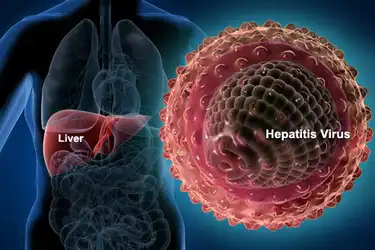
It is referred to as an inflammatory condition of the liver. It is usually caused by a viral infection but it can also be caused by other things. It can include autoimmune hepatitis and also hepatitis which can occur because of medication, drugs, toxins, and alcohol. There are five types of hepatitis based on different viruses. 

Hepatitis A is caused by an infection with hepatitis A virus (HAV), this is mostly transmitted by consuming food or water which is contaminated by feces from a person infected by HAV. 

Hepatitis B is transmitted through contact with infectious body fluids like blood, vaginal secretions, or semen. It can be transmitted by injection drug use, having sex with an infected partner, or sharing razors with an infected person. 

Hepatitis C is caused by the hepatitis C virus (HCV). It can also be transmitted through direct contact with infected body fluids, especially through used injections and sexual contact. 

Hepatitis D is also known as delta hepatitis, it causes a serious liver disease by hepatitis D virus (HDV). It is caused by coming in direct contact with infected blood, it is rare as it only occurs with hepatitis B because it cannot multiply without the presence of hepatitis B. 

Hepatitis E is waterborne and is caused by hepatitis E virus (HEV), it can usually be found in areas with poor sanitation and from ingesting fecal matter that has contaminated the water supply. 

Facts and Figures

  • 1,100,000 deaths per year are caused by Hepatitis B and C.
  • 9,400,000 people are receiving treatment for chronic HCV.
  • 10% of people with chronic HBV are diagnosed and 22% of those receive treatment.
  • 42% of children have access to the birth dose of HBV vaccine.
  • According to WHO, 325 million people around the world have HBV or HCV.
  • Hepatitis isn’t just an STD, there are other ways of getting it as well.

Conclusion

With the figures of infection and death around the world, it is clear that we can’t just sit and wait around for them to decrease. It is important to make people aware of it, teach them the way to avoid it, and reach a stage where the vaccine can be provided to everyone. As common citizens, we can’t help in the production and reach of the vaccine but we can help in raising awareness and taking steps towards sanitation.

References

FAD DIETS

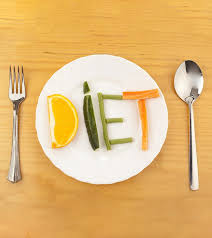
There is no single definition of what FAD DIET is. A fad diet is a diet that becomes popular for a short time, similar to fads in fashion, without being a standard dietary recommendation, and often making unreasonable claims for fast weight loss or health improvements. It is also called as “popular diet” or “diet cult”.

Some of the fad diet involve eliminating necessary nutrients that your body needs. While other involve eliminating dairy. Some eliminate certain foods at specific times of the day. It consists of unusual, expensive and unnecessary food products and ingredients. Fad diets are often highly restrictive. Often these diets aren’t well researched.

TYPES OF FAD DIET:

  • THE PALEO DIET:

It revolves around the food that our ancestors are thought to have hunted. It emphasizes on natural and not processed foods which involves meat, poultry, seafood, fruit, vegetables and nuts.

  • THE FLEITARIAN DIET:

A flexitarian follow a plant based diet but occasional eats meat when the heart urges.

  • KETOGENIC DIET:

It is a low carb, moderate protein, very high fat diet plan which involves cutting out key food groups. Some people have a medical need for a ketogenic diet to control epilepsy or other long-term conditions.

  • THE RAW FOOD DIET:

This involves consuming unprocessed plant-based foods in their raw state to retain the enzymes and vitamins that can be destroyed through cooking.

PROS OF FAD DIET:

  • It is effective in losing weight. As per research done by scientists from Tufts-New England Medical Center, fad diets can lead to a weight loss between 4.6 to 7.3 pounds within a year.
  • Fad diet comprises of plenty of fruits and vegetable in a range of meal plans.
  • Fad diet improves not only physical health but also one’s emotional health.

CONS OF FAD DIET:

  • Fad diet users lose weight very quickly. Losing weight healthy but if it happens too quickly, it may lead to various side effects.
  • It puts one’s health at risk as the amount of nutrients and calories to be consumed is restricted.
  • Fad diet have low adherence.

ONE COMMON THING ABOUT FAD DIET:

All fad diets have one thing in common: They propose a temporary solution for many people’s lifelong problem. Once the diet is stopped, the lost weight is usually regained quickly. Fad diets does not focus on lifestyle modification and these diets aren’t sustainable throughout ones life.

Even losing weight has to be done in the right way. The meal plans incorporated in fad diets are good. But, the goal of losing weight will be done better if it is combined with total lifestyle change.

Being happy is a need or a purpose??

Whatever we are doing in our life at this time is directly or indirectly related to only one ultimate goal and that is we all want to be happy in our life. But, are we really happy? Or why we are not happy? And how to become happy?? There are so many lots of questions that are searched on the internet related to happiness? Funny thing is that we are asking from the machines that how we become happy in our life?

We are the people of the generation that are unhappy so that they become happy. Everyone in one of his/ her childhood faces a question from someone that what do you want to become? And we gave so many options like maybe this or that but neither of us told us nor we realized that before become specialist in a different field first we become happy in our life. After reading this I am sure a question arises in your mind that before achieved financial independence how do we become happy? for one moment think that how you perform well when you are so much depressed? First, you should understand that being successful or being happy is two different goals so don’t mix two in one. Success is a goal but happiness is the thing that you need in this process.

People thought that if they become happy all the time, are they achieve success or not, so I think till now I have not read anywhere or heard from anyone that if you are happy you are not eligible for attaining success. So please don’t become so serious be punctual, be dedicated towards your goal.

And there are so many people in this world that are already trapped in the web of complex things and become unhappy so don’t try to become one of them, be happy for yourself, this is one of the best gifts that you give yourself. Whatever the situation of life is be happy and face that like a warrior,

If you are struggling in your life currently, please don’t become depressed, be happy because this happiness add some power to your confidence so that you face your struggle more valiantly,

There are lots of people in your nearby area they say that when this or that thing will complete they become so much happy, and after that, you saw that after goal achieved they become so much depressed and after asking they say that, this is not that thing what they want in their life, so don’t to be happy it is free of cost in every country. So please be happy,

Because this is a chain reaction when one person is happy, he/ she will never make someone’s life unhappy. So ultimately if you are happy you not only uplift your life you also provide little contributions towards the world’s happiness.

Life is a struggle, so accept it and enjoy your single moment on this planet. And before becoming anyone in any field, become happy in your life. And don’t depend on anyone for your happiness.

Being happy is a need that is required to achieve all the purposes of our life.

WORLD NATURE CONSERVATION DAY – JULY 28

“Earth provides enough to satisfy every man’s needs, but not every man’s greed.” ― Mahatma Gandhi

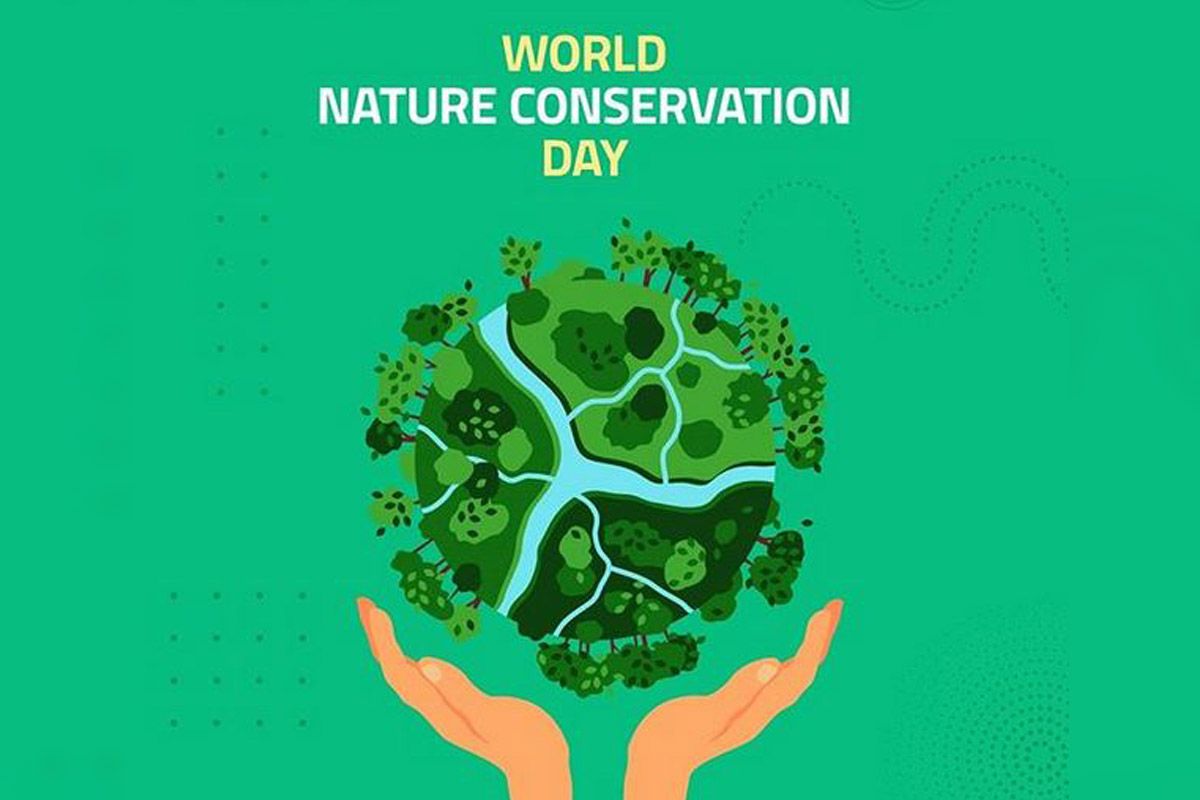
July 28 is celebrated as “World’s Nature Conservation Day” and reminds us that healthy environment is the foundation of a stable and productive society. This day is observed every year and is celebrated to educate people about the best techniques and practices adopted in different areas of the world to protect and preserve our natural resources as our planet has limited amount of resources left but the reliance on these resources is increasing day by day. This day aims to create and increase the awareness about the importance of natural resources and environment. It shows how we can live sustainably. This day encourages the people to save and protect the natural resources of earth because they are depleting in a rapid rate and are getting exploited and even misused.

This day recognizes that a healthy environment is the most vital part of stable and productive society. And sustainable practices are important for maintaining this stability and this environment for the future generations as well. The day reminds us about our responsibility as the child of the planet and urges us to be responsible and practice sustainable living practices and bring small changes in our lifestyle which can bring sustainability in our life style and lives. This day motivates us to find alternatives which could decrease our dependency on the natural resources.

This day ensures sustainability of present and future generation. How can we help in conserving the nature ? Lets have a look!

  1. WATER CONSERVATION: Everything starts from home and can be done by using less water while showering and bathing. By practicing Rain water harvesting methods in home to reduce our dependency on other water sources and rely on rain water without wasting it. It is important to conserve water because it is estimated that 2050 we may run out of water.
  2. PLANTING OF TREES : This helps in preventing soil erosion and promoting greenery. Home gardening, kitchen garden etc. can be practiced at home and at any scale for planting trees. Green roof is also one such initiative which helps in promoting greenery at homes. Spending few minutes in planting and amid nature can greatly promote mental well being too.
  3. WASTE MANAGEMENT : Reduce, reuse and recycle waste. Practice rainwater harvesting and using wastewater treatment plants for treating the waste water. This waste water when treated can be used in landscaping purpose. Organics can also be used.
  4. SUSTAINABLE COMMUNICATION : Sustainable communication can help in reducing the carbon footprint and lessen the pollution. It is good if people use public transport and sustainable modes of transport while commuting to different places as fewer vehicles will ensure lesser pollution.
  5. Reduce your electricity consumption; switch off electrical appliances when not in use, or every time you walk out of a room.
  6. REDUCE PAPER USE : Saving papers means saving trees and in todays digital age, all the devices are capable of taking notes which saves the need of print outs.
  7. AVOID SINGLE USE OF PLASTIC : The plastics which we are using are getting discharged into the oceans and grasslands or forests etc. which is destroying the lifeforms, ecosystem as well as the natural resources. Single use plastic consumption has increased during the pandemic and the amount of gloves and face masks being used is also increasing. Landfills are getting filled with the large amount of plastics which is polluting the environment.

The main objective of the day is to be live, promotive consciousness and mindful living. The aim is reduce overexploitation of resources and reduce the non-essential travel and play our part of role in building a sustainable future.

Reproductive Health

Total well being in all aspects of the reproduction such as physically mentally and emotionally is called Reproductive health.

All the reproductive organs should be healthy with normal function.

Major problems associated with reproductive health

Overpopulation

  • Overpopulation causes a scarcity of every basic need.
  • It affect the well-being of reproductive health also.
  • To overcome the problem of overpopulation India started family planning program in 1951.
  • Later it was changed to reproductive and Child Health Care program in 1997.
  • A rapid decline in death rate, maternal mortality rate and infant mortality rate leads to overpopulation.

Small family, happy family

Steps to control population explosion

  • People should be educated about the advantages of smaller family.
  • Raising the marriageable age of male and female is an effective way to control the population.
  • Couples should be motivated to family planning by adopting birth control measures.

Step under reproductive and Child Health Care program

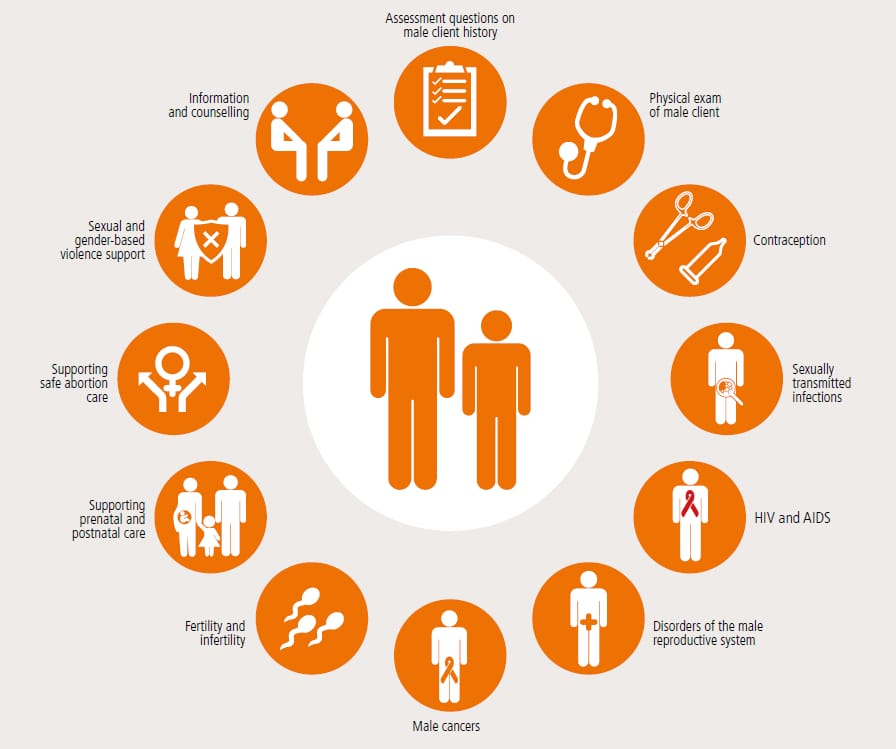
  • Increase in awareness about disease related to reproductive system example – sexual transmitted disease (STDs).
  • Increase in awareness through the audio visual media.
  • Increase in awareness about different contraceptive methods.
  • Increase awareness about sex education.

Female foeticide

  • Female foeticide can affect reproductive and sexual health of a Woman.
  • Due to the use of amniocentesis cases of female foeticide increases.
  • Amniocentesis is the technique in which amniotic fluid is studied for any type of enzyme disorder, chromosomal disorder or other bio-chemical disorder.
  • Amniocentesis method is misused to know the sex of an Unborn baby.

Sex education

  • Due to lack of education, people are not concerned about safe and hygienic sexual practice.
  • Introduction of the education in school and colleges its another step to provide right information to the youth.
  • Sex education can save the young youth people from myths and misconceptions about sex related issues.
  • Should provide knowledge about birth control methods and care of mother and child.

Our health is in our own hand…

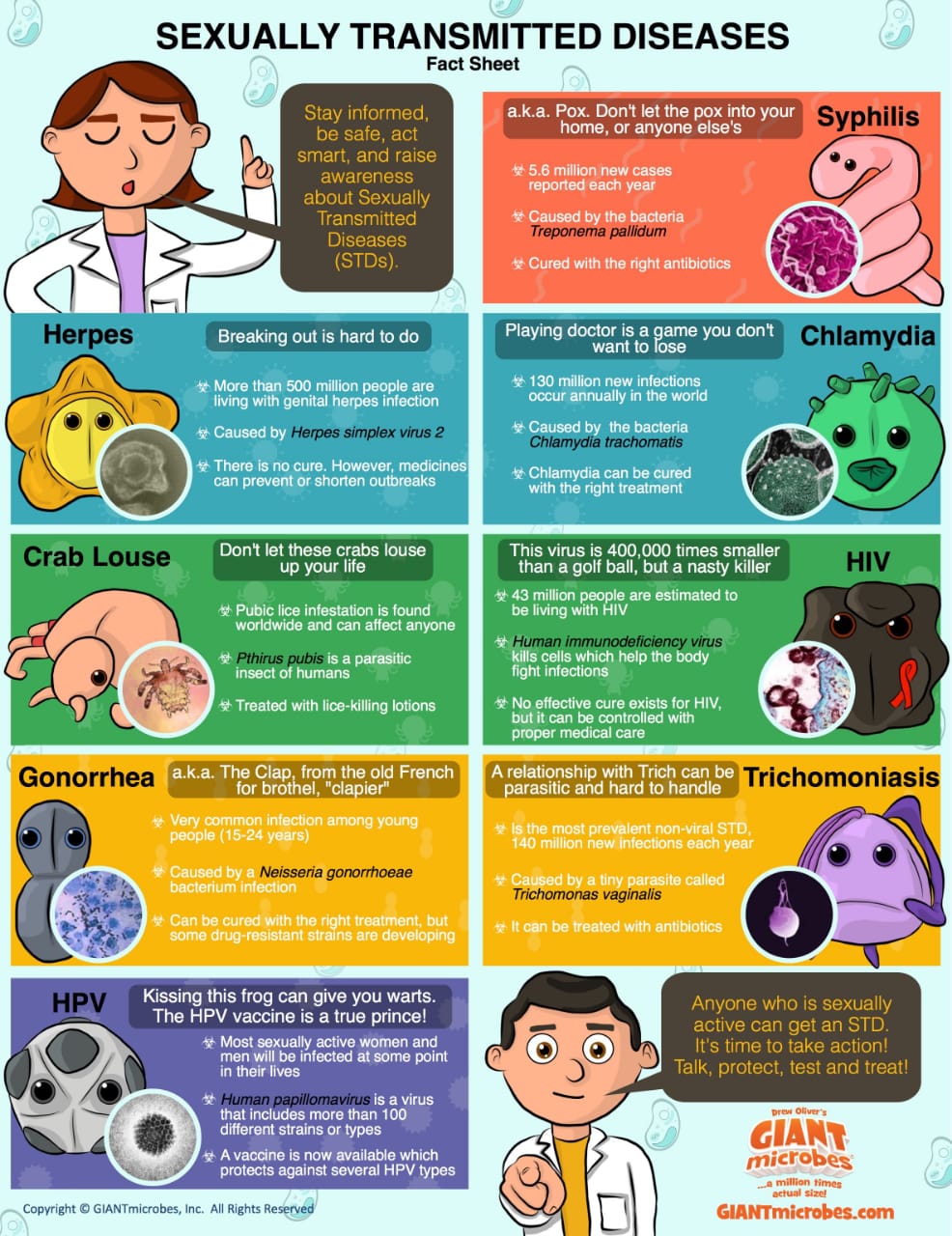
Sexually transmitted disease

Chlamydiasis

  • Caused by Gram Negative bacteria Chlamydia trachomatis.
  • Causes urethritis which result in painful urination and pus discharge.
  • In male, it causes infertility by causing oligospermia.
  • It increases the chance of ectopic pregnancy.
  • Treatment
    • Treated by antibiotics.

Gonorrhea

  • Causes by negative bacteria Neisseria Gonorrhea.
  • Causes inflammation of reproductive tract, urinary tract infection, and urethritis.
  • Treatment
    • Newly born child is given 1% AGNO3 dose to prevent eye. infection

Genital herpes

  • Causes by herpes simplex virus
  • Causes painful blisters
    • In male – glans penis and foreskin
    • In female – external genitalia
  • There is no proper treatment
  • Treatment is only to extend life.

Genital warts

  • Caused by human papiloma virus.
  • Causes Cancer of different organs such as-
    • cervical cancer
    • penile cancer
    • vaginal cancer
    • vulvar cancer
    • anal cancer
  • Treatment
    • Alpha interferon
    • cryotherapy
    • electrocautery

It is very important to provide information to the couple or who are in marriageable age group about birth control methods, care of pregnant women, important of breastfeeding, equality to the gender and equal opportunity to the male and female child, reproductive tract infections etc.

The education of reproductive health should be provided to all