VACCINE TECHNOLOGY

BY DAKSHITA NAITHANI

ABSTRACT

The immune system is a system that operates 24 hours a day, seven days a week to keep assaults at bay and diseases at bay. The whole system is made up of organs, tissues, and a variety of cell types that work together to defend the body. Immune cells must be able to tell the difference between native and non-native cells and proteins. Microbial cells have antigens that serve as identifiers. Antigens can induce an immune response in the human body. Each species has its own set of characteristics. Vaccines function by inducing an antibody memory response in the body without producing illness. As a result, you build immunity without becoming sick. It must include at least one antigen from the target species to trigger a response.

INTRODUCTION TO VACCINE TECHNOLOGY

A vaccination, often known as an immunisation, is a biological substance that protects people from disease-causing microorganisms. They make advantage of our immune system’s built-in ability to fight infection.

They’re produced from the same pathogens that cause the disease. They have, however, been destroyed or reduced to the point that they are no longer a source of it. Certain medicines just contain a part of the microorganism.

This is why they work so well as medications. They don’t treat or cure diseases like conventional medications; instead, they prevent them. They deceive the immune system that it has been invaded by a real intruder. When real germs enter our bodies, the same thing happens, but you don’t become ill. If you ever come into touch with a pathogen, your immune system will remember it and eradicate it before it can damage you.

TYPES

Vaccines are made using a number of techniques. Various vaccine types need different techniques to development. Antigens can be used in a variety of ways, including:

These can be delivered by a needle injected into the human skin, or ingested orally or through the nasal route.

LIVE (CHICKEN POX AND MMR)

Attenuated vaccines can be made in a variety of ways. All methods involving the transmission of a virus to a non-human host result in a virus that can be recognised by the immune system but cannot replicate in humans. When given to a human, the resulting will not be able to proliferate sufficiently to cause disease, but it will protect the individual from infection in the future. Its protection outlasts that of a dead or inactivated vaccination in most cases.

INACTIVATED (POLIO VIRUS)

A pathogen is inactivated using heat or chemicals to create this sort of vaccination. Because destroyed viruses are unable to replicate, they cannot revert to a more virulent form capable of causing disease. They are, however, less effective than live vaccines and are more likely to require renewals in order to acquire long-term protection.

RECOMBINANT (HPV)

They have been genetically modified in a lab. This method may be used to duplicate a certain gene. The HPV vaccine may be tailored to protect against strains that cause cervical cancer.

SUBUNIT (INFLUENZA AND ACELLULAR PERTUSSIS) AND CONJUGATE VACCINES (HAVING ONLY PIECES OF THE PATHOGEN)

Subunit vaccines use only a fraction of a target pathogen to elicit a response. This can be accomplished by isolating and administering a specific pathogen protein as a stand-alone antigen.

Conjugate vaccines, like recombinant vaccines, are made up of two different components. The “piece” of microbe being supplied would not typically elicit a substantial reaction on its own, but the carrier protein would. The bacterium is not the sole cause of the disease, but when combined with a carrier protein, it can render a person resistant to subsequent infections.

TOXOIDS (DIPHTHERIA AND TETANUS)

Some diseases are caused by a toxin produced by bacterium rather than by the bacterium themselves. Toxoids are inactivated toxoids that are used in vaccinations. Toxoids are classed as killed vaccines, although they are sometimes given their own category to emphasise the fact that they include an inactivated toxin.

DEVELOPMENT AND PRODUCTION

Vaccine development is a lengthy process that involves both public and private parties and takes almost a decade. Millions of individuals receive them each year, and the most of them have been in use for decades. Before being included in a country’s vaccination programme, they must undergo extensive testing to ensure their safety. Each vaccine in development must first go through screenings and evaluations to determine which antigen should be utilised to elicit a reaction. This step is completed without the use of humans. Animals are used to assess the safety and disease-prevention potential of experimental vaccinations.

STAGE 1

It takes around 2-4 years to produce and necessitates some fundamental research. Antigens, whether natural or synthetic, are identified by scientists and may help in disease prevention or therapy. Antigens might be virus-like particles, attenuated viruses or bacteria, weakened bacterial toxins, or other pathogen-derived substances.

STAGE 2

Using tissue or cell-culture techniques and animal testing, studies assess the candidate vaccine’s safety or ability to elicit an immune response. Animal topics include fish, monkeys, and mice. These studies give an idea of what to expect in terms of cellular responses in people. This period often lasts 1-2 years.

PHASE I TRIALS

The vaccine is administered to a small number of volunteers to determine its safety, confirm that it induces a reaction, and determine the optimum dosage. This round of testing is carried out on young, healthy adult participants. The goals are to determine the type and number of reactions generated by the candidate vaccine, as well as to assess the candidate vaccine’s safety.

PHASE II TRIALS

The vaccine is then given to several hundred participants to assess its safety and ability to elicit a response. Participants in this phase share the same traits as the vaccine’s intended recipients. Several studies are often undertaken during this phase to test various age groups and vaccination formulations. In most studies, a non-vaccinated group is included as a comparison group to check if the changes in the vaccinated group were due to chance or medicine.

PHASE III TRIALS

The goal is to assess vaccine safety in a large group of patients. Certain rare side effects may not have showed themselves in the low numbers of people tested in the first phase. Thousands of volunteers are given the vaccination compared to a similar number of individuals who did not receive the injection but received a comparator product to assess the vaccine’s efficacy against the illness. It is meant to protect against and to examine its safety in a much bigger group of people. To guarantee that the performance findings are applicable to a wide variety of persons, the bulk of phase three trials are conducted across various countries and different sites within a country.

PHASE IV TRIALS

Firms may conduct optional studies following the launch of a vaccine. The producer may do additional testing to determine the vaccine’s safety, efficacy, and other potential applications.

REVERSE VACCINOLOGY

Reverse vaccinology is the use of genetic information combined with technology to make vaccines without the use of microorganisms. It assists in the study of an organism’s genome for the purpose of identifying novel antigens and epitopes that may be utilised as prospective candidates. This method has been around for at least a decade. By unravelling the entire genomic sequence, it is possible to determine what molecules make up the genomic sequence. Without needing to grow the pathogen for a longer amount of time, candidate antigens can be discovered.

Reverse vaccinology has been used to create vaccines for meningococcal and staphylococcal diseases all over the world. Infections are caused by Staphylococcus bacteria, which can be found on the skin or in the nose of even healthy persons. The bacteria Neisseria meningitidis causes a serious infection of the thin covering of the brain and spinal cord.

PRODUCTION QUALITY CONTROL AND COMMERCIALIZATION

Vaccines are biological compounds that are frequently hybridised and complex to understand. They are made through a succession of manufacturing and formulation steps, with the finished product often containing a large number of component items. As a result, unlike a tiny molecule medicine, the finished product is impossible to classify. This needs a highly controlled production system as well as a personnel capable of performing such processes on a continual basis. Control testing takes over two years and occupies more than half of the time in the subsequent manufacturing process.

 STEP 1- PRODUCTION

Following clinical trials, when a vaccine reaches the pre-approval stage, it is evaluated by the applicable regulatory authority for quality, safety requirements.

STEP -2 MAKING

Businesses will create development plans for a vaccine on their own. Once a vaccine is approved, production begins to pace up. The antigen has been rendered inactive. All of the components are mixed to make the final product. The entire process, from testing to manufacturing, can take a lengthy time to complete.

STEP- 3 PACKAGING

It is then bottled in glass vials and packed for safe cold storage and transportation once it is produced in bulk. It must be able to resist severe temperatures as well as the dangers associated with international shipping. As a result, glass is the most often used material for vials since it is robust and can keep its integrity under severe extrinsic factors.

 STEP- 4 STORAGE

When it is excessively hot or cold, it loses its effectiveness and may even become inert. Vaccinations can be destroyed or rendered dangerous to use if kept at the improper temperature. Most vaccinations must be kept chilled between 2 and 8 degrees Celsius, necessitating the use of specialist medical freezers.

STEP-5 SHIPPING

They are transported out using particular equipment so as to maintain its integrity. Lorries deliver them from the airport to the warehouse cool room after supplies arrive in the market. New innovations have resulted in the development of portable devices that can keep vaccines cold for several days without the need of power.

QUALITY CONTROL

Once they are given out, authorities continuously check for – and assess the severity of – any potential side effects and responses from the recipients. Safety is a top priority, with frequent reviews and post-approval clinical trials reporting on its effectiveness and safety.

CAREER SCOPE

There are several prospects in vaccine research and development, clinical trials, vaccine manufacturing, and public distribution. These jobs are available at universities, companies, government laboratories and agencies, hospitals, and on the front lines of vaccine distribution all around the world. When different components of a project are handled by different groups at the same time in industry, greater teamwork is usually required, whereas a scientist in an academic lab may be a lone worker overseeing all parts of a project.

The balance between creative science and all of the business administration that comes with securing money, maintaining a budget, and overseeing other scientists or assistants is the most challenging aspect.

 Research allows scientists to work on a project that has the potential to have a direct influence on public health, whether it’s on a lab bench, a production line, or to support a clinical trial.

IMMUNOLOGY SERIES- PART 8- INFLAMMATION

The previous article dealt with the types and functions of immunoglobulin. This article provides a complete explanation of the process of inflammation.

Inflammation is the process of protection which was seen as one of the six mechanisms of innate immunity.

Inflammation is one of the body’s responses to the invasion of foreign particles. This is an important process in the human body that occurs to drive away from the pathogen. Inflammation is one of the stages seen in healing. Some of the changes that can be seen in the target site are:-

  • Changes in blood flow (mostly blood loss)
  • Increase in platelets (to plug the damaged vessel)
  • Increase in immune cells
  • Supply of nutrients

The word inflammation refers to a burning sensation. Hence there are five cardinal signs in inflammation namely:-

  • Rubor (redness)
  • Tumor (swelling)
  • Calor (heat)
  • Dolor (pain)
  • Functioleasia (loss of function)

These cardinal signs as well as the changes occur due to some mediators which are basically chemicals and also due to the action of various immune cells.

Mediator nameIt’s effect
Bradykinin, histamine, serotoninIncrease permeability
ProstaglandinDecreases blood pressure
CytokinesProduce fever
Toxic metabolitesDamage tissue

This inflammation can be either acute or chronic. As seen earlier, acute stays for a shorter time but produces more vigorous pain whereas chronic stays for a longer time with less vigorous pain. If the causative agent has been driven away then healing occurs either by complete restoration or scar formation. There are chances that the acute inflammation can become chronic which can be worse. It can lead to several diseases and complications.

The pathogen in order to establish its supremacy in the human body, it has to pass through the epidermis which is the outermost layer of the human body. This is known as SALT skin-associated lymphoid tissues. Hence T and B lymphocytes are prominent in the skin. Most of the pathogens get destroyed in this stage. Let us assume that our pathogen is strong and it had passed through it. The next layer it encounters is the dermis. As we go deep inside the skin, more and more immune cells get involved. In the dermis the following immune cells are seen:-

immunity in the skin
  • Macrophage
  • NK cells
  • Mast cell – produce histamine and serotonin
  • T helper cells – it provides help to other immune cells

The next stage is the hypodermis which has a large number of macrophages and neutrophils that phagocytosis the pathogen. Hence these following processes help in defending against the pathogens.

When a particular pathogen say a virus enters the cell, the immune system will get alerted through signals and they immediately send the correct immune cell to the target site. This occurs since either the immune system gets information naturally or artificially through previous infection or vaccine. This leads to the classification of immunity in humans.

So now we will consider a new and strong pathogen that has not been recognized by the immune system and has dodged those barriers and has entered inside the skin. Now it multiplies at a rapid rate and colonizes that particular area. Hence the cells in that area start to die and they release several signals like TNF, cytokines, interleukins. This gets combined with other signals like histamine, serotonin released from immune cells. Some of these signals produce direct effects on the target site as seen in the table.

An array of these signals triggers the immune system and it, in turn, starts the inflammation process and the cardinal signs are observed. This process lasts for some time and as it occurs; the pathogens decrease in number through phagocytosis and subsequently vanishes from the body. This can be observed by a decrease in the signs. After this process, the targeted site starts to heal and the immune system learns how to defend the pathogen when it enters the next time.

Now the damage caused by the pathogen has to be repaired by the process of healing.

  1. Haemostasis
  2. Inflammation
  3. Proliferation
  4. Maturation/Remodelling

The pathogen will rupture and damage the outer layer of blood vessels known as endothelium resulting in blood loss. Hence the blood vessels start to contract to prevent further loss. Also, a plug is formed at the site of leakage by the platelets. Then the process of inflammation occurs; clearing out the dead cells and the pathogen. In the proliferative stage, new blood cells are formed by a process known as neovascularisation and the new epithelium is formed. In the last phase, the newly formed cells become stronger and flexible. Hence the combination of these steps brings the affected area back to normal.

Hence the inflammation is an essential process in the immune system and it has to occur to prevent the conspiracy of the microbes. The next article is about vaccines and their principle of working.

HAPPY READING!!!

IMMUNOLOGY SERIES- PART 6- IMMUNOGLOBULIN

The previous article was about the different types of immune cells. This article is about a special molecule in immunity known as immunoglobulin.

There might be a question that what is so special about this immunoglobulin. There is a reason for this. These molecules play an important and inevitable role in the phagocytosis of pathogens. To understand this, it is essential to know about immunoglobulins.

The immunoglobulin is a gamma globulin, a specialized group of proteins (glycoprotein) produced in response to pathogens. It is produced by the plasma cells (a globulin protein present in the plasma). These constitute 25-30% of the blood proteins.

There are two important terms that are more commonly known by the most, they are the antigen and the antibody. The antigen is the molecule present on the surface of the pathogen and can stimulate an immune response. There is a small part of the antigen called the epitope which interacts with the antibody.  The epitope is known as the antigen determinant site. An antigen can have unlimited epitopes.

On the contrary, the antibody is the molecule produced in response to the antigen in order to kick it away. The part of the antibody which interacts with the antigen is called a paratope. An antibody must have at least 2 paratopes. These antibodies belong to the immunoglobulins. All antibodies are immunoglobulins but not immunoglobulins are antibodies. To understand how the antibody helps in immunity, it is essential to understand the structure of an antibody/immunoglobulin. The image below shows the general structure of an immunoglobulin:-

There are two chains in an immunoglobulin namely the light chain and heavy chain. The light chain has 212 amino acids (the building block of protein) and the heavy chain has 450 amino acids. Each chain has two types namely the constant and variable. These regions are based on the amino acid sequences. Half of the light chain (1 out of 2) is constant and the rest is variable. A quarter of the heavy chain (1 out of 4) is variable and the rest is constant. These are linked by two types of sulfide bonds namely the intra (H-H AND L-L) and inter (H-L). These molecules contain carbohydrates (CHO) hence these are called as glycoproteins.

The tip of the variable regions of the heavy and light chain is hypervariable in nature and these constitute the antigen-binding site (Fab). These are hyper-variable because they have to produce amino acid sequences complementary to that of the antigen so that they can interact together. The other site is called a crystallizable region (Fc).

Having known all this, now it will be convenient to explain the process by which the antibody plays in the prevention of infections.

There are millions of substances that pass through the blood every day. So there must be a criterion/substance to identify them whether they are pathogenic. This is where antigen comes to play. These antigens present on the surface of the pathogens alert the immune system which then identifies this as a pathogen. So in response to the antigen, a suitable antibody is secreted and deployed to the target site. On reaching the antigen, the Fab region binds with the antigen.

The ultimate aim of the immune system is to abolish the pathogen and one way is by phagocytosing them. This is done by the macrophages. But it is essential for them to identify the substance before engulfing it. This is where the antibody comes to play. The Fc region of the antibody combines with the receptor of the macrophage. This facilitates the process of phagocytosis.

Hence the antibody acts like a bridge between the source (antigen) and the destination (macrophage) aiding in phagocytosis. This is essential because in most of the cases the macrophages, it is difficult to identify the non-self-objects and this is where antibody helps.

In the case of the new pathogen, the antigen is new, and therefore their might not be a suitable antibody. In that case, the macrophage cannot phagocytocise the pathogen and it reigns in the body causing infection and disease.

The next article is about the types of immunoglobulins.

HAPPY LEARNING!!

IMMUNOLOGY SERIES-PART 5- INTRODUCTION TO THE IMMUNE CELLS

The previous article was about the acquired immunity. This article is all about the immune cells, the warriors of the human body.

These cells play a major role in protecting the body from infections. Some of them contribute directly and some contribute indirectly. Despite the methods, all of them are required in optimum amounts so as to live a healthy life.

All of these cells are derived from a specific type of cell found in the blood. The blood is a freely flowing interstitial fluid that transports oxygen, nutrients, etc. to the cells of the body. There are two components in the blood in which the first one is called plasma. The plasma is the liquid carrying water, salts, enzymes, and proteins. There are three specialized proteins in the plasma-

Albumin- to maintain water balance

Globulin- for immunity (it is a part of immunoglobulin)

Fibrinogen- for clotting

Hence the plasma also contributes to immunity. This plasma constitutes about 55% of the blood. The rest 45% of the blood is constituted by the formed elements or corpuscles. There are three elements in it namely-

Erythrocyte or Red Blood Corpuscle- transport of oxygen

Leucocyte or White Blood Corpuscle- fight infections

Thrombocyte or platelets- for clotting

Out of these, the WBC is the one primarily contributing to immunity. A healthy person must have a WBC count from 4000-11000. Count less than 4000 means leukopenia meaning that the immune system is weak. If the count is more than 11000 then it means the condition of autoimmunity known as leucocytosis. There are some further classifications in the WBC which are displayed through the flowchart below.

There are two types of cells in the WBC namely the granulocytes and agranulocytes.

The granulocytes, as the name specifies have granules in their cytoplasm. There are three different cells in this.

The neutrophil constitutes to about 55-70% of the total WBC and they are ones involved in most of the fights against the infections. These defend against bacterial and fungal infections. These cells are mostly found in the epidermal regions and are in the first line of defense.  These cells engulf the pathogens by the process of phagocytosis. These cells have multiple nuclei hence these are also known as PMN (Poly Morpho Neutrophils). Neutrophils help prevent infections by blocking, disabling, and digesting off invading particles and microorganisms. They also communicate with other cells to help them repair cells and mount a proper immune response. The death of these cells often results in the formation of pus (suppuration).

neutrophil

The eosinophil constitutes about 2-4% of the total WBC. These cells are very little in the body but can increase in the case of allergic reactions, parasite infection, and so on. The functions of the eosinophil include movement to inflamed areas, trapping substances, killing cells, anti-parasitic and bactericidal activity, participating in immediate allergic reactions, and modulating inflammatory responses.

eosinophil

The basophil is present in the least concentration of all (0.2%) in total WBC. These cells play an important role in allergic reactions in which their count can increase. The basophil contains inflammatory mediators like histamine and heparin. The release of the compounds results in dilation of the blood vessels. Hence these cells regulate the inflammation process.

The agranulocytes are those which lack granules in their cytoplasm. There are two types in this. The lymphocyte can be called as the memory of the immune system. There are two types of lymphocytes namely T and B lymphocytes. These lymphocytes recognize the incoming pathogens and based on their memory it produces a suitable response in a short amount of time. These cells are involved in the secondary response in the acquired immunity.

B cells make antibodies that can bind to pathogens, block pathogen invasion, activate the complement system, and enhance pathogen destruction. The T cells mostly known as CD4+ T helper cells produce the cytokines (proteins in cell signaling) and coordinate with the immune system. There is another form called CD8+ cytotoxic T cells which is opposite to the previous type, they help in the destruction of tumors and pathogens.

The monocyte is the largest of all the cells in WBC. They function similarly to that of the neutrophils (phagocytosis of the pathogens). These cells present the pathogen to the memory cells upon which a response is generated. Once they leave the blood, they turn into macrophages which help in clearing cell debris and killing pathogens. These are known as the vacuum cleaners of immunity.

Hence all these cells work in different mechanisms and they coordinate together to make sure that we do not fall prey to the disease-causing microorganisms.

HAPPY LEARNING!!

The Silent Killer of Immunity – Indoor Pollution

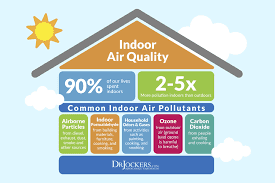
Hello everyone , Stay Home, Stay Safe. Today, everyone is advised to stay inside their homes if they want to be protected from the virus. But have you ever thought about the viruses inside your home? I’m talking about the pollution inside our homes. Whenever we talk about air pollution, we refer to the pollution outside in the city. But do you know that there are multiple sources of air pollution inside your home? Which are adversely affecting your health and immunity. 

I think this will be an apt time to talk about indoor air pollution. What are the different sources of indoor air pollution? And how can you protect your health from them and fight against them? Come, let’s find out all of this, in today’s video. A US-based report of 2019 had stated that more than 6 Lakh Indians died because of indoor air pollution. The diseases from this type of pollution are respiratory. Pulmonary diseases. Like stroke, lung cancer, asthma, those diseases which are often caused by outdoor air pollution. But the good news is that, though you can’t control the outdoor pollution, but you can control the pollution inside your homes to quite an extent in simple and easy steps. 

Come, let’s get to know the sources and how to control them. You might not have to worry about the first and largest source perhaps because most of you live in cities where LPG cylinders are used. But in India, around 60% of the people, especially those living in rural areas, often use wood, charcoal and cow dung as fuel for cooking even today. The cooking fuels cause incomplete combustion which releases PM2.5. Which is very harmful to the lungs. Thankfully, for the last few years, through the Ujjwala scheme, the use of LPG cylinders has increased across the country. And the indoor pollution from this source has been reduced. If you know someone who still uses these cooking fuels, please advise them against it. 
The second source is something that can be easily found in the kitchens of the people living in cities. That is a non-stick pan with Teflon coating. Generally speaking, Teflon is safe. But when it is heated for more than 300°, the Teflon compound breaks down and harmful chemicals and gases are released. It is not very difficult to avoid this. If you have a Teflon pan, do not pre-heat it when it’s empty. Do not use it over extremely high heat. You can get its alternative, the ceramic pans which are not made of Teflon. The third source of indoor air pollution is your vacuum cleaner. Who would’ve thought? The machines that you use to clean your house are the ones who make it dirtier. 
Many vacuum cleaners, especially the old ones, suck in the dirt, dust and bacteria from the floor, and throw it back into the air. This was discovered by Australian researchers in 2012. That some vacuums instead of making things cleaner, spread more dirt. The same logic is applicable for brooms as well. The dust in the ground is spread into the air by the brooms. Which might then go into the respiratory system of the people. Friends, the simple solution to avoid this is to use the latest vacuum cleaners which have the High-Efficiency Particulate Air filters. The HEPA filters. When you buy a vacuum cleaner check whether it has the HEPA filter or not. These filters apparently capture 99.9% of dirt, dust and bacteria. The fourth source is the chemicals present in your personal care products. 
The air fresheners, perfumes, baby lotions and artificially scented candles which have synthetic fragrances in them. Synthetic fragrances are very harmful. There are petrochemicals in them. Benzene derivatives and Aldehydes which can cause cancer, birth defects and nervous disorders. The solution is very simple. Use such personal care products which do not have any synthetic fragrances. 
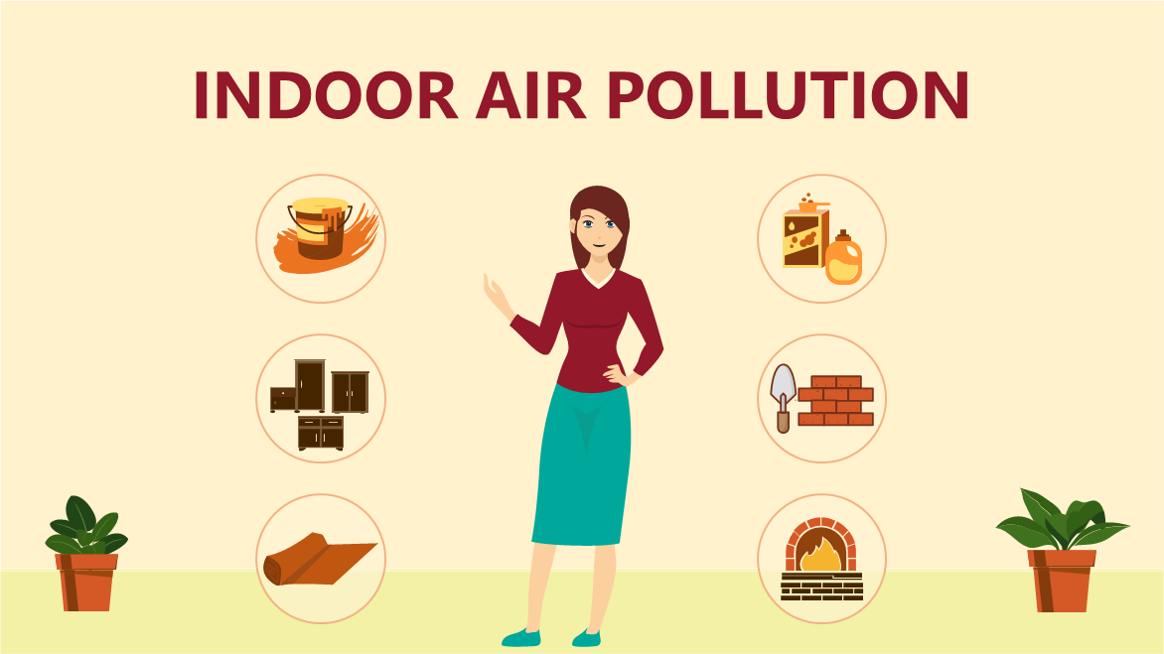
 The next source of indoor air pollution is paint. The paint that goes on the walls. You heard it right. Often, when the paint is wet. Many paints have VOCs which are very harmful to you. They may cause respiratory problems, headaches, nausea and your central nervous system may also be affected. Again, the solution is very simple. Use those paint companies which do not have VOCs. Or have minimal VOCs. Today, you will find many paint companies which sell VOC free paints. Second, when you get your walls painted, ensure that the windows remain open until the paint dries. And keep the paint cans tightly closed to prevent chemicals from leaking. 

The next source of indoor air pollution is something very common. Unfortunately, it is not so easy to avoid it. Mosquito coils, candles and incense sticks. You heard it right, friends. The things which are heavily used in our day-to-day lives. Especially, the candles and incense sticks. You would’ve read about combustion in school, friends. There are 5 main types of combustion. Let’s focus on the first two. Incomplete combustion and Complete combustion. In incomplete combustion, the combustion process is not fully completed. It means that unburnt soot particles are released. 
Combustion where the frame is of yellow colour. Like that in candles and incense sticks. And the blue frame is of complete combustion which is purer. Unburnt soot particles are not released. And fewer harmful gases are released. The logic is simple, friends. Whenever there is incomplete combustion, harmful gases will be released. Which are very harmful to your health. Not only candles and incense sticks, but also hookahs, cigarettes and wherever you find incomplete combustion. Obviously, in cigarettes and hookahs, there are many other harmful chemicals as well. 
Which are even more harmful to your health. Friends, cigarette smoke not only affects the health of the person smoking but if smoked indoors, the health of all the people in that house is also affected. Because the smoke from the cigarette spreads all over the house. It’s called Second-Hand smoking. You might have already heard about this. But, friends, did you know that after Second-Hand smoking there’s also something called Third-Hand smoking. When the ash residue from smoking falls on the furniture it can stay there for many days and release harmful gases. 
This third-hand smoking is as harmful as second-hand smoking according to several pieces of research. I talked about mosquito coils as well. They also release particulate matters. The solution here is that these things; mosquito coils, candles and incense sticks, avoid using them as much as you can. And when you have to use them, open the windows. Ensure proper ventilation. So that the air keeps moving and the smoke from them can go out of the house. 
While talking about ventilation, always remember one thing, friends, ventilation is a very important weapon not only against indoor air pollution but also to fight against coronavirus. Several research papers have said that if you keep your house well ventilated, keep the windows and doors open regularly so that the air can pass through, it reduces the spread of coronavirus to a large extent inside your house. The chances of your being infected by coronavirus are reduced a lot. Many research papers have stated that the spread of coronavirus and its infection has been seen indoors mostly. 
The infection rate outdoors is low. After ventilation, another important weapon is the sunlight. You might be amazed to know this, friends, that direct sunlight kills coronavirus. Not inside the human body but on the surfaces and in the air. When the direct sunlight falls on them. The scientists had previously assumed as such. But the latest research has proven that the intensity of killing coronavirus that direct sunlight has is 8 times as intense as was previously assumed. So open the doors and windows and let sunlight come in. Let it fall on your furniture and the floor and kill the germs and viruses.
 I hope that you would have learnt important and new things in this video. Share this video so that your friends and family can also get to know it. And get to safeguard their health. And can truly Stay Home and Stay Safe. 

Vaccination drive could save lives

The corona virus pandemic hits all of us so hard; it has impacted the lives and livelihoods of the people around the world. Second wave was a warning sign with thousands of death reported due to covid.

Image : FDA

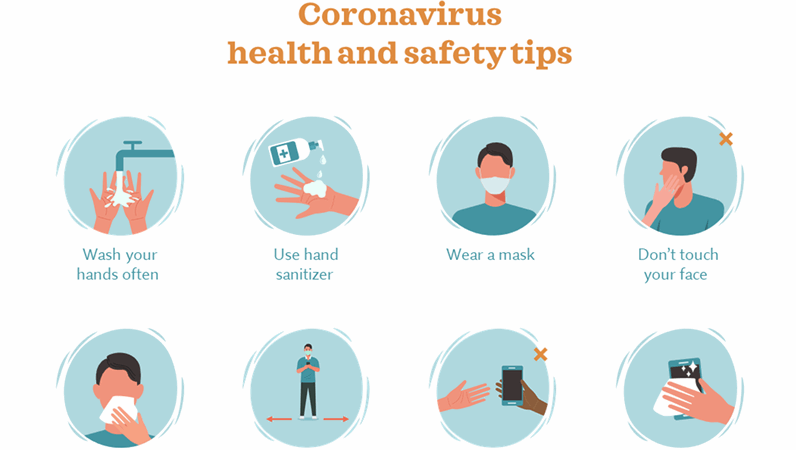
Although, during first wave India have managed well by following norms and guidelines issued by our government.  People followed social distancing, hand washing and masking along with other preventive measures. The whole country was under lockdown to break the chain of transmission but had a devastating impact on the country’s economy.

However, we should thankful for the advances made in the field of medical technology and research for the discovery of covid-19 vaccination. This will strengthen our fight against corona virus. Even after vaccination it is important to follow the covid appropriate behavior.

Image: Microsoft templates

As extraordinary situations required extra ordinary measures, mandatory vaccination for all could help us to achieve herd immunity. This will help us to increase the capacity of healthcare system. 

Why the need and demand increases with time?

High Time – This is the high time to make vaccination mandatory to protect the lives of people, protecting the vulnerable and preventing the devastating effect of lock down.

Public Safety – Clinical trials and ongoing researches have shown vaccinated people are at lower risk of developing severe diseases than the unvaccinated ones. Mortality is rare for fully vaccinated ones, researchers and scientists have developed vaccines which have negligible side effects and higher efficacy rates.

Continuous Supply – As per the current situation it is important to maintain the pace of vaccination drives to break the chain of transmission and to achieve herd immunity. The central and state governments should work in collaboration to make the vaccination drive successful by ensuring proper supply.

Healthcare System – Healthcare workers or frontline warriors should be fully vaccinated along with their family members. So, that everyone could be safe because they are the ones who are taking care of the patients in this time of emergency. Their safety should come first to strengthen healthcare infrastructure.

Image: India Tv

YOUR FOOD GUIDE TO FIGHT COVID-19

The second wave of COVID-19 pandemic has made us susceptible to the life-threatening effects of the corona virus and such is its effect that people are focusing more on building immunity and strengthen body’s immune system to fight the deadly virus. Well it’s not that easy however, if one takes the right steps at the right time it can be instrumental for faster recovery from COVID-19.   According to experts the key to faster recovery is by modifying the diet and adding healthy and nutritious foods which can help in improving the slackening immunity.

“Good nutrition helps your battered body build up its energy levels as fast as possible “says Dr Kavitha Fenn Arunkumar who is a Madurai based psychiatrist. Moreover, she recommends the intake of easy to digest food frequently rather than taking three big elaborate meals.

So what are the things which are essential for the recovery from COVID-19?

1.Say yes to protein rich foods

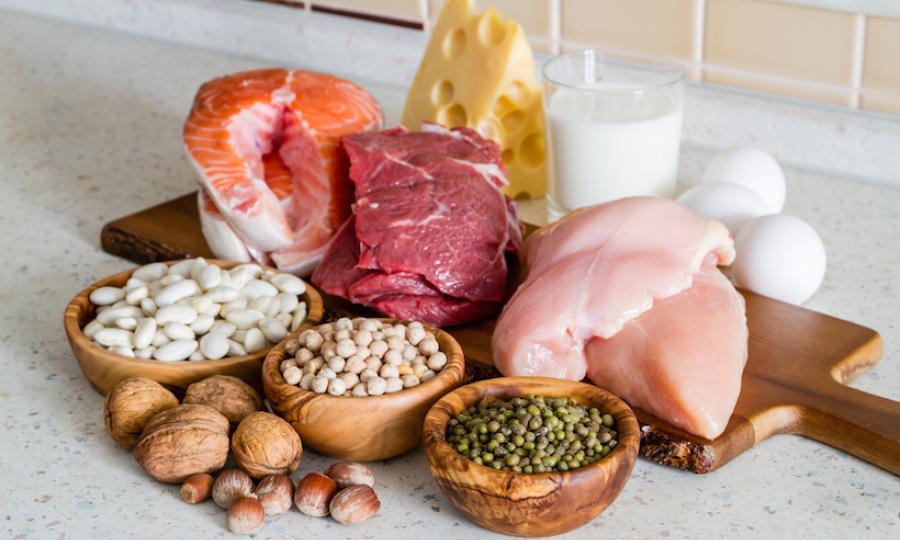
Protein helps in building muscles and repairs cell damage, which further helps in boosting your immunity. The reason why experts suggest increasing the intake of protein rich foods is because it helps in healing the cell damage caused due to COVID-19.

Adding protein rich foods like fish, lean meat, nuts and seeds, legumes and pulses to your diet during or post COVID-19 helps in replenishing the lost nutrition. These protein rich foods are also a great source of omega 3 fatty acids that help in boosting metabolism thereby improving gut health.

2. Vitamins should be your best friend

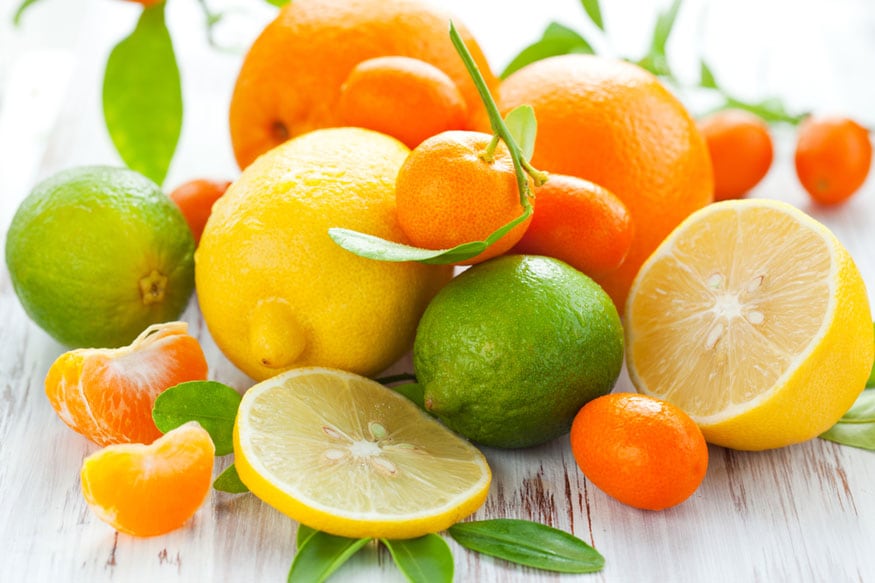
 Adding fresh  fruits and veggies help in faster recovery, this is the reason why experts suggest to include them in the diet during any recovery. Adding fresh fruits and veggies rich in vitamins and antioxidants help in strengthening the body’s resistance to combat deadly virus attacks like COVID-19. The addition of Vitamin C and multivitamin rich fruits like oranges, mango, pineapple, lemons help in reviving lost nutrients, hydrates the body and helps in boosting respiratory system.

3. Add soya to your diet

The addition of protein rich soy in your daily diet can help in healing and faster recovery post COVID-19. As per the Food Safety and Standards Authority of India, it has been suggested that adding high protein soy based foods can help in boosting immunity naturally. Also going for a nutrient dense vegetarian diet can improve overall health and immunity, post COVID-19.

4. Keep check on sugar intake

 Apart from adding these healthy foods to your daily diet, you must keep a check on the intake of sugar and salt as they may lead to a spike in sugar levels or blood pressure levels, which eventually slows down the recovery process

5. Hydrate yourself

During any sort of illness, dehydration and its associated challenges remain a major risk to our body. During such times, it becomes imperative to prioritize basic self-care, including drinking adequate fluids. One can also add lassi, coconut water or ORS during their COVID-19 recovery phase.