

Tag: #incredible-india
5 Forts You Must Visit Near Pune
“Forts are the very basis of a kingdom. They are the real treasure, the real wealth of a kingdom. They are our best form of defense against the enemies. Forts themselves are the kingdom.”
Rulers of almost every dynasty in Maharashtra gave tremendous importance to the construction and maintenance of forts. That’s one of the reasons you will find a fort in every nook and cranny of Maharashtra. Pune is a city that has a large number of forts around it. Many of these forts were built by Chhatrapati Shivaji Maharaj, the great Maratha warrior king. These Forts are like real treasure of Maharashtra.
So here are top 5 forts near Pune you must visit.
1. Sinhagad Fort
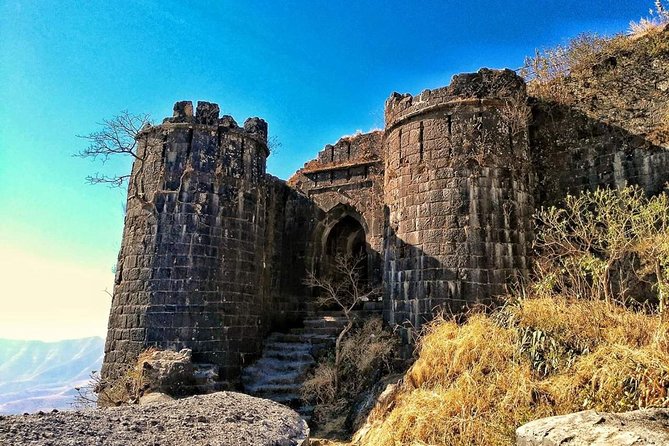
Sinhagad Fort Formerly known as Kondhana is one of the most beautiful fort to visit near Pune.
The forts has been the site of many battles, with the Battle of Sinhagad (1670) being the most notable of all. The fort was named ‘Lion Fort’ (Sinhagad) to honor the sacrifice of Subhedar Tanaji Malusare by Chhatrapati Shivaji Maharaj, who lost his life while fighting the Mughals in the battle.
The fort, built on the top of a hill, offers an amazing view of the lush greenery surrounding it. Pune Darwaza and Kalyan Darwaza are the two entrances to the fort, with the former being the main entry point for visitors. There are a few temples and a memorial built for Tanaji Malusare inside the fort.
Although there is a motorable road till the entrance, trekking to it is preferred by many youngsters. The 13-km trek has a medium difficulty level which makes it one of the best forts near Pune for trekking.
Distance from Pune : Around 30 km via Sinhagad Ghat Road and Sinhagad Road
2. Torna Fort
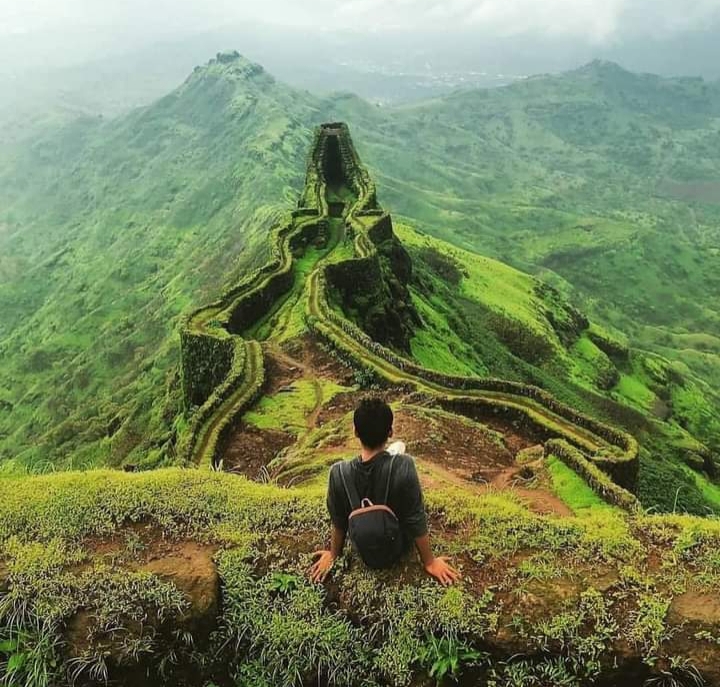
The historical significance of Torna Fort is that it was the first fort captured by Chhatrapati Shivaji Maharaj; thereby, making it the foundation of the Maratha empire. With an elevation of over 4600 feet above sea level, it is also the highest fort near Pune. Over the years, it has become one of the favourite destinations for anyone who wishes to experience history amidst the opulence of natural beauty.
Torna Fort is also a popular trekking hotspot, and the best time to visit it, is in between September and December. The trek begins from Velhe village as its base. One will first get the exalted view of the fort in the distance after a walk of 200 m. The entire trail is dotted with rocky patches hemmed by dense vegetation. The 4-hour trek goes through various structures like Bini Darwaza, Menghai Goddess Temple, Budhla Machi and the majestic Zunjar Machi. If you are trekking to the fort during the monsoon, be a little careful as the trail becomes slippery in patches. The view from top of the fort is very beautiful and mesmerising.
Distance from Pune : Around 71 km
3. Shivneri Fort
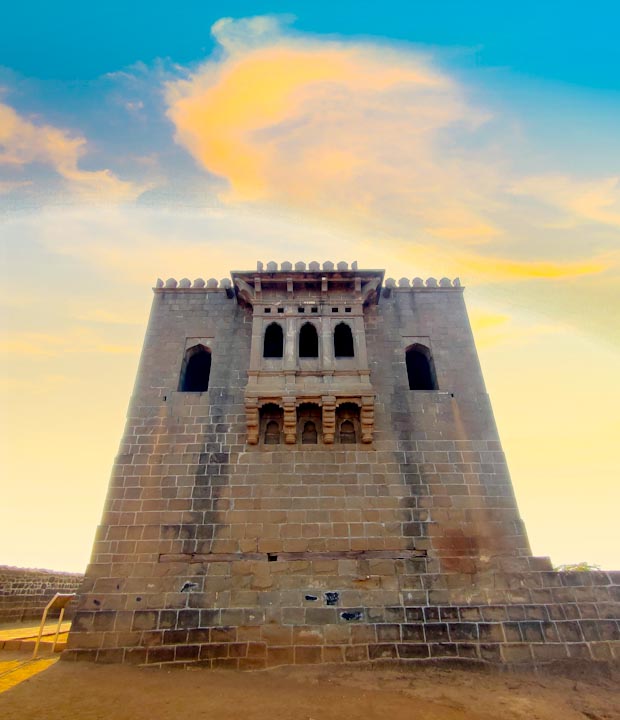
Shivneri Fort : the birthplace of Chhatrapati Shivaji Maharaj, the founder of the Maratha empire. Located near Junnar town, the military fortification has a memorial of Chhatrapati Shivaji Maharaj, known as Shiv Kunj right in the center.
The fort offers a panoramic view of the picturesque mountainous and beautiful lakes in the backdrop.
The fort has been rightly rated as one of the most favorite places for sightseeing as it has some interesting spots, such as the temple of Goddess Shivai.
Distance from Pune: 93 km
4. Raigad Fort
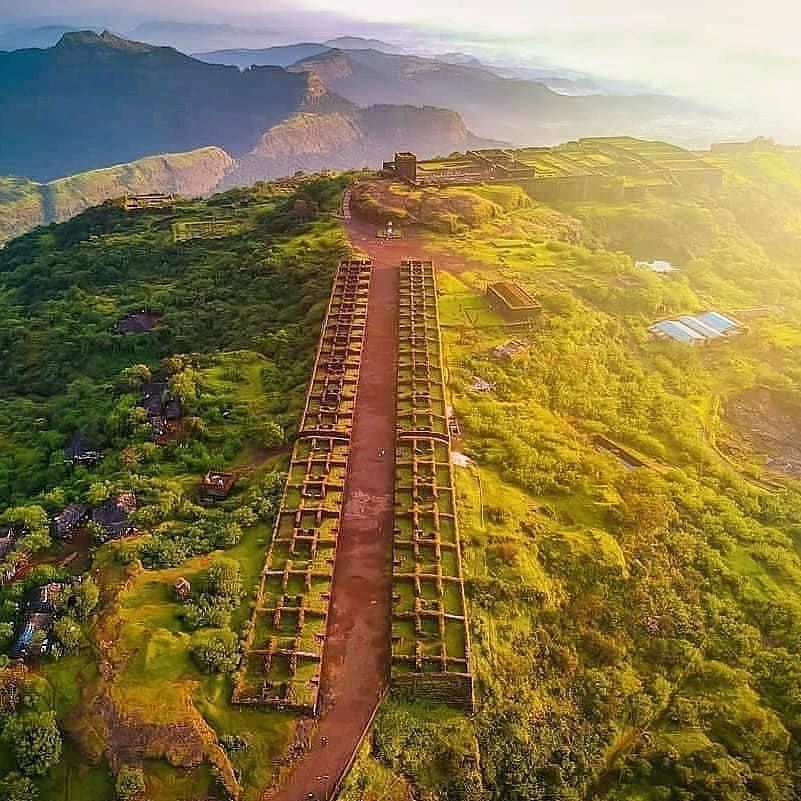
Raigad Fort is another witness to the glorious past of the Maratha empire, be it the coronation of Chhatrapati Shivaji or the various battles that were fought here. The hill fortress was the capital of the Maratha empire during the reign of Chhatrapati Shivaji Maharaj. Though many portions of the fort are in ruins, the remaining structures stand tall, testifying why Raigad Fort was called the ‘King of Forts’ as well as ‘Gibraltar of the East’. There are towers, grand entrances, artificial lakes, a Shiva temple and many other structures inside the fort.
Raigad Fort is a favourite among adventure enthusiasts because you have to either use the ropeway or trek to the fort, which is 2700 feet above sea level. Those who want to trek to the fort need to climb around 1700 steps from the foothills to reach the fort.
Distance from Pune : 131.4 km via Tamhini Ghat Road and Mulshi Road
5. Pratapgad Fort
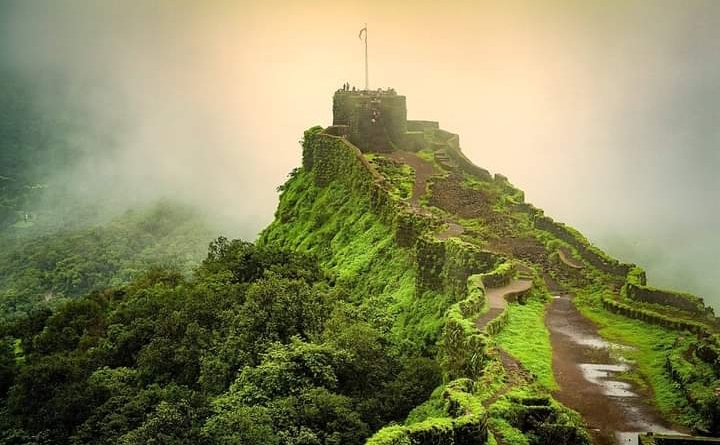
If you want to indulge in a day full of adventure, history and scenic beauty, Pratapgad Fort is the place to be. It is one of the most well historical marvels in Maharashtra. Pratapgad Fort is also known as the Valour Fort as the heroic battle between Chhatrapati Shivaji Maharaj and Afzhal Khan took place here. The fort is divided into parts – the upper fort and the lower fort. The lower fort is largely occupied by Bhawani temple, whereas the upper fort includes several eye-catching structures.
As Pratapgad Fort is located near Mahabaleshwar, it is frequented by several tourists. Around two to three hours of strolling around are enough to check out every nook and corner of this architectural beauty and its majestic surroundings. The best time to visit is around March and September as the weather remains pleasant during these periods.
Distance from Pune: Around 140 km
5 best places to visit while you are travelling to Aurangabad
1. Daulatabad Fort
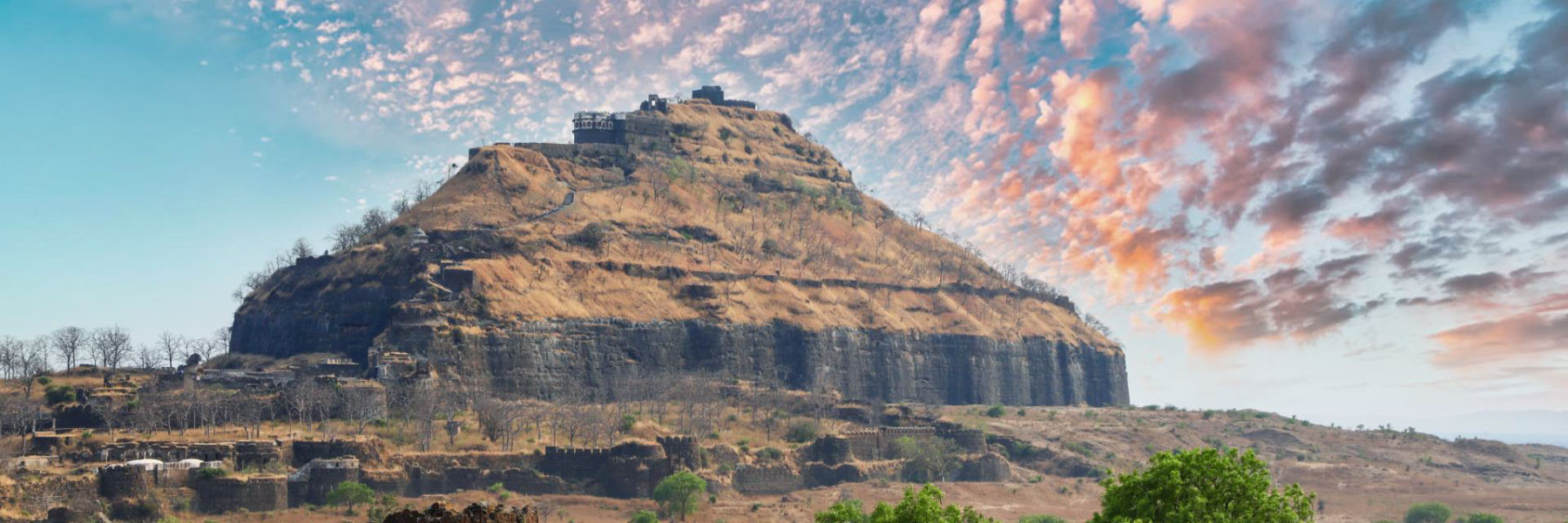
Daulatabad “The City of Fortune” also called as Devgiri. Daulatabad was built in 1187 by Yadava Dynasty. Later Muhammad Tughlak renamed it as “Daulatabad : the city of fortune”.
Just 15 km away from main city of Aurangabad, Daulatabad Fort is located. Often known as one of the “Seven Wonders of Maharashtra”, Daulatabad fort is the best example of powerful architecture. It’s built on a 200m high conical hill, surrounded by the greenery with architecture beauty and protection from enemies. The view after hiking about 700 odd steps up to the top is mesmerising, fascinating and irreplaceable. If you like trekking then you must visit Daulatabad Fort, reaching the top is the most challenging part for every trekker.
The one more reason to visit Daulatabad Fort is “Chand Minar” also called as Tower of the Moon located near the Fort.
Timing = 8am to 6pm
2. Bibi ka Maqbara

Bibi ka Maqbara (Tomb of Rabia) has similar architecture like “Taj Mahal”. A symbol of love and remembrance Bibi ka Maqbara is a beautiful place to visit in Aurangabad. Maqbara has a Charbagh styled garden and it sits pretty right in centre with the surrounding structure, having a water pool and 61 fountains. Located just 3km away from main city.
Timing = 8am to 8pm.
3. Jayakwadi Dam
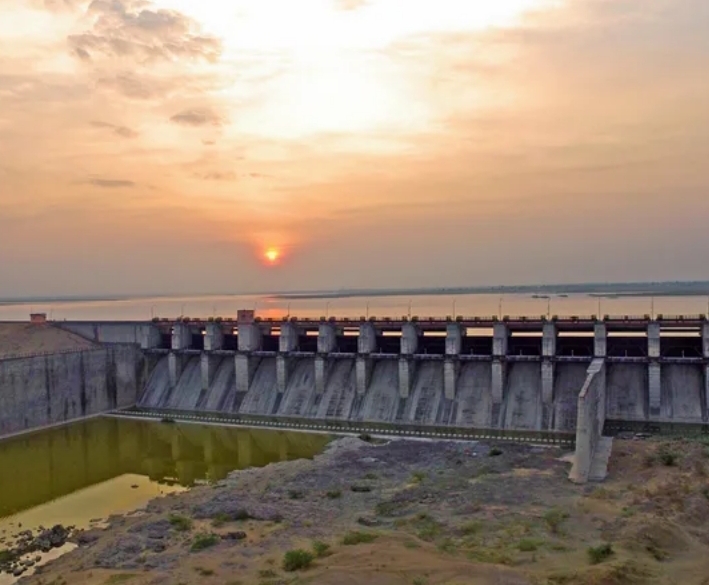
The largest irrigation dam in Maharashtra and one of the largest earthen dams in Asia, the fascinating Jayakwadi dam is located on Godavari river at site of Jayakwadi village in Paithan taluka of Aurangabad. Watching the dam will make you feel like you are watching a real ocean with no end. Also visit the bird sanctuary near it and don’t forgot to buy famous “Paithani” for your lovely ladies from Paithan.
Timing = 10am to 6pm
4. Ajanta Caves

Located from just 107km away from Aurangabad, Ajanta caves is the most attractive place for foreign tourist’s. A group of around 32 Buddhist caves that are carved out of rocks, these caves date back to the 2nd century and is considered as the most brilliant form of ancient Indian art.
Since 1983, Ajanta caves has been declared a UNESCO World Heritage Site. On the walls of caves there are paintings which recounts the life of Lord Buddha. From the architecture, shape, and form of the caves, it is pretty sure that the ancient Buddhist monks used these caves for studying, living and worship purposes. The murals, paintings, and carvings on the wall reveal many unknown facts about the way of living, the cultures and tradition.
Timings: 8 AM to 5 PM
5. Ellora Caves
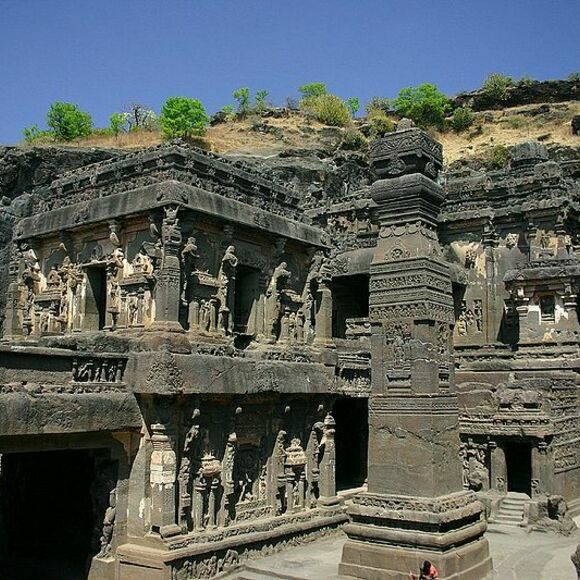
Another famous tourist place to visit near Aurangabad is Ellora caves, the another powerful example of Indian architecture. Located around 29 km from the city. This chain of caves were built by the Rashtrakuta dynasty of the Buddhist clan and Yadav group of the Jains.
A must visit UNESCO World Heritage site in Maharashtra, this series of caves also showcases the perfection and epitome of the pre historic times of the Indian culture.
There are all 34 caves of which, 12 are Buddhist, 17 Hindu and 5 Jain.
Timings: 6 AM to 6 PM
Incredible India
INDIA is filled with culture, traditions, history, mysteries and facts. Many travellers have India in their bucket list for several reasons.

Here are some facts about India which will force you to visit atleast once in your life.
• India is home to the wettest inhabited place on Earth, Meghalaya, a state in the northeast part of India receives around 12,000 mm of rain every year.
• Famous board games such as snakes and ladders and chess trace their roots back to India. The inventor of the games is not known but, it was created to teach children lessons about karma.
• The biggest cricket ground in the world, Narendra Modi Stadium, is situated in Ahmedabad, India. It has the largest sitting capacity in the world.
• Chenab Bridge, the world’s highest railway bridge is situated in Jammu and Kashmir, India.It is 1178 feet above the water.
• India was the only source of diamonds from the 4th century BC for around 1000 years. Therefore, India was the first country to mine diamonds. They were found in the Krishna River Delta.
• The oldest religion in the world is practiced in India. Hinduism started around 1500 BC. Hinduism has no founder in fact it is a way of living life.
• India has the highest population of vegetarians in the world. Around 30% of the population follows a vegetarian diet. Every restaurant in India will have a vegetarian menu too.
• Kumbh Mela, the largest gathering in the world happens in India once every 12 years. The gathering is so huge that it is visible from space.
• The holy city of Varanasi, also known as Banaras or Kashi is the oldest living city in the world. It is believed that it was once the home of Lord Shiva and Goddess Parvati.
• India is the birthplace of Ayurveda and Yoga. It has healing powers and it is famous worldwide.
• The word ‘shampoo’ comes from the Sanskrit word ‘champu’ which means to ‘massage’. Previously, various herbs were mixed with water to form a shampoo.
• The Statue of Unity is currently the tallest statue in the world. It is 600ft in height. It is situated in the state of Gujarat.
• India is the first country to extract, refine and consume sugar. It was found and refined around 2500 years ago.
India is a place of 1.3 billion people more than 6 religions speaking more than rationalized mother tongues, 234 identifiable mother tongues, and 22 major languages, this is the only place in this world where parents and teacher shares a place similar to God. A place that gave the world Taj Mahal, Vedas, yoga, medical science, the number zero.
Indian Sisterhood
The name “The Seven Sisters” was first heard in the year 1972. It refers to the states of Arunachal Pradesh, Assam, Meghalaya, Mizoram, Manipur, Nagaland, and Tripura. These states are home to majestic flora and fauna, and beautiful terrains.
These states are home to many tribes and around 220 languages are spoken in these states.
Further, are some more interesting facts about these states.
Arunachal Pradesh
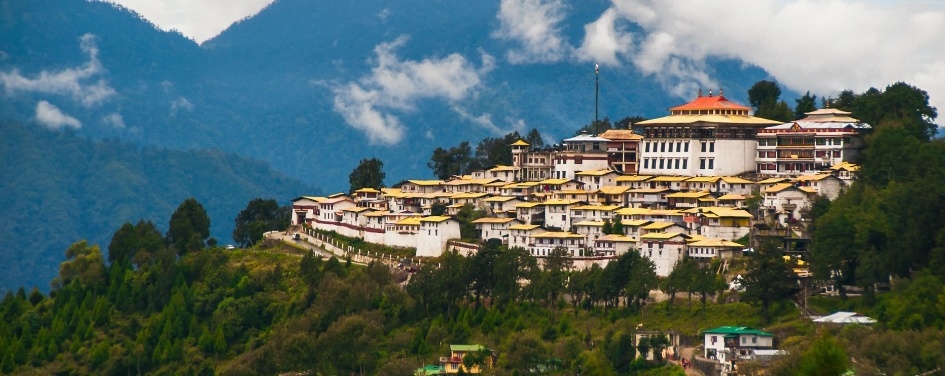
Arunachal Pradesh is the largest state among the Seven Sisters. The capital of the state is Itanagar. The state is mostly covered with greenery. Arunachal Pradesh is also called the Orchid Paradise of India. It is also the birthplace of the Sixth Dalai Lama, Tsangyang Gyatso. The state is inhabited by 26 major tribes and 100 sub – tribes.
Assam
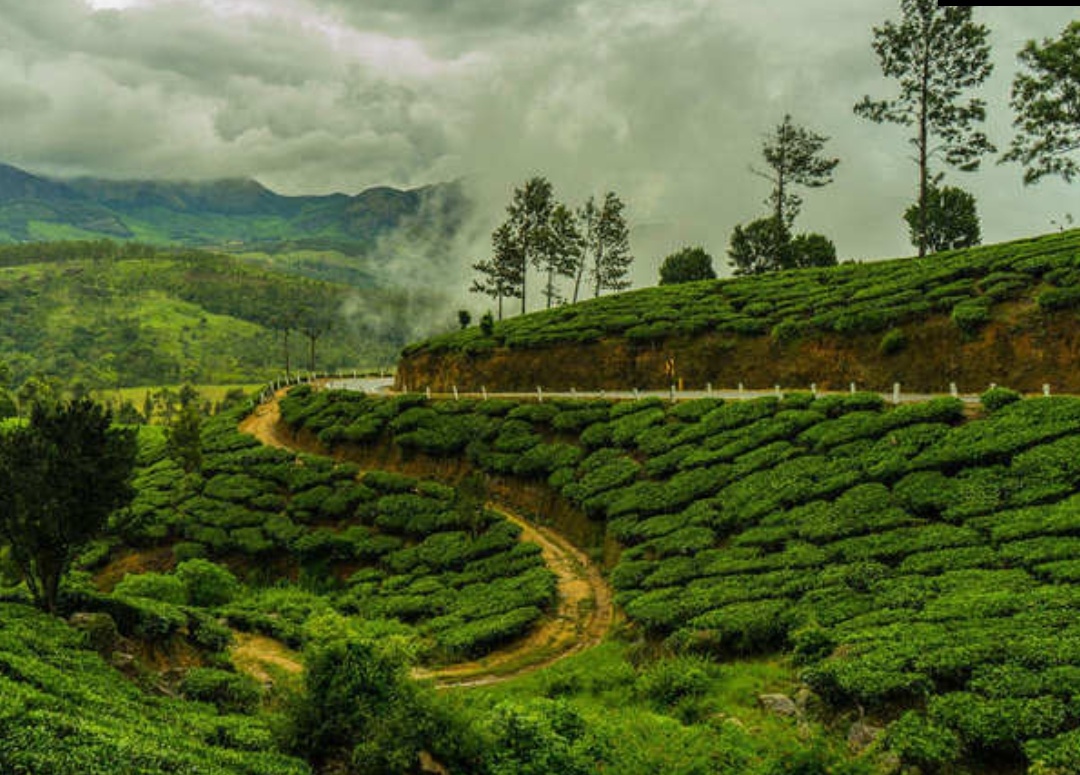
Assam is one of the most progressive states in India. Guwahati is the capital of Assam. It is well known for its silk and tea. Assam is home to various animals such as one horned Indian rhinoceros, tiger, wild water buffalo, elephants, and various species of Asiatic birds. The state also has its own State Anthem.
Meghalaya
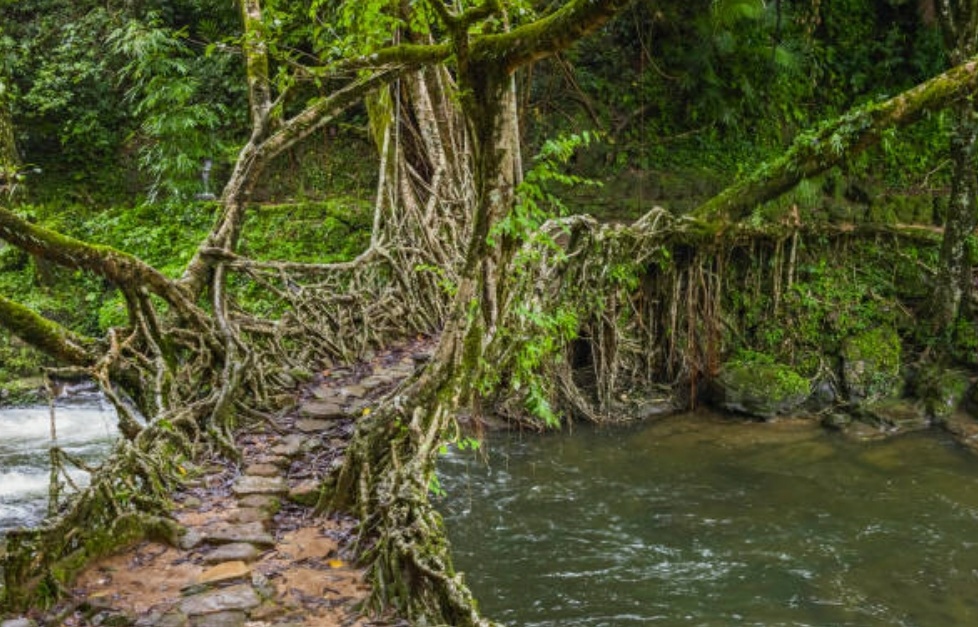
Shillong is the capital of Meghalaya. It is the wettest place on Earth. It recieves over 10,000 mm of rain in a year. Meghalaya is known for its Living Root Bridges. The life span of these bridges is said to be 500 years old. Meghalaya is also famous for its waterfalls, forests and biodiversity.
Mizoram
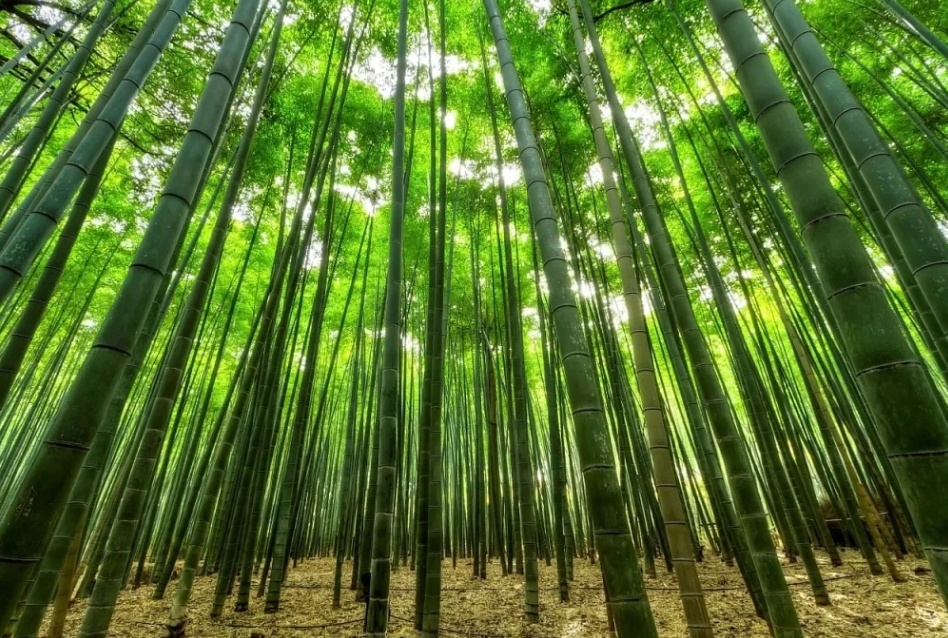
Mizoram became a part of India only 34 years ago. It is the leading producer of bamboo in India. Mizoram is enriched with flora and fauna. Around 90.68% of land is covered by forests which attracts many wildlife photographers. It is the second most literate state in India.
Manipur
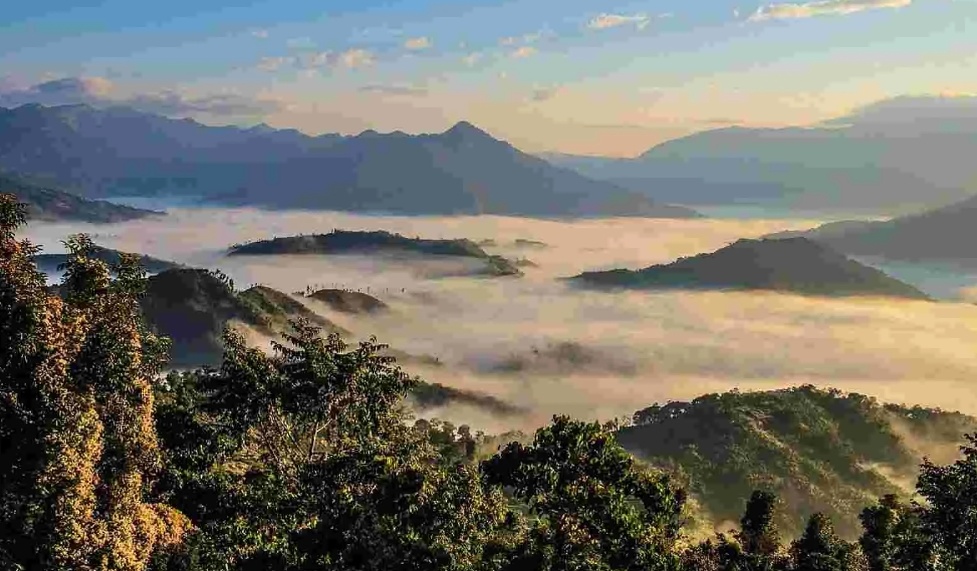
Manipur and Nagaland were the only two states where World War II was fought in India. It is famous for its natural beauty, rich culture and traditions. Imphal is the capital of Manipur. It attracts alot of tourists for it’s beauty and rich historical background.
Nagaland
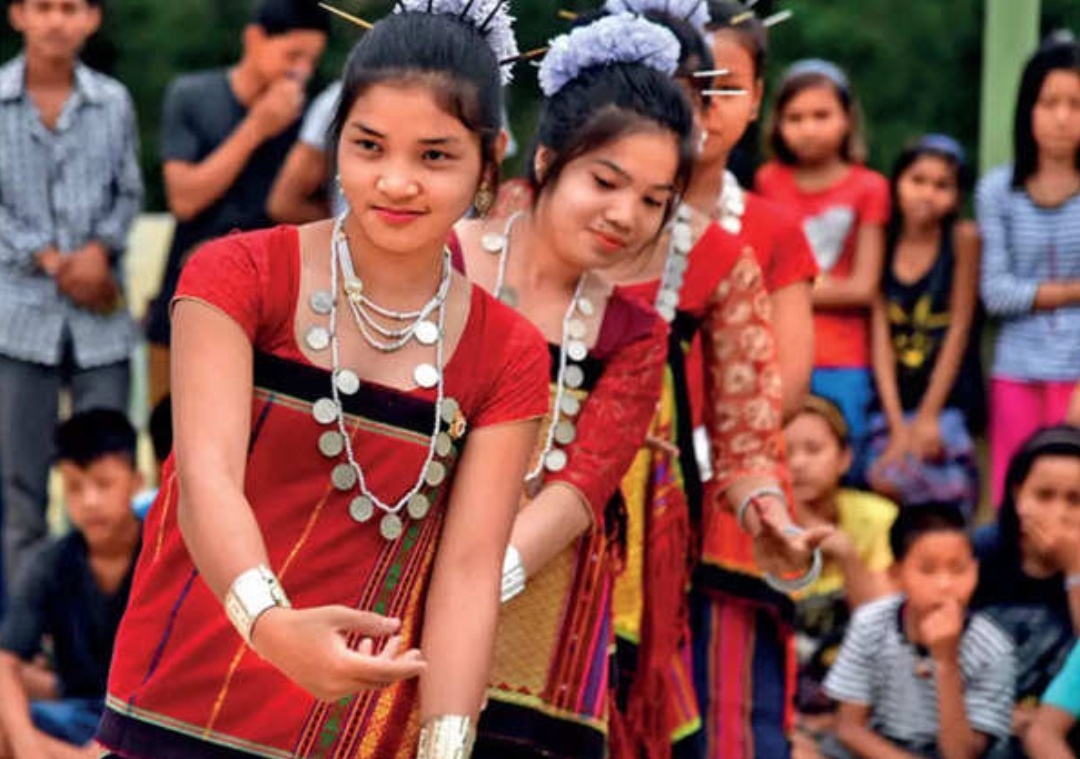
Nagaland is famous for its festivals and is known as “The Land of Festivals”. The locals celebrate various festivals every month. World’s hottest chilli pepper is cultivated in Nagaland. 90% of the people in Nagaland follow Christianity.
Tripura
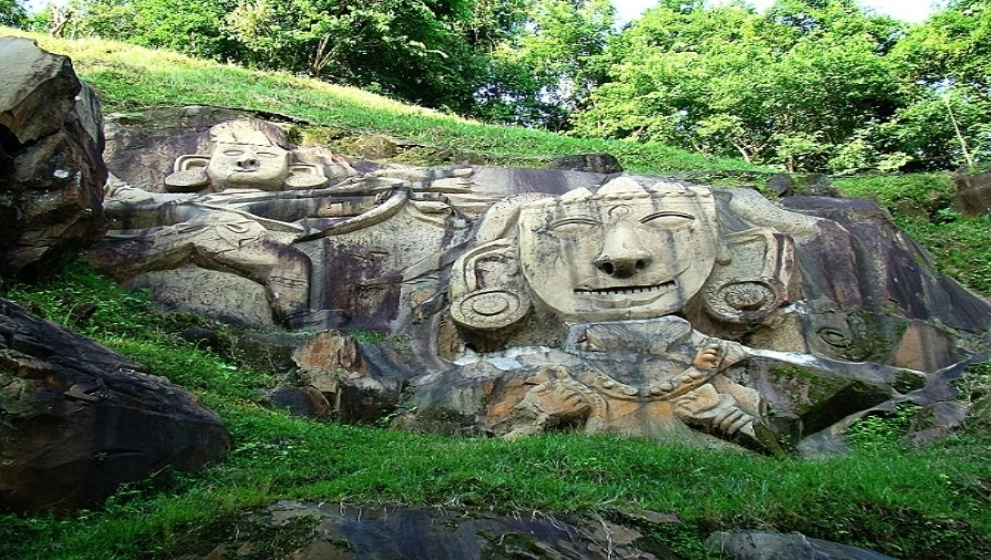
Tripura is the smallest state among the Seven sisters and is famous for its tribe culture and food. It is well known for its tea plantations and beautiful gardens. Agartala is the capital of the state.
The Seven Sisters, is the best place to visit if you’re a fan of natural beauty.
Indian places that looks like foreign
We all dream of traveling international but most of the time our pockets don’t allow so, here is the list of some famous places in India that looks like foreign destinations. These Indian cities will make you feel like as if you’re in abroad.
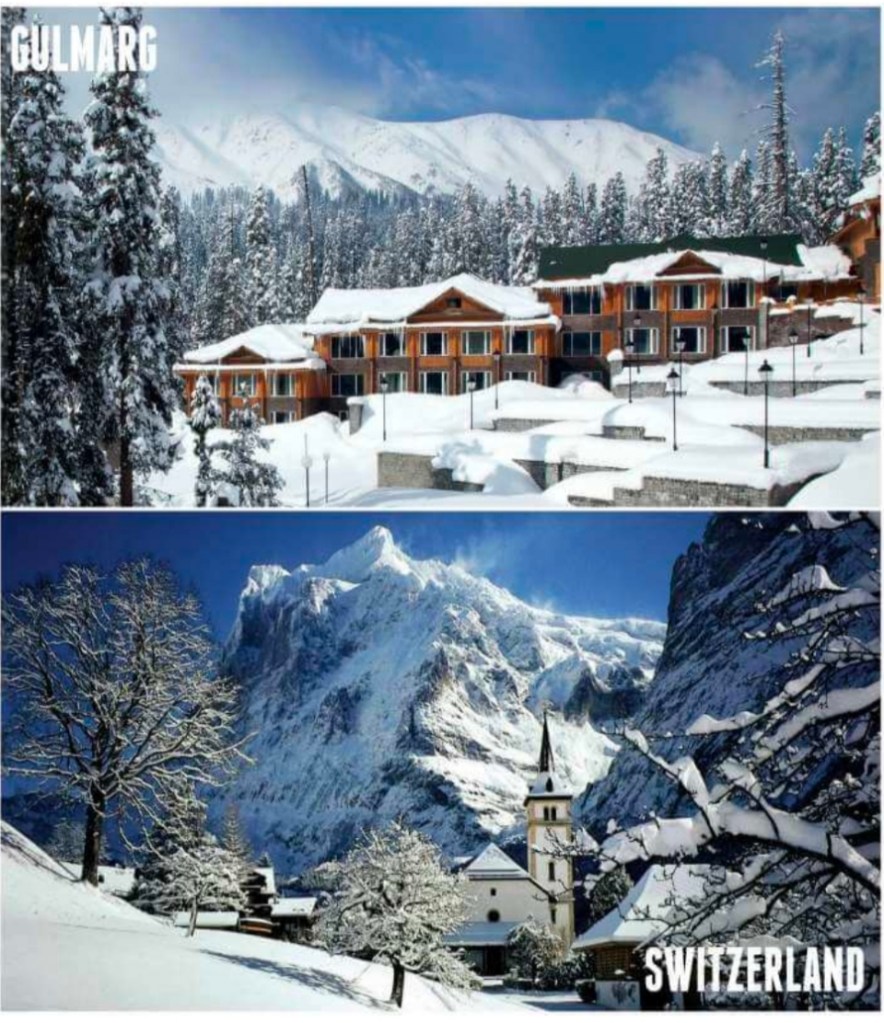
The scene of snow clad mountains at Gulmarg in Kashmir is quite similar to those in Switzerland. There’s no other place like Kashmir in the world! Kashmir is often referred as Paradise on earth.
Tulips in Srinagar will remind of you of Tulips in Amsterdam. If not the tulip fields of the Netherlands, you can still visit our own Tulip garden which is located in Srinagar. The best time to visit for the tulips is when they are in full bloom that is March-end and early April.

Hills of Alaska is quite similar to Auli of Uttarakhand. The Ski slopes of Uttarakhand and Sikkim in India are one of the best things to do.

Rolling hills in Scotland and Mandi in Himachal Pradesh, looks same.
Andaman and Nicobar Islands and Phi Phi Islands, Thailand. The Andaman and Nicobar islands of India, are as beautiful as the islands of Thailand. The Andamans are beautiful and have equally turquoise waters.

Valley of Flowers in Uttarakhand is in the same as that of Antelope Valley in USA.
Thar Desert in Jaisalmer and Sahara Desert in Morocco, Africa

Chitrakoot Falls in Chhattisgarh and Niagara Falls in Canada. In case you’ve been dreaming about visiting the Niagara Falls, you can visit Chitrakoot falls. The Chitrakote falls in the state of Chattisgarh, are the most beautiful falls in the monsoon – June to Sept. To see this waterfall, you don’t need to board a 16-hour long flight or make hole in your pocket.

Tea leaves at Munnar in Kerala and Boh Tea Plantation in Malaysia. The hill station in Munnar has around 50 tea gardens which have free entry. You can also visit the Tata Tea museum located on these hills. If you happen to be a tea lover too, then visiting a tea plantation should be on your list.

Alleppey in Kerala and Venice at Italy. The river is lined with trees and nature, seeing the sunrise from these boats will be the most beautiful experience.

The Bonneville Salt Flats of Utah vs The Rann of Kutch of Gujarat.
5 Things you must not miss if you are traveling to Leh Ladakh
The world of virus has made all of us a couch potato. Eat, sleep, work and repeat has became our lifestory. Now lets recharge ourself and live our life happily like the way we were living before this virus, lets go on trip, a trip to Leh Ladakh. A heavenly beautiful travel destination in Himalayas. The moon-like landscapes, desert mountains with splashes of green and snow peaks the beautiful nature make you feel spaced out from this world. So if you are visiting to Leh Ladakh don’t forgot to do these 5 things.
1. Chadar Trek
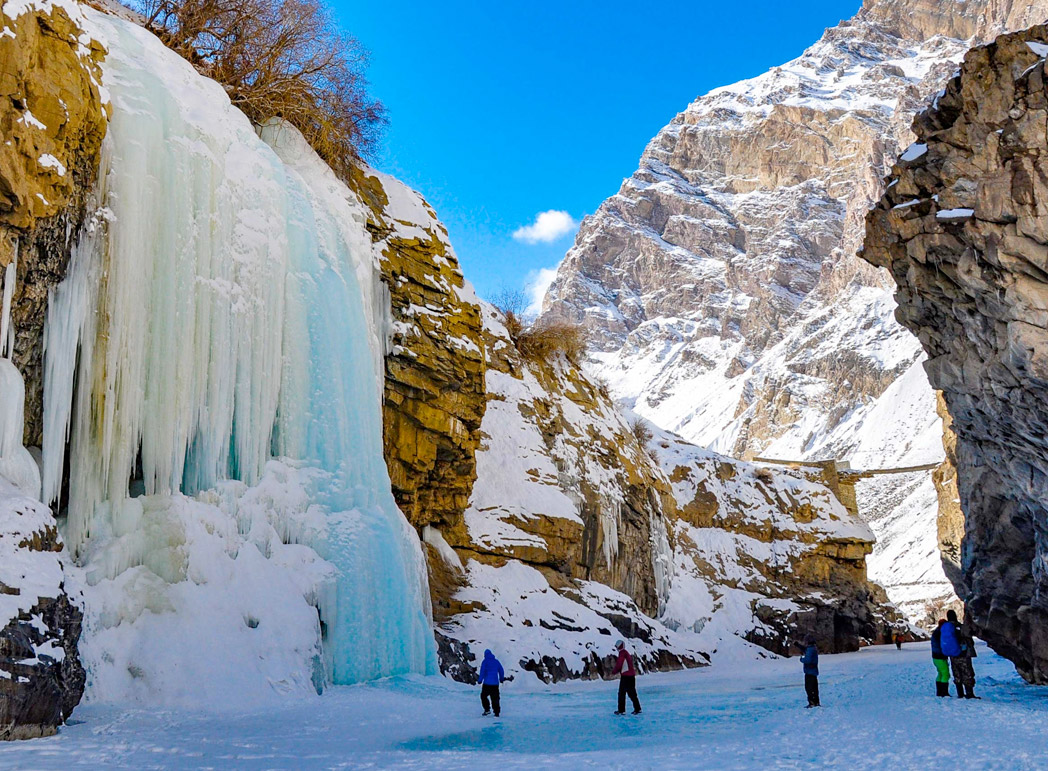
While walking across frozen sheets of ice will make you feel like “ELSA”. The Frozen River trek while holidaying in Ladakh is one of the most popular things in Ladakh. You will also be capturing panoramic sights of frozen valleys while strolling here and the serene ambiance will surely make you fall in love with this place. This is one of the best activities to do in Ladakh.
2. Shanti Stupa

Shanti Stupa in Leh is amongst the most popular Tibetan structures that is known for its architecture and beauty. Shanti Stupa looks exceptionally beautiful during the full moon night when it is naturally illuminated by the moonlight. Its white-dome structure is truly mesmerizing and the place offers panoramic sights of the surrounding area. The place will surely give you a perfect chance to revive your soul amidst the peaceful ambiance of this stupa. Shanti Stupa is established by a popular Japanese Buddhist, Bhikshu Gyomyo Nakamura.
3. Zorawar Fort

This fort stands as a pride for the entire region and is made up of local clay, sun-dried bricks, stones, and wooden frames. If you are visiting Leh, a visit to Zorawar Fort would give you access to a majestic view of the entire city.
4. River Rafting

River rafting is a popular activity that all thrill-seekers find quite enticing and to satiate your souls. Witness the beauty of this region while you cross quaint villages and stunning monasteries for which Ladakh is famous all around the world.
5. Hall of Fame

Pay tribute for soldiers sacrifice. The displays give you chills and make you realize the sacrifices of the soldiers for the country.
5 Things you must not miss if you are traveling to Leh Ladakh
The world of virus has made all of us a couch potato. Eat, sleep, work and repeat has became our lifestory. Now lets recharge ourself and live our life happily like the way we were living before this virus, lets go on trip, a trip to Leh Ladakh. A heavenly beautiful travel destination in Himalayas. The moon-like landscapes, desert mountains with splashes of green and snow peaks the beautiful nature make you feel spaced out from this world. So if you are visiting to Leh Ladakh don’t forgot to do these 10 things
1. Pangong Tso
The place where 3 idiots ending scene was picturised. One of the wondrous things to do in Ladakh is observing the sunrise at Pangong Tso or Pangong Lake. A breathtaking sight and true craftsmanship of nature. You will observe an eye-catching blue sky which is tranquil, and cold. This is one of the truly amazing Ladakh lakes that you can find.

2. Hemis Natinal Park
Snow Leopard are seen in only a few places in entire world Hemis National Park is one of those places. Henis National Park is home of more than 200 Snow Leopards.

3. Leh Palace
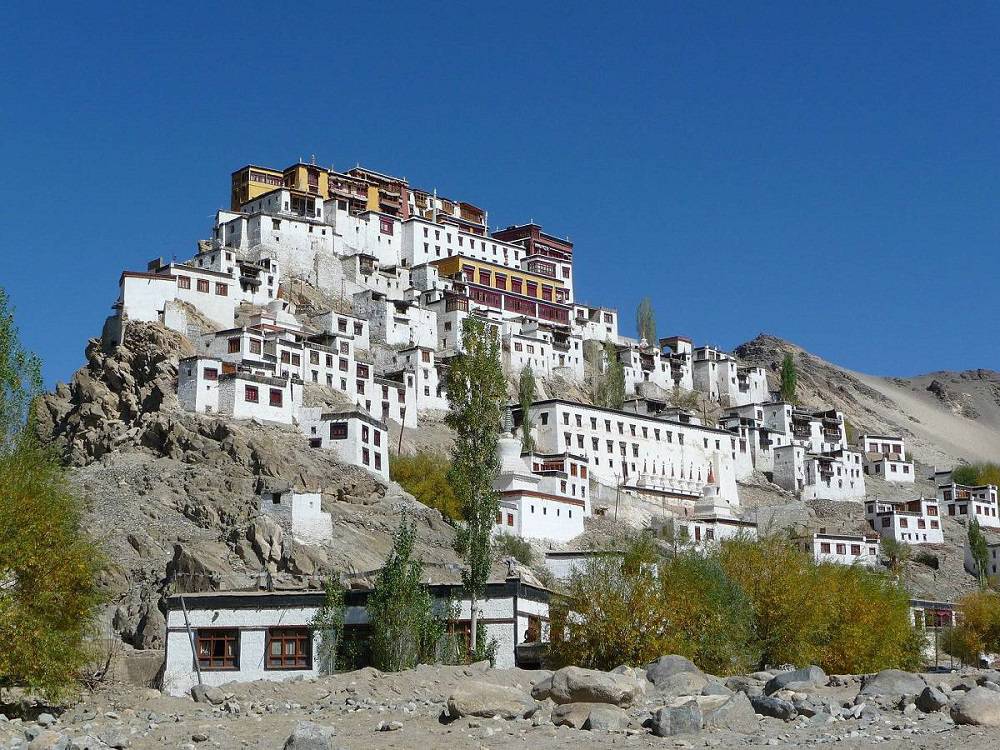
The palace stands like overlooking the town, it stands like the famous tourists spot which will show you the beautiful view of Leh and surrounding area. Inside the palace there are old wall paintings on life of Buddha.
4. Turtuk and Nubra Valley
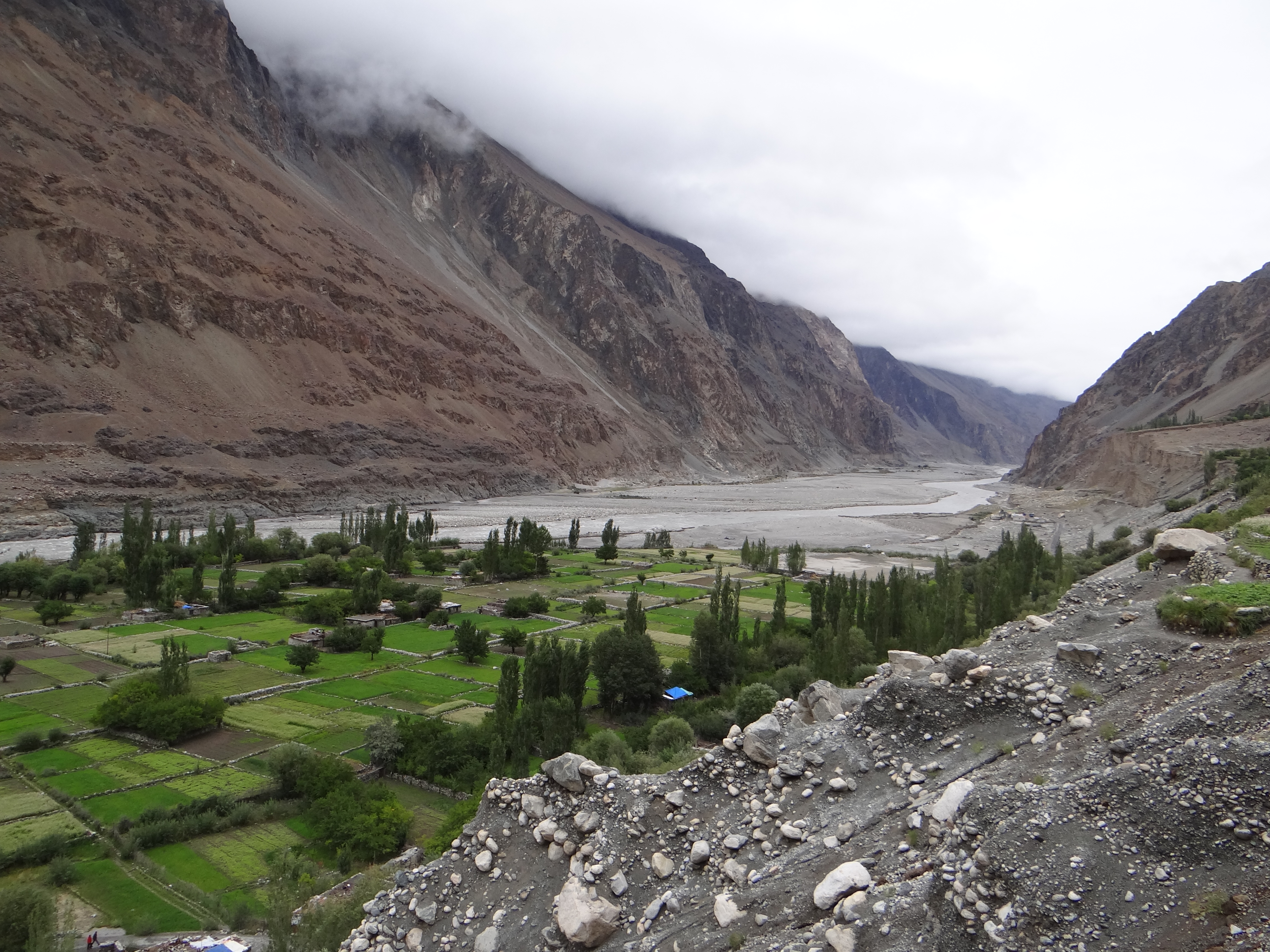
The last village in India situated in Nubra Valley. There are so many reasons to visit turtuk village like a beautiful seclusion, mixed culture and the beautiful view of nature.
Nubra Valley is the place is known for its scenic beauty and adventurous expeditions. Surrounded by the snowcapped Himalayan ranges, it lies sandwiched between Tibet and Kashmir. The view of valley is breathtaking and picturesque. You will be crossing the thriving Shyok and Nubra rivers to reach the valley which is also home to numerous beautiful monasteries. The area is under military supervision because of its proximity to Siachen Base camp. The place is also known for interesting Bactrian camel rides.

5. Hemis Festival
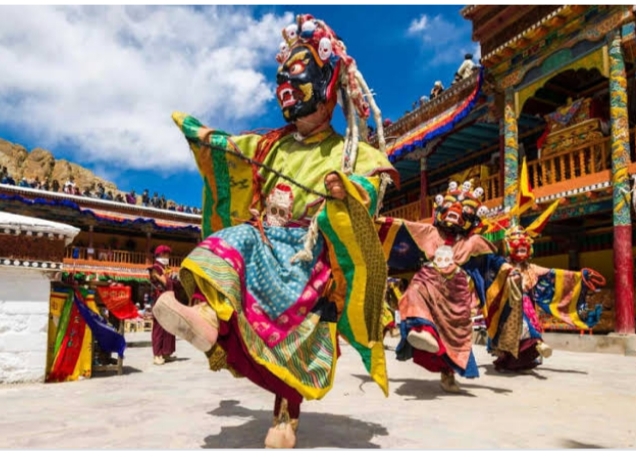
If you want to be mesmeried by colourful dances you must visit Hemis festival of Ladakh festival. People here dance wearing huge masks; the dance symbolic of good winning over bad.
Time to visit= 11th to 12th July 2021
Where=Hemis Monastery.
Indian National Anthem
We have sung our national anthem since our childhood, Do we know the meaning behind it?
Indian National Anthem:
Jana-gana-mana-adhinayaka jaya he
Bharata-bhagya-vidhata
Panjaba-Sindhu-Gujarata-Maratha
Dravida-Utkala-Banga
Vindhya-Himachala-Yamuna-Ganga
uchchala-jaladhi-taranga
Tava Subha name jage, tave subha asisa mage,
gahe tava jaya-gatha.
Jana-gana-mangala-dayaka jaya he
Bharata-bhagya-vidhata.
Jaya he, Jaya he, Jaya he,
jaya jaya jaya jaya he.

Meaning of our National Anthem
The following is Tagore’s English rendering of the anthem:
Thou art the ruler of the minds of all people,
Dispenser of India’s destiny.
Thy name rouses the hearts of Punjab, Sind,
Gujarat and Maratha,
Of the Dravida and Odisha and Bengal;
It echoes in the hills of the Vindhyas and Himalayas,
mingles in the music of Jamuna and Ganges and is
chanted by the waves of the Indian Sea.
They pray for thy blessings and sing thy praise.
The saving of all people waits in thy hand,
Thou dispenser of India’s destiny.
Victory, victory, victory to thee.
Source:https://knowindia.gov.in/national-identity-elements/national-anthem.php

A simplified version:
You are the ruler of minds of people, let the victory be with you,
The dispenser of the destiny of India
Punjab, Sindh, Gujarat, Maratha, Dravid, Orissa, Bengal
There are echoes in hills of Vidhya, and the Himalayas and music is mingled in Yamuna, and Ganga which is chanted by foaming waves of Indian Sea
Wake up listening to the auspicious name of yours and pray for your blessings,
The saving of all the people is lying in your hands.
You are the one to impart well being to the people
the dispenser of the destiny of India
May you get victory, victory, and victory for you!
Source: https://www.mapsofindia.com/my-india/india/what-does-the-indian-national-anthem-jana-gana-mana-mean
Facts about our National Anthem
- The song Jana Gana Mana is the National Anthem of India which was composed by Rabindra Nath Tagore, originally in Bengali.
- It was adopted by the constituent assembly on January 24, 1950, in its Hindi version.
- The song “Jana Gana Mana” was first published under the title “Bharat Vidhata” in Tattva Bodhini Patrika in January 1912.
- The song was translated into English in 1919 with the title “Morning Song of India”.
- The very first time it was sung at the Kolkata Session of Congress on 27 December, 1911.
- It takes about 52 seconds for its total completion, while it takes 20 seconds for the first and last lines of the stanza.
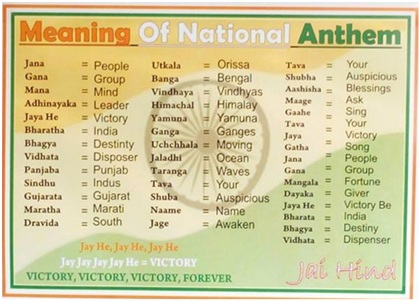
Source: https://www.jagranjosh.com/
Know about Engineering departments
What does an Engineer do?
Engineers design machinery, build skyscrapers, and oversee public works, but they address society’s needs and problems on so many other levels as well. At a molecular level, they work on drug delivery systems that work inside cells. At a macro level, they look at the particle flow of pollutants through soil to clean up oil spills, abandoned industrial sites and other biohazards. At a galactic level, they design spacecraft for other-planet exploration. At an atomic level, they develop data storage that focuses on the spin of electrons in atoms. Clean drinking water, safe food storage, and the protection of our environment are also under the engineering umbrella.
What is Mechanical Engineering?
Mechanical engineering is the branch of engineering which deals with the design, manufacturing, maintenance and testing of machines. It is also considered as one of the most diverse and versatile disciplines of engineering. Mechanical engineering also includes the application of mechanics, material science, applied mathematics and physics.
With the rise of modern technology, mechanical engineering has witnessed newfound importance with more and more students opting to learn less explored domains of robotics, mechatronics, nanotechnology, etc.
New trends and future scope:
The scope of mechanical engineering no longer remains limited to just manufacturing and testing of huge machinery and equipment. With technology making new advancements, there are several new domains in mechanical engineering which are being taken up by passionate engineers. These domains include robotics, new materials, nanotechnology, computer-aided design, geomechanics, etc. The two highly pursued domains are robotics and mechatronics, both of which combine the knowledge of mechanical engineering with other streams to deliver state of the art products.
Robotics
Robotics is an interdisciplinary stream of engineering that combines mechanical engineering, electrical engineering and computer science with an aim to design and develop robotic systems along with computer systems to control them. With the AI revolution already started, Robotics as a stream has been on the rise and is expected to grow in both reach and demand in the coming decade.
Mechatronics
Mechatronics too, is an interdisciplinary branch of engineering which usually combines mechanical engineering, electrical engineering and Information technology. A mechatronic engineer is responsible for designing complex engineering systems, can assist in process automation and also test the systems in use in the processes.
From automobiles to heavy-duty lifting machines and even the modern aircrafts that defy speed barriers, a variety of modern systems are being designed under the supervision of expert mechanical engineers. You will not find mechanical engineers limiting themselves to the manufacturing industry anymore. Mechanical engineers are being welcomed in various industries with open arms and high compensation packages, provided that the candidates are skilled and proficient.
The current market scenario and scope:
According to the portal payscale.com, the average salary of mechanical engineers falls below Rs. 3.4 lakhs per annum. A few skills are able to add value to this compensation package. For example, knowledge of robotics or robotics process automation and a sound understanding of electrical systems can make a recruiting firm provide you with a better pay package, as per their need. Even though the pay package is lower in certain sectors as compared to computer science engineering, mechanical engineer with IT skills are very high in demand and the pay package is higher than CS engineers.
IMPACT OF COVID-19 ON EDUCATION IN INDIA
India is the one of best and largest place for education systems in the world.

India is the country with over 1,000 universities and 50,000 colleges and institutions. The impact of covid 19 is observed in every sector around the world. The education sectors of India as well as world are badly affected by this.
Due to this pandemic, around 32 crore learners stopped to move schools/ colleges, all educational institutions are halted in India. COVID-19 made all the institutions to grow and opt for platforms , techniques, that are not used before. All the classes suspended and all the examinations, entrance tests are postponed.
This pandemic completely destroyed all the schedules of every student. COVID-19 Impact on education is also leads a great damage on country economy at present and in future.

COVID-19 has created many opportunities and challenges for educational institutions to strengthen their technological knowledge and infrastructure.
The lockdown made the entire education online, the teachers are teaching and assigning works through online by using some apps like zoom, Google meet, teams, YouTube, Facebook, skype .,etc.
India is not fully equipped to make education reach every corner of the country through online process. The students those who are not having access to internet will suffer a lot due to the present choice of digital platforms.
Universities and the government of India are relentlessly trying to come up with a solution to this problem.
INCREDIBLE INDIA
Indian culture is the heritage of social norms, ethical values, traditional customs, belief system, political systems, artifactcs and technologies that originated in or are associated with the Indian subcontinent. Over the centuries, there has been a significant fusion of cultures between Buddhists, Hindus, Muslims, Jain, sikhs and various tribal population in India.

>Importance of Indian Culture :
Indians are proud of its culture. In our country it is traditional to respect elders, be truthful and honest and also to help out others in need. It is also considered traditional to celebrate our cultural festivals and religious activities with the family and neighbours.

>Indian culture and values :
The two most tenents of Indian culture are Human Values and Holism. Human values refer to moral, spiritual and ethical values whereas Holism means unity.
>Features of Indian culture :
Unity in diversity, tolerance , longevity and continuity , amalgamation of spirituality and materialism.

India is the land of ‘UNITY IN DIVERSITY’, and our dances are no different. Different forms of dances find origin of different parts of the country, and they are a way of representation of the particular culture from which they originate.

INDIAN CULTURE IS VERY RICH AND DIVERSE AND TEACHES US TO BE TOLERANT TO OTHERS.
EXTERNAL REFERENCE
•India and World Cultural Heritage
•India’s intangible cultural heritage
Heaven in India
Heaven In India
Have you visited The Sahara Desert? or the Snow-capped mountains of Switzerland? If you haven’t, it’s perfectly alright. Why visit so far when you can see such places in India too. India has deserts, snow-covered mountains, waterfalls, historic places, and a lot of greenery. You name it and we have it!
There are so many breathtakingly beautiful places in India that one doesn’t need to go out.
Here are some spots you should visit before you kick the bucket.
• Tea Garden Hills of Munnar
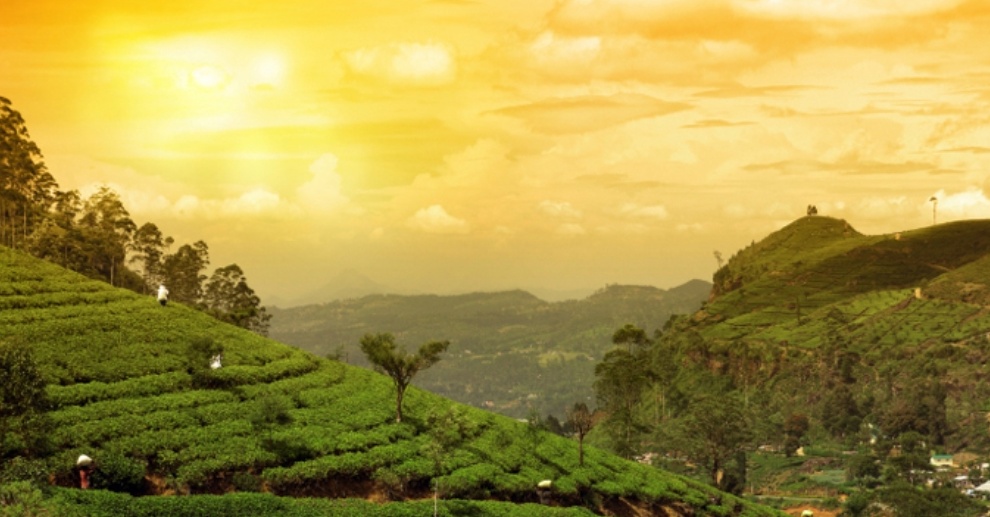
Munnar is situated in God’s own country, Kerala. It is a famous hill station in Kerala. It is well-known for its tea plantations and lush green hills.
The best time to visit these tea garden hills is between November – February.
• Nanda Devi
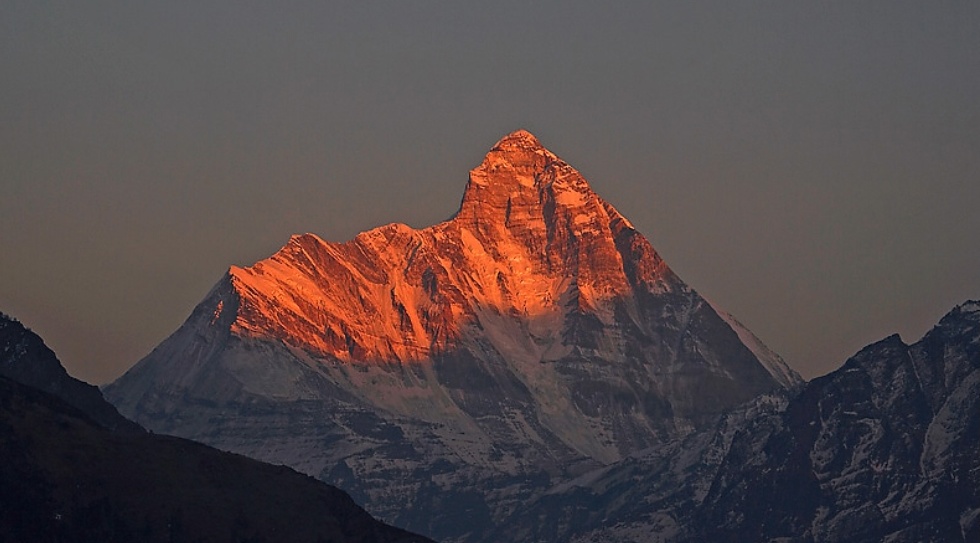
Nanda Devi is the second-mosy noteworthy mountain in India. It is located in the Himalayan Mountains in the northern part of India. It is extremely famous for its remarkable view.
From 15 June to 15 September is the best time to visit Nanda Devi.
• Mizoram
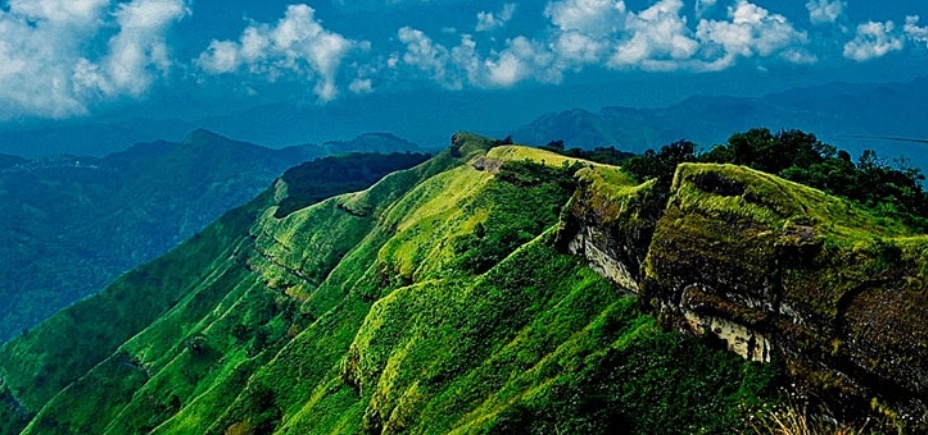
Mizoram is a land of hills, lakes, rivers, and valleys. It is a state in northeastern India. It is known for its evergreen hills, rivers, and high sparkling waterfalls.
The best time to visit Mizoram is during October, November, and December.
• Nohkalikai Falls, Cherrapunji
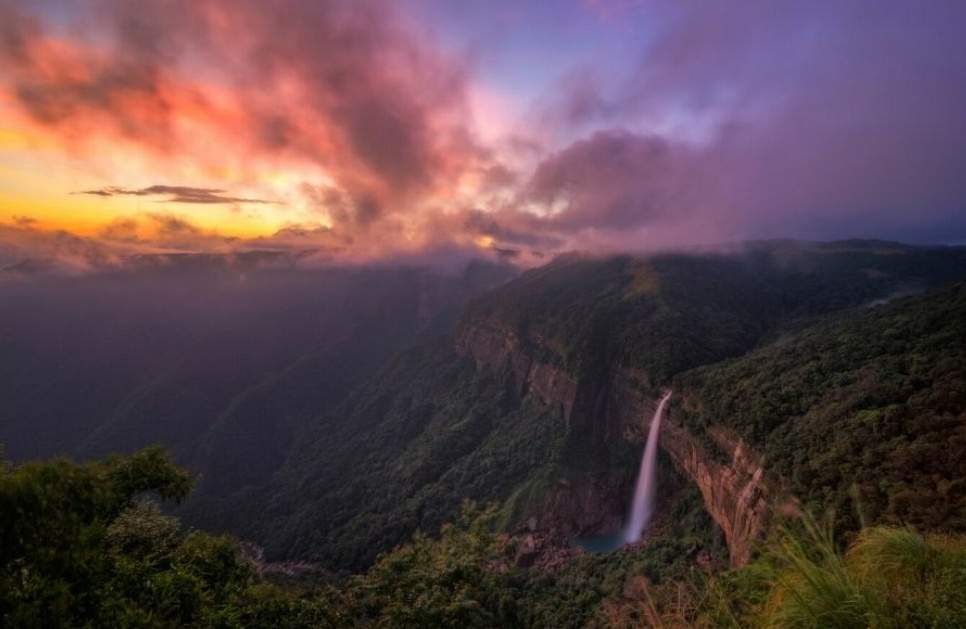
Nohkalikai is the highest waterfall in India. It is located in the state of Meghalaya which is in the northeastern part of the country. It is known as the wettest place on Earth
The best time to visit is in September and October.
• Deodar Forest, Himachal Pradesh
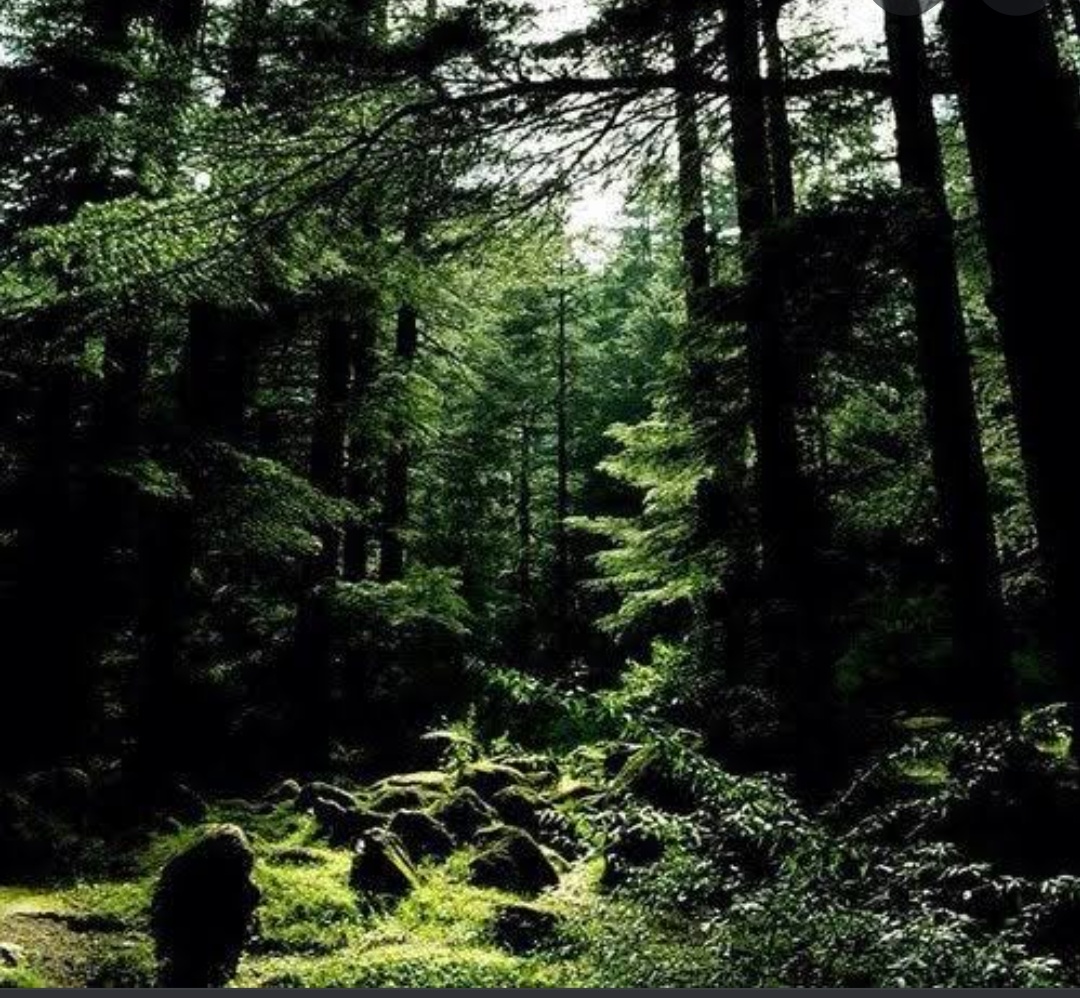
Deodar forest is located in Himachal Pradesh and it is famous for its pine trees, Cedrus deodar tree species.
The best time to visit is between February to June.
• Tungnath, Uttarakhand
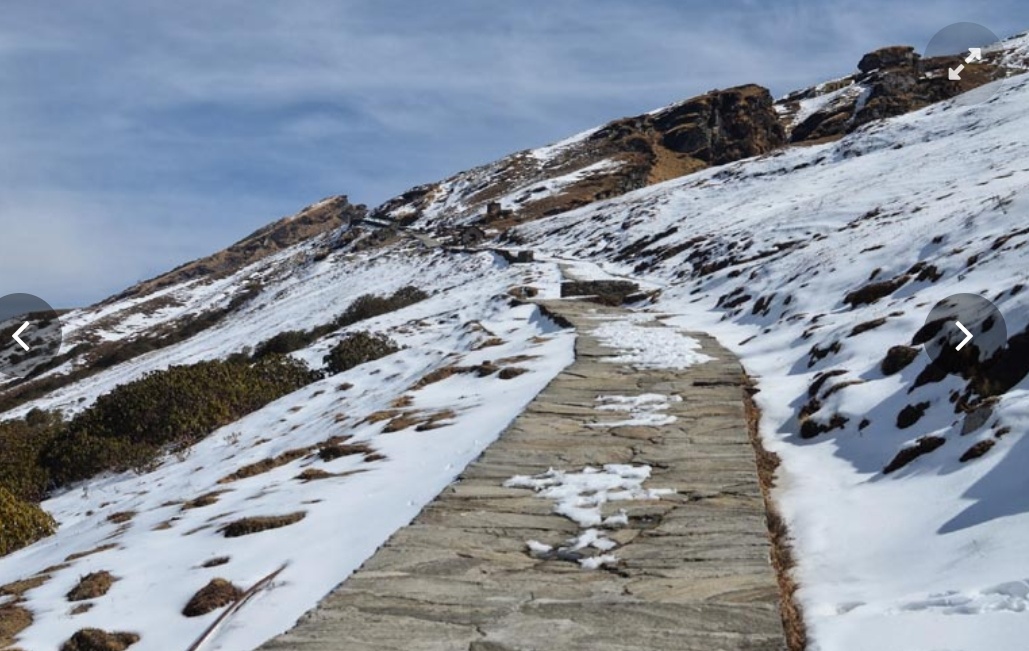
You can find the oldest Hindu Shrine of Lord Shiva here surrounded by the tungnath mountains. It is the best place if you’re looking for a trek.
One can visit throughout the year
• Kashmir
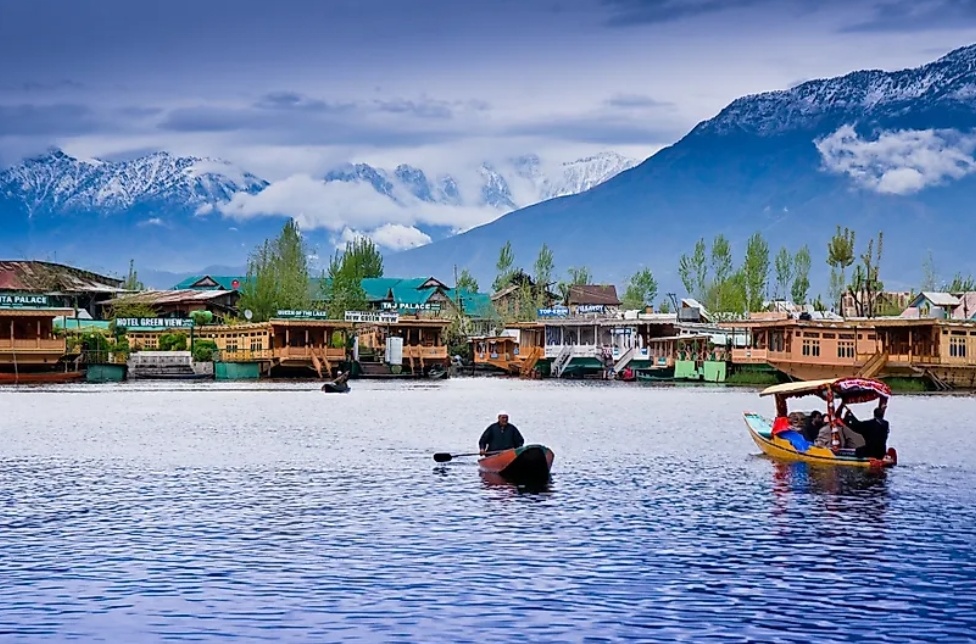
Kashmir is also known as ‘ Paradise on Earth’.
It is very famous for its snow-capped mountains, wildlife, monuments, and mesmerizing scenic beauty.
March to August is the best time to visit Kashmir.
• Lakshadweep
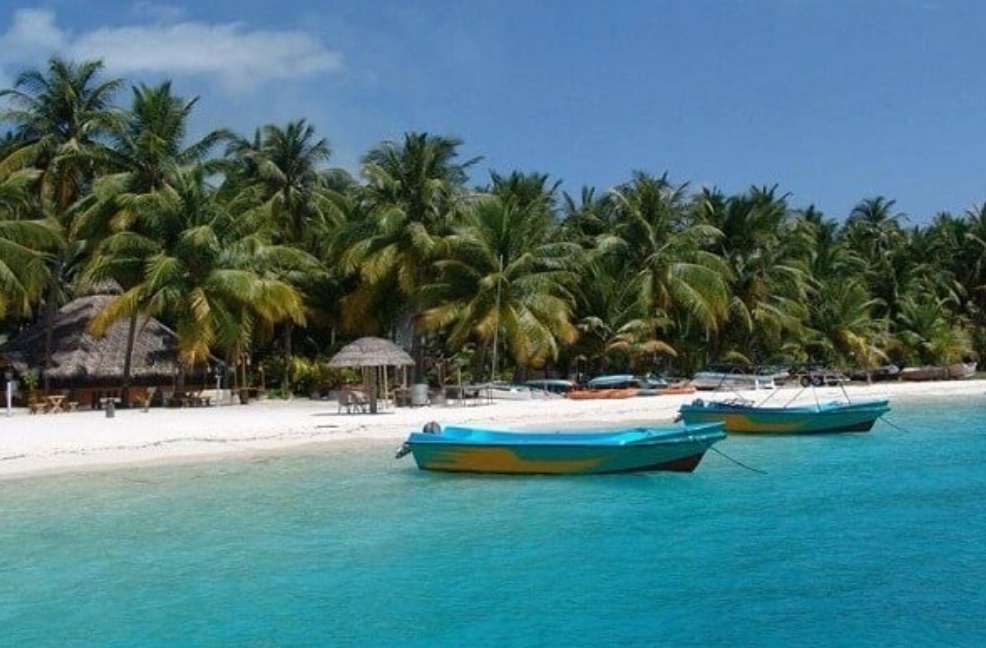
Lakshadweep is a renowned Island located in the Arabian sea. It is known for its flora and fauna and crystal clear waters.
The best time to visit this island is from October to mid-May.
Incredible india
– by Moni sai
India is a home to the finest architectural attractions and rich reserves of multicultural experiences.History of india dive deeper culture and heritage.incerdibility hold’s the art,spirituality,nature,food and cuisine along with adventures.Every place holds its popularity with its food and culture.Art includes the classical melodies ,handlooms,dance forms and fascinating festivals.”Colours of Culture” is fond of Dance forms,Music,Painting,Textiles.
The Popular Art in India:
Art is a form of Expression which depicts beauty and history.india blessed with billons of artists and art forms. It includes weaverings ,handicrafts and sculptures of various historical monuments.
Nature and land scapes:
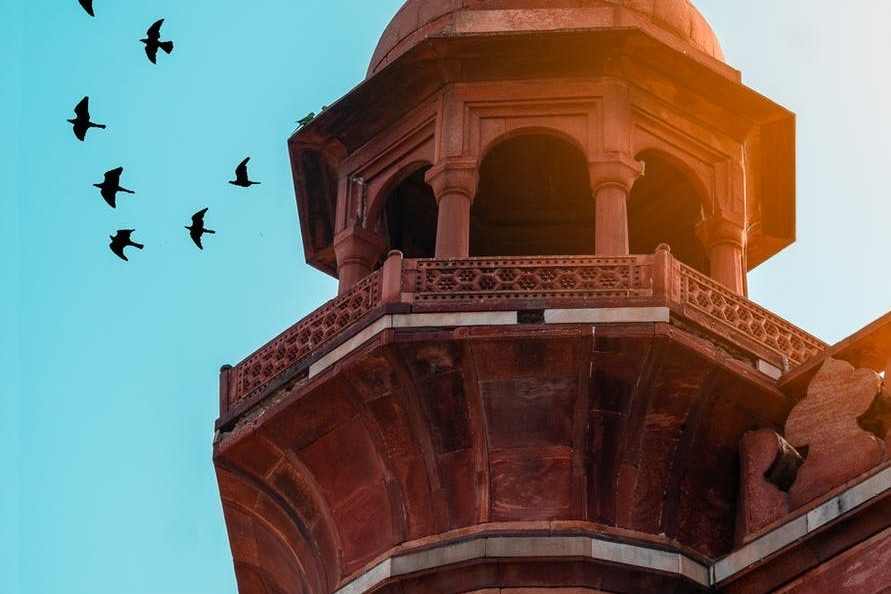
From Himalayas Mountain Ranges in North to the Kanyakumari Coast in the south have made travellers to explore these landscapes.It also covers mountain ranges to sea Coasts,Deserts to Plateaus.
Himalayan Mountain Ranges:
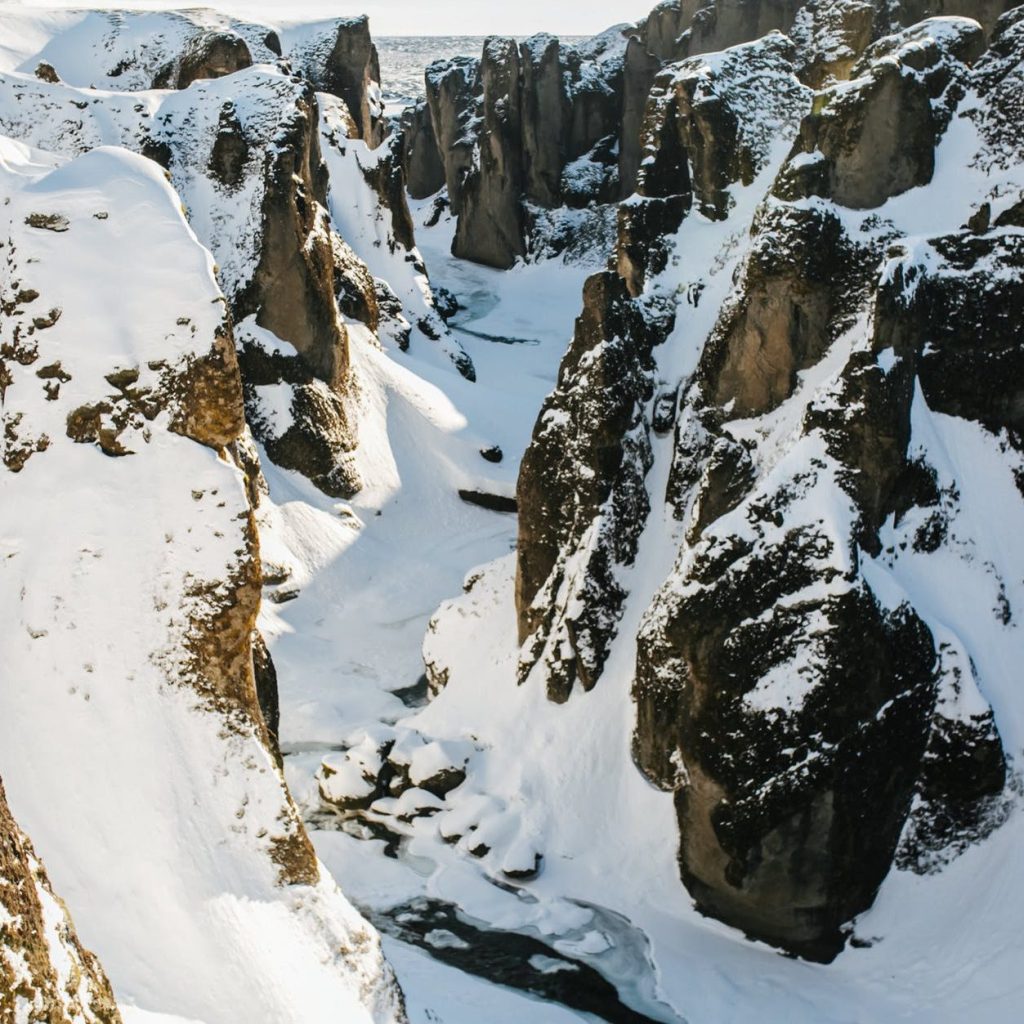
The Himalayas are a Mountain Range In south Asia.The main ranges includes Mount Everest,Annapurna and Nanga parbat.Mount everest is the highest mountain peak on the earth at 8849 mts.The vast size huge altitude Range complex topography of the Himalayas are meant to experience wide range of climate
Land of Deserts:
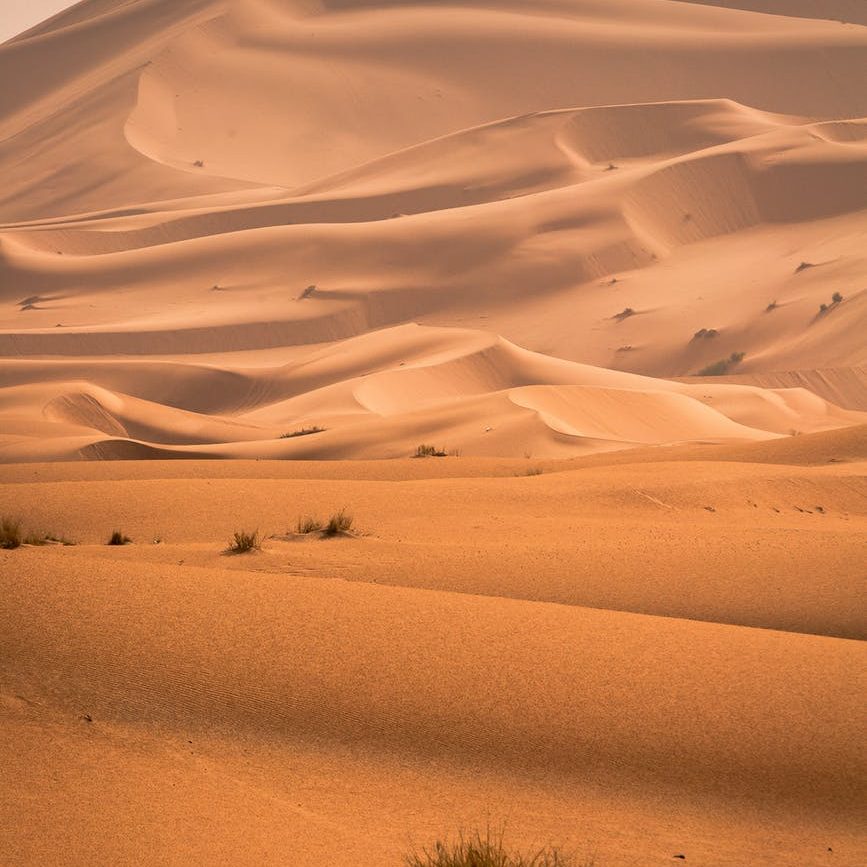
The Thar Desert also Known as the “Great Indian Desert” is a large region that covers an area of 2,00,000kms and forms a natural boundary between india and pakistan.It is also Known as the world’s 9th largest hot subtropical desert.
Food and Cuisine:
Indian Cuisine consists of a variety of Regional and traditional recipes.This cuisines vary substantially and use of local spices ,herbs , vegetables and fruits.indian food is also influenced by religions.for Ex, Mughals introduced dishes like samosa ,pilaf.indian home cuisines includes various flavors of common spices as chilli peppers,mustard seeds, cumin,fennel,cardamom,cinnamon,coriander,Tumeric,fenugreek,Ghee.
some coomon combination of food’s at various destinations :
New Delhi: streetfood might be chats or samosa with masala falvours
south India: South indian cuisine features more coconut milk based falvours ,herbs like lemon grass, curry leaves and native foods . we find more Rice ,lentils and steamed food.
kerala:
kerala recipes are very found of banana fritters and sweet dumplings.flora and Fauna of kerala provides more nutrious food from surroundings.
Mumbai:
The food in Mumbai is as famous as the city .it is famous for it’s market Hawkers and cultural street food.Food is avaiable in form of stall features and mobile recipes all over the city.


Spirituality in india:
India is considered as one of the best Spiritual destination. world’s Several religions were born in India .Hinduism,sikhism,buddhism and jainism.There are various worshipping places like mandirs,Mosques,gurudwaras and churches.This is the reason for india’s unity in Diversity.
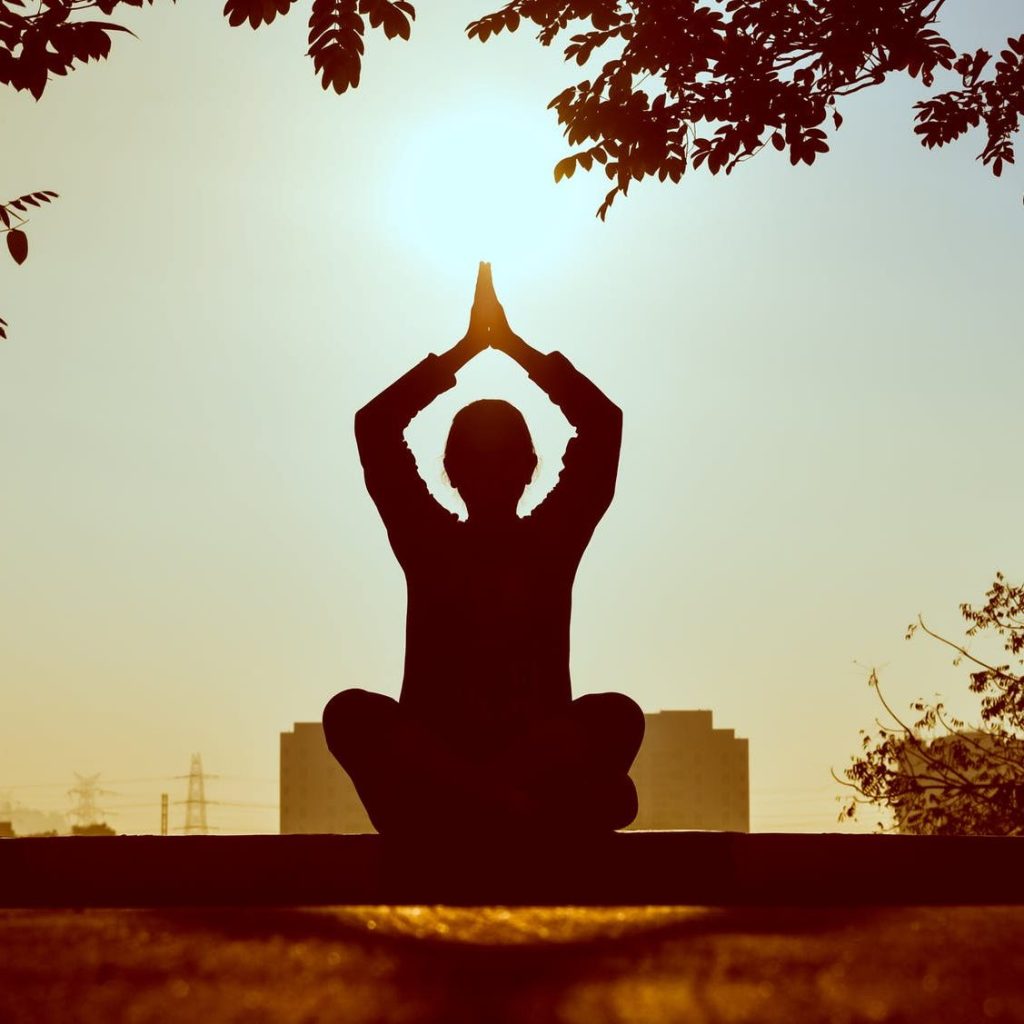
Yoga is mentioned in the Rigveda that is mostly studied around 5th and 6th centuries BCE.ancient indian ascetic includes Physical yoga,meditation and spirituality. it is method of focussing the mind on Particular object,thought or activity to train attention and awareness.meditation reduces stress ,anxiety,depression and pain to attain and enchance peace.

GLORIFYING ANCIENT INDIAN SCIENTIFIC DEVELOPMENTS
Today whatever the advancement that is taking place worldwide, whether in technology, medicine, cosmic, and health all the praises are sung for the westerners.
However, India on the other side was one of the most renowned and developed nations in the world, contributing 32.00% of the world GDP(3rd BCE-13th CE).
“Many of the advances in the sciences that we consider today to have been made in Europe were in fact made in India centuries ago”.
– Grant Duff (British Historian)
And no other way this could be said more clearly.
Astonishingly, many Indians do not know about their own country’s past and history.
We need to recognize and learn our accomplishments of the past and glorify them.
India, the land of sages and seer, is not just a country of multiple, colorful cultures but the land that gave the world all those that are fundamental blocks of today’s great advancements.
TECHNOLOGICAL DEVELOPMENTS:
Galileo Galilei, Pythagoras, Aristotle, Newton are some of the great scientists and scholars of the west that are credited for all major discoveries and inventions.
However, ancient Indian scientists like Aryabhatt, Patanjali, Charaka are a few of the gems of the ancient technological world.
The invention of zero-
The invention of “zero” by Aryabhatt in the fifth century is the greatest invention of all time. With the integration of zero in the place value system, the world is now able to write numbers no matter how long.
Lancelot Hogben said:
“There has been no more revolutionary contribution than the one which the Hindus (Indians) made when they invented ZERO”.
Gravitational force-
We remember the Theory of Gravitational Force to be the contribution of Sir Isaac Newton, but in 400-500AD India this was already discovered.
In Surya Siddhanta, Indian astronomer, Bhaskaracharya stated-” All objects fall due to a force of attraction. That is why earth, planets, moon, sun are all in their orbits due to this attraction force”.
The atomic theory was discovered thousand years ago in India
To the world, a 19th century English chemist John Dalton is the father of atomic theory. However, few people know that ancient Indian scientist Acharya Kanada talked about atoms or “paramanu” in his book Kanada Sutras, or Aphorisms of Kanada.https://en.wikipedia.org/wiki/Kanada_(philosopher)#The_concept_of_anu_(atom)
Kanada opined, “paramanu is the indestructible particle of a matter”.
He also mentioned that atoms combine in a specific manner to form dvyanuka (diatomic molecules) and tryanuka (triatomic molecules).
WOOTZ STEEL:
The Discovery of wootz steel is one of the greatest discoveries in the metallurgical sector. It originated in South India, in present-day Tamil Nadu.
“Wootz steel is a crucible steel characterized by a pattern of bands and high carbon conten. The method was to heat black magnetite ore in the presence of carbon in a sealed clay crucible inside a charcoal furnace to completely remove slag”. as per Wikipedia.https://en.wikipedia.org/wiki/Wootz_steel
MEDICAL INNOVATIONS:
Plastic surgery-
Sushruta Samhita is the most important treatise on surgery written by Susruta. It describes the surgical training, instruments, and procedures practiced in modern surgery.
The treatise also deals with diseases and their prevention and cure, following with the number of bones in a human body.
It also thoroughly describes 700 medicinal herbs.n.wikipedia.org/wiki/Sushruta_Samhita#Prevention_versus_cure
Cataract Surgery-
Sushruta, an ancient Indian physician pioneered the first cataract surgery in the sixth century BC.
To remove the cataract he used a sharp needle called Jabamukhi Salaka, to loosen the lens and push the cataract out of the vision. Then the eye is bandaged till the time it gets healed.
Yoga–
Acharya Patanjali is the Father of Yoga. He introduced the Yoga Sūtra of Patañjali in the 2nd century BC which became a very renowned contribution to the world. Through this field of discipline, one can discover his true self and its 84 yogic posture has proved efficient for the proper functioning of different systems, i.e. endocrine, nervous, respiratory, circulatory, etc. The different breathing patterns taught in this discipline aids in calming down the mind, body, and soul and allows them to work in unison.
SANSKRIT SHLOKA SAYS-
yogaścittavṛttinirodhaḥ
MEANING:
Yoga is restraining the mind-stuff (Chitta) from taking various forms (Vrttis).
These were few of the many achievements of our ancient scientists.
At last, the contribution of Ancient Indian scientists to scientific technology is worth dignifying.
To India, the cradle of the eminent leading light, Mark Twain honours-
“India is the cradle of the human race, the birthplace of human speech, the mother of history, the grandmother of legend, and great grandmother of tradition”
 Eduindex
You must be logged in to post a comment.