INDIA ACHIEVES A MILESTONE – News Update

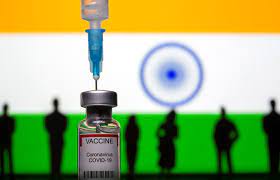
The Indian Prime Minister, Mr.Narendra Modi has recently announced that the country remains a steadfast partner in global efforts to combat the Covid pandemic. The government’s results have resulted in a positive impact against the battle with the deadly Corona Virus. India made a 100 Crore Vaccine jabs milestone on 22nd October, 2021. Thousands of health care workers and people from the government sector joined hands to achieve this mark. There had been no such mass vaccination drive in the country prior to the pandemic. Indians were not made to wait endlessly for these jabs due to vaccine makers such as The Bharat Biotech and Serum Institute. Within a short duration of time amidst the Covid – 19 waves, these manufacturers came to the rescue and supplied indigenous doses.

After several episodes of complete and partial lockdowns in the nation, the authorities began permitting to open up different sectors, trains, educational institutes and shopping malls, with the mandatory restriction of complete vaccination of an individual. The date 16th of July, will be engraved in the history of India’s achievements, as this is the day when the very first vaccines were administered to the frontliners. The civilians were initially hesitant with administration of the jabs because of several inhibitions and rumours. Gradually, the public started pre-booking their slots in order to get vaccinated. In about only 9 months, India is basking in glory with the milestone that has been achieved.

The country not just secured itself from the virus, but also worked for humanitarian causes by supplying these vaccines to other nations such as Bangladesh, Myanmar, Nepal, Oman, South Africa, Afghanistan and many more. There were times when the government did receive backlash for supplying vaccines and this move was also being called as a risky diplomacy. Inspite of hardships, the country did supply approximately 361 lakh doses of the Covid-19 vaccine to other nations.

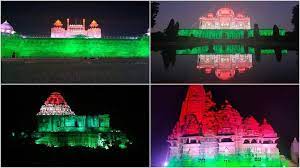
With the completion of this landmark, a gesture of gratitude towards the frontline warriors was displayed by lighting up of 100 monuments in India, ins colour of the Indian tri-colour. This initiative was lead by the Archaeological Survey Of India. Therefore, to offer a vote of thanks to all the doctors, nurses, sanitation staff, police officers, monuments including the Konark Temple, Agra Fort, Red Fort, Shanivar Wada, Khajurao, Fatehpur Sikri, Qutb Minar, Kumbalgarh, Nalanda, St. Francis Church, Dholavira, etc were illuminated. This expression of gratefulness towards the relentless efforts of the essential workers took place on the night of 21st October, 2021.

The National COVID-19 vaccination drive of India is the world’s largest vaccination drive and has been unprecedented in both scale and reach. India alertly imposed restrictions on the movement of people and quickly arranged for hospital like setups to provide timely health care. A series of sessions were conducted by the Prime Minister to advice the citizens regarding the ongoing crisis. India scored high on communications with health care workers during a public health emergency, trade and travel restrictions, laboratory systems, immunization, and socioeconomic resilience.

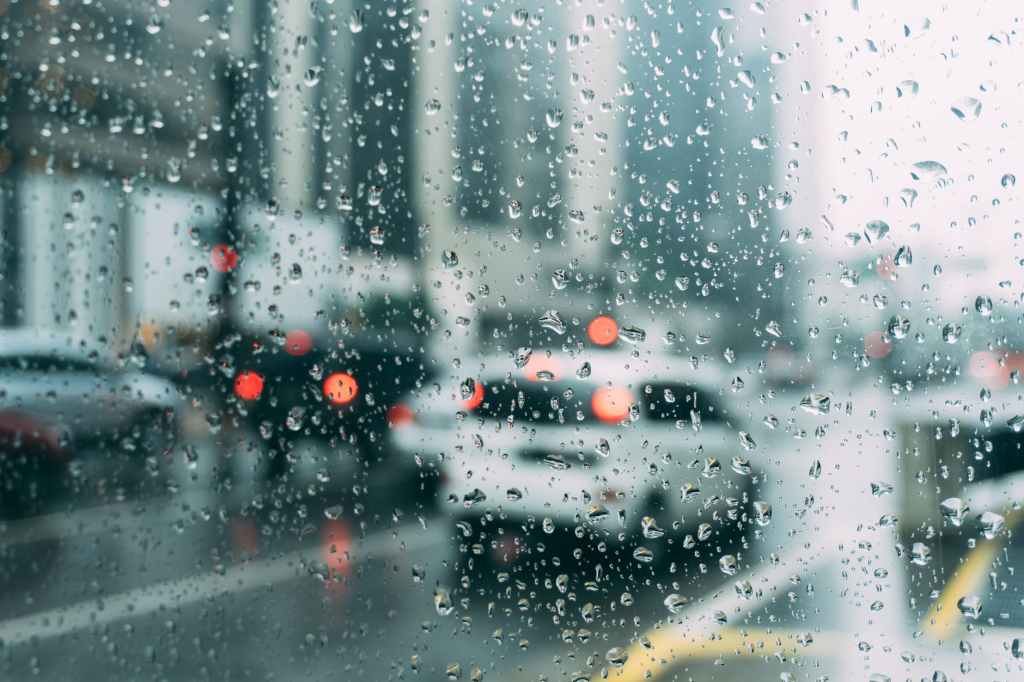
Why has October been so rainy ?

Explained : Although the monsoon season ends in September, a delayed withdrawal and other factors have been causing severe rainfall in several states.

Western disturbances, which begin to have significant interference in local weather over the extreme northern parts of India, commonly cause either rain or snowfall. Since late last week, Ladakh, the higher reaches of Kashmir and Uttarakhand have reported the season’s first snowfall.

Last week, two low-pressure systems were active simultaneously, one each over the Arabian Sea and the Bay of Bengal regions. Collectively, these triggered severe weather events over Kerala, Tamil Nadu, Andhra Pradesh, Telangana, Delhi, Madhya Pradesh, Uttarakhand, Odisha and West Bengal.

Delayed monsoon withdrawal

The four-month southwest monsoon season normally withdraws completely by early October. During the withdrawal phase, it causes thunderstorms and localised heavy rainfall.

This year, however, the withdrawal began only on October 6 against a normal of September 17. So far, the monsoon has withdrawn completely from the Western, Northern, Central and Eastern India regions. But it remains active over the southern peninsula. Thus, Kerala, Tamil Nadu, Telangana, Karnataka and Andhra Pradesh have had significant rainfall during the last 10 days.

Until Monday, the monsoon had not withdrawn from Manipur, Mizoram, Tripura, parts of West Bengal and Odisha and entire southern peninsular India.

“As there has been a delay in the southwest monsoon withdrawal, good rainfall has continued over Odisha, the Northeast and south India,” said Mrutyunjay Mohaptra, director general, India Meteorological Department (IMD).


Normally, by mid-October, the monsoon winds reverse their direction of flow from the southwest to the northeast.

“Even though the easterlies are beginning to replace the westerlies, the former is yet strengthen and fully establish. The easterly winds indicate the arrival of the northeast monsoon,” said D Sivanand Pai, head, Climate Research and Services, IMD, Pune.

This year, conditions for the onset of the northeast monsoon are expected to develop around October 25.

Extreme rains

For most days last week, at least two low-pressure systems remained active along the east and west coasts and over central India, bringing rains over large parts of the country.

Delhi received 87.9mm (over a 24-hour period) between Sunday and Monday, making it the fourth wettest October day for the national capital since 1901. The month of October has also been the fourth wettest so far. It has received 94.6 mm rains this month so far, which is next only to the 238.2 mm it received in 1954, the 236.2 mm in 1956, and 186.9 mm in the entire Octobers of 1910.

Likewise, Balasore in Odisha recorded 210mm in a day and it was only the second such occasion in a decade for this month.

While Tamil Nadu normally receives good rainfall between October and December, mainly during the northeast monsoon, Coimbatore (110mm) witnessed its wettest October day in a decade even before the onset of the northeast monsoon.

The Western Ghats, northeast and central India are known as high-rainfall receiving regions. However, in recent years, it has been noted that intense spells during a short time span are increasingly becoming frequent.

“Due to climate change, there is definitely a rising frequency in the extreme weather events round the year. But these specific occurrences of heavy to very heavy rains that we are seeing right now can be attributed to the formation of low-pressure systems,” said Mohaptra.

“Whenever there is a low-pressure system, depending on its strength, it results in heavy to very heavy rainfall activity. In addition, when a low-pressure system interacts with western disturbance, further intense rainfall occurs,” he said.

Extreme rainfall in Kerala

A low-pressure system that formed in the east-central Arabian Sea moved and sustained over Kerala between October 15 and17.

Simultaneously, another low-pressure system prevailed over the north Andhra Pradesh coast and southern Odisha. The interaction between them strengthened the southwest winds which brought extreme rainfall over central and southern Kerala during the last weekend.

At some places in Idukki, Ernakulam, Kollam and Kottayam districts, the 24-hour rainfall was over 200 mm. As many of these districts are hilly and covered with dense forests, the water run-off triggered landslides and mudslides.

Rainy days ahead

The low-pressure system that affected Kerala has weakened now. But a similar system is still active over central India, because of which northern India is likely to received good rainfall this week.

Heavy rainfall events are predicted over Western Uttar Pradesh, Uttarakhand and Himachal Pradesh for Tuesday, with a ‘red’ alert having been issued by IMD for these regions.


Another low pressure — located over Northern Odisha and Gangetic West Bengal — is active and its interaction with the moist easterly winds from the Bay of Bengal is expected to bring heavy rain over West Bengal, Odisha, Sikkim, and Bihar until Wednesday. The maximum impact in terms of extremely heavy rain (more than 204 mm in 24 hours) is likely over some places in West Bengal and Sikkim on Tuesday.

Written by : Ananya Kaushal

You Must Try These Bihari Cuisines Before You Die

Dal Poori:

It doesn’t only sounds delicious but it taste even better. We, Indians are crazy for poori’ and dal poori is another level of happiness to the list.The mixture of gram flour with a lil of chatpata masala stuffing of the puri makes it yummier and though it’s a Dussehra special recipe, one need not have to wait for any such special occasions.
The Dal poori is served even in normal days in a Bihari family with a spicy ‘sabji’ or curd.

Dal Poori

Parwal ki Mithai:

The amazingly delicious sweet made of Vegetable! Parwal ki mithai is quite a famous sweet in Bihar. Though it is made out of Parwal which is a vegetable, it is fantabulous to taste, and is made by stuffing the pointed gourd with khoya, giving it the right balance of sweet, salty and healthy. If you havent tasted this unusual mithai, dont give it a miss.

Parwal Ki Mithai

Pedakiya :

Pedakiya is the Bihari version of Gujiya. It is Bihar’s most famous fried sweet, it is made by stuffing flour stuffed with suji (semolina), khoya or grated coconut and is made on almost every festival. Whether its Holi, Teej, Diwali or Chatt you can expect Pedakiya.

Pedakiya

Khaja :

 Another name in the long list of amazing desert from Bihar. This wafery sweet snack is made from flour and sugar, is deep fried and then dipped in hot sugar syrup.Khaja is has a strong sweet taste, so all those who has sweet tooth can taste Khaja for sure. Silao ka Khaja is very famous.

khaja

 Litti Chokha :

The signature dish of Bihar and Biharis. If you have a Bihari friend, you must have tried Litti Chokha at least once in your life time.It is baked from wheat flour dough that is stuffed with a mixture of roasted gram flour, spices, lemon juice and pickle. And is served with chokha.Chokha is baked and pulped vegetables mixed with spices and onion.Litti these days are being served with chicken and mutton gravy as well for non Veg lovers.

littiii

Malpua :

Malpua is that sweetmeat to which all Biharis swear by for every special event and festival. Whether it’s Holi or Eid, Durga Puja or Ramzan the festival is incomplete if you haven’t eaten Malpua. Its batter is made by mixing flour, milk, sugar and mashed bananas and is deep fried in such a way that the edges go all crispy while the center is all soft. Mouth watering isn’t it? Tust me, if you are a sweet tooth, you cannot resist Malpua.

Malpua

Thekua/Khajuria:

Thekua is one of the most important ingredient  of ‘Chatt’ puja in Bihar. Ask any Bihari friend the occasions when this sweet is made at home and they all will say the same.Thekua or Khajuria is a snack made from wheat flour; jaggery or sugar mixed together, molded and deep fried in ghee.

Thekua

Nimki:

Stick Crackers: This snack made of flour and salt is deep fried. It is one of the perfect snack for evening chai.

nimki

The Bihari Kadi budi:

kadhis, from different parts of the country. The Bihari kadhi is a one that uses badi(pakoda) dumplings. It is considered inauspicious in Bihar to prepare plainkadhi without any dumplings.

Kadi badi

Tilkut :

Tilkut or bars of sesame seeds – a sweet cracker made by mixing the seeds either with jaggery or sugar – that is indelibly linked to Gaya, the birthplace of Buddhism, has been growing patrons not only in Bihar, but also in neighbouring countries like Pakistan and Bangladesh, and also the US. Come Makar Sakranti and every possible sweet shop in Bihar will sell one of these.

Bihari Cuisine

Peda:

Bihari peda-

Khurma/ShakarPala:

This snack made of flour, is deep fried and dipped in sugar syrup. As the sugar syrup cools off, it crystallizes.

khurma shakarpala

10 Foods That Help Reduce Joint Pain

Ben Franklin was right when he said: “An ounce of prevention is worth a pound of cure.” We agree, so our orthopedic specialists encourage patients to adopt dietary and exercise habits that support strong bones and joints.

1. Omega-3 Fatty Acids / Fish Oils

Cold-water fish are a terrific source of Omega-3s fatty acids, which are essential nutrients for human health. These important nutrients are also sometimes referred to as polyunsaturated fatty acids. Not only are they proven to reduce inflammatory proteins in the body, but they also improve brain function and lower risk of heart disease, diabetes and other illnesses.

Omega-3 can be found in cold-water fish such as tuna, salmon, trout, halibut and sardines. Taking a daily fish oil supplement is another way to absorb Omega-3s.

2. Nuts and Seeds

There’s good news for the vegans and vegetarians among us. Omega-3s can also be found in a variety of nuts and seeds. A small daily portion of walnuts, almonds, flax seeds, chia seeds or pine nuts can help reduce inflammation in the joints and connective tissue.

3. Brassica Vegetables

What are those, you might ask. Also known as cruciferous vegetables, brassicas are commonly associated with the mustard and cabbage family. Leafy greens like mustard greens, arugula, kale and purple cabbage are in the brassica family. Several other popular (and tasty!) vegetables make the list, including broccoli, cauliflower and Brussel sprouts.

This particular subset of the vegetable population has been known to block an enzyme that causes swelling in the joints. Plus, they’re chocked full of fiber, vitamins and nutrients for overall health and well-being.

4. Colorful Fruits

Fruits sometimes get a bad rap because of their high sugar content, but many are excellent antioxidants. Just like with vegetables, certain fruits are more effective than others in reducing inflammation in the body.

We’re particularly partial to blueberries, which are high in anthocyanins – one of the most powerful flavonoids. These help “turn off” inflammatory responses in the body.

Apples are another fiber-rich, anti-inflammatory fruit, and they deliver added benefits for gut health.

Pineapple is also on our short list for its bromelain content, a nutrient that has shown to reduce joint pain caused by osteoarthritis and rheumatoid arthritis. However, most of the bromelain is found in the stem and core of the pineapple, so blend the core into a smoothie to get the maximum benefit.

5. Olive Oil

Toss out your vegetable oil, sunflower oil and peanut oil – all of which can increase inflammation. Instead, opt for a few tablespoons of olive oil for cooking and making salad dressings. Better yet, go with the extra virgin variety that is less processed. Often associated with a Mediterranean diet, olive oil is an unsaturated “healthy” fat. And guess what … it’s another source of Omega-3!

6. Lentils and Beans

Beans and lentils are known for their health benefits. They’re an excellent source of protein, fiber and essential minerals. They also have antioxidant and anti-inflammatory properties. Black beans, lentils, chickpeas, pinto beans and soybeans are all great sources of anthocyanins – that magical flavonoid that reduces inflammation.

7. Garlic and Root Vegetables

Garlic, onions, ginger and turmeric have anti-inflammatory properties. Various studies have shown that these pungent root vegetables can be useful in treating symptoms of arthritis and other joint pain. Incorporate these vegetables into meals for added flavor. Plus, they’re all available in a supplement.

8. Whole Grains

Research suggests that proteins found in refined grains (such as white bread, white rice and regular pasta) may trigger an inflammatory response in the body. However, high-fiber whole grains help produce fatty acids that are thought to counteract inflammation. Therefore, stick with the whole grains.

9. Bone Broth

Glucosamine, chondroitin and amino acids are well documented to help maintain healthy joints, while calcium is essential for bone density. Bone broth contains all of these. The gelatin-like substance that comes from cooking bones mimics collagen that occurs naturally in our joints, tendons and ligaments. Whether or not bone broth can actually stimulate regrowth of cartilage is a fiercely debated topic in the medical filed. But taken regularly as an oral supplement, it has been known to reduce joint pain and increase function for people with arthritis.

10. Dark Chocolate

Now we’re talking! Indeed, chocolate has anti-inflammatory properties. Cocoa, the main ingredient in chocolate, contains antioxidants that can counteract genetic predisposition to insulin resistance and inflammation. The higher the percentage of cocoa in the chocolate, the higher its anti-inflammatory effect.

But remember, chocolate can be high in sugar and fat, so enjoy it in moderation. If you’re going to indulge, choose chocolate that is at least 70% cocoa.


10 SELF-MADE WOMEN OF INDIA

Vandana Luthra (VLCC)

Vandana Luthra is an Indian businesswoman, philanthropy and chairperson of the beauty and wellness sector skill council(B&WSSC). In 1989, she started the company called VLCC as a beauty and slimming service centre.

Kiran Mazumdar Shaw (Biocon Limited)

Kiran Mazumdar Shaw is known as India’s wealthiest self-made women entrepreneur who found a biopharamaceutical firm in 1978. This firm has entered in US biosimilars market ad is getting the attention of investors.

Priya Paul(Park Hotel)

Priya Paul is an Indian woman entrepreneur who is chairperson of Apeejay Surrendra park hotels. After finishing her studies from Wellesley College(US), she startred working under her father as a marketing manager.

Ritu Kumar(Fashion Designer)

Ritu Kumar is an Indian fashion designer who began her Fashion career in Kolkata. Initially, she was making bridal wear and evening clothes. After decades, she entered an international market. She has been operating her business in several different forging cities France and New York.

Suchi Mukherjee(Limeroad)

In 2012, Suchi Mukherjee created online clothing and lifestyle accessories marketplace and named Limeroad. Today this company is known as India’s most stylish online shopping website for men and women.

Indra Nooyi (Amazon)

Indra Nooyi is a former CEO of PepsiCo who has joined Amazon’s board of directors. After completing a master’s degree from Yale School of management, she worked as aproduct manager at Johnson & Johnson.

Aditi Gupta (Menstrupedia)

Aditi Gupta is an author and the co-founder of the Menstrupedia. Aditi and her husband created a comic book to illustrate and educate girkls anout menstruation. Later, they created a website called menstrupedia.com.

Falguni Nayar (Nykaa)

After working 20 years as an investement banker with Kotak Mahindra, she left the job to pursue her own dream. In 2012 she started company Nykaa, which sells online cosmetic and wellness products. Today, the company has become so famous among Indian women.

Vani Kola(Kalaari Capital)

Vani Kola is a venture capitalist and founder an d mangung director of Kalaari Capital. She has done her masters of science degree from Arizona State University. Duribg her 22 years in Silicon Valley, she founded two company Rightwrok and Certus software.

Radhika Ghai (Shopclues)

Equipped with more that 15 years of marketing experience in several industriues such S Fashion & lifestyle, advertising & public relations, and others. She became co-founder of Shopclues.com. In 2011, the company was founded in Silicon Valley.

Impact of Covid-19 on the Corporate Sector in India


The impact of coronavirus pandemic on India has been largely disruptive in terms of economic activity as well as a loss of human lives. Almost all the sectors have been adversely affected as domestic demand and exports sharply plummeted with some notable exceptions where high growth was observed. An attempt is made to analyze the impact and possible solutions for some key sectors.


Food & Agriculture

Since agriculture is the backbone of the country and a part of the government announced essential category, the impact is likely to be low on both primary agricultural production and usage of agro-inputs. Several state governments have already allowed free movement of fruits, vegetables, milk etc. Online food grocery platforms are heavily impacted due to unclear restrictions on movements and stoppage of logistics vehicles. RBI and Finance Minister announced measures will help the industry and the employees in the short term. Insulating the rural food production areas in the coming weeks will hold a great answer to the macro impact of COVID-19 on Indian food sector as well as larger economy.


Aviation & Tourism

The contribution of the Aviation Sector and Tourism to our GDP stands at about 2.4% and 9.2% respectively. The Tourism sector served approximately 43 million people in FY 18-19. Aviation and Tourism were the first industries that were hit significantly by the pandemic. The common consensus seems to be that COVID will hit these industries harder than 9/11 and the Financial Crisis of 2008. These two industries have been dealing with severe cash flow issues since the start of the pandemic and are staring at a potential 38 million lay-offs, which translates to 70 per cent of the total workforce. The impact is going to fall on both, White and Blue collar jobs. According to IATO estimates, these industries may incur losses of about 85 billion Rupees due to travel restrictions. The Pandemic has also brought about a wave of innovation in the fields of contactless boarding and travel technologies.


Telecom

There has been a significant amount of changes in the telecom sector of India even before the Covid-19 due to brief price wars between the service providers. Most essential services and sectors have continued to run during the pandemic thanks to the implementation of the ‘work from home’ due to restrictions. With over 1 billion connections as of 2019, the telecom sector contributes about 6.5 per cent of GDP and employs almost 4 million people. Increased broadband usage had a direct impact and resulted in pressure on the network. Demand has been increased by about 10%. However, the Telco’s are bracing for a sharp drop in adding new subscribers. As a policy recommendation, the government can aid the sector by relaxing the regulatory compliances and provide moratorium for spectrum dues, which can be used for network expansions by the companies.


Pharmaceuticals

The pharmaceutical industry has been on the rise since the start of the Covid-19 pandemic, especially in India, the largest producer of generic drugs globally. With a market size of $55 billion during the beginning of 2020, it has been surging in India, exporting Hydroxychloroquine to the world, esp. to the US, UK, Canada, and the Middle-East.

There has been a recent rise in the prices of raw materials imported from China due to the pandemic. Generic drugs are the most impacted due to heavy reliance on imports, disrupted supply-chain, and labour unavailability in the industry, caused by social distancing. Simultaneously, the pharmaceutical industry is struggling because of the government-imposed bans on the export of critical drugs, equipment, and PPE kits to ensure sufficient quantities for the country. The increasing demand for these drugs, coupled with hindered accessibility is making things harder. Easing the financial stress on the pharmaceutical companies, tax-relaxations, and addressing the labour force shortage could be the differentiating factors in such a desperate time.


Oil and Gas

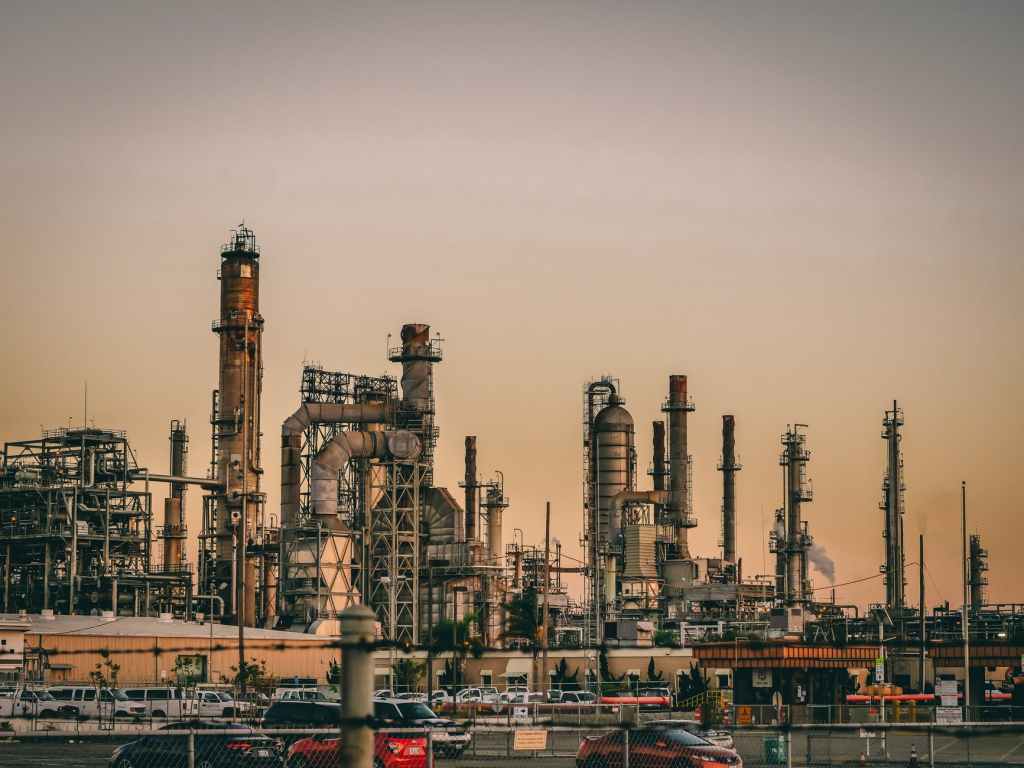
The Indian Oil & Gas industry is quite significant in the global context – it is the third-largest energy consumer only behind USA and Chine and contributes to 5.2% of the global oil demand. The complete lockdown across the country slowed down the demand of transport fuels (accounting for 2/3rd demand in oil & gas sector) as auto & industrial manufacturing declined and goods & passenger movement (both bulk & personal) fell. Though the crude prices dipped in this period, the government increased the excise and special excise duty to make up for the revenue loss, additionally, road cess was raised too. As a policy recommendation, the government may think of passing on the benefits of decreased crude prices to end consumers at retail outlets to stimulate demand.


Beyond Covid: The new normal

In view of the scale of disruption caused by the pandemic, it is evident that the current downturn is fundamentally different from recessions. The sudden shrinkage in demand & increased unemployment is going to alter the business landscape. Adopting new principles like ‘shift towards localization, cash conservation, supply chain resilience and innovation’ will help businesses in treading a new path in this uncertain environment.

Coronavirus (COVID-19), a virus that grew stealthily has become one of the deadliest viruses that are killing people worldwide. This virus took birth in Wuhan city of China and since then have traveled to more than 160 countries. The World Health Organization (WHO) has declared Coronavirus as a pandemic. It has become a mass scare and is leading to the deaths of thousands of people in numerous countries including China, Italy, Iran, Spain, the US, and many more. In India, this pandemic started on 30 January 2020 by affecting an individual who had a travel history from Wuhan, China.


The world economy is seeing its greatest fall ever. Coronavirus has largely impacted the growth of almost every country and is responsible for the slump in GDP worldwide. Like other countries, India is also impacted by this virus but not largely. Almost every industry sector has seen a fall in their sales and revenue. India’s GDP growth has fallen to 4.7% in the third quarter of 2020.


Inflation and Affected Industry:

China is one of the largest exporters of many raw materials to India. Shutting down of factories has damaged the supply chain resulting in a drastic surge in the prices of raw materials. Some of the other products that have seen a rise in their prices are gold, masks, sanitizers, smartphones, medicines, consumer durables, etc. The aviation sector and automobile companies are the hardest hit among the rest. With no airplane landings or take-offs globally and restricted travel has brought the aviation and travel industry to a halt.


Slump in Share market:
Share markets that include Sensex and Nifty are on nose dive since the occurrence of this pandemic (COVID-19). Sensex has declined close to 8000 points in a month. As of 12 March 2020, share market investors have lost approximately Rs. 33 lakh crore rupees in a month. This could be the beginning of a recession that the Indian market will never want to witness. Investors are advised to stay safe and invested in this virus-infected stock market. Few industries that can benefit from novel coronavirus during the time of the market crash are pharmaceuticals, healthcare, and Fast Moving Consumer Goods (FMCG).


Cash flow Issue:
Due to this outbreak, almost 80% of Indian companies have witnessed cash flow difficulty and over 50% of companies are facing operations issues. As per the Federation of Indian Chambers of Commerce and Industry (FICCI), 53% of companies are impacted by COVID-19. Slow economic activity is resulting in cash flow problems eventually impacting repayments, interest, taxes, etc.


Coronavirus (COVID-19), a virus that grew stealthily has become one of the deadliest viruses that are killing people worldwide. This virus took birth in Wuhan city of China and since then have traveled to more than 160 countries. The World Health Organization (WHO) has declared Coronavirus as a pandemic. It has become a mass scare and is leading to the deaths of thousands of people in numerous countries including China, Italy, Iran, Spain, the US, and many more. In India, this pandemic started on 30 January 2020 by affecting an individual who had a travel history from Wuhan, China.


The world economy is seeing its greatest fall ever. Coronavirus has largely impacted the growth of almost every country and is responsible for the slump in GDP worldwide. Like other countries, India is also impacted by this virus but not largely. Almost every industry sector has seen a fall in their sales and revenue. India’s GDP growth has fallen to 4.7% in the third quarter of 2020.


Efforts from CII and Govt. of India:
Confederation of Indian Industry (CII) has suggested the RBI reduce repo rate up to 50 basis points and also asked for a reduction of 50 basis points on the cash reserve ratio. The government is planning to set up an amount to support MSMEs to overcome the crisis during this phase of shut down, cash flow difficulty, and working capital issues.

Written by: Ananya Kaushal

India will have to scrap “digital permanent establishment” rules post global tax deal

India should annul extraordinary financial presence (SEP) or “advanced long-lasting foundation” rules presented in May if the Association of Monetary Collaboration and Improvement (OECD) charge bargain comes through since one-sided measures, for example, SEP and evening out demand, can’t exist in the proposed charge system.

Money clergymen of G-20 nations are booked to meet on October 13 in Washington to conclude the arrangement.

SEP rules were acquainted for this present year with target huge e-commerc ..

OECD had on Friday united 136 nations to acknowledge an arrangement to guarantee that huge multinationals pay a base assessment of 15% on their worldwide earnings from 2023 and those with benefits over an edge should pay charges in the business sectors where they lead business.

OECD, nonetheless, needs nations, for example, India to pull out some other one-sided measures focused on multinationals before it acknowledges the worldwide assessment bargain.

The phrasings of ‘other significant comparative proportions’ of the OECD proclamation would cover SEP also thinking about its expansive ramifications and likely clash with the two column instrument,” said Rahul Garg, overseeing accomplice of expense and administrative advisors Asire Counseling.

“Assuming India needs to acknowledge OECD’s expense bargain, all one-sided measures like adjustment duty, and SEP should go, as nations can’t have it the two different ways,” said Amit Singhania, an accomplice at law office Shardul Amarchand Man ..

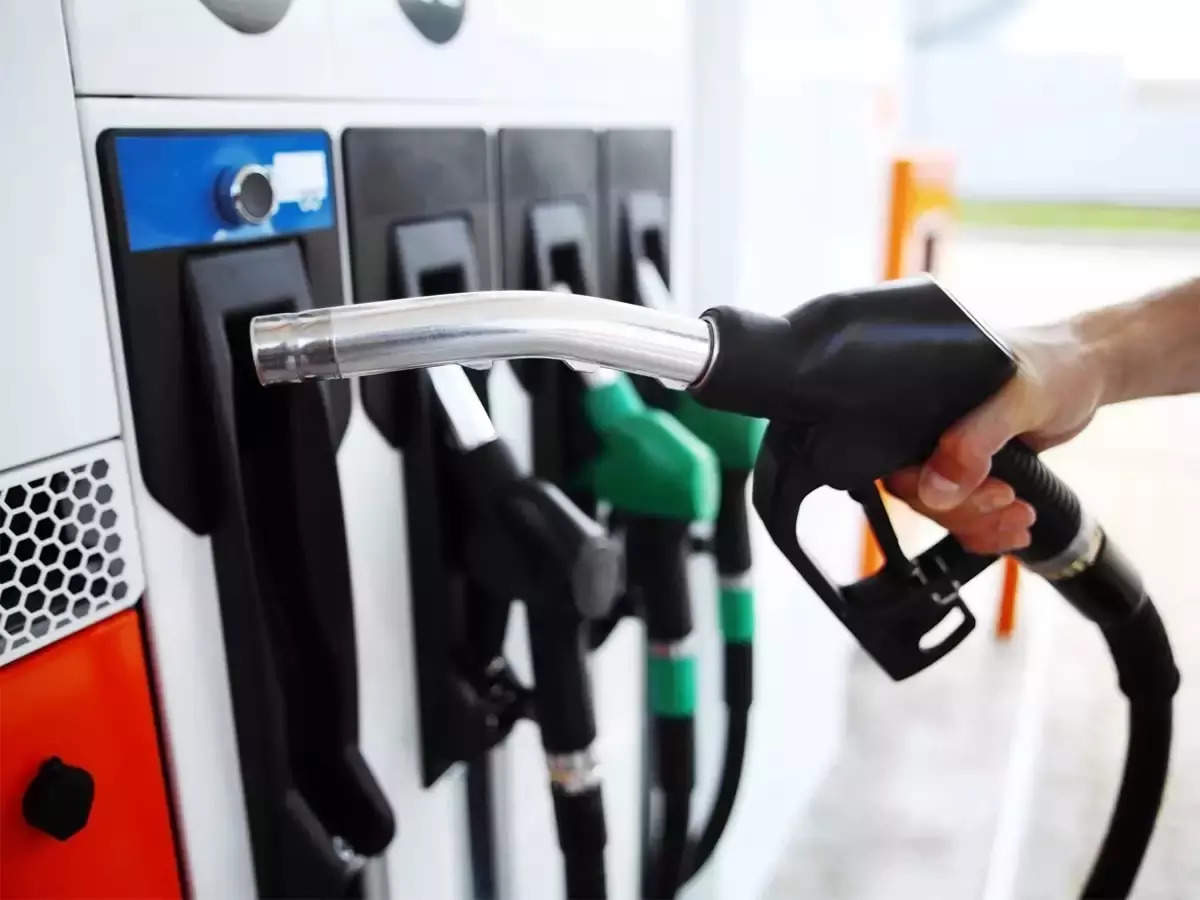
How GST on Petrol, Diesel will bring down prices

The soaring prices of petrol and diesel has time and again highlighted the question of whether bringing it under the goods and services tax (GST) regime will prove beneficial for the consumers.
The much debated and speculated issue might finally come to a conclusion on Friday when the 45th GST Council meets in Lucknow.
For the first time in 20 months, the GST council will be conducting a physical meeting. After December 18, 2019, all the GST Council meetings were done in virtual mode.

“We are not saying that we should bring petrol and diesel under GST immediately, we are basically asking states to suggest a timeline,” a government source told TOI ahead of the crucial meeting of the GST Council on Friday.
When GST was introduced in July 2017, five commodities — crude oil, natural gas, petrol, diesel and aviation turbine fuel (ATF) — were kept out of the GST purview, considering the revenue dependence of the central and state governments on them.


As demand recovered, the spike in global oil prices pushed petrol and diesel prices to an all-time high, leading to demand for bringing it under GST.
Fuel prices have been hovering at record levels on account of 41 increases in its retail rates since April this year.
However, since the past 11 days there has been no revision in prices of petrol and diesel as oil marketing companies (OMCs) kept a tab on global oil prices.
Accordingly, in Delhi a litre of petrol costs Rs 101.19 and diesel costs Rs 88.62.
Similarly, price of petrol in Mumbai, Chennai and Kolkata stood unchanged at Rs 107.26, Rs 98.96, Rs 101.62 per litre, respectively.

Diesel price also remained unchanged. In Delhi, Mumbai, Chennai and Kolkata, the fuel was sold for Rs 88.62, Rs 96.19, Rs 93.26 and Rs 91.71 per litre respectively.

Prices are largely going to remain unchanged or get some relief by way of a cut in days ahead as global oil is expected to soften again.
Oil cartel Opec and its allies have agreed to gradually raise production levels that should prevent upward price movement.

Written by : Ananya Kaushal

देश में आसमान छू रहा ईंधन का भाव !

देश में ईंधन की कीमतों में लगातार बढ़ोतरी देखने को मिल रही है। लागतार बढ़ रहा रेट थमने का नाम नहीं ले रहा, जिससे जनता काफी परेशान है। कच्चे तेल के दामों में जिस तरह से अंतरराष्ट्रीय बाजार में तेजी देखने को मिल रही है,वैसे ही घरेलू बाजार में पेट्रोल और डीजल के दाम भी आसमान छू रहा है। भारत में ईंधन की कीमतें रिकॉर्ड स्तर पर है।

5 अक्टूबर 2021 यानी कि मंगलवार को 1 दिन की स्थिरता के बाद भारतीय तेल कंपनियों ने डीजल और पेट्रोल के रेट में इजाफा कर दिया है। बात करें पेट्रोल की तो 25 पैसे प्रति लीटर एवं डीजल 30 पैसे प्रति लीटर और अधिक महंगा हुआ है। वहीं अक्टूबर में हरदिन भाव बढ़ता रहा है। अब तक केवल 1 दिन डीजल और पेट्रोल का रेट स्थिर रहा है।

इंडियन ऑयल कॉर्पोरेशन के मुताबिक़, ईंधन के दामों में वृद्धि के बाद दिल्ली में पेट्रोल की कीमत 102.64 रुपए प्रति लीटर एवं डीजल 91.07 रुपए प्रति लीटर तक पहुंच गया है। हालांकि,देश के चारों महानगरों की तुलना करें तो मुंबई में डीजल-पेट्रोल सबसे अधिक महंगा है। बता दें, जुलाई एवं अगस्त के महीने में कच्चे तेल के दामों में कुछ खास बदलाव नहीं आया था। इसलिए 18 जुलाई से 23 सितंबर तक तेल कंपनियों ने मूल्य वृद्धि नहीं की थी। इस दौरान पेट्रोल 0.65 और डीजल 1.25 की कीमतों में कटौती की गई थी। फिर अंतर्राष्ट्रीय बाजार में निरंतर बढ़ती कीमतों के कारण 28 सितंबर से पेट्रोल और 24 सितंबर से डीजल की कीमतों में बढ़ोतरी की गई है।

अंतरराष्ट्रीय बाजार में पेट्रोल और डीजल की कीमत क्रूड की कीमत के आधार पर प्रतिदिन अपडेट होती है। कीमतों की समीक्षा करने के बाद ऑयल मार्केटिंग कंपनियां रोज डीजल और पेट्रोल के दाम निर्धारित करती है।

अनन्या कौशल द्वारा संपादित।

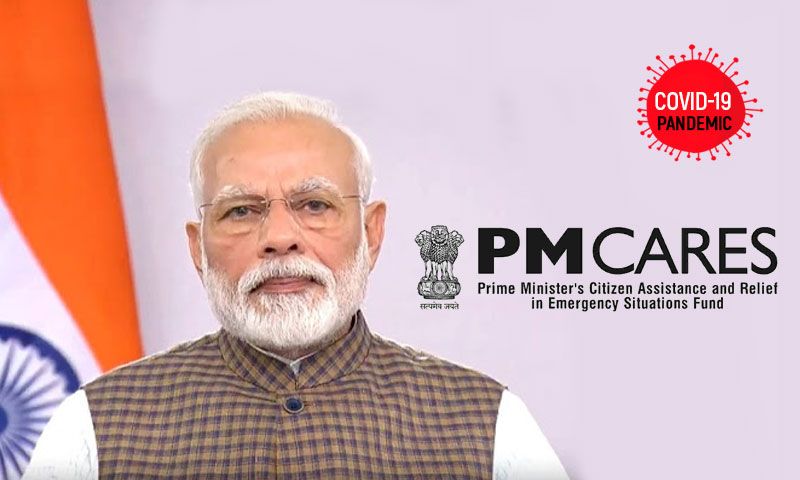
प्रधान मंत्री ने पेश किया पीएम केयर्स फंड का नया संशोधन।

प्रधानमंत्री नरेंद्र मोदी ने कहा कि उनकी सरकार का उद्देश्य देश के हर जिले में कम से कम एक मेडिकल कॉलेज खोलना है। वह गुरुवार को अखिल भारतीय आयुर्विज्ञान संस्थान (एम्स) ऋषिकेश में 35 राज्यों को 35 प्रेशर स्विंग ऐडसोरप्सन(पीएसए) ऑक्सीजन संयंत्र समर्पित करने के लिए आयोजित एक समारोह में बोल रहे थे।

ये प्लांट पीएम केयर्स फंड के तहत स्थापित किए गए हैं। उन्होंने कहा कि कुछ साल पहले देश में बहुत कम एम्स थे लेकिन अब हर राज्य में एक एम्स खोलने का प्रयास किया जा रहा है।

उन्होंने कहा कि नवरात्रि पर्व के पहले दिन के अवसर पर उत्तराखंड आना उनके लिए सौभाग्य की बात है। पीएम ने कहा कि उन्होंने 20 साल पहले इसी तारीख को गुजरात के सीएम के रूप में शपथ ली थी और कहा कि इस यात्रा की शुरुआत उत्तराखंड के गठन के साथ हुई थी।

उन्होंने प्रसन्नता व्यक्त की कि जिस धरती से योग और आयुर्वेद जैसी जीवनदायिनी शक्तियों को बल मिला, उसी धरती से आज ऑक्सीजन प्लांट समर्पित किए जा रहे हैं। महामारी की अवधि के दौरान अपनी सरकार की उपलब्धियों की सराहना करते हुए, पीएम ने कहा कि महामारी से पहले सिर्फ एक परीक्षण प्रयोगशाला से लगभग 3,000 परीक्षण प्रयोगशालाओं का एक नेटवर्क बनाया गया था। उन्होंने कहा कि भारत ने दुनिया का सबसे बड़ा और सबसे तेज टीकाकरण अभियान लागू किया है।

उन्होंने कहा कि पहले देश में एक दिन में 900 मीट्रिक टन लिक्विड मेडिकल ऑक्सीजन का उत्पादन होता था, लेकिन जैसे-जैसे मांग बढ़ी, भारत ने मेडिकल ऑक्सीजन के उत्पादन में दस गुना से अधिक की वृद्धि की।

पीएम ने यह भी कहा कि कोविड -19 वैक्सीन की लगभग 93 करोड़ खुराक दी गई है और जल्द ही देश 100 करोड़ का आंकड़ा पार कर जाएगा।

पीएम ने कहा कि अब सरकार इस बात का इंतजार नहीं करती कि नागरिक अपनी समस्याएं लेकर उसके पास आएं और फिर कोई कदम उठाएं, लेकिन अब सरकार नागरिकों तक पहुंच रही है।

अनन्या कौशल द्वारा संपादित।

Greenberry Organics Detox activated Charcoal Face Wash

Greenberry Organics Detox activated Charcoal face wash for anti-pollution Oil control and anti-acne with the goodness of Tea tree, Mulberry and Grapefruit combo with Bio active Intense Night cream Unisex (100ml + 50ml) https://www.amazon.in/dp/B076PG55CF/ref=cm_sw_r_apan_glt_fabc_SFDCQPP9A8T30JCWP80Q

 Factors used in this face wash are Tea trees & fruits, charcoal and Vitamin c helps in keeping the skin healthy and soft. Makes the skin acne-prone and keeps it hydrated. Suitable for all types of skin.

Neutrogena Deep Clean face wash

Neutrogena Deep Clean Facial Cleanser For Normal To Oily Skin, 200ml https://www.amazon.in/dp/B006LXDQRY/ref=cm_sw_r_apan_glt_fabc_dl_0F1YKXWWE1NGE0KQYS20

 Neutrogena is notable for making face fens for fulsome, acne-prone skin. This is your most solid option in the event that you have fulsome, and acne-prone skin. Delicate on your skin yet extreme on skin inflammation, the specific canvas-free equation tenderly purifies your skin from deep out. This face fen for fulsome skin contains Salicylic acid which is known to dispose of skin break out and reduces coming bunks.

How we create equality

While surfing through linkdein I came across a post where a doctor sir Ganeshan, he was providing free medical deliveries to girl. Many people of community have distinct view of it as if it is a right way and right thing.

In my view, this is how we create equality,
there are two ways
first, we share everything we have equally and eventually with time everything gets equalize,
another way is we try balancing both sides like if people are not happy after having girl child we will free them from fee charge(its temporary solution of a big part of solution) and as societies are progressing they will learn and improve with time.
Example of first one is colonized countries they doesn’t got support from developed countries and they got bullied many time but we are slowly progressing toward equality,
Example of second one is solutions for girl equality by indian govt, it involves temporary(situation based) solution like dowry punishment to educating and reservation, the benefits of having second way is it’s fast, and it has lots of temporary solution to big problems like girl foeticide case.

You can see post here

https://www.linkedin.com/posts/ashwini-mahesh_activity-6846473782144630785-ZcoR

Connect me on LinkedIn here

https://www.linkedin.com/in/shivam-soni-a99a4a186

Popular doha’s by India poet Kabir with meaning

What is Doha in English ?

Doha is a lyrical verse format which was extensively used by Indian Poets and Bards of North India probably since the beginning of the sixth century A.D.

Bura jo dekhan main chala, bura na milya koye
Jo mann khoja apna, toh mujhse bura naa koye.

Meaning in English
This Doha of Kabir ji is about observing one’s own mind.  He says that when he went on to search for the bad guy or the evil person in the world, he could not find the evil person anywhere.  Then he looked within himself, within his own mind and then found the real evil person that lived in his mind.  Ultimately Kabir says that when I looked inside me I could find that nobody was more bad or evil than me.

Kal kare so aaj kar, aaj kare so ab
Pal mein parlay hoyegi, bahuri karega kab.

Meaning in English
In this Doha Kabir has clearly tried to explain the human tendency of laziness and procrastination.  It is a known fact that we all tend to postpone matters. Generally many of us are indecisive and given a choice,  we would like others to be doing the work and we simply enjoy to take rest.  Here Kabir emphasizes that we have to take care of present moment and don’t wait for the things to be prolonged.  If we delay, many things may not be achieved and anything may happen any moment. So let us take care of each and every moment.

Bada hua toh kya hua jaise ped khajur
Panth ko chhaya nahin phal lage ati dur.

Meaning in English
Kabir in this Doha says that what is the use of being big or rich if you can not do any good to others. He gives an example of palm tree. Palm tree is very tall , but it is of no use to a traveller as it cannot provide shade. And it bears fruits at the top of the tree. So no one can eat easily.

Sain itna dijiye jamein kutumb samay
Main bhi bhukha naa rahun sadhu naa bhukha jaye.

Meaning in English

Kabir in this Doha requests God to give that much only so that he can feed his family and if any guest comes he should be able to feed him and honour him,. The inner meaning here is , one should only have what he needs . There is no use of having too much.

Matti kahe kumhar se tu kya rounde moye
Ek din aisaa aayegaa main roundunga toye.

Meaning in English

In this Doha soil tells to the potter (pot maker) , today you think that you are kicking me and kneading me with your feet . There will be a day when I will do the same to you what you have done to me. The inner meaning id that after death everybody will be below the soil or earth.

Guru Govind dau khade, kake lagun payen
Balihari Guru apne, Govind diyo milay.

Meaning in English

In this Doha Kabir says that a Guru ( Teacher) and the God are standing infront of you , then whose feet you will touch and give honour? Then he says that Guru deserves the first right to get the honour as he  affectionately teaches to know God by giving knowledge . Therefore the importance of Guru is more than the God.

SEBI clears norms for gold exchanges

The Securities and Exchange Board of India (SEBI), on Tuesday approved the framework for a gold exchange as well as for vault managers, facilitating trading in securities tied to the yellow metal. The markets regulator’s approval for the proposals made in the Union budget paves the way for the gold exchanges to be set up for the trading in ‘Electronic Gold Receipts’ (EGRs) like in the case of other securities. Existing stock exchanges will allowed to provide the platform for trading of EGRs, SEBI said after a board meeting in Mumbai.

The denomination for trading the EGRs and conversion of EGRs into gold would be decided by the exchanges with the approval of SEBI, Chairman Ajay Tyagi said, while addressing the media. The clearing corporation would settle the trades executed on the exchanges by way of transferring EGRs and funds to the buyer and seller, respectively, he said.

Vault Managers

EGR holders, at their discretion, could withdraw the underlying gold from the vaults after surrendering the EGRs. SEBI-accredited vault mangers would be responsible for the storage and safe keeping of gold deposits, creation of EGRs, withdrawal of gold, grievance redressal and periodic reconciliation of physical gold with the records of depository. The vault managers would have to have a net worth of at least 50 crore rupees. On the broader objective of such exchanges, Mr. Tyagi said, “India is a net importer of gold. We are price takers not price setters. The whole idea is to move from being price takers to the price setters. Price discovery at the exchanges will lead to… transparency in gold pricing.” Mr. Tyagi added that the exchanges would enable transparent price discovery, investment liquidity and assurance in the quality of gold. SEBI also cleared norms for social exchanges.