EFFECTS OF GLOBALIZATION ON INDIAN SOCIETY

Globalization has many meaning depending on the circumstance and on the individual who is talking about. There is one of the term of Globalization is a process of the “reconfiguration of geography, so that social space is not entirely mapped in terms of territorial distance, territorial places and territorial borders.” The simple term of globalization refers to the integration of economies of the world through uninhibited trade and financial flows, as also through mutual exchange of technology and knowledge. Ideally, it also contains free inter country movement of labor.

Indian society drastically changes after urbanization and globalization. The economic policies has direct influence in forming the basic framework of the Indian economy. The government shaped administrative policies which aim to promote business opportunities in every country, generate employment and attract global investment. In which the Indian economy witnessed an impact on its culture and introduction to other societies and their norms brought various changes to the culture of this country as well. The developed countries have been trying to pursue developing countries to liberalize the trade and allow more flexibility in business policies to provide equal opportunities to multinational firms in their domestic market. The International Monetary Fund (IMF) and World Bank helped them in this endeavor. Liberalization began to hold its foot on barren lands of developing countries like India by means of reduction in excise duties on electronic goods in a fixed time Frame.

Globalization has several aspects and can be political, cultural, social, and economic, out of Financial integration is the most common aspect. India is one of the fastest-growing economies in the world and has been predicted to reach the top three in the next decade. India’s massive economic growth is largely due to globalization which was a transformation that didn’t occur until the 1990s. Since then, the country’s gross domestic product (GDP) has grown at an exponential rate.

Indian government did the same and liberalized the trade and investment due to the pressure from the World Trade Organization. Import duties were cut down phase-wise to allow MNC’s operate in India on an equal basis. As a result globalization has brought to India new technologies, new products and also the economic opportunities.

Despite bureaucracy, lack of infrastructure and an ambiguous policy framework that adversely impact MNCs operating in India, MNCs are looking at India in a big way, and are making huge investments to set up R&D centres in the country. India has made a lead over other growing economies for IT, business processing, and R&D investments. There have been both positive and negative impacts of globalisation on social and cultural values in India.

Economic Impact:

1. Greater Number of Jobs: The advent of foreign companies led to the growth in the economy which led to creating job opportunities. However, these jobs are concentrated in the various services sectors and led to rapid growth of the service sector creating problems for individuals with low levels of education. The last decade came to be known for its jobless growth as job creation was not proportionate to the level of economic growth.

2. More choice to consumers: Globalisation has led to having more choices in the consumer products market. There is a range of choices in selecting goods unlike the times where there were just a couple of manufacturers.

3. Higher Disposable Incomes: People in cities working in high paying jobs have greater income to spend on lifestyle goods. There’s been an increase in the demand for products like meat, egg, pulses, organic food as a result. It has also led to protein inflation.

Protein food inflation contributes a large part to the food inflation in India. It is evident from the rising prices of pulses and animal proteins in the form of eggs, milk and meat. With an improvement standard of living and rising income level, the food habits of people changed. People tend toward taking more protein intensive foods. This shift in dietary pattern, along with rising population results in an overwhelming demand for protein rich food, which the supply side could not meet. Thus resulting in a demand supply mismatch thereby, causing inflation.

In India, the Green Revolution and other technological advancements have primarily focused on enhancing cereals productivity and pulses and oilseeds have traditionally been neglected.

Shrinking Agricultural Sector: Agriculture now contributes only about 15% to GDP. The international norms imposed by WTO and other multilateral organizations have reduced government support for agriculture. Greater integration of global commodities markets leads to constant fluctuation in prices.

• This has increased the vulnerability of Indian farmers. Farmers are also increasingly dependent on seeds and fertilisers sold by the MNCs.

Globalization does not have any positive impact on agriculture. On the contrary, it has few detrimental effects as the government is always willing to import food grains, sugar etc. Whenever there is a price increase of these commodities.

• Government never thinks to pay more to farmers so that they produce more food grains but resorts to imports. On the other hand, subsidies are declining so the cost of production is increasing. Even farms producing fertilizers have to suffer due to imports. There are also threats like introduction of GM crops, herbicide resistant crops etc.

Increasing Health-Care costs: Greater interconnections of the world have also led to the increasing susceptibility to diseases. Whether it is the bird-flu virus or Ebola, the diseases have taken a global turn, spreading far and wide. This results in greater investment in the healthcare system to fight such diseases.

Child Labor: Despite prohibition of child labors by the Indian constitution, over 60 to a 115 million children in India work. While most rural child workers are agricultural laborer’s, urban children work in manufacturing, processing, servicing and repairs. Globalization most directly exploits an estimated 300,000 Indian children who work in India’s hand-knotted carpet industry, which exports over $300 million worth of goods a year. The many effects of globalization of Indian society and has immense multiple aspects on Indian trade, finance, and cultural system. Globalization is associated with rapid changes and significant human societies. The movement of people from rural to urban areas has accelerated, and the growth of cities in the developing world especially is linked to substandard living for many.

Sources: https://www.clearias.com/effects-globalization-indian-society/

Council raises GST on low-cost footwear, garments to 12%

In its first physical meeting in two years, the GST Council on Friday effected several long-pending tweaks in tax rates including an increase in the GST levied on footwear costing less than ₹1,000 as well as readymade garments and fabrics to 12% from 5%.

The new rates on these products, a decision on which had been deferred by the Council over the past year owing to the pandemic’s impact on households, will come into effect from January 1, Finance Minister Nirmala Sitharaman said.

The Council approved a special composition scheme for brick kilns with a turnover threshold of ₹20 lakh, from April 1, 2022. Bricks would attract GST at the rate of 6% without input tax credits under the scheme, or 12% with input credits.

While this will please States like Uttar Pradesh that had sought a special scheme for brick kilns, a decision on extending such a scheme for other evasion-prone sectors like pan masala, gutkha and sand mining was put off.


The Council also decided to extend the concessional tax rates granted for COVID-19 medicines like Amphotericin B and Remdesivir till December 31, but similar sops offered by the Council at its last meeting in June for equipment like oxygen concentrators will expire on September 30.

The GST rate on seven more drugs useful for COVID-19 patients has been slashed till December 31 to 5% from 12%, including Itolizumab, Posaconazole and Favipiravir. The GST rate on Keytruda medicine for treatment of cancer has been reduced from 12% to 5%.

Life-saving drugs Zolgensma and Viltepso used in the treatment of spinal muscular atrophy, particularly for children, has been exempted from GST when imported for personal use. These medicines cost about ₹16 crore, Ms. Sitharaman said.

Food delivery tax shift
The Council also decided to make food delivery apps like Swiggy and Zomato liable to collect and remit the taxes on food orders, as opposed to the current system where restaurants providing the food remit the tax.

Revenue Secretary Tarun Bajaj stressed this did not constitute a new or extra tax, just the tax that was payable by restaurants would now be paid by aggregators. Some restaurants were avoiding paying the GST even though it was billed to customers.

“The decision to make food aggregators pay tax on supplies made by restaurants from January 1, 2022, seems to have been done based on empirical data of under reporting by restaurants, despite having collected tax on supplies of food to customers,” said Mahesh Jaising, Partner, Deloitte India.

“The impact on the end consumer is expected to be neutral where the restaurant is a registered one. For those supplies from unregistered, there could be a 5% GST going forward,” he added.

Aircraft on lease
The GST Council has exempted Integrated GST levied on import of aircraft on lease basis. This will help the aviation industry avoid double taxation, the Finance Minister said, and will also be granted for aircraft lessors who are located in Special Economic Zones.

Goods supplied at Indo-Bangladesh border haats have also been exempted from GST.

Written by: Ananya Kaushal

Unlock phone from “Teeth”

A group of Indian analysts has created what shows up to be a first-of-a-kind human verification through teeth for versatile and other hand-held gadgets. The group says that the app obtains biometric tests utilizing the camera on a portable handset. The app has particular markers that enlist the teeth of a human for confirmation, comparable to existing apps that record the whole confront.

The title of the think about is “Deepteeth: A Teeth-Photo Based Human Verification Framework for Versatile and Hand-Held Gadgets”. It has been wrote by Geetika Arora, Rohit K Bharadwaj, and Kamlesh Tiwari from the Birla Founded of Innovation and Science (BITS), Pilani. Clarifying the working of the app, the group, within the unique of the paper, composes that the locale of intrigued (RoI) is extricated utilizing markers and the gotten test is at that point improved utilizing differentiate constrained versatile histogram equalization (CLAHE) for way better visual clarity

The group says that to the finest of their understanding, typically the primary work on teeth-photo-based verification for any portable gadget, including the comes about have appeared “perfect accuracy.” Upon advance perusing the paper, you discover a chart clarifying how teeth-photo confirmation works. The app, utilizing the front camera of your portable gadget, obtains the impression of your teeth to begin with. Usually taken after by ROI extraction and upgrade. The following work of the app is “deep include extraction” taken after by “enrol/verify and identify.” The following step is where the verification truly starts. The enrolled extraction at that point compares the teeth impression with the database, taking after which the app makes the “decision” on whether or not it coordinated with the correct individual.

In conclusion, the creators type in that they watched that the less investigated teeth-photo has exceptionally tall acknowledgment and recognizable proof exactness with the uncommon include proposed within the think about. And indeed in spite of the fact that it takes a small longer to prepare at first, once conveyed it is exceedingly effective for recognizable proof or confirmation. Agreeing to the ponder, the proposed show works flawlessly with a little measure test and is, subsequently, power-efficient and reasonable for versatile gadgets. “We have moreover proposed a novel strategy for the regularization of the profound learning design by combining margin and shared data within the spine highlight representation,” the analysts composed within the think about.

THE STORY OF LAY’S

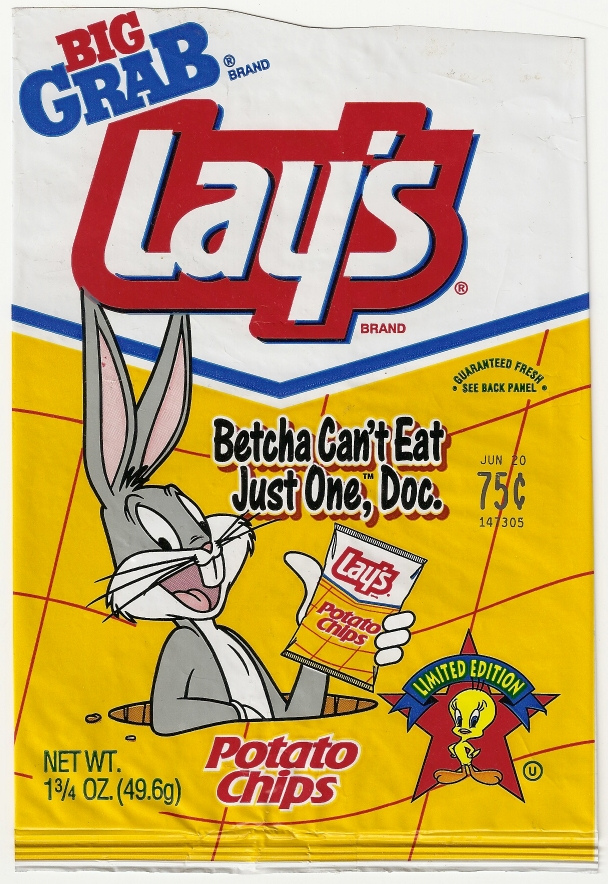
There may not be a single Indian who doesn’t love ‘Lay’s’. It is everyone’s favorite potato chips to snack on. But not many know how it began. It all started with this man.

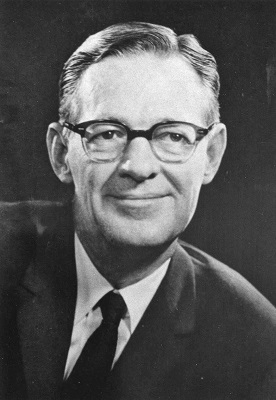
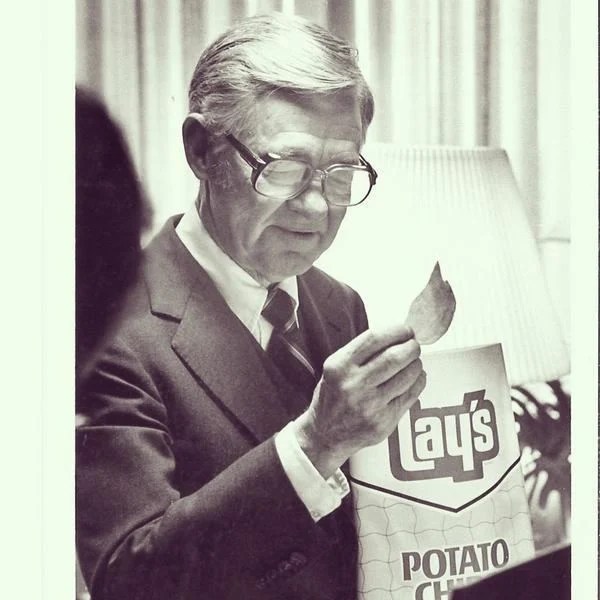
Herman Lay

Herman Lay, a salesperson in Nashville, Tennessee, was the first to sell Lay’s on behalf of Barrett Food Products Company in 1932. (U.S.). During the Great Depression, he was a traveling salesman, selling his chips from the back of his automobile on the roadway. “He believed in giving the most affordable prices and the highest quality products at an arm’s reach of every consumer,”

After six years, when Barrett fell on hard times, Herman bought the firm and renamed it H. W. Lay & Company. H.W. Lay & Company was the company’s original name until 1944 when Herman chose to condense it to the ICONIC Lay’s Potato Chips.

Lay’s Tennessee Valley Popcorn, not potato chips, was the company’s initial product, released in 1938. H.W. Lay & Company didn’t begin making Lay’s chips until 1944. People rapidly grew enamored with the chips. Lay’s had grossed $16 million in revenue by 1957, making it the largest potato chip and snack food manufacturer in the United States.

It became the first snack food brand to advertise on television, with an animated mascot dubbed Oscar-The Happy Potato.

Around the same time, C.E. Doolin was purchasing the recipe for yet another American staple: Frito corn chips. Doolin began preparing them in his mother’s kitchen. In 1961, the two of them partnered up to form Frito-Lay.

In 1962, Lay’s potato chips first crossed the border into Canada. By 1997, Lay’s potato chips had established itself as a popular choice among Canadians, and they remain the country’s favorite potato chip brand to this day. In 1965, PepsiCo acquired the Lay’s brand. Frito Lays, a PepsiCo subsidiary, manufacture Lays.

Fritos, Doritos, Ruffles, Cheetos, Rold Gold pretzels, Munchos, Funyuns, and Sun Chips are all Frito-Lay products. Lay’s, formerly known as Hostess in Canada until 1996, is also known as Walkers in the United Kingdom and Ireland, Smith’s in Australia, Chipsy in Egypt, Poca in Vietnam, Tapuchips in Israel, Margarita in Colombia, Katkoot in Kuwait, and Sabritas in Mexico. Lay’s flavors vary by region: North America, Europe, Australia, Asia, and Africa.

LAY’S DEBUT IN INDIA

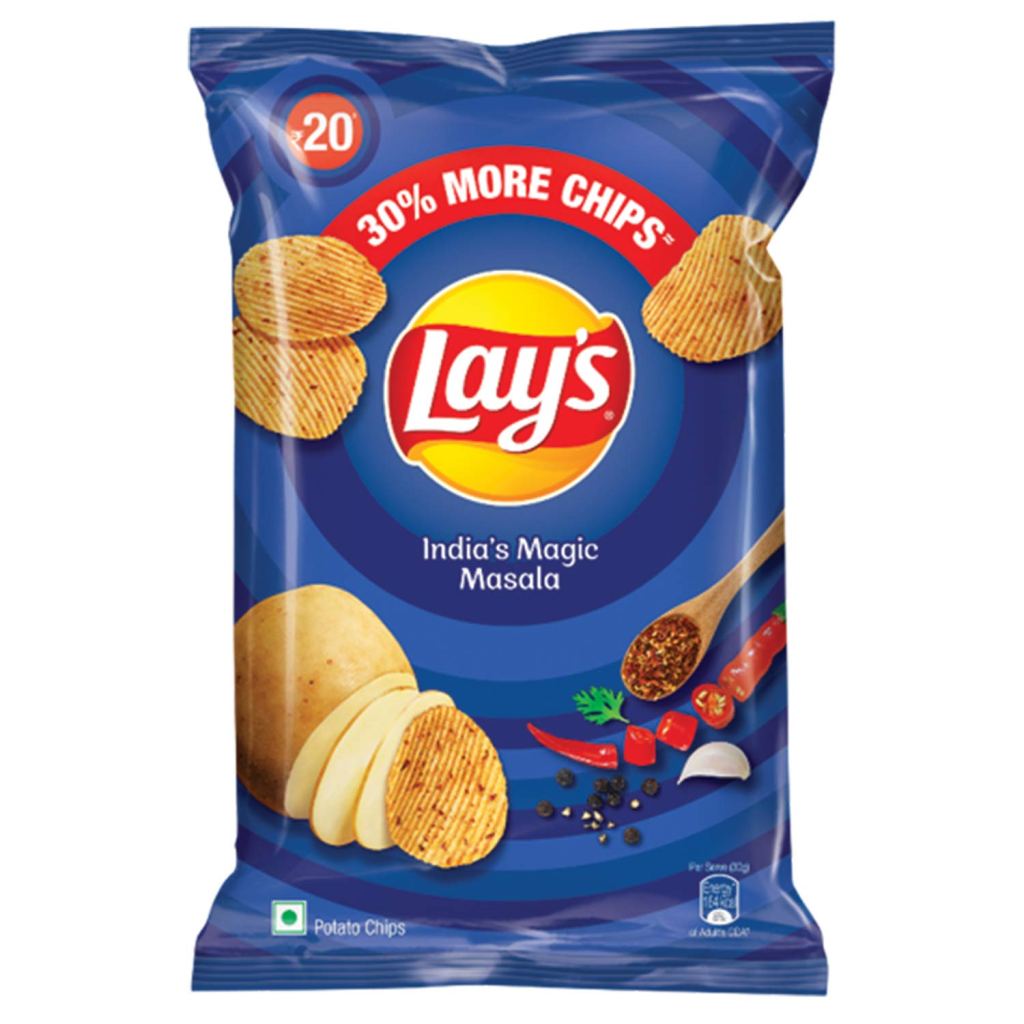
Lay’s debuted in India in 1995 and quickly rose to become one of the Before Lays, Uncle Chips dominated the Indian market. In barely five years, Lay’s positioned itself as the principal rival of ‘Uncle Chips’ and grew to become the largest chip manufacturer in India.

Economical chips packets ranging from Rs.5, Rs.10, Rs.20, and Rs.25 were launched to attract customers & According to a study, more than 72 % of residents felt the cost adequate. In 2016, Lay’s had a 50 percent market share in potato chips in India, according to Statista.

Lay’s are prepared with the finest potatoes, cooked in edible vegetable oils, and flavored with wonderful seasonings. Extensive quality control and production techniques are used. It has ISO 14000 HACCP (Hazard Analysis and Critical Control Point) certification, USA; TQCSI (Australia) accreditation from the American Institute of Baking (USA), and OHSAS 18001 (Occupational Health and Safety Assessment Series) certification, USA.

Lay’s chips come in over 200 different flavors. The chips come in a variety of flavors, like salt & vinegar and barbeque, as well as cappuccino, vegetable soup, and Beer ‘n Brats.

It introduced a variety of Indian and Western flavors, like Classic Salted, American Style Cream & Onion, Chat Chaska, Magic Masala, Tangy Tomato, and Astana Mango, to appeal to both urban and rural markets in India. To attract the health-conscious clientele Frito-Lay potato chips now have zero trans-fats and no added MSG.

STORY OF PARLE -THE SWADESHI BISCUIT

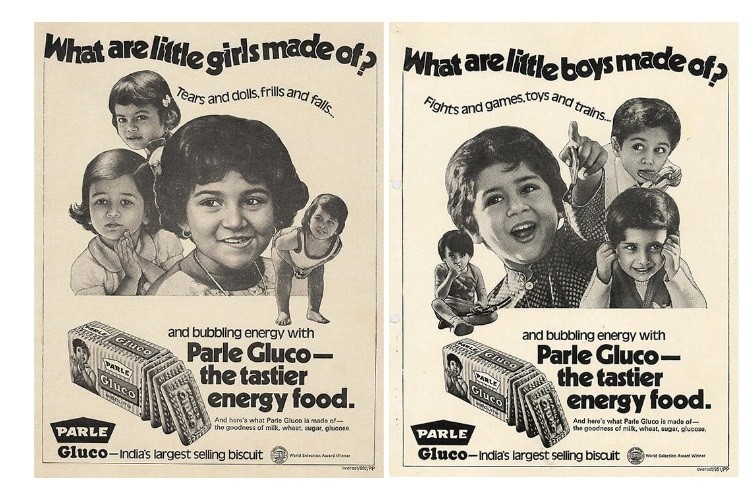
There may not be a single Indian who hasn’t heard of Parle; from its beginning in 1939, it has become an indispensable part of the everyday life of most Indians. 400 million Parle-G biscuits are produced daily and According to an estimation, every second, over 4500 people enjoy a Parle-G biscuit, originally known as Parle Gluco.

Parle-G was the first FMCG brand in India to reach Rs. 5000 crore mark in retail sales in 2013. It was also listed #29 in the Brand Trust Report India’s Food & Beverage category in the year 2019.

Parle-G now has over 130 factories and is sold in over 5 million retail outlets throughout India. Every month, Parle-G manufactures about a billion packs of biscuits. Parle-G is available in the most distant of places. Certainly, a mass-market item.

THE EMERGENCE OF PARLE

Under the British Raj, foreign goods were marketed at exorbitant prices across the Indian market. At the time, candy was a huge hit.

The founder of the Parle firm, Mohan Lal Dayal, was not pleased with this and was heavily inspired by the Swadeshi movement. To combat this trend, he chose to begin manufacturing candy domestically. To accomplish this, he flew to Germany to acquire the skills to manufacture candies and later returned to India in 1929 with a candy-making machine that cost Rs 60,000 at the time. He began his business in Mumbai, where he acquired an old factory located between Irla and Parla. The factory got named after the location where it all began. The company began with just 12 employees, all of whom were family members.

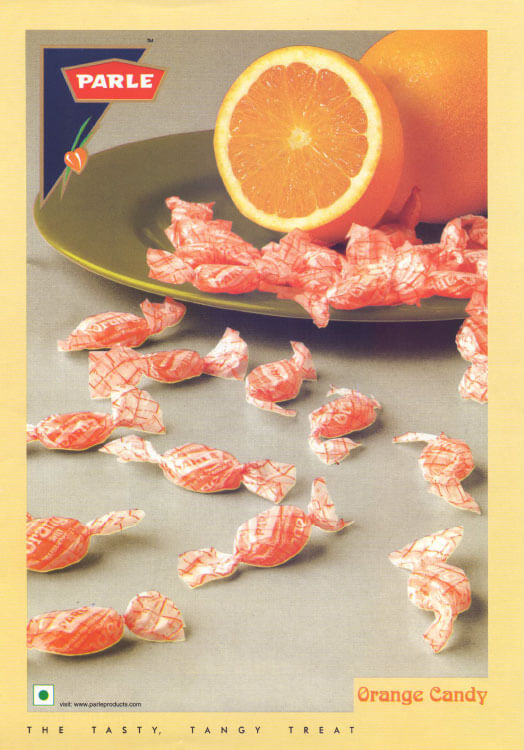
Parle’s very first product was The Iconic orange candy, and from there they expanded into confectioneries and toffees. After a decade later, in 1939, the ‘Parle Gluco’ biscuit, an economical biscuit intended for the general public, was introduced. So that Indian people can afford and enjoy delicious candies with their families.

Under British rule, Biscuits were a high-end product, enjoyed primarily by Britishers and upper-class Indians, with the majority of them being imported into the country. The market was dominated by British brands such as United Biscuits, Huntly & Palmers, Britannia, and Glaxo. These were imported and expensive.

The wheat-based biscuit was reasonably priced, and it was readily available to the majority of Indians. Produced by the Indians for the Indians, Parle-G was India’s response to the British-made biscuits and became the British-Indian Army’s go-to cookie during World War II. The Parle Gluco cookie became immensely popular and it swiftly took over the market. All British businesses began to lose money at that point. Parle also made India’s first salted cracker, Monaco, in the early 1940s.

Due to a shortage of wheat, one of Parle’s primary ingredients, following Partition in 1947, the company had to halt production of Parle Gluco & they instead began making and selling barley biscuits.

THE FOREVER ICONIC PACKAGING

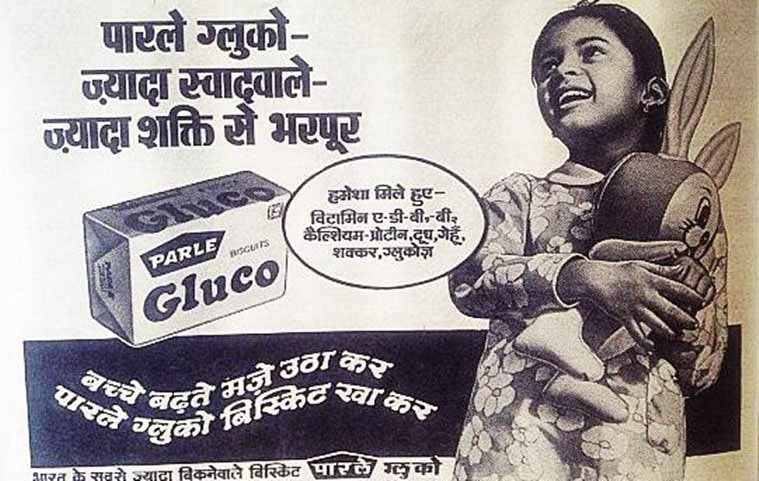
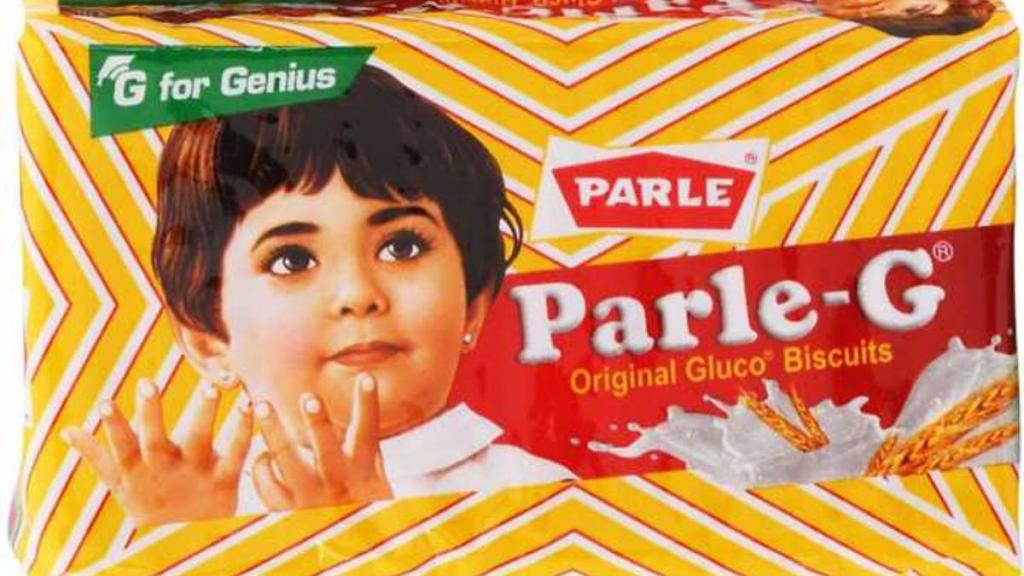
Over time, more and more brands featuring the words “gluco” or “glucose” in their names began to appear on the market. Britannia also introduced the ‘Glucose D’ biscuits. In the 1980s, Parle Gluco changed its name to ‘Parle-G’ and released a new box with white and yellow stripes and an illustration of the ‘Parle-G Girl’ to maintain its sales and stand out in the marketplace to consumers. Over time, more and more brands featuring the words “gluco” or “glucose” in their names began to appear on the market. Britannia also introduced the ‘Glucose D’ biscuits. In the 1980s, Parle Gluco changed its name to ‘Parle-G’ and released a new box with white and yellow stripes and an illustration of the ‘Parle-G Girl’ to maintain its sales and stand out in the marketplace to consumers. The packaging became legendary & is still recognized by Indians today.

Parle also debuted their first TV commercial for Parle-G in 1982 on Doordarshan, with the catchphrase “Swaad Bhare, Shakti Bhare, Parle-G.” Shatkimaan, the public’s beloved superhero at the period, accepted to do a commercial for Parle-G in 1998.

 Changed to “Genius” in the early 2000s, the “G” in Parle-G stood originally for “Glucose”. As per figures from 2009-10, Parle-G’s sales outstripped the combined sales of all other biscuit brands in China, the world’s fourth-largest biscuit-consuming country. As shown in a 2011 Nielsen survey, Parle-G had eclipsed Cadbury as the best-selling biscuit brand in the world.

Parle will forever remain Iconic, for why it started, for whom it started and for what it has provided to the people of country. A happy part of every Indian’s childhood, it will continue to remain an integral part of everyone’s chai time.

Indian vs American Education System

Being literate is not enough today. Being educated is what we require. Standing and living amidst a competent world, the ability to identify, think, and evaluate for oneself is of utmost importance for any human. The foundation for this is built through education. Hence the education system plays a major role in shaping an individual. It’s inevitable to not discuss and compare the different education systems around the world, however, the American and Indian education systems tend to garner huge attention in contrast to others. It’s especially evident from the large number of Indian students’ who flock to America to pursue their further education. In this article, I too am going to elaborate and sketch out the different characteristics of the Indian education and American education system with the help of expenditure, education structure, course structure, teaching focus, and flexibility of subject choices.


The Indian System of education has long been influenced and changed since the British Colonisation. With India’s independence hurling better opportunities, the education system itself has witnessed very few changes in its learning methodology. It is found that an estimated expenditure of around 6.3 lakh crore in the year 2019-20 is spent by the Indian Govt upon the education sector, ranking India at the 35th position on the ‘Worldwide Educating for the Future Index’ in 2019. India’s education system currently follows the 10+2+3 learning system and the grade levels are divided into Pre-Primary, Primary, Secondary, Higher Secondary, and College. The course structure followed by the schools and colleges is highly rigid as it focuses on certain subjects such as Science and Maths more compared to others and provides absolutely no choice to choose subjects until Higher Secondary. The learning methodology used in early education is solely dependent on cramming and memorization techniques with no room for creative aspects to flow. Students are made to focus on academic subjects more than non-academic and extra-curricular activities. Another unique characteristic of Indian Education is that the teachers are often made in charge to handle 40-50 students per class. This ratio may even go up to 100 students per class in rural areas. Furthermore, students are not required to answer any exam to enroll themselves in universities except for a few selected courses like Medical, Engineering, and Architecture (NEET, JEE, NATA). The admission process for universities is usually based on the marks received by the students in their Higher Secondary Board exams.


America on the other hand, also known as the ‘Nation of Dreams’, proves to be very different compared to the Indian education system. The American government spends over $700 billion every year on its education sector making it the topmost nation to invest in education. American Education also varies in its structure as it follows a 10+2+4 system. The level of grades remains the same as Indian Education, however, they possess different terminologies. For instance, Elementary school refers to Pre-Primary and Primary Education, Middle School refers to Secondary Education, High school refers to Higher Secondary Education and Post-secondary refers to College in the Indian Grade Systems respectively. The American Education also offers a highly flexible course structure from the beginning of lower grades where students are free to opt for courses that they like. Math and Science are not the dominant subjects and activities like sports and non-academics are given equal importance as academic courses. The learning methodology focuses on enhancing the child’s creative and critical thinking skills while minimizing the memorization load. For every class the teacher is assigned not more than 30 students, making it easier for the teacher to pay attention to every child in the class. Lastly, for admissions in Universities/Colleges students are required to answer SAT and ACT compulsorily. In addition to all this, both the Public and Private divisions of American schools have better infrastructure and well-equipped technologies compared to the Indian Government schools.

It’s clear that the American Education System is distinctive from the Indian Education System in many ways, yet it’s not the best in the world. Education Systems should not be focused only on flexibility but should also take into account the needs of its citizens and country. The NEP is a step forward in terms of education in India and this is what every country needs to strive towards. As the years go by the education system needn’t stay static but strive to be dynamic to accompany and enhance the educational power in every citizen. In the end, we should never forget that ‘Education’s true purpose is to replace an empty mind with an open one.’

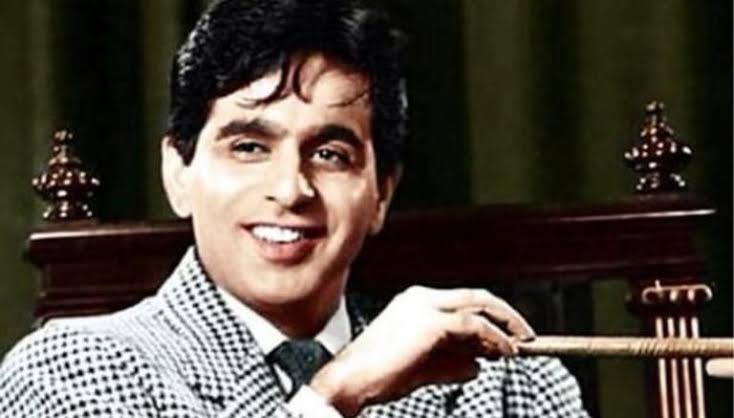
Dilip Kumar: A tribute to Acting Legend.

Today, July 7, will be a very sad day for Indian Cinema as it lost one of the most popular actors in its history, Dilip Kumar. The 98 year old actor took his last breath in Hinduja Hospital, Mumbai.

Photo Credits: Republic World.

Mr. Dilip Kumar was born in Peshawar, Pakistan (at the time British India) and was one of the twelve children of his parents. Their family later shifted to Indian state of Maharashtra. Let us remember some of this memorable happenings from his life and pay a tribute to him for his extraordinary work for Indian Cinema.

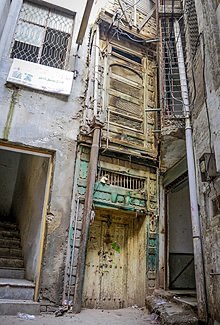
1) Dilip Kumar and his Peshawar Home.

The ancestral home of Dilip Kumar in Peshawar.
(Photo Credits: Dilip Kumar/Twitter)

Dilip Kumar in his old interviews has revealed how his ancestral home in Peshawar was always special to him. On a visit to Pakistan, years after the India-Pakistan partition, Dilip Kumar reportedly fell to his feet and kissed the floor of this childhood home. He also remembered how he used to play and mingle with other friends and family at his home.

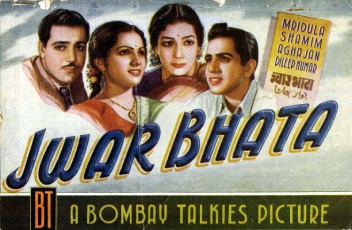
2) Joining Bollywood.

Photo Credits: Bombay Talkies.

Dilip Kumar debuted in Hindi Cinema with the movie Jwar Bhata in 1944. After a string of failures in Indian Cinema, he gained popularity with his film Jugnu in 1947 alongside Noor Jehan which was also his first box office success. He became even popular with films like Shaheed and Mela in 1948.

3) Receiving the title “The Tragedy King”.

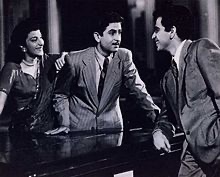
Dilip Kumar with Raj Kapoor and Nargis in Hindi film Andaaz in 1949.

1950s was completely a decade meant for Dilip Kumar in Hindi Cinema. His films such as Deedar, Hulchul, Naya Daur, Devdas, Paigham, Madhumati established his image as “Tragedy King” as these films has a tragic or mournful plot. Dilip Kumar also suffered from depression due to portraying many tragic roles and as a result his psychiatrist suggested him to take up light roles as well.

4) Honours and Recognitions

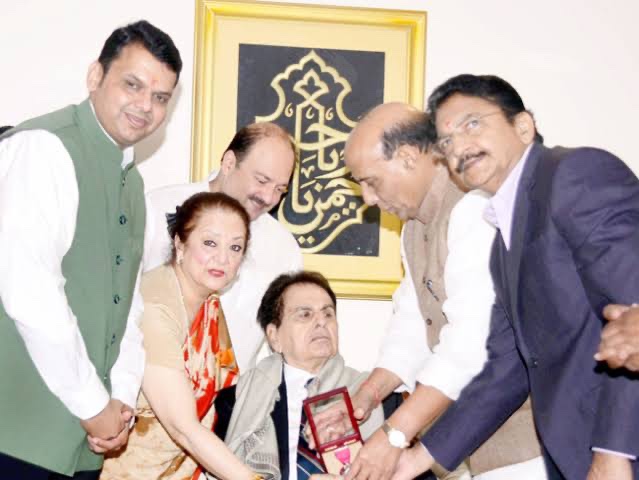
Dilip Kumar receiving Padma Vibhushan in 2015. (Photo Credits: Economic Times).

Dilip Kumar has received several awards and recognitions in his life. He received Padma Bhushan and Padma Vibhushan, the third highest and second highest civilian honours of India in the years 1994 and 2015 respectively. He also received Nishan-e-Imtiaz, the highest civilian honour of Pakistan in 1998. He’s the one of the few actors with highest number of Filmfare awards with about 8 Filmfare awards. He also received Dada Saheb Phalke award in 1994.

Although Mr. Dilip Kumar passed away leaving all of us with a heavy heart, he’ll forever remain immortal in all hearts. Very few have been able to achieve what he has achieved in his life and that’s what we should be remembering always!

Bose-EinsteinCondensate The 5th Matter

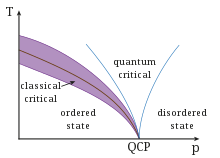
QuantumPhaseTransition.svg

In condensed matter physics, a Bose–Einstein condensate (BEC) is a state of matter (also called the fifth state of matter) which is typically formed when a gas of bosons at low densities is cooled to temperatures very close to absolute zero (−273.15 °C or −459.67 °F). Under such conditions, a large fraction of bosons occupy the lowest quantum state, at which point microscopic quantum mechanical phenomena, particularly wavefunction interference, become apparent macroscopically. A BEC is formed by cooling a gas of extremely low density (about one-hundred-thousandth (1/100,000) the density of normal air) to ultra-low temperatures.

This state was first predicted, generally, in 1924–1925 by Albert Einstein following and crediting a pioneering paper by Satyendra Nath Bose on the new field now known as quantum statistics.

This transition to BEC occurs below a critical temperature, which for a uniform three-dimensional gas consisting of non-interacting particles with no apparent internal degrees of freedom is given by:{\displaystyle T_{\rm {c}}=\left({\frac {n}{\zeta (3/2)}}\right)^{2/3}{\frac {2\pi \hbar ^{2}}{mk_{\rm {B}}}}\approx 3.3125\ {\frac {\hbar ^{2}n^{2/3}}{mk_{\rm {B}}}}}{\displaystyle T_{\rm {c}}=\left({\frac {n}{\zeta (3/2)}}\right)^{2/3}{\frac {2\pi \hbar ^{2}}{mk_{\rm {B}}}}\approx 3.3125\ {\frac {\hbar ^{2}n^{2/3}}{mk_{\rm {B}}}}}

where:

{\displaystyle \,T_{\rm {c}}}is the critical temperature,
\,nthe particle density,
\,mthe mass per boson,
\hbar the reduced Planck constant,
{\displaystyle \,k_{\rm {B}}}the Boltzmann constant and
\,\zeta the Riemann zeta function; {\displaystyle \,\zeta (3/2)\approx 2.6124.}\,\zeta(3/2)\approx 2.6124. 

Interactions shift the value and the corrections can be calculated by mean-field theory. This formula is derived from finding the gas degeneracy in the Bose gas using Bose–Einstein statistics.

Superfluidity of BEC and Landau criterion

The phenomena of superfluidity of a Bose gas and superconductivity of a strongly-correlated Fermi gas (a gas of Cooper pairs) are tightly connected to Bose–Einstein condensation. Under corresponding conditions, below the temperature of phase transition, these phenomena were observed in helium-4 and different classes of superconductors. In this sense, the superconductivity is often called the superfluidity of Fermi gas. In the simplest form, the origin of superfluidity can be seen from the weakly interacting bosons model.

COLORISM IN INDIA

See the source image

Colorism

Colorism is the practice of favoring lighter skin over darker skin. The preference for lighter skin can be seen within any racial or ethnic background. Race can be defined as the attributes, traits and features which differentiates one group from the other existing social groups. In simple words, races are the physical qualities that one inherits biologically and serves as a way of self-identification from the other groups. Racism is a theory that one race is superior that the other based on the physical attributes, caste, creed, ethnicity or origin. A person is being racist when he displays the emotions of hatred, prejudice, biasness and intolerance against another person solely due to his skin color, structure of his lips, language, place of origin or any other attribute which he might have gained biologically.

Colorism in India

India is known as one of the most mega diverse nations in the world. It is indeed a diverse country and a home for people belonging to different caste, religion, color, creed, culture and traditions. Indians are known for their varied degrees of skin complexion termed as fair skinned and dark skinned. The skin color has always remained an important factor in determining a person’s value and worth. Fair skin people are considered to be of a superior status than to the people with a dark sin. Racism has been prevailing in India since the Rig Veda Period, followed by the Mughal era and the British ruleWe live in a society where the people are highly obsessed with one’s skin tone. Indians have varied degrees of skin complexion and they are categorized as fair, dusky, dark etc. Indians believe that fair-skinned people are of a much more worth and value than those who are dark skinned. The fair is considered the intellectual and gets the respect, dignity and the social status while the dark are left behind struggling for their rights and status. We face color hatred and prejudice and somehow still choose to remain silent about it.

The people need to understand that a person’s worth or status is not determined by his or her color. There are numerous cosmetic brands promoting skin lightening creams and lotions. There are advertisements promoting the desperate need of looking fair. The question is why? No one has the right to question or judge one’s complexion. Racial discrimination brings down the morale and the enthusiasm of the dark, they do not get a chance to stand up and speak up or fight for themselves. The mindset of the Indian society should realize the fact that no matter what the skin tone is, what caste or origin a person belongs to, irrespective of all the other physical traits, a person is entitled to equality before the law and has every right to deserve the same respect and honor a fair person gets. Racism is a refuge for the ignorant. It seeks to divide and to destroy. It is the enemy of freedom, and deserves to be met head-on and stamped out.

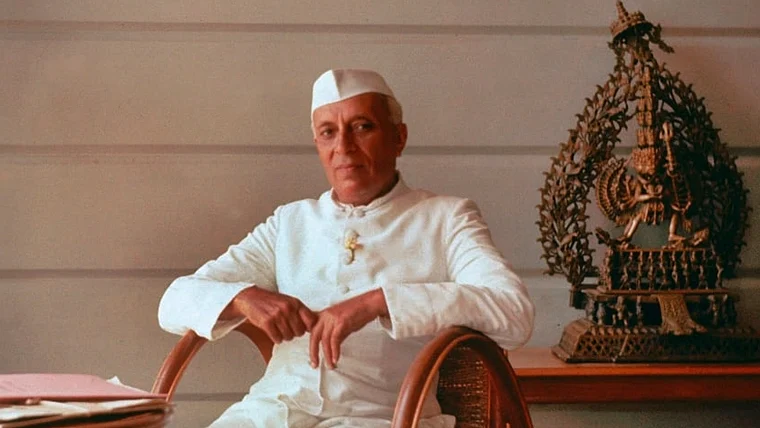
Jawaharlal Nehru faced more setbacks than you think.

File picture of Jawaharlal Nehru

The first Prime Minister of India, Pandit Jawaharlal Nehru gave India a new hope to dream of a free nation. He, along with other leaders gifted us the biggest democracy, the most ambitious republic, a colossal Constitution and an advanced form of secularism. He alsmost single-handedly integrate the entire nation after Indepence from India. He stirred emotions and tears when he said in his speech, “Long years ago we made a tryst with destiny, and now the time comes when we shall redeem our pledge, not fully or in whole measure, but very substantially. At the stroke of the midnight hour when the world sleeps, India will awake to life and freedom.”

Such invoking and inspiring speeches is one of the reason why Jawaharlal Nehru is deeply loved and revered among the Indians. It is said that during the first General Assembly Election 0f 1952, Dr.Nehru addressed almost 1/10th population of India. A brilliant statesman and orator, he is even respected in the global sphere.

However, a successful person is not without failures and setbacks. Nehru was an idealist hence even the slightest contrary caused him discomfort. Though he handled them with grace and elan.

The first setback he faced in his illustrious political career was when Subhas Chandra Bose resigned from Congress. Jawaharlal Nehru had attachment towards Gandhi but he also wanted Subhas to be in the Congress as he was modern and had socialist beliefs. Nehru never wanted this division in the Congress but in vain.

The next major dilemma Nehru faced was the Partition and the horrors of the communal riots and the immigration of thousands of refugees. Nehru always wanted peaceful coexistence and equality of all religions. He had to agree to the Partition to avoid more deaths and a civil war. Though his policy of secularism helped him gather people’s support during the election campaign.

In between of all these political conflicts, he was not without personal losses. He lost his dear wife, Kamala Nehru who was Indian activist. Jawaharlal lost her to tubercolosis in Switzterland in 1936. Nehru recalls in his book, “The Discovery of India” reading out to Kamala when she could no longer read due to her weakness. Nehru recounts in his book that he would look at the moon from his prison window and think of her. Kamala was his strength.

Another major and mammoth task after Independence was the consolidation and integration of the Indian states into the Indian Union. States like Kashmir, Junagad and Hyderabad proved to be troublesome. Though it was the work of Srdar Vallabhai Patel to integrate the states. Nehru gave the Tribal Panchsheel policy to integrate the tribal states using humane and considerate ways. One of his principle was that development should be assessed with qulaities and not statistics. He was successful but had faced immense amount of resistance. Nehru never used the Indian Armed Forces until it was the breaking point.

Nehru has been extremely respected by his opposition parties. Nehru had internationalist views as well. Nehru was the brainchild of the NAM or Non Aligned Movement. He shared his idealist vision with the other leaders of newly independent states of Asia and Africa. When the world was grasping in fear of another war due to the Cold War, he saved us from fear and promoted his non-alignment views. He promoted far more modern ideas like economic assistance, non-interferance, integrity and pecaeful co-existence. But this policy was brutally criticized by the Western theorists as it did not fit into the American view. The policy of NAM was also blatantly violated by even his NAM counterparts.

Last but not atleast, Nehru was badly betrayed by his ally he trusted. He had signed an agreement with the Chinese premier Zhou Enlai only to be attacked badly at the Tibetian fronts during the Indo-China War of 1962. Nehru had never felt this betrayed and the condition of his heart worsened. For the first time he was criticized largely by his oppositions in the Parliament. It was a huge embarrassment for him in the world forum. He only wanted to share good values with the still-developing China but alas.

Many information in this article are from the book The Discovery of India by Jawaharlal Nehru. In the book he has delved deep into the foundation of the Indian society since the Indus Valley Civilization and the Aryan society. He fully embraced Indian culture but mixed it with ancient wisdoms that are relevant even n today’s hostile political climate.

Jawaharlal Nehru believed in the Indian people when the British rulers could not even entrust upon us the task of making a Constitution. His failures made him strong and resilient. He truly was the quintessential administrator and the ‘Chacha’ of the beloved children of his nation.

Indian Art Style

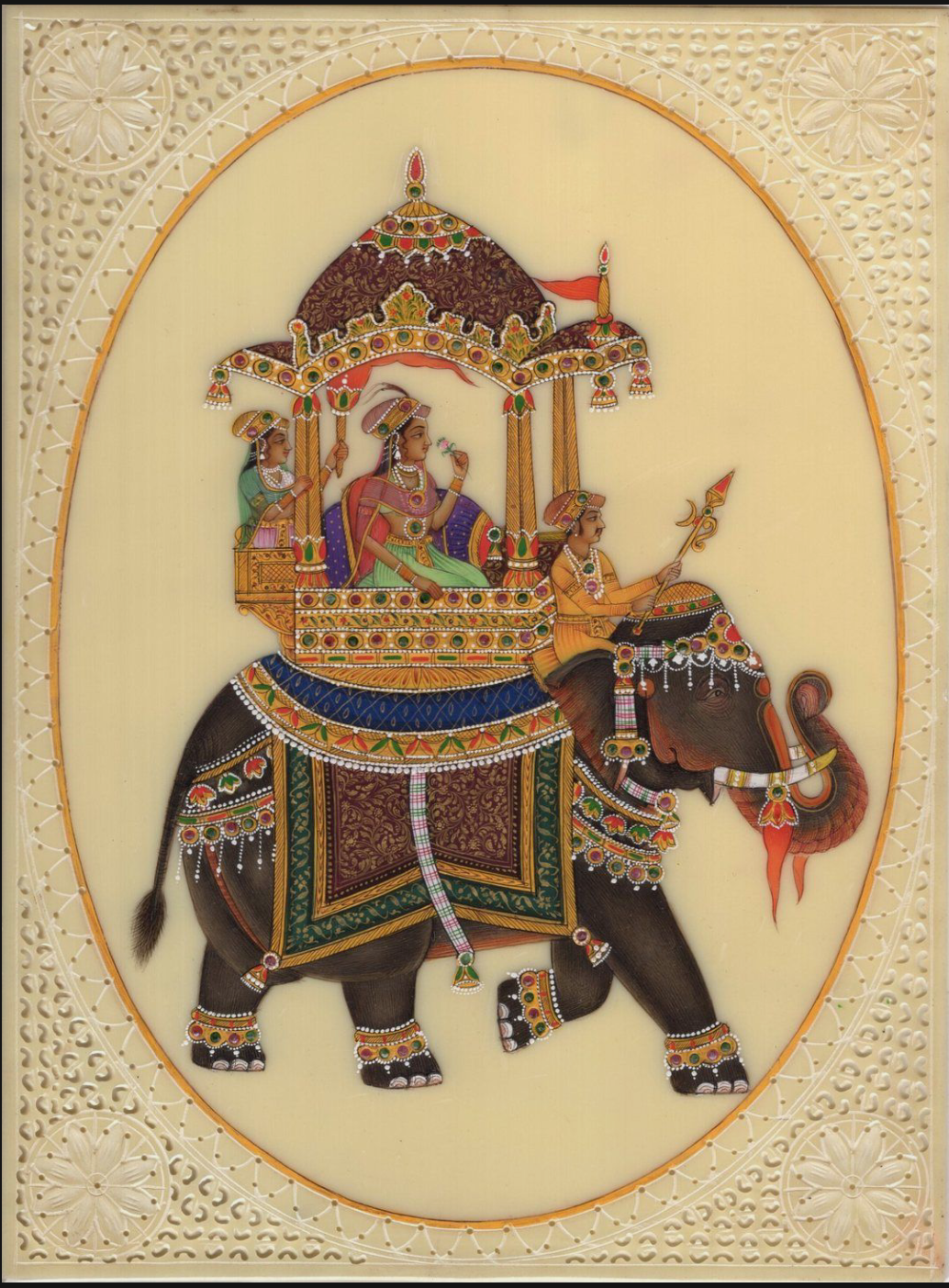
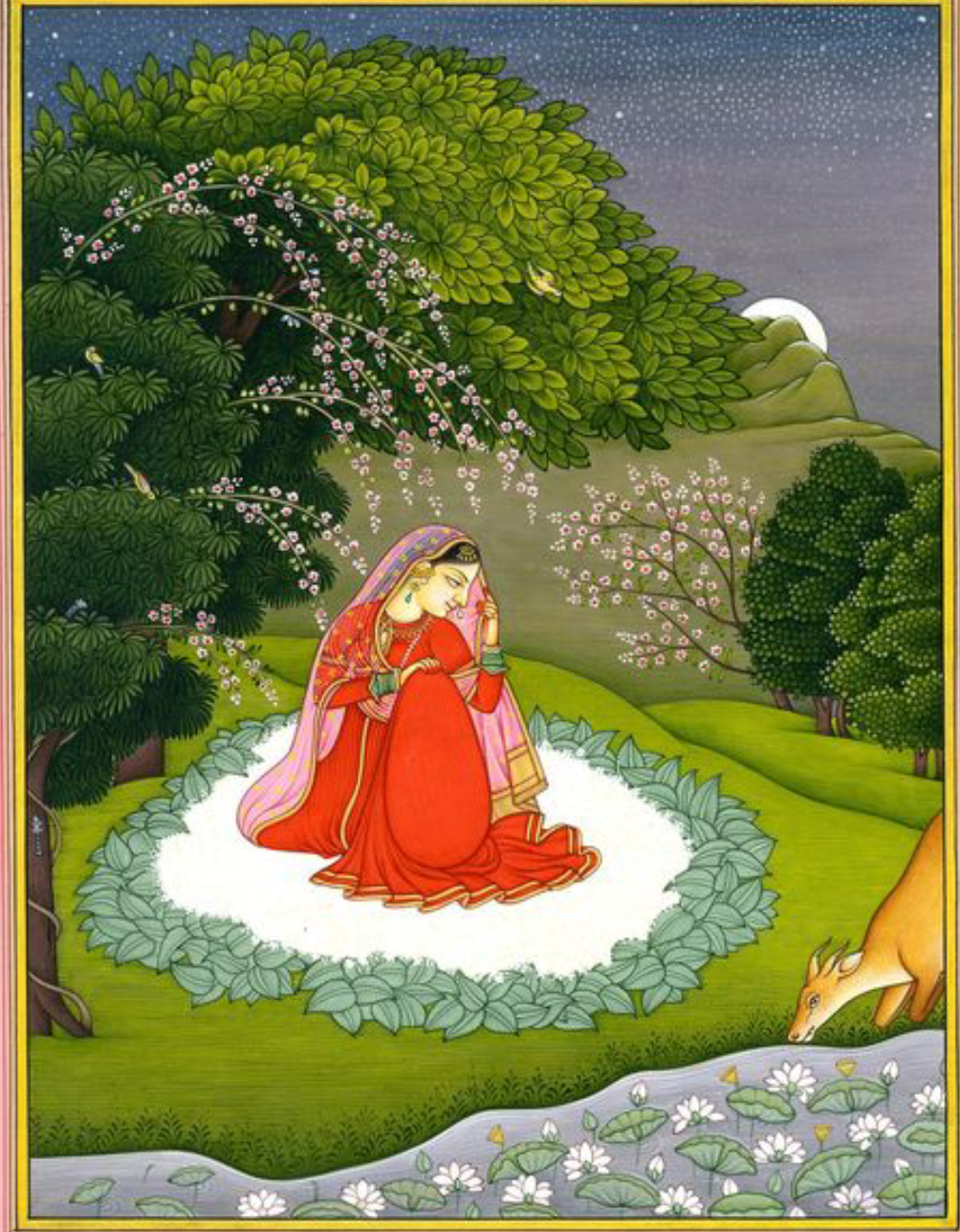
• Rajasthani miniature art

Rajasthan is one of the pioneer seats of miniature painting in India. Rajput painting, also known as Rajasthani painting, is a style of Indian painting evolved and flourished in the royal courts of Rajputana, India. Each Rajput kingdom evolved a distinct style but with certain common features. Rajput paintings depict a number of themes, events of epics like the Ramayana and the Mahabharata, Krishna’s life, beautiful landscapes and humans.

Miniatures in manuscripts or single sheets to be kept in albums were the preferred medium of Rajput painting but many paintings were done on the walls of palaces, inner chambers of the forts, havelis, particularly the havelis of Shekhawati, the forts and palaces built by Shekhawat Rajputs. The colours were extracted from certain minerals, plant sources and conch shells and were even derived by processing precious stones. Gold and silver were also used. The preparation of desired colours was a lengthy process, sometimes taking weeks. The brushes used were very fine.

• Pattachitra

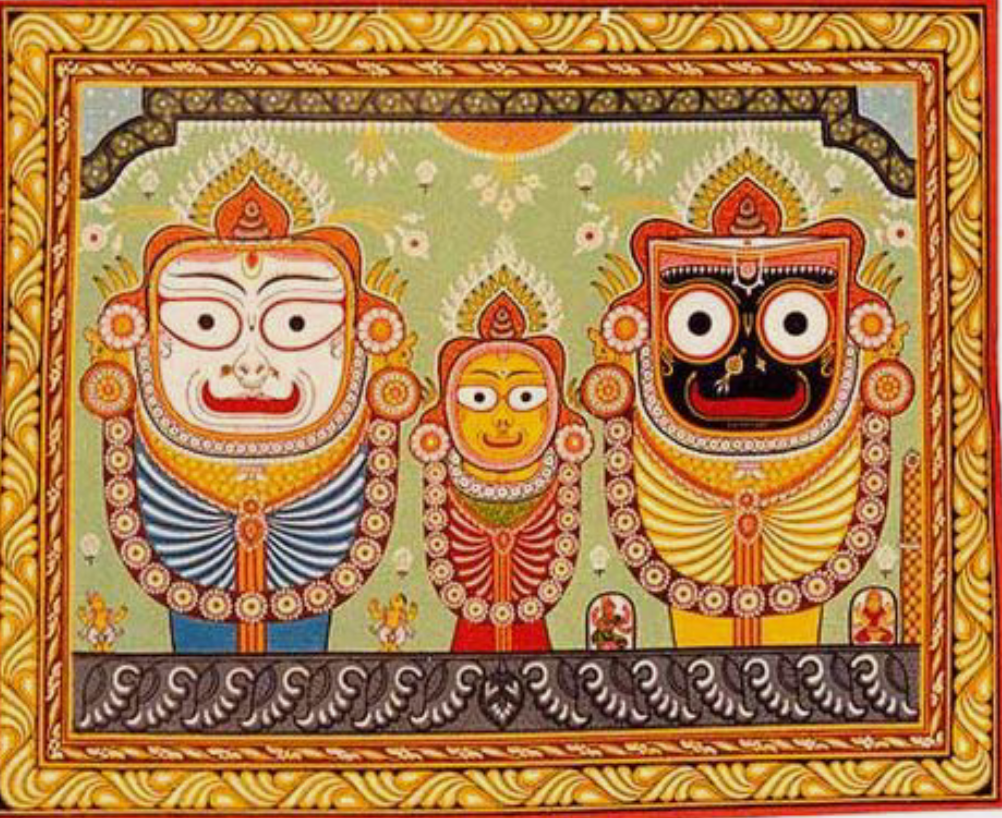
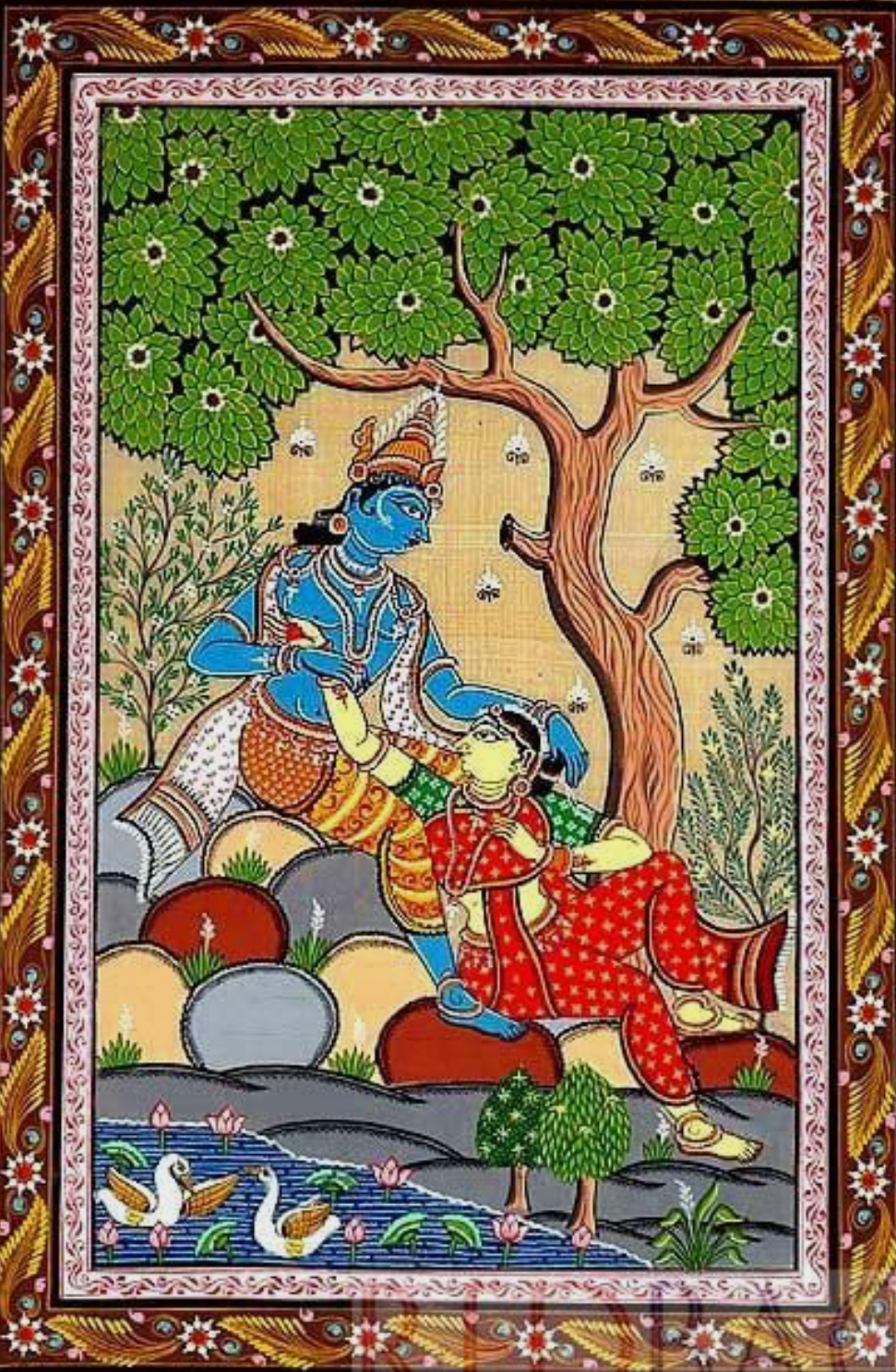
‘Pattachitra’ is a general term for traditional, cloth based scroll painting based in the eastern Indian state of Odisha. In the Sanskrit language, ‘patta’ literally means ‘cloth’ and ‘chitra’ means ‘ picture’. The pattachitra style of painting is one of the oldest and most popular art forms of Odisha.

All colours used in the paintings are natural and the paintings are made fully in the old traditional way by chitrakaras who are Oriya painters. Pattachitra is manifested by a rich colourful application, creative motifs and designs and portrayal of simple themes mostly mythological in depiction. The traditions of pattachitra paintings are more than a 1000 years old. Pattachitra paintings resemble the old murals of Odisha, especially those from the religious centres of Puri, Konark and Bhubaneswar regions, dating back to the 5th century BC. The best works are found in and around Puri, especially in the village of Raghurajpur. The theme of Oriya painting centers round the Jagannath cult and the Vaishnava cult. Since the beginning of pattachitra culture, Lord Jagannath, who is an incarnation of Lord Krishna, has been the major source of inspiration. In the 16th century, with the emergence of the Bhakti movement, the paintings of Radha and Krishna were painted in vibrant shades of orange, red and yellow. There are typical scenes and figures like Krishna, Gopi’s, elephants, trees and other creatures portrayed in these paintings. Krishna is always painted in blue and Gopis in light pink, purple or brown.

Thank you for reading. Have a nice day!🌼

Indian Folk Art

• Warli paintings

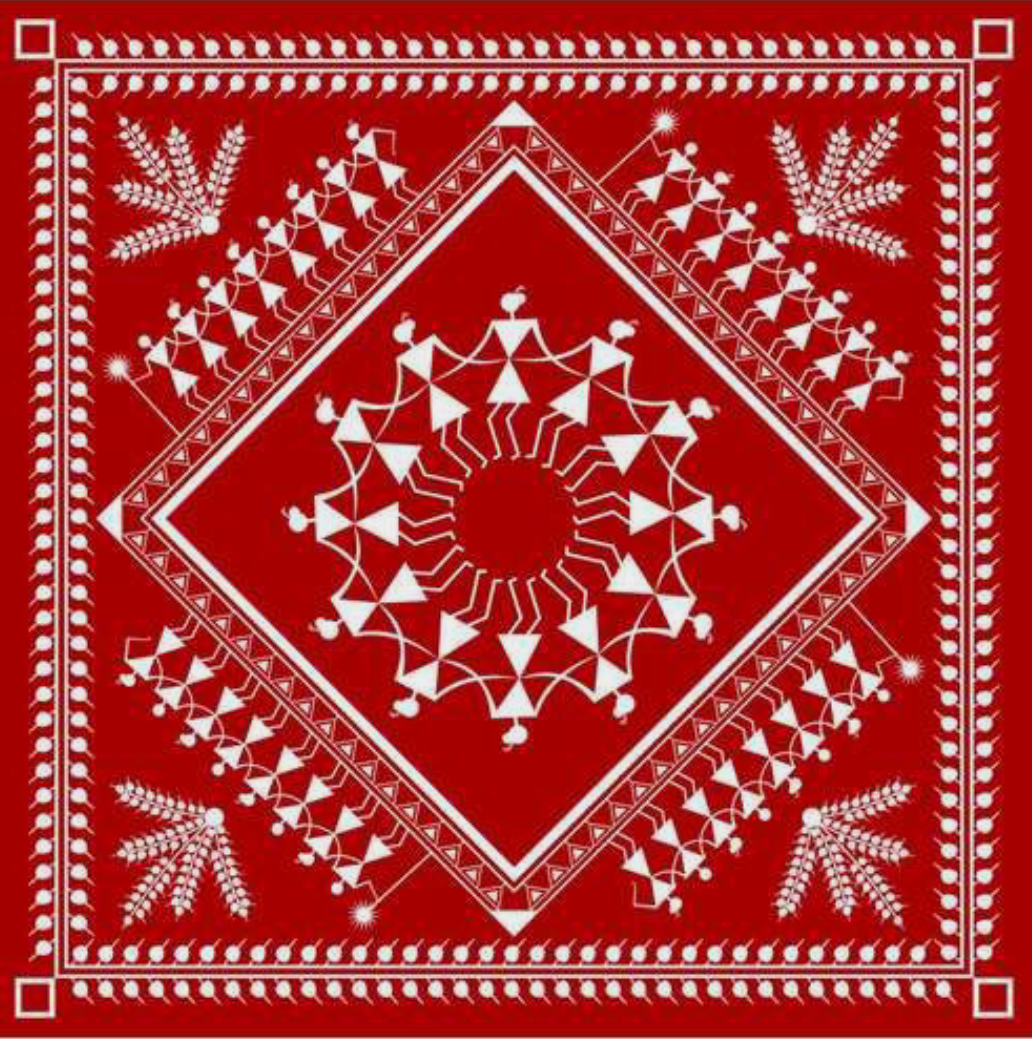
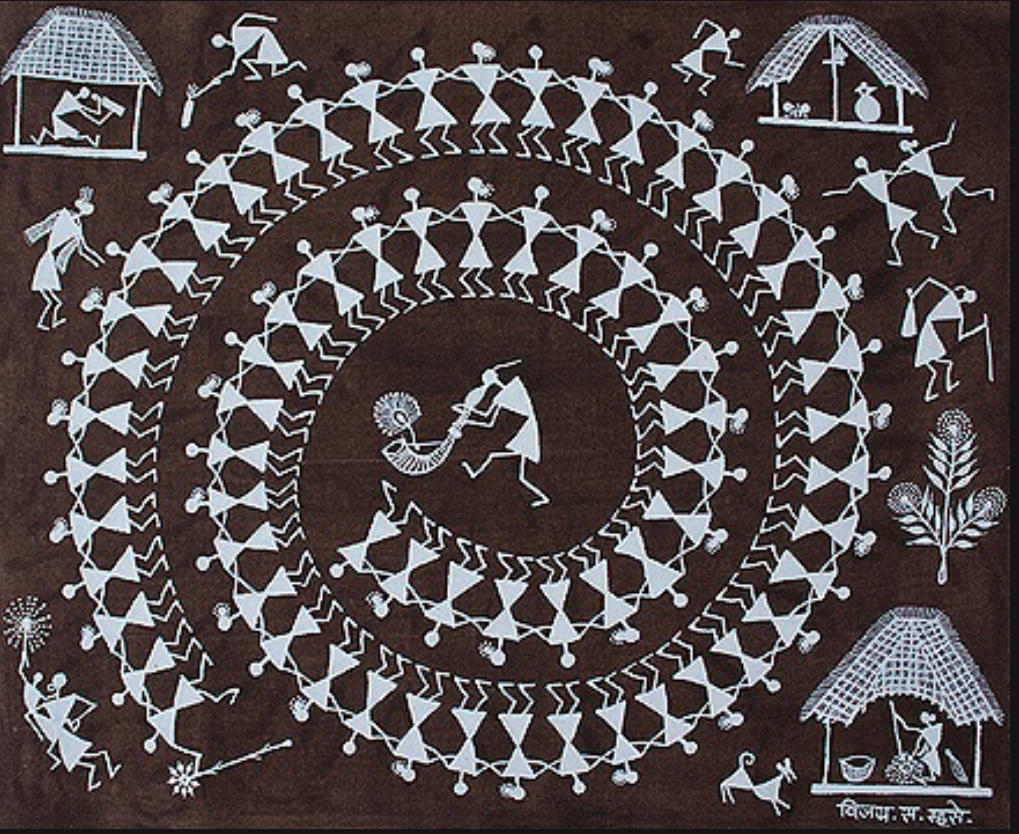
Warlis or Varlis are an indigenous tribes or adivasis living in the mountainous as well as coastal areas on the Maharastra-Gujarat border and surrounding areas. They have their own animistic beliefs, life, customs and traditions. As a result of acculturation, they have adopted many Hindu beliefs. Their extremely rudimentary Wall paintings use a very basic graphic vocabulary a circle, or triangle and a square. Their paintings were monosyllabic. The circle and the triangle come from the observation of nature, the circle representing the sun and the moon, the triangle derived from mountains and pointed trees. Only the square seems to be a different logic and seems to be a human invention, indicating a sacred enclosure or a piece of land.

The ritual paintings are usually done inside their huts. The walls are made of a mixture of branches, earth and cow dung making a red ochre background for wall paintings. Warlis use only white in their paintings. The white pigment used by them is a mixture of rice paste and water with gum as a binding. As the brush, they use a bamboo stick chewed at the end to make it as supple as a paintbrush. The wall paintings are done only on special occasions such as weddings or harvests. Warli art is the cultural intellectual property of the tribal community. Today, there is an urgent need for preserving this traditional knowledge in tribal communities across the globe. Now, Warli painting is registered with a geographical indication under the intellectual property rights act. With the use of technology and the concept of social entrepreneurship, tribals established the Warli Art Foundation, a non-profit company dedicated to Warli art and related activities.

• Cave paintings in India

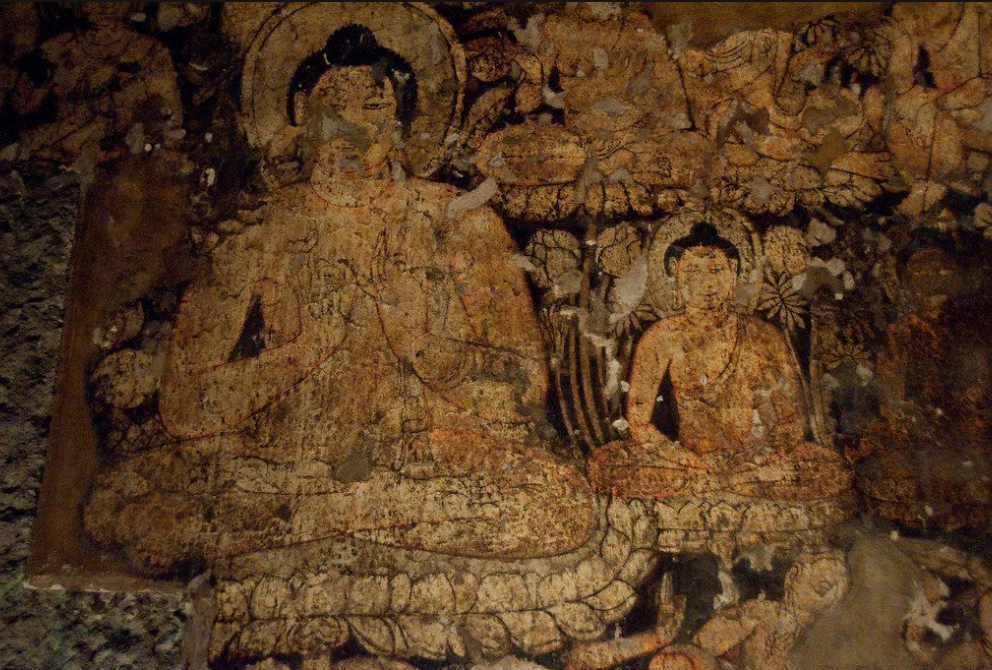
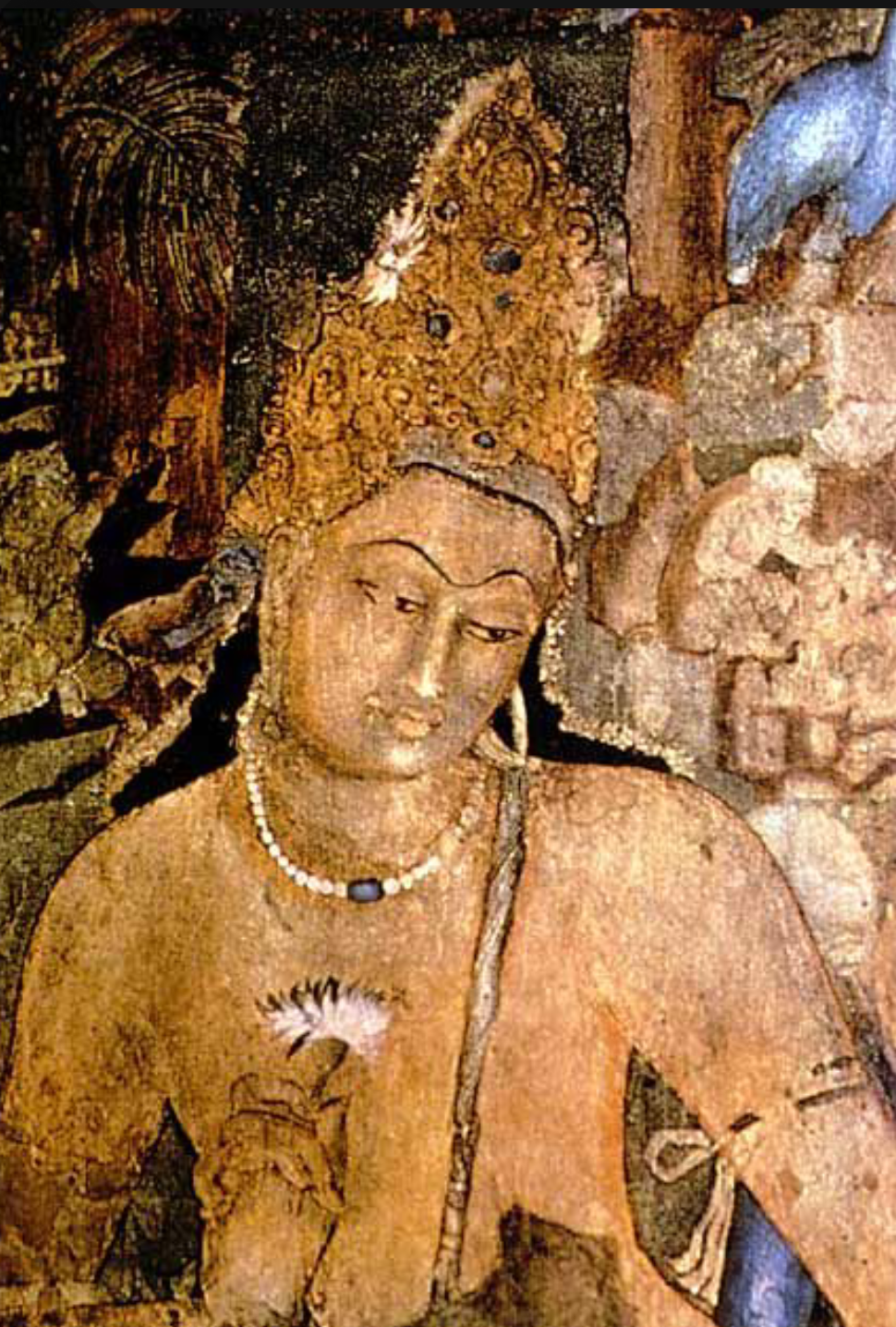
Almost all early painting in India survives in caves, as very few buildings from ancient India survive. The history of cave paintings in India or rock art range from drawings and paintings from prehistoric times – beginning around 30000 BCE in the caves of Central India, typified by those at the Bhimbetka rock shelters – to elaborate frescoes at sites such as the rock cut artificial caves at Ajanta and Ellora, prevalent as late as the 8th – 10th century CE. The frescoes of Ajanta are paintings in the Ajanta caves, which are situated near Aurangabad in Maharashtra. The caves are carved out of large rocks. Inside many of the caves are frescoes. Frescoes are paintings which are done on wet plaster in which colours become fixed on the walls and ceilings at Ajanta.

The paintings reflect different phases of Indian culture from Jain tirthankar Mahaveer’s birth to his Nirvana in the 8th century AD. The frescoes have degraded slightly due to the effect of flash photography. Photography here is not banned. The paintings depict themes of court life, feasting, processions, men and women at work, festivals and various natural scenes including animals and birds and flowers. The artists used shading to give a three-dimensional effect.

Similarly, beautiful frescoes have been found at the Bagh caves, 150 km away to the North of Ajanta. Though the themes in these paintings are both secular and religious, they do depict some aspects of Buddhist life and rituals. One of the most famous paintings show a procession of elephants. Another depicts a dancer and women musicians. These have been influenced by the Ajanta style of painting. These frescoes show a strong resemblance to the frescoes of Sigriya in Sri Lanka.

Thank you for reading. Have a nice day!🌼

Hypersonic Technology Demonstrator Vehicle

The HSTDV is an unmanned scramjet demonstration aircraft for hypersonic speed flight. It is being developed as a carrier vehicle for hypersonic and long-range cruise missiles, and will have multiple civilian applications including the launching of small satellites at low cost. The HSTDV program is run by the Indian Defence Research and Development Organisation. India is pushing ahead with the development of ground and flight test hardware as part of an ambitious plan for a hypersonic cruise missile.

The Defense Research and Development Laboratory’s Hypersonic Technology Demonstrator Vehicle (HSTDV) is intended to attain autonomous scramjet flight for 20 seconds, using a solid rocket launch booster. The research will also inform India’s interest in reusable launch vehicles. The eventual target is to reach Mach 6 at an altitude of 32.5 km (20 miles).

India is pushing ahead with the development of ground and flight test hardware as part of an ambitious plan for a hypersonic cruise missile.
The Defense Research and Development Laboratory’s Hypersonic Technology Demonstrator Vehicle (HSTDV) is intended to attain autonomous scramjet flight for 20 seconds, using a solid rocket launch booster. The research will also inform India’s interest in reusable launch vehicles. The eventual target is to reach Mach 6 at an altitude of 32.5 km (20 miles).

Initial flight testing is aimed at validating the aerodynamics of the air vehicle, as well as its thermal properties and scramjet engine performance. A mock-up of the HSTDV was shown at the Aero India exhibition in Bangalore in February (see photo), and S. Panneerselvam, the DRDL’s project director, says engineers aim to begin flight testing a full-scale air-breathing model powered by a 1,300-lb.-thrust scramjet engine in near future.

Future strike:
When when ready for test and subsequent use, the hypersonic missiles will considerably augment India’s arsenal, putting it along a a handful of countries that have such weapons. Besides the velocity of over five times the speed of sound (Mach 5), the manoeuvring capability of hypersonic missiles makes maximum very effective offensive weapons capable of defeating enemy missile defence and tracking systems.A Hypersonic missile’s potency is the speed at which it travels, enabling it to have a quick reaction time considered invaluable for both defence and offence.

India has been working on making BrahMos – a supersonic cruise missile – hypersonic and the scramjet will help in the endeavour too. Developed jointly with Russia, the BrahMos now files at Mach 2.8 speed.

Low cost sat launches
Further, on the civilian side, the HSTDV can total satellites at low cost. However, its ability to do so will be restricted. Experts believe that such a vehicle using scramjet can only push satellites into LEO (LOW EARTH ORBIT), and the air breathing engines will not find oxygen at higher altitudes.

According to ISRO, at present, satellites are launched by multistage satellite launch vehicles that can be used only once (expendable). these launch vehicles carry oxidizer along with the fuel for combustion to produce thrust. large vehicles design for one time use are expensive and their efficiency is low because they can carry only 2-4 % of their lift off mass to orbit.

Nearly 70% of the propellant (fuel oxidizer combination) carried by today’s launch vehicles consists of oxidizers. Therefore, the next generation launch vehicles must use a propulsion system which can utilise the atmospheric oxygen during their flight through the atmosphere which will considerably reduced the total propellant and required to place a satellite in orbit. Also, if those vehicles are made reusable, the cost of launching satellites will further come down significantly. Thus, the future reusable launch vehicle concept along with air breathing propulsion is an exciting candidate offering routine access to space at a far lower cost.

A- Sat Capabilities

A Hypersonic vehicle/missile also has the potential to augment India’s anti satellite (A-Sat) capabilities. The country, on March 27 2019, successful be conducted an A-Sat missile test in an operation codenamed ‘Mission Shakti’, making it only the fourth country after the US China and Russia to demonstrate such a capability.

India’s Healthcare Condition

Long before the virus invasion into India, the nation already suffered from a devastatingly poor healthcare system. With more corrupt systems in Public (government owned) hospitals where only miserable think of going while the middle or upper  middle and upper classes always seek for the genuine treatments at heavily priced private hospitals. Middle class economic sectors do end up with long term bank loans.

We’ve seen many cases in the past where private hospitals literally looted patient’s families, in some cases the patient was already dead while reaching the hospital and yet doctor’s kept the dead bodies for treatment and kept fooling the family by saying “we are doing the treatment and trying our best to save the patient”. All this was done just to add up bills for the families and friends of patient.

There’s a saying about doctors worldwide that they are a form of god who saves lives but this thought is questioned when some doctors commit the hideous sins ever known to humanity. This is happening even during the treatments of covid-19 specifically in India where many citizens are falsely reported covid positive and are admitted to expensive private medical institutes who charge hefty charges (8-12 Lakhs INR) from somebody who’s already negative from the virus contagion.

In many other cases where healthy citizens wrongly reported are admitted to hospitals and later their vital body parts viz. heart, kidneys, eyes, liver etc were removed for organ trade benefits. So how these doctors were able to do this and how still many are doing this right under the nose of government administrations. The answer comes to complete absence of investigation of each dead body, these doctors know it for sure that an alleged positive patient when claimed dead would be directly sealed into a body bag by the hospital workers. No policemen and neither family nor friends are allowed to have a sneak peek at the dead body. The dead body in a body bag is directly sent for cremation. This gives an upper hand for corruption and illegal organ trade.

Some 2.4 million Indians die of treatable conditions every year, the worst situation among 136 nations studied for a report published in The Lancet. Poor care quality leads to more deaths than insufficient access to healthcare–1.6 million Indians died due to poor quality of care in 2016, nearly twice as many as due to non-utilisation of healthcare services (838,000 persons).

“For too long, the global health discourse has been focused on improving access to care, without sufficient emphasis on high quality care,” Muhammad Pate, co-chair of the commission that produced the report, who is also chief executive of Big Win Philanthropy and former minister of state for health in Nigeria, said in a statement. “Providing health services without guaranteeing a minimum level of quality is ineffective, wasteful and unethical,” he said.

As the Indian government readies to roll out its ambitious national health protection scheme, the Ayushman Bharat Yojana, by the end of September 2018, the study’s findings are crucial.

“We need to better measure the quality of our health system as a composite entity rather than be merely content with certifying hospitals and laboratories,” said Srinath Reddy, president of the Public Health Foundation of India, a Delhi-based think tank, about the lack of mechanisms for monitoring quality in India. “Some elements of quality, mainly in maternal and child health, are being monitored under NRHM [National Rural Health Mission]. However, composite measures of the health system overall are unavailable,” he said.

Public accountability and transparency on health system performance are two ways to improve the quality of healthcare, the commission recommends.

Commonly used health metrics such as the availability of medicines, equipment and skilled attendants do not reflect quality of care and even “lead to false complacency about progress”, it says, proposing a dashboard of metrics that should be implemented by countries by 2021 to enable transparent measurement and reporting of quality care.

Proud to be an Indian – Mera Bharat Mahan

Since its independence from the British on August 15, 1947, India has come a long way in terms of economic, cultural and political developments. Although we still have a long journey ahead, it is remarkable how a country with over 1.3 billion people, the second most populous country and the largest democracy in the world, has become one of the fastest growing economies. The land on we stand today has given birth to world renowned leaders such as Mahatma Gandhi, Swami Vivekananda, Maulana Abdul Kalam Azad, Lal Bahadur Shastri and Netaji Subhash Chandra Bose to name a few.     

Every country has its moments of pride and periods of downfall. Indian leaders have been known for their willpower, commitment and foresight. Mahatma Gandhi, our founding father, fought for the independence of our nation, and on August 15, 2018, we ought to pay our respects to him for bestowing upon us a land that is rich in culture. It is impossible not to be dazzled by India; nowhere on Earth can one find a potpourri and creative burst of cultures, religions, races and languages. In fact, India has 22 official languages and 447 living languages. India has given a lot to the world – the number zero, the decimal system, algebra, trigonometry, calculus, Sanskrit (the mother of all languages), Ayurveda, chess, and many more. Albert Einstein once said, “We owe a lot to the Indians, who taught us how to count, without which no scientific discovery could have been made.” Even foreigners applaud the greatness of our nation. So, it is time to put our differences and national problems aside and focus on growth and development. 

After making significant contributions to the world, we became complacent. After gaining independence, we took a back seat instead of continuing our pursuit for success. It is time to face our challenges head on and tackle problems like poverty, climate changes, corruption, scams and other discriminations. From November 2017, the World Bank started reporting poverty rates for all countries using two new international poverty lines: a “lower middle-income” line set at $3.20 per day and an “upper middle-income” line set at $5.50 per day. These are in addition to the earlier poverty line of $1.90 per day. India falls in the lower middle-income category. Using the $3.20 per day poverty line, the percentage of the population living in poverty in India (2011) was 60%. This means that 763 million people in India were living below this poverty line in 2011.The government has come up with various programmes and initiatives such as the Rural Landless Employment Guarantee Programme, National Rural Employment Programmes, and Jawahar Rojgar Yojna to reduce illiteracy and high population growth rate, and increase work opportunities.    

Although the government comes up with initiatives, many programmes have not reached the peak of success because of rampant corruption that is present in the government sector. For programmes to be successful, funds need to be channeled in the right direction and the progress of such initiatives should be monitored. Currently, there is no organisation or group of individuals that is overseeing these programmes to ensure that the benefits are reaching the masses. Countries around the world have progressed greatly because they have left their narrow mindsets behind. For India to progress, we should eradicate gender discrimination. Gone are the days when women would sit at home and take care of household matters. Today, women and men are on equal footing. Just like the developed countries in the world, we should eradicate laws that discriminate women. In 1901, the ratio was 972 women for every 1,000 men in India. In 2011, the ratio dropped to 933 women for every 1,000 men.   

There are a number of programmes and initiatives undertaken by non-governmental organisations and government bodies to enhance the education level of females in the country. We also need government bodies to keep a lookout for any forms of discrimination. Rape and violence on women should be dealt with seriously too. Despite all the shortcomings of our nation, there are a number of feats that our society has achieved, for which we should be proud of. The leading achievement of India is its strong and abiding democracy. Many countries, after gaining independence, slipped into authoritarian rule. India is one of the few countries to uphold democracy and democratic values in every aspect of life. In India, anyone can become a prime minister or a president, regardless of his/her religion. In fact, despite being a Hindu majority country, India has given opportunities to people of other faiths, and Sikhs, Muslims and Christians have served in some of the highest positions in the government over the years. India has also coped with many adversities such as the wars against Pakistan and China, starvation, and natural disasters. Over the past 20 years, India has shifted its status from a food importer to a food exporter.  

India, a country that was once plagued with droughts, now produces fresh water for its people. Instead of sending bright students abroad for further studies, India retains the bright talent and promotes high quality education in some of the best universities in the country, including the IIMs and IITs. In fact, India has one of the largest bases of professionals in the world in the areas of Science, IT and Medicine. These are some of the things that we should be proud of as an Indian. Every country has its shortcomings; so does India. Just because there are some negative aspects to the Indian society does not mean that we ignore and forget the positive aspects of life here. There is a saying that “Grass is always greener on the other side.” From afar, developed countries such as the US, the UK, Germany and Japan may seem the ideal countries to live in, devoid of any problem that India faces. But can these countries provide a rich culture, a caring community and a vibrant society that India has been showering upon its citizens for centuries ? The answer is ‘no’.   

So, instead of harping on the shortcomings, let us celebrate India’s achievements this Independence Day. Let us come together, forget our differences and stand together as Indians and salute our nation for all the blessings it has bestowed upon us – Mera Bharat Mahan.