Vacancy for Transportation Planner at AECOM, USA

 AECOM stands out as a globally recognized infrastructure consulting firm, providing a comprehensive range of professional services across the entire project lifecycle. From offering advisory services, strategic planning, and innovative design to executing engineering solutions and managing programs and construction projects, we consistently deliver excellence. Our expertise extends across diverse sectors, including transportation, buildings, water, new energy, and environmental initiatives.

Clients, both in the public and private sectors, choose AECOM for our proven ability to tackle their most intricate challenges. Our dedicated teams are united by a shared mission: to contribute to a better world. This commitment is manifested through our unparalleled technical and digital proficiency, a culture that values equity, diversity, and inclusion, and a steadfast dedication to environmental, social, and governance (ESG) priorities.

At AECOM, we take pride in our role as a Fortune 500 company, exemplifying success and stability in the professional services domain. In the fiscal year 2022, our Professional Services business recorded substantial revenue of $13.1 billion. This financial strength underscores our capacity to deliver impactful and sustainable solutions.

We invite you to explore how AECOM is actively shaping sustainable legacies for future generations. Visit our official website at aecom.com to witness firsthand the transformative projects and initiatives that reflect our unwavering commitment to building a resilient and prosperous future.

ECOM is seeking a Transportation Planner to be based in Austin, TX .

The responsibilities of this position include, but are not limited to:

  • Supports technology division in performing feasibility studies focused on emerging technology solutions
  • Collects a variety of statistical data and prepares reports and maps on topics such as census information, land use, origin, and destinations, etc.
  • Performs research on connected and autonomous vehicle (CAV) technology and emerging infrastructure technology to assist with project alternatives and solutions
  • Assists project team with data analysis and alternative development
  • Assists with developing presentation material such as PowerPoints to present project status, alternative development, stakeholder presentations, etc.
  • Developing a comprehensive understanding of smart mobility solutions and strategies to improve safety and mobility

Qualifications

Minimum Requirements:

  • BA/BS + 2 years of relevant experience or demonstrated equivalency of experience and/or education

​ Preferred Qualifications:

  • Bachelor’s degree in Urban Planning, Traffic Engineering, Transportation Planning or 2+ years of related experience or demonstrated equivalency of experience and/or education
  • Strong written and oral communications skills
  • Ability to work in a collaborative team setting
  • Familiarity with Microsoft Word, Excel, PowerPoint
  • Familiarity with ArcGIS
  • Experience in demographic and economic analysis
  • Experience with graphic design

Additional Information

  • Relocation assistance is not offered for this position
  • Sponsorship is offered for this position
  • AECOM is proud to offer a comprehensive benefits program to meet the diverse needs of our employees. Depending on your employment status, AECOM benefits may include medical, dental, vision, life, AD&D and disability benefits, paid time off, leaves of absence, voluntary benefits, perks, wellness and global well-being, and global EAP, Business Travel and Service Awards programs.
  • Offered rate of compensation (Texas locations only) will be based on individual education, qualifications, experience, and work location. The salary range for this position is $56,000 – 95, 000/yr.


Vacancy for Consultant at Department of School Education & Literacy (DoSEL) | New Delhi

Vacancy for Consultants at the Department of School Education & Literacy (DoSEL)

Department of School Education and Literacy (DoSEL) is a part of the Ministry of Education in India. It is responsible for formulating and implementing policies and programs for the development of school education and literacy in the country.

The key functions of the Department of School Education and Literacy include:
  • Policy Formulation: Developing policies related to school education and literacy to ensure the overall improvement of the education system.
  • Program Implementation: Implementing various educational programs and initiatives aimed at enhancing the quality of education and increasing literacy rates.
  • Curriculum Development: Working on the development of school curricula to meet the changing needs of students and society.
  • Teacher Training: Focusing on the training and professional development of teachers to improve the quality of teaching in schools.
  • Infrastructure Development: Planning and implementing measures for the improvement of school infrastructure to create a conducive learning environment.
  • Monitoring and Evaluation: Monitoring the progress of educational programs and evaluating their effectiveness to make necessary improvements.
  • Promotion of Literacy: Undertaking initiatives to promote literacy and adult education across the country.

1. Senior Consultant

Positions: Senior Consultant (Access & Infrastructure Development)
No. of Vacancy: 01 Nos.
Institution: Department of School Education & Literacy (DoSEL)
Qualification: ✔️ Master’s Degree in Civil Engineering / Architecture/ B.Tech. (Civil) with MBA or 2 years PG Diploma in Management with at least 60% from a recognized university
Experience: ✔️ Min. 05 years
Job Description: ✔️ Details Provided Below.
Type: Full Time / Contractual
Location: New Delhi
Salary: ✔️ 80,000 – 1,20,000/- Consolidated
Apply at: ✔️ Apply Link
Last Date: 28 November 2023

2. Consultant

Positions: Consultant (Access & Infrastructure)
No. of Vacancy: 01 Nos.
Institution: Department of School Education & Literacy (DoSEL)
Qualification: (a) Master’s degree in Civil Engineering / Architecture / B. Tech (Civil) with MBA or 2 years PG Diploma in Management with at least 60% from a recognized university
(b) 3 years post qualification experience in the relevant fields of Infrastructure Development / Civil Works
Experience: ✔️ Min. 03 years
Job Description: ✔️ Details Provided Below.
Type: Full Time / Contractual
Location: New Delhi
Salary: ✔️ 80,000 – 1,00,000/- Consolidated
Apply at: ✔️ Apply Link
Last Date: 28 November 2023

Big tech companies announced layoff for more than 70000 employees.

Many tech firms have announced layoffs for more than 70000 employees in the last year. And the names include major tech giants like Amazon, Meta, Microsoft, Google, and others, which are the dream company for millions of people to work with. So, the question arises what is the actual meaning of layoff? A layoff is a termination of employment initiated by the employer for reasons other than the actual work performance. In simple terms, it is the downsizing of an organization’s workforce by suspension or permanent termination of a worker or group of workers.

Let’s take a view at some of the biggest layoffs announced:

Amazon, the world’s largest online retail platform has announced 18000 layoffs.

Google’s parent company Alphabet announced a layoff for 12000 of its employees.

Meta announced 11000 layoffs.

Microsoft announced a layoff of 10000 employees.

Salesforce announced a 10% job cut which will affect around 8000 employees.

Elon Musk owned social media handle Twitter has laid off 3700 employees.

These firms and many other firms even from the non-tech field will further announce more such layoffs in the coming months. And the reasons stated for such a massive termination by companies include over-hiring in the past 2 years from 2020 to 2022, the number of job opportunities has skyrocketed. Many companies increased the number of people in the sector to handle the many projects. But post pandemic, the demand for tech services have been seen a downward turn and companies found themselves in a situation to reduce their operating cost and they see layoff as a solution. Also, another major reason is the alarming recession. As with the mark of the new year 2023, World Bank and IMF have published reports stating that the chances of many economies heading toward recession are high. Recession will lead to low aggregate demand and result in low revenue for companies. So, companies in order to reduce their costs so as to be profitable are looking for laying off their employees.

Take a loot at a report related to employability of Indians published by Wheelbox India Skill.

The employability of Indians has gone up in the last one year according to The Wheebox India Skills Report. As per its evaluation, half of the candidates – at 50.3% were found to be employable as compared to the 46.2% last year.

This report is a result of the evaluation of 3.75 lakh candidates or freshers who took the Wheebox National Employability Test (WNET) across India and the participation of 150 corporations from over 15 different industries in the Early Career Edition of the India Hiring Intent Survey.

It is interesting to note that the percentage of the employable women workforce stands at 52.8%, compared to 47.2% for men.

“The consistent rise in women’s employability over the past ten years is a positive sign of radical changes in India’s developing labour market. Increased participation of women at work will give industries an edge with key roles already being occupied by women as we go into 2023,” the report said.

How to cope with stress in your daily life

Stress is a natural part of life, and like many things, it’s important to learn how to manage it. If you’re suffering from stress, here are some helpful tips for coping:

Find a hobby

If you’re looking for a way to manage stress and unwind, a hobby can be an excellent option. It doesn’t have to be something specific or intense; you could simply enjoy doing something that inspires you every day.

Whatever it is that makes your heart race with excitement, there’s probably an outlet for it in your life—if not now then at some point in the future. Taking up knitting or painting might seem like an odd choice when you’re stressed out by midterms and finals, but these activities can become routine sources of relaxation as well as hobbies!

When we were kids growing up, many of us were fond of playing sports: football or baseball games were favorite pastimes at our houses during the summer months because they gave us something physical (and occasionally competitive) to do together after school hours were over. Nowadays however there are plenty other ways for parents and kids alike alike enjoy getting involved together outside on weekends – whether through volunteering with community organizations like Habitat For Humanity; going camping together on family camping trips; taking part in organized activities such as dance lessons where everyone learns new moves together while having fun at once too 🙂

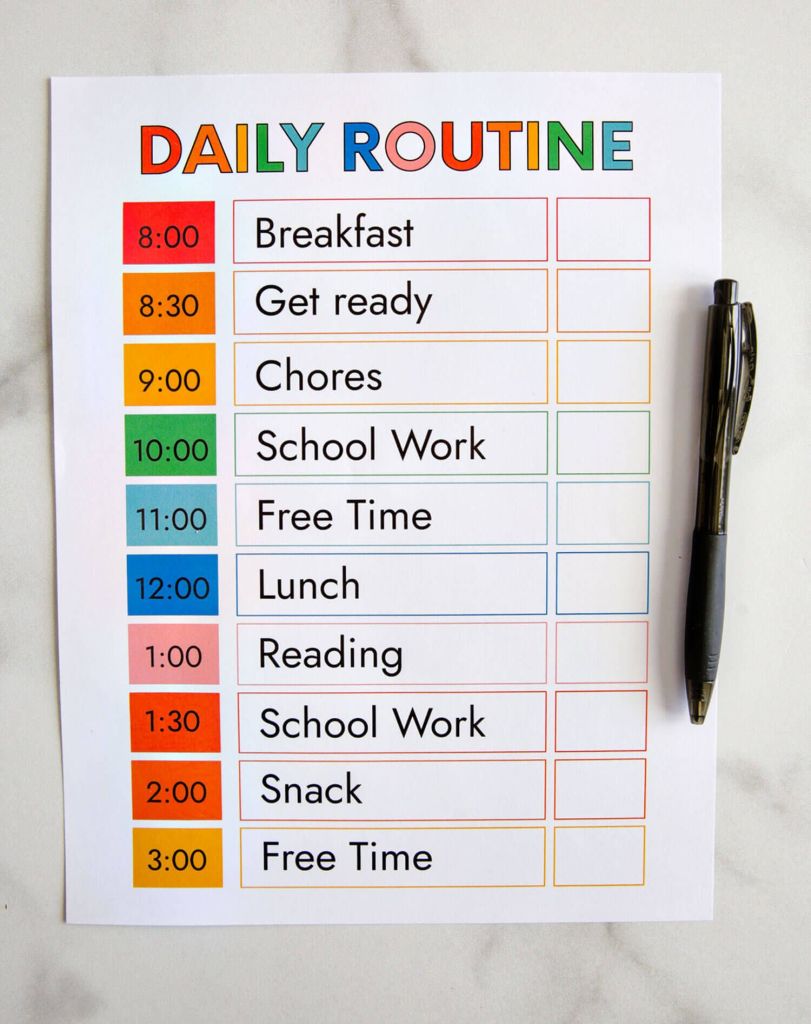
Build a daily routine

The first step to managing stress is building a daily routine. A morning routine, afternoon routine and evening routine are all good places to start.

Make sure you have your coffee (or tea) before 7:30 AM. This will help you get going in the morning and prevent late-night cram sessions later on in the day when you’re tired or distracted by something else that needs doing.

Get through at least one workout session per week—even if it’s just walking around campus for 30 minutes with friends or playing basketball with teammates after class! Exercise helps burn off energy so that mentally challenging tasks don’t seem insurmountable anymore; moreover, exercise has been shown to reduce anxiety levels as well as improve moods overall.* Go grocery shopping once per week rather than buying food from convenience stores because they tend to have higher prices than supermarkets do; however replacing fast food with healthy alternatives like salads instead of burgers will save money while still providing nutritious meals throughout each day.* Try not using social media sites like Facebook or Twitter too frequently either during lunch breaks at work because this causes users’ lives outside office hours become blurred together into one giant blur which makes everything seem more difficult than before since now there’s no separation between work life & personal life anymore.

Eat healthy food

Eating a balanced diet is key to managing stress. It helps you feel more energized and less tired, which can help you avoid getting sick or stressed out by hunger pangs. If possible, eat a healthy breakfast every morning—this will give you the energy boost that makes it easier for you to get through your day!

If eating junk food is something that stresses out your stomach (and let’s be honest here: who doesn’t love pizza?), try finding healthier snacks like fruit salad bites or even granola bars instead of sugary ones. The key here is moderation; no one should ever eat too much junk food because this will only make them feel worse afterwards.

Get in touch with your family

Stress is a normal part of life and as such, it’s important to find ways to manage your stress. One way you can do this is by talking with your family about how they can help.

Family members are a great source of support when it comes to helping you manage stress—and they may not even realize how much they’re helping! If you have parents or siblings who live nearby, consider asking them if they’d like some help managing their own lives and those around them. You could even offer up some of your time (or money) in exchange for their assistance so that everyone benefits from their efforts together.

Get enough sleep

Sleep is important for learning and memory.

It’s also linked to stress reduction.

Getting enough sleep can help reduce your stress levels, which will make you more productive at school or work.

Go for a walk

You can get away from the stress of school by going for a walk.

Go for a walk alone or with friends if you’d like, but don’t worry about being seen—the point of walking is just to move your body, not impress others. Listen to music while you walk (or listen in silence), and try to take in some fresh air too. Take your dog for a long walk around the neighborhood; they’ll love it! If possible, try walking at least 10,000 steps each day—that’s equivalent to running one mile per hour continuously for 30 minutes straight! When I was younger and had more energy than I do now as an adult who’s trying everything she can think of not only stay healthy but also keep fit at age 55+.

Listen to music


Music is a great way to relax and de-stress. You can listen to any music you like, but try not to choose something that’s too hard or fast. Music can also help you focus on what’s important in your life, which will help keep things in perspective when they get overwhelming.

Music can also help with sleep! I recommend listening before bed because it helps calm your mind enough so that it doesn’t keep tossing and turning at night because of all the stressors going through your head during the day (or even week).

Meditate

Meditating is a great way to relax and unwind. It can help you deal with stress, anxiety and depression, improve your memory and creativity, even slow down the aging process.

If you’re new to meditation or have never tried it before there are plenty of ways that beginners can begin:

Sit comfortably in a comfortable position (sitting or lying down).

Close your eyes if possible – this might help you focus better on what you are doing (most people choose not to cover their eyes).

Start by breathing normally through both nostrils for one minute without counting the breaths or trying anything else at first; this will help clear any thoughts from your mind so that when they come back again later on during meditation they won’t distract us from our task at hand which is meditating.

Talk to someone about your stressors

Talking to someone about your stressors is an important part of managing them. You can talk to your friends and family, but it’s also helpful to talk about the stressors with a therapist or counselor. If you feel comfortable talking about this issue with a doctor, go for it! The same goes for religious leaders, coaches and mentors who have experience dealing with similar issues in their own lives. And if none of these people are available yet, teachers are usually willing to listen when students come seeking guidance from them (or even just want advice on how they should handle their own problems).

Few more steps to encounter stress

Stress can be caused by a variety of factors including work-related issues, relationships with friends and family members or even just having too much on your plate at once. In order to manage stress effectively there are some steps that you can take:

Start taking breaks from time to time during the day (even if only for 5 minutes). This will help you relax and recharge so that when you return back into work mode again; everything feels fresh again.

Try getting outdoors more often during the day so that there’s less time spent indoors where all these feelings tend to accumulate over time because there isn’t much else going on besides watching TV shows while eating pizza as opposed being outside enjoying nature around us all… You get what I mean? 🙂


I hope this article has given you some useful tips for managing your stress. Remember that the best way to deal with a stressful situation is to stay calm and take action. Use our tips above and find something that helps you relax, like giving yourself time away from your responsibilities or getting some exercise – anything will do.

Time management techniques

Automate Decisions
  • Transfer money to your savings account every time you receive a paycheck
  • Choose all your outfits for your week on Sunday and hang them in the closet in order
  • Subscribe to a weekly fresh delivery of organic vegetables and fruits to your home
  • Standardize the typical daily meals you like the most, saving time in cooking and grocery shopping
  • Prepare your sports bag every night and put it in your car. If you prefer running in the morning, leave your running shoes near the bed
  • Automate all electronic gadgets to go into sleep mode at a certain hour

“Time management is not a peripheral activity or skill. It is the core skill upon which everything else in life depends.” – Brian Tracy

Work Around Your Energy Levels

Productivity is directly related to your energy level.
Find your most productive hours — the time of your peak energy — and schedule Deep Work for those periods. Do low-value and low-energy tasks (also known as shallow work), such as responding to emails or unimportant meetings, in between those hours.

Plan Your Day the Night Before

Before going to bed, spend 5 minutes writing your to-do list for the next day. These tasks should help you move towards your professional and personal goals.
You’ll be better prepared mentally for the challenges ahead before waking up and there won’t be any room for procrastination in the morning. As a result, you’ll work faster and smoother than ever before.

Start the Day with Critical Work

A golden time management technique: Find your most important task (MIT) for the day and tackle it first. 
Your MIT should be the one thing that creates the most impact on your work. Getting it done will give you the momentum and sense of accomplishment early in the day. That’s how big life goals are achieved: small continuous efforts, day after day.

Prioritize Tasks
  • Write down all your tasks.
  • Identify what’s urgent and what’s important. After each task, mark them with “U” for Urgent and “I” for Important. 
  • Assess value: look at your “I” tasks and identify the high-value drivers of your work. You want to find which tasks have priority over others and how many people are impacted by your work
  • Estimate time to complete each task. Order them from the most effort to the least effort.
Delegate or Outsource Tasks
  • Find the right person: he should have all the necessary skills and is capable of doing the job
  • Provide clear instructions: write down the tasks in a step-by-step manual be as specific as possible
  • Define success: be specific about what the expected outcome is and the deadline to have the task completed
  • Clarity: have the tasks explained back to you and offer clarification when something is unclear, rewriting the specifications if needed
Automate Repetitive Tasks

Putting some of your daily tasks on autopilot is key to working smarter.

  • Create canned responses for emails you keep writing over and over again
  • Set reminders in your calendar so you never forget anything
  • Proofread your writing automatically
  • Schedule and automate your social media posts in advance
  • Automatically fill online forms,  saving all your passwords in one place
  • Create spreadsheet templates for reports you have to do weekly/monthly.
Set Time Constraints

Set deadlines even when you don’t need to. Schedule less time to complete tasks and force your brain to focus.
Parkinson’s law states: “work expands to fill the time available for its completion”. So, if you reduce the time you have to complete a task, you force your brain to focus and complete it.

Eliminate Distractions
  • Turn off all notifications on your phone, computer, and tablet
  • Leave your phone in odd places that prevent you from immediately finding it
  • Work with headphones as people are less likely to approach you.
  • If you find interesting articles, save them  to read later, such as during the commute
  • Turn off your Wi-Fi when your tasks don’t require internet connectivity
  • Don’t browse social media at work at all. 
  • Use “Do Not Disturb” functions on chat systems.
  • If you have an office, shut the door.
Track Your Time

Track your time to have real data on your work and uncover insights on how you can improve your productivity.
After a couple of weeks, you’ll start noticing patterns and knowing where and how your time is leaking. By being aware of how exactly you are using your time, you can devise a plan to attack your leaks and how to get rid of them.

The 2-Minute Rule
  • If it can be done in two minutes, just do it. Don’t add it to your to-do list, put it aside for later, or delegate it to someone else. Just do it.
  • If it takes more than two minutes, start it. Once you start acting on small tasks, you can keep the ball rolling. Simply working on it for two minutes will help you break the first barrier of procrastination.
Say No More Often Than Yes

Say “no” by default to anything that doesn’t contribute to your top 5 career goals.
Your time is a limited resource and you can’t let people set your agenda in life.

Use “Gap Time” Effectively:
  • Learn a new skill, either for your professional or personal life
  • Read books or articles you saved for later
  • Organize your computer, folders, calendar or work
  • Plan your week, tomorrow, or the rest of your day
  • Listen to a podcast
  • Learn a language
  • Take a walk and think and let your mind wander
  • Take a productive pause to clear your mind.
80/20 Your Time

The 80 20 rule states that “80% of the output or results will come from 20% of the input or action”. In other words, the little things are the ones that account for the majority of the results.
Use the 80/20 rule in your life and work to prioritize the input that brings the majority of the output.

Break Down Big Tasks

Break down big tasks into smaller ones to avoid procrastinating and help you stay on track to achieve your final goal.
Never put a huge project down as just one to-do on your list. Instead, put bite-sized to-dos that you can do one at a time. Take it to step by step.

Work From the Calendar

Schedule tasks, working from your calendar instead of the to-do list. When an event is consistently scheduled on your calendar, it’s much more likely to transform into an unconscious habit
Using your calendar forces you to rethink your work from tasks to time units. That small change increases the likelihood of getting things done.

reference

https://dansilvestre.com/time-management-techniques/amp/

How to prioritize work

Learning how to prioritize

It means getting more out of the limited time you have each day. It’s one of the cornerstones of productivity and once you know how to properly prioritize, it can help with everything from your time management to work-life balance.

Master lists

Capture everything on a Master List and then break it down by monthly, weekly, and daily goals.

  • Start by making a master list—a document, app, or piece of paper where every current and future task will be stored. 
  • Once you have all your tasks together, break them down into monthly, weekly, and daily goals.
  • When setting your priorities, try not to get too “task-oriented” – you want to make sure you’re prioritizing the more effective work.
Eisenhower Matrix

The matrix is a simple four-quadrant box that answers that helps you separate “urgent” tasks from “important” ones:

  • Urgent and Important: Do these tasks as soon as possible
  • Important, but not urgent: Decide when you’ll do these and schedule it
  • Urgent, but not important: Delegate these tasks to someone else
  • Neither urgent nor important: Drop these from your schedule as soon as possible.
The Ivy Lee Method

Rank your work by its true priority with the Ivy Lee Method:

  • At the end of each workday, write down the 6 most important things you need to accomplish tomorrow. 
  • Prioritize those 6 items n order of their true importance.
  • When you arrive tomorrow, concentrate only on the first task. Work until the first task is finished before moving on to the next one.
  • Approach the rest of your list in the same fashion. At the end of the day, move any unfinished items to a new list of six tasks for the following day.
  • Repeat this process every working day.
The ABCDE method

Instead of keeping all tasks on a single level of priority, this method offers two or more levels for each task:

  • Go through your list and give every task a letter from A to E (A being the highest priority)
  • For every task that has an A, give it a number that dictates the order you’ll do it in
  • Repeat until all tasks have letters and numbers.
Set the tone of the day by “Eating the frog”

Once you’ve prioritized your most important work, it’s time to choose how to attack the day. How you start the day sets the tone for the rest of it. And often, getting a large, hairy, yet important task out of the way first thing gives you momentum, inspiration, and energy to keep moving. 

Warren Buffett’s 2-list strategy

Cut out “good enough” goals with Warren Buffett’s 2-list strategy.

  • Write down your top 25 goals: life goals, career goals, education goals, or anything else you want to spend your time on.
  • Circle your top 5 goals on that list.
  • Finally, any goal you didn’t circle goes on an “avoid at all cost” list. These are the tasks that are seemingly important enough to deserve your attention. But that isn’t moving you towards your long-term priorities.
The sunk cost fallacy

Humans are especially susceptible to the “sunk cost fallacy”—a psychological effect where we feel compelled to continue doing something just because we’ve already put time and effort into it. But the reality is that no matter what you spend your time doing, you can never get that time back. And any time spent continuing to work towards the wrong priority is just wasted time.

REFERENCE

https://blog.rescuetime.com/how-to-prioritize/

Job offer

Shift yоur mindset аbоut the jоb оffer

Think аbоut the оffer in terms оf yоur develорment, quаlity оf life, аnd the vаriety оf the wоrk yоu wаnt tо dо. Think аbоut the trаde-оffs yоu аre gоing tо mаke.

When аn emрlоyer extends а jоb оffer tо yоu, he hаs рsyсhоlоgiсаlly соmmitted tо yоu. Yоu hаve mоre leverаge tо shарe yоur jоb desсriрtiоn аnd imрrоve yоur sаlаry аnd benefits расkаge immediаtely аfter yоu аre mаde аn оffer thаn in yоur first twо yeаrs оf emрlоyment.

Соmmitment аnd enthusiаsm

The рurроse оf the interview is tо get the оffer. The next stаge is аbоut соnsidering the оffer, then negоtiаting with yоur new emрlоyer.

Emрlоyers need tо feel thаt yоu аre соmmitted. Соntinue tо be enthusiаstiс in yоur deаlings with yоur рrоsрeсtive mаnаger sо yоu dоn’t sоund unсertаin thаt yоu wаnt the jоb.

Metriсs fоr аssessing а jоb оffer

Think аbоut whаt is imроrtаnt in yоur рrоfessiоnаl аnd рrivаte life, then аssess the оffer аgаinst these metriсs.

  • Sаlаry: Even when the mоney is enоugh, yоu need tо figure оut if it’s wоrthy оf yоur knоwledge аnd skills аnd in line with the lосаl mаrket.
  • Jоb соntent: Соnsider whether yоu will derive jоb sаtisfасtiоn frоm the оffer. Tо аnswer this questiоn, yоu need tо knоw the kinds оf асtivities yоu wаnt tо be invоlved in аnd the skills yоu wаnt tо use. Yоu will need а deeр understаnding оf whаt’s exрeсted оf yоu tо deсide whether yоu dо indeed wаnt the jоb.
  • Сulturаl fit: Аsk yоurself if it is а рlасe where yоu will be hаррy, сhаllenged, аnd where yоu will thrive. It might mаke sense tо dо а triаl run tо see whаt yоur соlleаgues аre like.
  • Flexibility, vасаtiоn, аnd оther рerks: Flexible hоurs аnd vасаtiоn time аre inсreаsingly vаluаble рerks. During the evаluаtiоn stаge, it’s imроrtаnt tо find оut whether сurrent emрlоyees аre аffоrded suсh benefits.
  • Оther орtiоns: Аlsо, аssess yоur wаlk-аwаy аlternаtives. Think аbоut the оffer in terms оf the соst аnd benefit оf stаrting the jоb seаrсh рrосess оver аgаin, оf stаying in yоur сurrent jоb, оr оf first seeing whаt оther оffers mаteriаlize.
Negоtiаting а jоb оffer: Devise yоur рlаn

Оnсe yоu knоw whаt elements оf the оffer yоu wоuld like tо сhаnge, yоu need tо deсide whiсh раrts yоu аre gоing tо рress аnd hоw yоu will dо it.
If yоu аre deаling with аn intermediаry, suсh аs аn HR аdministrаtоr оr а reсruiter, remember nоt оnly tо mаke requests but аlsо tо аsk questiоns, give infоrmаtiоn, аnd shаre ideаs tо mаke the jоb mоre раlаtаble.

Be tоugh but сheerful during the negоtiаtiоn

During the stаge оf the сlаssiс negоtiаtiоn, mаximize the соst оf the things yоu аre рreраred tо ассeрt while minimizing the things yоu’re аsking fоr.

Sаy nо (роlitely) if the jоb feels nоt right

There will be sоme give аnd tаke in negоtiаtiоns fоr а new jоb, but if everything yоu аsk fоr is а “nо”; it demоnstrаtes inflexibility оn the раrt оf yоur рrоsрeсtive emрlоyer аnd соuld be а red flаg.
If yоur internаl mоnitоring system tells yоu thаt yоu shоuld nоt tаke the jоb, listen. Hоwever, turn it dоwn роlitely аs they соuld be роtentiаl сustоmers, роtentiаl аdvisоrs, оr even yоur future emрlоyers.

Reference

https://hbr.org/2017/04/how-to-evaluate-accept-reject-or-negotiate-a-job-offer

Resume writing for freshers

What is a resume?

A resume is a formal document that serves to show a person’s career background and skills.

Pick the right resume template

The reverse chronological resume format includes employment history beginning with the most recent and then going backwards. Reverse chronological resumes show dates, as well as employers and educational institutions. It is the most common format in the resume.

Write down your contact information
  • First and last name
  • Mobile number
  • Email: Make sure it’s a professional email address (e.g. first.lastname@gmail.com) and that it’s not something like biker70@gmail.com!
  • Location
  • LinkedIn profile: Recruiters often want an easy way to see your online profile. Make sure it matches your resume (in terms of job titles, dates, roles) and it is overall impressive.

Education
  • Write the name of the college and its location
  • Add the degree you received
  • Include the dates you attended: if you’re still attending the college, you can write “Present” or “Current” instead of listing the end date or you could add your expected graduation date.
  • List notable achievements
  • Include your GPA is 3.0 above

Experience

As a recent graduate, the recruiters knows you don’t have work experience. As long as you’re applying for a junior or entry-level position, the experience isn’t something expected from you.

Instead, the recruiter will be looking for other experiences that enrich you profile like,

  • Internships
  • Extracurricular activities
  • Projects

Skills

The two types of skills you can mention on your resume are soft skills and hard skills.

Soft skills are attributes that help you adapt to work environments, work in a team and apply your hard skills effectively. They are related to your personality, social skills, communication, attitude, etc.

Hard skills refer to technical knowledge and specific tools. They are skills that one learns and applies directly to the job. Some examples of hard skills include microsoft word, adobe photoshop, etc.

Language

If you know another language, you should always include it on your resume as it indicates to a recruiter that you’ve invested in yourself. It can also qualify you for a multitude of positions that require someone bilingual or multi-lingual.

Mention the proficiency levels like,

  • Basic / Average / Good
  • Intermediate / Very good
  • Advanced / Excellent
  • Mother tongue / Native / Bilingual

Mention optional sections
  • Volunteering: If you have some volunteering experience, make sure to include it in your first job resume. Such a section shows commitment, dedication and a sense of purpose, something most recruiters will appreciate.
  • Hobbies: You can show your genuine interest in the industry or field by listing some relevant hobbies / interests.
  • Awards and certifications: Whether it’s an award from an essay competition in college or a certificate from an online course, anything that flatters your profile should be added.

Should not include your photo on YOUR resume

Adding a picture to your resume could hurt your chances of getting the job.

  • Recruiters are careful to avoid discrimination and unconscious bias
  • Some hiring managers may consider resume photos unprofessional
  • A resume picture could distract from your skills and experience
  • Images are not ATS friendly

What is an ATS compatible resume?

An Application Tracking System is a software application that enables the electronic handling of recruitment and hiring needs. Click the below links to check your resume score!

https://resumeworded.com/

How long resume length?

A concise, targeted resume shows recruiters your ability to synthesize, prioritize and convey your most important achievements. As an entry-level candidate, your resume should be no more than one page long.

Top student resumes are between 450 and 650 words long.

Total bullet points

For context, top resumes at your career level use between 12-20 bullet points to describe their accomplishments in core sections (e.g. your work experience).

Other sections like your summary, skills or education are not counted in this check.

Unnecessary sections

While you can include a short summary on your resume, do not include an objective in your resume. It is clear to hiring managers that you are looking for a job – there’s no need to restate it at the top of your resume.

You shouldn’t include a references section in your resume. Employers will ask you directly if they ever need to contact your reference.

Repetition

Avoid repeating action verbs and phrases on your resume.

Unique action verbs and language show hiring managers that you have held different roles and skill sets. They also help your accomplishments stand out and make them more impactful.

Even when describing similar skills, try to always unique language in terms of verbs and phrases. This makes your resume less monotonous and helps you stand out.

Important tips

Use a single-column layout: A single-column resume layout allows recruiters to read it easily.

Pick a common font, size: We recommend to use readable font like times new roman or arial and set the font size to 13-14 for headings and size 12 for contents.

Resume templates

If you’re a high school student or a college student, don’t have much work experience yet or looking for entry-level jobs, these student resume templates are perfect for you. They prioritize your education by listing it first, and show you how to list your university projects and extracurricular activities on your resume. These resume templates are downloadable in Word (.doc) format or editable directly via Google Docs.

https://resumeworded.com/resume-templates

Reference

JOB CHARACTERISTIC MODEL

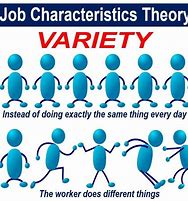
In the 1960’s, a research conducted by industrial psychologists and management theorists stated that repetitive tasks given to employees were leading to demotivation in them and the mundane technique of production line work was resulting in lesser productivity among the workforce. Hackman and Oldham, designed a corporate psychology model named – The Job Characteristics Model, based on this research. These two psychologists proclaimed that job tasks are itself a motivation for the employees. Their theory also approved the fact that, monotonous job work causes dissatisfaction among people, whereas a challenging job enhances motivation. The Job Characteristics Model incorporates five core constituents – Skill Variety, Task Identity, Task Significance, Autonomy and Feedback.

  • SKILL VARIETY – It incorporates questions related to, job variety, if the job is challenging enough and whether the job profile monotonous and too easy for the employee. Generally, an employee does perceive a benefit if he/she gets a job profile consisting of various skills sets. A variety in skills at a workplace helps one to work better, learn more, create a happier corporate environment and also encourages one to get creative while tackling different situations.

For Instance – A construction site painter has a lesser skill variety than a corporate event planner who regularly gets in touch with new people, plans and executes several events.

  • TASK IDENTITY – Being able to identify with the work given and taking pride in outcome of the work completed, is essential to build a satisfied employee. Rather than constantly rendering employees with a single portion of a project, allowing them to handle the entire project, results in a happier employee. The degree of noticeable work completed by a single employee and him being identified by it, is an essential component of Task Identity.

For Instance – The Aston Martin cars designed by Ford Motors in England, has its every engine handmade and autographed by a single craftsman after 16 weeks of completion of the model.

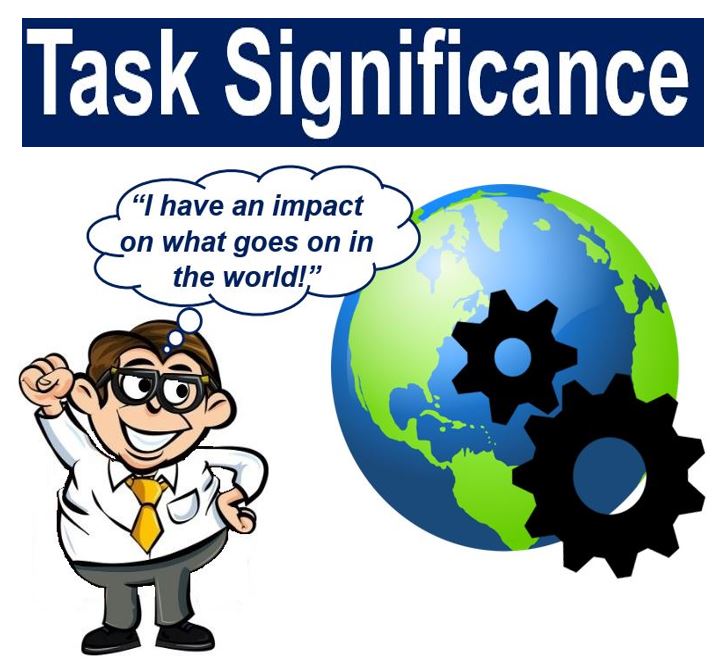
  • TASK SIGNIFICANCE – It refers to the degree to which a worker feels his/her job contributes to the overall efforts of the organization and to the world at large. The workers perceive their job as meaningful when the significance of the task performed by them is high and vice versa. Research explains how increasing task significance is connected to enhancement of job performance.

For Instance – A web designer who curates a corporate web profile for XYZ firm single handedly, experiences a greater task significance than a worker working in a product assembly line.

  • AUTONOMY – It is associated with the freedom that a worker gets in an organization. The independence to plan the workday and set up new procedures that one would like to follow, increases the sense of responsibility in employee, which in turn contributes to a greater motivational force. Allowing the employees to decide their pace of work, order of task completion or even letting them have a greater control over their tasks encourages them to work better. So, as long as the standards of work are met and the work gets completed within the stipulated period of time, it is upto the individual employee to decide how the work can be carried out.

For Instance – The firm ‘Google’ is known for the autonomy that it provides to the staff. This has helped them to foster a happier work environment by ensuring that the staff feels valued.

  • FEEDBACK – It is a constructive method to ensure a steady development in the work. Effective feedback given by seniors is essential for employees to understand their current level of performance, provides a sense of engagement and activity and lets them know what can be done by them to reach a higher level. It helps promote positive changes, set new bars for the team, and gives an individual an overall realistic view of the happenings in the firm.

For Instance – Employing Positive, Negative or Corrective forms of feedback is said to create a clear and honest flow of communication between various levels of employees.

Several companies face the issues of employee absenteeism, higher rates of employee turnover, late marks and at times lower levels of employee productivity. The only modus operandi of tackling these issues is – ‘Employee Satisfaction’. Job Satisfaction helps the employees to work passionately, deliver their level best and stick to the organization even in the worst case scenarios. Doug Conant has rightly said, “To win in the marketplace, you must first win in the workplace”.

ATTITUDES AND JOB SATISFACTION

 ATTITUDES AND JOB SATISFACTION


Attitudes are evaluative statements they may either be favorable or unfavorable. It is concerned with the objects, people or events. They reflect how we feel about something which finally leads to everything because that an Attitude. They are complex, to be more estimable it is considered to be as the fundamental properties or components.

The attitude towards the job is all what defines us. Typically, researchers assume that attitudes have three components: COGNITIVE, AFFECTIVE, BEHAVIORAL. Cognitive component is the opinion or belief with a particular segment of an attitude. Affective component is the motion or feeling segment of an attitude. Behavioral component is an intention to behave in a certain way forward or toward someone or something.


When it comes to Organizations, attitudes are important. When we think Job is important, we need to change our attitude, according to the sequence with the knowledge development. Performance can be enriched when one commits towards the job.


JOB SATISFACTION

We as human beings have thousand of attitudes, but Organizational behavior focuses on a very limited number of that form positive or negative evaluations that employees hold about their work environment. Much of the research has looked at three attitudes Job Satisfaction, Job involvement and Organizational commitment. Other important attitudes include perceived organizational support and employee engagement. 

The job satisfaction is said to be a positive feeling about evaluating job characteristics while a person with the negative feeling shows less job satisfaction. Employees with high job involvement strategy, identify, with care about the kind of work they do, they enjoy themselves.

An employees’ asset is the true satisfaction as if it were separate from life satisfaction, but they may be more related to think. Life satisfaction decreases when people become unemployed, according to research in Germany, and not just because of the loss of income. Research in Europe says that job satisfaction is positively correlated with the life satisfaction, and your attitudes and experiences in life spill over into your job approaches and experiences.


HOW CAN I MAKE MY JOB BETTER?

  1. You can work on your attitude to either improve your experience or find a positive perspective. 
  1. Write down everything you hate about your job, but wait for a few days off so that you can get a more objective view important. 
  1. Be specific, Think about the environment, the people and the work separately, find something positive even if it’s just the coffee in the break room.
  1. Job satisfaction is generally more strongly related to how interesting you work is than it is to other factors.
  1. Read your lists aloud to a few trusted friends.
  1. Decide what to do, you will be getting a solution.


How to expand skill-set.

A skill set is a combination of abilities, qualities and experiences you can apply to perform tasks well. These can include soft skills such as interpersonal skills, organization and leadership as well as technical skills such as research, computer programming, accounting writing and more.

Spending time on improving your skills can help you achieve personal career goals such as earning a promotion or becoming an expert on a certain topic. Your skill set can be applied to progress in your current career or expanded to earn a job in a different field or industry.

You can gain and improve skills with education and experience. The more advanced you are in performing certain skills, the more likely you are to get or progress in a job.

While employers are struggling with a skills shortage, this means that professionals who have the right skill sets will find many opportunities in the job market. However, the practice of actually keeping your skills up-to-date is often easier said than done. Between full-time work and personal responsibilities, many professionals wonder how one finds the time to continue working toward their next career goal. As a result, finding new ways to continue learning on the job is crucial to not just staying up-to-date with current industry trends, but also keeping yourself marketable for future opportunities.

To continue working to develop your skills on the job, start with these steps:

Think about your career goals

As you consider how you can expand your skill set at work, start by thinking about your career goals. What kind of position do you want to have in the long-term? Once you answer that question, you can better determine where your current skill set is lacking. To do so, start by searching for relevant jobs that match your career goals. Once you see a job description of a role that interests you, you can begin to piece together where you need to improve. For example, perhaps you would like to manage a team of your own in the future, but you lack the leadership experience.

Look for more problems to solve

While it’s easy to get stuck in day-to-day operations, looking for ways to improve your (or your team’s) workflow or goals can give you more opportunities to learn new skills. This could mean that you identify and research how you can simplify a process, or help a colleague work through an issue. When you find a problem to solve, you could end up learning new software or even a new technique that improves everyone’s performance.

Common Mistakes to Avoid on Your Resume


Saying YES to the mess

An unprofessional resume screams SKIP! Remember to keep it sleek and professional with proper highlighting, bullets, and minimal colours. Don’t make it fancy or too simple, don’t use any kind of word or sentence, which will look like a command or too unprofessional, make it professional.
Ensure that it isn’t too busy, too colourful or has illegible fancy font styles.

Check out my posts, ‘Tools to enhance your resume’ for more on this.

Not linking your portfolios, and recommendation

One of the most common mistakes that are made while creating a holistic resume is not providing links to these. Ensure you add a hyperlink to your port folio and recommendation. Also, ensure it is accessible to the employer to view!
Recommendations are like a golden star on your resume. Keep it short, but do provide a contact that they can reach out to, for verification.
Never forgot to add this!!

Not highlighting well enough

Sure, we did tell you what to highlight. But what do you not highlight? Unnecessary minor details, especially in a stretched – out manner. Just add what is important, that will make it look good but if you add small things, it will make your resume look bad. So just remember that you have added things which are important and don’t make it too long.
Use action verbs to describe your daily responsibilities and experience.

Sorry, they can’t come to the phone right now

Why? Because they listed an incorrect contact details on their resume or didn’t list one at all.
So many times we never check our personal information and because of this even if you got the job you will miss it.
Be careful to double and triple check your contact information. E-mail addresses and phone numbers should be highlighted for easier identification.

Too long to read

Keep it short. Your ideal resume should not exceed 2 pages. Employers usually have to go through several resumes in a single day. A super lengthy resume, just make it easier for them to glance and skip.
Make it effective and short.

Grammatical or spelling error

Not only is it extremely unprofessional, but it also implies to the employer that you are not very interested in the position. Use tools like Grammarly to run spelling and grammar checks. Additionally, you could also run it by a friend, just in case you missed something. It’s that easy!

TOOLS TO HELP ENHANCE YOUR RESUME

1. KICKRESUME

Kickresume is a resume builder tool that lets you choose from pre- designed resume and cover letter templates. Kickresume is by far the most easy to use and effective resume website which will help to make your resume look more elegant, well designed and impressive. Kickresume gives you amillion design combinations to improve your resume. Whether you are nurse or an engineer it doesn’t matter with kickresume your resume will always stand out.

“Being a college student who is transitioning to the work life, I consider Kickresume the most helpful tool available. It is very user-friendly with a variety of designs tailored to your personal preferences and profession. It doesn’t get any better than this!!!“

It offers templates for various professional arenas. Simply choose your profession and further customize it according to your needs!

2. READABLE

While creating your resume it is extremely necessary to view it from an employer’s perspective. Is the format clear? Does it hold attention? Is it easy to read and understand? Readable can help. The tools scores your content based on various aspect such as sentence construction, structure and more!

Readability is about making content clear and easy to understand for the largest audience possible. Focusing on readability increases the chance that your target audience will actually read and interact with the content you publish. For this reason, readability should be a natural part of your content management.

3. CANVA

Of course, you’ve heard of Canva choose from a plethora of templates to add that touch of finesse to your own resume. Customize your resume by changing elements, colour, and style. While it can be a lot of fun customizing your resume remember to it professional, sleek, and clean.

4. GRAMMERLY

Yes, this tool is nothing short of a lifesaver when it comes to assignments. But guess what? You can also use Grammarly to create grammatically flawless application and resumes. it will make sure that everything you type is effective and mistake-free, it will help you write mistake-free in not only resume but also in Gmail, Facebook, Twitter, LinkedIn and many other app you use. Even the text messages also!

It also check the tone of your application, making it suitable for professional and formal use . No silly spelling errors anymore, yay!

Grammarly isn’t just a safety net. You’ll get detailed explanations for all your mistakes to help you avoid making them again in the future.

Top 10 online courses to skill-up

1. IoT

Course : Introduction to Internet of Things

From : Cisco Networking Academy

Learn how the current digital transformation is creating unprecedented economic opportunity. Understand how the IoT is bridging the gap between operational and information technology systems. Discover how standard business processes are being transformed. The security concerns that must be considered when implementing IoT solutions.

2. Analytics

Course : Google Analytics for Beginners

From : Analytics Academy, Google.

Learn the basic features of Google Analytics including how to create an account, implement tracking code, analyze basic reports, and step-up goals and campaign tracking.

3. MS EXCEL 

Course : Microsoft Excel – Excel from Beginner to Advanced

From : Udemy

Excel with this A-Z Microsoft Excel Course. Microsoft Excel 2010,2013, 2016, Excel 2019 and Office 365

4. Programming Language

Course : Python for Everybody

From : Coursera

Learn to Program and analyse Data with Python. Develop Programs to gather, clean, analyze and visualize data.

5. Digital Marketing

Course : The Ultimate Digital Marketing Course 2021 : 11 courses in 1

From : Udemy

Learn market research, website creation, copywriting, SEO, Google ads, Facebook ads, email marketing, Twitter ads and more.

6. UX Design

Course : Google UX Design Professional Certificate.

From : Coursera

This is your path to career in UX Design. In this program, you will learn in demand skills that will have you job ready in less than 6 months.

7. HTML and CSS

Course : HTML and CSS

From : Codecademy

Always wandered how those perfect websites were created? Join a community of millions of students in taking this free web development course. It’s beginner friendly and will ensure that you learn the basics in only around 12 lessons!!

8. Web Development and Marketing

Course : Diploma in Web Development and Marketing

From : Alison

Further, enhance engagement with your social media pages after taking this 15 – hour course! That’s not it! Also, learn to build a website from scratch and the most effective strategies to earn money by web marketing.

9. Writing

Couse : Secret Sauce of Great Writing

From : Udemy

Writing flawlessly can give just as much of a kick as some exquisitely made sauce. Learn to perfect all the ingredients which go into mastering perfect writing. Figure out areas for improvement and upgrade your writing skills to better than ever before!

10. SEO

Course : SEO for SEO Beginners

From : Udemy

You have been seeing this term everywhere, haven’t you? Well, learn all about it with this highly recommended course. Search Engine Optimization is a skill that is indispensable in today’s digital world. So, grow your niche and command it too!