My Heart and Other Black Holes- Book Review

DISCLAIMER: This review contains spoilers.

One emerging trend in media is the glorification and romanticization of mental health disorders. As a result of the same, a lot of Young Adult (YA) novels have integrated various mental health issues into their plots while still bearing inaccurate representations as young adults look at these serious issues through rose-tinted glasses. Ofter, it ends on a high note thus masking the dark reality of these problems and wrongly depicting the healing process.

My Heart and Other Black Holes by Jasmine Warga is a transitional piece of literature to me. I find that it balances the scale- it depicts certain aspects of mental health issues that are appealing to young adults through the form of romance while also portraying very dark aspects of depression in a fairly blunt manner.

This book follows the bittersweet tale of two teenagers with traumatic childhoods. Aysel is a sixteen-year-old girl who was raised by her father- however, her father murdered a local boy and she carries that stigma everywhere. She pushes her friends and family away to the point where they barely interact with her anymore. Roman, a sixteen-year-old boy blames himself for his sister’s death and bears the weight of that guilt on his shoulders. Both of them want to end their lives and they become Suicide Buddies through a website. Roman wishes to die by drowning on the anniversary of his sister’s death. They both decide to die together.

Naturally, they begin to fall for each other. Warga artfully depicts the contrast between the thought processes of the two teenagers. For Aysel, all she really needed was to be close to someone again, so meeting Roman helped her heal. Roman, on the other hand, was plagued by guilt and was in his own head which meant that the chances of love changing his thoughts and feelings were far less likely. She showcases this beautifully as we can see Aysel’s determination to take her own life reduce and Roman’s determination to do the same be unwavering. Roman’s final suicide attempt without Aysel shows that he loved her enough to want a good life for her but not enough to live his life. The book ends on an ambiguous note and the readers are left wondering about the uncertain future of Aysel and Roman.

Jasmine Warga displays a clean and slightly poetic writing style throughout the book. The language and narration remain consistent throughout the book. There is clear character development for the main characters and adequate character development for others.

All in all, My Heart and Other Black Holes is a very well written piece of YA fiction. I would highly recommend this book to those looking for a quick yet meaningful read.

Rating:

Inner Voice Episode 1

I never wanted that to be happening. Never wanted me to want someone more than myself. It just happened that I started believing in someone more than myself. And every time, no one turned out to be worthy of me. Repeatedly getting cheated, caught dumbed & ditched, people changed one after the other. I thought that this person would not betray me, so I went ahead.

Whereas the one who cheated earlier realized his flaws and wanted to come back I didn’t allow it only because of my belief that the one who had betrayed me once then it not tough to do that again. But Even when I got attached to another person in this world I was also getting that hurt, tears, and even afraid of getting betrayed….Why???

People of this world made me ask “Why” Then why God would answer? I’m pretty sure people would be answerable and have to pay for their Karma.

It’s not possible for a human being to leave and forget someone but every time another human forced me to act like and accept this tough lesson. To be honest I’m not learning too much from these all but yes it’s broken me into tiny pieces inside.

There & then it’s God’s will for my goodwill, right??? I forgot God then what are you and who to enlighten??

It’s my bad as everyone is the same instead of me.

World Suicide Prevention Day

 World Suicide Prevention Day

The International Association for Suicide Prevention (IASP) organizes World Suicide Prevention Day (WSPD), which is observed every year on September 10 and is supported by the World Health Organization (WHO). The occasion shows the world’s dedication to raising awareness of suicide prevention.

The WSPD 2022 theme, “Creating hope through action,” emphasizes the importance of taking action as a community to address this pressing public health issue. Suicide prevention in the region is a responsibility shared by all of us, including our families, friends, coworkers, educators, religious leaders, medical professionals, elected officials, and governments.

Objectives 

The main objective of this day is to increase global awareness of suicide prevention. Promoting stakeholder cooperation and self-empowerment are goals that will help avoid self-harm and suicide. These can be accomplished by enhancing the skills of healthcare professionals and other key players, spreading encouraging and educational messages to the general public and vulnerable populations like young people, and promoting open dialogue on mental health at all levels of society—at home, at school, at work, etc. People who are thinking about or touched by suicide are also urged to share their experiences and get support from a professional.

Hope Through Action

People who commit suicide or attempt suicide have an adverse influence on their family, communities, and societies as a whole. The COVID-19 has further enhanced associated risk factors for suicide, such as loss of employment or financial resources, abuse or trauma, mental and substance use disorders, and obstacles to receiving medical care. More over half of those polled in Chile, Brazil, Peru, and Canada one year after the pandemic’s start said that their mental health had gotten worse.

Personal Habits: Over-Apologizing

How would it feel when a person you know apologizes for something which isn’t their fault? If someone dashed into him, he would apologize saying, “ I am sorry, I didn’t see you coming my way.” There is a limit for everything and after a while it feels weird to hear them say sorry for so many things. 

There are so many factors that lead you to apologize for things. It could be how you have been raised or it’s something you have seen your family do, maybe it’s how you see the world. Apologizing is good for finding peace in conflicts or relationships. You say sorry for the mistake you have made so you don’t repeat it again. It reassures a person that you genuinely didn’t expect the outcome that has come and you want to amend your mistake. 

You should not apologize for something you have not done or you have done for something that needed help. When you dash into someone, you apologize because you should have seen him coming, but you shouldn’t apologize for someone who dashed into you when you have been standing quietly. 

A lot of people apologize for the reason of avoiding conflict or because they feel that they made the other person feel bad. It usually is either of them. Sometimes, it’s guilt that drives them. Guilty for joking/pranking, guilty for ignoring them, guilty for not asking them or the feeling of guilt for putting themselves first.

Reasons why you feel like apologizing:

  1. You were taught to put others first: When you were a kid, you saw someone fall down. You rush to their aid and lift them up with your itty-bitty strength, and they thank you for helping them. You are praised by your family and the incident’s talked about at various family gatherings. It gives you the feeling of responsibility and makes you feel that you have to put others first and it should be your priority over anything. Fast forward to now, your friends ask for your help on their project, and you rush. You complete their project but yours gets delayed. Your sir calls you out in front of the class saying that you delay your work because of your laziness and your friend doesn’t stand up. Neither do they tell the sir after nor give you credit. You don’t say anything because your friend was first even if you were called out. You apologize to sir because you couldn’t finish it and not for helping your friend before yourself.

Truth: By putting others first, you don’t gain much but you do lose out on time that you could have used for yourself. If you had taken time to complete yours along with theirs, the work would have been completed quickly and efficiently with time to go over errors.

  1. You were taught to help others without seeing what you need: You always gave your grandpa medicine on time, you helped your mother in cooking, you would take the newspaper to your dad along with his morning tea/coffee, and you were always told to help people. Today, you help someone, no matter how much stress/workload you have. They ask for anything and you help them out. Sometimes, it’s just a text to their crush on how to ask out and you help them, despite the deadline of your project. So you apologize when you can’t help them because you are placing yourself first.

Truth: You need to see what help you need first so you can complete the necessary task at hand. The text can be sent anytime but your deadline can only be given once. You need to help others but you need to see if it is something that actually needs help.

  1. Scolded when you placed more importance on yourself: A lot of children are told to share and to not be selfish. If you have 2 chocolates, give it to your friend because you are a “good boy/girl”. After growing up, whenever you need new shoes or your family needs a new appliance, you choose the second option because it feels like a need but yours feels selfish.

*Appliance is used twice and placed for “Future Use”*

Truth: Sometimes, being selfish is good. You need new shoes and your home has enough appliances. By getting new shoes, you will stop getting the foot ache that you have been facing for the past 2 months. If you get new shoes, then you can work with more focus and more energy. 

  1. Avoiding Conflict: In most cases, when you were a kid, your tantrums would cause your parents to scold you and you would face punishment, or your friends would distance you because you get angry frequently. The last one pushes a child to socializing issues and causes anxiety on how others perceive them for every single action they take. So, they apologize whenever someone raises their voice a little bit, no matter what the conversation is about. They want to avoid the conflict because they don’t want to face what happened earlier and become outcasted.

Truth: You will face conflicts in future, either in relationships or friendships, you need to understand why you should apologize and for what you should stand your ground. Conflicts are what brings people closer to understand the other person better by learning their needs. If you never have a fight, how will you know what the other person actually feels?

  1. Harmed someone in childhood: When a kid unknowingly harms someone, they get scared and cannot move because they don’t know what to do. Their mind goes blank and they freeze because this feeling is new to their system and it’s hard to know what to do next. The kid is then scolded and constantly lectured over and over again to the point the kid feels anxious to touch a person. When they grow, the anxiety grows with them and it constantly pricks them. What if the casual punch hit harder than it should? What should I do if I dash into someone a little too hard? Should I give them a handshake or fist bump? What if I punch them too hard? Let’s go with the handshake so I don’t hit them too hard.

Truth: It’s okay to give a fist bump or handshake or high-five to a person whom you know. You just need to relax your mind. If you want to touch the person but are scared of the force you put into it, then show a sign of initiation. For a handshake, raise your hand out in the form of a handshake, and wait for them to accept it. By showing initiation, you let the other person engage and guide you through the conversation.

Saying sorry is well and good but exceeding it drains you of your self-confidence. You are a person at the end of the day and you need to stop saying sorry for that. You are existing which means that you will make mistakes and you will learn, but saying sorry for things that don’t require an apology then it will just drain you. It’s not going to get fixed overnight because you have taken years to build this habit. It will be fixed if you work on it every time you notice it happening.

Thank you for reading this article. It is something I have faced and I have learnt how to overcome it. Leave a comment on how has overaplogizing affected your life and how have you overcome it or trying to overcome it.

Impact of Social Media on Youth.

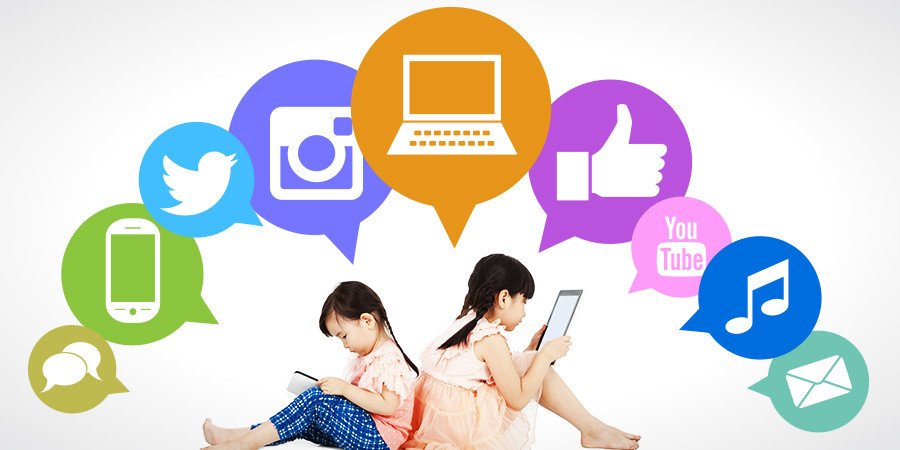
Social media is an plateform which is build that facilitates the users to create content and sharing of information, ideas, interests and different contents ,through virtual communities and networks technology.

Over the last two decades, social media has gained tremendous growth and fame. Despite the fact that almost everyone in the world is connected to at least one social media platform, youth and teens are the ones who who are using social media and are becoming so socially hampered that they even interfere their lives with social media. According to researchers, they have found that these different social media plateforms have a profound impact on the lives of our youth in society in terms of morality, behavior, and even education.

The use of social media has both negative and positive impacts on our youth today. The positive effects of social media on young people today is keeping up to date with what’s happening around the world and being able to network and stay connected with classmates and friends without physical meetings. For example, people in one city can connect and interact with friends in other cities and neighborhoods, bridging the gap between them. In addition, social media platforms allow young people to create pages and groups based on their profession, beliefs, and other aspects of life, creating more connections and more opportunities in their respective fields. This could even create more employment opportunities for unemployed youth.

According to a BBC News report, social media sites appear to continue to connect and inform more people, but it’s also causing social isolation among youths as it reduces the number of face-to-face interactions between young people, as they usually spend most of their time on these online social platforms. Analysis of many studies by various scientists has shown that social isolation can have a variety of effects on youth’s physical, emotional, mental and psychological estate which can create different problems in them. This, in turn, can lead to depression, anxiety, and many other problems. Also, using short forms and abbreviations can lead to misspellings and misuse of words and tenses. This has a direct impact on the student’s language skills and tends to adversely affect the student as it leads to poor language performance.

Also, young teens under the age of 18 can be exposed to online content that may not be appropriate for their age. Social media often introduce these teens to pornographic content which may be shared on online social groups and this may mislead them . The morals of these teenagers are also manipulated because they are granted access to immoral literature and video. This can harm their phycology of seeing things differently in life.

The social media can be used effectively by youth as long hours on social media can be devoted to productive activities that enable people to grow, earn a living, and be educated, such as using online tutorials and online research materials.
Social media may harm ones creativity and also can reduces the productivity of teens by chatting for long periods on social media sites . This may cause young people to not be independent, and rely on the help from others . Social media also provides a great platform for cyber theft and bullying. This increases the chances of personal information theft and incidents. This poses a lot of risk to young people as their personal information can be stolen because they are stored in places they do not know or where security is unknown or suspicious.

At last, social media opens a communication channel for young people and has many benefits. This includes the development of oneself and opening to wide range of social networks that promote opportunities and cultural abilities. However, it is very important that youth should use different social platforms carefully to avoid being victimized by cybercriminals and using it in limit so that it may not harm their mental and phycology abilities.

Success and mental health

Photo by Daniel Reche on Pexels.com

Mental health is a major concern worldwide these days and India is not far behind in sharing this. India is considered as one of the depressed countries in the world during the pandemic by WHO. Currently, the students are stressed, worried and anxious about the uncertainties of the future. One in seven Indians between 15-24 years of age feel depressed and lack interest in doing things. While the impact on children’s lives is incalculable, the economic loss due to mental health conditions between 2012-2030 is estimated to be USD 1.03 trillion in India, according to WHO 2020. This excessive online presence or screen time during the pandemic itself has created mood swings, irritability, social withdrawal, changes in sleeping and eating patterns, difficulty with attention, focus and concentration, and further detachment from family or the real world. Studies have shown that one third of the young people display poor knowledge of mental health problems. Regular fitness exercises like morning walks, yoga, and meditation have proved to be great medicine for curing mental health. Besides this, it is imperative to have a good diet and enough sleep. A person needs 7 to 9 hours of sleep every night on average , we should also stay connects with our friends and family , do what Piques our interest , be active and the most important we should reduce our screen time. When someone is tired yet still can’t sleep, it’s a symptom that their mental health is unstable. In students low self esteem , irritability, sudden anger, frequent absence, thoughts of suicide, reckless behavior, crying etc. could be some of the symptoms of depression.

As we speak, there is one suicide attempt every 3 seconds and one demise by suicide every 40 seconds by our youth and in most cases the causes are mental health problems.

The major cause of mental health problems in Indian students is seen due to academic pressure and the pressure created my families specially parents which ultimately leads to anxiety, over thinking and depression among students. This academic pressure is also driving kids to suicide.

Social standing is a big and also the main cause of parental pressure. Caring more about how the world perceives them, can render parents ignorant about the true talents of their children. Parents often generalize the definition of success and excellence, depending on how others are doing.

Majority of the Indian parents never try to understand why their children are not able to perform good in their academics or other fields. They never want to sit down with their children and talk about their problems with their children. Instead they prefer to scold or even beat their child which is somehow much more demoralizing and rather acts towards increasing the child’s stress level to a great extend. Kids who feel like they are under constant pressure can experience constant anxiety. Parents think that their only duty is to earn and pay for their children expenses but what they should really do is that they should build their relationship stronger. This means meeting there childs physical as well as emotional needs by taking care of them. They need to constantly instill into their next generation the importance of ‘resilience’ which is the inner strength. But parents are not the only one to blame or to take care of the children but we ourselves should take proper care of our mental health and should not ignore it.

If all these aspects are addressed at an earlier age and stage of a student’s life, it will not only make them emotionally stronger and healthier but also prepare them for future life with more mindfulness, respect, gratitude and strength.

HUSTLE CULTURE A TREND OR TRENDING PROBLEM FOR THE YOUTH?

Image courtesy : thesolmag.com
http://thesolmag.com

The youth are more affected by this culture & it’s making their life miserable and the most important thing is they just don’t know how to stop worrying enough about it. 

The Orthodox or popular opinion of becoming successful and achieving it all very fast ; the ultimate respect status that comes with being the all achiever is Hustle culture, driven by the desire for more. 

We are compelled to believe that time is running out and that we must do more, achieve more in less time. The most essential goal in your life should be to prioritise achievement over anything else. It shouldn’t be a big deal to sacrifice your mental and physical health for your life satisfaction. As a consequence, the youth begins to believe. We are constantly seeking more from ourselves, others, and our life. Hustle culture arose from this constant desire for more. It’s also on the upswing.

Now wanting more isn’t necessarily a bad thing, but when it becomes excessive, it’s time to act.

Signs that you are a hustler :

1. You never stop overthinking –
Overanalyzing your life and ambitions lead you to constantly put self-limiting beliefs on yourself. Resulting in dread of the judgement, and assumption of the consequences which makes it worse.


2. You want to accomplish everything in one day – Being impatient with your goals and believing that completing more tasks more quickly than others will give you greater recognition and popularity.

3.You want to attain long-term goals in the short term- You focus on making the big leap instead of comprehending that it takes time, patience, and efforts to accomplish anything. Trying to skip the intermediate phases but fail and are left feeling unmotivated.


4. Trying to do all and more at once – You multitask all the time and put your work and aspirations before your needs for rest, sleep, and self-care.


5. Validation is what matters most to you – when people appreciate your achievements and proficiencies, your desire is stoked, but when it doesn’t, you spiral into self-doubt.

6.You are a materialistic life seeker – Quality of life and ideas don’t interest you & latest trends do. You are leading a typical life because you don’t know how to live otherwise

7.You feel guilty for not being productive enough– Often you feel terrible for putting comfort before your goals. Exhausting yourself completely is part of the process towards success.

8. Being ignorant about you mental health– As you pursue a career-oriented lifestyle, believing that this is the only way to gain respect and prestige, you start comparing yourself to others who are ahead of you and the seeds of self-doubt begin to grown in you.

9.You don’t put your health first – Your health is your most valuable asset and should always be prioritised above all else. Unfortunately, people frequently disregard this and endanger it in pursuit of mediocre accomplishments.

If you think you’re hustler, it’s time to take a moment and reflect. Hope you found this helpful.

The refusal to face reality

Photo by Polina Zimmerman on Pexels.com

Living in the 21st century, life has become much easier with the advent of much advanced technology. We all are connected to each other via multiple social media platforms and no longer rely on postcards and letters to convey our message to our dear ones. These new platforms have also made it easier to communicate with new people and widen our social circle. No doubt, these platforms provide us with thousands of opportunities for our own benefit. Many people have sought to their personal small businesses owing to the ease of access to higher number of people and minimum marketing cost and labour. Unfortunately, even if we live in the world that has made life much easier, the modern generation is much more isolated than ever and is at the higher risk of facing mental health issues such as depression and anxiety more often as compared to the previous generations. In the modern world, statistics show that depression has become a common illness worldwide affecting 3.8% of the total world population, approximately 280 million people worldwide.

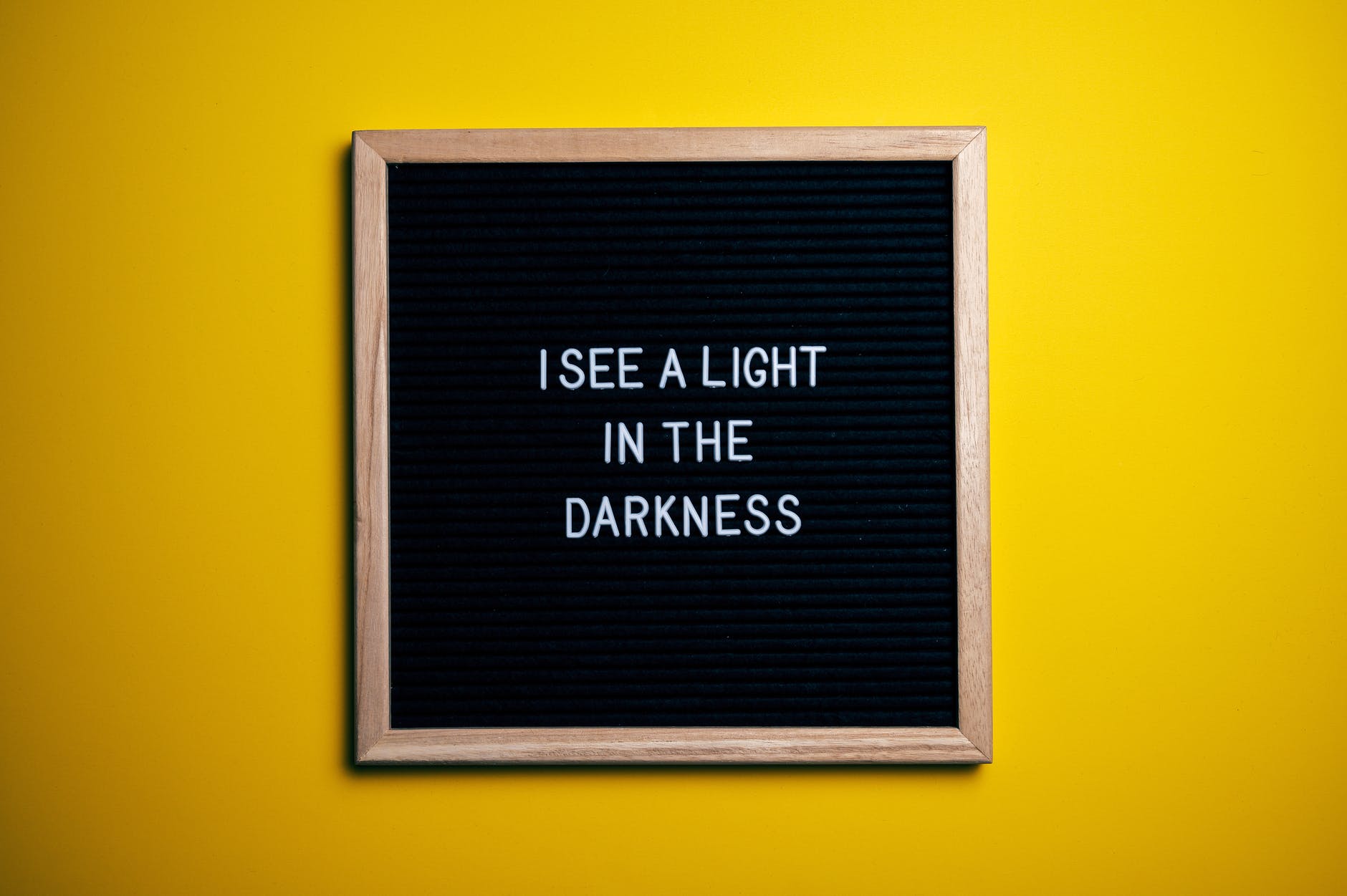
Mental health is often considered as a byproduct of physical health and nobody actually sees that both are equally important and are equally responsible for a person to live a longer and happier life. There are many examples where we see a physically fit person committing suicide or doing any other unacceptable actions. Suicide is one of the leading causes of death in young people. Globally 800,000 people die from suicide every year. The number is quite overwhelming! But the reason behind this is something that may seem very trivial but is very deadly at times! This reason is nothing but “not facing the reality” and “not accepting the truth”. It is all about seeing the light even in the darkness.

Photo by Brett Sayles on Pexels.com

Something that we all can agree is that the modern generation is very good at is running away from the consequences of their actions and they refuse to face the reality. Every single day we see people posting certain good moments of their lives, people being successful in their lives, people tirelessly working hard, some success gurus giving tips on how to become successful and so much more. All these posts do make us rethink our own decisions and choices. We start questioning what we are doing in our life and by what level are we able to be called successful. We start following those online success and motivational speakers who tell us to work tirelessly, forget our own needs and wishes and just jump into the marathon even if we don’t want to be a part of it. This is mostly because when we see others achieve their dream job or what they desired for, we subconsciously start getting compelled to do better than them. There is the thought of doing the exact same thing better and quicker (in some cases) than others. We too want to feel the sense of achievement. We too feel the obligation to prove ourselves to others. We want our life to hold some worth in the society by doing things that don’t even entertain us or don’t even tingle our excitement. We just jump into the race without being equipped with proper protective gears. And what comes next is the inevitable, failure. And this failure brings with it an immense mountain of disappointment, self-doubt and fear. The question here is, did we think before jumping into the race? Did we ask ourselves if we really want this? Did we care about failure or the consequences of our actions before going on the path? The simple answer is NO. We did not. We just saw someone do it and succeed and we decided to do the same without analyzing the intensity of the result.

Photo by Andrea Piacquadio on Pexels.com

The most saddening part of the picture is after failing the task, the blame game starts. Self- blame, blaming others for their own failure and this process continues. We cannot accept the fact that we failed and we get stuck at that only. We prohibit ourselves from moving on and kill our own determination. This further results on nothing but self deterioration and leads us to take extreme steps. But what changes occur in the society? Nothing, absolutely nothing. The world still goes on and people still jump into the race and on the other side of the picture there exists a person who once failed, stands up again and fights for what he desires. He accepts the failure and learns from it about what his actual destination is.

Fear of failure and lack of the ability to accept failure does no good instead of bringing ourselves down to the point where we can’t get up on our feet again. Fear of facing the reality and accepting it leads to nothing but self doubt and lower self esteem. All these unnecessary thoughts leads us to nowhere other than self deterioration. Thus, it is really important to learn and accept the fact that failure is an inevitable part of life. We all know “failure is the pillar of success”, as it is taught to us at the very early age. But what we do is just forget this important fact and stress over the term “failure” only. We forget the fact that even the person whom we saw getting successful online has undergone many hardships and even in many cases faced a number of failures but still they never gave up on themselves or neither their hard work. Thus, it is very important for us to face our fears, face the challenges and face our fears in order to move forward in life. It is ok to not feel ok. It is totally fine to say that you are not fine. It is absolutely ok to fail. But it is absolutely not ok to let that failure push you down. Enjoy the little things in life. Learn to accept the reality and move on with life. Get the happiness in little things and it is never an obligation for things to work out your way.

The perfect life of a student

Photo by Tirachard Kumtanom on Pexels.com

The life of a student is often seen as the “perfect life”. There is not much complexity to their life. After all, what they have to do is get up, get dressed, have their breakfast made by their mom and then rush to school without worrying about anything else. After their school, they return home, having everything prepared for them by their parents. What a perfect life, isn’t it? Nothing to worry about or to stress about! Everything they need is fulfilled by their parents. But in reality, is this what a student actually feels? Well, of course not! It’s only the point of view of everyone excluding the student himself who actually goes through the so- called “perfect life”? Let’s look more into it.

Nobody ever has a perfect life. Everybody has something that he wishes was not the way it is.

Stan Lee


The very notion of a “Perfect Life” is flawed. Nobody ever on the surface of earth has had a “perfect life”. Each and every person has been through or is going through some or the other kind of problem in their life. As in the case of students, the major issue faced by them is society’s expectations from them. As easy as it seems to have a student life, in reality it is nothing but a burden in today’s world. People, especially in many cases the parents, have high expectations from their children. They want their child to become doctor, engineer, administrative officials, etc., as per their expectations without paying any interest to what the child actually wants to do. Sometimes they force their child to take unnecessary tuitions and courses at an early age just to compete with others and to fulfill their expectations regardless of the child’s wish. This behavior, as normal and beneficial may seem, isn’t that encouraging and promising. Such behavior creates a stressful environment for the child who is subject to constant nagging and scolding if he/she defies the parents wish.

Photo by Pixabay on Pexels.com


The stress of exams is an additional issue that overcrowds the mind of a student. The need to complete the syllabus in time without leaving behind any portion, the need to complete the assignments in time, the need to be the best student in front of the teacher’s eyes and above all the need to fulfill the dreams of their parents are some of the never-ending thoughts which constantly consume the mind of a student. A student has to go through many hurdles in order to satisfy the wants of the society. Career options revolving around any kind of art form, fashion designing, management courses, etc., are still seen to be inferior to that of doctor and engineer. If both parents are doctors, then the child has to become a doctor as per the social tradition cum orthodox. It is not new that children are at risk to many mental health issues due to this reason. Mental health deterioration in children is often neglected in the society which in turn, results in some severe damage to the emotional capability of a child. Failure in exams is still one of the top reasons behind suicide and depression in India. Apart from all this, a child subject to all this kind of stress, when does not get proper aid and time from the parents, becomes prey to ADHD and in some cases, turns to alcohol and drugs which results in nothing but self-destruction. Mental health of a student is as important as the physical health in order to gain prosperity. The increasing levels of competition and stress, the constant nagging by the society to win in this so-called “rat race” takes a toll on the mental health of a student. Comparison with other students, no matter how constructively be suggested, results in self-doubt within the students.


In conclusion, no matter how easy the life of a student may seem, in reality it is not a cakewalk! The burden of fulfilling the wishes of the parents and the society results in nothing more than unnecessary stress, confusion and self-doubt. Thus, the parents need to be aware of the unwanted pressure they are putting on their child’s shoulder and rather be more attentive and invested in their child’s wishes and dreams.

Children are not thing to be molded, but people to be unfolded.

-Jess Lair

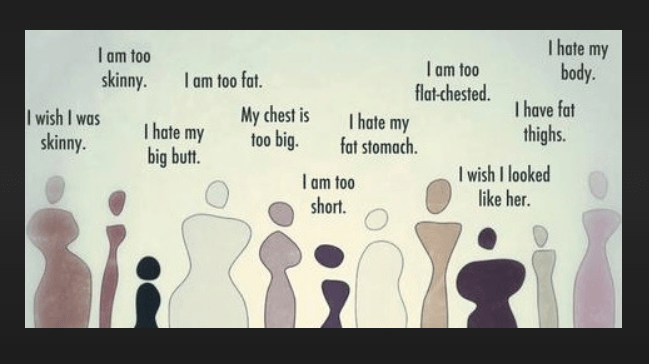
Body shaming is nothing less than a crime.

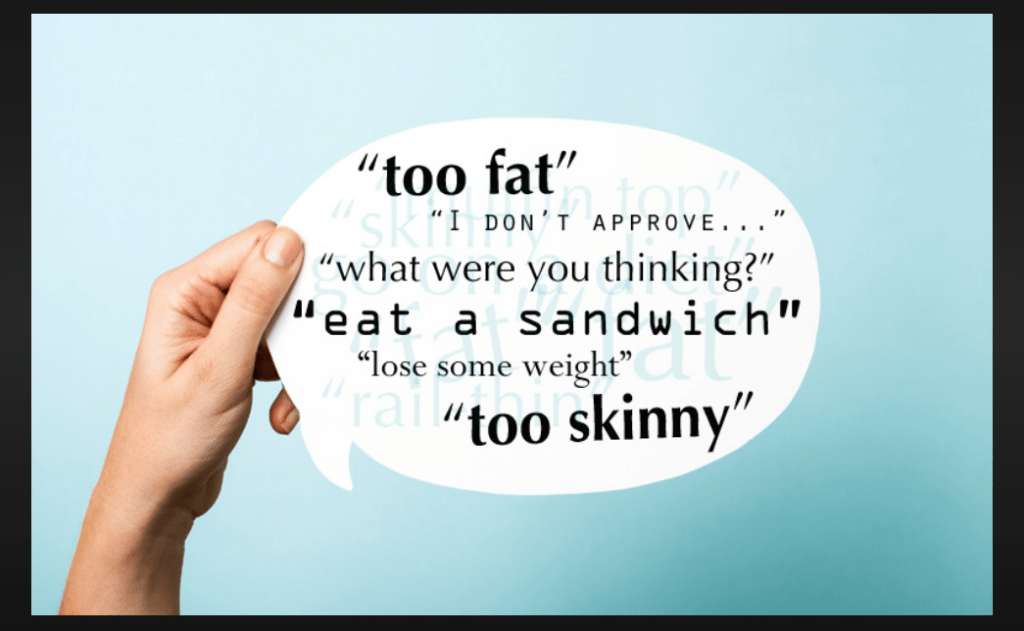
‘Look at her she is so fat.’ ‘look at him , is so dark and skinny.’ ‘ just look at that girl she is so short .’

Ever heard these? I hear them daily and it’s either about my self or a group of people or a person talking , to be more clear gossiping about some one else.

So the society expects one to be perfect ,like fair color, good height and slim and fit ,but are every one built in the same way? of course no , just like all the five fingers of our hand are different ,every human being is different and beautiful in their own ways.

If a girl is dark the whole society gives advices ,how to become fair ,if she or he is fat they are given advices about how to reduce weight , if skinny then how to increase their weight, if short ,how to become tall , I just keep wondering if the society has problem with every one’s appearance ?

From my personal experience , I can tell you that I faced such things , I was bullied in my school by my classmates , my friends and even my relatives bullied for my appearance , I could not tolerate them and even I cried due to that , and used to be envious of others for their personalities. I too wanted to achieve what they had and for that I used to skip meals some times and due to that I would feel more hungry than ever and used to over eat. As the time passed I started to accept my body and for my health and fitness , I took healthy steps in my life and started exercising and developing good healthy food habits.

I understood that everyone is beautiful in their own ways and its something that everyone has to accept , I understood that this bullying and body shaming is not good , not for your mental neither for your physical health, body shaming can lead to mental health issues , people start to overthink and worry about their appearance and in order to look perfect and beautiful they will choose faster and dangerous ways , like trying to reduce fat in just a week or trying to increase height and all this is really dangerous for one’s health and can lead to other dangerous consequences.

People of every gender and of all ages must deal with body shaming , it not a big issues , but this can damage one’s mental health the one at whom we are laughing at , whom we are body shaming, or mocking, this may also lead to emotional damage and trauma and depression.

So who are the culprits behind this , one is the society and the other is we ourselves , the product advertisers are the main ones for creating a pain point and then offering a solution to it, making ourselves think that we are not worthy and if we are not of certain skin tone ,height or weight and all , secondly we have ourselves to blame because we do not believe in ourselves and our bodies and we do not treat them well , we do not accept ourselves for how we are and then all this leads to a solution to overcome our issues and that too in a quick and unhealthy way ,leading to more disasters .

I just want the society to accept everyone as they are and to appreciate everyone’s personality since its unique for everyone and to stop body shaming or bullying . Society can be more beautiful if we accept people how they are and try not to change their appearance and instead help build confidence with in them about how unique they are and how to accept and love your body . Not only the society but firstly you yourself have to accept your body and treat it in a proper way and you have to love yourself the way you are , because self love comes first and you have to your first priority.

Body shaming is nothing less than a crime.

‘Look at her she is so fat.’ ‘look at him , is so dark and skinny.’ ‘ just look at that girl she is so short .’

Ever heard these? I hear them daily and it’s either about my self or a group of people or a person talking , to be more clear gossiping about some one else.

So the society expects one to be perfect ,like fair color, good height and slim and fit ,but are every one built in the same way? of course no , just like all the five fingers of our hand are different ,every human being is different and beautiful in their own ways.

If a girl is dark the whole society gives advices ,how to become fair ,if she or he is fat they are given advices about how to reduce weight , if skinny then how to increase their weight, if short ,how to become tall , I just keep wondering if the society has problem with every one’s appearance ?

From my personal experience , I can tell you that I faced such things , I was bullied in my school by my classmates , my friends and even my relatives bullied for my appearance , I could not tolerate them and even I cried due to that , and used to be envious of others for their personalities. I too wanted to achieve what they had and for that I used to skip meals some times and due to that I would feel more hungry than ever and used to over eat. As the time passed I started to accept my body and for my health and fitness , I took healthy steps in my life and started exercising and developing good healthy food habits.

I understood that everyone is beautiful in their own ways and its something that everyone has to accept , I understood that this bullying and body shaming is not good , not for your mental neither for your physical health, body shaming can lead to mental health issues , people start to overthink and worry about their appearance and in order to look perfect and beautiful they will choose faster and dangerous ways , like trying to reduce fat in just a week or trying to increase height and all this is really dangerous for one’s health and can lead to other dangerous consequences.

People of every gender and of all ages must deal with body shaming , it not a big issues , but this can damage one’s mental health the one at whom we are laughing at , whom we are body shaming, or mocking, this may also lead to emotional damage and trauma and depression.

So who are the culprits behind this , one is the society and the other is we ourselves , the product advertisers are the main ones for creating a pain point and then offering a solution to it, making ourselves think that we are not worthy and if we are not of certain skin tone ,height or weight and all , secondly we have ourselves to blame because we do not believe in ourselves and our bodies and we do not treat them well , we do not accept ourselves for how we are and then all this leads to a solution to overcome our issues and that too in a quick and unhealthy way ,leading to more disasters .

I just want the society to accept everyone as they are and to appreciate everyone’s personality since its unique for everyone and to stop body shaming or bullying . Society can be more beautiful if we accept people how they are and try not to change their appearance and instead help build confidence with in them about how unique they are and how to accept and love your body . Not only the society but firstly you yourself have to accept your body and treat it in a proper way and you have to love yourself the way you are , because self love comes first and you have to your first priority.

Living a stress-free life

Stress can have a very negative impact on a very positive life. Stress has many forms and many different ways of hitting one’s life hard. Luckily, there are steps to leading a healthy, stress-free life. Some steps include exercising regularly, adopting hobbies, stopping smoking, reducing caffeine intake, eating healthy, getting enough rest, learning relaxation techniques.


We can overcome anxiety and insecurity by getting involved in some practical and beneficial activities. Cultivating hobbies, spending time with family, and going on friendly trips helps us love a balanced and healthy life. Reading good books is equivalent to having good friends with great insight. We can try meditation by devising ways to the welfare of mankind. Some other factors include being positive and maintaining positivity all around us, being calm and peaceful, avoiding ugly fights and negative people, etc, Some sort of sport, vacations, indoor games, and healthy eating all sum up to making life stress-free and healthy.


Stress is the feeling of being mentally tired or it refers to the mental tiredness of an individual. When we feel exhausted, we feel stressed. When we have so much in mind, we feel stressed. When we overthink situations and many many things, we feel stressed out.


Despite knowing that stress can have many negative effects on our life, people still prefer denying that this could be a mental disorder. A stressful life can be a hindrance to our efficiency and ability to live a healthy life. Being stressed may cause us to fall sick often, feel grumpy, and sometimes irritated too. We can eliminate stress and lead a stress-free lifestyle by waking up early, following a routine, creating a to-do list, meditating, exercising, avoiding procrastination, and taking good care of ourselves.

UNPRECEDENTED TIMES REQUIRE UNPRECEDENTED MEASURES

“Vulnerability is not a weakness, it is our greatest measure of courage.”
What role does this impactful quote by Brene Brown play in our life? Arduous times have a tendency to shake the psychological well-being of any mortal. Sometimes, during unprecedented times, we are forced to take steps that were never dreamt of, by us.
Since the Big Bang, mankind’s path to advancement has been full of thorns. The Spanish Flu, the 1931 China floods, the 9/11 attacks, and numerous life-threatening scenarios were faced by us.
But if during those times, we hadn’t taken the necessary steps and shown impeccable courage, we wouldn’t have had the opportunity to write essays like this. We have to deal with emergency situations or when besieged by sorrows and life-threatening situations, we feel pressed to come out of our comfort zone of normalcy.

The most considerate example in front of us is the current pandemic that has befallen the planet-“The COVID-19 Pandemic”. This worldwide disaster crippled the economy of most of the countries, disavowed more than half of the businesses and industries, and forced millions to migrate.
Then the question that comes into our mind is-“How to avert this biological calamity?”And the first answer that we take into account is “Unprecedented measures”. We needed to do something that might not have happened in decades before. We were forced to go into a worldwide lock-down. People couldn’t step out of their houses and were forced to confine themselves within four walls. Collaborations were arrow-struck, the aviation sector was totally destroyed, and worse was the case of unemployment.
This was not the time to be insensitive or remain aloof. We had to support our families as their pillars, and console the infected.
There were various steps taken up by the governments, to control the situation. A few major ones include business shutdowns, work-from-home situations, and an obligation towards the country by wearing N-95 masks.
These times required us to keep ourselves immaculate and avoid as much contact with others as possible.
Even though hardships come and go in everyone’s lives, when we introspect, we find that the courage to overcome the difficulty is on the other bank of the river. The bridge that we need to cross, is that of self-confidence.
One of the main reasons people fail to scrutinize a burdensome task is an apathy. A lack of interest tends the bearer to give up easily. Thus being ebullient is very important to take unprecedented measures during unprecedented times.
The Indian directorate introduced a number of schemes for containing the economic fallout. An economic relief package of ₹20 lakh crore was announced by the Prime Minister in support of the financial victims of the pandemic. Numerous farmers and unemployed were funded by the government. Under the Pradhan Mantri Yojna, a sum of ₹12,000 crores was donated by PM Narendra Modi, to the farmers. Under the Ujjwal scheme, the government decided to provide free LPG refills to around 8.3 crore poor women. Close to 6 crore farmers were benefitted during the lockdown, because of the ingenious steps taken up.
There were countless such initiatives taken up in our country and the world. But the significance of these is often missed by us. The spontaneous reaction to the spread of the virus is often missed by us. The virtual operating system of the countries is often missed by us.
Many would still condemn the lock-down, rebuke the improvised and extrapolated agencies and organizations of the world, because they are unaware of the fact that even soothsayers cannot tell if a pandemic would fall upon the planet within a few days.
Difficulties and struggles do not knock on your door. They don’t even wait for you to be ready to tackle them. But if the wit of a person or country is strong, none can stop them from becoming the “difficulty for the difficulty”.
If we scrutinize a catastrophe and its victims closely, we find that the optimistic have a better chance of reverting back to normalcy, than the pessimistic. This also proves, that the degree of impact of our reaction towards a crisis, “is directly proportional” to our attitude. Giving up is too easy, winning may also be too easy, but the most difficult part is standing up, after falling down. The most important part is about how we perceive the situation in front of us.
What most individuals fail to acknowledge, is that preparing for an unprecedented time in advance is not possible, because of the word ”unprecedented”. Sometimes we have to go with our gut or rely on involuntary actions.
Looking back, we realize that even history provides a lot of classic ethics about times when people were given a chance to show their heroism.
Japan suffered two atomic bomb attacks in 1945, and it was predicted that it would take a few hundred years for the country to come back to its normal state. But as we see now, it is the world’s second-largest developed economy. How could that be possible? It was the civilians in Japan who fought vigorously against all anomalies to make their country one of the finest technologies in the world.
Recent events like the “Black Lives Matter” movement highlight the need for these unexpected times and measures. When George Floyd was cumbered to death by a policeman, thousands took to the streets and protested for the lives of the black community. Was this ever expected to happen? NO, but it still resulted in all 4 officers (who were responsible) being taken into custody. Thus, the reaction of a unified mass can change a lot of things.
Accomplished pilots gain their reputation from storms and tempests. Our valor often increases in proportion to the hindrances imposed upon it. Nobody learns to drive without knocking off a few trash cans or ace an examination without making mistakes.
Thus-
“A winner is never actually the person who wins, but it’s the loser because he knows the true meaning of winning.”

An Overview of Optimism

Being optimistic about one’s endeavors is a highly underappreciated quality. In a perpetual marathon, dubbed as “life” your positive outlook can turn the tables for any obstacle, living or not. Today, your grades can only take you so far on the success scale, whereas it’s the demeanor of a candidate which gets them shortlisted for prosperity. The opportunity to practice this buoyancy props up several times in a person’s life, but utilizing it to the full potential is where most people fail. Can optimism trigger audacity for introverts? Can it figure out tranquility for the ever-agitated? Can it find hope for the gloomy? The answer, well you can only find out once you try.

A ray of hope can be found anywhere

So how does optimism work?

Becoming an optimist isn’t something that can be mastered overnight. It is a process, that accompanies you in your life. It grows with you and basically embodies you. Many research has been carried out about the effectiveness of optimism as a psychological phenomenon. Optimism seems to have an indispensable role when it comes to mediating between depressing thoughts and suicidal idealization. Often, the key to becoming an optimist is to draw lines with the pessimists. Don’t rue it, don’t pity them, because you were once one of them. Now you are on the journey to self-development, and one day so will they. All it takes is changing your perspective.

How a single person can transform the room

Benefits of being optimistic

A principal benefit of being optimistic is finding the smallest silver lining in a grey cloud hanging over your head. Having a positive mindset has been scientifically proven to motivate you towards achieving your goals. Optimists view failures as new beginnings and work upon themselves accordingly. When things go bad, our world gets shaken up, which requires us to grow, see new things, and start afresh. Take the pandemic for example. The arduous times we confronted couldn’t have been conquered without the moral support of you, yourself.

A principal benefit of being optimistic is finding the smallest silver lining in a grey cloud hanging over your head. Having a positive mindset has been scientifically proven to motivate you towards achieving your goals. Optimists view failures as new beginnings and work upon themselves accordingly. When things go bad, our world gets shaken up, which requires us to grow, see new things, and start afresh. Take the pandemic for example. The arduous times we confronted couldn’t have been conquered without the moral support of you, yourself.

But, optimism doesn’t just have neurological benefits. In a study conducted by researchers at the University of Illinois, a survey of 5100 subjects showed that 76 percent of them are more likely to have health scores in an ideal range. Not only this, optimists showed significantly sounder blood sugar and cholesterol levels, worked out more, had a healthier body mass index, and were less likely to smoke.

One of the many advantages of having optimistic peers is that this quality is contagious, and spreads like wildfire in the grimmest of situations one may find themselves in. The institution Gallup conducted a survey and found that more than 65 percent of all 9 to 5 American managers don’t put their heart and soul into their jobs. This costs the decorum of the entire company, making the employees lethargic which further costs the US economy more than 77 billion USD every year. All of this can be avoided because it takes only one person the fuel the atmosphere.

Optimism-the need of the hour

Today, the world is not in a position to accommodate pessimists. With the onslaught of a new wave of coronavirus, the Ukraine-Russia tensions, and whatnot, optimism is the need of the hour. People are inspired by what they see, and every little show of enthusiasm can make society a better place. We more often learn from our experiences, than our mistakes. Let’s focus on making every single experience a joyful one, by being optimistic

Mental Health in India

Over the last two years in India, some of the most significant changes in thought and opinion, both positive and negative, were seen on the issue of mental health. Mental health refers to a person’s psychological, emotional, and social well-being. As individuals, we tend to be more focused on our physical well-being. But it is important to maintain a healthy body and a healthy mind as well.

When the COVID-19 pandemic hit the world, there was fear, panic, and a lot of confusion. People’s mental health took a heavy toll. The situation in India was not different either. According to a study by Lancet in 2020, there was an increase of 35% in the number of anxiety and depression cases reported in the country. Covid-19 patients often suffer from depression, anxiety, and post-traumatic stress related to the disease. Front-line workers and people in the healthcare system also face issues of stress and insomnia and may face a lot of stigma from their communities. The situation has obviously relaxed these days, but the lockdown days were definitely a difficult period for everyone. The general population also suffered from issues such as stress, anxiety, depression, and loneliness. Spending time in isolation or quarantine led to increased concerns regarding suicidal thoughts and suicidal ideation, particularly among the youth. There was increased alcohol consumption and drug use, even as many cases of people suffering from severe withdrawal symptoms were reported due to the sudden unavailability of alcohol and other addictive substances during the lockdown.

While there has been a lot of distress, the lockdown has been beneficial for a fraction of people too. For some, it gave them the opportunity to spend previously unavailable time at home with their family, with work and studies going online.

In India, mental illness has long had a perceived sense of judgment attached to it. Mental disorders are usually not considered a real problem that requires proper medical care and treatment. There is a lot of stigma regarding it in our society. While timely diagnosis, professional help, and therapy can be very helpful for patients with mental illnesses, many are not usually ready to seek the required help. They feel a sense of shame and embarrassment in having to seek medical help. Lack of awareness and education also makes it difficult for people to properly express their emotional distress in such cases. Many are not aware of disorders like PTSD, behavioral and eating disorders. Mental health services may also not be easily available or affordable for everyone. There is a major portion of the population whose mental issues go untreated.

Regardless, the pandemic period has evidently brought a change in the mentality of people regarding this topic. With more people talking openly about their mental health struggles, the conversation around this topic has become more mainstream. Many now understand the importance of opening up and seeking help for their mental issues. They also understand the Importance of supporting those who require help. In a study conducted by LiveLoveLaugh in 2020, 92% of those surveyed said that they would seek treatment and support those who seek treatment for mental illness. This is a definite increase from the 54% who were of this opinion in the same survey conducted in 2018.

The central and state governments have also done work in increasing the general awareness about mental health and improving the country’s mental health services. The Government of India has initiated two major programs to tackle this problem. The National Mental Health Program (NMHP) was launched by the Government in 1982 with the following objectives:

  • To ensure the availability and accessibility of minimum mental healthcare for all in the foreseeable future, particularly to the most vulnerable and underprivileged sections of the population
  • To encourage the application of mental health knowledge in general healthcare and in social development
  • To promote community participation in the mental health service development and to stimulate efforts towards self-help in the community.

Under NMPH, the District Mental Health Program (DMHP) was launched in 1996 which also concentrated on improving public awareness, providing training to professionals, and ensuring early detection and treatment of mental illnesses.

During the lockdown period, the three central mental health institutions- National Institute of Mental Health and Neuro-Sciences (NIMHANS), Central Institute of Psychiatry (CIP), and Lokopriya Gopinath Bordoloi Regional Institute of Mental Health (LGBRIMH), under the direction of Central Ministry of Health and Family Welfare, started a national helpline with the aim of supporting people with mental health concerns that arose out of the COVID-19 pandemic.

It is essential that such efforts and meaningful conversations regarding the topic of mental health take place in our society. Everyone should be educated and made aware of such issues, including children. They need to accept that mental health issues are normal. The important thing is to take action and reach out for professional help. A person seeking help for their mental health issues is not inferior or weird, and they require all the support they can get.