AGNIPATH SCHEME

On 14 June 2022, the central government launched the Agnipath scheme which is a recruitment of soldiers below the rank of commissioned officers into the three services of the armed forces. With this scheme, the central government hopes to fulfill the dream of an individual to join the armed forces and serve the nation. Various other reasons for the government to start this scheme were to reduce salaries and defence pension bill, to increase employment opportunities and higher skilled work force and to provide a youthful profile to the armed forces. One of the important reasons was also to have a large number of military trained and disciplined people in the society. The soldiers recruited through this scheme will be known as ‘AGNIVEERS’.

Under this scheme 45,000 to 50,000 youth aged between 17.5 to 21 years will be recruited annually for 4 years in the Navy, Air force & Armed forces. Enrollment will be based on an ‘All India All Class’ basis. The enrolment of the Agniveers to all the three services will be through a centralized online system, with special rallies and campus interviews at recognized technical institutes such as the National skills Qualifications framework, Industrial Training Institutes. In each batch, 25% of Engineers will be chosen for the permanent cadre in the armed services. The remaining 75% of Agniveers will receive an amount of Rs. 11.71 lakh as Seva Nidhi Package.

The salary per month of the Agniveers is Rs. 30,000 in 1st year, Rs. 33,00 in 2nd year, Rs. 36,500 in 3rd year and Rs. 40,000 in 4th year but the Agniveers contribution to Seva Nidhi will be 30% which means 30% will be deducted from the initial salary which means in hand they will receive 21,000 in first year, 23,100 in second year, 25,580 in third year and 28,000 in fourth year.

The Agniveers will also receive a non-contributory insurance cover of Rs. 48 lakh during the period.

Every demolished AGNIVEER will have a 10% reservation in CAPFs, Assam Rifle recruitment. They are also provided with the Upper age relaxation beyond the prescribed age limit for AGNIVEERS in CAPF & Assam Rifles. Other benefits include:

  • Priority in bank loan schemes in case they want to be entrepreneurs.
  • Many other states including Uttar Pradesh and Madhya Pradesh have stated that agniveers will be given priority in the recruitment of state police officers.
  • Some major companies and sectors like IT, Engineering Security, etc. have also announced that they will prefer hiring skilled, trained, and disciplined Agniveers.
  • It also stated that all those wishing to study further class 12 equivalent certificate and Bridging Course of choice for further studies.

The Upper age limit for recruitment has also increased only for 2022 under the Agnipath scheme to 23 years from 21 years for the first year of the scheme for enrolment of soldiers into the Army, Navy and Air Force.

AIM OF THE SCHEME

  • One of the important aims of the scheme is to make the army a future-ready fighting force with the youth of the nation capable of meeting multiple challenges.
  • To strengthen the national security
  • To provide the youth of the nation to serve the country.
  • To cut down salary and pension bills.
  • To harness the youth potential and make them future ready soldiers.
  • They will be provided with certificates and bridge courses that will help in creating future entrepreneurs.

CRITICISM OF THE SCHEMES

After the announcement of this scheme, there were several protests held throughout the country in several states. Students from throughout the country held riots, burned trains, and caused severe damage to the public as well as private properties. This scheme is criticized on a number of basis such as:

  • The service period that is 4 years is very less and it will provide employment for just 4 years. T
  • he real skills cannot be acquired in such a short period and what about those who want to serve the nation for longer terms.
  • only 25% of the candidates will be taken permanently and the rest 75% will again be unemployed.
  • No pension will be given to these candidates that will be appointed during this scheme.
  • The candidates that will be selected will only be selected for non-commissioned ranks like Naik, Sepoy, and Lance Naik.
  • The recruitment is only for candidates of 17.5 – 23 years of age.
  • After 4 years is over, there will be no job security.
  • Unlike other governments’ jobs no extra basic benefits will be provided to the candidates.
  • The salary will also be deducted for the Seva Nidhi contribution.

With the provided advantages and disadvantages of this AGNIPATH scheme it is way forward for a reform in the Defence policy. This schemes aims to increase employment opportunities with skills and training, to give a better opportunity to the youth who choose to serve the nation and it hopes to have a positive impact on the human resouces management of armed forces and for the country’s development.

Sources: https://byjus.com/free-ias-prep/agnipath-defence-policy-reforms/
Intricacies of war and the way it is normalized in the 21st century

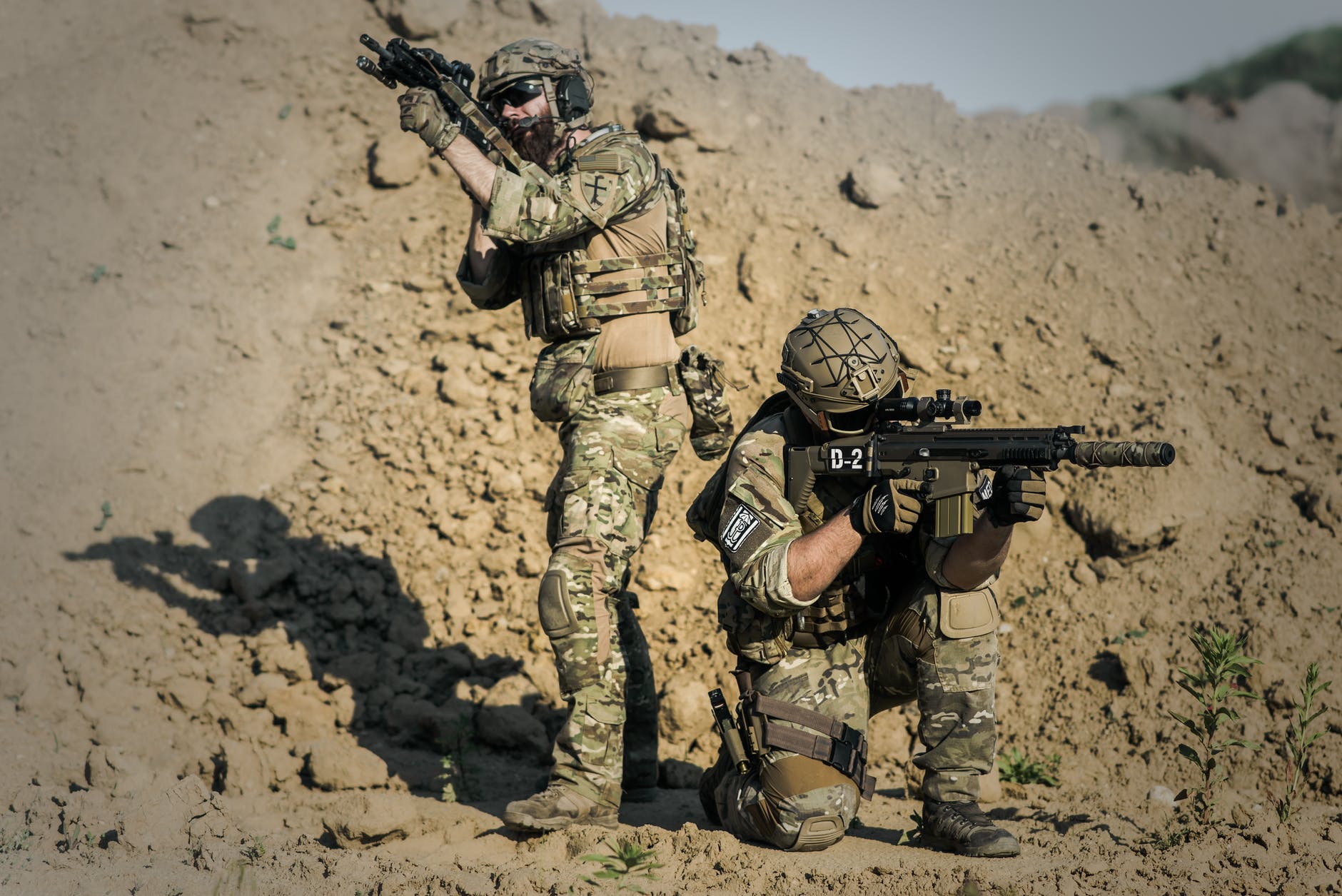
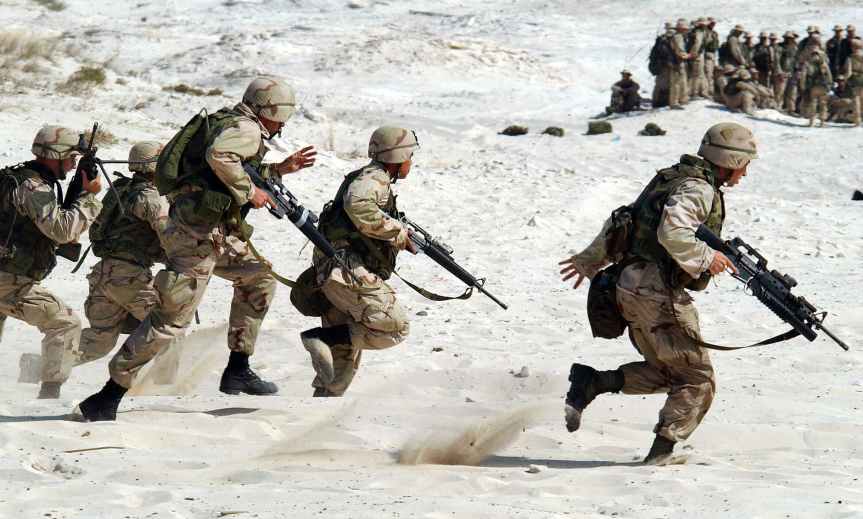
Photo by Pixabay on Pexels.com

War is not completely about the action, in fact, to execute the fight, there is a vast economical, logistical factor and many budget constrans. Management plays a key role in such situation more than a day to day business, as every decision a person makes is associated with many lives and there is many stakeholder bodies to answer to.

                                         People usually never fail to respect people in the navy, especially social media has been favoring them for their effort, but it is sad that their life in camps and other navy office workers is not completely transparent which leads to many false assumptions which usually underestimates their work portfolio and the work load, this leads to a lot misunderstanding from the reality. Let’s discuss some reality of War, 

                           People die, not as obvious as its sounds, not on a bed or a hospital but in a survival situation where you either die or cut your hurt arm with a Swiss knife slowly feeling your own bone for the first time to live. Soldiers in action experience practical Paranoia, war never happens often but when it happens lot of trainees will on the field facing foreign men trying to kill by all means and act just as higher officials say who would let you die if it is necessary. There will be a lot of confusion despite the training, if you put your head over the barrier will you be seen or shot? Where are the enemy? Are they  behind you? As you are fighting hand to hand, what are the odds you dying instead of him?

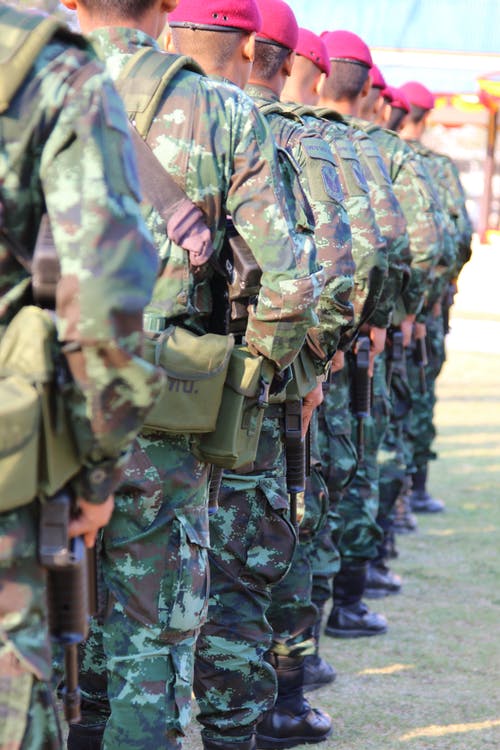
Meet our Commandos…..!

Photo by Somchai Kongkamsri from Pexels

India has many special forces ( SF ). The three branches of Indian armed forces have special forces units. There are other special forces which are operated by the civilian organization. Small groups from the military SF units are deputed in the Armed Forces Special Operations Division, which has a unified command and control structure. Research and Analysis Wing, the external Intelligence agency of India, has separate special forces under its control, namely the Special Group and the Special Frontier Force.

  • Para commandos :
    • The Indian Army has 7 units that are a part of a larger parachute regiment. This unit was created in June 1966 in the aftermath of the 1965 Indo-Pakistani war. An impromptu commando unit called Meghdoot Force, which took part in the 1965 war, formed the first nucleus of the permanent Para commando battalion which was to be raised under the Parachute Regiment. By 1969, the unit had grown into 2 battalions, viz. the 9 Para and the 10 Para. The unit’s first combat missions were conducted during the 1971 Indo-Pakistani war in which they undertook raids against Pakistan’s military. They are trained to carry out intelligence collection subversion and sabotage of vital enemy infrastructure and communication through deep penetration and surgical strike behind enemy lines. In 2002, the 2 Para (SF) participated in Operation Khukri in Sierra Leone to rescue 223 soldiers of the Indian Army’s 5/8 Gorkha Rifles who were deployed as UN peacekeepers but were surrounded by militants from the Revolutionary United Front of Sierra Leone. Some of the later reported missions carried out by Para (SF) include the 2016 ′Surgical Strikes′ and the 2015 Operation Hot Pursuit, purportedly undertaken inside Myanmar.
    • The list of PARA (SF) Battalions is as follows:
      1. 1 PARA (SF)
      2. 2 PARA (SF)
      3. 3 PARA (SF)
      4. 4 PARA (SF)
      5. 9 PARA (SF)
      6. 10 PARA (SF)
      7. 11 PARA (SF)
      8. 12 PARA (SF)
      9. 21 PARA (SF)
  • MARCOS ( Marine Commandos ) :
    • The special force unit of Indian Navy, is modelled on the US Navy SEALS. It was established in 1987. Months after their creation, MARCOS were deployed in Sri Lanka against the Liberation Tigers of Tamil Eelam (LTTE) in July 1987. 
    • Some main operations of MARCOS:
    • 1. Operation Tasha (1991) against the LTTE,
    • 2. Operation Zabardust (1992) against a ship that was smuggling arms,
      3. In support of the United Nations in Somalia (1993),
      4. Participated in 1999 Kargil War,
      5. MARCOS had participated in efforts against the 2008 Mumbai attacks.
    • After a 10 week long basic training, MARCOS are sent to train alongside Indian Army’s Para commandos for 3 weeks. Advanced training follows, during which MARCOS learn skills such as sky-diving, weapons training, counter-insurgency, languages and warfare in different terrains, among other things. Each MARCOS squad, called Prahar, is composed of 8 soldiers.
  • Garud Commando force :
    • The Garud commandos are the special forces of the Indian Air Force (IAF). Their tasks include counter-terrorism, hostage rescue, providing security to IAF’s vulnerably located assets and various air force-specific special operations. First conceived in 2002, this unit was officially established on February 6, 2004. It gets it name from Garuda ( A Hindu mythological God/bird ) .

      All Garuds are volunteers who are imparted a 52-week basic training, which includes a three-month probation followed by special operations training, basic airborne training and other warfare and survival skills. The last phase of basic training sees Garuds been deployed to get combat experience. Advanced training follows, which includes specialised weapons training.
  • Special frontier force :
    • The Special Frontier Force is a confidential special forces unit of the Research and Analysis Wing which was created on 14 November 1962, to conduct covert operations behind Chinese lines in the event of another Sino-Indian war. It works under the operational command of Indian RAW. The units personnel are derived from Tibetan resistance fighters. Is a dedicated mountain and Jungle warfare unit.
  • National security guard or Black cats :
    • The National Security Guard, which is a specialized counter-terrorism Federal Contingency Force. The NSG was formally created in 1986. It is modelled on the basis of the British Special Air Service and the German GSG 9. The commandos are trained to conduct counter terrorist tasks, including counter hijacking on land, sea and air, bomb disposal, post blast investigation and hostage rescue missions.
  • Special protection group :
    • Formed in the 1988, SPG is tasked with proximate security of prime minister, former PMs and their immediate family members. They carry some of the most sophisticated weapons that include the FN Herstal (Assault rifle ), Glock pistol and FN Herstal ( P90 ) .

( The main source of the article : https://en.wikipedia.org/wiki/Special_forces_of_India )

The conflict of Kashmir…

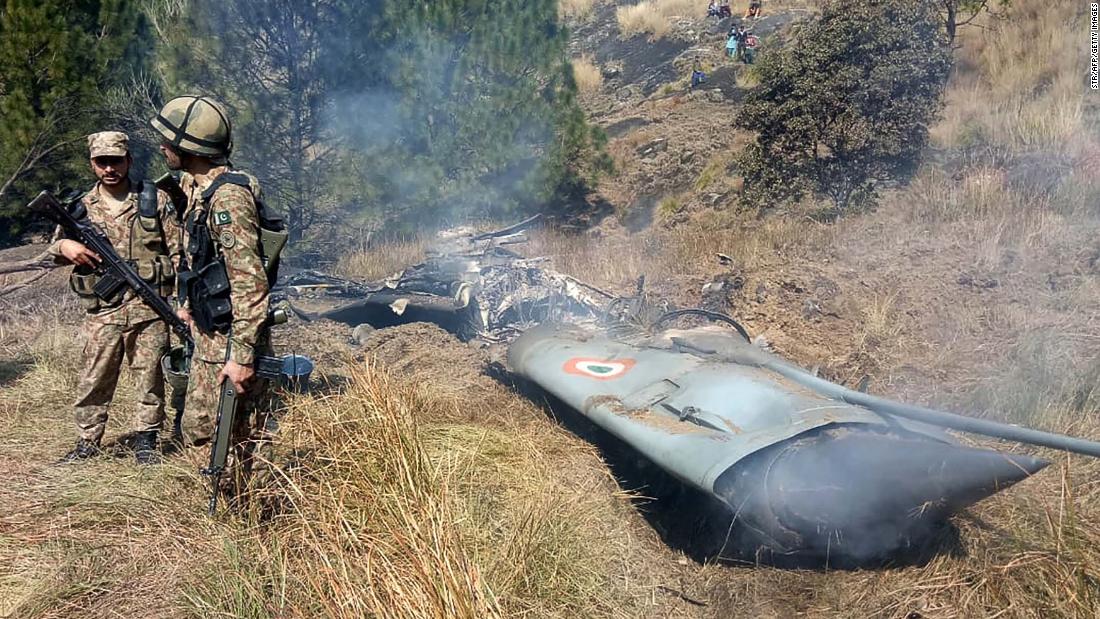
On February 14th 2019, a suicide bomber attacked a convoy of Indian security forces. “We’re getting reports of multiple casualties in a roadside…” He killed at least 40 Indian soldiers here in Kashmir. “The deadliest attack the region has seen this century.” The bomber was part of an Islamic militant group based in Pakistan. “Jaish-e-Mohammed claimed responsibility for that attack.” 12 days later, India carried out airstrikes in Northwestern Pakistan. Then Pakistan shot down at least one Indian aircraft around here. “The most serious escalation in years.” Kashmir is one of the most disputed places on Earth. Over the course of 70 years, it’s been at the center of three wars fought between two massive armies. It’s heavily occupied by more than half a million Indian troops and a deadly collection of militias and terrorist groups.

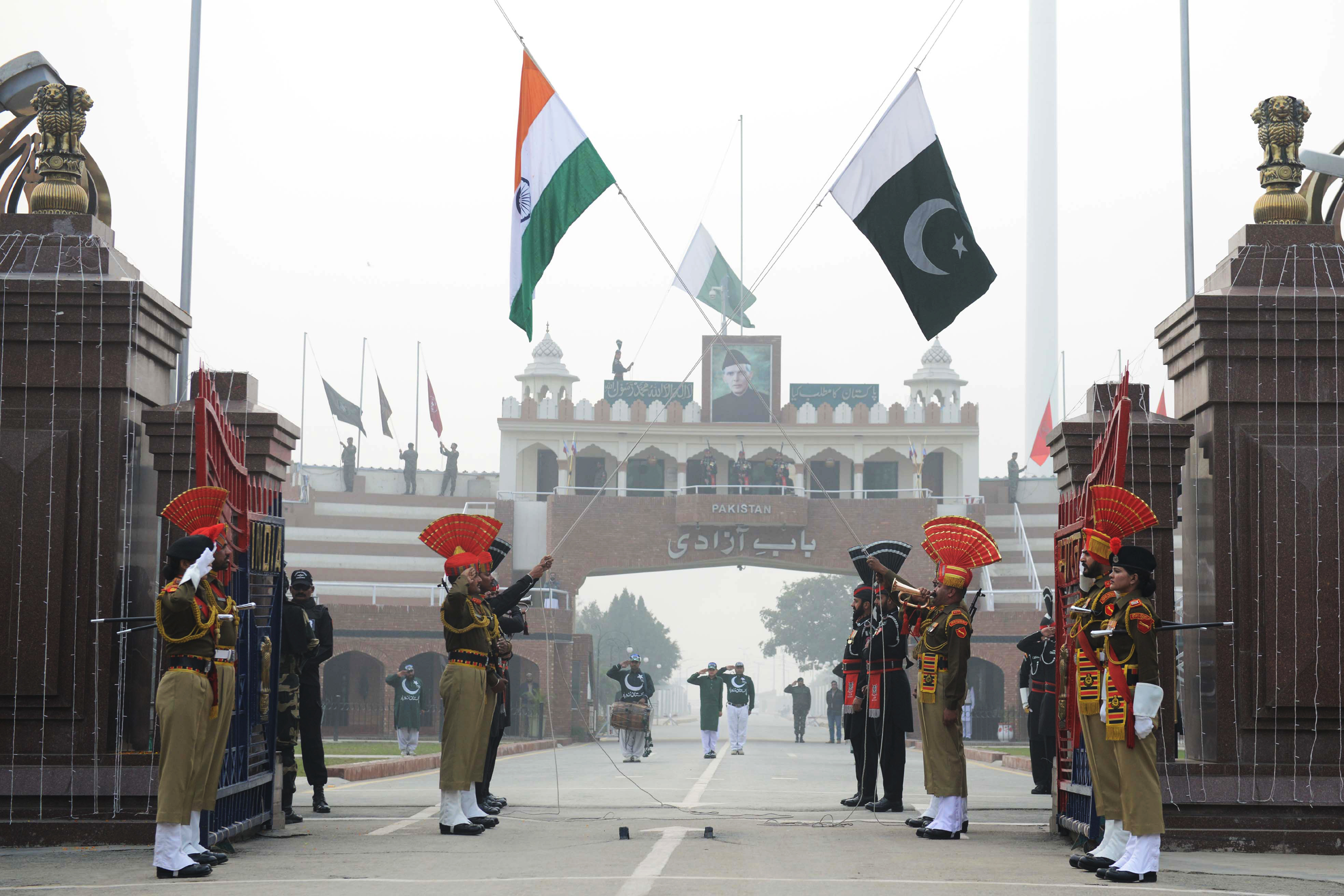
How Memory of Indian Partition Is Preserved Across Borders | Time
Kashmir is the stage for the relentless conflict between India and Pakistan. But focusing on the two countries can obscure what’s really at stake: The voice of Kashmiris who are caught in a vicious cycle of violence. Kashmir is one of the most strategic places in the world, where 3 powerful countries collide: India, Pakistan, and China. China invaded and took this slice of Kashmir from India. And was given this one by Pakistan. India and Pakistan control these parts, but lay claim to more. This region is at the center of a brutal conflict over these disputed borders. So it’s important to start when they were being drawn. In the mid-1800s, India was a patchwork of several hundred provinces and princely states under British rule. A century later, when British India won independence, the British left and hastily decided to split the region into two. These areas would be a new Muslim-majority country, Pakistan. And this would be the mostly Hindu, but secular, India. The partition was bloody. “Communal hatred flares up within the Punjab.” “1 million people become refugees overnight.” “They flee from savagery and butchery that has never been exceeded, even in India’s stormy history.” Amid the chaos, some princely states were given the choice to join either country. In most cases, the ruling monarchs followed the will of their people. But this state, called “Jammu & Kashmir” was different. It was right along this new border and had a Muslim-majority population, but was ruled by a Hindu monarch. When asked to pick a side, the ruler chose to stay neutral Fearing that the monarch would join India, the Kashmiri population rebelled here in 1947 Armed tribesmen from Pakistan soon joined the fight.

India and Pakistan in Kashmir border skirmish - BBC News
The monarch turned to India for military help and in exchange agreed to join them, which sparked the first Indo-Pakistan war in Kashmir. “Continuing thus increased the threat to world peace and brought the dispute to the eye of the United Nations . The UN Security Council brokered a ceasefire in 1949, which established this line with Pakistan controlling this side and India this one. It also asked Pakistani tribesmen to withdraw and Indian troops to follow, so that Kashmir could hold a direct vote to decide its own future. But neither held up their end of the deal. Pakistan argued that Kashmir’s Muslim-majority population rightfully belonged with them. While India insisted that Kashmir was handed over to them by the Hindu monarch. So they doubled down and added Kashmir to their constution. Both countries continued to tighten their grip around it for many years . “Kashmir. Fighting is going on and heavy casualties in men and equipment have been inflicted on the aggressor.”

India-Pakistan: Latest news on Kashmir crisis
In 1965, the second India-Pakistan war broke out in Kashmir. Thousands of people were killed between the huge armies on both sides. A ceasefire ended the war, but didn’t change this line. Kashmir was kept divided and occupied. And another war broke out in 1971. This time the focus wasn’t in Kashmir — it was in East Pakistan. Here, India helped rebels fight for independence and dealt Pakistan a devastating defeat. This region became a new country, Bangladesh, and Pakistan lost its eastern half. This made Kashmir more important than ever: It became one of the most militarized places on Earth, as India and Pakistan deployed planes, tanks, artillery, and soldiers along the Line of Control. On the political front, in ’87, India reportedly rigged an election, declaring a pro-India party as the winner. Now this was a big turning point for many Kashmiris, who felt they were again denied the chance to vote. Thousands took to the streets in Indian-controlled Kashmir to protest the occupation. But India met the movement for independence with harsh resistance. Which quickly escalated to more violence.
“In January security forces opened fire on demonstrating separatists, turning a two-year old struggling movement into a full-blown popular uprising.” “More than 600 people are killed in clashes between troops and separatists.” Kashmiri militias, just like the Jammu and Kashmir Liberation Front, started recruiting Muslim youth to fight for independence. And increasingly attacked the Indian military. Pakistan saw an opportunity in this insurgency. They helped introduce a new kind of militant group: Radical Islamic fighters who fought for a more pro-Pakistan Kashmir. By the mid ’90s, these groups dominated the insurgency. India responded with incredible military force, deploying 500,000 troops to Kashmir. And they cracked down on militants and protestors. Unarmed civilians were killed and many more were forced to flee the violence. And in ’98 the stakes were raised yet again. “Today India conducted three underground nuclear tests.” “Pakistan today successfully conducted five nuclear tests.” Kashmir became a battleground between two nuclear-armed nations and another war broke out in 1999. “More evidence of the attacks being launched on the Indian-controlled area of Kargil.” “The past two days have seen a number of the fiercest fighting thus far .” “Militant Muslim fighters have also crossed over into some parts of Indian-ruled Kashmir.” The 1999 war ended with another ceasefire, but that did not stop either country.

India-Pakistan cross-border shelling hits Kashmir | News | Al Jazeera

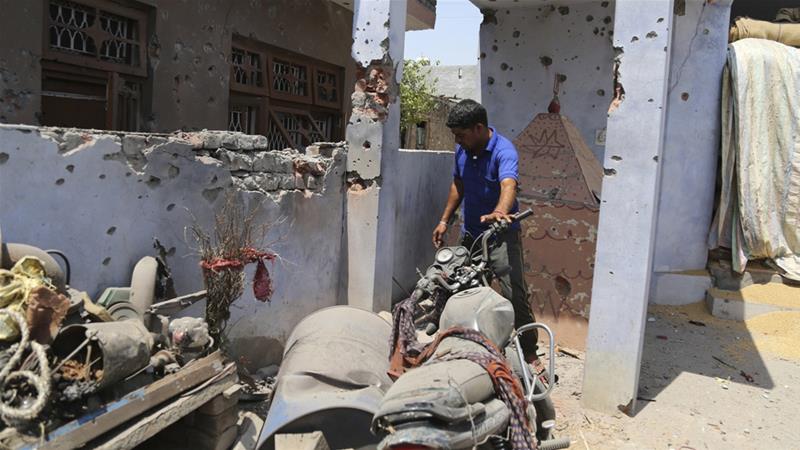
Over the years, Pakistan’s militant groups got bolder and launched terror attacks in Kashmir and outside of Kashmir. In 2001, members of Lashkar-e-Taiba bombed India’s parliament building in New Delhi killing 14 people. And in 2008, 10 militants from the same group killed 174 people and wounded 300 in Mumbai. Meanwhile, Indian military cracked down in Kashmir, firing bullets and pellets on unarmed protesters. Leaving hundreds wounded and blind. This is the vicious cycle of violence. The Indian Army’s crackdown drives some Kashmiris to join Pakistani-backed militant groups, who carry out violence against the Indian forces. It’s a cycle that Kashmiri civilians are stuck in the middle of. Which brings us back to 2019. The suicide bomber was 19-year old Adil Ahmed Dar from Pulwama, Kashmir. According to his parents, in 2016, Indian police officers stopped him and humiliated him by forcing his face into the ground. The same year he was shot in the leg at a protest. The next year, Dar left home with his brothers, to join Jaish-e-Mohammed, a Pakistani-supported militia that radicalized him and trained him to be a suicide bomber. A year later, he drove explosives into an Indian military convoy. For more than 70 years India and Pakistan have driven a cycle of violence, retaliation, and exploitation in Kashmir. But beneath it all is the Kashmiri’s wish to make a choice. A wish that continues to be suppressed, again and again, by violence.

U.S. Defense Economy…

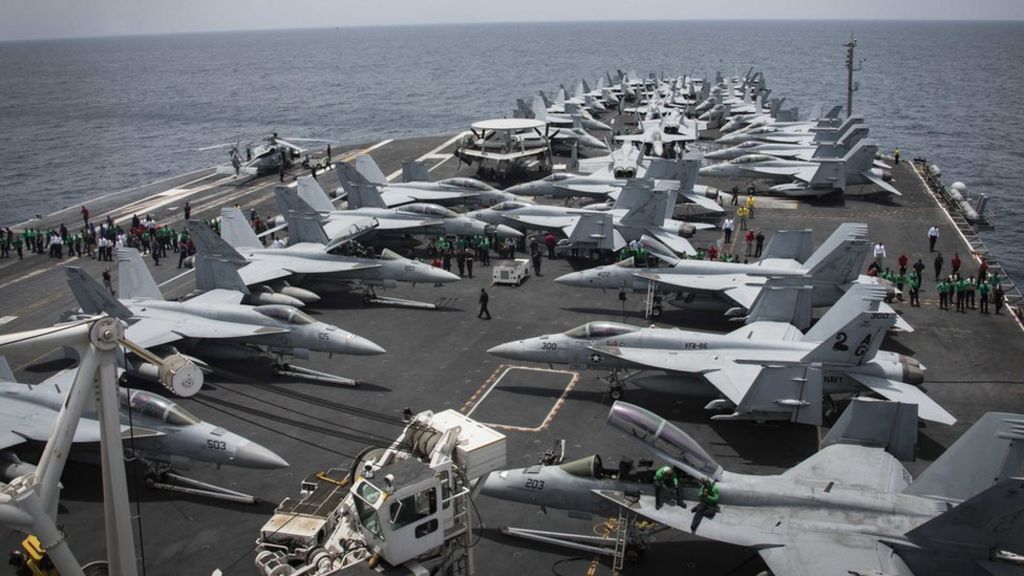
The police, obviously, they’re not in the business of of profiting from private acquisitions. We’ve seen extensive lobbying from defense industries who produce educational videos for police who were spending hundreds of millions of dollars to directly lobby Congress for defense spending, but also for these police programs. The police also have their own lobbying organizations that work toward security budgets and equipment for local law enforcement. The National Fraternal Order of Police is one of them and has lobbied in favor of federal grants that are responsible for the militarization of police. It’s really a variety of Homeland Security grants administered by the cops office, the home, the Department of Homeland Security, etc., that have allowed departments to directly purchase military grade equipment. And this has been essential to stimulating a domestic law enforcement market for military contractors. In some cases, the folks who provide the equipment actually directly assist police departments in making these grants. There’s even a Web site that is sponsored by these defense contractors and other providers of police equipment to aid departments in the production of these grant proposals. This whole industry grew significantly during the War on Drugs campaign in the 1970s.

Iranian threats 'put on hold', says US defence chief - BBC News
Congress passed a law that focused on incorporating cooperation between the military and the local law enforcement, particularly related to countering drug crimes and the war on drugs. Right. That was sort of the first connection between the military and domestic law enforcement. In 1989, Congress passed the National Defense Authorization Act, temporarily allowing the Department of Defense to transfer excess military equipment to federal and state agencies. The program continued until the 1997 National Defense Authorization Act expanded it to include local law enforcement and made it permanent under a new name. The 1033 program that began a massive transfer of military equipment to local police departments free of charge as long as they paid for shipping and maintenance. That 1033 program was the congressional authorization that allowed police departments to basically go online. There were catalogs of of weapons and vehicles and aircraft and watercraft and any kind of military surplus military equipment was available for the asking. And it was at no cost to law enforcement agencies.

Military budget - Wikipedia
Departments may purchase shotguns that are placed in police vehicles as a routine matter, and some departments are purchasing a variety of less lethal weaponry with their own resources. But when we see sniper equipment, armored vehicles, large amounts of body armor, this is often the result of federal spending. Since its inception, over 11,500 domestic law enforcement agencies have taken part in the ten thirty three program, receiving more than 7.4 billion dollars in military equipment. What you end up seeing is as a result of the 1033 program, local law enforcements continue to ramp up what we call special task force, like SWAT teams, gang task force, drug task force. Right. That all utilize this excess military material. In July 2014, Congressman Alan Grayson proposed that legislation to limit the transfer of certain weapons through the 1033 program. The amendment was met with immense opposition failing on a bipartisan vote of 62 to 355.
The people who voted not to change the 1033 program received 70 percent more money in campaign contributions from the defense sector than those who wanted restrictions. One of the really troubling developments about the involvement of the federal within the direct subsidy of purchases of militarized equipment is that this is often really about creating a new marketplace for defense contractors instead of really putting questions of public safety first. Besides providing free military equipment, the federal government also allows the police to purchase new equipment using their own funds. Under the 1122 program, it also gives local police departments the same discounts enjoyed by the federal government. We’ve seen instances across the country where local governing bodies, like boards of selectmen and mayors and city councilors are often unaware that tax dollars have been expended to acquire these kinds of military weapons and military vehicles. What makes both 1033 and 1122 programs so powerful is the lack of clear oversight and accountability.

Trump says 'revved up' economy will fund $54bn rise in military ...
The 1122 program, as an example , isn’t a grant or transfer program and thus isn’t required to be monitored by the federal . Meanwhile, the 1033 program has put lethal weapons within the hands of officers who haven’t any justifiable need for such equipment. We’ve seen instances reported of some small towns, even some college and university police departments that were acquiring military grade weapons with none demonstrable need for the utilization of these or the acquisition of these weapons. After the events in Ferguson, the Obama administration sought to tighten the 1033 program with additional requirements and restrictions after months of confrontations on America’s streets. President Obama today banned the federal government from giving some types of military equipment to local police. We’ve seen how militarized gear can sometimes give people a sense like there’s an occupying force as against a force that’s a part of the community that’s protecting them and serving them. And this led to calls in Congress to eliminate 1033 and eventually measure an executive order by the Obama administration to place some limits on the type of equipment that could be used, things like bayonets and turreted armored vehicles.
The Obama administration also required police agencies to justify purchases of equipment considered potentially lethal. President Trump, however, rescinded all of those measures within two years in office. Obama administration made some efforts to increase accountability in auditing of this. But even then, the restrictions and oversight were quite limited. Under the Trump administration, there’s even less evidence of any oversight. Any sense that we know how this equipment is being used or whether or not officers are being properly trained and how to use it. In some cases, equipment transfer through these programs has simply vanished due to a lack of oversight and poor bookkeeping.

Maximising the economic benefit of Australia's defence projects ...

There’ve been a number of situations where there have been audits of local police departments to try to figure out what they’ve done with this equipment. And these departments have been unable to provide adequate records. We don’t know if this is a local sheriff taking home camping supplies or if this is about, you know, stuff that’s really gone missing, has been resold or has just simply been lost. Oftentimes, the militarization of the police force might be what’s distracting them from their original purpose, protecting our communities.

Kashmiri youth joining Rebel Ranks

It is heartbreaking how some of the Kashmiri youth are getting distracted into false and heinous crimes, where they are forced to be a part of terrorist groups and made to pick up guns and kill people. How sad it would be for a mother who loses her child, who joins a terrorist group and works against the country. Since Kashmir is facing many hardships beginning from Article 370 which includes communication blackout, internet services, people have to jail themselves at home and wait for the orders of reopening. This was one part of the story where Kashmir has become the highly militarised zone because of constant protest and fights, where Article 370 has separated the roots of Kashmir, where some of the young boys are forcefully made to join terrorist groups and fight for the evil things.

One such story is of Khurshad Ahmad a 23 year old young boy who went to a nearby valley with his herd and never came back. His family was worried for him and searched everywhere but couldn’t find a single clue of him. After few months the family was informed that Khurshad was shot dead in a gun fight in Sugg village. This news left his family, specially his mother helpless and heartbroken, where they couldn’t even fight for their child, where they couldn’t even ask the terrorists that why they did this to their son and why a 23 yr old lad was made to hold a gun instead of holding a book and working hard to take the responsibilities of his family.

There are many more stories which you and me don’t know because fortunately we are sitting safely at homes and taking care of ourselves, if we think about the people in Kashmir, we can’t even fathom the problems which they are suffering from, poverty, climatic changes, war, protest and now their children are joining rebel groups. This is not a choice for them, they are forced to do so, they are brain washed in a way that they just can’t ignore the facts to join the terrorist group and become one of them but what is left behind is their family, the mothers, who patiently wait for the child to return but little did she know that her child would never return, his mind and soul has been captured by the evils and they will never leave him until they eat him up.

My dear friends, we don’t know where our destiny will take us, but we should always think about others, pray for the people of Kashmir, pray that they get peace and they can also live normal lives like us.

COMPULSORY MILITARY TRAINING IN SCHOOLS?

Military training in schools.

Any training on a person adds various skills. Some people want the central government must consider this proposal seriously and implement it in educational institutions. Many children are unable to decide what to pursue in life, and when they experience the hardships on military turf, this idea will be clear. Minimum military training is essential and broadens the mindset and toughens it. In a way, it is vocational training. India may get potential officers while will strengthen the armed forces in future. The defence of the country is left alone in the able arms of troops, and with this compulsion, we can also participate in it. The education improves national morale, health, builds up character and even the ability to face hardships.

People who serve in the army stay away from family for a very long time. When the children of their country join them in the training arena, they will get a morale boost. It will be an incredible feeling when so many children come and are with you. At a place, so many children from different backgrounds will share common space and air. This will bring Indian closer, and the walls of difference will get lower. The children need patriotic reinforcement, and this idea will also foster discipline in them. They will be more team spirit, orderliness and respect for one another when exposed to the adventures of training. Once a student receives basic training and wishes to volunteer, the military will get a trained volunteer. Indian girls will develop defensive skills and become stronger physically.

However, the Indian military is not equipped with the necessary infrastructure and number of officers to take on a significant population of a school child. Even if training institutions and academics are established, it will take much time for them actually to take place. They will require much money for maintenance and upkeep. Even if a decision in favour of this is made, it should be done for students above the age of 18 years and not for school-going children. The rigours of training may be too much for a school going child to handle, and also the mind is better prepared for this at a decent age of 18 years. The government has checked the feasibility, affordability and practicality of it. This is practically impossible for now. We do not have resources which are adequate to fulfil wants of everyone, and now we are asking for a further hole in the pocket of the government. India is a democratic set-up; people are free to choose their professions. Compulsion is respect for military training; it is felt, will go against the democratic ethos.[1] The anticipated benefits of imparting military training to all the youth will not be commensurate with the expenditure involved in such an effort. This would translate into unmanageable figure and will also be a significant drain on the limited resources of a developing country.

We are not prepared for it at the moment, but we can always inculcate the knowledge on a curriculum or introduce it as a separate course.


[1] Pradip R Sagar, Centre may not be in favour of Military Training, availabe at: https://www.theweek.in/news/india/2018/03/17/centre-may-not-be-in-favour-of-compulsory-military-training.html.