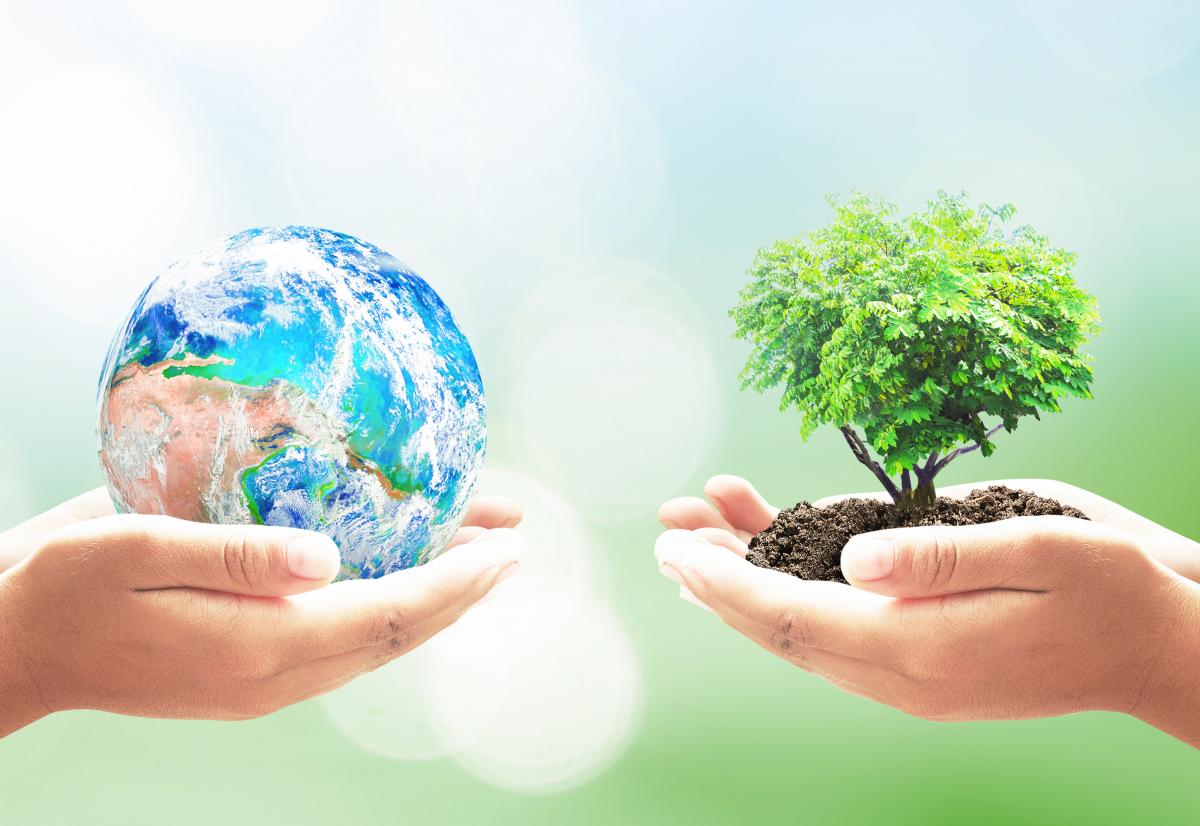
Ethical Business

“A business that makes nothing but money is poor business.” This is a well known and most commonly used quote of Henry Ford, an Amercian Industrialist and the founder of Ford Motor company. This quote clearly expresses that a business should not only aim for profit maximisation , there are various other responsibilties that one should bear. Ethical business not only means to have a good relationship with the customer but also to protect the health of consumers and other citizens. But how of many businesses are following such practices? How many are following the guidelines provided by the government? How many are ensuring the life protection of the workers?

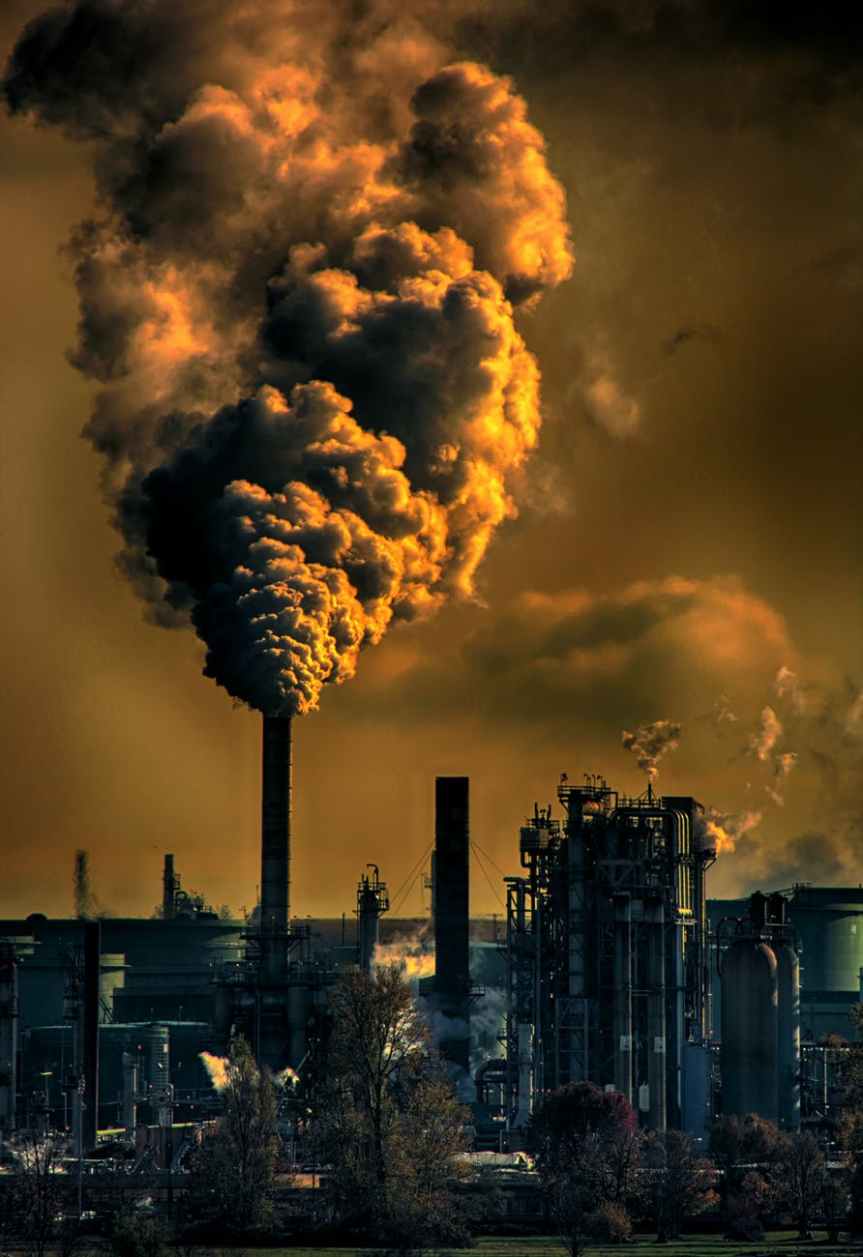
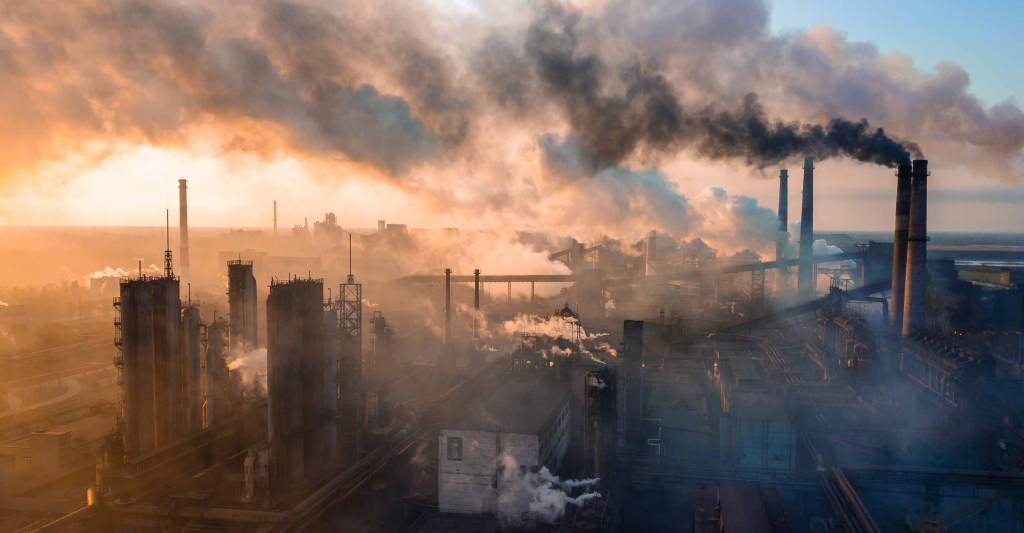
A common agenda of most of the businesses these days is ‘profit-maximisation’ and in order to achieve this goal they tend to forget that if they are taking something from the society , they need to give something back. The enrionmental havoc that many industries are creating just to earn profit is beyond imagination and unfathomable. Top four industries that contribute to global warming and other environmental hazards are Fertilizer industry, Tannery industry , Pesticides industry, Chemical industry. Central Pollution Control Board classified The Indian Fertilzer Industry under ‘red catregory’ which is really a matter of concern. Not only this , CPCB also stated that out of 52% plants, assessed in study, 12 plants received directions or show cause and even closure notices for water pollution and air pollution and solid waste management. All these figures clearly indicates the irresponsibility and carelessness of businesses.

In the era where every industries and businesses focusses on gaining profit there are certain businesses which are balancing both ethics and profits.One of such corporation is Anand Milk Union Limited (Amul). Amul is really setting an example for ethical business by providing jobs to around 12 million small farmers. They do not lean on big farmers rather they collect milk from small farmers, benefitting both the service industry and the Corporation. These small producers are grouped in nearly 108547 village – level dairy corporation society. According to data, India’s milk production has increased from 21.2 million metric tons in 1968-69 to 88.1 million metric tons in 2003-2004. These figures are gradually increasing year by year. Not only Amul , in 2018 seven leading industries namely Adidas , Method, Norton Point, West Paw, Clifbar, Waitrose, Rubbermaid, took up ‘End Plastic Pollution’ Campaign in order lessen the plastic pollution.

All the above examples suggests that it is possible to do business keeping ethics in mind. In a run long for a business to survive and thrive , community service and profit should go hand in hand . There are many ways through which a business can cater service to the needy or environment. ‘Cleaning Campaigns’, ‘charitable works’, ‘donation,’ ‘providing jobs to the lower class people’ are some of the ways to balanace profit and ethics. If business follows “one must clean his own mess” rule it will not only gain public support and profit , but also it will set example for other businesses to follow.
LIFE-GIVING GANGA’S PLIGHT

“Best of rivers, born of all the sacred waters,” the Ganges, Described in the Mahabharata.

Ganga river, also deemed as the Ganges River, flows 2,700 km from the Himalayas mountains to the Bay of Bengal in northern India and Bangladesh The Ganga rises from the Gangotri glacier about 4,000 metres above sea level on the southern slopes of the Himalayan Alps. The Bhagirathi is joined by the tributaries Alaknanda and Mandakini to form the Ganga in the Himalayan region. Its river basin covers over 1 million square kilometres and is home to more than 650 million people. The Ganges is vital for the survival of millions of people and a diverse range of biodiversity.

The Ganga and its tributaries support a diverse range of fauna and flora. The Ganges supports 104 species of Rotifers, or minute creatures, 378 species of fish, eleven amphibian species, twenty-seven reptile species, eleven types of mammals, and 177 species of aquatic birds, according to the Zoological Survey of India. The Ganges River dolphin, the Sundarbans’ Royal Bengal tiger, freshwater turtles, Gharial crocodiles, Sarius Crane, egrets, herons, and terns are just a few well-known species.

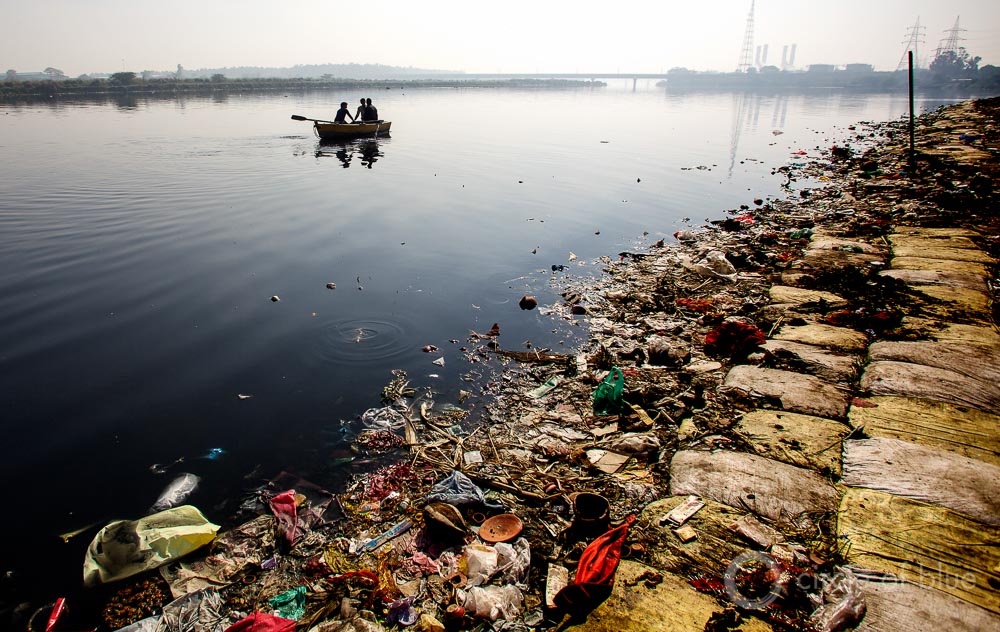
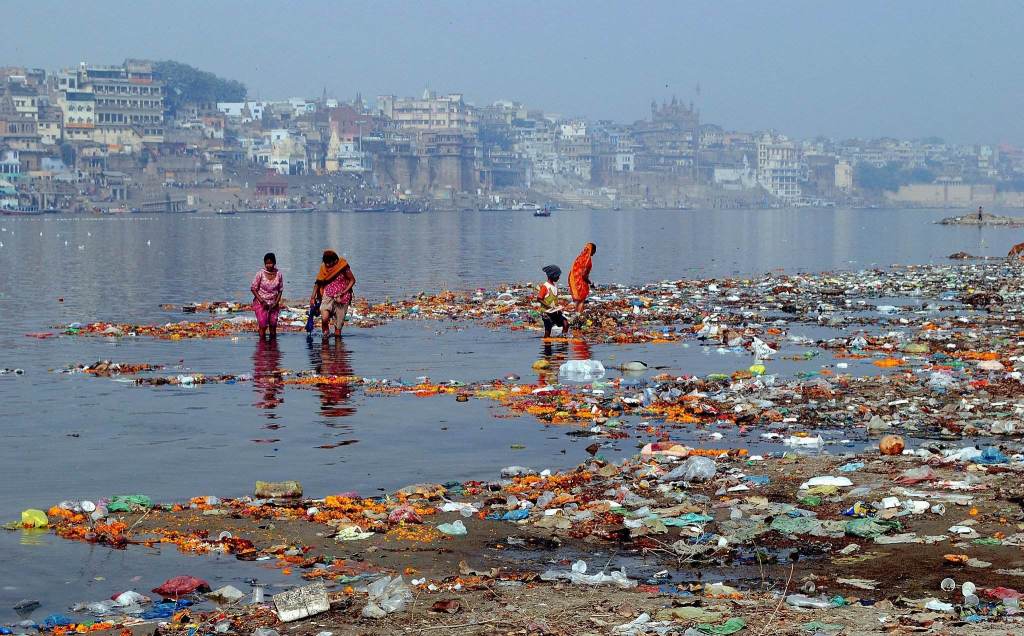
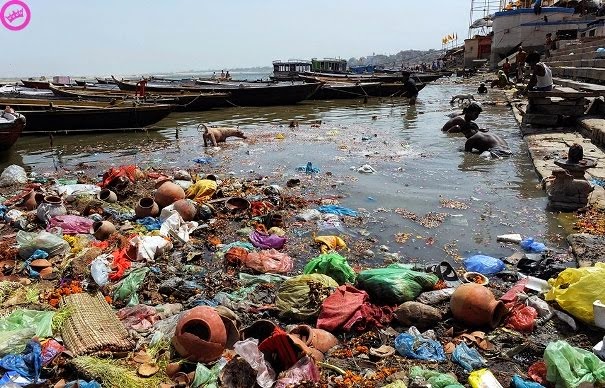
But due to the rapid rise of urbanization, farming, and commercialization in recent decades, the Ganges currently faces serious concerns. The Ganga has now become one of the five highly polluted rivers on the planet. Excessive water drawn-out for cultivation and other purposes, barrages, dams hindrance in the natural movement of the Ganges, and trash from households and industries have irreparably damaged this once pure and mighty, free-flowing river.

River pollution’s key sources

  • Hazardous trash from textile mills, slaughterhouses, abattoirs, hospitals, distilleries, and chemical facilities, being discharged into the river in large quantities.
  • The massive number of fertilizers and pesticides regularly employed in agriculture activities is washed into the Ganga with rainwater, endangering marine life.
  • Dams disrupting the river’s natural movement are also responsible for polluting the Ganga.
  • Open defecation on the river banks, some 70% of those living in rural areas have no access to toilets.
  •  Disposal of lost loved ones’ remains in the river since it is a river worshipped by a larger religious community.

Sewage- the most prominent contaminant

A report published by The Inter-Ministerial Group, established by the Indian government to study the pollution sources in the Ganga River, revealed that sewage and contaminated water dumped in the river are the principal sources of pollution in the Ganga. It also discovered a significant disparity between the quantity of garbage produced along the Ganga and the scale of waste treatment. It identified that plenty of cities along the Ganga’s banks, such as Kanpur, Varanasi, and Allahabad, lack any kind of sewerage systems at all. Approximately 2.9 billion liters of sewage, residential, and industrial wastewater are discharged straight into the Ganga daily. Millions of people who rely on the Ganga for all of their water needs are harmed by pollution. Many of these individuals have little choice but to continue to rely on the Ganga’s contaminated waters for survival, exposing themselves to waterborne diseases like dysentery, cholera, diarrhea, and typhoid.

OVerburdened Sewage Treatment Plants (STPs)

Among wastewater treatment capacity and ‘official estimated’ production, there is an 80% disparity. As per the Central Pollution Control Board, sewage is produced at a rate of 6,087 million liters per day (MLD), with a treatment capacity of 1,208.8 MLD. Since most cities are already established and overpopulated, constructing new conveyance and treatment systems isn’t just a difficult but an enormously expensive undertaking. Many of the already set up STPs are no longer functional or are underused due to a lack of financing from cities and local municipalities.

INDUSTRIAL & COMMERCIAL WASTE

More than 500 million liters of industrial wastewater is thrown straight into the Ganga daily. With toxic chemicals and pollutants flooding its waters at levels far past any form of permissible or safe levels, the Ganga has now become a toxic supplier of drinking and bathing water. 764 of the factories, approximately utilize 1123 MLD of water and dump 500 MLD of contaminated water in the Ganga’s mainstream. Tanneries produce the most hazardous types of toxins, and in a location like Unnao, more than 790 times the permitted level of chromium (about 1,125 tonnes), is dumped into the river. Small-scale companies continue to pollute the Ganga with over a billion gallons of toxic chemicals due to the lack of efficient and economical treatment methods.

FLAWED SOLID WASTE MANAGEMENT 

Many cities along the Ganga and its tributaries lack solid waste management systems, & even if they have, they are never adequate to handle the volume of waste generated each day. This solid trash is carried into the Ganga and its tributaries, either deliberately or because of rains during the monsoon. Vast quantities of biodegradable debris in the water consume a lot of oxygen as it breaks down, inflicting illness or death in aquatic animals like the threatened Gangetic dolphin. There were once tens of thousands of Ganges River dolphins in the river, but there are currently only about 1,200-1,800 left. Non-biodegradable materials float through rivers, obstructing the natural flow of air and gradually releasing their harmful toxins into the river. Aquatic species frequently eat these items obliviously and perish as a consequence. The general public lacks environmental awareness and education, inadvertently throwing their litter into the surroundings, utterly oblivious to the effects.

INAPPROPRIATE AGRICULTURAL PRACTICES

Over 80% of the river’s water is used for irrigation, while numerous hydro-power projects dry out vast swathes of the river, upping levels of pollution drastically. Evaporation and other variables cause around half of the water drawn from the Ganga for irrigation to be wasted before it can nurture a single crop. Out-of-date infrastructures, such as damaged and poorly assembled pipes and unsustainable farming techniques, are to blame for much of this damage. Groundwater depletion as a consequence of over-extraction for irrigation purposes.

The Ganges River nurtures the entire country and is crucial for everyone’s survival. Therefore, it must be rescued from its current plight. The public must be educated and made aware of the problem; efficient drainage systems must be built; and illegal dumping of harmful and hazardous materials by industries and households must be prohibited, promotion of water conservation for irrigation, Enactment of rules to keep dangerous chemical run-off out of the Ganga, Increasing farmer awareness of the practices and benefits of sustainable, organic farming, Solid waste collection and treatment at the source, minimizing and repurposing solid waste need to be done.

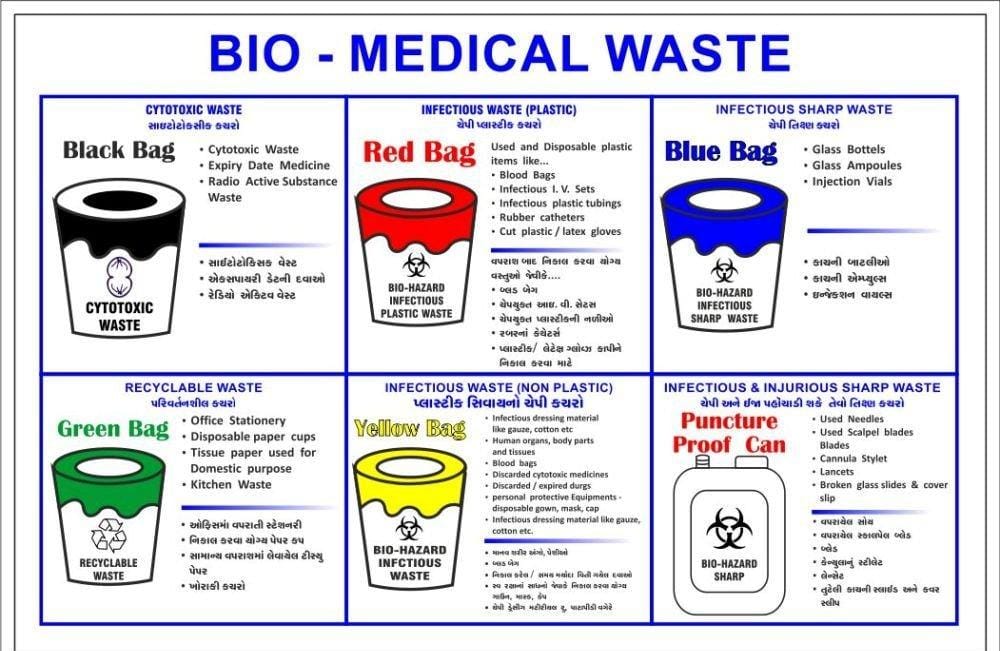
Biomedical Wastes

Our environment is degrading day by day. India with its growing population is also keeping up with the waste generation.

Nowadays pollution is everywhere whether its air pollution, water pollution, land pollution, noise pollution, radioactive pollution and the pollution from E waste what not?

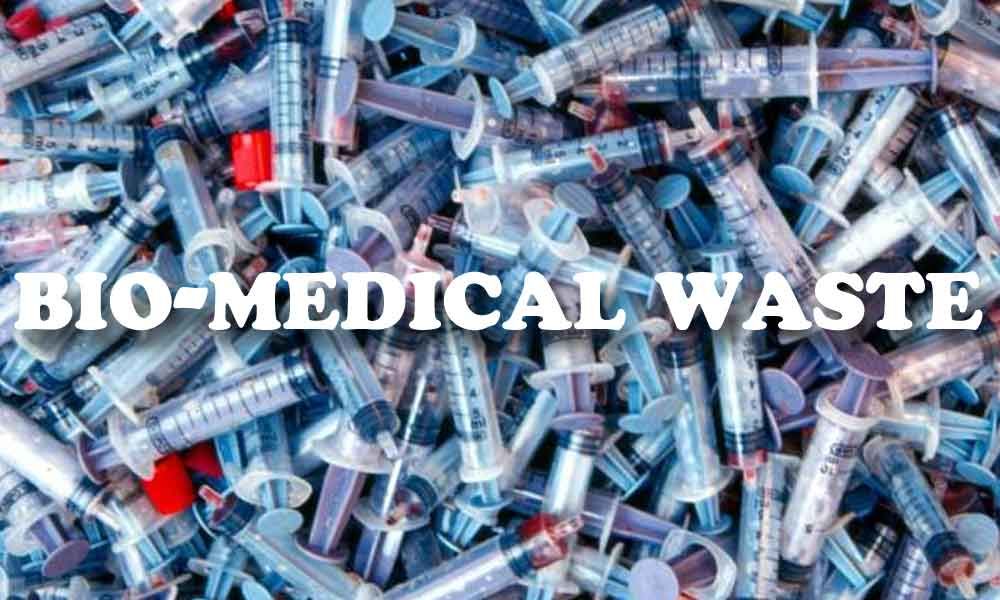
Biomedical Waste( BMW) is any waste produced during the diagnosis treatment or immunization of human or Animal Research activities retaining threat or in the production the testing of biological or in health camps.

Let the waste of the ‘sicks’, not ruin the life of the ‘healthy’

Common generator of Biomedical wastes are :-

  • Hospital
  • Emergency Medical Services
  • Medicinal Research Laboratories
  • offices of physician , dentist, veterinarians
  • home Health Care
  • funeral homes

From WHO stats 2000,the improper treatment of medical waste( primary use of infected needles and syringes) caused 21 million hepatitis B infection and 2, 60, 000 HIV infections worldwide.

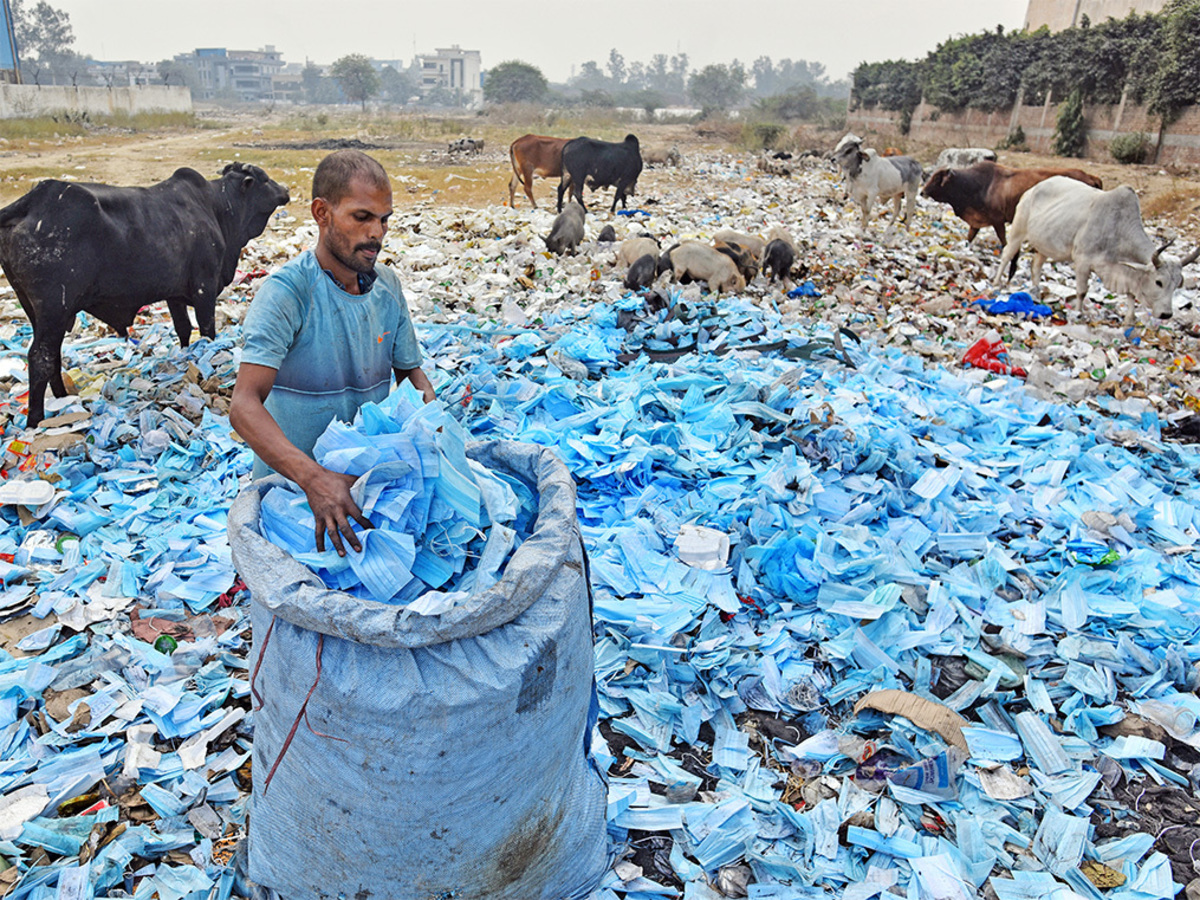
During this pandemic situation, we have witnesses another huge list of Biomedical Waste generation in India. India generated over 18000 tons of covid-19 related biomedical waste in starting 4 months of this pandemic. This includes personal protective equipment (PPE), gloves, face mask, head cover, plastic coverall, hezmet suit and syringes among others.

Types of Biomedical Waste

Infectious waste

  • Suspected of containing pathogen in a sufficiently large quantity or concentration to result in disease in susceptible host.
  • Cultures and stock of infectious Agent from laboratory.
  • Waste from operation and autopsies on patient with infectious disease.
  • Waste having come into contact with infected hemodialysis patient.

Pathological waste

  • Infectious material containing dead tissue may conceal specially dangerous and communicable infectious Agent.
  • Include – blood, body fluid, tissues, organs, body parts, human foetus etc.
  • Subcategory of pathological waste is Anatomical waste.
    • Consist of identifiable human or animal body parts healthy or otherwise.

Radioactive waste

  • Waste generated during the different application of radioisotopes in biological research on medicine.
  • May contain infectious biological components from Anatomical, research or clinical sources.
  • By product of various nuclear Technology process.
  • Include-
    • Nuclear medicine
    • nuclear research
    • Nuclear power
    • Manufacturing
    • construction
    • Caol
    • Rare Earth mining
    • Nuclear weapon reprocessing

Pharmaceutical waste

  • Contaminated or expired drugs and vaccine as well as antibiotics and pills.
  • Result from many activities and location in health care facilities.
  • Small quantities at households can often be thrown away in the municipal waste stream.
  • But large quantities kept at pharmacies distribution Centre, Hospital etc. be managed to minimise the risk of release or to exposure to the public.

Genotoxic waste

  • Waste from drugs that are used in radiotherapy and units.
  • One of the type of hospital waste that are extremely dangerous and may cause cell mutation or cancer.
  • Cytotoxic drugs are main components.
  • Include –
    • Urine
    • Faeces
    • Vomit treated with Chemicals or cytotoxic drug.

Sharps

  • Object that are Sharp enough to cut or puncture the skin.
  • Transmit infections directly into the bloodstream.
  • Generally treated as highly hazardous medical waste regardless of whether they are contaminated or not.
  • Includes –
    • knife
    • Blades
    • Infusion set
    • Needles
    • Broken Glass
    • Nails
    • Scalpel

Chemical waste

  • Contain radioactive element poses particularly difficult problem of disposal.
  • Includes –
    • Heavy metal from Medical appliance
    • Disinfectant
    • Solvent
  • Difficulty in disposal are partly technical and partly political
    • The radioactive constituent that find their way into groundwater and surface water must be kept to exceedingly small amount for very long time.
    • Fear of mysterious effect of radiation, politician reluctant to consider disposal of radioactive waste in the area of their constituent.

AIR POLLUTION IN INDIA

The Air (Prevention and Control of Pollution) Act was passed in the early 1980s, but due to lax regulation, it has failed to make an impact. India ranks third in the world in terms of greenhouse gas emissions, trailing only China and the United States.

India was marked the fifth most polluted country by WHO (2019) based on PM2.5 emission concentrations, with 21 of the top 30 contaminated cities being in India.

According to WHO (2016), air pollution was responsible for one out of every nine deaths in 2012, with roughly 30 lakh deaths entirely attributable to outdoor air pollution.

In India alone, air pollution was estimated to have caused approximately 11 lakh premature deaths in 2017 (HEI 2019), with 56 percent of those deaths linked to exposure to outdoor PM2.5 concentrations and 44 percent to domestic air pollution. Indians are susceptible to an average of 83.2 g/cubic meter of PM2.5 pollutants, opposed to a much lower level of merely 8 g/cubic meter in cleaner countries.

SOURCES OF POLLUTION

Over time, India’s air quality has deteriorated due to large expansions in industries, population density, human activities, and the increased usage of automobiles. Transportation, factories, agriculture, power, waste management, biomass burning, household, construction, and demolition waste are the seven key sectors that contribute to air pollution.

Industry accounts for 50% of the pollution, with cars accounting for 27%, agricultural burning for 17%, and household cooking accounting for 7%. Air pollution-related diseases claim the lives of about 2 million Indians.

 In practically every city, the transportation sector is the primary source of air pollution, although this situation is exacerbated in metropolitan areas.

 In recent decades, the country has undergone considerable industrialization. As a corollary, the air quality in most metropolitan areas has plummeted. Polluting firms were divided into 17 categories by the Central Pollution Control Board (CPCB), all of which were small and medium-sized businesses. Seven among those industries designated as “essential,” namely iron and steel, sugar, paper, cement, fertilizers, copper, and aluminum. SPM, SOX, NOX, and CO2 emissions being the principal pollutants.

The main pollutants emitted by farming activities are ammonia (NH3) and nitrous oxide (N2O). Farming methods such as ‘slash and burn’ are major contributors to photochemical smog.

Power plants constitute a substantial amount of air pollution in India. The biggest source of SO2 and TSP emissions are thermal power plants. Between 1947 and 1997, emissions of SO2, NOX, and PM grew by more than 50 times, according to The Energy and Resources Institute (TERI).

Households are a prime source of pollution in India. Although most metropolitan areas use liquefied petroleum gas (LPG) as a cooking fuel, the bulk of rural Indians rely on cow dung cakes, biomass, charcoal, or wood for cooking and other needs. These emissions have dire impacts on air quality, especially indoor air quality, and may significantly impact health.

People living in polluted cities are prone to a myriad of health concerns, ranging from mild respiratory issues to life-threatening illnesses. PM, O3, SOX, and NOX emissions have the power to damage people’s cardiovascular and pulmonary systems.  

More than 100,000 new-borns died as a result of indoor and outdoor harmful pollutants during their first month of life. The usage of charcoal, wood, and dried dung cakes for cooking and heating homes was associated with a substantial number of these deaths.

According to a study, over 30% of Delhi’s population experienced respiratory illnesses in 2016 as a result of air pollution. Another study indicated that between 1990 and 2010, the fatality rate in Delhi due to air pollution doubled. In 1995, 2800 individuals died prematurely in Mumbai as a result of air pollution; which climbed exponentially to 10,800 in 2010. In 2010, the number of premature deaths in Kolkata was projected to be around 13,500 whereas, Delhi recorded 18,600 annual fatalities.

MEASURES IMPLEMENTED TO CUT EMISSIONS

The Central and State governments have taken several steps to reduce pollution and enhance air quality. The use of compressed natural gas (CNG) as an alternative fuel, the odd-even measures enforced in Delhi, the introduction of Bharat Stage VI vehicle and fuel standards, the Pradhan Mantri Ujjwala Yojana (PMUY), and the National Clean Air Programme (NCAP) are all examples of initiatives in this direction.

Adoption of zig-zag technology for stack emissions from brick kilns, online surveillance of emissions via the Online Continuous Emission Monitoring Systems (OCEMS), and the installation of webcams in environmentally damaging factories are some of the steps taken to combat Air pollution in the industry sector.

Initiation of door-to-door collection of separated waste and various compost pits have been installed in metro areas to mitigate the issue of open burning of garbage and domestic wastes. Furthermore, varied steps have been taken over the years to limit the particulate matter (PM) and dust particle densities, such as green buffer around cities, the maintenance of a 33 % green cover around city environments, and the installation of water fountains throughout cities. On city streets, any car that is more than 15 years old or does not satisfy the BS6 emission regulations will be banned.

But it will take a lot more than this; to control pollution, all citizens of the country must work together.

Pollution

Pollution is a significant threat to our environment and is caused by the reckless attitude of man towards nature. Our Earth provides us with food and shelter, whereas we treat it mercilessly and plunder its resources. Pollution is a direct result of our greed. We dump waste into our water bodies without caring for the organisms living in them. The balance of various gases in the atmosphere has been disrupted because of the large number of vehicles plying on the road. Even factories that release harmful gases into the atmosphere contribute to air pollution. When we do excessive and uncontrolled farming on a piece of land, it loses its natural minerals. So, when we use fertilizers to boost their productivity, it pollutes the soil. Noise pollution is caused by factories, jets, airplanes, etc. It harms our ears and can impair hearing.

Pollution is a term which even kids are aware of these days. It has become so common that almost everyone acknowledges the fact that pollution is rising continuously. The term ‘pollution’ means the manifestation of any unsolicited foreign substance in something. When we talk about pollution on earth, we refer to the contamination that is happening of the natural resources by various pollutants. All this is mainly caused by human activities which harm the environment in ways more than one. Therefore, an urgent need has arisen to tackle this issue straightaway. That is to say, pollution is damaging our earth severely and we need to realize its effects and prevent this damage. In this essay on pollution, we will see what are the effects of pollution and how to reduce it.

Effects of Pollution

Pollution affects the quality of life more than one can imagine. It works in mysterious ways, sometimes which cannot be seen by the naked eye. However, it is very much present in the environment. For instance, you might not be able to see the natural gases present in the air, but they are still there. Similarly, the pollutants which are messing up the air and increasing the levels of carbon dioxide is very dangerous for humans. Increased level of carbon dioxide will lead to global warming.

Further, the water is polluted in the name of industrial development, religious practices and more will cause a shortage of drinking water. Without water, human life is not possible. Moreover, the way waste is dumped on the land eventually ends up in the soil and turns toxic. If land pollution keeps on happening at this rate, we won’t have fertile soil to grow our crops on. Therefore, serious measures must be taken to reduce pollution to the core.

Types of Pollution

How to Reduce Pollution?

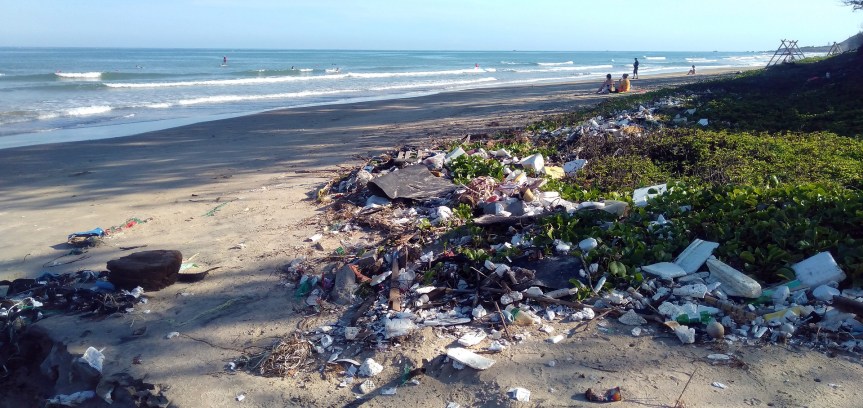
After learning the harmful effects of pollution, one must get on the task of preventing or reducing pollution as soon as possible. To reduce air pollution, people should take public transport or carpool to reduce vehicular smoke. While it may be hard, avoiding firecrackers at festivals and celebrations can also cut down on air and noise pollution. Above all, we must adopt the habit of recycling. All the used plastic ends up in the oceans and land, which pollutes them.

So, remember to not dispose of them off after use, rather reuse them as long as you can. We must also encourage everyone to plant more trees which will absorb the harmful gases and make the air cleaner. When talking on a bigger level, the government must limit the usage of fertilizers to maintain the soil’s fertility. In addition, industries must be banned from dumping their waste into oceans and rivers, causing water pollution.

To sum it up, all types of pollution is hazardous and comes with grave consequences. Everyone must take a step towards change ranging from individuals to the industries. As tackling this problem calls for a joint effort, so we must join hands now. Moreover, the innocent lives of animals are being lost because of such human activities. So, all of us must take a stand and become a voice for the unheard in order to make this earth pollution-free.

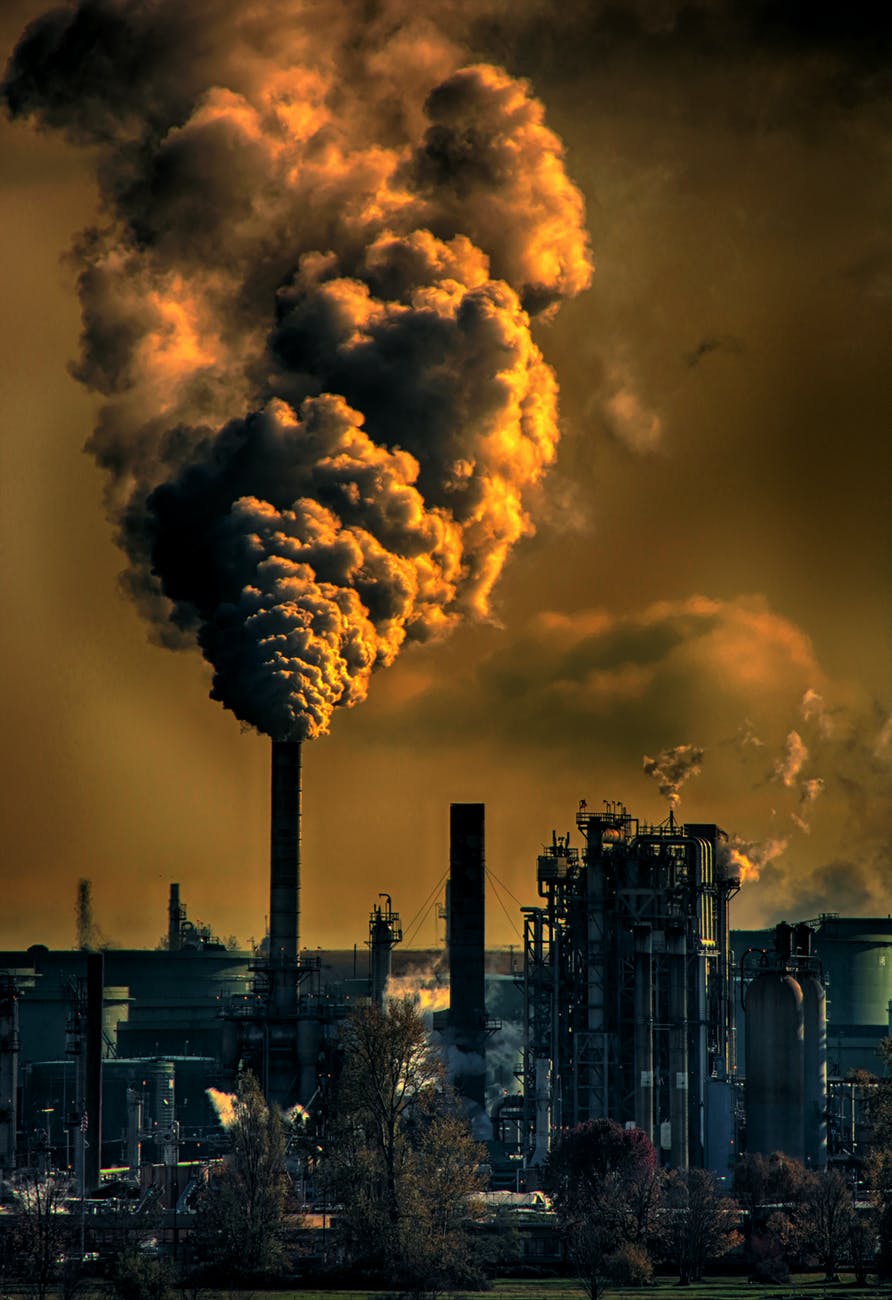
Photo by Chris LeBoutillier on Pexels.com

Air pollution management

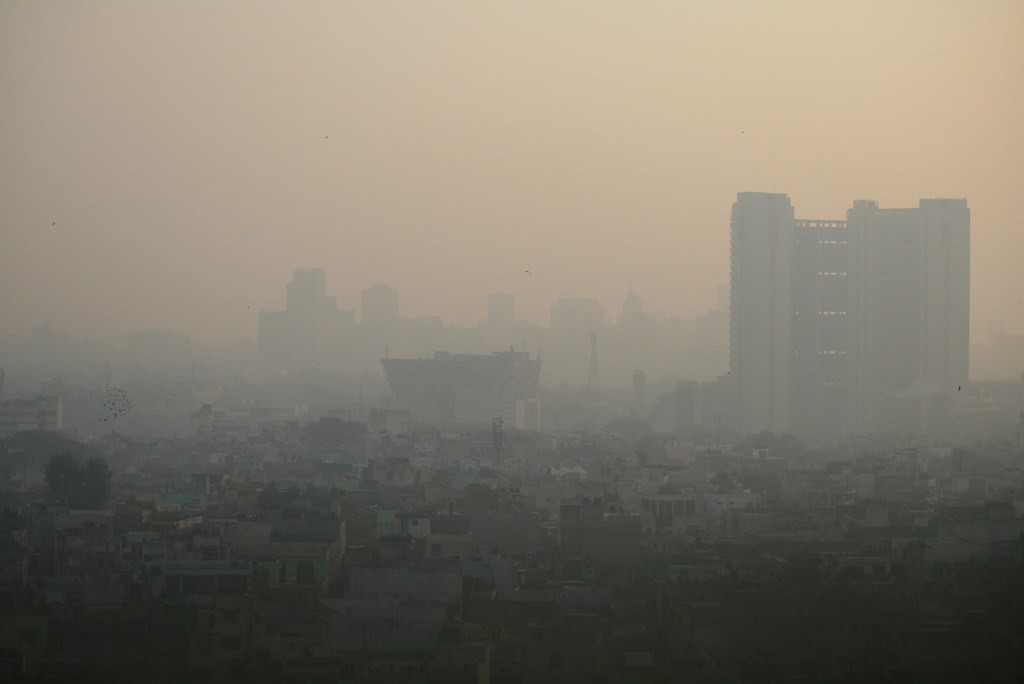
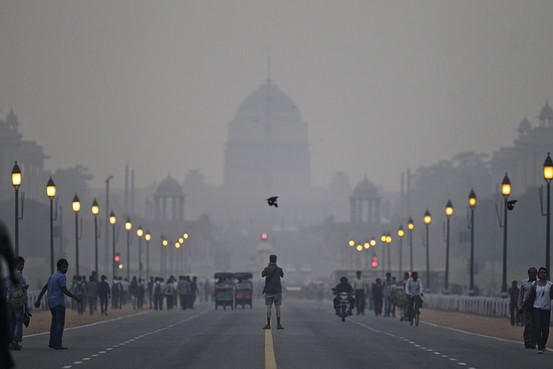
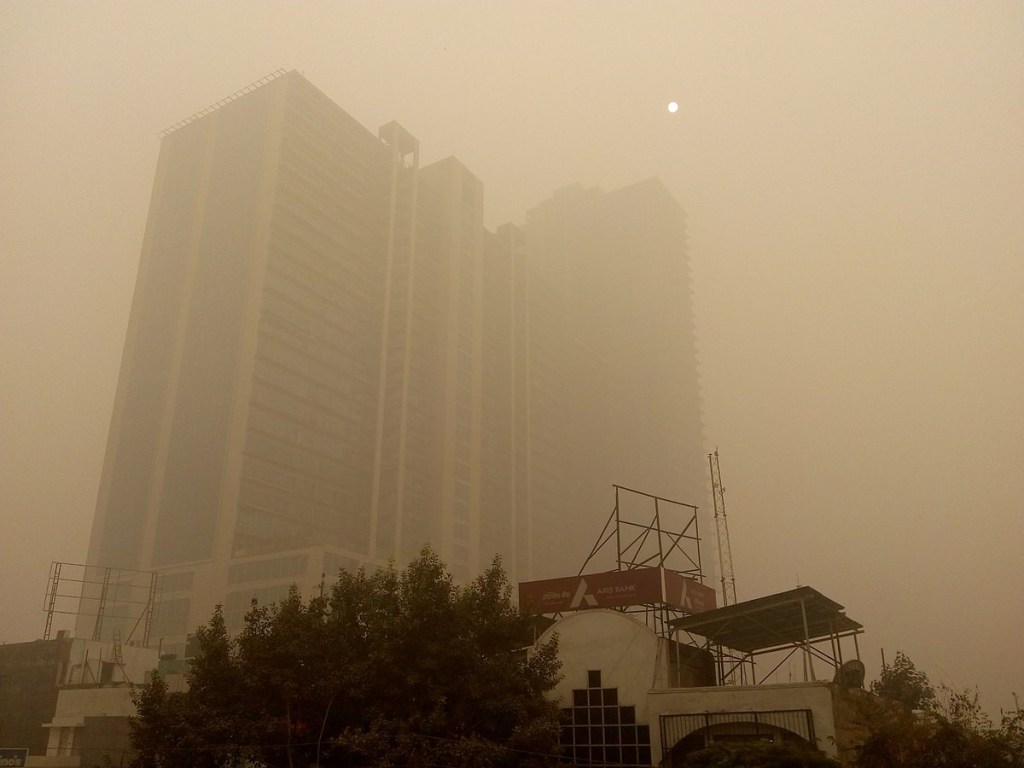
 In the wake of rapid urbanization, alarmingly high levels of air pollution can be seen in the metropolitan cities like Delhi. Air pollution management is the need of the hour in order to protect our environment and restore the natural purity of air. 


Air pollution : A rising concern 

Air pollution is caused due to the presence of undesirable solid or gaseous particles in the air. It is considered to be one of the major threats to environmental health. The origin of air pollution can be traced back to the time when humans had discovered the usage of firewood. But it started increasing drastically in the beginning of the 20th century due to high scale usage of petrol and diesel. 

Concentration of industries and rapid growth in usage of motor vehicles in the densely populated cities led to high density of pollution. This can not only impact the polluted city or nearby regions, but can also affect the global environment. Ozone layer present in the Stratosphere plays a significant role as a shield against the harmful ultraviolet rays. Depletion of ozone layer and acidification of rain are the consequences of rising pollution levels in the air. 

High levels of harmful gases like Carbon Monoxide are released by poorly maintained vehicles, burning of wood, coal,  or other natural gases. Nitrogen Oxide, Sulphur Oxides, and Lead are some other dangerous chemicals causing air pollution. Prolonged exposure to such pollutants can cause lung diseases, asthma, and chronic bronchitis. These pollutants can also affect the plants as pollutants break down the waxy coating on the leaves which disturbs the process of photosynthesis. 

Management of air pollution

Some stringent laws have been imposed to curb the pollution and control emission of toxic gases.  

  • Motor Vehicle Act was introduced in 1988 by the Ministry of Road Transport and Highways. It includes punishment for offences related to air pollution by vehicles. According to the act vehicles emitting gases more than the prescribed limit are punishable. Requirement of a pollution certificate for the vehicle is also mandatory under the act.  
  • Air Pollution Control Act introduced in 1981 aims to limit the emission of particulate matter, Lead, Carbon Monoxide, Sulphur and other such gases. Industries, vehicles, and power plants are punishable if they release more than the prescribed limits of these harmful pollutants. A penalty fine or imprisonment can be given for violation of the rules. The act is implemented and ensured by the Pollution Control Board to improve the air quality.

Role of individuals to curb air pollution

  • First and foremost duty of an individual is to minimise the usage of vehicles emitting pollution as far as possible. This can be achieved by using public transport, cycling or walking for short distances, and car-pooling. 
  • Avoid smoking, especially in public places as it harms the health of the individual and pollutes the air inhaled by people in the vicinity
  • Inform the Pollution Control Board in writing about any industry exceeding the pollution limit and report to the local authorities about cutting down of trees without permission in the locality. 

Air pollution can be managed with the help of collective efforts by the people. It is our duty to act responsibly and incorporate eco-friendly methods in our daily lifestyle as much as possible. 

Control of Air pollution

National air quality monitoring programme

  • Central pollution control board is executing a nationwide program of ambient air quality monitoring known as National air quality monitoring programme.
  • National Ambient Air Quality standards prescribed specific standards for residential, ruler, Industrialand other sensitive areas.
  • N. A. M. P, four air pollutants – Sulphur Dioxide, oxides of Nitrogen, suspended particulate matter and respirable suspended particulate matter (pm10) have been identified for regular monitoring at all the locations.
  • Network consists of 683 operating stations covering 300 cities and town in 28 states and 9 union territories of country.
  • Annual average- Annual arithmetic mean of minimum 104 measurements in a year taken twice a week 24 hour at uniform interval.
  • The level of air quality necessary with an adequate margin of safety to protect the public health vegetation and its property.

Air quality index

  • Air quality index is tool for effective dissemination of air quality information to people.
  • There are six categories namely – good, satisfactory, moderately, polluted, poor, very poor and severe.
  • The propose 82 I will consider 8 pollutants PM 10, PM 2.5 NO2, SO2 Co, O3, NH3 and Pb.

Control of air pollution

  • Control measures
    1. Technological
    2. Legal
    3. Economic

Technological approach

  • Adapting Lifestyle that uses less energy and pollutes less or using energy sources that produce less amount of pollutant as by-product.
  • Remove pollutant generating stuff from energy sources
    • example- Remove sulphur from coal before burning it.
  • Reduce the energy used without changing the way of life
    • Use more energy efficient car and replace existing bulb with CFL bulb and LED bulb.
  • Check the generation of pollutant their burned
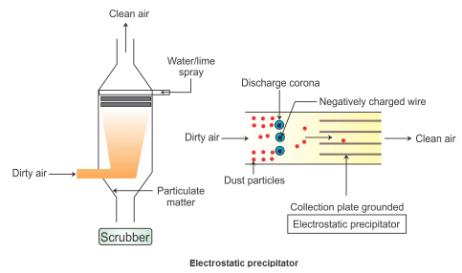
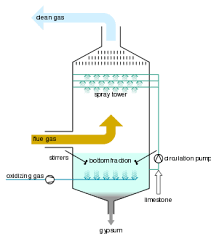
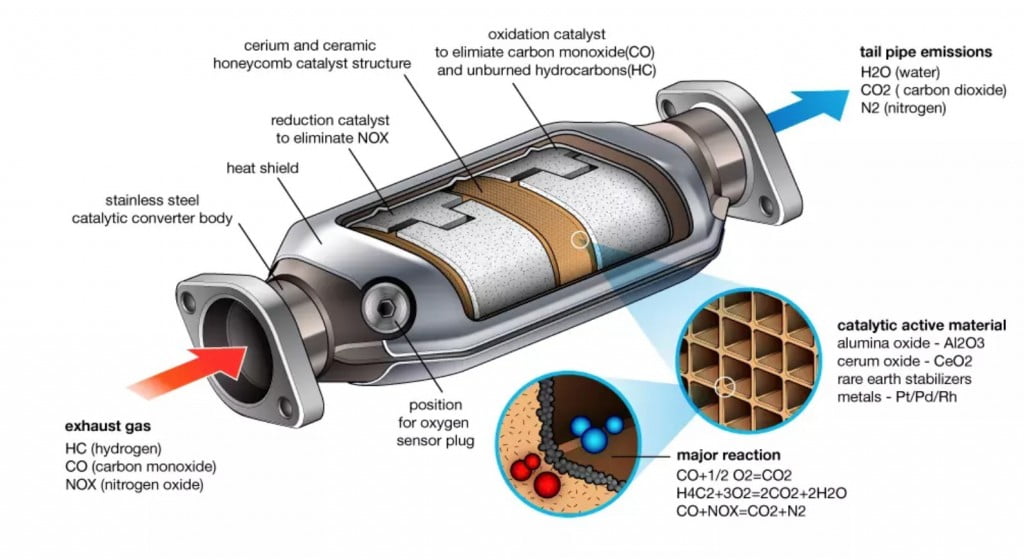
    • Catalytic converter, electrostatic precipitator, scrubber, Bag house collection of particulate emission, cyclone separator etc.
    • Encouraging mass transportation.

Legal approach

  • After Stockholm conference, 1972 the Government of India under article 253 of the Constitution of India in enacted the Air Act, 1981 for the prevention control and abatement of air pollution.
  • To empower the central and state pollution control board. Air Amendment Act, 1987( for prevention and control of pollution) was enacted but this was not strong enough to play precautionary role.
  • After Bhopal disaster of Environment protection Act was passed in 1986 this act has punitive power to restrict any activity that would harm the environment.
  • To regulate vehicles pollution, the central motor vehicle act of 1939 was amended in 1989.
  • As per the current requirement all the transport vehicles must carry a fitness certificate which is to be renewed each year after the first two year of new vehicle registration.
  • National fuel policy announced on October 6, 2003 , a phased program for implementing the emission standards in India by 2010.

Economic approach

  • Cost consideration of air pollution involves 2 factor:-
    1. Cost of controlling the air pollution
    2. Cost of not controlling the air pollution
  • Determination of cost of first in straight forward but that of second is difficult and can be subjective to some extent.
  • Direct air pollution control in India
    • Fuel wood and Biomass burning
    • Transport

Control

  • Using low sulphur coal.
  • Use Proper air pollution control devices in industry
  • Individual efforts to control air pollution
    • Inform to Road Transport office and PCB about the vehicle polluting the environment
    • Regular engine tune up replacement of old more polluting vehicles
    • Shifting to less polluting fuels
    • Using mass transportation
    • Do not use CFC containing sprays for freshners that deplete the ozone layer.
    • Planting more trees
    • Say no to fire crackers in Diwali and other occasions.

EPI INDEX


The Environment Performance Index (EPI) is a summary of the sustainable development status of 180 countries around the world. The index uses 32 performance measures for the following 11 issue categories:


  1. Air quality
  2. Sanitation and drinking water
  3. Heavy metals
  4. Waste management
  5. Biodiversity and habitat
  6. Ecosystem services 
  7. Fisheries
  8. Climate change
  9. Pollution emissions
  10. Agriculture 
  11. Water resources


These categories track the performance and progress towards the two main policies, environmental health and ecosystem vitality. EPI provides a scorecard after analyzing the environmental performance of the country. The EPI highlights toppers and laggards in the environmental performance, and provides viable guidance for the countries seeking a sustainable future.


EVALUATION


As a composite index, the Environmental Performance Index aggregates the data of many sustainability indicators into one particular number. The data for EPI comes from trusted third-party sources, such as international government agencies, NGOs, and academic research centers. From the data provided EPI draws an indicator scale of 0-100 (from worst to best performance). At the end, the scores of each country are weighed and aggregated into issue categories and then into EPI score. The EPI index shows which countries can best solve the environmental challenges. For the first time, the 2020 EPI rankings included waste management metric and an indicator on CO2 emissions. 


Land Pollution: Causes, Effects, and Prevention

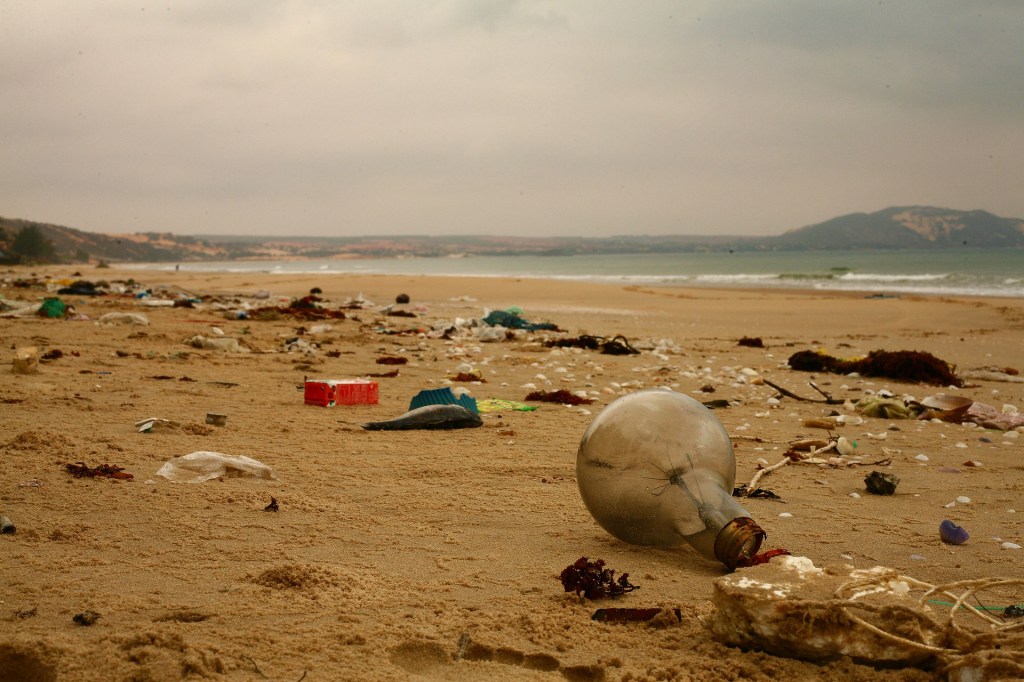
Many of us associate pollution with smoggy cities and litter-infested seas. There isn’t a single surface or place on Earth that hasn’t been touched by it in some manner in the twenty-first century. While trash and gasoline-powered automobiles are major sources of pollution, there are many additional factors to consider. To begin, it is beneficial to grasp the fundamentals of pollution. Pollution happens when hazardous compounds are introduced into the ecosystem, causing harm to the quality of land, water, and air. This essay will mostly address land contamination.

What is Land Pollution?

Land pollution is the degradation of the earth’s land surfaces, both above and below ground level. The buildup of solid and liquid waste items that pollute groundwater and soil is the reason. These waste products are commonly known as municipal solid waste (MSW), which comprises both hazardous and non-hazardous trash.

When trash is dumped on land, the permeability of the soil formations beneath the waste can either raise or decrease the danger of land contamination. The greater the permeability of the soil, the greater the likelihood of land contamination. That is why the Texas Disposal Systems Landfill, located just outside of Austin, Texas, was constructed in an optimal location. The danger of soil contamination has been considerably reduced by using the natural shale and clay in the ground.

Solid garbage was not collected with the environment in mind until the mid-twentieth century. Previously, garbage was generally dumped on the ground in “open dumps,” which led in rodents, mosquitoes, and other disease infestations, as well as terrible odours and windblown debris. Nonetheless, while there are now much better garbage disposal techniques, there are numerous additional variables contributing to and exacerbating the problem.

The Main Causes of Land Pollution

Litter:-

Littering, or inappropriate trash disposal, is sadly all too frequent. Every cigarette butt thrown on the ground or food wrapper thrown out a car window is a little contribution to a massive problem. 76 percent of litter discovered on highways comes from pedestrians and automobiles, according to Keep America Beautiful. However, not all litter is deliberate. Unsecured objects that fall off the back of cars or out of garbage containers also contribute significantly to the volume of litter. Litter, whether deliberate or unintentional, pollutes the environment by releasing chemicals and microparticles as it degrades.

Urbanization and Construction:-

While urbanisation does not in and of itself cause littering, the presence of a high number of people living, generating garbage, and littering in a densely populated region ultimately leads to land contamination. Construction operations are being carried out to accommodate this growing population, resulting in enormous amounts of waste materials such as metal, plastic, wood, and bricks. When these items are not disposed of correctly, they contribute to land contamination in that region.

It is critical to collaborate with partners who provide complete builder solutions to develop cost-effective construction recycling and trash disposal strategies in order to assist decrease the environmental impact of building sites.

Mining:-

Mining is the extraction of minerals and other geological elements from the earth for a variety of reasons, including but not limited to the production of fuel for vehicles, the generation of electricity, and the sale of commodities such as gold and silver. However, this extraction and the methods utilized deplete the earth’s natural resources while also causing harm and pollution. That is why discovering energy options (such as solar and wind power) that are not mined from the earth’s surface is critical in helping to decrease land pollution in the future.

Agriculture:-

Agriculture is essential to both daily living and the economy as a whole. It can, however, have far-reaching consequences for the environment. Agricultural pollution occurs when contaminants releases into the environment as a byproduct of raising animals and cultivating food crops, and the contamination is extensive.

Effects of Land Pollution

  1. Water that should not be consumed.
  2. Polluted soil, resulting in a loss of agriculturally productive land.
  3. Climate change is causing a slew of severe consequences, such as flash floods and erratic rains.
  4. Wildlife species peril and extinction.
  5. Habitat shifting, in which certain species are compelled to depart their natural habitats in order to survive.
  6. An rise in wildfires as a result of polluted regions being extremely dry.
  7. Increased air pollution as a result of trash burning.

How to Prevent Land Pollution

  1. Using Fewer Pesticides and Chemicals in Agriculture:-

Given that pesticides and chemicals used in farming and agriculture contribute significantly to land pollution, identifying alternatives will aid in reducing the environmental effect. Farmers, for example, might employ natural components by shifting away from bio-fertilizers and toward manure.

Individually, supporting environmentally aware, local farmers at your local farmer’s market or grocery shop can assist farmers with more sustainable agricultural techniques grow their businesses. Another alternative is to contribute to or volunteer in your neighborhood’s urban garden.

2. Reforestation:-

Reforestation is the process of replacing trees in an area. This may be required in places where there have been wildfires, or where trees have been cut down and milled. This procedure serves to bond the soil, which protects it from land contamination and helps to avoid soil erosion and floods.

3. Reduce, Reuse and Recycle:-

There are several things we can do as individuals to decrease our contribution to land contamination. One of the simplest ways to accomplish this is to reuse or recycle goods so that you are not producing trash from a substance or item that still has a purpose. Recycling has never been easier, thanks to more recycling containers in many places and greater knowledge about what may be recycled.

If you want to make a difference in your town, check out our blog post on how to be an environmental steward in your community.

Food Pollution.

We, human beings are vulnerable to various types of pollution. And Food is one of the most significant things we need to survive in this world. So, if the food we consume becomes polluted then what are the chances for us to stay healthy? Food Pollution over time has become a topic of concern, so let’s have look at it. 

What is Food Pollution?

Food Pollution is defined as the presence of toxic chemicals (elements or compounds) or biological contaminants which are not naturally present in food or are above their natural background level (for those chemicals which are naturally found in some foods).

What are the effects of Food Pollution?

Food Pollution can affect us by causing mild to moderate to severe food illness and it can also cause various health issues like hormonal and metabolic imbalance, and even various types of cancer. Certain pesticides present in the food can also cause Nervous System problems. Further, in few cases, highly polluted food can cause immediate food poisoning or even death. Approximately, more than 70 million cases of food-borne diseases occur alone in the U.S. every year, resulting in 5,000 deaths per year. 

What are the causes of Food Pollution? 

There are several causes of Food Pollution. Practically, any pollutant has the potential to pollute food just by coming in contact with it.  And vegetables can get polluted by bacterial problems which can only be destroyed by processing the contaminated food at high temperatures. Let’s have a look at situations where toxic chemicals can get into the food:-

★ consumption of polluted water and/or food by fish or other animals;

★ food processing, packaging, and handling;

★ propagation and concentration of pollutants through the food chain;

★ growing of food (e.g. crops, fruits, vegetables) in polluted soils, solid wastes (e.g. mine tailings), or areas with polluted groundwater;

★ irrigation of grown food (e.g. vegetables, fruits, crops) with polluted water;

★ growing of food (e.g. crops, fruits, vegetables) in areas with polluted air;

★ agricultural treatments with pesticides, insecticides, and/or herbicides;

★ agricultural application of sewage sludge and/or polluted fertilizers (which contain ash from power plants). 

Safe Food Alternative

Japan has come up with an alternative for producing safe food, according to which vegetables should be grown in factories that terminate the unpredictable effect of environmental pollution, unpredictable weather, or pests. Also, the process would be all computerized that would control various factors affecting growth. This idea of a safe food alternative was given by OZU cooperation in Tokyo. Can this be the way of future agriculture? Well, this we’ll see. 

Hazards of Food Pollution are everywhere and all can be done on an individual level is; by informing ourselves and taking action. 

GLOBAL WARMING

GLOBAL WARMING

  Global warming as we know is an increase in the temperature of Earth atmosphere.a gradual increase in the overall temperature of the earth’s atmosphere 
HOW BAD IS GLOBAL WARMING ?
   Global warming is causing the earth average surface temperature to increase causing changes to our natural climate system.The changes are making extreme weather events more likely and more server
GLOBAL WARMING CAUSES
Most of the causes of global warming to human activities
  –Pollution
  –Deforestration
  –Urbanization
Greenhouse gases play and enormous role in a global warming as they absorb the heat and causes the Earth’s temperature rise.
PREVENTION FOR GLOBAL WARMING
Stop deforestation.
• Reduce pollution.
Reduce energy use.
Keep lights off when you are not in room.
• Wash clothes in cold or worm not hurt Water.

AIR POLLUTION

Pollution

Any undesirable changes in the physical, chemical or biological characteristics of any component of environment i.e. air, water and soil – which can cause harmful effects on various form of life or property are called environmental pollution.

Any favorable unpolluted environment has pertains a specific composition in their component i.e. air, water and soil.

The problem like pollution come into existence due to short-term economic gain over long-term ecological benefits for humanity.

During last few decades we have contaminated badly on air, water and land on which life itself depends with a variety of waste products.

Be the part of Solution , not the part of Pollution…

We can survive without food for a few days, without water for few hours but without air it is impossible to survive for few min.

An average human require about 12 Kg of their each day which is nearly 12 – 15 times greater than the amount of food we eat.

Types

  1. Air pollution
  2. Water pollution
  3. Soil pollution
  4. Marine pollution
  5. Noise pollution
  6. Thermal pollution
  7. Nuclear hazard

Air pollution

Air pollution started from very beginning of human evolution. Hippocrates had mentioned air pollution in 400 BC.

  • Any undesirable changes in physical, chemical or biological characteristics of any component of the in air which can cause harmful effect on living things is called Air pollution.
  • Earlier the air pollution is caused only by burning of fire word as a means of cooking and heating.
  • With the industrial revolution the problem become more serious due to cold burning in the industries and development of Transportation system leads to large amount of petrol and diesel was started utilising in the beginning of 20th century.
  • Severe air quality problem due to diesel and petrol engines were felt for the first time in Los Angeles in1943.
  • The gaseous pollutants include oxides of sulphur, oxides of Nitrogen, carbon monoxide, volatile organic compound, Ozone etc.
  • Particulate pollutants includes smoke, soot, fumes, aerosoles, liquid droplets, Pollen Grain etc.
  • Radioactive pollutants include Radon222 , Iodine 131, Strontium 19 plutonium 239 etc.

Greatest industrial disaster leading to serious air pollution took place in Bhopal were extremely poisonous methyl isocyanide gas was accidentally released from union carbide pesticides manufacturing plant on the night of 3rd December 1984, the effect of this disaster on human health and the soil are felt even today.

Now we know this tragedy as Bhopal gas tragedy.

The London smog was the major disasters were recorded in 1952 which cause more than 8000 deaths due to accumulation of air pollutants over the city for 5 days.

Primary pollutants – primary pollutants are emitted directly from the point source (natural or human activities).

  • Five primary pollutants together constitute 90% of the Global air pollution
    • Carbon dioxide
    • Carbon monoxide
    • Sulphur oxide
    • volatile organic compound mostly hydrocarbon
    • suspended particulate matter

Secondary pollutants – secondary pollutants formed by the interaction of primary pollutants. example – peroxyacetyl nitrate, smog, Ozone, sulfuric acid, nitric acid, carbonic acid etc.

Indoor air pollution

Many people spend large portion of their time in inside the homes as much as 80% of their life.

We work study, eat, drink, sleep in enclosed environment whereas circulation may be restricted.

  • Children and Womens are more exposed to rest in indoor air pollution
  • Burning of dung cake , wood, kerosene for fuel.
  • Cigarette smoke
  • Incomplete combustion produce carbon monoxide that are injurious to health.
  • Chemical fumes from paint and solvents
  • Chemicals released from Modern building and Furnishing material

Effects of air pollution

  • Human health
  • Animals
  • plants
  • material
  • stratosphere
  • environment

Control of air pollution

  • Reduce energy uses
  • Remove pollutant generating stuff
  • Check the generation of pollutant where burned
    • Putting catalytic converter in automobiles.
  • Protect the object from pollutants
    • Coat statues with protective material.
  • Constructing walking and bicycle lanes
  • Encourage mass transportation

POLLUTION

Pollution is the process in which undesirable toxic contaminants contaminate our environment like air, water, soil, etc. It is creating sudden changes in the ecosystem, which is directly on indirectly leaving adverse effects on the lives of human beings, animals, and plants. It creates an imbalance in the natural system. Many things which are making our lives easy are harmful to the environment. For example, vehicles leave gases that pollute the air. Industries and household garbage pollute both water and air.

Every living being on Earth depends on air and water. When these two things get polluted, all the lives on Earth come at a risk. It is seen that urban areas get more polluted than in rural areas. Though rural areas also get polluted by harmful pesticides used in farming lands. Because of pollution, many new diseases appear daily, which are extremely dangerous for the health of living beings. It has now become a serious problem globally. Global Warming is now the cause of headaches for all human beings worldwide. It is the pollution that is indirectly affecting the change in the weather. This global issue needs immediate action. Otherwise, it will be challenging to lead a healthy lifestyle.

Types of Pollution

There are various kinds of pollution around us. Here, we will discuss more on the types of pollution.

Air Pollution: It is sometimes visible like we can see polluted air left by the vehicles on the road because of its different colour. In most cases, it is not visible. Polluted air mainly affects the eyes and lungs of human beings as well as animals. It can even kill a living creature within a few minutes. We know about many incidents where harmful gas leakage has killed people. Even natural disasters can make the air toxic. Like volcanic eruptions produce harmful gases that affect human health and other natural resources as well. Vehicles and factories produce harmful gases that, in reaction to sunlight, creates thick fog. Air pollution also contributes to Acid Rain. It can destroy water life, forests, etc.

Water Pollution: Same like water, one kind of water pollution is visible like muddy water, water with garbage, etc. At the same time, some visibly clean water can contain chemicals that are dangerous to our health. Drinking polluted water can cause serious health issues. A lot of people die worldwide by consuming contaminated water. It can also indirectly affect humans and animals. Like if we eat a fish from a polluted river or sea, we also absorb the potential pollutants. Natural gas and oil can also contribute to the pollution of water. Liquid wastes from factories also pollute the water. Solid wastes disturb the drainage system. Sewages, agricultural waste, acid rain are essential causes of water pollution.

– Soil Pollution: Solid wastes from factories and households pollute the land. Harmful chemicals mix in the soil through the pesticides used in agriculture. Pollutants from landfills mix in the ground and pollute it. When we eat plants that have grown in the polluted land, we indirectly consume contaminants harmful to our health.

Microplastic-A new global concern

Pollution from plastics have always ranked in the top for being a global problem. Now microplastic pollution is joining the club. Microplastics, as the name suggests are the minute particles of plastic. The size of a particle is less than 5mm. They occur from the larger plastics which degrades into small pieces as expected, they are also added as exfoliants to beauty and health products. Microbeads which are intentionally designed to be small can be added to this list of sources. Microplastic fragments are also found in single use plastic bottles and everyday usage plastic products like containers also one of the sources. As the macroplastic waste is omnipresent but prominent in marine bodies, microplastic also is a major pollutant of the oceans and large lakes. They get accumulated in soil as well.

Microplastics is a quite new to the pollutants list. But they are a serious threat as they can not be removed by water filtration systems. Aquatic life and birds will feed this microplastics mistaking them as food. There is no complete information available about the pollution because of less research in the area. But slowly the research is increasing in the field.

hazards of microplastics

Microplastics are made of polypropylene, polystyrene and polyethylene. UV light fragments large plastic litter into micro and nanoparticles of plastic. As mentioned above, the capacity of the to microplastics escape the filtration process poses a serious threat. We all know plastic can not be digested. If these microparticles enter the body they may get accumulated. Because of their small size they might posses the capacity to pass through cells and tissues. Their segregation in aquatic animals will be a threat indirectly to humans because we feed on them. It is estimated that humans consume 11,000 microplastic particles per annum.

If these microplastics enter cells, they may cause irritation as they are foreign bodies. They are chemically toxic to the body as well. But it is the biggest threat to marine animals. They affect the reproducing capacity of the marine animals. The number of larvae were less and size of the offspring was small. They got physical inabilities, problems in swimming. They block gastrointestinal tracts of the animals.

some solutions to reduce microplastic pollution

The main solution is the 3R, reuse reduce and recycle. Any pollution related to plastic can be reduced if we reduce the usage of the plastic. Mainly the single usage plastics should be reduced. Products containing microbeads should be avoided. people should be aware about the problems and should support bans on plastic. Conducting beach cleanups will reduce the amount of plastic that reaches the ocean. Ocean cleanup projects will also do maximum help. Finding the major sources of the problem and starting to solve the problem at its origin. People should try to have zero waste life, at least mini waste life so that there will be less contributions towards pollution. Taking the help of technologies to check the pollution and developing perfect filter systems which will filter off 100% microplastics.

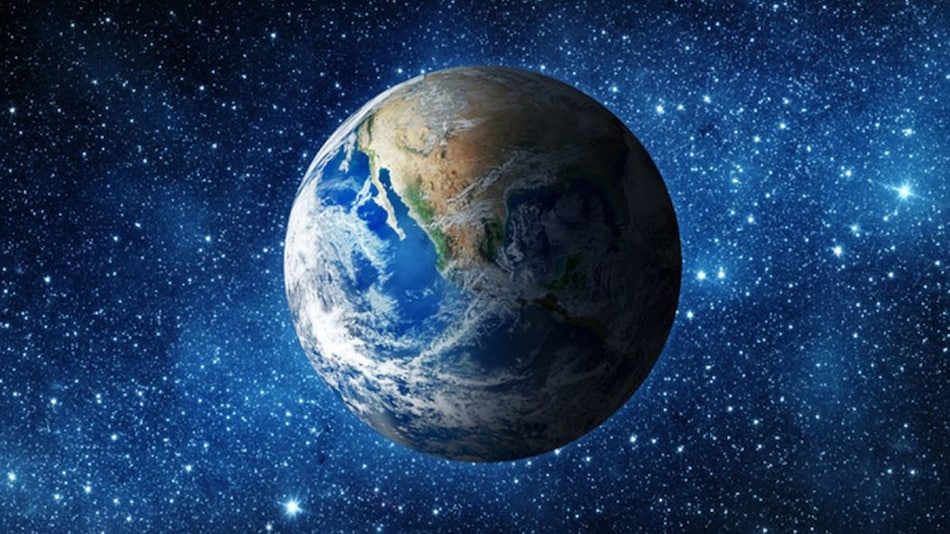
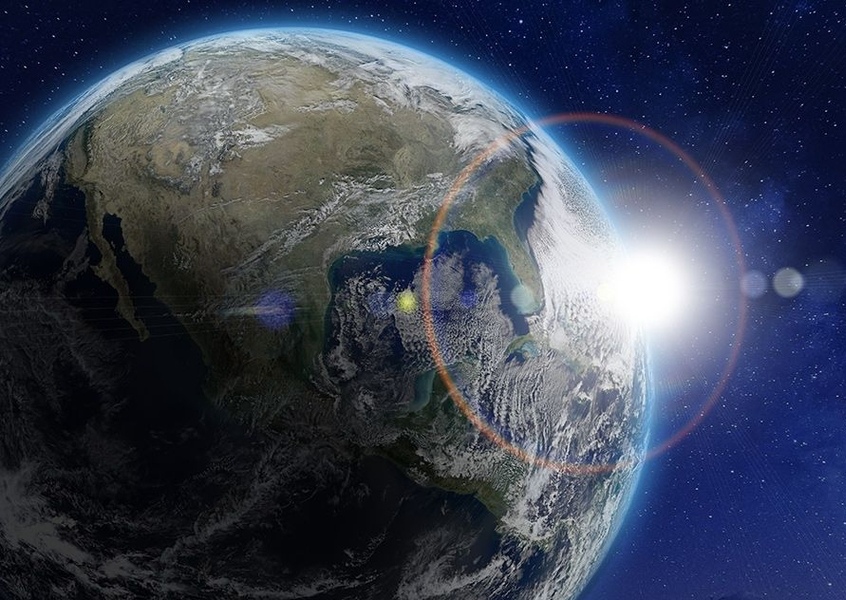
Mother Earth – Our home planet

Earth is the only planet where life can exist.

Earth is also called Blue planet.

If we destroy the earth, we destroy the chance of life.

Earth is our mother as we born here,we grow here,we eat ,play and our whole life cycle take place on earth.
Earth  provide everything that we use today whether it is directly or indirectly.

Life existed on earth is as it is suitable for having an atmosphere, suitable temperature and water is present in its liquid form on Earth due to the position of Earth on solar system.

Earth is the third planet from the Sun at a distance of about 93 million miles (150 million km).

We called Mother earth because Earth provide everything to us like a mother. Our existence become possible only due to earth.
Everything that we needed to survive and thrive is only due to our mother earth it provide us  food, shelter, home , water, air, medicine , suitable temperature and everything that we need for our existence.
But we affect our mother Earth in various ways only for the sake of our greed.

Due to our greedy behaviour natural environment of Earth get changes.

Earth provides enough to satisfy Every man’s needs but not Every man’s greed

Mahatma Gandhi

Earth day is celebrated on 22 April.

Thus ,there is a need to  save our mother Earth.

The optimal temperature of earth rises ,the glaciers are melting  and every type of pollution like air pollution water pollution ,soil pollution ,noise pollution every thing are going on its peak and that’s why why every living organism get affected by this.


Due to this anthropogenic action every single living organism get affected even when they don’t take part in this  destructive action.

Anthropogenic action is referred to as the action which is done by humans.

Impact of anthropogenic activities on  earth
First of all the major impact is  due to overpopulation –
● Due to overpopulation the overconsumption of resources are at its peak .
Even after the implementation of various sustainable act but it doesn’t make any major changes on environment.
● To fulfill the requirements of population we need more food supplies that’s why there is increase in uses of fertilizers and various chemicals to increase the food production.
■ And it will leads to lack of nutrients in grains ,soil infertility or or it may leads to desertification.
● To fulfill the requirements of people there is need to increase the land area so it has been observed that it leads to deforestation.
● Anthropogenic activities are responsible for an intensive emission of greenhouse gases to the atmosphere, leads to an increase of 35% of carbon dioxide (CO2, greenhouse gases) emissions between 1990 and 2010.
● Emission of large amount of carbon dioxide and other greenhouse gases leads to rise in temperature of Earth, increase pollution and it causes various type of disease also.
● For affordable price and easy to use the production of plastic also increases.


These all are the the main factors that affect the ecosystems too.

Measures taken to save mother earth:-

  • Reduce, reuse and recycle
  • Choose sustainable development
  • Volunteer for clean up our environment
  • Choose long lasting light bulbs
  • Try to use renewable resource more than non-renewable resources
  • Save water
  • Plant more trees
  • Use public transport system
  • Try to avoid plastic use
  • Try to minimise pollution at individual level
  • Use reusable shopping bags
  • Educate others about anthropogenic activities or the impact of anthropogenic actions on our environment and what can we do to prevent its bad effects

Save earth, save home