World poverty


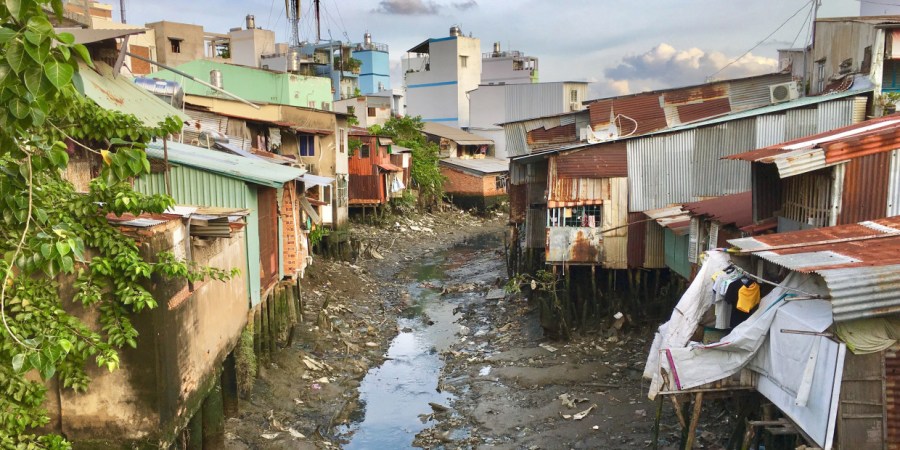
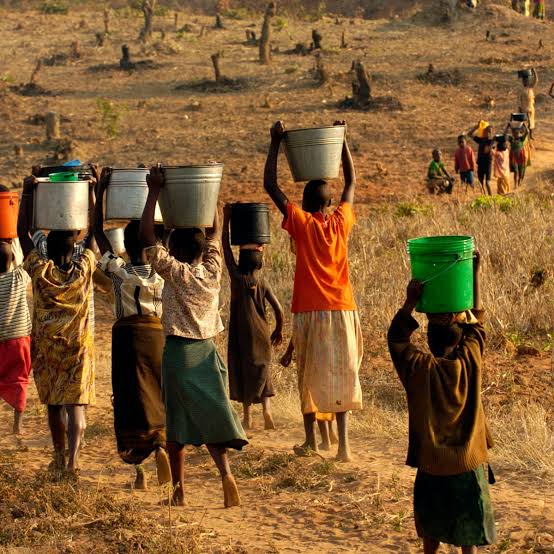
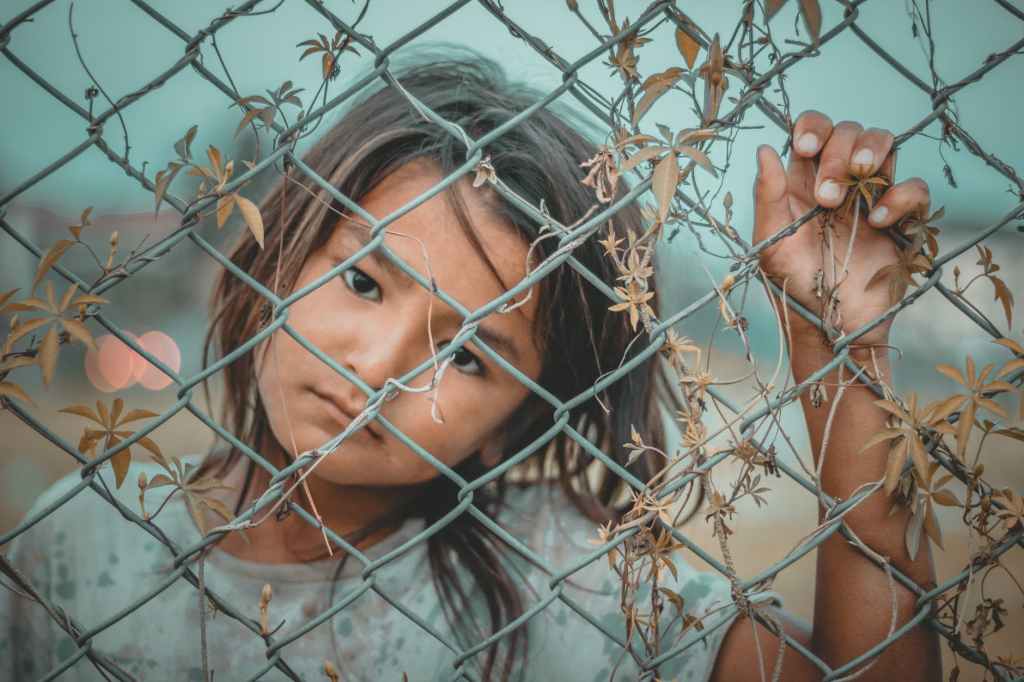
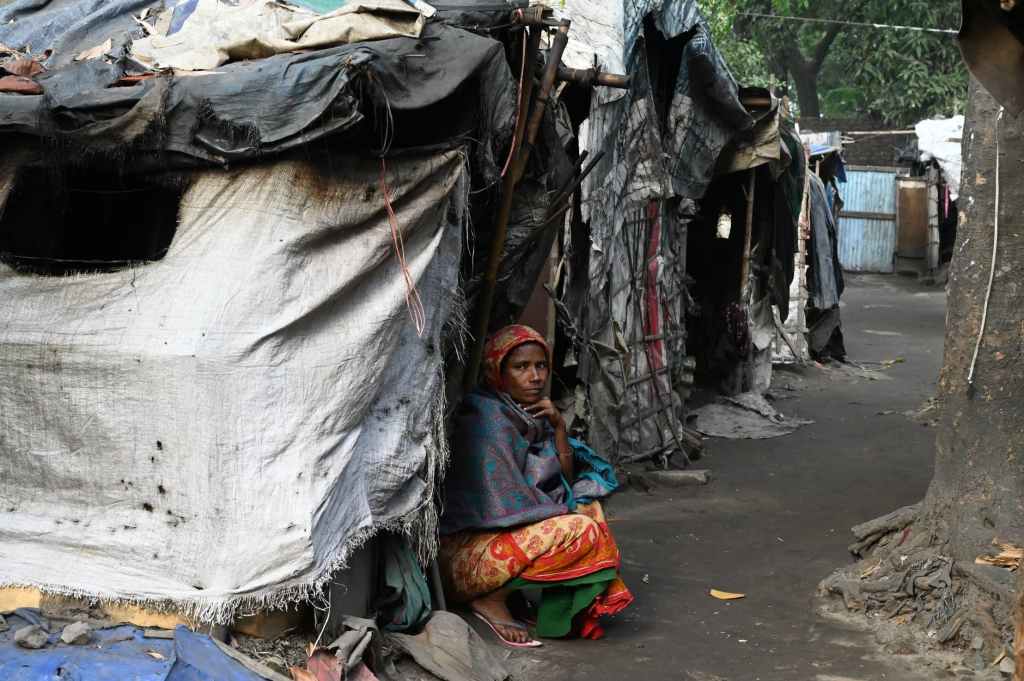
Poverty entails more than the lack of income and productive resources to ensure sustainable livelihoods. Its manifestations include hunger and malnutrition, limited access to education and other basic services, social discrimination and exclusion, as well as the lack of participation in decision-making. In 2015, more than 736 million people lived below the international poverty line. Around 10 per cent of the world population (pre-pandemic) was living in extreme poverty and struggling to fulfil the most basic needs like health, education, and access to water and sanitation, to name a few.


While pre-pandemic global poverty rates had been cut by more than half since 2000, the COVID-19 pandemic could increase global poverty by as much as half a billion people, or 8% of the total human population.


For those who work, having a job does not guarantee a decent living. In fact, 8 per cent of employed workers and their families worldwide lived in extreme poverty in 2018. One out of five children live in extreme poverty. Ensuring social protection for all children and other vulnerable groups is critical to reduce poverty.

Recent estimates for global poverty are that 9.2% of the world, or 689 million people, live in extreme poverty on $1.90 or less a day, according to the World Bank.

Money isn’t a complete measure of poverty. Other dimensions of poverty include access (or lack thereof) to work, health, nutrition, education, sanitation, housing, etc.

A study of 13 developing countries found that government spending on education and health accounted for 69% of the total reduction of economic inequality. The entire health budget of Ethiopia, a country of 105 million people, is equivalent to just 1% of the fortune of the world’s richest man, Amazon CEO Jeff Bezos.

INTERNATIONAL WIDOWS DAY: A timeline of lives of Widows in India.

Today, June 23, is a very important day for one of the most neglected sections of our society, and they are none other than the widows. International Widows Day was firstly established by The Loomba Foundation to increase awareness about the tyrannies faced by widows all across the world. June 23 was especially adopted by the Loomba Foundation because it was on this day in 1954 the mother of foundation’s owner became a widow. Later on in 2010, this date was officially adopted by United Nations to focus on issues of widowhood.

Widowhood in India: A brief History.

During ancient times, after the death of a man, their wives were expected to live an execrable and damnable life. Widows were made to wear only white clothes, shave their heads and had limited options for having food of their choice. Untouchability and ostracism of widows were at peak. At some places widows were forced to undergo the Sati practice in which widows had to sacrifice themselves by sitting atop their deceased husband’s funeral pyre. These practices came from the patriarchal idea that if a husband’s life is over, his wife’s life is also over.

Ban of Sati Practice: Prominent Social Reformer Raja Rammohan Roy led the movement against the evil practice of Sati in India and finally on December 4, 1829, Bengal Sati Regulation was passed by Lord William Bentinck.

Widow Remarriage: A significant change!

Indian Social Reformer Ishwar Chandra Vidyasagar from Bengal was one of the major leaders who advocated in favour of remarriage of widows in India. He received support from several dignitaries of that time including Rani Rashmoni of Kolkata to many other government officials in East India Company.

Finally, Hindu Widows’ Remarriage Act, 1856, was drafted by Lord Dalhousie and passed by Lord Canning for remarriage of Hindu Widows in all jurisdictions of India under East India Company.

Did the lives of widows change after the progressive law?

The simple answer to the question above is “no”. Although things have improved in well-read and educated families where widows don’t have to go through the same amount of brutality as before, however things have not changed for millions of widows in India.

Abandonment: A newer problem!

Widows, even in 21st century have to face massive amount of torture from confinement to lack of care in many Indian families who have a patriarchal and out-dated approach.

Most women in India are not financially independent and are dependent on their husbands for daily needs. And thus, when the husband passes away widows become financially vulnerable. Children of the widows do not take the responsibility of their well-being and abandon them. With no options left, widows take shelter in old age homes or take the path of spiritual life and settle in ashrams of holy cities like Varanasi and Vrindavan. There are also some NGOs and private bodies in these holy cities who take care about the wellbeing of the widows including their medical and food expenses. Widows are also encouraged to engage themselves in some relatively easy jobs like stitching and sewing by these NGOs to have financial stability.

There are more than 50 million widows in India and its high time that we as a society and government must step up to protect their rights and make a discrimination free environment for them.

CHILD LABOUR

INTRODUCTION
The best phase of human life is childhood. It is the most innocent phase of our life. In this stage human foundations are laid for successful adult life. In this phase we spend the most cosy, carefree and tension free lifestyle. We pass our time by playing, and leading a tensionless fun life. But there are many children who spend their life supporting themselves instead of spending it in a carefree and fun-loving manner because for them learning and playing are scared and tormented. They are controlled & tortured by others.

They want to get out from this dark world but they are forced to stay in this world. This is the true story of the child labour. Child labour is term that we all heard about in news or in movies.

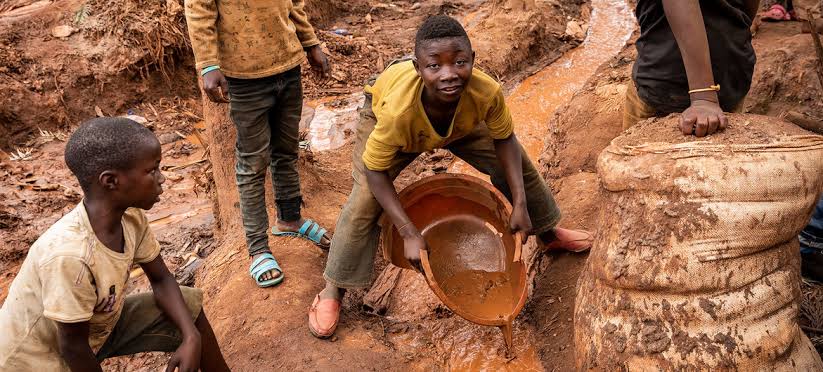
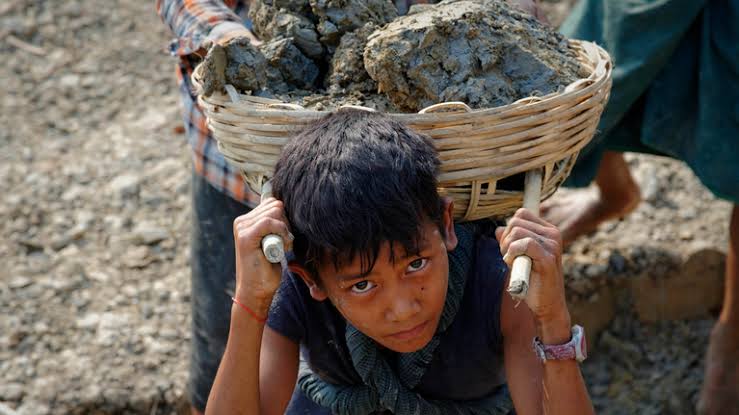
Child labour is a crime. In some underprivileged families who are suffering from poverty, children are forced to work from a very early age to support themselves economically because they expect their kids to take responsibilities of working and provide food for them.
Industries and individuals take the advantage of their poverty and employ children to put them to work at very low payables.

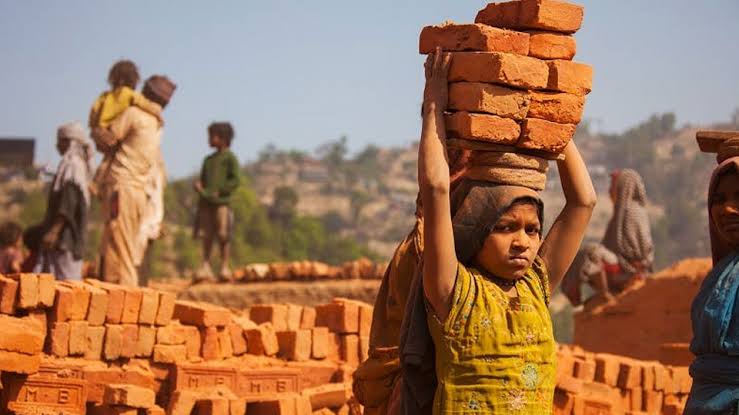
They are forced to work for long hours in dangerous factories. Sometimes they are forced to carry heavy loads that weigh even more than their body weight.

Then comes some individuals’ who hire children in their house for domestic help. They are so rude that when the children make a single mistake they beat them and torture them physically.

Those children do not get proper food to eat or clothes to wear. Sometimes they are made to starve and given worn-out clothes to wear. This is the story of many children who are suffering in this cruel world.
The average age for a child to be appropriate to work is considered 15 years or more, below this age limit won’t be allowed to indulge in any work forcefully.
Child labour takes away the kid’s opportunity of having a normal childhood a proper education and physical and mental wellbeing in some countries. It is illegal, but still now it is practiced in many countries.

CAUSES OF CHILD LABOUR
The main reasons for the ever-growing child labour are poverty and lack of education.
The parents think that their children are money-making machines. To earn more money by getting sympathy from other people they carry infants on the street begging.
Then when they grow up, they take them and eventually sell them to employers.This is a sickness that is rampant across the length and breadth of India
But other than poverty and lack of education, many other reasons are also responsible for child labour.
Firstly, it is common in those countries where unemployment is more than poverty. When the families are unable to earn enough money to support their lifestyle they put the children to work so they can have enough money to survive.
At the same place if the adults
are unemployed. The younger ones have to go to work. When people are illiterate then it is very common that they will send their children to work. This is because being uneducated all they care about is short term results due to which they send children to work even if the earning is less to survive their present . This destroys the future of children. They also remain uneducated and later after growing up when they start their own family they repeat the same thing as their parents did i.e., sending their children to work at an early age.

WORST CONDITION FACED BY CHILD LABOUR

India is in the second-highest number of child labour after Africa.
The worst employment bfir children is bonded child labour which is also known as slavery for lifetime.
Indian Parliament passed an act on the bonded labour system in 1976 but in spite of this act people still keep on practicing this system. It is estimated that almost 10millions children are victims of the bonded child labour. They work as domestic servants in India. Apart from India, almost 55 millions of children are hired across the world for bonded child labour.
The children are sold to money lenders as a payment of the money borrowed by their parents which they failed to return.
Children living in streets, instead of going to school, work in streets as a beggar, or selling flowers. This also is an example of child labour of different category. They are made to stay without eating food for many days so that people feel sad for them and give some.
Nowadays child labour couples who abuses child has become one of the greatest maladies across the world.
Every year the number of child abuse increases especially in the case of the girl child.This usually happens when someone abuses a girl at home, then to hide this fact her family sell her to an employer or money lenders as domestic help or the girl gets married to a man older than her age.

ERADICATION OF CHILD LABOUR
To eradicate child labour we should formulate some efficient solutions which will save our children. The future of other countries dealing with these social issues will also get enhanced. With the help of this one can create several unions that work to prevent child labour solely. It would help the children to indulge in this work and punish those who make them do it.
Stakeholders must take responsibility
Increased access to education
Provide support for children
Improve economic growth
Engage with the Sustainable Development Goals

@track2traininginstitute @track2trainingseminar @edunewsnetwork @hariyaliinsitute

IMPACT OF HUMAN POPULATION ON ENVIRONMENT

WHAT IS POPULATION
The number of organisms of the same species that live in a particular geographic area at the same time, with the capability of interbreeding is called population.

HUMAN POPULATION:
Human population refers to a collection of humans living in a particular geographic area. The social science that entails the statistical study of human populations is called Demography. Thus, human population is the number of people in a city or town, region, country or world; population is usually determined by a process called census (a process of collecting, analyzing, compiling and publishing data).

HUMAN POPULATION GROWTH The increase in the number of individuals in a population is population growth. Annual global human population growth amounts to around 83 million or
1.1% per year. In 1800 the global population was 1 billion which has rises to 7.9 billion in 2020. The UN projected population to keep growing, and estimated that by the middle of 2030, 2050 and 2100 the total population will rise to 8.6 billion ,9.8 billion and 11.2 billion respectively. But some academics outside the UN have developed human population models that shows the additional downward pressures on population growth. They also suggested that if this happens then the population would peak before 2100.

POPULATION EXPLOSION AND ITS CAUSE:

The sudden increase in population growth in an unmannered way is called population explosion.

Causes of population explosion:
The causes of population explosion are as follows:-
High Birth Rate
The major cause responsible for the rapid growth of population is high birth rate. In India, the birth rate was found to be 45.8 per thousand during 1891-1900 and 25.8 per thousand in 2001, but still it is considered to be substantially high. This shows in spite of the increase in the widespread propaganda of family planning, family welfare programmes and population education campaigns, instead of a decrease in the birth rate it is increasing.
2. Low Death Rate
The death rate in recent years has phenomenally fallen which is another important factor that leads to the rapid increase in population. The death rate in India was about 8.5 per thousand in 2001. But because of the advancement in medical science, dreadful and chronic diseases such as smallpox, cholera, plague, typhoid are no longer dreaded. Better facilities for sanitation and cleanliness, provision of pre-natal and post-natal care has also reduced infant mortality rate.
3. Early Marriage
The practice of early marriage is another important reason for the rapid increase in population in India. The marriage of girls at an early age results in a longer span for reproductive activity and thus leads to an increase in the number of children.
4. Social and Religious reasons
In India,marriage is a compulsory institution as per social norms.so people have to marry.Therefore, people do not hesitate to increase the size of the family as in a joint family everyone takes equal responsibility . Apart from this most people think that it is necessary to give birth to at least one male child so in expectatin of getting a male child, they go on increasing the family size.
5. Poverty
Poverty is another cause of population growth. Children are source for income of the family. So instead of going to school they go to work and thus prove to be an asset for the family. This makes the parents believe that every child born will become an earning member of the family.
6. Standard of living
People whose standard of living is low tend to have more children because an additional child is considered as an asset rather than a liability. Since majority is uneducated and think that every child born will become the earning member of the family they keep on increasing the family size.
7. Illiteracy
Most of the people in India are either illiterate or has the minimum education. This leads them to accept low paying work but fails to support the family resulting poverty. Due to the prevalence of higher rate of illiteracy, there is widespread ignorance in the form of social customs and beliefs like early marriage and preference for a male child. As a result, there is high rate of population growth in the country.

IMPACTS OF POPULATION GROWTH ON ENVIRONMENT: Population growth leads to overconsumption that causes environmental concerns, such as biodiversity loss and climate change, due to resource-intensive human development that exceed planetary boundaries.The impacts of overpopulation and the environment are often interrelated and complex.
Farming impacts
If the population increases the need for food also increases. To meet the need of food intensive farming is done.This includes harmful mechanisation, chemical fertilizers and pesticides that degrades the soil quality causing soil erosion. This also leads to eutrophication that depletes water from oxygen having negative effects. To create new farmland deforestation is done resulting in a negative outcome.
Agriculture is responsible for about 80 percent of deforestation.
Deforestation
Deforestation leads to a reduced ability to capture CO2, resulting in the increase of greenhouse gas problems. Deforestation is also strongly associated with loss of habitat and extinctions.
Human population increase is related to all of these deforestation pressures. The more people we need, the more food, more wood products, and more firewood.
Eutrophication
The main cause of eutrophication is agricultural runoff caused by the presence of excessive nutrients in bodies of water.
Eutrophication causes the dense growth of plant life that consumes oxygen, resulting in the death of aquatic animals. Other major sources of eutrophication are industry and sewage disposal–both related to population growth.
Loss of Freshwater
Although there are plenty of water resources,only 2.5 percent of water resources are fresh water, and only a small fraction of it is available as unpolluted for drinking purposes. This is because with the increase of Human population, human waste also increases which pollutes the water making it unsuitable for drinking. Also with the increase in population the need for drinking water increases thus water scarcity also increases.
Global Warming
Human population growth and climate change have grown hand in hand as the use of fossil fuels has exploded to support industrialized societies. More the number of people, the more is the demand for oil, coal, gas, and other energy sources extracted from below the Earth’s surface that spew carbon dioxide (CO2) into the atmosphere when burned, trapping warm air inside like a greenhouse. Most fossil fuel consumption comes from developed countries.It is a sobering thought that most developing nations aspire to similar industrial economies as they experience economic growth, which further escalates CO2 emissions into the atmosphere.

PREVENTION:The population can be controlled by following measures.
A. Social Measure:
Population explosion is a social problem and it is deeply rooted in society.

1. Minimum age of Marriage:
The minimum age of marriage should be raised because fertility depends on age of marriage. Fixed by the law the minimum age of men is 21years found 18 years for women.
2. Raising the Status of Women:
Women should be given opportunities to develop socially and economically.
3. Spread of Education:
The spread of education changes the outlook of people. The educated men will prefer to delay marriage and adopt small family norms. Educated women are health conscious and avoid frequent pregnancies and thus help in lowering birth rate.

4. Adoption:
Some parents who do not have any children are advised to adopt the orphan children. It will be beneficial to orphan children as well as lower the population.

5. Change in Social Outlook:
Social outlook of the people must be changed. Marriage should not be considered as social binding anymore.

6. Social Security:
People should be covered under-social security schemes. So that they do not depend upon others in the event of old age, sickness, unemployment etc. with these facilities they will have no desire for more children.

B. Economic Measures:
1. More employment opportunities:
The first and foremost measure is to raise the employment avenues in rural as well as urban areas.This step can check the population growth.

2. Development of Agriculture and Industry:
If agriculture and industry are properly developed then a large number of people will be employed and when their income increases they would improve their standard of living and adopt small family norms.

3. Standard of Living:
Improved standard of living acts as a deterrent to large family norms. In order to maintain their higher standard of living people prefer to have a small family.

4. Urbanisation:
People in urban areas have a lower birth rate than those living in rural areas. Urbanisation should therefore be encouraged.

C. Other Measures:
1. Late Marriage:
At the age of 30years,marriage should be solemnized. This will reduce the period of reproduction among the females bringing down the birth rate.
2. Self Control:
Self control is a powerful method to control the population. It helps in reducing the birth rate.

3. Family Planning:
This method implies family by choice and not by chance. People can regulate the birth rate by using preventive measures like cheap contraceptive devices for birth control etc.

4. Recreational Facilities:
For many people sex is the only recreation of life which is responsible for a high birt rate. But the birth rate will fall if other recreational activities like cinema, theatre, sports and dance etc are available to the people. As a result of which people will not have sex for recreation reducing in lower birth rate.

5. Publicity:

The communication media like T.V., radio and newspaper will propagate the benefits of the planned family to the uneducated and illiterate persons especially in the rural and backward areas of the country.

6. Incentives:
The govt. can give various types of incentives to the people to adopt birth control measures. This will result in small family norms reducing the birth rate.

7. Employment to Woman:
If women are given employment they will get incentives for their work. This will keep them busy and is a good measure of population control. @track2traininginstitute @track2trainingseminar @edunewsnetwork

EFFECT OF POVERTY IN INDIA

INTRODUCTION:-
The situation in which a person remains underprivileged from the basic necessities of life is called poverty. The person does not have an adequate supply of food to eat, shelter to stay, and clothes to wear. Most of the people in India are suffering from poverty. They cannot afford to pay even for a single meal a day. They sleep on the roadside and wear dirty clothes. They do not get healthy and nutritious food. They don’t get any medicine and other necessary things either.

POVERTY IN INDIA:-
CAUSES OF POVERTY
The rate of poverty in India is increasing because urbanisation is increasing everyday. The people from rural areas are migrating to cities to find better employment. To provide the necessary needs of the family these people end up getting an underpaid job or an activity that pays only for their food. Most importantly, around crores of urban people are below the poverty line and many of the people are on the borderline of poverty.

Maximum people who are suffering in these poverty live in low-lying areas or slums. Most of the people are illiterate and for this reason in spite of efforts their condition remains the same and there is no satisfactory result.

There are many more reasons which can be said as the major causes of poverty in India. These causes include corruption, growing population, poor agriculture, the wide gap between rich and poor, old customs, illiteracy, unemployment and many more. Many people are engaged in an agricultural activity but in comparison to the earnings of other employees they get paid very less.

The more the population is, the more need of food ,houses and money. The deficiency in these needs results in the high growth of poverty. Thus as a result the difference and gaps between the extra rich and extra poor keeps on increasing.

The rich are growing richer and the poor are getting poorer resulting in the formation of an economic gap that is difficult to fill up.

EFFECTS Of POVERTY:-
Poverty affects the lives of people in many ways. It has various effects like illiteracy, reduced nutrition and diet, poor housing, child labor, unemployment, poor hygiene and lifestyle, and feminization of poverty, etc. These poor people are unable to afford a healthy and balanced diet, nice clothes, proper education, a stable and clean house, etc. because all these facilities require money and they don’t even have money to feed two meals a day.

EFFECTS OF POVERTY ON CHILDREN:-
Poverty in India impacts children, families and individuals in a variety of different ways through:

High infant mortality
Malnutrition
Child labour
Lack of education
High infant mortality
Every year at least 1.4 million children die in India before their fifth birthday. In addition to Nigeria, Pakistan, the Democratic Republic of the Congo and China, India is one of the countries with the highest child mortality rates. Most frequent causes of death of children are Pneumonia, malaria and diarrheal diseases as well as chronic malnutrition.

Malnutrition
India is one of the world’s top countries when it comes to malnutrition. In India most of the people cannot afford to pay for even one meal. More than 200 million people don’t get adequate quantities of food among which 61million are children. 7.8 million infants were found to have a birth weight of less than 2.5 kilograms.

Child labour – no time to play and learn
As we all know, in India child labour for children under the age of 14 is prohibited by law, 12.5 million children between the ages of 5 and 14 are working. In reality, there are more than 65 million children between 6 and 14 years old who do not go to school. Instead, for the sake of their family and to secure survival it is believed that Indian children contribute to the livelihood of their families; they work in the field, in factories, in quarries, in private households and in prostitution.

Lack of education – no opportunities without education
According to UNICEF, about 25% of children in India cannot afford education. The number of children excluded from school is higher among girls than boys. Under Indian law, women and men are treated equally but in the lower social caste girls and women are considered inferior. They are dominated by their fathers, brothers and husbands. The chances of finding a living wage from employment in India is virtually hopeless without education.

Due to poverty, many parents encourage early marriages for their daughters in hopes of better lives for them.

THE SOLUTIONS FOR ENDING POVERTY:-
For solving the problem of poverty it is necessary for us to act quickly and correctly. Some of the ways of solving these problems are to provide proper facilities to farmers. So that they can make profit from agriculture and do not have to migrate to urban cities in search of employment.

Illiterate people can live a better life if they are provided with required training. Everyone should follow family planning to check the rise in population.
We should take measures to end corruption, so that we can deal with the gap between rich and poor.

CONCLUSION:-
Poverty is not the problem of a single person but also of the whole nation.. We should deal with it on an urgent basis by taking effective measures. Eradication of poverty has become necessary for the sustainable and inclusive growth of people, society, country, and economy. @track2traininginstitute

poverty in india

INTRODUCTION– Living a life free of poverty and hunger is a basic human right. One of the paradoxes of our swiftly rising and increasingly progressive world is that poverty remains prevalent and rampant, and the disadvantaged population appears to be becoming increasingly vulnerable. The number of underprivileged and oppressed people in India is a source of great worry for policymakers and scholars. Poverty in India is mostly caused by a lack of adequate government policies and the upper class’s exploitation of the financially weaker part. India has one of the world’s largest economies, with a gross domestic product (GDP) of $1,644 billion US dollars. However, only a small portion of India’s population has benefited from the country’s amazing economic success thus far, with the bulk of the population still living in abysmal poverty. Two-thirds of the Indian population is impoverished: 68.8 percent of the Indian population lives on less than $2 per day. Over 30 percent live on less than $1.25 a day, classifying them as extremely poor. As a result, the Indian subcontinent is one of the poorest countries in the world, with women and children bearing the brunt of the burden.

MAIN REASONS– The population has grown at a staggering rate of 2.2 percent per year during the last 45 years. Every year, around 17 million individuals are added to the population, significantly increasing demand for consumer products, which is followed by low productivity in agriculture due to lack of capital, subdivided and fragmented holdings, use of traditional methods of cultivation, illiteracy, etc. Low productivity results in an increase in price rise and the poor becoming poorer. The price rise benefits a smaller section of people and persons with lower income find it difficult to fulfill their basic requirements. In India, there is chronic unemployment and underemployment as a result of the country’s ongoing population growth. Rather than an increase in work prospects, the number of job seekers is expanding at a faster rate. There are two types of unemployment: educated unemployment and disguised unemployment. Poverty is simply a symptom of unemployment. Our country’s social structure is very backward in comparison to the rest of the world, and it is not conducive to faster progress. The caste system, inheritance law, inflexible traditions, and customs are impeding speedier progress and exacerbating the poverty problem. From the outset of our independence, our development plans have been influenced by political objectives.

NATIONAL RURAL LIVELIHOOD MISSION
AAJEEVIKA

STEPS TAKEN AND WHAT CAN BE DONE– Since India’s independence government has taken various steps to eradicate poverty. This includes programs to provide subsidy, bank credit, employment, food security, housing, good economic infrastructure, and pensions. But a numerous more steps can be taken to make India poverty free. Goovernment should reduce inequality of income and keep a check on concentration of wealth followed by monetary policies. The present Public Distribution Systems(PDS) should be reorganised and extended to rural parts of country, Government should offer special discounts to attract private capital investment to backwards region. The government should take care of basic requirements like healthy food, clean water, primary medical facilities of the poor. Public sector should make expenditure on uplifting the weaker section. With this goverment should focus more on providing education, generating employment, and uplifting the agriculture sector as majority of population is dependent on agriculture.

CONCLUSION-Many initiatives have been developed by the Indian government.
schemes/programs to improve the lives of those who
falls into the BPL category However, the situation remains the same, with the poverty rate increasing year after year. India’s government
has to pay more attention to the poorer members of society
across the country in order to identify human fundamentals
right and a higher quality of life.

Issue of Poverty In India

As we all know India is a one of the fastest developing countries in the world. Although
it’s economy is growing poverty is still a major challenge. This is because according to a recent study the richest 10% in India controls the 80%of the Indian economy. The poverty in the county the day to day growing with unemployment and hunger at its fullest. People suffer a lot due to poverty in India and we can say a whole bunch of them also die as a result of the poverty. We hear tragic incidents of people dying of hunger and even children dies due to hunger and poverty. We can say two-thirds of the people in the county live of poverty. Children dies of hunger and they are forced to work even in their childhood for money and are abused killed in the society. They are denied of their education and are stuck with a lot of diseases due to their unhygienic way of living due to the poverty. Malnutrition in children is intense in variety parts of the country and the scenes are utmost tragic.
More than 200 million people does not get enough food to eat and in that 200 millon 61 are children. This itself shows the worrying situation in the county due to poverty.
The covid pandemic has deeply effected the situation as these stats were before the pandemic and as we all know the pandemic has increased poverty and unemployment by a huge number. Many people lost their jobs as the result of the pandemic and they have been falling into the hands of poverty. Families has been suffering and many people tend to end their lives rather than suffering from hunger. People are not given proper education and even the educated are not given jobs and stays jobless which addes to the poverty in India. This is also because of the high population rates in India as there is no place for majority of the people and these all effects their living which leads to the high rates of poverty in the county.

Rumi

The Persian poet Jalal ad-Din Muhammad Rumi, popularly known as Rumi was born in thirteenth century. He was an Islamic scholar and Sufi mystic having roots from Greater Khorasan in Greater Iran. Rumi’s works are mostly in Persian, though use of Turkish, Arabic and Greek can be seen in his verses. Today his works are widely read in Greater Iran and other Persian-speaking countries and translations of the same are extremely popular in United States, Turkey, South Asia and Azerbaijan.

Rumi’s Influence can be traced in the ethnic dividons of Turks, Tajiks, Greeks, Pashtuns, Central Asian Muslims and Indian subcontinent Muslims. Also his poetry has majorly influenced literary traditions of various languages such as Bengali, Urdu, Chagatai etc. Moreover, he has also been declared as one of the greatest and best-selling poets in the US.

Rumi had strong belief in the use of music, art and dance and considered it as a path to connect with the God. Most of his works talk about love and the concept of oneness of God. A major focus on music was promoted by his teachings so intense to take the soul to a spiritual journey. He also encouraged Sama, listening to music and performing a sacred dance. Sama represented a mystical journey of mind to the God seeking true love, abandoning ego and finding the ultimate truth. Rumi also believed in serving to the masses with greater maturity and without discrimination, regardless of race, nation, caste, beliefs etc.

Provided below is an example of famous beliefs of Rumi:

Scholars believe that Rumi’s beliefs and teachings often known as Rumi philosophy find place in the modern time and are highly versatile. It encourages personal growth and development in a very clear manner. Rumi’s vision for world, love, God and his works teach modern Westerners how to attain happiness and inner peace.

Poverty in the pandemic

Global extreme poverty is expected to rise for the first time in 20 years because of the disruption caused by COVID-19, exacerbating the impact of conflict and climate change, which were already slowing down poverty reduction, according to the World Bank. The pandemic may push another 88 million to 115 million into extreme poverty or having to live on less than $1.50 per day, resulting in a total of 150 million such individuals, the Bank said in its biennial Poverty and Shared Prosperity Report.

Some 9.1% to 9.4% of the world will be affected by extreme poverty in 2020, the Bank said, compared to 7.9% in the counterfactual scenario where the pandemic had not raged across the world. Many of the newly poor individuals will be from countries that already have high poverty rates while many in middle income countries (MICs) will slip below the poverty line, as per the report. Some 82% of the total will be in MICs.

Sub-Saharan Africa, with 27-40 million new poor, and South Asia, with 49-57 million new poor, will be badly hit as per the Bank’s projections. According to it, in order to reverse this serious setback to development progress and poverty reduction, countries will need to prepare for a different economy post-COVID, by allowing capital, labour, skills, and innovation to move into new businesses and sectors. 

As the Indian government decided not to release the 2017-18 All India Household Consumer Expenditure Survey data from the 75th Round, there is an “important gap in understanding poverty in South Asia”, the report said. Consequently, the Bank has estimated India’s poverty numbers for 2017 based on “strong assumptions”, resulting in “considerable uncertainties”. In fact, a number of results in the report are incomplete, or uncertain because of the lack of data from India which, as per the report, accounted for 139 million of the 689 million people living in poverty in 2017.

Consequently, there’s also a clear need for a range of social safety-net policies. These already exist in many developing countries, but their coverage and funding needs to be expanded substantially. Such policies include cash transfer programmes, universal one-off cash payments, in-kind food/vouchers, school feeding schemes and public works programmes.

In middle-income developing countries, these are funded by the national government, whereas in low-income countries, these are often co-funded by donors. Any set of policies should also incorporate “pay to stay home” or “pay to get tested” schemes.

Looking further ahead, the poverty impacts beyond 2020 are closely related to if or when an effective vaccine is developed. Even if we take the best-case scenario and a vaccine is discovered later this year, it’s uncertain how long it would take to reach the entire global population. It could take years.

There is no guarantee developing countries would get access to the vaccine at a reasonable cost, or if everyone in developing countries would get the vaccine for free. We could end up living in a new COVID-19 apartheid, with the vaccinated and non-vaccinated residing in separate areas and working in different labour markets. This is a startling but very real possibility that no one is talking about much yet.

While this might sound far off, there are already some countries — such as Chile — issuing “immunity passports”. Such passports might determine what work people can do by determining where they can go. This could leave the poorest without access to earning opportunities or only with lower-income opportunities if their movement is restricted. The crisis is increasingly looking like a long crisis. If so, it will have repercussions on global poverty for years to come.The Conversation

Recent reports show an increase in number of the malnourished in India

According to the Center for Science and Environment (C.S.E.) State of India Environment Report – 2021, the corona epidemic has had a lasting impact on the health and economic conditions of 37.5 million children across the country.

CSE Director General Dr. Sunita Narayan, said that children from new-born to 14 years will have more health-related problems. There is a possibility of low weight of children, lack of physical development according to age and increase in mortality.

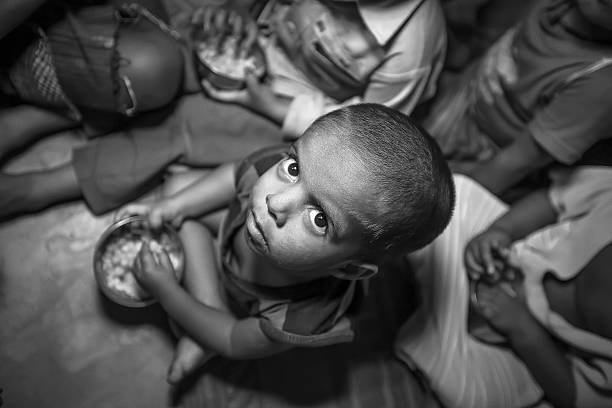
Child from a poverty stricken family gets a free meal at his school.The schools are run by some volunteer organisations or individuals and have inadequate facilities. Yet some people are working relentlessly to help these poor children.

One of the reasons could be India’s struggling with Covid-19 lock down interrupted crucial government schemes that benefit hundreds of millions of women and children. But that still doesn’t explain the rise in malnutrition rates in the years leading up to the outbreak of Covid-19 in 2020.

According to reports, India’s latest National Family Health Survey (NFHS), which shows that children in several states are more undernourished now than they were five years ago, is based on data collected in 2019-20. The survey was conducted in only 22 states before the onset of the pandemic – so experts fear the results will be much worse in the remaining states, where the survey began after the lock down ended.

In rural places the problem seems to have begun earlier. Rural areas have seen a steep rise in the proportion of undernourished children compared with 2015-16, when the last survey was conducted.

Due to malnutrition in infants and young children stunting in growth and even experience wasting away of muscle and anemia. The proportion of severely underweight children has risen. Stunting refers to lower than expected height for age, wasting shows lower than expected weight for height, and anemia is a deficiency of hemoglobin in blood.

Most of the Indian women are anemic and poor women, especially so. According to the experts, the worsening rate of malnutrition could be a result of women struggling to access nutrition benefits because undernourished mothers give birth to undernourished babies.

Migration to cities is also a reason for this. Many families migrate to cities to make a better living. But that also means being left out of massive government schemes that are mostly delivered at local level – so benefits aren’t easily transferred across districts or states.

The National Family Health Survey-5 report, the latest data set on health and nutrition, showed that of the 22 states and Union Territories in the year 2019-20, a majority reported an increase in malnutrition parameters such as stunting and wasting of children, anemia in children and in women between 15-49 years of age.

Due to poor health of children, there may be adverse effects on education and workplace too. This report released online, has been prepared by 60 environmental and other experts from all over the world. The epidemic forced approx. 50 crore children over all the world to leave school. More than 50 percent of these children are in India. Dr. Sunita Narayan said, “An additional 115 million people have come under extreme poverty due to the epidemic.” Most of them live in South Asia.

Given this situation, there is a need to enhance allocations for government schemes to address child malnutrition as well as for schemes promoting nutrition for pregnant and lactating mothers. A group of people should be assigned who provide health and nutrition counseling to pregnant mothers. Better health care and nutritious meals for the pregnant mother, because with proper pre-natal care, adequate food and timely health check-ups, a pregnant woman stays fit and gives birth a healthy child and for that there is a need for huge amount of investments. Different sectors of the government need to coordinate to handle this problem effectively. There are some independent organizations who are working actively to help the unprivileged sections of India and educating others about the problem and with enough funds and support from us maybe they can tackle with the problem more effectively.

Poverty in India

Poverty is not having enough material possessions or income for a person’s needs. Poverty may include social, economic, and political elements. Absolute poverty is the complete lack of the means necessary to meet basic personal needs, such as food, clothing, and shelter. The threshold at which absolute poverty is defined is always about the same, independent of the person’s permanent location or era. On the other hand, relative poverty occurs when a person cannot meet a minimum level of living standards, compared to others in the same time and place. Therefore, the threshold at which relative poverty is defined varies from one country to another, or from one society to another. A person who cannot afford housing better than a small tent in an open field would be said to live in relative poverty if almost everyone else in that area lives in modern brick homes, but not if everyone else also lives in small tents in open fields.

Many governments and non-governmental organizations try to reduce poverty by providing basic needs to people who are unable to earn a sufficient income. These efforts can be hampered by constraints on government’s ability to deliver services, such as corruption, tax avoidance, debt and loan conditionals and by the brain drain of health care and educational professionals. Strategies of increasing income to make basic needs more affordable typically include welfare, economic freedoms and providing financial services. Meanwhile, the poorest citizens of middle-income countries have largely failed to receive an adequate share of their countries’ increased wealth.

In India :

As India is one of the fastest-growing economies in the world, poverty is on the decline in the country, with close to 44 Indians escaping extreme poverty every minute, as per the World Poverty Clock. India had 73 million people living in extreme poverty which makes up 5.5% of its total population, according to the Brookings report. In May 2012, the World Bank reviewed and proposed revisions to their poverty calculation methodology and purchasing power parity basis for measuring poverty worldwide. It was a minimal 3.6% in terms of percentage. As of 2020, the incidence of multidimensional poverty has significantly reduced, declining from 54.7 percent to 6 percent.

The 19th century and early 20th century saw increasing poverty in India during the colonial era. Over this period, the colonial government de-industrialized India by reducing garments and other finished products manufactured by artisans in India. Instead, they imported these products from Britain’s expanding industry due to the many industrial innovations of the 19th century. Additionally, the government simultaneously encouraged the conversion of more land into farms and more agricultural exports from India. Eastern regions of India along the Ganges river plains, such as those now known as eastern Uttar Pradesh, Bihar, Jharkhand and West Bengal, were dedicated to producing poppy and opium. These items were then exported to southeast and east Asia, particularly China. The East India Company initially held an exclusive monopoly over these exports, and the colonial British institutions later did so as well. The economic importance of this shift from industry to agriculture in India was large; by 1850, it created nearly 1,000 square kilo-meters of poppy farms India’s fertile Ganges plains. This consequently led to two opium wars in Asia, with the second opium war fought between 1856 and 1860. After China agreed to be a part of the opium trade, the colonial government dedicated more land exclusively to poppy. The opium agriculture in India rose from 1850 through 1900, when over 500,000 acres of the most fertile Ganges basin farms were devoted to poppy cultivation. Additionally, opium processing factories owned by colonial officials were expanded in Benares and Patna, and shipping expanded from Bengal to the ports of East Asia such as Hong Kong, all under exclusive monopoly of the British. By the early 20th century, 3 out of 4 Indians were employed in agriculture, famines were common, and food consumption per capita declined in every decade. In London, the late 19th century British parliament debated the repeated incidence of famines in India, and the impoverishment of Indians due to this diversion of agriculture land from growing food staples to growing poppy for opium export under orders of the colonial British empire.

Another Expert Group was instituted in 1993, chaired by Lakdawala, to examine poverty line for India. It recommended that regional economic differences are large enough that poverty lines should be calculated for each state. From then on, a standard list of commodities were drawn up and priced in each state of the nation, using 1973–74 as a base year. This basket of goods could then be re-priced each year and comparisons made between regions. The Government of India began using a modified version of this method of calculating the poverty line in India.

There are wide variations in India’s poverty estimates for 1990s, in part from differences in the methodology and in the small sample surveys they poll for the underlying data. A 2007 report for example, using data for late 1990s, stated that 77% of Indians lived on less than ₹ 20 a day. In contrast, S G Datt estimated India’s national poverty rate to be 35% in 1994, at India’s then official poverty line of Rs.49 per capita, with consumer price index adjusted to June 1974 rural prices.

The Poverty in India is to be controlled using various techniques. Economic growth is to be increased so as to reduce the problem of Poverty in India. Agriculture is to be given importance in the country. This has been the main problem of poverty in India. Giving importance to agriculture improvises the economical benefits to the country.

POVERTY LEADS TO INEQUALITY.

Even though money won’t buy happiness in today’s era most people are willing to sacrifice their happiness for money and we cannot blame them because everyone judges you based on how much money you earn and spend. If you earn a lot then you hold a special place in society.Inequality has been surging sharply since the last three decades. The wealthiest have cornered an enormous portion of the assets built through cohort capitalism and legacy. They are becoming richer at a very faster speed while the underprivileged are still trying to earn a minimum wage and access standard education and healthcare services, which continue to suffer. People in poverty are those who are considerably worse-off than the majority of society. Their level of need means they are powerless to obtain gains and aids that most people hold necessary to an adequate measure of existing.The best example is inequality in healthcare facilities which has taken a serious.


Inequality, by distinction, is always a comparative term that relates to the disparity within levels of living standards, wages, etc. across the entire financial division. Poverty and inequality oftentimes up rise and befall collectively though this need not surely be the fact. Inequality can be high in a society without great levels of poverty due to a huge distinction within the top and the middle of the revenue spectrum. An important part of inequality is apparent because of the high numbers of labor organizations work in sectors with low productivity for example agriculture. To overcome inequality, low- productivity workers should be incentive to shift to more fecund sectors. Concurrently, structural improvements require to be fulfilled to improve the fecundity of these divisions.


Technology should not be made a substitute or deemed a rival. It should be seen as a means to address inadequacy and inequality. Enhanced technology can create more prominent demands. These next can enable more inclusive hiring of the low and the medium-skilled. Technology can enhance the potency of the agrarian sector. It can further promote versatility to sectors with tremendous productivity, as is apparent from the vast numbers of people foregoing farming for jobs in the help sector.


Education is the foundation for a fulfilling and leading a satisfactory life. For a nation to be packed with the understanding it has to adopt education as it is the solitary guarantee for a stable economy and a secure domain. Education shapes people into efficient and hardworking individuals. The importance of such an accomplished and knowledgeable society would help nurture a community that is operating as one for the economic advancement of the entire nation. The proficient workforce would be formed by education. Also of vital importance is the contribution of education towards the development of best economic policies. The government should break the cruel progress of poverty which makes inequality, which does not only negatively harms sustainable financial growth but also creates various socio-economic problems. The government should create job opportunities and employment that will be the key strategy to eradicate poverty and inequality.

Poverty – Not just a word but someone’s entire Life

Article by – Shishir Tripathi
Intern at Hariyali foundation in collaboration with Educational news

“Overcoming poverty is not just an act of charity, but an act of justice”

  • Nelson Mandela
    First black president of South Africa
    Nobel Peace Prize winner.

Human beings have started to live in the world of multi storey buildings ,limousines, air conditioned rooms, fancy 5 – star restaurants and having everything right at their hand by just throwing money on this which they want. They have forgotten the real essence and the real meaning of life.


Everyone says that one must live a really simple life, grounded to reality and believing in simplicity. But there are just few people living with the same level of simplicity. On one shore, there is a carefree life filled with all the luxuries and facilities but on the other side there is a world of hunger, a world filled with a daily challenge to just earn a onetime meal and a world with everyday complications to not die with hunger and other problems.


Poverty is a situation when an individual is not even able to pay for his basic needs i.e., food, clothing and shelter, sanitation, education and health care.


Moving ahead from the above definition, it is the inability to live a normal life. It is the state of having not a roof above your head in rains. It is something so unwanted that no one really wants to talk about it except the ones who in actual know what it is by either suffering from it or those getting closer to the people facing it.


In India there is a concept of poverty line. Those who are living above the poverty line are the ones who are non poor and those who do not meet the criteria of the poverty line are considered to be poor.


The old formula for estimating the poverty line is based on the desired calorie requirement. The calorie needs vary depending on age, sex and the type of work that a person does. The accepted average calorie requirement in India is 2400 calories per person per day in rural areas and 2100 calories per person per day in urban areas. Since people living in rural areas engage themselves in more physical work, calorie requirements in rural areas are considered to be higher than urban areas. On the basis of these calculations, for the year 2000, the poverty line for a person was fixed at Rs 328 per month for the rural areas and Rs 454 for the urban areas.


Recently, some modifications were made considering other basic requirements such as housing, clothing, education, health, sanitation, conveyance, fuel, entertainment, etc, thus making the poverty line more realistic. This was done by Suresh Tendulkar (2009) and C Rangarajan in 2014.


The Tendulkar committee stipulated a benchmark daily per capita expenditure of R27 and R33 in rural and urban areas, respectively, and arrived at a cut-off of about 22% of the population below poverty line. These numbers were considered unrealistic and too low. Later, the Rangarajan committee raised these limits to Rs.32 and Rs.47, respectively, and worked out poverty line at close to 30%.

India has been ranked at the 103rd position among 119 countries on the Global Hunger Index, says a report. According to the report, India is among the 45 countries that have “serious levels of hunger“. As per the methodology of the Suresh Tendulkar Committee report, the population below the poverty line in India was 354 million (29.6% of the population) in 2009-2010 and was 269 million (21.9% of the population) in 2011–2012.

And also, not all people above the poverty line are the ones who are living a normal life. These criterias are just techniques to find out average number of poor and needy people. But in reality there are many people who can’t even manage a square meal and a pair of clothes for covering the whole body.


Moving ahead of figures, it is solely not the government’s responsibility to help the needy citizens in the country but also those who are in better positions, they should also come forward to help the needy people living in the world of darkness.


Many politicians and Bollywood personalities have just simply adopted some villages with poor sanitation facilities and other problems. Some people help in eradicating poverty by helping the needy ones getting some jobs and also setting up of small production units encouraging employment for the women living below poverty line.


Adopting a healthy life style with a blend of proper habits of not wasting food, giving the extra or short clothes to the needy people and many more techniques that a common middle class person can follow and contribute in the eradication of poverty from the country.


A small step by an individual can fill a stomach; can cover a naked and shivering body, can give a roof above a family and can help building a nation with no person living in the world of poverty.

Data from NSSO and Jagran Josh.Com
Flourishing Poverty

Lost are the days when the happiness abide
The humans- not the distinction..
To witness the bare feet and the aching stomach
Is what the flourishing poverty brought to us.

The glory of India has evolved through jewels of wisdom and royale but on the other hand it has been through a lot of bleak ways which spread their way now too even after ages of the start.
The ways being talked about are the ways through which poverty, with every passing tenure widens its arms and stretches farther on all the left out communities of India. Technically, poverty refers to the lack of monetary facilities which obstruct a citizen to satisfy his needs or wants. If given a detailed look,it will be realised that this evil poverty not only lies in terms of money but has a great extension when it comes to opportunities development performance and preferences especially for the left out communities of India.
Not only the inferior community experience poverty but they witness poverty at even worse when it compelled them to scrounge their glitter of life.
They are poor for not being able to withstand the glorified people. They are even poorer for not being able to witness  the politics and policies and false promises made to each one of them from endless of mediators come true. 
Poverty in India not only describes itself as lack of money but teaches a lot too. The people of slums are not bothered at all for not having a royal living but all the pray is to ‘not have’ empty stomach. When a rich kid is witnessed excluding his tattered shoes from wearing, these tender kids find the world of happiness from the same. The poor kids are not at all in complex with them being in a state of loan desolation but they count on it as a bouquet of wonders which they encounter with every ride they take to accomplish their tasks.
Poverty vanishes the abilities, worth and consideration of people and entancled in it.
No matter how much we try to deny this fact but Poverty is eating the growth of our country. It is because of this, that a country still needs ages to grow completely, inside out.
The Government of India should take decisions and actions to safeguard and protect the future talents and shining stars of the country. All of us have to initiate spreading empathy, colours and equality instead of flourishing poverty.

Boon of the Mid-Day Meal

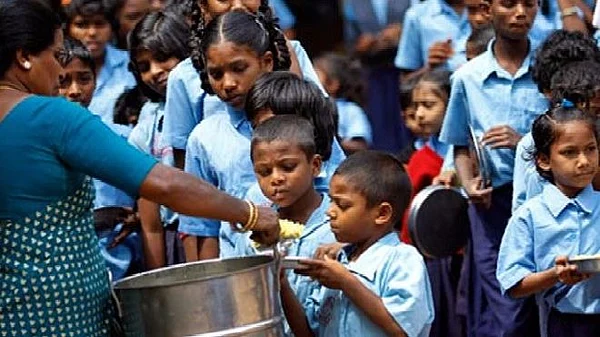
The very concept of Mid-Day Meal scheme was introduced on the year of 2000 by Akshaya Patra Foundation and was later passed as a mandate by Supreme Court of India on the year 2001. The sole purpose of the scheme is to provide wholesome freshly cooked hot lunch to all the students in the government and government aided schools in India. Usually the meal should be a whole mix of carbohydrates, proteins and various vegetables as per the bodily requirements of the children. The goal of such a scheme was to encourage the parents to send their wards to schools, to increase the school attendance and to do away with the norm of child labour, to prevent the child from being hungry at the time of attending the classes and thus to avoid malnutrition, and finally to improve the socialisation among the castes and last but not the least, to promote women empowerment.

The ultimate goal – to provide at least one of the three daily meals required for the proper growth of the children.

The scheme was institutionalized by the designated states and the schools and things were going fine until the pandemic hit the world. During the month of March, the lockdown was declared by the nation and there rose comprehensions among the low wage workers. They were worried about one of the most important thing on earth – what will happen to our mid-day meal and how can we arrange food for our children? The reason being the mid-day meal was one of the main reason as to why their parents sent their wards to school and they were worried about how to relinquish their daily requirements. But, like a godsend, the Government of India declared that even though the schools will be closed owing to the social distancing, the schools will still have to arrange the benefit of mid-day meal or any other substitute of equal value to the children and their families. Not only that, the Government also passed that if and when necessary, required assistance will be rolled out for the underprivileged.

Mid Day Meal: Latest news updates on Mid Day Meal - The Quint
Mid-Day Meal Scheme

The Government of India rolled out various schemes under which various states had to provide the mid-day meal scheme to the students. Some of such initiative are:

  • West Bengal – Ensured the distribution of the meals to their wards’ home amidst the curfew.
  • Odisha – Facilitation of Public Distribution System (PDS).
  • Chhattisgarh – Provision of mid-day meal to the parents of the children for about 40 days, with the difference in quantity by the primary and higher secondary school.
  • Kerala – Delivery of meal supplies to homes of their children.
  • Bihar – Transfer of the monetary amount of the mid-day meal, as a substitute of the food, to the accounts of their parents.
  • Maharashtra – Provision of the meals only to rural children.
  • Assam – Provision of mid-day meals to about 40 lakhs students.

Each and every state has taken the initiative to make sure that the meal reaches their students at times of distress. There also exists an underlying fear among the administration that if the meal is stooped, then it will automatically lead to the un-enrolment of the students whose attendance is already irregular and this will definitely push up the levels of illiteracy and unemployment.

States are putting in continuous efforts to make this journey smooth for the students. For instance, West Bengal has announced the decision to provide masks, sanitizer, as well as basic protein items such as pulses, soya bean which will be handed to the parents. They are going an extra length by providing stationery items to those students affected by Amphan.

It is very responsible on the part of Government of India to ensure the provision of mid-day meal and this help will definitely go a long way to build the future of India.

Source: https://timesofindia.indiatimes.com/india/bengal-government-to-add-mask-soap-to-mid-day-meal-items-in-covid-19-time/articleshow/76328492.cms

https://www.biharedpolcenter.org/post/covid-19-how-are-states-ensuring-midday-meals