Casteist Of Them All

Growing up in India, belonging to a caste which is not deemed as “prestigious” or “glorified” as some others, because certain classiest men believe it to be the best way of managing a society, cannot be and does not have to be easy. The fact that these casteist men are able to pull the scam of calling names to people of a caste different to them and blaming it to be their fault requires guts to another level. Caste system has been around for so long that now when someone prefers to not to state their surname so as to avoid any sort of casteist slurs or just to promote the feeling of unity or equality they are forced to introduce themselves with their full name. The feeling that one caste is superior to another leading to subjugation of the so called inferior caste to the degree that it becomes everyday business for some and normal for others is problematic and definitely needs urgent attention. With years of development and advancement there has to be some difference in the way “dominant” look at the “survivors”, but with lack of access to education and technology the gap has only grown further, making things worse for the “non-dominants”.

Entrenched In Past

History of caste system dates back to the “SATYUG”. At the time of RAMAYANA and MAHABHARTA, the caste system started taking shape although it was not as watertight as it appears to be today but still existed. A lot of scholars argue that it was VARNA system that existed then and that CASTE system is its corrupted and un-required form. It has long been believed that there are/were four strata of society each originating from different body parts of GOD BRAHMA. With Brahamanas taking birth from the head, Kshatriyas from arms, Vaishyas from thighs and finally Shudras from feet. They were assigned tasks on the basis of this division as their capabilities matched. Although there was this division of duties and responsibilities but people could change or shift from Varna to another if they had the capability for the same. And those who did not want to change remained in the same, but were never subjected to disrespect or violence for belonging to a particular Varna.

As the society shifted its YUGA, the system of Varna also started to change. It went through a dramatic change to become present day caste system- a system way worse than Varna system. With the involvement of traditions and customs and rules that were not to be broken the Varna system soon started becoming more rigid and difficult to cut through. People were now assigned the Varna on the basis of their birth and they were to follow their parents’ leads and indulge in the same occupation as them with no adherence to their own capabilities. As society progressed towards the present times, Varna system achieved its highest level of rigidity and was now termed as caste system. The caste system did not allow anything outside the caste and was seen as an assault on the whole system. Anyone who tried to break through this system was termed anti-traditions and given capital punishment. And thus, these roots became so deep that it is difficult to cut them off even in the present day.

Data on Vulnerability

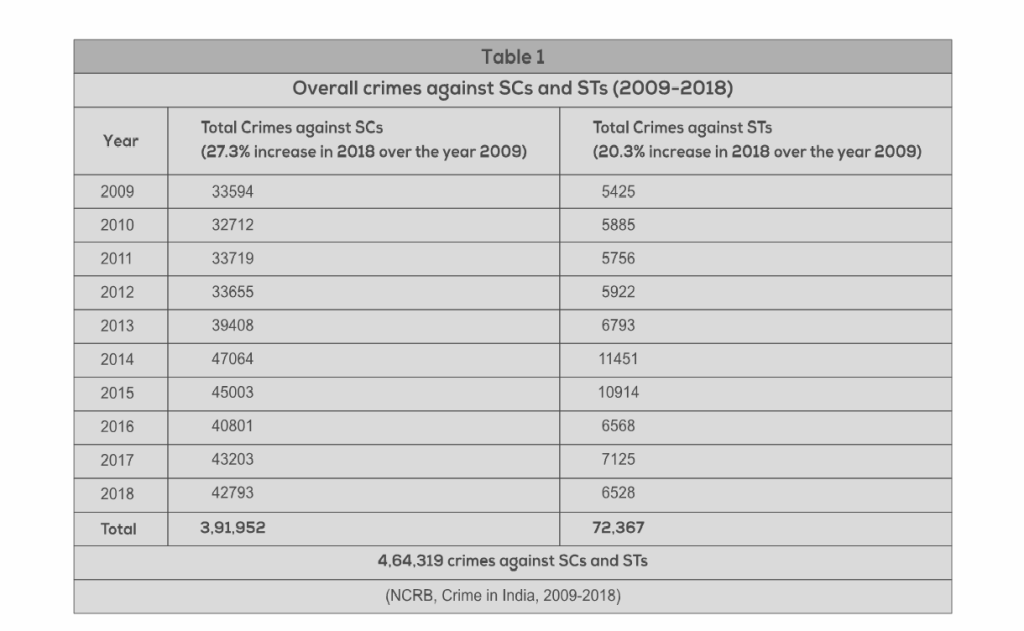
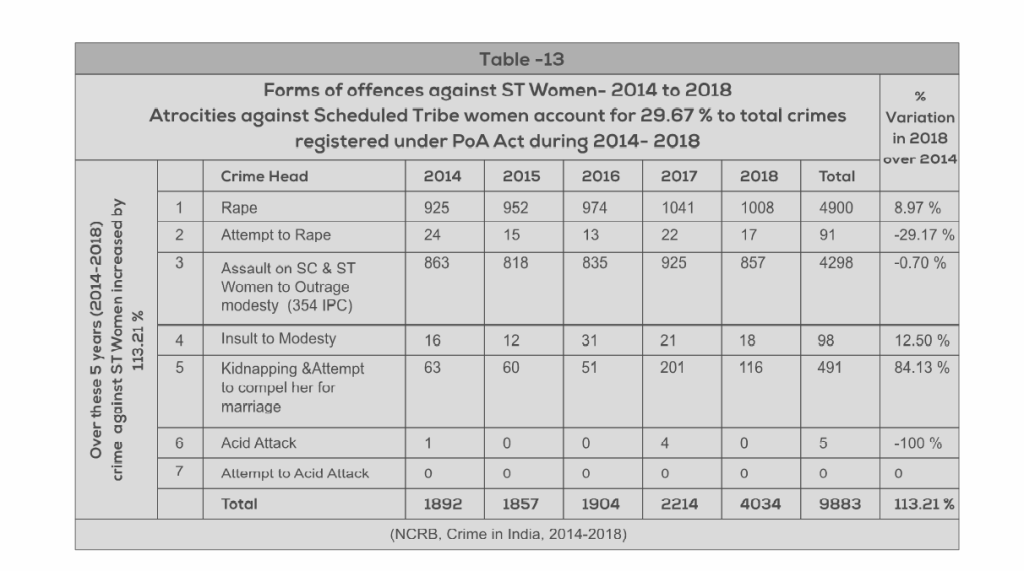
Today, we witness a number of cases of violence, brutality, discrimination and barbarity against the India’s “UNTOUCHABLES”. The graph of these cases has only been rising ever since. Sexual and physical and even mental torture continues in the name of protecting the society from the ills of SCs and STs causing a substantial number of deaths every year. The members of other caste take the responsibility onto themselves of ensuring that the audacity of these marginalized sects or caste remains in check through use of economic, political and violent power and resources, making it difficult for SCs and STs to live equally in this country as everyone. The women belonging to the discriminated castes face violence and sexual harassment more than those not belonging to these castes. According to National Crime Records Bureau of India as much as ten SC women are raped everyday and there has been a rise in their proneness to cruelty for about 44% in past ten years.
Picture Credit: https://bit.ly/39RBZpr

Present Times

In present times there have been a change in attitude of a lot of people with movies like, ARTICLE 15, MASAAN, THE WHITE TIGER and many more, the harsh reality has come in limelight and tried to change the perspective of the society towards the weaker sections. The big cities have never cared about the caste of a certain person, it is mostly the smaller towns and villages where the caste is so deeply engraved in the mindset of people that it will take time for the better and equal future. Though it will take time till this menace is shot dead in our Indian society and we could seize being Casteist of them All but still got to work for it together.
Big Fat Indian Weddings

The groom riding on the back of a horse, just being the prince charming, this beautiful bride had been waiting for, since she was nine, hundreds of people dancing, singing, celebrating, some other busy hosting more than a thousand people and the guests just rejecting every good thing. Rings a bell? Yes! That is what a Big Fat Indian Wedding Is! Will this showing off business take us anywhere? Why can’t we just have a wedding to satisfy ourselves rather than some strangers? The tradition of BIG FAT WEDDING has been in India for as long as humans have existed on earth and even a slightest change is considered crime in the eyes of the envoys of these traditions. With fair variety of food amounts taking space in the rented marriage halls as deemed necessary and appropriate measure of the respect they give to their guest has to be toxic at another level.

Hidden Ills

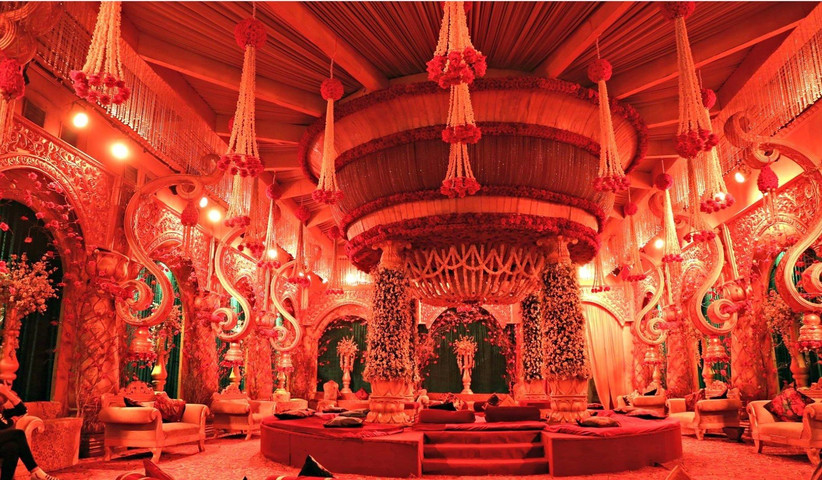
These high budgeted, well planned, stretching for over a week weddings could be fun for people who can afford it but for those who are to take loans just to satisfy the people (of half of whom doesn’t even matter to them), is something that definitely catches the eye. The issue with these weddings is that their sole purpose is not the happiness and contentedness of the bride and the groom but of the people who does not even knew the couple existed until before their wedding day. The show business is something that is worrisome to people who intend on getting married with lesser crowds and obviously lesser money. Because when these people do not follow the lead of burning millions in food, drinks, lodging, entertainment, for the people they hardly know, they are termed as misers, or even sometimes questioned if they are happy for their own wedding. The glorification of picture perfect wedding, the one where bride has at least one Sabyasachi or Manish Malhotra, groom gets a diamond ring for the engagement, there are as many as thousand shaguns given to all the guests, the hotels are no less than five stars, magnificent wedding sets inspired from dharma movies and only some 10-15 years worth savings going away with each step, is doing the harms it can in all the directions.

Picture Credits: WeddingWire.in
http://shorturl.at/noLQW

The amount to be spent on the wedding which was once one’s own choice today has become not only the status symbol but also a way of getting much craved respect from far away relatives. The amount that is spent has gone so high that people are compelled to give up all their savings along with loans burden on their heads. Everything becoming expensive day-by-day, the total cost can range anything from 20 lakhs to 5 crores, which also happens to be some family’s total savings or at least half of it. From decor to events to catering to photography with list adding on, the wealth drains with every event until it’s over. 80% people take loans for the wedding expenses. Reliance Money has stated that “An Indian wedding is generally a three-day affair with different ceremonies and rituals lined up. Each ceremony requires its own set of apparel, set-up, and materials. The average cost of a single ceremony may range between 6 to 10 lakhs.” Could we even think that these weddings are nothing more than wastage of money in its most prime way?

Refined Way

as the younger generation is getting married with their own money and not with their families taking loans, there has been a change in the way the weddings are being planned out. They marry on their own terms and more specifically in their own budgets. These new couples of 21st century aren’t the ones who spend money to impress some strangers but the ones who plan and spend as their own needs. The court marriages have emerged as a new trend with only the couple and parents saving the money and mostly donating it. With covid hitting the world and restricting the number of people in weddings in India, people have been inviting guests that are close to them. Now weddings are turning into more of a private affair than a public one, with only limited guests and less spending, there by moving forward in the right direction of curbing the ills of BIG FAT INDIAN WEDDING.

Reference: https://www.reliancemoney.co.in/getting-married-in-india-what-does-an-average-wedding-cost

PLIGHT OF WOMEN IN AFGHANISTAN

BY DAKSHITA NAITHANI

The Afghan women, maybe more than anybody else, have dreaded the Taliban’s return. There have been many advances in women’s rights over the last 20 years, which appear to be set to erase nearly overnight.

A quick lesson from history…

The Taliban, a political and military force, is said to have started in Islamic schools in Northern Pakistan in the early 1990s. Its aim was to restore order in Afghanistan following the withdrawal of Soviet troops in 1989, as well as to impose a harsh form of Sharia law. By 1998, the organisation had seized 90% of Afghanistan’s territory.

Once in control, the organisation garnered worldwide condemnation for a slew of human-rights violations. The ban on female education above the age of ten as well as harsh limitations on day-to-day liberties, were among the stringent mores imposed on women and its influence has frequently threatened to expand beyond, to places like Pakistan, where the organisation memorably shot teenager Malala Yousafzai in 2012. Women were treated worse than at any previous period or by any other culture throughout its rule (1996–2001). They were prohibited from working, leaving the house without a male escort, seeking medical assistance from a male doctor, and being compelled to cover themselves from head to toe, including their eyes. Women who had previously worked as physicians and teachers were compelled to become beggars or even prostitutes in order to feed their families during the Taliban’s rule.

Following the 9/11 attacks, it was thought that the Taliban were harbouring Al-Qaeda soldiers, thus an US-led international operation was started against Afghanistan. As a consequence, the Taliban were deposed from power, an Afghan government was established, and soldiers occupied the country for 20 years. It destabilised several regions of the nation due to battles with US and UK forces on a regular basis, and Afghan people were continued to be assaulted. Many would agree that the political and cultural status of Afghan women had improved significantly since the Taliban’s collapse in late 2001.

The Bush administration’s acceptance of women’s rights and empowerment as rationale for its assault on the Taliban is long gone. So it was under the Barack Obama administration, when then-Secretary of State Hillary Clinton stated that the Taliban’s repudiation of al-Qaida and promise to support the Afghan constitution and safeguard women’s rights were preconditions for US discussions with them. The rejection of al-Qaida has yet to be declared openly and publicly less than 10 years later; the constitutional order and women’s rights are still subject to intra-Afghan talks and will be influenced by the changing balance of military power.

In February 2020, US-Taliban peace talks were concluded, with the US pledging a quiet departure in exchange for an end to hostilities. Afghan leaders and top military generals have warned that the government will collapse without foreign assistance. It looks like the worst has transpired only weeks before Biden’s deadline of September 11th.

The Taliban rule wreaked havoc on the institutions and the economy, which had already been ravaged by decades of conflict and the Soviet scorched-earth counterinsurgency policy.

The post-Taliban constitution of 2004 granted Afghan women a wide range of rights, and the political epoch brought social and economic progress, which greatly improved the socioeconomic situation. From a crumbling health-care system with almost no healthcare available to women during the Taliban years, the post regime built 3,135 functional facilities by 2018, giving more than 80 percent of Afghans access to a medical facility within two hours’ drive.

 Less than 10% of females were enrolled in elementary schools in 2003; by 2017, that figure had risen to 33%, while female secondary school attendance increased from 6% to 39%. As a result, 3.5 million Afghan females were enrolled in education, with 100,000 of them enrolled in academic institutions. Women’s life expectancy increased from 56 to 66 years in 2017 and maternal mortality fell from 1,100 per 100,000 live births in 2000 to 396 per 100,000 in 2015. By 2020, women made up 21% of Afghan public workers, including 16% of top management positions, and 27% of Afghan parliamentarians.

 These benefits for women have been dispersed inequitably, with women in metropolitan areas benefiting considerably more than women in rural regions. Despite formal legal empowerment, life for many rural women has not improved much since the Taliban era, notably in Pashtun regions but also among other rural minority groups. Many Afghan males are staunch conservatives. Families often let their daughters to complete a primary or secondary education before proceeding with planned marriages. The burqa is worn by the majority of Afghan women in rural regions without any pushing from the Taliban.

What is the situation for women in Afghanistan now?

Women’s rights in Afghan had arguably maintained pace with many other Western countries prior to the 1970s. Women were granted the right to vote in 1919, one year after women in the United Kingdom. In the 1950s, gender segregation was eliminated, and in the 1960s, a constitution was enacted that included women in political life. As the region became more unstable in the 1970s, these rights were steadily eroded.

Only 38% of the international humanitarian response plan for Afghanistan is financed as of August 2021. This gap might result in the loss of specialised protection services for 1.2 million children, putting them at risk of abuse, recruitment, child labour, early and forced marriages, and sex abuse. About 1.4 million females, many of whom are survivors of domestic abuse, would be left without access to safe spaces where they may receive full care.

Females, who have experienced life with rights and freedoms, are among the most exposed as a result of the Taliban’s fast progress in Afghanistan. As the Taliban capture control of Kabul, they risk losing their hard-won achievements.

Those cries for aid may be too late as the capital city falls into the clutches of Islamist rebels. There have been several stories of the Taliban going door-to-door and compiling a list of women and girls aged 12 to 45 who are then compelled to marry Taliban warriors. Women are told that they cannot leave the house without a male escort, that they cannot work or study, and that they cannot wear anything they want. Schools are also being shuttered.

There is a lot to lose for a whole generation of Afghan women who entered public life – legislators, journalists, local governors, physicians, nurses, teachers, and public administrators. While they worked alongside male colleagues and in communities that were unfamiliar with people in positions of power to help establish a truly democratic civil society, they also wanted to pave the way for future generations to follow in their footsteps.

The Taliban offers itself a broad range of possibilities by claiming that they will “protect” women’s rights under sharia but refusing to explain how women’s rights and life in Afghanistan will alter if they achieve their goals. Even if the government did not openly adopt as cruel a system for women as in the 1990s, the Taliban’s dispositions are quite likely to undermine women’s rights, impose cultural prohibitions on women, and reduce socio-economic possibilities for them.

In summary, even with this change in behaviour, the Taliban in power would almost certainly strive to curtail Afghan women’s legal rights, exacerbating their social, economic, and political circumstances. How much and in what manner, is the question.

Reservation of seats – a threat to the population

India is one of the most populous countries among the rest. There is a change of cycle from past to present. People’s lifestyles and living patterns have changed and along with that the leap of authorization. The term reservation is nothing new, it is running for a long period. History speaks that people in past have faced discrimination in name of caste, crude, and sex. Although the terms have been given by humans themselves still some communities faced bias. Before independence, there was a hierarchy of class where different people were put into a different class box. According to a person is brahmin or Dalit they were given task and place to live. No doubt backward class people had to suffer a dark past. An individual was not allowed to touch the bowl of brahmin because it was a symbol of impurity. People behaved and formed a mentality among themselves that, if one belongs to the lower caste they should behave like a slave and if one is from an upper class, they should lead a glamorous life. The long injustice within a certain community was not justified. And due to this, after independence, the new government introduced a reservation system. Needless to say, the reservation policy was a much-needed gift to the people who mostly suffered from the unfairness. A scheme for ST, SC, OBC, and the backward class was initiated to empower them and ensure their participation in the decision-making process. Reservation was applied in the job sectors, education field, and economic field as well.The issue that arises at present time is that “whether there is a need for reservation in 2021?”. With a lot of discussions and eye-witnessed scenarios, it can be said that there is a demand for change in the system. No doubt we can’t repay the injustices that happened in the past but looking at the present picture it is becoming very hard for the common people to survive in this race. The change in a generation has led to great progress in all communities irrespective of caste or class. A Dalit man like Raja Nayak has turned his business to 60 crores. He currently serves as President of the Karnataka chapter of Dalit Indian Chamber of Commerce and Industries (DICCI) and runs schools and a college under the banner of Kalani Ketan Educational Society for the underprivileged and disadvantaged sections of society. So, it is in itself is the sign of change.Thus, it’s a request and a demand from the commoners to revise the scheme and at least serve all people equally. We see a student committing suicide just because she could not reach the cutoff and some others with less number book the seat because he/she is from a reserved category. A qualified employee has to lose his chance because that seat is for some other category person. If this is not partiality then what is? The revival of a year-long plan could change the whole picture and could provide justice. After all, people want democracy and not quotacracy.

Speech on Dowry


My favorite subject has always been English speaking and writing, so why not share it with you all?

So, “Dowry” is our first topic.


“I left my home, I left my parents, but it wasn’t worth’

they didn’t want me, they just wanted diamonds.”

The phrase I started with isn’t really a quote, but more a vision of a girl who has left everything for a new family, but they aren’t happy with her, they are happy with the dowry she brought with her. Isn’t this heartbreaking? But do any of us here even understand what dowry is exactly?

People believe that dowry is just money given by a bride’s family to a groom’s family at marriage, however, this is not the case.  

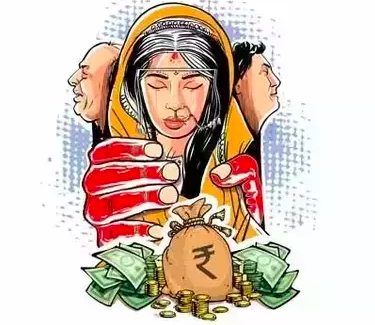
Dowry is a sum of money, property, or any other thing given by the bride’s family to the groom’s family at the time of marriage, but is there ever a limit to greed? Never, even after marriage, many women are tortured or physically abused as a result of it.

But when such a thing started, does it have any end? We are filled up with such questions.

It is an ancient custom and it continues to be expected and demanded as a condition to accept a marriage proposal in some parts of the world.


In Hindi, we call it Dahej or Dahej pratha it is followed in India for a very long time even before the British period. The thought behind this pratha is to ensure that the daughter is financially stable and well treated after her marriage but its a nightmare for many of the women out there, parents who can’t afford the demands of the groom and his family, and sometimes they have to take the marriage loans to get their daughter married. Sometimes the demands of the family get too much that marriages are canceled and such things leave their scar on the women and their families. 

The dowry system is essentially a manifestation of Indian society’s patriarchal structure, in which males are regarded as superior to women in terms of physical and mental qualities. With such a cultural system in place, women are frequently regarded as second-class citizens, only fit for household duties. Such beliefs are frequently linked to them being considered as a financial burden by their father and then by their husband. The dowry system, which feeds the perception that a girl child is a potential burden on family income, worsens this attitude. 

“I live in a society where giving and taking dowry is a pride.”

In our country, dowry is frequently used to demonstrate social status. The amount of money spent on a daughter’s wedding or the amount of gold given to them is frequently used to determine one’s social worth. This viewpoint strongly supports the practice of dowry demands. The boy’s family rises in social status as a result of the dowry their new bride brings in, which is a measure of his wealth.

Dowry was very popular in India, in ancient times. It’s not the case now though, but it isn’t finished even. It is even practiced in many parts of the country now also.


Do you know, how it changed over a period of time? What makes it a change? 


Everything over time has played its role and changed it, but we the youth were the most to make it possible. 


“It takes 2 hands to clap.” You won’t give, they won’t take.


Nowadays, the groom’s family does not even consider dowry, they just care about the girl. Also, from bride’s family, they just deny it directly if they are asked for it. But such families are still in small numbers. 

Moreover, females have become so independent and blunt they don’t want to marry a person who even thinks about it. 

But where we played the role? 

We played and have to play an important role until such practices get abolished. We need to educate everyone, that a life of girls matters, those materialistic things, money, or property are worthless over a female. 

We not only even need to educate people but also to stop such practices if we see them being practiced and just report them as the law is there.  


Several laws have been passed to prevent the practice of dowry and the discrimination it causes against women. The Dowry Prohibition Act was passed on May 20, 1961, to eliminate this heinous practice from society. Not only does the statute make it illegal to accept dowry, but it also makes it illegal to provide it. Property, valued security, such as cash and jewelry, are among the items that are exchanged during the marriage. Making dowry demands is punishable by a minimum of 5 years in prison and a fine of 15,000 rupees. Sections 498A of the Indian Penal Code and Section 198A of the Criminal Procedure Code deal with acts of cruelty committed by the husband or his relatives against the wife. The addition of Section 113A to the Indian Evidence Act allows the bride’s family to accuse the husband’s family of aiding and abetting the suicide of their daughter within seven years of the marriage. 


The government and people have always shown support for a social cause and we do need to too. Let’s just abolish it until a girl says

“I left my family, I left my parents, yes it was worth it

they wanted me, not the diamonds.”


Advertisements and Body Image

Advertisements have the power to shape the belief of a person and convince them into buying a particular product. But often these advertisement campaigns, especially the ones related to beauty products, promote an unrealistic body image which affects the consumer’s state of mind. They glorify and emphasize the importance of physical appearance and set certain standards of beauty. 

 This can affect not only the mind but also the social and emotional state of a person. It can lead to low self esteem issues and impact their overall well-being. Youngsters and teenagers are the most vulnerable to this negative impact of advertisements. They idealize the body image shown in the advertisements and end up with body dissatisfaction or taking drastic measures in order to change the body. 

The issue of Body Image

Body image refers to one’s perception about one’s size and shape of body. Body dissatisfaction is experienced when the person feels that they do not fit into the perception of body image. This can lead to unhealthy habits like chronic dieting . 

Nationwide Surveys conducted in the USA during the 1970s, 1980s and 1990s,  indicated that both men’s and women’s body image perceptions were becoming more and more negative with the growth of print and television advertisements. 

When it comes to beauty products or fashion related content, the models are always shown to be extremely thin. This stereotypical standard of beauty leads to body related anxiety issues and eating disorders among women. Likewise, Men are always stereotyped to have a physically strong, lean, and muscular body. 


Similarly racist attitudes are also promoted by many fairness product’s advertisements. Fairness creams, powders, etc. showcase fair skin as the standard of beauty. This issue of fairness creams was widely questioned and criticized recently, especially on social media.


Some advertisements set unattainable goals for the consumer. For instance the unrealistic standards are set like a totally spotless and ever-glowing face, or always having silky smooth hair. These notions of beauty are far from reality, they are unlike the people that we see in our everyday life. Trendy clothes, perfectly smooth skin,etc. is glamorized to the extent that people consider it to be the “perfect body”. 

However, due to recent debates around the issue of body image being shaped by advertisements, some advertisements have started promoting body positivity. More advertisement campaigns that promote body positivity and inclusivity are required for normalization and acceptance of the non-stereotypical body images in society.


WHAT DOES ADOLESCENCE NEED?

Need for independence

With the growing physical and mental development an adolescent wants to express his opinion independently, to take part in different social activities and to become self-dependent like any adult member of the society. On attaining adolescence, the child who earlier used to depend on his elders, finds himself full of life and energy and cannot help but to take part in the diverse activities of the society. Thus, he defies the dominance of his elders and wants to proceed in life independently

Need for self-recognition

The adolescents not only want to take part in different social activities but also want self-recognition. They want to attract attention of other people by showing their abilities. The children in adolescence want to project themselves before the society in such a way so that people can appreciate their qualities and give them due respect and recognition.

Need for self-expression

There is a great desire among the children in adolescence to express their feelings, thoughts and ideas. At this age, every child wants to express himself in his area of proficiency like sports, dramatics, studies, music, literature, art or any other medium.

Need for social life

One of the important needs of adolescents is to take part in the greater social environment. Before entering into the age of adolescence, children do not get much scope to mix with people outside their family. But as they attain adolescence children want to experience the greater social-life and want to get involved closely in different social activities. This need for social life gets an outlet when the adolescents involve themselves in the activities of different social institutions like club, social welfare committee, community service etc.

Need for self-reliance

Another important need of children in adolescence is the need for self-reliance. There is a great desire among the children of this age to become self-reliant as soon as they attain puberty. And they start dreaming about their future professions and the ways to establish themselves in their respective fields. The children of this age are also very eager to acquire professional qualifications according to their choice.

Need for Philosophy of life, morality and need to know the unknown

The children in adolescence want to have a philosophy of life, a clear concept of morality and want to know all the things which are unknown to them. They have a lot of inquiries regarding the basic purpose of life. They want to know how human life can be goal-directed and what is the main aim of life. When the children attain puberty, they also indulge in a great deal of thinking over the concept of right and wrong, good and bad. They want to evaluate all the activities of themselves and people around them in accordance with the concept of right and wrong. There is always a tendency among them to do whatever is morally right. And if they do something morally wrong, they go through terrible mental agony. At adolescence, there is also a great desire among the children to know what is unknown to them. The new discoveries of science have a great influence on the minds of adolescents.

Need to satisfy sex-related curiosity

As the children attain puberty they develop a deep sex-related curiosity. This curiosity greatly perturbs them as the result of natural outcome of their sexual development. First, they try to satisfy this curiosity by natural means. But later, by being ignored or scolded by the elders, they try to satisfy this curiosity through abnormal ways. Adolescence is one of the important stages of growth and development of the child. At this stage a unique disturbance develops in the mind of the child. According to modern Psychologists, this disturbance in the mind of the child is not an essential outcome of his physical development, rather it occurs in the mind of adolescents because of unfavourable environment.

Domestic violence during the pandemic

 Domestic violence during the Covid pandemic is a major concern which indicates the negative psychological and social impact of the pandemic on our society. Countries all over the globe, have reported alarmingly high number of cases of violence faced in the households.  

Domestic violence

It refers to any sort of physical, sexual or emotional violence by a partner or any other family member. Women are the primary victims of this sort of violence. It is a crime according to section 498A of the Indian Penal Code. The Government of India had passed the ‘Protection of women from domestic violence act’ in 2005. 

Impact of the pandemic

Cases of violence have increased with the rise of Covid-19 pandemic. The National Commission for Women(NCW) received 13,410 complaints of crime against women between March- September, 2020. Out of the complaints received, 4350 were about the problem of domestic violence. Not only in India, but a rise in cases were seen globally. According to a report by the UN in 2020, 243 million women and girls were subjected to domestic violence worldwide.


A drastic rise in cases were seen, even when many of the cases go unreported due to the social stigma attached to it. Research shows that violence tends to increase in conditions of any crisis or disaster. A similar rise in cases of violence in households was seen during the Ebola outbreak between 2014-2020. 

Causes of increase in violence

The pandemic has led to quarantine in many of the countries, it has completely changed the day to day lifestyle of the people. The pandemic has restricted the movement and confined people to their house. It has also economically impacted people with a rise in unemployment and other losses. This has contributed to psychological distress among the people.


Unfortunately the stress, anger and frustration has culminated into violence in some households. There is also a lack of social support or protective network for the victim because of isolation inside the house. Many find it difficult to access timely help or intervention in these situations. 

Solutions

The first and foremost step is to make people aware about it and give them proper knowledge to access help. Most of the survivors have limited information about seeking justice against violence. Many of them hesitate to speak up or register a complaint. Under-reporting of cases is a major problem. Surveys show that only 7% of the victims reach out for help. In such conditions legitimate information and awareness plays a crucial role in raising voice against the crime. Building an easily accessible community support system for the victims and giving them psycho-social support is another important step. 

Various social media campaigns have helped to make support accessible in the times of Covid-19. Often youngsters have actively involved themselves in such awareness campaigns. Recently, NCW had launched a Whatsapp based helpline to ease the process during the pandemic. Some state governments had also started different initiatives like tele-counselling programmes for women. The UN had also launched the ‘Shadow pandemic public awareness campaign’ to raise awareness about the increasing violence. 

Domestic violence is a social evil which needs to be eradicated for the betterment of our society. 


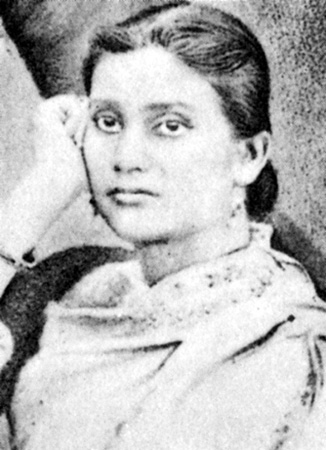
Kadambini Ganguly: India’s First Female Doctor.

160 years ago, on this day, July 18, Kadambini Ganguly was born in a Bengali family in Bhagalpur, Bihar. As a child, she was rebellious with regard to sexism and patriarchy and was very hard-working as a student.

Picture of Dr. Kadambini Ganguly.

During her childhood, she had witnessed that in her area many women used to die without treatment as women could not get proper treatment because all doctors were males and Indian social culture didn’t approve a male doctor treating a female patient. From here, she dreamt of becoming a doctor during her childhood.

However, things didn’t happen according to her. She was married off at young age and thus she thought her dreams would go down the gutter. But it was then her husband who supported her in every walk of her life. She did her schooling partly at Banga Mahila Vidyalaya and partly at Bethune School. In 1878, she became the first female to pass the University of Calcutta entrance examination.

Within few years, she became one of the first few female graduates in the country alongside Chandramukhi Basu. When she wanted to study medicine, she was denied admission by University of Calcutta as the university wasn’t allowing female students back then. Dwarkanath Ganguly, Kadambini Ganguly’s husband challenged this patriarchal rule and in 1883 Kadambini Ganguly was the first female to take admission in Calcutta Medical College.

Kadambini Ganguly received a scholarship of two years and in 1886 she was awarded the GBMC award and thus making her the first female to have a degree in Western Medicine in the whole of South Asia.

It is also important to note that during that time people didn’t approve a female getting education and as a result she received strong opposition regarding her academical choices from conservatives even from her neighbourhood and relatives.

Bangabashi, a magazine of that time that was run by the then conservatives also called her a “whore” and this obviously didn’t go well with the Ganguly couple. Dwarkanath Ganguly legally filed a court case against the magazine and this resulted in 6 months jail term for the editor of the magazine.

Kadambini Ganguly also went abroad for her studies and got her further education in Edinburgh College of Medicines for Women. She quickly earned three different diploma degrees. Soon, she became popular in entire South Asia and Europe. Her name became so popular that the then King of Nepal invited her to treat his ailing mother.

Kadambini Ganguly had even advocated for social change in India and especially for women. It was due to her efforts that Bethune College in Kolkata added the Fine Arts course in their college. She was also one of the six female delegates to fifth session in Indian National Congress and even organised Women’s Conference in 1906 in Calcutta.

Authors of that time described Kadambini Ganguly as one of the “greatest” and the “most accomplished woman” of her time. And truly, all of us agree to it. Because of courageous women like her, so many women in the world must have got inspired to achieve their dreams. Kadambini Ganguly will always remain immortal in all her hearts.

Why is Dowry Still Popular in India?

Dowry is basically the transfer of parental property, gifts, money or anything else of monetary value, usually by the wife’s family to the husband and his family upon marriage. Hence, dowry serves as a gift from the bride’s family to the groom’s family in consideration of their marriage and accepting the bride into the groom’s home. This practice of dowry is an old, obsolete and discriminatory practice. It has its roots in ancient Indian culture that placed women at an inferior position to men, such that women had to pay a price through dowry just to be with them. In older times, women had no individual identity and their identity was tied to their husbands through marriage. Dowry is a practice which took advantage of this convention and exploited women due to their inferior social position. With the change in times and beliefs, the payment of dowry has been prohibited under specific Indian laws such as the Dowry Prohibition Act, 1961 and subsequently by Sections 304B and 498A of the Indian Penal Code. However, the practice is still prevalent to a high degree in India today despite its prohibition, leading to things like harassment, domestic violence and even dowry deaths. There are many reasons for this.

Reasons for Dowry till existing

  • Firstly, dowry still exists in India because it is perceived as a source of easy income by the groom’s family. This is why we see the practice of dowry today predominantly in the rural areas and among the households of the poor. Without any of their own effort or hard work, and by simply relying on this social convention, the groom’s family can ask for dowry and gain wealth for free. Yet, research suggests that dowry is highly prevalent even among urban households and households of the rich and educated. This is unusual and it raises the question as to why someone who is educated and aware of laws indulge in the practice of dowry. Even recently in 2019, there was CCTV footage released of a retired Madras High Court judge Nooty Rama Mohana Rao harassing and beating his daughter in law for the payment of dowry. Hence, there are other factors that cause the practice of dowry to continue.
  • In most cases, due to patriarchy and preference of a boy child over a girl, the sex ratio in many states of India is disparate. This leads to a greater number of men compared to women. It could be argued that due to a greater number of men, dowry might hardly exist. However, this isn’t practically true, because the men having characteristics desired by the bride and her family are few. These characteristics include physical features, income, family status, etc. Thus, the bid for these highly demanded men leads to the existence of dowry. This is a typical market approach focusing on the demand and supply of desired partners which still exists in India today. Dowry is essentially the price to be paid to gain a husband or son-in-law, called the ‘groom price’.
  • Another reason for the prevalence of dowry is the notion of security. Research suggests that in-laws show more preference towards the daughter-in-law that brings a large dowry, giving her more autonomy and say in households matters and giving her fewer chores to do. In some cases, the bride herself encourages the payment of dowry as she sees it as a transfer of wealth from her paternal side to her husband’s side, leading to a rise in the financial position and status of her new family. Hence, the play of power and autonomy has led dowry to still exist.

Conclusion

Hence, we can see that despite its abolishment, dowry is still practiced to a large extent in India. This is because of the reasons stated above, and also generally because we are in a modern era with new requirements. We have an open economy which fosters free trade and globalization, which in turn has nurtured a consumerist attitude in us. The growing consumerism has affected the way dowry is perceived in India, and it is now being encouraged as it helps satisfy the consumerist needs of people. Furthermore, any attempt by a woman to file a complaint or report a case of domestic violence/harassment with regard to dowry is often silenced by the husband or his family by threat or coercion. Therefore, India must try its best to create some sort of support system for women and work to abolish the practice of dowry at all levels so as to remove this discriminatory practice from Indian society.

Why Indians are Shorter on Average

Indians are among the shortest people in the world on average. Despite impressive rates of economic growth in India over the past decade or two, India remains one of the worst performing countries worldwide in terms of height, among both children and adults. This is unusual because data and research has shown that over time people become progressively taller as living standards improve. There has, however, been an increase in average height in India itself as the standards of living have increased. Between 1914 and 2014, the average height of Indian men increased by about 3cm to become 165 cm, while women grew taller by about 5cm to become 153 cm. Also, it seems that children in India today are much taller than their parents were at their age, according to studies conducted into the matter. But why are Indians still shorter than the global average while Most countries have shown an increase in height over the past century or so?

Some Factors

Genes contribute to only a small portion of a person’s height, and so most scholars around the world have disregarded the hypothesis that genetic factors are of prime importance in explaining the small stature among Indians relative to international standards. Instead, it has been identified that environmental factors such as the mother’s health, infant and child nutrition, sanitation and environmental pollution are the major reasons for smaller heights in India. Nutrition here not only implies that there is malnutrition in the country, but also the fact that India has a very large vegetarian population. This means that many people are not gaining nutrition from a very good source: meat. Protein obtained through meat is great for growing height. Though vegetarians can get protein from dal or soybean, they are not nearly as good sources of protein, and the best quality of protein comes from animal sources. Apart from this, the low status of women in Indian society, high rates of gastro-intestinal infections spread by the widespread practice of open defecation (especially in rural areas), and certain eating habits are said to contribute to height.

Furthermore, research has shown that forward caste men are the tallest in India, and scheduled caste and scheduled tribe men are the shortest. This is proof of the fact that better living conditions and nutrition helps in height growth. Thus, there is decreased importance of genetic factors in explaining the disappointing growth performance of Indians, and it is more of the socioeconomic and environmental factors prevailing in India. This is evidenced by the fact that ethnic Indian adults in England are much taller than in India, because of their standard of living and environment.

Conclusion

Today in India, children are definitely much healthier and better-fed than they used to be, and adults are gradually getting taller than their previous generation. However, Indians are still much shorter than Americans or Europeans, and it is estimated that the height difference will take around 250 years to eliminate at the British growth rate. And the reason behind all this is not Indian genetics, but rather things like malnutrition and poverty in the country. Today, nearly 40 percent of Indian kids today are short enough to be classed as stunted by international standards. Furthermore, it is mostly Indian men that we see gradually growing in height to meet the international average, while women are growing taller at less than a third of the rate at which Indian men are growing taller. This matches the pattern of discrimination that we often see in India, which is a mostly patriarchal country. Hence, we will only be able to increase in average height if we are able to raise the standard of living for everyone in the country and aim for equitable treatment of all.

Evolution of Panchayati Raj System in India.

Since the beginning of India’s foundation, Panchayats have been the pillar of Indian rural set up. According to Mahatma Gandhi, development and governance in India should not be in big cities and towns but in rural areas and small villages because majority of Indian population resides in villages.

A Panchayati Raj meeting in India. Picture Credits: India Today.

The Panchayati Raj system in India derives its existence from Indian Constitution under Part IX under the head The Panchayats. When power is taken away from Central and State Governments and given to local government, it is called decentralisation.

Most of our Indian states like Uttar Pradesh, Maharashtra are internally very diverse. There is thus a need for power sharing within these states. Federal power sharing in India needs another tier of government, below that of the State governments. This is the rationale for decentralisation of power. Thus, this resulted in a third-tier of government, called local government. People have better knowledge of problems in their localities.

The need for decentralisation was recognised in our constitution. Since then there have been several attempts to decentralise power to the level of villages and towns. Panchayats in villages were set up in all states. An independent institution called the State Election Commission has been created in each state to conduct Panchayat elections.

A major step towards decentralisation was taken in 1992. The Constitution was amended to make the third-tier of democracy more powerful and effective. Now it is constitutionally mandatory to hold regular elections to local government bodies.

Now it is constitutionally mandatory to hold regular elections to local government bodies. Seats are reserved in the elected bodies and the executive heads of these institutions for the Scheduled Castes, Scheduled Tribes and Other Backward Classes. At least one-third of all positions are reserved for women. The State governments are required to share some powers and revenue with local government bodies. The nature of sharing varies from State to State.

Rural Local Governments is popularly known by the name panchayati raj. Each village or a group of villages in some states have a gram panchayat. This is a council consisting of several ward members often called panch, and a president or sarpanch. They are directly elected by all the adult population living in that ward or village. It is the decision making body of the entire village. The Panchayat works under the overall supervision of the gram sabha. All the voters in the village are its members. It has to meet at least twice or thrice in a year to approve the annual budget of the gram panchayat and to review the performance of the gram panchayat.

The local government structure goes right up to the district level. A few gram panchayats are grouped together to form what we call as a panchayat samiti or block or mandal. The members of this representative body are elected by all the panchayat members in that area. All the panchayat samitis in a district together constitute the zilla parishad.

Despite of the many flaws, Panchayats have contributed a lot maintaining the rule of law inside villages and educating the rural population about various different matters pertaining to their interests.

UNAIDS- Achievements and Challenges.

As of 2018, about 38 million people in the world are infected with HIV and out of these about 21 million people were living in Africa alone. South Africa, Nigeria and India are the worst affected countries with over 7 million, 3 million and 2 million people with HIV infection respectively. Interestingly, India is on third position with over 2 million of its population infected with HIV; however it has the lowest HIV rate in the world due to its vast population.

Source: UNAIDS.

UNAIDS acts as a global cogent body that protects HIV infected people from discrimination and aims to provide them a safer environment by creating awareness among the masses. It also provides deliberate and strategic advocacy and cooperates with different governments and private bodies to achieve its goals.

Achievements of UNAIDS.

1) Because of UNAIDS’s effective advocacy, different Government responses towards every aspect of HIV and AIDS was positive with good leadership and management.

2) UNAIDS’s advocacy also inspired many countries to change and abolish discriminatory laws that used to keep HIV patients on the fringes. It also convinced many countries to make laws in favour of women’s rights so that stigma faced by women decreases.

3) In 2019, 67% of all people living with HIV were accessing treatment. 68% of adults aged 15 years old and above had access to treatment, 53% of children had access to treatment and 73% of the female adults also had the access to treatment.

4) About 85% of pregnant women living with HIV had access to antiretroviral medicines to prevent transmission to their child in 2019.

5) UNAIDS also worked a lot in raising awareness about HIV and related stigma all over the world. It focused on myths related to HIV which ultimately led to a positive attitude of public towards HIV patients.

CHALLENGES FACED BY UNAIDS

There are a lot many challenges attached to HIV infection and thus it also becomes difficult for UNAIDS to deal with the issue at times. It is a social difficulty too and HIV patients suffer in silence because misconceptions about HIV.

1) HIV and Violence on women:

Every week, about 5500 young women aged 15-24 years become infected with HIV.

In Sub-Saharan Africa, five in six new infections among adolescents aged 15-19 years are among girls. Young women aged 15-24 years are twice more likely to be living with HIV than their male counterparts.
More than one third (35%) of women around the world have experienced physical and/or sexual violence by an intimate partner or sexual violence by a non-partner at some point of time in their lives.

2) HIV and Tuberculosis:

Tuberculosis remains the leading cause of death among people living with HIV, accounting for around one in three AIDS related deaths.
In 2018, an estimated 10 million people developed Tuberculosis and 9% of them had HIV.

3)HIV and COVID-19, newest of all:

A new analysis by UNAIDS has revealed that COVID-19 is going to have a detrimental effect on low and medium income families and countries around the world on supplies of the generic antiretroviral medicines used for HIV treatment.
The lockdowns and border closures imposed by Governments to stop Covid-19 have impacted both production of the medicines and their distribution.

It’s important for us as a society to support the HIV-AIDS patients and their families morally, socially and make a stigma-free environment for them.

World Population Day: UP Population Bill Draft.

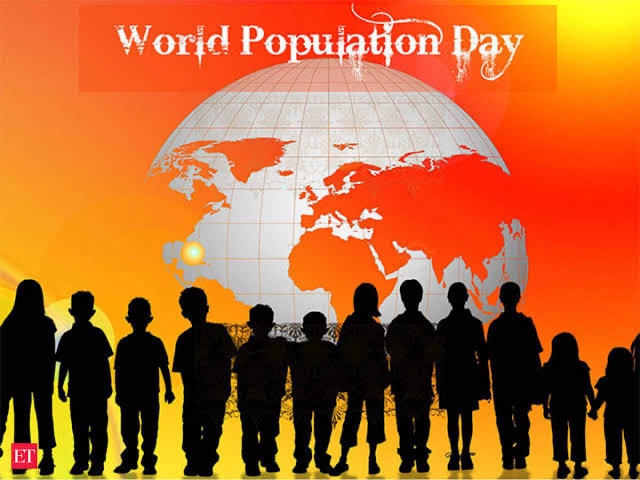
Today, July 11, is celebrated as World Population Day each year and this was established by United Nations Development Programme with an attempt to address the issues faced by global population.

Photo Credits: E Times.

This day is very important to India as our country is one of the few in the world to have a massive increase in population in the past few years. With growing population, demands and needs of the public also increases.

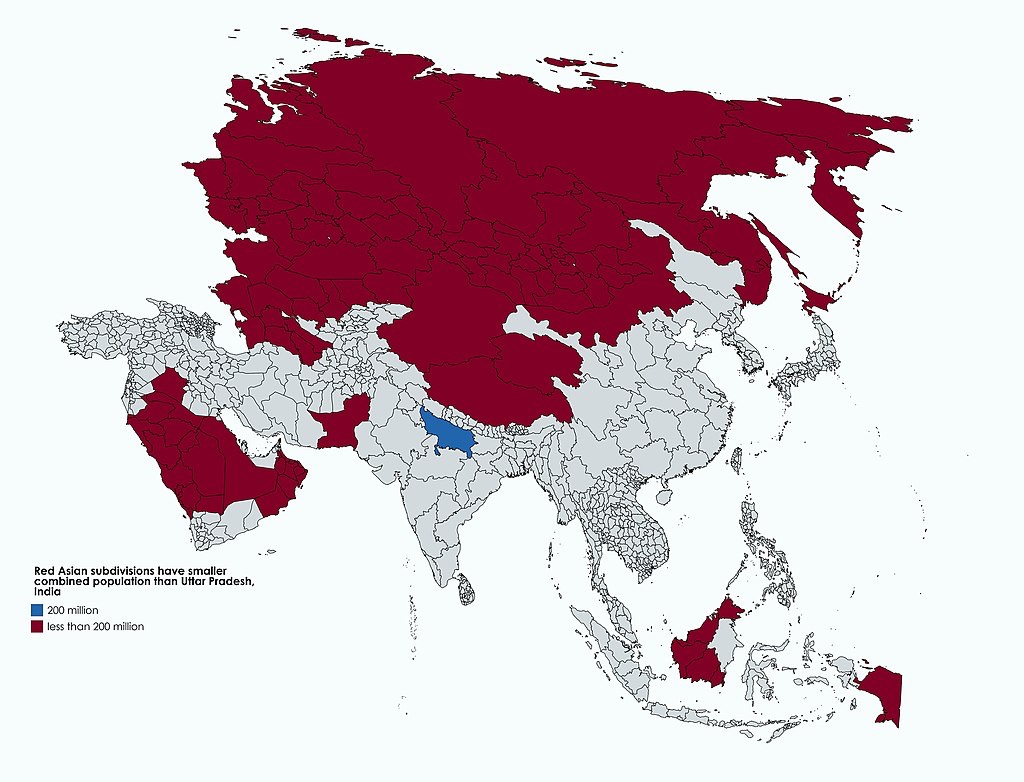
Uttar Pradesh, a state in India has a population of about 220 million, larger than that of many of the developed countries in the world. As increasing population is a growing concern, the Government of Uttar Pradesh has proposed a bill to control the population growth and any suggestions that would improve the bill are also welcomed and the last date for public opinion is July 19.

Blue Area: Uttar Pradesh.

The Blue Area, marked on the picture above is Uttar Pradesh and the blue area has more population than the entire red area combined. This shows the seriousness of the situation regarding the population in Uttar Pradesh.

Let us know some of the important facets from the Population Control Bill Draft of Uttar Pradesh which voices for a “two-child norm” in Uttar Pradesh.

The Government Duties:

1) A State Population Fund will be made for the purpose of implementation of the act.

2) Maternity Centres will be established at all primary health care centres. All centres and related NGOs will have to distribute contraceptive pills, condoms and like.

3) The Centres and NGOs will also have to educate people about proper family planning methods and record the information about pregnancies, deliveries, births and deaths.

4) The Government will also ensure that there’s a separate subject regarding population in all secondary schools.

5) The Government would also ensure to stabilise and provide welfare to the population of the state by implementing and promoting two child norm.

6) In the Bill it is also mentioned that public servant who adopt the two child norm would be entitled to several benefits such as increments throughout lifetime, maternity leaves and paternity leaves for 12 months (according to the case) with full salary and allowances and three percent increase in the Employer’s Contribution Fund under National Pension Scheme.

Citizen’s Responsibilities:

-The Bill has also made it clear that anyone violating the two child policy will be debarred from contesting local bodies elections, from applying or getting promoted in Government jobs, and receiving any kind of Government subsidy.

-As responsible citizens, the bill expects us to abide by the laws contained in the bill or suggest any improvements until July 19 and also encourages us to promote sustainable development with more equitable distribution.