India to be next global SaaS capital.

The Indian IT sector continues to charge ahead on its trajectory of growth and transformation, with SaaS (Software as a Service) setting the stage for the next wave of disruption, according to a study. 

India is home to about 100-plus unicorns across different segments with an accelerated pace of entrepreneurship and is rapidly emerging as a hub for SaaS start-ups, cited the study by EY and CII, titled “India: The next global SaaS capital.” 

Over 80 per cent of the SaaS promoters feel there is the need to build a robust talent pool, according to the EY-CII study. While the landscape is mainly driven by small and medium businesses with a focus on large enterprises, SaaS companies in the SMB market are structured very differently from those catering to the enterprise market.

“Macro-economic environment notwithstanding, the funding activity in the first two quarters of this year surpassed the funding activity in 2021 – which was a breakout year with over $4.3 bn in funding for SaaS start-ups,” said EY India.

According to other reports, the Indian SaaS market is expected to grow multi-fold by 2025, accounting for almost seven to ten per cent of the global SaaS market, from 2-4 per cent at present.

Led by Freshdesk and Zoho Corporation, India now has 18 SaaS unicorns as compared to one in 2018, with India being the third largest SaaS ecosystem globally, after the US and China. The number of SAAS companies in the country have more than doubled in 2021 as compared to 2019 and the funding too increased from $2.6 billion in 2019 to $6 billion in 2021.

According to the EY-CII report, SaaS providers are also doubling down on their customer acquisition, retention, and success strategies by upselling and cross selling to existing customers. The study also pointed towards the need for skill development in areas like product management and design to cater to the growing talent demand in the SaaS industry.

What is artificial intelligence (AI)?

The first thing that comes to mind when we hear the term
Artificial intelligence is, what exactly is AI? We see computers workaround for
us all the time but we don’t truly understand what AI actually is and how it
works, so read along to find out.

The purpose of Artificial intelligence is to give
machines, especially computer systems the ability to simulate human
intelligence processes. What is often referred to as AI is nothing more than
machine learning when only one component among many others that AI has.

Python, java, etc. are some of the popular programming
languages which are used to write machine learning algorithms that serve as the
foundation to build specialized software and hardware required by AI to achieve
specific goals it has been programmed to do.

Ai works by gathering large amounts of data, analyzing
them to find patterns and correlations present, and subsequently using them to
make predictions about the future as accurately as possible. For example, an
image recognition tool can be fed millions of images to look for certain
objects present in it. the perfect example of AI is the mars curiosity rover, as it is on an entirely different planet collecting samples analyzing them and sending the results back to earth.


Categories of AI


AI can be categorized in two ways i.e. weak or
strong 

  • Weak/narrow
    AI
     is usually designed and trained to complete a
    particular task for e.g. Apple’s Siri is a really good example of a
    software program that uses weak AI.


  • Strong
    AI 
    also referred to as Artificial General Intelligence
    (AGI), is used to perform tasks that require cognitive abilities to do so.
    The tasks performed by them tend to be much more complex in nature. A really
    good example of software that utilizes a strong AI can be found in
    self-driving cars, hospital operating rooms, etc. 


The four types of AI


There are mainly four types of AI which can range from
intelligence systems that are task-specific and widely in use all around the
world to sentient systems which have not yet been developed.


1) Reactive machines- they are the
most basic type of artificial intelligence. It uses algorithms that enable it
to give optimized output, which will be the same if the inputs are identical.
For e.g. Chess-playing AIs are based on reactive AIs.


2) Limited memory AI- they are the
type of AIs that have the ability to utilize past experiences to improve their
future decisions but they can store limited amounts of data and have a
relatively short length of memory. For e.g. self-driving cars are the best
example of a machine that utilizes limited memory AI.


3) Theory of Mind AI- this type of
AIs has social intelligence enabling them to understand human emotions. They
will be able to understand human emotions and have the ability to predict
behavior which can be extremely helpful in making a Chabot that could
potentially have the ability to even fool humans into believing that the Ai was
an actual human being. The only thing they lack is that they are not
self-aware. 


4) Self-aware AI- this is the
future of artificial intelligence, these machines will have their own
consciousness, sentiments, and will be self-aware and will be a lot like us
humans in terms of emotions behavior patterns, etc. a lot of scientists believe
that AI will never become self-aware or as one might say ‘Alive’.


Applications of Artificial intelligence 


1) AI in healthcare

With the availability of large and complex data in
healthcare implies that Artificial intelligence will be used to process and
analyze it to help us in many ways. One of the most useful and common
applications of AI will be in diagnosis and treatment recommendations. IBM
Watson is one of the best-known healthcare AI software which can mine a
patient’s data and data from other sources to formulate a hypothesis and it
even gives it a confidence scoring scheme as well. 


2) AI in business 

AI is the best thing to happen for business owners
because AI can help you automate the routine tasks which would normally take
hours to do and it can do it with great accuracy too. Not only routine tasks
but AI can also be used to analyze and interpret data which can be very useful
for analyzing customer behavior to help you improve your marketing strategies
and it is extremely cost efficient as well. 


3) AI in finance 

AI can be used by individuals to help manage their
personal finances and can also be used by financial institutions to manage and
analyze large amounts of data. These types of software can help to conduct
fundamental and technical analyses on different companies and funds by
automatically taking information from their balance sheets. these types of AI software
are also capable of executing trades on the stock exchange on behalf of you and
with greater accuracy and results as they remove the emotional aspect which
would affect your trades if you execute them by yourself 


4) AI in law 

AI in law can help save hundreds of man hours which are
spent sifting through documents and analyzing them manually for discrepancies
by automating this process. This helps to make the entire process a lot more
efficient, time-saving and improves customer service. 


5) AI in manufacturing 

In its early stages of development, AI was only being
used to perform a single task and still required some form of human
intervention at all stages of the production process but, with the recent
advancement in technology, entire production lines can now be replaced by AI
machines and the whole process can now be automated as the AI is now capable of
multitasking. It can now produce and assemble the product all while performing
quality checks on each and every product which was simply not possible earlier
when the human workforce was used for everything. 
 

Business software and it's types.

 Business software and it’s types.

What is business software?

Business software is any software or set of computer programs used by business users to perform various business functions.
Some common types of software used in business are – 
1. Word processing program
2. Accounting software
3. Billing software
4. Payroll software
5. Database software
6. Asset management software
7. Desktop publishing programs
With the help of business software, a person done many useful things which gives benefit to their business. 
Many decisions is taken on the basis of management information system. As business software is very useful for the businessman .
They make their work easy and provide relief to the businessman.

Types of business software

1. Customer Relationship Management –

Customer Relationship Management is used by companies to solicit, review, store, and analyze customer data . It also helps to manage customer interaction, facilitates the sales process , and enable relevant partner relationships.

2. Project Management Software – 

One of the most popular forms of software used by businesses is project management software.
With this software you can define the scope of a project and the milestone associated with it. This then makes it easy for you to get a snapshot view of a projects progress , and how long it will take until the project is completed.

3. Accounting software – 

Accounting software helps businesses manage the financial side of their business.
Accounting software is especially helpful because it allows businesses to do a better job of keeping records. That’s because this software automatically tracks the transactions that take place in a company.

4. Enterprise resource planning – 

Enterprise application software, is computer software used to satisfy the needs of an organisation rather than individual users. Such organisation include businesses, schools, interest – based user groups, clubs , charities, and government.

5. Freshbooks – 

Freshbooks accounting software is comprehensive and is designed primarily for small businesses in the service industry.

6. Quick Books – 

QuickBooks is a comprehensive accounting software suite with all the modules you need to carry out the accounting functions of your small business.

7. Communication software – 

Businesses need communication software to help their employees collaborate with others . This type of business software helps businesses expand their Market reach and get in touch with other businesses in their industry.

8. Human Resource Information System –

Human resources is one of the most essential units of the team . They handle significant roles such as employee management, recruitment, maintaining employee records, training , and payroll system.

Business software and its types

 What is Business Software?

Business software is software that is used for business purposes. It helps businesses to accomplish goals through the applied principles with software support. Using the software is not a digital trend, it’s a need and mandatory because software is designed to increase productivity, create innovations and solve customers’ problems faster.

Types of business software

1. Inventory Control System

The inventory management system monitors stock, updates, turnover rates and automates cycle counts. This software application eliminates the need to assign employees to count, record, and cross-examine stocks across multiple locations, saving time and money.

2.  Communication software

Communication software exchanges data which companies need to ensure the communication throughout all departments and locations is streamlined.

3. Human Resouce Information System (HRIS)

HR is one the most important sector in any business implementing human resource software programs can streamline clerical tasks. Recruitment, training, and record-keeping can all be monitored and automated through HRIS, which handles digital documentation.

4. Schedule Management System

Modern software allows business managers to access and alter employee schedules from anywhere at any time. Schedule management software also handles labour budget and payroll to monitor pay cycles and identify top performers.

5. Reservation Software

With a cloud competing reservation system, appointment-based businesses such as medical offices, salons, and restaurants can consolidate in-person and online reservations.

6. Demand Forecasting Software

When integrated with POS and inventory systems, demand forecasting software can shift through historical and real times sales and stock due to project future customer demand. The data can be automatically consolidated and generated into detailed reports and analyses.

7. Accounting Software

Accounting software helps financial advisors monitor business performance by tracking great time expenses, revenue and the bottom line.

There are different types of software available to fulfil various needs of a company’s size or industry.

Business Application Software to automate your business.


Many companies use various types of
business application software to automate processes, improve operational
efficiency, and gain actionable insight into front and back office functions.


An Adobe study found that 30% of business
owners adopting automated technology prioritized saving time, and 25% wanted
big data analytics. By saving time on standard procedures, employees can focus
their efforts on more demanding tasks and streamline their workflow. This
increased productivity and access to data reports allows companies to focus on
increasing and expanding their profits.


There are many types of business software,
each offering unique benefits to businesses for improved data management and
access to insights.


Advantages of Business Application Software


business software is used by organizations
to streamline communications, improve workflows, and save time, allowing
employees to invest their skills in more complex projects. The advantages of
using various business application software are as follows-


Quality and Consistency System software ensures that all operations are performed
in a consistent manner, delivering consistent results. As a result,
organizations can ensure workflow consistency and expect the same results every
time. By eliminating the time spent actively monitoring processes,
organizations can focus on more demanding tasks.

Time Savings
By automating repetitive procedures, this software allows employees to
focus their manual work on more complex tasks, reducing time and human error.

Metric Availability This software uses real-time data from various operations.
You can collect this data and generate reports and analytics to monitor key
performance indicators (KPIs).

Optimize Operational Efficiency – Significantly improve operational efficiency by reducing the time,
labor and effort required to perform standard procedures.

Minimized turnaround Times Software solutions ensure consistent results through
automation, process streamlining, and reduced cycle times for employees and
consumers. This drives company growth and employee satisfaction both internally
and externally.

Reduced labor costs – Performing tasks manually can be time consuming, costly, prone to
human error, and often requires additional costs to accommodate discrepancies

Therefore, project management software
allows companies to minimize the resources required to carry out basic
processes.

Types of Business Application Software

Studies show that multitasking is actually
counterproductive to operations and can reduce business productivity by up to 40%.
With an automated operating system, business owners can ensure that their
employees are getting things done efficiently by freeing them up to focus on
more focused tasks, Whatever your organization’s goals,


1. Human Resource
Information System (HRIS)


There is a software solution to streamline
almost any process, including your Human Resources Information System (HRIS).
About a management process that costs companies about $5 trillion a year. HR is
one of the most important departments in any company, so implementing an HR
software program can streamline some office tasks. Recruitment, employee
onboarding, recordkeeping, training, and payroll can all be monitored and
automated via HRIS that processes digital documents.


2. Inventory
Control System

As one standardized business solution, the Inventory
Management System monitors inventory levels, updates, turnover rates and
automates cycle counting. Integrate with inventory systems and replenishment
solutions to view real-time quantities of all items with automatic reorder
points and point-of-sale (POS) systems.

This software application saves time and
money by eliminating the need for staff to manually count, record and verify
inventory at multiple locations. Inventory management solutions can also notify
users immediately if they detect errors or discrepancies, so warehouse managers
can quickly correct the situation.


3. Communication
Software

To properly exchange data, companies need to ensure
that communication works smoothly between all departments and locations.
Web-based e-mail and communication software such as Microsoft Office are
commonly used to enhance information sharing both inside and outside the
company.

However, organizations can also use
cloud-based system integrators to connect all their existing software. This
creates a centralized database where verified users can access reports at any
time and collaborate seamlessly with other departments.


4. Accounting
Software

Accounting Software helps financial advisors monitor
performance by tracking expenses, income and earnings in real time. Up-to-date
information allows accountants to ensure that their books contain relevant data
and keep their business profitable.


5. Service
Management Solution

Customer Relationship Management Systems enhance every
interaction between businesses and consumers, such as, Transactions and
Customer Service. Effective solutions not only improve the customer experience
and save customers time, they also address their concerns in an appropriate and
methodical manner.


6. Reservation
Software

Cloud Computing Appointment System enables
appointment-based businesses such as clinics, salons and restaurants to
integrate in-person and online appointments. By consolidating bookings from all
platforms, businesses can avoid understaffing shifts and overbooking customers,
hurting customer satisfaction and loyalty.


7. Schedule
Management System

State-of-the-art cloud-based management software allows
store managers to access and modify their schedule anytime, anywhere. Some
providers offer web-based interfaces and mobile apps, as well as on-site
monitors that allow management and employees to interact and review shift
changes and vacations. This accessibility allows users to change schedules on
the fly to avoid employee confusion and absenteeism. 
Scheduling software manages work budgets
and salaries, monitors pay cycles and identifies top talent.

8. Demand
Forecasting Software

with the help of POS and inventory systems, demand
forecasting software can examine historical and real-time sales and inventory
data to forecast future customer demand. The data is then automatically
consolidated and generated into detailed reports and analytics to provide
actionable insights. Forecasting allows businesses to prepare for spikes and
slowdowns in demand through proper inventory management, saving inventory and
labor costs.

Regardless of company size or industry,
there are many different types of application software available to meet
different business needs. An automated project management solution saves
organizations time, capital, and effort from standard processes.


Business Software and its Types

 Business Software and its Types

Business Software

While running the business a lot of things are required to perform a business function. Business software is one of them. It is a software or group of a computer programs used by business users to perform business functions. It helps to make the functioning of a business easy to create, promote, sell, market, manage and scale the business. It’s become a mandatory part of the business because it helps to increase productivity, reduce operational costs, bring innovation and solve customer problems faster.

Earlier, business operations were performed manually, which operation was not as accurate, fast, flexible, productive, and cheaper as compared to computer software. But today we can see, with the help of business software the operation and management of the business are fast, cheaper, and automatic. The speed of innovation is fast now due to new technology and the internet, that’s why almost every company launches new products and services every week or month. 

Tasks can be performed without any human resources, as several operations can be managed by a single person using technical software without the help of labor. It helps the companies to save the cost of operation and fasten productivity. 
Each business software is created on the bases of the uses and goals of the business. The software is designed in such a way that it is focused, structured, or programmed on solving complexities and challenges of the present and future. It helps to manage the bills, stocks, accounts, sales and purchases, profit and loss statements, tax, cost, etc., of business.
 
There is various business software that is categorized by various business needs like account management, billing, customer support, employee management, marketing, research, and development, sells, etc.


Various types of business software

  • Customer Relationship Management (CRM) Software

While running a business it is very important to listen to your customers. You can easily do this through CRM software by analyzing how your business interacts with your customers. It helps to reach potential customers, which is very useful to grow your business.

  • Accounting Software

Accounting software helps to monitor business performance by tracking real-time expenses, revenue, and the bottom line. With this, accountants can ensure books contain relevant data, and the business remains profitable.

  • Human Resource Information Software

  As HR is one of the most essential parts of any business, implementing a human resources software program can help to monitor several tasks like Recruitment, employee onboarding, record keeping, training, and payroll, by digital documentation.

  • Communication Software

Effective internal and external communication is a key to growing your business. This can be done by communication software, which helps the employees to collaborate with others. It helps to engage with customers, partners, teams, and others involved in operations, from any part of the world. This software is useful to expand market reach and get in touch with other businesses.
  • Schedule Management Software

It allows business managers to access employees’ schedules from anywhere at any time. It helps to identify top performers and is useful to control payroll.

  • Project Management Software

It is very difficult to organize complex tasks in an organization. This software helps to keep an eye on a detailed overview of the entire project and who is assigned to which task. This help to find where your resources are used and useful to manage each step of the project.
 

  • Sales, Marketing, and PR Software

This software is very useful to analyze sales, marketing, and PR. This helps you to analyze which area of your marketing needs to improve and help to study sales data.


Thus, we came across various types of business software and it depends on the particular business which software is useful for them and how they can use them to grow their firm.

Comparison between software engineers and developers

Photo by Christina Morillo on Pexels.com

Many people have used software engineers and software developers as interchangeable terms. At a certain level, they are similar but there are many differences between both job roles as per the priorities and goals of professionals.

Software developer terms have been in the market since 1980 and till the time it reached the 1990s, it was at the peak of its popularity. But after that, software engineer became a much more popular term than a software developer. With this said, here are the basic differences between software developers and software engineers.

The major difference between software engineers and developers is the salary aspect. The salary of the software engineer is much higher than software developers since the engineers are responsible for compiling the developer’s code. However, both the job roles need a computer science degree along with the skill sets.

Software developers and engineers both must be familiar with application architectures, programming languages, DevOps concepts, etc.

Software engineering is held in higher esteem as compared to software development.

How much salary does Cognizant pay to software engineers?

Photo by Christina Morillo on Pexels.com

According to the JobBuzz data, here is the compensation of software engineers that Cognizant offers.

1. Software Developer/ Programmer
Software developers obtain compensation of Rs 2,73,617 per year on the minimum level and Rs 8,58,340 per year on the maximum level. The average salary of a software developer is Rs 4,84,968 annually.

2. Data Warehouse Developer
Annually, the minimum and maximum salary for a data warehouse developer are Rs 2,93,821 and Rs 9,47,472 respectively. The average compensation for the candidates is around Rs 5,30,472 per year.

3. Software Testing Engineer/ Test Automation Engineer
Software testing engineers obtain a salary of Rs 4,74,120 per year. The minimum and maximum compensations are Rs 2,43,227 and Rs 8,11,764 respectively depending on the experience of the candidates.

4. Tech Architect
On average, the salary of a tech architect is Rs 12,04,353 per year. The minimum and maximum compensation depending on the experience of the candidate are Rs 3,31,666 and Rs 23,38,366 annually.

5. Software Quality Assurance Analyst
Software quality assurance analyst compensation is around Rs 4,70,236 per year on average. The minimum compensation is Rs 2,52,693 per year and the maximum is Rs 8,02,490.

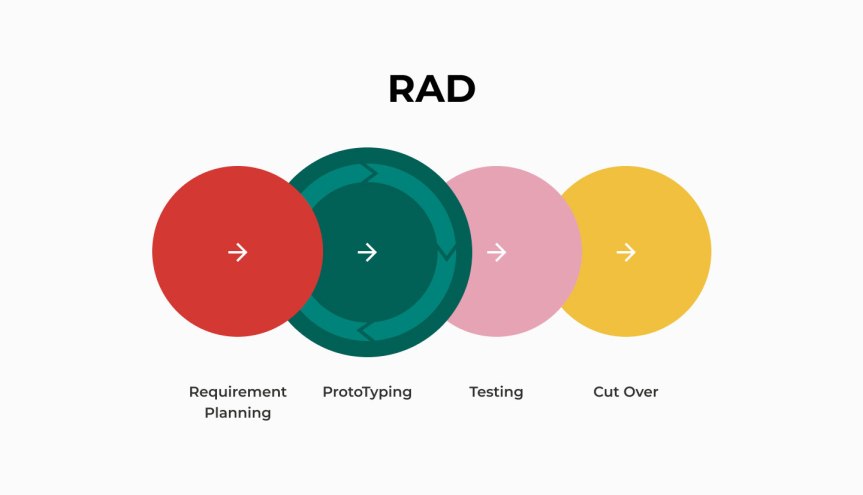
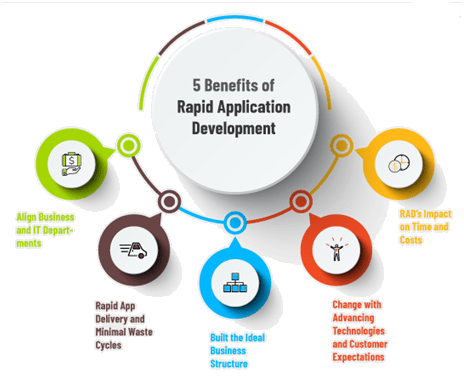
Software Development through – RAD Model

What is RAD Model ?

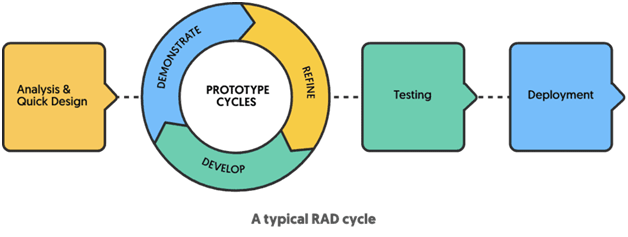
Rapid application development (RAD) is an incremental software development process model that emphasizes an extremely short development cycle.
The RAD model is a ―high-speed adaptation of the linear sequential model in which rapid development is achieved by using component-based construction.

Situation When RAD Model is Useful:

RAD should be used when there is a need to create a system that can be required in 2-3 months of time.
It should be used if there‟s high availability of designers for modeling and the budget is high enough to afford their cost
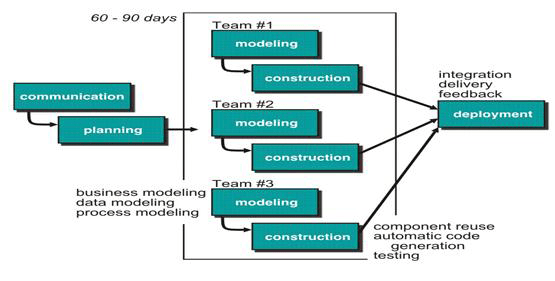
enables a development team to create a ―fully functional system within very short time periods (e.g., 60 to 90 days).

Phases

1. Communication:

Communication phase is used to understand the requirements of the project.

2. Planning:

Planning is very essential because multiple project teams are working parallel in RAD model

3. Modeling:

a) Business modeling:

The information flow among business functions is represented.

b) Data modeling:

The information flow defined as part of the business modeling phase is refined into a set of data objects that are needed to support the business.

c) Process modeling:

The data objects defined in the data modeling phase are transformed to achieve the information flow necessary to implement a business function.

4. Construction:

RAD process model reuses the existing program components (when possible) or create reusable components (when necessary).

5. Deployment:

Modules developed by different RAD teams are integrated to develop final complete product.

Advantages


Faster implementation of Project
Parallel implementation
Increases re usability of components
Encourages customer feedback
Projects divided into small teams results into better implementation

Disadvantage


•Limited Time for system implementation results into inadequate analysis of project.
•Less time for testing.
•If user is unclear with the system project may fail.
•If developers and customers are not committed to the rapid model, the RAD project fails.
•Time is the major constraint in RAD.
•RAD has to be modularized in a proper way otherwise creates a lots of confusions and problems.
•In case of high performance requirement, RAD cannot be ideal model.

Conclusion

RAD Model is fast and is also based on Component Based Construction so, there is faster implementation of the project and increases re usability of the components. But also, if the user is unclear with the system the project may fail, this may lead to loss of time and cost.

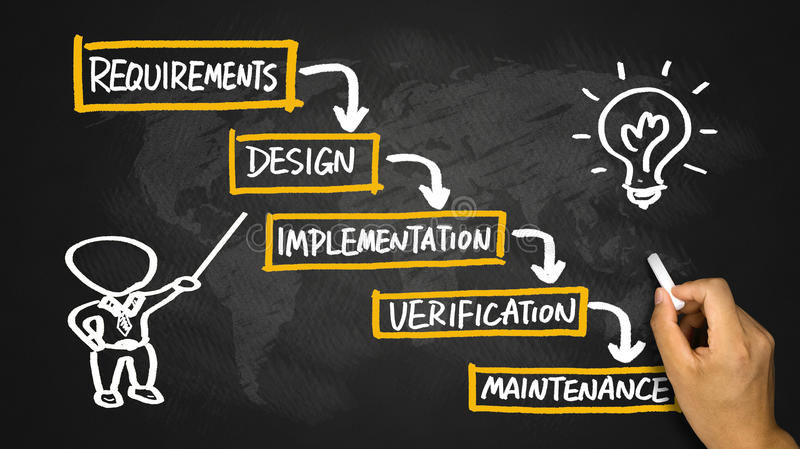
Software Development through – Waterfall Model

What is a Waterfall Model ?

It is also known as the “Classic Life Cycle” model, follows the “Systematic, Sequential “approach of software development.

Situation Where Waterfall Model is Useful:

-When customer wants enhancement or adaptation in already existing software which is well developed then we can use waterfall model.
-Ex. Changes in the Accounting software because of the changes in the rules by government.
-Waterfall Model is also used to develop new software when requirements are completely understood and stable (will not change in the future).

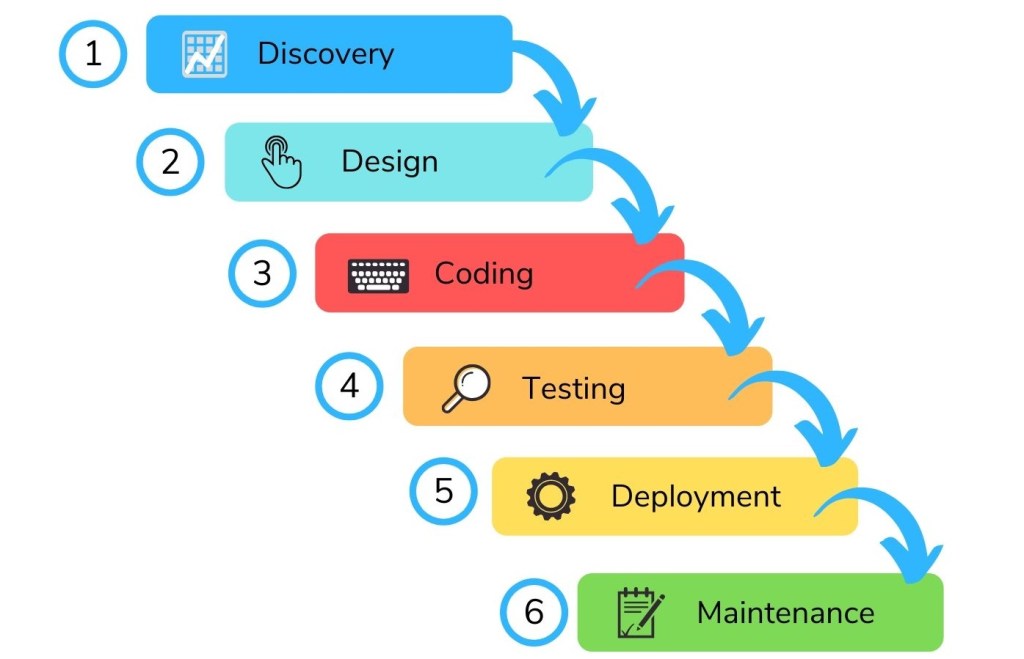
Phases

  1. Communication:

Heavy communication and collaboration with stakeholders-to gather information and requirement of software and to define features and functions of software.

2. Planning:

Defines – schedule of the project, role of each team member, estimation of cost, deadlines or delivery dates of the working modules, what technical task to be performed, risk that can be occurred, and priorities of each module.

3. Modeling:

Design model of software is created to understand the requirements, features and functions of the software.

4. Construction:

Combination of code generation and testing.

5. Deployment:

Software is delivered to the customer, On the basis of the feedback from the customer, software development team makes changes to the software for better quality.

Advantages

•Systematic and Organized approach provides clear separation between different phases of software development.
•This model is simple and easy to understand and use.
•It is easy to manage due to the rigidity of the model – each phase has specific deliverable and a review process.
•In this model phases are processed and completed one at a time. Phases do not overlap.

Disadvantages

•Real projects rarely follows the sequential flow that waterfall model suggests.
•All real projects follow iterative approach indirectly. As a result of this, it causes the confusion among team members when the proceeds.
•It is difficult for the customer to state all the requirements at the beginning of the project.
•A working version of the product is available only late.
•So if there any bug in the software it becomes visible at late which is very dangerous.
•Waterfall Model has a problem of “Blocking States” means some team members has to wait for other team members to complete their dependent work.

Conclusion

Waterfall model is a perspective process model and it’s basically a classic model in which each phase is very sorted and separate from each other so,no confusion occurs but it is not suitable for the changing needs of the Industry as their are tremendous trends coming in the software industry which requires an advanced process of software development with fully defined phases.So, it is suitable for the freshers but they have to adapt and switch to the newer software development techniques.

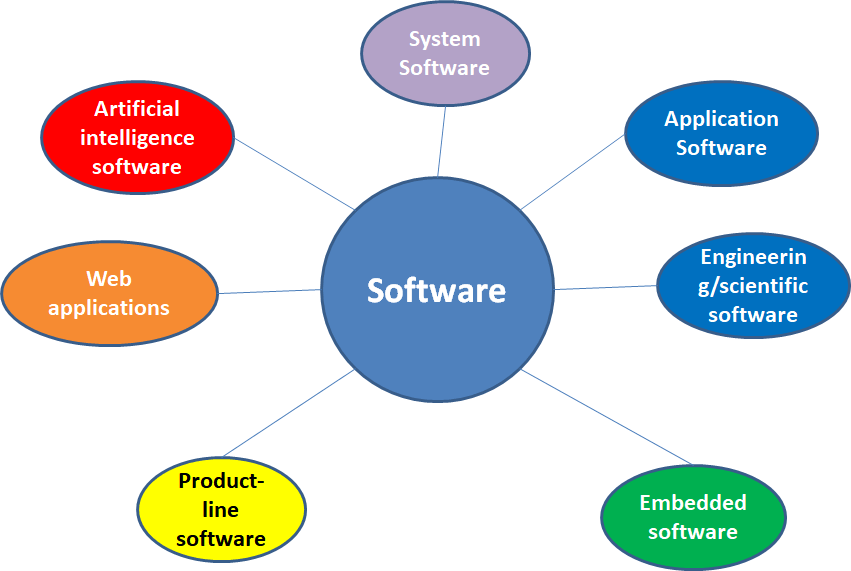
Types of Software

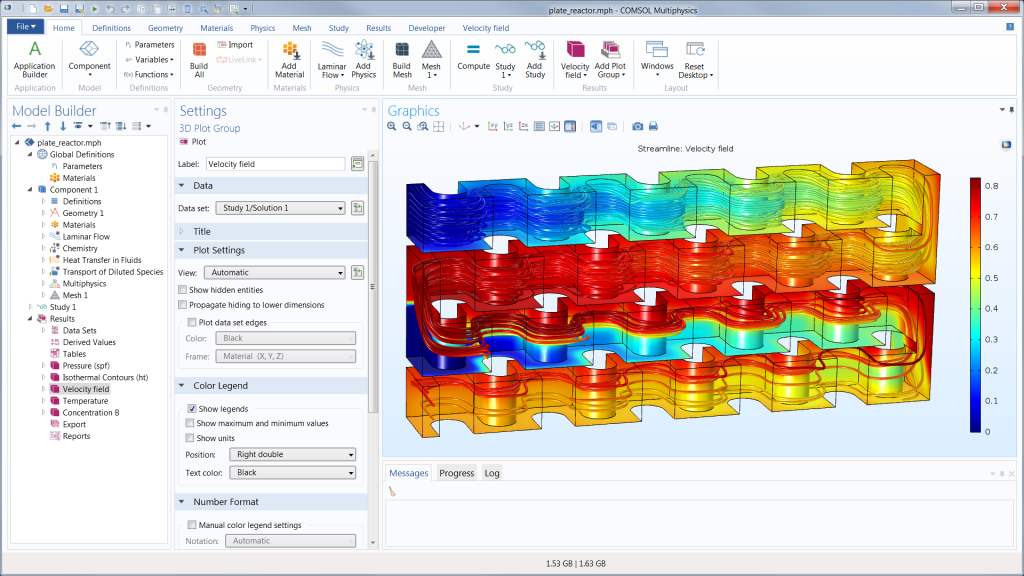
Software categories are groups of software. They allow software to be understood in terms of those categories, instead of the particularities of each package. Different classification schemes consider different aspects of software. 

  1. System Software

 System software is a collection of programs written to service other programs.
 Ex. Compilers, Editor, operating system, drivers etc

2. Real – Time Software

 Software that monitors or analyzes or controls real-world events as they occur is called real time.
 Elements of real-time software include a data gathering component that collects and formats
information from an external environment, an analysis component that transforms information as
required by the application.
 A control/output component that responds to the external environment and a monitoring component
that coordinates all other components so that real-time response can be maintained.
 Ex. Weather Forecasting

3. Application Software

 Application software consists of standalone programs that solve a specific business need.
 Application software is used to control the business function in real-time.
 Application software processes business or technical data.

 Ex. Transaction Processing, Sales Processing, Manufacturing Software etc.

4. Engineering/Scientific Software

 Characterized by “number crunching” algorithms.
 Application software is set of programs designed for engineering and scientific purposes.
 Applications range from astronomy to volcano logy, from automotive stress analysis to space shuttle
orbital dynamics, and from molecular biology to automated manufacturing.
 Ex. Computer Aided Design (CAD), system stimulation etc.

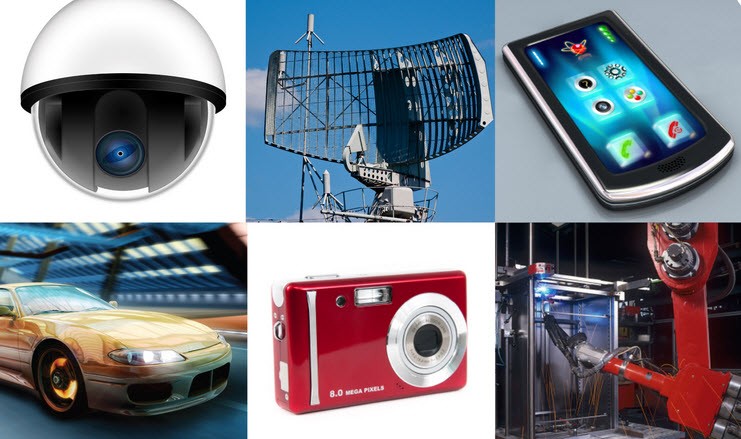
5. Embedded Software

 Intelligent products have become common place in nearly every consumer and industrial market.
 Embedded Software resides within product and is used to control products and systems for the
consumer.
 Embedded software can perform limited and esoteric functions.
 Ex. Keypad control for a microwave oven, digital functions in an automobile such as fuel control,
dashboard displays, and braking systems.

6. Product line Software

 Designed to provide a specific capability for use by many different customers.
 Product line software can focus on a limited and esoteric marketplace.
 Ex. Word processing, spreadsheet, CG, multimedia, etc.

7. Web Based Software

 The Web pages retrieved by a browser are software that incorporates executable instructions and data.
 Web apps can be little more than a set of linked hypertext files.
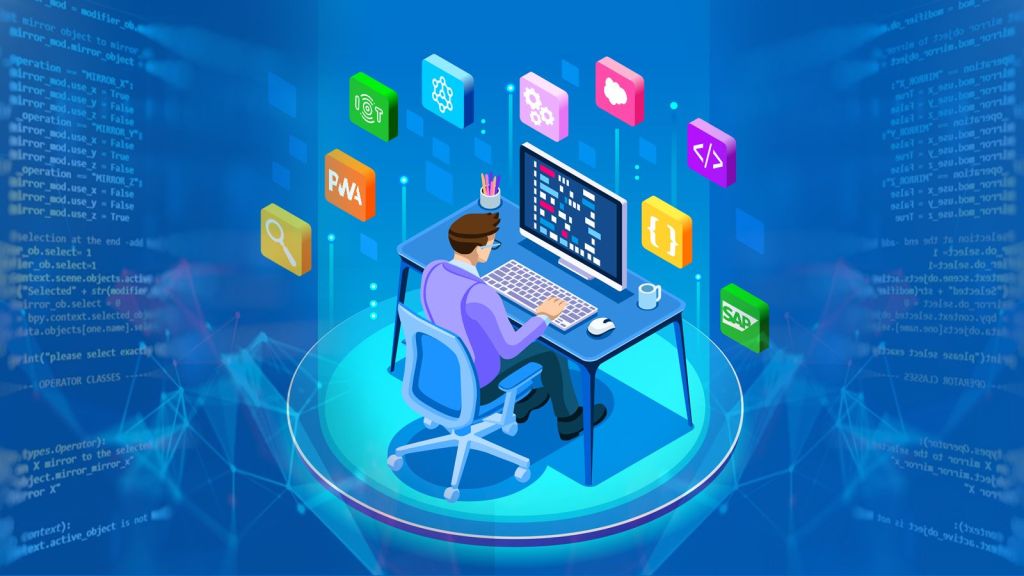
 It evolves into sophisticated computing environments that not only provide standalone features,
functions but also integrated with corporate database and business applications.
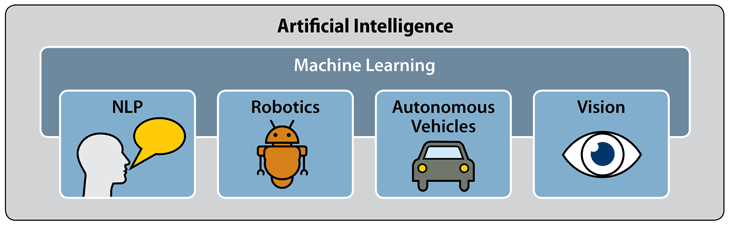
8. Artificial Intelligence Software
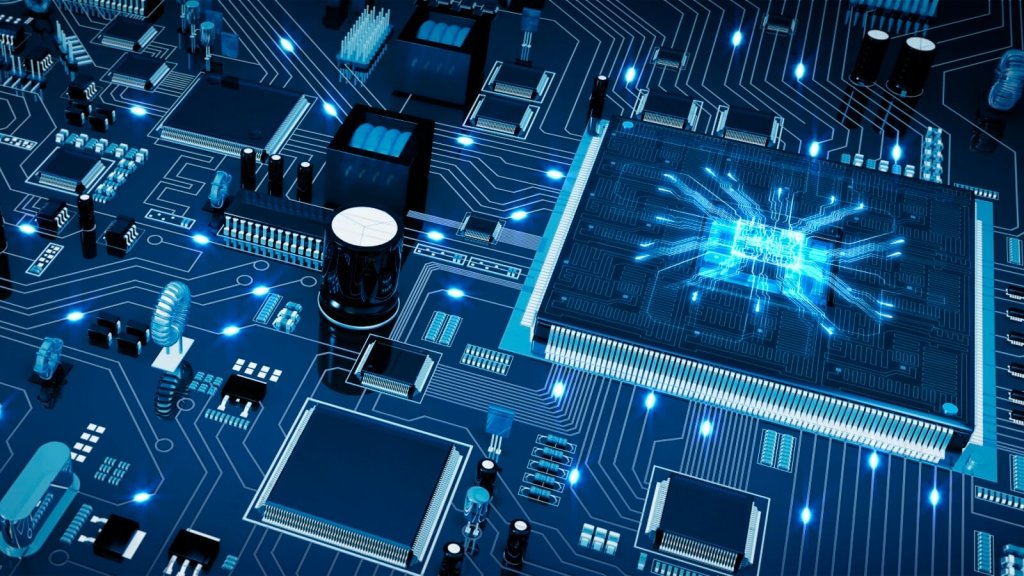
 AI software makes use of non-numerical algorithms to solve complex problems that are not amenable
to computation or straightforward analysis
 Ex. Robotics, expert system, game playing, pattern recognition, theorem providing etc.

Basics of Software Engineering

What is a Software ?

  • It is a set of instructions (computer programs) that when executed provide desired function and performance.
  • It is a Data structures that enable the programs to adequately manipulate information.
  • It is a Documents that describe the operation and use of the programs.

What is Embedded Software ?

 Intelligent products have become commonplace in nearly every consumer and industrial market.
 Embedded software resides in read-only memory and is used to control products and systems for the
consumer and industrial markets.
 Embedded software can perform very limited and esoteric functions (e.g., keypad control for a
microwave oven) or provide significant function and control capability (e.g., digital functions in an
automobile such as fuel control, dashboard displays, and braking systems).
 A function point extension called feature points.
 It is a superset of the function point measure that can be applied to systems and engineering software applications.

 The feature point measure accommodates applications in which algorithmic complexity is high. Real-
time, process control and embedded software applications tend to have high algorithmic complexity and are therefore amenable to the feature point.

Changing Nature of Software

 Whenever one starts with the software implementation changes can occur any time.
 The software can be change due to any reason.
 But while implementing software one should be ready for such changes as if changes occur there shall not be drastic change in the system.
 The development team should manage to implement/mould the implemented system so that the
changes can be reflected and the user requirements meet.
 When change occur the team look for the current status of the system and from there onwards they starts implementing a system with new requirements of a user or changes which is to be implemented in a system.

Artificial Intelligence

The world has stepped into many engrossing horizons like self driving cars, smart assistants, social media monitoring, disease mapping, automated financial investing and many such persuasive developments. Have you ever wondered what is involved behind such innovative developments? It is certainly the Artificial intelligence. The hype for AI has been accelerated to a great extent to meet the demands of the contemporary world. The term refers to the simulation of human intelligence, induced in machines that are programmed to think and work like humans and pretend their actions as well. The term may also be applied to any machine that exhibits the traits associated with a human mind such as learning, problem solving, speech recognition, decisive making etc. It is a wide range of branch concerned with building smart machines making them capable of performing tasks that typically require human intelligence. Building an AI system is a careful process of reverse-engineering human traits and capabilities in a machine, and using its computational prowess to surpass what we are capable of. AI requires a foundation of specialized hardware and software for writing and training machine learning algorithms.

There are three types Artificial Intelligence

  • Artificial Narrow Intelligence – Specializes in one area and solves one problem.
  • Artificial General Intelligence – Refers to a computer that is as smart as a human across the board.
  • Artificial Super Intelligence – An intellect that is much smarter than the best human brains in practically every field.

The Artificial Intelligence intend to aid human capabilities and help us make advanced decisions with far reaching consequences. It has the potential to help human lives significantly, devoid of hard labor and help manage the complex web of interconnected individuals, companies, states and nations to function in a better way. AI has seamlessly transitioned into our daily lives which we might have failed to notice from music recommendations, map directions, mobile banking to fraud prevention, AI has framed an advanced path. It has made it ways to many sectors from science to agriculture. It has its applications in various fields like retail, shopping and fashion, security and surveillance, sports activities etc. Here are some of the major sectors where AI are implemented for enhancement in the respective fields.

AI powered assistants – It is an application program that understands natural language voice commands and completes tasks for the user. Virtual shopping assistants and chatbots help improves the user experience while shopping online. The assistants have real time engagement with the customers. Amazon’s Alexa is a virtual assistant AI developed by Amazon capable of voice interactions setting alarms, providing weather , traffic, sports and other real time information and similarly so does the Apple’s Siri, Microsoft’s Cortana and so on.

AI in Robotics – Robots powered by AI are used for carrying goods in hospitals, factories and warehouses, cleaning offices and large equipment and inventory management where robots use real time updates to sense obstacles in its path and pre plan its journey instantly.

AI in Healthcare – It is used to build sophisticated machines that can detect diseases and identify cancer cells. It can help chronic conditions with lab and other medical data to ensure early diagnosis and used to identify trends or genetic information that would predispose someone to a particular disease.

AI in agriculture – AI aids in identifying defects and nutrient deficiencies in the soil and also detecting diseases in plants, pests and poor plant nutrition on farms. AI sensors can detect and target weeds and then decide which herbicides to be applied. This is done using computer vision, robotics, and machine learning.

AI in marketing – Using AI marketers can deliver highly targeted and personalized ads with the help of behavioral analysis, pattern recognition etc. It uses technologies to make automated decisions based on data collection, data analysis, and additional observations of audience or economic trends that may impact marketing efforts.

So the benefits of AI are widespread in various spheres. There is always a fine line between the advancements and destructions. There’s always two sides to a coin and so in the AI. There are some of the snags listed below.

  • High cost of implementation
  • If the super intelligence’s goals come to conflict with human values AI poses a risk of human extinction.
  • With human cognitive power we would be able to evolve with age and experience. But it becomes skeptical with the AI machines, it starts to wear and tear with time.
  • We cannot expect creative piece of work from AI’s. Creativity is limited to the persons who program and commands machines.
  • With the rapid development in the sector of AI, it may carry risks of unemployment.

Why economy of India is slowing down???

India is one among the world’s fasting growing economies. It had been touted as an economic and geopolitical counterweight to China. But recently its growth fell to its slowest pace in six years. Investment has weakened, and unemployment has risen. So what’s causing the slowdown, and how can it be reversed? Since the turn of the century, India’s economy has grown at a rapid rate, helping transform the country. Between 2006 and 2016, rising incomes lifted 271 million people out of poverty, meaning the proportion of Indians still living in poverty has fallen dramatically, from around 55% to twenty-eight . Access to electricity has also improved. In 2007 just 70% of the population had access to power. By 2017, that grew to nearly 93%.

India's economic growth likely to remain subdued in near future ...
More recently, the Indian government constructed around 110 million toilets — a huge step towards better sanitation designed to prevent the practice of open defecation. It’s a signature program of Prime Minister Narendra Modi, known as Swachh Bharat, or Clean India. All this development has been supported by a booming economy, but as lately , that expansion has begun to run out of steam. In the third quarter of 2019, India’s economic output grew by 4.5% – making it the primary time the country’s growth dipped below 5% since 2013. For context, 4.5% growth remains much above that of developed economies just like the U.S., But with 12 million Indians entering the workforce per annum , economists say the country needs annual growth rates to remain above nine percent to make sure there are enough jobs. So, what’s causing this recent slowdown? Well, officialdom argue turbulence in international financial markets is guilty.

Economy News, Latest economy news India, Indian Economy features ...
Political uncertainty and U.S.-China trade tensions mean confidence levels among investors and consumers everywhere have sunk. The United Nations has even warned that a global recession in 2020 is now a “clear and present danger”. But back to India – many economists say the country’s growth problems are literally self-inflicted. One obvious culprit is the shadow banking sector. During the 2000s, India saw an investment boom. It was fuelled by state banks dispensing a load of loans for giant infrastructure projects. But some of the companies taking advantage of these loans couldn’t keep up with the repayments. That meant the state banks weren’t getting paid back and therefore struggled to give out new loans. To keep business moving, shadow banks stepped in. These financial institutions, which operate like ordinary commercial banks but don’t follow traditional banking rules, eventually made up an estimated third of all new loans nationwide. The loans played a pivotal role for the millions of small businesses and consumers who would otherwise have no access to credit. But in 2018, shadow banking giant Infrastructure Leasing & Financial Services, defaulted on its debt repayments. Its collapse sent shockwaves through the economy and shook up more traditional banks that had supported the world.
It became harder for people to shop for expensive items like cars. That hurt India’s automotive industry, which is one among the country’s biggest. It employs about 35 million people and makes up about 7% of India’s GDP. Last summer, the industry suffered its worst sales performance in nearly 19 years, and reports suggest tens of thousands of workers are laid off. The agriculture and construction sectors have also been hurting, with small and medium businesses being hit the hardest. The country’s percentage has been on an overall upward trend since July 2017, rising several percentage points to 7.7%. Higher unemployment means consumers are buying less, resulting in the unfortunate cycle of slower manufacturing, production, investment and job creation.

Indian Economy Will Face Adverse Affects Of Coronavirus Gdp To ...
A survey from the Reserve Bank of India found consumer confidence has fallen to its lowest level in five years. But Indians still have a positive outlook for the longer term , with most consumers expecting to feel more optimistic during a year. However, if things don’t improve, debt could become another issue. Expecting better days ahead, many households have continued to spend, by taking out loans and dipping into savings. Household savings as a proportion of GDP has fallen from 23.6% to 17.2%. Meanwhile, household debt has surged to 10.9% during the same period. Critics say the govt in New Delhi has did not spot these risks and hasn’t done enough to urge the economy moving again. The Reserve Bank of India’s former governor Raghuram Rajan recently blamed the lack of significant reforms and a slowdown in investments since the global financial crisis. Even the country’s chief economic advisor recently admitted reforms are needed to form India more friendly to investors.
India has cut its corporate rate , but labor and land laws are still extremely strict. He also says the country must become pro-market, instead of just pro-business, to avoid costly government bailouts of failing sectors. But not all reforms have been good to the economy. In 2016, Prime Minister Modi tried to crack down on corruption, counterfeits and evasion by banning high value bank notes. In one night, the cash ban made 86% of all cash invalid. Three years later, many analysts say the policy disrupted the economy and did not achieve many of its original goals. In 2017, a replacement nuisance tax placed small businesses struggling and a few of them were forced to shut . In mid-2019, India’s government introduced a controversial new tax on foreign investors. Consequently, India’s stock exchange suffered its worst July performance in 17 years. Just one month later, the measure was scrapped.
The government has now refocused its efforts on international trade and investment, and thus the recent changes to the corporate rate could indeed help attract businesses and investors to India. But if the country wants to be a part of the world’s largest supply chains, it’ll need low and consistent tariff levels to encourage outsiders to take a position for the long term.

The country’s shifting export policy has harmed several of its largest industries, particularly clothing. India’s share of the worldwide apparel market has increased only slightly within the past 20 years. And though the Indian workforce is vast, both Bangladesh and Vietnam now export more. On top of that, the country’s import tariffs on the average are much above the world’s biggest economies. They’re also among the highest of the world’s emerging economies. Even U.S. President Donald Trump has called for the country to bring down its duties.

Has India’s growth actually slowed the maximum amount as we think? The government’s former chief economic advisor Arvind Subramanian caused a good little bit of controversy in June 2019, when he claimed the country’s official stats probably overstated GDP growth by 2.5% from 2011-2012 to 2016-2017. He says the bottom line is that India never recovered from the global financial crisis. The government denies this. But none of this has hurt Prime Minister Modi at the polls – he won by a landslide in the most recent election. So how will he keep his promise and double the dimensions of the economy by 2025? Many economists insist a well-explained economic vision would help. As would more long-term investment, better skilled workers and enhancements to infrastructure. It may not matter who or what’s responsible for India’s recent economic challenges, but bottom line – India’s economic process must recover , and fast.

Purchase Windows 10 & Pro Upgrade for Cheap

Purchase Windows 10 Pro Upgrade

Do you want to purchase Windows 10 Pro Upgrade for your device? MySoftwaresPro has the most authentic product at a low price. It is 100% genuine as well as reliable. You can check their official website, https://www.mysoftwarespro.com/, to get the price and purchase Windows 10 Upgrade for your device. Here is the detailed information of the Windows 10 Pro Upgrade, which you need to know before buying one.

Features of Windows 10 Pro Upgrade

1. You can connect it to every device you own. No need to use a PC for all your work. You can use your mobile or tablet.

2. It has an excellent security system built within. 

3. It is fast and straightforward to use.

4. It has longevity and will last for a lifetime.

Hardware Requirements

If you want to install Windows 10 Pro Upgrade, you need to have these following hardware requirements in your device:

1. It would be best if you had an internet connection

2. You need a free hard disk space of about 20GB

3. You need to have a license of Microsoft

4. You need to have a video card of screen resolution around 800*600

5. The RAM for 32-bit has to be 1GB and for 64-bit has to be 2GB

6. The graphic processor has to be DirectX 9

7. Also, you need a Microsoft account.

Purchase Windows 10

Want to purchase Windows 10 for your desktop or your mobile? MYSOFTWARESPRO is the correct place for you to buy one. Go to their official website, https://www.mysoftwarespro.com/,and order one for yourself. But before you decide to purchase Windows 10 for your desktop or on your mobile, you need to know all the details about it. 

Windows 10 is a Microsoft operating system that you can purchase for your desktop or even your tablets.

Specifications of Windows 10

Windows 10 has several new specifications, which were not present in the earlier Windows 8 version. The specifications of Windows 10 include:

  1. The Start Menu, which was absent in the Windows 8 version.
  2. Integrated Search
  3. Microsoft Windows 10 Continuum
  4. It provides an exclusive biometric security feature. You can log in to your desktop by scanning your fingerprint, your iris, and even your face.
  5. Microsoft Edge which is entirely new in Windows 10. It replaced Internet Explorer, which was present up to Windows 8.

Hardware System Requirements in Windows 10

To purchase Windows 10 for your desktop, the minimum hardware requirements needed are as follows:

  1. The processor of your desktop has to be at least one gigahertz (GHz) or more.
  2. The Hard Disk Space has to be 16 GB if you own a 32-bit OS, and if you own a 64-bit OS, then the Hard Disk Space has to be 20 GB.
  3. The RAM has to be a minimum of 1 gigabyte (GB) for 32-bit, and if its 64-bit, then the RAM has to be a minimum of 2 gigabytes (GB).
  4. The display resolution has to be 800*600.
  5. The Graphics Card has to be DirectX9.

To purchase Windows 10 for your mobile, the minimum hardware requirements needed are as follows:

  1. The RAM has to be a minimum of 1 GB. 
  2. The screen resolution has to be 720p.
  3. The Flash storage must be of 8 GB.

Why buy Windows 10 & 10 Pro Upgrade from here?

Only because MYSOFTWARESPRO is the absolute best in the business, they are the most trusted, and they have more than 1 million clients. They offer you the best software at the best prices in the market. You can purchase Windows 10 from https://www.mysoftwarespro.com/ at a meager price. They provide you with a dedicated sales team and 24/7 customer support team if you face any problem whatsoever. MYSOFTWARESPRO is partnered with Microsoft and only offers you with the most genuine products. If you purchase Windows 10 from MYSOFTWARESPRO, you will get the most authentic and genuine software present in the market. 

So, what are you waiting for? Go to https://www.mysoftwarespro.com/ and order your Windows 10 & Pro Upgrade NOW!