Active reading involves looking at the text in more than one way. For your reading responses write using these three “keys,” or methods, of analyzing what you have read:
Reading responses in this class generally vary from 250 – 400 words. The length required will be specified on the assignment.
Sometimes you will be asked to post your reading response to the Discussion Board and then follow-up with a response to one of your classmate’s postings. You may respond in any of the three “keys.” A sample response building on a previous posting might start off with a sentence like this: “I agree with David that advertising objectifies women by portraying them as dehumanized objects, but I wonder whether women benefit from that objectification in any way?” You can build your ideas on comments others have made. And feel free to keep chatting with each other.
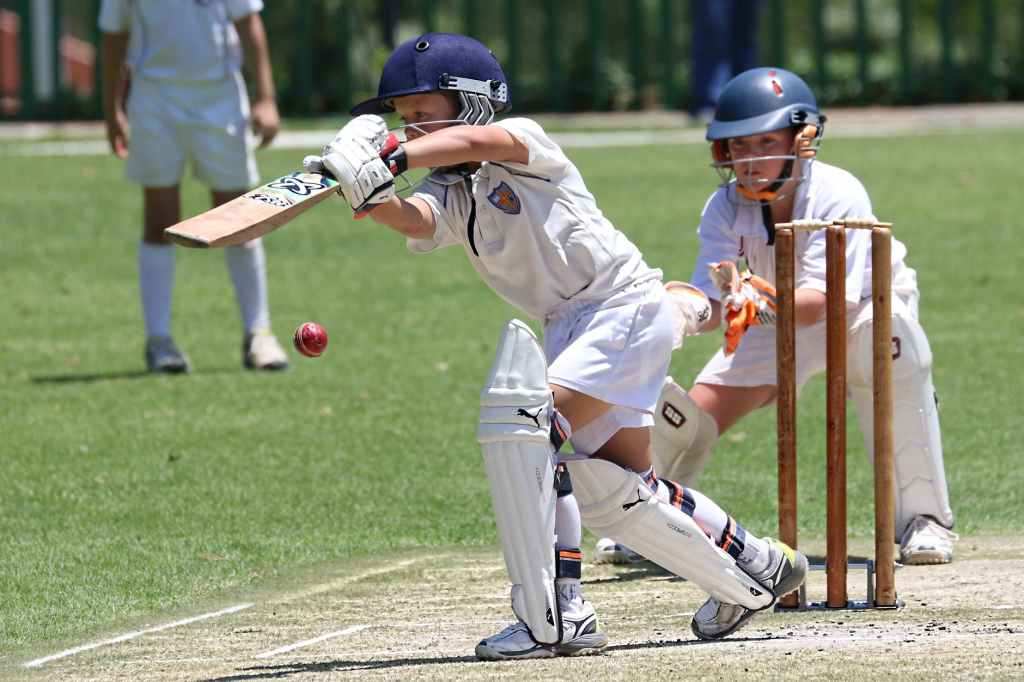
Cricket is a bat-and-ball game played between two teams of eleven players on a field at the centre of which is a 22-yard (20-metre) pitch with a wicket at each end, each comprising two bails balanced on three stumps. The batting side scores runs by striking the ball bowled at the wicket with the bat , while the bowling and fielding side tries to prevent this by preventing the ball from leaving the field, and getting the ball to either wicket) and dismiss each batter .
The earliest reference to cricket is in South East England in the mid-16th century. It spread globally with the expansion of the British Empire, with the first international matches in the second half of the 19th century. The game’s governing body is the International Cricket Council (ICC), which has over 100 members, twelve of which are full members who play Test matches. The game’s rules, the Laws of Cricket, are maintained by Marylebone Cricket Club (MCC) in London. The sport is followed primarily in the Indian subcontinent, Australasia, the United Kingdom, southern Africa and the West Indies.[1] Women’s cricket, which is organised and played separately, has also achieved international standard. The most successful side playing international cricket is Australia, which has won seven One Day International trophies, including five World Cups, more than any other country and has been the top-rated Test side more than any other country.
Cricket has had a broad impact on popular culture, both in the Commonwealth of Nations and elsewhere. It has, for example, influenced the lexicon of these nations, especially the English language, with various phrases such as “that’s not cricket” , “had a good innings” and “sticky wicket”. “On a sticky wicket” is a metaphor used to describe a difficult circumstance. It originated as a term for difficult batting conditions in cricket, caused by a damp and soft pitch.
Postponed by a year due to the pandemic, the Tokyo Olympics is now less than a month away. Last week, the Union Sports Minister Kiren Rijiju urged the people to extend their support to India’s Olympic-bound athletes, the same way they back India’s cricketers. However, India’s abysmal performances at the Olympics is in striking contrast to India’s immense success at cricket. The model of sports governance and financial irregularities are often blamed for the lack of competitive edge in sports other than cricket. So, the most obvious question that comes to our mind is, how much does India invest in the Olympics?
Money allocated for Sports
In the 2020-21 annual budget, the Government of India allocated Rs 2826.92 crore for sports, which meant an increase of mere ₹ 50 crore from the revised estimates of the financial year 2019-20. The Modi government’s flagship sports programme ‘Khelo India’ received a substantial hike of ₹ 312.42 crore and was allocated ₹ 890.42 crore compared to ₹578 crore in 2019-20. On the other hand, the National Sports Development Fund saw a reduction of ₹ 27.15 crore from ₹77.15 crore in 2019-20 to ₹ 50 crore in 2020-21. National Sports Federations saw the highest decrease after Finance Minister allocated ₹ 245 crore, ₹ 55 crore less than the previous financial year, according to The Wire. Even the budget for meritorious sportspersons saw a 40% reduction from the last financial year. It is important to note that the 2020-21 annual budget was presented in January 2020, when the government had no idea of the coming pandemic. It was also supposed to be the year of the Tokyo Olympics.
Target Olympic Podium Scheme
While these are the broad schemes under which Indian sportspersons are funded, the Target Olympic Podium Scheme (TOPS) provides financial assistance to potential Olympic medal winners. Launched in 2014, TOPS is the flagship programme of the Sports Ministry of India. The top-up funding scheme considers the performance of Indian athletes in the past three years. They are provided with personal coaches and other staff fees, cost of travel during competitions, purchase of equipment, and pocket allowance.
Looking Back At The Last Olympics
In the 2016 Rio Olympic, India spent ₹ 36.85 crore under TOPS, as per Financial Express. Nearly half of that amount was spent on shooting, which was India’s most successful Olympic sport in the previous three games. Shooting is also very expensive, which requires importing equipment from other countries. But shooting failed to bring any medal. Athletics received the second-highest funding of ₹ 7.80 crore in 2016, but India failed to make a mark in the sport. Unfortunately, out of the ₹ 36.85 crore, ₹30.49 crore had gone to disciplines that fell short of goals. Only 1.66 per cent of the total TOPS fund went to the fields that brought India two medals – PV Sindhu in Badminton and Sakshi Malik in wrestling.
Comparison With Other Countries
The United Kingdom allocated close to Rs 9000 crore on sports infrastructure and training in the annual sports budget, whereas India spent only one-third of the UK, Rs 3,200 crore, on youth affairs and sports, before 2016. The UK won 67 medals against India’s two at the Rio Games 2016. Abhinav Bindra had also tweeted back in 2016 that a medal cost UK 5.5 million pounds, and that is the kind of investment India needs to make. Otherwise, we cannot expect much. In the USA, a large number of athletes are privately funded. Individual athletes had started their own funding portal for donations from the general public. Therefore, only 10% of the US Olympic Committee’s finance was spent on athletes in Rio 2016, and the USA finished first. China, on the other hand, is known for its aggressive state-sponsored promotion of sports.
Private Investment In India
Before the 2016 Olympics, Indian Olympic Association (IOA) received donations from Reliance Jio, Amul, Tata Salt, Edelweiss Financial Services, Herbalife, Li Ning, and SBJ. Sakshi Malik had also thanked JSW Sport, a foundation funded by the OP Jindal group, after becoming India’s first medal winner in Rio Games, as reported by Hindustan Times.
However, unlike NSDF, where the contributions and sponsorships are open and documented, private funding to individual athletes is not. And most recently, the JSW Group has come on board to be the official sponsor of Team India in the Tokyo Olympics and has agreed to pledge sponsorship support of ₹ 1 crore to IOA. In 2018, the Sports Ministry earmarked ₹ 100 crore for funding of the athletes for the preparation of Tokyo Olympics 2020, which will take place this year. While the number of medals won cannot be equated to the investments made, since medals are not the only measure of success, India nonetheless needs to invest more and put in a new model of sports governance in action. A
Want to know more about them , then start some reading .
Introduction
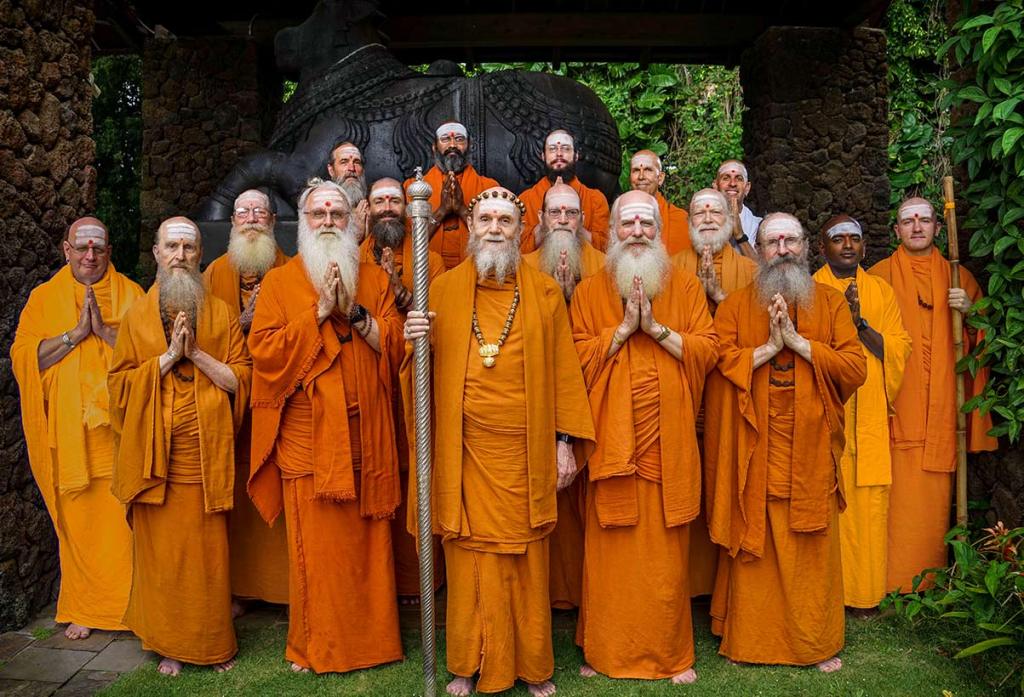
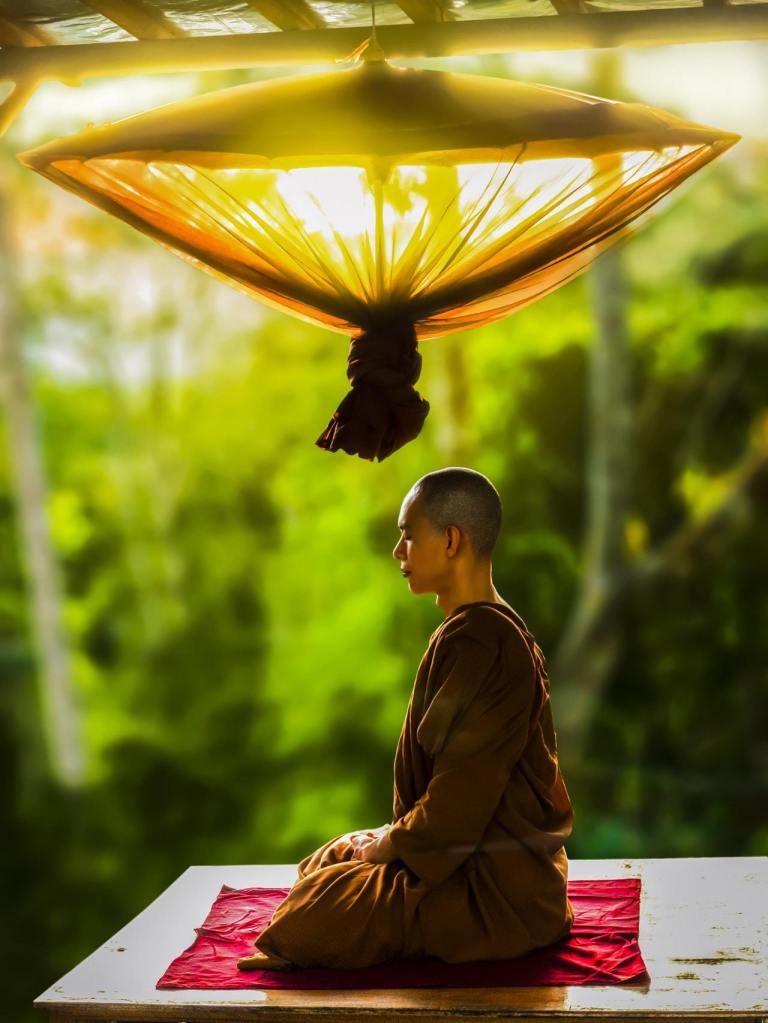
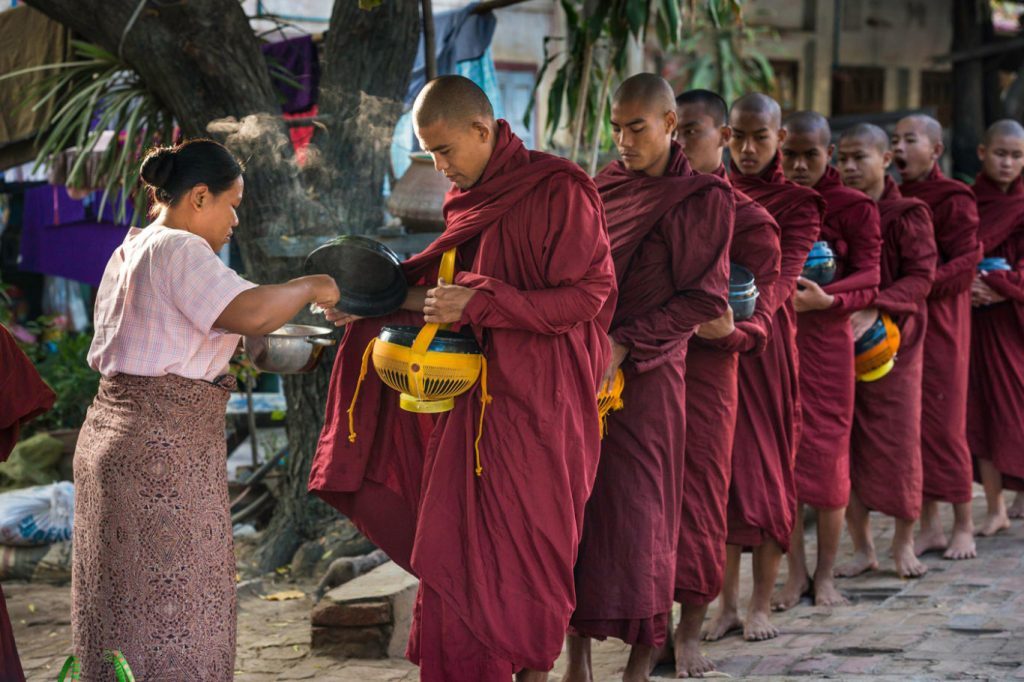
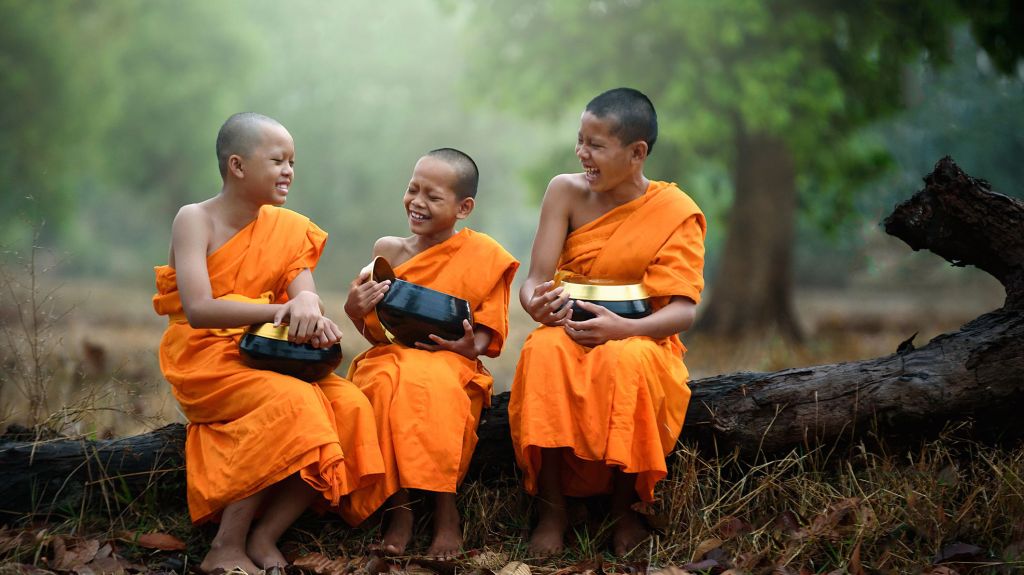
A monk is a person who practices religious asceticism by monastic living, either alone or with any number of other monks . A monk may be a person who decides to dedicate his life to serving all other living beings, or to be an ascetic who voluntarily chooses to leave mainstream society and live his or her life in prayer and contemplation. The concept is ancient and can be seen in many religions and in philosophy.
In simple words , A monk is a man who devoted part or all of his life to a religion. The word comes from Ancient Greek, and can be translated as solitary. In Greek, the word can apply to women, but in modern English it is mainly used for men. The word nun is usually used for female monastics. Monks practice asceticism. They either live alone, or together with other monks who share the same ideals. Monks can be found in different religions, most often in Buddhism, Christianity, Hinduism, Jainism and Taoism.
There living
Monks usually follow rules and regulations for convenient life. As a monk you must obey these rules .
Poverty: the monk cannot own anything.
Chastity: the monk cannot have sex or a sexual relationship and cannot start a family or get married.
Solitude: the monk should always be alone. Some monks choose to not follow this law.
Silence: the monk shall not speak unless it is necessary.
Generosity: the monk should always help other people.
Stillness: the monk cannot travel far unless it is necessary. Sometimes this means that the monk must be cloistered which means that they must not leave their monastery (especially Warsa period). Sometimes they can be allowed to leave, but must not go very far.
Duty: The monk must do some things every day. For example, the monk must pray or meditate and must do some work.
Indian monks
One of the finest and versatile monk in India was Swami Vivekananda . Swami Vivekananda was greatly inspired by Ramakrishna. For Swami, Ramakrishna was just a plain and simple villager, who was a part of the Kali temple. However, his intense spiritual practices intrigued Swami.
For five years, Swami learnt everything from his master, Ramakrishna. After his master left the world, everyone looked up to Swami. He urged the followers of Ramakrishna to leave the worldly pleasures and look up to God.
“You cannot believe in God until you believe in yourself.”
His saying intrigued just not one nation but the whole world .
Life lessons
Being a monk , gives you a pleasure of being yourself . We live in the world where we get pleasure from materialistic things . We become selfish , ruthless, dull, lifeless and worthless. You have to believe in yourself in order to excel in life.
Start learning from lessons.
When you start to do meditation you recognize the egotistical mind.
Trying until you get it right.
The answer to your question is inside of you.
Real wisdom in life comes from doing something and failing.
We must be both compassionate and resilient.
Patience is a virtue.
Detach from your ego.
Happiness come from within, and also comes from outside.
Ideally, what should be said to every child, repeatedly, throughout his or her school life is something like this: ‘You are in the process of being indoctrinated. We have not yet evolved a system of education that is not a system of indoctrination. We are sorry, but it is the best we can do. What you are being taught here is an amalgam of current prejudice and the choices of this particular culture. The slightest look at history will show how impermanent these must be. You are being taught by people who have been able to accommodate themselves to a regime of thought laid down by their predecessors. It is a self-perpetuating system. Those of you who are more robust and individual than others will be encouraged to leave and find ways of educating yourself — educating your own judgements. Those that stay must remember, always, and all the time, that they are being moulded and patterned to fit into the narrow and particular needs of this particular society.
Doris Lessing, The Golden Notebook
Feminism in India is a set of movements aimed at defining, establishing, and defending equal political, economic, and social rights and opportunities for women in India. It is the pursuit of women’s rights within the society of India. Like their feminist counterparts all over the world, feminists in India seek gender equality: the right to work for equal wages, the right to equal access to health and education, and equal political rights.Indian feminists also have fought against culture-specific issues within India’s patriarchal society, such as inheritance laws.
The history of feminism in India can be divided into three phases: the first phase, beginning in the mid-19th century, initiated when reformists began to speak in favor of women rights by making reforms in education, customs involving women; the second phase, from 1915 to Indian independence, when Gandhi incorporated women’s movements into the Quit India movement and independent women’s organisations began to emerge; and finally, the third phase, post-independence, which has focused on fair treatment of women at home after marriage, in the work force, and right to political parity.
Despite the progress made by Indian feminist movements, women living in modern India still face many issues of discrimination. India’s patriarchal culture has made the process of gaining land-ownership rights and access to education challenging. In the past two decades, there has also emerged a trend of sex-selective abortion. To Indian feminists, these are seen as injustices worth struggling against and feminism is often misunderstood by Indians as female domination rather than equality.
As in the West, there has been some criticism of feminist movements in India. They have especially been criticized for focusing too much on privileged women, and neglecting the needs and representation of poorer or lower caste women. This has led to the creation of caste-specific feminist organizations and movements
According to Maitrayee Chaudhuri, unlike the Western feminist movement, India’s movement was initiated by men, and later joined by women. But feminism as an initiative by women started independently a little later in Maharashtra by pioneering advocates of women’s rights and education: Savitribai Phule, who started the first school for girls in India (1848); Tarabai Shinde, who wrote India’s first feminist text Stri Purush Tulana (A Comparison Between Women and Men) in 1882; and Pandita Ramabai, who criticized patriarchy and caste-system in Hinduism, married outside her caste and converted to Christianity (1880s). The efforts of Bengali reformers included abolishing sati, which was a widow’s death by burning on her husband’s funeral pyre, abolishing the custom of child marriage, abolishing the disfiguring of widows, introducing the marriage of upper caste Hindu widows, promoting women’s education, obtaining legal rights for women to own property, and requiring the law to acknowledge women’s status by granting them basic rights in matters such as adoption.
The 19th century was the period that saw a majority of women’s issues which came under the spotlight and reforms began to be made. Much of the early reforms for Indian women were conducted by men. However, by the late 19th century they were joined in their efforts by their wives, sisters, daughters, protegees and other individuals directly affected by campaigns such as those carried out for women’s education. By the late 20th century, women gained greater autonomy through the formation of independent women’s own organisations. By the late thirties and forties a new narrative began to be constructed regarding “women’s activism”. This was newly researched and expanded with the vision to create ‘logical’ and organic links between feminism and Marxism, as well as with anti-communalism and anti-casteism, etc. The Constitution of India did guarantee ‘equality between the sexes,’ which created a relative lull in women’s movements until the 1970s.
Tokyo Olympics is nearing. Tamil Nadu Premier League ( TNPL) starts today ( Monday 19th July). India Vs England Test Series enclosing 5 Test matches starts on August 3. In the middle of all these and Covid-19 pandemic, India toured Sri Lanka to play 3 ODIs and 3 T20s. India have sent a B-team to Sri Lanka for this tour as the main team is in England now. Yesterday India played their first ODI against Sri Lanka. Two new faces made their debut yesterday. They are new for the International arena but not for India. They are Suryakumar Yadav and Ishan Kishan. Suryakumar Yadav has played quality cricket for years and have been impressive for last 3 years. Ishan Kishan, at the age of 23 impressed the selectors through his consistent IPL performance. Both performed very well for Mumbai Indians in the IPL. Also both made their T20I debut in March in the series against England. They both scored 50 in their T20I debut. Now together they made their ODI debut. It was also Ishan Kishan’s birthday yesterday.
Team Sri Lanka – Avishka Fernando, Minod Bhanuka(wk), Bhanuka Rajapaksa, Dhananjaya de Silva, Charith Asalanka, Dasun Shanaka(c), Wanindu Hasaranga, Chamika Karunaratne, Isuru Udana, Dushmantha Chameera, Lakshan Sandakan.
Other than the debuts, two good things happened for Team India yesterday. One was the return of Kuldeep and Chahal combo. Other was seeing Hardik Pandya bowling.
Let’s see the first thing now. Yes, Kuldeep and Chahal are back. They are playing together after 2 years since the 2019 World cup. Their performance in International cricket was not as per the expected standards. Many ups and downs. Going in and out of the team. Kuldeep traveling with the team in every tour and not getting any chance of playing. Everything came to an end yesterday when they played the game. Not only just playing, they also took 2 wickets each. They controlled the middle overs with stability. They haven’t gave runs easily. They also picket wickets at necessary intervals.
Then coming to Hardik’s bowling, he bowled 5 overs giving 34 runs and picking a wicket. He came back as an all-rounder to the team. It is a really good sign for him and also for the nation. This will help the team to maintain balance in bowling and batting units in the T20 World cup coming this year after IPL.
Krunal Pandya was impressive with his economy. Prithvi Shaw scored a quick fire 43 at the start of the innings. Manish Pandey gave balance in the middle overs but he failed to score much. Above all, the captain Shikhar Dhawan scored 86* and took the innings deep and won the match. Suryakumar Yadav impressed at the end of the innings.
Sanju Samson was injured. So he couldn’t make into the playing 11 yesterday. He had a ligament injury. Many expected him to be in the playing 11 as he smacked the bowlers in nets and in the practice matches. We’ll expect him in the next match tomorrow. Bye.
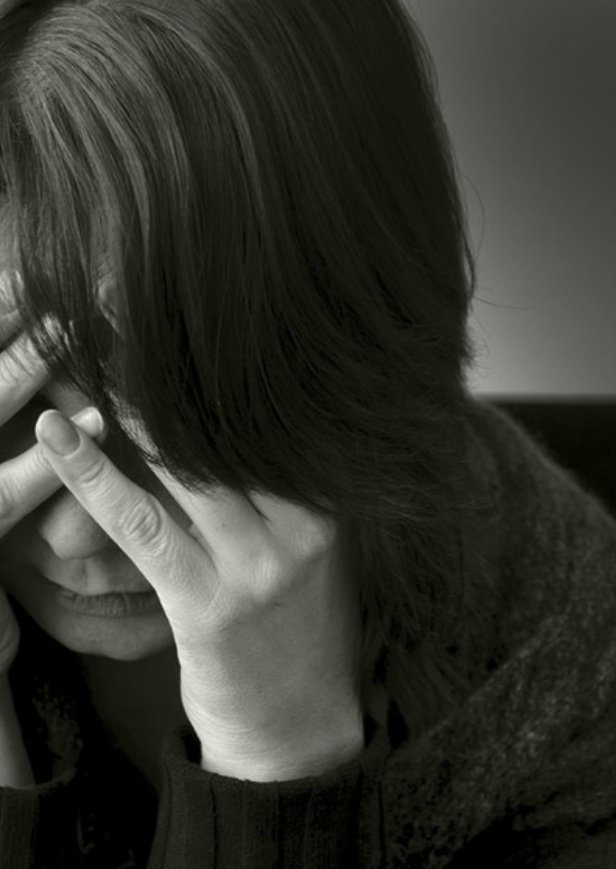
Depression and anxiety are very common problem these days starting from teenager to elderly adults anyone and everyone can face this at any point in life and they equally affect us as any physical disease does, many people don’t take mental health seriously but it is outmost necessary to do so. Here are a few simple daily habits which will help you to deal with depression:
Stay away from negative thoughts, and always try to focus on the filled part of the glass and try not to worry about the empty.
Practice meditation regularly it helps to calm one’s mind and helps in relaxing the brain.
Try to stay out from field where you feel irritated and also do try ignoring unnecessary mess.
Physical exercising is a must for a healthy mind as it keeps the body fit and also helps keeping negativity away.
The physical environment where one spends time and the company of people with which one spend time also plays a key role in determining the and dealing with depression issues.
One must also take care of the diet, consuming fresh fruits and vegetables are highly recommended and one must take care that proper diet is consumed.
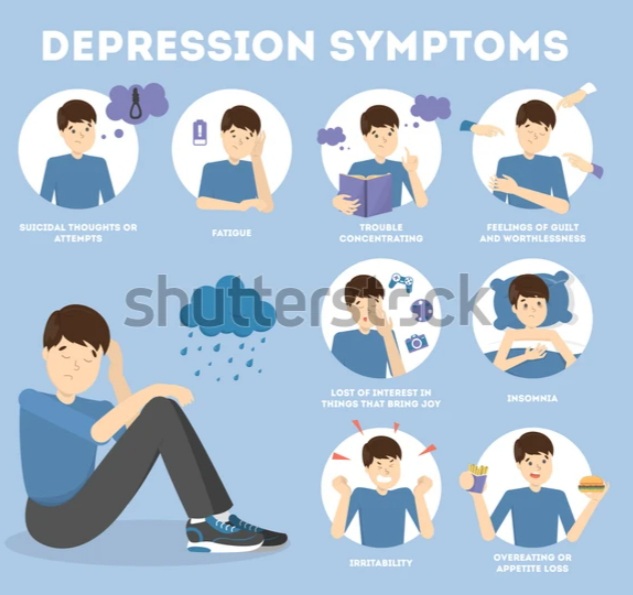
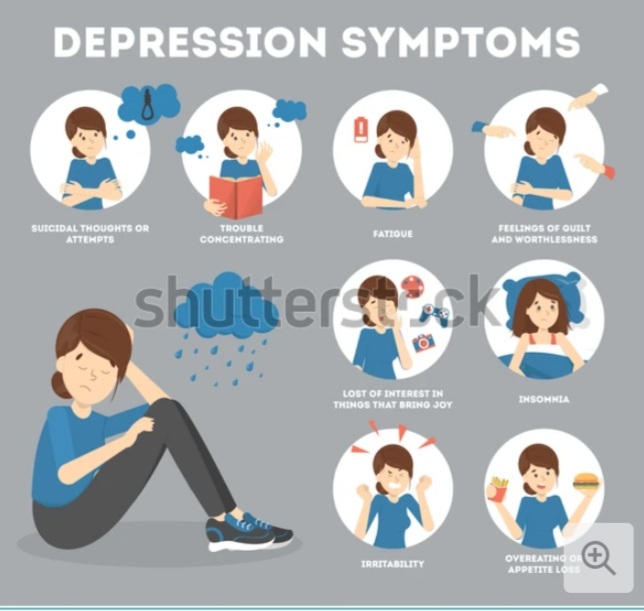
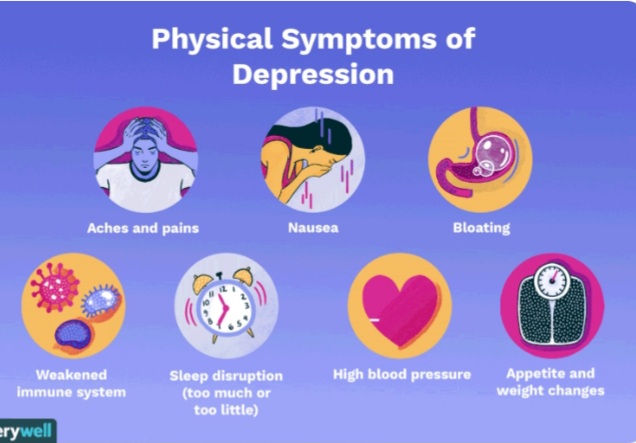
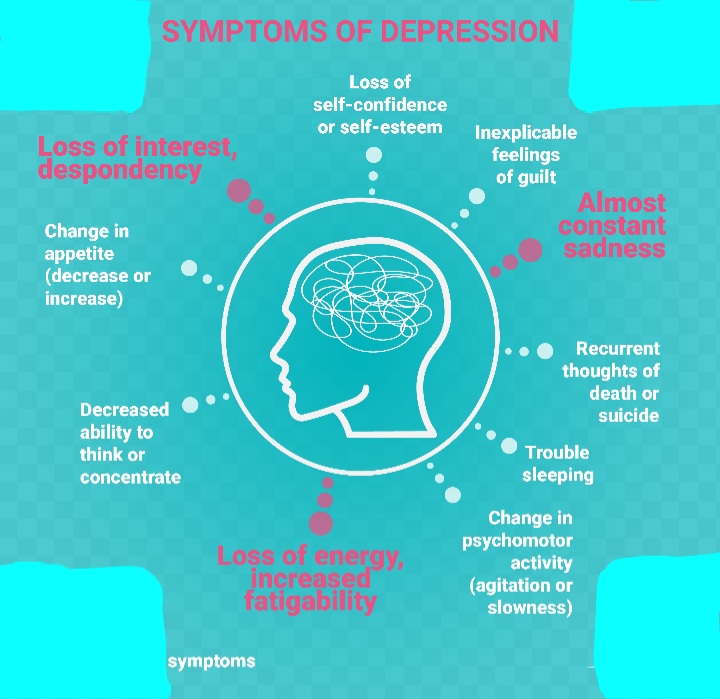
Depression symptoms :
Depression can be more than a constant state of sadness or feeling ” blue”. Major depression cane cause a variety of symptoms. Some affect your mood, and others afect your body. Symptoms may also be onging or come and go. The symptoms of depression can be experienced differently among men, women and children differently.
Men may experience symptoms related to their:
* Mood, such as anger, aggressive, irritability, anxiousness, restlessness.
* Emotional well- being such as feeling empty, sad, hopeless.
* Behavior, such as loss of interest, no longer finding pleasure in favorite activites feeling tired easily , thiughts of suicide, drinking- execessively , using drugs, engaging in high- risk activities.
* sexual interest, such as reduced sexual desire, lack of sexual performance
* cognitive abilities , such as inability to concentrate, difficulty completeing tasks, delayed responses during- conversations.
* sleep patterns, such as insomina, restless slepp, excessive sleepiness, not sleeping through the night.
* physical well- being, such as fatigue, pains, headache, digestive problems.
Women may experience symptoms related to their:
* mood, such as irritability
* emotional well- being, such as feeling sad or empty, anxious or hopless.
* congnitive abilities,such asthinking or talking more slowly
* behavior, such as loss of interest in activities, withdrawing from social engagements, thoughts of suicide
* sleep patterns, such as difficultu sleeping through the night, waling early, sleeping too much.
* physical well- being, such as decreases energy, greater fatigue, changes in appetite, weight changes, aches,pain, headaches, increased cramps.
Children may dxperiences symptoms related to their :
* mood such as irritability, anger, mood swings, crying.
* emotional well- being, such as feelings of incompetence or despair, crying, intense sadness
* behavior, such as gettkng into trouble at school or refusing to go to school, avoiding friends or siblings thoughts of death or suicide.
* cognitive abilities, such as difficulty concentrating, decline in school performance, changes in grades.
* sleep patterns, such as difficulty sleeping or sleeping too much
*physical well- being, such as loss of energy digestive problems, changes in appetite, weight loss or gain.
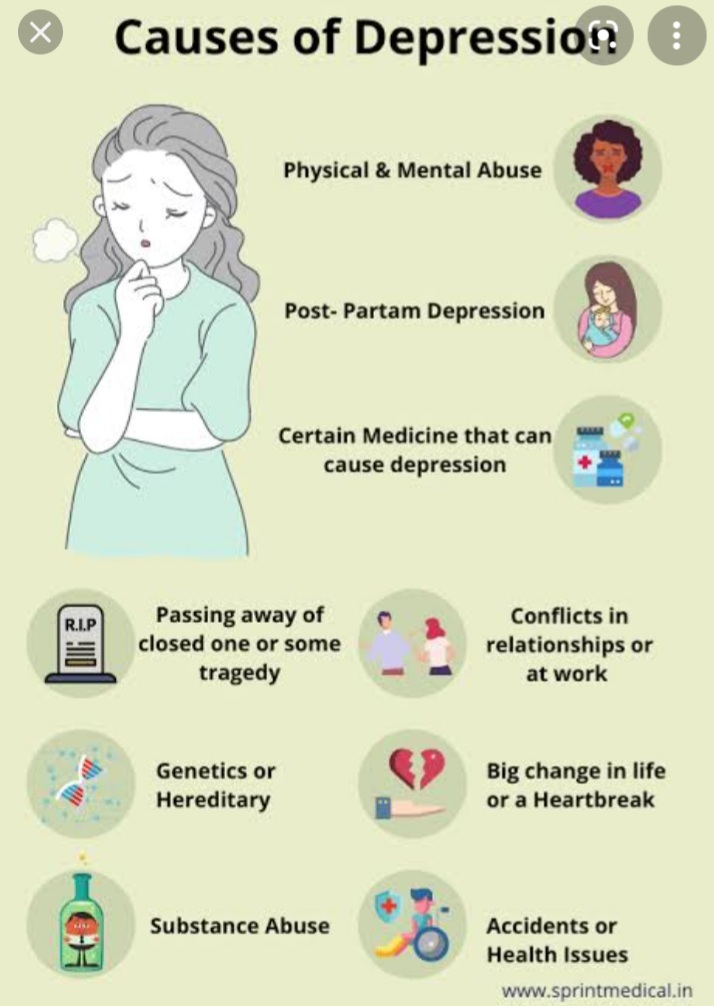
Depression causes :
There are several possible causes of depression. They can range from biological to circumstantial.
Common causes include ;
* Family history :
You’re at a higher risk for developing depression if you hace a family history of depression or another mood disorder.
* Early childhood trauma :
Some events affect the way your body reacts to fear and stressful situations
* Brain structure :
There’s a greater risk for depression if her frontal lobe of your brain is less active.
* Medical conditions :
Certain conditions may put you at higher risk, such as chronic illness, insomia, chroinc pain or attention- deficit hyperactivity disorder
* Drug use :
A history of drug or alcohol misuse can affect your risk.
Many factors can influence feelings of depression, as well as who develops the condition . The causes of depression are often tied to other elements of your health. Depression can be linked with to other health problems, your healthcare provider may also conduct a physical examination and order blood work.
Types of depression :
Depression can be broken into categories depending on the severity of symptoms. Some people experience mild and temporary episodes, whike other experience severs and ongoing depressive episodes.
There are two main types. Major depressive disorder and persistent depressive disorder .
Major depressive disorder :
Major depressive disorder is the more severe form of depression. It’s characterized by persistant feelings of sadness, hoplessness and worthlessness that dont’t go away on their own.
Persistent depressive disorder :
Persistent depressive disorder ( pDD) used to be called dysthymia. It is a milder, but chronic, form of depression.
It’s common for people with PDD to
* lose interest in normal daily activites.
* feel hopless
* lack productivity
* haveclow self- esteem
Depression can be treated successfully, but it’s important to stick your treatment plan.
Treatment for depression :
Living with depression can be difficult, but treatment can help improve your quality of life. Talk to your health care provider about possible options. You may successfully manage symptoms with one form of treatment ,or may find that a combinations of treatment works best.
Being a part of a mixed economy , where politics tend to exploit the peace between different religions and so on …….. .
“India was the motherland of our race, and Sanskrit the mother of Europe’s languages: she was the mother of our philosophy; mother, through the Arabs, of much of our mathematics; mother, through the Buddha, of the ideals embodied in Christianity; mother, through the village community, of self-government and democracy. Mother India is in many ways the mother of us all.”
Will Durant, American historian
And now you want to know why I am being so dramatic over such things . Well , if you want to know than start reading the editorial .
Introduction
Indians say it is important to respect all religions, but major religious groups see little in common and want to live separately
More than 70 years after India became free from colonial rule, Indians generally feel their country has lived up to one of its post-independence ideals: a society where followers of many religions can live and practice freely.
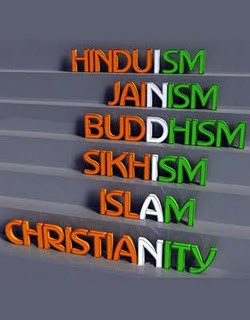
Religion has historically influenced Indian society on a political, cultural and economic level. There is a sense of pride associated with the country’s rich religious history as the traditions of Hinduism, Buddhism, Sikhism and Jainism all emerged out of India. Moreover, while a majority of people in India identify as Hindu (79.8%), the medley of religions that exist within the country continually impact contemporary society.
Census
The 2011 Indian census indicated that 79.8% of Indians identified as Hindu, 14.2% identified as Muslim and 2.3% identified as Christian. A further 1.7% of the population identified as Sikh, 0.7% identified as Buddhist and 0.37% identified as Jain. Due to the massive population size of India, religious minorities still represent a significant number of people. For example, although only 0.37% of India may identify with Jainism, that still equates to over 4 million people. While not all religions in India can be discussed in detail, the following provides an overview of the major religions in the country as well as sizable religions that originated in India.
Social beliefs
“India has two million gods and worships them all. In religion all other countries are paupers; India is the only millionaire.”
Mark Twain
Karma, Acceptance and Personal Choice . Many Indians tend to have a sense of acceptance towards one’s life position or a belief that, due to actions in one’s past life, good or bad personal circumstances are deserved. This attitude partly stems from religious ideas such as ‘karma’ (the idea that one’s actions will affect their current or future life) and ‘samsara’ (the cycle of rebirth).
The interplay of these social, cultural and religious factors allows people to be accepting of life events and trajectories. However, this is not to be interpreted as Indians being unwilling to take responsibility for life circumstances. Many often contemplate how their actions may impact their future and make decisions accordingly. Some of India’s youth are challenging a fatalistic perspective by asserting their free will to choose their vocation, spouse and other life factors. Indeed, as social mobility becomes more common, there is a growing belief that one can change their circumstances.
It’s Role
Religion plays a major role in the Indian way of life. Rituals, worship, and other religious activities are very prominent in an individual’s daily life; it is also a principal organizer of social life. The degree of religiosity varies amongst individuals; in recent decades, religious orthodoxy and observances have become less common in Indian society, particularly amongst young urban-dwellers. As of the politics , they play with religion , people’s belief and with their trust .
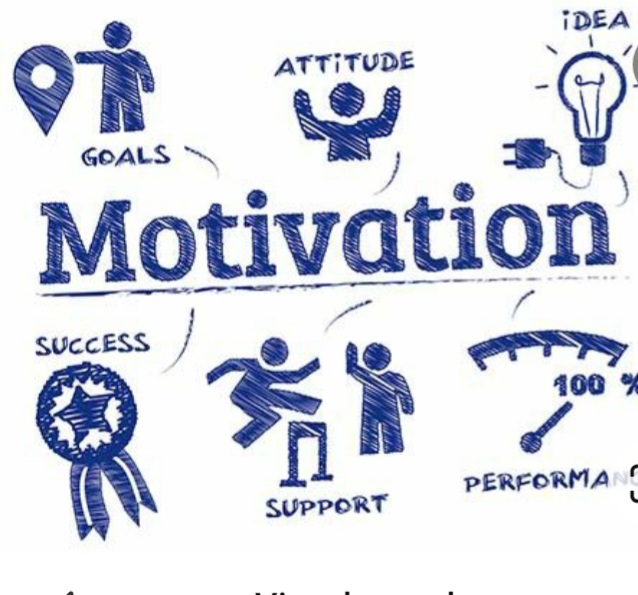
Unemployment has become one of the biggest problems around the world. When an individual is an implied, he or she will know very less about the mankind. It is so difficult to face situation and handle situations when the individual is unemployed. Unemployment leads to many silly mistakes. And an unemployed person cannot take over the family and lead the family as well. There is a huge competition in highly populated countries like India. In order to be employed, the only method is to study hard and improve the skills and score better. Basically, the students are not showing good amount of interest towards the studies. Let us now see how to motivate them.
Covid crisis has made many people unemployed. It has taken away the basic need of living. Many people are left with the unfilled stomachs. Some people are dead about by not finding a way to live.
Types of unemployment :
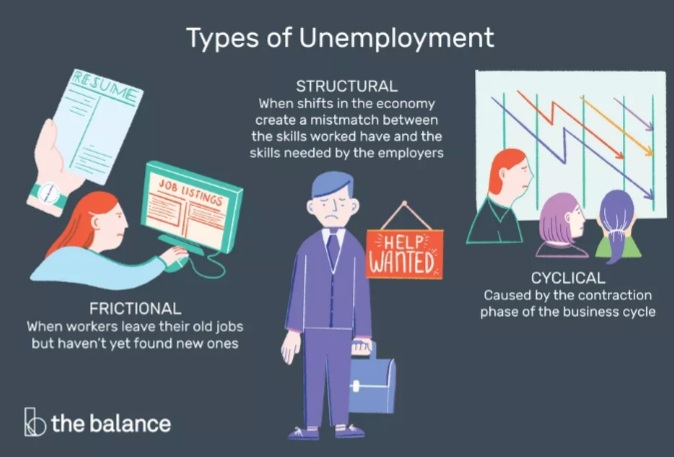
There are four main types of unemployment in an economy frictional, structural, cyclical, and seasonal and each has a different cause.
1. Frictional unemployment :
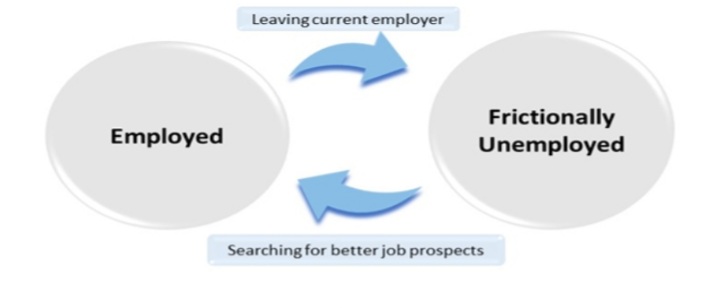
Frictional unemployment is caused by temporary transitions in workers lives, such as when a worker moves to a new city and has to find a new job. Frictional unemployment also includes people just entering the labor force, such as freshly graduated college students. It is the most common cause of unemployment, and it is always in effect in an economy.
2. Structural unemployment :
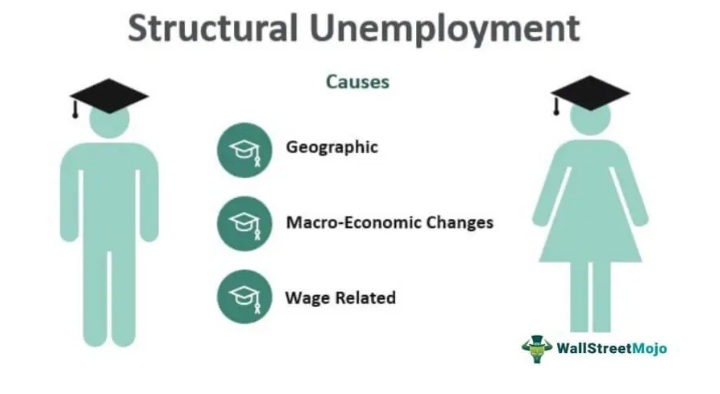
Structural unemployment is caused by a mismatch in the demographics of workers and the types of jobs available, either when there are jobs available that workers don’t have the skills for, or when there are workers availabes but no jobs to fill. Structural unemployment is most obvious in industries undergoing technological advancements.
3. Cyclical unemployment :
Cyclical unemployment is caused by declining demand. When there is not enough demand in an economy for goods and services, businesses cannot offer jobs . According to keynesian economics , cyclical unemployment is a natural result of the business cycle in times of recession: if all consumers become fearful at once, consumers will attempt to increase their saving at the same time, which means there will be a decrease in spending, and businesses will not be able to employ all employable workers.
4. Seasonal unemployment :
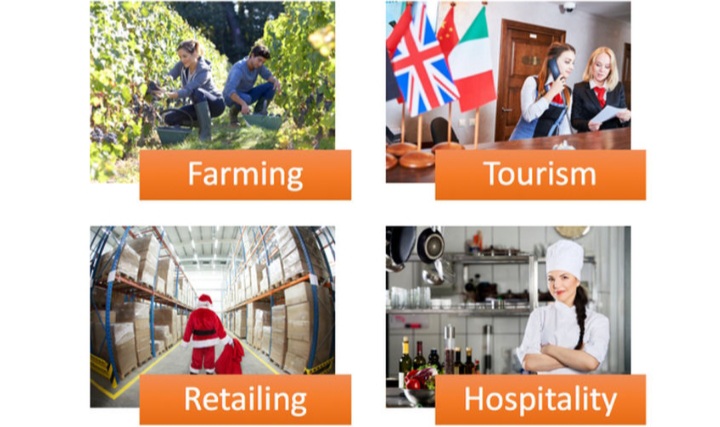
Seasonal unemployment is caused by different industries or parts of the labor market being available during different seasons. Fot instance, unemployment goes up in the winter months, because many agricultural jobs end oncr crops are have harvested in the fall, and those wotkers are left to find new jobs.
Consequences of unemployment in an Economy :
Low unemployment is key to economic stability High and long- term unemployment can cause significant stress on a nation in three key areas.
* Individuals :
Unemployed people have no ability to fulfill their financial obligations and can become mentally stressed, ill, and even homeless.
* Economic efficiency :
During times of high unemployment many job seekers will accept new jobs below their skill level, a situation called “underemployment ” which translates to a loss of human capital for an economys labor market. Unemployed workers will also significantly decreases their consumer spending, which is one of the driving forces of economic growth. Without consumer spending, the economy will slow dramatically.
* socio- political stability :
If unemployment remains high, citizen dissatisfaction can rise to the point of widespread civil unrest.
Possible solutions for Unemployment :
Solving unemployment is a hotly debated topic, and no economists agree on one simple way to do it. However, in the U.S ,if unemployment rises noticeably, the government usually steps in with specific policies designed to lower the total number of unemployed people.
1. Monetary policy :
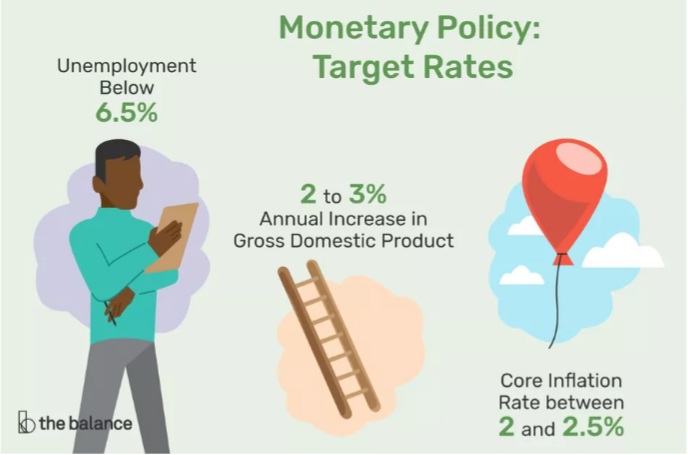
Monetary policy is financial influence implemented by a central bank . Monetary policies usually come in the form of lower interest rates, which increase the total money supply within an economy by allowing banks and businesses more access to loans and therefore, more accessible spending power.
2. Fiscal policy :
If expansionary monetary policy doesn’t adequately lower the unemployment rate government agencies will turn to fiscal policy. Fiscal policy is fiscal stimulus implemented by the national government and fiscal policies include spending on infrastructure, proposingtax cuts , increasing the minimum wage, or implementing unemployment benefits. These methods are designed to inject more demand into private economy and strengthen economic activity.
Let us now see some of the ways to motivate the students to study and get employeed.
• Make things easier :
Showing the things easier and explaining them with clarity helps the students to show better interest on the subject and makes them to pay more attention on what the teacher is trying to convey. When the topics are shown easier for the students, they start learning them and they feel achieved and they pay more attention to study. When a student learns a particular topic or a question, he/she feels comfortable and happy for getting it. Once if they start reading, they develop the interest in them and they continue to read more and more.
• Tell the importance :
The students must be motivated with good number of words to understand the need of studying and what happens if they don’t study. A student is like a bird without the wings when they don’t study. So, it is very important to motivate students to study and to make them understand the need of the situation. Motivation brings the right change in the students who are not interested in learning. It develops the interest in them to study.
It seems good if the government provides good number of jobs.
“Science has learned recently that contempt and indignation are addictive mental states. I mean physically and chemically addictive. Literally! People who are self-righteous a lot are apparently doping themselves rhythmically with auto-secreted surges of dopamine, endorphins and enkephalins. Didn’t you ever ask yourself why indignation feels so good?”
~ David Brin
Introduction
Doping in sport is a widespread problem not just among elite athletes, but even more so in recreational sports. In scientific literature, major emphasis is placed on doping detection, whereas detrimental effects of doping agents on athletes’ health are seldom discussed. Human growth hormone also increases muscle mass, although the majority of that is an increase in extracellular fluid and not the functional muscle mass.
The term doping is widely used by organizations that regulate sporting competitions. The use of drugs to enhance performance is considered unethical, and therefore prohibited, by most international sports organizations, including the International Olympic Committee.
History
According to the World Anti-Doping Agency (WADA), the term “doping” probably comes from the Dutch word “dop,” an alcoholic beverage made of grape skins that was used by Zulu warriors to make them stronger in battle.
Ancient Greek athletes used special diets and stimulating potions to improve performance, and 19th century endurance athletes indulged in strychnine, caffeine, cocaine and alcohol.
The American specialist in doping, Max M. Novich, wrote: “Trainers of the old school who supplied treatments which had cocaine as their base declared with assurance that a rider tired by a six-day race would get his second breath after absorbing these mixtures.”[8] John Hoberman, a professor at the University of Texas in Austin, Texas, said six-day races were “de facto experiments investigating the physiology of stress as well as the substances that might alleviate exhaustion.”
Effects of doping in sports
It builds muscle but causes abnormal growth, heart disease, diabetes, thyroid problems, hypertension, blood cancers and arthritis. Other adverse effects include joint pain, muscle weakness, visual disturbances, enlarged heart and diabetes.
Other side effects include:
Heart palpitations.Heart rhythm abnormalities.
Weight loss.
Tremors.
Mild high blood pressure (hypertension)
Hallucinations.
Stroke.
Heart attack and other circulatory problems.
Constipation.Skin rash or dermatitis.
Diarrhea.
Dizziness.
Drowsiness.
Dry mouth.
Headache.
Insomnia.
UFC ( Ultimate Fighting Championship ).
In December 2013, the UFC began a campaign to drug test their entire roster randomly all year-round. Random testing, however, became problematic for the promotion as it began to affect revenue, as fighters who had tested positive would need to be taken out of fights, which adversely affected fight cards, and therefore pay-per-view sales.
According to Steven Marrocco of MMAjunkie.com, about 31% of UFC fighters subjected to random testing since the program first started have failed due to using performance-enhancing drugs. That is approximately five failed tests for every sixteen random screenings.
From July 2015, the UFC has advocated to all commissions that every fighter be tested in competition for every card. Lorenzo Feritta, who at the time was one of the presidents of the UFC, said, “We want 100 percent of the fighters tested the night they compete”. Also, in addition to the drug testing protocols in place for competitors on fight night, the UFC conducts additional testing for main event fighters or any fighters that are due to compete in championship matches.
Discrimination is the state when all individuals are not treated equally and not given equal rights. Every individual in the community yearns for equal status, opportunities, and equal rights. People generally say these days that everyone is treated equally but they are not. Discrimination usually exists because of cultural differences, geographical differences, and gender. Inequality on the basis of gender is something that is not appreciated, but it is seen many times in many companies. There are many areas where equal opportunities are not provided to women.
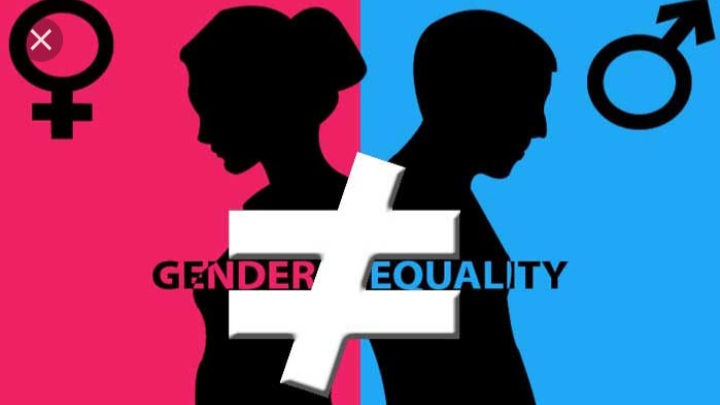
We are in the 21st century, and even now, women are not treated equally as men. It is generally believed that women are more talented than men, and it has been proved many times, but society is not yet ready to accept this fact. Gender equality is the term used when equal opportunities in the fields of politics, economics, education, and health are provided to both men and women.
As per the World Economic Forum’s gender gap ranking, India holds the rank 108 out of 149 countries. The rank should be a major concern in the country as it signifies the immense gap between the opportunities given to women when compared to men. The structure in India is such that women are neglected in many fields like education, health, finance, etc. They are just limited to household chores which should not be the scene here. There are many places in India where women are considered as a burden and they are not allowed to go to school and study as well. Also, a preference for sons prevails in many areas in India.
The seven important forms of gender inequality :
1 . Women works Longer than Men :
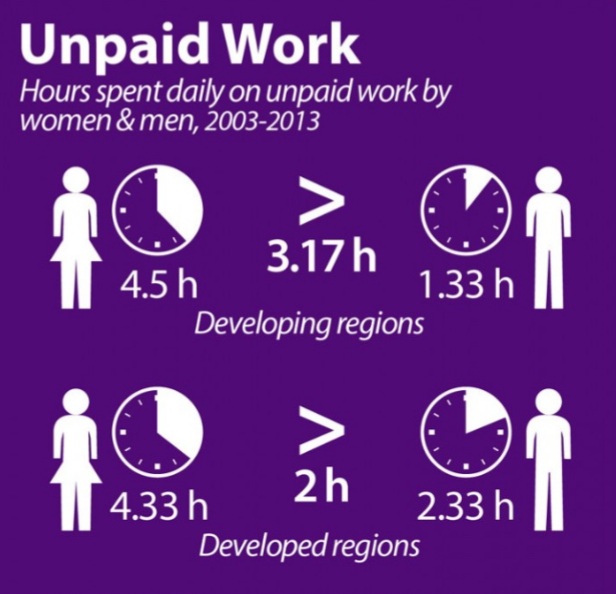
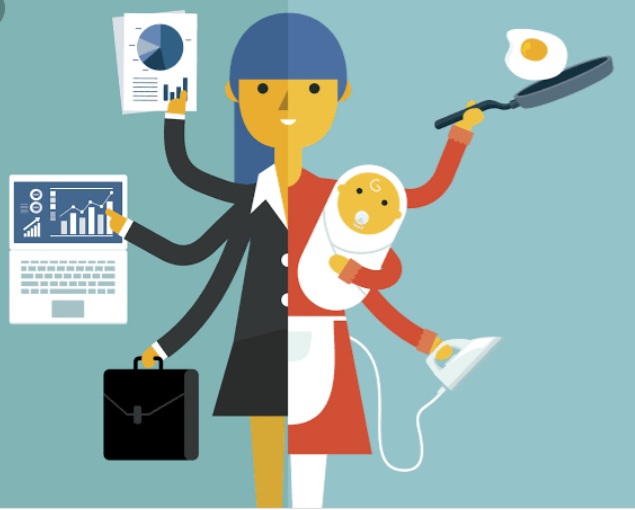
In most of the societies the male – stream is the main stream who argues that women have comparative advantage in household non- market production, like cooking and cleaning for the family that cant be called emotional and personal caring work. Based on this thinking, household jobs are then asymmetrically distributed. Women are more valued in home. Men are specialised in market- baesd production. Thus, being the bread- earners, males enjoy both power and status.
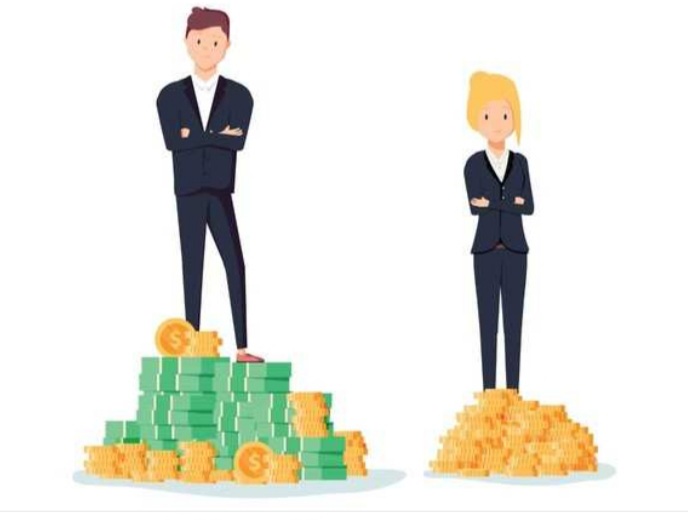
2. Inequality in Employment and Earnings :
Historically, men have greater participation in work outside home than women. But women ( particularly of poor households) share unequally household duties in addition to economic production. Thus they work longer than males. This kind of ‘ division of labour’ may be seen as the ‘ accumulation of labour’ on women, as described by Amartya sen. Household activites are often viewed as ‘ sedentary activites’ which require less ‘ calore’ to gain energy.
3. Ownership Inequality :
A case of social inequality. Let us turn to another kind of inequality, called ownership inequality a classic case of social inequality. In most of the societies, ownership over property and means of production rests mainly on male members . The law of inheritance provides such ownership rights on male child. Such denial coming out of hierarchical dualism within the family not only reduces the voice of women but also prevents them from participating in commerial, economic and social activites.
This kind of social deprivation means absence or lack of capability or because of ‘capability deprivation’, women are subject to various kinds of exploitation and unfreedoms. Social inequality distorts the process of development. Unfortunately, ownership inequality in any country is not of recent origin. In her earlier life, a woman comes under the influence of her father, then husband as she enters a married life and finally, under sons ownership right over property is skilfully avoided. A telugu proverbs corraborates this understanding: ” Bringing up a daughter is like watering a plant in anothers courtyard.”
4. Survival Inequality :
Another crudest from of gender disparity is the unusally high mortality rates of women , though biologically, women live longer than men! Thus more boys than girls are born evrywhere leading to a ‘ deficit’ of women and a ‘ surplus’ of men. In developed countries beacuse of absence of gender bias in health care and nutrition, women outnumber men. In Europe and in north America, 105 or more girls are born per 100 boys. Such high female- male genderd survival rate in different age groups.
5. Gender Bias in the Distribution of Education and Health :
Health and education are the major forms of human capital are realted to economic development . Human capital gets accumulated as a society advances in education . The contribution of human capital towards Japan’s remarkable economic progress attracts our attention . Improvement in health capital also improves the return to investments in education .
However, one finds a huge education and health gaps between developed and developing countries. In recent times, despite a large increase in econoc advancement on times, despite a large increase in economic advancement in asia and africa, these countries lag far behind the developed countries in terms of educational attainment particularly in respect of women’s education. Gender disparity not only hindrrs economic progress but also exacerbates social inequality.
6. Gender Inequality in Freedom Expression :
Let us talk about gender inequality beyond economic issues or factors. Women are not only subject to income or asset inequality but also in terms of freedom and power deprivation of women goes beyond one’s imagination. They lack not only economic freedom at home because of absence of autonomy in house hold decisions, limited or poor wages earned but also lack any freedom in airing opinions over education of children.
In some backward poor societies the right of women giving options is completely denied. Such un – freedoms, however, are not uncommon even among the educated elites who enjoy enormous power and authority in the male domined society. Historically , this sort of law socioeconomic status of women has been continuing nowasdays.
7. Gender Inequality in Respect of viloence and victimisation :
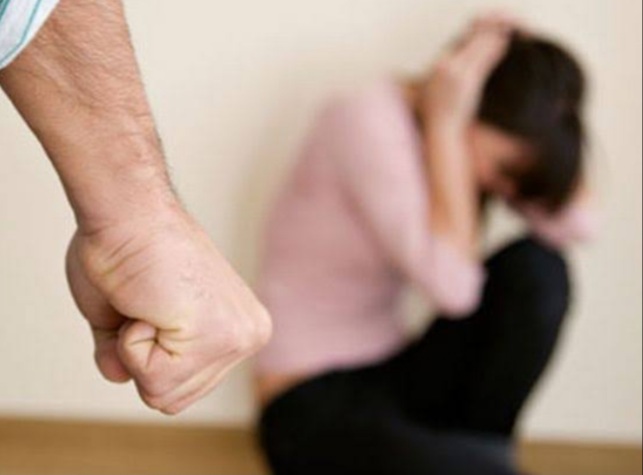
Finally, anti – female bias starts before the girl child is born and this attitide of the society a female member carries throughout her life. It is because of the unequal sharing of income, property, household benefits . Women are subject to both physical and sexual violence – the oppsite of freedom, and an extreme form of coercion. This is common for both poor and not too much uncommon in rich countries as well as among rich people. One in three women in the word is beaten or raped during her life times.
Dowry harassement is considered as an ‘ instrumental use’ of violence. Dowry death is the most serious form of domestic violenece. Wife beating is not uncommon. Sexual violence is an obnoxious form of human rights violation.
Specifically, public health can contribute to reducing health inequities by integrating health equity considerations into policy and programs, collebrating with other sectors to address inequities engaging with communities to support their efforts to adress inequities, identifying the reduction of health inequities.
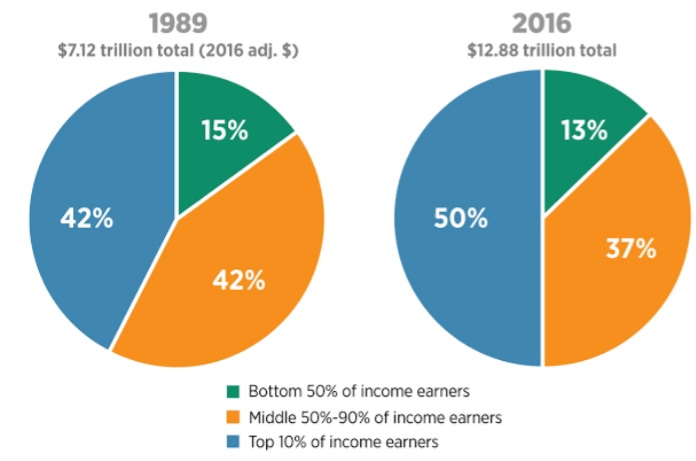
Reducing inequality requires transformative change. Greater efforts are needed to eradicate ectreme poverty and hunger and invest more in health, education, social protection and decent jobs especially for young people, migrants and other vulnerable communities.
We should understand that women are the part and parcel of any family. When it comes to flexibility, they can manage their home and offices at the same time. If equal opportunities are not given to them, they will be led down and won’t be able to achieve big milestones which they are obviously capable of.
Dou you like sports? Sports are the act as a very much key role in our daily life. If you play the sports in daily it can improves our mental stability and physical stability.
Cricket
Cricket is the most famous game in the world compared to the others game.
History Of cricket
The history of cricket to 1725 traces the sports development from its perceived origine to the stage where it become a major sport in England and had been introduced to the other countries. The Earliest definite reference to cricket course in 1598 and makes clear that the sport was being placed c. 1550, but it true origin is mystery.
Concept and rules of cricket
Concept
Cricket is played with two teams of 11 players each. Each team takes turns batting and playing the field, as in baseball. In cricket, the batter is a batsman and the pitcher is a bowler. The bowler tries to knock down the bail of the wicket. A batsman tries to prevent the bowler from hitting the wicket by hitting the ball. Two batsmen are on the pitch at the same time.
Scoring
The batters can run after the ball is hit. A run is scored each time they change places on the pitch. The team with the highest number of runs (typically in the hundreds) wins the match.
6 runs: A ball hit out of the field on a fly.
4 runs: A ball hit out of the field on a bounce.
Outs
Bowled out: Bowler knocks over (breaks) the wicket with a bowl.
Caught out: Fielder catches a batted ball on the fly
Run out: Fielder catches ground ball and throws it at the wicket, knocking it down before the batsman gets there.
Leg before wicket: Batsman’s body interferes with a bowled ball that would hit the wicket
Rules
Cricket is played between two teams each made up of eleven players. (Sometime in junior competitions you will find 8 player teams).
Games comprise of at least one innings where each team will take turns in batting and fielding/bowling.
The fielding team will have a bowler bowl the ball to the batsman who tries to hit the ball with their bat.
The fielding team tries to get the batsmen out by…
Hitting the wickets with the ball when bowling
Catching a batsman’s shot on the full
Hitting the batsman’s leg in front of the wicket (LBW)
Or hitting the wickets before the batsmen can run to the other end of the pitch
The batmen try to score as many runs as possible before getting out by…
Hitting the ball and running between the wickets and making it to the other end before the fielders can hit the wickets with the ball. Each time you run one full length of the pitch it equals 1 run.
Hitting the ball to the boundary along the ground is 4 runs.
Hitting the ball over the boundary on the full equals 6 runs.
The fielding team must get 10 batsmen out before they can change over and start batting.
The aim of the game is to score as many runs as possible before the fielding team takes 10 wickets. The team with the most runs wins.
Important of cricket
As well as physical health benefits, cricket can also bring other benefits and opportunities such as: Team skills. Social skills such as cooperation, communication and learning how to cope with winning and losing. Social interaction – it’s a great way to meet new people and make new friends.
“When people throw stones at you, you turn them into milestones.”– Sachin Tendulkar
The God of cricket speaks to you. He asks you to turn the negative vibes directed at you, into the incense of calm and spirit of achievement. Sachin’s struggle is widely acknowledged. He is a legend and nobody can deny.
















 Eduindex
You must be logged in to post a comment.