Destructive Habits: Bias

There are many habits that destroy your mental peace, happiness and mostly you. Some of them are usually with different addictions or because of people but what destroys you as a person depends on how you view things and people around you. Your environment is what shapes you but to be different, you have to do it by yourself. 

The most common habits have become common because we are more focused elsewhere than ourselves. To be a better version of yourself, you need to view your flaws and work on them.

  1. Spotlight Effect: We overestimate how much attention people give to our words and appearance. Imagine you said something but it felt wrong after it came out. In reality, everyone only remembers it for the moment and immediately moves to the next topic. We ponder over it for days, forgetting that others don’t care as much as we do about it.

Example: “The red shoes don’t match the outfit at all! I guess the guys are laughing because of it”

*Red shoes matched the outfit better than you imagined*

Truth: No one cares about you as much as your loved ones do. Everyone is just a temporary traveler in your life and you have to be okay with it. Dress how you want and be how you want to be. 

  1. Status Quo Bias: We prefer for things to be the same; usually change is viewed as a negative aspect of life. If you adopt a new habit that cuts out something from your life, you immediately feel guilty of not being able to manage it, so you quit your new habit for the old one because it feels more comfortable.

Example: “I like to paint, but the classes are on Friday, I won’t be able to party! I can always paint later so let’s party now!”

*Proceeds to miss out on an amazing experience*

Truth: Change is hard. To adapt to a new routine and new place is always difficult and your mind is stuck on the old routine, but only then do you learn more about yourself. You may like to paint now, but when you explore it, you may not want to put the brush down! You need to explore that change for a while to know more about yourself.

  1. Zeigarnik Effect: We focus more on the incomplete tasks than the ones that have been completed. Sometimes, we forget to see that we have accomplished many things on the way, and we focus on the ones that we have not accomplished yet. It pushes you to feel bad that you are not able to do anything. 

Example: “Bro I lost the Table-Tennis Pan-India Semi-finals! I feel so like I can’t do it anymore”

*Came so far by winning championships and tournaments*

Truth: You have to see where you are today. Look behind you and see the different hurdles you had to come across. You didn’t cross them just to go back did you? It does feel bad to not achieve something the first time you try it, but when you achieve it, after toiling for some time, the fruit is incomparable.

  1. Pessimism Bias: We tend to overestimate the possibility of negative outcomes. We always have a small part of your mind that searches for a negative outcome. What you see and ask for, is what you get and have. You will increase the chance of losing the opportunity if all you see is losing it.

Example: “I feel like I will lose this chance to be head of department, there are so many others who are way more qualified.”

*Loses opportunity because it messed with your confidence and screwed your interview*

Truth: What energy you put out, is what you usually get. Sometimes, you lose opportunities, but don’t dwell on the wrong aspects. You may not have the necessary qualifications but the way you portray yourself is what gets you opportunities.

  1. Sunken-Cost Fallacy: We invest more in things that have cost us something, even if we have negative outcomes. We feel that if we invest more, the difference can be recovered with just a little gain.

Example: “My portfolio is down by 25%! I will invest 50% of it so with a 25% gain, I can recover the loss”

*Proceeds to lose more because the stock market is in a bear phase*

  1. Self-serving Bias: Our failures are situational but our success is our hardwork’s result. We view that our failures are determined by external factors and our success is because of us. It is also difficult to ascertain what caused success or failure on the spot so we divide it based on the result.

Example: “I lost the game because the opponent was too strong. I got the best player of the match because I practiced well”

*Opponent won because of your overconfidence in your practice*

“The eyes sees only what the mind is prepared to comprehend.”

~Robertson Davies

Sometimes, we see these habits recurring but we don’t want to change because we feel it will make others dislike us. By changing, you are not making your friends feel bad but giving them a chance to understand that it’s time to improve. It’s time to make yourself the person you always wanted to be. Everyday is a learning step and only then can you improve. These habits of biasing situations have a lot of effect on where you are and where  you want to be.

This post has been inspired by Ankur Warikoo. You can check his post on LinkedIn here!

This was a delight to write about. I hope you have found this article interesting and let me know about your thoughts on this. Keep on smiling!

Destructive Habits: Bias

There are many habits that destroy your mental peace, happiness and mostly you. Some of them are usually with different addictions or because of people but what destroys you as a person depends on how you view things and people around you. Your environment is what shapes you but to be different, you have to do it by yourself. 

The most common habits have become common because we are more focused elsewhere than ourselves. To be a better version of yourself, you need to view your flaws and work on them.

  1. Spotlight Effect: We overestimate how much attention people give to our words and appearance. Imagine you said something but it felt wrong after it came out. In reality, everyone only remembers it for the moment and immediately moves to the next topic. We ponder over it for days, forgetting that others don’t care as much as we do about it.

Example: “The red shoes don’t match the outfit at all! I guess the guys are laughing because of it”

*Red shoes matched the outfit better than you imagined*

Truth: No one cares about you as much as your loved ones do. Everyone is just a temporary traveler in your life and you have to be okay with it. Dress how you want and be how you want to be. 

  1. Status Quo Bias: We prefer for things to be the same; usually change is viewed as a negative aspect of life. If you adopt a new habit that cuts out something from your life, you immediately feel guilty of not being able to manage it, so you quit your new habit for the old one because it feels more comfortable.

Example: “I like to paint, but the classes are on Friday, I won’t be able to party! I can always paint later so let’s party now!”

*Proceeds to miss out on an amazing experience*

Truth: Change is hard. To adapt to a new routine and new place is always difficult and your mind is stuck on the old routine, but only then do you learn more about yourself. You may like to paint now, but when you explore it, you may not want to put the brush down! You need to explore that change for a while to know more about yourself.

  1. Zeigarnik Effect: We focus more on the incomplete tasks than the ones that have been completed. Sometimes, we forget to see that we have accomplished many things on the way, and we focus on the ones that we have not accomplished yet. It pushes you to feel bad that you are not able to do anything. 

Example: “Bro I lost the Table-Tennis Pan-India Semi-finals! I feel so like I can’t do it anymore”

*Came so far by winning championships and tournaments*

Truth: You have to see where you are today. Look behind you and see the different hurdles you had to come across. You didn’t cross them just to go back did you? It does feel bad to not achieve something the first time you try it, but when you achieve it, after toiling for some time, the fruit is incomparable.

  1. Pessimism Bias: We tend to overestimate the possibility of negative outcomes. We always have a small part of your mind that searches for a negative outcome. What you see and ask for, is what you get and have. You will increase the chance of losing the opportunity if all you see is losing it.

Example: “I feel like I will lose this chance to be head of department, there are so many others who are way more qualified.”

*Loses opportunity because it messed with your confidence and screwed your interview*

Truth: What energy you put out, is what you usually get. Sometimes, you lose opportunities, but don’t dwell on the wrong aspects. You may not have the necessary qualifications but the way you portray yourself is what gets you opportunities.

  1. Sunken-Cost Fallacy: We invest more in things that have cost us something, even if we have negative outcomes. We feel that if we invest more, the difference can be recovered with just a little gain.

Example: “My portfolio is down by 25%! I will invest 50% of it so with a 25% gain, I can recover the loss”

*Proceeds to lose more because the stock market is in a bear phase*

  1. Self-serving Bias: Our failures are situational but our success is our hardwork’s result. We view that our failures are determined by external factors and our success is because of us. It is also difficult to ascertain what caused success or failure on the spot so we divide it based on the result.

Example: “I lost the game because the opponent was too strong. I got the best player of the match because I practiced well”

*Opponent won because of your overconfidence in your practice*

“The eyes sees only what the mind is prepared to comprehend.”

~Robertson Davies

Sometimes, we see these habits recurring but we don’t want to change because we feel it will make others dislike us. By changing, you are not making your friends feel bad but giving them a chance to understand that it’s time to improve. It’s time to make yourself the person you always wanted to be. Everyday is a learning step and only then can you improve. These habits of biasing situations have a lot of effect on where you are and where  you want to be.

This post has been inspired by Ankur Warikoo. You can check his post on LinkedIn here!

This was a delight to write about. I hope you have found this article interesting and let me know about your thoughts on this. Keep on smiling!

Reflecting on a Quote – 2

“Beauty lies in the eyes of the beholder” – Plato

With 7 billion people in the world, it will be a foolish thing to think that everyone thinks the same way, maybe they do in one thing or the other. However, the point is truth is subjective – with as many people, as many opinions, as many ways of living, as many ways of thinking, the truth about non-physical entities/things such as ‘truth’ itself is subjective. Many a times, the opinions, the perspectives get influenced by the surroundings. It in more than a way reflects the values imbibed while growing up.

Beauty, too, is subjective. There is no definite way to define beauty. For a person, beauty exudes calmness, while for someone else, it might be excitement. What might be beauty for one, might not be for the other. It is all about the perspective difference in perspective can be quite infuriating but it doesn’t mean that one is entirely wrong. However, here we are not talking about who is wrong and not. We are trying to bring into everyone’s notice again that beauty has no particular way. It is subjective, relative and not something absolute.

Consider this: For a person with darker skin than yours, you are fair

For a person with a fairer skin than yours, you are dark

For a person taller than you, you are short

For a person shorter than you, you are taller

For a person on a lean side than you, you are on the fat side

For a person on a fat side than you, you are on the lean side.

This list can go on. The relativity and subjectivity of the things, living and non-living alike do not allow us to put a definite meaning to anything.

Indeed, beauty lies in the eyes of the beholder. It depends on the observer’s perspective which in turn is influenced by various experiences, by the values imbibed, by their surroundings, by the knowledge intake, by their ways of thinking. This is why it becomes necessary that the environment in which a person lives should be such it doesn’t not induce some harmful perspective. Any form of shaming about people choices of living in any non-harmful way should not be given a space, not be taught.

In this post-modern era, when uniformity is in the process of being renounced, diversity needs to be accepted, respected and allowed.

Image Credit: Bjor Artworks

Retrieved from: Google

CASTE SYSTEM IN INDIA IS A GREAT EVIL..

The Caste System is a major evil in Indian society.

Originally, India from its past had this caste system in the society. From the kings reign to till the current society, the caste system is in existence. Caste system, in the king’s era did not give rise to discriminations but the recent society made this a great way of discriminating This caste system, in present India, is misleading the society and its citizens towards bad decisions. It is forcing the people even to the things that should not be attempted.

During the king’s reign, the four-fold caste system was followed. The four castes were namely, Brahmins (teachers, intellectuals/priests), Kshatriyas (Warriors/rulers), Vaishyas (Traders, merchants), Shandra (Laborer’s) and the last category are untouchables (cobblers, street sweepers, larine cleaners etc.). According to Hindu Vedas, it is believed that the Brahmins originated from the head of Brahma, Vaishyas from the thigs of Brahma, Sudras from the feet of Brahma and kshatriyas from the hands of Brahma. That’s why Brahmins were given priority and importance, even treated as Guru.

This system coming to the present society is divided into OC Copen Category), OBC (other Backward classes/castes) SC(scheduled Castes), ST (Scheduled tribes). This present (or) recent division gave rise to discriminations and Conflicts in the society. The people who OC feel that they are great and treat the other classes as interiors. The reservations for the lower classes made the administration particularly in education worse..

If observed, the incidents that took place recently because of caste feeling in the people, made us think whether we are living in a human society, and is humanity. existing questions arise in our minds. If considered, a Situation that took place in Hyderabad A couple loved each other and got married, the girl belongs to upper caste and the boy was from lower caste. The girl’s father was not happy with his daughter’s marriage with a low caste boy .Up to what extent this caste feeling took him is, he brutally killed the poor boy as he belonged to the lower caste and married his daughter. This is where we feel, whether the humanity is existing or not.

The worst thing is, people while electing their representative not all, but most of the people vote for the leader of their caste. This is a really sad thing being in a democratic country .Some political leaders also show partial bias on the people of their caste and wish to always favor them. The most dreadful thing is a party representing a particular Caste in India, it might be a regional party or national party. Even though many rules and laws were made, a kind of feeling in the people exists even to this day..

This caste system creates a lot of disturbances in the Society and gives rise to violence among the people. Like the above incident, continuously the same kind of incidents took place; one after the other, here and there in the Country. The politicians fight and criticize each other by naming their castes which makes the term democracy meaningless.

So, this caste system is the greatest evil that is misleading. people into bad thoughts and decisions. This should be eliminated (or removed (or) put an end to it, in order to establish peace in the country). According to Article 17 in the Indian constitution, the act of untouchability was prohibited. But, here and there in society, it is still in practice. Caste system in India is very rigid, and cannot be removed easily. If people are educated then some changes can be expected. But the bad news is even the educated people follow and believe the caste and act accordingly.

Finally, concluding that the caste system in India is a major evil in the society We cannot expect a model society. It cannot be removed easily from the minds of the people. so, a model society con peaceful society can be attained only through the complete eradication of the caste system.

SUPERSTITIONS IN INDIA…

Superstitions lead people towards a kind of darkness, it takes people to wrong intensions. In the list of Indian evils, this superstitions is also a part. Superstitions were actually created and introduced by humans, especially some group of humans created these for  their daily survival and livelihood. Superstitions include many things. Luckily in our Indian constitution, some of them were abolished or removed like Untouchability. Here I am going to discuss some of them which I know and I’m going to relate them with some examples that I heard and I experienced. So, let’s start.

SUPERSTIONS AND EXAMPLES:

1. Firstly, I want to discuss about Amavasya. It is said that during Amavasya we should not start any new program or work. Now I’m going to relate with an example of My personal experience, It was said not to take me from my grandma’s home along with my mom when I was a child as it was Amavasya, as women spent some days after giving birth to child I and My mom were there for some days. But My father is against to all these things and he wantedly brought me and my mom from there. And the same thing he did was he has joined me in school for the first time on the day of Amavasya itself, but you know what, till now nothing bad happened to me and my family and I am in the protection of My God. So, it is proven wrong.

2.Let me share another one, When girls are on periods they are not allowed to pray God and go near God, that too in some communities and religions. Now an example relating to it, A girl went to a temple of Goddess Kali I suppose, and that statue is having blood in her mouth, and this girl asked her mother, mother it is said that girls who are on periods, they should not go to Temple and God, but why this Goddess is having blood in her mouth, she asked her mother and the mother was shocked and had no answer to it. Do you have answer for this? even I was surprised when I heard about this.

3.This one is also the same thing, but a little different angle,  it is also said that girls at the time of their menses they are not supposed to touch anything or anyone in the house and in some aspects they are kept out of the house. To hear itself, it is so wired and disgusting, right? I don’t say that everyone will follow this, because, for example me and my family, we just don’t follow all this rubbish but most of the Indians especially some group of people belonging to a particular community and religion follow this. And coming to the example, recently I came to know about this in news, a old women who is in her menses was put out of the house as they don’t her, it was a forest kind of area, and at night while everyone was asleep, a snake entered her tent and bit her , then she was taken to hospital on their hands, I don’t understand why don’t you allow her inside instead of taking her to hospital after something bad has happen, at least then you have to touch her, right?. I felt very bad when I have seen this.

Yeah I have many more but I don’t have the examples to make things clear. To name some, a black cat should not come before us when we are going to start or do something, and some construct house according to some directions, do not sweep after sunset, do not cut nails at night, Wearing gemstones brings good fortune, Not To Sleep Facing The North, Broken Mirrors, Adding One Rupee To A Gift Sum, Twitching Eyes and many more like this. But I don’t say that all these are rubbish but some of these have scientific reasons, but making or implementing them very heavily in life may make us stupid’s

So, I say that some of these are really stupid and foolish. So, I don’t support and encourage those foolish things. And what’s your opinion. Feel free to comment and express.

MONEY MADNESS…

In today’s world, Money has become the most important thing in the life’s of people, but a sad thing is it’s going beyond and people were becoming money minded and it’s becoming a madness. Money may be an important thing but you can’t buy everything with money. Yes, it’s true. Money can buy the your physical needs but you can’t buy the internal things like happiness, peace, etc..

GREAT LOSS THAT MONEY IS CAUSING TO HUMAN LIFE:

1.It is making people mad and it’s becoming like an edit to money, always the thoughts of making money rules in the minds of people.

2.It’s spoiling relations between humans, instead it’s tying the people in the bonds of madness.It is live an evil that’s killing the relations of people.

3.Everything is going on money, if you have money people will surround you like flies gather around sweetness and once your money is gone, then see no one will at least look upon you.

4.Some people always run and run to earn more and more money, they are not satisfied and may be their thirst of money has gone so far.

5.Trying to acquire money at all costs, or constantly trying to acquire as much money as you can, could lead you to unethical or even criminal behavior, such as theft or scamming others.

6.Money can create disagreements, between your family, friends, relatives and everyone around you.

7. Money may lead to really dangerous situations or decisions like Divorce between the couples, separation between dear ones etc..

8.Money is indirectly spoiling the relations in human beings, people are loving money and using people, instead of using money and loving people.

9.People are treating people as things and no strong relations are existing in today’s society, if you have money then people will raise you up to the sky ,but once you are left with no money, no one will come to you.

10.Money should be disconnected from you and you should connect with people, because money can’t give you happiness and satisfaction in your life.


A WRITER SAYS:

What Money Can Buy:

A bed but not sleep

A clock but not time

A book but not knowledge

A position but not respect

Medicine but not health

Amusement but not Bliss

Obedience but not faithfulness

A companion but not a friend

A house but not a home.


SO NEVER RUN AFTER MONEY AND SPOIL YOUR RELATIONSHIPS, START CONNECTING WITH YOUR BELOVED ONES AND PEOPLE AROUND…


ACTION SPEAK LOUDER THAN WORDS

Don’t you see this adage as an example of gaining trust through your actions rather than merely blabbering about wonderful things? You may have come across several persons in your life who talk a lot about a variety of topics. With their words, they try to influence or control you. They make allowances when it comes to acting, though. Some of your pals, for example, make a New Year’s goal to study harder this year. When the time comes, however, they forget about their resolution and return to their usual sluggishness. They aren’t goal-oriented. Making resolutions is pointless if you are unable to follow through with them. Acting is required to construct a success storey. You can’t merely talk about climbing Everest; you have to put in the necessary effort to do it.

Most individuals forget that bragging about one’s accomplishments is pointless. If your accomplishments are significant and worthy of praise, others will be aware of them without you having to say anything. Everyone should realize that working hard to attain one’s goals is preferable to talking about it. The most basic illustration can be found in the life of a student. Do not say it every day if you are a hardworking student. Rather, demonstrate it by your academic performance. Most top students never brag about their accomplishments, preferring to focus on their hard work in order to attain their goals. Their grades are self-evident.

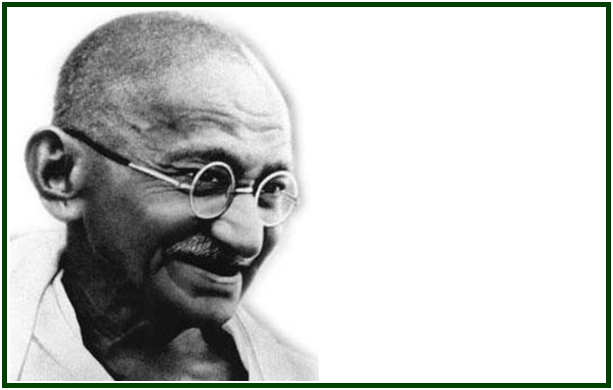
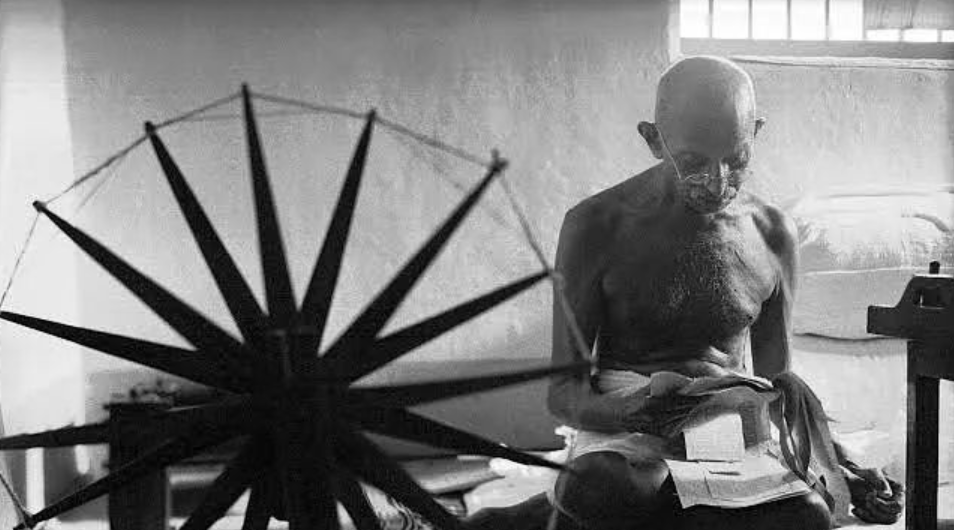
This saying, “Action speak louder than words,” has been proven true in every industry. If you want to be successful, you should concentrate on taking action. The deeds of a man define him. Your behaviours will also play a role in shaping your personality. Actions indicate that something is alive, but the dead do not move. As a result, progress is proportionate to actions. Your actions will naturally speak louder than your words the day you obtain what you dreamed of and worked for. You won’t have to justify or detail your accomplishments any more. The rest of the world will find out by itself. Consider Mahatma Gandhi, a legendary national leader. Gandhiji accomplished outstanding outcomes in his work, yet he never brags about how his leadership changed India. The proverb “doing speaks louder than words” is appropriate in this circumstance.

Another good example is the military of our own country, India. Most importantly, these troops put their lives on the line every day to ensure the safety of the country. Unlike many politicians, who merely provide speeches, these troops truly carry out their duties. Furthermore, these troops serve without regard for personal gain. Many people will undoubtedly never discover their names. Any achievement can be killed by ego and pride, and in some situations, the worth of any achievement can be reduced to zero. In the history of mankind, all of the people who have remained on Earth have had incredible success. Simply follow your dreams and strive to attain your goals; your actions will undoubtedly speak louder than your words.

Finally, the adage “doing speaks louder than words” is a useful life lesson. Furthermore, lying with words is much easier. An action, on the other hand, is inexorably related to one’s desires and ideas. Without a doubt, deeds speak louder than words.

Gandhism – An Ideology

Gandhism derives its name from most prominent leader of India’s freedom movement Mohandas Karamchand Gandhi, commonly referred to as Mahatma Gandhi. He was a lawyer by profession. He was also a social and moral philosopher. His social and political thoughts are collectively known as Gandhism. His thoughts are not in a single book it is scattered in many notes, his autobiography “My Experiments with Truth”. He himself rejected the existence of anything such as Gandhism but with due course of time it is seen that Gandhian thoughts have worldwide application. The features of Gandhian ideology are as follows: –

Politics and Ethics

Gandhi thinks that ethics and morality should be the guiding principles of politics. He emphasizes the use of spiritualization in politics. He believed in purity of means to achieve pure ends. He lifelong criticise the use of unfair means even if gives the best possible result. His morals were based on all religions, but he paid special attention to Sanatana Dharma. In his views the essence of all religion is same. No religion is superior or inferior to any other religion. He thinks that politics without religion is nothing short of a death trap, which kills the soul. He sat for hunger strike to force Indian Government to pay ₹ 55 crore to newly formed to Pakistan.

Truth and Non-violence

One of the major philosophies of Gandhism is the search for truth. Finding truth is as tough as to find God itself. He believed that truth can be found through devotion to its creations specially the oppressed. Non-violence is also a part to pursue truth. It means preventing the use of violence in one’s behaviour towards other living beings which include both physically and mentally. He says, “It is non-violence only when we love someone those that hates us.” He holds that harming nature is also a form of violence. His firm belief in non-violence can be seen in his ways of struggle against the British. He uses non-violence ways such as Satyagraha, Dandi March etc. It is not the way of weak but the power of strong. Non-violence has the power to defeat physical force by the use of spiritual force.

Vision of Classless Society

Gandhi was the flag bearer of a classless society. People have a mindset that physical labour is inferior to another type of labour such as mental labour. He made ‘bread labour’ compulsory for all.  The concept of ‘bread labour’ expected everyone to do physical labour to compensate or produce his/her consumption. Here bread is symbolical for various items of one’s consumption. This will create a sense of dignity of labour among societies. He rejected discrimination on the basis of race, caste, religion etc. He strived to create a classless society by transforming the attitude of peoples towards discrimination.


Paradox…

A logically self contradicting statement is a paradox. Also known as antinomy. You can say it is a sentence that runs contrary to one’s expectations. Actually it’s just a smart mess. It does have valid reasoning but leads to a self contradictory or a logically unacceptable conclusion. It might seem absurd but is kind of the ultimate truth. That’s what makes it all the more interesting.

Let’s see some of the many interesting paradoxes that exist and try to understand them.

•Achilles and the tortoise 🐢🏃

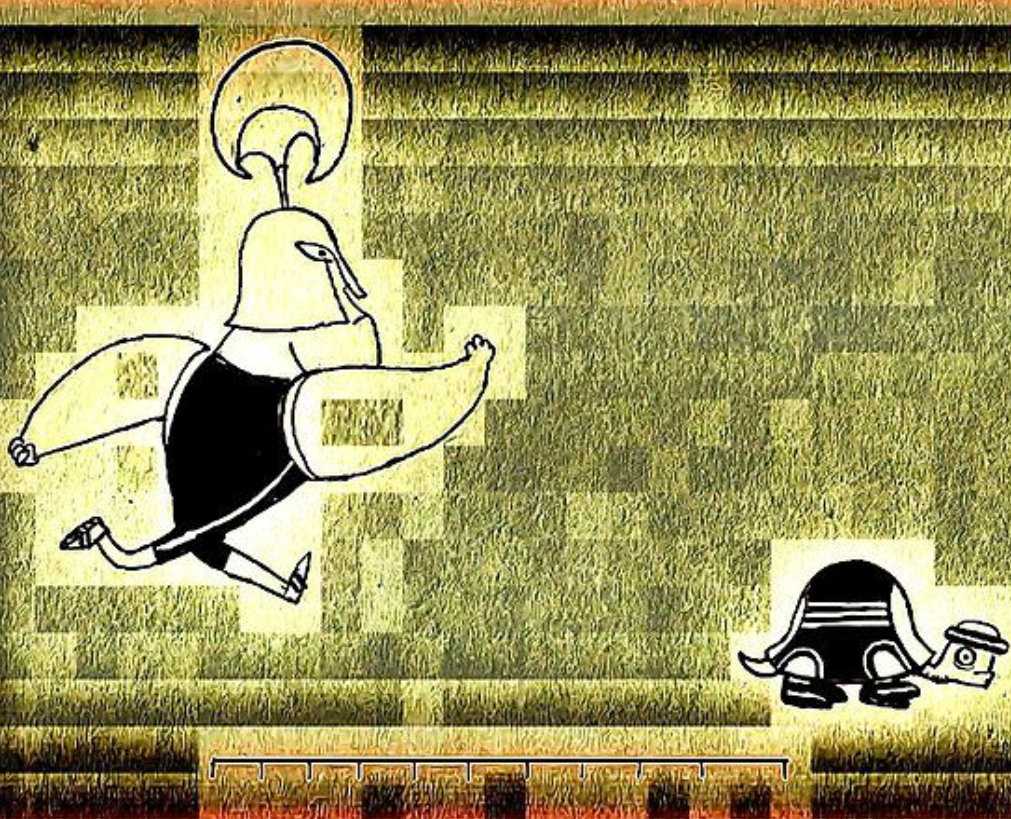
One of the “greatest” there is. It was put forward by the Greek philosopher Zeno of Elea in the 5th century BC. It so happens that the great hero Achilles challenges a tortoise to a footrace. Being the hero that he is, he allows the tortoise a headstart of 500m. No doubt, when the race starts, Achilles is at a must faster speed than the tortoise such that by the time he has reached the 500m mark, the tortoise has only walked 50m further than him. When he has reached 555m mark, the tortoise has walked another 0.5m, then 0.25m, then 0.125 m and so on. It is a chain of such infinite small distances with the tortoise always moving forwards while Achilles always has to catch up. Now, logically, Achilles can never overtake the tortoise. Except, of course, intuitively he can overtake.

Don’t think of it in terms of distances and races but rather as an example of how finite value can always be divided an infinite number of times, no matter how small its divisions might become!

•Birthday paradox 🎉🎂

This is personal favourite. It is maths based by the way. Probability to be specific. You have already heard of this probably. It goes like this that in a group of 23 randomly selected people there is a 50% chance two of their birthdays match. Interesting? Wait. In a group of 367 random people there is a 100% possibility atleast two of their birthdays match. Sounds like such a small number. It counts as a paradox because we can’t handle such numbers.

•Crocodile paradox 🐊

A crocodile snatches a young boy from the riverbank. Pretty common situation right? Anyways, his mother pleads with the crocodile to return the boy. The crocodile being in a fun mood, wants the mother to guess if he will return the boy or not. Takes one guess to get the boy out safely. It looks simple – the mother guesses he will return the boy, if she is right she gets the boy, if she is wrong, the crocodile gets the boy. If she answers that the crocodile will not return him, however, we end up with a paradox!

If she is right and the crocodile never intended to return her child, then the crocodile has to return him but in doing so breaks his word and contradicts the mother’s answer. And if she is indeed wrong and the crocodile did intended to return the boy, the crocodile must then keep him even though he intended not to, thereby also breaking his word. It’s a brain twisting dilemma.

•Paradox of fiction 🎟️📕

Are you fixated with the harry potter characters? You ofcourse have a crush on the Marvel or DC comic characters. Oh or did you cry when Augustus died?

So here is the paradox. Point 1 People have emotional responses to characters, objects, events etc. which are fictitious. Point 2 In order to be emotionally moved, we must believe that these characters or events by no way exists in real. Point 3 No person who takes characters to be fictional at the same time believes that they are real. All three of these points one at a time can be true. If any two points are considered to be true then the third must be false or else produce a contradiction. There exist various proposed solutions to this paradox such as pretend theory or thought theory or illusion theory.

•The card paradox 🃏

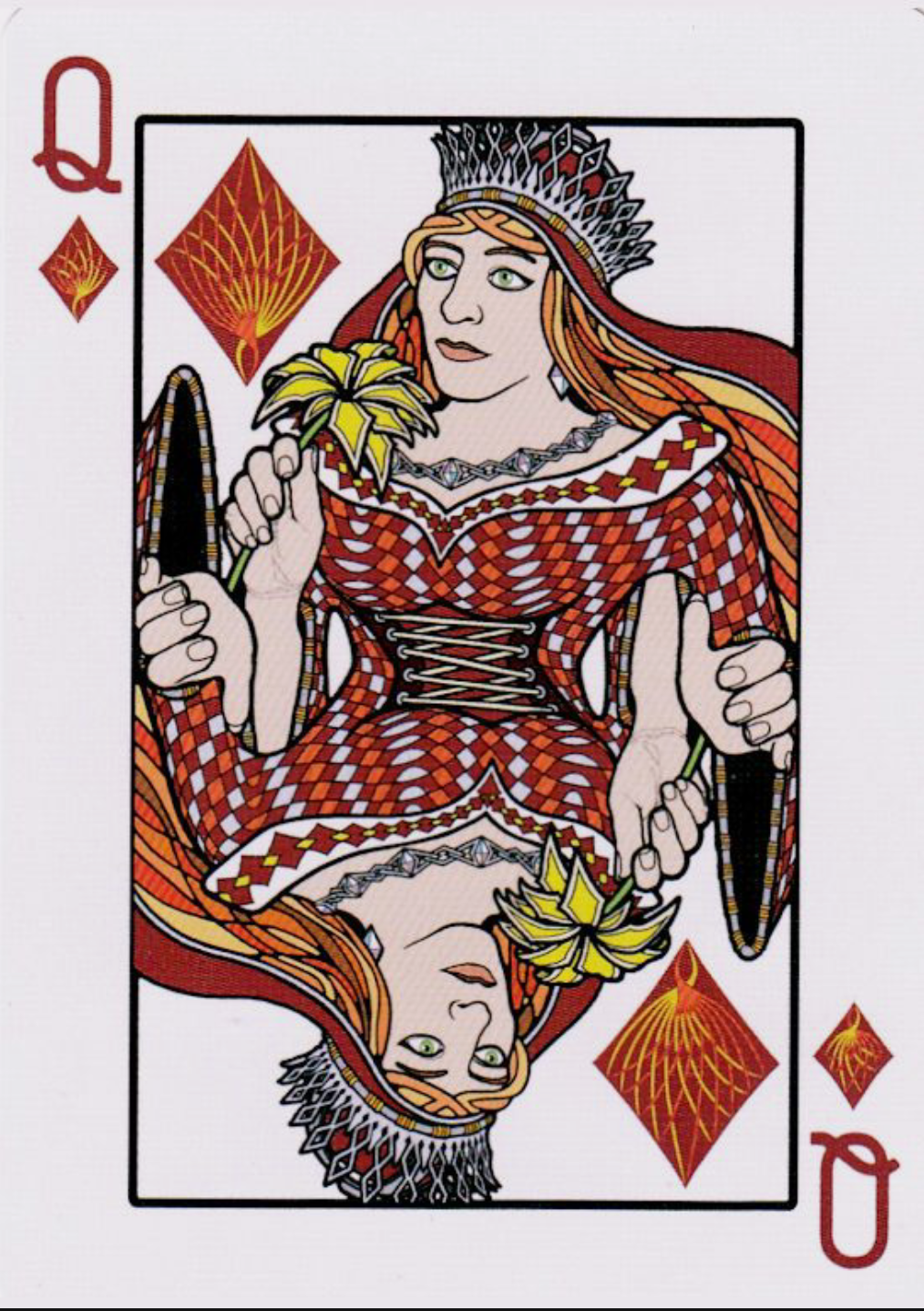
This one is a little bit similar to the crocodile paradox. A little. So I say we have a card with us. On one side, the front side, “the sentence on the other side of this card is TRUE” written on it. You flip and “the sentence on the other side of this card is FALSE”. You take one as true and it leads to a paradox!

Thank you for reading. Have a nice day!🌼

Don’t let yourself to be driven by Social Media

Article by – Shishir Tripathi

Intern at Hariyali Foundation
In collaboration with
Educational News

In the present day times, where the social media has entered the lives of the people so deeply, it becomes very important for an individual to must check that what they are watching whether it is correct on not and whether it is beneficial or harmful for them.

Each day hundreds of messages and news come to a person having an android phone through social media. There are silly forwarded messages some spreading hate and some spreading terror. On the other hand, some messages will literally cry to get forwarded to be at least 15 to 30 people, then only the wish of the person(who’ll be sending the messages) will come true and something good will happen. Whereas, some messages, will give compel you to forward the message, as you love your family and friends. These days social media has become an ultimate way to transfer the garbage of someone’s brain into your brain and ultimately ruin your day and your lovely mood.

Sometimes, when one opens chrome there are some suggestive news below the search button. In the name of providing similar relatable news as per the liking of the user, the browsers have made it so monotonous. Vital news which is itself so important for the nation and its subjects, it is generally not shown to the people. One has to spend hours searching and scrolling for the news which is important.

Not only offline, but there are some online newspapers being read by most of the population, which actually don’t post the exact news describing the situation but there are again changes into the real news in the name of editing and freedom of expression. And in this mean process, the gist of the news gets lost and the news becomes something totally different. For instance it’s like a Gulaab Jamun with no sugar in it at all. And when that happens, it is not Gulaab Jamun at all. But a person who doesn’t knows about the absence of sugar in it, will consume it assuming it to be normal Gulaab Jamun and at a later stage the person will be able to know that what he consumed was not a proper Gulaab Jamun.

The author after this sweet example believes that it must be clear that whatever is being published is not the same as the actual thing. Let’s move further a bit more to realize that how social media controls the life of a person.

There are a number of posts on social networking sites making a particular religion and group of people so naïve, so innocent that all the torture is being done by the entire nation on that community, that religion. But the truth is all well known to the subjects of the nation. To the people who entirely believe the news shown through social media, it is harmful for them because they will carry a bad image for a particular community. In the name Secularism, people are taking the nation and its ethics for granted and spread hate between the citizens of the country.

And also there are some particular slangs being used for the people LGBTQ community and are used without any hitch in social media by silly people for creating a bad image in the minds of the people of the Nation. The opportunists make their way by utilizing different opportunities for crying out their so called pain and for a better reach; they use social media and pollute it.

And also the present government too is responsible for such a situation when so called foreign websites and apps are just crushing the dreams of the youth, the future of the nation. The easy availability of porn and other related materials is actually a very big threat for the nation’s future. It is a full planned mechanism to destroy the youth (the future of the nation) and the force on the borders (the present of the nation).

The readers are expected to distinguish and watch only that news which is important in the growth of the nation. Take good messages and news into the brain. Don’t let any person sitting miles away to make a fool out of you and choose what is important for you and for the mankind.

Are Gandhian principles relevant today?

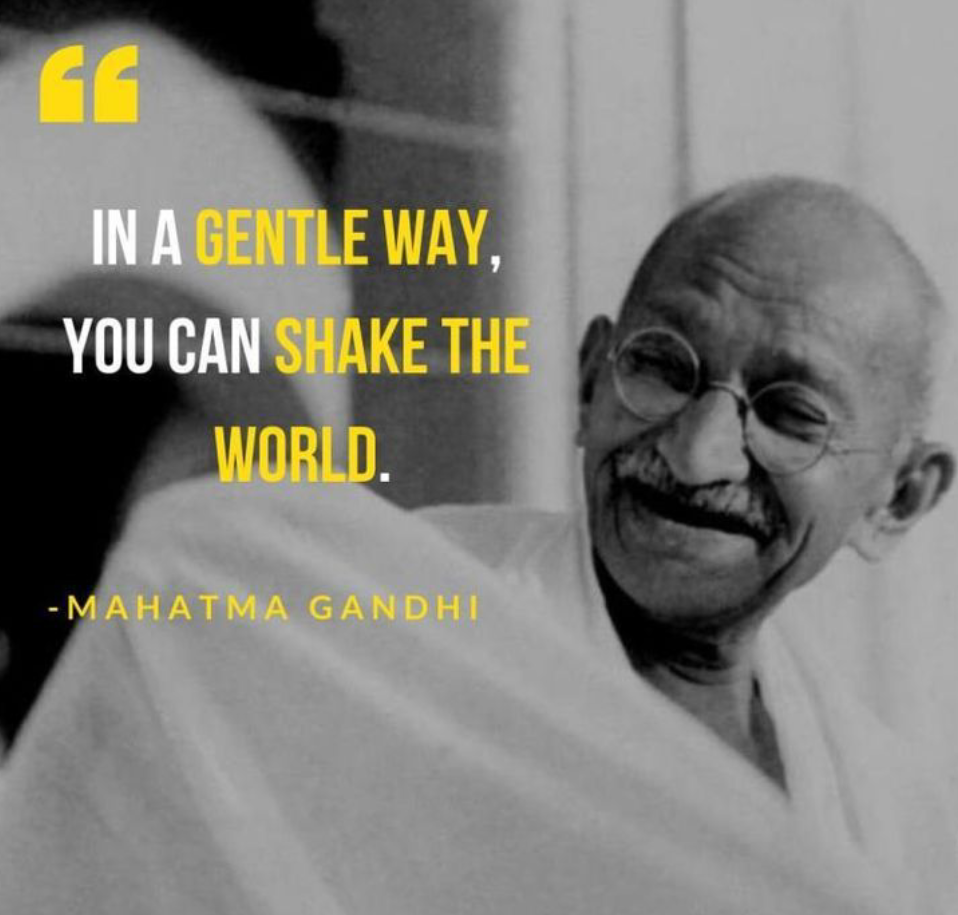
Gandhiji was a national leader of India who forced the Britishers to leave India without resorting to violence. He is regarded both as a transformational leader and a leader of the masses. Every year on 2nd October, we celebrate Mahatma Gandhi’s birth anniversary and recall his principles and philosophies. It is a fact that Gandhiji adhered to his principles of non violence, truth and satyagraha with utmost sincerity to achieve his goals. Many people argue that all his principles hold good in today’s world. We all have moved years ahead with lots of changes in lives, innovations in science and technology, vivid variety of lifestyles. Here the point is if the principles and ideologies of Gandhi are still relevant or practical in modern world or not.

YES

•Gandhiji’s principle are valid and everlasting His principles are based on truth and non-violence are the base of civilized human society. He practically proved to the whole world that a war can be fought without indulging in violence. In modern world violence is increasing rapidly. Nuclear weapons and terrorism are becoming common these days. More and more People are resorting to violence and divided into religious and ethnic compartments. We need guidance and the direction to save the world from this desperate situation.

• Gandhiji is an inspiration to international leaders also.

Gandhian principles are followed not only by national leaders but also by some eminent foreign leaders like Dalai Lama, Barack Obama, Martin Luther King Jr, Nelson Mandela etc.

• Gandhi’s principles of economic independence valid even today

Even today, our Prime minister has launched a programme ‘Make in India’ which very much reflects Gandhiji’s principles of spinning Khadi and giving employment to thousands of poor people.

NO

• Violence multiplies on being non-violent

In today’s era, violence can best be answered by violence. Those who remain silent when treated with violence suffer even worse if they do not fire back in the same way.

• Modern culture outplays Gandhian swawlambi philosophy

In today’s modern world, trends and fashion have taken a new shape and so people wear trendy outfits and by no means they are restricted to use self made khadi clothes as part of ‘Swawlambi’ philosophy of Gandhiji.

• Principle of truth not valid today

In a world where money is the most important part of life, big business houses and capitalists thrive on lies to make huge profits. Advertising agencies most of the time try to cheat people by projecting false claims. Today values and meaning of the success are far more different from the values of Gandhiji.

To conclude we can say that some of Gandhian principles are relevant even today, though some of them have become outdated and irrelevant. The principle of non violence cannot be ignored. Gandhiji’s vision cannot be ignored as they form the very base on which a new generation of decision makers must adapt in order to compete on the global level. If the energy of the youth can receive honest and selfless motivation and direction from the experienced then India can surely progress. Gandhi’s vision should not be lost in religious, political and emotional fervours. It must be reorganized and reconstructed for a brighter and logical future.

Thank you for reading. Have a nice day! 🌼