Illiteracy and Poverty go hand in hand. Education plays a very big role in uplifting people from poverty. It also helps one to improve his/her lifestyle or standards of living. Illiterate people miss these opportunities provided by education. Everyone, every girl, boy or an adult should be literate, it not just forms a basis to have a good career but it helps one in handling day to day life issues too.
Time is changing fast; technology and research making progress in leaps and bound. The present generation is completely different from the generation for which our education system was designed. The current education system is not keeping up with current needs of education. We are in dire need of extensive changes in Indian education system. Education is the most important component out of various components of social infrastructure. The well educated and properly trained manpower can accelerate the pace of economic development.
The following are the main problems faced in the progress of education:
Lack of funds: The lack of sufficient funds is the main problem in the development of education. Due to insufficient funds most educational institutions lack infrastructure, science equipment and libraries etc.
Expensive Higher Education: University, professional and technical education has become costly in India. It is beyond the reach of common man. Privatization of higher education has led to the growth of profit hungry entrepreneurs. Now a day’s higher education is much costly affair.
Neglect of Indian Languages: The medium of instruction particularly in science subjects is English. So rural students who are not well versed in English, cannot study science properly in English. They suffer a lot; Indian languages are still under developed. Standard publications are not available in Indian language.
Problem of Brain Drain: When intelligent, talented and deserving candidates do not get suitable jobs in the country, they prefer to go abroad for seeking jobs. So our country is deprived of good talent. This phenomenon is called ‘Brain drain’.
Mass Illiteracy: Despite constitutional directives and economic planning we are not able to achieve cent percent literacy. -Even now 35 percent people remain illiterate. In India, the number of illiterates is almost one-third of the total illiterates in the world.
Problems of Primary Education: Our primary education is ridden with too many problems. Large number of primary schools has no buildings what to talk of basic facilities like drinking water, urinals and electricity, furniture and study materials etc. Large numbers of primary schools are single teacher schools and many schools are even without teachers. So the drop rate is very high and a cause of concern. Concluding, we can say that there is quantitative expansion of education but in qualitative development we are still lagging behind.
The only way to deal with failing education system is that they need to adapt with time over and over again.
Cyberbullying is bullying that takes place over digital devices like cell phones, computers, and tablets. Cyberbullying can occur through SMS, Text, and apps, or online in social media, forums, or gaming where people can view, participate in, or share content. Cyberbullying includes sending, posting, or sharing negative, harmful, false, or mean content about someone else. It can include sharing personal or private information about someone else causing embarrassment or humiliation.
Some cyberbullying crosses the line into unlawful or criminal behavior.
The most common places where cyberbullying occurs are:
Social Media, such as Facebook, Instagram, Snapchat
Text messaging and messaging apps on mobile or tablet devices
Instant messaging, direct messaging, and online chatting over the internet
Online forums, chat rooms, and message boards, such as Reddit
Email
Online gaming communities
Cyberbullying can be done in different forms over the various online platform, some of the cyberbullying examples are given below for a better understanding of what is cyberbullying or anti-bullying:
Humiliating/embarrassing content posted online about the victim of online bullying,
Hacking of account
Posting vulgar messages
Threatening the victim to commit an act of violence
Stalking
Child pornography or threats of child pornography
Facts of cyberbullying
Statistics of cyberbullying which helps in discovering that bullying in schools kids is at the majority. To understand what is cyberbullying and how to stop bullying first let’s get to know some facts of the cyberbullying:
1 in 4 kids have been bullied more than once and in total 43% of the kids have fallen prey to cyberbullying or anti-bullying
India ranks at number 3 in the list of online bullying cases as per the survey conducted by Microsoft in 2012 in 25 countries
70% of the cyberbullying or anti-bullying activities happen over facebook
Usage of mobile phones by almost 80% of the teens makes it a common and most popular medium for anti-bullying
It has been believed by the 81% of youth that getting away with online bullying is easy as compared to traditional bullying
90% of teens agree that have ignored the cyberbullying while some of the youth has taken a step to stop bullying
Girls are more preferred victims of cyberbullying as compared to boys
Victims of cyberbullying or anti-bullying are 2 to 9 times more prone to committing suicide
Cyberbullying laws in india
There is no specific legislation that provides for the specific cyberbullying laws in India however provisions such as Section 67 of the Information Technology Act deals with cyberbullying in a way.
Section 67 of the act prescribes punishment for publishing or transmitting obscene material in electronic form for a term which may extend to five years and also with fine which may extend to ten lakh rupees.
Other than Section 67 of the IT Act following are the provisions of the cyberbullying laws in India:
Section 507 IPC : The section states that if anyone receives criminal intimidation by way of an anonymous communication then the person giving threats shall be punished with imprisonment for up to two years. By virtue of word anonymous the offense of anti-bullying and cyberbullying is included in this section.
Section 66 E of IT Act : The section prescribes punishment for violation of privacy. The section states that any person who intentionally violates the privacy by transmitting, capturing or publishing private pictures of others shall be punished with up to three years imprisonment or fine up to three lakhs.
Cases of cyberbullying:
Shreya Singhal vs. union of India, Writ Petition (criminal) No. 167 of 2012.
Vishaka vs state of Rajasthan AIR 1997 SC 3011.
Mewa Ram v. A.I.I. Medical Science AIR 1989 SC 1256
“the doctrine of ‘equal pay for equal work’ is not an abstract doctrine. Equality must be among equal, unequal people cannot claim equality.”
Consumer Education and Research Centre v. Union of India AIR SC (1995) 922 para [10]
What is cyberbullying?
Cyberbullying is bullying that takes place over digital devices like cell phones, computers, and tablets. Cyberbullying can occur through SMS, Text, and apps, or online in social media, forums, or gaming where people can view, participate in, or share content. Cyberbullying includes sending, posting, or sharing negative, harmful, false, or mean content about someone else. It can include sharing personal or private information about someone else causing embarrassment or humiliation.
Some cyberbullying crosses the line into unlawful or criminal behavior.
The most common places where cyberbullying occurs are:
Social Media, such as Facebook, Instagram, Snapchat
Text messaging and messaging apps on mobile or tablet devices
Instant messaging, direct messaging, and online chatting over the internet
Online forums, chat rooms, and message boards, such as Reddit
Email
Online gaming communities
Cyberbullying can be done in different forms over the various online platform, some of the cyberbullying examples are given below for a better understanding of what is cyberbullying or anti-bullying:
Humiliating/embarrassing content posted online about the victim of online bullying,
Hacking of account
Posting vulgar messages
Threatening the victim to commit an act of violence
Stalking
Child pornography or threats of child pornography
Facts of cyberbullying
Statistics of cyberbullying which helps in discovering that bullying in schools kids is at the majority. To understand what is cyberbullying and how to stop bullying first let’s get to know some facts of the cyberbullying:
1 in 4 kids have been bullied more than once and in total 43% of the kids have fallen prey to cyberbullying or anti-bullying
India ranks at number 3 in the list of online bullying cases as per the survey conducted by Microsoft in 2012 in 25 countries
70% of the cyberbullying or anti-bullying activities happen over facebook
Usage of mobile phones by almost 80% of the teens makes it a common and most popular medium for anti-bullying
It has been believed by the 81% of youth that getting away with online bullying is easy as compared to traditional bullying
90% of teens agree that have ignored the cyberbullying while some of the youth has taken a step to stop bullying
Girls are more preferred victims of cyberbullying as compared to boys
Victims of cyberbullying or anti-bullying are 2 to 9 times more prone to committing suicide
Cyberbullying laws in india
There is no specific legislation that provides for the specific cyberbullying laws in India however provisions such as Section 67 of the Information Technology Act deals with cyberbullying in a way.
Section 67 of the act prescribes punishment for publishing or transmitting obscene material in electronic form for a term which may extend to five years and also with fine which may extend to ten lakh rupees.
Other than Section 67 of the IT Act following are the provisions of the cyberbullying laws in India:
Section 507 IPC : The section states that if anyone receives criminal intimidation by way of an anonymous communication then the person giving threats shall be punished with imprisonment for up to two years. By virtue of word anonymous the offense of anti-bullying and cyberbullying is included in this section.
Section 66 E of IT Act : The section prescribes punishment for violation of privacy. The section states that any person who intentionally violates the privacy by transmitting, capturing or publishing private pictures of others shall be punished with up to three years imprisonment or fine up to three lakhs.
Cases of cyberbullying:
Shreya Singhal vs. union of India, Writ Petition (criminal) No. 167 of 2012.
Vishaka vs state of Rajasthan AIR 1997 SC 3011.
Mewa Ram v. A.I.I. Medical Science AIR 1989 SC 1256
“the doctrine of ‘equal pay for equal work’ is not an abstract doctrine. Equality must be among equal, unequal people cannot claim equality.”
Consumer Education and Research Centre v. Union of India AIR SC (1995) 922 para [10]
Surrogacy refers to a contract in which a woman carries a pregnancy “for” another couple. Number of infertile couples from all over the World approach India where commercial surrogacy is legal. Although this arrangement appears to be beneficial for all parties concerned, there are certain delicate issues which need to be addressed through carefully framed laws in order to protect the rights of the surrogate mother and the intended parents.
The ever-rising prevalence of infertility world over has led to advancement of assisted reproductive techniques (ART). Herein, surrogacy comes as an alternative when the infertile woman or couple is not able to reproduce. Surrogacy is an arrangement where a surrogate mother bears and delivers a child for another couple or person. In gestational surrogacy, an embryo, which is fertilized by in vitro fertilization, is implanted into the uterus of the surrogate mother who carries and delivers the baby. In traditional surrogacy, the surrogate mother is impregnated with the sperms of the intended father artificially, thus making her both genetic and gestational mother. Surrogacy may be commercial or altruistic, depending upon whether the surrogate receives financial reward for her pregnancy.
Commercial surrogacy is legal in India, Ukraine, and California while it is illegal in England, many states of United States, and in Australia, which recognize only altruistic surrogacy. In contrast, countries like Germany, Sweden, Norway, and Italy do not recognize any surrogacy agreements. India has become a favourite destination of fertility tourism. Each year, couples from abroad are attracted to India by so-called surrogacy agencies because cost of the whole procedure in India is as less as one third of what it is in United States and United Kingdom (10-20 lakhs).
Is Surrogacy Profitable for All
At a glance, surrogacy seems like an attractive alternative as a poor surrogate mother gets very much needed money, an infertile couple gets their long-desired biologically related baby and the country earns foreign currency, but the real picture reveals the bitter truth. Due to lack of proper legislation, both surrogate mothers and intended parents are somehow exploited and the profit is earned by middlemen and commercial agencies. There is no transparency in the whole system, and the chance of getting involved in legal problems is there due to unpredictable regulations governing surrogacy in India.
Although in 2005, ICMR issued guidelines for accreditation, supervision, and regulation of ART clinics in India, these guidelines are repeatedly violated. Frustration of cross border childless couples is easily understandable who not only have to cope up with language barrier, but sometimes have to fight a long legal battle to get their child. Even if everything goes well, they have to stay in India for 2-3 months for completion of formalities after the birth of baby. The cross border surrogacy leads to problems in citizenship, nationality, motherhood, parentage, and rights of a child. There are occasions where children are denied nationality of the country of intended parents and this results in either a long legal battle like in case of the German couple with twin surrogate children or the Israeli gay couple who had to undergo DNA testing to establish parentage or have a bleak future in orphanage for the child. There are incidences where the child given to couple after surrogacy is not genetically related to them and in turn, is disowned by the intended parent and has to spend his life in an orphanage.
If we look upon the problem of surrogate mothers, things are even worse and unethical. The poor, illiterate women of rural background are often persuaded in such deals by their spouse or middlemen for earning easy money. These women have no right on decision regarding their own body and life. In India, there is no provision of psychological screening or legal counseling, which is mandatory in USA. After recruitment by commercial agencies, these women are shifted into hostels for the whole duration of pregnancy on the pretext of taking antenatal care. The real motive is to guard them and to avoid any social stigma of being outcast by their community. These women spend the whole tenure of pregnancy worrying about their household and children. They are allowed to go out only for antenatal visits and are allowed to meet their family only on Sundays. The worst part is that in case of unfavorable outcome of pregnancy, they are unlikely to be paid, and there is no provision of insurance or post-pregnancy medical and psychiatric support for them. Rich career women who do not want to take the trouble of carrying their own pregnancy are resorting to hiring surrogate mothers. There are a number of moral and ethical issues regarding surrogacy, which has become more of a commercial racket, and there is an urgent need for framing and implementation of laws for the parents and the surrogate mother.
Two Types of Surrogacy
A traditional surrogate is a woman who donates her own egg and then carries the pregnancy. The surrogate’s egg is fertilized through artificial insemination with the sperm of the father or a sperm donor. Traditional surrogates are genetically related to the baby because their own eggs are donated.
A gestational surrogate is not biologically related to the child she carries. Gestational carriers become pregnant through the process of in-vitro fertilization, where an embryo created from the gametes (sex cells) of the intended parents are implanted in the uterus for the gestational period of 40 weeks.
Altruistic Surrogacy
In the approach of altruistic surrogacy (where no payment for a baby is made; only those to cover pregnancy costs), it is evident that willing surrogates would be acting in the Post-Conventional Level, at Stage Six. An altruistic surrogate performs the miraculous task of carrying a baby, then delivering and handing it over to the intended parents. To accomplish such a difficult venture requires compassion, a sense of self-worth and self-sacrifice. This is evident in the case of parents Luke and Amanda, whose surrogate mother Lisa displayed an awe-inspiring act of kindness through carrying their baby. This act illustrates Lisa’s characteristics of Stage 6 – despite the controversy the pregnancy may have caused, she was able to act upon her own morals to surrender a baby to deserving parents.
Conclusion
It seems ironical that people are engaging in the practice of surrogacy when nearly 12 million Indian children are orphans. Adoption of a child in India is a complicated and a lengthy procedure for those childless couples who want to give a home to these children. Even 60 years of Independence have not given a comprehensive adoption law applicable to all its citizens, irrespective of the religion or the country they live in as Non-Resident Indians (NRIs), Persons of Indian Origin (PIOs) or Overseas Citizens of India (OCIs). As a result, they resort to the options of IVF or surrogacy. The Guardian and Wards Act, 1890 permits Guardianship and not adoption. The Hindu Adoption and Maintenance Act, 1956 does not permit non-Hindus to adopt a Hindu child, and requirements of immigration after adoption have further hurdles.
There is a strong need to modify and make the adoption procedure simple for all. This will bring down the rates of surrogacy. Altruistic and not commercial surrogacy should be promoted. Laws should be framed and implemented to cover the grey areas and to protect the rights of women and children.
The virus has proved itself to be infectious economically as it is biologically. The present scenario of the coronavirus pandemic is a perfect example that portrays how disease outbreaks can cripple modern economies resting on the foundation of globalization by causing a multi-sectoral chaos, the repercussions of which are global, making their presence felt even in countries not affected from the virus.
In the Indian context, enforcement of containment measures and nation-wide lockdowns has resulted in a significant deprivation of workforce in almost every sector, industrial, tourism, hospitality, automotive, finance, power, construction, or healthcare and has rendered several public amenities like hospitality, malls, multiplexes, supermarkets, hotels, resorts, etc. impracticable dealing an enormous loss to the economy. Force majeure acts as a ray of hope for these hard-hit business ventures.
Usually, a force majeure clause involves discrete events that would qualify as force majeure events, requirements that must have been met for such force majeure clause to apply to the agreement, and the implications of any force majeure occurrence. The clause can be inclusive of new unforeseen events that render the performance impossible or kills the subject matter of the contract. From a contractual context, force majeure provides a party with immediate relief from meeting its contractual obligations when a force majeure incident occurs.
While the lex loci, Indian Contract Act, 1872 lacks specific mention of the concept, section 32 (Enforcement of a contract contingent on an event) and 56 (Frustration) contain reference to this concept. In case of commercial contracts, parties concerned have strictly abide by what is written in the contract as mandated by the court with respect to definition of Force Majeure event. They should be aware and take care of how such an intervening event satisfies the definition of Force Majeure event as per the contract. The procedure of notifying the other party includes giving a detailed notice specifying the occurrence of a Force Majeure event, impact of the event and suspension of underlying obligations till the continuation of the event.
If the contract is silent on it, parties can rely on section 56, that talks about performance rendered impossible by a supervening event. Here, impossibility, as laid down in Satyabrata Ghose vs Mugneeram Bangur and others following judgments, must be construed in strictest manner possible. It means commercial difficulty per se not an impossibility and unviability in terms of price or onerousness in operation would not constitute any impossibility.
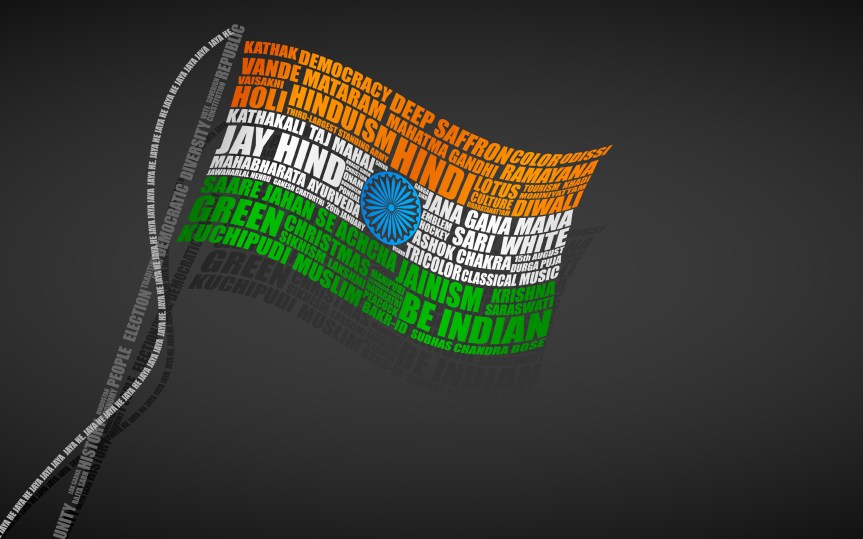
The Indian Flag Portraying Diversified Culture of India
India, the world’s most diversified country, 565 princely states united by Sardar Vallabhbhai Patel (former Home Minister of India). These states with their own set of languages, food cuisines, apparels, climates, race, skin shades, religions, traditions and cultures make India vibrant and colourful. A nation that is alternate to rainbows and unexpected surprises. The only nation with a demography including almost all sets of the religions in the world, the super minority religious group of Parses too. Now the question arises, does this variance divide us or its just mix of spices that unites us with delicious flavour of nationalism, i personally prefer the latter option.
Now let us see how it is according to the recent activities in the nation. With the high tensions among certain communities in India and dozens of riots among them in the past, shows us that there had been some sort of hatred pumping into veins of many Indians. Definitely some are not happy with the partition and some seek another partition but the biggest difficulty arises when we try to see all under same umbrella, which is indeed not appropriate measure to be followed by any responsible citizen of India. Yes, there is communal hatred in India and we cannot hide it anymore, the truth should prevail over emotions and need to see where India is lagging behind, what is pulling her back from developing. With this another question arises, how do we solve it, we cannot cut another piece of land to satisfy any particular community and we know it well that 1947’s partition resulted in the biggest failure of mankind ever. It turned into huge loss for both India and Pakistan and the purpose to completely divide Hindus and Muslims could not work out.
Coming back to our topic, we certainly understand this that there’s shouldn’t be any more partitions and we are actually good with a mix of all religions living with harmony and peace. The law & order should dominate over any religion and law breakers shouldn’t be judged on the basis of their skin shade, race, state or religion.
Religion isn’t the only problem that causes distress in India. There are certain cases of cultural biases. Certain states that are unable to generate enough revenue to sustain its domiciles within the state are responsible for migration of millions. These unfortunate poor citizens of India are forced to leave their states, to be into developed cities of India for earning their bread. Who are they and why do they have leave their homes, their villages and walk thousands of miles and live in exile. The one word answer is poverty. The all the diversifying elements we discussed earlier does not divide humanity as much as poverty does. The gap between rich and poor, strong and weak, literate and illiterate, fortunate and unfortunate, happy and unhappy is unfortunately increasing day by day, year by year. There’s a saying that nothing goes for vain but life of a poor in India, yes it goes for waste. The biharis in general always discriminated in India and their lives are counted as meaningless. We saw a good example of this during recent impact of Covid-19 in India, where millions of labours migrated miles on their way home, majority by walk.
Does diversity really divide us or is it poverty that does so. Readers of this article should ask this question to themselves and others. Let us understand this for real, India’s diversity is not dividing, we should see it as a blend of brilliant tastes, south and north, Hindi and tamil, Idli and Paratha, Chai and Coffee, Bengali sweet and Rajasthani Salty, Delhi Rajma and Pune’s Poha and this list goes on because there’s no ending to tastes and cultures in India. India is a garden of most beautiful flowers and some weeds like any other nation would have. All we have to do is nourish these flowers so to blossom India into rich fragrance and for weeds we have use our wisdom as weedicide and should kill our differences and see every citizen of this Nation as Indian first.
I am about to quit from one of the online course but something made me stick to it. May be its due to the pressure I feel by doing nothing or may be its due to influence of some other mates who quitted from the course. I never had a courage neither to quit nor to admit the fact of dropping. I do nothing and thing of everything. The only thing I last is feeling pressurised by doing nothing.
My scores are low and I stand in last position . Only thing I undergo is scoldings from mentor. Intially I submitted my code by pasting from some other external source and had been in safe zone. One thing my mentor made me realise is that I gain nothing by doing so. So I stopped copying and started nothing which makes me stand in again same position. One of the thing that hit me hard on my face is by seeing the confidence and courage of other mates who are doing problems on their own. I know that confidence is more than enough to live under any circumstances. I was one of them long back and now I feel ashamed of myself to think in a position where I stand.
Some gut feeling inside me is trying to eat me from inside. I want to change but that change is constant. I have to work because I can work. I must work because there is no other alternative. One of the review meeting made me to introspect me. I should work hard for myself. I keep on escaping from everything else. I can withstand in it once I get out of this feeling. I am one of the kind who tries to motivate others but lacking behind in self motivation. I can and I will.
The greatest battle that I am having right now is fighting with myself. I should come out it and face it. I will start working from now because I should never regret for doing so. I never had a feel of feeling regret in future but now the only time my gut feeling is making me so something. If I fail doing so I will definitely regret it later. Something inside me is trying to warn me. Hope I could make it possible because it’s possible.
We often judge or categorise people on the basis of there caste, colour, creed, gender and nowadays even on the basis of their region. Since the ancient times people have categorised the society into multiple categories and worked according to it, it’s 2020 and people are still not able to identify who are the good and the bad people. Let me be specific with this thing, I am talking about religion or caste, for instance: These days half of the society is against Muslims, because of some facts that I cannot mention, but why can’t they understand that a coin has two faces, and war always takes place between two people so this means that you cannot blame only one group, you can also be wrong, at least look at yourself before blaming someone else. Let me tell you some unknown facts in which Muslims have also set an example of humanity.
In Mumbai “Food- ek choti si asha” is a community led by Nikhat Mohamedy, who took an initiative to help the needy people in this pandemic and several others from different religion joined hands and came forward to help each other. Today the kitchen is serving 15,000 meals per day.
“This is about recognising the fact that we are all children of Adam and Eve, and feeding those brothers and sisters who are hungry and deprived is fundamental to expressing our humanity”, says Mohamedy.
Facebook.com
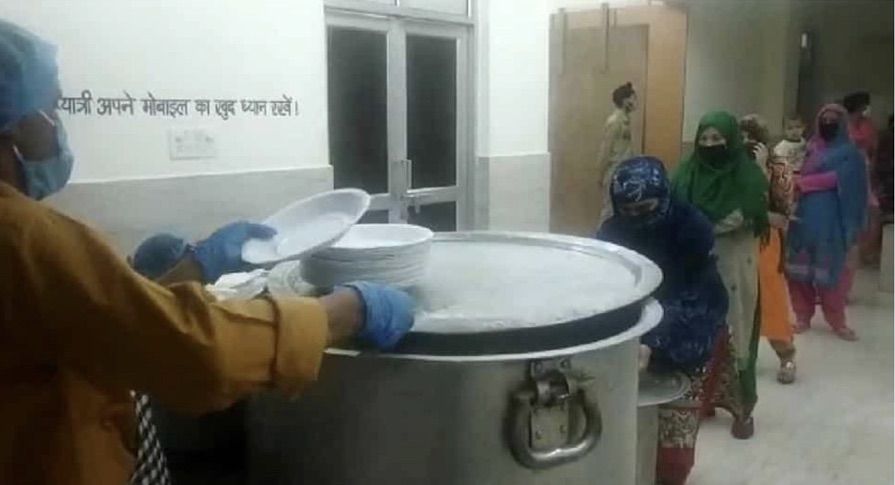
Another example of this is when Vaishno Devi Shrine Board served recipes to Muslims housed in quarantine centres on the occasion of Eid, March 25th. The Shrine Board said that they have been providing Sehri and Iftari meals to the Muslims after changing their schedule to meet the requirement of food for those fasting early morning and in the evening.
Hindustan times
Instances like these help me to understand that we should never judge people specially on the basis of religion or caste, we should always look upon them either as a good person or a bad person. If the world is good with you, be good to the world, if it is bad just turn your back, learn a lesson and focus on yourself, just don’t be like them. It is 2020 stop judging people, stop discriminating them, stop calling them with unwanted names, God has created people but it us who have separated ourselves into various divisions and factors. Just treat everyone equally and respect everyone. Smile and greet them be it a sweeper or a rich man. Play your part and leave the rest upon them. Change your sight of looking at the world, world will change itself automatically.
A blood donation occurs when a person voluntarily has blood drawn and can be used for transfusions or made into bio pharmaceutical medications by a process called fractionation(separation of white-blood components). Donation may be of whole blood, or of specific components directly. Today in the developed world, most blood donors are unpaid volunteers who donate blood for a community supply.
If your blood type is:
You can give to:
You can receive from:
A Positive
A+, AB+
A+, A-, O+, O-
B Positive
B+, AB+
B+, B-, O+, O-
AB Positive
AB+ Only
All blood types
O Negative
All blood types
O- only
Blood Donors Eligibility
You are eligible to donate blood if you are in good health, weight at least 110 pounds and are 17 years or older.You should not be suffering from any of the following diseases or taking medicines for Hepatitis B, C, AIDS, Diabetes, Cancer, Leprosy or any other infectious diseases, any allergies Hemophilia/ Bleeding problems, Kidney disease, Heart disease, Hormonal disorders, any other type of Jaundice (within 5 years), Tuberculosis (within 2 years), Chicken Pox (within 1 year), Malaria (within 1 year), Organ Transplant (within one year), Blood Transfusion (within the last 6 months), Pregnancy (within the last 6 months), Blood Donation (within the last 3 months), Major Surgery (within the last 3 months), Small Pox Vaccination (within the last 3 weeks), Hemoglobin deficiency / Anemia (recently), Drastic weight loss (recently)
The Pros of Donating Blood
Help Others
Blood donation is a voluntary act that all healthy adults can take part in. Donated blood is distributed to those in need of it, including people that suffer from severe loss of blood and people who have undergone extreme medical procedures.
Renewable
Blood is renewable. It renews itself within the body, so the donated blood will not be a loss by the body. Donation time is approximately 45 minutes or less, and a person can donate blood every 56 days.
Health Benefits
Blood donation has several health benefits. It reduces blood cholesterol level and sheds extras calories. The number of blood cells within the body decreases after blood donation. This stimulates the bone marrow to produce new and fresh blood cells to replace the lost cells.
The Cons of Blood Donation
Painful
The insertion of needle into the veins can be painful. While some people find the needle poke unpleasant, others have a strong fear of needles. Others are even afraid to see blood.
Weakness
A person may faint or feel dizzy after donating blood, but these symptoms are quite common. These feelings disappear quickly after the body makes more blood. Almost all blood donation centers have free snacks and juice to help the donor boost energy levels.
A common myth-people think that they can’t give blood because of their tattoos.
Due to lack of awareness, a large number of potential blood donors are being turned away by blood banks if they have got themselves tattooed or pierced. Recently many young people opting are going getting tattooed and body piercing and subsequently more than 5 per cent of the donors are rejected.
Reason: Blood donated by such people carries the risk spread of hepatitis B and in rare cases HIV and hepatitis C infections through unsanitary needles used for tattoos and body pierces.
Medical Opinion: The good news for tattooed blood donors, is that they can donate blood after six months/one year (depends on blood banks) of having undergone piercing or body art.
Root Cause
In India lack of any regulation in tattoo facilities is also to blame.
In USA, you may be able to donate blood if you got your tattoo at a state-regulated tattoo shop. State-regulated shops are routinely monitored for safe and sterile tattooing practices, so the risk of infection is low.
Lack Of Coordination Between Blood Banks and Hospitals Wasted 6 Lakhs Litres Of Blood In The Last 5 Years
A Right To Information (RTI) petition filed by activist Chetan Kothari with the National AIDS Control Organisation (NACO) revealed serious loopholes in the nation’s blood banking system. In the last five years, over 28 lakhs units of blood and its components were discarded by banks across India.When calculated in litres, the 6% cumulative wastage translates to more than 6 lakhs litres of blood – which is enough to fill 53 tankers.On an average, India faces a shortage of 3 million units of blood annually. Lack of blood, plasma or platelets often leads to maternal mortality as well as deaths in case of accidents that cause serious blood loss.
State-wise spoilage by blood banks
The states that fared the worst in the country in terms of not only discarding whole blood, but even red blood cells and plasma as the life-saving components could not be used before their expiry date, were Maharashtra, Uttar Pradesh and Tamil Nadu. In 2016-17 alone, more than 6.57 lakh units of blood and its products were wasted.
The most troubling part is that 50% of the units wasted were of plasma, which has a shelf life of one year, much longer than the 35-day deadline by which whole blood and red blood cells have to be used.
The only state to have crossed the one-million mark with regard to collection of blood units – Maharashtra – has also accounted for the maximum spoilage of whole blood, followed by the states of West Bengal and Andhra Pradesh.
The top three positions in the wastage of red blood cells were bagged by Maharashtra, UP and Karnataka, with the latter two also wasting the maximum units of fresh frozen plasma. Given that fresh frozen plasma is imported by several pharma companies to produce albumin, it is surprising that in 2016-17, over 3 lakhs units of the product were discarded.
Around 56,000 litres of blood and its components were wasted in Tamil Nadu in the last 5 years – which is 5% of the total donations made, but the government, in an effort to reduce wastage, is used in the process of drafting, the state’s first blood policy.
Reasons for spoilage
The crisis of spoilage of blood can be blamed on the absence of a robust blood sharing network between banks and hospitals, according to crusaders of safe blood transfusion.
In many states, donation camps involving thousands of participants are set up by local politicians to use them as a tools to please constituents.
Dr Zarine Bharucha of the Indian Red Cross Society pointed out that a collection of up to 500 units was acceptable and manageable.
“But we have seen and heard of camps where 1,000 to 3,000 units are collected. Where is the place to store so much blood? Why can’t people walk into regular banks and donate once every three months?” she said, as reported by The Economic Times.
However, the head of the directorate of health services in Maharashtra argued that the wastage could be a “noble health plan to curtail maternal deaths”.
“We have created more than 200 storage centres in interior areas for emergencies. We would rather be prepared to save a life than worry about unused units of blood,” he said.
NACO revealed that in the past 17 months starting May 2016, 2234 persons across India were infected with human immunodeficiency virus (HIV) while getting blood transfusions.
Though in some cases it is understandable that emergency stores of blood might go waste, spoilage in other areas, especially urban cities, where blood donation camps can be held at regular intervals cannot be justified.
In a country where shortage of blood is on a rise, wastage of imported fresh frozen plasma is troubling. This not only poses a threat on the lives of those who might require a blood transfusion, but is also a monetary loss.
All hospitals – private and public, blood banks and government authorities should implement proper regulations to prevent such loss in the future.
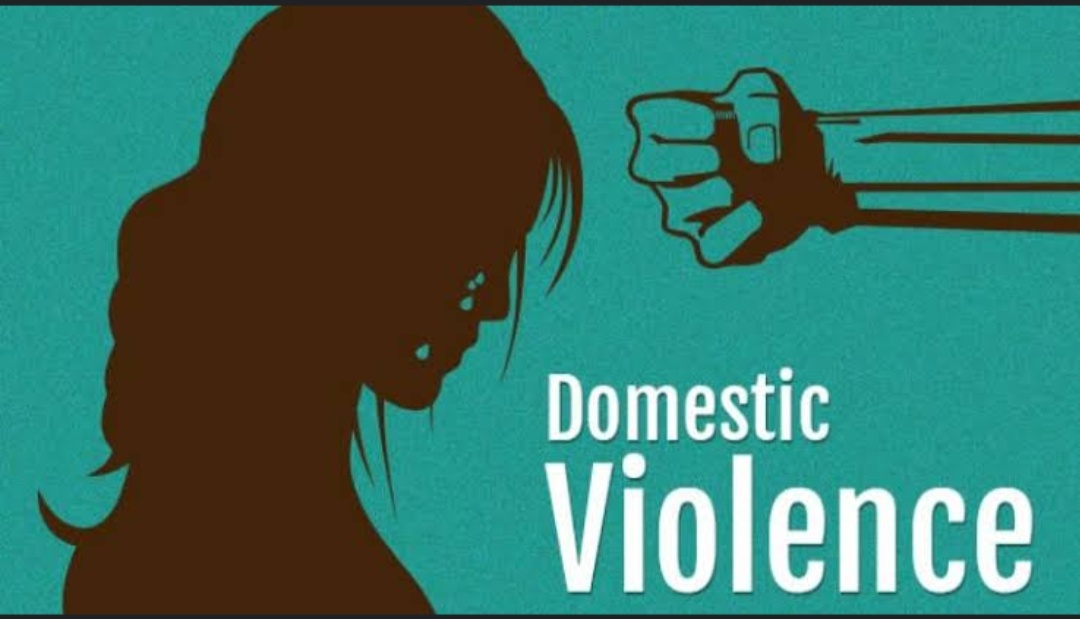
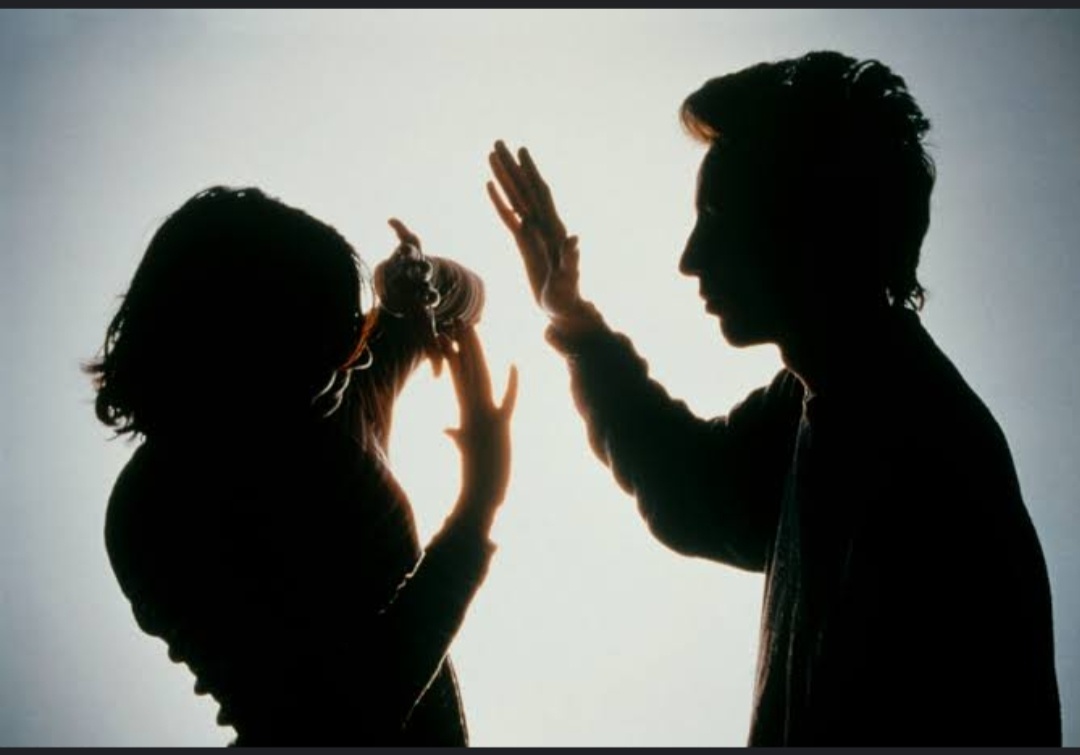
Domestic violence in India includes any form of violence suffered by a person from a biological relative, but typically is the violence suffered by a woman by male members of her family or relatives.
Domestic violence, or intimate partner violence (IPV) as it is sometimes called, is a worldwide problem.[10] Domestic abuse includes physical, emotional and sexual violence of any form. In India, the PWDVA also includes economic abuse under the definition of domestic violence.
Definition and law
Domestic violence is currently defined in India by the Protection of Women from Domestic Violence Act of 2005. According to Section 3 of the Act, “any act, omission or commission or conduct of the respondent shall constitute domestic violence in case it:
1: harms or injures or endangers the health, safety, life, limb or well-being, whether mental or physical, of the aggrieved person or tends to do so and includes causing physical abuse, sexual abuse, verbal and emotional abuse and economic abuse; or 2: harms, injures or endangers the aggrieved person with a view to coerce her or any other person related to her to meet any unlawful demand for any dowry or other property or valuable security; or 3: has the effect of threatening aggrieved person or any person related to her by any conduct mentioned in clause (a) or clause (b); or 4:otherwise injures or causes harm, whether physical or mental, to the aggrieved person.” 2005 it was made illegal Jammu and Kashmir, which has its own laws, has enacted in 2010 the Jammu and Kashmir Protection of Women from Domestic Violence Act, 2010.
Victims of domestic violence:
Women make up the largest group of victims. However, men, children, and elderly people may also be victims of domestic violence. Domestic violence occurs at all levels of society and in all population groups.
Abuse is usually intentional, but not always. For example, often people can no longer cope with family care. The situation can then escalate and lead to abuse.
Facts of domestic violence in India
The issue of gender-based violence in India has been on the political agenda for many years. And with substantial data, one thing is clear: rampant domestic violence against women in India is a reality. Every third woman, since she was 15 years of age, has been confronted with domestic violence of various forms in the country, according to the National Family Health Survey (NHFS-4) released by the Union Ministry of Health. Thus, the incubation of a new round of debate on the cultural underpinnings of domestic violence.
According to the survey, 27 percent of women have experienced physical violence in India since the age of 15. This experience of physical violence between women is more common in rural areas than among women in urban areas. Domestic violence cases, where women reported physical abuse in rural and urban areas, were 29 percent and 23 percent respectively.
The Protection of Women from Domestic Violence Act 2005 (PWDVA) sets out a comprehensive definition of domestic violence that encompasses all forms of physical, emotional, verbal, sexual, and economic violence and covers both actual acts of violence and threats of violence. Also, the PWDVA recognizes marital rape and treats harassment in the form of unlawful dowry claims as a form of abuse.
Domestic violence cases in India on the rise during CoVid-19
Recent data released by the National Legal Services Authority (NALSA) suggest that the nationwide lockdown has led to a rapid increase in cases of domestic violence. The data, which is categorized according to cases in different states suggest that Uttarakhand recorded the highest number of domestic violence cases in the last two months of lockdown. Haryana ranks on number two and the national capital Delhi on number three.
The report by NALSA documents cases from the start of the lockdown till May 15 and was collected through 28 State Legal Services (SLAs). Some shocking numbers were revealed in the report which mentioned that a total of 144 cases of domestic violence were reported in Uttarakhand. From Haryana, the number of cases were 79 and a total of 69 cases surfaced from Delhi.
The situation of increase in cases of domestic violence is not restricted to only India. The lockdown has brought the world to a standstill. The lives of women across the globe, who are in an abusive relationship have also come to a halt. The same violence is repeated and perpetrated frequently, and on a regular basis during the lockdown. Various domestic violence helplines and organizations all over the world are working constantly to deal with this global issue.
The COVID-19 lockdown has brought simmering tensions to the fore with many couples struggling to find a common ground and retain their sanity. From division of household chores, a partner binge eating or drinking or spending too much time on social media, all of these situations are giving rise to increased animosity among couples. Here’s how you can address each of them.
Steps That Survivors Of Domestic Violence Should Take:
1: Call the cops. If you are physically or sexually assaulted by your spouse, partner, or anyone else, call the police and ask for help immediately. 2: Take videos of the injuries. It’s important to keep some evidence of that attack, 3: Create a safety. Survivors of domestic violence should set up a safety plan for themselves and their children. A safety plan may involve stashing some money, clothing, phones, extra car keys, passports, I.D.s, and other essential documents in a safe place outside the house.
Conclusion
Domestic violence is one of the most egregious types of harassment suffered by women in our culture today. Statistics show that 85% of victims of domestic violence are female. Only 15% of the victims are men. Domestic violence can happen to anyone, regardless of race, creed, religion, or standing in the victim’s society. If the issue of domestic violence is not dealt with adequately, this type of abuse will continue to exist in all classes of society without an end. For us, as a society, to eradicate this horrible type of abuse, we need to stand together and make tougher laws to protect the victims of this abuse.
The name “United Nations” appears true only in books but in reality it seems like a contest for nations to prove their dominance and power individually. The diplomacy comes off to be biased. The World today is owned by corporate and the UN follows through. The actual role of united nations should be to rise above the competition and work as ONE UNITED PLANET towards climate change, global pandemic, poverty and financial slavery.
Though it is non-arguable that UN has helped bring forward issues like Women Empowerment, Poverty, Health, Education, etc. on a global platform. The real question is, are these issues solved or they have been piled upon by newer issues day by day.
But on a positive note, the UN has made progress in its peace making strategies and providing financial and healthcare aids to the countries in need. If not for this organisation then there would have not been a diplomatic relationship between nations and war would be the ultimate solution to all inter-nation problems.
Just because a medicine has side-effects does not mean it cannot be used for treating the illness in hand. Similarly, it is easy for anybody to make war but only the united front can make peace and prosperity!
The UN came from the minds of some of the renowned politicians of the western countries. When the super power nations felt their security and peace was under threat they collaborated with like-minded ones against the equally powerful nations. Powerful only in military and vengeance and the greed to conquer. According to human psychology (basic), a man desires power more than water for thirst.
From all the glorifications I read about this organisation, UN rose from the ashes of the war like a phoenix bird. Very beautiful and powerful bird- a phoenix-their tears have healing powers. One can say that United Nations came into existence to act as the panacea to diseases like violence, death and fading humanity.
But is the origin really important to determine its worth in the present scenario is something to ponder upon. Today UN works for a cause which it was originally built upon; irrespective of its results, – promotion of peace with its symbol the white dove soaring high, its wings flapping, freeing itself from the shackles of slavery of power, money, greed and hate.
Born in times of desperate times it can be regarded as an invention by man in the time of dire need. As we all know – “NECESSITY IS THE MOTHER OF ALL INVENTIONS!”
The UN Security Council consists of 5 permanent members and 10 temporary members all with a right to vote however only the permanent five have the right to veto. The word itself suggests that the council was made to resolve the security concerns of nations and to make peace among them.
Today, the Council responds to three types of situations:
(1) chemical, biological, radiological and nuclear weapons proliferation; (2) international conflict; and (3) intra-state conflict. More recently, the Council has also developed a (4) cross-cutting and (5) quasi-legislative agenda.
The above decisions and powers in the hands of the council sounds safe however it is not the situation in reality. There has to be an expansion of the members instead of giving all the authority in the hands of the few. This will help in avoidance of partiality or constant disagreement that has been happening since the council has been formed. Though it has never successfully managed to make any notable reforms , it is one of our best option to resolve the security threats and war like situations in many countries and their estranged borders.
Human rights are the rights we are all entitled to irrespective of the place of birth or the time of birth. The core of United Nations is built upon the protection and service towards human rights and its associated freedoms. However due to international politics and superpower nations greed to stay on top of others and world domination has endangered the human rights of developing and under developed nations. Human rights have become a selective freedom provided to only those who can afford it without any restrictions. In my country citizens think that they are not worthy of having human rights as they think only the rich and developed nations are fortunate enough to have human rights that too the basic one’s. In recent events of racism ad discrimination on the basis of colour and financial status, what is the united nations enforcing laws to stop the fights to avail basic human rights. People have to come on streets and protest later developing into riots in order to practise their rights and enjoy the freedom of being born as a human on this planet.
The united nations in the past has failed in crisis management because of the disagreement between it’s member nations and security councils. Due to the interference of the security council the situation was aggravated rather than being put out or quite down. Rather than focusing on the crisis at hand it focuses on the political relations of that country with the members of the united nations and then it takes the necessary actions that too not quick or decisive but slow and of poor quality. However by putting the past back the united nations can improve on its crisis management skills by being in constant touch with the country and states local administration and education people on a personal and more localised manner rather than representing it as a political agenda or foreign policy which puts the civilians in a mind-set of confusion and feeling of unsafe and non trustable environment.
Today a question arises on the future of the United Nations and will it still prevail in the modern world where people are becoming rather too aware and will want a more secular council, one which works one which provides solutions, one which is actually true to its purpose of being formed.
During the 2020 Global Pandemic the true face of UN is being put to test and how it acts now to maintain peace among nations will say a lot about its existence in the future or will it be left to be just pages in history textbooks.
Just wishing for once if we had leaders who cared about the upliftment of the entire nation and not just the name of their political agenda and parties. The world needs educated and selfless leaders and hopefully in the future with my generation in the front we will represent a better council than these old ways and barbaric wars.
Naya Rivera, a singer and actor who played a gay cheerleader on the hit TV musical comedy Glee, was found dead on Monday in a Southern California Lake. She was 33.
Rivera’s body was discovered six days after she disappeared on Lake Piru, where her son, Josey, was found on July 8, alone on a boat the two had rented, the Ventura Country Sheriff’s office said. The Sheriff’s office confirmed that the body was Rivera’s.
According to the police working on Rivera’s case, the actor died trying to save her son.
Rivera’s son, Josey Hollis Dorsey told the police that after the two went swimming. Rivera pushed him into the boat but when he turned around to see her, she had disappeared underwater.
The sheriff, Bill Ayub said during a conference that Rivera gathered enough energy to help her son, but not to save herself. The cops believe that the actor had been trapped by vegetation beneath the surface of the lake, which is why it took six days to find her.
Family members chatted with Rivera via FaceTime when she was on the boat, and search crews watched those videos for clues to where she might have gone down, Ayub said ” It has been an extremely difficult time for her family throughout this ordeal.” “We share their grief” he added.
Rivera’s untimely and tragic demise has sent shock waves around the world. The fact that the actor had died while trying to save her son was what broke her fans’ heart.
As many of us are being told to hunker down in our residences and houses, and limit trips outside and social contact, matters are feeling pretty “real” at this point. Aside from the overall worry, people might also have about their bodily fitness as they digest the information from around the sector and here at home.
Here are some of the mental health practices to make sure to hold doing—or start doing, for a number of us—during the lockdown period.
Have a routine
We realize how vital habitual is, especially for children, under regular conditions. And when schools are closed and lots of humans are running from home or informed to live at domestic. But it’s simply a whole lot higher for anybody’s mental fitness to strive to maintain a routine going, as tons as possible.
Start at-domestic exercise recurring
Working out at home in those instances is glaringly a desirable way to live healthy and kill indoor time. There are plenty of options, from the 21st-century ones to the old fashioned ones. Many online workout assets are offering loose get right of entry to or longer free trial periods at some point of this time, which is probably worth searching into.
Get out of doors—in nature—if you could
This is tons easier in the united states of America or suburbs, but if you’re inside the city and it’s feasible, shimmy beyond your constructing neighbors and go for a walk within the park.
study
And there are some superb motives to do so. Lots of new studies reveals that spending time in nature is a boon to both intellectual and bodily fitness. For instance, multiple studies have determined that time in inexperienced and blue areas is related to reduced anxiety and melancholy, and the connection may be a causal one.
But what’s captivating is that it doesn’t seem to need to do with simply the more pastime, the sunshine, or the air quality (even though these sincerely play a role). Forest bathing may in reality help the immune system: One mechanism is a concept to be through the chemical substances that trees release, phytoncides—some research has discovered that folks who spent more time in nature had a greater hobby of immune cells called natural killer cells.
Decorate your home
Working on your house if you have time can be a precise manner to feel efficient and in control. “Take the possibility of the extra time by using decluttering, cleansing, or organizing your home,” says Serani, referencing the book Trauma-Informed Care. “Studies say the predictability of cleaning not most effective gives an experience of control within the face of uncertainty, but also gives your thoughts frame and soul a respite from traumatic stress.”
Meditate, or just breathe?
Meditation has lots of studies at the back of it, as most people with the aid of now know—it’s been shown to reduce signs of depression and anxiety, and even grow the extent of positive areas of the brain.
But if meditation isn’t for you, just breathing slowly might be. Controlled breathing has been used for millennia to calm the thoughts—and a look at some years in the past showed the mechanism that would provide an explanation for it.
Maintain community and social connection
As mentioned, we’re fundamentally social creatures, and at some point of crises, it’s herbal to want to gather. Social connectivity is the possibly the finest determinant of health there is, as this landmark 80-year-lengthy examine from Harvard reported, and one in every of our most simple mental needs.
Be of provider, from a distance
Being of provider is one of the quality matters we will do for society—and on a more egocentric note, for ourselves. Studies have repeatedly found that serving others, even thru small acts of kindness, has strong and on the spot intellectual fitness benefits. And feeling a experience of purpose has additionally been proven to help humans get over negative events and build resilience.
Practice gratitude
This isn’t always the easiest aspect to do in these instances, mainly if you’ve felt the more brutal results of the pandemic, like activity or enterprise loss, or illness. But practicing gratitude for the things we do have has been shown over and over to be hugely useful to intellectual health.
.
Let yourself off the hook
This might be the most vital factor to keep in thoughts—don’t beat yourself up when things aren’t going perfectly on your household. On the pinnacle of the whole thing else, being disillusioned with yourself is definitely counterproductive. If the children watch too much
New Delhi: A 25 year old man was allegedly stabbed to death by a juvenile and his two friends after the victim warned them to not to do bike stunts in West Delhi’s Raghubir Nagar, police said on Monday.
The victim has been identified as Manish, a resident of Raghubir Nagar. He worked as a private car driver.
Police said that the three people involved in the murder are teenagers (aged 17), they have been arrested in connection with the incident. They said that the incident took place on July 8.
The entire incident was captured in CCTV cameras. In one footage, the main accused appeared to be stabbing the victim several times on the busy streets of Raghubir Nagar with his friends. “Even when one of his friends tried to take him away, he again ran to stab the man” said the police officer. Deputy commissioner of Police (west) Deepak Purohit said that a case of murder has been registered at Khyala police station.
The three teenagers who escaped were identified with the help of CCTV footage and local intelligence and later apprehended. Police said that the weapon used in the crime has also been recovered.
” On 8 July, we received information from DDU Hospital about the admission of an unknown person, who was declared dead. our staff rushed to the hospital and found that the person was suffering from multiple stab wounds. Later, he was identified as Manish.” The officer said.
The victim sustained 28 stab wounds including severe injuries to his chest and torso, other minor wounds on his arms and legs, the police added.
While doing the investigation, it was revealed that the main accused engaged in bike racing and stunts. He rode his bike at high speed and often passed through the streets of Raghubir Nagar, where the victim lived.
The victim objected to the bike stunts and racing. He also warned the accused against riding on the streets of Raghubir Nagar again, the DCP said,
Even after that, the victim rode through the same street again following which the duo got into a fight.
In order the teach the victim a lesson, the juvenile arranged for two knives on July 8, came along with his two friends, and when they found Manish roaming on the streets alone, executed the assault.
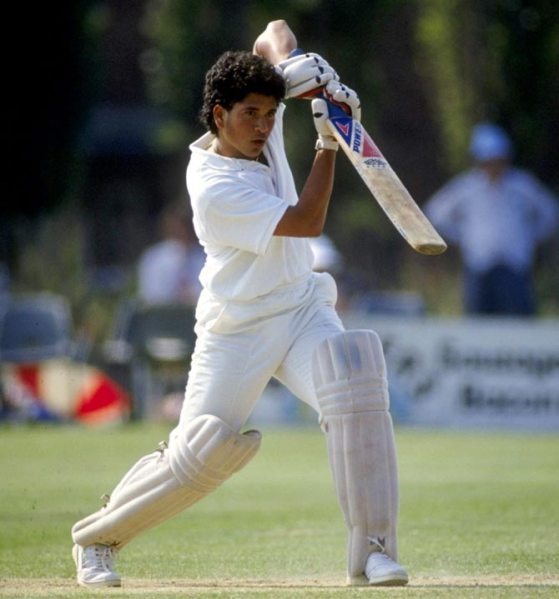
Sachin Ramesh Tendulkar, popularly referred to as the God of cricket is a former international cricketer from India and former captain of the Indian national team. He is considered as the greatest batsman in the history of cricket. The famous batsman had set many records in his 24 years long and illustrious career. He is the only player to have scored one hundred international centuries, the first batsman to score a double century in a One Day International (ODI), the holder of the record for the most runs in both Test and ODI cricket, and the only player to complete more than 30,000 runs in international cricket.
Early life
Tendulkar was born at Nirmal Nursing Home in Dadar, Bombay on 24 April 1973 to a Maharashtrian family. His father, Ramesh Tendulkar, was a well-known Marathi novelist & poet and his mother, Rajni, worked in the insurance industry. Ramesh named Tendulkar after his favourite music director, Sachin Dev Burman. Tendulkar has three elder siblings: two half-brothers Nitin and Ajit, and a half-sister Savita.
Ajit introduced the young Sachin to cricket in 1984. He introduced him to Ramakant Achrekar, a famous cricket coach and a club cricketer of repute, at Shivaji Park, Dadar. Achrekar was impressed with Tendulkar’s talent and advised him to shift his schooling to Sharadashram Vidyamandir High School, a school at Dadar which had a dominant cricket team and had produced many notable cricketers. Achrekar was the man who helped him to shape his career as a cricketer.
Career
Sachin made his International debut at the age of 16 in the year 1989 against arch rivals Pakistan, scoring 15 runs before being bowled by Waqar Younis. In his ODI debut, he was dismissed for a duck by Waqar against Pakistan in Gujranwala in 1989.
Tendulkar’s performance through the years 1994–1999 coincided with his physical peak, in his early twenties. He opened the batting at Auckland against New Zealand in 1994, making 82 runs off 49 balls. He scored his first ODI century on 9 September 1994 against Australia in Sri Lanka at Colombo. Tendulkar’s rise continued when he was the leading run scorer at the 1996 World Cup, scoring two centuries. He was the only Indian batsman to perform well in the semi-final against Sri Lanka.
In the 2003 World Cup, Tendulkar helped his team advance as far as the finals. Though India was defeated by Australia, Tendulkar, who averaged 60.2, was named the man of the tournament. A tennis elbow injury then took its toll on Tendulkar, leaving him out of the side for most of the year, coming back only for the last two Tests when Australia toured India in 2004. This was a major low point in his career.
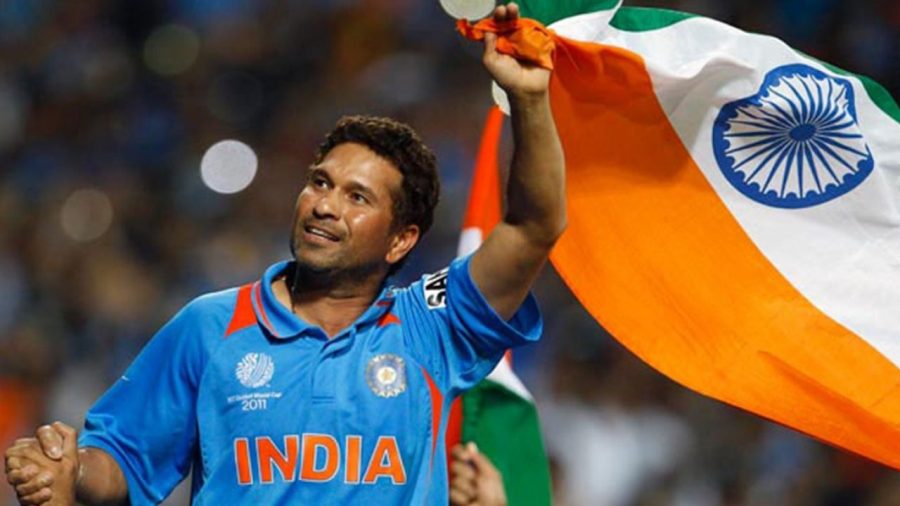
Later in his career, Tendulkar was a part of the Indian team that won the 2011 World Cup, his first win in six World Cup appearances for India.
Recordsand achievements
Sachin Tendulkar is the leading run scorer in Tests, with 15,921 runs, as well as in One-Day Internationals, with 18,426 runs. He is the only player to score more than 30,000 runs in all forms of international cricket (Tests, ODIs and Twenty20 Internationals). He also holds the record of the highest number of centuries in both Tests (51) and ODIs (49) as well as in Tests and ODIs combined (100). On 16 March 2012, Tendulkar scored his 100th international hundred. It came against Bangladesh in the league matches of Asia Cup 2012. He is also the only player to score fifty centuries in Test cricket, and the first to score fifty centuries in all international cricket combined. He also holds the world record for playing the highest number of Test matches (200) and ODI matches (463). In November 2011, he scored a historic “double century” in a contest against South Africa, becoming the first man in history to record 200 runs in a single innings of ODI play.
Tendulkar recieved the Rajiv Gandhi Khel Ratna award in 1997, India’s highest sporting honour, and the Padma Shri and Padma Vibhushan awards in 1999 and 2008, respectively. In 2012 Tendulkar became a member of the Rajya Sabha, the upper chamber of the Indian parliament—the first active athlete to join that body; he was nominated to the post. In 2014, he became the first sportsman to receive India’s highest civilian honour, the Bharat Ratna.
Retirement
In December 2012, Tendulkar announced his retirement from ODIs. He retired from Twenty20 cricket in October 2013 and subsequently retired from all forms of cricket on 16 November 2013 after playing his 200th Test match, against the West Indies in Mumbai’s Wankhede Stadium.
The decision is marriage is very crucial to take. Many people have the fear of taking responsibility. It may be a dream for one but also a nightmare for another. We come across many who used to say “I am scared if marriage”, “I am not ready for marriage” etc. But gamophobia is a fear of marriage which the person develops with time and some incidents also can fuel to grow the fear. “Gamos” means marriage or relationship or commitment. To this opposite, there is ‘Anuptaphobia’ which means the fear of being single. In gamophobia, one person likes or love another person, but when they come to see that the opposite person is also liking them back and attempting to be together, the person’s attitude might change to the other person they were liking. They might start to hate the person.
Reasons for the phobia
Growing up in an unhappy family and experiencing bad times in family can lead to fear of marriage.
If a person lives alone for a long time, anxiety triggers thinking of sharing the house with someone else, the person gets used to with the sort of life.
Living with a happy family sometimes the thought of the fear occurs that they won’t be able to achieve happiness as their parents did
There are many certain and uncertain things lies. One might get scared to commit by thinking that what if it doesn’t work. In that case, there remains an option of divorce, but most of the time people can’t decide on divorce due to family pressures. So, the fear of not being able to come out is threatening.
The traditional practices of getting married might disturb some.
The ways of dealing with the fear
Each person faces the time of marriage and thinking about the same make them feel anxious. So, the fear also can be dealt with in the same way the other fears get handled. The resolution and the will power can help to deal with the problem.
To survive this problem, the person needs to trust others and shouldn’t possess any kind of selfishness to sharing things with others. Well regulated and orderly life is the keynote of personal success.
One should avoid the misunderstanding and should know themselves well.
Learn to share things with a partner
Respect the individuality of your partner. Keep in mind that being committed doesn’t provide the disappearance of your self.
If you think that you can’t overcome the dear of getting married alone, you consult an expert for the same.
This problem is related to personality disorder and neuroses. Most of the phobias are socially created and found as a psychological disorder. Now not all person is ready to face their weakness and vulnerability and bad side. Continuous avoidance of the bad self or vulnerability is another sign of personality disorder. Gamophobia is not only the fear of marriage, it is fear of commitment. The reaction formation is also a neurotic defense. This is also known as the fear of commitment phobia.







 Eduindex
You must be logged in to post a comment.