Apoptosis- A potential target for cancer therapy

Introduction

The avoidance of apoptosis by cancer cells is a prominent characteristic of cancer. Since apoptosis inhibition is at the heart of tumour growth, the clearing of malignant cells and retaining a definite number of healthy cells involves tumour-cell death. Cellular death pathway targeting provides some possible therapeutic targets for all cancers. The most obvious strategy for cancer treatment is to concentrate on lesions, particularly apoptosis in tumour cells, which eliminate cell death.

Apoptosis is an essential component of normal development. For keeping normal physiological processes between cell proliferation and cell deaths, homeostatic balance is essential. Aberrant control of apoptotic mechanisms is one of the main characteristics of cancer growth and development. Apoptosis can be activated by triggering two different molecular pathways, a pathway of the extrinsic, a death receptor or a mitochondrial pathway, intrinsic pathway also called apoptotic cascade. Extrinsic pathways from outside the cells are activated by pro-apoptotic receptors, such as CD95 and TNF-related ligands inducing apoptosis (TRAIL) interacting with specialised cell surface death receptors. Mitochondrial (intrinsic) pathways induce the transcription of or the post-translational activation of BH3 proapoptotic B-cell leukaemia / lymphoma 2 (Bcl-2) family proteins from the inside of the cell, as a result of extreme cell pressure such as DNA or cytoskeleton damaging apoptotic protease-activating factor-1 (Apaf-1) and assemblies of Cytochrome c  activate caspase 9. This caspase activates the effector 3, 6 and 7 caspases, which perform apoptosis. Latest development of different therapeutic methods that interfere with apoptosis and are commonly used or studied for cancer treatment are becoming popular. It induces cancer cell death or enhances the response to certain cytotoxic medicines of cancer cells and CCs. Some of them are still in preclinical and clinical trials such as caspase activators, apoptosis modulators or agents targeting apoptosis-related proteins. Future methods for targeting apoptotic pathways in cancer patients with promising application are also seen.

Therapeutically inducing apoptosis strategies

The progressive pre-clinical or early clinical development of many therapeutic approaches inducing apoptosis are seen. The research processes two styles from a mechanical perspective of separate approach: (a) specifically separating tactics induce apoptosis, which is here called pro-apoptotic; and (b) survival-signalling techniques that modulate this to promote apoptosis, which is called permissive approach.

Proapoptotic approach:

Apoptin. A promising tumour killing technique

Apoptin (VP3) is a cell used when sparing normal cells and killing only tumour cells. The chicken anaemia virus is a source of 14,000 proteins. Latest evidence shows that this molecule induces apoptosis in which Caspases are included. Apoptin is very much shown, in vitro findings, that it is active against cancer cells without induction of natural toxicity Cells. The basic effect of it being this tumour killing only could be clarified by nuclear tumour cell location of the protein, activity requirement, whereas the protein in normal cells are Cytoplasm localised. In addition, apoptin is also active and potentially chemo resistant in genetically disrupted cells such as p53, Bcl-2 or tumour cells that express BCR-ABL. Apoptin is under progress in tumour cells in vivo in gene therapy strategies. Multiple injections of adenovirus into healthy rats or nude mouse have not been found toxic in preclinical studies. Furthermore, antitumor effects in the nude s.c. mouse were observed, hepatoma in human beings. These findings, however, remain preliminary and more preclinical work is needed with human cells to ensure safety and evaluate apoptin ‘s potential as an anti-cancer compound better.

Apoptosis was examined for the development and treatment of cancer by attempting to determine its function in chemotherapy cytotoxicity caused by agents. Cytotoxic agents frequently lead to apoptotic by only a fraction of the cells. A significant portion of cells must be recruited into apoptosis to allow maximum use of apoptosis as a mechanism for anti-neoplastic agent response. The only regularly used cytotoxic agents that have been shown to induce apoptosis in breast cancer cells are paclitaxel (Taxol ®). Another of such cytotoxic agents is cyclophosphamide, and furthermore cytosine arabinoside is also used. Quantitative measurements of apoptotic cells were performed by controlling the binding of the phosphatidylserine-binding protein (FITC)-labelled annexin V into cellular cells.

Inhibitor of apoptosis protein (IAP)

The genome of baculoviruses was the original founder of IAPs because of their capacity in infected host cells to inhibit apoptosis. Re-based on the survival and XIAP of recent attempts to use IAPs to obtain anti-cancer treatment. In vitro experiments showed that the anti-apoptotic function of the proteins was inhibited by caspases-3, -7, and -9. As these cases have shown to be important in vitro for chemical apoptosis aimed at its natural inhibitors, the IAPs have been identified as a possible means of increasing chemosensitivity. In fact, NSCLC cells inhibited up to 70 per cent of surviving mRNA expression with the use of the oligonucleotide 4003, resulting in etoposide sensitization of cancer cells. Additionally, the downregulation of XIAP in ovarian cancer cells with wild type p53 by adenoviral antisense expression has caused apoptosis. These promising findings have led to clinical trials using anti-sense IAPs being mapped. The IAPs’ function may be more complex than the in vitro data initially suggested. Indeed, in NSCLC patients c-IAP1, c-IAP2, and XIAP had no precedented response to chemotherapy responses, unlike most of the expected multiple in vitro trials. Moreover, in patients with non-Hodgkin’s lymphoma and AML, there were no variations in reaction to chemical therapy between survivin-positive and negative instances. Furthermore, XIAP expression was not associated and did not have any relation with the apoptotic index of NSCLC patients but was inversely related to tumour growth. In this group of patients, higher XIAP expression has been predictively converted into a considerably longer overall survival. In addition, the nuclear localisation of survivor has shown positive effects on prognosis in a recent study of gastric cancer patients. These findings verified that it may mean that limitless ODN survival inhibition may not be desirable both within the cytoplasm and the nucleus. It is possible that the IAPs are engaged in apoptosis inhibition by the blocking of caspase but also other essential functions including proliferating. These conflicting results can be clarified. In addition, the net effect of IAPs can depend on their interaction with the control molecules Smac / DIABLO, HtrA2 and Factor1 associated with XIAP, an antagonist of the XIAP apoptotic operation. Therefore, while it is potentially promising, additional functional research and IAP interactions are required to better utilise them as goals for anti-cancer therapy.

BH3 Mimetics

There is a common consensus that BH3-only proteins are essential for apoptosis, promulgating inherent and extrinsic pathways of cell death. Based on the blocks of the sequence homology called BH domains, proapoptotic members from the BCL-2 family may be further identified. Only one domain, in general called the α-helical BH3 region is available for all BH3 protein. This preserved BH3 domain played a key role in the treatment of cancer. Three BCL-2 protein subgroups: BH3 (BCL-2 homology 3), BCL-2, BCL-2-associated X-protein (BAX), and the BCL-2 antagonist-killer (BAK), interacting on one another on the mitochondrial membrane, activate the pathway. This is the basis of three distinct groups. BH3-only proteins have been shown to achieve two mechanisms by transmitting signals to induce apoptosis, and only BH3-proteins inducted by transcriptional or post-translational cytotoxic stress. The neutralisation of antiapoptotic BCL-2 proteins or direct activation of BAK and BAX 47 is a clear way to understand the previous mode of action, both structurally and functionally, and hence the goal for production of pharmaceuticals. By attaching its hydrophobic groove by adding four hydrophobe residues it antagonises the BCL-2 antiapoptotic protein family members. Members such as cell-death antagonist BCL-2 and NOxa bind to their anti-apoptotic brothers, while other proteins such as BIM, tBID and PUMA only neutralise other anti-apoptotic agents.

miRNA

The miRNAs (MiRNAs) is a small endogenous class of 18 to 25 nucleotide length non-encoding RNAs which modify gene expression by mRNA degradation or mRNA deletion. The mature-miRNA products are produced by sequential processing by the ribonucleases Drosha and Dicer1 from a longer primary miRNA (pri-miRNA) transcript. miRNAs are known to inhibit thousands of target genes, since the objective mRNA needs only partial complementarity. Thus, one miRNA can target at the same time to a complexity of mRNAs, and several miRNAs can control the expression of one particular mRNA. The alteration of miRNAs includes a varying variety of human diseases, including cancer, by natural mechanisms miRNA are involved in number of process, including cell growth, differentiating, proliferating, apoptosis, and stem cells self-renovation. The de-regulation of miRNA also induces apoptosis avoidance, involving tumorigenesis and pharmaceutical resistance. The functioning of aberrated miRNAs, which are closely linked to the apoptosis mechanism, will act as oncogenes (OncomiRs) or tumour suppressors (TSmiRs) during tumour induction and progression. Manipulation of the levels of miRNA expression affecting apoptosis genes and pathways may also be a clinical approach to develop successful cancer treatment. Furthermore, because cancer cells frequently display a distinct trend for miRNA expression, novel profiles of altered miRNA expression may be useful for tumour-diagnosed molecular biomarkers, disease-specific outcome predictions and tumour-aggression evaluations. Therefore, numerous anti-cancer therapies are being designed to recover miRNA behaviours and rebuild gene regulation networks or drug sensitivity. A number of miRNAs were associated with drug resistance, some of them linked to apoptosis. Deregulation of miR-214 is a frequent phenomenon in ovarian cancer in human beings and it has been shown that miR-214 mainly targets PTEN / Akt pathways and promotes cell survival and cisplatin tolerance. It’s also recognised that the let-7 miR family plays an essential part in a number of cellular functions including opioid sensitivity modulation. The miRNA let-7a, aimed at caspase-3 in human cancers, was over-expressed and demonstrated resistance to a range of drugs, including doxorubicin, paclitaxel and interferon-gamma, which are caspase-3-dependent. Let-7e was up-regulated with improved tolerance to doxorubicin in some ovary cancer cell lines. Conversely, let-7i has been documented as uncontrolled in ovarian cancer resistant to chemotherapy, and the reintroduction of let-7i could sensitise ovarian resistant cell line to platinum-based chemotherapy. The cause of apoptosis induced by the chemo preventive agent curcumin has been shown to be the downregulation of miR-185 in a non-small cell-lung cancer cell line which increased its direct target expression, Caspase-10. The effect on miRNA expression profiles was thus studied by anti-cancer drugs that modulate apoptosis cell proliferation and could help predict the resistance to apoptosis. This will help prevent needless morbidity and represent a new class of biomarks to allow customised care through the awareness of possible miRNAs involved in apoptosis resistance.

Blebbishield Formation

The development of blebbishields is one method used by cancer stem cells to resist apoptosis. The emergency system is enabled to rescue the stem cells in apoptotic cancer. The apoptotic blebs merge together into a formed sphere called blebbishields. Cells undergoing blebbishield development display visual symptoms of apoptosis, but the reaction is prevented and ends in cells living. Serpentine filopodia formation due to endocytosis are involved in blebbishield formation to avoid complete apoptotic reaction. Apoptosis normally results in secondary necrosis from a lack of ATP, blebbishields by activating glycolysis are able to prevent secondary necrosis. In order to ensure clinical effectiveness, cancer stem cells must be blocked to survive in parallel to treatments by apoptosis. A variety of possible candidates were identified including inhibitors of caspase, Smac mimetics and inhibitors of the translation at an internal ribosome entrance site (IRES). IRES translation is regulated by antiapoptotic proteins, such as cIAP-2, and XIAP. IRES translation facilitates survival by converting the cIAP-2, which enflames the mechanism and moves the antiapoptotic to the proapoptotic equilibrium towards antiapoptotic survival. Hemming IRES translation will prevent blebbishield formation from being started. N-Myc is an IRES translation goal intended to avoid the development of blebbishield.

Conclusion

Apoptotic approach to seeking alternative anti-cancer drugs is intriguing, since it is not unique to the form of cancer. In both the extrinsic and intrinsic pathways of cancer there are various mutations that cause cells to evade apoptosis, which is a distinctive characteristic of cancer. A more general cancer cure will also include the opportunity to target and activate apoptotic tract. Many compounds extracted from plants that are not toxic to healthy cells are particularly promising compounds to cause apoptosis.

6 months to Farmers protest

Various farmer’s unions and opposition parties are observing ‘Black day’ on May 26th Wednesday marking 6 months of the farmers’ protest that started on 9 August 2020. A nationwide protest day has been organized with the support of various political parties.   

 The protest started against three ordinances that were passed by the parliament and signed by the President. They are (i) The Farmers Produce Trade & Commerce (Promotion & Facilitation) ordinance 2020 (ii)The farmers (Empowerment & Protection) Agreement on Price Assurance & Farm services ordinance 2020 (iii) The Essential Commodities( Amendment) ordinance 2020.The current provisions of law restrict farmers from selling their produce outside their notified APMC markets where the government set MSP will be given. Also, farmers are supposed to sell their produce only to registered licencees of the state government. The APMCs are maintained by the state government and they charge a percentage as tax. The new law relaxes these restrictions and allows farmers to sell their produce outside mandis and to all traders(including those without licenses) like corporates on a contract basis.  

The protest arises mainly on four aspects of the new laws; Trade area, trader, market fee, and dispute resolution. The majority of the Indian farmers are less educated and not well versed in the legalities of contracts. Farmers can be easily manipulated and tricked into contracts with corporates as most  farmers cannot afford legal advisors. Secondly farmers fear the system of Minimum Support Price (MSP) may end eventually as APMCs may decline. The corporates can provide high prices in the initial years diverting the whole market to themselves till a stage where APMCs decline and later they will be the sole body deciding prices in the market.  

The protest grew over the months with support from different parts of the country. Farmers from Punjab and Haryana marched to Delhi where they were blocked at the check posts. Many organizations came forward to help them. And several leaders have sent letters to the government asking them to repeal the laws. Amidst the strong protest, the government stayed the implementation of the laws for 18 months. But the farmers stayed adamant on their need and asked for a complete repeal of the laws.   

Peaceful protests in Hisar that led to the release of arrested farmers have further fuelled the protest and black flags were hoisted at various protesting sites as a symbol of their dissent. Due to COVID restrictions, the protest is now carried out at a slow pace. Almost 12 political parties have extended their support to the cause. They are Congress, TMC,NCP,DMK,Shiv Sena,Samajwadi Party,JMM,RJD,CPI,CPM and others.The farmers are determined to protest until they achieve their goal.


Twitter Facebook going to be banned! Why and from when?

It seems the two big social media giants, Facebook and Twitter are soon going to be banned: A group of news reports are estimating that the two big social media giants which are Facebook and Twitter may face a ban in India if they will be failed to comply with the new intermediary guidelines made for social media platforms.

The Ministry of Electronics and Information Technology gave a three-month deadline to the big organisations to accept the guidelines given to them by Ministry till May 25, but till now only Koo the Indian social media platform similar to Twitter, none have accepted them. As per an official of government ,if any of these social media platform will fail to accept these Guidelines they might risk losing status as social media platforms. The government can also take action against them as per the law of the land for not following the rules.

The rules will be effective from May 26. Although whatever happens, but Indian users will still be able to use these social media platforms. It is being estimated by some experts that it is not likely that government would strictly enforce all provisions unless it would be seriously required as social media platforms will always have an option to move to court and challenge the government. Also the government wouldn’t wish that social media platforms move to court as they might fear being embarrassed in court as the guidelines sound unconstitutional.

Besides, the Centre was also expected to issue a set of FAQs to explain about these guidelines that how they are being implemented. However, those have not been released till and there is also a huge possibility of the deadline being extended to give more time to the Ministry of Electronics and IT department to figure out the nuances. Also there are extremely low possibilities that government would impose a ban on these US companies because of the dominance of US government in world.

The government had also set 50 lakh registered users as the threshold for defining ”significant social media intermediary”, which means that large players like Twitter, Facebook and Google would have to comply with additional norms. When the government announced these guidelines in February it said that the rules will be implemented instantly, although the significant social media platforms(having large no. of users) will have an extra time of three months for complying these guidelines. These significant social media platforms will be also required to publish a monthly compliance report revealing the details of complaints received and action taken by them. They will also be required to have a physical contact address in India published on its website as well as on it’s mobile app.

Basically the new guidelines were meant to make social media platforms (Facebook, Twitter Instagram, Whatsapp) responsible for the content it is having. For example- Social media companies will have to remove posts related to nudity within 24 hours only. However they won’t be asked to disclose the content of any message. Also the users will be informed and explained the cause in case social media platforms remove any content of users on their own. They will be required to give a valid explanation behind that.

Problems of Dowry System

                      DOWRY SYSTEM

The giving of gifts or money (otherwise known as a dowry) to a groom on behalf of the bride’s family is common practice in India, a marital tradition which dates back centuries. The dowry buys into people’s pride and desire to “save face” and the system (and exactly what is given) has substantial consequences for families and women in general. The financial restraints a dowry can place on a girl’s family coupled with the increasing abuse of the tradition on the part of the groom or his family has seen public perception of dowry giving change, with the government now stepping in to regulate its practice.

What is Yellow Fungus? Know causes, effects, prevention and more.

The second tide of coronavirus is finally slowing down with daily cases in India dropping to below 2 lakhs. But new fungal infections are followed by its result. The most recently reported one is the deadly “yellow fungus”. After Black and White fungus, cases of yellow fungus appear in U.P. First case of yellow fungus was reported in Ghaziabad. The 45-year-old patient, who is undergoing treatment, is suffering from yellow fungus as well as black and white fungus. Yellow fungus is known to be more dangerous because it originates internally, which makes it more difficult to detect and treat. 

 Symptoms of yellow fungus 
• Weight loss 
• Sunken eyes 
• Failure of organs 
• Wound heal slowly 
• Permanent death of cells 
• Leakage of pus 
• Malnutrition 

 Causes of yellow fungus 
 Yellow fungus is mainly caused by a lack of hygiene. Poor hygienic people are more tend to be affected by this deadly infection. Humidity levels below 30-40 per cent can also stimulate the growth of fungus. Dull and old food can also lead to the growth of this virus. Remove old food and faecal matter in and around your house to help prevent the growth of bacteria and fungus. 

 Treatment of yellow fungus 
 The only known treatment till now for this infection is Amphotericin B injection, which is an antifungal drug. It is also used in the treatment of black fungus. Precautions to take 
• Keep your house and surroundings clean. 
• Do not consume dull and old food. 
• Check the humidity in the room often. Too much humidity promotes the growth of yellow fungus. Start to maintain cross ventilation. 

• To avoid complications of the yellow virus, covid-19 patients should begin their treatment as soon as possible.

Understanding black fungus

This disease is caused by a kind of mould called ‘micromycetes, present in our surroundings. The infection affects those who are highly immunocompromised and have diabetes. Another cause of its growth is that to deal with COVID-19 patients, steroids are used to lessen the inflammation in the respiratory tracts. Such patients have been detected to be more prone to get this infection. Moreover, people with pre-existing morbidity such as diabetes, impaired kidney function or cancer are at higher risk of getting infected and they need to be very carefull.


The onset of white fungus

White fungus or ‘aspergillosis’ affects people with low immunity and comorbidities such as diabetes. Over usage of steroids is yet a factor in the onset of this disease. Unlike yellow and black fungus, this variant affects numerous parts of the body such as the nail bed, skin, stomach, kidney, brain and reproductive organs.


So, stay informed and alert of health changes arising due to the Covid-19 infection and keep in touch with a doctor.Whether it is about symptoms or side-effects, it is crucial to be doubly sure, so that you don’t run into crisis in any way. The only thing one must do, while dealing with Covid-19 at home, is to be in continual touch with a trusted doctor. If there are any serious symptoms, including low oxygen concentration, chest pain, and more, then it’s necessary to take immediate action. As we know, prevention is better than cure anyway.

Worst hit pandemics thorough ages

The novel Coronavirus has created a catastrophe in the entire world bringing it down to its knees with cases counting more than 16.7Cr, (as per the data provided by Wikipedia).

It’s not the first time that a pandemic has engulfed this large number of people from around the world. History has records of many deadly diseases creating havoc in the world.

Human civilizations have evolved and developed continually, causing population bursts. With no efficient knowledge of sanitation and hygiene, and poor health facilities people have unknowingly created fertile situations for the growth of these deadly infections.

The Centers for Disease Control and Prevention (CDC) has defined a pandemic as “an epidemic that has spread over several countries or even continents. Pandemics usually affect large segments of the population”.

Here’s a list of the worst hit pandemics through history.

Plague of Justinian, 541-542

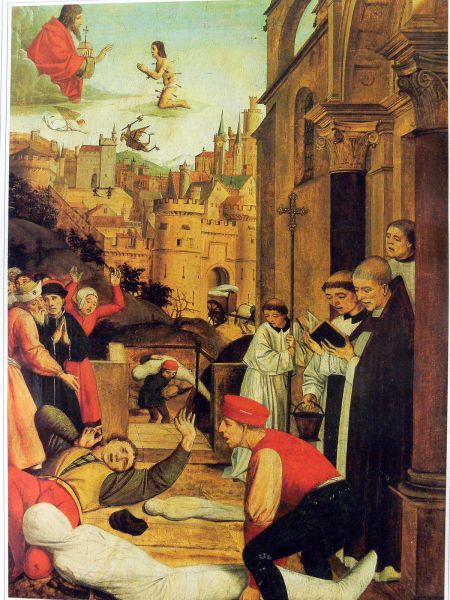
Saint Sebastian pleads with Jesus for the life of a gravedigger afflicted by plague during the Plague of Justinian. (Josse Lieferinxe, c. 1497–1499)
Source pic- Wikipedia


The plague of Justinian was the worst pandemic recorded in history caused by the fatal bacterium called Yersinia pestis.
The plague was brought to Constantinople, the capital of the Byzantine Empire, in 541 CE from Egypt. During the time Egypt was paying a tribute to Emperor Justinian in grains.
The plague-laden fleas infected the rats eating grains.

This lethal disease spread like a forest fire across Europe, Asia, North Africa, and Arabia killing an estimated 30 to 50 million people, almost half of the world’s population.

Black Death (1347-1351)


This was a global bubonic plague that hit Europe in 1347-1351, astonishingly taking a toll of 200 million in just 4 years.
It was a type of plague that was spread via the bite of infected rat fleas.
This plague caused religious, socio-economic upheaval with a profound impact on European history. The bacterium that caused this was the same that brought the Plague of Justinian.

During this time the sailors that had came to Europe were required to stay on their ship for 30 days, which was known as “Trentino” in Venetian law. Later, the Venetians increased the forced isolation to 40 days or a “quarantino”. From here quarantine word was introduced which is now in great implementation.

The painting “Blessed Bernard Tolomei Interceding for the Cessation of the Plague in Siena” by the Italian artist Giuseppe Maria Crespi.
Source pic- Britannica

Spanish Flu 1918:

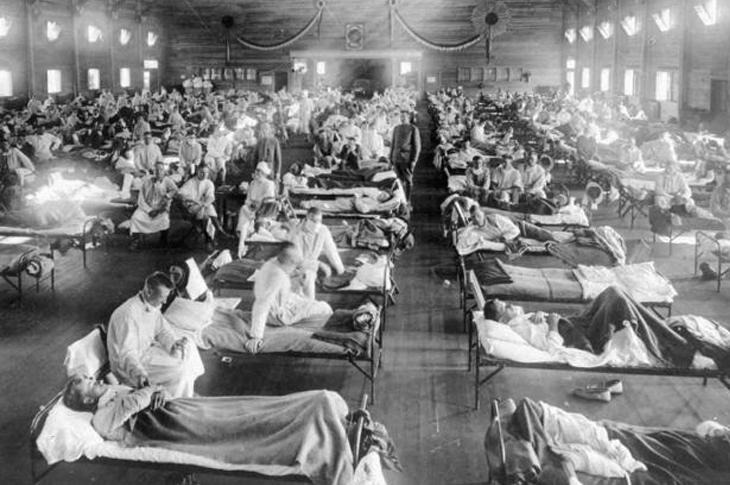
Source pic- World Health Organization


Spanish flu was the most severe and devastating influenza pandemics that the world ever witnessed. Also known as the 1918 influenza pandemic, it infected 500 million people – about a third of the world’s population at the time – in four successive waves.
Though the flu engulfed Europe, America, and parts of Asia, the exact place and cause of its origin are unknown to this day.
Some say that the flu showed itself in the military camp in Kansas, and from the US it spread to Europe when the troops traveled east in World War I.

Though the name is Spanish flu the pandemic did not originate in Spain, the British Medical Journal referred to the virus as “Spanish flu” because Spain was hit hard by the disease.

Small Pox 15th Century:


Smallpox has been estimated to have killed over a 500 million people.
It was in 1980 that the World Health Organization declared smallpox to be eradicated.

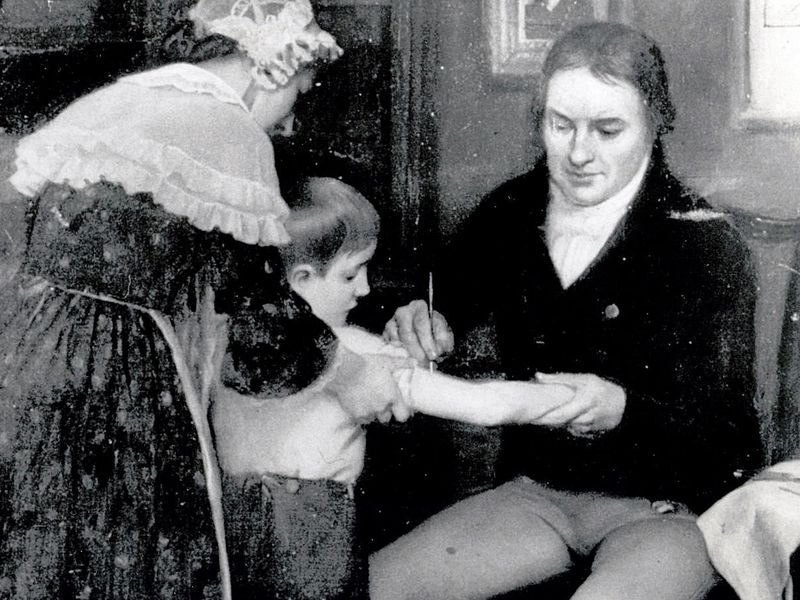
Edward Jenner giving the boy smallpox vaccine.
source pic- Smithsonian Magazine

Smallpox became the first death-dealing pandemic whose vaccine was developed in the late 18th-century, by a British doctor named Edward Jenner.

Edward Jenner observed that some local milkmaids were not exposed to the harsh virus and just showed mild symptoms which were called “cowpox”. Edward then decided to extract a small sample of milkmaid’s pus and inject it into the arm of a young boy named James Phipps. After that, he exposed the boy to the smallpox virus, and to his amazement, the boy showed no illness. This was the first vaccine ever discovered in history.

Social Media Giants to be banned in India?

Four ways social media platforms could stop the spread of hateful content in aftermath of terror attacks


Is this true that Twitter, WhatsApp, Facebook and Instagram will be banned in India from 26th May 2021?


  • In February 2021, the Central government of India came up with  a new set of IT rules and regulations. These rules imply authority over social media by appointment of compliance officials, giving their name and contact address in India, complaint resolution, monitoring of objectionable content, compliance report and removal of objectionable content. As per sources, some platforms have demanded six months deadline to take up this matter in the US Headquarters and wait for their decision . Currently only Koo App has complied with the  new rules and is ahead of the deadline. The question here is what if these platforms do not comply with the new IT rule? If the government plans on banning these platforms, is our individual rights at risk?


  • It’s important to know the sub section(1) of section 79 of IT Act. The IT Act gives protection to social media companies and web services by making them “intermediaries”. This means they are not responsible for user content. So here the government means that if any Social Media company fails to adhere to the new rules then they might lose the protection that the  “intermediaries” have.


  • As per data cited by the government, India has 53 crore WhatsApp users, 44.8 crore YouTube users, 41 crore Facebook subscribers, 21 crore Instagram clients, while 1.75 crore account holders are on microblogging platform Twitter. Koo has close to 60 lakh users, making it a major social media intermediary under the new guidelines. Many Indian are upset with this news but as of now all the social media apps are working in India so let’s wait for further information.

Source:

Advantages of multilingualism

Knowing one language is essential human need but learning more than one dialect can bring about new opportunities for any person. Multilingualism not just opens up career opportunities for an individual but also the cognitive benefits of being multilingual are further more than people know. Studies reveal that about 60 to 75 percent of the world population is multilingual. Even certain countries have more than one official language and have made the option to learn a second language mandatory in their school curricula.

Let’s know further the lesser known benefits of multilingualism.

>Sharpens mind

A study at Spain’s Pompeu Fabra University reveals that the effect of a second language acquired later in life can be seen in the growth of brain. While learning a new language sharpens the brain, it also causes the brain to grow and develop proficiency in the first language. Multilinguals have better concentration and observation and analytical skills than monolinguals.

>Improves learning abilities

Memory is a fundamental in learning languages where one gets familiar with not only new vocabulary and rules but also requires the ability to recall the information. The more the use of brain, the better it performs. This enhances one’s learning and memorizing abilities.

>Enhances decision making

Multilingualism leads to flexible and critical thinking and logical reasoning enhancing the decision making ability. Innovative and creative decisions for the betterment of everyone and the society are a part of the improved ability.

>Lessens mental decline in old age

It has been suggested by studies that requirements associated with bilingual or multilingual people act as mental exercise for the brain which may lead to delay in the symptoms of Alzheimer′s disease and other forms of dementia.

>Increases career opportunities

Business companies these days look for individuals of bilingual or multilingual ability considering the diversity of the world. Companies operating in more than one country prefer multilinguistic candidates. Also, tourism and marketing sector provide wide range of opportunities to multi-lingual individuals.

Poverty and Social Life


               POVERTY AND SOCIAL LIFE

What is poverty?

Poverty is the state of not having enough material possessions or income for a person’s basic needs. Poverty may include social, economical, and political elements.   

Absolute poverty is the complete lack of the means necessary to meet basic personal needs, such as foodclothing, and shelter. The floor at which absolute poverty is defined is always about the same, independent of the person’s permanent location or era.

Relative poverty occurs when a person cannot meet a minimum level of living standards, compared to others in the same time and place. Therefore, the floor at which relative poverty is defined varies from one country to another or from one society to another.

Effects of poverty-

Issues like hunger, illness, and poor sanitation are all causes and effects of poverty. That is to say, that not having food means being poor, but being poor also means being unable to afford food or clean water. The effects of poverty are often interrelated so that one problem rarely occurs alone. Bad sanitation makes one susceptible to diseases, and hunger and lack of clean water makes one even more vulnerable to diseases. Impoverished countries and communities often suffer from discrimination and end up caught in a cycle of poverty.

 Effects of poverty on health-

 Over 10,000 children die every day because they live in poor housing.

Without effective sanitation in their home, children are especially vulnerable to life-threatening diarrhea and intestinal infections. And in houses where there’s insufficient ventilation, people are especially vulnerable to respiratory diseases.

Clean, warm homes provide protection from the elements and help improve a family’s health by preventing illness and diseases such as tuberculosis, diarrhea, and malaria. Families who live in a properly constructed home are less likely to fall prey to such diseases and are better equipped to recover from any illnesses they may contract. It goes without saying that the mental health of individuals and families is greatly improved when physical health concerns are taken away.

Effects of poverty on education and schooling

Home gives children opportunity for the future by providing a stable foundation where they can study and do as well as they can at school.

Children are also able to develop into responsible adults as they experience security and see their own parents taking care of the home. For adults, home is key to maintaining employment and provides opportunities for income generation by the creation of home-based small businesses.

Effects of poverty on children and families

Home is indeed where the heart is and a stable, well constructed home is at the center of family life.

When families have a home where they feel safe and secure they will draw together as a family unit to love and support one another. There is also an added sense of pride and dignity that comes with a decent home which translates to a hopefulness for the future well being and success of the family.

There is plenty enough research showing that growing up in an unsafe environment not only affects children’s health seriously but also as a result of this the attendance at school (and ability to get a degree or diploma).

Perspectives-

Economic theories-

Causes of poverty are a highly ideologically charged subject, as different causes point to different remedies. Very broadly speaking, the socialist tradition locates the roots of poverty in problems of distribution and the use of the means of production as capital benefiting individuals, and calls for redistribution of health  as the solution, whereas the neoliberal school of thought is dedicated the idea that creating conditions for profitable private investment is the solution. Neoliberal think tanks have received extensive funding, and the ability to apply many of their ideas in highly indebted countries in the global south as a condition for receiving emergency loans from the International Monetary Fund.

Environmentalism-

A report published in 2013 by the world bank, with support from the climate and development knowledge network, found that climate change was likely to hinder future attempts to reduce poverty. The report presented the likely impacts of present day, 2 °C and 4 °C warming on agricultural production, water resources, coastal ecosystems and cities across Sub-Saharan Africa, South Asia and South East Asia. The impacts of a temperature rise of 2 °C included: regular food shortages in Sub-Saharan Africa; shifting rain patterns in South Asia leaving some parts under water and others without enough water for power generation, irrigation or drinking; degradation and loss of reefs in South East Asia, resulting in reduced fish stocks; and coastal communities and cities more vulnerable to increasingly violent storms.  In 2016, a UN report claimed that by 2030, an additional 122 million more people could be driven to extreme poverty because of climate change.

Spirituality-

Among some individuals, poverty is considered a necessary or desirable condition, which must be embraced to reach certain spiritual, moral, or intellectual states. Poverty is often understood to be an essential element of renunciation in religions such as Buddhism, Hinduism (only for monks, not for lay persons) and Jainism, whilst in Roman Catholicism it is one of the evangelical counsels. The main aim of giving up things of the materialistic world is to withdraw oneself from sensual pleasures (as they are considered illusionary and only temporary in some religions – such as the concept of dunia in Islam). This self-invited poverty (or giving up pleasures) is different from the one caused by economic imbalance.

Some Christian communities, such as the Simple Way, the Bruderhof, and the Amish value voluntary poverty; some even take a vow of poverty, similar to that

of the traditional Catholic orders, in order to live a more complete life of discipleship.


5 Hacks to Physical Fitness

Physical fitness is essential to lead a happy and healthy life. Being physically fit is important to be able to carry our family responsibilities, professional duties and perform day-to-day activities. The trio of eating nutritious food, staying active physically, and taking ample rest can help achieve physical fitness.

The pointers below are crucial in maintaining our physical fitness. These simple hacks are great for everyone, simple to follow as they can be easily weaved into our daily life but the benefits go a long way. As it is rightly said – “A healthy life is a happy life!”

  1. Do NOT hit snooze – Remember having the alarm set for & 7 a.m. but you kept hitting snooze until you realized it was 9 and you were already late for work? This is exactly what we need to avoid. Hitting the snooze button means getting off-track from your schedule, and then been constantly late for the other important events of the day. Missing breakfast, being fuzzy, and the guilt of missing your workout again – all of these consequences would affect your physical health. So take charge – start your day right to enjoy a productive day and physical fitness would follow.
  2. Move your body – One of the most important aspects of maintaining your physical health is being active. The lifestyle we have today is sedentary, with mostly desk jobs and also the Covid-19 pandemic restricting us to the four walls of our homes. This makes being active even more important, as a sedentary lifestyle is the root cause of many diseases. Indulging yourself in any physical activity you like – Cardio workouts, exercises, and weight training or even hobbies like dance helps in movement and keeps us active. Yoga too has proven to increase physical endurance, flexibility, and strength. Pick up one or more of these and your physical health is bound to improve.
  3. Eat the right food – The fuel you give to your body in the form of food is how healthy and fit you will be. We all know by now the importance of a balanced- diet which is a proper blend of proteins, carbohydrates, healthy fats, fibre, vitamins, and minerals. Avoiding highly processed, oily and fried food items and replacing them with healthy choices go a long way. Don’t get me wrong-a few cheat meals here and there are alright – as long as you have them in moderation.
  4. Having a sleep schedule – Having a sleep schedule – One can never stress enough the importance of a proper sleeping schedule and how it contributes towards physical fitness. Sleeping on time and waking up early in the morning is the mantra to a healthy life. In addition to that, getting ample sleep of seven-to-eight hours daily is equally important. Studies have proven to show that sleep deprivation has numerous health hazards and can give birth to potential issues like diabetes, heart attack/failure, decreased immunity, mood changes, and many more dangerous physical health conditions. It can also reduce the body’s ability to function properly, which means that for achieving physical fitness you have to start getting the required number of sleep hours, starting today!
  5. Emotional and Mental well-being – Being emotionally sound and mentally stable and strong is another very important aspect of being physically fit – but sadly also a point which is highly neglected. Be it stressing a lot or being worried and anxious, all of these are directly related to our physical health. Studies have shown that these conditions impact our health and other cardiovascular diseases. Stress is also related directly to gut health. Controlling your stress and anger levels proves to be beneficial in managing your physical health. If remained uncontrolled it can stand as a barrier between you and your goal of being physically fit and healthy.

1 INGREDIENT FOR SUCCESS RECIPIE: PASSION


 “PASSION WITHOUT PURPOSE LEADS TO FRUSTATION, PURPOSE WITHOUT PASSION LEADS TO PROCRASTINATION AND PASSION WITH PURPOSE LEADS TO SUCCESS”

1 INGREDIENT FOR SUCCESS RECIPIE: PASSION, the force that always pushes us to come out from our comfort zone. A burning passion coupled with absolute detachment is the key of for all success in life because nothing great in the world has ever been accomplished without passion. Passion is the uncontrollable force that infuse our life completely with happiness and joy by bringing stubborn commitment and determination. Passion is our inner flame that drives you and lets the reason to hold reins.

A great leader’s courage to fulfill his vision comes from their passion as people with great passion can break the boundaries and make the impossible happen. There are only 3 things you need to change the world “Vision, Passion and Action”. Passion gives us the strength to overcome fears, to ignore what other people think of us, to be disciplined and to promotes us to make sacrifices in pursuit of our dreams.

If you can’t figure out your true purpose, figure out your passion which will in turn lead you to right into your purpose and thus if you have strong purpose in life you don’t have to be pushed to achieve it as your passion will drive you there. Passionate people never make excuses and never look for shortcuts as it is the single fastest way to speed yourself to massive success.

do check out the habits of passionate people : http://liveboldandbloom.com/12/passion-in-life/passionate-people. https://www.pickthebrain.com/the-ten-habits-of-passionate-people

        BEST ILLUSTRATION FOR “1 INGREDIENT FOR SUCCESS RECIPIE: PASSION “

The best illustration to check whether we are truly passionate or not is in mountaineering. It is easy to spot those who are not passionate about the process. People who want to stand on the tip of the mountain but are not extremely interested in enjoying the journey towards the top. For such people success without the true hard work and passion is completely not the work which they are loving to do. Their passion gives them the energy to work the hardest, fight the longest and never ever gives up in life.

1 INGRIEDIENT FOR SUCCESS RECIPIE

do check out how to find your passion effectively https://www.wikihow.com/Find-Your-Passion

1 INGREDIENT FOR SUCCESS RECIPIE: PASSION IN BUSINESS

The best feeling in this world is when you are getting paid to do what you are passionate about. The crucial difference between a successful businessman and a poor one is that the successful businessman loves the work of business management on the other hand the poor business man looks his work as a job and does not enjoy and love doing it. The value of passion for business is highly recognized. Many innovating centers, companies success stories is purely based on this ingredient, their company employees are been taught to be passionate about their work.


The yellow fungus: 2021 has one more fatal disease to offer

Looks like the torments are going to take up new dimensions this 2021. While 2020 introduced us to the new normal, 2021 superseded its predecessor and comes bearing a variety of diseases to offer. We faced the mutated Covid-19, the wave of black fungus originating from Rajasthan, a few days ago we came across white fungus and its implications. As a ‘cherry’ on top of it all, today, India reported the first case of yellow fungus in Uttar Pradesh.

What is yellow fungus?

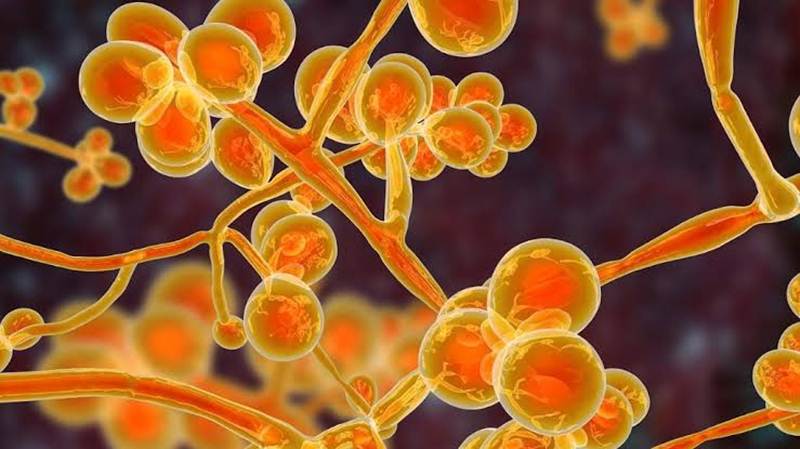
Yellow fungus otherwise known as mucor septicus, is a fungal infection just like black fungus and white fungus. It is said to often occur in lizards rather than human beings and has been classified deadly when compared to black and white fungus. The reason for its fatality is that it is harder to detect it, thus reducing the time to treat it at its earlier stages. In the worst case, it can also lead to organ failure and thus is not to be taken carelessly. The cause of fungal infections, be it black white or yellow, is said to arise due to poor hygiene. Fungal infections grow rapidly in atmospheres with higher humidity(30-40%).

Symptoms

Initial symptoms of yellow fungus are lack of appetite, lethargy and weight loss. The generality of early stage symptoms is the reason for its difficult detection. As the infection spreads, it can lead to sunken eyes, more time to heal wounds, development of pus and ultimately, it can induce necrosis(death of body cells and tissues), affecting organs leading to organ failure and in the worst case, death.

Out of the blue, why are fungal infections surfacing now?

Fungal infections are more likely to attack people with reduced immunity much than people with enriched immunity. Due the backlash faced by people due to Covid-19, the immunity system of people affected remained vulnerable. This vulnerability along with poor hygiene was taken advantage of, leading to rising cases of fungal infections. The director of the New Delhi’s All India Institute of Medical Sciences (AIIMS) Randeep Guleria, stated that another reason for the spread is due to the irrational use of steroids for the treatment of Covid-19 contributing to compromised immunity. Find what Randeep Guleria said regarding this here.

Preventive methods

What can be done on our part to fight fungal infections? The obvious answer to it is clean environment. Some methods to follow:

  • Keep your residing place dry and clean as humidity is a growth factor for fungus.
  • Avoid using damp towels, shoes etc as they can become breeding grounds.
  • Do not wear tight clothing which can lead to absorption of sweat causing humid patches
  • Dispose stale food as soon as possible
  • Covid-19 patients should be careful and should report to hospital immediately on encountering symptoms

Be on the look out during these crazy times. Stay indoors and come out only if it is absolutely necessary. Be safe and take care.

Mucormycosis {Black Fungus}

Mucormycosis, formerly known as zygomycosis, is a fungal disease caused by a variety of fungi in the Mucorales family. This family of fungi is commonly found in the environment – in soil, for example – and is often connected with decaying organic matter like fruit and vegetables. Mucormycosis is a very uncommon infection. Mucor mould, which is widely found in soil, plants, manure, and decaying fruits and vegetables, causes it. It’s everywhere, in soil and air, and even in healthy people’s noses and snot. It affects the sinuses, brain, and lungs, and it can be fatal in diabetics or persons who are extremely immune-compromised, such as cancer patients or HIV/AIDS patients.

Mucorales fungi are opportunistic, which means they frequently infect humans who have a compromised immune system or damaged tissue. Immune function can be harmed by medicines that suppress the immune system, such as corticosteroids, as well as a variety of other immunocompromising illnesses, such as cancer or transplantation. Tissue damage can occur as a result of trauma or surgery.

Inhaling spores, eating spores in food or medicines, or having spores contaminate wounds are the three ways humans might get mucormycosis. The most common method is inhalation. Every day, we inhale the spores of a variety of fungi. However, if our immune systems and lungs are in good shape, they are unlikely to cause an infection.

Covid-19 infections are more severe in people with diabetes and obesity. They’re more likely to be given corticosteroids as a result of this. However, corticosteroids, in combination with diabetes, raise the risk of mucormycosis. Meanwhile, the virus that causes Covid-19 can harm airway tissue and blood vessels, putting them at risk of fungal infection. Mucormycosis can go to the eyes and cause blindness, or it can move to the brain and cause headaches or convulsions.

Controlling these fungal infections would necessitate improved awareness, better testing to detect them early, as well as an emphasis on diabetes management and the prudent use of corticosteroids. Patients will need access to surgery and antifungal treatment as soon as possible. However, more research into the prevention of these illnesses is required.

Conflict Theory | the fight of our lives

In the 19th century, renowned political thinker Karl Marx purported the Conflict Theory. The Conflict Theory is a sociological theory that suggests that society is constituted by the perpetual conflict between social groups. These groups generally compete for resources, i.e money, power, status, etc.

24 Sociology Images ideas | sociology, inequality, political cartoons

Conflict Theory stands in opposition to Functionalism, which states that society is based on consensus where social institutions work in harmony to maintain social order. Conflict theory states that social order is maintained by domination and the struggle for power between the haves and have-nots. The dominant group will hold on to their resources for as long as they can, even suppressing the other group in the process to stay at the top.

Further, the dominant group will use the resources in their position to try and maximize their wealth, thereby strengthening their position.

Conflict theory can be observed not only in society but also in phenomena such as poverty, war, discrimination, revolution, etc. Wherever there are resources to be had, there will emerge a dominant group. This is where Conflict theory comes into play.

Marx further stated that conflict is what drives social change and what makes power change hands.

In the modern scenario, we see examples of the Conflict Theory between the bourgeoisie and the proletariat. Interestingly, the dominant group might not necessarily be numerically larger, just wealthier.


Computers in the service of mankind

Computer is the latest miracle that has ushered in a revolution in the application of science for the benefit of mankind. It is like a super electronic brain doing all types of difficult calculations, keeping records and storing data for mankind. Its main features are speed, accuracy and ability to store large amounts of data. It is an appliance which can do a job in seconds that would normally take days for hundreds of people to accomplish.

The modern world is undoubtedly a world of computers.Age old system of keeping records in voluminous registers and files is gradually making way for computer based data processing.It is used in schools, colleges, offices, banks, airlines, shops, laboratories, hospitals and libraries. Computer based telecommunication network can link-up any part of the world at any time. Robots have replaced manual labour in factories. In the field of medical diagnosis and printing technology computerised machines are doing wonders. The space flights would not have been possible without the application of computer science.

Computers dominate every sphere of man’s life. Its presence has been felt in railways, airlines, industries, commercial establishments, banks and telecommunications. Typewriters have made room for computerised word processors.

Even though computers yield greater productivity, they can replace human labour and cause unemployment. While mankind should reap the benefits of computerization, they should not allow it to deteriorate the employment situation.