Longest running light bulb since 1901: The case of Planned Obsolescence

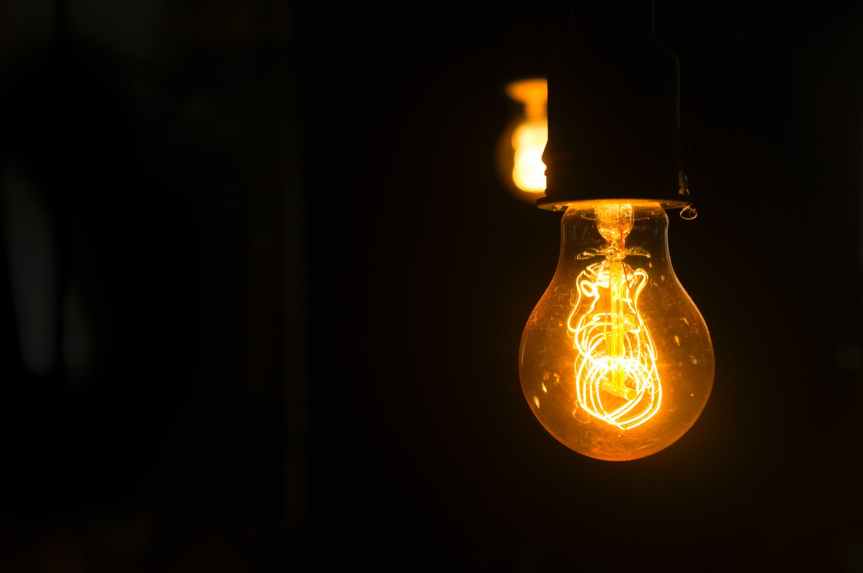
Centennial Light is the longest-running electric light bulb on record. It has been running continuously since 1901 and it has never been switched off. It is located in Fire Station 6 in Livermore, California. The ordinary dim light bulb looks like any other bulb and there is also a camera that live-streams the light bulb onto the internet.

Link for the official website and live webcam of the light bulb.

http://www.centennialbulb.org/photos.htm

It was manufactured in the late 1890s by the Shelby Electric Company, of Ohio, using a design by the French-American inventor Adolphe Chaillet. It has operated for over 100 years with very few interruptions. In 2011, it passed a milestone: One million hours of near-continuous operation. In 2015 it was recognized by Guinness World Records as the world’s longest-burning bulb.

The 60-watt bulb uses a carbon filament. One of the reasons for its longevity is that it seems to have an incredibly durable vacuum seal. There have been some researches done on bulbs manufactured by Shelby Electric Company of that era. But no one really exactly knows how these eternal bulbs were made as they were experimenting with various but the company was experimenting with a variety of designs at the time.

The electric model was quite different when first homes in The U.S had electricity. The servicing was the responsibility of the electric companies and customers would purchase entire electrical systems manufactured by a regional electricity supplier. The companies would also take care of the installation and servicing of any burned out electric bulbs would be replaced for free.

It made more logic for the suppliers to manufacture bulbs that would last longer and would burn out as least as possible. But this business model was later replaced and homeowners were responsible to change the light bulbs. It was soon realized that it would be more profitable to make cheaper bulbs that burned out faster. Since the mid-1900s goods were manufactured with a pre-determined expiry date aimed at forcing consumers into repeat purchases. This phenomenon has only been exacerbated in recent years. This can also be called planned obsolescence.

In 1924, the life span of the light bulbs was at least 2,500 hours. Phoebus cartel was formed in 1925 in Geneva. It comprised of the major incandescent light bulbs manufacturers at that time: Osram, General Electric, Associated Electrical Industries, and Philips. The cartel had directed their engineers to cut the life of the bulbs to 1,000 hours, which the engineers did by adjusting voltage and current. The cartel was intended to operate for 30 years but it was starting to fall apart in the early 1930s after General Electric patents expired and as the cartel faced competition from non-member manufactures from other regions. The cartel ceased its operations after the outbreak of World War II in 1939.

Planned obsolescence is a very critical area it does not only decrease the lifespan of the good but as a consequence, it is also wasteful. It is not sustainable for the environment and the main focus of this practice is to maximize profits. It also reminds us that technological innovations are often not accessible in favor of corporate greed.

References:

GOVERNMENT JOBS AFTER BBA

Civil Services

One of the most reputed and highly competitive and difficult to crack, a BBA graduate possessing a spirit to bring a effective and efficient change, one possessing a spirit of serving the nation should apply to be a Civil Servant.

Examination and Selection Procedure

Examination Name:-   Civil Service Examination

Conducting Body:-       Union Public Service Commission

The Exam can be sub-divided into three groups namely Preliminary Exam, Main Exam and the interview. Candidates will have to perform well in all the three rounds to get selected.

Advantage for BBA Graduate

Since BBA graduates have studied administration during the three years of their degree, they are ideal candidates for these posts.

Banking Sector

A BBA Graduate interested in banking can join a bank. Graduates can apply for the post of Provisional Officers (PO) and clerks

Examination and Selection Procedure

Examination Name:-   IBPS Clerk (For Clerk post) and IBPS PO (For PO post)

Conducting Body:-      Institute of Banking Personnel Selection (IBPS)

The Exam can be sub-divided into three groups namely Preliminary Exam, Main Exam and the interview. Candidates will have to perform well in all the three rounds to get selected. There will not be any personal interview for Clerical cadre recruitment

SBI has been conducting online exams and papers for selection of Clerical Cadre and Officer Cadre separately.

Police Sub-Inspector

Candidates who are fit enough can also apply for the post of police sub-inspector after completing their graduation in BBA.

Examination and Selection Procedure:-

Examination Name:-   Sub- Inspector Exam

Conducting Body:-      Staff Selection Commission (SSC)

Selection will be done on the basis of merit in the written test.

Other Eligibility Criteria to Apply

Nationality Requirements

1.Must be an Indian Citizen

Minimum Height Requirements

1.157 cm for Male

2.152 cm for Female

EDUCATIONAL OPPORTUNITIES AFTER BBA

Master of Business Administration (MBA)

MBA is the most popular choice for a graduate in management domain. The course takes the graduate one step further in the management stream and builds on the basic principles that he/she was taught during graduation. A graduate can choose to go for a particular sector or industry after MBA by choosing the correct MBA specialization as per his/her interest and requirements.

Fee Structure

The average course fee for MBA in India is around Rs. 5,00,000.

May extend beyond Rs. 15,00,000 in the top colleges with a national and international reputation

What attracts students?

i) Excellent returns

ii) Pathway to some of the most well-paying jobs available in the private sector

A New Study Suggests You May Want To Rethink That MBA

Bachelor of Legislative Law (LLB)

Many students may decide to go for an LLB after BBA. Having a degree in law along with the management skills can work in the favor of a student and help them earn more money, take up cases in their chosen specialization or switch fields completely. LLB gives graduate a wide range of career options and provides a great alternative skill set to rely on.

Fee Structure

The average course fee for LLB in India ranges between Rs. 2.5-4 LPA.

What attracts students?

•Excellent returns •Range of Salary offered by Law firms range from 25-30 LPA.

•Offers a package ranging between 5-10 LPA to 18-20 LPA for Freshers

Bachelor of Education (B. Ed.)

Students who like teaching and see their future in teaching line can purse higher education by pursuing B. Ed. courses.

Qualification Requirements

 Graduation from a recognized institute

Drawbacks of joining B. Ed after Graduation

• Only eligible to apply for teaching in class I-VIII

• Not eligible to apply for teaching in Higher Secondary Schools or Colleges

Must hold Master Degree to become eligible for teaching in Higher Secondary Schools or Colleges

STANDING FOR OURSELVES?

MY LIFE, MY RULES! IT SEEMS TO BE A VERY SIMPLE PHRASE BUT TO ACHIEVE THIS ONE HAS TO GO THROUGH A LOT OF CHALLENGES. STANDING FOR OURSELVES OUR VOICING OUR OPINION IS NOT APPRECIATED BY A LOT OF PEOPLE. “GIRLS SHOULD MAINTAIN DECENCY” OR ” LIMIT THE USE OF YOUR WORDS, YOU ARE A GIRL!” , REFLECT HOW INSENSATIVE THE SOCIETY IS.

PUTTING FORWARD YOUR VOICE IS DEFINITELY NOT AN EASY THING, EITHER FOR GIRLS, BOYS OR OTHER GENDERS TOO.

‘ SANSKAARI ‘GIRLS , ARE WHAT PARENTS DREAM OF. THEY WISH OF THEIR DAUGHTERS TO BE KIND, RESPECTFUL AND POLITE, WHO BASICALLY DOES NOT VOICE HER OPINIONS AND AGREE TO WHAT THEY SAY. I UNDERSTAND, PARENTS WORK FOR OUR BENEFIT, THEY WISH FOR OUR GOOD. BUT, STOPPING THEIR DAUGHTERS TO SHUT THEIR MOUTHS UP AND SIT LIKE A PERSON WITH NO OPINIONS AND NO THOUGHT PROCESS ; ISNT APPRECIATED. I MEAN, WE ARE HUMANS WITH GOOD UNDERSTANDING AND KNOWLEDGE AND CAN TAKE DECISIONS FOR OURSELVES. CANT WE?

Enjoyment. Free and Happy Woman Enjoying her life.

LET HER MAKE HER DECISIONS ON HER OWN.

DONT ASK HER TO LOWER HER TONE.

SHE AINT A STONE,

LEAVE HER LONE

SHE IS CAPABLE TO FLY HIGH

IS SHE WOULD WISH SHE COULD REACH THE SKY

WHY DO YOU WISH TO MAKE YOUR DAUGHTER APPEAR TO BE, SHY?

I NEED AN ANSWER!

PLEASE DONT LIE.

Excess Irrigation Over North India Shifting Monsoon Towards North West – report

Excess Irrigation Over North India Shifting Monsoon Towards North West

According to a report of climate researchers, heavy irrigation in north India could be the reason for shifting monsoon to the North West part of the subcontinent, increasing the land temperature in central India. These meteorological threats may lead to crop failure.

One of the chief causes of monsoons is the difference between annual temperature trends over land and sea. As peddy irrigation in North India starts way before the monsoon, the irrigated land remains flooded with water during this time. As the water evaporates, land tends to cool during the period of August-September.

It’s known that air travels from a high-pressure zone to a low-pressure zone. (Gravity plays the role here)

Low pressure is associated with rising air and high pressure associated with sinking air. Thus, when the land is hotter than the sea, the pressure difference is created.

Air carrying water vapours from the high-pressure zone travels to the low-pressure zone resulting in rising air which is linked to cloud formation that causes rain.

Notwithstanding the previous pattern, the sinking air is unlikely to travel north due to cooling; rather it goes toward the northwest region which is hotter than North India.

These hazardous trends and shifting the monsoon could pose great threats not only to the farmers but also to the people living there. Excessive irrigation can lead to water scarcity that needs to be debated.

CSR OF INDUSIND BANK

Environment

For contributing towards environment the bank conducts programs related to:-

1.Water Conservation

2. Afforestation

3. Renewable Energy

4. Waste Management

Education

For contributing towards education, the bank conduct:-

i) Education and Learning Programs for the Specially Abled

ii) Fellowship and Scholarship Programs

iii) Non-formal Education and Inclusion Programs

Technology the way forward for Indian education - Hindustan Times

Livelihood

For contributing towards livelihood the bank conduct

i) Skill Development and Vocational Training Programs

ii) Capacity Building Programs

iii) Rural Livelihood Programs

iv) Livelihood Opportunities for Women

v) Livelihood Opportunities for People with Disabilities.

Healthcare

For contributing towards healthcare the bank conducts programs related to

i) Affordable Health Care

ii) Preventive Health Care

iii) Water, Sanitation and Hygiene

iv) Mother and Child Health Care

Best Health Insurance: Tips to Buy Best Health Insurance 2020

Sports

For contributing towards sports, the bank conduct sports program for:-

i) Women

ii) People with Disabilities

iii) Underprivileged

iv) Children

What Ideas Do You Have to Improve Your Favorite Sport? - The New York Times

Other Areas

The bank also actively contribute for

i) Disaster Relief

ii) Public Health Emergencies

iii) National Emergencies or State Emergencies Relief

iv) Members of the Armed Forces and their families Welfare Fund

Kang Yatze

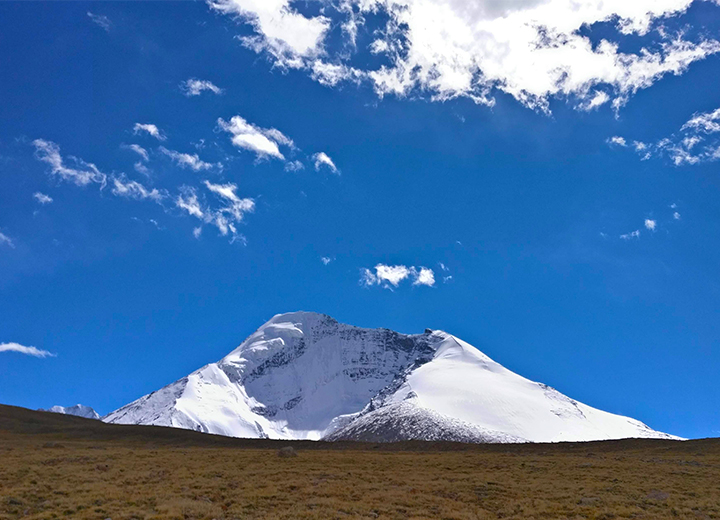
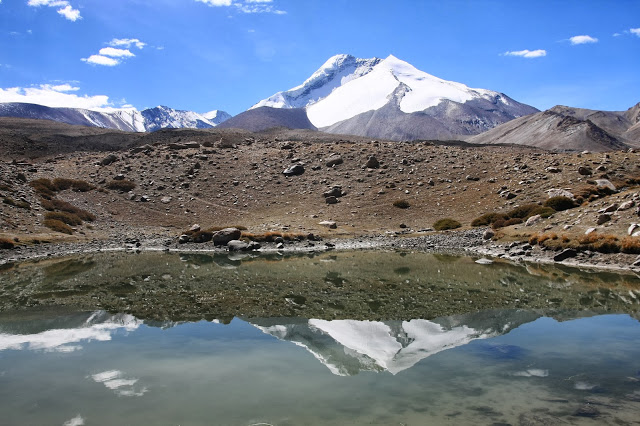
Kang Yatze or Kang Yatse (elevation 6,496 metres (21,312 ft)) is a mountain located at the end of the Markha Valley in the Himalayas in Ladakh. It is located in the Hemis National Park, not long away from the capital Leh.

The mountain has two summits. The true eastern summit is higher at 6,400 m but requires an extremely technical traverse across a knife-edge ridge for the mountaineers wishing to conquer it. The lower western peak (Kang Yatze II) is easier and more frequently climbed, although it is lower at about 6270m.

Kang Yatze II

The lower peak is mainly done from mid-June till September end. There are two approach routes to this peak. One is from Chilling and trekking through the Markha Valley, passing the villages of Skyu, Markha and Hankar. There is another approach that starts from the village of Shang-Sumdo and steeply climbs up the Markha Gorge passing by the campsite of Chyuskirmo, Lartsa and then climbing the Gongmaru La(Pass), a 5130 meter high pass to reach Nimaling. This peak is easier compared to the main lower western peak and does not require any technical mountaineering skills. From the very top, distant peaks of East Karakoram ranges are visible on a clear day.

Kang Yatze I

Kang Yatze I or the Eastern summit requires an intermediate Camp to be set up. The climb to Camp 1 is a short one but over a steep scree and cliffs zone. There is an alternative route following the Glacier where Camp 1 can be set as well. From Camp 1, the climb gets technical. The last 500 meters of the peak is very steep and mandatory fixed ropes.

https://www.bikatadventures.com/Home/Itinerary/Kang-Yatse-II-Trek

Will we be better off without religion?

This essay focuses the critical review of the debate on ‘whether we will be better off without religion’. The debate is between two very famous scholars in religious studies, Raza Azlam who is an author of the book called ‘God: A human history and the other a physicist and atheist Lawrence Krauss. Both of them hold two very different opinions as to how religion affects people emotionally and morally while holding the same opinions on matters of religious violence and influence of it in the society. 

The debate begins with Raza talking about how religion is both good and bad because its man-made institution and how we are inherently attached to it like a second skin. He moves on to lay the floor for faith and discussion to be discussed as two concrete elements so that it becomes easier to debate on a concrete premise. Raza also talks about how we cannot separate religion as an entity from people’s life as it has become a part of who we are and its so much of an identity to people. He also brings into account that the fact the religion causes conflicts, wars and no other entity does this is completely flawed since people go to war for various other reasons too by quoting the example of world wars. And also, how we shouldn’t categorise Islam as violent force inherently since violence is found in all religions not just a specific one.

On the other hand, Lawrence talks about the idea of accepting reality and how important it is to believe in something that is true and you have facts and evidences on. He completely takes over the idea of Raza talking about divine power by asking him how such a human made institution can proclaim such statements. He talks about how people aren’t identifying themselves with religions as they used to before and even people who do aren’t even aware of the basic doctrines.  He questions the idea of God in life and what exactly is the purpose of god or how it has actually helped the world. He brings in an important argument of how people’s morality is connected to religion and they aren’t ready to let go of the wrong side of it.

What is fundamentally wrong about this debate was that it failed to reach a consensus or give us a basic idea of which would be the best option, the idea of the debate was to understand if religion is needed or not and this was something that wasn’t addressed at the end of the debate. Problems of individual identity and group identity weren’t discussed in wide scope and questions based on the scared use of Quran and Bible addressed to Raza did not really have a concrete answer. In so many ways questions of absolutism was also not answered by Lawrence. Both the sides failed to grasp the fundamentals of the debate taking it to extremes

MIS in Airline Industry

Management Information System is the use of information technology, people, and business processes to record, store and process data to produce information that decision makers can use to make day to day decisions.

With advancements in technology, we can observe use of MIS in every industry and business whether it’s to simply keep a record, collect data or process and analyse it to make decisions. In this article, we’ll be understanding how it contributes to a smooth flow of process in the airline industry.

Need for MIS in the Airline industry

Airlines exist to connect people to distant locations very efficiently and safely while making profit for the shareholders. There has to be a trade-off between the three aspects. Thus, the designing of information system is very essential and its management helps them reach the organization’s purpose.
The 4 basic factors that the airline industry has to carefully tackle are: Safety, Comfort, Speed, Efficiency. Hence, the
importance of the technology of integrated systems has become clearer and unavoidable in the airlines for the future
as well.

Airline companies use cutting edge IT Infrastructure and application to support services including employee transition, data centre operations, help desk support and storage operations, internet security services, network management, airport operations, direct distribution and frequent flier programs and various other operating systems.

A good information system in practice can ensure that the operation is able to run efficiently with clear focus on
customers.
By incorporating better and better technology systems, airline companies can reach out to demands of
more customers and also strengthen vital features like security, avoiding delays, reducing the cost of travel.

Role of MIS in the Airline Industry

  • To store basic data like passenger information, flight details, traffic flow between towns and cities, record of add-on services and fares, flight schedules etc. (Flight Operation System)
  • To maintain and interpret important data like market share and profit margins to make decision making process easier. (Pricing and Revenue Management System)
  • To have records of revenues and cost to compare performance with the competitors or with past years performance and find deviations. (Pricing and Revenue Management System)
  • To have records of all flights and their schedules for effective air traffic controlling. (Flight Communication System)
  • To have a record of all the employees (pilots, air hostesses, transport and luggage, security guards etc). (HR management System)
  • To keep track of luggage and belongings of the customers flying with the airline. (Baggage Handling Systems)
  • To keep track of boarding, check ins and landing of each customer in each flight and coordinating the same to give maximum customer satisfaction. (Airport Management System)
  • To maintain all records of recent fares and discounts allowed to come up with marketing and pricing strategies to survive in the competitive industry with strong competitors. (CRM System)
  • To keep a record of all the funds and their sources and their allocation and ensure optimum utilization. (Finance System)
  • To keep a track of expenses and ensure availability of resources like fuel, food, water, life jackets etc whenever needed. (Flight Operation System).

To conclude, in the airline industry, MIS is not only used in the basic departments like Marketing, Finance, Sales and HR like every organisation but also makes the operations flow smoothly in the different stages of the service like airport checking in, baggage handling, flight operations, flight communication etc to ensure that everything is coordinated and the all stages and parts of the process are carried out smoothly and on time.

CABINET RESHUFFLE 2021

Before starting with building, it’s important to have the base strong. Similarly, before diving into the sea of ministers, let us look into our parliamentary system.

Indian system of Parliament is based on British constitution. It is a bicarmel legilature composed of the President of India and the two houses: the Rajya Sabha (Council of States/ Upper House) and the Lok Sabha (House of the People/ Lower House.). The Lok Sabha members are chosen by the people as Member of Parliament. There are 543 members in the Lok Sabha currently. Out of these members, the party in majority choses the Prime Minister. Prime Minister holds the power to chose his ministers who help to run the country. This group of ministers is called Council of Ministers. Articles 74 and 75 deal with the council of ministers. Article 352 defines the cabinet as “The council consisting of Prime Minister and other ministers of cabinet rank appointed under Article 75. The council helps and advises president for any decision to be taken.

The part of council of ministers who holds important portfolios is called cabinet. The Ministers in this position are called Cabinet ministers. Some cabinet ministries are Minister of Defence, Finance, Home Affairs, External Affairs, Education, etc. The decisions of the cabinet are important for PM to take into consideration. Unlike the council, cabinet ministers have frequent meetings to formulate policies. Council is a wider body consisting up to 60-70 ministers and Cabinet is a smaller body with 15-20 ministers. However, the word cabinet was never mentioned in the constitution. It came into use in the 44th Constitutional Amendment Act, 1978.

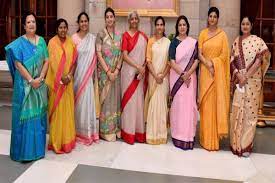
Prime Minister Narendra Modi’s Council of Ministers has been realigned recently. Many new faces have been appointed with an eye on next year’s assembly polls. A total of 43 political leaders have been sworn-in as union ministers, and some have been promoted. Council of Ministers now includes a wide range of youth and experienced leaders from across the board. Interestingly, the Union Cabinet has taken the number of women a notch up, inducting seven fresh faces to add to the existing scanty list. A diversity in terms of representation of caste, religion and gender was kept in mind. The Union Cabinet now consists a total of 11 women ministers.

Cabinet Ministers

Union ministers Harsh Vardhan (Health), Ravi Shankar Prasad (Law/IT), Prakash Javadekar (Environment/I&B), Ramesh Pokhriyal (Education), Santosh Gangwar (Labour) and Sadananda Gowda (Chemicals & Fertilizers) etc. resingned from their posts. BJP leaders who were sworn in as Union ministers include Jyotiraditya Scindia (Aviation), Narayan Rane, Sarbananda Sonowal and Ashwini Vaishnaw(Railay) among the 43. The oath-taking ceremony was held at the Rashtrapati Bhavan in New Delhi.

7 new women MPs of PM Modi’s Council of Ministers:

Anupriya Singh Patel, Sushri Shobha Karandlaje, Darshana Vikram Jardosh, Meenakshi Lekhi, Annpurna Devi, Sushri Pratima Bhoumik, Bharati Pravin Pawar

Criticism

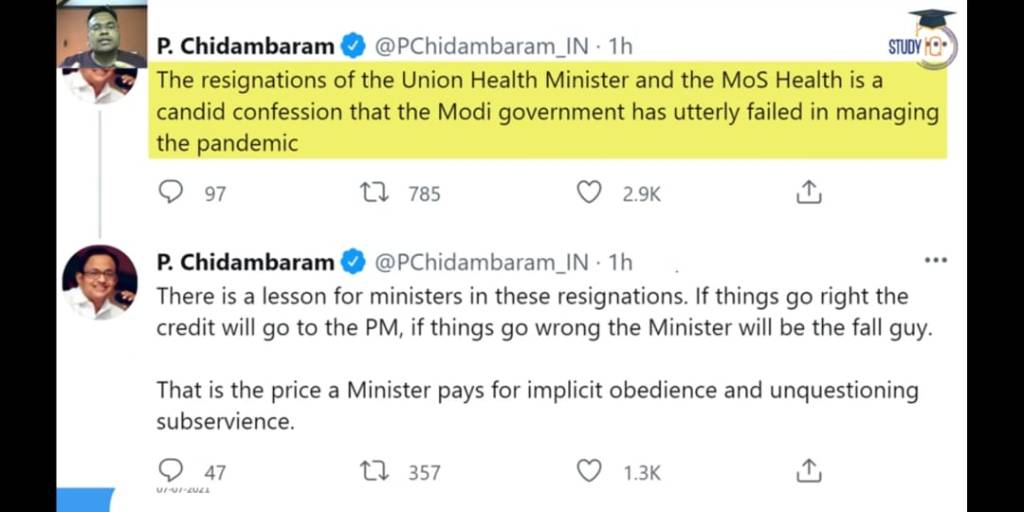
Opposition party has clearly stated the step as Modi government’s failure in managing the situation. Also that the ministers are blamed solely whenever there is a collective error. Many also consider the political agenda as the reason- to attract people support in upcoming elections by selecting ministers from that particular state

Source SudyIQ


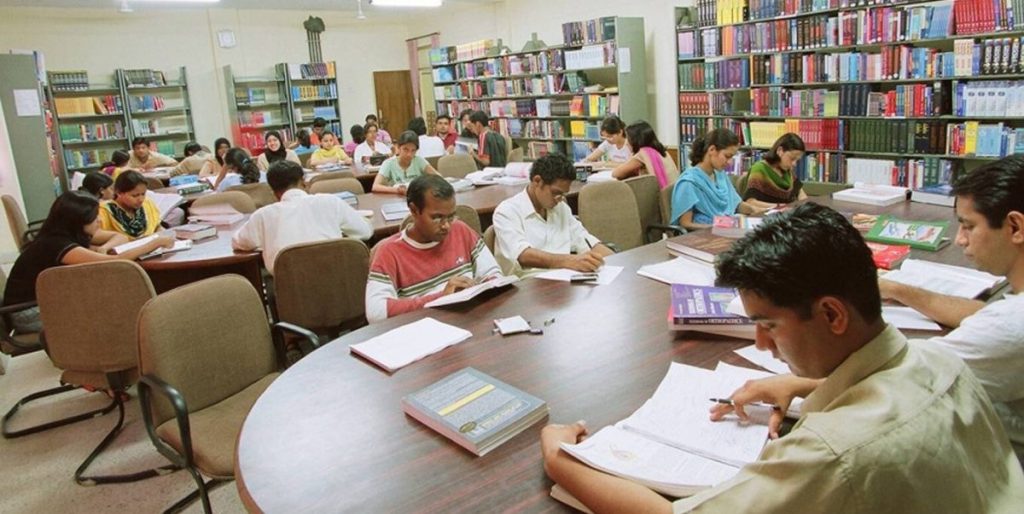
LIBRARIES: A BOON TO THE SOCIETY

THE HARD COPY OF LIBRARY

According to WIKIPEDIA, “A library is a collection of materials, books or media that are easily accessible for use and not just for display purposes. It is responsible for housing updated information in order to meet the user’s needs on a daily basis. A Library provides physical (hard copies documents) or digital access (soft copies) materials, and may be a physical location or a virtual space, or both. A library’s collection can include printed materials and other physical resources in many formats such as DVDs, CDs and Cassette as well as access to information, music or other content held on bibliographic databases.”

IMPORTANCE OF LIBRARIES TO MAN

Libraries are said to be the storehouse of culture. If a man is to be known by the company he keeps, society is to be known by the number of good libraries it has. Man’s craving for knowledge is eternal. He wants to know more; he wants to enjoy more. But he cannot always move about for various reasons. He goes to a library and reads books of his choice. Libraries preserve books of various types, old and new. There are also periodicals and daily papers to meet the demands of the people. In all ages, libraries have been considered to be the best medium of public instructions.

The doors of library are exposed to everyone for rewarding the requirement for information. They are run by the government, schools, colleges, and universities. The society members of the neighbouring locality can visit these libraries to boost their information and complete their research.

TYPES OF LIBRARIES

There are different types of libraries, such as public libraries, circulating libraries, private or personal libraries. Of these, public libraries are most important. These are financed either by Government or by public institutions. All readers are allowed to read here. These libraries have two sections-lending and reference. Books are lent out to those who deposit money. Others are allowed to sit a id read books during the period, these are kept open. As libraries spread education, the Government of India have taken up a scheme to establish rural libraries for the benefit of rural people. They sanction annual grants to these libraries in cash or kind. In these libraries, books are stocked to suit the half-literate people of villages.

A FRIEND IN NEED

Government-managed libraries are well equipped and well manned. Only technical men are employed here to help the readers. Quite a large number of scholars, students and members of the public daily attend such libraries for reading and making notes. There are public libraries organised by public institutions. These libraries cater to the needs of a large number of people living in particular localities. Students of schools and colleges also utilise these libraries and derive benefit from them. But these libraries are in bad shape. Government grants to these libraries are not adequate. Public-spirited men now-a-days, are rare. Development of libraries is an important task of a welfare Government. Common people and students get opportunities to read in these libraries. In our country where the percentage of illiteracy is high, these libraries help in expanding the facilities for reading. Public libraries and rural libraries do a lot of good to the localities where they are established. Now the Government has established primary unit libraries, town libraries etc. The Government gives regular grants for the purchase of books and equipment. But still the grants are not adequate. However, they help the public libraries to satisfy the needs and aspirations of the local people.

CONCLUSIONS

So, if we can see deeply a library Builds and helps to connect Community, it Provide Access to the full range of information resources needed to live, learn, govern, and work. It Promote Literacy to both children and adults. It Protect Your Rights to read and offers freedom of information gathering and sharing. People becomes innovative and smart in the company of library, which enhances creation and collaboration.

Does only physical abuse counts as Domestic Violence?

The term violence refers to the intentional hurt which a person gives to another person in order to fulfill their motive which is to see the other person in pain. Now, the type of violence which we know is the one which is visible to our eyes i.e. if the victim’s body showing an evidence of any kind of hurt , then it is considered to be a violence but what about the mental and emotional trauma that the person(the victim) has to suffer due to this “physical violence”.

We hear the cases of major fights on the road, or any mob outrage , the culprits are charged against various sections which provides punishment for basically only the visual harm but if the mental trauma of the victims is also to be taken into consideration , then the charges pressed will be so many.

Domestic violence in the same way is a term which is constituted to take the women under its shed if they suffer any kind of physical abuse from their husbands or their in-laws. The term domestic refers to anything which is related to the establishment of the family i.e. mainly the issues that happens after marriage as it is when the formation of a family actually starts, traditionally speaking . When a woman gets married in India, she is considered as a multitasking robot and also referred to as Goddess Lakshmi , the Hindu Goddess who symbolises money and prosperity. Until recently I thought that the reason of the reference of a married woman to Goddess Lakshmi is because the arrival of a daughter in law in a family is considered to be auspicious and she is regarded as the carrier of fortune and also she is the carrier of the future generation of the family thus prospering the family with happiness. I was so wrong. The reference to the Holy Goddess of Wealth is because the arrival of a new daughter in law in a family brings a lot of money to the family which the new woman brings in from her family. This money in older terms was refferred to as a ritual, a set of gifts which the Bride’s and Groom’s family and friends gives to the newly married couple in order to help them set their new household. In today’s terms these never ending lists of gifts which commonly includes luxurious items for every member of the family and in the cases when this demand is not meant , the woman has to bear the wrath which sometimes lead to her being burnt alive. The bride is basically seen as a no repayment bank which will solve all the financial problems of the family and the consequences when the expectations are not met are horrific to say the least. If not death, then the hits , rape by other males of the family with husbands consent , continues for a life time.

Not to mention the emotional and mental trauma which a woman has to suffer. She stands at a threshold in these cases because if she dares to escape this turmoil by going back to her parents house, she will labelled as “tainted”, and a thousand other faults will be found out in her which will be humiliating for her family. AND no girl wants their family to face humiliation because of them. This is just one instance of one of the type of domestic violence that is very prevalent in India. Mental and emotional abuse are also a very popular form but not many are aware of it because there is no provision for the law to find the damage to a woman’s mental stability that has been caused by the family she has been married into. Now, the term “affecting the mental stability” does not means that a woman gets completely retarded but the trauma which these instance causes which leads her to question her self worth, her confidence, her judgement and eventually she becomes a puppet in the hands of this patriarchy.

This blog will provide some insights into the causes, affects and the consequences of the mental abuse which a woman has to undergo.

Causes of Mental and Emotional abuse

In India, there are several definitions to define a good wife. These may include her “respectful” sense of dressing which in a traditional way prohibits an exhibition of even an inch of skin except when she is wearing a saree, catering to all the demands of her husband from being his washerperson, cook, maid even his frustration box to leash out his frustration which may include either physical abuse or marital rape. Oh! the term marital rape does not even exists nor in the judiciary(not for woman who are legal adults) nor in the dictionary of the patriarchy. These all things are termed under “wife duties”. Amidst all these we tend to forget that the woman is also a human being with emotions and feelings and is supposed to be respected. Mostly after marriage a woman is made to give up on her career , if she had any( as daughters in India are nothing but a liability who are educated to just financially help their partner if the need arises in future. Though this concept is changing now but is still prevalent for 70 percent of the households) to concentrate better on her family. She is put under constant restrictions and is constantly judgesd for everything she does. This takes the identity of a woman. She starts seeing herself just as a wife , a daughter-in-law, a mother, but never as a person. The snatch of this basic freedom to do the basic things can led to decline of confidence and cause a trauma which even after years still continues to haunt.

This basically comes as a result of the supremacy which one gender wants to show on another. Marriage is a bond of togetherness, and whenever we combine to persons in a closed spaces some compromises have to be made by both the parties to accommodate and live but the problem arises when just the female is expected to change herself.

consequences

This emotional and mental trauma then becomes a sort of family heirloom which is passed from one generation to the other. I call it as a sadist thing to feel one’s peace through the trauma of others. This the biggest consequence of the mental trauma that a woman has to undergo that these all things becomes natural to her and without her even realising the fact that she is becoming a part of the same system she lets the emotion of revenge take over her. It is a revenge cycle which continues where a mother in law tries to dominate her daughter-in-law using all the measures without involving any physical abuse at times, “because this is how it has always been” is their counterargument. Whereas, the mothers who have been dictated all their lives if has no sons to transform this heirloom to their son’s wife, then transfers it to her daughter by being extra dominating and dictating her life to such an extent that she looses all her self confidence, develops self loathe and is left with no esteem. Ironically, these very qualities which sets a human different from an animal is snatched just to have a “long period of marriage”, the words “happiness”, “success of marriage” being hidden. Because in India what matters is the time period of the marriage not the happiness and compatibility of the two individuals sharing this Holy bond.

Every female in India has to suffer some restrictions which comes as a protective measure by the families against the raising of number of crimes against woman but the problem arises when her personal decisions such as the choice of her inner garments are also being dictated upon by the females of her family. When she is made to got through those rude snides questioning her character if she ever as much as laughs with a member of the opposite gender who is not family, when her self dependence is shamed and when she constantly becomes a box for all the frustrations .

Anubhav Sinha’s bollywood directorial THAPPAD starring Tapsee Pannu proves my point of woman being a frustration box no matter what the financial condition of the family is.

What we can do to stop this is STOP PASSING TRAUMA AS A HEIRLOOM. It has to stop at some point otherwise the wrath which it emits will risk the future of even the coming generations.


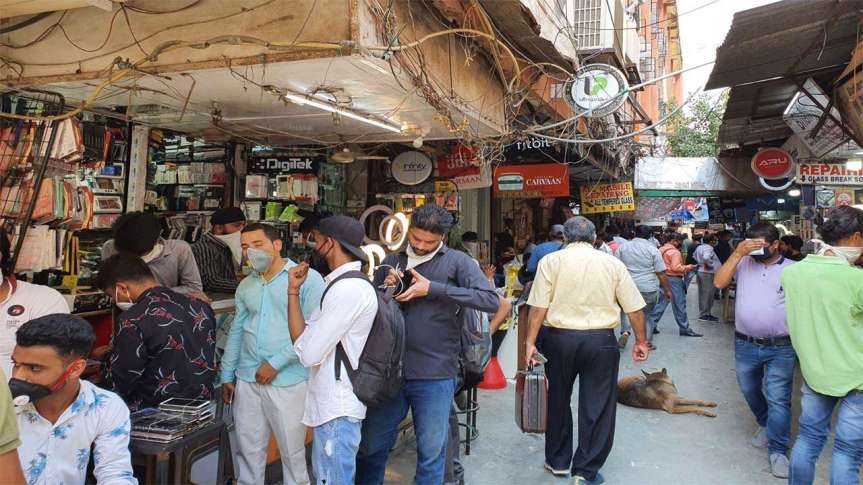
Two markets shut in karol bagh due to violation of coronavirus protocol

Due to violation of coronavirus protocols Gaffar Market and Naiwala Market of Karol Bagh will remain closed from 10pm today till 10pm on 11 july.

“market shopkeepers, thiyawallahs/vendors, and general public in Gaffar market and Naiwala, Karol Bagh are not following the Covid-appropriate behavior. Due to large footfall, market association and shopkeepers are not able to ensure Covid protocols in the markets in last three days.

“The guidelines/directions of Covid Protocol are being contravened in the Gaffar Market and Naiwala market which may cause super spreading of the coronavirus,” the order said.

The order also stated that the market welfare association of Gaffar Market and Naiwala Market have “failed to ensure the strict compliance of the guidelines of COVID-19”.

The order for closure of markets in Karol Bagh also noted that it is “necessary to take an immediate and stringent action to curtail the spread of the virus and not to let develop any such place as super spreader in larger interest of public”.

Due to flouting Covid norms, Lajpat Nagar, Laxmi Nagar market, Kamla Nagar, Sarojini Nagar and parts of Sadar Bazar were among those shut in recent weeks by the

Delhi Disaster Management Authority(DDMA).

The infection rate, which had reached to 36 percent in the last week of April, has come down to below 0.15 percent now.

Despite fall in daily cases in the last several days, Kejriwal had recently cautioned that the chances of the third wave of COVID-19 pandemic were quite real, while he asserted that his government was preparing on a “war-footing” to combat it.

However, the number of cases have shown a downward trend and the positivity rate too has been shrinking in the last several days. The number of deaths per day, has also been showing a decline in the last couple of days.

Kejriwal earlier said “that the virus is reducing in Delhi slowly and steadily, and I hope it diminishes completely and does not rise again. However, we are not going to become negligent in anyway”, while sounding a tone of caution.

CSR POLICY OF INDUSIND BANK

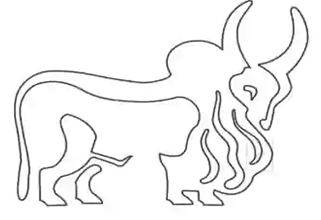
IndusInd Bank was established on 17th April 1994 in Mumbai, Maharashtra. It derived its name from Indus Valley Civilization and is first among New Generation Private Bank in India. It offers Commercial, transaction and Electronic Products and Services. It started its operations with a Capital amount of Rs. 1 billion among which Rs. 600 million was raised by the Indian Residents and Rs. 400 million was raised by the Non-Resident Indians. It was able to grow ceaselessly and dynamically driven by a zeal to offer its customers banking services at par with the highest quality standards in the industry and is known for its continuous updates and introduction of new technology.

Its working on expanding its network of branches across the country and has a customer base of more than 2.5 crores that depicts the trust of people. It had 2453 ATMs and 1,558 branches spread across the country by the end of year 2018 and have more than 2000 branches and 5,000 distribution points by April 2021. It have Representative Offices in  London, Dubai and Abu Dhabi and has its largest number of branches in Mumbai followed by New Delhi and Chennai in India.

CSR Mission Statement of IndusInd Bank Ltd

IndusInd Bank believes that ‘Good Ecology is Good Economics’.

With this belief IndusInd Bank sets a mission to continue creating value for all their stakeholders and emerge as a ‘Best-in-Class’ Bank that is committed to sustainable economic growth. They want to ensure that the Bank’s business grows consistently and responsibly, benefiting those they directly serve while also promoting the well-being of their employees, natural environment and the community at large. IndusInd Bank wants to support and design sustainable CSR programs, that primarily empower, and benefit marginalized and weaker sections of society, high-risk and high-stressed communities.

Guiding Principles of IndusInd Bank Ltd CSR Policy

1.Strengthen their governance framework with ethics, transparency and accountability

2.Provide value to consumers through effective stakeholder engagement

3.Promote gender equality, diversity and wellbeing of all employees

4.Respect the protection of internationally proclaimed human rights

5.Engage  with  Government and  Trade  &  Industry  Associations  on  national and international platforms

6.Build inclusive, healthy and sustainable communities

7.Undertake initiatives to promote greater environmental responsibility

8.Communicate their CSR objectives and goals to all internal and external stakeholders

YOUTH AND THEIR OBSESSION WITH ALCOHOL

Today while I was attending my friend’s birthday party, I noticed something that prompted me to write about it. Alongside our group there was another group at this club. They all were easily below the age of twenty but their behavior was totally unacceptable. They were completely drunk and had no regard for the other guests. They were hogging the dance floor and when my friends and I tried to dance in the corner, they deliberately started bumping into us. One of the girls in my group even pushed him away hard but they didn’t budge from their conduct. They continued with their acts and finally we had to give up and get down the dance floor. The level of discomfort we felt during that moment can’t be accurately described. Even though two of the guys of their group came and apologized but doesn’t give them the right to behave like that in the first place. My question is Do people think that being drunk can be an excuse for everything? Why does our youth depend on alcohol to have fun? How can you make people around you uncomfortable and not even care a little?

It seems as if alcohol has become a lifestyle. Somehow consuming alcohol at a young age makes you “cool”. Surveys have shown that 75% youngsters in India consume alcohol before reaching the legal age. This normally starts with “I’ll have a few sips only” and ends up at binge drinking all weekend long. Around 80% of youth have at least tried alcohol once even if they didn’t develop a taste for it. Another factor that has ruined our youth is ‘Peer Pressure’. There are several examples where we can see a youngster following whatever the group says even though he is completely unwilling. As if peer pressure wasn’t enough, FOMO (Fear Of Missing Out) creeps in the minds of the youth. They feel as if they are missing out on something amazing because they see their friends having fun without realizing that their happiness is short lived. And before you know it that first drink turns into the first of many drinks to follow.

Other than the above mentioned reasons, it is a popular belief that kids take up drinking at a young age either because their parents regularly do so or because their parents introduce them to it. Children who take up drinking by following their parents never learn how to drink moderately because they generally do it secretly. On the other hands those who are introduced by their parents can learn to moderate their number of drinks. But the question still remains as to why is the youth so obsessed with drinking at an early age? The only reasons that come to mind are: because they are curious, to make themselves feel good, to relieve stress or to fit it. Do they not realize the risk they are putting themselves into? If they do, is it really worth it?

If you did not know it earlier, let me clarify you that alcohol can make you look extremely stupid especially if consumed without a check. You embarrass yourself, you embarrass the group you came with and in no way it that considered “cool”. In fact it is very disrespectful towards the people who are there for a good time. Drinking before legal age can even get you arrested. How would that be perceived among your peer group who you were trying so hard to impress? If this doesn’t persuade you to stop drinking then maybe when you grow a little older and your health starts to deteriorate, you would realize the hell you put your body through for a very short lived moments of fun.

If you don’t want to drink just say so. Don’t give into this vicious cycle. Stop drinking at every social gathering. If you problem is extreme, talk to an elder. Ask for help. One day you’ll be very thankful you stopped when you did. Don’t let alcohol ruin your youth and create problems for your adulthood. Stop before it becomes an addiction. Stop before having a drink turns into doing drugs. You will realize how your brain slowly loses its function when you feed this poison to your body. Remember, with alcohol the fun is temporary but the consequences are permanent.