The Geography of The Rugged Karakoram

The Karakoram is a mountain range traversing the borders of China, India and Pakistan, with the northwest extremity of the ranges even extending as far as Afghanistan and Tajikistan. The ranges begin in Afghanistan’s  Wakhan Corridor in the west, encompasses the majority of Gilgit-Baltistan, also known as PoK(Pakistan occupied Kashmir) and extends into Ladakh in India and the disputed Aksai Chin region(controlled by China). They are the second highest mountain range in the world.

Etymology

The name ‘Karakoram’, comes from the local Turkic language. ‘Kara’ meaning Black and ‘Koram’ meaning Gravel. The early European travellers also used the term ‘Muztagh’ which meant “Ice Mountain” for the range now known as Karakoram. The word is still used in the names of the peaks of the range. In traditional Indian geography the range was known as ‘Krishnagiri'(black mountains).

Geography

The range is about 500 km(311 miles) in length and is the most heavily glaciated part of the world outside the polar regions.

The Karakoram is bounded on the east by the Aksai Chin plateau, on the northeast by the edge of the Tibetan(Xizang) Plateau and on the north by the river valleys of the Yarkand and Karakash rivers of China’s Xinjiang Autonomous Region beyond which lie the Kunlun Mountains. At the northwest corner lie the Pamir Mountains

The southern boundary of the Karakoram is formed, west to east, by the Gilgit, Indus and the Shyok Rivers, which then separate the range from the northwestern end of the Himalayas proper. These rivers flow northwest before making an abrupt turn southwestward towards the plains of Pakistan. At the middle of the Karakoram range is the famous Karakoram Pass, which used to be a part of the historic trade route between Ladakh and Yarkand, which connected to the Silk Road from East Asia to Europe, that is now inactive.

Highest Peaks of the Range

  • K2
  • Gasherbrum I
  • Broad Peak
  • Gasherbrum II
  • Gasherbrum III
K2

Passes

  • Kilik Pass
  • Khunjerab Pass
  • Karakoram Pass
  • Shimshal Pass

https://www.britannica.com/place/Pakistan/The-Himalayan-and-Karakoram-ranges

Achievements of Jawahar lal Nehru as prime Minister

In the 35 years from 1929, when Gandhi chose Nehru as president of the Congress session at Lahore, until his death, as prime minister, in 1964, Nehru remained—despite the debacle of the brief conflict with China in 1962—the idol of his people. His secular approach to politics contrasted with Gandhi’s religious and traditionalist attitude, which during Gandhi’s lifetime had given Indian politics a religious cast—misleadingly so, for, although Gandhi may have appeared to be a religious conservative, he was actually a social nonconformist trying to secularize Hinduism. The real difference between Nehru and Gandhi was not in their attitudes toward religion but in their attitudes toward civilization. Whereas Nehru talked in an increasingly modern idiom, Gandhi was harking back to the glories of ancient India.

The importance of Nehru in the perspective of Indian history is that he imported and imparted modern values and ways of thinking, which he adapted to Indian conditions. Apart from his stress on secularism and on the basic unity of India, despite its ethnic and religious diversities, Nehru was deeply concerned with carrying India forward into the modern age of scientific discovery and technological development. In addition, he aroused in his people an awareness of the necessity of social concern with the poor and the outcast and of respect for democratic values. One of the achievements of which he was particularly proud was the reform of the ancient Hindu civil code that finally enabled Hindu widows to enjoy equality with men in matters of inheritance and property.

Internationally, Nehru’s star was in the ascendant until October 1956, when India’s attitude on the Hungarian Revolution against the Soviets brought his policy of nonalignment (neutralism) under sharp scrutiny by the noncommunist countries. In the United Nations, India was the only nonaligned country to vote with the Soviet Union on the invasion of Hungary, and it was thereafter difficult for Nehru to command credence in his calls for nonalignment. In the early years after independence, anticolonialism had been the cornerstone of his foreign policy. His interest in the issue waned, however, after Zhou Enlai, the Chinese prime minister, stole the spotlight from him at the Bandung Conference of African and Asian countries that was held in Indonesia in 1955. By the time of the first conference of the Non-Aligned Movement in Belgrade, Yugoslavia (now in Serbia), in 1961, Nehru had substituted nonalignment for anticolonialism as his most-pressing concern.

Indian Sisterhood

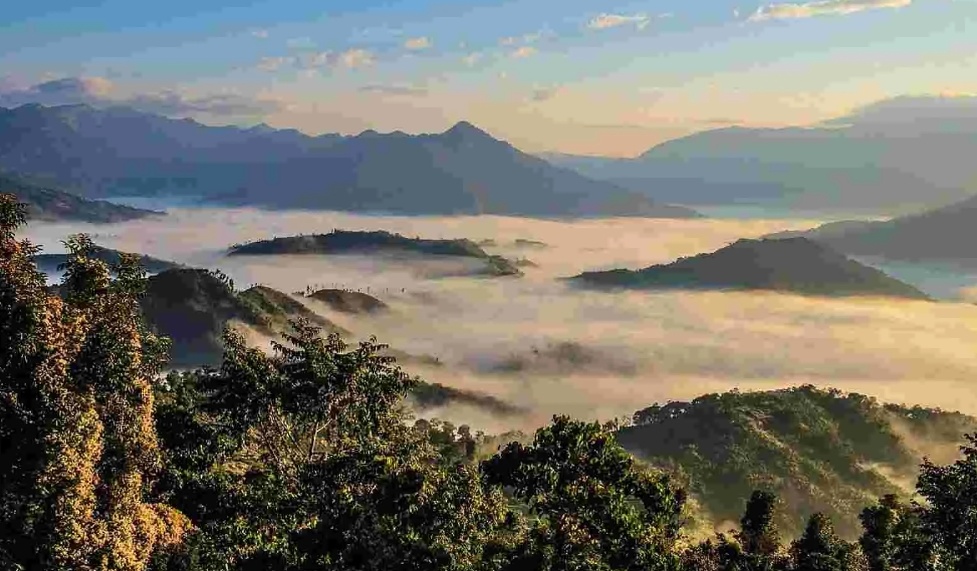
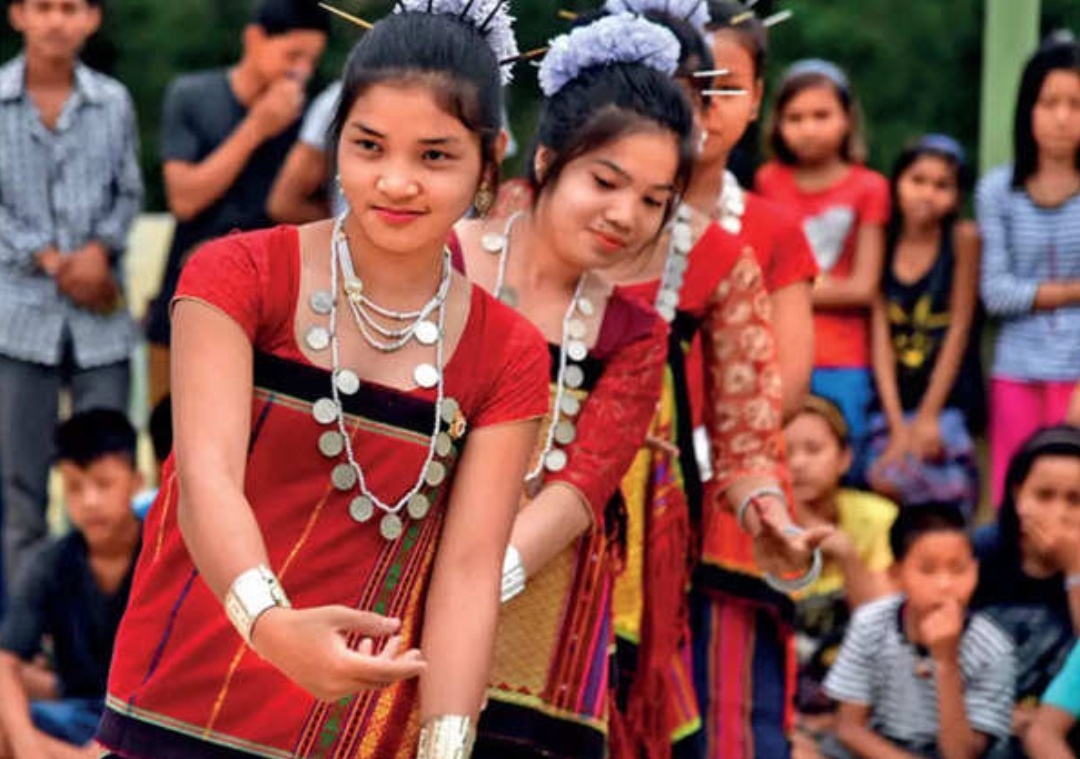
The name “The Seven Sisters” was first heard in the year 1972. It refers to the states of Arunachal Pradesh, Assam, Meghalaya, Mizoram, Manipur, Nagaland, and Tripura. These states are home to majestic flora and fauna, and beautiful terrains.
These states are home to many tribes and around 220 languages are spoken in these states.
Further, are some more interesting facts about these states.

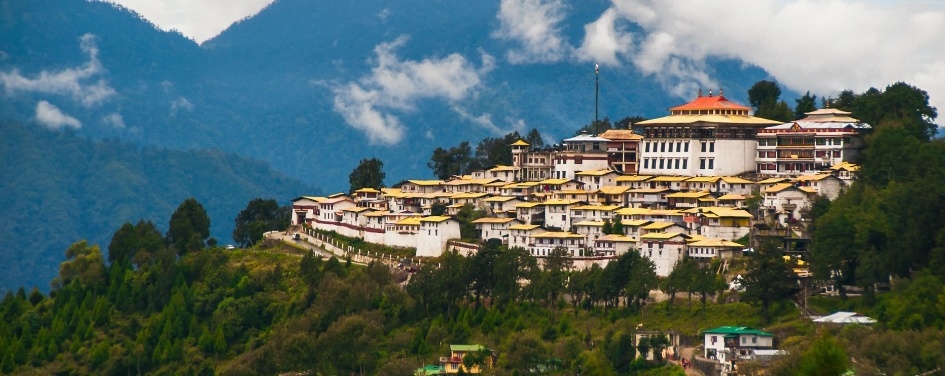
Arunachal Pradesh

Arunachal Pradesh is the largest state among the Seven Sisters. The capital of the state is Itanagar. The state is mostly covered with greenery. Arunachal Pradesh is also called the Orchid Paradise of India. It is also the birthplace of the Sixth Dalai Lama, Tsangyang Gyatso. The state is inhabited by 26 major tribes and 100 sub – tribes.

Assam

Assam is one of the most progressive states in India. Guwahati is the capital of Assam. It is well known for its silk and tea. Assam is home to various animals such as one horned Indian rhinoceros, tiger, wild water buffalo, elephants, and various species of Asiatic birds. The state also has its own State Anthem.

Meghalaya

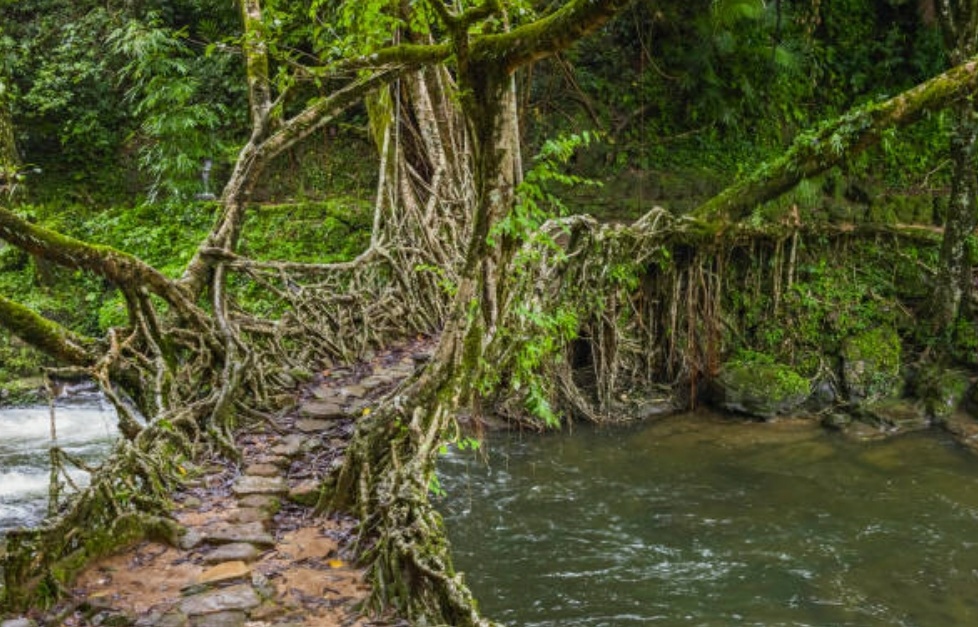
Shillong is the capital of Meghalaya. It is the wettest place on Earth. It recieves over 10,000 mm of rain in a year. Meghalaya is known for its Living Root Bridges. The life span of these bridges is said to be 500 years old. Meghalaya is also famous for its waterfalls, forests and biodiversity.

Mizoram

Mizoram became a part of India only 34 years ago. It is the leading producer of bamboo in India. Mizoram is enriched with flora and fauna. Around 90.68% of land is covered by forests which attracts many wildlife photographers. It is the second most literate state in India.

Manipur

Manipur and Nagaland were the only two states where World War II was fought in India. It is famous for its natural beauty, rich culture and traditions. Imphal is the capital of Manipur. It attracts alot of tourists for it’s beauty and rich historical background.

Nagaland

Nagaland is famous for its festivals and is known as “The Land of Festivals”. The locals celebrate various festivals every month. World’s hottest chilli pepper is cultivated in Nagaland. 90% of the people in Nagaland follow Christianity.

Tripura

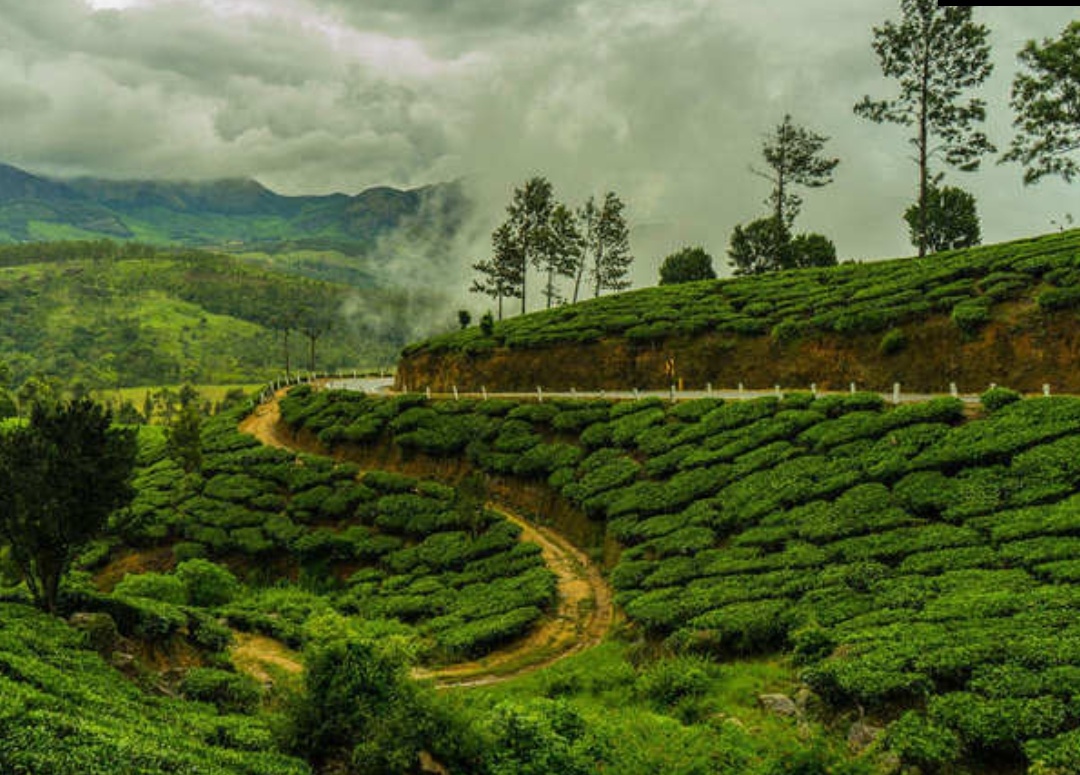
Tripura is the smallest state among the Seven sisters and is famous for its tribe culture and food. It is well known for its tea plantations and beautiful gardens. Agartala is the capital of the state.

The Seven Sisters, is the best place to visit if you’re a fan of natural beauty.

Best Hindi web series

If you are fan of web series just like me, I can recommend you one of my favorite Web series it’s called Broken but beautiful all though most of you have seen this already but it comes with 3 season, it’s available on Mx player you can binge watch it anytime,

Basically it’s a hindi Romatic web series with amazing cast (season 3)

CAST

Siddhart shukla as main lead Agasthya Rao, Sonia Rathee as Rumi and many more, i think you should definitely see this, and it just mind blowing, how love can break you into pieces but it can still be Beautiful. and talking about songs if you listen them one time, you will become addicted, I think Akhil Sachdeva is such a underrated singer his voice is so so soothing to ears it’s was treat to watch and listen to it until you become addicted to his voice man. The storyline and plot is amazing.

Please watch it.

MADAM CURIE

Who Was Marie Curie?

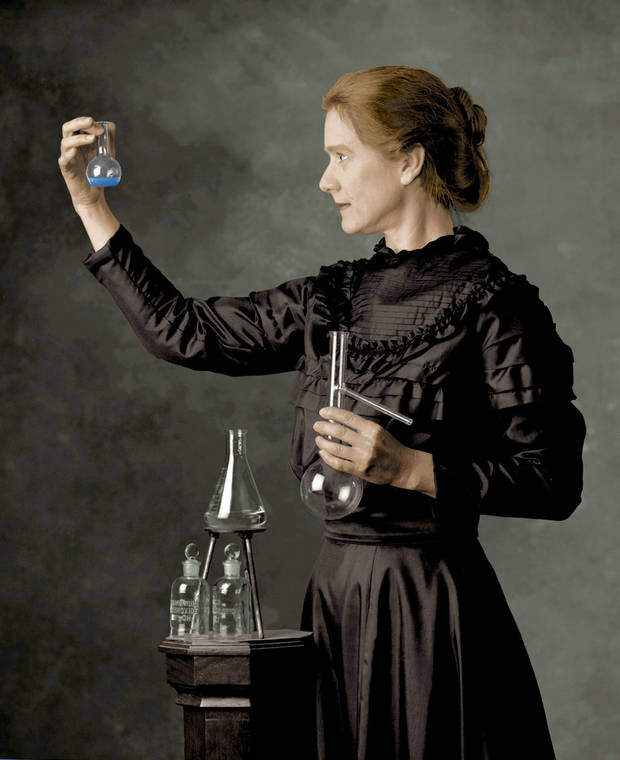
Marie Curie became the first woman to win a Nobel Prize and the first person man or woman to win the award twice. With her husband Pieree Curie, Marie’s efforts led to the discovery of polonium and radium and, after Pierre’s death, the further development of X-rays. The famed scientist died in 1934 of aplastic anemia likely caused by exposure to radiation.

Early Life and Education

Maria Sklodowska, later known as Marie Curie, was born on November 7, 1867, in Warsaw (modern-day Poland). Curie was the youngest of five children, following siblings Zosia, Józef, Bronya and Hela.

Both of Curie’s parents were teachers. Her father, Wladyslaw, was a math and physics instructor. When she was only 10, Curie lost her mother, Bronislawa, to tuberculosis.

As a child, Curie took after her father. She had a bright and curious mind and excelled at school. But despite being a top student in her secondary school, Curie could not attend the male-only University of Warsaw. She instead continued her education in Warsaw’s “floating university,” a set of underground, informal classes held in secret.

Both Curie and her sister Bronya dreamed of going abroad to earn an official degree, but they lacked the financial resources to pay for more schooling. Undeterred, Curie worked out a deal with her sister: She would work to support Bronya while she was in school, and Bronya would return the favor after she completed her studies.

For roughly five years,  Curie worked as a tutor and a governess. She used her spare time to study, reading about physics, chemistry and math.

In 1891, Curie finally made her way to Paris and enrolled at the Sorbonne. She threw herself into her studies, but this dedication had a personal cost: with little money, Curie survived on buttered bread and tea, and her health sometimes suffered because of her poor diet.

Curie completed her master’s degree in physics in 1893 and earned another degree in mathematics the following year.

SAROJINI NAIDU

Born on 13th February 1879, Sarojini Naidu was a Bengali. She was born in Hyderabad to a prosperous family. Since her young age, she showed exceptional skills that made her stand out from the crowd. She had beautiful skills of writing poems. Her marvellous writing skills offered her an opportunity to study in two of the best institutions, Girton College, University of Cambridge, and King’s College in England.

It was her family that instilled progressive thoughts and high values in her mind. She grew up in a very forward environment. This is the reason why she believed in equality and justice for all. With these excellent personality features, she grew up to be one of the best poetesses in India and an ardent political activist.

When the British Government implied the divide and rule policy to curb down the independence movement in Bengal by partitioning the state in 1905, she took it very seriously. She became a political activist and traveled a lot of places in India to deliver speeches. She wanted to see all the natives of contemporary India unite against the tyranny of the British colonial rule. All her speeches and lectures focused on nationalism and social welfare.

She took a step ahead and formed the Women’s Indian Association. This association was formed in the year 1917. She gathered many women activists like her. After three years, she then joined Mahatma Gandhi in the Satyagraha movement. She then carried her nationalistic deeds under the supervision of Mahatma Gandhi. She also took part in the 1930’s Salt March. The British police arrested the protesters and she was one of them.

She was on the frontline leading the Civil Disobedience Movement and Quit India Movement. Many significant nationalists and freedom fighters were present at that time. These two movements literally shook the pillars of British rule. She continued to fight for the independence of her country. After India got independence, she was appointed as the first governor of the United Provinces. She was also the first female governor of India.

She wrote excellent books on poetry. She had remarkable poetry skills. When she was in school, she wrote a Persian play named Maher Muneer. It was so good that she got praised by the contemporary Nizam of Hyderabad. In 1905, she published her first poetry collection with the name ‘The Golden Threshold’. She was a remarkable poetess who knew how to write poems for all. She has amazed children with her skills. She also instilled patriotism with her critical poems. Her tragic and comedic poems also have immense significance in Indian literature.

PERSONAL HYGIENE HABITS

One of the best ways to maintain good health is to maintain good personal hygiene. Personal hygiene helps you to stay clean, gives you confidence and has a positive impact on personal relationships, and reduces the risk of illness and adverse medical conditions caused by poor hygiene. Continue to learn about ten ways you can practice personal hygiene.

Ten Practices of Personal Hygiene

  1. Wash Your Hands Regularly: Washing your hands is one of the most effective ways to reduce the spread of infection. You should wash your hands especially before and after meals, after going to the toilet and when you meet a sick person. To get the most effective results, be sure to wash your hands properly.

Brush your hands with clean water and soap.
Put your hands together by rubbing them thoroughly with soap.
Rub your hands for at least 20 seconds.
Wash your hands thoroughly.
Wipe your hands with a towel or dry air.

  1. Bathing: Cleansing your body removes dead skin cells and impurities and helps fight infections. For older adults, it is recommended to bathe or shower at least twice a week to achieve the best results.
  2. Brush your teeth twice a day: Be sure to brush your teeth twice a day, once in the morning and at night, to keep your oral hygiene consistent with regular dental check-ups.
  3. Floss Your Teeth Daily: In addition to brushing your teeth, brush your teeth once a day for proper oral hygiene.
  4. Take Care of Your Nails: Cleaning and cutting your nails reduces the risk of infected hangnails and nail beds.
  5. Wear clean clothes: After dressing, wash them thoroughly with a cleaner and dry them immediately when cleaning. Dirty clothes can catch bacteria that can lead to body odor or even skin irritation.
  6. Shut your mouth when you cough or sneeze: This is very important to avoid spreading the virus to people around you.
  7. Get Sleep Free: Getting enough sleep is important for your health, no matter how old you are. It is recommended that all adults sleep between seven and nine hours a night.
  8. Create a habit: Whatever procedure you can take to maintain your personal hygiene, make a mental checklist or write it down. In this way, you will remember and follow the steps you need to take to stay clean and healthy.
  9. Visit a Doctor: Regular appointment with health professionals can help you catch infections and infections early, making them easier to treat. Visit your healthcare provider where you have concerns and schedule daily check-ups.

Industrial Revolution

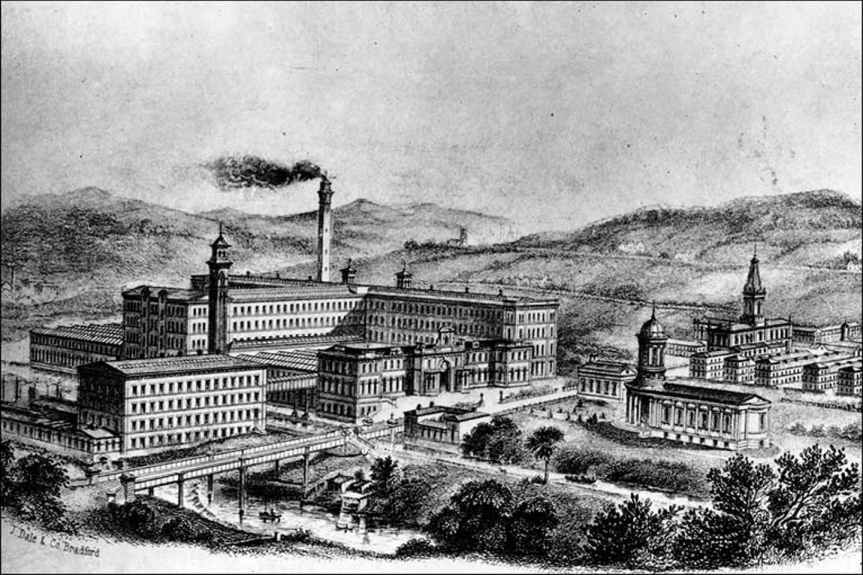
Industrial Revolution is the transition from agricultural economy to an economy dominated by industries and machines. Technology made it easier for people to work with modern approach to working and living. The concept of modern way of living with the help of machines first began in Britain and soon spread to different parts of the world.


The technological changes that were made consisted of – use of iron and steel; use of coal, electricity and petroleum as the new energy sources; new machines were invented like power loom and spinning jenny to increase production with minimum use of man energy; Factory system was adopted where labors were segregated according to their expertise; application of science. These technological advancements made it possible to manufacture more with maximum use of natural resources.


Other socio-economic changes were possible because of industry dominated economy like agricultural improvements, where food was available to people who belonged to non-agricultural society. Economic changed brought about better distribution of wealth among the people. It widely improved the growth of the cities that resulted in provision of better amenities and proper governance. State policies changed and were made more industry intensive. Art and culture had seen major transformation. With the use of machines, workers were more efficient in producing more modern and durable goods.


First Industrial Revolution began in Britain in 1760. Britain is the birthplace of industrial revolution. Britain were more aware of the need of industrial dominance with growing opportunities abroad. Britain had an astounding growth in textile industry. New inventions like power loom, spinning yarn helped weavers and spinners to build a massive industry in Britain and other countries. New techniques introduced were less expensive and highly productive.


Industrial Revolution gave birth to better ways of communication and transportation. Steam engine was the key invention in the revolution. These innovation widely spread across various industries like cotton mills, paper industry, iron industry.


Steam power in mining industries pumped water from deep mines. Factories were not the only result of this revolution, steam ships and railroads were invented too. Steam powered boats and ships were used by British to transport goods through rivers and canals.


Ways of communication had developed with the introduction of telegraphy system for effective communication over greater distances. Banks and financial institutions were significant during this time. Stock exchange was founded during 1770’s in London. British had created industrial dominance over a large part of Europe and other nations.


Belgium transformed economically when William and John Cockerill developed a machine. Resources like iron and coal were majorly used. Textile advancements were seen as well.


France were shifting to strategies to reach industrial revolution. Due to uncertain political situation, huge investments to grow industrial presence in France was not supported. Though, it stayed behind British in creating industrial power in Europe, it still was known to be a well-known revolution.

Germany’s industrial revolution did not start until 1870’s but when its revolution began it became the greatest producers of steel, leaving British behind and dominated chemical industry.

United States industrial revolution rose to power in 19th century. Mid-20th century was the period of industrial revolution in China and India.


Industrialization made transportation and communication simpler but worsened the working conditions of labors. Workers were forced to work for longer hours with lower wages. Small towns were transformed into cities and this transition gave rise to pollution and lack of sanitation. Thus, people opposed technological change in 19th century. To ensure workers interests are met, trade unions were formed and laws were passed to protect poor workers.

IMPORTANCE OF EDUCATION

Education is important for both men and women as both have an essential role in the development of a healthy and smart society. Education is a necessary way for delivering a brilliant future and at the same time performs the most significant part in the growth and improvement of the nation. The citizens of the nation are responsible for the greater future and progress of the nation.

Extremely educated citizens form the foundation of a developed nation. Hence, decent education builds a brilliant tomorrow for both the individual and the nation. It is only educated directors who make the country and bring it to the top of prosperity and growth. Education makes everyone brilliant and as excellent as possible.

A reliable education provides many purposes to life like an individual improvement, increase of social situation, development in social well-being, financial growth, prosperity to the country, establishing life purposes, informing us of many social concerns, and determining the circumstances to offer best solutions for any issue and other relevant matters.

Nowadays, everyone can get education using modern technology-based platforms, and also various distance education programs are available for the same. And such a modern education system is completely proficient in discussing social problems of illiteracy and inequality among every one of various castes, religion, and caste.

Education expands the creativity of people on a massive scale and benefits them to overcome all the diversity in the nation. It allows us to study properly and know every phase of life. Education gives the sense to know all human liberties, social freedoms, responsibilities, and obligations towards the nation. In short, education has the power to reform a nation in the best way.

LEARNING LESSONS FROM THE BOOK : THE PSYCHOLOGY OF MONEY

1. Use money to gain control over time, because the ability to do what you want, when you want, with whom you want , for as long as you want to, pays the highest dividend that exists in finance.

2. Wealth is what you don’t see, its hidden, it is the oncome that you have not spent and that is the fastest way to be wealthy, not spending the money you have and doing its opposite will never make you wealthy.

3. Wealth is just the accumulated leftovers after you spend what you take in. And since you can build wealth without a high income, but have no chance of building wealth without a high savings rate, its clear which one matters more.

4. Do not aim to be coldly rational( by looking at the spreadsheet) when making financial decisions. Aim to just be pretty reasonable. Reasonable is more realistic and you have a better chance of sticking with it for the long run.

5. Like everything else worthwhile, successful investing demands a price. But its currency is volatility, fear, doubt, uncertainity, and regret and you have to view them as fees( a price worth paying to get something nice in exchange).

WHITE REVOLUTION :

White Revolution was one of the biggest dairy development movements, by the Indian Government, in India in 1970. It was a step taken by the Indian Government to develop and help the dairy industry sustain itself economically by developing a co-operative, while providing employment to the poor farmers.

The White Revolution helped increase milk productivity and milk was now sold at competitive market prices. This program increased the demand for development and production of healthy animals, use of modern technology in milk production sector and networking between various small and large scale dairy industries.

The White Revolution followed after the success of the Green Revolution and the aim of White Revolution was to make India one of the largest milk producers in the world.

Phase 1: This phase started in July 1970 with the objective of setting up dairy cooperatives in 18 milk sheds in 10 states. They were to be linked with the four best metropolitan markets. By the end of this phase in 1981 there were 13,000 village dairy cooperatives covering 15,000 farmers.

Phase 2: It aimed at building on the designs of phase 1 and on the assisted Dairy development programmes in Karnataka, Rajasthan and Madhya Pradesh. By the end of this phase in 1985 there were 136 milk sheds, 34,500 village dairy cooperatives and over 36 lakh members.

Phase 3: This phase emphasised on consolidating the gains of the earlier two phases by improving the productivity and efficiency of the dairy sectors for long term sustainability. It ended in 1996 and by that time there were 73,300 dairy cooperatives and over 9.4 million farmer members.

Advantages of White Revolution

  1. It ended the imports of milk solids in India and India started exporting milk powder to many foreign nations.
  2. Dairy industries and infrastructures modernised and expanded. Around 10 million farmers earn their income from dairy farming.
  3. Dairy needs are met locally.
  4. Genetic improvement of milking animals has increased due to cross breeding.

Human Genome Project (HGP)

The Human Genome Project (HGP) was the international, collaborative research program whose goal was the complete mapping and understanding of all the genes of human beings. All our genes together are known as our “genome.”

The HGP has revealed that there are probably about 20,500 human genes. This ultimate product of the HGP has given the world a resource of detailed information about the structure, organization and function of the complete set of human genes. This information can be thought of as the basic set of inheritable “instructions” for the development and function of a human being.

The International Human Genome Sequencing Consortium published the first draft of the human genome in the journal Nature in February 2001 with the sequence of the entire genome’s three billion base pairs some 90 percent complete. More than 2,800 researchers who took part in the consortium shared authorship.A startling finding of this first draft was that the number of human genes appeared to be significantly fewer than previous estimates, which ranged from 50,000 genes to as many as 140,000. The full sequence was completed and published in April 2003.

Although scientists have performed many of these tasks and experiments for decades, the Human Genome Project is unique and remarkable for the enormity of its effort. The human genome contains 3 billion DNA building blocks (i.e., nucleotides), enough to fill approximately one thousand 1,000-page telephone books if each nucleotide is represented by one letter. Given the size of the human genome, researchers must develop new methods for DNA analysis that can process large amounts of information quickly, cost-effectively, and accurately. These techniques will characterize DNA for family studies of disease, create genomic maps, determine the nucleotide sequence of genes and other large DNA fragments, identify genes, and enable extensive computer manipulations of genetic data.

Salesforce Acquires Slack

It’s secure to say the crossover work slant is picking up a few balance, as Salesforce has reported the securing of Slack — the prevalent work messaging platform — with a cost tag that diminutive people any other within the company’s history. To say the commerce world is making moves when it comes to hybrid work would be a critical modest representation of the truth. Companies around the world have been setting up modern approaches, securing unused companies, and by and large prioritizing adaptability in benefit of their farther workforce and their virtual customers. Suffice it to say, this bargain between Salesforce and Slack solidly cements the importance of hybrid work within the business world nowadays, especially given the amazing add up to of the bargain.

Salesforce Acquires Slack for $27.7 Billion

Salesforce reported that its procurement of Slack came out to $27.7 billion. Fortunately, both companies appear to get it the gravity of the bargain, with the Slack CEO portraying it as “a once-in-a-generation opportunity to reconsider and reshape how and where we work.”

“Salesforce and Slack are uniquely positioned to lead this historic shift to a digital-first world. I could not be more excited for what’s to come,” said Stewart Butterfield, co-founder and CEO of Slack.

For hybrid work, usually a enormous bargain, actually and metaphorically. With the widespread still influencing how we work, this partnership demonstrates that crossover work has need to be a enormous portion of any business’s long-term plans.

This isn’t as it were a huge bargain since of the times we’re living in, in spite of the fact that. The cost of the bargain is clearly cosmically expansive, but the two companies included are powerhouses within the crossover work space, as well. Salesforce is verifiably the foremost prevalent CRM on the advertise nowadays, advertising nothing brief of a torrent of advanced assets that can move forward your trade. In truth, Salesforce’s CRM showcase share is about 20%, which is more than its four driving competitors combined. Similarly, Slack has risen rapidly to tip top status within the trade world, with 10 million every day clients in 2021, and 600,000 diverse organizations around the world utilizing the informing computer program. With these two working together, they seem totally change how work is thought of from a crossover point of view. Or, at slightest, make it less demanding for everybody else.

Together They Can Do More

As for the two companies coming together, the best administration of both of these companies sees numerous potential benefits of blending the Slack communications with the undertaking program ability of Salesforce. Slack will make Salesforce more available conjointly offer assistance interface the automation and workflow. Automation is considered to be more event-driven. With the long-running forms and what individuals are doing with the Slack stage, it is more of consolidating the workflows and bots with everything else. The combination of the Salesforce stage with Slack leads to the leading automation based on the insights capabilities run on the Slack stage which in itself is incredible. The as it were challenge that both these companies confront presently is the heading in which they should move forward with the securing. All the desires in a bargain that’s this expansive are basically making the collaboration work and will proceed to do so within the coming times as well.

ONLINE EDUCATION

Online education is a form of education where students use their home computers through the internet. For many nontraditional students, among them all those who want to continue working full time or raising families, online graduations and courses have become popular in the past decade. Often online graduation and course programmes, some of which are conducted using digital technologies, are provided via the online learning portal of the host university.

It’s not easier studying online! Online institutions must meet with the same quality requirements as brick-and-mortar institutions. With the advancement of online learning technologies, virtual institutions have enhanced automated processes to deter fraud and/or plagiarism.

Many online institutions will partner with universities on campus to develop and deliver online programs. This enables an online service, while providing validated course studies through the brick-and-mortar institution, to benefit from the advanced expertise and technology that an online provider provides.

What Are The Advantages Of Online Learning?

What Are The Advantages Of Online Learning?

1. Efficiency

2. Accessibility Of Time And Place

3. Affordability

4. Improved Student Attendance 

Disadvantages :

1. Inability To Focus On Screens.

2. Technology Issues 

3. Sense Of Isolation 

4. Manage Screen Time

Humans. Are we?

 Humans. What are humans; Made by god that we believe even if it feels like mythological but still we believe in it. It is scientifically proven we are ancestors of a Monkey which is very much square and fair but that doesn’t mean we still need to think like them. World is changing rapidly and so we are. Technology, our environment and our lifestyle totally. 

But one thing that have never changed and that is the way we think. Our mentality still very much of BC’s or i can say same as a Monkey or worse than a monkey. You may think, what I’m talking about or may have got my point. We humans now a days think like an Orthodox wearing fancy cloths which only differs us from an un talk able animal. We, humans degrades another human to look superior mentally and physically which is very low standard act. We constantly torment a person to the limit that leads to harmful outcome. Depression, mental torture or most dreadfully Suicide which is very common in teenage now a days. We takes things lightly when it comes to commenting about others. Easily judging, spreading non existence deeds. It is said you will know the pain they go through when you place yourself on their place. But do we? Instead we revolt about it. so are we really humans? 

Humans are describe as understanding, lovable, sharing, caring, brave, smart etc but are we? The action we carry in our daily life doesn’t similar with the description at all.  Daily there are updates regarding action towards abused victims non stop not only in India but world wide. Forget about same flash and blood, we have been such sick mental people that we doesn’t even feel remorseful towards the un talk-able animals torturing them. 

Humans have forgotten their inner self. Humans become hunger for fame, money and lust for which they are ready to cross such in-human boundaries of nature. Humans are believer of gods, creation of gods but did god really created humans for such deed to occur. Only because of humans, our nature is revolting against us. Nature has reached its limit. All cause by humans only.One day whole world will end, only because of HUMANS.

We must think twice no ten times at least before commenting about someone, before taking a step. Think about the outcome of your small act. It can save a life. It can provide a reason for someone’s living. It can give a reason someone’s action. We learn from each other. If one can change; others will change at time. Before judging someone always think placing yourself on their place and if you can’t place then you don’t judge them. No one has right to take decision for someone else. God has provide each similar part of body to all human beings in-order to think, function according your own-self. Instead of listening or telling others, behave yourself and let behave others.