“Sundar Pichai” biography

“Sundar Pichai” is the current CEO of Google Inc. He was born on July 12, 1972 in Madurai Tamil Nadu India his father’s name was Regunadha pichai and mother’s name was Lakshmi Pichai. His father worked at an electrical engineer and mother used to be a stenographer before having children. He has one brother Pichai grew up in a middle class home and was a bright student.

He excelled academically at his school, Padma Seshadri Bala Bhavan, and earned a seat in the Indian institute of technology in Kharagpur, one of the most prestigious engineering institutions. In India he did his B tech in metallurgical engineering from IIT Kharagpur and then won a scholarship to study materials science and semiconductor physics from Standard University from where he eventually earned his M.S. He is very good at remembering numbers and could remember every telephone number he dialed when he was young. He initially planned to pursue a ph.D. from Stanford and embark on an academic career. However, he dropped out and joined Applied Materials-a Silicon Valley semiconductor maker as an engineer and product manager he did not work there for long he went on to complete his MBA from the Wharton School of the University of Pennsylvania 2002. Where he was named a Siebel scholar and palmer scholar. Following the completion of his MBA he was appointed as a management consultant at McKinsey & Company. He joined Google in 2004 initially he worked on Google search toolbar as a part of the small team. The toolbar gave users of Internet Explorer and Firefox easy access to Google search. He also worked on other Google products like Google gears and Google pack. The success of Google toolbar gave Pichai the idea that Google should develop its own browser he discussed his idea with his seniors and faced an objection from then CEO Eric Schmidt, who thought that developing a browser would be too expensive affair however Pichai perserved and convinced the co-founders of Google, Larry Page and Sergey. Brin, to launch Google’s own browser. Pichai played a pivotal role in the ultimate launch of the browser, Google Chrome in 2008 Chrome proved to be a great success as it allowed the users to directly access Google search engine.

Pichai played a pivotal role in the ultimate launch of the browser, Google Chrome in 2008, Chrome proved to be a great success as it allowed the users to directly access Google search engine. Pichai became a internationally known figure following the phenomenal success after Chrome which eventually become the number one browser in the world surpassing competitors such as Internet Explorer and Firefox the Chrome also paved the way for a series of other important products like Chrome OS chromebooks and Chromecast. In 2008, Pichai was promoted to vice president of product development in this position he started appearing more often Google presentation and continued rising up the ranks in Google by 2012, he had become the senior Vice President of Chrome and apps in 2013, Andy Rubin the creator of Android left to work on a different project Larry Page then made picture in charge of Android as well his influence continued to increase and he was made the product Chief in October 2014. In 2015, Google formed a company alphabet Inc to serve as a holding company and conglomerate to own the subsidiaries that were previously owned by Google, including a new slimmed down version of Google itself on 10 August 2015 Sundar Pichai was named the CEO of Google. In February 2016 he was awarded 273 328 shares of Google’s holding company alphabet. Which led to a rise in his net worth. These shares were worth $199 million, and this took his holding up to $650 million. He married to Anjali Pichai and they have to kids ” WEAR YOUR FAILURE AS A BADGE OF HONOR”.

HEGEMONY OF HUMAN

Life is the most beautiful gift given by this enormous universe to each and every living organism. We humans are the most capable, social, intellectual and intelligent animal on this planet, we have capability to maximize the use of resources and various other available elements on the earth.
Earlier, man used to live among nature, eat animals and survive. Later, he developed and started using animals for various other purposes, for example: transportation, and earning. This universe has given rights to each and every creature to live freely, to survive as per their natural environment, but we humans have considered ourselves as a supreme power, not only over animals but over nature and it's resources.
Mother Earth has provided us resources for the development and survival of human society. Man can use these resources and explore in a proper and intellectual manner, but we humans are so greedy that we have harassed nature, over utilized the resources, destroyed the cycle and system of nature in the name of development and advancement of technology.
In India specifically, a large number of the population is over burdening the natural resources as well as the environment. Deforestation is increasing day by day, leading to climate change and less rainfall.
For humans, destroying nature and environment is not enough, so he increased his exploitations and didn't spare innocent animals.  When man lived in forests, agriculture was not yet introduced, in order to survive he had to kill the animals and eat as there was no other means of survival. Population at that time was low, hence food cycle was not disturbed. In the medieval times, horses were killed in the battles fought by the king. King hunted animals for fun, for pleasure, for showing their power and pride, and that is when extinction, injustice and dominance over the animals began. Later when technology developed, agriculture developed, grains to eat were available, people still killed animals for filling their stomach.
Mercilessness of human being doesn't end here. He started to command animals. He wants animals to live and survive according to him.  People keep dogs as a pet to be cool, so that they can dictate over him, could be his master. They can't set them free to live. They feed the animal so he has to obey and follow his master. People train dogs as a human, make them learn counting, train them when to bark, when to not, train them to obey and understand the command of his master, train them to be a bodyguard of house as well as of his master, all this happens just because they cannot speak.
When a horse or mare is trained to dance standing on two legs, how much cruelty they have to tolerate, how brutally they are beaten. In a circus, Lion, king of the jungle, becomes a puppet of his master, the cruelty faced by them must be beyond our imagination. 
With the increase in technology in each and every field, the mercy towards the animals from humans has completely evaporated. In the field of dairy, technology has developed at a wider scale. Everybody knows that for every dairy product the raw material is milk which is available from cows and buffaloes. Every day all over the world, cows and buffaloes are purchased in large numbers. With the help of machinery, their udders are stretched long to squeeze milk out of them. Once these cows stop giving milk, they are slaughtered in a rotating machine. It's sad that humanity has gone down to such a low level. 
Just because these animals are animals, and not as capable as humans, it doesn't mean that they should be harassed.  They also have hearts which beat, they also breathe, they also have feelings. Horses, dogs, cows and buffaloes are just the few examples mentioned above, but the reality is that every single creature is being harassed by human beings just because they cannot speak for their rights, they are not as social as humans, but they do have a right from the universe to live in their own natural way.  If you don't feed them they can find their food but at least they can be free.
Humans must behave as humans. They should have mercy, love and care for nature, it’s each and every element. Then being a human will be of some worth. Until then it's worthless.

Biomass Power Generation

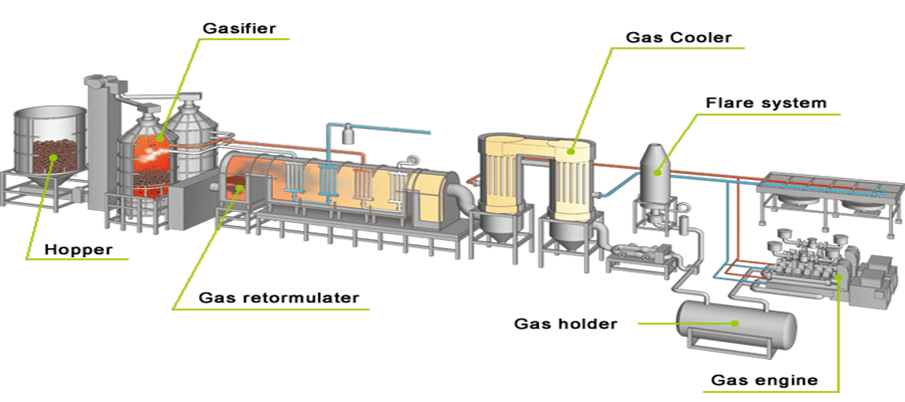
Biomass is waste material from plants or animals that is not used for food or feed; it can be waste from farming (like wheat stalks) or horticulture (yard waste), food processing (like corn cobs), animal farming (manure), or human waste from sewage plants.

Electricity generated by Biomass

Power Generation

In a direct combustion system, biomass is burned in a combustor or furnace to generate hot gas, which is fed into a boiler to generate steam, which is expanded through a steam turbine or steam engine to produce mechanical or electrical energy. Biomass is the boiler fuel that produces steam to operate a steam turbine and generator to make electricity. Several components required like furnace , boiler , pumps , fans , steams , turbines , generator, condenser, cooling tower .

Scope

India produces a huge quantity of biomass material in its agricultural, agro-industrial, and forestry operations. Over 500 million tonnes of agricultural and agro-industrial residue alone is generated every year. This quantity, in terms of heat content, is equivalent to about 175 million tonnes of oil. This quantity of biomass is sufficient to generate 15 000–25 000 MW of electrical power. Electricity can also be generated from biomass grown on wastelands, road and rail track side plantations, etc. The total electricity generation potential from biomass could reach a figure of about 100 000 MW.

Advantages

  • Renewable
  • Carbon Neutrality : Biomass reduces this because the fuel is a natural part of the carbon cycle, unlike oil and other fossil fuels. The only carbon that is released into the atmosphere from biomass fuels is what was absorbed by the plants during their lifecycles.
  • Less Dependency on Fossil Fuels
  • Low Cost in Comparison To Fossil Fuels
  • It Reduces Waste
  • Availability : Much like with the sun and water, they can be found practically anywhere on the planet.

Disadvantages

  • It’s Not Completely Clean
  • High Costs In Comparison To Other Alternatives
  • Large space required
  • It Requires Water
  • It Has Inefficiencies

RURAL AREAS OF INDIA

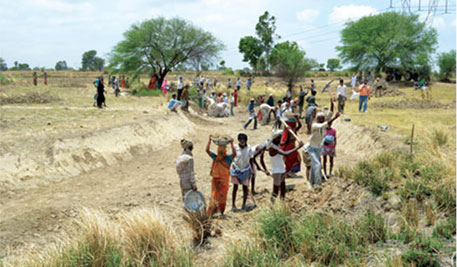
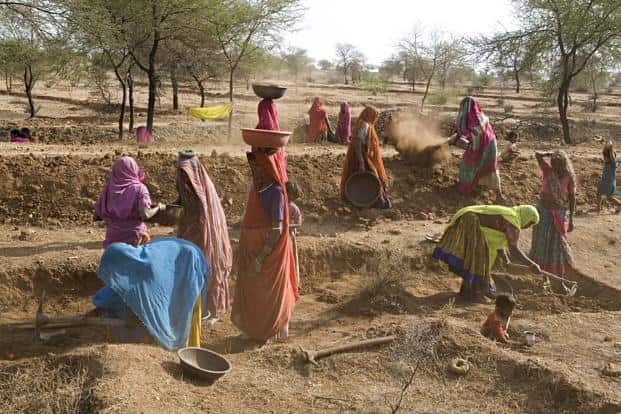
Rural areas are also known as the ‘countryside’ or a ‘village’ in India. It has a very low population density. In rural areas, agriculture  is the chief source of livelihood along with fishing  cottage industries, pottery, etc.

The quest to discover the real rural India still continues in great earnest. Almost every economic agency today has a definition of rural India. Here are a few definitions: According to the Planning Commission, a town with a maximum population of 15,000 is considered rural in nature.

In these areas the panchayat makes all the decisions. There are five people in the panchayat. The National Sample Survey Organization (NSSO) defines ‘rural’ as follows:An area with a population density of up to 400 per square kilometer.

Villages with clear surveyed boundaries but no municipal board,

A minimum of 75% of male working population involved in agriculture and allied activities.

RBI defines rural areas as those areas with a population of less than 49,000 (tier -3 to tier-6 cities).

It is generally said that the rural areas house up to 70% of India’s population. Rural India contributes a large chunk to India’s GDP by way of agriculture, self-employment, services, construction etc.

As per a strict measure used by the National Sample Survey in its 63rd round, called monthly per capita expenditure, rural expenditure accounts for 55% of total national monthly expenditure. The rural population currently accounts for one-third of the total Indian FMCG sales.

National Icecream Day : Facts about icecream

Ice Cream is without a doubt the perfect dessert ever discovered by man. Ice Cream Day became an official food holiday in 1984. President Ronald Reagan declared the third Sunday of July as National Ice Cream Day.

The major ingredient in Icecream is air who would have thought that the major ingredient in ice-cream we eat is actually air. Air makes up to 50% of the total volume of our Icecream which gives it is light texture. Ice cream products are usually made from dairy products.

There waffle cone was invented accidentally in 1904. The tallest icecream cone was over 9 feet tall in Italy.

It takes about 50 licks to completed one scoop of Icecream. Icecream tasters uses a golden spoon to taste the product accurately, so the metal doesn’t impact the taste of the ice cream. The golden spoon enables the tester to sample the Icecream without experiencing any aftertaste from the spoon itself.

The end of the world war 2 was celebrated by eating Icecream.

In Canada, more Icecreams are sold in winter than in summer. The largest worldwide consumption of ice cream is in United States. The most popular flavour is vanilla then comes chocolates. Chocolate was actually invented first. Most favorite ice cream topping is chocolate syrup. The most unusual ice cream flavors is hot dog flavored ice-cream that was created in US. There are believed to be over 1000 ice cream flavors in the world.

There is an icecream fruit in Hawaii, that taste exactly like vanilla icecream. It’s called the inga feuilleii but locals called it icecream bean.

Enjoy National Ice Cream Day by sharing some with your family and friends!

AIM OF EDUCATION IS TO BUILD CHARACTER

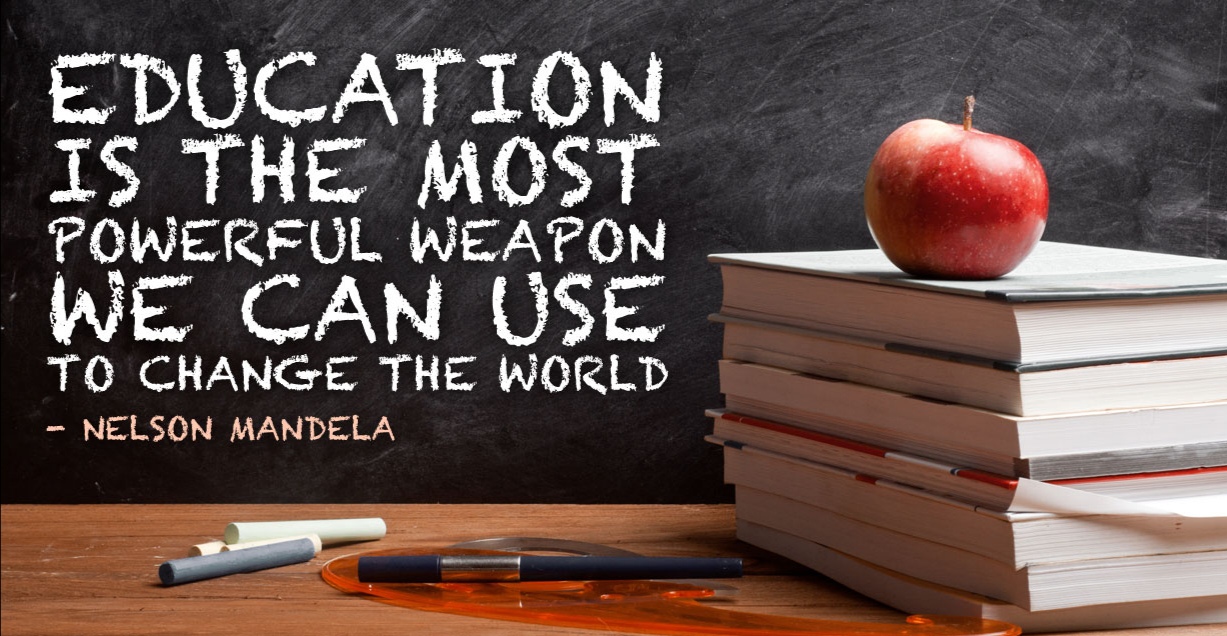
The aim of education should be building of character and not merely injecting of information.

– Pranab Mukherjee.

Education is a learning process that enables students and adults in a school community to understand, care about and act on core ethical values.

Learn the value of respect, justice, civic virtue and citizenship, and responsibility for not only themselves but also for others.

Education gives us the knowledge we need to know what dangers in society are and how to deal with them properly.

Intelligence plus character – that is the goal of true education. The complete education gives one not only power of concentration but worthy objectives upon which to concentrate.

– Martin Luther King Jr

Important aim of teaching should be producing students with good moral and skills for life.

Confidence and resilience are two character traits that are essential for success in the workplace.

As we all know, we faces various challenges after school life. We do not comfort with our good grade but we feel comfort with the character traits like confidence and resilience.

People with Confidence deals with well interview and prospect the more responsibility the within a job or any role.

People with resilience character, deals with failure rejection and various unseen obstacles in life. They face problems rather than wasting time on worrying about Minor failures. They always try to keep growing.

Education is the key to build characters

Producing students with good grades are not enough for them to face various kinds of challenges in their life. Good grapes are not going to help them for their fruitful life. But preparing students with good ethics, good Morals, social skills and life skills are really going to help them for their future challenges.

In today’s world the schools are focusing on student and forces them for good grades in academic. Parents also want their child to gain good grades in academics. but in future only good return are not going to work anymore. A person with with good grades and without any social or soft skills or ethics they faces competitions only.

Thus, focusing on building character is also very important for us.

SELF CARE

Self-care can be defined by the word itself – self-care. Self-care includes anything you do to keep yourself healthy – physically, mentally and spiritually. While prioritizing self-care may sound reasonable, especially if you are considering a long life, it is often the first thing we should do when we find ourselves in a difficult situation, be it because of poor health, financial crisis, job loss, divorce or, in our current situation, the COVID-19 epidemic. That’s why it’s important to keep it in mind and not think backwards, especially when we find ourselves in challenging times.

Why Does Self-Care Matter?


In a society where people are expected to work long hours beyond the holidays, there is a basic belief that we should always be productive – which could eventually take the opportunity to take care of themselves. But by taking the time to engage in self-care, you can eliminate the stresses of daily life and reset yourself to return to a high-quality environment where the product is further expanded. When you consider the costs associated with mental health services, lost wages and more, spending some time with yourself can ultimately benefit everyone.

Burning a candle on both sides, which will be discussed, brings serious consequences, which can include but not limited to depression, frustration, anxiety, anger, and other negative consequences. Practicing self-care has been proven clinically to reduce or eliminate anxiety and depression, reduce stress, improve concentration, reduce frustration and anger, increase happiness, improve energy, and more. From a physical standpoint, self-care is guaranteed at the clinic to reduce heart disease, stroke and cancer. Spiritually, it can help us to keep our balance and to understand our purpose in life.

Self-care is an important activity to do every day. Doing so will lead toward a better balance among your dimensions of wellness and lead toward improved overall health and wellness. Life is precious, and it is meant to be enjoyed.

Why Conserving Biodiversity is Important and How we can conserve it?

Biodiversity describes the whole range of the different varieties of living things and systems of this earth. Biodiversity can be found everywhere – it includes animal species, plant species, genes, ecosystems and landscapes. Biodiversity is what allows ecosystems to work and flourish. Over millions of years many different species of plants and animals have come to live in the same habitats. Over time they balance each other and hold the ecosystem together. And this biodiversity has been facing a constant decline and adversity. As humans become greedier, we forget our roots and the sole source that keeps us alive and goes on exploiting all the resources available to us in order to gain large profits.


For billions of years the loss of biological diversity has been caused by gradual natural occurrences such as glaciation or extreme events such as volcanic eruptions.
However, for the last few thousand years the main cause has been the growth of human population and the enormous pressure we exert on the planet. We transform our natural ecosystems into agricultural fields and urban areas, we release pollutants, CO2 and invasive species into the environment which damages our ecosystems. Our economic pursuits have led to the extinction of many animal and plant species. When a species is removed (biodiversity is reduced) the ecosystem can lose its balance, causing it to break down. One iconic example of this is sea otters in kelp forests along the California coast. Sea otters feed on sea urchins and sea urchins feed on kelp. If sea otters are removed sea urchins multiply, eating large portions of the kelp forest, destroying the habitat and eventually leading to the death of other animals that live there. The whole ecosystem falls apart. The loss of biodiversity is therefore compromising the quality of our lives. The grave importance and impact that our biodiversity has on us has been described in the previous answer. Biodiversity acts as our main base for ecological balance in the world. If this balance is destroyed, there’s no doubts that destruction will be upon us.


Therefore, if we ignore our responsibilities in protecting the biodiversity we will inevitably end up destroying our future. Thus, it is important for us to conserve our biodiversity. Biodiversity conservation refers to the protection, upliftment, and management of biodiversity in order to derive sustainable benefits for present and future generations. Here are some ways that we can conserve biodiversity.


(1) Government legislation – Governments have the power to control what is done to the habitats within their country. Legislation that protects natural habitats by outlawing development, harvesting of natural resources, or other human exploitation has a huge impact on maintaining natural biodiversity.
Protecting habitats before they have been altered is the best form on biodiversity conservation and is most successfully implemented by government regulations.


(2) Plant local flowers, fruits and vegetables – Research the plants and vegetables that are local to your area and grow a variety. Each plant and vegetable helps to protect biodiversity and supports the wider ecosystem of your local area.


(3) Conserve Your Water Use – Fresh bodies of water are essential to biodiversity.
Reducing the amount of water you use, by having a 5-minute shower or not running the water when washing up the dishes, can help protect vital wetlands.
Plant scientists are also working to help conserve by developing crop varieties that use less water.


(4) Reducing amount of invasive species – Invasive species are sometimes introduced to an area on purpose, but also sometimes by accident. To limit the number of invasive species moved by accident planes, ships, and cargo must be thoroughly checked before it is offloaded in a new country. Additionally, people should not bring new species of animals or plants to an area without consulting ecologists knowledgeable on the region.


(5) Reduce, Reuse and Recycle – Recycling lessens pollution by decreasing energy, electricity, and water consumption and the need for landfills. Not only can you recycle bottles and cans, but your local recycling centre will usually allow you to recycle clothes, electrical goods and batteries.
(6) Support Farmers – Farmers play a key role in conserving biodiversity. With the help of biotechnology and plant science, farmers can grow more food on the same amount of land. This takes the pressure off the need to convert natural habitats into farmland.


(7) Maintenance of Wetlands – Maintain wetlands by conserving water and reducing irrigation. Avoid draining water bodies on your property.
(8) In-situ conservation methods – The most effective way for us to conserve biodiversity with our present knowledge is probably in-situ conservation, that is the conservation of species within their natural habitats. Sometimes direct measures can be taken to protect a species or ecosystem, like creating a wildlife refuge or bird sanctuary.


(9) Ex-situ conservation methods – In some situations, though ex-situ conservation methods are essential. That is, the conservation of biological diversity outside of the natural habitats. We are all familiar with efforts to save the last members of endangered species by capturing them from the wild and transporting them to a zoo where many of their natural threats are removed, their health can be monitored and breeding efforts made. The goal is to grow the population and reintroduce them to their natural habitat. Some plants that can no longer survive in nature unaided are candidates for ex-situ conservation. These are generally maintained in botanical gardens. In addition to plant tissue, microbial cultures are collected and saved.


(10) Purchase of environmental-friendly products – Use environmentally friendly products. Dispose of hazardous material safely. Chemicals that enter the sewer system can contaminate freshwater and ocean ecosystems.


(11) Take a Walk – Climate change can have devastating consequences for biodiversity. Reducing your carbon footprint by taking the bus or walking can help protect it. Plant scientists are also working to combat climate change every day. One example is through innovative developments in conservation till age, which uses less fuel and therefore reduces the emission of greenhouse gases.


(12) Educate Yourself and Those Around You – Learn as much as you can about nature and share your knowledge with others. Educating people about the importance of biodiversity conservation increases public awareness of the issue. Visit ecological interpretation centres, natural history museums, and native fish hatcheries to study local ecosystems. Volunteer at an organization that focuses on conservation or restoration of habitat.


Biodiversity is the utmost gift that we are blessed with and it is our duty to preserve it and let our future generations enjoy the benefits of it as much as we did. As E.O. Wilson rightly said, we should learn to use our biodiversity in the right manner, understand its connect with humanity and learn its importance because it is the most priceless possession we can ever have.

Tension management

Tension, stress and anxiety are very common problems which many of us face in these days and they affect our mental health. It is very important that we deal with such issues in a rightful manner and never ever ignore them. Some of the very easy steps which we can take even sitting at our home to manage our tension and stress are:

  1. Yoga plays a great role in keeping our mind calm and also helps us to focus and concentrate on things. It also helps us deal with tough situations and gives us the strength to stay away from negativity and thus helps us to deal with stress and anxiety.
  2. Exercising regularly is a key to healthy body and we all know that a healthy body and a healthy mind goes hand in hand, so we must ensure that we exercise daily to keep ourselves fit, and thus also gives an impact on our mental health.
  3. The environment that we stay in also the company with which we spend time also plays a major role we should be extremely aware while selecting our company and in case we are not able to adjust we should walk away.
  4. We should consume a lot of green vegetables and fruits.

A Look at the Four Noble Truths of Buddhism

Buddha, the founder of Buddhism, is credited for the four noble truths. The Four Noble Truths contain the essence of Buddha’s teachings and principles that he gained after enlightenment.

The Four Noble Truths are as followed:

  1. The truth of suffering
  2. The truth of the cause of suffering
  3. The truth of the end of suffering
  4. The truth of the path that leads to the end of suffering

The First Truth talks about the identification and acceptance of the presence of suffering. Buddha says that life is not ideal as it often fails to live up to our expectations. The only things that are certain and unavoidable are old age, sickness and death.

Buddhism encourages its followers to view the world with a pragmatic approach and see the world as it is. Free from any illusions or enchantments.

The Second Truth, seeks to determine the cause of suffering.
Buddhism says that the root-cause of all sufferings is desire and ignorance. This comes in three forms known as the Three Roots of Evil, or The Three Fires or The Three Poisons.

Buddha says that these three roots of evil are

  1. Greed and desire
  2. Ignorance or delusion
  3. Hatred and destructive urges

Buddha explains that desire is the craving for pleasure, material goods and immortality and all these are wants that can never be satisfied. Therefore, desiring them can only bring sufferings. Although he does clarify that there are positive desires like the desire for enlightenment, good wishes for others, desire to learn, teach etc.

About Ignorance, Buddha says that ignorance is not being able to see the world as it actually is. He argues that, without the capacity for mental concentration and insight, one’s mind is left undeveloped, making it unable to grasp the true nature of things and leading to vices such as envy, hatred, anger and greed.

The Third Noble Truth, the truth of the end of suffering, talks about the possibility of liberation from suffering. Buddha taught that the way to extinguish desire (the root-cause of all sufferings), is to liberate oneself from attachment.

The Third Nobel Truth also has a dual meaning suggesting,

  1. Either the end of suffering in this life, on earth or
  2. In the spiritual life, through achieving Nirvana (after death)

Buddha was the living example of the former.

The Fourth Noble Truth, prescribes the method for attaining the end of suffering. This prescription is known as the Noble Eightfold Path, which is as followed.

  1. Right Understanding
  2. Right Thought
  3. Right Speech
  4. Right Action
  5. Right Livelihood
  6. Right Effort
  7. Right Mindfulness
  8. Right Concentration

These eightfold paths are further divided into 3 themes.

  1. Good Moral Conduct (Understanding, Thought< Speech)
  2. Mediation and Mental Development (Action, Livelihood, Effort)
  3. Wisdom or insight (Mindfulness and Concentration)

My View on the four noble truths

I do agree to some extent that one should pursue to reduce sufferings in life. However, concentrating only on the elimination of suffering is not the ultimate goal of life, because this will deprive us from seeing the other beauties of life. When we consider pleasure and happiness as a desire that we should aim to extinguish, I believe that one would not really be able to live their life to the fullest. Life for me, is the combination of sad, happy, boring and all other moments, that challenge us to grow into a better person.

Apart from this, the fourth noble truth, the eightfold path, is an extremely difficult thing to stick to. In our ordinary lives we as humans tend to make mistakes, tend to do wrong things and learn from them. The eightfold path requires us to be all good which is an extremely difficult command and requires one to be fully devoted to the Buddhism Teachings. This makes it extremely difficult to attain enlightenment, which is why, after Buddha, there have not been many people who were able to truly attain enlightenment in their lives.

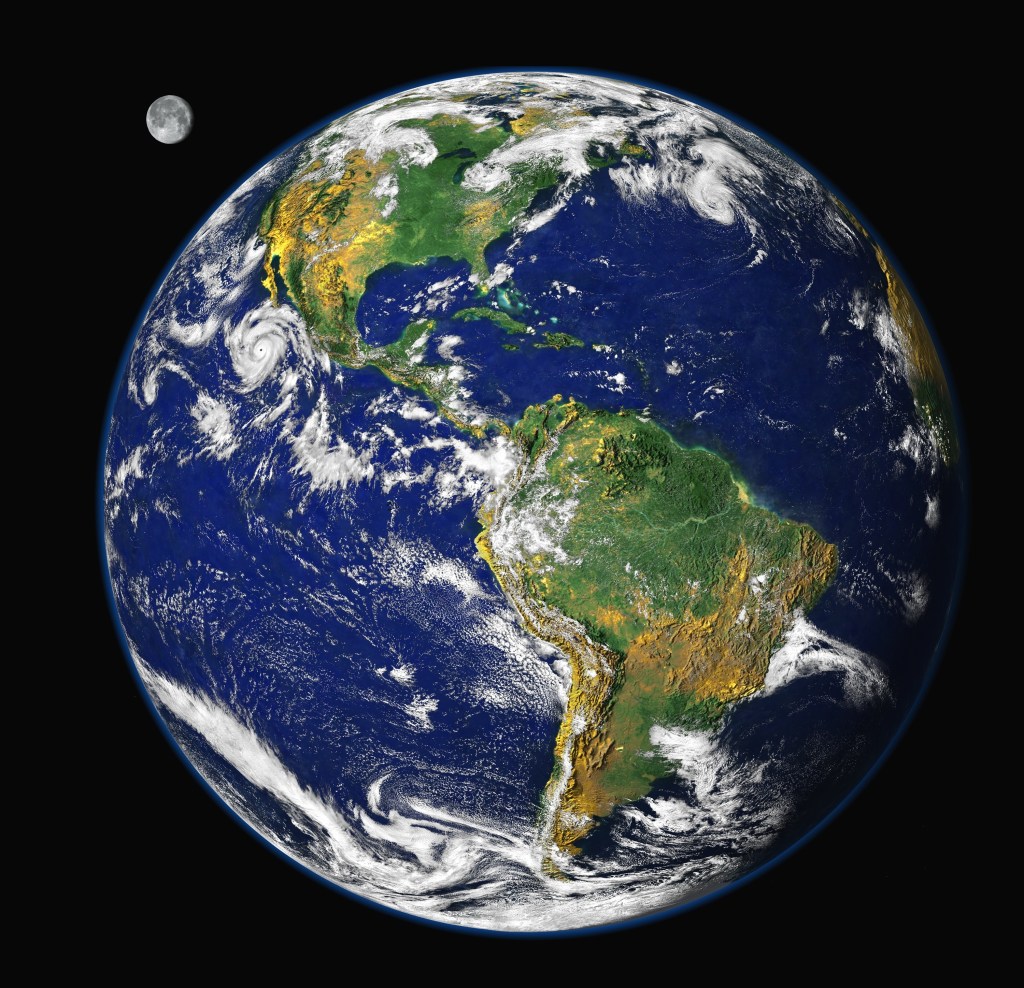
PLANET EARTH

Earth, our home planet, is a world unlike any other. The third planet from the sun, Earth is the only place in the known universe confirmed to host life.

With a radius of 3,959 miles, Earth is the fifth largest planet in our solar system, and it’s the only one known for sure to have liquid water on its surface. Earth is also unique in terms of monikers. Every other solar system planet was named for a Greek or Roman deity, but for at least a thousand years, some cultures have described our world using the Germanic word “earth,” which means simply “the ground.”

Our dance around the sun

Earth orbits the sun once every 365.25 days. Since our calendar years have only 365 days, we add an extra leap day every four years to account for the difference.

Though we can’t feel it, Earth zooms through its orbit at an average velocity of 18.5 miles a second. During this circuit, our planet is an average of 93 million miles away from the sun, a distance that takes light about eight minutes to traverse. Astronomers define this distance as one astronomical unit (AU), a measure that serves as a handy cosmic yardstick.

Earth rotates on its axis every 23.9 hours, defining day and night for surface dwellers. This axis of rotation is tilted 23.4 degrees away from the plane of Earth’s orbit around the sun, giving us seasons. Whichever hemisphere is tilted closer to the sun experiences summer, while the hemisphere tilted away gets winter. In the spring and fall, each hemisphere receives similar amounts of light. On two specific dates each year called the equinoxes both hemispheres get illuminated equally.

Many layers, many features

About 4.5 billion years ago, gravity coaxed Earth to form from the gaseous, dusty disk that surrounded our young sun. Over time, Earth’s interior which is made mostly of silicate rocks and metals differentiated into four layers.

At the planet’s heart lies the inner core, a solid sphere of iron and nickel that’s 759 miles wide and as hot as 9,800 degrees Fahrenheit. The inner core is surrounded by the outer core, a 1,400-mile-thick band of iron and nickel fluids. Beyond the outer core lies the mantle, a 1,800-mile-thick layer of viscous molten rock on which Earth’s outermost layer, the crust, rests. On land, the continental crust is an average of 19 miles thick, but the oceanic crust that forms the seafloor is thinner about three miles thick and denser.

PLANET “EARTH”

Earth, our home planet, is a world unlike any other. The third planet from the sun, Earth is the only place in the known universe confirmed to host life.

With a radius of 3,959 miles, Earth is the fifth largest planet in our solar system, and it’s the only one known for sure to have liquid water on its surface. Earth is also unique in terms of monikers. Every other solar system planet was named for a Greek or Roman deity, but for at least a thousand years, some cultures have described our world using the Germanic word “earth,” which means simply “the ground.”

Our dance around the sun

Earth orbits the sun once every 365.25 days. Since our calendar years have only 365 days, we add an extra leap day every four years to account for the difference.

Though we can’t feel it, Earth zooms through its orbit at an average velocity of 18.5 miles a second. During this circuit, our planet is an average of 93 million miles away from the sun, a distance that takes light about eight minutes to traverse. Astronomers define this distance as one astronomical unit (AU), a measure that serves as a handy cosmic yardstick.

Earth rotates on its axis every 23.9 hours, defining day and night for surface dwellers. This axis of rotation is tilted 23.4 degrees away from the plane of Earth’s orbit around the sun, giving us seasons. Whichever hemisphere is tilted closer to the sun experiences summer, while the hemisphere tilted away gets winter. In the spring and fall, each hemisphere receives similar amounts of light. On two specific dates each year—called the equinoxes—both hemispheres get illuminated equally.

Many layers, many features

About 4.5 billion years ago, gravity coaxed Earth to form from the gaseous, dusty disk that surrounded our young sun. Over time, Earth’s interior—which is made mostly of silicate rocks and metals—differentiated into four layers

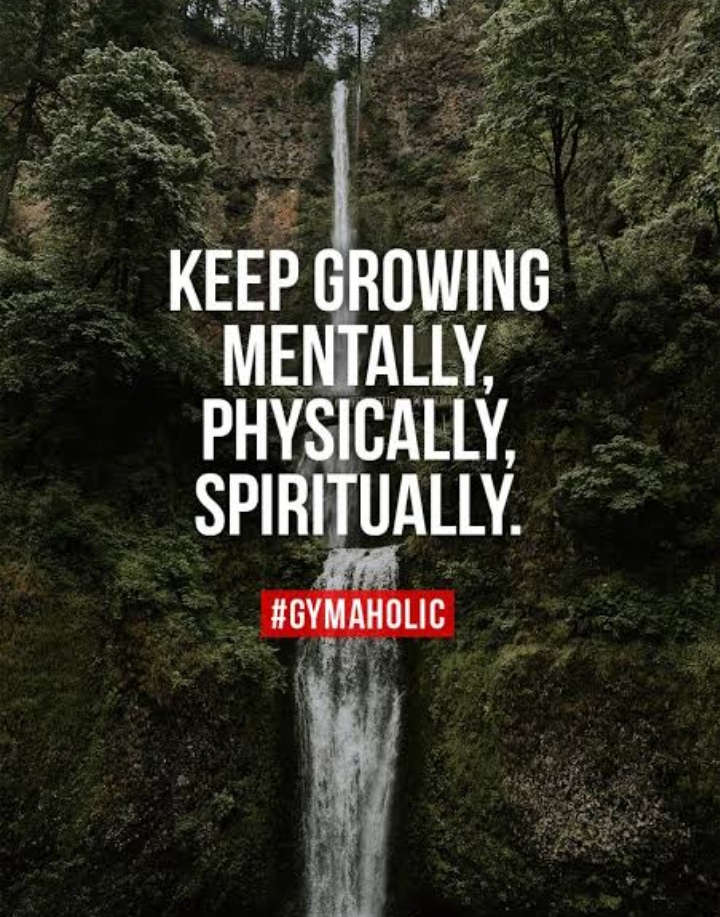
To Grow Mentally and physically

Growing mentally and growing physically are two completely different things. Growing mentally refers to a person’s psychological growth the way we think and deal with different situations, and by what methods we develop and disseminate information. Growing up physically refers to a person’s physical growth like increased height, strength, and health. It can also refer to the development of your brain.
” The key to success is to keep growing in all areas of life mental emotional, spiritual as well as physical.” A healthy body can help your mind stay strong.when your body isn’t fit, it’s tougher to make challenging decisions.
Some of the tips will help you to improve both simultaneously.


ENRICH YOUR MIND :


keep challenging yourself to learn new things. By doing this, will gain more knowledge about things around you, and you will learn how to utilize things in a better way. Don’t let yourself get stuck in one place, either mentally or physically. Be proactive, curious, conscious and informed about the world.


Use your brain more often by doing brain exercises:


Exercising your brain means using it more. Generally the brain takes part in everything we do, but there are some types of activities which are specifically exercise our brains. Activities like doing puzzles, playing games like chess or scrabble, solving numerical problems, studying difficult topics and changing your dexterity, spatial reasoning and logic. Doing these mental exercises daily can sharpen your mind , and it can be an excellent way to strengthens neural links in your brain.


CONSUME NUTRIENTS THAT ARE GOOD FOR BRAIN:


Take in nutrients which are good for your brain. Foods that have antioxidants like vitamin c,e,b etc are good for the brain.consuming almonds and apple juice is also good for sharpening the brain.

THINK CRITICALLY :


when we hear, read or work on something, It is very important than we question everything and pay attention to details.such an approach can improve our thinking ability because it requires more brain work than mere observations.


DO PHYSICAL EXERCISES :


A healthy body means a healthy mind; regular exercise has a positive influence our brains function. The brain takes in nutrients from the blood, which makes the brain healthier. Physical exercise is essential for enhancing mental power .


EAT HEALTHY FOODS :


spend some time to examine which kinds of food bring you up and which foods bring down. Creating a diet plan can make you feel good, and gives you a sense of self-development. This will boost your sense of success.


GET BETTER SLEEP AND TAKE NAPS:


Get as much sleep as you need, around Seven or eight hours, every night. While sleeping well does not guarantee good health, it does help you to maintain many vital functions. Perhaps most importantly sleep helps you recover from the wear and tear of daily life. Major healing functions in the body such as tissue repair, music and mental growth occur almost exclusively during sleep.


SPEED TIME WITH PEOPLE :


Build a good support system with the people around you. Whether it’s your family, friends, or something else, find a group of people who are willing to support you in any circumstances. This increases flexibility and helps to provide perspective in the midst of stress and discomfort.


STAY AWAY FROM DRUGS AND ALCOHOL :
using cigarettes, alcohol, and illegal drugs damage your mental and physical health. Decreasing mental and physical stability produces” false” emotions.


FIND A GOOD LISTENER :


Find someone who is eager to listen to you, who you can talk to openly and freely. This can help you in relieving stress and anger and can heal you mentally, which ultimately has an impact on your physical health.


LAUGH MORE :


Laughter is the best medicine for human health. Human increases dopamine, and it improves memory and health.


GET RID OF BAD HABITS THAT HURT YOUR CONFIDENCE :


If you have a habit of smoking too much, drinking alcohol too much, spending too much time online, or a different habit that’s hurting your confidence, take steps to eradicate them. Study books, watch good films, play games, watch dances, and listen to songs; do the things that make you feel relaxed. Many studies suggest that watching TV and using a computer late at night is bad for your health.


STAR YOUR DAY BY THINKING ABOUT ONE GOOD THING YOU CAN DO :


Generally, it’s just a matter of deciding to do something good. Develop the habit of finding a good deed to do each day. Set aims and goals and follow through with them to attain them. By setting goals and gradually working to attain them , you will grow mentally.

Introduction to Existence

Introduction:
There are many definitions of existence but the most simple and understandable one would be that Existence is the state of being alive or being real. For example, you and your friend disagree about the existence of demons if you think it’s real and your friend doesn’t. Both of these arguments or acceptance about something is valid. Some things just exist in this world and not everyone has to be aware of it. Even if it’s not accepted, it’s existence doesn’t vanish.
It mostly deals with being alive or just simply “being”. It’s about existing, creating an impact or not but just being there is called existing. You can exist with or without having an impact or being a change in others lives. The fact that you’re aware of your surroundings is a sign that you exist and it may or may not stop until your death.


The main purpose of existing is to gain information, learn new things, be productive, useful, to help people who are in need and gain new experiences. When you exist, being nice to others and helping their existence go smoothly so yours won’t be too difficult on you is important. To make sure you live your life to the fullest, be happy, spread happiness and being resourceful can make you more happier.


Some of many synonyms of existence are actuality and reality. As the name suggests, actuality is basically talking about facts, about why things happen which also tells us that everything that happens, happens for a reason. Throughout our entire existence we would have experienced different kinds of situations where we would have stopped to think about what’s happening, why is it happening and that “thinking” is what gives our existence meaning.


There is no exact definition of existence but Existence is the ability to interact with physical or mental reality. Reality is completely based on truth, it’s an “at the moment” kind of thing, it’s about our surroundings and how it affects us or how we react to it when we exist, we can also call it the real deal. Reality is what’s happening right now and how we choose to gain from it. Being aware of your surroundings, taking mental notes about what’s happening around you, trying to learn new things and showing interest in objects and even trying to find happiness in the smallest of things is a sign of your existence.


Aristotle developed a comprehensive theory of being, according to which only individual things, called substances, fully have to be, but other things such as relations, quantity, time, and place have a derivative kind of being, dependent on individual things.


At first, people thought that existence is just being there but as time passed people learnt more about life and the meaning behind existing and realised it is all about how we spend our time, how well me make use of our resources and how much our existence has mattered to us and other people.


Conclusion:
Every existing being is important, every being is important in it’s own way and it’s our duty as fellow existing beings to respect each and every being.

STRESS MANAGEMENT :Give your stress wings and let it fly away.

Set peace of mind as your highest goal, and organise ur life around it.

What is stress?

Stress is a natural feeling of not being able to cope with specific demands and events. However, stress can become a chronic condition if a person does not take steps to manage it.

Stress is the body’s natural defense against predators and danger. It causes the body to flood with hormones that prepare its systems to evade or confront danger. People commonly refer to this as the fight-or-flight mechanism.

When humans face a challenge or threat, they have a partly physical response. The body activates resources that help people either stay and confront the challenge or get to safety as fast as possible.

The body produces larger quantities of the chemicals cortisol, epinephrine, and norepinephrine. These trigger the following physical reactions:

  • increased blood pressure
  • heightened muscle preparedness
  • sweating
  • alertness

These factors all improve a person’s ability to respond to a potentially hazardous or challenging situation. Norepinephrine and epinephrine also cause a faster heart rate.

Stress is your body’s response to changes in your life. Because life involves constant change ranging from everyday, routine changes like commuting from home to work to adapting to major life changes like marriage, divorce, or death of a loved one there is no avoiding stress

Your goal shouldn’t be to eliminate all stress but to eliminate unnecessary stress and effectively manage the rest. There are some common causes of stress  that many people experience, but each person is different.

Causes of stress.

stress can be the reason behind high blood pressure.

Stress can come from many sources, which are known as “stressors” Because our experience of what is considered “stressful” is created by our unique perceptions of what we encounter in life (based on our own mix of personality traits, available resources, and habitual thought patterns), a situation may be perceived as “stressful” by one person and merely “challenging” by someone else.

Simply put, one person’s stress trigger may not register as stressful to someone else. That said, certain situations tend to cause more stress in most people and can increase the risk of burnout stress management

How can we manage our stress?

Stress can be effectively managed in many different ways.

Exercise

Physical activities can help in improving your sleep. And better sleep  means better stress management. Doctors don’t yet know exactly why, but people who exercise more tend to get better deep “slow wave” sleep that helps renew the brain  and body. Just take care not to exercise  too close to bedtime, which disrupts sleep for some people.

Exercise also seems to help mood. Part of the reason may be that it stimulates your body to release a number of hormones like endorphins and endocannabinoids that help block pain, improve sleep, and sedate you. Some of them (endocannabinoids) may be responsible for the euphoric feeling, or “runner’s high,” that some people report after long runs.

People who exercise also tend to feel less anxious and more positive about themselves. When your body feels good, your mind often follows. Get a dose of stress relief with these exercises:

  • Running
  • Swimming
  • Dancing
  • Cycling
  • Aerobics

Diet

The benefits of eating health foods extend beyond your waistline to your mental health. A healthy diet  can lessen the effects of stress, build up your immune system, level your mood, and lower your blood pressure. Lots of added sugar  and fat  can have the opposite effect. And junk food can seem even more appealing when you’re under a lot of stress.

To stay healthy and on an even keel, look for complex carbohydrates, lean proteins, and fatty acids found in fish, meat, eggs, and nuts.

Antioxidants  help too. They protect your cells against damage that chronic stress can cause. You can find them in a huge variety of foods like beans, fruits, berries, vegetables, and spices such as ginger.

Scientists have pinpointed some nutrients that seem to help lessen the effects of stress on the body and mind. Be sure to get enough these as part of a balanced diet:

  • vitamin C
  • Magnesium
  • Omega-3 fatty acids

Sleep

A common side effect of stress is that you may struggle to fall asleep. If this happens three times a week for at least 3 months, you may have insomnia, an inability to fall and stay asleep. Lack of sleep can also add to your stress level and cause a cycle of stress and sleeplessness

Better sleep habits can help. This includes both your daily routine and the way you set up your bedroom. Habits that may help include:

  • Exercise regularly.
  • Get out in the sunlight.
  • Drink less alcohol and caffeine  close to bedtime.
  • Set a sleep schedule.
  • Don’t look at your electronics 30-60 minutes before bed.
  • Try meditation  or other forms of relaxation at bedtim

The role of your bedroom in good sleep hygiene also is importantYour bed also plays an important role. Your mattress should provide support, space and most of all, comfort.

Relaxation Techniques

Yoga. This is a form of exercise, but it can also be a meditation. There are many types of yoga. The ones that focus on slow movement, stretching, and deep breathing  are best for lowering your anxiety  and stress.

Meditation. It has been around for over 5,000 years for a reason. Meditation works well for many people and has many benefits. It can lower stress, anxiety, and chronic pain as well as improve sleep, energy levels, and mood. To meditate, you will need to:

  1. Find a quiet place.
  2. Get comfortable (sitting or lying down).
  3. Focus your attention on a word, phrase, object, or even your breath.
  4. Let your thoughts come and go and do not judge them.

Deep breathing. When you practice deep breathing, you turn on your body’s natural ability to relax. This creates a state of deep rest that can change how your body responds to stress. It sends more oxygen to your brain and calms the part of your nervous system that handles your ability to relax.

Try belly breathing. Get comfortable, close your eyes, and place one hand on your stomach  and the other on your chest. Take a deep breath in through your nose. You should feel your belly rise more than your chest. Now, exhale through your nose and pay close attention to how your body relaxes. Repeat.