Why Diet Pills, Fat Burners, And Herbal Tea Harm Are Harmful To Our Health?

Excessive weight gain is known for causing a great deal of stress in so many individuals. It restricts your capacity to appreciate life’s joys in the same manner which others do. Excess weight restricts breathing and movement, increases tiredness, and is very harmful to the heart.

There’s also the difficulty of getting clothing that fits you properly. To maintain the body in shape, health specialists recommend a healthy weight control regimen. They advise you to consume less portions of specific foods and to exercise to burn calories and extra body fat. And when this isn’t possible through diet and exercise, many people turn to diet pills, fat burners and herbal tea to help them lose weight. 

Weight loss pills are frequently labelled as ‘organic’ or ‘herbal.’ It doesn’t mean they’re safe to consume in large quantities. Furthermore, nutritional supplements and weight reduction medications are not required to go through stringent quality and safety review processes by appropriate regulatory bodies.

These products can be easily sold despite the fact that they lack solid scientific data from well-designed clinical control studies to demonstrate its efficacy and safety. Herbal slimming tea, detox juices, morning smoothies, and meal replacements are all common weight loss aids.

According to Allied Market Research, the weight loss and weight management diet market was valued at $192.2 billion in 2019 and is expected to touch $295 billion by 2027.

What exactly do these supplements consist of?

Meal replacement smoothies, fat burners, diet pills, processed soups, weight loss tea, and other weight reduction products are made by mixing several ‘natural’ substances. These are especially popular with young people who are health enthusiasts, busy corporate professionals, and many others who might not have the time to prepare meals, eat healthily, or exercise.

Meal replacement shakes, among the most common weight reduction products, contain heavily processed ingredients like protein isolates, sweeteners, and artificial flavours. Artificial sweeteners account for around 40% of the calories for each portion of these smoothies. 

Major health issues you should look out for

These fat burners and weight reduction pills have been linked to a variety of side effects, including liver damage, hypertension, and anxiousness. There have been numerous instances of persons taking weight reduction pills suffering from immediate, clinically obvious liver damage.

A 2007 Israeli research identified 12 incidences of liver damage in individuals who used a ‘herbal’ dietary supplement, including one case each of stage I primary biliary cirrhosis and hepatitis B. Another 2010 research looked into three instances from Canada and the United States who used two popular weight loss pills. According to the investigators, all three patients’ liver biopsies revealed results consistent with drug-induced acute liver damage. All of these are red flags. Often, a temporary fix might result in long-term harm.

Many of the chemicals in fat burner tablets or powders have been linked to increased hypertension. Substances that stimulate the central nervous system (CNS) to regulate hunger, such as phenylpropanolamine, fenfluramine, and ephedrine, can raise blood pressure. Bitter orange extract, caffeine, and yohimbe supplements can cause a headache as well as anxiety.

Caffeine is a prevalent component in many  fat burners and is frequently present in high concentrations. Caffeine in excess might have a negative impact on your heart. If you have a history of cardiac problems, it is best to avoid highly caffeinated fat burners.

Many weight-loss medications/pills suppress hunger by generating an anorectic effect on the human body, which can lead to distress and diarrhoea. Nausea and vomiting may occur while using fat burners including guar gum, carnitine, green tea extract, chromium, or chitosan.

It is important to consult a healthcare expert before beginning any dietary supplement to reduce weight. Individuals who have high blood pressure, diabetes, heart disease, liver disease, or other medical problems should be especially cautious. It is always better to attempt to lose weight healthily and gradually by including a calorie-restricted diet, regular exercise, yoga, meditation, 7 to 8 hours of good rest, and good mental health into your life.

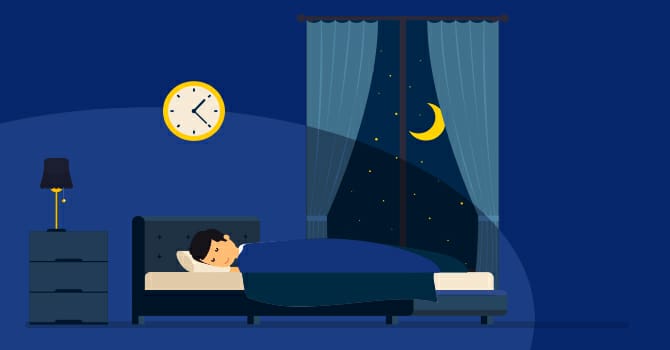
How continuous sleep loss can impact on our mental and physical health..?

Recently a new study took place to see what will happen if we sleep less than 6 hours a day and if it is continued for 8 days, what type of consequences we will face.

The results of a recent study suggest that, all it takes is three consecutive nights of sleep loss to cause our mental and physical wellbeing to greatly deteriorate.

Scientists said that minimum eight hours of sleep is necessary for an adult to main physical and mental health.

“”Many of us think that we can pay our sleep debt on weekends and be more productive on weekdays.””

“However, results from this study show that having just one night of sleep loss can significantly effects our daily functioning.”

After the study, experts said that we will experience symptoms like angry, nervous, lonely, irritable and frustrated feelings as a result of sleep loss. We will also experience more physical symptoms, such as upper respiratory issues, aches, gastrointestinal problems and other health concerns.

It is necessary and important to balance both the health and work. Take enough rest , stay healthy both physically and mentally.

GLOWING REASONS BEHIND INDIAN WEDDINGS

1 ) MEHANDI APPILICATION :

HOW : An Indian Bride apply Mehendi Designs on her both hands.

GLOW: Henna has Antiseptic properties and cooling effect helps bride to relieve from Stress, Body pain and even Fever.

MEHANDI

2)TURMERIC APPLICATION:

HOW: Turmeric paste is appilied on bride and groom faces, hands and legs.

GLOW: Turmeric paste helps to bring natural shine to face and also through its medicinal properties keeps bacteria at bay from skin.

HALDI

3)WEARING BANGLES:

HOW: More number of bangles are worn by Bride on Wrists.

GLOW: It gives hand an Astonishing look and also the Acupressure points pressed by bangles Improves Blood circulation.

BANGLES

4) WEARING TOE RINGS:

HOW: Silver Toe Rings are weared on the second toe of married bride.

GLOW: Toe rings connects Heart passing through Uterus stronger and regulates the menstrual cycle.

TOE RINGS

UNEMPLOYMENT

Unemployment occurs when a person who is actively searching for employment is unable to find work. Unemployment is often used as a measure of the health of the economy. The most frequent measure of unemployment rate, which is the number of unemployed people divided by the number of people in the labour force.

Definitions:

The state of being without any work yet looking for work is called Unemployment. Unemployment is the key for the economic indicator because it signals the ability of workers to readily obtain gainful work to contribute to the productive output of the economy. High unemployment indicate the lower output of social economy.

Types Of Unemployment:

We can divide unemployment into four types

1.Classical Unemployment: Classical, or real-wage, unemployment, occurs when real wages for a job are set above the market-clearing level, causing the number of job-seekers to exceed the number of vacancies. On the other hand, most economists argue that as wages fall below a livable wage, many choose to drop out of the labor market and no longer seek employment. That is especially true in countries in which low-income families are supported through public welfare systems. In such cases, wages would have to be high enough to motivate people to choose employment over what they receive through public welfare. Wages below a livable wage are likely to result in lower labor market participation in the above-stated scenario.

2. Cyclical Unemployment: Cyclical unemployment is the variation in the number of unemployed workers over the course of economic upturns and downturns, such as those related to changes in oil price. Unemployment rises during recessionary periods and declines during periods of economic growth. Preventing and alleviating cyclical unemployment during recessions is one of the key reasons for the study of economics and the purpose of the various policy tool that governments employ on the downside of business cycles to stimulate the economy.

3. Structural Unemployment: structural Unemployment comes about through technological change in the structure of the economy in which labor markets operate. Technological changes—such as the replacement of horse-drawn transport by automobiles or the automation of manufacturing—lead to unemployment among workers displaced from jobs that are no longer needed. Retraining these workers can be difficult, costly, and time-consuming, and displaced workers often end up either unemployed for extended periods or leaving the labor force entirely.

4. Frictional Unemployment: Frictional Unemployment occurs as a result of people voluntary changing job within an economy. After a person leaves a company, it naturally takes time to find another job. Similarly, graduates just entering the workforce add to frictional unemployment. Usually, this type of unemployment is short-lived. It is also the least problematic from an economic standpoint. Frictional unemployment is a natural result of the fact that market processes take time and information can be costly. Searching for a new job, recruiting new workers, and matching the right workers to the right jobs all take time and effort, resulting in frictional unemployment.

Measurement:

Though many people care about the number of unemployed individuals, economists typically focus on the unemployment rate, which corrects for the normal increase in the number of people employed caused by increases in population and increases in the labour force relative to the population. The unemployment rate is expressed as a percentage and calculated as follows:

Text Box: *100

GitHub Copilot

GitHub Copilot is an AI service which suggests line completions and entire function bodies as a programmer types. GitHub Copilot is powered by the Open-AI Codex AI system. It is trained on public Internet text and millions of lines of code that are publicly available on websites like StackOverflow, GeeksforGeeks, and many more. While Copilot might be a major time saver that many people would consider “magic” ,it’s also been met with criticism by other developers, who worry that the tool could violate individual users’ copyrights.

How Copilot works?

GitHub describes Copilot as the AI equivalent of pair-programming, which is a term coined for two developers who work together at a single computer. Pair programming is when one developer write code for the problems stated and the other observes and make changes(debugging). In practice, though, Copilot is more of a time saver, which integrates the resources that developers might otherwise have to look up elsewhere. As users type into Copilot, it will suggest lines/blocks of code to add by just clicking a button. That way, they don’t have to spend time searching through various documentations or looking up sample code on sites like StackOverflow.

GitHub also wants Copilot to get more efficient over time based on the collected data from users. So whenever users accept or reject Copilot’s suggestions, its powerful machine learning model will use that feedback to improve future suggestions. This would make Copilot only better with time

Criticism

Not long after Copilot’s launch, many developers started ranting about the use of public code to train the tool’s AI. The major concern being commercial use of open source code without proper licensing. The major reason why developers are criticizing it is: Microsoft, the company that owns GitHub, has access to all the repositories. Training a machine learning model that uses all the public repositories and charges a subscription fee for others to use it will benefit Microsoft. So what do people who contribute to open-source get in return? The tool could also leak personal details that the developers may have posted publicly.

Microsoft’s Policy

The developers, programmers and the open-source community cannot complain, nor can they sue Microsoft. This is because there are absolutely no rules or regulations on how Microsoft plans to use open-source repositories. Even if the open source community decide to sue Microsoft, that would just mean a new set of rules would be imposed on how open-source software is used

The open-source community has mixed feelings regarding Microsoft’s Policy. Some people think that GitHub Copilot doesn’t work the way it’s advertised. A large portion of what Copilot outputs is already full of copyright/license violations, even without extensions. Some think, the code is still AI generated and not a copy-paste block from some repository, so the production is still the programmer’s responsibility.

Conclusion

It’s true that Microsoft is using the public repositories for their own good, but there are no laws based on which people can sue them. This is why most are moving their code from GitHub. It’s indeed copyright infringement for sure, but it’s going to be a little longer before Copilot will deliver a genuine productivity boost. Right now, the suggested snippets do look very accurate, but when dug beneath the surface and you will find that it doesn’t always do what you expected. Can we really find ourselves working with an AI pair-programmer in the future? As for now, it does look skeptical. But with Copilot, the future doesn’t look so far off.

Sleeping is Important !!!

Sleeping is a state of mind which occurs naturally, repetitively and is often characterized by altered consciousness. Sleeping is a very important yet neglected component of ones physical and mental well being. Our body repairs itself when we’re sleeping. Having a good sleep for at least 8 hours have several health benefits.
Sleeping has a direct effect on concentration, productivity, performance and cognition. Lower sleep patterns lead to memory loss, lack of concentration, fatigue, mood swings, irritability etc. With lack of sleep, it is difficult to remember details because it is sleep that enables us to learn and memorise stuff. A good sleep on the other hand provides better performance, more energy, faster speed, better coordination and better mental performance and functioning.
Lack of sleep also causes the person to have an unhealthy lifestyle. This can lead to heart diseases or hyper tension. Getting adequate sleep enables the body to regulate the blood pressure. Less sleep leads to increased blood pressure which can cause strokes, cardiac problems etc. Adequate sleep boosts the immune system of the body. Inadequate sleep and a consequent lowered immunity are welcoming signs for acute diseases.
The mental wellbeing of an individual is very much affected by his sleeping habits. A proper sleep is a mood booster. While we are asleep, our brain processes our emotions. Lack of sleep causes and individual to have more negative thoughts than positive one. Over the years, through researches, it has been found that lack of sleep causes depression in individuals. Depression may lead to morbid thoughts or suicidal tendencies. Insomnia is a condition wherein an individual persistently finds it difficult to fall and stay asleep.
Sleep is also related to social and emotional intelligence. Those people who suffer from lack of sleep on daily basis start to develop a poor emotional intelligence. They fail to recognise or acknowledge emotions or expressions of others. The level of empathy also declines in these individuals.
Sleeping properly leads to a steadier blood glucose. When we’re in deep sleep, the amount of glucose in our blood falls. People with proper sleep are less likely to develop type 2 diabetes. Regular adequate sleep also controls weight. When we’re well-rested, we’re less hungry. Being sleep deprived messes with the hormones in the brain leptin and ghrelin that are responsible for controlling appetite.
Since it is evident that sleeping is more important than we think, here are some ways one can improve his/her sleeping practices.
• The first and foremost thing to do is to have a consistent sleeping pattern. Going to bed at different times every night is a common habit for many people. However, these irregular sleeping patterns could interfere with sleep because they interrupt the body’s circadian rhythm. Going to bed at the same time every night helps the body clock predict when to induce sleep.
•Turning off the lights prior to going to sleep is also helpful. Light influences the circadian rhythm, which helps the brain and body judge when it is night time. The catch is to keep the room dark.
•Avoiding unhelpful habits like taking caffeine or using blue light emitting devices at night is very helpful. These days, our exposure to blue light has increased significantly. This has an effect on our sleeping pattern. The key is to stop using electronic gadgets at least one hour prior to going to sleep.

https://www.webmd.com/sleep-disorders/benefits-sleep-more

https://www.medicalnewstoday.com/articles/322928#21-ways-to-fall-asleep

INSPIRATIONAL QUOTES

“The soul of religion is one but encased in a multitude of forms. Wise men will ignore the outward crust and see the same soul living inside a variety of crusts.”– Mahatma Gandhi

“At the bottom of all tributes paid to democracy is the little man and woman, walking into a little booth, with that little pencil, making a little cross on paper- no amount of rhetoric or voluminous discussion can possibly diminish the overwhelming importance of the point.”– Winston Churchill

“Literacy in itself is no education. Literacy is not the end of education or even the beginning. By education I mean an all round drawing out of the best in the child and man- body, mind and spirit.” –Mahatma Gandhi

“Deliberation and debate is the way you stir the sole of our democracy.“- Jesse Jackson

“Freedom is not a matter of political decisions or new constitutions…. it is of the mind and heart and if the mind narrows itself and is befogged and heart is full of bitterness and hatred, then freedom is absent.”– Jawahar Lal Nehru

“India is the cradle of the human race, the birthplace of human speech, the mother of history, the grandmother of legend and the great grandmother of tradition. Our most valuable and most constructive materials in the history of man are treasured of India only.” – Mark Twain

“An investment in knowledge pays the best interest.“- Benjamin Franklin

“You can fool all the people some of the time and some of the people all the time but you cannot fool all the people all the time.” –Abraham Lincoln

“Workers of the world unite, you have nothing to lose but your chains; you have a world to win.” –Karl Marx

“I alone cannot change the world but I can cast a stone alone across the waters to create many ripples.” –Mother Teresa

“Just as a country cannot be ruled by another country, a class cannot be ruled by another class.” –BR Ambedkar

“It is impossible to think about the welfare of the world unless the condition of women is improved. It is impossible for a bird to fly on only one wing.“- Swami Vivekananda

NEGOTIATION SKILL: IS THERE ANY NEED TO POSSES ?

Need to invoke Negotiation Skills

Negotiation skills are not born with a child. These skills need to be developed and enhanced.

Negotiation skills teaches a person/child to be patient and understand the needs and opinions of others while giving importance to the requirements of all and finding a solution that is beneficial and acceptable to all the parties.

Negotiation skills are crucial and play an essential role in effective teamwork, decision making and managing differences and conflicts.

Thus, negotiation skills should be developed to improve the quality of communication and decisions.

Importance of Negotiation Skills

· Helps the negotiator to understand why the other party wants to make the deal.

· This understanding will help him/her to convince the party to agree with the results desired by the negotiator.

·Helps to detect the weak areas of the party and will use these areas to make the result of negotiation in favor of the negotiator.

· Enrich the presence of mind of a person.

· Makes the person analyse and reason himself/herself that why he/she is compromising for successful conduct of a deal and whether it is really beneficial to compromise for that deal or not.

Looking for tips about self improvement? Here it is.

SELF HELP

Are you aware of the phrase “change starts with you”? Here are some ways which can help you better your day to day activities and broaden your horizon. Don’t wait any further and let that positive change start from you.

https://edunewsnetwork.wordpress.com/2021/07/10/looking-for-tips-ab

1) CONCENTRATION.
• To do:
~ Meditate.
~ try playing games which requires a lot of concentration e.g. chess, puzzles and memory games.
~ get enough sleep
~ Exercise.
~ listen to music
• To avoid:
~ Loud background noise
~ avoid being around anything that can distract you
~ try not to multitask
~ avoid heavy foods
~ avoid zoning out

2) THINKING ANALYSIS.
• To do:
~ observe
~ think practically
~ ask questions
~ reasoning plays an important part in analytical thinking.
~ make sure to consider every aspect of the topic.
• To avoid:
~ don’t let emotions play a role.
~ don’t let personal conflicts cloud your judgement
~ don’t overthink it
~ don’t rush to make a decision
~ don’t stick to a single method

3) REASONING POWER:
• To do:
~ keep an open mind
~ to consider all options
~ learn more about the topic
~ frequent questioning
~ make notes
• To avoid:
~ try not to avoid others Point of view
~ don’t be quiet
~ don’t just focus on one topic but cover every topic possible
~ don’t neglect options
~ avoid being idle

4) MENTAL MATURITY.
• To do:
~ learn from experiences
~ be positive
~ accept criticism
~ be responsible
~ learn from the past
• To avoid:
~ blaming others for ones own failure.
~ don’t avoid something just because it’s difficult
~ avoid childish behavioural patterns
~ Don’t always expect positive results
~ don’t try to complete every task in a single day

5) ADJUSTMENT THINKING.
• To do:
~ empathize
~ an open mind is the key
~ consider others opinions
~ choose the best option
~ take your time
• To avoid:
~ Don’t be obsessed with just one solution
~ don’t be too headstrong
~ don’t be overconfident
~ avoid being too stressed about a situation
~ don’t be too anxious about change

6) INSIGHT
• To do:
~ ask questions like ‘why’ and ‘how’
~ take notes
~ think rationally
~ pay attention to details
~ take your time to analyze a topic.
• To avoid:
~ avoid being satisfied with the first solution
~ avoid drifting from the topic
~ Don’t be in a hurry to form a conclusion or form an analysis
~ try to avoid being a know-it-all
~ avoid being ignorant

7) MENTAL RESPONSIBILITIES.
• To do:
~ imagination
~ be creative
~ expand your horizons
~ get enough sleep
~ do something outside your comfort zone
• To avoid:
~ Don’t try to pressurize yourself.
~ don’t try to block out your thoughts
~ try not to be too invested in just one thing
~ avoid procrastination
~ avoid a negative mentality

8) ORIGINAL THINKING.
• To do:
~ find inspiration
~ read articles
~ research
~ be insightful
~ try to focus on quality rather than quality
• To avoid:
~ plagiarism
~ don’t be predicable
~ Don’t be dependent
~ don’t rely on others
~ don’t always think from your perspective

9) THOUGHT EXCHANGE.
• To do:
~ be open to opinions
~ try to listen
~ give and receive feedback
~ learn more about the topic
~ try to work with like minded people
• To avoid:
~ don’t be ignorant
~ don’t dismiss trust
~ don’t be unwilling to involve the other person
~ avoid thought stopping
~ Don’t always think from your thinking style

10) THE UNCONSCIOUS.
• To do:
~ try to remember your dreams
~ try to make sense of your dreams
~ try to understand what they’re trying to convey
~ be organised
~ be realistic
• To avoid:
~ avoid unpleasant thoughts
~ day dreaming
~ avoid not being a keen listener
~ avoid not being attentive
~ have compulsive behaviour

11) CLEAR THINKING.
• To do:
~ Go take a look at nature.
~ breathing exercise
~ get good sleep
~ listen to music
~ one thing at a time
• To avoid:
~ avoid noisy environment
~ try not to have a lot on your mind
~ avoid overlapping thoughts
~ avoid staying up for too long
~ don’t be too invested in a single problem

12) EMOTIONAL MATURITY.
• To do:
~ accept criticism
~ positive thoughts
~ always aim to reach a goal
~ take a pause and reflect
~ make wise decisions
• To avoid:
~ avoid not being straightforward
~ Don’t avoid difficult situations
~ try not to be too selfish
~ avoid thinking others have it easy
~ avoid negativity

13) LEARNING ABILITIES.
• To do:
~ read books
~ visit places
~ try to imagine yourself in a different situation
~ research
~ experience something new
• To avoid:
~ don’t try to stop learning just because you’re not immediately good at it
~ don’t move forward without a plan
~ don’t always stick to one kind of thought process
~ avoid doing all the tasks at once
~ Don’t always expect something in return

14) MIND ANIMATION.
• To do:
~ be original
~ create new things
~ have a clear mind
~ work towards a goal
~ find inspiration
• To avoid:
~ having a closed mind
~ being unprepared
~ stuck with one perspective
~ minimum understanding of the subject
~ being content with minimal information

Arts student job opportunity

As a arts student your opportunity not limited to Masters in Arts or UPSC and other government exam. Of course they are available for you. Today I will post some more amazing career option which you might not know.

MBA/MMS

Nowadays top B school are focusing on diversities. If your acads are low then the best exam would be MHCET. Many college in Mumbai don’t conduct gd-pi. If you communication skill is poor then you must aim for these mba/mms course(they mostly offer mms) .

CFA

If you are graduate (Final year) you can give CFA 1 exam. Then you will get an internship easily. And it will help you clear interview of Personal interview happens in bschool. In summer internship in mba program CFA certificate definitely help to crack it.

Law

Law give you opportunity to understand our legal system better and indepth. Many law firm recruit law graduate.

POLLINATION

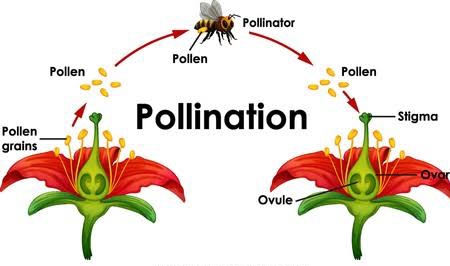
The transfer of pollen grains from anther to stigma of a flower is called as pollution.

Importance of pollination

✓It results in fertilization which leads to the formation of fruits and seed.
✓New varieties of plants are formed through new combination of genes in case of cross pollination.

Types of Pollination
✓Self-pollination
✓Cross Pollination

Self-pollination

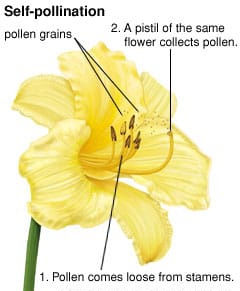
Self-pollination is also known as autogamy. The transfer of pollen grains from the anther to the stigma of same flower or another flower borne on the same plant is known as self-pollination. E.g. Hibiscus.

Cross Pollination

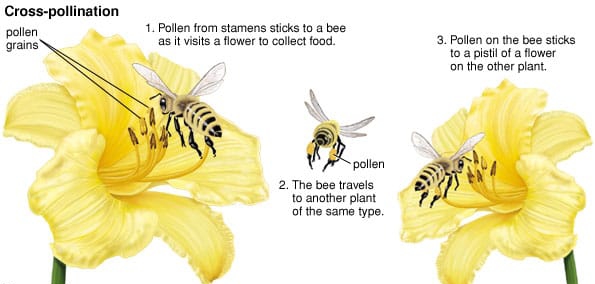
Cross Pollination is the transfer of pollen from the anthers of a flower to the stigma of a flower on another plant of the same species e.g.apples, grapes, plum, etc.

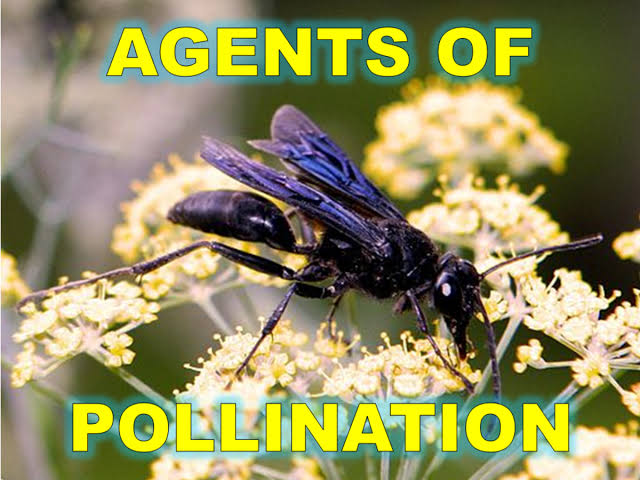
Agents of Cross Pollination

In order to bring about cross pollination, it is necessary that the pollen should be carried from one flower to another of a different plant.
This takes place through the agency of animals, insects, wind and water.

Pollination by wind

The Pollination with the help of wind is called anemophily. The anemophilous flowers produce enormous amount of pollen grains. The pollen grains are small, smooth, dry and light in weight. Pollen of such plants are blown off at a distance of more than 1,000 km. The stigmas are comparatively large, protruding and sometimes hairy to trap the pollen grains. e.g. Grasses and some cacti.

Pollination by insects

Pollination with the help of insects like honey bees, flies are called entomophily. To attract insects these flowers are brightly coloured, have smell and nectar. The pollen grains are larger in size, the exine is pitted, spiny etc., so they can be adhered firmly on the sticky stigma. Approximately, 80% of the pollination done by the insects is carried by honey bees.

Pollination by water

The pollination with the help of water is called hydrophily. This takes place in aquatic plants.
Pollen grains are produced in large numbers.
Pollen grains float on surface of water till they land on the stigma of female flowers e.g.Hydrilla, Vallisneria.

Pollination by Animals

When pollution takes place with the help of animals, it is called Zoophily. Flowers of such plants attract animals by their bright color, size, scent etc. E.g. sun bird pollinates flowers of Canna, Gladioli, etc., Squirrels pollinate flowers of silk cotton tree.

Indian National Army

The Indian National Army (INA) or Azad Hind Fauj was an armed force formed by
Indian nationalists in 1942 in Southeast Asia during World War II.
The aim of the army was to overthrow the British Raj in colonial India, with Japanese
assistance. Initially composed of Indian prisoners of war captured by Japan in her
Malayan campaign and at Singapore, it later drew large numbers of volunteers from
Indian expatriate population in Malaya and Burma.
Initially formed in 1942 immediately after the fall of Singapore under Mohan Singh, the
first INA collapsed in December that year before it was revived under the leadership of
Subhas Chandra Bose in 1943 and proclaimed the army of Bose’s Arzi Hukumat-e- Azad
Hind (The Provisional Government of Free India). This second INA fought along with
the Imperial Japanese Army against the British and Commonwealth forces in the
campaigns in Burma, Imphal and Kohima, and later, against the successful Burma
Campaign of the Allies. The end of the war saw a large number of the troops repatriated
to India where some faced trial for treason and became a galvanising point of the Indian
Independence movement.
After Indian independence, the ex-INA members, with some exceptions, were refused
service in the Indian Army. However, a number of notable members later became
involved in public life in India and in Southeast Asia.
The legacy of the INA is controversial given its associations with Imperial Japan, the
course of Japanese occupations in Burma, Indonesia and other parts of Southeast Asia,
her alliance with Nazi Germany and Fascist Italy, as well as Japanese war crimes and the
alleged complicity of the troops of the INA in these. Also, its relative insignificance in
military terms, its obvious propaganda value to the Japanese, as well as wartime British
Intelligence propaganda of cowardice and stories that associated INA soldiers in
mistreatment of captured Allied troops, to some extent mires the history of the army.
However, after the war, the Red Fort trials of captured INA officers in India provoked
massive public outcries in support of their efforts to fight the Raj, eventually triggering
the Bombay mutiny in the British Indian forces. These events in the twilight of the Raj
are accepted to have played a crucial role in its hasty end.

Donate Blood, Save Lives!

See the source image
Your few drops of Blood can be someone’s new ray of hope.

“A drop of blood can save a life! Don’t waste it and donate blood.”

Blood donation is a vital part of worldwide healthcare. It relates to blood transfusion as a life-sustaining and life-saving procedure as well as a form of therapeutic phlebotomy as a primary medical intervention. Over one hundred million units of blood are donated each year throughout the world. Donation is the only way of obtaining blood. In the presence of medical and technological advances it is wrongly thought that blood can currently be made but the only source is through blood donation. In developed countries donors are volunteers who donate for their community and whereas in developing countries many people often donate only when their family and friends need it. The prospective donors are being checked that there blood is safe for use. Specialist medical staffs are available at all times during the donation drive and it safe and painless procedure. There is no risk for donors irrespective of the age factor. There is a constant need for regular blood supply because blood can be stored for only a limited time before use. Regular blood donations by a sufficient number of healthy people are needed to ensure that safe blood will be available whenever and wherever it is needed.

Why should you donate blood

Blood is the most precious gift that anyone can give to another person the gift of life. A decision to donate your blood can save a life, or even several if your blood is separated into its components – red cells, platelets and plasma – which can be used individually for patients with specific conditions.

The reason to donate is simple because it helps to save people’s lives. In fact, every two seconds of every day, someone needs blood. Since blood cannot be manufactured outside the body and has a limited shelf life, the supply must constantly be replenished by generous blood donors only.Many patients are waiting for operation in hospital but because of non-availability of blood donors they have to wait unless they find s reliable source they have to keep on waiting. Every two seconds someone in the world needs blood which are required for surgeries, cancer treatment, chronic illnesses, and traumatic injuries etc.

Who should not donate blood

  1. Pregnant or lactating women, or those who have recently had an abortion.
  2. Persons who are on steroids, hormonal supplements or certain specified medication.
  3. Persons with multiple sexual partners or those who are addicted to drugs.
  4. Persons who have had an attack of infection like jaundice, rubella, typhoid or malaria.
  5. Persons who have undergone surgery in the previous six months.
  6. Persons who have consumed alcohol in the 12 hours prior to donation.
  7. Women should avoid donation during their menstruating period.

Blood donation is a major concern to the society as donated blood is lifesaving for individuals who need it. Blood is scarce. There is a shortage to active blood donors to meet the need of increased blood demand. One of the biggest challenges to blood safety particularly is accessing safe and adequate quantities of blood and blood products. Safe supply of blood and blood components is essential, to enable a wide range of critical care procedures to be carried out in hospitals. Interactive awareness on blood donation should be organized to create awareness and opportunities for blood donation.

LUNG CANCER

See the source image

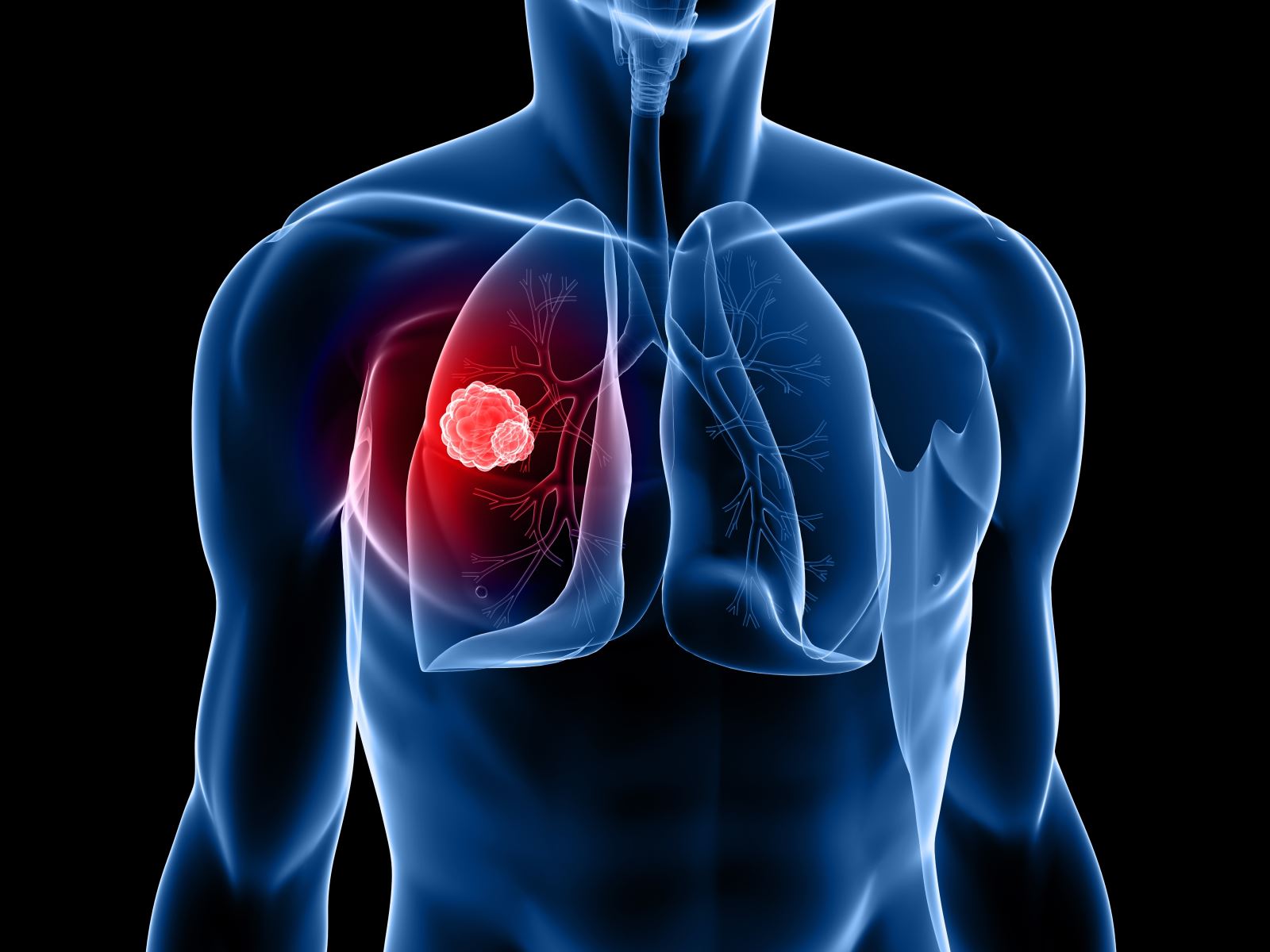
Lung cancer is a disease in which uncontrolled abnormal cell growth begins in the lungs. Lung cancer is a type of cancer that begins in the lungs. Your lungs are two spongy organs in your chest that take in oxygen when you inhale and release carbon dioxide when you exhale. Lung cancer begins in the lungs and may spread to lymph nodes or other organs in the body, such as the brain. Cancer from other organs also may spread to the lungs.  Lung cancer is the leading cause of cancer deaths worldwide. People who smoke have the greatest risk of lung cancer, though lung cancer can also occur in people who have never smoked. The risk of lung cancer increases with the length of time and number of cigarettes you’ve smoked. If you quit smoking, even after smoking for many years, you can significantly reduce your chances of developing lung cancer.

Causes of Lung Cancer:

  • Radon, a radioactive gas found naturally in soil and rocks
  • Smoking
  • Asbestos
  • Mineral and metal dust
  • Air pollution
  • Radiation treatment to your chest or breast
  • HIV/AIDS

Symptoms of Lung Cancer

Lung cancer typically doesn’t cause signs and symptoms in its earliest stages. Signs and symptoms of lung cancer typically occur when the disease is advanced. The symptoms are as follows

  • Chest pain that worsens when you breathe deeply, laugh, or a cough.
  • Hoarseness
  • A lingering or worsening cough
  • Shortness of breath
  • Wheezing
  • Weakness and fatigue
  • Loss of appetite and weight Loss
  • Coughing up phlegm or blood
  • Muscle Weakness
  • Nausea
  • Vomiting
  • High blood pressure and High blood sugar
  • Confusion
  • Coma

Prevention

  • Stop smoking. Stop smoking now. Quitting reduces your risk of lung cancer, even if you’ve smoked for years. Talk to your doctor about strategies and stop-smoking aids that can help you quit. Options include nicotine replacement products, medications and support groups.
  • Avoid secondhand smoke. If you live or work with a smoker, urge him or her to quit. At the very least, ask him or her to smoke outside. Avoid areas where people smoke, such as bars and restaurants, and seek out smoke-free options.
  • Avoid carcinogens at work. Take precautions to protect yourself from exposure to toxic chemicals at work. Follow your employer’s precautions. For instance, if you’re given a face mask for protection, always wear it. Ask your doctor what more you can do to protect yourself at work. Your risk of lung damage from workplace carcinogens increases if you smoke.
  • Eat a diet full of fruits and vegetables. Choose a healthy diet with a variety of fruits and vegetables. Food sources of vitamins and nutrients are best. Avoid taking large doses of vitamins in pill form, as they may be harmful. For instance, researchers hoping to reduce the risk of lung cancer in heavy smokers gave them beta carotene supplements. Results showed the supplements actually increased the risk of cancer in smokers.
  • Exercise most days of the week. If you don’t exercise regularly, start out slowly. Try to exercise most days of the week.

NEGOTIATION AND HOW IT ACTS BENEFICIAL

What is Negotiation

Negotiation is a very wide term which is essential everywhere.

It is not restricted within the boundaries of an organisation but is important and can be seen in our daily life.

It is a mode by which people resolve their differences.

It is a method by which adjustment or compromise is reached while avoiding quarrel or conflict.

Negotiation refers to an activity of discussing and convincing an individual, a party or a group of people to reach a state of mutual acceptance to decide or agree something.

How is Negotiation Fruitful

· Avoids disputes or arguments

· Gives a brief about strengths, weaknesses and mindset of parties involved.

· All the parties agree to compromise

· Mutual acceptance among parties

· Concludes reaching some form of settlement

· Results in best possible deals