On becoming King, Edward I rebuilt the status of the monarchy, restoring and extending key castle had fallen into despair. During the 1340s the black that arrived in England. The losses from the epidemic and the recurring plague that followed it, significantly affected events in England for many years.
Black Death The black death was the second disaster affecting Europe during the late middle age ( the first one being the great famine of 1315-1317) and is estimated to have killed 30% to 60% of the European population. In total, the plague may have reduced the world’s population from an estimate of 475 million in the 14th century. Over the next century, English forces what many campaigns in the long-running conflict that became known as 100 years’ War. The hundred years’ war was a series of conflicts in western Europe from 1337 to 1453, waged between the house of Plantagenet and the house of Lancaster, rulers of the kingdom of France. It was one of the most notable conflicts of the Middle Age, in which five generations of Kings from two rival dynasties fought for the throne of the largest Kingdom in western Europe.
Peasants Revolt The peasant revolt broke out across the south of England in 1381. There were various causes of the revolt, including the socio-economic and political tensions generated by the Black Death pandemic in the 1340s. The high taxes resulting from the conflict with France during the 100 years’ war and instability within the local leadership of London. This war is also named Wat Tyler’s rebellion or the great Rising.
War of Roses A sequence of bloody civil wars later termed the war of the roses finally broke out in 1455, spurred on by an economic crisis and a widespread feeling of poor government. The war of roses where a series of English wars for control of the throne of England fought between supporters of two Revival cadet branches of the royal house of the Plantagenet and the house of Lancaster. The conflict lasted through many periodic episodes between 1455 and 1487, but there was related fighting before and after this period between parties. The power struggle ignited around the social and financial troubles following the 100 years war stirred with the mental infirmity and weak rule of Henry VI which revived interest in the house of York claims to the throne by Richard of York.
The sun is also a star Author —- Nicola Yoon Stars -5 stars
This story is about Natasha and Daniel who meet each other in such a way that Daniel believes is destiny and Natasha believes coincidence. Natasha and her family are going to be deported to Jamaica as they are illegal immigrants . Daniel convinces Natasha to give him an our and he will make fall in love with him. This is how both of their lives turn around in just a day
I really loved the book . @nicolayoon has written this book beautifully and I fell in love with characters . I especially liked the part that the author told the backstory of each character . This book really made me believe in destiny as well as reality both at the same time . This one of the book that I would want to read again . This love story is the best love novel I have read so far
I would recommend this book to all the readers you won’t regret picking this book for a read . I am definitely adding this my favourite book of all times.
By Ishita Pillay Email- ishitapillay2004@gmail.com
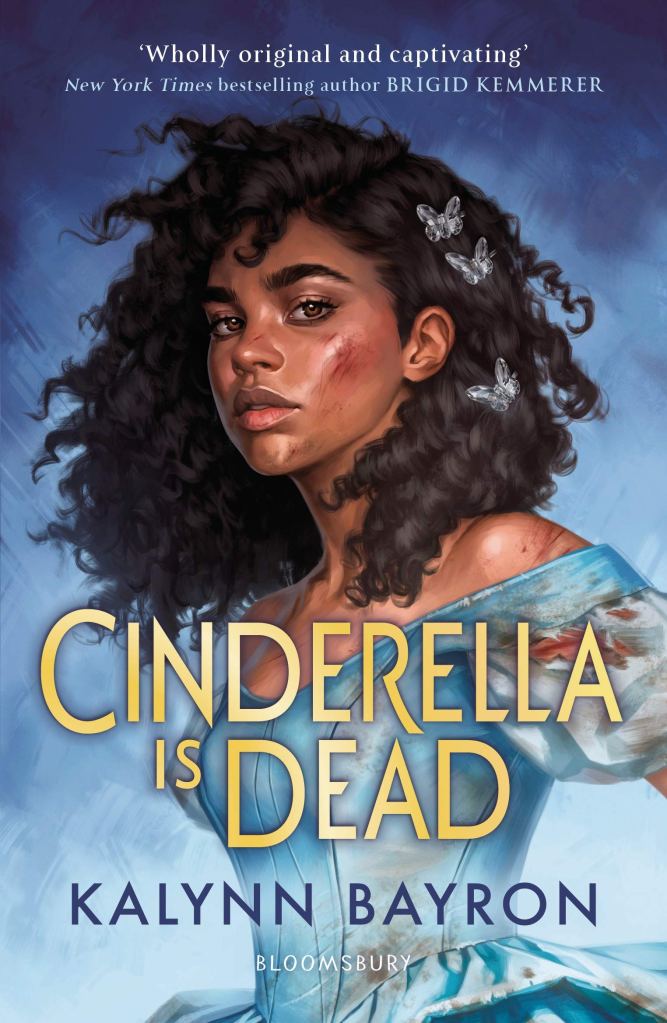
The story takes place 200 yrs after Cinderella story took place . It’s revolves around Sophia who is a lesbian and tries to rebel against the cruel king . The king has made rules that each year a ball will be held and the men will choose the women they want to marry through the ball , even if the women disagres she has to get married no matter what . Sophia doesn’t want to attend by the ball as she likes someone else. The story continues as Sophia tries to reveal the real story of Cinderella and Stop the reign of the king
I first thought this book was about Cinderella but it turned out different . I was disappointed with the way the book was written because I thought it became boring at points but it was a very different story and I liked it’s uniqueness. Even though the nature of Prince Charming’s characters was shown cruel which I don’t like. I really had q nice time reading it but definitely could have a lot more better
Spoiler alert
The fact that Fairy godmother was Charming’s mother was something I really do dint like along with the weird ending . The killing scene of king manford could have been more interesting .I liked the part that the stepsisters were shown as good characters
I would not completely recommend this book but if you are willing to try a new kind of story then this is a good read
Food is infomative carrying detailed information for every gene and every cell of your body, helping them to repair ,renew and heal or to be harmed and debilitated , depending on what you eat. Its clearly mentioned on cigarette packets that smoking is injurious to health but still people smokes.its shocking that people doubt to take vaccine but smokes even its mention there its injurious to health. India has 12 crores of tabacco users ( including tabacco chewers and smokers).One oerson dies every six seconds due to tabacco.Each cigarette shortens a smokers life by 11 minutes.Cigarette smoke contains 4800 chemicals ,69 of which are known to cause cancer. Its the need of an hour to educate our young ones about harmful effects of smoking. All the suffering, stress and addiction comes from not realizing you already are what you are looking for.You don’t need cigarettes to be complete. All the happiness, comfort and peace you seek, is already inside you. Quit smoking
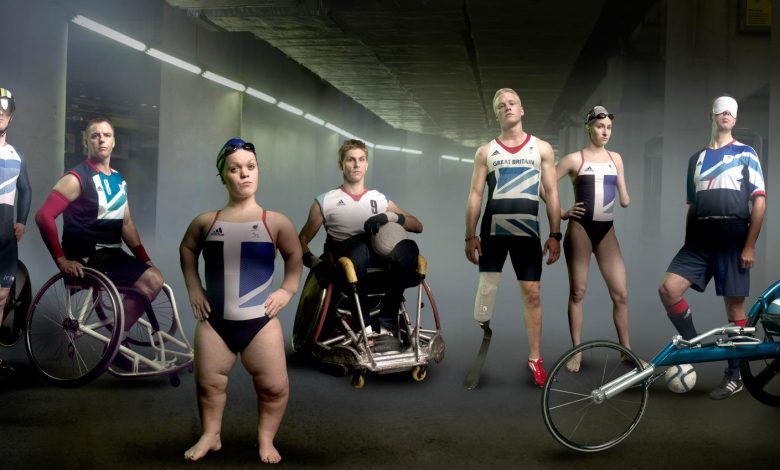
The Paralympic Games, also known as the Paralympics, are a series of international multi-sport events that feature athletes with a variety of disabilities, such as impaired muscle power, impaired passive range of motion, limb deficiency (e.g. amputation or dysmelia), leg length difference, hypertonia, ataxia, athetosis, vision impairment, and intellectual impairment. George Eyser, a German American gymnast, was the first athlete to compete in the Olympic Games prior to the establishment of the Paralympics in 1904. In both the 1948 and 1952 Summer Olympics, Hungarian Karoly Takacs competed in shooting events. He was a left-handed shooter with a right-arm amputation. The first organized athletic event for disabled athletes that coincided with the Olympic Games took place on the day of the opening of the 1948 Summer Olympics in London, United Kingdom. Dr. Ludwig Guttmann hosted a sports competition for British World War II veteran patients with spinal cord injuries. The games were held again at the same location in 1952, and Dutch and Israeli veterans took part alongside the British, making it the first international competition of its own kind.
Ceremonies
The opening ceremony of the Paralympic Games is framed by different components, as stipulated by the Paralympic Charter. The majority of these customs were established at the Antwerp Summer Olympics in 1920.The event usually begins with the host country’s flag being raised and the national anthem being performed. Unlike the Olympic Games, the athletes parade into the stadium following the national anthem, grouped by country. The nations have entered the stadium alphabetically according to the host country’s chosen language since the 1988 Summer Paralympics, with the host country’s athletes being the last to enter. The host nation has presented creative exhibits of music, singing, dancing, and theatre that are indicative of its culture since the 1988 Summer Paralympics. Speeches are delivered to officially start the games. Finally, the Paralympic torch is carried into the stadium and passed on until it reaches the last torch bearer, who is usually a paralympic athlete from the host country, who lights the flame in the stadium’s cauldron.
After all sports events have finished, the Paralympic Games culminate with a closing ceremony. Each participating country’s flag bearers are the first to enter, followed by the athletes, who all enter together, regardless of nationality.The Paralympic flag is hoisted for the last time. With a few exceptions, the national flag of the country hosting the following Summer or Winter Paralympic Games has been hoisted while the appropriate national song has been performed since the 1988 Winter Paralympics. The Paralympic Games have come to an end, and the Paralympic torch has been extinguished.Following these mandatory aspects, the following host nation gives a brief introduction to their culture through creative exhibitions of dance and theatre.
Following the end of each Paralympic event, a medals ceremony is conducted. When an IPC member presents the winner, second, and third-place athletes or teams with their medals, they stand on top of a three-tiered rostrum.The medalists’ national flags are then raised as the gold medalist’s national anthem is performed. During the medal ceremonies, volunteers from the host country assist the authorities who give the medals and serve as flag-bearers, acting as hosts. The medal ceremony for each Paralympic event takes place one day following the event’s conclusion.
Categories
Physical, visual, and intellectual impairment are among the 10 disability categories defined by the IPC. Athletes with one of these impairments are eligible to compete in the Paralympics, however not all sports allow for all disability categories. Both the Summer and Winter Paralympics fall into these categories.
Physical Disability – Physical impairment may be divided into eight categories:
Impaired muscular power — Muscles such as those in one leg, one side of the body, or the lower half of the body create less force when they are impaired in this category (e.g. spinal cord injury, spina bifida, post-polio syndrome).
Impaired passive range of motion – The range of motion in one or more joints is gradually decreased. Acute illnesses, such as arthritis, are excluded.
Loss of limb or limb deficiency – A whole or partial loss of bones or joints as a result of disease, accident, or congenital limb deficiency (e.g. dysmelia).
Leg-length difference — A congenital defect or trauma causes significant bone shortening in one leg.
Short stature – Due to a musculoskeletal shortage of bone or cartilage structures, standing height is reduced due to shorter legs, arms, and trunk. Achondroplasia, growth hormone insufficiency, and osteogenesis imperfecta are just a few examples.
Hypertonia – Is characterised by an abnormal increase in muscular tension and a reduction in a muscle’s capacity to stretch. Hypertonia can be caused by an accident, an illness, or a condition that affects the central nervous system (e.g. cerebral palsy).
Ataxia – Ataxia is a condition in which muscle movements are not coordinated (e.g., cerebral palsy, Friedreich’s ataxia, multiple sclerosis).
Athetosis – Is characterised by unbalanced, uncontrollable movements and the inability to maintain a symmetrical posture (e.g. cerebral palsy, choreoathetosis).
Visual Impairment– Athletes have varying degrees of vision impairment, ranging from legal blindness to complete blindness. One or more components of the visual system may be impaired (eye structure, receptors, optic nerve pathway, and visual cortex).Sighted guides for athletes with vision impairments are such an important and integral component of the sport that the athlete and the guide are considered a team. Since 2012, these guides (together with sighted goalkeepers in 5-a-side football) have been eligible for their own medals.
Intellectual Disability– Athletes with substantial cognitive impairments and corresponding limits in adaptive behavior. The IPC primarily supports athletes with physical impairments, although past Paralympic Games have included the disability category Intellectual Disability. Only top athletes diagnosed with intellectual impairments before the age of 18 are eligible. The Special Olympics World Games, which are sanctioned by the International Olympic Committee, are available to all persons with intellectual impairments.
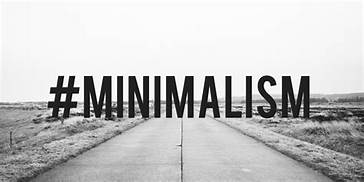
Minimalism is defined as a design or style in which the simplest and fewest elements are used to create the maximum effect. Minimalism had its origins in the arts—with the artwork featuring simple lines, only a few colors, and careful placement of those lines and colors. More recently, it has become representative of a lifestyle that aims to remove clutter from all facets of life.
Minimalism is all about owning only what adds value and meaning to your life (as well as the lives of the people you care about) and removing the rest. It’s about removing the clutter and using your time and energy for the things that remain. We only have a certain amount of energy, time, and space in our lives. In order to make the most of it, we must be intentional about how we’re living each day.
There are many different approaches to minimalism, but it’s really just a tool to help you prioritize what’s important in your life.
Joshua Becker of Becoming Minimalist offers this definition: “Minimalism is the intentional promotion of the things that bring you joy and the removal of those that do not.” It might be called simple living, tiny living, intentional living, and a myriad of other things—but there is at least one common thread: the idea of curating the things we own to best reflect our priorities and vision for our lives.
If the idea of minimalism sounds intimidating to you or if you’ve seen some images and thought, “that’s a nice idea, but I’d never want to live like that,” don’t worry. You can benefit from applying minimalism in your life whether you live in a tiny home, suburban house, or a mansion. You can use minimalism as a guiding philosophy and customize based on what works best for you.
Common Misconceptions of Minimalism
Contrary to what some people think, there aren’t any actual rules to minimalism. There’s no official board of minimalism to determine whether or not you’re doing minimalism right. Minimalism truly looks different for everyone.
You don’t have to own below a certain number of items. You can still have nice things, and no, you don’t need to get rid of your favorite collection—whether it’s books, shoes, or music. Minimalism doesn’t have to look like white-walled, modern and sparse homes you’ve probably seen in magazines and videos, a common minimalism mistake. Minimalism is also not a one and done project. It is a a continual practice to ensure everything in our lives is working for us in our vision, not against us. Its used over the years to make substantial changes in our careers, home, lifestyle, buying behaviors, etc.
Everyone can benefit from applying the principles of minimalism to their lives. It’s a process of removing distractions and things that no longer add value to our lives.
Why Minimalism Is An Effective Tool For Living An Intentional Life?
In the end, minimalism is less about owning fewer items and more about actively making choices on what kind of things truly matter to you.
We exist in a society that creates false value on owning more stuff and having no time to use them much. The constant pursuit of bigger and better is an endless cycle. There will always be a nicer car to buy, a bigger boat, a larger home, and or a faster private jet. Did you know that there’s a website for billionaires to shop? Yeah. It never ends.
It may seem like an overwhelming challenge at first, but as you untangle the life you built around owning more things, you’ll find the stress disappearing and the world starting to slow down. Those choices you make will begin to build a muscle that will fundamentally change the way you live your life.
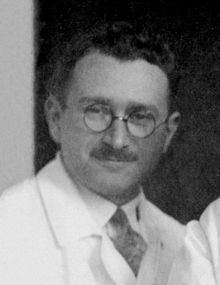
Sir Ludwig Guttmann born on 3rd July 1899 was a German- British neurologist . he was the one who established stokes Mandeville games , the sporting event for disabled which later evolved into Paralympics in England .he was a Jewish doctor, who had fled Nazi Germany just before the start of the Second World War, he is considered to be one of the founding fathers of organized physical activities for people with disabilities. By 1952, more than 130 international competitors had entered the Stoke Mandeville Games. As the annual event continued to grow, the ethos and efforts by all those involved started to impress the organisers of the Olympic Games and members of the international community. In September 1943, the British government asked Guttmann to establish the National Spinal Injuries Centre at Stoke Mandeville Hospital in Buckinghamshire Guttmann became a naturalized British citizen in 1945.[18] He organized the first Stoke Mandeville Games for disabled war veterans, which was held at the hospital on 29 July 1948, the same day as the opening of the London Olympics. All participants had spinal cord injuries and competed in wheelchairs.[17] In an effort to encourage his patients to take part in national events, Guttmann used the term Paraplegic Games. At the 1956 Stoke Mandeville Games, Guttmann was awarded the Sir Thomas Fernley Cup by the International Olympic Committee (IOC) for his meritorious achievement in service to the Olympic movement through the social and human value derived from wheelchair sports. He was also awarded with Fellow of the Royal society award.
In 1961, Guttmann founded the International Medical Society of Paraplegia, now the International Spinal Cord Society He was the inaugural president of the society, a position that he held until 1970.[20] He became the first editor of the journal, Paraplegia (now named Spinal Cord).[21] He retired from clinical work in 1966 but continued his involvement with sport.
Guttmann suffered a heart attack in October 1979, and died on 18 March 1980 at the age of 80.
Today on 3rd of July 2021 we are celebrating 122nd birthday of sir Ludwig Guttmann
We thrive to learn skills in order to make ourselves useful. But the most useful skill of all is the art of learning to do nothing. In this fast-moving world where everyone is doing something and proving themselves, a large group of people who are probably doing their best might start doubting their abilities and start to compare their success from that of others. This might form a vicious circle of never-ending doubt and low self-confidence. Over time, it might get serious and even effect a person’s ability to work or look at things with a clear perspective. However, self-acceptance and self-awareness is a tool that might help rebuilding the confidence and boosting positivity. Self-acceptance means accepting oneself completely irrespective of the flaws.
The question that arises here is that how will accepting a flaw change the situation and make us feel better?
To answer that, Acceptance is the first step to change. Acceptance does not mean that we have to live with it whether we like or not. Acceptance is the fact that we are aware of the flaw. We know the flaw and how it effects us. Acceptance means knowing and understanding the flaw. One cannot change anything without knowing the cause of the problem. Now, that we have accepted the problem and are at peace with it’s presence, we start to take small steps to change it into the way we like.
Let’s understand it in a simple way You hurt your finger while chopping vegetables. So, the first thing you do is notice the wound and clean it and then, apply appropriate antiseptic medicine. You do not deny to look at the cut and let it be to heal itself on it’s own. Moreover, if we leave a wound open it might even get infected or worse. Similarly, a flaw or a problem in our life is like a open wound. We might choose to ignore it but that will never solve the problem, rather it would make it worse. Just like the wounded finger our own wounds need to be seen and heard. It requires acceptance and then only we can choose the correct medicine or the correct way to heal it. It might be difficult to begin with as we have been conditioned to constantly find our flaws and compare ourselves with others who are better than us. But only self-awareness and acceptance can change that. One of the most promising way to do that is listening to positive affirmation before going to bed and after waking up. Repeated affirmations might help the subconscious brain to reprogram itself into believing new things and changing itself.
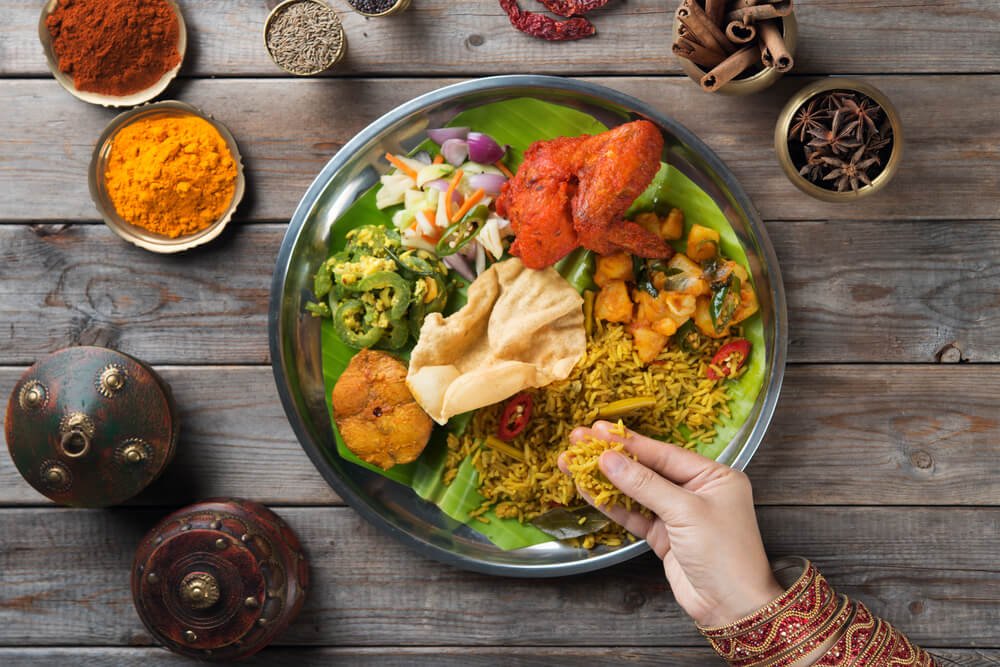
Eating with bare hand is a traditional Indian culture, which people still follow. Eating is a mindful process since the sensory organs like touch and taste are involved. Fingertips are used to feel the temperature and texture of our food. Nerves at our fingertips send a signal to our brain, and the brain activates the human body’s digestive system and further improves the digestion process. In practice, Indians sit down on the floor in comfortable clothes and eat in a big banana leaf or Saili leaf. This process activates your senses and makes you enjoy your meal.
Eating with hand is a mindful eating…
But, is it good or bad to use hands?
Stay till the end…
Imagine eating roti with a spoon and dosa with a fork. Sounds weird right? Oh well, it is!
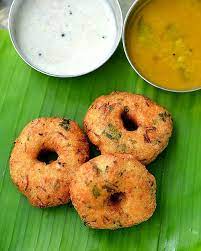
Traditional Indian foods are made to eat with hand. We use hands to eat foods like rice, chappati, vada, dosa, chicken, fish, papad, Pongal, and many more. While eating, curry is mixed with rice or stuffed in a roti that gives a flavor of multiple spices added while preparing the dish.
Rice
Roti
Fish curry
Dosa
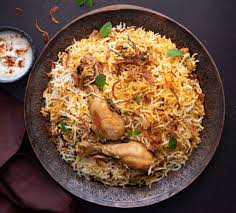
Chicken biryani
Vada chutney
Here raises a question…
Is eating with your hand “unhygienic”?
Washing hands before eating is a habit of everybody. Indian tradition follows hygiene and cleanliness during dining. The hand once used by a person to consume their food is not used to serve or to share because that is treated as ‘jootha’ meaning contamination and treated as an unhygienic way of eating. People are supposed to wash their own dishes after eating which reduces the intermixing of saliva of two individuals as a concern of one’s health.
Significance of eating with hands:
According to the ancient theory, all five fingers of our hand has its own spiritual significance and it symbolizes the 5 elements of nature.
Thumb finger- Fire
Index finger- Air
Middle finger- Space
Ring finger- Earth
Little finger- Water
Apart from those theories, it was proved that using hand while eating improves the healthy digestion of food. Our palms and fingers are protected by a bacteria called Normal Flora. Normal Flora protects our skin from harmful microbes. Hence your hand is safe to use.
Is India the only country where people eat with their hands?
Obviously Not!!
India is not the only country where people follow the tradition of eating with hands. People from large swaths like the Middle East, Africa, South Asia, South America follow the norm of using their hands to eat. Tribes in Nigeria, Amazighs (Berbers) in North Africa, Black Africa, the Arabs of the Middle East also follow this tradition.
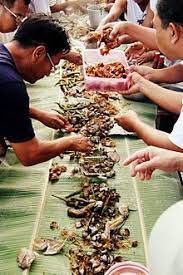
‘Kamayan‘ meaning “with hands.” Kamayan is an ancient tradition traditional Filipino practice of eating with the hands. They believe that eating with hands has its own significance than eating with fork and knife. It is also referred to specific type of Filipino feast known as the “boodle fight”.
Kamayan culture: A traditional Filipino styleEthopian eating culture
Conclusion
Remember, it’s your culture and there is nothing to be ashamed of using your hand. Every culture in this world deserves respect. This article is all about bringing out the importance of Indian culture and not to dishonor western dining etiquette. Nowadays, restaurants and cafes are all westernized. As the customs and lifestyle changes it is our responsibility to hold and accept our own culture first.
Creating an awareness among the people about the science behind our culture is the main motive of this article!!
Infosys is a Indian Multinational Company and one of the top IT company in India. Infosys was started in 1981 with just 10,000 rupees. By April 2021, the net worth of Infosys is $78.32 Billion making it one the top IT company in India. In this blog we going to discuss Who started Infosys? Growth of Infosys ? Milestones of Infosys? Infosys Tagline. Competitors of Infosys. Some interesting facts about Infosys.
WHO STARTED INFOSYS?
Infosys stands for Information Systems was started in Bangalore by the employees of Patni Computer Systems. The founders of Infosys are Narayana Murthy, Nandan Nilekani, Shibulal, Kris Gopalakrishnan, Ashok Aurora, Raghavan and Dinesh. They started the company with just 10,000 Rupees and named it Infosys Consultants. The company began in a small office room infront of Murthy’s house. For the first two years of there company they didn’t have at least one computer because they don’t have enough money. After two years they bought two computers of Data General 32 bit MV8000.
GROWTH OF INFOSYS
The growth of Infosys was started from 1993. This has been possible because of the ability to increase per capita income and attract many brightest investments.
MILESTONES OF INFOSYS
>> In 1987, they opened there first international office in Boston, USA. >> In 1994, they opened a development center at Fremont. >> In 1995, they opened there first office in European continent, UK and implemented E-business practices. >> In 1996, Infosys foundation was established. >> In 1997, they opened there office in Toronto, Canada. >> In 1999, Revenue crossed $100 million USD, Company get listed in NASDAQ, Infosys Consulting Business is launched, becomes 21st company in the world to achieve CMM level 5 certification. >> In 2000, Revenue crossed $200 million USD, Opens office in France and Hong Kong. >> In 2001, Revenue crossed $400 million USD. >> In 2002, Revenue crossed $500 Million USD, Nilekani becomes CEO of Infosys. >> In 2005, Revenue crossed $1 Billion USD. >> In 2006, Revenue crossed$2 Billion USD
INFOSYS TAGLINE
The tagline of Infosys is “Powered by Intellect, Driven by Values”
WHO ARE THE COMPETITORS TO INFOSYS
The top competitors of Infosys are TCS, Wipro and HCL. 1.TCS(Tata Consultancy Service) is one the biggest competitor of Infosys. TCS it was founded in 1968 by J R D Tata, F.C Kohli, Simit Doshi, and Jahangir Tata. Its headquarter is located at Mumbai, India. 2. Wipro(Western India products) is also one the biggest competitor of Infosys. Wipro was founded in 29 December 1945, by Azim Hasham Premji. Its headquarter is located at Bangalore, India. 3. HCL(Hindustan Computers Limited) is the 3rd top competitor of Infosys. HCL was founded in 1976 by Shiv Nadar. Its headquarter is located at Noida, India.
SOME INTERESTING FACTS ABOUT INFOSYS
As of now 2021, Infosys have 222709 employees in there company.
The revenue of Infosys in 2021 is 1.027 Trillion Indian Rupees.
Infosys was almost about to sold in the year 1989.
Pune was the first headquarter of Infosys, In 1983 they shifted to Bangalore.
Infosys have 7 founders.
Infosys is the second largest IT company after TCS in India
I hope you like this Blog, if you like please like and rate it, it gives me motivation.
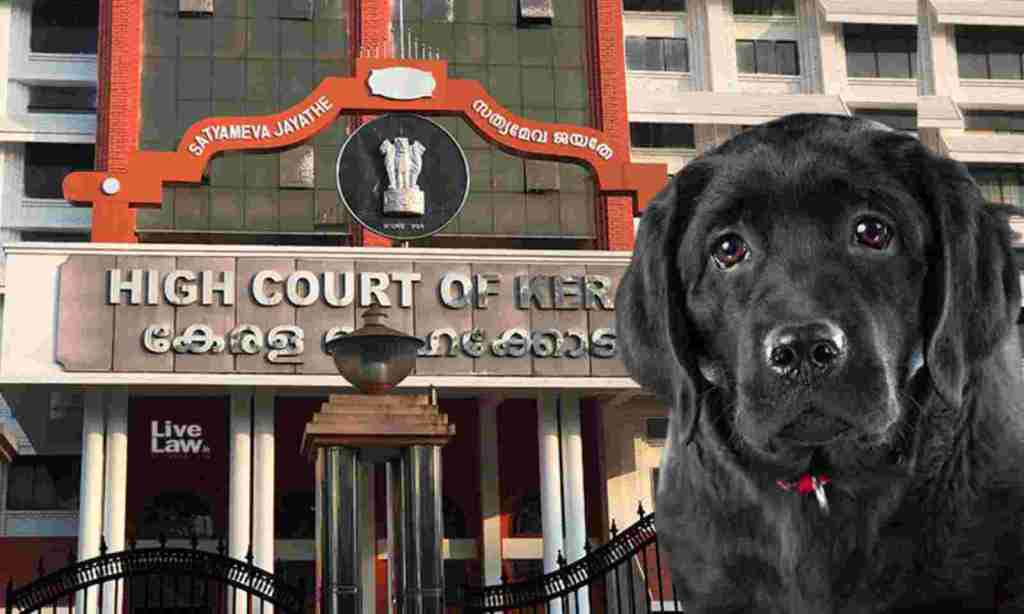
Bruno was a black Labrador who was beaten to death by two juveniles and a youth on 28th June 2021 at the Adimalathura beach in Thiruvananthapuram. The Kerala High Court took suo motu cognizance of this brutal killing and renamed the case “In Re: Bruno” to pay tribute to the dog who had to suffer gross human cruelty. Cases of animal cruelty keep coming from across the country, at least 5 animals die every day in India but the actual figure would be 10 times higher because of lack of reporting. The majority of the people do not even know the crimes they are committing and others do not know they can report it under a law. More than that nobody seems to know the freedom animals have. This article will talk about the freedoms for the animals, the Act that prevents this cruelty, and the reasons for said cruelty.
Freedoms for Animals
India is a part of the World Health Organization of Animal Health (OIE), which is responsible for animal health and welfare. It says that an animal is in a good state of welfare if it is comfortable, healthy, safe, well-nourished, and able to express its innate behaviour, and is not suffering from pain fear, and distress. Chapter 7.1.2 of the guidelines of OIE recognizes five freedoms for animals:
Freedom from hunger, thirst, and malnutrition
Freedom from fear and distress
Freedom from physical and thermal discomfort
Freedom from pain, injury, and disease
Freedom to express normal patterns of behaviour
These rights were reaffirmed in the case of Animal Welfare Board of India v A. Nagaraja and Others (2014) 7 SCC 547.
Under Article 51A(g) of the Constitution, it is the fundamental duty of the citizens of India to have compassion for living creatures, this was reaffirmed in State of Gujarat v Mirzapur Moti Kureshi Kassab Jamat and Others (2005) 8 SCC 534.
The Prevention of Cruelty to Animals Act
The Prevention of Cruelty to Animals Act, 1960 aims to prevent the infliction of unnecessary pain and suffering on animals.
Section 3 makes it the duty of the person in the care of the animal to ensure its well-being.
Section 4 establishes the Animals Welfare Board of India whose duty is to protect animals.
Section 11 specifies the types of cruelty to animals such as beating, kicking, torturing, employing an unfit animal, administering injurious drugs, confining an animal in a cage, keeping an animal chained for a long time, failing to provide the animal with food or drink (in cases where you are the owner), abandoning the animal with no reasonable reason.
Why do people abuse animals?
Many cases of animal cruelty that we get to see are the big ones where the animals are abused to the extent that they die or need emergency surgeries. But that’s not the only kind of abuse these animals suffer, there are many cases of such cruelty that take place behind closed doors which we know now include even starving your pets. Various reasons have been noted for such behaviour:
The owner lacks control in some aspect of their life and tries to gain control by abusing the animal as it is helpless.
Many cases of domestic abuse are accompanied by animal cruelty where the abuser abuses the animal to show the abusee what they are capable of.
In certain situations, it takes place because of peer pressure where the kids try to hit the dogs with stones to show they are cool and courageous.
A lot of times it is because of displacement, a defense mechanism where you are angry at some person but because you can’t take out your anger on them, you target someone less threatening and helpless.
And the most horrifying reason is where people enjoy causing pain to the animals, this condition is usually related to some psychological disorder and these people hold the chance to hurt people also.
Conclusion
Animals are living creatures and they deserve equal respect from humans, they have the right to live a painless life and it is our duty to give it to them. If you ever see any situation of animal cruelty, you can file an FIR at your nearest police station, under the Prevention of Cruelty to Animals Act.
There no question about the fact that millions of people are using Instagram. This application has taken the world by storm and the user base has rapidly doubled in the last two years. We often come across people who are earning from Instagram by sharing a snapshot on Instagram these days just like YouTubers and bloggers, these Instagrammers have reach and influenced which most of the brands are interested.
There are ways to make money on Instagram Creators go where the money flows and get money flowing in the multitude from competitor creator funds. An increasing number of creators are shifting from sponsored content to audience monetization.
1- Partner with brands: Instagram is a marketplace to help brands and creators find each other. In the meantime, eligible creators can continue to use monetize action tools in brand collabs. Brand collabs are available to those who are active business or creator accounts with 100+ hours of watch-time on original videos, 10k+ followers or thousand combine engagement, and no history of content violation.
2- Leverage affiliate links: Affiliate marketing allows influencers to earn commission from the sales they put trackable links, and promo codes shared and posts and stories or Instagram bios. Brands track influencer references depending on whether the partners in false and pay per click. Influencers interested in affiliate marketing join affiliate networks such as CJ, affiliate, pepperjam. And brand such as Missouri and the runaway operate their affiliate program.
3- Earn money from your content: Creators that have built an audience with their content that delivers entertainment or information. Creators have an increasing number of ways to earn money on Instagram. In May 2020 Instagram begin sharing revenue on 15 seconds ads played on their IGTV video this approach can take a page out of YouTube’s Playbook.
4- Sell your products or services: From the photos, filters to run away ready products lines with creating. As entrepreneurs to sell the products or services on the app could either go to the link in bio or open a separate business account for the brands. Very Soon the Instagram will open Instagram shops from their creators’ accounts as well and have access to product launch tools among other features.
5- Live badges: This allows followers to support creators during the broadcasts. Creators that release Instagram Live videos can earn “tips” from watchers in the form of heart badges. A heart icon comes next to their name in the live chat when a user purchases a badge. Instagram is starting to award creators for hitting particular Instagram Live landmarks, including live fleck and allying with different accounts.
Earning money on Instagram required genuineness. Creators should love the content they are putting out for their audience. Advocacy is the key, one should know to negotiate with big brands and agency but it’s important to stand up for fair rates to keep your career viable and growing.
Censored content that floats regulation risk began removed or find but it jeopardizes how much trust your audience will put into your recommendation. Create a blog or YouTube channel to expand your content marketing to provide information that prospective buyers want as they make their buying decisions. Use social media monitoring to stay on top of the conversation in your setup. Instagram-specific search stream into what’s happening on the platform then set alerts using who hoots. Don’t forget to keep an eye on your own Instagram stats and track what’s working with your audience and what’s not and find your sweet spot.
As per as a rate standardization goes the creator in the economy remains as widely as wild, Wild West. The amount of money that can be made on Instagram depends on the credential, audience size engagement, strategy, Hustle, and unfortunately, racism also affects how much the creator earns on Instagram.
A Natural disaster is an unforeseen occurrence of an event that causes harm to society. There are many Natural disasters that damage the environment and the people living in it. Some of them are earthquakes, cyclones, floods, Tsunami, landslides, volcanic eruption, and avalanches. Spatial extent measures the degree or severity of the disaster.
Levels of Disaster
The severity or degree of damage can be further divided into three categories:
Small Scale Disasters: Small scale disasters are those that extend from 50 Kms. to 100 Kms. So this kind of disasters does not cause much damage.
Medium-scale disasters: Medium Scale disasters extend from 100 Kms to 500 Kms. These cause more damage than a small scale disaster. Moreover, they can cause greater damage if they occur in colonial states.
Large Scale Disasters: These disasters cover an area of more than 1000 Kms. These cause the most severe damage to the environment. Furthermore, these disasters can even take over a country if the degree is high. For instance, the wiping out of the dinosaurs was because of a large scale natural disaster.
Types of Disasters
Earthquake: An earthquake is the shaking or vibrating of the earth. An earthquake can range in sizes. As a result, some are so weak that they go unnoticed. But some are so strong that they can even destroy the whole city. Earthquakes can cause disruption of ground. Moreover, the can also cause landslides, avalanches, and Tsunami. However, the center of an earthquake falls mostly offshore.
Causes: These can cause of releasing of the energy. This release is from the core of the earth. Furthermore, the release of energy causes seismic waves. Rupturing of geological faults causes earthquakes. But other events like volcanic eruptions, landslides mine blasts can also cause it.
Landslides: Landslides is the moving of big boulders of rocks or debris down a slope. As a result, landslides occur on mountains and hilly areas. Moreover, landslides can cause destruction to man-made things in many ways.
Causes: Gravitational pull, volcanic eruptions, earthquakes can cause landslides. Moreover, soil erosion due to deforestation is also a cause of landslides.
Avalanches: Avalanches are like landslides. But instead of rocks thousand tons of snow falls down the slope. Moreover, this causes extreme damage to anything that comes in its way. People who live in snowy mountains always have fear of it.
Causes: Avalanches takes places when there is a large accumulation of snow on the mountains. Moreover, they can also occur from earthquakes and volcanic eruptions. Furthermore, the chances of surviving an avalanche are very less. This is because people die of hypothermia in it.
Tsunami: Tsunami is the production of very high waves in oceans and seas. Moreover, the displacement of the ground causes these high waves. A tsunami can cause floods if it occurs near shores. A Tsunami can consist of multiple waves. Moreover, these waves have a high current. Therefore it can reach coastlines within minutes. The main threat of a tsunami is if a person sees a Tsunami he cannot outrun it.
Causes: Tsunami is unlike normal eaves that occur due to the wind. But Tsunami is waves that occur by ground displacement. Thus earthquakes are the main causes of Tsunamis.
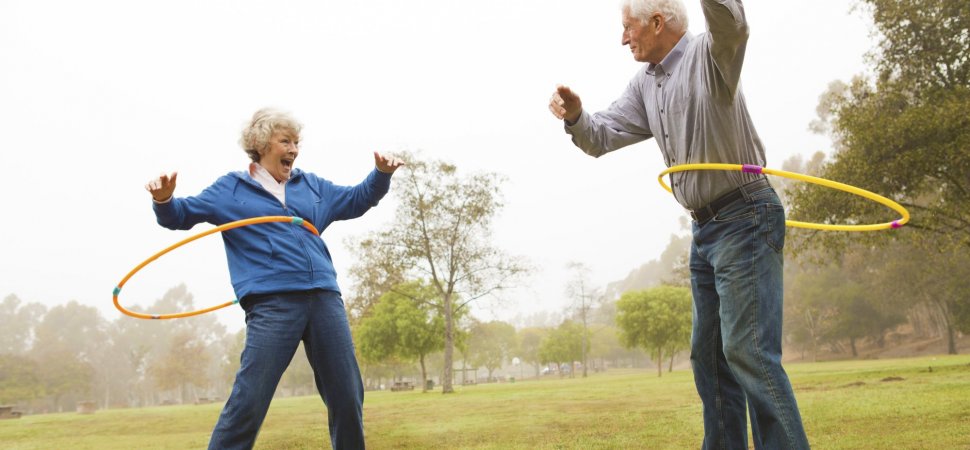
Since the last 1.5 year from facing the Outbreak of Covid-19 to the circumstances after, each and every person in the world has understood the Importance of maintaining a good Health be it physically or Mentally . COVID had been like that unknown sudden curve on the steady going road of our lives, on which we had to take a sharp turn and everything fled around with a jerk. It was something we never experienced before, perhaps it taught us a lot many things which we should have already done. Among which the most necessary lesson was to stay fit and strong, not just for saving oneself from numerously spreading diseases but also from the trauma of being locked at a place,for keeping us active and not let our bodies rust down while sitting continuously. And as we know, the best thing to do when aiming to be fit is Exercising.
INEVITABLE PART OF LIFE.
According to experts, Working out (Exercise/ Yoga) should be like a basic necessity for our everyday life like food. An individual of every age, child or adult should regularly indulge into physical activities indoor and outdoors so as to keep their body and mind functioning properly. “Yoga is not a religion. It is a science, science of well-being, science of youthfulness, science of integrating body, mind and soul” – Amit Ray. Exercising is not just an activity. Rather, you learn life lessons, with every step you take/ with every move you make. For Example, push -ups are not easy enough to be tried or done by everyone. It takes hard work to learn it and determination to carry it out with every next pull you do. It teaches that in the same way as these, it isn’t easy to reach our final destiny in life. It takes a lot of hard work to achieve success and even more determination to maintain and improve your methods to stay at that top position always.
Yoga activates your senses, boosts up immunity as well as build up the balance in you. Meanwhile, giving you the calm and showing you the relaxing impact of thoughtfulness and nurturing balance in every aspect of life. Exercising regularly improvise efficiency of your body and also keeps you fresh and happy. We all know it’s basic benefits like weight maintenance. However there’s a lot more it has to serve you with.
Let us look at a few Lesser known benefits of exercising ;
It strengthens the mind to fight depression.
It helps in relaxing the stress and occurences of muscle and joint pains due to that.
It reduces anxiety and fills you up with a sense of contentment and cheerfulness in your mind, discarding out the negativity and exuding positivity in you.
Exercising or doing other such physical activities helps releasing endorphins which are powerful chemicals in the brain cells that helps energizing your mind and spirit and makes you feel good. Moreover, when you work out regularly, your body gets into a toned shape, plus it leaves a glowing effect on your facial skin. You see positive changes in yourself including those in your outer appearance and in your inner healthy and relived self. Thus, building up your self-confidence and making you feel happier about yourself and you remain at peace with your Mental health. Hence, one should always believe in practicing exercising and yoga for keeping your present and future self healthier and delightful rather than taking hundreds of pills having thousands of side effects on your bodies.
So In Case, you are inspired well and want to infuse this habbit in your daily routine. Then, there’s these little suggestion videos for you about how to start your beginner level Exercising.,
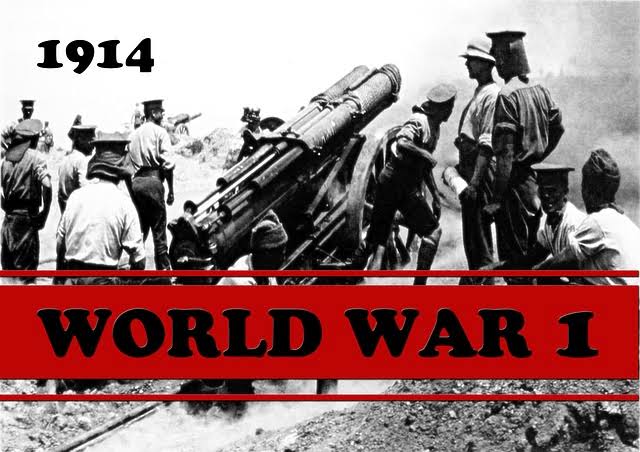
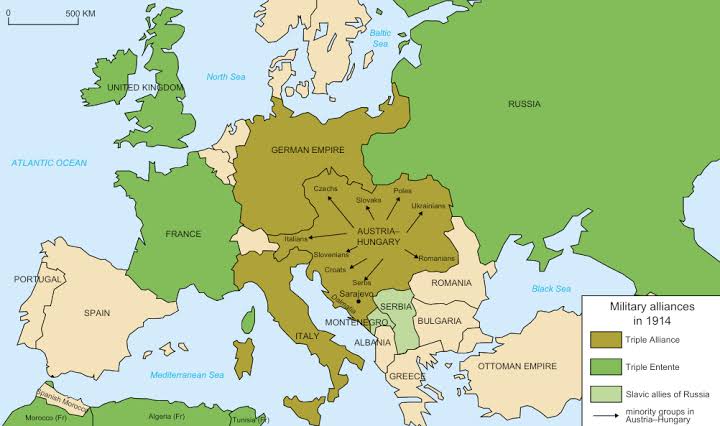
🌟In 1900 five if the European Great Powers were divided into two armed camps. 🌟The Central Powers – Germany,Austria – Hungary Italy under Bismarck formed the Triple Alliance in 1882. 🌟The other camp consisted of France and Russia with the promise of mutual help.
🌟Japan preferred to ally with Britain (1902) as it was hostile towards Russia and France. 🌟The Anglo-Japanese Alliance prompted France to seek an Alliance with Britain which resulted in the Entente Cordiale (1904). 🌟Britain an agreement with Russia and formed the Triple Entente of Britain , France and Russia.
Violent Forms of Nationalism :
🌟With the growth of Nationalism, the attitude of “my country right or wrong I support it” developed. 🌟The love for the one country demanded hatred for another country . 🌟England’s Jingoism, France’s Chauvinism and Germany’s Kultur were militant forms of Nationalism, contributing decisively to the outbreak of War.
Aggressive Attitude of German Emperor :
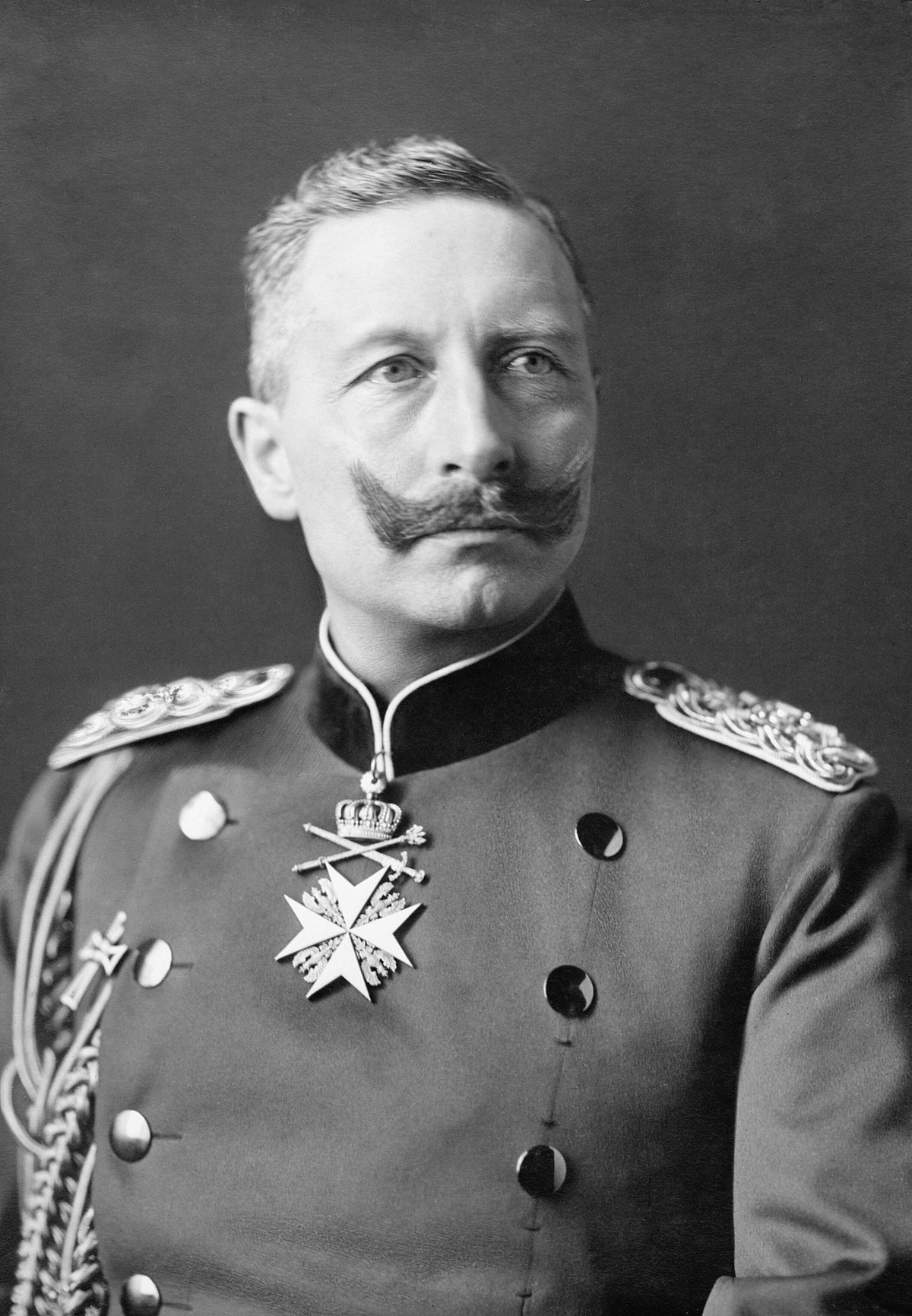
🌟Emperor Kaisers Whilhelm || of Germany was ruthlessly assertive and Aggressive. 🌟Napoleon’s defeat at Trafalgar (1805) with Germany’s Aggressive diplomacy and rapid building of naval bases convinced Britain that a Germany navy could be directed only against her. 🌟Britain embarked on a naval race, which heightened the tension between the two Powers.
Hostility of France towards Germany :
🌟France and Germany were old rivals. Bitter memories of the defeat of 1871 and loss of Alsace and Lorraine to Germany ranked in the minds of the French. 🌟German interference in Morocco added to the bitterness. 🌟The British agreement with France over Morocco was not consented by Germany as they demanded an international conference to decide on the future of Morocco.
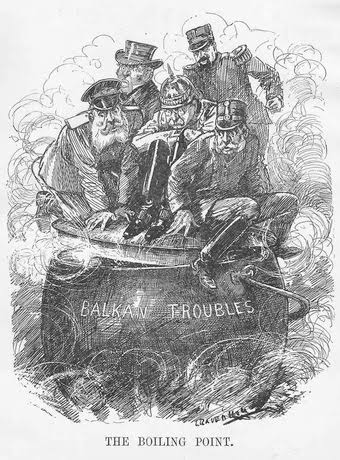
Imperial Power Politics in the Blakans :
🌟With the Young Turk Revolution of 1908, Austria and Russia resumed their activities in the Balkans. 🌟Austria announced the annexation of Bosnia and Herzegovina.
🌟Austria’s action aroused intense opposition from Serbia. Germany firmly supported Austria. 🌟The enmity between Austin Serbia led to the outbreak of war in 1914.
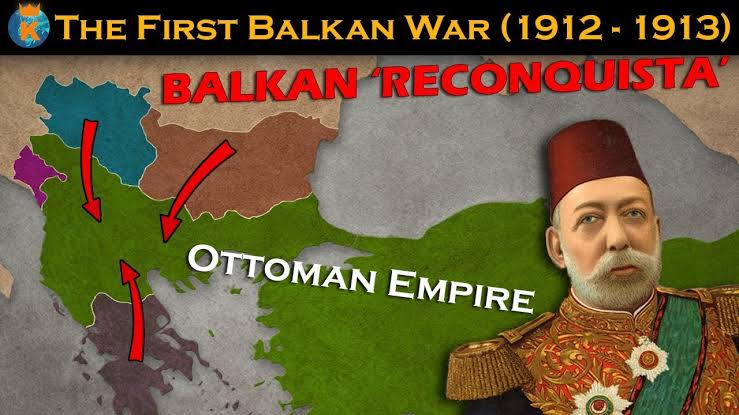
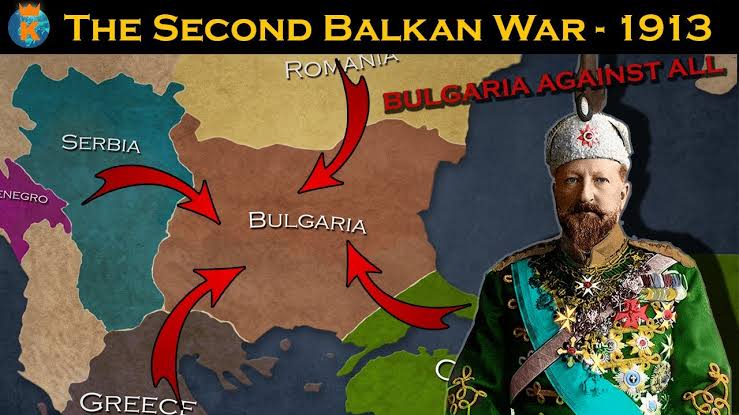
The Balkans Wars :
🌟Both the Turks and their subjects of different nationalities in the Balkans indulged in the most frightful massacres and atrocities in the Balkans. 🌟They attacked Greece, Serbial ,Bulgaria and later Montenegro for the control of it. In March 1912 they formed the Bslkan League. The League attacked and defeated Turkish forces in the first Balkan War(1912-1913).
🌟According to the Treaty of London signed in May 1913 the new state of Albania was created . 🌟The Second Balkan war ended with the signing of the Treaty of Bucharest in August 1913.
Immediate Cause :
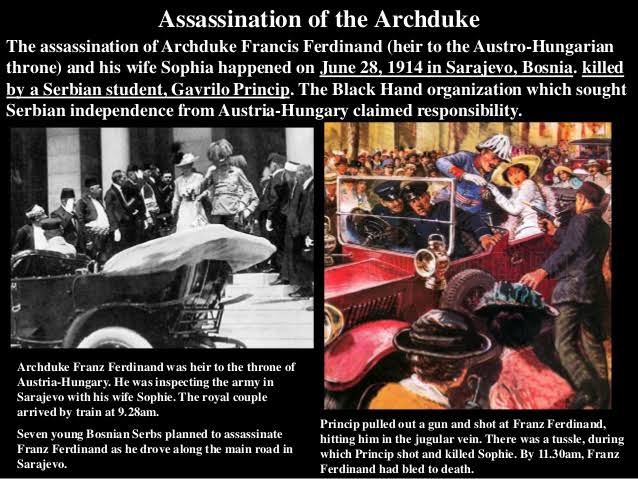
🌟The climax to the events in the Balkans occurred in Sarajevo in Bosnia. 🌟On 28 June 1914, Archdale Franz Ferdinand was assassinated by Principe, a Bosnian Serb. Austria saw in this an opportunity to eliminate Serbia as an independent state.
🌟Germany thought that it should strike first and declared war on Russia on 1st August. 🌟Germany had no quarrel with France ,but because of the Franco-Russian Alliance,the German army which was planning a war against both France and Russia wanted to use the occasion to its advantage. 🌟The German violation of Belgian neutrality forced Britain to enter war.















 Eduindex
You must be logged in to post a comment.